German Summer Traditions That Quietly Became American Traditions

From beer gardens and sizzling sausages to picnic tables, outdoor concerts and festival weekends, some of America’s most familiar warm-weather pleasures carry a distinctly German-American echo.

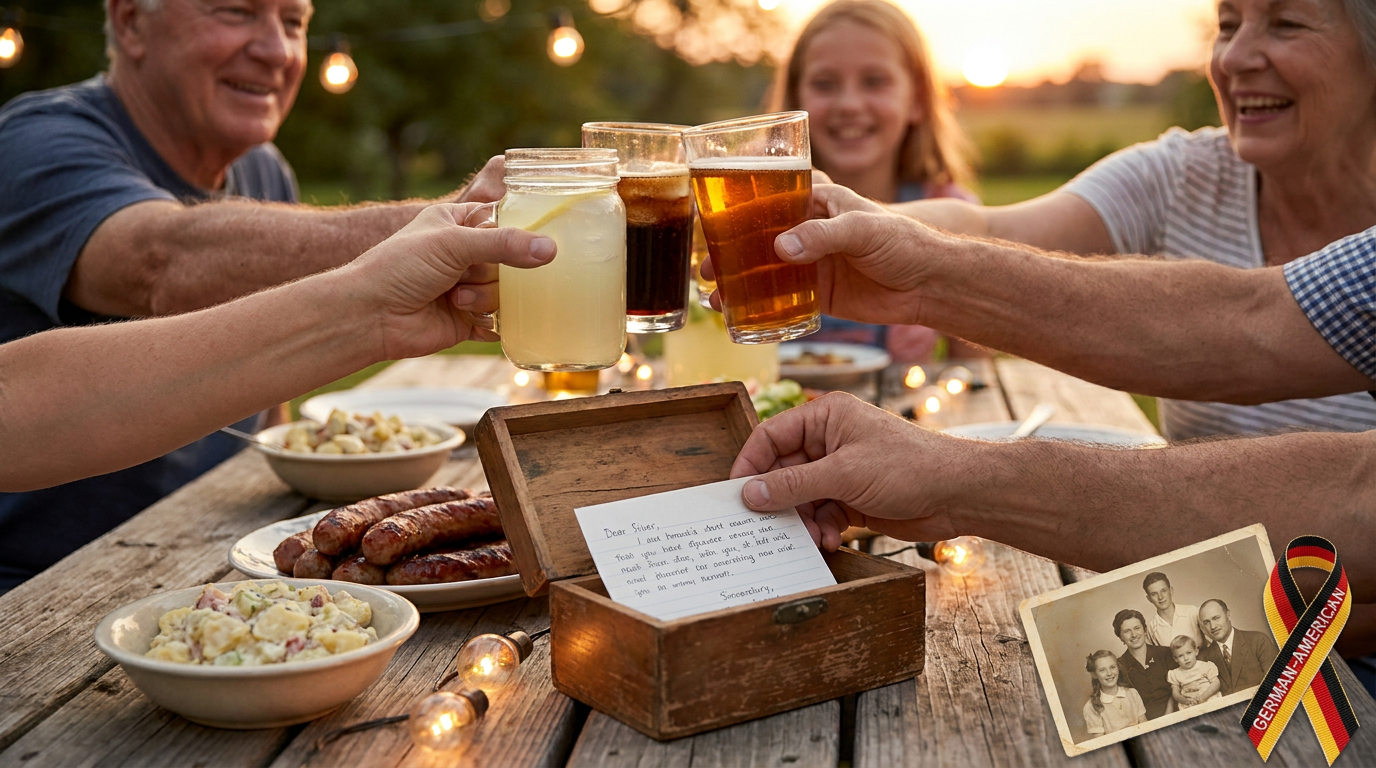
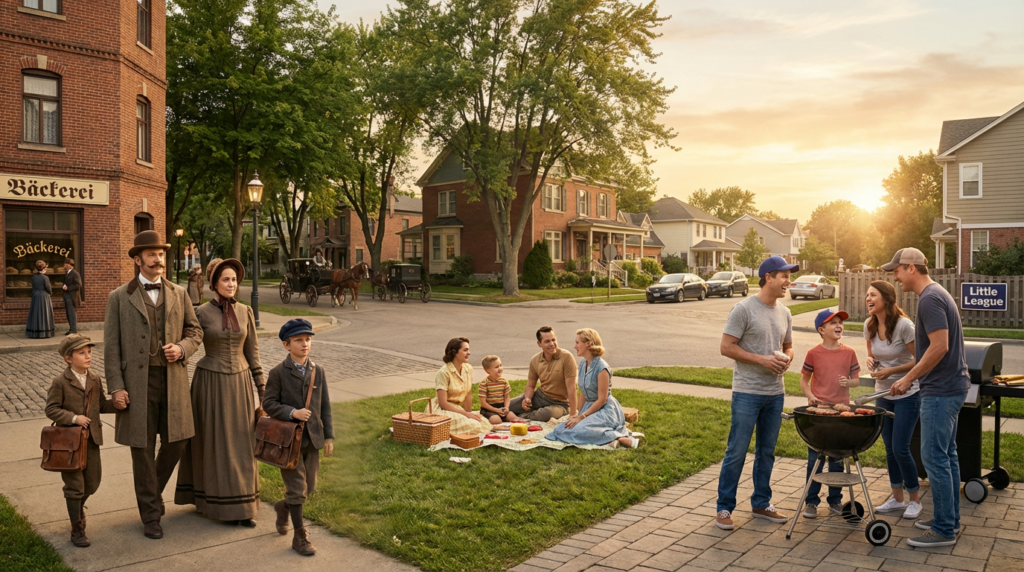
Late August has its own soundtrack in America. A grill crackles somewhere beyond the backyard fence. Glasses clink beneath patio lights. A brass band warms up at a community festival. Potato salad waits under a sheet of foil while someone asks whether the mustard is in the cooler. Children race across the grass, adults claim the shady tables, and nobody is in a hurry to go home.

It all feels thoroughly American.

And it is. But some of it is also quietly German.

Over generations, German-speaking immigrants brought more than recipes and holiday customs to the United States. They brought ways of gathering: long shared tables, family-friendly beer gardens, singing societies, athletic clubs, Sunday outings, sausage-centered meals and festivals designed to turn an ordinary patch of ground into a temporary village.

The remarkable part is not that Americans copied these customs exactly. They did something more interesting. They mixed them with traditions carried by other immigrant communities, adapted them to local climates and ingredients, and made them part of a shared summer culture. Names changed. Recipes wandered. German words disappeared from signs. Yet the rhythm remained.

“Traditions rarely cross an ocean wearing name tags. Sometimes they simply pull up a chair, pass the mustard and become part of the family.” — GERMAN HERITAGE USA

So, before summer slips into Oktoberfest season, let us look at several warm-weather traditions that traveled from German lands, grew in German-American communities—and became so familiar that many Americans no longer notice their roots.

1. The Biergarten Became America’s Favorite Kind of Patio

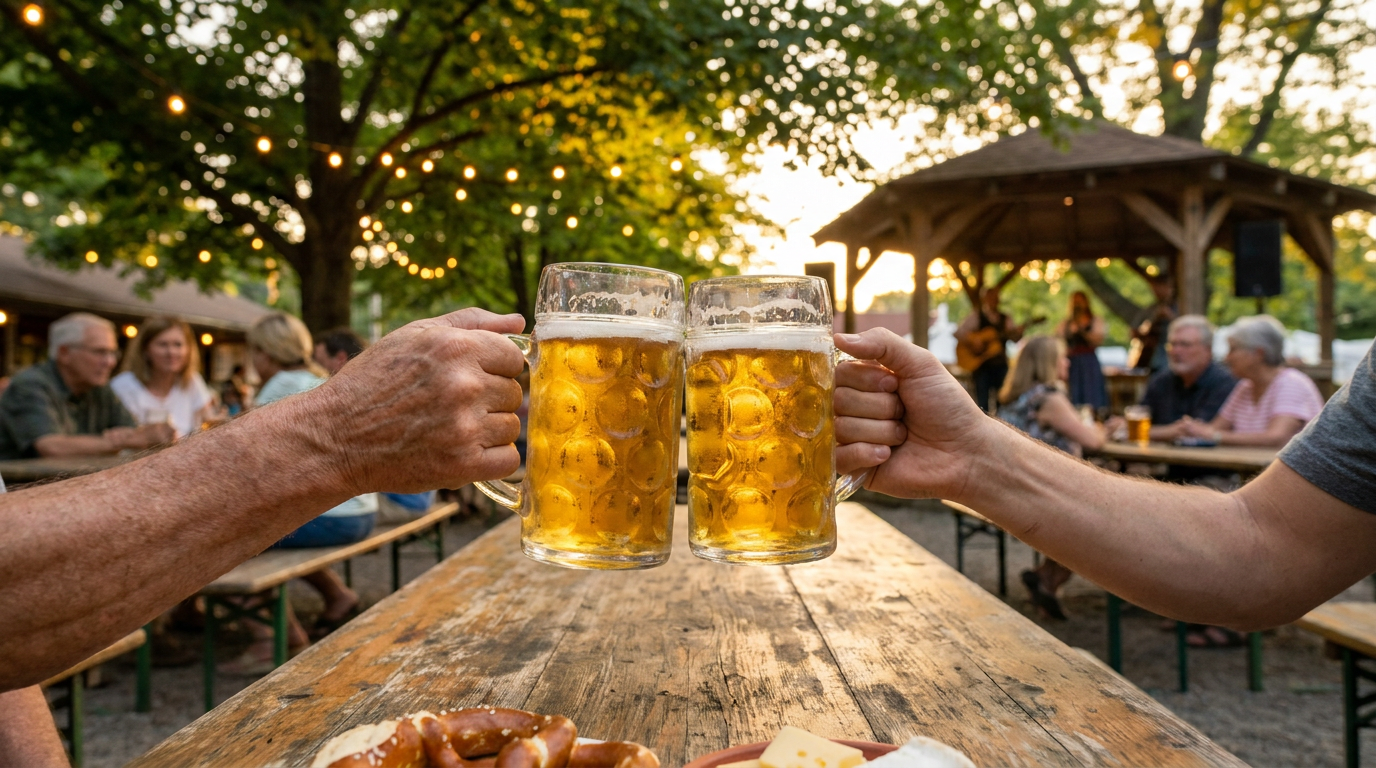
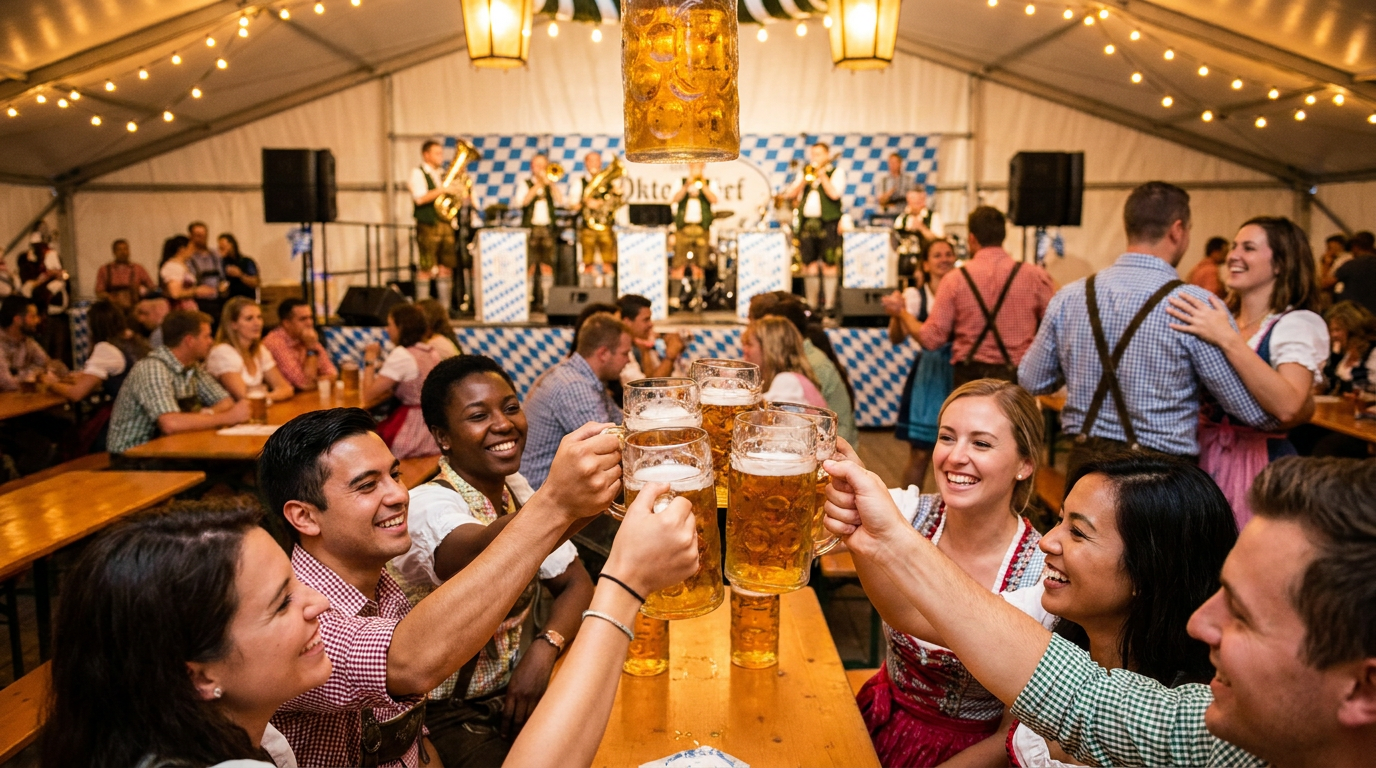
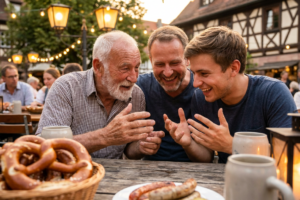
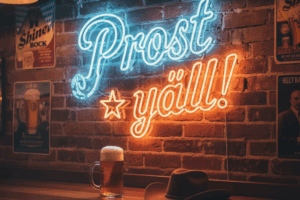
The traditional German Biergarten was never merely an outdoor bar. At its best, it was a social landscape: shade, shared tables, simple food, conversation, music and the wonderful permission to linger. Families and friends could gather without turning every visit into a formal occasion.

German immigrants carried that idea into American cities and towns. Nineteenth-century beer gardens became important social spaces in places with large German populations, including New York, Cincinnati, Milwaukee, St. Louis, Chicago, New Orleans and cities across Texas. Some were modest courtyards. Others were elaborate entertainment grounds with trees, pavilions, orchestras, dancing and special events.

Austin’s historic Scholz Garten offers a vivid example. Founded by German immigrant August Scholz in 1866, its Sunday concerts grew from a German tradition of convivial music and beer but attracted the broader public as well. The garden did not remain sealed inside an immigrant enclave; it became part of the city’s identity.

That pattern repeated across the country. The German sign might eventually vanish, but the appealing formula survived: put refreshments outside, add shade and music, invite groups to sit together, and let the evening unfold.

Today we call it a brewery patio, a courtyard, a rooftop garden, a food-hall lawn or an outdoor taproom. We string lights overhead, order something cold and search for the longest table. The setting looks modern, but the social instinct behind it would feel familiar to generations of German Americans.

The real inheritance may be one untranslatable word: Gemütlichkeit—a sense of warmth, belonging, good cheer and comfortable togetherness. It is not the furniture that makes a beer garden. It is the feeling that there is room for one more person at the table.

2. Wurst on the Grill Became the Sound of Summer

Few aromas announce an American summer gathering faster than sausages hitting a hot grill.

German-speaking Europe has an extraordinary sausage tradition: Bratwurst, Frankfurter, Wiener, Knackwurst, Weisswurst and many more. Immigrants brought recipes, butchering knowledge and regional preferences with them. In America, those traditions met industrial cities, street carts, baseball crowds, amusement resorts, backyard grills and a growing appetite for portable food.

Then the family tree becomes delightfully messy.

The hot dog clearly has European sausage ancestors, especially within German-speaking food culture, but its precise American origin story is famously difficult to prove. Competing legends credit different vendors, cities and moments. The Smithsonian’s food-history reporting has wisely described hot-dog history as a thicket of myths, promotion and incomplete evidence.
That uncertainty is part of the fun. The hot dog is not simply a German food that Americans renamed. It is an American creation shaped by immigrant sausage traditions. The same is true of the summer grill itself: German wurst joined Southern barbecue, Indigenous food knowledge, Caribbean techniques, Central European smokehouses and countless family preferences.

Still, when Americans grill bratwurst, pile sauerkraut onto a frankfurter, add spicy mustard or argue about the proper toppings for a ballpark dog, they are participating in a food story with unmistakable German chapters.

And there is one rule that survived every translation: make more than you think you need.

3. The German-American Picnic Plate Hid in Plain Sight

Look closely at a classic American picnic table and the clues begin to gather.

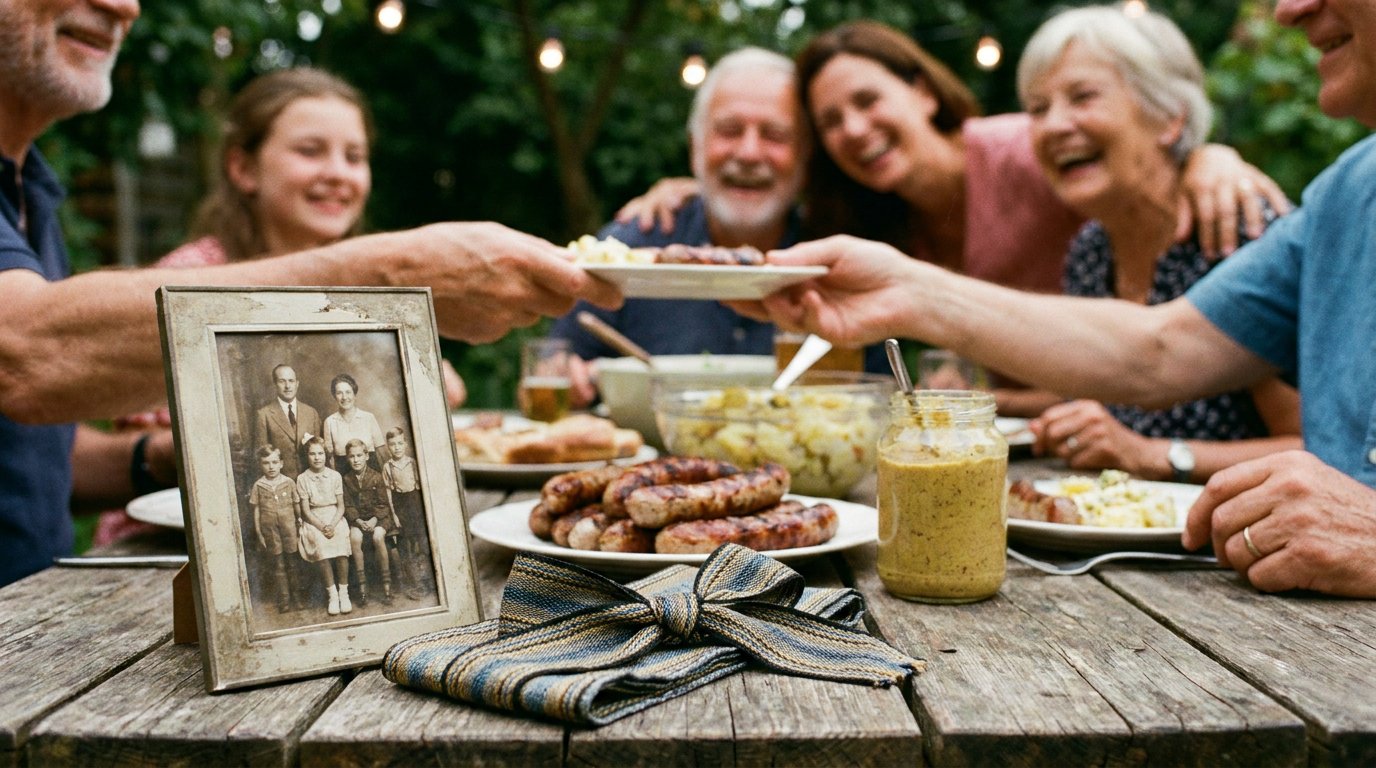
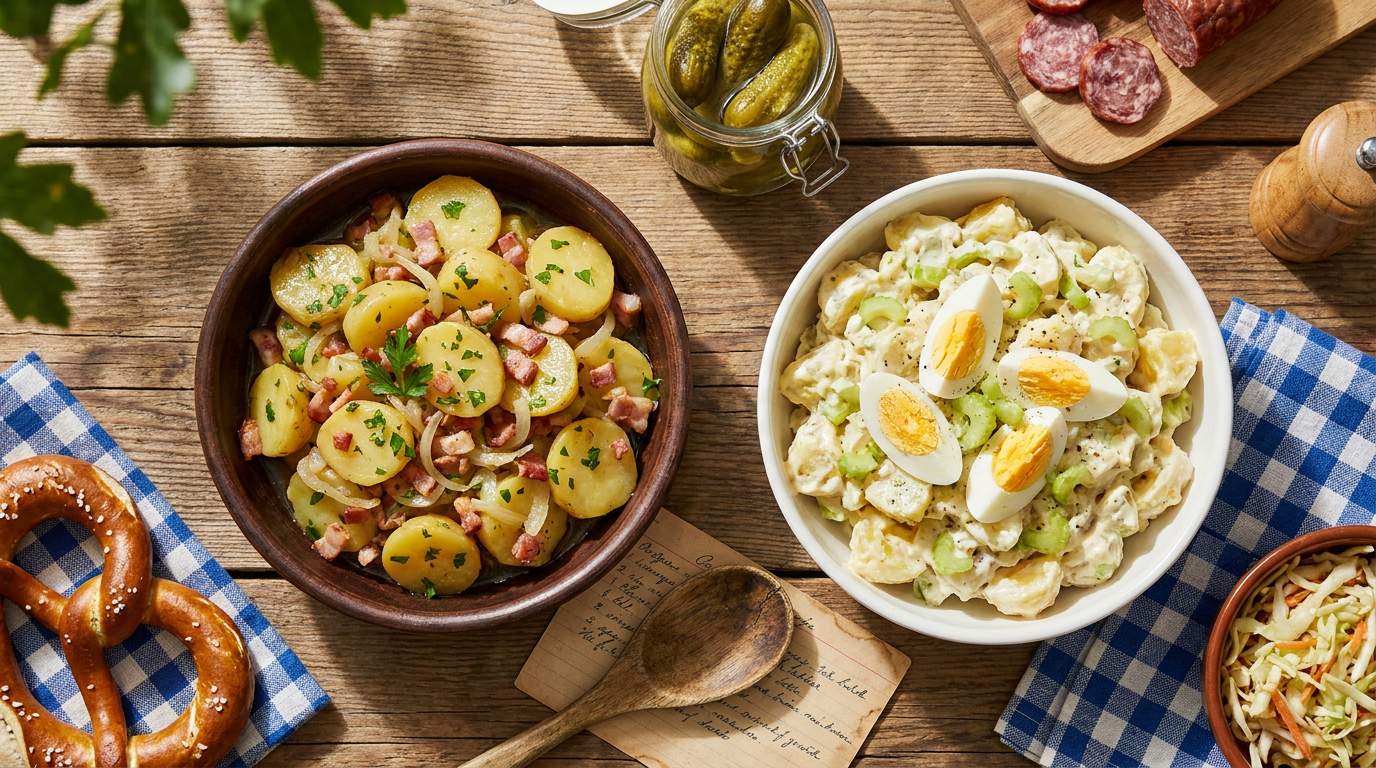
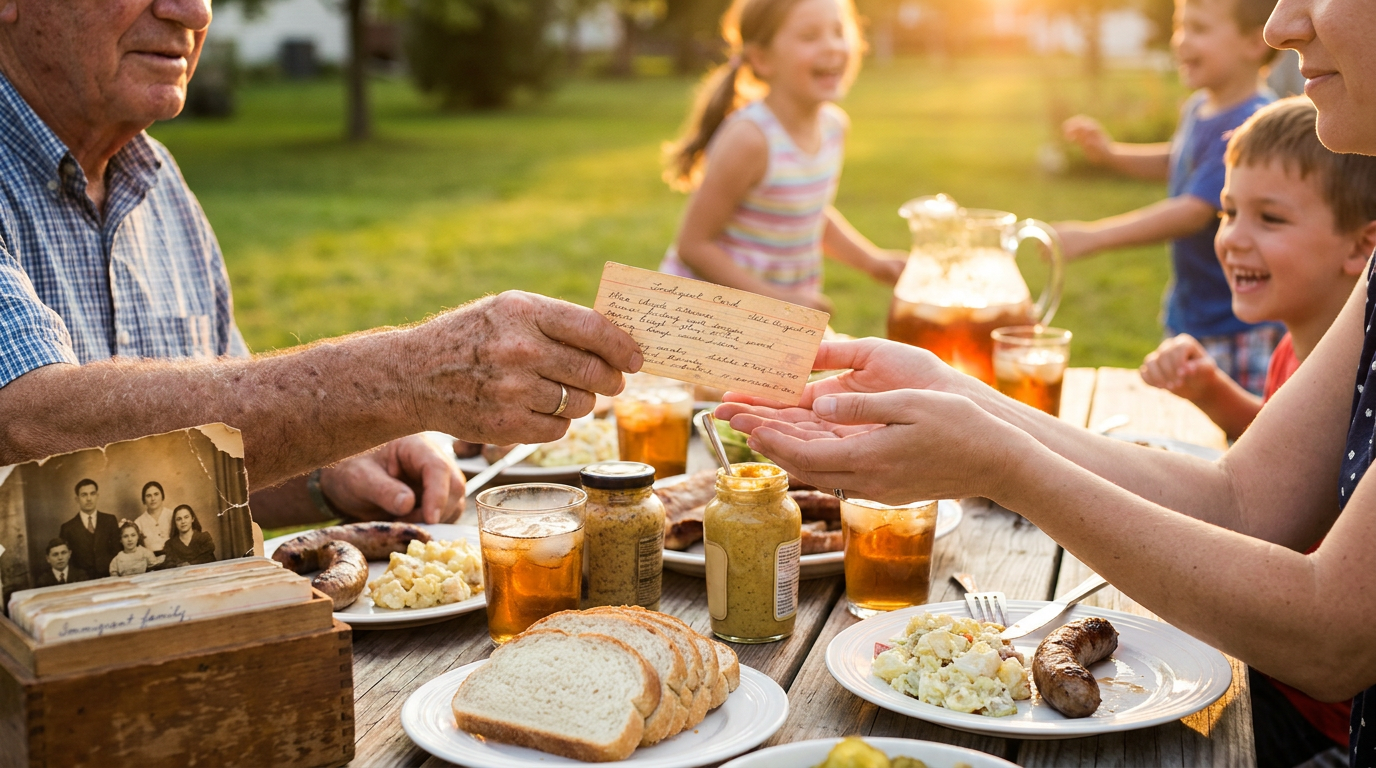
There is potato salad—sometimes warm and tangy with vinegar, onions and bacon; sometimes cool and creamy with mayonnaise and mustard. There are pretzels, pickles, rolls, sliced sausages, cabbage slaw and a mustard bottle that somehow becomes the center of attention.

Not every dish on that table is exclusively German, of course. Potatoes, pickling, cabbage dishes and sausages belong to many cultures. But German and German-American cooking played a major role in the way these foods entered the American mainstream.

Potato salad is a particularly tasty example of cultural blending. Germany has never had only one potato-salad recipe. Regional and family variations abound. In the United States, those traditions interacted with American ingredients, commercial mayonnaise, local tastes and recipes shared across community lines. A Mississippi State University study devoted to German-American culinary assimilation uses potato salad to show how immigrant and native-born cooks exchanged ideas and helped create a new American food identity.

That means the bowl at your reunion may not match a recipe from Bavaria, Westphalia or Schleswig-Holstein—and it does not have to. The American version is evidence of the journey. Recipes change when neighbors taste them, daughters-in-law adapt them, grocery products replace hard-to-find ingredients, and someone decides that Grandma’s “pinch” should become half a teaspoon.

Food traditions survive because people keep making them, not because they remain frozen in time.

4. The Vereins Picnic Became the Community Get-Together

German immigrants were enthusiastic builders of Vereine—clubs or associations organized around singing, gymnastics, mutual aid, trades, religion, marksmanship, politics, hometown connections and social life.

There were Sängerbünde for singers, Turnvereine for gymnastics and physical culture, Schützenvereine for target shooting, and many other groups with banners, bylaws, committees and calendars. If that sounds serious, remember that many clubs also knew how to throw a splendid picnic.

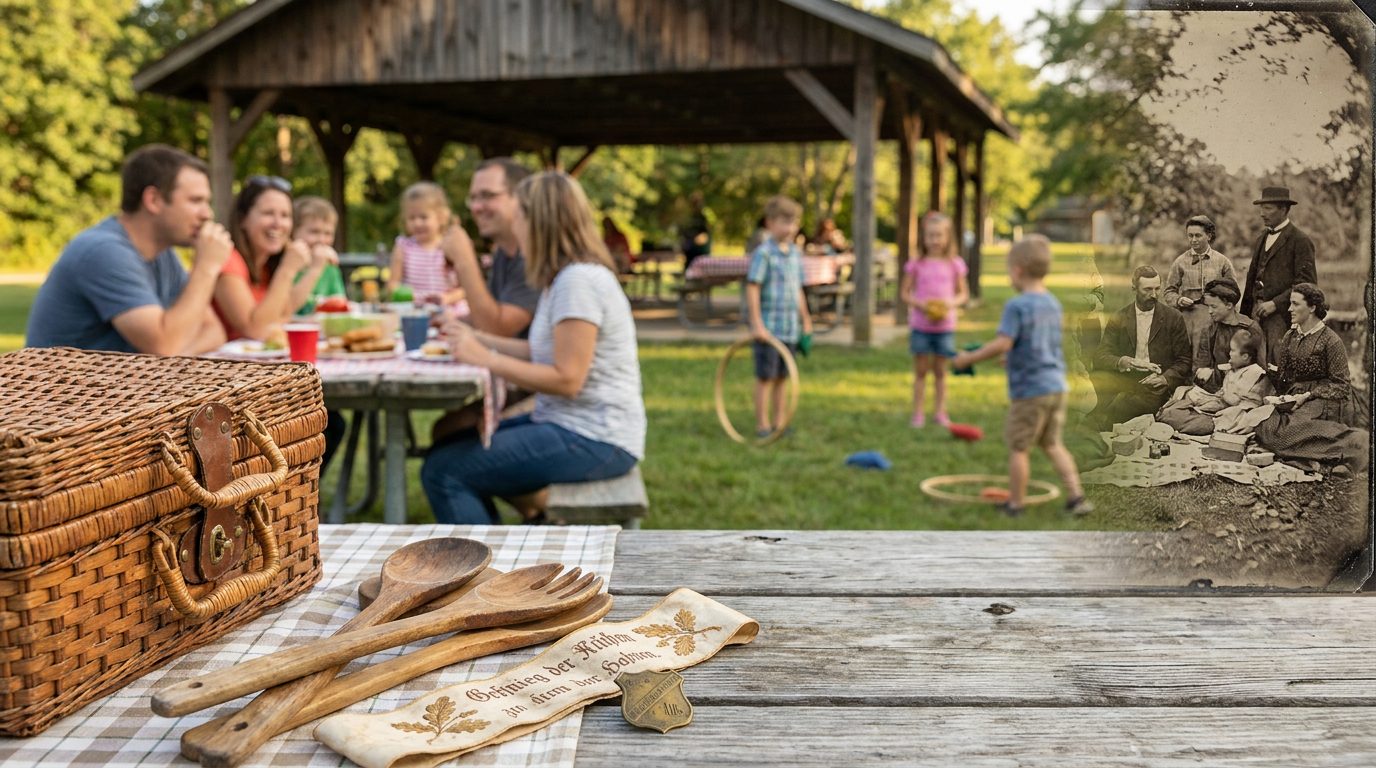
Summer outings allowed members to leave crowded neighborhoods, bring their families, eat outdoors, hear music, play games and renew friendships. A picnic might include a procession, speeches, children’s activities, athletic demonstrations, dancing and enough food to make the journey worthwhile. German-American parks and picnic groves became gathering places where culture was practiced rather than merely remembered.

The broader American community embraced the same social architecture. Churches, labor unions, fire companies, schools, veterans’ groups, businesses and extended families all developed their own summer picnics. Their traditions came from many sources, but German-American club culture helped demonstrate how a voluntary organization could create belonging through recurring public gatherings.

We can still see the pattern at company picnics, church socials, family reunions and civic cookouts: reserve a shelter, assign the side dishes, organize games, locate folding chairs and hope the person carrying the ice actually arrives.

Some customs become American not through a grand announcement, but through a signup sheet.

5. Singing Societies Helped Put Music in the Summer Air

Long before amplified festival stages, German-American communities were filling halls, parks and streets with song.

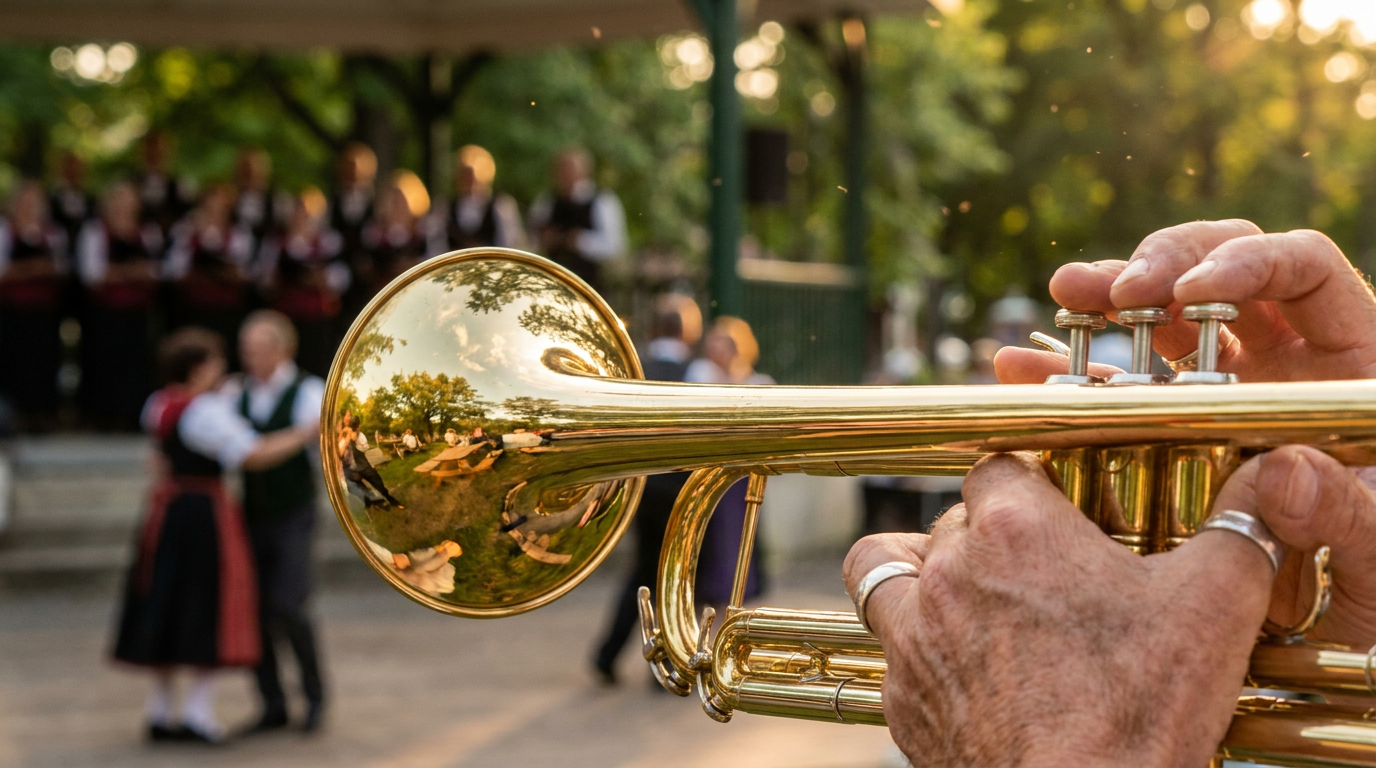
Singing societies were a major part of nineteenth- and early twentieth-century German-American life. Local choirs joined regional organizations, and large Sängerfeste brought multiple groups together for ambitious musical celebrations. Archival records from Philadelphia document a particularly extensive network. These events could include formal choral works, parades, banquets, informal singing, dancing and outdoor concerts.

The movement was culturally specific, but it was not always culturally closed. Historical records from Philadelphia show how extensive the singing-society network became, while accounts of festivals describe non-German spectators joining concerts and picnics. Music made the boundary between “their festival” and “our town’s festival” wonderfully porous.
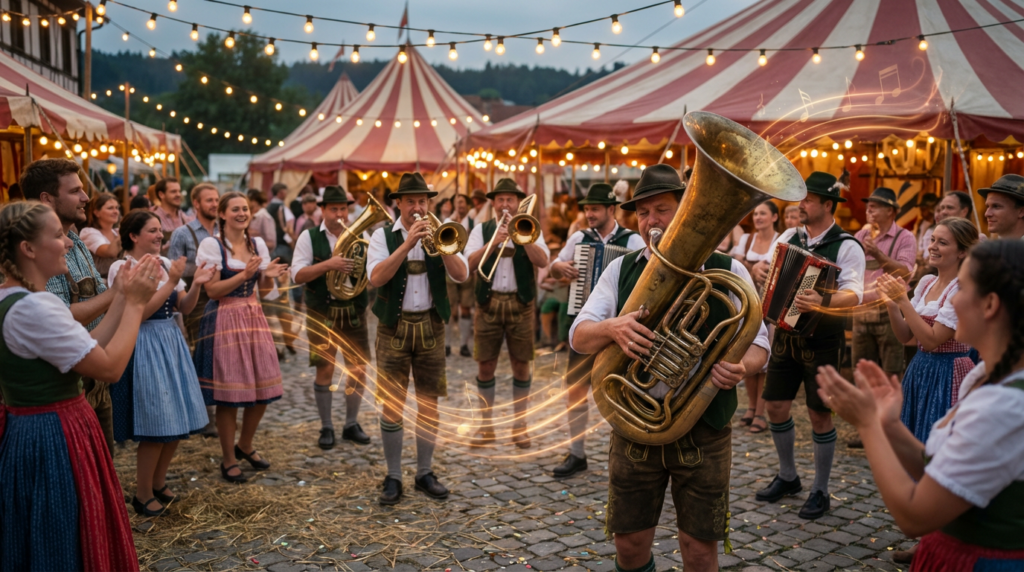
German musicians and conductors were only part of America’s developing concert culture, but they were an influential part. Brass ensembles, community bands, choral festivals and park performances became expected ingredients of civic celebration. Add a dance floor or pavilion, and the evening could move easily from listening to participation.

You can hear the descendant of that tradition whenever a municipal band plays in a park, a polka spills from a festival tent, a community choir performs outdoors or a summer concert invites strangers to share the same lawn.

The songs may change. The folding chairs do not.

6. The Turner Spirit Made Recreation a Community Project

The American Turners grew from the German Turnverein movement, which combined physical fitness with education, civic participation and social life. Turner halls appeared in communities across the United States, offering gymnastics and other activities while also serving as important gathering places.

The American Turners did not invent American exercise, hiking or outdoor recreation. Those practices have many origins. But they helped advance the idea that physical activity could be organized, communal, educational and open to families—not merely military training or private competition.

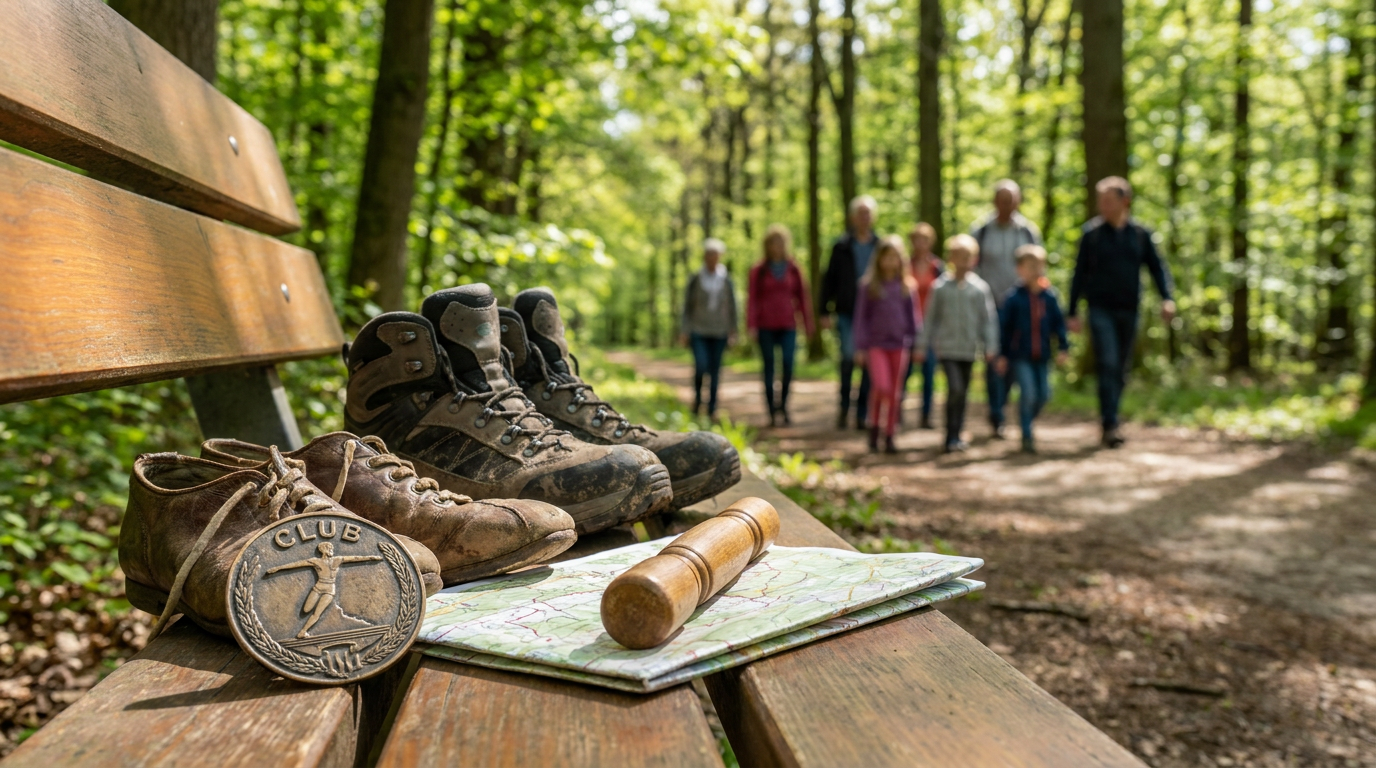
In summer, that spirit naturally moved outdoors. Club excursions, field days, demonstrations, games and picnics connected fresh air with fellowship. The result feels surprisingly current. Think of recreation leagues, community fitness events, charity walks, park programs and family field days. The activities differ, but the larger belief is familiar: a healthy community should create places where people move together.

Even the German phrase frische Luft—fresh air—carries an entire philosophy in two words. Go outside. Walk. Stretch. Let the children run. Meet someone. Come home pleasantly tired.

That may be the most practical summer tradition on this list, and it requires no translation at all.

7. Volksfest Energy Became Part of American Festival DNA

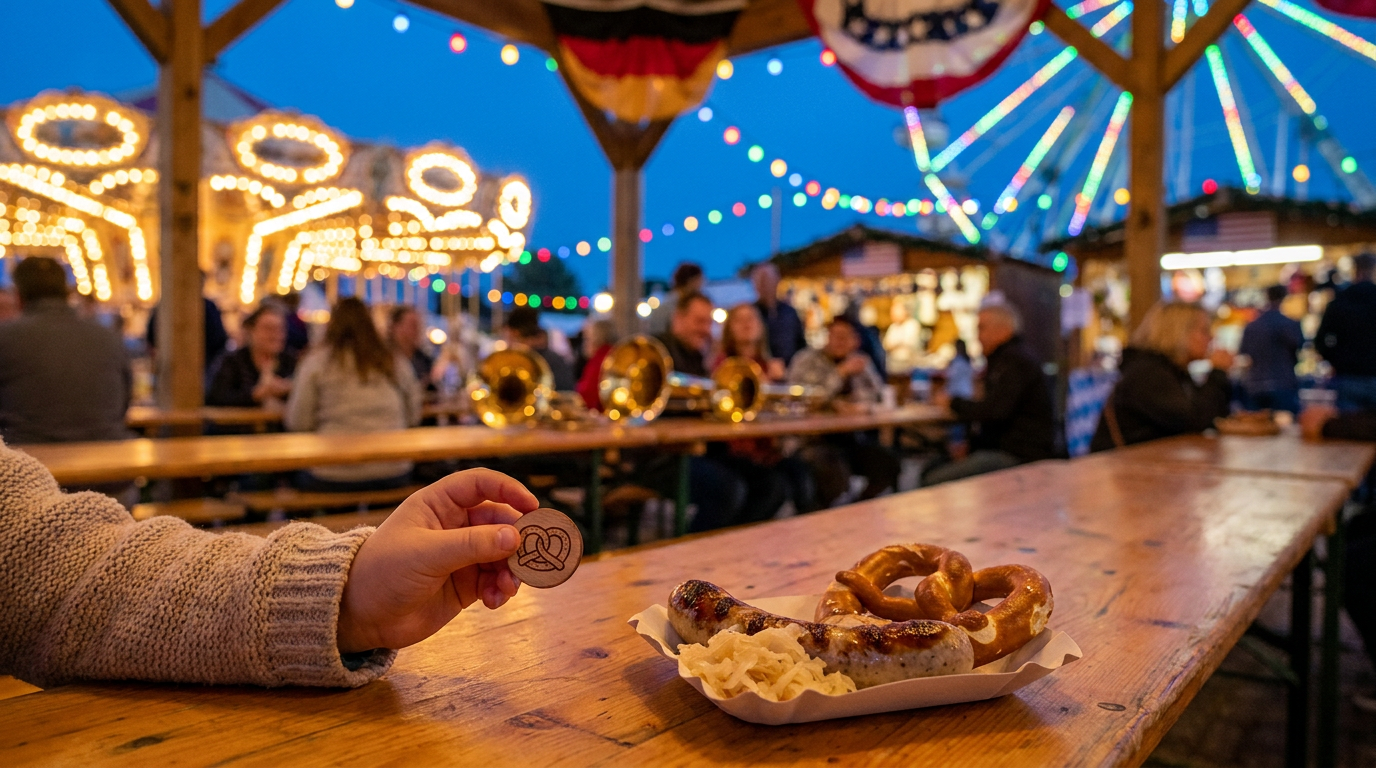
A German Volksfest is, literally, a people’s festival. The form varies, but the essential ingredients are recognizable: food, drink, music, games, decorated grounds, rides or amusements, local pride and a crowd that temporarily turns public space into a shared celebration.

America already had fairs, market days, harvest gatherings, religious celebrations and public entertainments from many cultural sources. German immigrants did not invent the American county fair or street festival. What they contributed was a powerful festival vocabulary—beer gardens, music pavilions, club processions, sausage stands, communal tables and a style of organized merriment that traveled well.

This is why German-American summer festivals can feel both distinctive and completely familiar. A visitor may arrive for the bratwurst or polka and recognize the larger format immediately: wristbands, food booths, children’s games, craft vendors, live music, old friends and a volunteer committee quietly solving seventeen problems behind the scenes.

By late August, that festival energy begins leaning toward Oktoberfest. Although Munich’s famous Oktoberfest starts in September, American celebrations often stretch across the early fall calendar. The transition feels natural because the groundwork was laid all summer: gather outside, invite the community, feed everyone and give them a reason to stay for one more song.

8. Why the German Roots Became So Easy to Miss

If these influences are so widespread, why do they often go unnoticed?

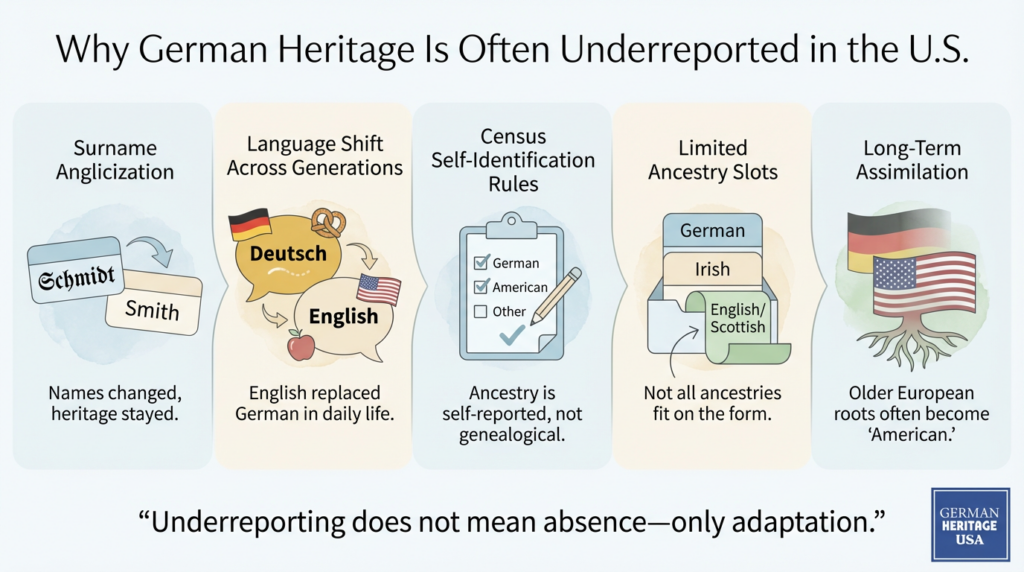
Success is one reason. A tradition can become almost invisible when the larger culture adopts it. “German-American potato salad” shortens to “potato salad.” A Biergarten becomes “the patio.” A sausage shaped by Old World knowledge becomes a hot dog at an American ballpark.

Assimilation also played a role. German surnames were Anglicized. Families intermarried. Recipes were rewritten in English. German-language institutions declined. During the First World War, intense anti-German pressure led many communities and families to suppress language, names and public expressions of heritage. Some customs disappeared; others survived by shedding their labels.

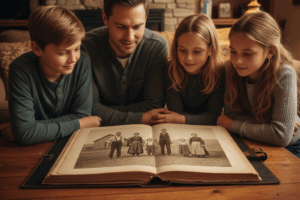
That is why German Heritage discovery can feel less like finding something foreign and more like recognizing something familiar. The evidence may be on a recipe card, in a club photograph, inside a picnic basket or in the way your family automatically gathers around the longest table.

“America did not simply preserve German traditions under glass. It welcomed them to the picnic, changed the recipe and carried the best parts forward.” — GERMAN HERITAGE USA

Before Summer Ends, Put Your Heritage on the Table

Late August is a perfect time to conduct a little family-history experiment.

At your next cookout, reunion, festival or patio evening, look around. Is there a recipe with a German surname attached to it? A preference for bratwurst over burgers? A family story from Milwaukee, Cincinnati, St. Louis, Texas, Pennsylvania or another German-American center? An old photograph of a singing society, Turner hall, brewery picnic or summer gathering?

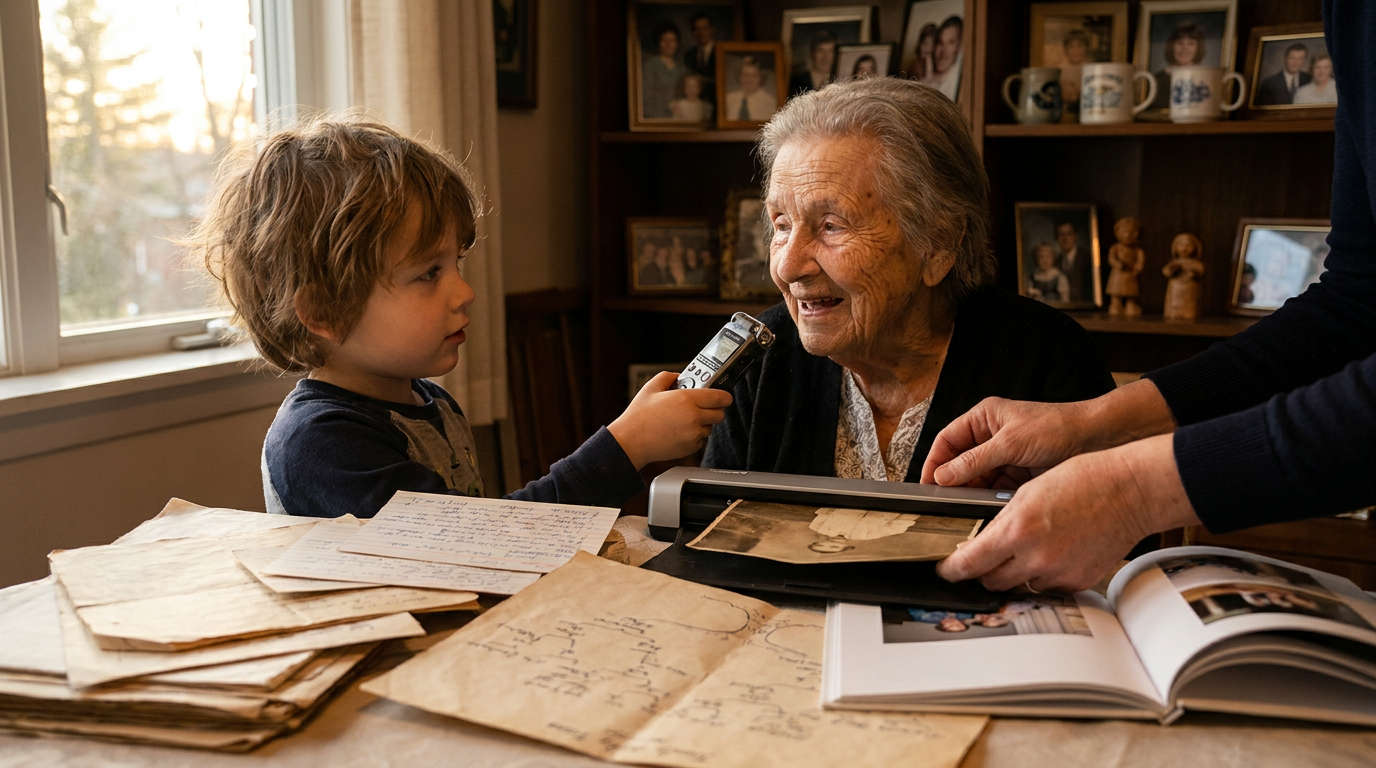
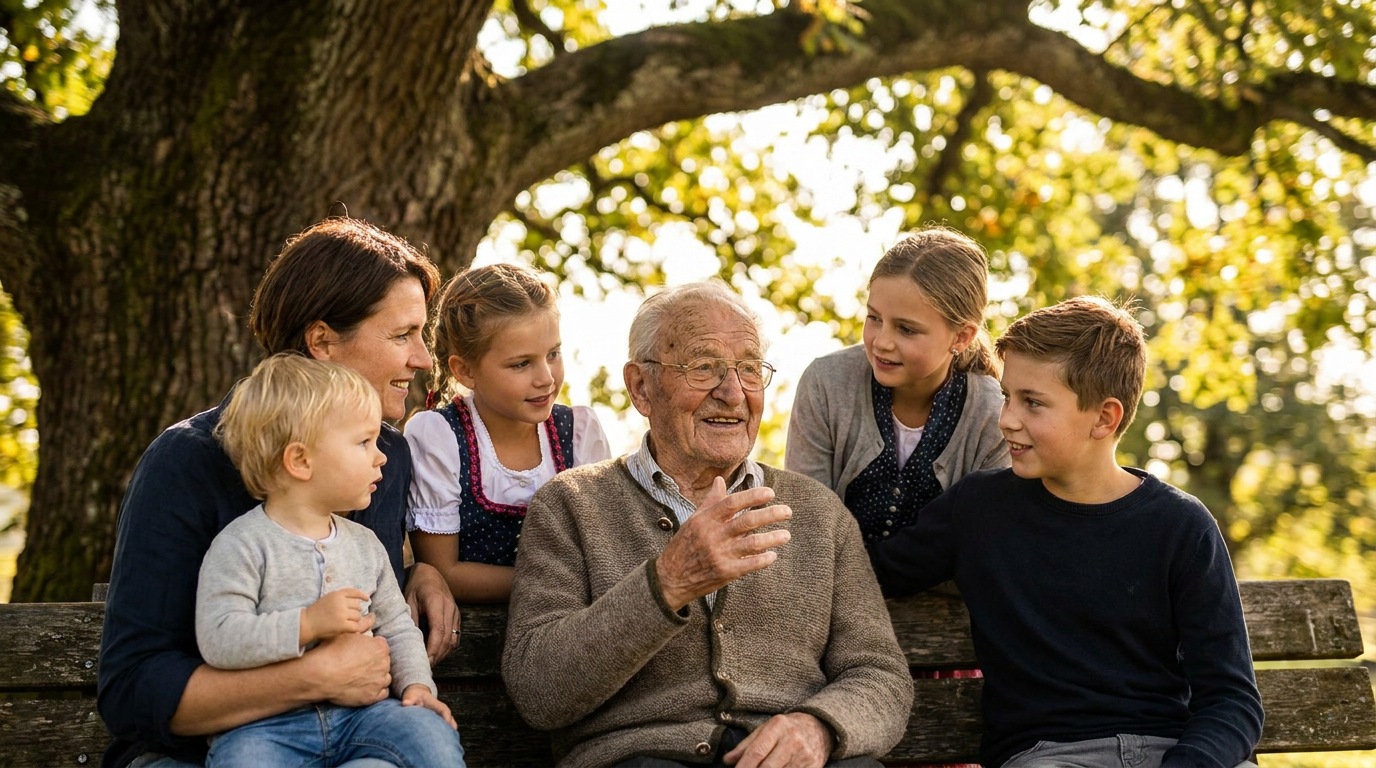
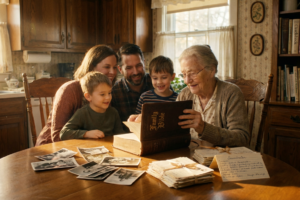
Ask the oldest person present what summer looked like when they were young. Record the answer. Photograph the recipe card. Write down the name of the town, club, church or picnic grove they mention. Heritage often returns through small details.

Then create a tradition of your own. Set up a long table. Grill sausages. Serve two kinds of potato salad and let everyone debate them. Play music. Invite a neighbor. Teach the children one German word—perhaps Gemütlichkeit—and show them what it means by making room for them in the celebration.

Because German-American heritage is not limited to a museum case, a passenger list or a once-a-year festival. It lives in the ways people gather, eat, sing, laugh and welcome one another.

You may have been celebrating it all summer.

Got A Little German In You? Your German Heritage Is Calling You!

GERMAN HERITAGE USA — Discovering German Heritage Traditions, Foods, Music and Festivals All Across America.

German Heritage Bucket List: 9 Experiences Every German-American Should Do

From finding the village behind your surname to raising a stein at Oktoberfest, these nine experiences will help turn German ancestry into a heritage you can see, taste, hear, explore and pass forward.

Late August has a way of making us look both backward and forward. Summer is still holding on, but fall is beginning to whisper. Festival tents will soon rise, kitchens will fill with the scent of warm bread and spices, and Oktoberfest calendars will start appearing on refrigerators across America.

It is also an ideal time to ask a wonderfully simple question:

What have I actually experienced of my German Heritage?

More than 40 million Americans report German ancestry, according to the U.S. Census Bureau, yet German-American identity rarely looks the same from one family to the next. One family may still make a grandmother’s potato salad exactly as she taught them. Another may have an old photograph labeled only “Germany.” Some know the precise village their ancestors left. Others inherited an Anglicized surname, a few family sayings and a feeling that an important chapter has gone missing.

That is what makes a German heritage bucket list so much fun. It is not a test of how “German” you are. You do not need to speak fluent German, own Lederhosen or know the proper number of turns in a polka. The goal is to move heritage out of the attic and into real life.

“Heritage is not only something we inherit. It is something we experience, preserve and pass forward.” — German Heritage USA

Whether your family arrived in the 1700s, stepped off a ship in the 1880s or came to America much more recently, here are nine meaningful—and genuinely enjoyable—experiences to put on your list.

1. Find the German Place Behind Your Family Name

A surname is a clue. A hometown is a doorway.

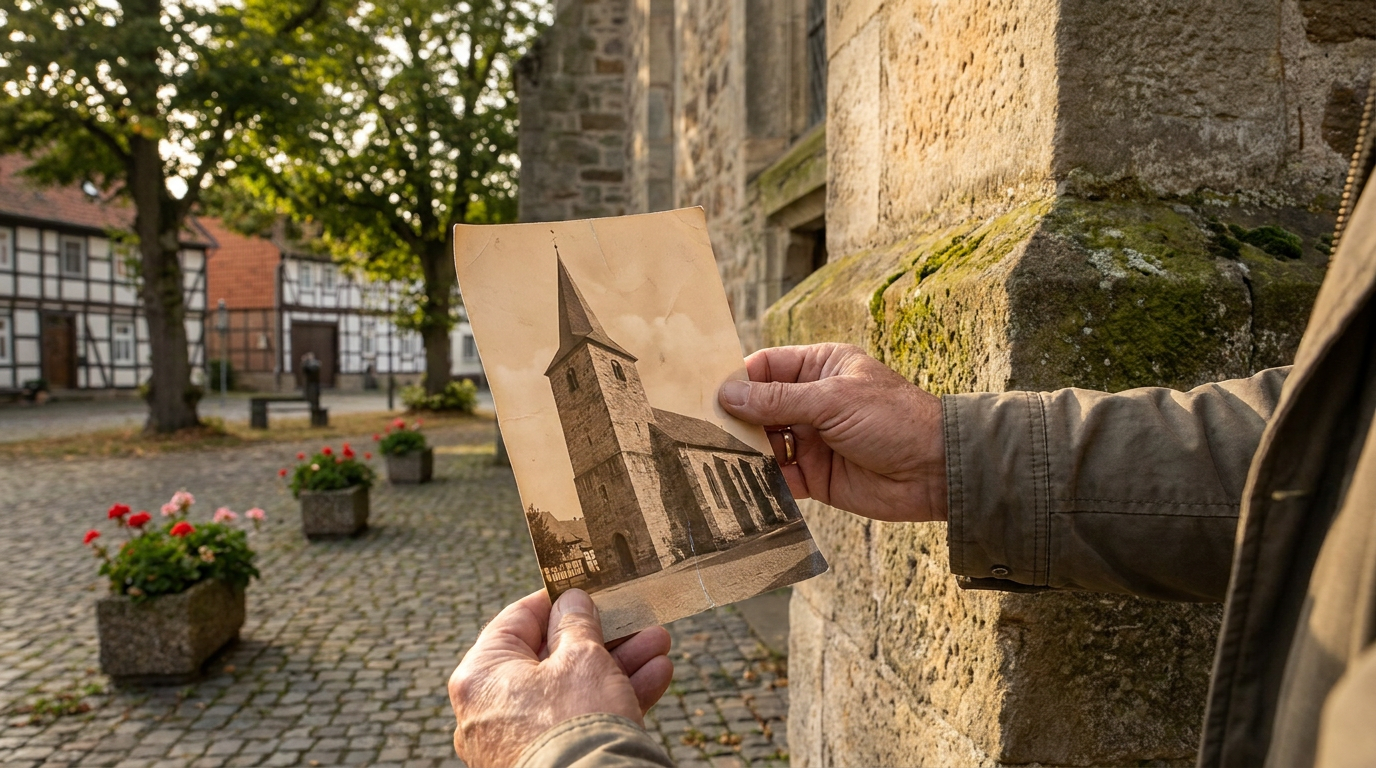
One of the most rewarding moments in family research is discovering the actual village, town or region where an ancestor lived. Before Germany became a unified nation in 1871, records might identify a person with Prussia, Bavaria, Saxony, Württemberg, Hesse, Hanover or one of many smaller states and territories. Borders shifted. Town spellings changed. Handwriting can look as if it were produced during a bumpy wagon ride.

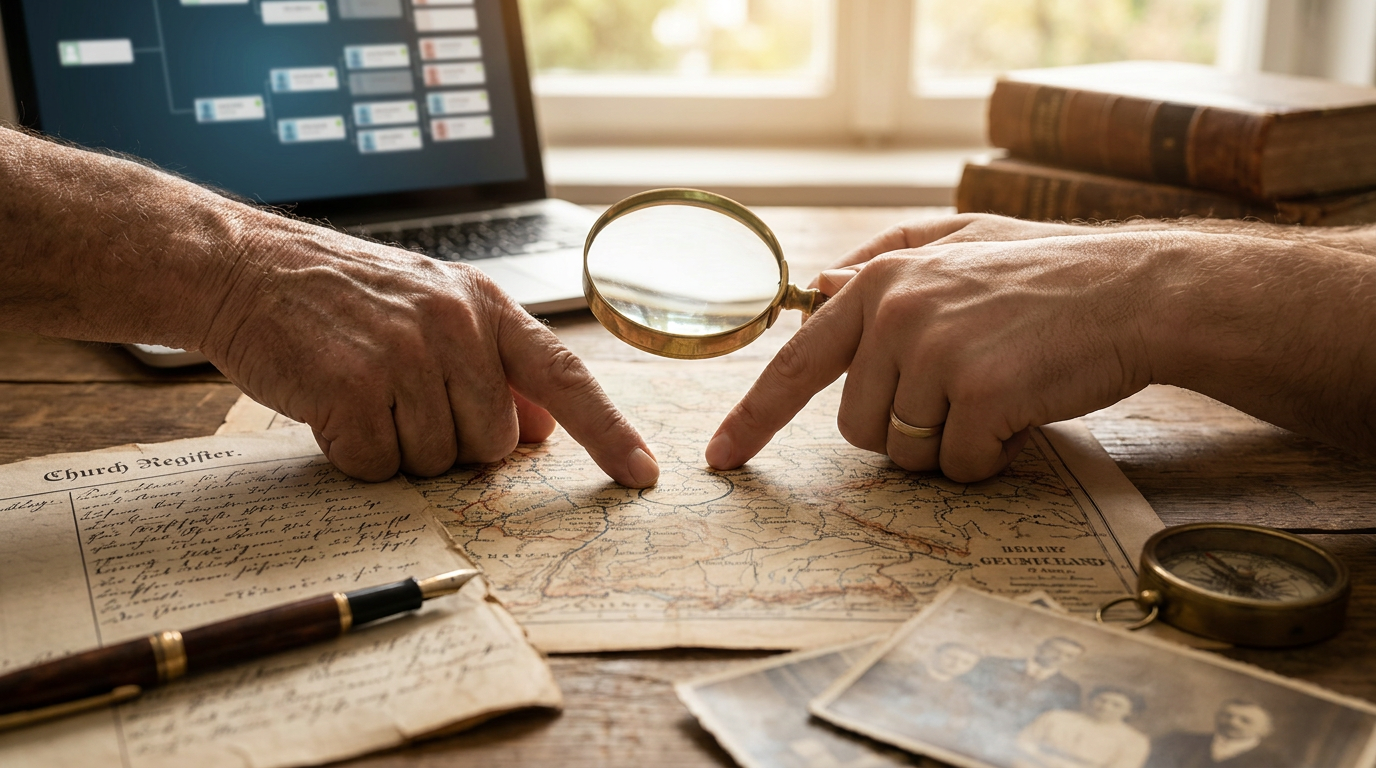
Begin with what your family already knows. Interview the oldest relatives. Examine the backs of photographs. Gather birth, marriage, church, census, military and naturalization records. Then look for passenger manifests and records from the ancestor’s American church or county. The National Archives recommends many of these same record groups—including census, immigration, naturalization, military and land records—as starting points for genealogy.

The breakthrough detail is often not “Germany,” but a precise place: a village near Kiel, a parish outside Stuttgart or a farm community along the Rhine. Once you find it, mark it on a map. Look at the landscape. Learn what the region ate, built, celebrated and sounded like.

Bucket-list moment: Locate one ancestral hometown and say its name aloud. That dot on the map may change the way your entire family story feels.

2. Hold an Immigration Record—and Visit a Gateway if You Can

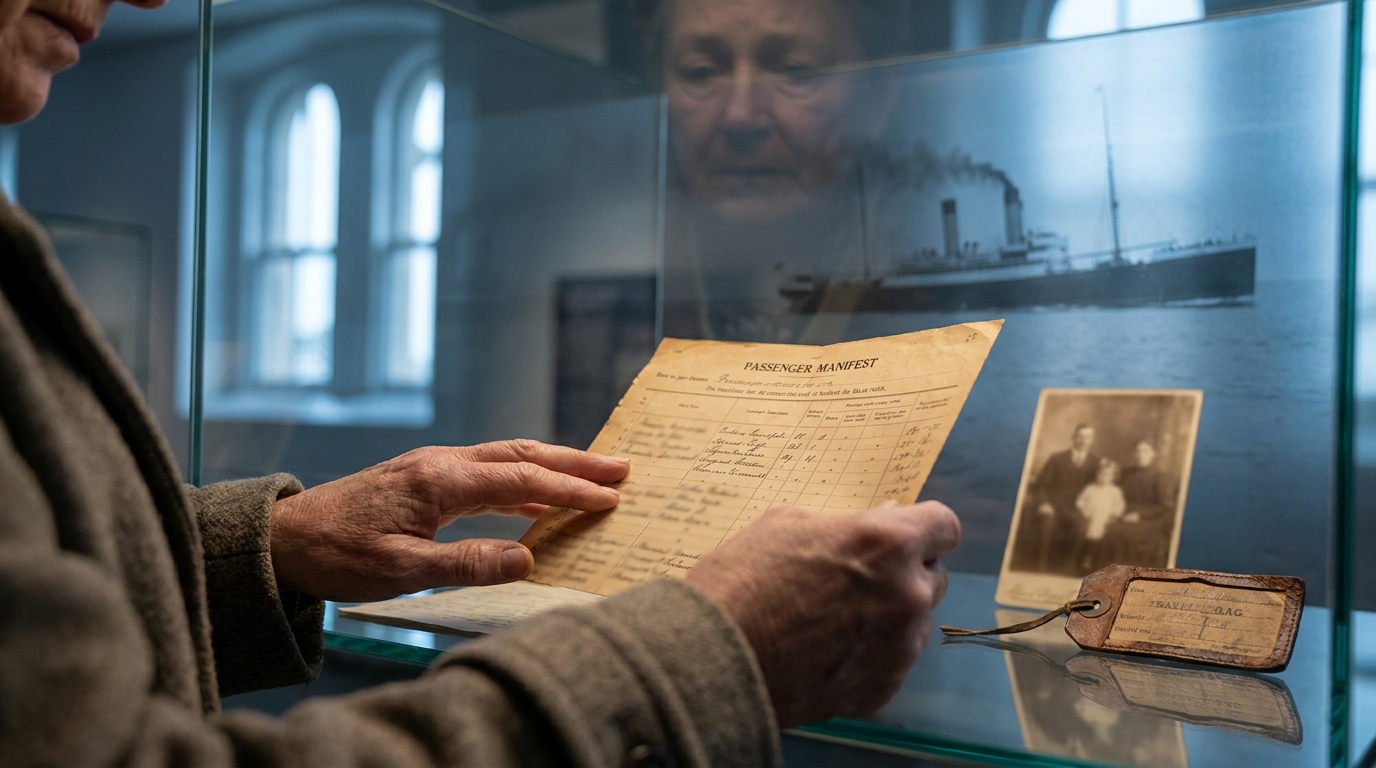
There is something electric about seeing an ancestor’s name on a passenger list or naturalization petition. Suddenly, history has handwriting.

Search for the ship, departure port, arrival date, occupation, traveling companions and final destination. A single line may reveal that an ancestor crossed with a sibling no one remembered, carried only a modest amount of money or was headed toward a relative already established in America.

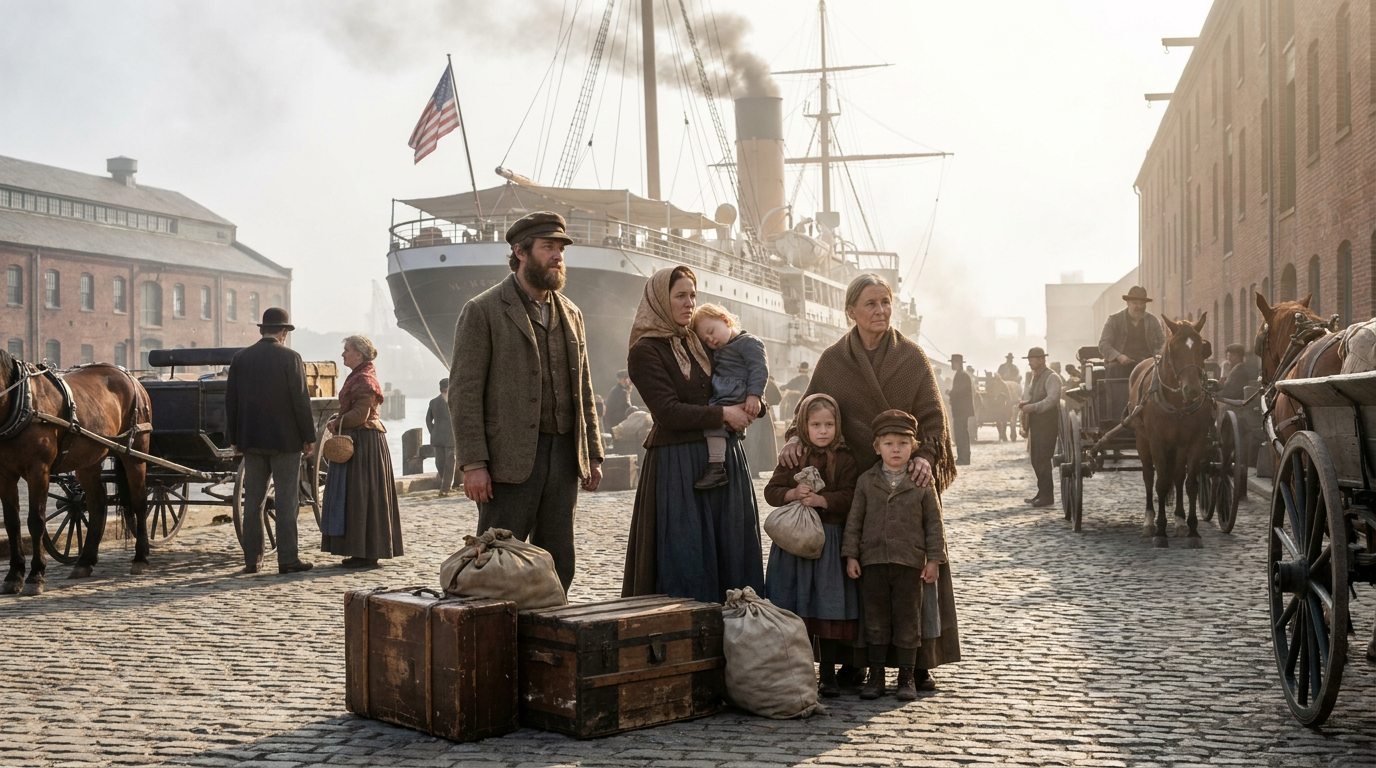
If the journey included New York, visit Ellis Island and the National Museum of Immigration. From 1892 to 1924, more than 12 million immigrants were processed there. But do not force every German-American story through Ellis Island. Large numbers of German-speaking immigrants arrived before it opened, and families also entered through ports such as Baltimore, Philadelphia, New Orleans and Galveston.

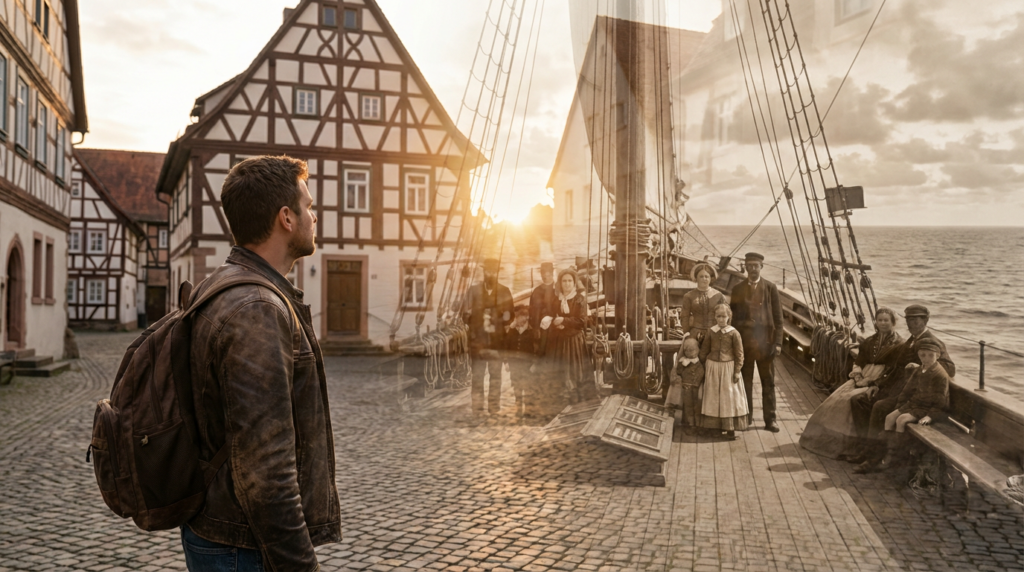
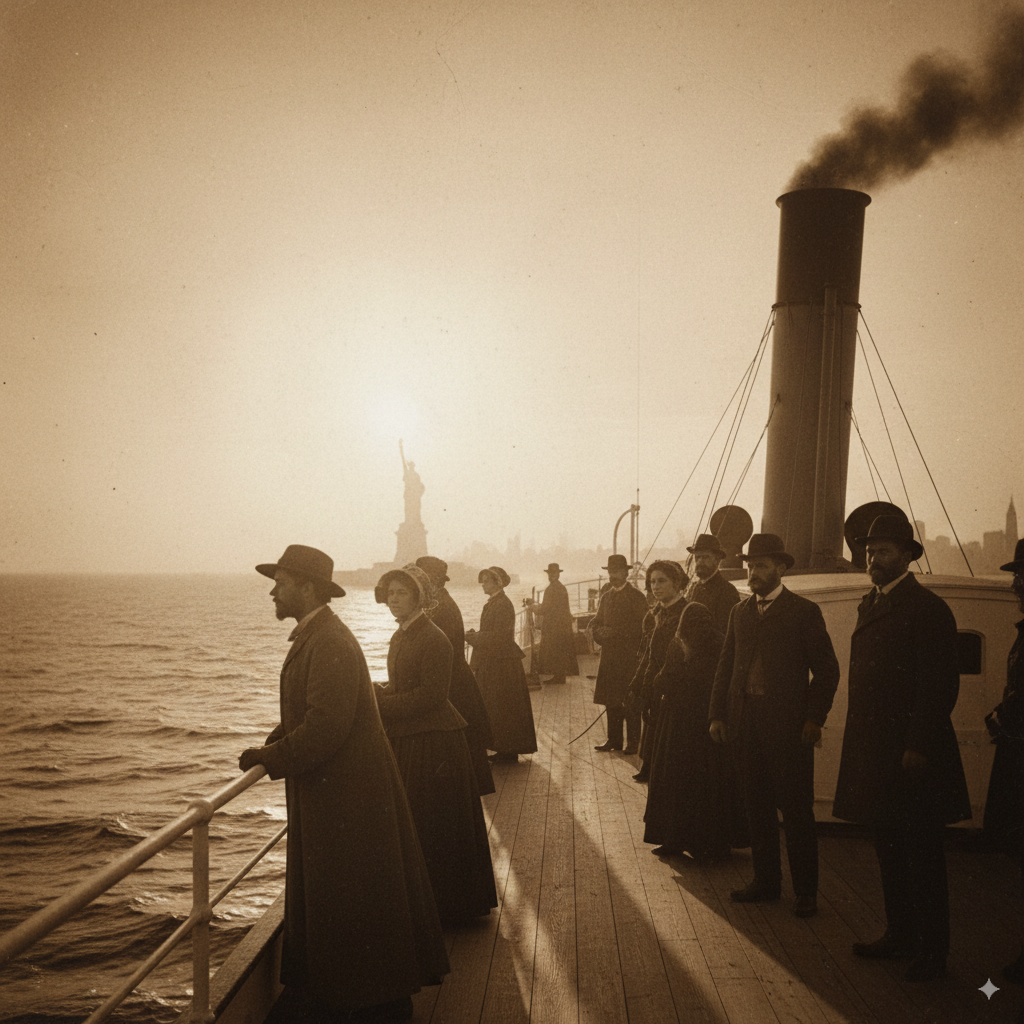
If travel is not possible, create the experience at home. Print a copy of the manifest. Find an image of the vessel. Map the route across the Atlantic. Read about conditions aboard ships during that era. Then imagine the mixture of relief, fear and expectation your relatives may have felt as land came into view.

Bucket-list moment: Hold a copy of an original immigration document and trace the journey from the old home to the new one.

3. Spend a Weekend in a German-American Town

You can travel through German-American history without crossing the Atlantic.

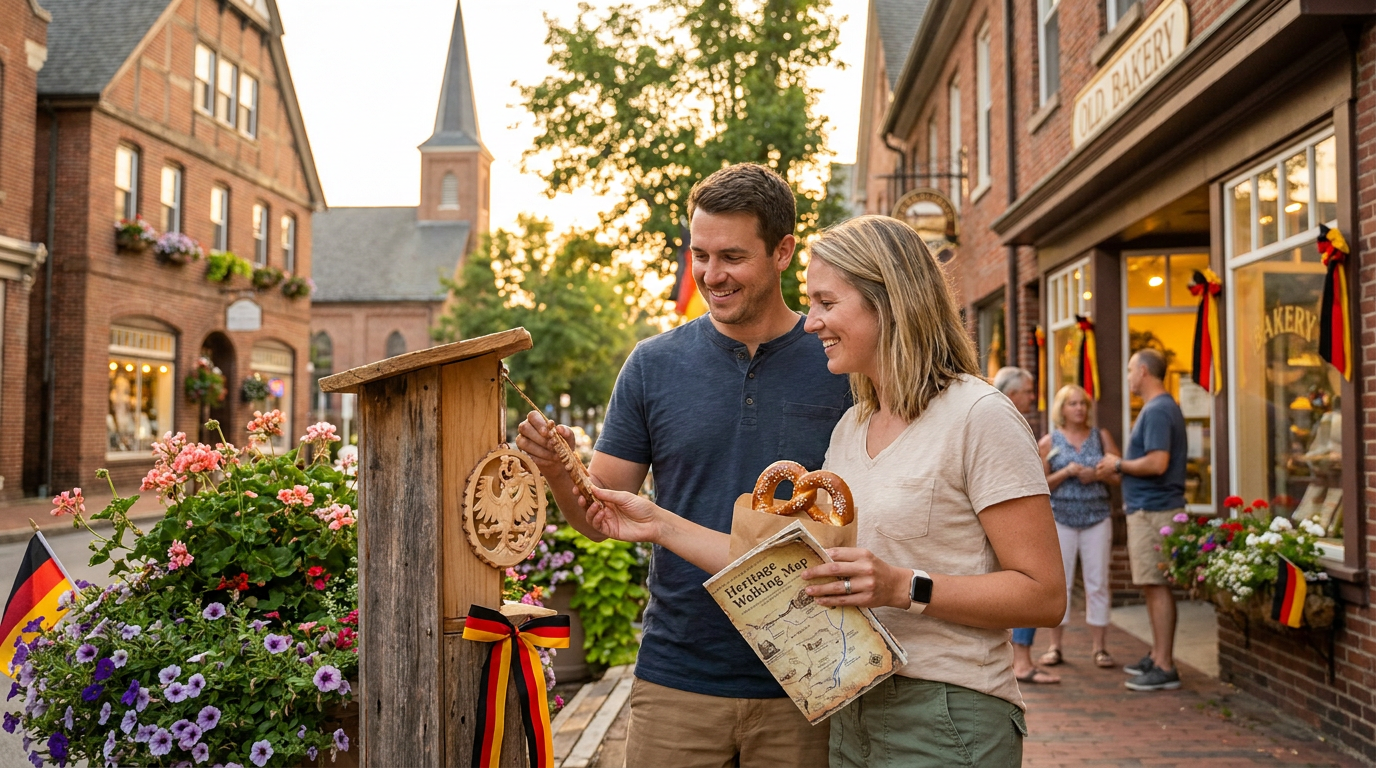
Choose a community where immigrant culture is still visible in streets, churches, architecture, food and local traditions. Walk through Hermann, Missouri, where the Deutschheim State Historic Site preserves buildings from the German settlement of the Missouri River Valley. Visit New Ulm, Minnesota, and its towering Hermann Monument. Explore Fredericksburg, Texas, founded by German settlers in 1846. Wander through Columbus’s German Village, Cincinnati’s Over-the-Rhine or the Amana Colonies in Iowa. For a playful Bavarian-style getaway, Frankenmuth, Michigan, adds festivals, food and plenty of gemütlich atmosphere.

Do more than shop. Take a walking tour. Visit the local history museum. Read cemetery stones. Notice church architecture. Ask a baker or shopkeeper how the town’s traditions changed over time. Order something you have never tried instead of the safest item on the menu.

The most interesting discovery may be how German customs blended with the local landscape. German-Texan culture is not German-Minnesotan culture—and neither is a museum piece. Each tells a different American story.

Bucket-list moment: Plan one heritage weekend and leave room for an unplanned conversation with someone who helps keep the town’s story alive.

4. Attend an Oktoberfest—and Experience More Than the Beer

Yes, raise a stein. But first, raise your curiosity.

Munich’s Oktoberfest began in 1810 with festivities celebrating the marriage of Bavarian Crown Prince Ludwig and Princess Therese. A horse race helped launch what became the world’s most famous Volksfest. Today, communities across the United States transform that spirit into local celebrations filled with music, food, dancing, parades, crafts and family traditions.

Attend a festival run by a German-American club, cultural society, church or town with genuine German roots. Listen to the brass band. Watch a dance performance. Learn the words to Ein Prosit. Try a regional dish. Ask about the organization behind the celebration, then support it by buying from local vendors or becoming a member.

Traditional clothing can add to the fun, but remember that Dirndl and Lederhosen are rooted primarily in Alpine and Bavarian traditions; they are not a uniform for every part of Germany. Wear Tracht respectfully if you choose—or simply arrive ready to participate.

Bucket-list moment: Join the communal toast, meet someone new and learn one tradition that existed long before the souvenir tent opened.

5. Cook One Heritage Meal Completely From Scratch

Food may be the shortest route between generations.

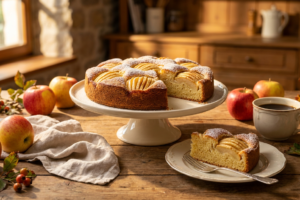
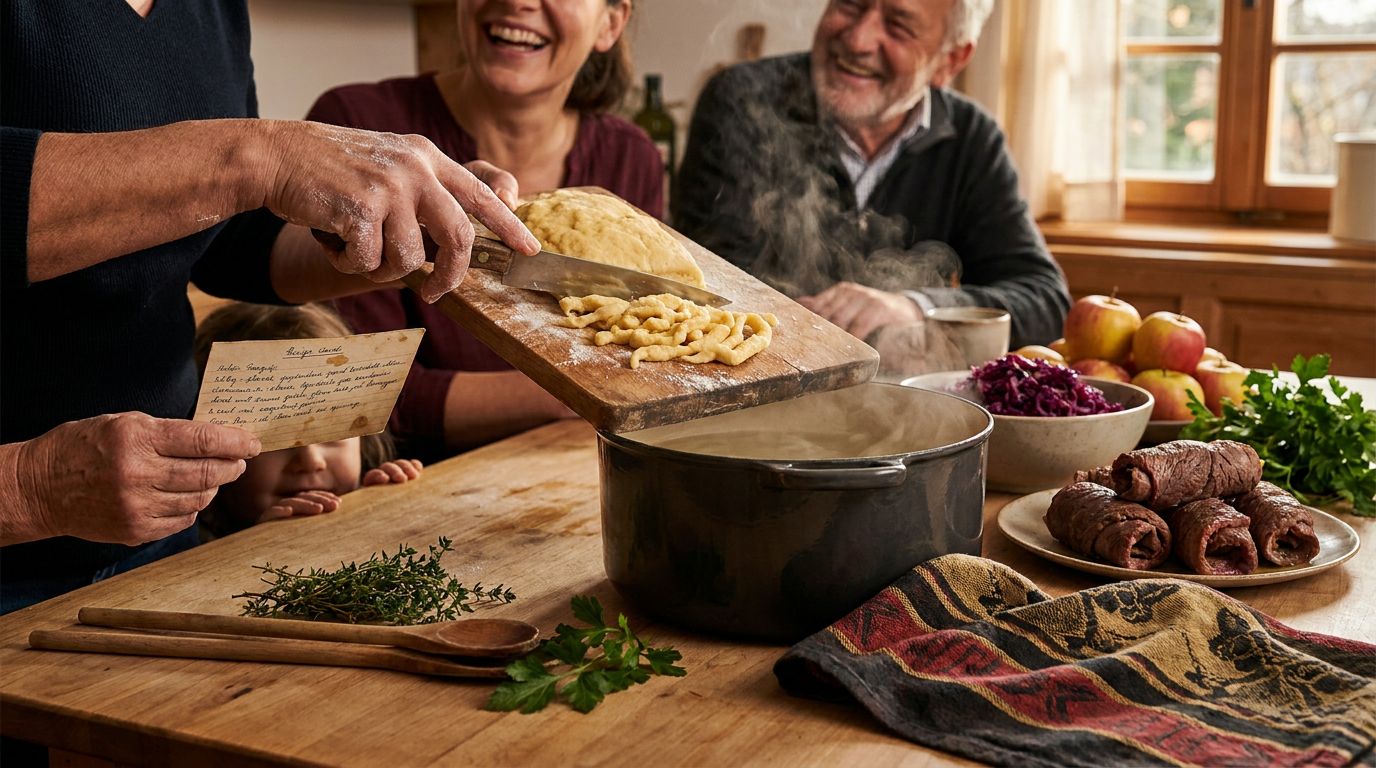
Choose one family recipe or one dish from your ancestors’ region and make the entire meal an experience. Roll Rouladen. Cut fresh Spätzle. Fold Maultaschen. Bake a proper Apfelkuchen. Try Königsberger Klopse, Sauerbraten, Labskaus, Thüringer-style sausage or a North German fish dish. Germany is not one kitchen, and discovering regional differences is half the pleasure.

Invite relatives to cook with you. Set the table properly. Play German music. Tell the story of the person connected to the recipe. If the instructions say “add flour until it feels right,” stop and measure what “right” means so the next generation has a fighting chance.

No inherited recipe? Adopt one thoughtfully. Research where it comes from, learn how it was traditionally served and write down what you changed. A tradition does not have to be ancient to become meaningful; it simply has to be repeated with intention.

Bucket-list moment: Host a German heritage supper at which every guest brings either a dish, a photograph or a family story.

6. Learn Enough German to Open a Door

Fluency is wonderful, but connection begins much earlier—sometimes with only five brave words and a smile.

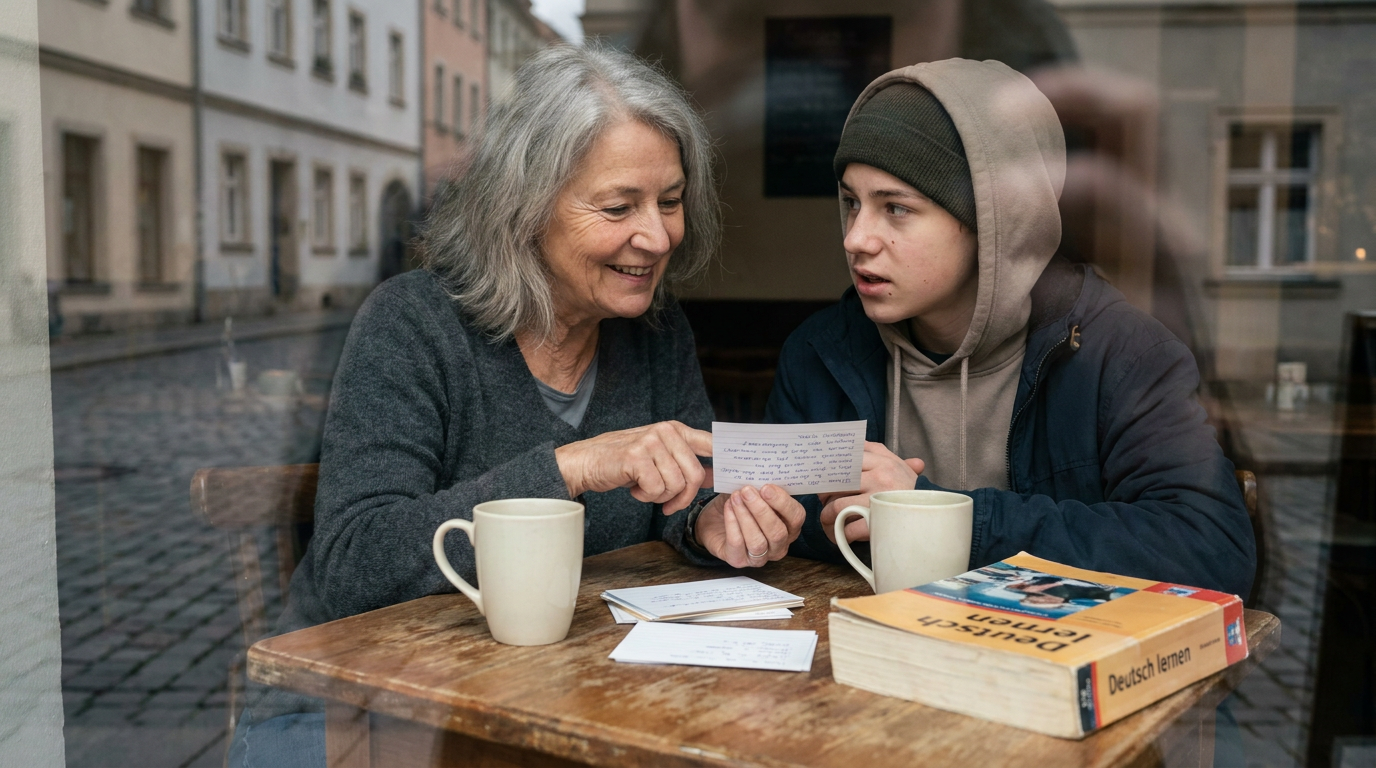
Learn how to introduce yourself, pronounce your family name and explain where your ancestors came from. Practice useful phrases such as Guten Tag (good day), Woher kommt Ihre Familie? (Where does your family come from?), Meine Familie kommt aus … (My family comes from …), Danke schön (thank you) and Auf Wiedersehen (goodbye).

Label a few objects around your home. Learn the words to a traditional song. Watch a German film with subtitles. Join a conversation group or take a beginner course. Most importantly, allow yourself to sound imperfect. Every new speaker has to cross that bridge.

Johann Wolfgang von Goethe wrote:

“Wer fremde Sprachen nicht kennt, weiß nichts von seiner eigenen.”

It is often translated as:

“Those who know nothing of foreign languages know nothing of their own.”

Learning German can reveal patterns, meanings and family-name clues that an English translation alone cannot provide.

Bucket-list moment: Have one short conversation in German—even if you rehearse every line beforehand.

7. Experience a Living Tradition With Your Own Hands and Feet

Heritage becomes memorable when it moves.

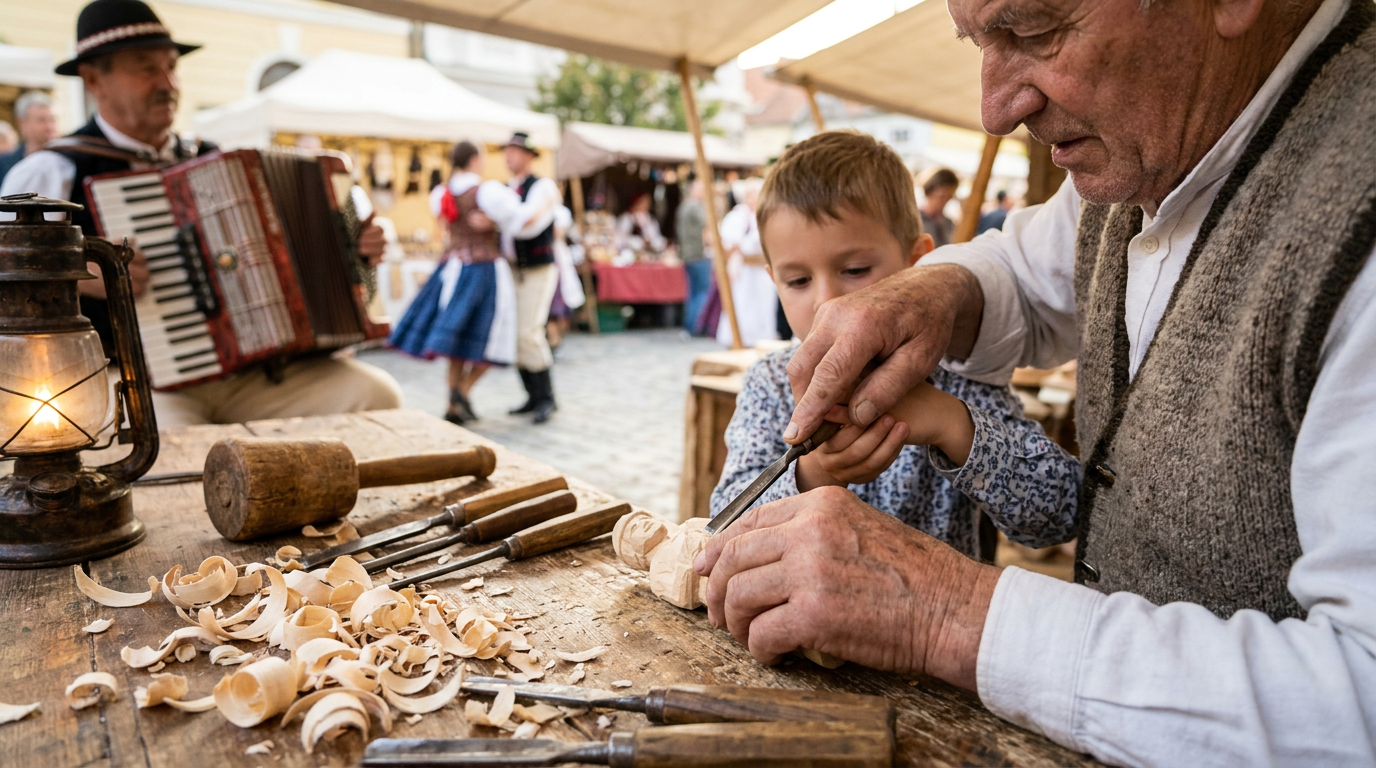
Attend a Sängerfest or German choir concert. Learn a folk dance from a cultural group. Watch a woodcarver, brewer, baker, glassworker or instrument maker demonstrate a traditional craft. Visit a Christmas market and speak with the artisans. Try decorative egg painting, paper cutting, embroidery, bread baking or wreath making. If your family came from a particular region, look for a tradition connected specifically to that place.

The point is not to pretend it is still 1850. Living culture survives because each generation adapts it. A young accordionist can bring new energy to an old melody. A baker may preserve a grandmother’s method while using a modern kitchen. A festival can honor its founders while welcoming neighbors whose families came from everywhere.

Do not remain at the edge taking pictures. Ask to try. Sing the chorus. Take the dance lesson. Make the ornament. Volunteer for setup. The fastest route from spectator to community is often carrying a folding table.

Bucket-list moment: Participate in one tradition instead of merely watching it.

8. Make the Ancestral Journey to Germany

This is the dream trip—the one that can make a century collapse in a single afternoon.

Once you have identified a hometown or region, build the journey around it rather than squeezing it between famous attractions. Contact the local archive, parish or historical society before you arrive. Learn whether the family church, home, workshop or cemetery still exists. Hire a local guide or genealogist if old handwriting, language or access rules create barriers.

Then slow down. Sit in the town square. Hear the church bells. Walk the road toward the fields. Eat what the region actually eats. Germany stretches from North Sea harbors and Schleswig-Holstein lakes to Rhineland vineyards, central forests, eastern cities and the Bavarian Alps. Your family’s Germany may not resemble the castle-and-Lederhosen image on a travel poster—and that is precisely why it is worth finding.

Leave space for emotion, but also for ordinary life. The grocery store, bus stop and weather are part of the experience. You are not entering a frozen ancestral world; you are meeting a real place that continued living after your family left.

Bucket-list moment: Stand in your ancestors’ community, take one quiet photograph and write down exactly how the moment feels before the details fade.

9. Become the Ancestor Future Generations Will Thank

The final experience is not about looking backward. It is about deciding what travels forward.

Create a small family archive. Scan photographs at high resolution. Label every person, place and approximate date you can identify. Record grandparents, parents, aunts and uncles telling their stories in their own voices. Save recipes, letters, military records, baptism certificates, immigration documents and translations in more than one secure location.

Then make the history enjoyable. Build a photo book. Create a short family documentary. Start an annual German supper. Celebrate German-American Day on October 6. Take children or grandchildren to a festival and let them choose the dessert. Give each person a copy of the family tree rather than keeping the only version on one laptop.

Most family history is not lost in a fire or flood. It disappears quietly when no one writes a name on the back of a photograph. Your contribution does not have to be perfect or complete. It simply needs to give the next curious person a place to begin.

Bucket-list moment: Record one 20-minute family interview this month and ask, “What do you remember that you never want us to forget?”

Your German Heritage Is Calling—What Will You Do First?

A bucket list works best when it leaves the page.

Circle the experience that excites you most. If a trip to Germany is years away, begin with a recipe. If the family tree feels overwhelming, interview one relative. If you already know the ancestral village, learn five German sentences you could use when you arrive. Small acts accumulate into living heritage.

Late August is an especially good time to begin. Fall festivals are approaching. Families will soon gather around holiday tables. Archives, museums, language courses and cultural clubs can turn a spark of curiosity into a year of discovery.

And remember: there is no single correct way to be German-American. Your heritage may be loud with brass music and festival laughter, or quiet as an ancestor’s name written on a ship manifest. It may live in a Lutheran church record, a Jewish family archive, a Catholic cemetery, a farmhouse recipe, a union song, a Texas town, a Midwestern workshop or a photograph from a Baltic village.

The important thing is to experience it—and then help someone else experience it too.

Got A Little German In You? Your German Heritage Is Calling You!


German Immigrants Helping To Shape A Nation | America 250

“Celebrating 250 Years of Freedom by Honoring the Millions of German-Americans Who Helped Shape a Nation”

Every Fourth of July, Americans gather beneath brilliant fireworks, wave the Stars and Stripes, enjoy backyard cookouts, attend hometown parades, and celebrate one of the most remarkable events in world history—the birth of the United States of America.

This year, however, carries an even greater significance.

As our nation commemorates America 250, the 250th anniversary of the signing of the Declaration of Independence, we have an extraordinary opportunity to reflect not only on our Founding Fathers, but also on the generations of ordinary men and women whose hard work transformed an ambitious experiment in democracy into one of the world’s most prosperous and influential nations.

Among those countless contributors, one group stands out for the sheer breadth and depth of its influence: German immigrants.

Their story is woven into nearly every chapter of American history. They built farms and factories, opened businesses, established churches and schools, fought in America’s wars, composed music, advanced science and medicine, pioneered new industries, and helped shape the values that continue to define communities across the country today.

At GERMAN HERITAGE USA, we believe America’s 250th birthday is the perfect occasion to recognize these remarkable contributions—not because German-Americans built America alone, but because they helped build it alongside millions of immigrants from every corner of the globe who believed in the promise of freedom and opportunity.

Their legacy is not confined to history books.

It is alive in our neighborhoods, our traditions, our family names, our industries, and our shared American identity.


A Journey Fueled by Hope

Imagine leaving everything you have ever known.

Your home.

Your language.

Your relatives.

Your familiar customs.

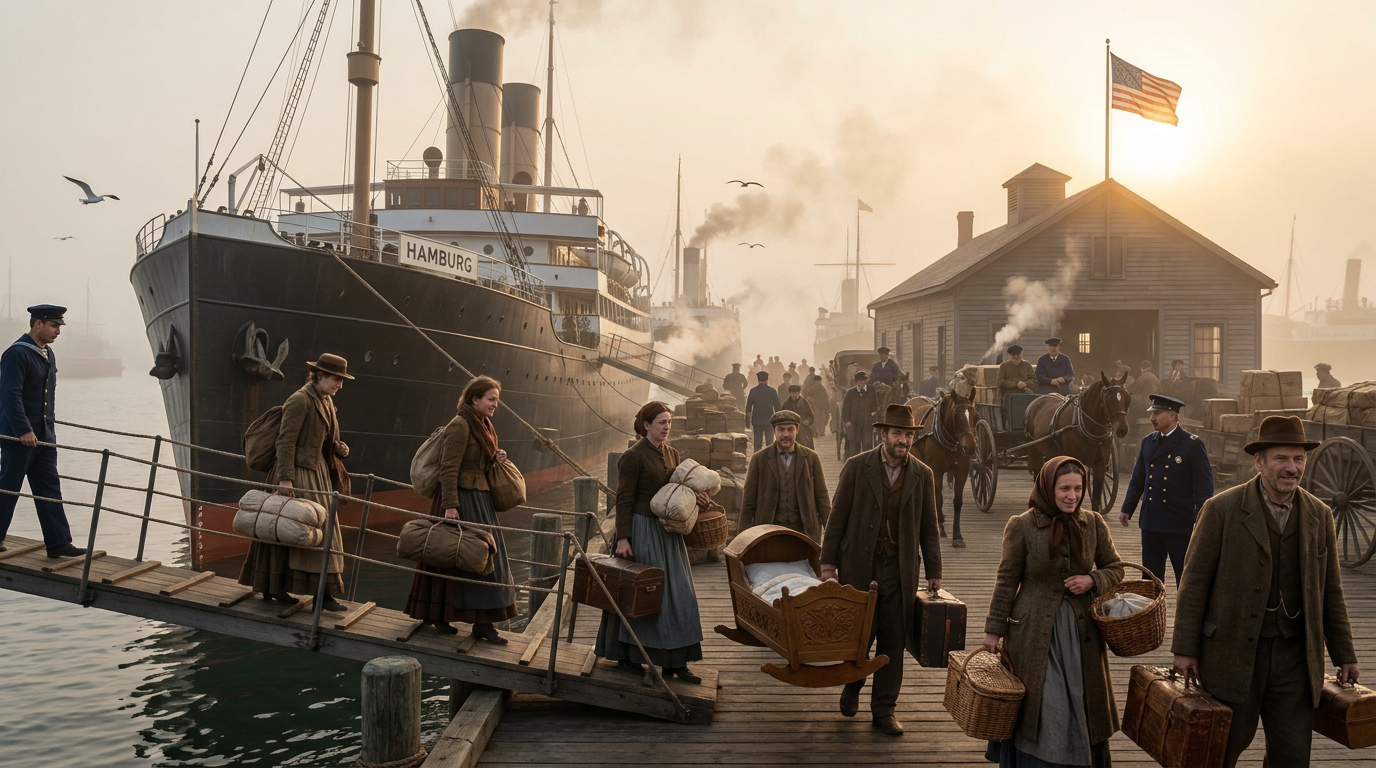
Now imagine boarding a crowded sailing ship for a journey lasting weeks—sometimes months—across the Atlantic Ocean without knowing exactly what awaited you on the other side.

That was the reality for millions of German immigrants beginning in the colonial era and continuing through the nineteenth century.

Many came seeking religious freedom.

Others fled economic hardship.

Some escaped political unrest following the revolutions of 1848.

Many simply hoped to give their children opportunities unavailable in Europe.

America represented possibility.

It offered something many had never experienced before: the chance to determine one’s own future.

That opportunity required tremendous courage. Few immigrants arrived wealthy. Most brought little more than practical skills, determination, faith, and an unwavering belief that hard work would eventually pay off.

History proved them right.

“The American Dream was never simply inherited—it was built by people willing to work for it.”


Building Communities, Not Just Homes

German immigrants rarely sought quick riches.

Instead, they built communities.

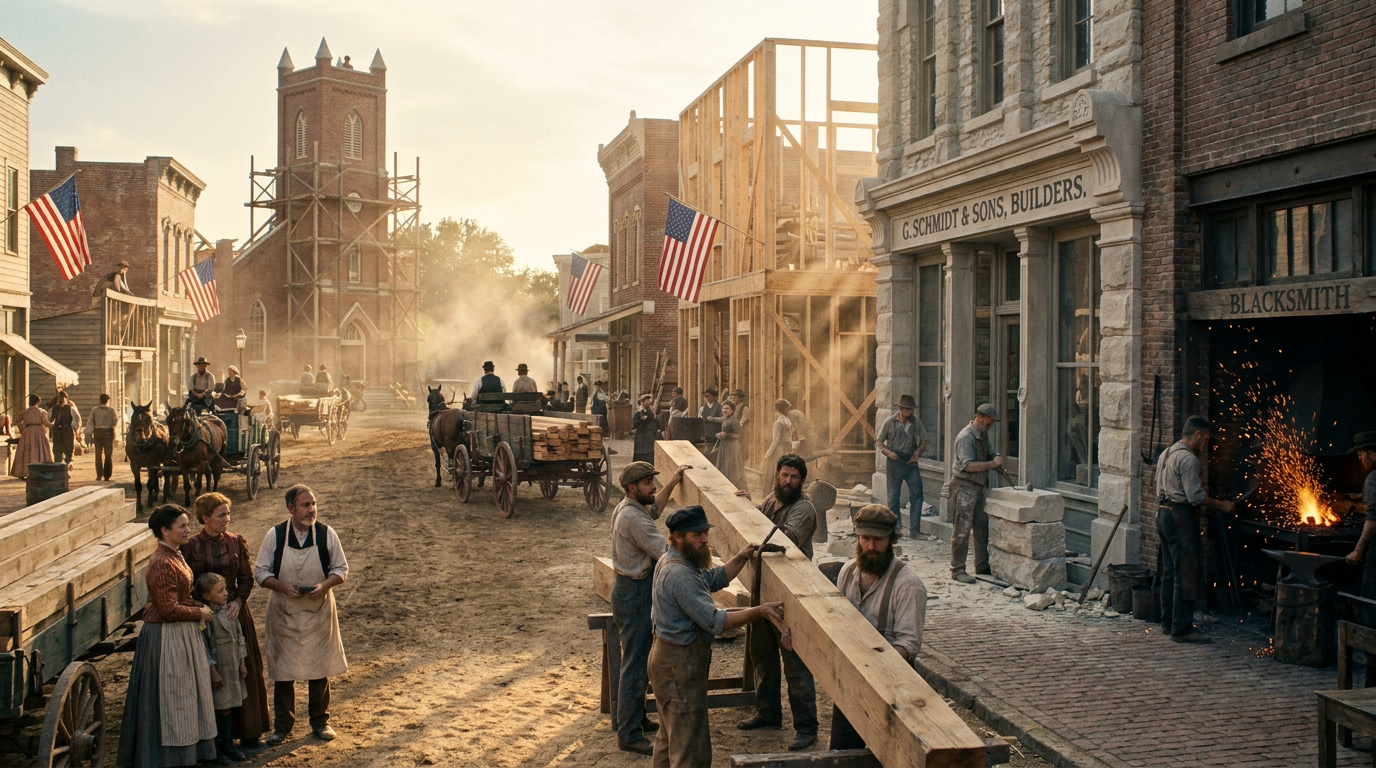
Across Pennsylvania, Ohio, Indiana, Illinois, Missouri, Wisconsin, Minnesota, Kansas, Nebraska, Texas, Tennessee, and countless other states, German settlers established farms, neighborhoods, schools, churches, businesses, and civic organizations that became the backbone of local communities.

Their reputation for quality craftsmanship soon became legendary.

They were skilled carpenters.

Stone masons.

Cabinetmakers.

Blacksmiths.

Millwrights.

Furniture builders.

Clockmakers.

Merchants.

Teachers.

Engineers.

Brewers.

Farmers.

Wherever German immigrants settled, communities often prospered because they emphasized education, organization, craftsmanship, and long-term investment.

Even today, many historic courthouses, churches, barns, mills, and downtown commercial buildings across America bear the unmistakable mark of German engineering and attention to detail.

Their philosophy was simple.

If something was worth building, it was worth building well.

» Read more

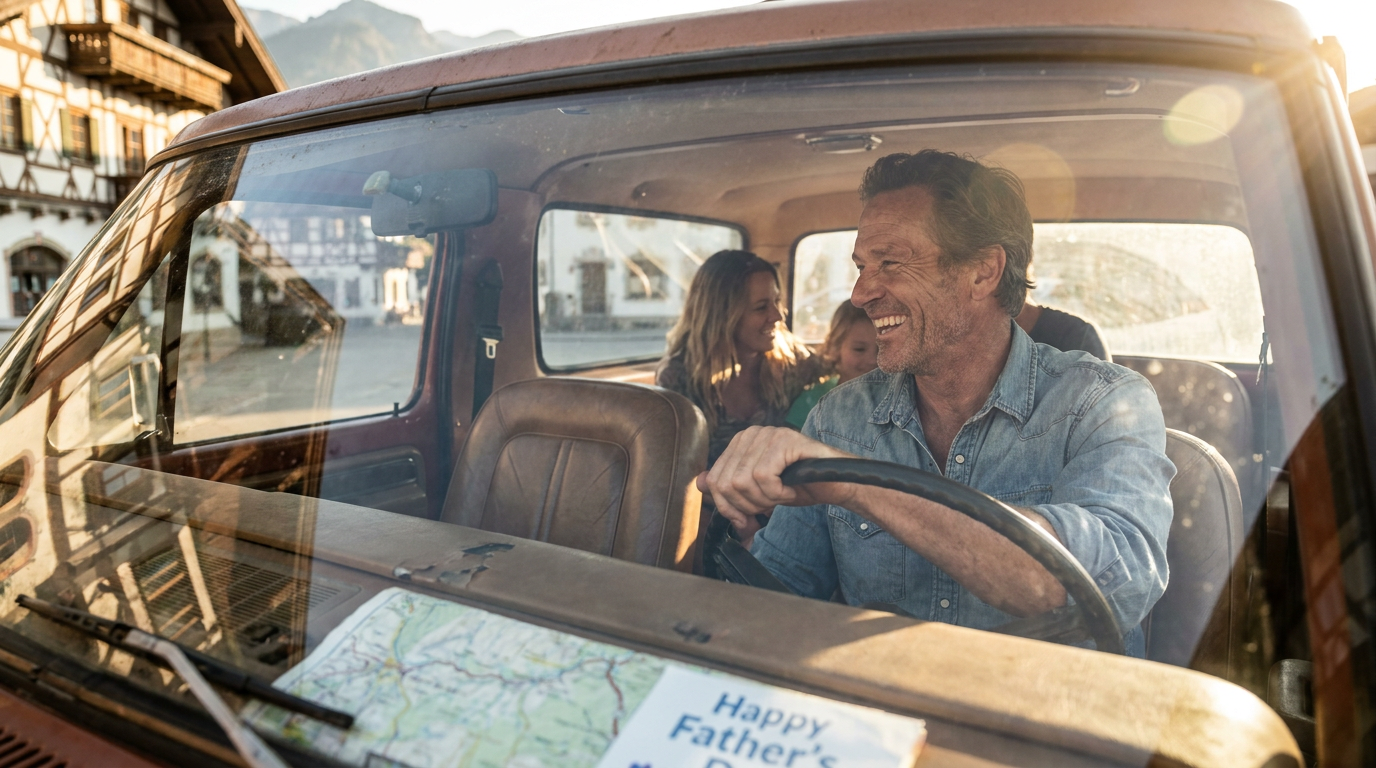
The Ultimate Father’s Day Adventure: Exploring America’s German Heritage Destinations Together

As Father’s Day approaches each year, many families find themselves searching for the perfect way to celebrate. Traditional gifts like neckties, coffee mugs, tools, and backyard cookouts certainly have their place, but more and more people are discovering that the most meaningful gifts are not found in stores at all. Instead, they are found in shared experiences, memorable journeys, and the stories created along the way.

For families with German roots, Father’s Day presents a unique opportunity to do something truly special—explore the rich German heritage destinations, traditions, foods, festivals, and historic communities that continue to thrive across America. Whether your ancestors came from Bavaria, Saxony, Schleswig-Holstein, the Rhineland, or another German-speaking region of Europe, a heritage-focused adventure can become much more than a day trip. It can become a journey of discovery, connection, and appreciation for the generations who came before us.

While there’s certainly nothing wrong with spending Father’s Day relaxing at home, many families are discovering that the most meaningful gifts are not things at all—they’re experiences.

For families with German roots, Father’s Day can become something even more special: an opportunity to explore the places, traditions, foods, festivals, and stories that connect generations together.

Whether your family’s ancestors arrived from Bavaria, Saxony, Schleswig-Holstein, the Rhineland, or any of the German-speaking regions of Europe, America is filled with destinations where German heritage is still celebrated today.

From Bavarian-style mountain villages to historic immigrant settlements, from world-famous Oktoberfests to authentic German bakeries, Father’s Day offers the perfect excuse to hit the road and create memories that may last far longer than any wrapped gift.

After all, fathers often pass down more than family names.

They pass down stories.

And every family story begins somewhere.

Why German Heritage Travel Makes the Perfect Father’s Day Gift

Many fathers love history.

Many love food.

Many enjoy discovering how things are made.

Many enjoy road trips, museums, architecture, festivals, trains, breweries, woodworking, craftsmanship, and old-world traditions.

German heritage destinations often combine all of these interests into one memorable experience.

Perhaps even more importantly, these trips create opportunities for conversations that don’t happen during everyday life.

Questions like:

“Did Grandpa ever talk about where our family came from?”

“Why did our ancestors leave Germany?”

“What traditions did they bring with them?”

“What foods have been passed down through our family?”

Those simple questions often lead to incredible discoveries.

“The greatest inheritance a father can leave his children is not money or possessions—it’s stories, values, and memories.”

“Heritage is not just where we came from. It’s the bridge that connects generations.”


America’s Most Famous German Heritage Destination:

Leavenworth, Washington

Nestled in the Cascade Mountains, the village of Leavenworth may be the closest thing America has to a real Bavarian town.https://images.openai.com/static-rsc-4/9KbKkb8ZUYQO1ywWBl7TfK8Je_Gmt3hfB3HuE8ge5jvrxyA423FYJ2wvsJ9x1Qz5mBUqH1FqZe8InIbKoi41R1EJYf_XmPXpbPXDDRbPn8WOAYi2SFVlavi5LiGG_yefuRc-UUAE9HSTF3ynBRVp3trI-pCVM9pGklosG9DRS4v67Ye_NYyZAnd7wHJqC5wt?purpose=fullsize

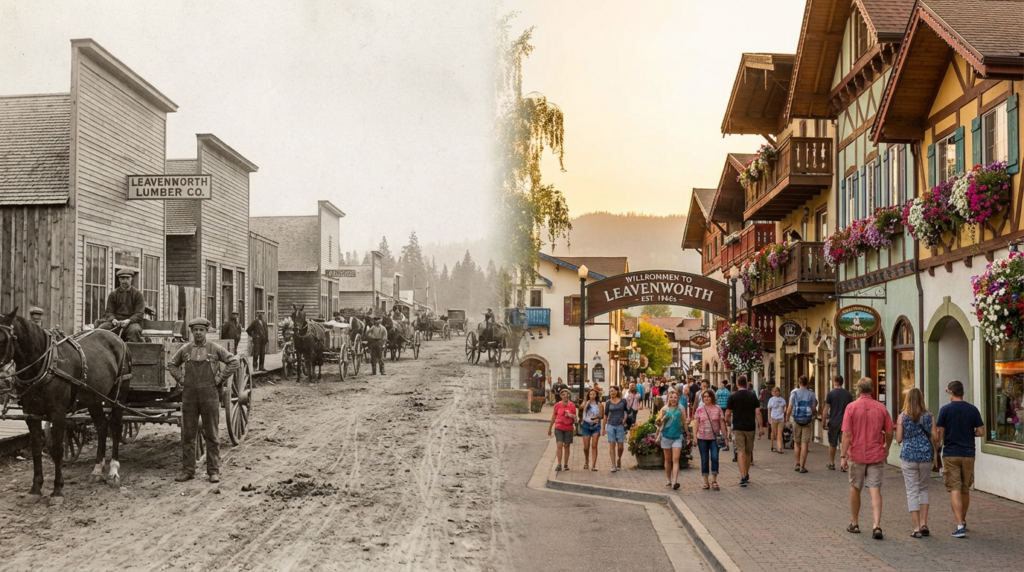
Originally a struggling logging community, local leaders reinvented the town in the 1960s by embracing traditional Bavarian architecture and tourism.

Today visitors find:

  • Alpine-style buildings
  • Authentic German restaurants
  • Biergartens
  • Pretzel shops
  • Cuckoo clocks
  • German bakeries
  • Seasonal festivals
  • Mountain scenery that feels straight out of southern Germany

For Father’s Day, families can spend the day exploring downtown before hiking nearby mountain trails or enjoying a traditional German meal together.

It’s one of the few places in America where you can genuinely feel transported to another continent.


Helen, Georgia:

Bavaria in the Blue Ridge Mountains

Located in the beautiful North Georgia mountains, Helen welcomes more than three million visitors annually.https://images.openai.com/static-rsc-4/-MVghtJPgHXW0-VW8xB7TtQyufQ7M2JLGPxbalcA4c20vYtLnJNrx0NMNQvDPe-ODygF2potNHEdAsx82pEQmxMU-xgbxhlzJOXBRshKeEb2-wRCl4B1yEc4S0U3XPveotTzR-wiF_nxHY6Pu6c_VscibmfZ5j1gan_9uSKPyxQqdb-IH16vk_X-WLKWEwjM?purpose=fullsize

The town transformed itself into a Bavarian-style destination and has become one of the most beloved German-themed communities in the United States.

Fathers who enjoy:

  • Trout fishing
  • Scenic drives
  • Mountain hiking
  • German beer
  • German food
  • Historic architecture

will find plenty to enjoy.

A Father’s Day weekend here can include a stroll through town, a visit to local wineries, a scenic mountain drive, and a hearty meal featuring schnitzel, bratwurst, sauerkraut, and Black Forest cake.

» Read more

From Castles to Communities: Where to Experience German Architecture in America

For many Americans, German Heritage often first arrives through food—bratwurst sizzling at Oktoberfest, pretzels bigger than your plate, or a frothy stein raised beneath brass-band music. But beyond the beer halls and biergartens lies something even more enduring: architecture.

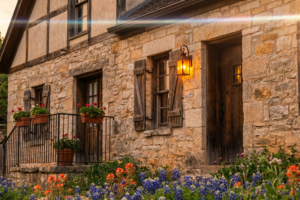
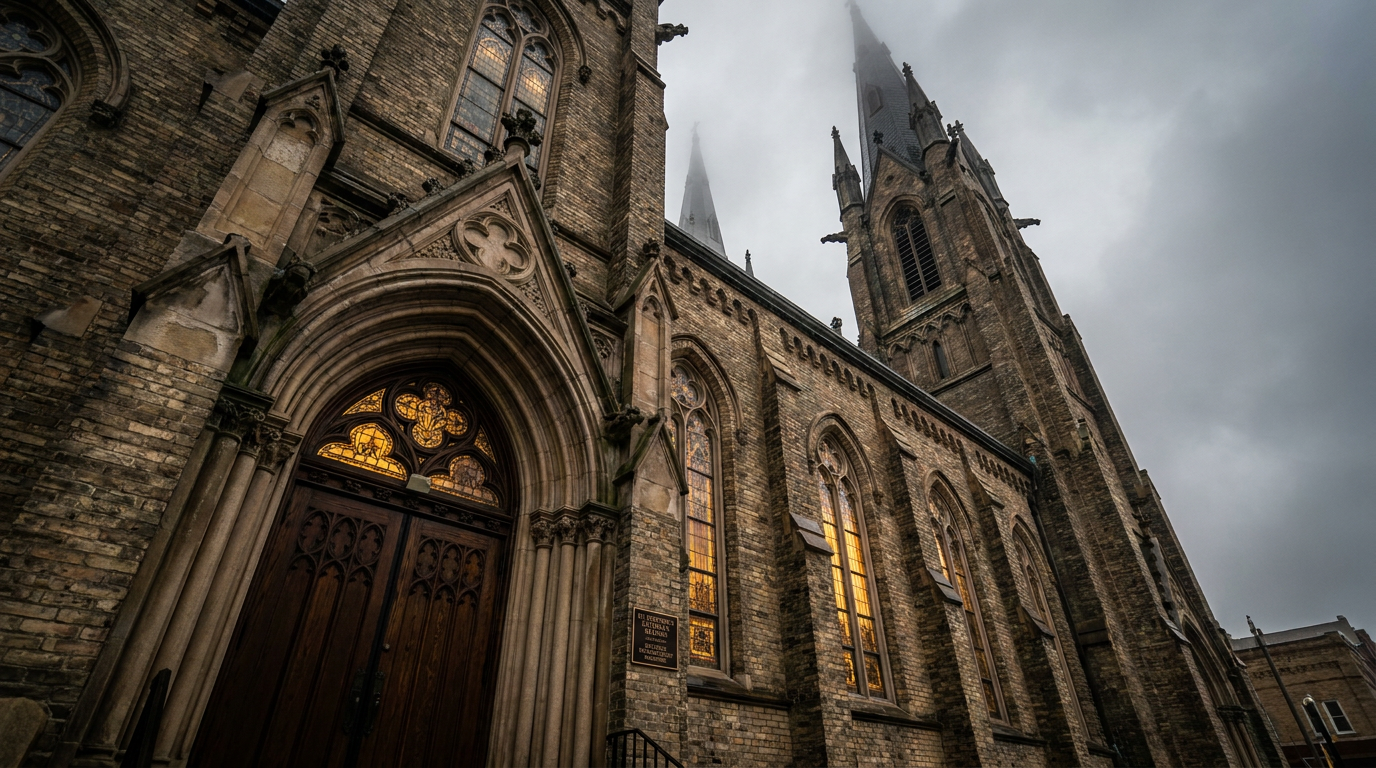
German immigrants didn’t just bring recipes and traditions to America—they brought building styles, village planning, craftsmanship, and a cultural love for structures that were meant to last. Across the United States, from half-timbered inns to Bavarian alpine villages, Gothic churches to storybook castles, German architectural influence has shaped communities in surprising and unforgettable ways.

Whether you’re a proud German-American tracing family roots, a traveler searching for old-world charm, or simply someone who wants to feel like they’ve stepped into Bavaria without crossing the Atlantic, America offers a rich landscape of German-inspired places.

As architect Ludwig Mies van der Rohe—one of Germany’s greatest design minds who profoundly influenced American architecture—famously said:

“Architecture starts when you carefully put two bricks together.”

In German-American communities, those bricks often became cathedrals, breweries, town squares, and castles.

From Pennsylvania Dutch country to Texas Hill Country, here’s your passport to experiencing German architecture in America.


Why German Architecture Took Root in America

Beginning in the 17th century and accelerating through the 19th century, millions of Germans immigrated to America. They settled heavily in Pennsylvania, Ohio, Wisconsin, Missouri, Texas, and the Midwest, often recreating pieces of home.

Their building traditions reflected:

  • Fachwerk (half-timbered) construction
  • Bavarian alpine chalet styles
  • Romanesque and Gothic Revival churches
  • Craftsmanship-centered stone masonry
  • Village-centered public squares
  • Beer halls, breweries, and communal gathering spaces

These communities weren’t random—they were intentional cultural anchors.

German settlers often built:
Church first. School second. Brewery third.

That practical yet community-centered philosophy still shapes many towns today.


https://images.openai.com/static-rsc-4/xBbdwUzheTTKhjTgMQG7qaXsnIV9FRXrCxrE5xlQMxZseQMy7nF5hx7fV1ecV8x17jHPH1YtPIWWsTXDzO-K2caCHB3jQmqCXaYtJrdNOEoHxsSWrpysc4d6PZfyVWrR5QNIz3H70oxCWFpv_ss31Li06zDGLQCJ3o4gm2L5WiitxtFUETy-9kCH1rMbu9Uq?purpose=fullsize
1. Fredericksburg, Texas – Germany in the Heart of Texas

Deep in Texas Hill Country sits one of America’s most authentic German-founded towns: Fredericksburg.

Established in 1846 by German immigrants, Fredericksburg combines limestone frontier practicality with unmistakable European touches:

  • Sunday houses
  • Vereins Kirche (community church-fort structure)
  • Fachwerk buildings
  • Biergartens
  • Stone cottages

The Vereins Kirche, reconstructed in the town center, is especially symbolic—a blend of church, school, and fortress.

Walking Main Street feels like Germany met the Wild West.

Don’t Miss:

  • Pioneer Museum
  • Marktplatz
  • Historic Sunday Houses
  • Oktoberfest Fredericksburg

Fun Fact: Texas German was once a widely spoken dialect here, blending old German with Texan English.

» Read more

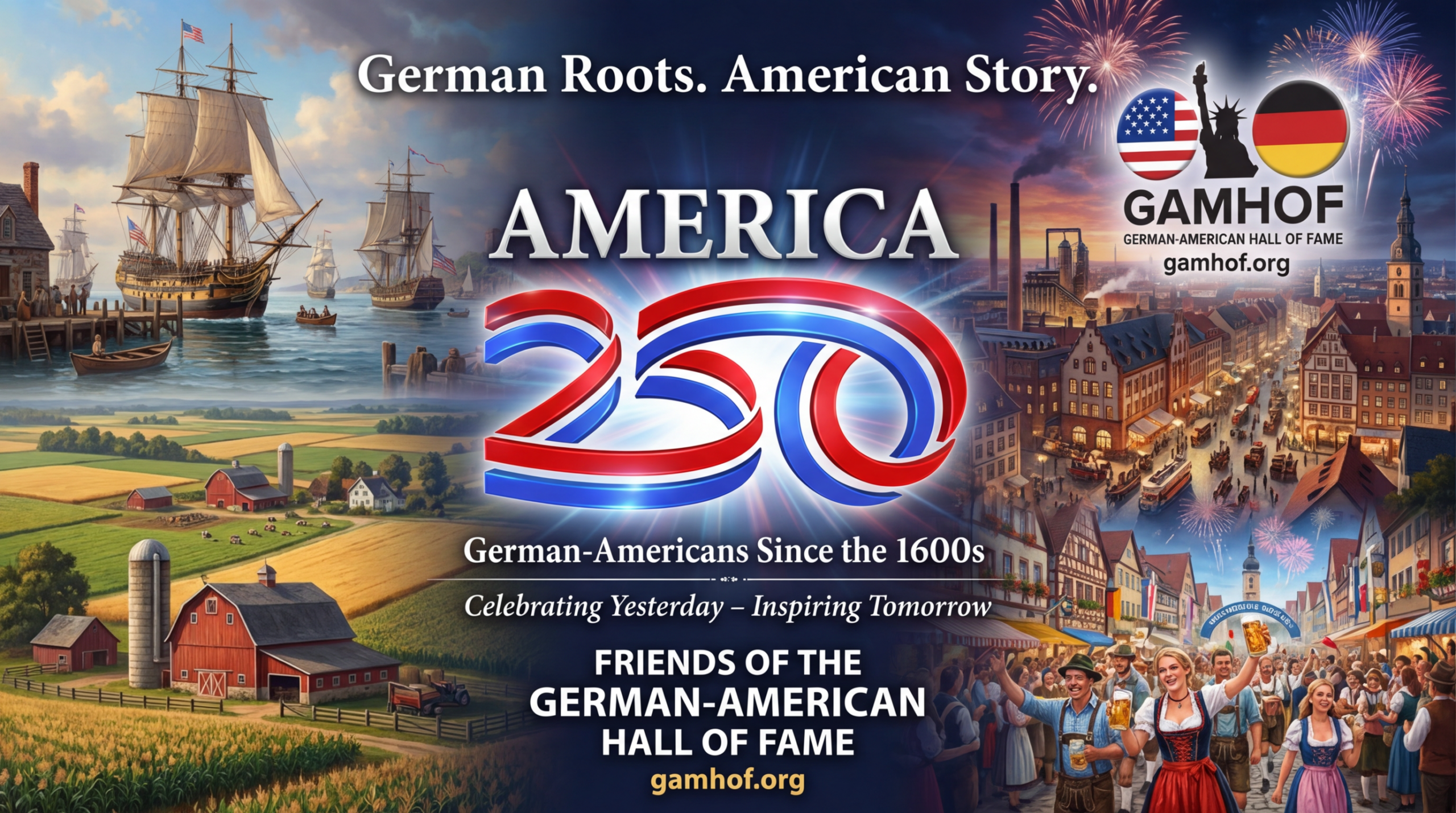
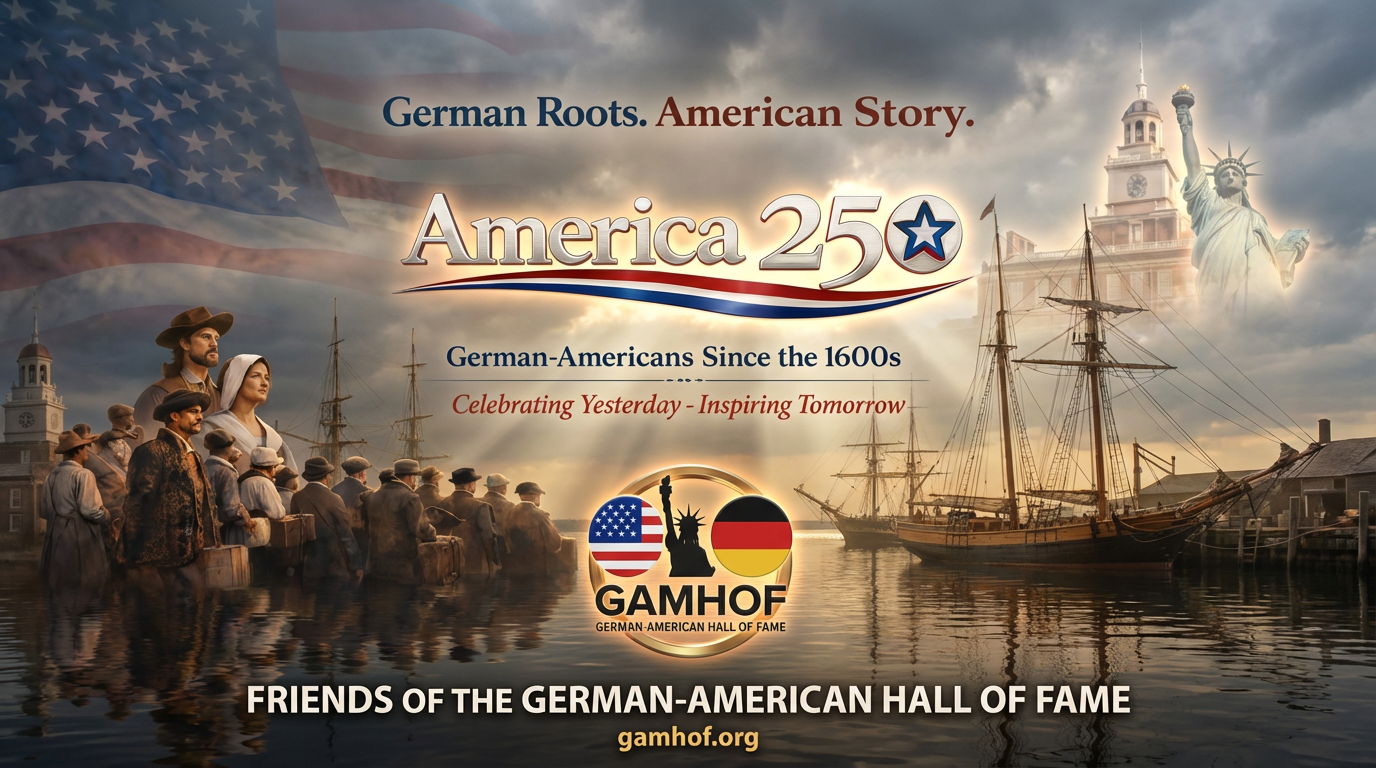
German Heritage, American Pride: The America 250-Year Celebration with GAMHOF – German-American Hall of Fame

As the United States approaches its historic 250th anniversary in 2026, a powerful reflection is underway—one that goes far beyond fireworks and festivities.

It is a moment to look deeper into the roots of America’s identity and recognize the many cultures that helped shape its story. Among the most enduring and influential of these are German-Americans, whose contributions span centuries and continue to define the nation today.

From the earliest settlements in the 1600s to modern innovation in science, business, and culture, German-Americans have played a foundational role in building the United States. Their story is one of resilience, craftsmanship, intellect, and an unwavering commitment to freedom and opportunity.

At the heart of preserving and celebrating this legacy stands the German-American Hall of Fame (GAMHOF)—a New York-based nonprofit dedicated to honoring the individuals and stories that define German-American excellence.

And as America prepares to celebrate 250 years of independence, GAMHOF is helping ensure that this vital chapter of the American story is not only remembered—but fully understood, appreciated, and carried forward.

A Symbol of 250 Years: America’s Shared Story

The America 250 milestone is more than a celebration—it’s a national reflection. And within that reflection lies a powerful truth: America was never built by one group alone.

https://images.openai.com/static-rsc-4/jtj8yeL-p9ofxjMHCBxR2RbFgWOSr-YDRWehzCCv08EqhdH1Tr_EqQnomwPt00Bjlk44UugSBwBDUjuN8-k0jxtFgvWbw6-lUkSlQDluAP9Stq_oHhFewXSP7-KA7MDtkNxdgsJGszJlyAl2avabbfpIG-9BxtBCkt-4NTaN866Rw3Gyjwt0mPk6BEKeowwn?purpose=fullsizeGerman immigrants and their descendants are woven deeply into the American fabric. They arrived with skills, traditions, and values that helped shape everything from agriculture and engineering to education and governance.

As GAMHOF proudly shares:

“German Roots. American Story. Celebrating Yesterday. Inspiring Tomorrow.”

This theme captures the essence of the America 250 initiative—honoring the past while energizing the future.


A Legacy That Predates the Nation

Long before 1776, German settlers were already building communities across colonial America. They brought with them a strong emphasis on:

  • Craftsmanship and skilled trades
  • Agricultural innovation
  • Education and literacy
  • Faith and community structure

By the time of the American Revolution, German-Americans were already active participants in the fight for independence—both on the battlefield and through their support of democratic ideals.

One of the most influential groups, the “Forty-Eighters,” arrived in the mid-1800s after political upheaval in Europe. They brought with them a deep belief in liberty, freedom of speech, and democratic governance—values that aligned seamlessly with the American experiment.

“Opportunity rewards readiness.”
— A guiding principle reflected in the German-American journey

» Read more

Curiosity to German Heritage Pride: Why Even a Trace of German Roots Can Inspire a Lifetime of Travel

There’s something quietly powerful about heritage—especially the kind you didn’t grow up fully understanding. For many Americans with German ancestry, the connection often begins not with language or travel, but with curiosity.

A last name, a grandparent’s recipe, an old photograph, or even a family rumor can spark a desire to explore “that German side” of the family tree. And even if they’ve never spoken German or set foot in Germany, the pull is real—and growing.

Part of that fascination comes from how Germany has been culturally “packaged” in the American imagination. For generations, Americans have associated Germany—perhaps more specifically Bavaria—with a joyful, colorful identity: Oktoberfest celebrations, bratwurst sizzling on the grill, steins overflowing with beer, oompah bands, accordions, lederhosen, and dirndls. It’s festive, welcoming, and easy to embrace.

It feels like a celebration of life. So when someone discovers German roots, it’s often this version of Germany they first connect with—a warm, approachable gateway into a deeper heritage.

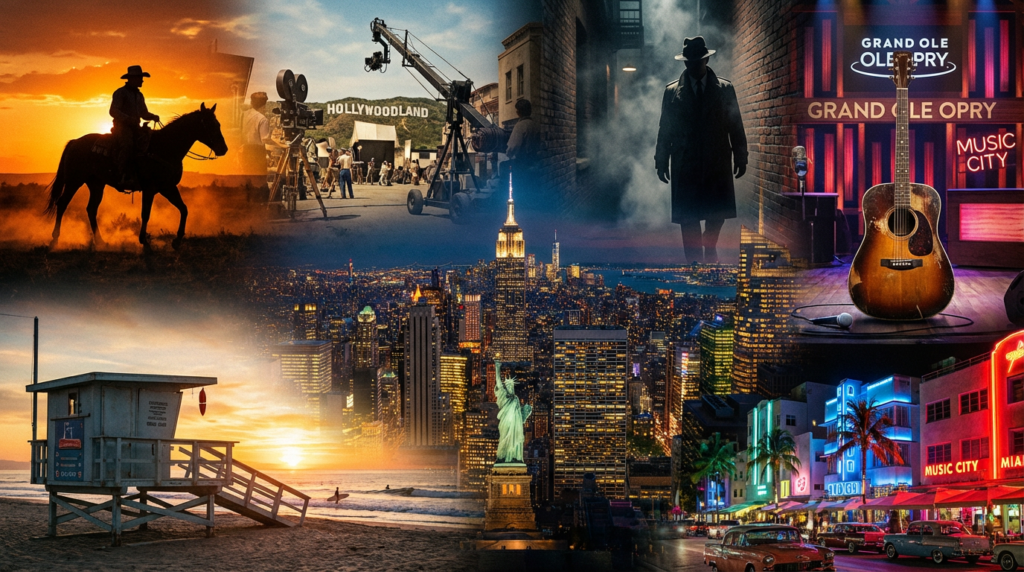
But just as Americans simplify Germany into Bavarian imagery, Germans—and much of the world—often view America through their own cultural shorthand. To some, America is Texas-sized: cowboy hats, wide-open plains, and oil tycoons reminiscent of Dallas and J.R. Ewing. Others picture Hollywood icons like John Wayne or Clint Eastwood, embodying rugged independence.

Then there’s California’s sun-soaked beaches shaped by the carefree spirit of the Beach Boys or the lifeguard drama of Baywatch. Add in New York’s fast-paced glamour, Chicago’s gangster-era lore, Nashville’s country music roots, and Miami’s neon-lit nightlife, and you begin to see the same pattern—we all tend to understand other cultures through their most iconic, simplified snapshots.

And yet, there’s nothing wrong with that starting point. In fact, it may be essential.

The Bavarian “first impression” works because it’s vibrant and inviting—it sparks imagination. Some even argue that early American storytelling helped shape this perception.

When L. Frank Baum published The Wonderful Wizard of Oz and later when the film The Wizard of Oz debuted starring Judy Garland, audiences were introduced to a whimsical, colorful world filled with pageantry, music, and almost storybook-European aesthetics.

While not directly German, the visual elements—the costumes, village charm, festive tone—echoed a kind of old-world Central European fantasy that many Americans subconsciously linked to places like Bavaria.

The Munchkins, the theatrical staging, even the musical elements carried a certain “storybook Europe” energy that blended into America’s perception of German culture over time.

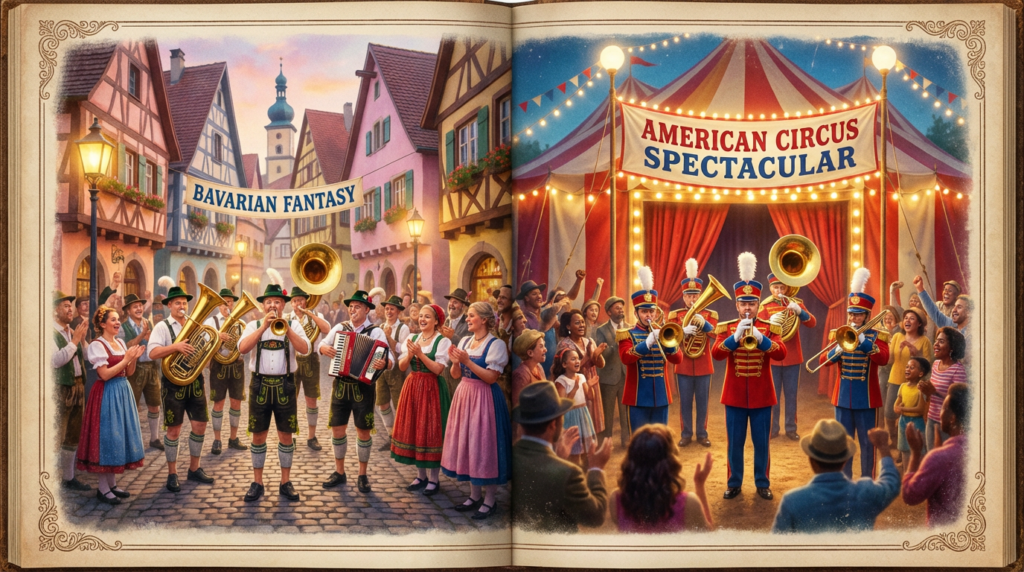
There’s also an interesting parallel in the world of entertainment. The bold colors, costumes, and lively brass sounds of Bavarian oompah bands share a surprising kinship with the grand spectacle of traveling circuses—both designed to delight, gather crowds, and create unforgettable experiences. That sense of joy, rhythm, and visual celebration has made Bavarian culture especially “exportable” and memorable.

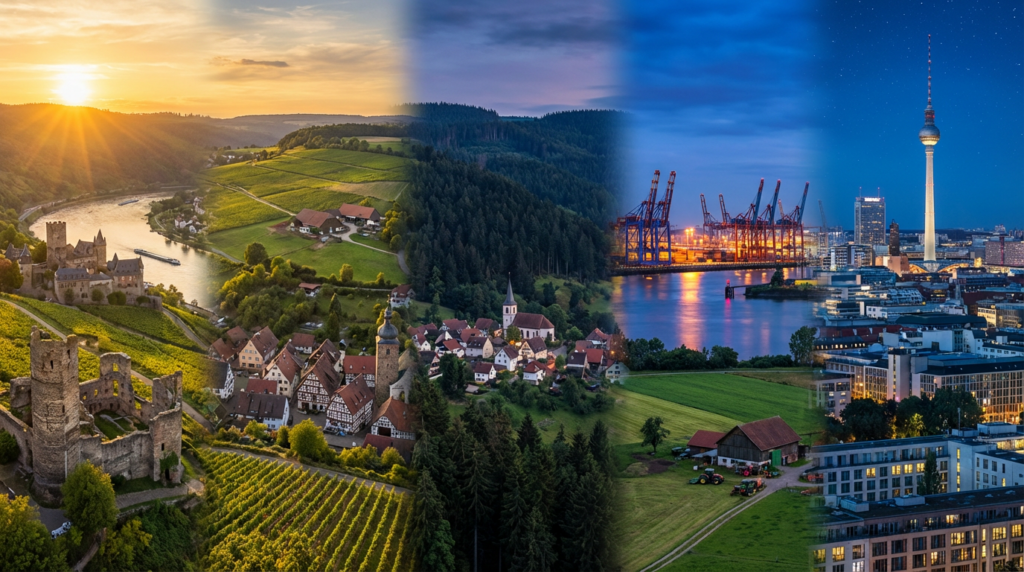
Of course, Germany itself is far more diverse than this single lens. Northern Germany offers coastal charm, fresh seafood, and maritime traditions. Central Germany reveals rolling hills, castles perched above winding rivers, and vineyard-covered valleys.

Cities like Berlin, Hamburg, and Frankfurt pulse with modern energy, history, and innovation. But for many Americans just beginning their heritage journey, Bavaria becomes the gateway—the first chapter in a much larger story.

And maybe that’s exactly how it’s meant to be.

Because once curiosity is sparked—whether by a bratwurst at a festival, a polka tune, or a family name etched in history—it often leads to something deeper: genealogy research, travel plans, cultural exploration, and a renewed appreciation for where one’s story began.

The initial attraction may be predictable. But what follows is often personal, meaningful, and lasting.

» Read more

German Heritage Bucket List: Why You Should Visit Leavenworth, Washington at Least Once

Tucked away in the Cascade Mountains of Washington State is a place that feels like it was lifted straight from Bavaria and gently placed into the Pacific Northwest. Welcome to Leavenworth—a small town with a big German heart.

At first glance, it’s almost surreal. Alpine-style buildings line the streets, flower boxes overflow with color, and the scent of bratwurst and fresh pretzels drifts through the crisp mountain air. But Leavenworth isn’t a theme park—it’s a living, breathing tribute to German heritage in America.

Originally a struggling logging town in the early 20th century, Leavenworth reinvented itself in the 1960s by embracing a Bavarian village theme. What began as an economic revival effort has since become one of the most beloved cultural destinations in the United States—especially for those who appreciate German traditions, food, festivals, and gemütlichkeit (that warm feeling of friendliness and good cheer).

And here’s the magic: Leavenworth isn’t just a one-season destination. It transforms beautifully throughout the year, offering a unique experience in every season—from spring Maifest celebrations to snowy Christmas wonderlands.

“In Leavenworth, you don’t just visit—you step into a living postcard of Bavaria.”


A Bavarian Village in the Heart of Washington

https://images.openai.com/static-rsc-4/YllC2lALAcaTy5X_NvEieF9WjmJXdlnglmFJD9c2FghOPaDXJKqZSiD5zlz2nKH2KraApwj8TLLWRUWHRYEtR8PL2zJlDQBSSUtt_r9SXDc3Rp3vkq_foDmrqFGTKOlEPg32GfhU9ad8WNW-u9JId-Qg4VSAHAAT330VqMl2F1n8qusXD_rtV1o87kPXONW6?purpose=fullsize
https://images.openai.com/static-rsc-4/CYB33qfp0WtVRU-YdOhjKxi7UqTM4EcF9as5mvQdUIuogHSOWYauNooiqeerr9_0e9Nu8bfujwn9FKVHgZ9M2N0SErHWrLdqZ_C2tfCjcBE600F2zm_ARu92cGA7NpaRzpPhLZ8-4OLe-p088V3uKscgwXwPaiJmINa-6ms2tLz5Mt9QJp1GmYljfUER-df2?purpose=fullsize
Walking through downtown Leavenworth feels like wandering through a German alpine village. The architecture is authentically styled, with painted murals, carved wood balconies, and steep gabled roofs.

Every detail has been thoughtfully curated:

  • German-style beer halls and restaurants
  • Artisan shops selling nutcrackers, cuckoo clocks, and steins
  • Outdoor plazas filled with music and laughter

It’s no wonder Leavenworth is often called “America’s Bavarian Village.”

But what truly sets it apart is how seamlessly it blends German heritage with the natural beauty of the Cascade Mountains.


Spring Awakens: Maifest & the Maypole Tradition

https://images.openai.com/static-rsc-4/NznYE1l_U7sUjdY7OYMe1DdKME6wZn_stUe-OGmWJwHcf1WlfMMpRdjSkIC_eKHoo6MdgZB1HWiKvBoSJ1n8703TSHT-IyEyubl6SEXqE-kHlhYoOCnTwF_hBUzVkgeATtzTN_xxZPpxPhb29vnfyWl4GEtBoOIuKMmy4-dRkhxFeOZddQZ7we82nW5Z_I25?purpose=fullsize

As winter fades, Leavenworth bursts into life with Maifest, a joyful celebration of spring rooted in German tradition.

At the center of the festivities stands the Maibaum (Maypole)—a tall, decorated pole wrapped in colorful ribbons. Dancers weave in and out, braiding patterns as music fills the air.

Spring in Leavenworth is all about renewal:

  • blooming alpine flowers
  • outdoor markets and music
  • lighter German beers and seasonal foods

After months of snow, the town feels alive again—much like Bavaria itself in April and May.

» Read more

Ancestry, DNA & Discovery: Tracing Your German Roots

For millions of Americans, the journey to discover German roots begins with a simple question: “Where did my family come from?” Maybe it’s a last name that ends in -mann, -berg, or -schmidt. Maybe it’s a grandmother’s recipe for sauerbraten or a dusty Bible written in Gothic script. Or perhaps it’s a DNA test result that flashes “40% Germanic Europe” and sparks curiosity.

German Americans represent one of the largest ancestry groups in the United States. From Pennsylvania to Texas, Wisconsin to Nebraska, their influence is stitched into the American story—through farming traditions, music, architecture, Christmas customs, language, and even food staples like hot dogs and pretzels.

But tracing German ancestry can feel overwhelming. Borders changed. Names were Americanized. Records were handwritten in old German script. Entire regions shifted from kingdoms to empires to modern states. Yet, with today’s digital tools, DNA testing, and global archives, discovering your German heritage has never been more accessible—or more exciting.

“Genealogy is not about names and dates. It’s about stories, identity, and belonging.”

Let’s explore how to trace your German roots—step by step—while uncovering the rich cultural tapestry behind your family’s story.


Step 1: Start at Home – The Power of Family Stories

Before diving into DNA databases and European archives, begin with what you already have.

https://images.openai.com/static-rsc-3/-A1N5CCnGVFUa97BcVhJ69JWmVpAk7ImAkCJIVvj6Q0ROE0NOzMYa83gOUymPnsiQfiJxNF5ScOI4zMKBPB-Ll0252HEIcYYV3giyfJNWuI?purpose=fullsize&v=1
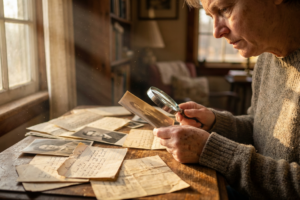
Family Bibles, immigration papers, naturalization certificates, handwritten letters, and photo albums are treasure troves. Interview older relatives. Record their stories. Ask questions like:
  • Do you remember the original spelling of our surname?
  • Was our family Catholic or Lutheran?
  • Did anyone mention a specific town in Germany?
  • When did our family come to America?

Even small details matter. A city name like “Bremen” or “Bavaria” may actually refer to a departure port or a larger region rather than a specific village. German genealogy often hinges on identifying the exact town of origin.

» Read more

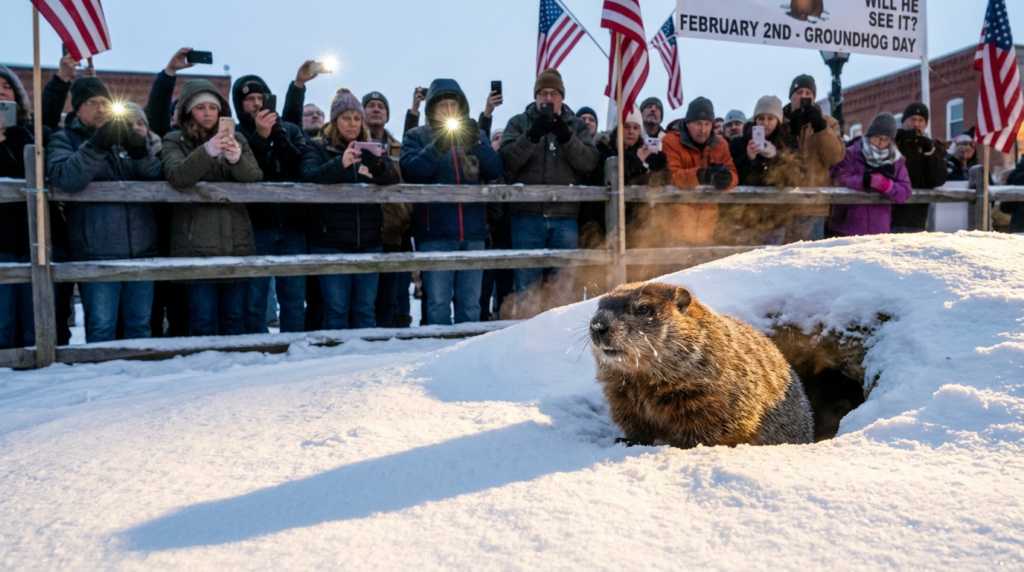
Groundhog Day’s German Roots: How Old World Folklore Created an American Tradition

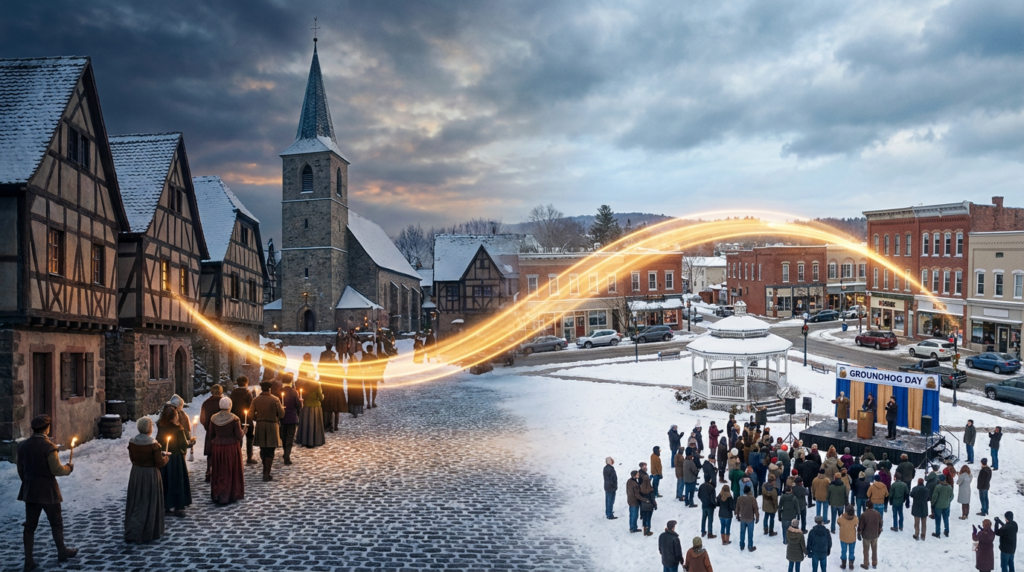
Every February 2nd, a small, furry weather prophet waddles into the spotlight. Cameras flash, crowds cheer, and the fate of winter hangs on one simple question: Will he see his shadow? This charming ritual—known as Groundhog Day—feels unmistakably American, wrapped in small-town celebration and playful superstition.

But here’s the twist: Groundhog Day didn’t start in North America at all.

Its roots stretch back centuries to German villages, medieval church calendars, and the quiet wisdom of farmers watching animals and sunlight for clues about the seasons ahead. What we celebrate today is actually a living piece of German folklore—one that crossed the Atlantic, adapted to a new landscape, and somehow became one of America’s most beloved winter traditions.

So grab a warm coat (lederhosen optional), and let’s dig into the surprising German heritage behind Groundhog Day.


From Candlemas to Shadows: Germany’s Seasonal Wisdom

Long before groundhogs took center stage, February 2nd already mattered deeply in German-speaking Europe. The date marked Candlemas, a Christian feast day celebrating light returning after winter’s darkest stretch. In agrarian societies, Candlemas wasn’t just spiritual—it was practical.

Farmers believed the weather on February 2nd foretold what the rest of winter would bring.

If the day was bright and sunny, folklore warned of a “second winter”—six more weeks of cold and hardship. If the sky stayed cloudy, it meant spring would arrive early. These beliefs were passed down orally, reinforced by centuries of observation and necessity.

Adding an animal into the equation made the prophecy even more vivid.


Dachstag: When the Badger Was the Oracle

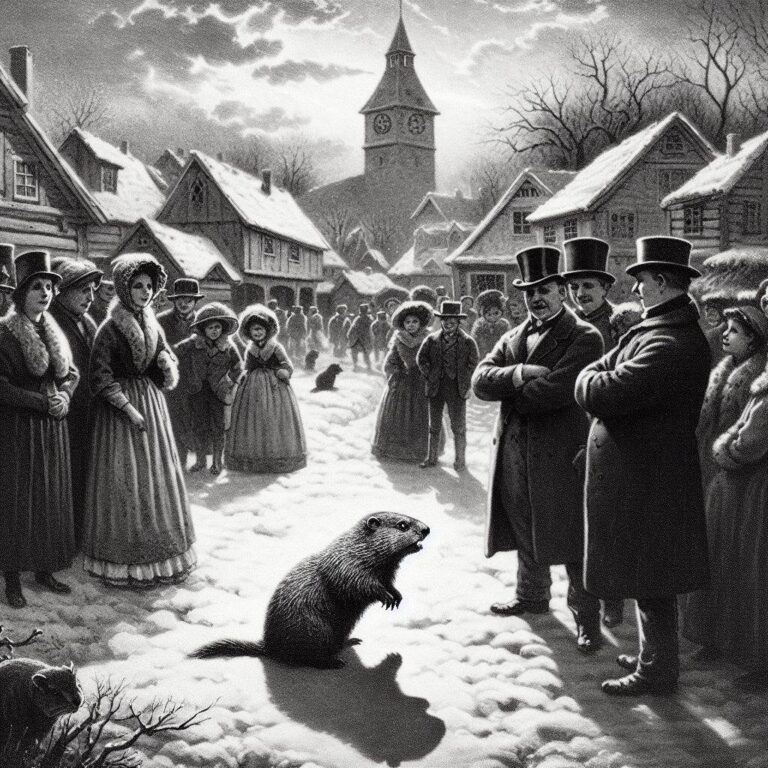
In parts of Germany, especially rural regions, Candlemas folklore merged with animal behavior. According to tradition, a badger (Dachs) would emerge from its burrow on February 2nd. If it saw its shadow in the sunlight, winter wasn’t done yet.

This observance became known informally as Dachstag—Badger Day.

The logic made sense to farming communities. Animals that hibernated were closely tied to seasonal rhythms. Their movements offered clues about soil temperatures, planting times, and the risk of frost. Watching the badger wasn’t superstition—it was survival.

And then Germans carried this tradition with them across the ocean.


From Germany to Pennsylvania: A Tradition Takes Root

In the 18th and 19th centuries, German immigrants settled heavily in what is now Pennsylvania Dutch Country. They brought language, foodways, religious customs—and folk traditions like Candlemas weather lore.

There was just one problem.

No badgers.

So the settlers adapted. The North American groundhog (woodchuck) behaved similarly: it hibernated, emerged in late winter, and lived in burrows. The symbolism translated perfectly. The animal changed, but the meaning stayed the same.

The earliest written reference to Groundhog Day in America dates to 1840, and by the late 1800s, the tradition was firmly embedded in local culture—especially in western Pennsylvania.

https://images.openai.com/static-rsc-3/Y2zi9G6f5xRlfZ-R2iceyWfMS0Pgodj36IlE655J2RiEaaVgtUBtmcpEFZyed6EvvC1YjvZtnN8-lQdjJPvhP_-_Mdsps0DXC7Sggnep4OU?purpose=fullsize

Groundhog vs. Hedgehog: Clearing Up a Common Myth

You’ll often hear people say the original German tradition involved hedgehogs. While hedgehogs did feature in European folklore, the Candlemas shadow tradition centered more on badgers in German regions.

Still, the confusion is understandable.

  • Groundhogs are large rodents, up to two feet long, herbivores with stout bodies and strong digging claws.
  • Hedgehogs are much smaller, insect-eating mammals with spiny coats, native to Europe, Africa, and Asia.

Different animals. Same idea. Both symbolized nature’s seasonal clock—translated differently depending on geography.

A Groundhog by Any Other Name? The Differences Between These Burrowers

While groundhogs and hedgehogs share a love for burrowing and slumbering, they’re distinct creatures. Groundhogs, also known as woodchucks, are larger, measuring up to 2 feet long, with short legs and stout bodies. They’re herbivores, feasting on grasses, plants, and fruits. Hedgehogs, on the other hand, are spiny insectivores native to Europe, Africa, and Asia.

They’re much smaller, typically reaching only 8 inches in length, and their prickly armor is a key identifier. So, while the German tradition used hedgehogs, the American adaptation naturally substituted the more readily available groundhog.

» Read more

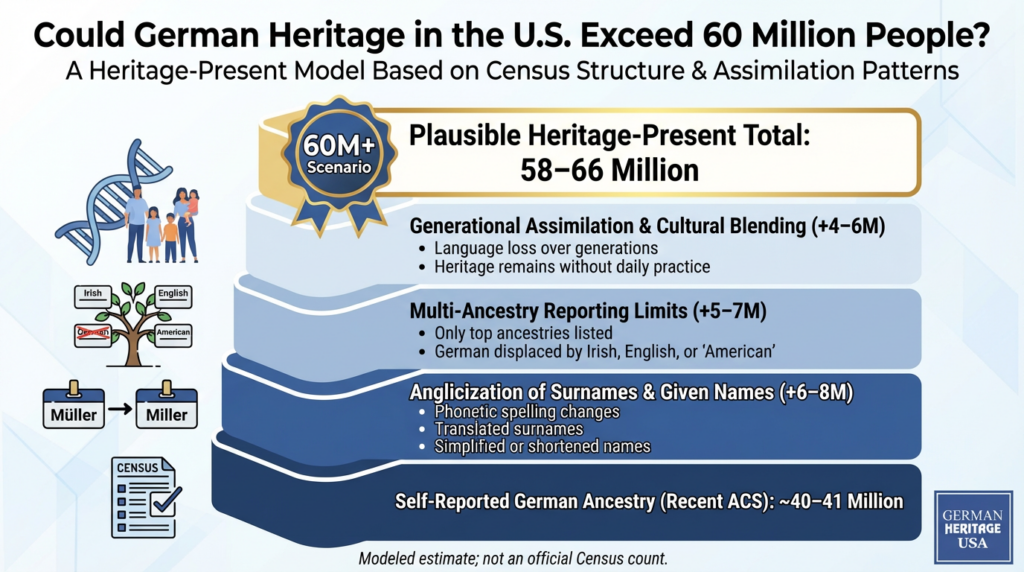
The Case for 60 Million: How Anglicization and Assimilation Expanded German Heritage

For generations, Americans of German ancestry have been everywhere—and almost nowhere at the same time.

They helped build towns, farms, breweries, churches, universities, businesses, and entire regions of the United States. German words entered American English. German customs became American traditions. German family names filled phone books, gravestones, and town records—often without anyone realizing their origins.

And yet, when modern Americans are asked about ancestry, German heritage often seems quieter than expected.

But what if that quietness doesn’t reflect absence at all?

What if it reflects something far more powerful: successful assimilation, cultural blending, and identity expansion?

Recent self-reported U.S. Census and American Community Survey (ACS) data places Americans identifying as German at roughly 40–41 million people, already making German ancestry the single largest self-reported European heritage group in the United States.

However, when we examine how ancestry is reported, how names changed, how families blended, and how identity simplified over generations, a compelling case emerges:

Americans of German ancestry may realistically exceed 60 million people—making German heritage the largest national ancestry group in the United States.

This article explores how and why that happened—not through disappearance, but through integration.


The Starting Point: What the Census Actually Measures

Before diving deeper, it’s important to understand what U.S. ancestry data does and does not measure.

The Census and ACS rely on self-reported ancestry, not genealogical verification. Individuals answer based on:

  • What they know
  • What they were told
  • What feels most relevant to their identity
  • What fits on the form

Ancestry is not ranked by genetic percentage, nor does it capture every ancestral line. In many cases, respondents list only one or two ancestries—even when their family history is far more complex.

That matters deeply for German Americans, whose history in the U.S. stretches back centuries and intersects with nearly every other major European heritage group.


Anglicization: When Names Changed but Heritage Stayed

https://i0.wp.com/familylocket.com/wp-content/uploads/2021/04/family-picture.png?resize=745%2C712&ssl=1
One of the most powerful—and least controversial—factors shaping German heritage visibility is anglicization.

German immigrants and their descendants frequently adapted names for:

  • Pronunciation
  • Employment opportunities
  • Social integration
  • Simplicity in an English-speaking society

This process was rarely about erasing heritage. More often, it was about belonging.

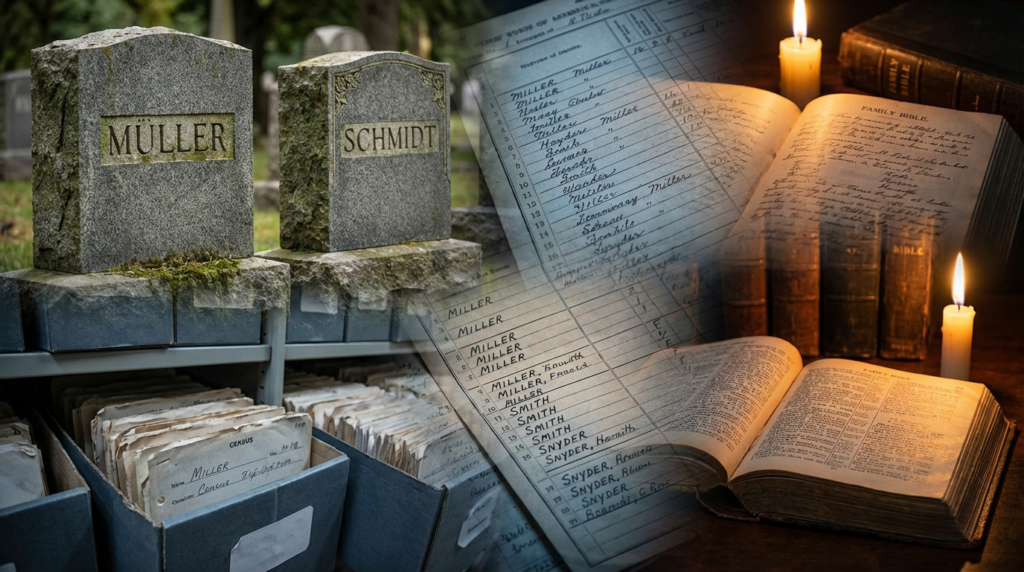
Müller became Miller
Schmidt became Smith
Schneider became Taylor
Zimmermann became Carpenter

Over generations, those changes made German roots less immediately visible, especially to descendants who grew up with English surnames and little exposure to German language.

As one historian famously noted:

“Names didn’t disappear. They translated.”

The infographics included throughout this article visually demonstrate how millions of German descendants remain genetically and historically connected—despite name evolution.

» Read more

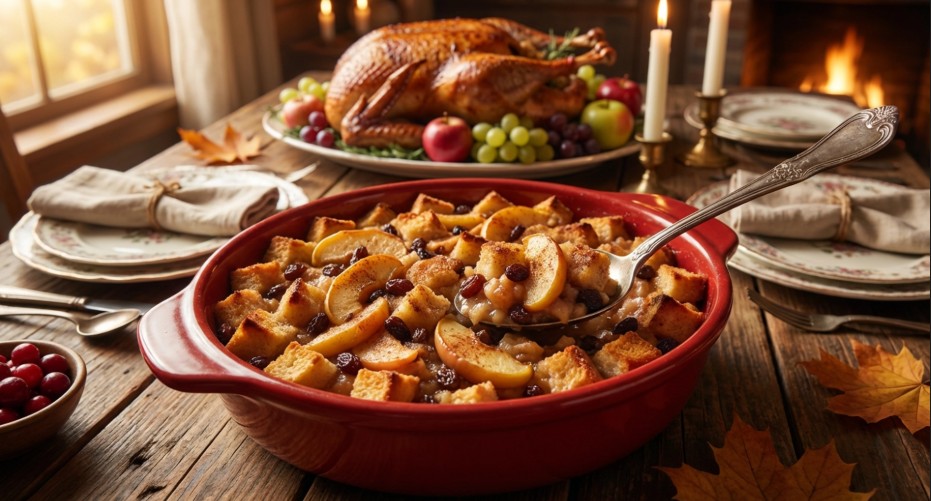
Top 7 German-American Thanksgiving Recipes That Bring Old-World Flavor to America’s Table

Where Danke Meets Thanksgiving

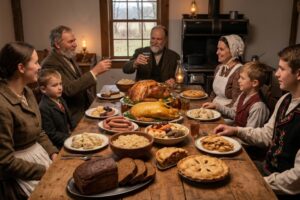
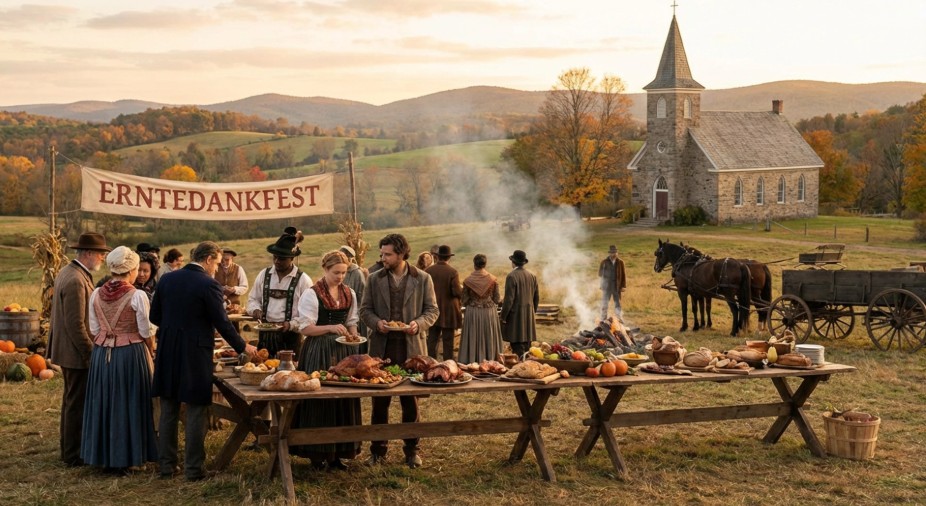
When you think of Thanksgiving, your mind probably drifts toward turkey, stuffing, cranberry sauce, and pumpkin pie — all wrapped up in that golden autumn glow. But for millions of Americans whose ancestors came from Germany, Thanksgiving carries a subtle yet flavorful twist: a fusion of Erntedankfest traditions (Germany’s own harvest festival) and the uniquely American feast of gratitude.

German immigrants didn’t just bring beer, pretzels, and polka to America — they brought a deep reverence for harvest, family, and hearty, humble food. From the fields of Holstein to the plains of Nebraska, the flavors of old-world Germany blended with new-world ingredients to create a Thanksgiving table that still tells a story centuries later.

So this November, let’s journey through time and taste as we explore the Top 7 German-American Thanksgiving Recipes — dishes that honor our ancestors, celebrate the harvest, and bring Gemütlichkeit (that warm feeling of comfort and belonging) to your table.


🥖 1. German Sweet Dressing (The Hingst Family Recipe)

Origin Story:
In the early 1800s, the Hingst family farmed in the rolling countryside of Seelent, Holstein, in northern Germany — a land of fertile soil, grains, and salted air from the Baltic Sea. During Erntedankfest, the family would gather after the final harvest to celebrate with a roast goose and a sweet, bread-based stuffing made from local apples, raisins, honey, and spices.

When the Hingst family immigrated to America in 1882, settling in Iowa and Nebraska, they brought this cherished recipe with them. Goose slowly gave way to turkey on the American table, but the sweet, cinnamon-laced dressing remained a staple — eventually earning the nickname “German Sweet Dressing.”

Today, it’s a nostalgic side dish found in family kitchens from the Midwest to the East Coast, connecting generations through every golden spoonful.

Ingredients:

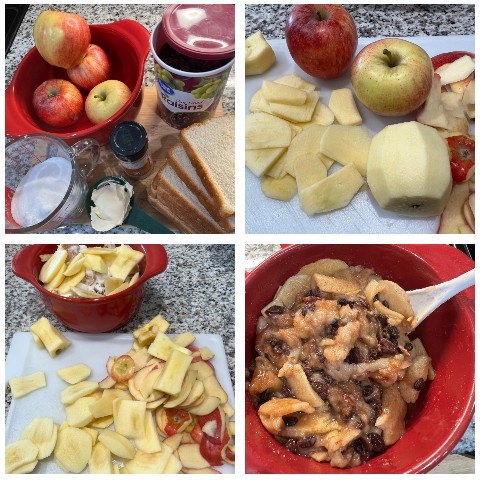
  • 8 cups cubed day-old bread
  • ½ cup butter
  • ½ cup water
  • 3 apples, diced
  • 1 cup raisins
  • 2 tbsp sugar, honey or molasses
  • 1 tsp cinnamon
  • ¼ tsp salt

Directions:
Lightly toast the bread cubes, then mix them with melted butter, diced apple, raisins, honey, cinnamon, and salt. Pour into a buttered casserole dish and bake covered at 350°F for 30 minutes, uncovering for the final 10 minutes to brown the top.

Taste Note:
It’s like the cozy cousin of classic American stuffing — with a kiss of sweetness and the warm spice of the Old Country. Perfect with turkey or even as a dessert-like side next to ham.


🦪 2. Northern German Oyster Dressing

Origin Story:
Long before Americans fell in love with oyster stuffing, coastal Germans were already combining bread, butter, and oysters in rich, briny holiday dishes. Along the Schleswig-Holstein coast, oyster beds dotted the North Sea and Baltic shores, and locals created “Austerfüllung” — a baked oyster and bread mixture traditionally stuffed inside a roasted fish or goose.

German immigrants brought this recipe to Maryland and Louisiana, where oysters were plentiful, and Thanksgiving was quickly becoming a national tradition. By the late 1800s, German-American oyster dressing had evolved into a beloved coastal favorite.

Ingredients:

  • 2 cups fresh shucked oysters, chopped
  • 6 cups stale bread cubes
  • ½ cup butter
  • ½ cup diced celery
  • Salt and pepper to taste

Directions:
In a skillet, melt butter and sauté the celery until soft. Stir in the oysters just long enough to firm them slightly, then fold the mixture into bread cubes. Add salt and pepper, transfer to a greased dish, and bake at 375°F for 25–30 minutes until bubbling and lightly browned.

Taste Note:
Savory and subtly oceanic, this dish delivers an elegant salt-kissed note to the Thanksgiving spread. If you close your eyes, you might even hear the waves of the North Sea rolling against the coast of your ancestors.

» Read more

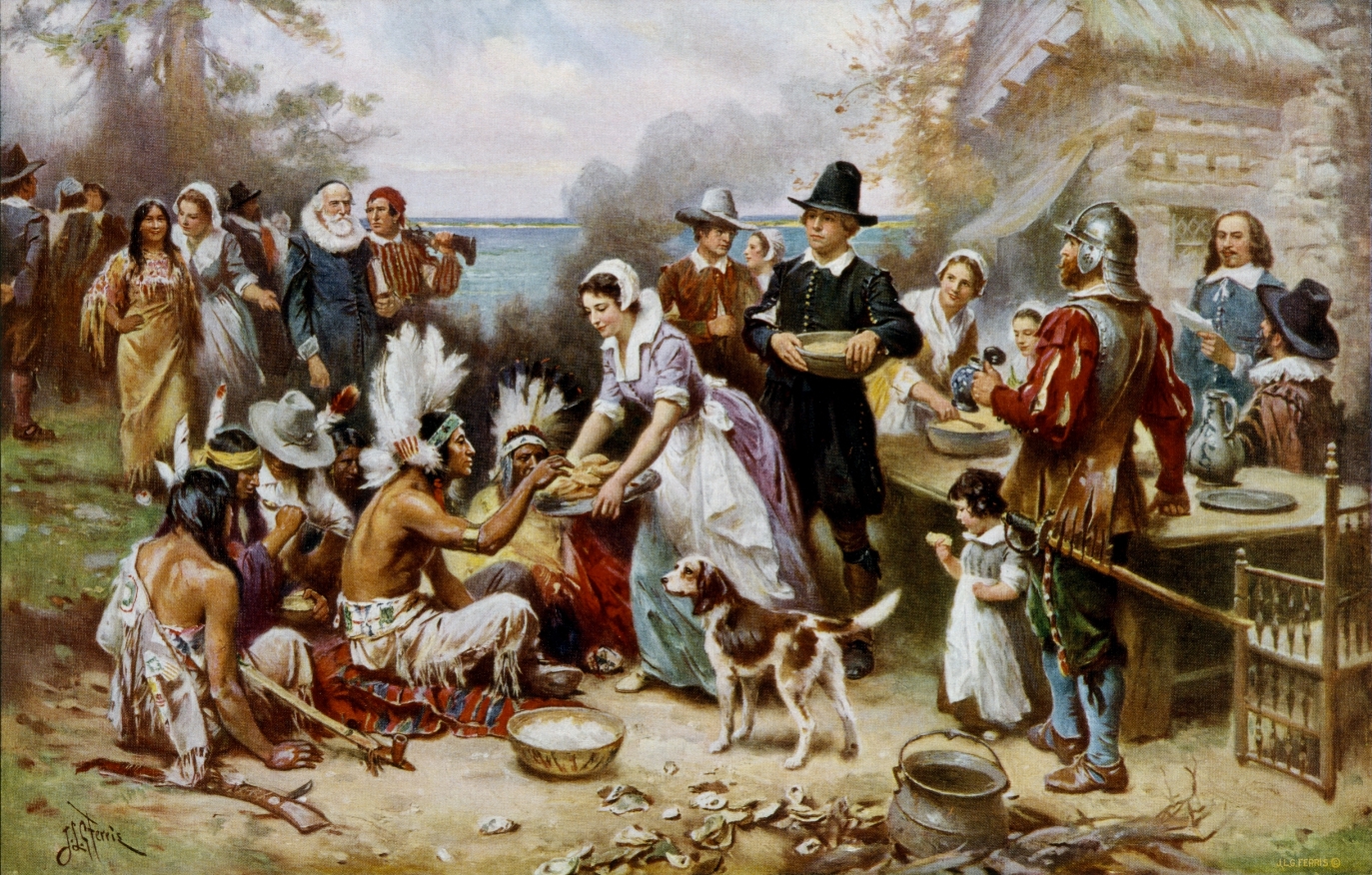
From Pilgrims to Pioneers: Tracing German Roots in America’s Thanksgiving Story

While English colonial narratives tend to dominate the Thanksgiving mythos, German-Americans brought with them an old-world appreciation for harvest festivals—Erntedankfest, their traditional celebration of thanks.

This autumn observance emphasized gratitude, community gatherings, hearty foods, and church services focused on blessings received throughout the year. When German settlers arrived in Pennsylvania, the Midwest, and the Great Plains, they carried these customs with them and naturally blended them into local American life. Over time, their rhythms of giving thanks—rooted in family, faith, and the fruits of the soil—helped guide the emerging American spirit of harvest celebration.

Beyond celebrations, German farming know-how dramatically shaped the agricultural backbone of the young nation. German immigrants introduced advanced crop rotation, efficient barn designs, new food-preservation methods, and hardy livestock breeds that improved both yields and food security.

Their meticulous, almost scientific approach to agriculture spread rapidly across frontier settlements. These innovations didn’t just feed growing communities—they laid essential groundwork for the agricultural abundance modern Americans now associate with Thanksgiving tables overflowing with produce, breads, sausages, and seasonal desserts.

And then there’s the food—because no discussion of Thanksgiving is complete without it. German-Americans expanded America’s palate long before the holiday had a set menu. They contributed sausages, smoked meats, spiced breads, apple dishes, sweet rolls, and the kind of root-vegetable comfort foods that feel right at home beside turkey and stuffing.

In many regions, early Thanksgiving dinners featured sauerkraut alongside roast fowl, a tradition that still survives today in pockets of Pennsylvania and the Midwest. These German culinary fingerprints helped shape an American feast that is richer, heartier, and far more diverse than the simplified storybook version we often imagine.

https://historicaldigression.com/wp-content/uploads/2010/11/the-first-thanksgiving.jpg
https://www.loc.gov/static/classroom-materials/immigration/images/german4_1.jpg

Most Americans picture Thanksgiving as a uniquely English-American tradition—Pilgrims in buckled hats, Native Americans, a harvest feast, and a legendary turkey. But behind the familiar story lies a surprising truth: German immigrants played a remarkable, often overlooked role in shaping America’s Thanksgiving customs, foods, farming techniques, and attitudes toward gratitude.

Long before pumpkin pie crowned the dessert table and football dominated the afternoon, German pioneers were planting crops, building communities, and sharing traditions that blended into what we now celebrate as Thanksgiving. Their influence is woven quietly but deeply into America’s cultural fabric—one hearty feast, one farmstead, and one frontier settlement at a time.

So grab a plate, pour a mug of cider (or maybe a crisp Oktoberfest brew), and let’s time-travel through how German roots helped cultivate America’s thanksgiving spirit long before Thanksgiving became a holiday.


The Pilgrim Story We Know… and What’s Missing

We all know the basics: In 1621, English Pilgrims and Wampanoag people shared an autumn harvest meal in Plymouth—a symbolic moment of cooperation and survival. But here’s what textbooks often skip: the Pilgrims were not the only Europeans contributing to early American harvest traditions.

In fact, while the Pilgrims were building Plymouth Colony, German-speaking settlers were already living, farming, and worshipping in parts of what is now the United States, especially in New York, Pennsylvania, and along the East Coast. Their agricultural know-how, communal feasts, and deep spiritual focus on gratitude paralleled many themes later associated with Thanksgiving.

https://sigalmuseum.org/wp-content/uploads/2017/09/10-300x206.jpg
https://cdn.thecollector.com/wp-content/uploads/2023/04/history-of-the-pennsylvania-dutch.jpg

» Read more

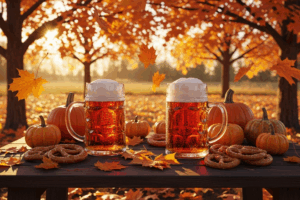
When the Leaves Turn Gold, So Does the Beer: Germany’s Fall Brews in America

Autumn in America brings a golden hue to the landscape: leaves crisping, pumpkins appearing, sweaters emerging. But one of the richest traditions of the season lies not just in what we carve or bake—but what we pour.

As the harvest turns to thanks, many of us raise a glass to that same seasonal shift with a beer rooted in centuries-old German tradition: the Märzen (March) or the modern “Oktoberfest” lager.

In Germany, the brewing calendar used to slow during the warm months and ramp up in the fall, resulting in beers that were stored from March until the harvest festivals of September and October. Those stored beers became the ones for which the harvest-time celebrations (like Oktoberfest) are named.

But across America, German‐American brewers and those inspired by that tradition continue the legacy: brewing malty, amber-hued lagers (and other German-style beers) that feel like harvest, flavor, and fall all in one pint. Let’s explore the flavor, the history, and a few standout American breweries keeping German heritage alive this fall.


The Style, The Story & The Season

https://www.blackflannel.com/wp-content/uploads/bfb-marzen-12-2020-blog-838x1024.jpg

1. What’s the deal with Märzen & Oktoberfest beer?

  • The term Märzen comes from German März (March). Historically, brewers made stronger beers in late winter/early spring (March) and stored them over summer so they could be enjoyed during the cool, harvest season.
  • Over time the beer became associated with the autumn festivals in Bavaria (including Oktoberfest) and took on a characteristic amber or copper hue, malty backbone, and dry finish.
  • In the U.S., many craft brewers adopt the Märzen or “Oktoberfest” label for their fall seasonal beers—sometimes with American tweaks, but often in homage to the German tradition.

2. Why does this style feel like fall?

  • Malt and color evoke harvest wheat and barley, amber fields and soft twilight.
  • It has enough body to stand up to richer fall-foods (roasts, sausages, root vegetables) yet remains crisp enough for sipping. As the article in Bon Appétit puts it: “a beer you can drink throughout dinner… so balanced it doesn’t kill your palate.” Bon Appétit
  • It taps into cultural memory: for German immigrants and their descendants, a beer tied to the harvest equals warmth, community and tradition.

3. German Heritage & American adaptation

  • German immigrants brought brewing practices to America, especially lagers under the purity law Reinheitsgebot (1516)—water, barley, hops and yeast only. Some American breweries still highlight this heritage.
  • While American fall beers often lean heavy on pumpkin or spice, the German-heritage style stays true to malt and lagering roots—less gimmick, more tradition.

» Read more

Celebrate German American Day: Honoring Heritage and Tradition

There’s something special about being German American — a sense of pride that runs deep in the heart, from our strong work ethic and craftsmanship to our love of good food, hearty laughter, and family gatherings.

Every October, millions of Americans across the country pause to recognize the profound impact of German culture on our nation. From the hardworking immigrants who helped build America’s towns and farms to the enduring traditions of food, music, and craftsmanship they brought with them, German heritage runs deep in the American story.

Festivals, parades, and family gatherings fill the month with the sound of polka music, the aroma of bratwurst and pretzels, and the clinking of steins raised in celebration. It’s a time to honor the values of community, perseverance, and pride that German Americans have woven into the fabric of our nation’s history and culture.

That’s right — October 6th is German American Day, and the entire month of October is German American Heritage Month.

— let’s dive into the fascinating story behind German American Day, meet some famous German Americans who helped shape the nation, and explore fun ways to celebrate your heritage (even if you’ve only got a little bit of German blood in you!).


🏛️ The Origins of German American Day

German American Day didn’t appear out of thin air — it’s rooted in a rich history that began centuries ago, when the first German immigrants set foot in the New World.

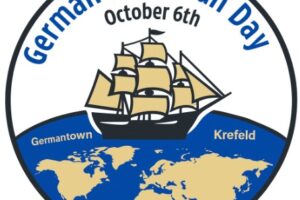
The story begins on October 6, 1683, when thirteen German families from Krefeld, near the Rhine River, arrived in Philadelphia aboard the ship Concord. They established a small settlement called Germantown, now part of modern-day Philadelphia.

These pioneering families came seeking freedom, opportunity, and a new life, bringing with them strong values that would forever shape American society — hard work, craftsmanship, faith, education, and a love of community.

Germantown flourished, becoming the birthplace of many firsts in American history:

  • The first paper mill in the colonies.
  • The first anti-slavery protest in the New World (in 1688 — nearly 100 years before the American Revolution).
  • And the first German-language newspaper in the colonies.

The success of Germantown inspired a steady wave of immigration throughout the 1700s and 1800s, with Germans settling across Pennsylvania, New York, Ohio, Wisconsin, the Dakotas, Iowa, Nebraska, Minnesota, Indiana, Missouri, Texas, Louisiana, and California.

By the mid-19th century, German Americans were one of the largest ethnic groups in the country — and their influence was everywhere, from farming and industry to politics, science, and culture.


President Ronald Reagan and the Revival of a Tradition

While German contributions to America had long been celebrated locally — especially through Oktoberfests and regional festivals — the formal recognition of German American Day as a national observance didn’t come until the 1980s.

In 1983, on the 300th anniversary of Germantown’s founding, President Ronald Reagan officially proclaimed October 6th as “German American Day.” The goal was to honor the achievements of German immigrants and their descendants in shaping the United States.

Then, in 1987, Congress passed a joint resolution (H.J. Resolution 108), which President Reagan signed into law — officially designating October 6th as German American Day every year.

In his proclamation, Reagan praised the German people’s “profound faith, strong family values, and deep respect for liberty and law,” noting that German Americans had played an essential role in “the building of the American nation.”

From that day forward, the annual observance became an opportunity for millions of Americans to reconnect with their German roots, share their cultural pride, and celebrate a unique bond between the two nations that continues to this day.

» Read more

Texas Bavarian Roots: Why German Heritage Thrives in the Lone Star State

When most people think of Texas, they picture cowboy hats, barbecue brisket, and country music. But dig a little deeper into the heart of the Lone Star State, and you’ll discover something extraordinary — a vibrant, enduring German spirit woven into the very fabric of Texas life. From the charming towns of Fredericksburg and New Braunfels to the rolling hills of the Hill Country, German heritage doesn’t just survive here — it thrives.

The story of how this came to be is one of courage, hard work, cultural pride, and good beer — lots of it. So grab your stein, pull on your lederhosen or dirndl, and let’s explore how Texas became one of the most authentically German-influenced places in all of America.


A New World for German Settlers

The roots of Texas’ German heritage stretch back to the early 1840s, when a group of idealistic and determined settlers from Germany began arriving in what was then a sparsely populated region of the Republic of Texas. Drawn by the promise of freedom, fertile land, and opportunity, thousands of Germans made the long, treacherous journey across the Atlantic — often taking months to arrive.

One of the most significant organized efforts came from the Adelsverein, formally known as the Society for the Protection of German Immigrants in Texas, founded in 1842 by a group of German noblemen. Their goal was to create a “New Germany” in Texas — a colony where German immigrants could thrive, own land, and preserve their traditions.

The society purchased vast tracts of land and founded several towns that remain deeply German to this day — Fredericksburg, New Braunfels, and Boerne among them. Each of these communities became a cornerstone of what would grow into a remarkable cultural legacy.

» Read more

Old World Charm, New World Pride: German Heritage Across America

German Heritage in the United States is both timeless and evolving. With roots tracing back to the earliest waves of settlers in the 17th century, German Americans have infused their traditions, culture, and industrious spirit into the very fabric of American life.

Today, nearly one in four Americans claim some German ancestry, making it the largest self-identified ancestry group in the country. From beer gardens to Oktoberfest, from polka music to pioneering agricultural innovations, German influence is everywhere.

This article celebrates that journey—how the Old World charm of Germany crossed the Atlantic and blossomed into a New World pride across America.


A Journey Across the Atlantic: German Immigration to America

The story begins in 1683, when the first permanent German settlement was established in Germantown, Pennsylvania. These settlers came seeking religious freedom, economic opportunity, and a chance to build new lives.

Over the next two centuries, millions of Germans arrived, particularly during the mid-1800s when economic hardship and political unrest in Europe spurred emigration.

  • Pennsylvania Germans (often called “Pennsylvania Dutch”) were known for their farming skills, craftsmanship, and frugality.
  • Midwestern German immigrants settled heavily in Ohio, Wisconsin, Illinois, and Missouri, bringing with them traditions that would transform America’s Midwest into the “breadbasket of the world.”
  • Texas Germans created unique communities blending frontier life with German language, music, and architecture.

German immigration wasn’t just about numbers—it was about building lasting communities that blended old traditions with American ideals.


Faith, Family, and Festivals: Cultural Foundations

Germans brought with them three pillars that shaped their lives in America: faith, family, and festivals.

Faith

German-speaking congregations were some of the earliest Protestant and Catholic churches in America. Lutherans, Reformed, and Mennonites established communities where worship was central to life. Many churches doubled as schools, helping preserve the German language for generations.

Family

German Americans placed strong emphasis on education, family structure, and work ethic. Family farms, passed down through generations, became the heart of rural America.

Festivals

From Oktoberfest to Christkindlmarkets, German festivals celebrated music, dance, and food. Even today, cities like Cincinnati, Milwaukee, and Frankenmuth, Michigan host annual festivals drawing crowds from around the world.


The German-American Contribution to American Life

German Americans shaped countless aspects of daily life in the U.S. Some of their most influential contributions include:

Family and Holiday Traditions

German immigrants brought with them beloved customs that soon became woven into the fabric of American life. The Christmas tree (Tannenbaum), decorated with candles, ornaments, and garlands, was popularized in the 19th century and is now an essential part of the holiday season in nearly every American home.

Traditions like Santa Claus (Kris Kringle), Easter eggs, and the Easter Bunny also arrived with German settlers, giving families cherished rituals that continue to bring joy each year. These celebrations highlight the German love of family, festivity, and togetherness—values that remain cornerstones of American culture.

» Read more

Let’s play Cornhole, an interesting history that traces back to German immigrants in Cincinnati

Cornhole, sometimes called bean bag toss or bags, is an outdoor game loved by many. It goes way back and started with German immigrants in Cincinnati, Ohio1.

Its story starts with tales of a 14th-century German cabinetmaker and a Midwestern farmer named Jebediah McGillicuddy. They say it might have links to games by Native Americans. But, the real cornhole as we know it today began in the late 19th century. Then, Midwest farmers played by tossing dried corn kernels into small holes on wooden boards for fun2.

Cornhole

Since then, cornhole has grown into a popular game. It’s now a staple for outdoor gatherings, like barbecues and Fourth of July parties. But, it’s not just for casual fun. There are also professional tournaments where people can compete2.

In this writing, we’ll look deeper into cornhole’s interesting past, starting with those German immigrants in Cincinnati. Then, we’ll see how it became what it is now, a favorite game in the USA. Stick with us to learn all about its legends and stories1.

Key Takeaways

  • Cornhole has a rich history that can be traced back to German immigrants in Cincinnati, Ohio.
  • The game’s origins are shrouded in mystery, with various legends and myths surrounding its development.
  • Cornhole has evolved from its humble beginnings to become a beloved American pastime, enjoyed at backyard barbecues, Fourth of July celebrations, and even professional tournaments.
  • The game’s popularity has led to the establishment of official organizations and governing bodies, reflecting its growth and evolution over time.
  • Cornhole’s enduring appeal lies in its simplicity, accessibility, and ability to bring people together for fun and friendly competition.

The Origins of Cornhole

The story behind cornhole, a favorite backyard game, is full of mysteries. Many legends talk about how the game began. Some say a farmer, Jebediah McGillicuddy, from the Midwest, invented it. Others share tales of Native American groups who played something like cornhole. But, the exact start of the game is still unknown3.
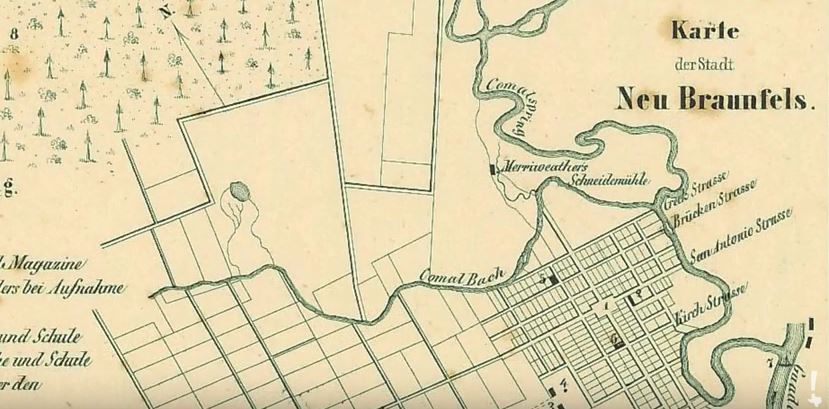
» Read more

Thomas Nast: A German-American Icon and the Father of American Cartooning

In the vibrant melting pot of American history, one cannot ignore the significant contributions made by individuals of diverse backgrounds. Among these notable figures is Thomas Nast, a German-American artist and political cartoonist who left an indelible mark on the landscape of American journalism during the 19th century.

This blog post explores the life, achievements, and enduring legacy of Thomas Nast from the unique perspective of his German heritage and the impact he had on shaping American political discourse and of course, Santa Claus himself.

Early Life and Immigration:

Thomas Nast was born on September 27, 1840, in Landau, in the Kingdom of Bavaria, now part of modern-day Germany. His family emigrated to the United States when he was just six years old, seeking refuge and a better life in the wake of political turmoil in Europe. The Nast family settled in New York City, where young Thomas’s artistic talents began to flourish.

Early Career and Rise to Prominence:

Nast’s artistic abilities did not go unnoticed. His passion for drawing led him to a position at Frank Leslie’s Illustrated Newspaper, where he quickly gained recognition for his skillful illustrations. However, it was at Harper’s Weekly, a prominent publication of the time, that Nast would truly make his mark.

» Read more

The Heartwarming Tale of the German Christmas Pickle: A Symbol of Hope, Faith, and Gratitude

This blog article was selected to be produced as an AUDIO BLOG as well. Simply CLICK the link below to view. Enjoy!

Portions of our videos and blog post may or may not contain image, video and audio elements of A.I. (artificial intelligence) enhancement for interpretation, rendition and entertainment purposes.

In the midst of the American Civil War, amidst the chaos and strife that characterized the era, a heartwarming tradition emerged—one that continues to grace Christmas trees with its enduring charm: the German Christmas Pickle.

This distinctive Christmas Pickle Ornament is quite inspirational when you know the whole story. It’s a narrative of hope, faith, and gratitude, that draws its inspiration from the unlikely setting from the dire conditions of Andersonville, Georgia during the American Civil War.

The Inspirational Origin:

Our journey into the heart of this heartwarming tradition begins with the life of John C. Lower, a Bavarian-born soldier who fought on the side of the Federal Union forces during the Civil War and served as his unit’s quartermaster.

Captured in the year 1864, Lower found himself facing the harsh and deplorable conditions of Andersonville Prison, notorious for its overcrowded and unsanitary environment. However, it was on a poignant Christmas Eve within these confines that Lower’s life took an unexpected and hopeful turn.

Legend has it that a compassionate guard, moved by Lower’s plight, offered him a simple yet profound gift—a pickle, halfway eaten already but still a grateful token in humanity. Miraculously, this humble pickle became a source of rejuvenation for the ailing soldier, breathing a spirit of resilience and hope into his weary soul.

Following the war, upon his return to Germany, you’ll learn that Lower carried this poignant memory with him, and through a series of regional travels, random meetings, and humble ideas, John C. Lower eventually established a heartwarming family tradition of hanging a pickle ornament on his Christmas tree each year.

» Read more

How German immigrants embraced the American Turkey on Thanksgiving

Thanksgiving, a quintessential American holiday, has a complex and fascinating history that intertwines with the tales of immigrants who brought their traditions across oceans. Among these pioneers were German immigrants, whose gradual adoption of turkey as the centerpiece of the Thanksgiving feast unfolded over generations, leaving an indelible mark on the evolving culinary landscape of America.

When German immigrants arrived in America, they brought with them a rich history of traditions, including their own version of a Thanksgiving celebration known as “Erntedankfest.” In Germany, Erntedankfest typically takes place in September or October, marking the end of the harvest season. It is a time for communities to come together and express gratitude for the abundance of the harvest, often featuring church services, parades, and festive meals.

Upon settling in America, German immigrants found themselves in a new cultural landscape, and one of the first adjustments they made was to the timing of Thanksgiving. In the United States, Thanksgiving is celebrated on the fourth Thursday of November, a date that holds historical significance dating back to the early days of the nation. The German immigrants embraced this new tradition, blending elements of Erntedankfest with the American Thanksgiving festivities.

» Read more

Embracing German-American Day: Tradition, Culture, and Connection

October 6th is a date that holds special significance for all those with a connection to German Heritage in the United States.

It’s the day when we come together to celebrate National German-American Day, a time-honored tradition that commemorates the rich history and cultural contributions of German immigrants to America.

As we raise our steins and put on our lederhosen and dirndls, let’s dive into the fascinating history of German-Americans in the U.S., explore some fun and festive ways to mark this special occasion. Discover a fantastic opportunity to connect with fellow German-Americans through the “German Heritage USA CLUB” on the O-NET Social Media platform powered by ONPASSIVE technologies.

President Ronald Reagan’s Proclamation:

Before we delve into the history of German-American Day and the ways to celebrate it, let’s pay tribute to President Ronald Reagan, himself of German ancestry.

In 1983, President Reagan proclaimed October 6 as German-American Day, a significant moment that underscores the importance of this celebration in American culture.

This proclamation was made to honor and celebrate the 300th anniversary of German immigration to the United States and their enduring cultural influence. On August 6, 1987, Congress further solidified this celebration by approving S.J. Resolution 108, designating October 6, 1987, as German-American Day.

» Read more

German Heritage in New Braunfels Texas Town Square

It’s always fun to discover historical information about German Heritage across America. Today we take a look at the German influence and history of the town square in New Braunsfels, Texas.

New Braunfels TexasSource: Texas Historical Comission

Below is a video from the Texas Historical Commission that provides an introduction to the architectural history of New Braunfels’ town square that was produced for a Texas Time Travel Tours heritage travel app. 

New Braunfels, Texas was established in 1845 by Prince Carl of Solms-Braunfels. He was titled as the royal Commissioner General of the Adelsverein, also known as the Noblemen’s Society. It’s recognized in German as Mainzer Adelsverein.

Prince Solms named the settlement in honor of his home town of Solms-Braunfels, Germany.