The Ultimate Father’s Day Adventure: Exploring America’s German Heritage Destinations Together

As Father’s Day approaches each year, many families find themselves searching for the perfect way to celebrate. Traditional gifts like neckties, coffee mugs, tools, and backyard cookouts certainly have their place, but more and more people are discovering that the most meaningful gifts are not found in stores at all. Instead, they are found in shared experiences, memorable journeys, and the stories created along the way.

For families with German roots, Father’s Day presents a unique opportunity to do something truly special—explore the rich German heritage destinations, traditions, foods, festivals, and historic communities that continue to thrive across America. Whether your ancestors came from Bavaria, Saxony, Schleswig-Holstein, the Rhineland, or another German-speaking region of Europe, a heritage-focused adventure can become much more than a day trip. It can become a journey of discovery, connection, and appreciation for the generations who came before us.

While there’s certainly nothing wrong with spending Father’s Day relaxing at home, many families are discovering that the most meaningful gifts are not things at all—they’re experiences.

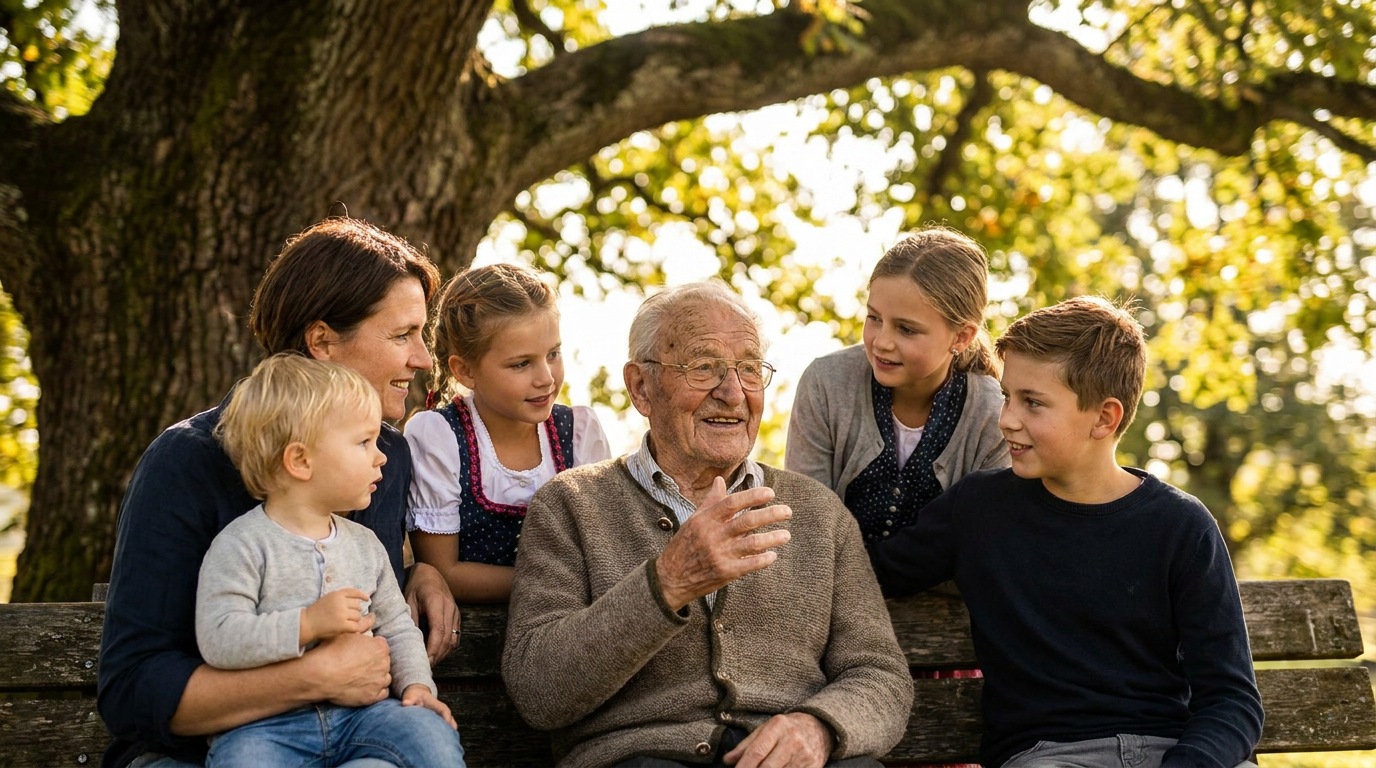
For families with German roots, Father’s Day can become something even more special: an opportunity to explore the places, traditions, foods, festivals, and stories that connect generations together.

Whether your family’s ancestors arrived from Bavaria, Saxony, Schleswig-Holstein, the Rhineland, or any of the German-speaking regions of Europe, America is filled with destinations where German heritage is still celebrated today.

From Bavarian-style mountain villages to historic immigrant settlements, from world-famous Oktoberfests to authentic German bakeries, Father’s Day offers the perfect excuse to hit the road and create memories that may last far longer than any wrapped gift.

After all, fathers often pass down more than family names.

They pass down stories.

And every family story begins somewhere.

Why German Heritage Travel Makes the Perfect Father’s Day Gift

Many fathers love history.

Many love food.

Many enjoy discovering how things are made.

Many enjoy road trips, museums, architecture, festivals, trains, breweries, woodworking, craftsmanship, and old-world traditions.

German heritage destinations often combine all of these interests into one memorable experience.

Perhaps even more importantly, these trips create opportunities for conversations that don’t happen during everyday life.

Questions like:

“Did Grandpa ever talk about where our family came from?”

“Why did our ancestors leave Germany?”

“What traditions did they bring with them?”

“What foods have been passed down through our family?”

Those simple questions often lead to incredible discoveries.

“The greatest inheritance a father can leave his children is not money or possessions—it’s stories, values, and memories.”

“Heritage is not just where we came from. It’s the bridge that connects generations.”


America’s Most Famous German Heritage Destination:

Leavenworth, Washington

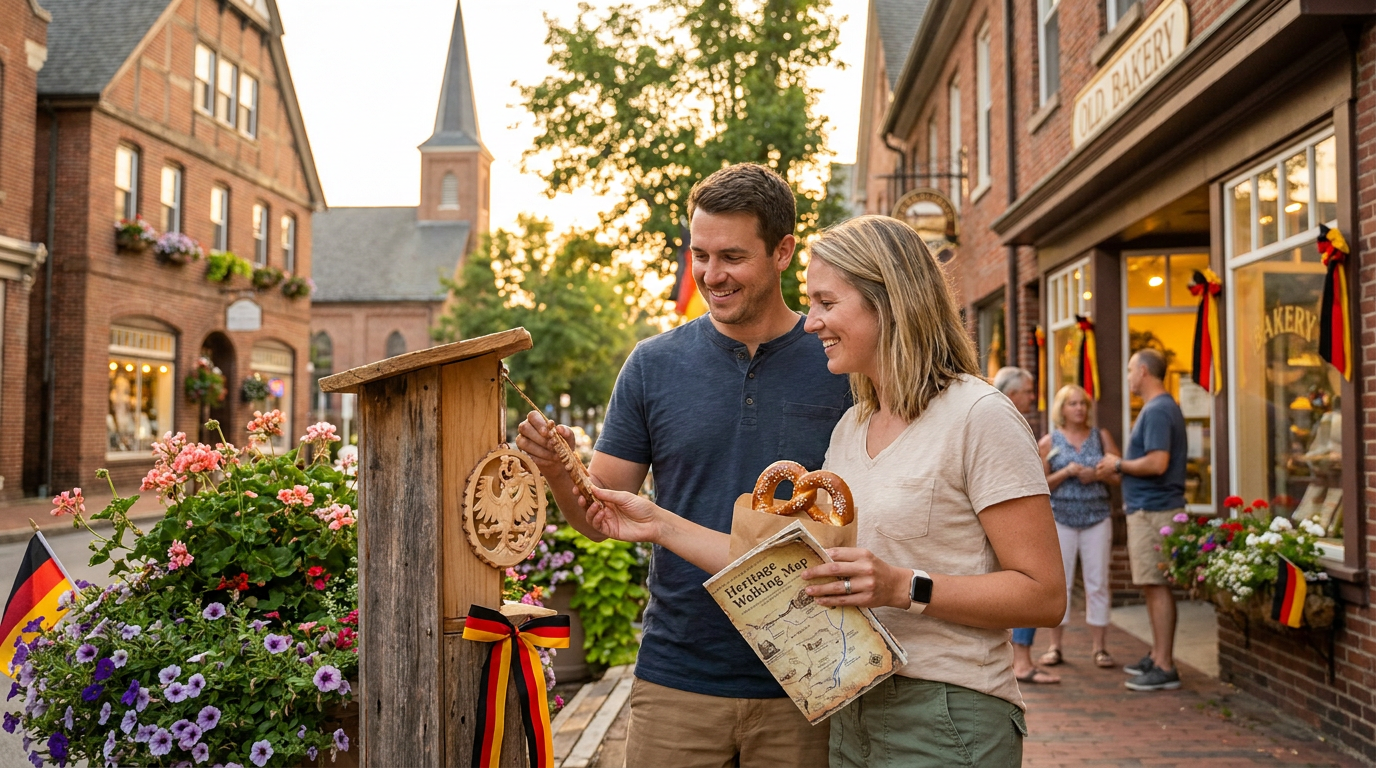
Nestled in the Cascade Mountains, the village of Leavenworth may be the closest thing America has to a real Bavarian town.https://images.openai.com/static-rsc-4/9KbKkb8ZUYQO1ywWBl7TfK8Je_Gmt3hfB3HuE8ge5jvrxyA423FYJ2wvsJ9x1Qz5mBUqH1FqZe8InIbKoi41R1EJYf_XmPXpbPXDDRbPn8WOAYi2SFVlavi5LiGG_yefuRc-UUAE9HSTF3ynBRVp3trI-pCVM9pGklosG9DRS4v67Ye_NYyZAnd7wHJqC5wt?purpose=fullsize

Originally a struggling logging community, local leaders reinvented the town in the 1960s by embracing traditional Bavarian architecture and tourism.

Today visitors find:

  • Alpine-style buildings
  • Authentic German restaurants
  • Biergartens
  • Pretzel shops
  • Cuckoo clocks
  • German bakeries
  • Seasonal festivals
  • Mountain scenery that feels straight out of southern Germany

For Father’s Day, families can spend the day exploring downtown before hiking nearby mountain trails or enjoying a traditional German meal together.

It’s one of the few places in America where you can genuinely feel transported to another continent.


Helen, Georgia:

Bavaria in the Blue Ridge Mountains

Located in the beautiful North Georgia mountains, Helen welcomes more than three million visitors annually.https://images.openai.com/static-rsc-4/-MVghtJPgHXW0-VW8xB7TtQyufQ7M2JLGPxbalcA4c20vYtLnJNrx0NMNQvDPe-ODygF2potNHEdAsx82pEQmxMU-xgbxhlzJOXBRshKeEb2-wRCl4B1yEc4S0U3XPveotTzR-wiF_nxHY6Pu6c_VscibmfZ5j1gan_9uSKPyxQqdb-IH16vk_X-WLKWEwjM?purpose=fullsize

The town transformed itself into a Bavarian-style destination and has become one of the most beloved German-themed communities in the United States.

Fathers who enjoy:

  • Trout fishing
  • Scenic drives
  • Mountain hiking
  • German beer
  • German food
  • Historic architecture

will find plenty to enjoy.

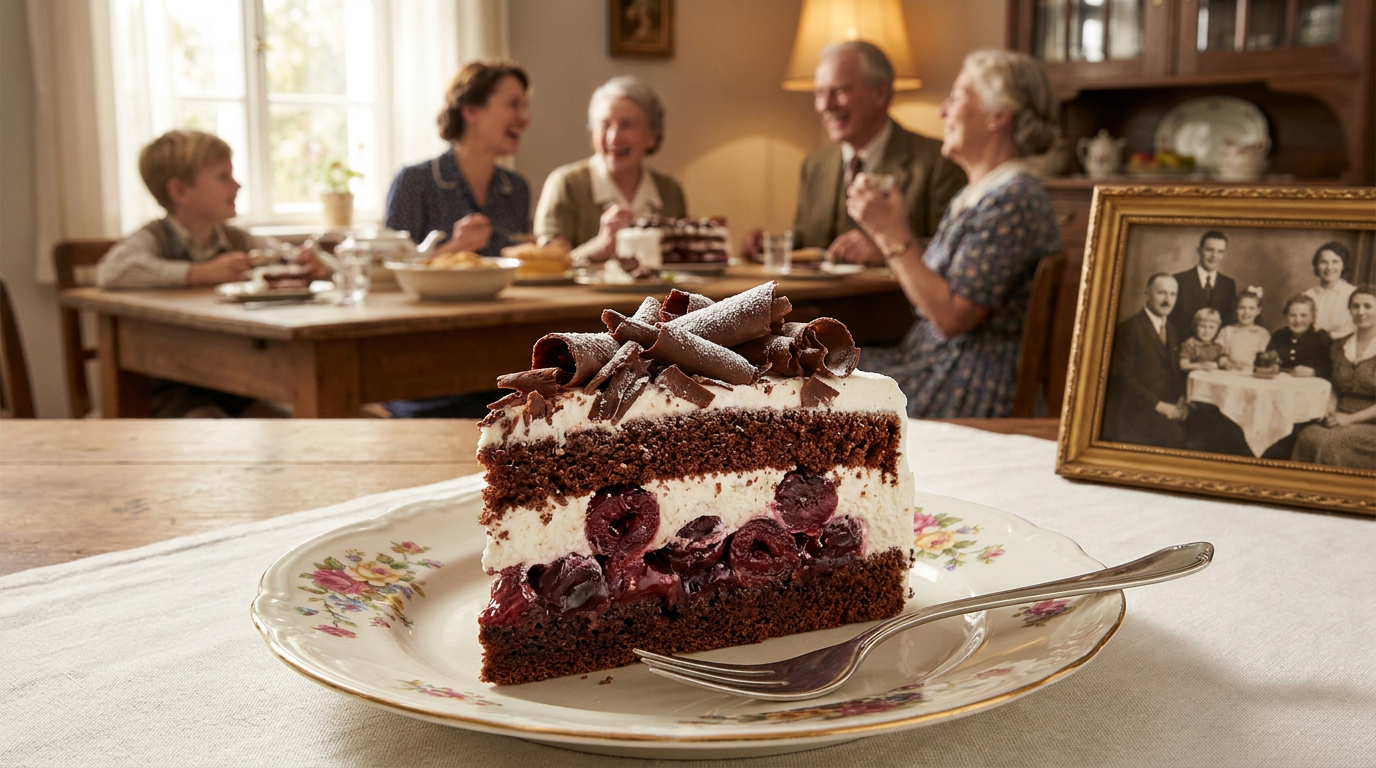
A Father’s Day weekend here can include a stroll through town, a visit to local wineries, a scenic mountain drive, and a hearty meal featuring schnitzel, bratwurst, sauerkraut, and Black Forest cake.

» Read more

From Bratwurst to Black Forest Cake: A Delicious Journey Through German-American Food Traditions

For generations, food has been one of the most enduring ways German-Americans have preserved their heritage. Long after languages faded, family names changed, and old-country customs blended into American life, recipes remained.

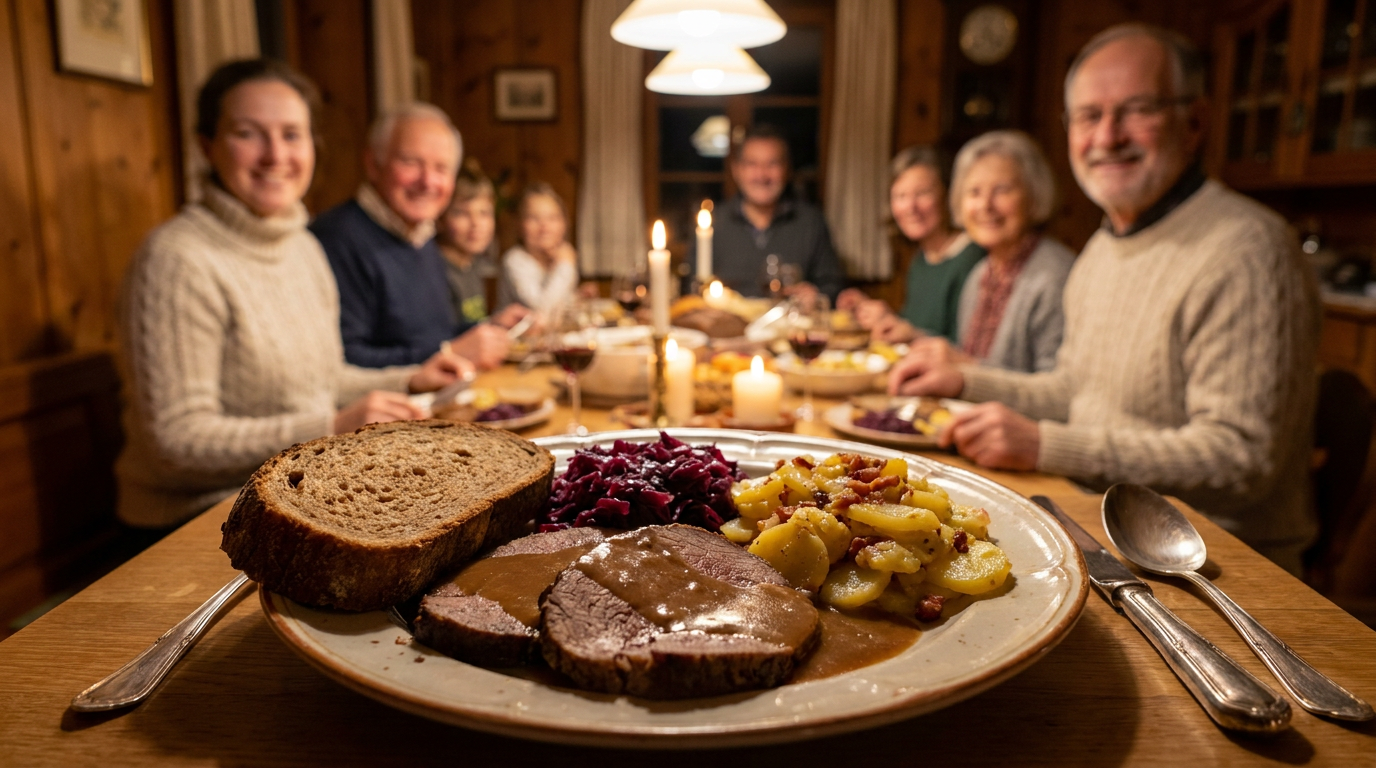
A plate of bratwurst at a summer festival. A warm pretzel shared at a county fair. A holiday table featuring red cabbage, potato salad, and sauerbraten. A slice of Black Forest cake served at a family reunion.

These foods tell stories.

They tell of immigrants who crossed the Atlantic seeking opportunity. They tell of communities built across Pennsylvania, Ohio, Wisconsin, Iowa, Nebraska, Minnesota, Texas, Tennessee, and countless other states. They tell of family traditions carried from generation to generation—sometimes changing slightly with local ingredients, but always retaining a taste of home.

Today, millions of Americans may have only a trace of German ancestry, yet they still enjoy foods whose roots stretch back centuries into the villages, farms, forests, and cities of Germany. Whether you know your family’s German origins or are just beginning to explore them, one of the most enjoyable ways to connect with that heritage is through food.

After all, every recipe has a story.

The German-American Table: Where Two Cultures Meet

German immigration to America occurred in several major waves beginning in the 1700s and continuing well into the early 1900s.

Wherever German immigrants settled, they brought their culinary traditions with them.

https://images.openai.com/static-rsc-4/BZGqqG_msSt_RRjykhCGmnjy7wC0AM-I8OSOZ5AzWWQjFn50fXTN77wBhBnXG18de4_g7-Y9py9jLd3YbIcU56i2EQ82MrS41bglAtT_CQuim3beGzV2j90NrSbnJYywMrLLoxhf4AMpH7Wl7ASo4F_Z7QG8YEXsTyOqf-Wr1MK7BbqIXKTMjRk1Rjqz6qz2?purpose=fullsize
Over time, these foods adapted to local ingredients and American tastes. The result was not merely German food and not entirely American food—it became something uniquely German-American.
https://images.openai.com/static-rsc-4/1Tkjv9dwhDU0yy68QQ2MuLRFYGXaJnUg1-HvtNyVo1kZ-T4Tb9y9iY_dF8SehL0RVIikh4jF8hHOJWNfZurTZTaKS0TurJRJV15s-Xp_HA8y93p_x8G23zQbbzDTVyAE_fDeDOLINXfHNsxyBtzfrzd3eGhKGjlng2l9wQwAaHOdAL_L3rgXiCcqIiRK2-LZ?purpose=fullsize

The hearty farm cooking of Bavaria, the sausages of Franconia, the breads of Swabia, and the cakes of the Black Forest region all found new life in America.

Many dishes became so integrated into American culture that people often forget their German origins.

As food historian James Beard once observed:

“Food is our common ground, a universal experience.”

For German-Americans, that experience is often served one delicious plate at a time.


Bratwurst: America’s Favorite German Sausage

Few foods are more closely associated with German heritage than bratwurst.

The word “bratwurst” originates from Germany and refers to a finely minced sausage traditionally made from pork, veal, or beef.

https://images.openai.com/static-rsc-4/VX8KhWwn1B5acWynDBUxRDUjzTMn81GyIMLKGGGcqFmRFgxo6wUXZMKT7MxTO1b9eVoJ27IzhltDNMSxAaRxIlqfjyJQcGzabASoXdfm-MuliF9z75CLG5LOEdOCbrKZX-NN4VorRqh0zzDLcG0EdD7vfWpBgQ7UoXYoRdK_QgOLign-BRzEokka_MQf3Tem?purpose=fullsize
German immigrants brought countless regional sausage recipes to America, particularly to states such as Wisconsin, Minnesota, Nebraska, Iowa, and Ohio.

Today, bratwurst is practically a cultural institution in parts of the Midwest.

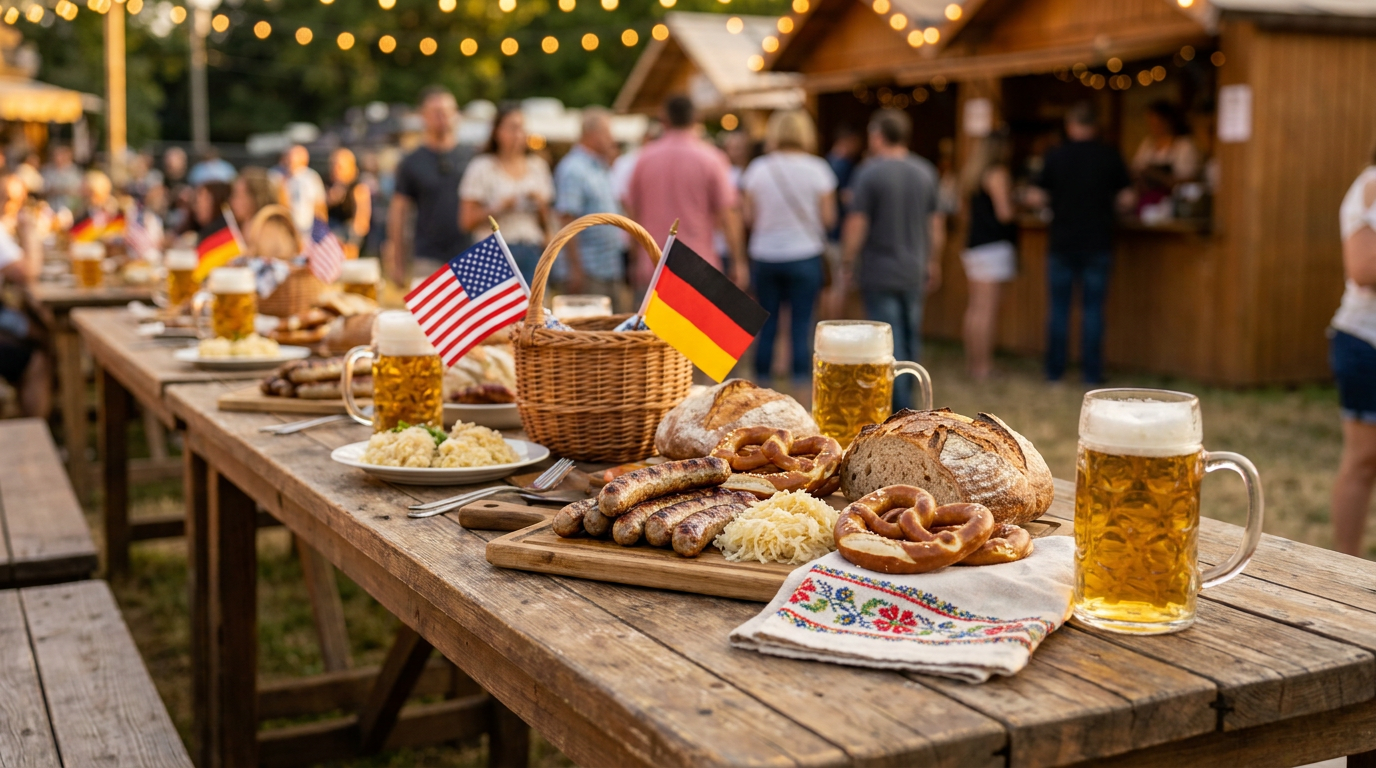
Whether served at baseball games, Oktoberfests, church picnics, county fairs, or backyard cookouts, bratwurst represents one of the most successful culinary exports Germany ever produced.

Popular toppings include:

  • Sauerkraut
  • Spicy brown mustard
  • Grilled onions
  • Pickled vegetables
  • Beer-braised cabbage

Every family seems to have its own preferred way of serving a brat.

And every German-American gathering seems to have someone insisting theirs is the “authentic” version.


Pretzels: The Twist That Conquered America

The humble pretzel may be one of Germany’s greatest gifts to American snack culture.

German immigrants introduced pretzels to Pennsylvania during the colonial era, where they eventually became a major industry.

https://images.openai.com/static-rsc-4/3GdixS-spAexLLxihpmIvo6EssJq0IRozFK5aNPS3bhU-XUT-ut9zTdusZenI1axP3xHBQGMn4zT7Keq4wMyai_YSOjWlegaLRqYfx3i_hJUyeM8a-GRrzsR1T7plbcbLyMtOZTU-B_Mn22z_v-hDh44YGwaxi4ThTLUI0EDaLygFGdgeUkcfl7smjGTIXKQ?purpose=fullsize

Today, Pennsylvania remains one of America’s pretzel capitals.

https://images.openai.com/static-rsc-4/5wB7u9pgeARumZHKjxtBfsCCL0LyJ8DFYmJ3YS_gweY4HPQeIKIHrl-pB0N8xvz9-1X8hmbZ6qKMKQycglV-8jbrHyw04Tt3vdp3zdE1hyiNa4eegA6WuzWGE_Sav5caT2z1CBlhG2uj6DaG-2pTbM_0ZT4_jxtpa_zu9kr-rJ2Fiqcb52Gyz4ZTD0ccyw_9?purpose=fullsize

Traditional German pretzels feature:

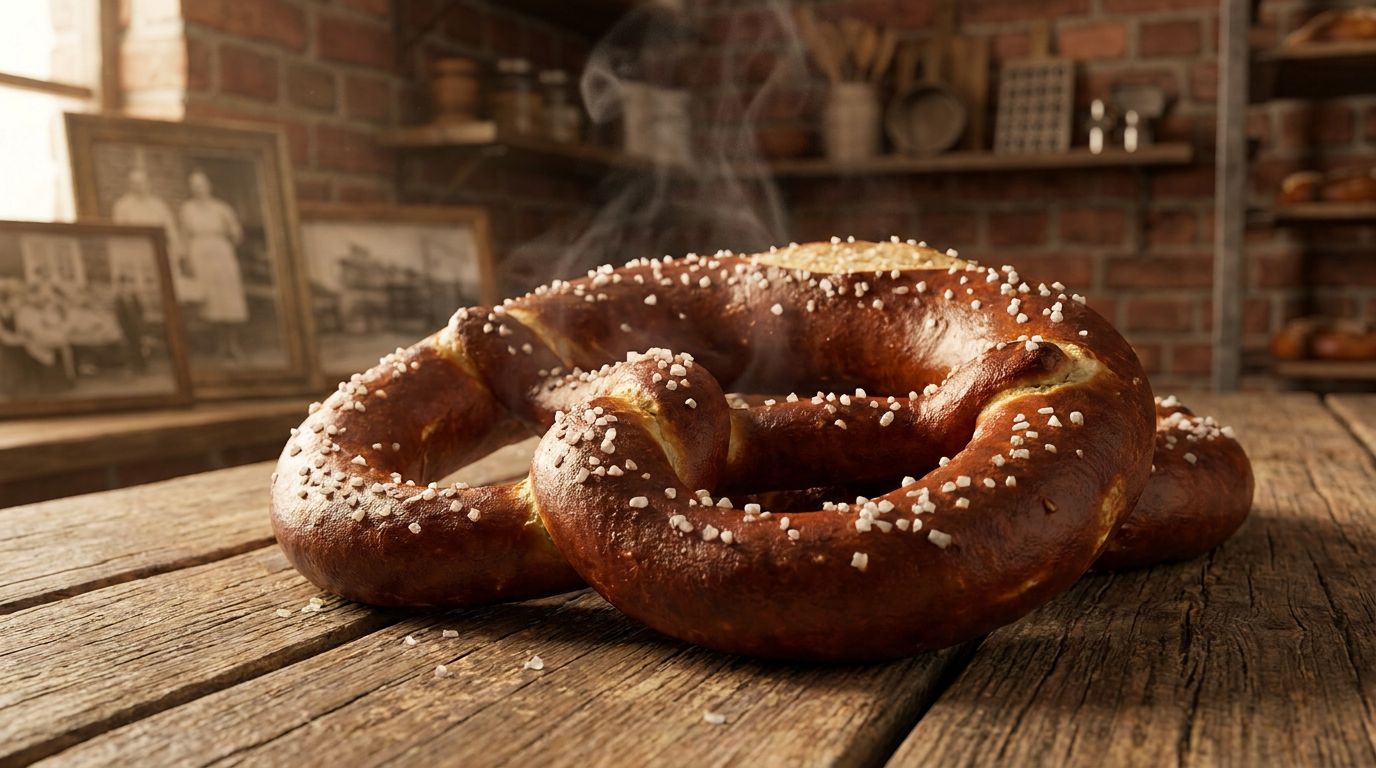
  • A dark, glossy crust
  • Chewy interior
  • Coarse salt topping
  • Distinctive twisted shape

Modern variations include:

  • Beer cheese pretzels
  • Cinnamon sugar pretzels
  • Stuffed pretzels
  • Giant festival pretzels

No Oktoberfest feels complete without one.

And let’s be honest—few foods pair better with a cold German-style lager.


Sauerkraut: More Than Just a Condiment

For many Americans, sauerkraut is simply a hot dog topping.

For German-Americans, it’s much more.

Sauerkraut has been a staple of Central European cuisine for centuries. Made from fermented cabbage, it provided essential nutrition throughout long winters.

https://images.openai.com/static-rsc-4/xdSrI1XRkHiBaP8e42ufupf9Lnqpo-vcjAe8pI0EfKSK12JIhjxppuwKQz0i51yLvX2F-qn006Es6hJInyrjKVs5CuKX9khl6SViYjP1bWf27TKyXHhNlrZurR9w1KW5Rs8vTsSG0ThkkVWyMnXASW1jnVr6UU9DFsSaGNxeFfroOAdcdiBzfDPIo0vN9spH?purpose=fullsize

German immigrants brought fermentation traditions with them to America, where sauerkraut quickly became a practical and economical food source.

Today it remains a beloved companion to:

  • Bratwurst
  • Pork roasts
  • Kielbasa
  • Potato dishes
  • Holiday meals

Modern nutrition experts also appreciate sauerkraut for its probiotics and digestive benefits.

It turns out great-grandma was onto something all along.


The Bread Basket of German Heritage

Bread occupies a sacred place in German culinary culture.

Germany is famous for producing hundreds of varieties of bread, many of which inspired baking traditions throughout German-American communities.

https://images.openai.com/static-rsc-4/B-A_VVMGCIv3ziollKEkd322zjEhfWvhKBjyNof3vPs4gHRDcrALB_plSUM7U0Mt-ZjXsOxC3Pq7YIzb9vizAx4q-0Xm_hwq25ybUSdlybCyrvx9M6HejVJ4KCTwPCB1jDayi8Xngtty2rvcpZJ5JQpvdrnIZFWn2Fj-OshqA_1FmbRo54hXTMjfnVFBYepD?purpose=fullsize

Popular German-inspired breads include:

  • Rye bread
  • Pumpernickel
  • Bauernbrot (farmer’s bread)
  • Pretzel rolls
  • Seeded country loaves

Many German-American bakeries became community gathering places where immigrants could purchase familiar foods while maintaining connections to their heritage.

Even today, walking into a traditional German bakery can feel like stepping into another era.


The Potato: An Unexpected German-American Hero

While Germany did not invent potatoes, Germans certainly embraced them.

As German immigrants spread across America’s agricultural regions, potatoes became a cornerstone of family meals.

Some favorites include:

German Potato Salad

Unlike many American versions, traditional German potato salad often features:

  • Vinegar dressing
  • Bacon
  • Onions
  • Fresh herbs

Kartoffelpuffer

Also known as potato pancakes, these crispy treats remain festival favorites.

Potato Dumplings

A comforting side dish often served with roasts and gravies.

Potatoes offered affordability, versatility, and hearty nourishment—qualities highly valued by immigrant farming families.


Sweet Traditions: Cakes, Pastries, and Family Celebrations

German heritage isn’t only about savory dishes.

Some of the world’s most beloved desserts originated in Germany.

https://images.openai.com/static-rsc-4/yGxNAYT_3fyp70lEzDAWjEHhicES1HctLUJ0cgUXYwgYBomhXwrPPz10akZjXVjrq7Bx4go9U_LkfBhdKi3pT44vS5_d3d4LtAYp_jThyi_6-w8mRpFTyqjbUYblOlUlhy3AKc9vI3ZpNehTKmhFgix2k4woVBi1vCCtF0RlaU_TtWQdc2WsVtPLyQPnbUIx?purpose=fullsize
Black Forest Cake (Schwarzwälder Kirschtorte)

Perhaps Germany’s most famous dessert, this masterpiece features:

  • Chocolate cake
  • Cherries
  • Whipped cream
  • Chocolate shavings

It remains a showstopper at weddings, anniversaries, and special celebrations.

Apple Strudel

Though associated with Central Europe generally, strudel became a staple in many German-American homes.

Stollen

This fruit-filled Christmas bread remains a beloved holiday tradition.

Bee Sting Cake (Bienenstich)

A delicious combination of sweet yeast dough, cream filling, and caramelized almonds.

These desserts helped transform family gatherings into memorable celebrations.


German-American Beer and Food: A Perfect Partnership

No discussion of German food traditions would be complete without mentioning beer culture.

German immigrants helped establish many of America’s earliest brewing traditions.

German-American Favorites

Classic Pairings

Food Traditional Beverage Pairing
Bratwurst Märzen Lager
Pretzels Helles Lager
Schnitzel Pilsner
Roast Pork Dunkel
Black Forest Cake Coffee or Dark Lager

German beer gardens became social centers where families gathered, musicians performed, and communities celebrated.

Food was never just nourishment.

It was fellowship.


A Taste of German Heritage at Festivals Across America

One of the easiest ways to experience German-American culinary traditions is by attending a festival.

https://images.openai.com/static-rsc-4/nhSWSeUH5TeMZrH3E40Vao0VmaauNj7G4dSeHZNev26Tds9ypkd57vuW2LDHvlafiNsf7n-n7-nVpiOW4o8V5PhlIWHOuTesD8VsLmGDa2zz9l3M_j7oADjq5c5UdaQYL5eppTUHNAcQed3tG_WVdU8LkmKWHWoXeiVnrDuKceDce5H0vpJJfIbUSIHfBWo2?purpose=fullsize
Visitors can sample foods ranging from traditional recipes to creative modern interpretations.
https://images.openai.com/static-rsc-4/NuEgir6vtiWtfAKpSpE7TekDBFWlU-6Wnc4AHclYlznRs1nAWyRCew1c_vH1igK0M1srJiYkdH08FMiGx8FkgY4UlKvprdTO0rSV9GDuIYGzMd54Ma6mHumlgcLmysNIL1wBX2yljVfoWkkK1mv2ORc0u-tG90C0i-22FgZdGQrWXCZ5WNgb4x23W2_R5UOy?purpose=fullsize

Across America, communities host:
  • Oktoberfests
  • Maifests
  • Christkindlmarkts
  • Heritage festivals
  • County fairs with German roots

For many attendees, the food becomes the gateway to learning more about their ancestry, history, and cultural traditions.


Food as a Family Time Machine

Perhaps the most remarkable aspect of German-American food traditions is their ability to connect generations.

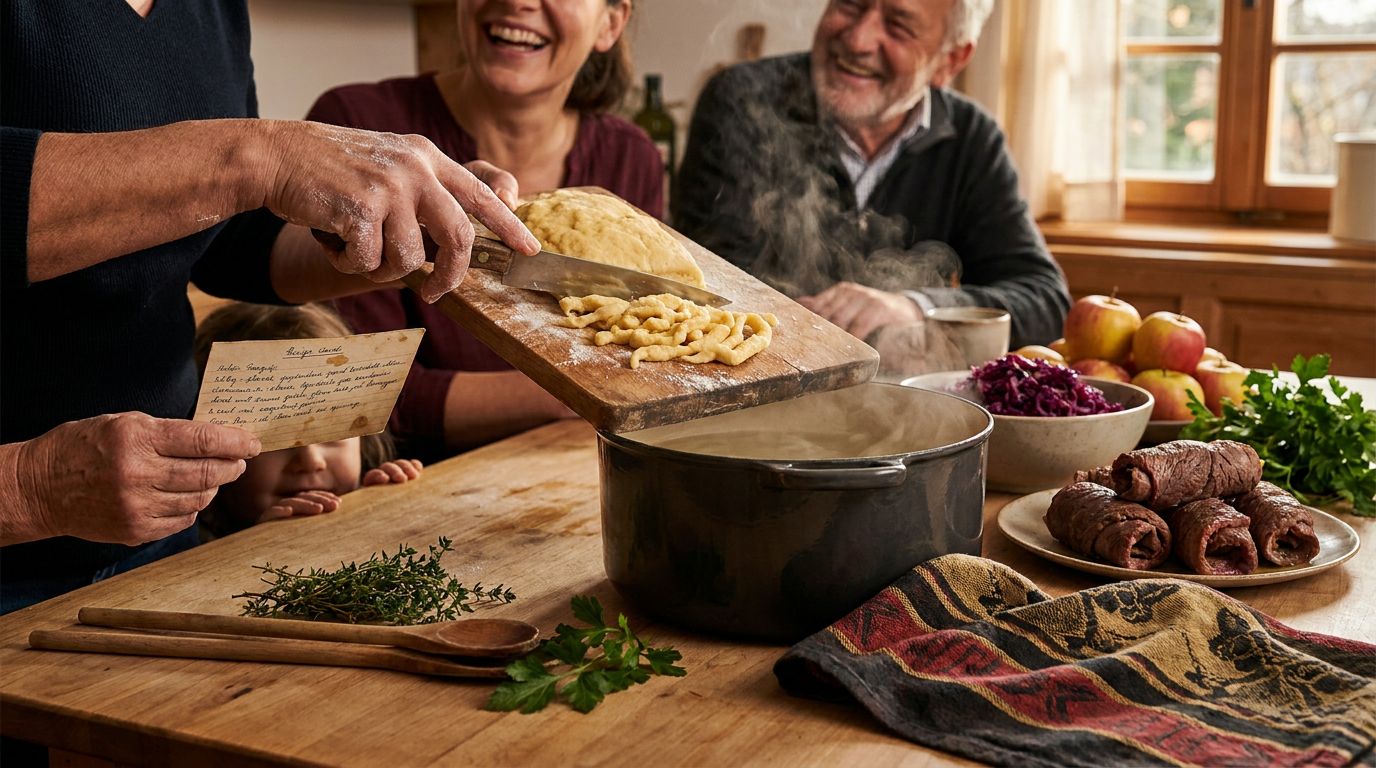
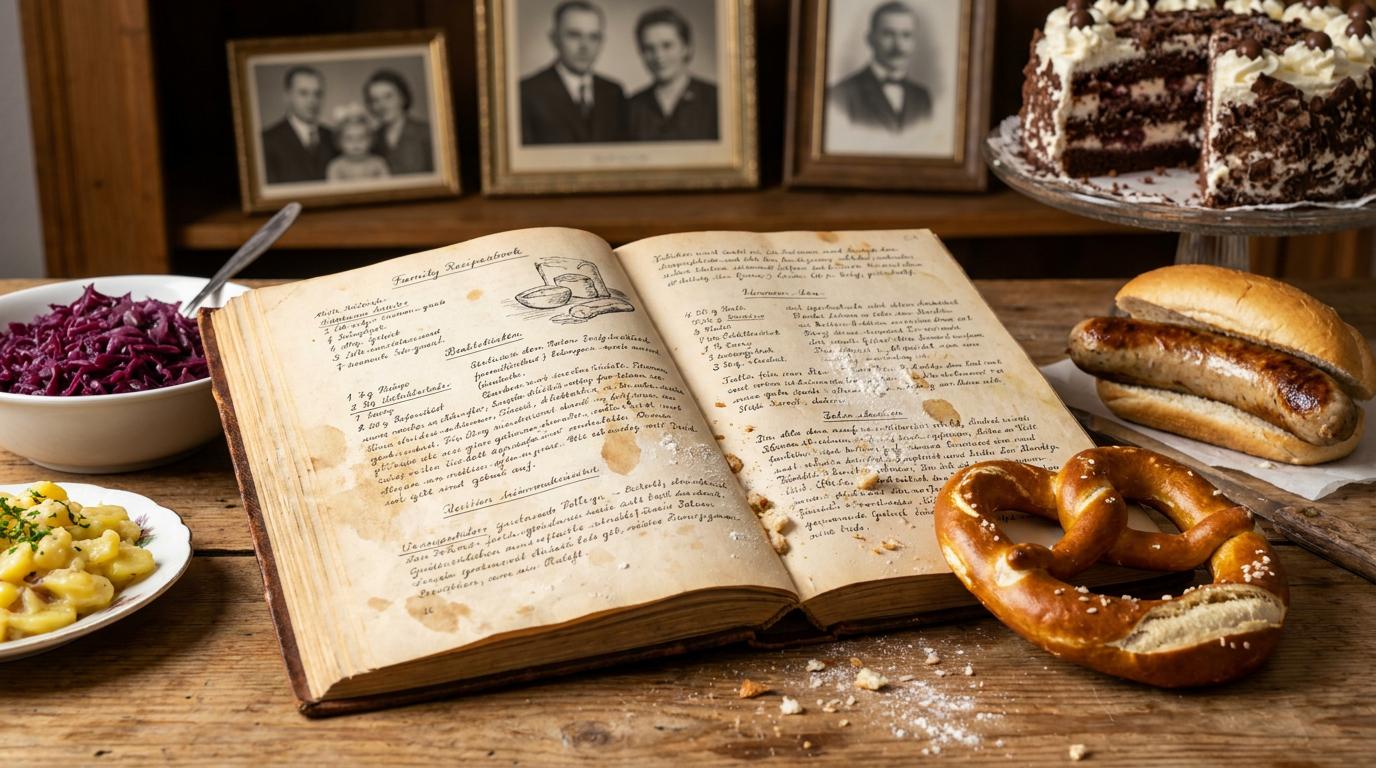
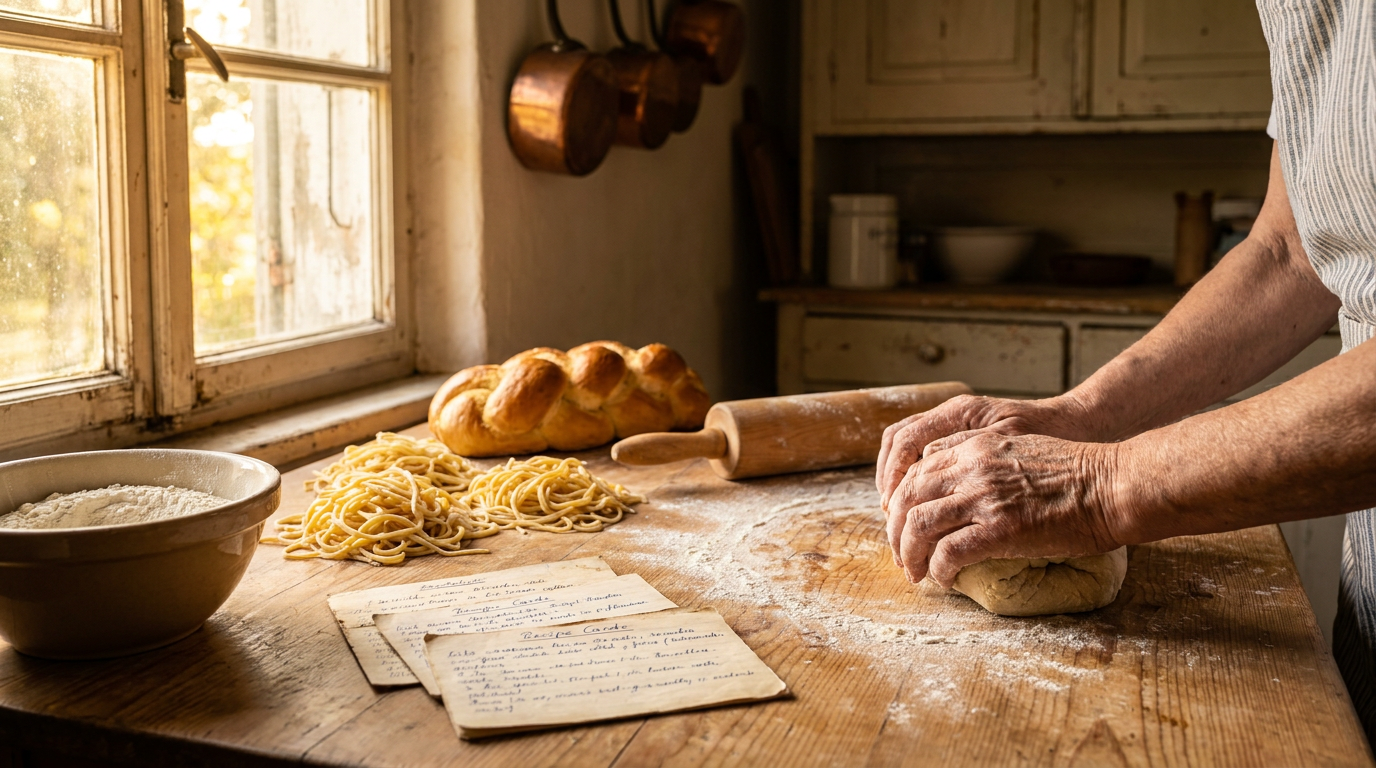
A recipe card handwritten by a grandmother.

A family sausage recipe passed down through decades.

A Christmas stollen baked exactly as it was 100 years ago.

These foods preserve memories in ways few other traditions can.

As author Laura Esquivel famously wrote:

“The table is a meeting place, a gathering ground, the source of sustenance and nourishment.”

For German-Americans, it is also a bridge to the past.


Bringing German Heritage to Your Own Kitchen

You don’t need to speak German or travel overseas to celebrate your heritage.

You can begin right at home.

Try:

✅ Making homemade bratwurst recipes
✅ Visiting a local German bakery
✅ Learning to bake pretzels
✅ Exploring regional German cookbooks
✅ Attending a local Oktoberfest
✅ Recreating family recipes from old recipe boxes
✅ Researching foods connected to your ancestral region in Germany

Each meal becomes an opportunity to explore your family’s story.


Final Thoughts

From sizzling bratwurst at summer festivals to elegant slices of Black Forest cake shared during family celebrations, German-American food traditions remain one of the most enjoyable ways to connect with heritage.

These dishes are more than recipes.

They are edible history.

They tell stories of courage, immigration, family, hard work, faith, community, and cultural pride. They remind us that heritage is not confined to museums or genealogy records—it lives in kitchens, bakeries, restaurants, festivals, and family dining rooms across America.

So the next time you enjoy a warm pretzel, a hearty bratwurst, or a slice of Black Forest cake, remember:

You may be tasting a small piece of the German-American story.

And that story is still being written—one delicious bite at a time.


Quick Heritage Food Fact

GERMAN-AMERICAN FOODS YOU PROBABLY EAT REGULARLY

🥨 Pretzels
🌭 Bratwurst
🥬 Sauerkraut
🍞 Rye Bread
🥔 German Potato Salad
🍰 Black Forest Cake
🍎 Apple Strudel
🍺 German-Style Lager

Heritage Insight: Many of these foods arrived with German immigrants during the 1700s–1900s and became permanent parts of American culinary culture, especially throughout Pennsylvania, the Midwest, Texas, and Tennessee.

German Heritage USA™
Discovering German Heritage Traditions, Foods, Music, and Festivals All Across America

German Heritage, American Pride: The America 250-Year Celebration with GAMHOF – German-American Hall of Fame

As the United States approaches its historic 250th anniversary in 2026, a powerful reflection is underway—one that goes far beyond fireworks and festivities.

It is a moment to look deeper into the roots of America’s identity and recognize the many cultures that helped shape its story. Among the most enduring and influential of these are German-Americans, whose contributions span centuries and continue to define the nation today.

From the earliest settlements in the 1600s to modern innovation in science, business, and culture, German-Americans have played a foundational role in building the United States. Their story is one of resilience, craftsmanship, intellect, and an unwavering commitment to freedom and opportunity.

At the heart of preserving and celebrating this legacy stands the German-American Hall of Fame (GAMHOF)—a New York-based nonprofit dedicated to honoring the individuals and stories that define German-American excellence.

And as America prepares to celebrate 250 years of independence, GAMHOF is helping ensure that this vital chapter of the American story is not only remembered—but fully understood, appreciated, and carried forward.

A Symbol of 250 Years: America’s Shared Story

The America 250 milestone is more than a celebration—it’s a national reflection. And within that reflection lies a powerful truth: America was never built by one group alone.

https://images.openai.com/static-rsc-4/jtj8yeL-p9ofxjMHCBxR2RbFgWOSr-YDRWehzCCv08EqhdH1Tr_EqQnomwPt00Bjlk44UugSBwBDUjuN8-k0jxtFgvWbw6-lUkSlQDluAP9Stq_oHhFewXSP7-KA7MDtkNxdgsJGszJlyAl2avabbfpIG-9BxtBCkt-4NTaN866Rw3Gyjwt0mPk6BEKeowwn?purpose=fullsizeGerman immigrants and their descendants are woven deeply into the American fabric. They arrived with skills, traditions, and values that helped shape everything from agriculture and engineering to education and governance.

As GAMHOF proudly shares:

“German Roots. American Story. Celebrating Yesterday. Inspiring Tomorrow.”

This theme captures the essence of the America 250 initiative—honoring the past while energizing the future.


A Legacy That Predates the Nation

Long before 1776, German settlers were already building communities across colonial America. They brought with them a strong emphasis on:

  • Craftsmanship and skilled trades
  • Agricultural innovation
  • Education and literacy
  • Faith and community structure

By the time of the American Revolution, German-Americans were already active participants in the fight for independence—both on the battlefield and through their support of democratic ideals.

One of the most influential groups, the “Forty-Eighters,” arrived in the mid-1800s after political upheaval in Europe. They brought with them a deep belief in liberty, freedom of speech, and democratic governance—values that aligned seamlessly with the American experiment.

“Opportunity rewards readiness.”
— A guiding principle reflected in the German-American journey

» Read more

Why German-American Culture Thrives at The End of Winter

By the time February begins to loosen its icy grip, something stirs across German-American communities from Pennsylvania to Nebraska, from Wisconsin to Texas. It’s not just the promise of spring. It’s a cultural rhythm — a centuries-old pulse that has learned how to endure winter, and even more importantly, how to emerge from it.

For German immigrants and their descendants, winter was never simply a season to survive. It was a time of gathering, storytelling, hymn-singing, sausage-smoking, bread-baking, and planning. When the frost began to fade, that stored-up energy had to go somewhere. And so it burst forth in festivals, music halls, breweries, kitchens, and church basements across America.

There is something deeply German about resilience. From the forests of Bavaria to the plains of the Midwest, German communities have always known how to make the most of cold months. In America, that instinct blended with frontier grit. The result? A culture that doesn’t just endure winter — it thrives when it ends.

“Winter prepares the soul,” wrote German poet Johann Wolfgang von Goethe, “and spring reveals what it has strengthened.” That sentiment still rings true in German-American towns where the end of winter signals more than warmer weather — it signals revival.


Cabin Fever Meets Gemeinschaft

https://cloudfront-us-east-1.images.arcpublishing.com/gray/YC5YDHRDKBFFPDKGHQ45UM4Z7U.png
The German word Gemeinschaft roughly translates to “community,” but its meaning runs deeper — shared belonging, mutual care, collective identity. After months of snowbound routines, German-American communities lean into Gemeinschaft with renewed enthusiasm.

Across the Midwest, fraternal halls and heritage centers fill up again. Choirs resume rehearsals. Brass bands dust off their instruments. Stammtisch gatherings — informal meetups over beer and conversation — expand from small winter circles to lively weekly events.

In places like New Ulm, Fredericksburg, and Hermann, the end of winter is not passive. It’s programmed. Societies schedule Maifest planning meetings. Youth dance groups begin practicing for outdoor performances. Local breweries test spring batches.

There’s a practical reason, too. Historically, German farming families used late winter to prepare for planting. Once thaw arrived, life accelerated. That rhythm carried over into American towns built by those same immigrants. Winter reflection. Spring activation.

As one Wisconsin heritage club president recently remarked,

“By March, we’re not just ready for warmer weather. We’re ready for each other again.”


Lent, Fasting, and Feasting

The end of winter often coincides with the liturgical calendar — and that matters deeply in German-American life. Many early German immigrants were Catholic or Lutheran, and their faith traditions shaped seasonal rhythms.

Before Lent begins, communities celebrate Fasching (also known as Karneval in some regions). In Pennsylvania Dutch country — descendants of German settlers — Fastnacht Day doughnuts fry in kitchens and bakeries. These rich treats were historically a way to use up lard and sugar before fasting began.

In cities with strong German Catholic roots — like Cincinnati and Milwaukee — church fish fries become Friday-night traditions. The menus may include sauerkraut sides, rye bread, and German potato salad alongside the cod.

These gatherings are more than meals. They’re intergenerational rituals. Grandparents teach grandchildren why fasting mattered in the Old Country. Choir lofts fill with hymns that echo centuries-old melodies from Bavaria or Saxony.

Winter ends not with excess — but with meaning.

» Read more

Tracing the German Coast: Exploring Louisiana’s Hidden Heritage Near New Orleans

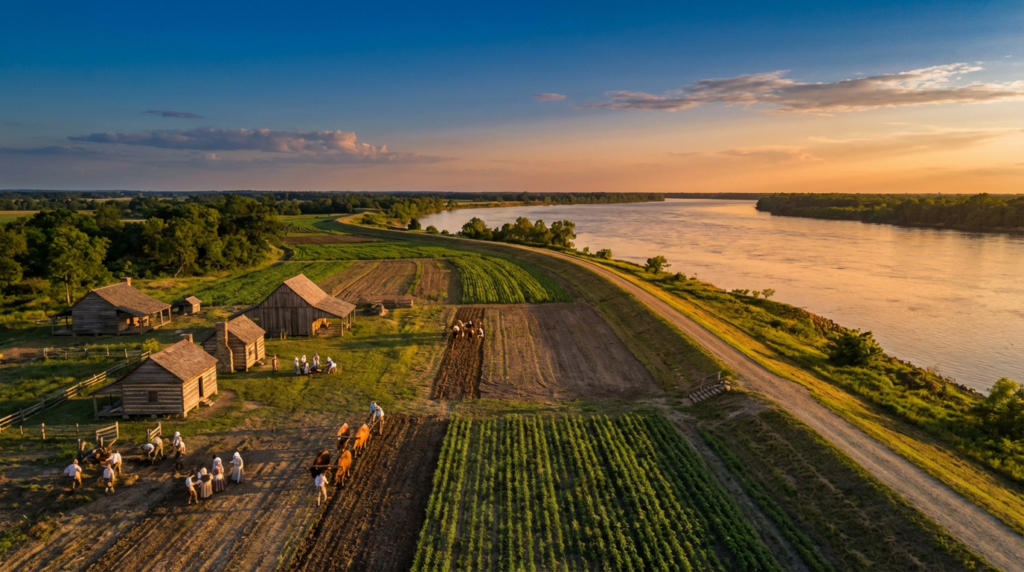
Long before jazz floated through the French Quarter and before Mardi Gras beads glittered in the Louisiana sun, German-speaking farmers were carving out a life along the Mississippi River. Their story is one of resilience, adaptation, and quiet influence — a heritage woven into the soil, cuisine, architecture, and even the surnames of southern Louisiana.

Today, just west of New Orleans, a stretch of river communities still echoes with this legacy. Known historically as the German Coast, this region tells a lesser-known but deeply American story: how German immigrants in the early 1700s helped feed a struggling French colony and laid foundations that endure nearly three centuries later.

For readers of German Heritage USA, this is more than a history lesson — it’s a travel invitation. Whether you’re a genealogy enthusiast tracing family roots, a foodie seeking authentic flavors, or simply a heritage traveler looking for your next meaningful getaway, Louisiana’s German Coast offers something uniquely unforgettable.

“Heritage isn’t always loud,” as one local historian once said. “Sometimes it whispers through recipes, riverbanks, and family names.”

Let’s follow that whisper.


The Origins: Germans on the Mississippi

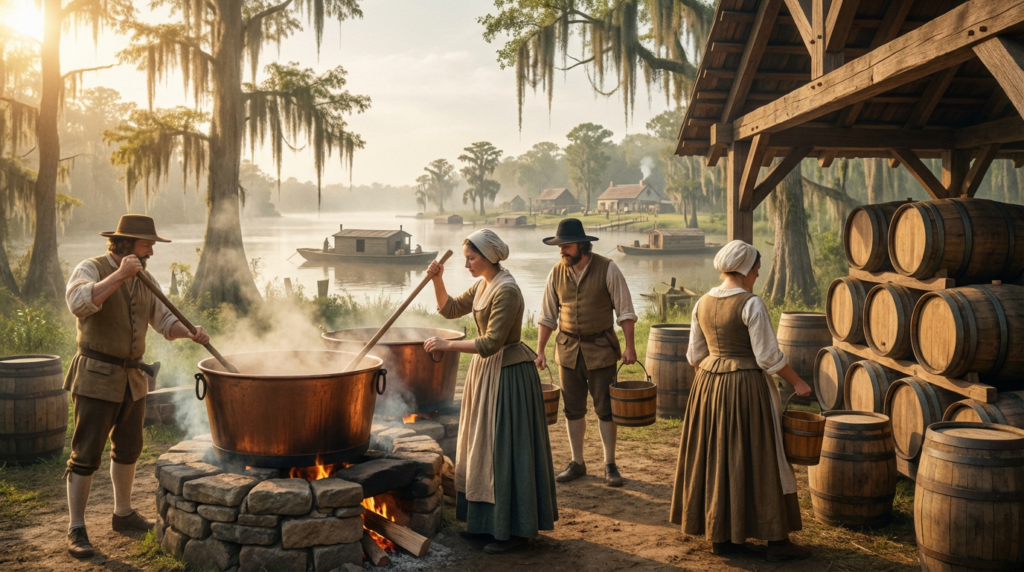
In 1721, ships carrying German-speaking settlers — many from the Rhineland and Swiss cantons — arrived in French Louisiana. They had been recruited to strengthen the struggling colony and provide agricultural expertise. Conditions were harsh, but the settlers adapted quickly.

They established farming communities along the Mississippi River in what is now St. Charles Parish and St. John the Baptist Parish, transforming swampy terrain into productive farmland. Their crops — especially vegetables and grains — sustained early Louisiana settlements and even saved the colony from famine.

This region became known as the German CoastLa Côte des Allemands.

Their surnames — Waguespack, Schexnayder, Zeringue, Trosclair — still appear across southeastern Louisiana today.


Walking the River Road: A Journey Through Time

https://upload.wikimedia.org/wikipedia/commons/thumb/9/9f/Mapofgermancoast-1775.jpg/500px-Mapofgermancoast-1775.jpg
Driving west from New Orleans along River Road feels like entering a living museum. Towering oaks arch over historic homes. Sugarcane fields ripple in the breeze. The Mississippi flows thick and steady, just as it did 300 years ago.

While much of the River Road is known for grand plantation homes, the German Coast story is quieter and more agrarian. These settlers were small farmers, not plantation elites. Their strength was community cooperation, craftsmanship, and agricultural skill.

Today, visitors can explore:

  • Local parish museums
  • Historic cemeteries with German surnames
  • Preserved churches rooted in 18th-century Catholic traditions
  • Community heritage festivals celebrating German ancestry

This is heritage tourism at its most authentic — less commercial, more personal.


St. Charles Parish: Where the Story Began

In Destrehan, located in St. Charles Parish, you’ll find some of the strongest German Coast roots.

Local Catholic churches, such as St. Charles Borromeo, became centers of community life. Baptismal and marriage records from the 1700s reveal the blending of German, French, and Spanish influences that shaped Louisiana’s identity.

The German settlers integrated into French Louisiana society while preserving elements of their language and customs. Over generations, their dialect evolved into what historians call “Louisiana German.”

Many of their traditions survive through:

  • Family-run farms
  • Parish festivals
  • Culinary heritage
  • Genealogical societies

For ancestry researchers, parish church archives are treasure troves of early colonial records.


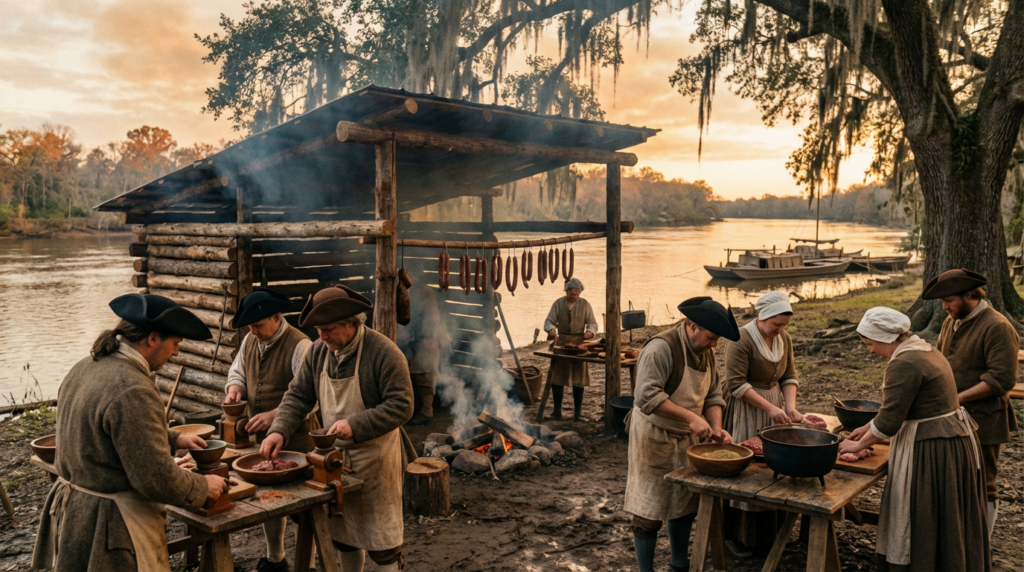
A Culinary Legacy: From Bratwurst to Andouille

If you love German food traditions, Louisiana might surprise you.

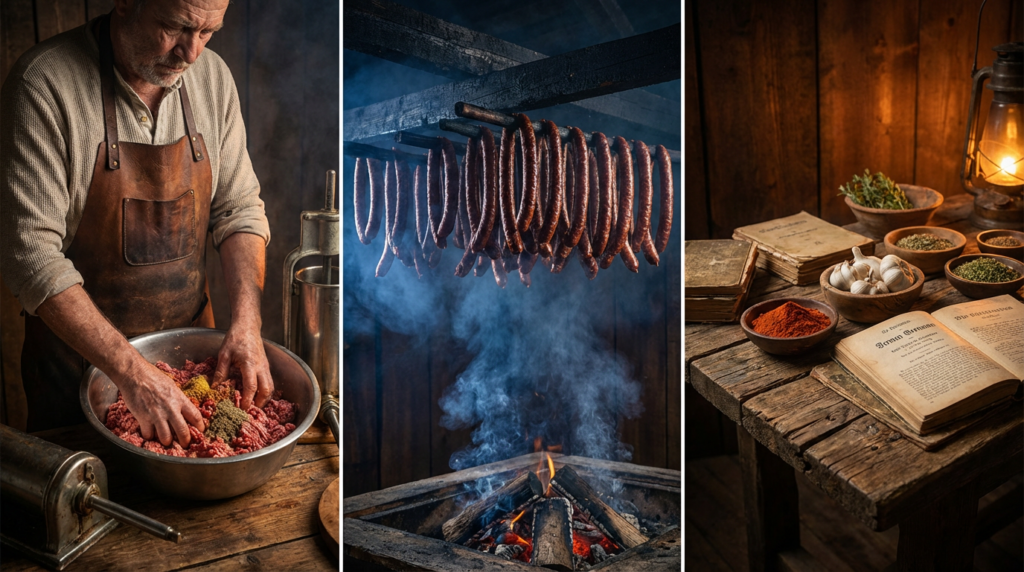
The German Coast settlers brought sausage-making techniques that heavily influenced Louisiana’s famous andouille sausage.

While Cajun and Creole flavors evolved over time, the smoking methods and spice traditions show clear European roots.

The German influence also extended to:

  • Bread baking traditions
  • Pickling methods
  • Hearty stews
  • Beer brewing (in later generations)

“Food is the most delicious form of memory,” says a chef from the River Parishes. “Every bite carries a story.”

Today, travelers can sample heritage-inspired dishes in local restaurants near New Orleans while knowing that the flavors reflect centuries of cultural blending.

» Read more

Ancestry, DNA & Discovery: Tracing Your German Roots

For millions of Americans, the journey to discover German roots begins with a simple question: “Where did my family come from?” Maybe it’s a last name that ends in -mann, -berg, or -schmidt. Maybe it’s a grandmother’s recipe for sauerbraten or a dusty Bible written in Gothic script. Or perhaps it’s a DNA test result that flashes “40% Germanic Europe” and sparks curiosity.

German Americans represent one of the largest ancestry groups in the United States. From Pennsylvania to Texas, Wisconsin to Nebraska, their influence is stitched into the American story—through farming traditions, music, architecture, Christmas customs, language, and even food staples like hot dogs and pretzels.

But tracing German ancestry can feel overwhelming. Borders changed. Names were Americanized. Records were handwritten in old German script. Entire regions shifted from kingdoms to empires to modern states. Yet, with today’s digital tools, DNA testing, and global archives, discovering your German heritage has never been more accessible—or more exciting.

“Genealogy is not about names and dates. It’s about stories, identity, and belonging.”

Let’s explore how to trace your German roots—step by step—while uncovering the rich cultural tapestry behind your family’s story.


Step 1: Start at Home – The Power of Family Stories

Before diving into DNA databases and European archives, begin with what you already have.

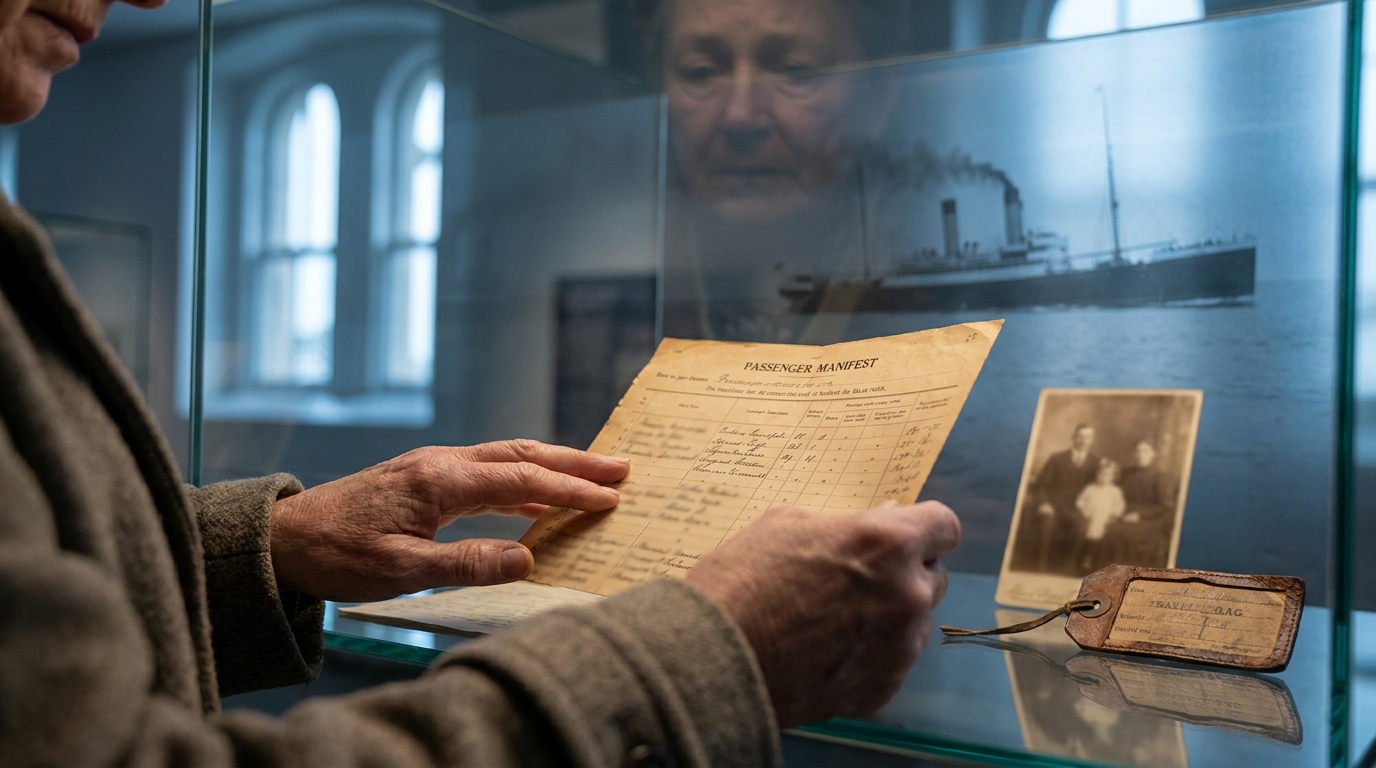
https://images.openai.com/static-rsc-3/-A1N5CCnGVFUa97BcVhJ69JWmVpAk7ImAkCJIVvj6Q0ROE0NOzMYa83gOUymPnsiQfiJxNF5ScOI4zMKBPB-Ll0252HEIcYYV3giyfJNWuI?purpose=fullsize&v=1
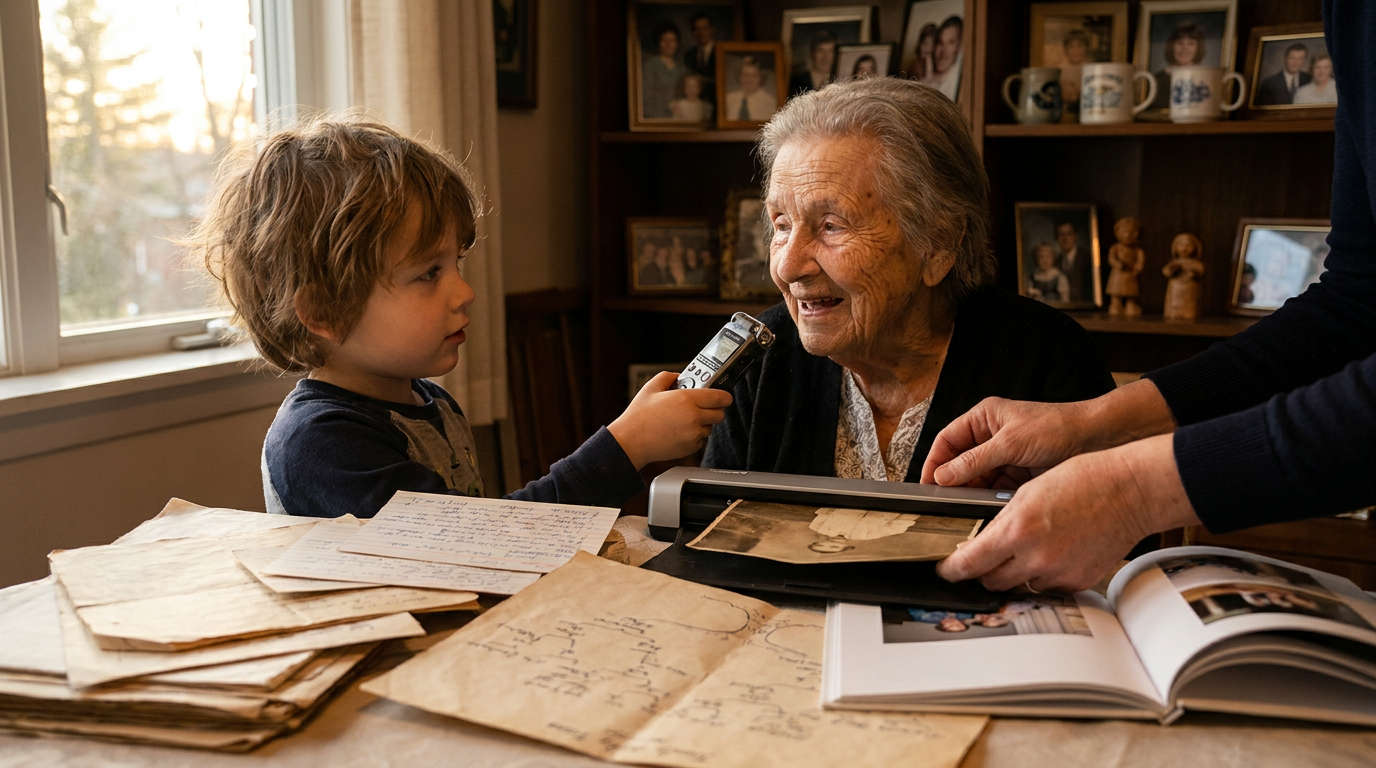
Family Bibles, immigration papers, naturalization certificates, handwritten letters, and photo albums are treasure troves. Interview older relatives. Record their stories. Ask questions like:
  • Do you remember the original spelling of our surname?
  • Was our family Catholic or Lutheran?
  • Did anyone mention a specific town in Germany?
  • When did our family come to America?

Even small details matter. A city name like “Bremen” or “Bavaria” may actually refer to a departure port or a larger region rather than a specific village. German genealogy often hinges on identifying the exact town of origin.

» Read more

New Year, Old World Roots: 10 German-American Traditions That Still Shape January in the USA

January arrives quietly. The lights of the holidays come down, the crowds thin out, and winter settles in. But for millions of Americans with German roots, January has never been an empty month. It is a time of reflection, renewal, comfort, and connection — values deeply embedded in German culture and carried across the Atlantic by generations of immigrants.

Long before New Year’s resolutions became trendy, German families practiced intentional living: gathering indoors, honoring ancestry, cooking warming foods, and planning carefully for the year ahead. Those traditions didn’t disappear in America — they adapted. Today, they still quietly shape how German-American communities experience January across the United States.

From cozy winter meals to cultural clubs, ancestry research to budget-smart travel planning, these traditions continue to influence everyday life in ways many people don’t even realize. January, in many ways, is where German heritage feels most at home.

“Traditions are not about holding onto ashes, but about passing on the fire.” — Gustav Mahler

What follows are 10 German-American traditions that still shape January in the USA, connecting old-world roots to modern American life — and reminding us that heritage doesn’t need a festival crowd to stay alive.


1. New Year Reflection & Intentional Living

In German culture, the New Year has long been a time for Besinnung — thoughtful reflection. Rather than loud declarations or instant transformation, German-American families traditionally approach January with patience and practicality.

This shows up today in:

  • Quiet goal setting instead of flashy resolutions
  • Financial planning after the holidays
  • Family discussions about priorities for the year ahead

German immigrants emphasized discipline, preparation, and responsibility — values that still guide how many families approach January budgeting, travel planning, and lifestyle resets.


2. The Winter Art of Gemütlichkeit


https://cassiefairy.com/wp-content/uploads/2021/12/christmas-interior-design-festive-inspiration-decorations-hiermitmir-5-1024x768.jpg

Few German words have traveled as beautifully as Gemütlichkeit. It describes warmth, belonging, comfort, and togetherness — especially during winter.

In January, Gemütlichkeit lives on through:

  • Home-cooked meals shared indoors
  • Small gatherings instead of large events
  • Coffee, cake, conversation, and candles

Across German-American homes — from the Midwest to Texas — winter isn’t something to escape. It’s something to settle into.

“Happiness isn’t loud — it’s warm.” — German proverb


3. Hearty Winter Comfort Foods


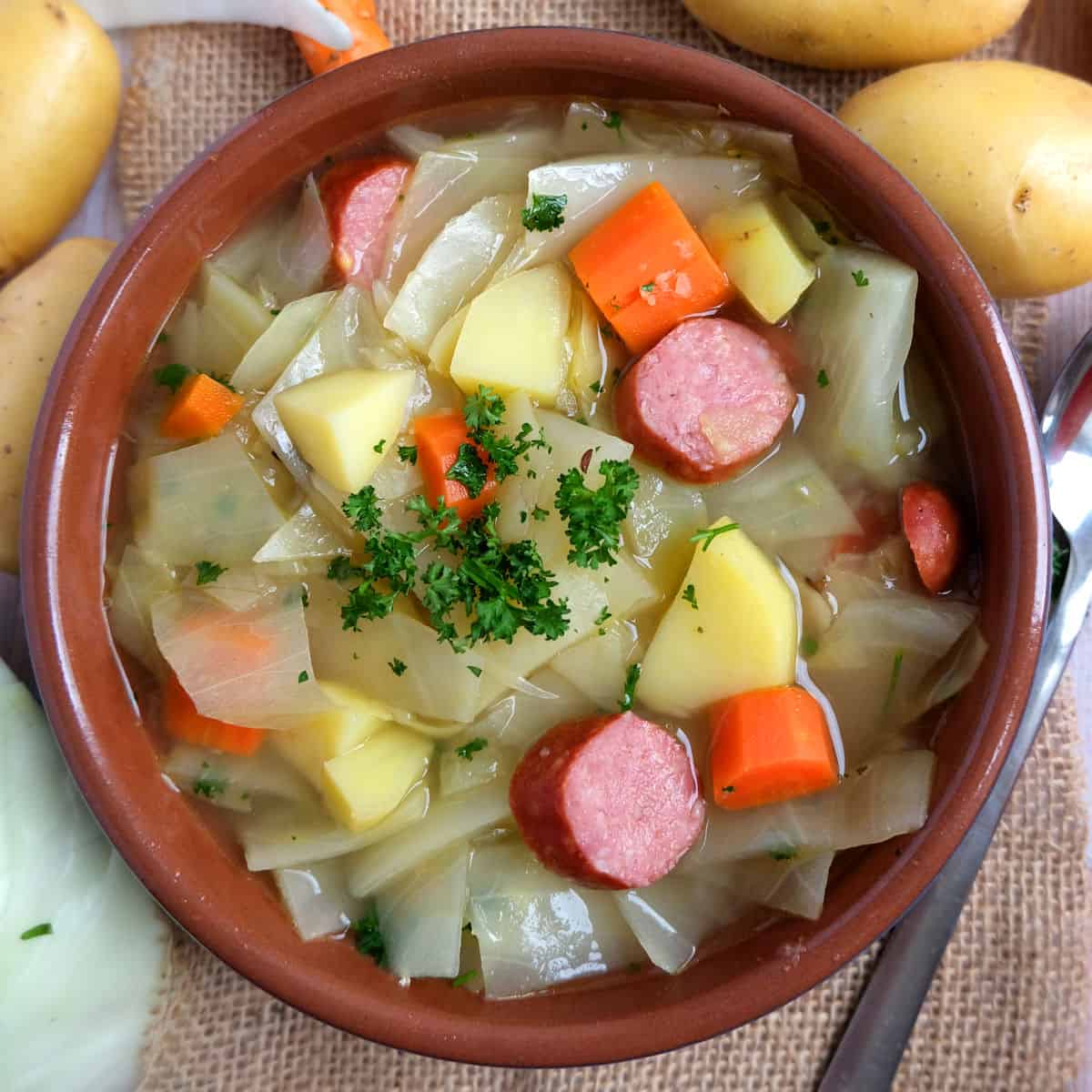
https://mydinner.co.uk/wp-content/uploads/2023/01/German-Cabbage-Soup-1.jpg

January is prime season for traditional German comfort food. Long before refrigeration and grocery chains, winter meals were designed to nourish, preserve, and sustain.

Still common in German-American kitchens:

  • Sauerkraut and sausages
  • Potato soups and cabbage dishes
  • Dumplings, rye bread, and root vegetables

These foods weren’t indulgences — they were survival recipes that became family traditions. Today, they bring comfort after the holidays and remind families of shared ancestry.

» Read more

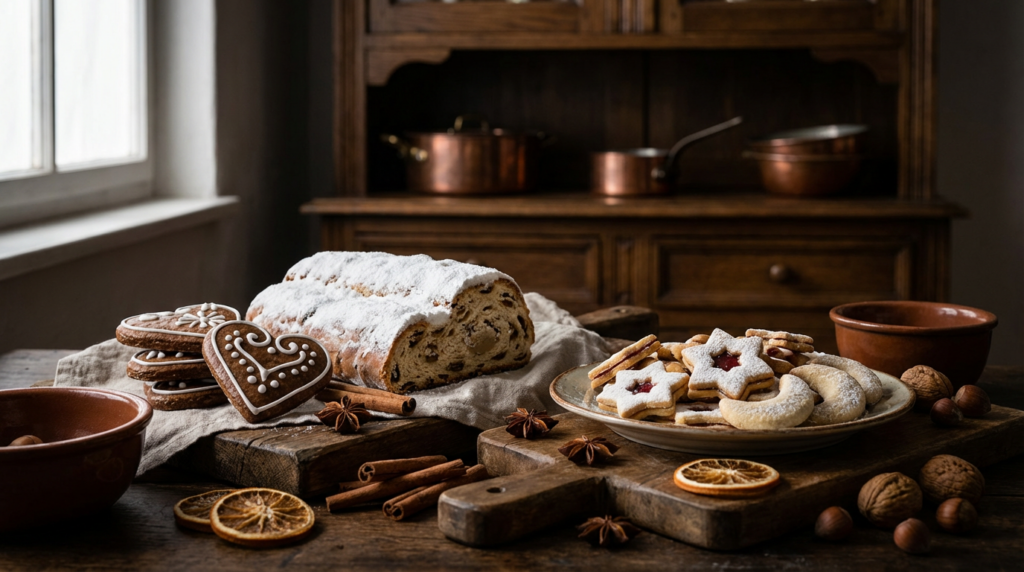
German Holiday Baking: Lebkuchen, Stollen, and Sweet Traditions

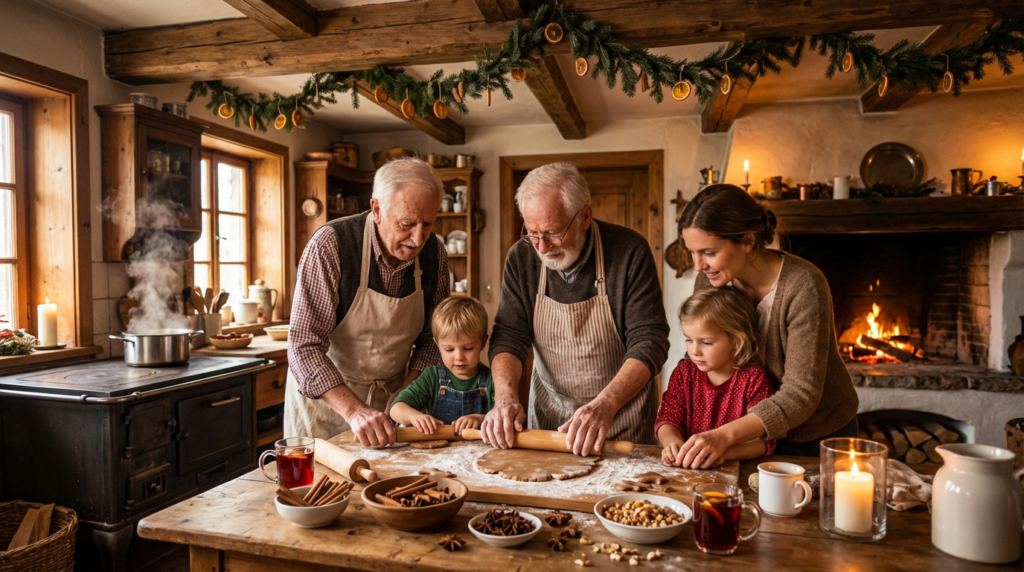
The holiday season in German households has always smelled like something magical. Even before the first candle is lit or the Advent wreath is hung, the kitchen becomes the heart of Christmas—warm, flour-dusted, and alive with tradition.

Generations gather around wooden tables, rolling dough, grinding spices, and retelling stories that feel as old as the recipes themselves.

German holiday baking is not just about desserts; it is about memory, rhythm, and ritual. Recipes are rarely written in modern measurements. Instead, they are passed down as instructions like “until it feels right” or “bake until it smells like Christmas.”

These sweets marked the seasons long before electric ovens and store-bought spice mixes, reminding families that winter was a time to slow down, gather close, and celebrate together.

Three baked goods stand above all others in the German Christmas tradition: Lebkuchen, Stollen, and a constellation of regional cookies known collectively as Weihnachtsplätzchen. Each tells a story—not just of flavor, but of geography, faith, migration, and family.

As one old German saying goes:

“Backen ist Liebe, die man essen kann.”
“Baking is love you can eat.”


The Sacred Spice of Christmas: Lebkuchen

https://www.supergoldenbakes.com/wordpress/wp-content/uploads/2024/08/Lebkuchen-1-4.jpg
https://baketotheroots.de/wp-content/uploads/2015/07/HK_231205_Nuernberger-Lebkuchen2.jpg
https://tinandthyme.uk/wp-content/uploads/2024/12/Lebkuchen-Piled-On-Platter.jpg

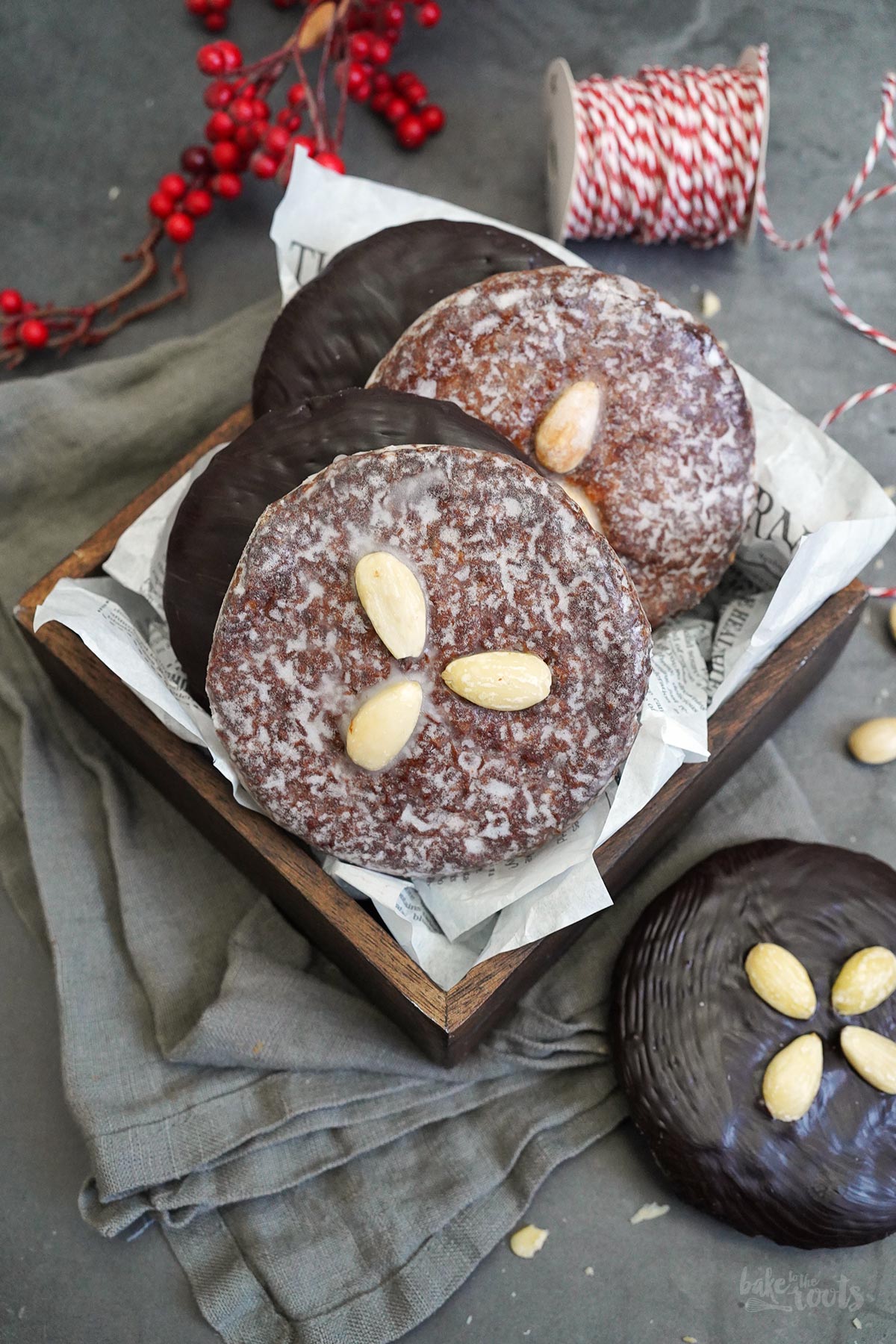
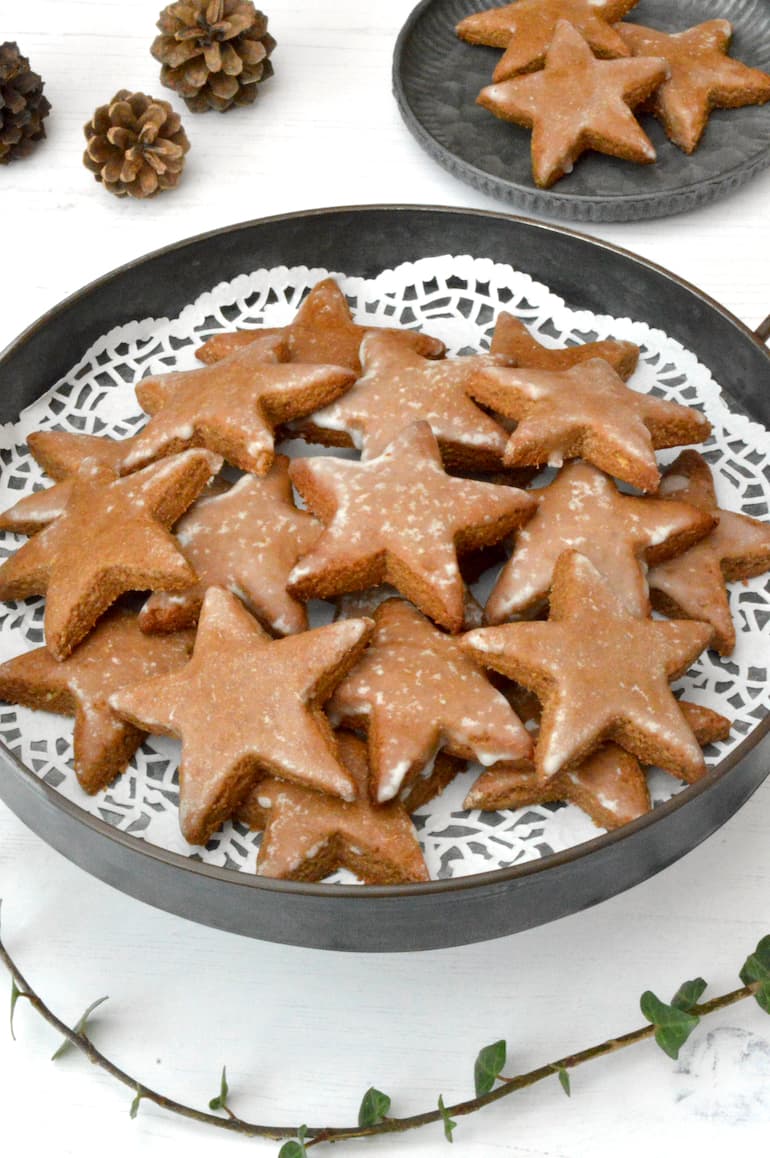
Lebkuchen is often described as German gingerbread, but that comparison hardly does it justice. Dating back to the Middle Ages, Lebkuchen emerged in monastery kitchens, where monks blended honey, nuts, and imported spices believed to have medicinal qualities. These spices—cinnamon, cloves, cardamom, nutmeg, ginger, and anise—were precious commodities, making Lebkuchen a luxury reserved for sacred seasons.

The most famous Lebkuchen comes from Nuremberg, where the city’s location along medieval spice trade routes ensured access to exotic flavors. Authentic Nürnberger Lebkuchen often contains little to no flour, relying instead on ground almonds or hazelnuts for structure. The result is soft, aromatic, and deeply complex.

Lebkuchen isn’t rushed. Dough often rests for days or even weeks, allowing flavors to deepen. Baking Lebkuchen became an Advent ritual—made early, stored carefully, and brought out slowly as Christmas approached. Some families brush them with sugar glaze; others dip them in dark chocolate. Some shape them as simple rounds, while others form hearts with piped messages of love.

“When the Lebkuchen come out, Christmas is no longer a promise—it’s here.”

» Read more

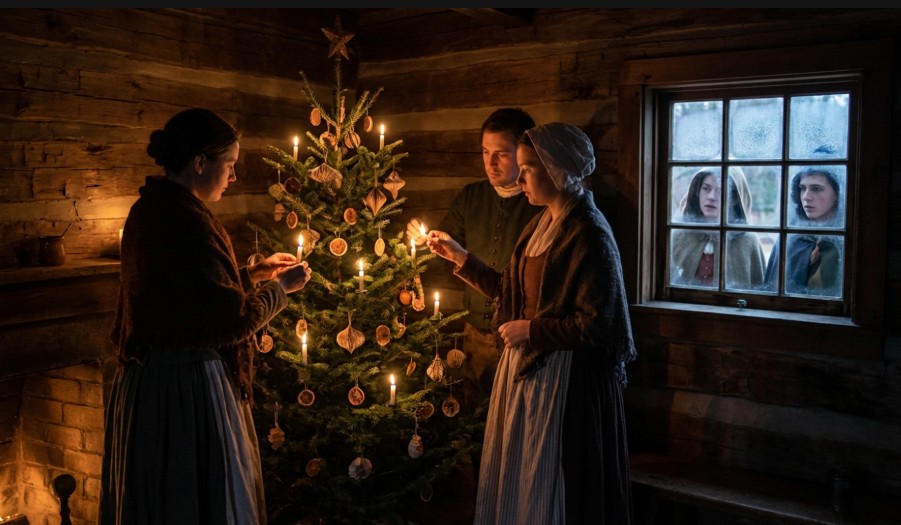
O Tannenbaum: German Roots of the American Christmas Tree Tradition Shaped America’s Christmas Spirit

For many Americans, the Christmas tree arrives in the home like an old and cherished friend—dragged through the doorway with laughter, settling into its stand with a sigh, and slowly coming to life as lights and ornaments transform it from simple evergreen to seasonal centerpiece.

But few pause to wonder why this ritual feels so essential, so foundational to the holiday itself. The answer reaches far deeper than most expect—deep into German history, German folklore, and the story of German immigrants whose traditions quietly reshaped an entire nation’s understanding of Christmas.

Imagine those early December evenings in colonial America when German families lit candles on their trees for the very first time. Their neighbors whispered about the strange glowing evergreens in these new settlers’ homes—were they decorations? Religious symbols? Fire hazards waiting to happen? Yet curiosity soon melted into admiration, and admiration soon became imitation. What began as a cultural curiosity soon blossomed into a nationwide phenomenon.

Across generations, the Christmas tree did more than mark the season. It became a symbol of togetherness and optimism—a reminder that even in the darkest days of winter, beauty could flourish and light could prevail. This symbolism resonated powerfully in a young America that was still forming its identity. When the German Tannenbaum landed on American shores, it did not remain a foreign tradition for long. It adapted, evolved, and ultimately became one of the most cherished customs in the United States.

It’s no exaggeration to say that the American Christmas—its imagery, its warmth, its spirit—owes a great deal to German craftsmanship, German imagination, and German devotion to family-centered celebration.

And as America layered its own innovations onto the evergreen tradition, the Christmas tree grew into a cultural icon recognized around the world. The story of the Tannenbaum is ultimately a story of cultural exchange—a tree planted in European soil that grew into an emblem of American joy.

So as we look at the millions of twinkling trees that fill American homes each year, it’s worth stepping back and remembering the journey that brought this tradition across the Atlantic. The Christmas tree is more than decoration. It is heritage made visible—German roots that continue to shape America’s holiday spirit in every glowing light and every evergreen branch.


https://victorianchristmaslady.com/wp-content/uploads/2022/09/victoria-and-albert-christmas-tree-1848-480x574.jpg
https://i.pinimg.com/474x/f3/70/4e/f3704e5ce27c4e8d505922883b51bf9c.jpg
4

Introduction — A Tree That Traveled Across an Ocean and Grew Into a Nation’s Heart

Every December, millions of American families gather around a single glowing symbol of Christmas joy: the Christmas tree. Twinkling lights, evergreen branches, shimmering ornaments, a star or angel crowning the top—these sights feel timelessly American. Yet the roots of this beloved tradition stretch deeply into German soil, nourished by centuries of folklore, feast days, and family rituals that eventually crossed the Atlantic and flourished in a new land.

The German Christmas tree—Der Tannenbaum—did more than decorate colonial parlors.
It helped shape America’s holiday identity, weaving German customs into the cultural tapestry of a young nation hungry for joy, warmth, and ceremony.

This is the epic tale of how a humble evergreen became the centerpiece of the American Christmas spirit.

» Read more

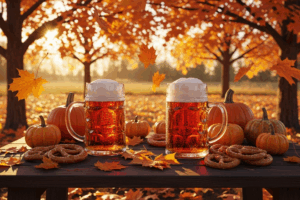
When the Leaves Turn Gold, So Does the Beer: Germany’s Fall Brews in America

Autumn in America brings a golden hue to the landscape: leaves crisping, pumpkins appearing, sweaters emerging. But one of the richest traditions of the season lies not just in what we carve or bake—but what we pour.

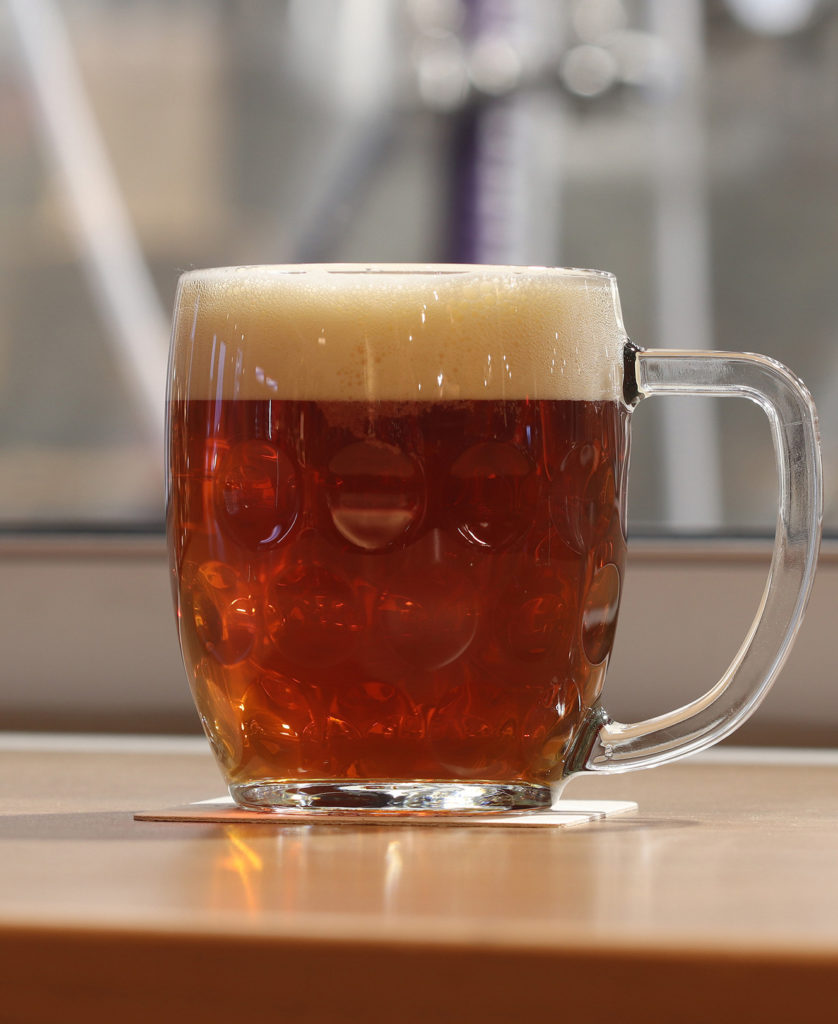
As the harvest turns to thanks, many of us raise a glass to that same seasonal shift with a beer rooted in centuries-old German tradition: the Märzen (March) or the modern “Oktoberfest” lager.

In Germany, the brewing calendar used to slow during the warm months and ramp up in the fall, resulting in beers that were stored from March until the harvest festivals of September and October. Those stored beers became the ones for which the harvest-time celebrations (like Oktoberfest) are named.

But across America, German‐American brewers and those inspired by that tradition continue the legacy: brewing malty, amber-hued lagers (and other German-style beers) that feel like harvest, flavor, and fall all in one pint. Let’s explore the flavor, the history, and a few standout American breweries keeping German heritage alive this fall.


The Style, The Story & The Season

https://www.blackflannel.com/wp-content/uploads/bfb-marzen-12-2020-blog-838x1024.jpg

1. What’s the deal with Märzen & Oktoberfest beer?

  • The term Märzen comes from German März (March). Historically, brewers made stronger beers in late winter/early spring (March) and stored them over summer so they could be enjoyed during the cool, harvest season.
  • Over time the beer became associated with the autumn festivals in Bavaria (including Oktoberfest) and took on a characteristic amber or copper hue, malty backbone, and dry finish.
  • In the U.S., many craft brewers adopt the Märzen or “Oktoberfest” label for their fall seasonal beers—sometimes with American tweaks, but often in homage to the German tradition.

2. Why does this style feel like fall?

  • Malt and color evoke harvest wheat and barley, amber fields and soft twilight.
  • It has enough body to stand up to richer fall-foods (roasts, sausages, root vegetables) yet remains crisp enough for sipping. As the article in Bon Appétit puts it: “a beer you can drink throughout dinner… so balanced it doesn’t kill your palate.” Bon Appétit
  • It taps into cultural memory: for German immigrants and their descendants, a beer tied to the harvest equals warmth, community and tradition.

3. German Heritage & American adaptation

  • German immigrants brought brewing practices to America, especially lagers under the purity law Reinheitsgebot (1516)—water, barley, hops and yeast only. Some American breweries still highlight this heritage.
  • While American fall beers often lean heavy on pumpkin or spice, the German-heritage style stays true to malt and lagering roots—less gimmick, more tradition.

» Read more