Family-Friendly German Heritage Destinations for Your Summer Road Trip

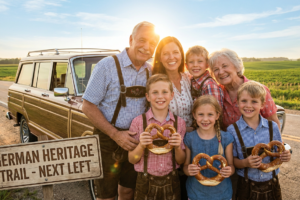
Summer in America is road trip season—the open highway, quirky roadside attractions, local diners, and family memories made one mile at a time. But what if your next family vacation could also become a journey through German-American history?

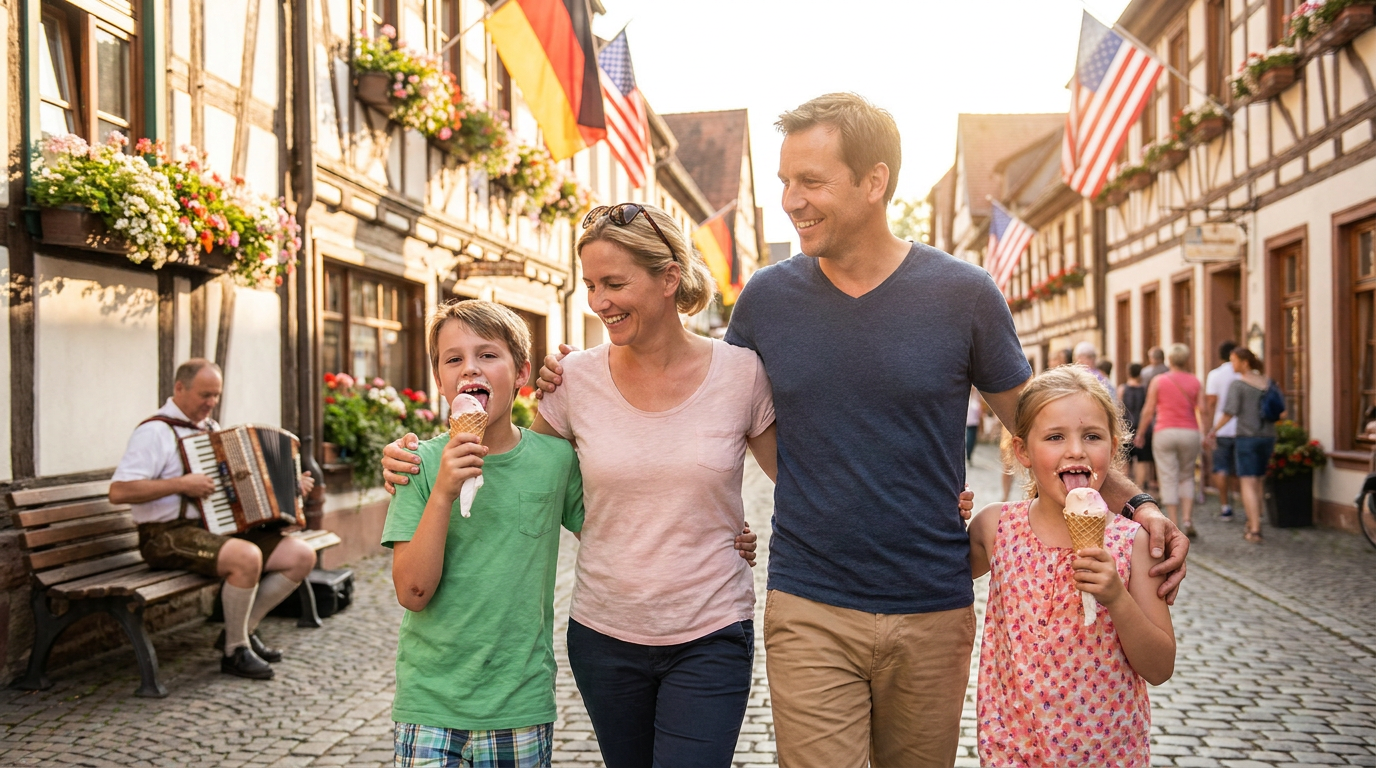
Across the United States, German Heritage is alive and thriving in towns where bratwurst sizzles on street corners, half-timbered architecture lines Main Street, and festivals celebrate traditions brought here by millions of German immigrants.

From Texas dance halls to Midwest beer gardens, from Bavarian-style mountain villages to hands-on immigrant museums, German heritage destinations offer more than beer steins and lederhosen—they offer kid-friendly fun, rich history, and unforgettable summer experiences.

German immigrants helped shape American farming, brewing, architecture, education, music, and holiday traditions. In fact, many beloved American staples—from kindergarten to Christmas trees—trace directly back to German roots.

“A people without the knowledge of their past history, origin and culture is like a tree without roots.” — Marcus Garvey

So pack the car, load up the kids, and prepare for a road trip where history meets fun. Here are some of the best family-friendly German heritage destinations across the USA.


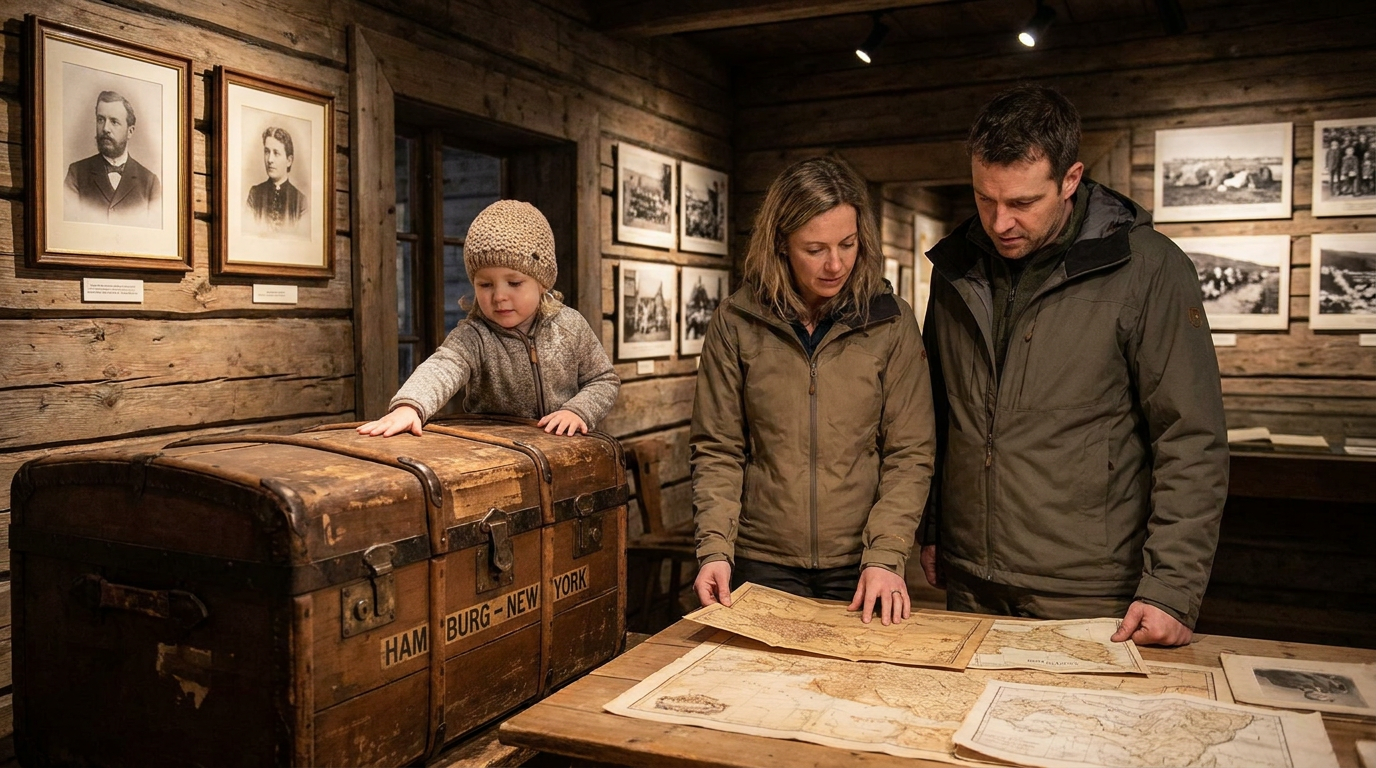
For many families, the first surprise is discovering just how deeply German culture influenced America’s heartland from visiting various German Heritage Museaums.

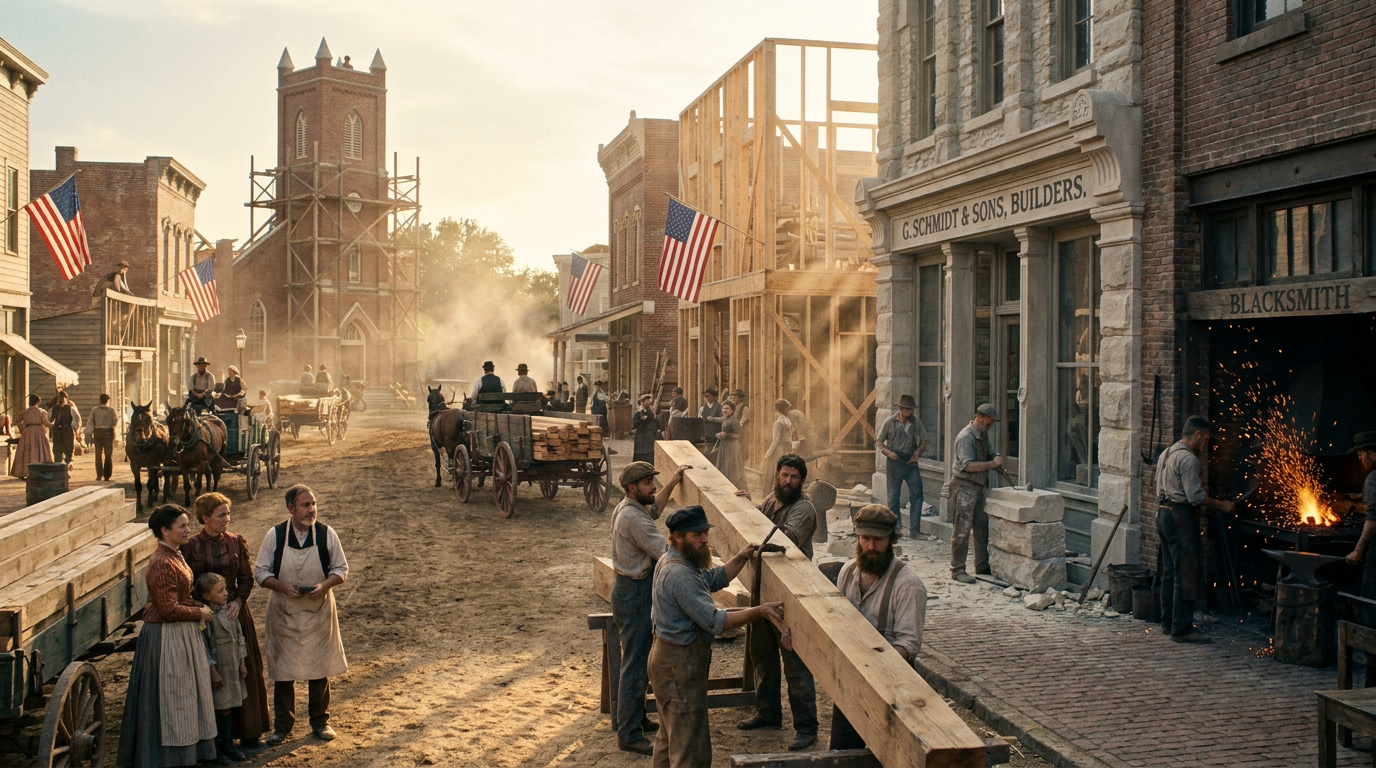
In the 1800s, German immigrants became one of the largest ethnic groups in the United States, settling in Texas, Wisconsin, Missouri, Ohio, Pennsylvania, and beyond. They built breweries, churches, farms, schools, and entire towns that still reflect their roots today.

These destinations are perfect for summer because they combine culture with entertainment—think tubing rivers in Texas after schnitzel, alpine coaster rides in Washington after visiting a Bavarian village, or museum scavenger hunts before enjoying giant pretzels.

And unlike some historical destinations, German-American road trip stops often feel like mini theme parks—music, costumes, candy shops, and festivals included.

https://images.openai.com/static-rsc-4/MEm4vvtRVR1III2qvQl4x2y6a4iJ_FEO8GKUnrZQKE2FvXf_GbAYmpJGK9vdh5msjuwLTIsaFzM3UuRyTTH-v5W7HaJgG7Z9ViKsgqq0QMqQ8atA2BIgOloF03LihUZJMNKM2c0f7m5Avf3qH1-jA1Uo8Um3lZ3dyH7MrQDiNGlCusTWVWSSovOoNKlpI52Q?purpose=fullsize
1. Fredericksburg, Texas – Germany Deep in the Heart of Texas

Founded in 1846 by German settlers, Fredericksburg blends Lone Star spirit with old-world charm. Located in Texas Hill Country, this town is one of America’s most unique German heritage experiences.

Family Highlights:

  • Pioneer Museum with immersive German settler exhibits
  • Enchanted Rock hiking nearby
  • Authentic German bakeries and biergartens
  • Wildseed Farms and peach orchards
  • Main Street shopping for cuckoo clocks, toys, and sweets

Kids can learn how German immigrants adapted to frontier life, while parents enjoy schnitzel and sausage platters. Summer peach season makes this stop especially sweet.

Road Trip Bonus: Pair with nearby Luckenbach for music and dancing.


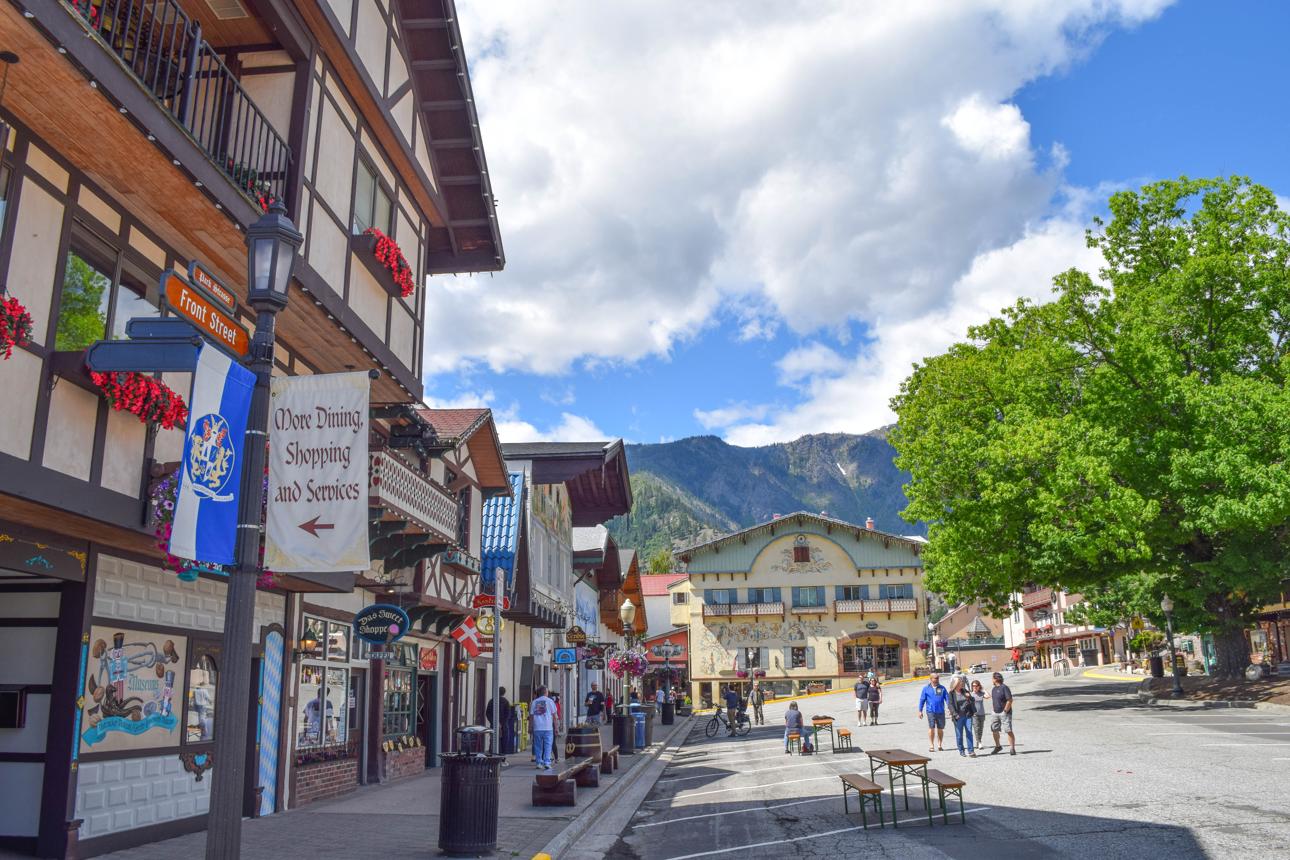
2. Leavenworth, Washington – Bavarian Alps Without the Passport

Nestled in the Cascade Mountains, Leavenworth looks like a Bavarian postcard. This transformed alpine town intentionally adopted German architecture in the 1960s and became a cultural tourism phenomenon.

Family Highlights:

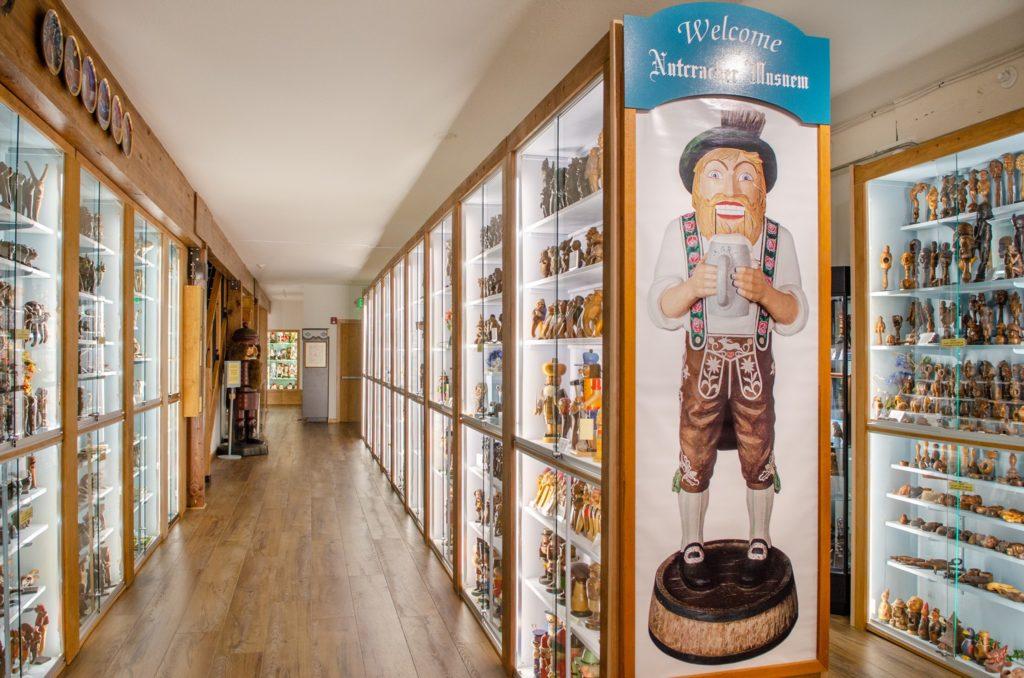
  • Nutcracker Museum
  • Alpine coaster and mountain adventures
  • River rafting and hiking
  • Bavarian candy shops
  • Summer outdoor concerts

Leavenworth is especially magical because it feels immersive—flower boxes, murals, and mountain backdrops create an almost European fantasy.

“Travel makes one modest. You see what a tiny place you occupy in the world.” — Gustave Flaubert

https://images.openai.com/static-rsc-4/bFScNPmkNqCBmnMKA4PaepGgxh7yyEcamtbrQGf-U_mChiB6wJUSf3kszAy9Xdm6yjMHX0-0fwkGVJ7BGsUXBXo6tUN9iU13roRLIZKL1nSJheQOXn7X-D5uFqZ0ibQI7OF1TgObnW3ERfRISF7iOi-1ECCr1x-_20Ipm5H6GduLgvLAPXOVyC23nl2kM678?purpose=fullsize

3. New Glarus, Wisconsin – America’s Little Switzerland with Germanic Roots

Though Swiss-inspired, New Glarus shares deep German-speaking cultural roots and offers Midwestern charm with rolling green landscapes.

Family Highlights:

  • Swiss Historical Village
  • Toy trains and local cheese shops
  • New Glarus Woods State Park
  • Family festivals with folk music
  • Root beer and brewery tours for older family members

Nearby Wisconsin communities also showcase German Heritage through food, architecture, and summer festivals.


4. Amana Colonies, Iowa – Old World Craftsmanship Meets Family Fun

Founded by German Pietists, the Amana Colonies preserve communal living traditions, craftsmanship, and foodways.

Family Highlights:

  • Traditional woodworking shops
  • Family-style German meals
  • Woolen mills and craft demonstrations
  • Ox Yoke Inn
  • Seasonal festivals and village strolls

This stop feels educational without being boring—children can watch artisans at work while parents enjoy handmade goods.

» Read more

New Year, Old World Roots: 10 German-American Traditions That Still Shape January in the USA

January arrives quietly. The lights of the holidays come down, the crowds thin out, and winter settles in. But for millions of Americans with German roots, January has never been an empty month. It is a time of reflection, renewal, comfort, and connection — values deeply embedded in German culture and carried across the Atlantic by generations of immigrants.

Long before New Year’s resolutions became trendy, German families practiced intentional living: gathering indoors, honoring ancestry, cooking warming foods, and planning carefully for the year ahead. Those traditions didn’t disappear in America — they adapted. Today, they still quietly shape how German-American communities experience January across the United States.

From cozy winter meals to cultural clubs, ancestry research to budget-smart travel planning, these traditions continue to influence everyday life in ways many people don’t even realize. January, in many ways, is where German heritage feels most at home.

“Traditions are not about holding onto ashes, but about passing on the fire.” — Gustav Mahler

What follows are 10 German-American traditions that still shape January in the USA, connecting old-world roots to modern American life — and reminding us that heritage doesn’t need a festival crowd to stay alive.


1. New Year Reflection & Intentional Living

In German culture, the New Year has long been a time for Besinnung — thoughtful reflection. Rather than loud declarations or instant transformation, German-American families traditionally approach January with patience and practicality.

This shows up today in:

  • Quiet goal setting instead of flashy resolutions
  • Financial planning after the holidays
  • Family discussions about priorities for the year ahead

German immigrants emphasized discipline, preparation, and responsibility — values that still guide how many families approach January budgeting, travel planning, and lifestyle resets.


2. The Winter Art of Gemütlichkeit


https://cassiefairy.com/wp-content/uploads/2021/12/christmas-interior-design-festive-inspiration-decorations-hiermitmir-5-1024x768.jpg

Few German words have traveled as beautifully as Gemütlichkeit. It describes warmth, belonging, comfort, and togetherness — especially during winter.

In January, Gemütlichkeit lives on through:

  • Home-cooked meals shared indoors
  • Small gatherings instead of large events
  • Coffee, cake, conversation, and candles

Across German-American homes — from the Midwest to Texas — winter isn’t something to escape. It’s something to settle into.

“Happiness isn’t loud — it’s warm.” — German proverb


3. Hearty Winter Comfort Foods


https://mydinner.co.uk/wp-content/uploads/2023/01/German-Cabbage-Soup-1.jpg

January is prime season for traditional German comfort food. Long before refrigeration and grocery chains, winter meals were designed to nourish, preserve, and sustain.

Still common in German-American kitchens:

  • Sauerkraut and sausages
  • Potato soups and cabbage dishes
  • Dumplings, rye bread, and root vegetables

These foods weren’t indulgences — they were survival recipes that became family traditions. Today, they bring comfort after the holidays and remind families of shared ancestry.

» Read more

Celebrate German American Day: Honoring Heritage and Tradition

There’s something special about being German American — a sense of pride that runs deep in the heart, from our strong work ethic and craftsmanship to our love of good food, hearty laughter, and family gatherings.

Every October, millions of Americans across the country pause to recognize the profound impact of German culture on our nation. From the hardworking immigrants who helped build America’s towns and farms to the enduring traditions of food, music, and craftsmanship they brought with them, German heritage runs deep in the American story.

Festivals, parades, and family gatherings fill the month with the sound of polka music, the aroma of bratwurst and pretzels, and the clinking of steins raised in celebration. It’s a time to honor the values of community, perseverance, and pride that German Americans have woven into the fabric of our nation’s history and culture.

That’s right — October 6th is German American Day, and the entire month of October is German American Heritage Month.

— let’s dive into the fascinating story behind German American Day, meet some famous German Americans who helped shape the nation, and explore fun ways to celebrate your heritage (even if you’ve only got a little bit of German blood in you!).


🏛️ The Origins of German American Day

German American Day didn’t appear out of thin air — it’s rooted in a rich history that began centuries ago, when the first German immigrants set foot in the New World.

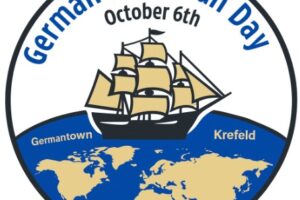
The story begins on October 6, 1683, when thirteen German families from Krefeld, near the Rhine River, arrived in Philadelphia aboard the ship Concord. They established a small settlement called Germantown, now part of modern-day Philadelphia.

These pioneering families came seeking freedom, opportunity, and a new life, bringing with them strong values that would forever shape American society — hard work, craftsmanship, faith, education, and a love of community.

Germantown flourished, becoming the birthplace of many firsts in American history:

  • The first paper mill in the colonies.
  • The first anti-slavery protest in the New World (in 1688 — nearly 100 years before the American Revolution).
  • And the first German-language newspaper in the colonies.

The success of Germantown inspired a steady wave of immigration throughout the 1700s and 1800s, with Germans settling across Pennsylvania, New York, Ohio, Wisconsin, the Dakotas, Iowa, Nebraska, Minnesota, Indiana, Missouri, Texas, Louisiana, and California.

By the mid-19th century, German Americans were one of the largest ethnic groups in the country — and their influence was everywhere, from farming and industry to politics, science, and culture.


President Ronald Reagan and the Revival of a Tradition

While German contributions to America had long been celebrated locally — especially through Oktoberfests and regional festivals — the formal recognition of German American Day as a national observance didn’t come until the 1980s.

In 1983, on the 300th anniversary of Germantown’s founding, President Ronald Reagan officially proclaimed October 6th as “German American Day.” The goal was to honor the achievements of German immigrants and their descendants in shaping the United States.

Then, in 1987, Congress passed a joint resolution (H.J. Resolution 108), which President Reagan signed into law — officially designating October 6th as German American Day every year.

In his proclamation, Reagan praised the German people’s “profound faith, strong family values, and deep respect for liberty and law,” noting that German Americans had played an essential role in “the building of the American nation.”

From that day forward, the annual observance became an opportunity for millions of Americans to reconnect with their German roots, share their cultural pride, and celebrate a unique bond between the two nations that continues to this day.

» Read more