Sausage Trails of America: A Food Lover’s Guide to German Flavors Across the USA
GERMAN HERITAGE USA | AFFILIATE DISCLAIMER: This post may or may not contain affiliate links which means we may receive a commission for purchases made through links. We will only recommend products that we have personally used or that we truly trust. Learn more on our Private Policy and Disclaimer Page located under our Terms Of Service tab above.
The story of German food in America is more than bratwurst and beer. It’s a story of immigration, family traditions, butcher shops, church picnics, Oktoberfest celebrations, and recipes carried across oceans in handwritten notebooks. From the smoky sausage houses of Wisconsin to the spicy Texas-German smoke pits and the bustling beer halls of the Midwest, German culinary influence helped shape what Americans eat every day.
Hot dogs? German roots. Hamburgers? German roots. Pretzels, deli meats, mustard traditions, beer gardens, Christmas cookies, and sausage-making techniques? German roots all over the American table.
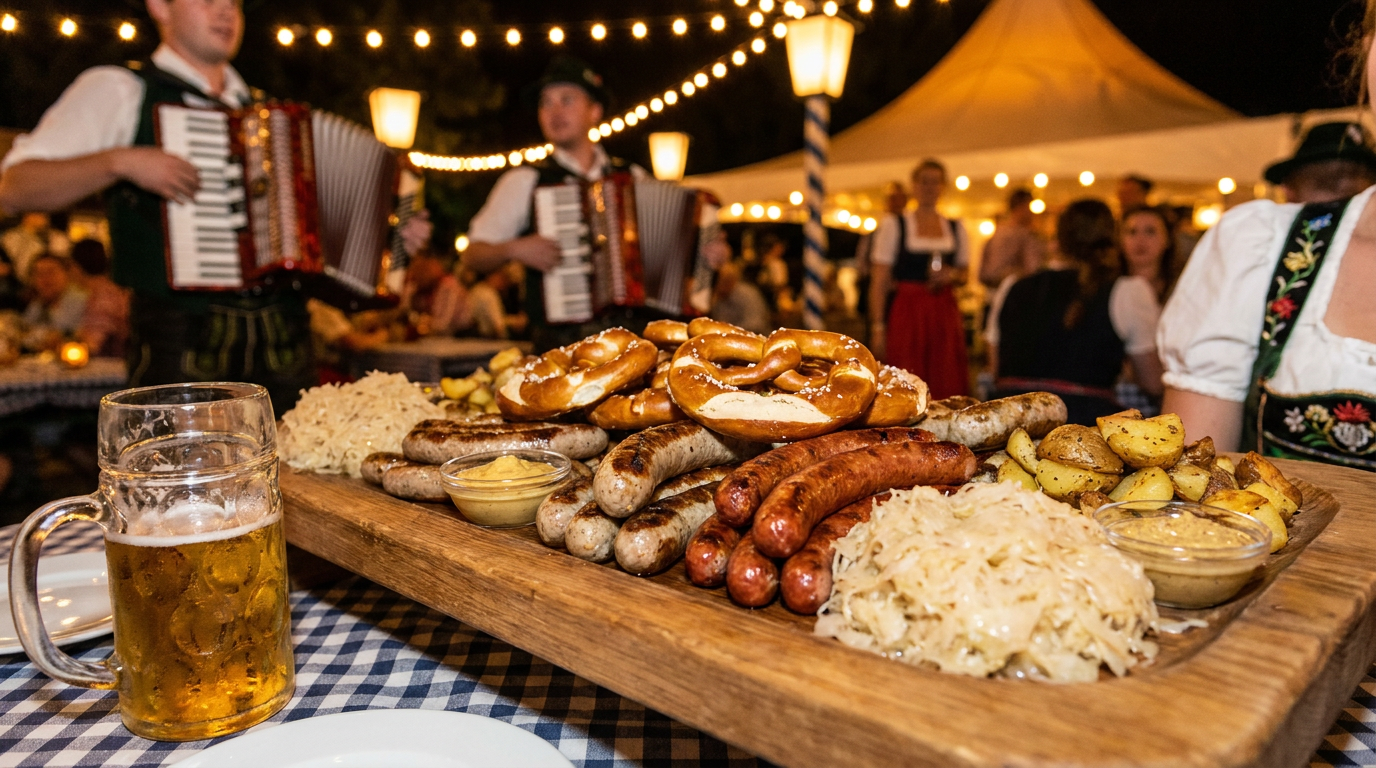
Today, food lovers can follow a delicious “sausage trail” across the United States, discovering regional German-American flavors that reflect local culture while honoring Old World traditions. Whether you crave a juicy brat dripping with sauerkraut, a smoked knackwurst fresh from a family butcher, or a giant Oktoberfest platter served with accordion music in the background, America offers a German food adventure unlike anywhere else in the world.
As legendary chef Julia Child once said:
“People who love to eat are always the best people.”
And nowhere is that spirit more alive than in America’s German heritage food communities from festivals to sporting events.
For many travelers, these sausage trails are more than meals. They are cultural experiences. You’ll find families gathering under festival tents, polka bands filling the air, and fourth-generation sausage makers still using recipes developed in the 1800s.
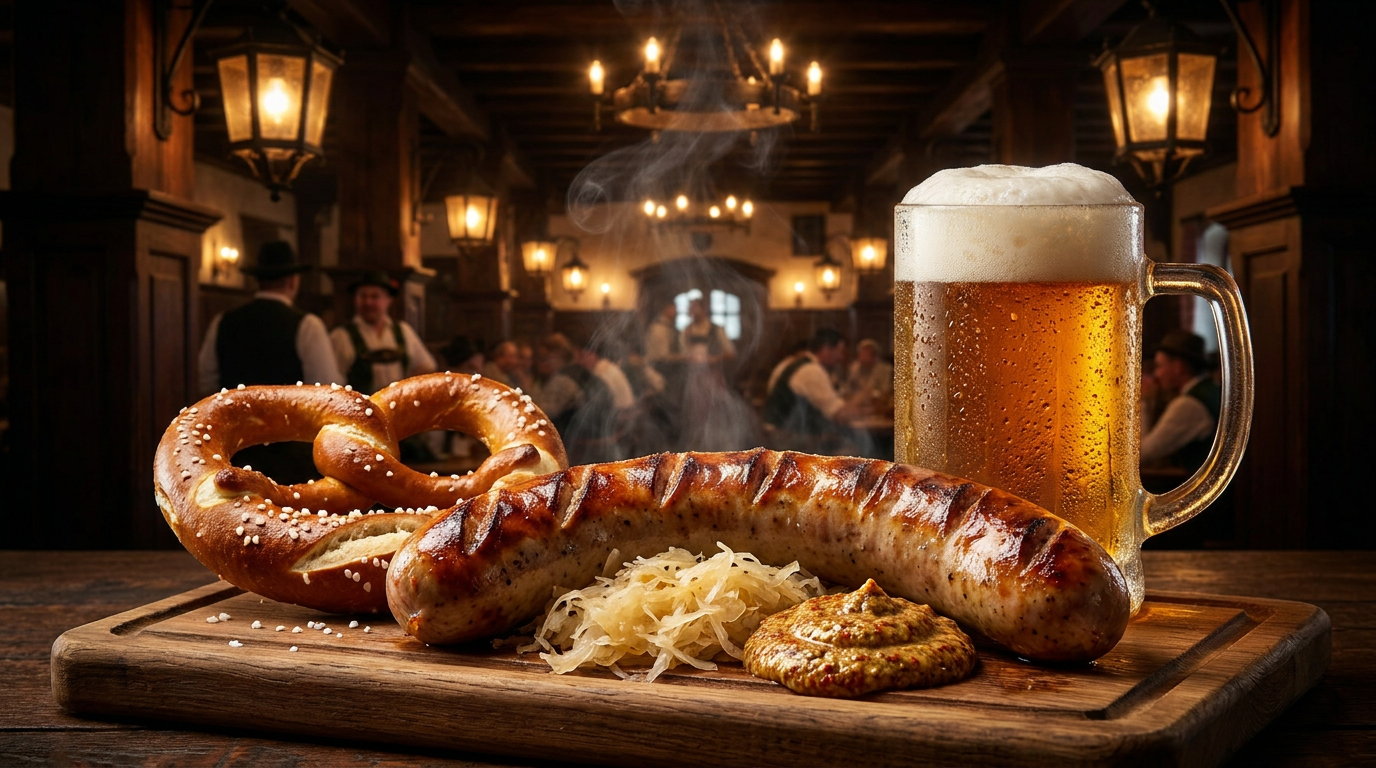
The aroma of sizzling bratwurst has become part of America’s cultural identity.
Milwaukee, Wisconsin — America’s Bratwurst Capital
German immigration transformed Milwaukee into one of the great beer-and-sausage cities of North America. Waves of German immigrants settled here in the 19th century, bringing brewing traditions, butcher craftsmanship, and hearty comfort foods that still define the city today.

Walk through Milwaukee during summer festival season and you’ll smell charcoal grills nearly everywhere. Bratwursts sizzle beside onions and peppers while cold lagers pour endlessly from taps.
Local favorites include:
- Fresh beer brats simmered in lager
- Weisswurst with sweet mustard
- Currywurst-inspired street snacks
- Giant pretzels with German cheese spreads
The city’s famous German festivals celebrate more than food. They celebrate identity, preserving customs brought from Bavaria, Saxony, and the Rhineland generations ago.
Must-Try Experience
Visit a traditional Wisconsin beer garden where live polka music accompanies fresh bratwursts served on hard rolls with spicy mustard and sauerkraut.
Texas German Country — Smoke, Spice, and Sausage
Many Americans are surprised to learn that Texas contains one of the richest German culinary legacies in the country. Settlers founded communities such as Fredericksburg, New Braunfels, and Boerne during the 1800s, blending German traditions with rugged frontier cooking.
The result? A smoky, peppery sausage culture unlike anything in Europe.

Texas-German sausage often features:
- Coarse-ground beef and pork blends
- Heavy black pepper seasoning
- Hickory smoking techniques
- Jalapeño-cheddar variations unique to Texas
This is where Central European sausage craftsmanship met Texas barbecue culture.
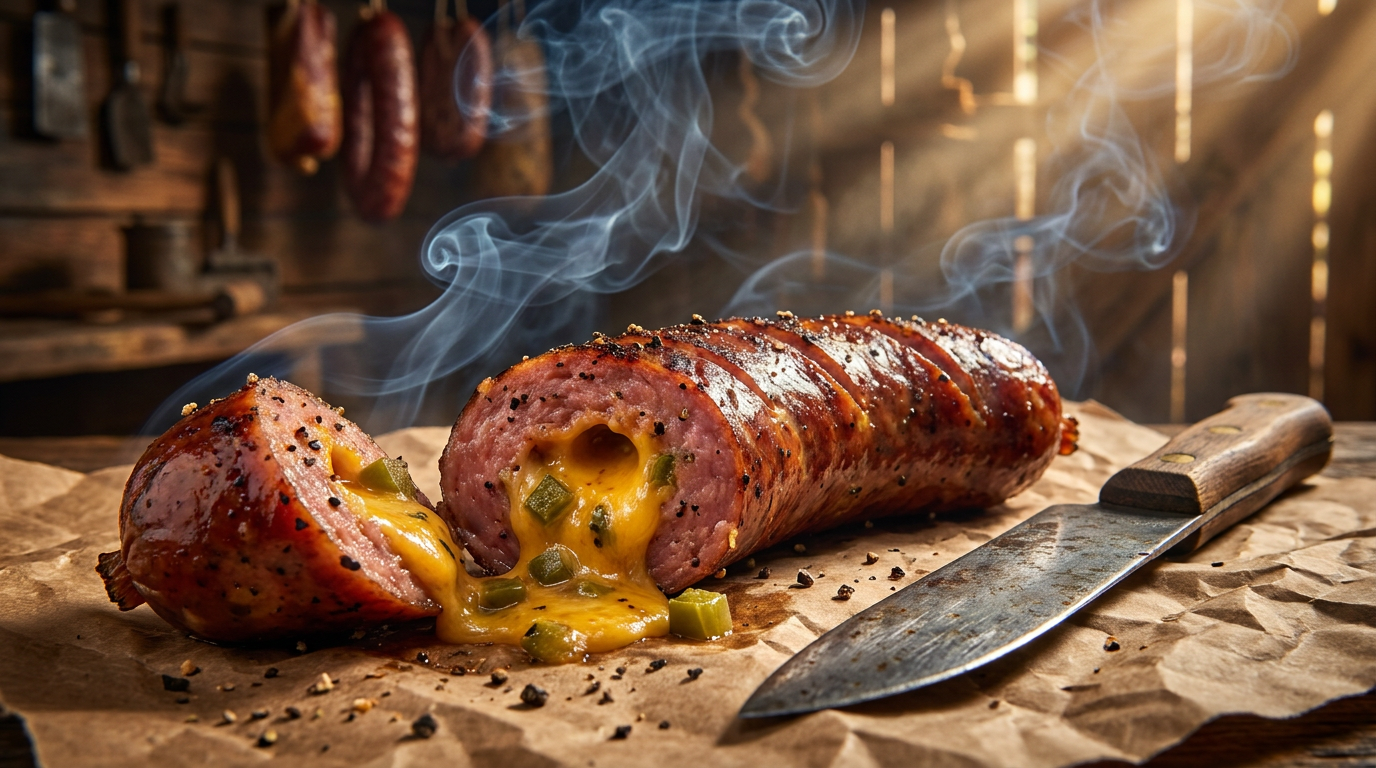
The legendary smokehouses of the Hill Country remain pilgrimage sites for food lovers. Some family-owned meat markets have operated continuously for more than a century.
“Food is our common ground, a universal experience.” — James Beard
That quote perfectly describes the Texas-German experience. One bite connects Old World Europe with the American Southwest.
Cincinnati, Ohio — The Secret German Food Giant
Before chili became famous in Cincinnati, German immigrants shaped the city’s culinary soul. By the late 1800s, Cincinnati was one of America’s most German cities.

- Goetta sausage patties
- Mettwurst
- Smoked frankfurters
- German potato salad
- Sauerkraut balls
Goetta may be Cincinnati’s greatest hidden treasure. This breakfast sausage combines pork, beef, oats, and spices into crispy slices fried golden brown.
Every autumn, Oktoberfest celebrations fill downtown streets with dancing, beer steins, and endless sausage platters.
America’s Great German Sausage Regions
| Region | Famous Sausage Style | Signature Flavor |
|---|---|---|
| Wisconsin | Beer Bratwurst | Mild, juicy, lager-infused |
| Texas Hill Country | Smoked German Sausage | Peppery, smoky |
| Ohio | Goetta & Metts | Savory breakfast flavors |
| Pennsylvania | Scrapple & Bratwurst | Rustic farmhouse cooking |
| Missouri | St. Louis Sausages | Smoked and grilled |
| Nebraska | Czech-German links | Garlic-heavy regional blends |
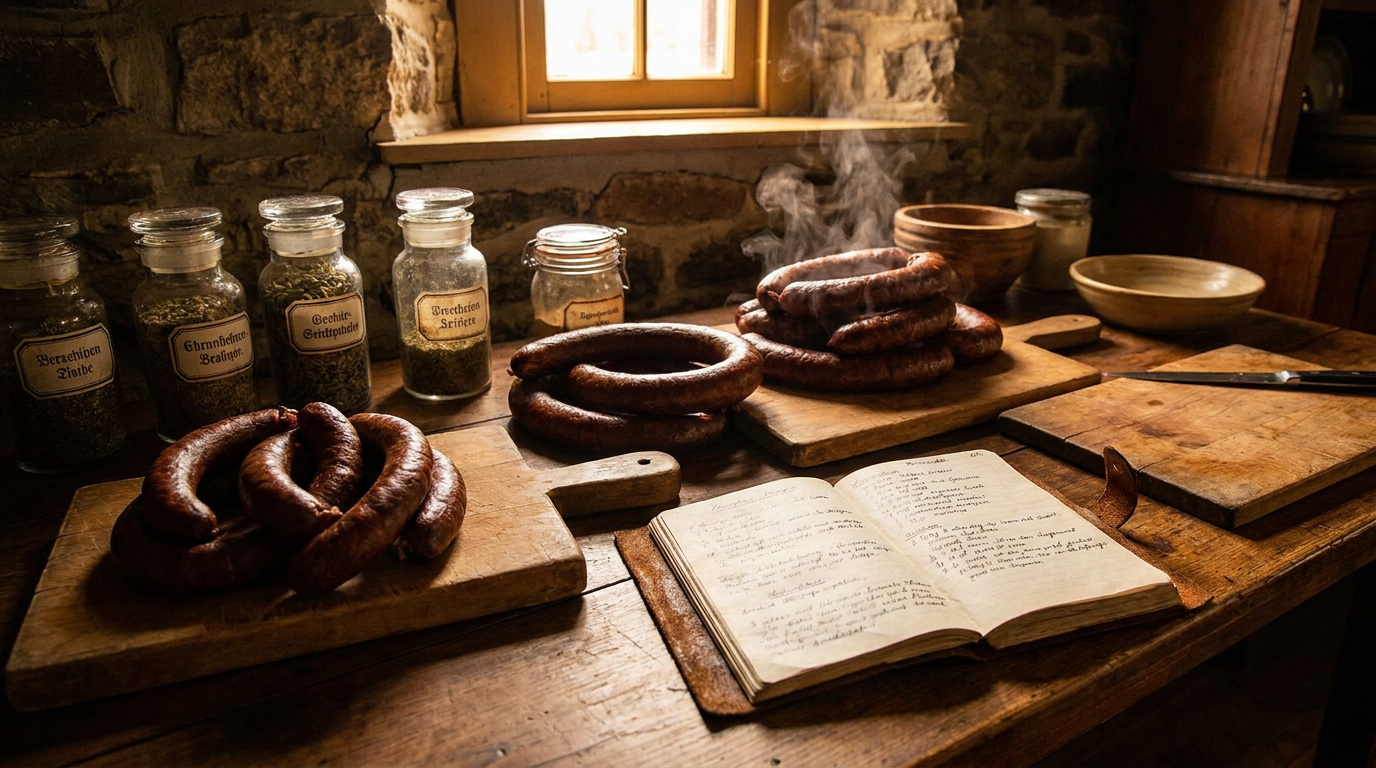
Pennsylvania Dutch Country — Old World Traditions
The German-speaking communities of Pennsylvania preserved some of the oldest German food traditions in America. The term “Pennsylvania Dutch” actually comes from “Deutsch,” meaning German.

Here, sausage-making remains deeply connected to farm life and preservation techniques passed down through generations.
Popular specialties include:
- Liverwurst
- Bauernwurst
- Scrapple
- Ring bologna
- Smoked pork sausage
Many local markets still use traditional smoking rooms and hand-mixed spice recipes dating back more than 100 years.
Visitors often describe these communities as stepping into another century.
Chicago — A German Sausage Powerhouse
Though famous for deep-dish pizza and hot dogs, Chicago has strong German culinary roots. German-style sausages are at the top of the list,
German immigrants helped establish:
- Butcher guilds
- Sausage factories
- Beer halls
- Delicatessens
- Neighborhood bakeries


Today, travelers can still find old-school German restaurants serving:
- Giant schnitzels
- Knockwurst platters
- Red cabbage
- Spaetzle
- House-made sausages
Some neighborhoods continue hosting authentic German Christmas markets during the holiday season.
The Midwest Tailgate Tradition
German sausage culture didn’t stay inside restaurants. It became part of American sports culture for both college and professional teams.
From Green Bay Packers tailgates to college football Saturdays across the Midwest, bratwursts became game-day essentials.
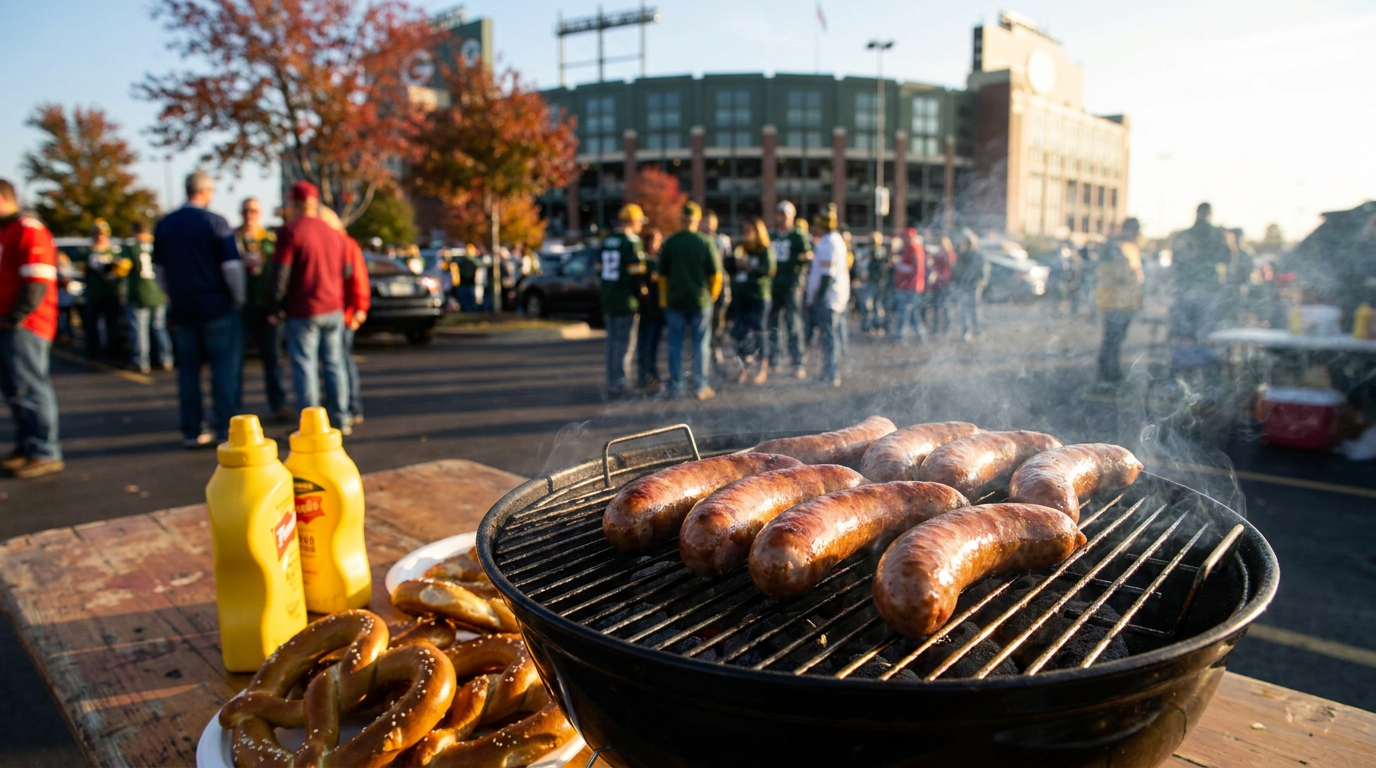
There’s something deeply American about standing beside a grill on a cold autumn afternoon with:
- sizzling bratwursts,
- onions caramelizing,
- mustard bottles everywhere,
- and football on the radio.
German immigrants helped shape the communal outdoor grilling culture Americans love today.
Why German Sausages Became So American
German food succeeded in America because it adapted.
Immigrants used local ingredients. They embraced regional smoking woods. They blended with Czech, Polish, Scandinavian, and Southern food cultures.
That flexibility helped German-American foods survive for generations.
The result is a uniquely American culinary landscape where:
- Wisconsin brats differ from Texas links,
- Cincinnati metts differ from Pennsylvania ring bologna,
- and every region proudly claims its own “best sausage.”
Yet the heart of the tradition remains the same:
craftsmanship, community, celebration, and flavor.
Oktoberfest Trails Worth Traveling For
Food travelers seeking authentic German flavors should place these events on their bucket lists:
Top German Food Festivals in America
- Oktoberfest Zinzinnati
- Wurstfest
- German Fest Milwaukee
- Nashville Oktoberfest
- Fredericksburg Oktoberfest
These festivals feature:
- sausage competitions,
- giant beer tents,
- folk dancing,
- stein-holding contests,
- brass bands,
- and family recipes passed down for generations.
For many German-American families, these celebrations are annual reunions of heritage and flavor.
America’s Butcher Shops: The Real Hidden Gems
Some of the best German food in America isn’t found online or in travel magazines.
It’s found in:
- small-town butcher shops,
- old meat lockers,
- church fundraisers,
- roadside smokehouses,
- and family-owned delis.

These businesses preserve recipes that never became commercialized.
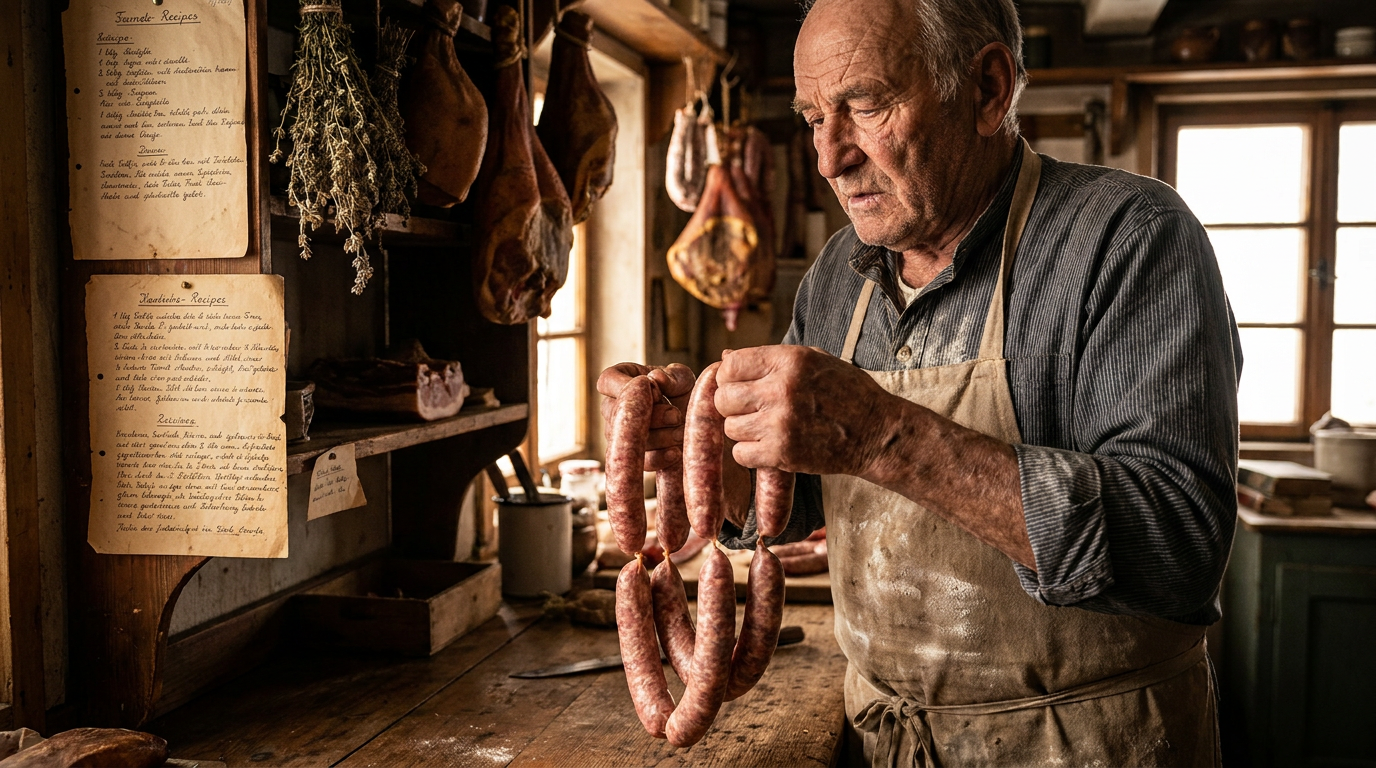
You’ll still hear German phrases in some kitchens. You’ll still see handwritten spice measurements. And you’ll still find customers who have been shopping there for fifty years.
That’s the true beauty of America’s German sausage trails.
They are living history.
Final Bite: More Than Just Food
German sausage culture helped shape the American dining experience itself.
It influenced:
- tailgating,
- beer gardens,
- summer grilling,
- holiday markets,
- baseball concessions,
- neighborhood taverns,
- and community festivals.
The next time you bite into a bratwurst at a ballgame or enjoy smoked sausage at a family picnic, you’re tasting part of a cultural story more than 150 years in the making.
America’s sausage trails are not just culinary journeys.
They are heritage highways.
And for food lovers, history buffs, and travelers alike, there may be no tastier road trip in the nation.
BRAT to you by German Heritage USA!