
Why Germans Love Biergartens: The Summer Tradition America Has Embraced
GERMAN HERITAGE USA | AFFILIATE DISCLAIMER: This post may or may not contain affiliate links which means we may receive a commission for purchases made through links. We will only recommend products that we have personally used or that we truly trust. Learn more on our Private Policy and Disclaimer Page located under our Terms Of Service tab above.
How a centuries-old German tradition of friendship, food, and community found a second home in America.
On a warm summer evening, something special begins to happen.
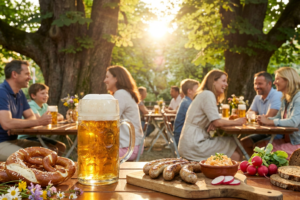
The grill starts sizzling with bratwurst. The aroma of freshly baked pretzels mingles with the scent of blooming flowers. Glasses clink together as laughter echoes beneath the shade of towering trees. Children chase one another across the lawn while grandparents exchange stories that have been told for generations. Neighbors wander over carrying homemade potato salad, desserts, or perhaps a favorite family recipe that has been passed down for decades.
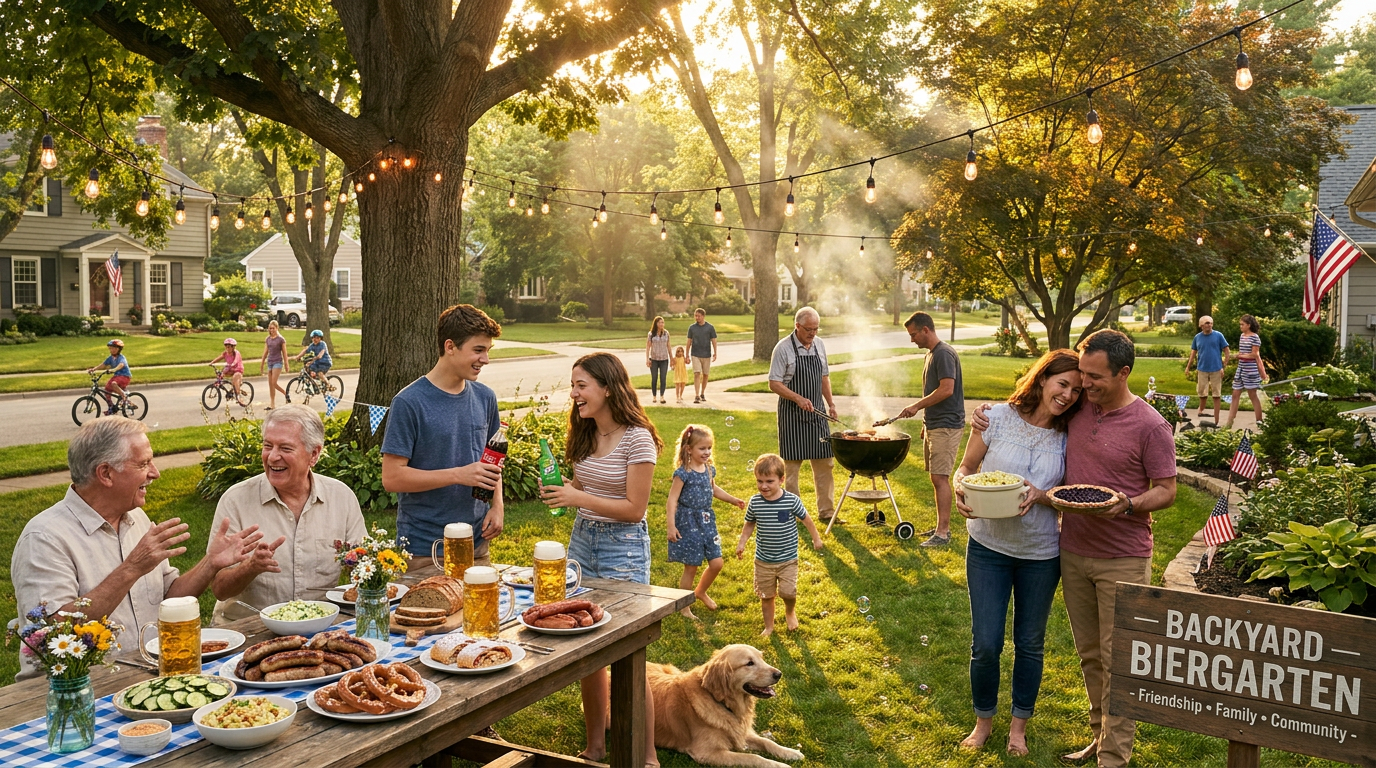
Whether it’s called a backyard barbecue, a neighborhood cookout, a church picnic, or a German biergarten, the feeling is remarkably familiar.
Few people realize that one of Germany’s oldest and most cherished traditions has quietly become woven into the fabric of American life.
The biergarten is not simply a place to enjoy a cold beverage.
It is a celebration of friendship.
It is a gathering place for families.
It is where strangers become neighbors and neighbors become lifelong friends.
More than two centuries after its beginnings in Bavaria, the spirit of the biergarten continues to thrive—not only across Germany, but throughout the United States wherever people come together to enjoy good food, meaningful conversation, and the simple pleasure of spending time outdoors.
As German immigrants crossed the Atlantic during the nineteenth century, they carried much more than luggage. They brought recipes, music, traditions, craftsmanship, festivals, and a way of gathering that still influences American culture today.
The story of the biergarten is ultimately a story about people.
And perhaps that is why Americans have embraced it so enthusiastically.
A Cool Solution That Changed German Culture Forever
The story begins in Bavaria during the early nineteenth century.
Long before electricity and refrigeration, keeping beer fresh throughout the hot summer months presented a serious challenge. Beer spoiled quickly in warm weather, and brewers needed an innovative solution.
The answer came beneath the ground.
Large breweries began excavating deep storage cellars into hillsides where temperatures remained naturally cool throughout the year. These underground lager cellars provided ideal conditions for storing beer until it was ready to serve.
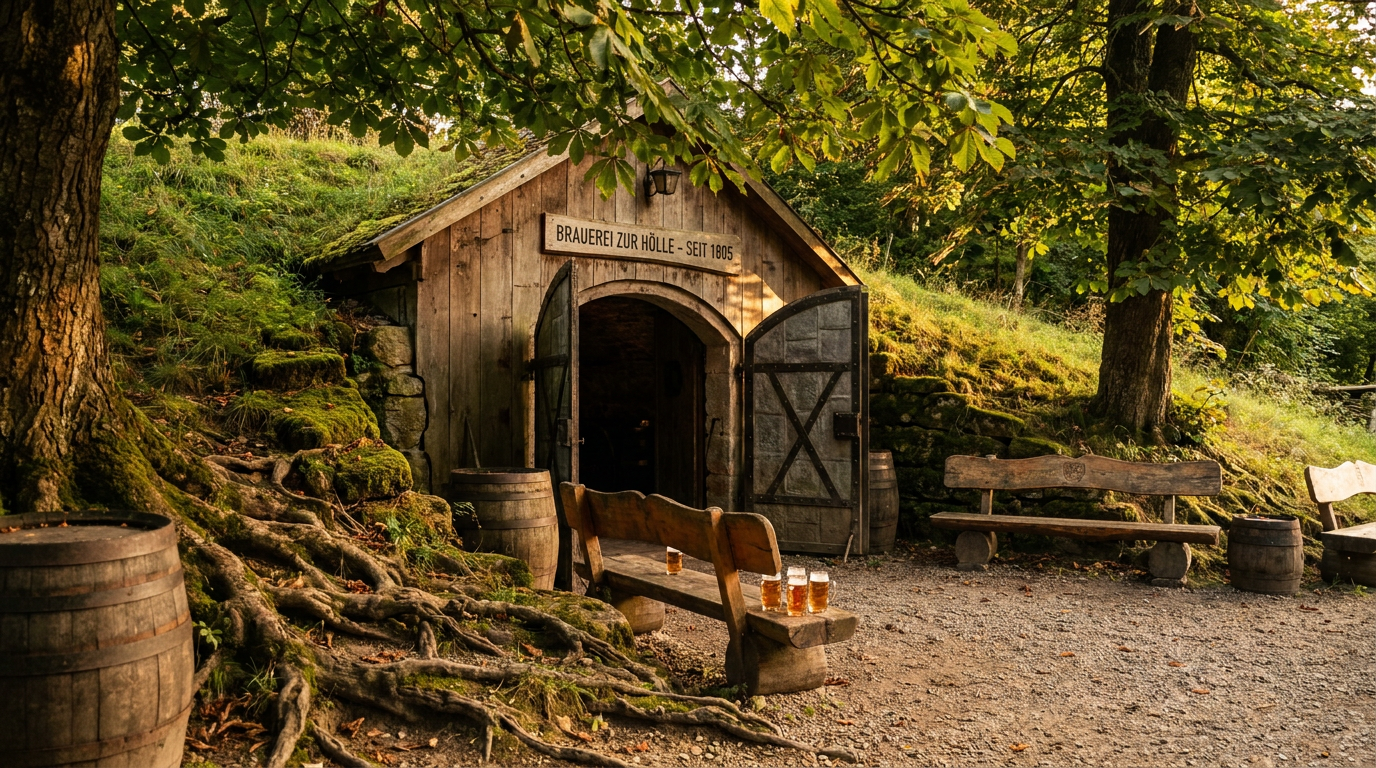
To protect the cellars from the summer sun, brewers planted rows of chestnut trees above them. Their broad canopies provided dense shade, while their shallow root systems helped avoid damaging the vaulted ceilings below.
The result was both practical and beautiful.
As visitors arrived to purchase fresh beer directly from the breweries, simple wooden tables and benches were placed beneath the trees.
Without intending to, Bavarian brewers had created one of the world’s most beloved outdoor gathering places.
The modern biergarten had been born.
More Than Beer—A Place for Everyone
Unlike many establishments of the time, biergartens quickly developed into places where social status mattered very little.
Farmers sat beside merchants.
Craftsmen shared tables with professors.
Musicians laughed with factory workers.
Entire families gathered together.
Children played nearby while parents enjoyed long conversations under the shade of ancient trees.
Long communal tables became one of the defining features of German biergartens.
Rather than encouraging privacy, they encouraged conversation.
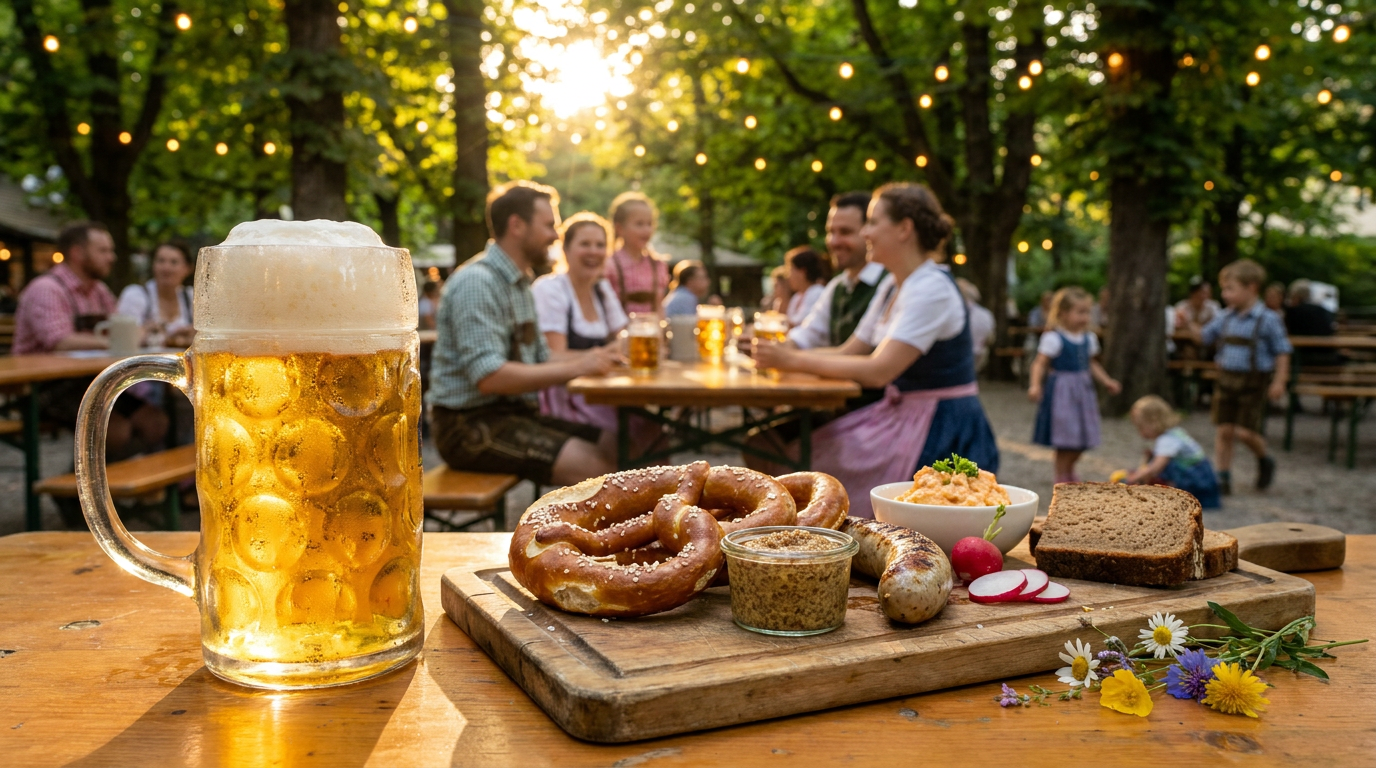
If every seat was occupied, newcomers simply joined whoever had room.
Introductions happened naturally.
Friendships followed.
Many lifelong relationships began over shared tables and shared stories.
That welcoming spirit remains one of the defining characteristics of authentic biergartens today.
As the German proverb says:
“Shared joy is double joy.”
The biergarten became the perfect place to experience that simple truth.
King Ludwig and the Rise of Bavarian Biergartens
Bavaria’s brewing traditions flourished during the nineteenth century, particularly during the reign of King Ludwig I.
Munich was rapidly becoming one of Europe’s great brewing centers, and beer had become an important part of daily life.
While regulations surrounding brewing evolved over time, public appreciation for outdoor beer gardens continued to grow.
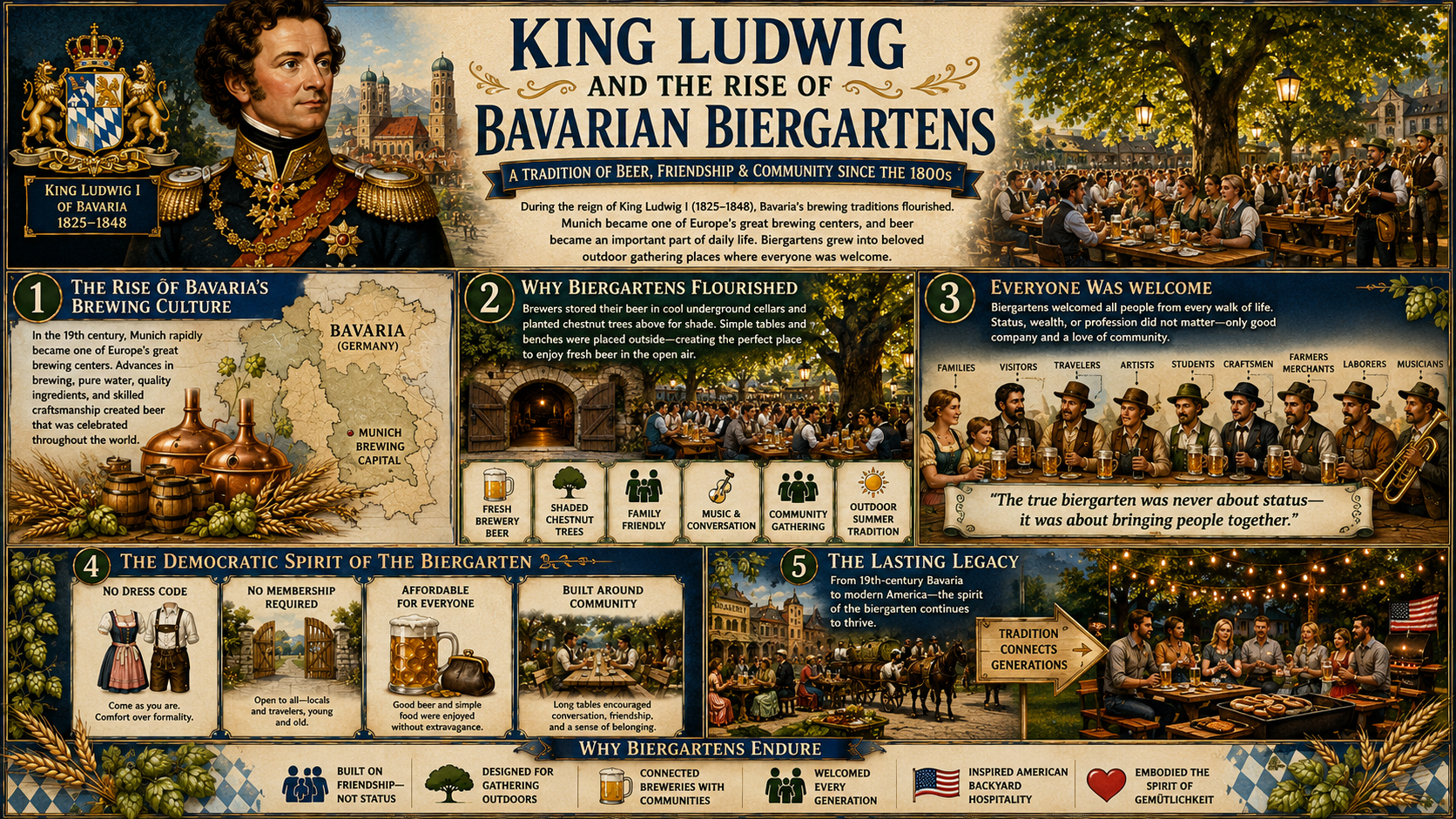
Biergartens offered something unique.
They were democratic.
Everyone was welcome.
Families.
Visitors.
Travelers.
Artists.
Students.
Laborers.
No elaborate dress code existed.
No expensive membership was required.
The focus wasn’t on luxury.
It was on community.
This welcoming philosophy helped biergartens become gathering places where every generation could enjoy summer together.
Why Chestnut Trees Became Part of the Tradition
Many visitors notice the magnificent chestnut trees that shade traditional Bavarian biergartens.
These trees were chosen for practical reasons.
Their large leaves created excellent shade during the hottest months of summer.
Equally important, their relatively shallow roots were less likely to damage the underground beer cellars.
Over time, these trees became inseparable from the biergarten experience.
Today, many of Germany’s oldest biergartens are still shaded by enormous chestnut trees planted generations ago.
They have become living witnesses to countless celebrations, reunions, engagements, weddings, and family gatherings.
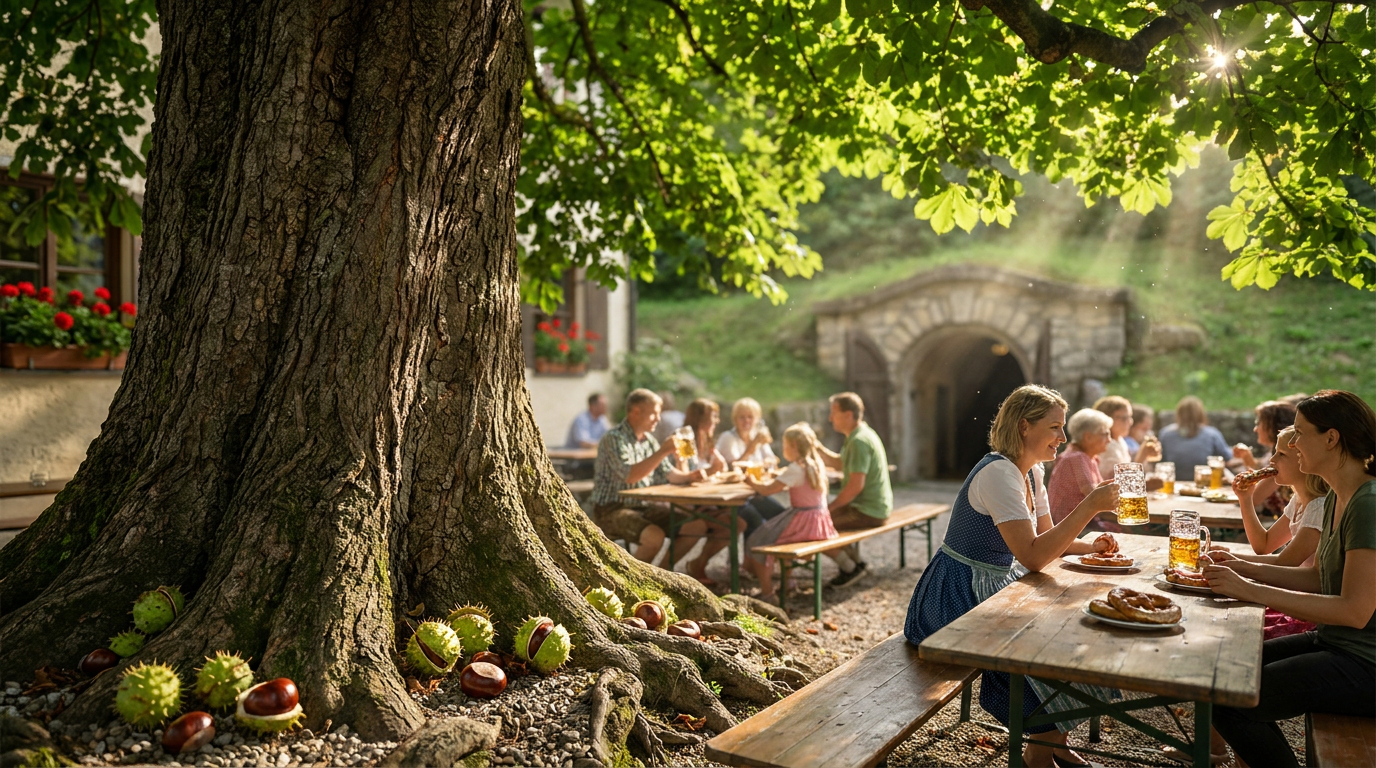
In many ways, the trees symbolize the biergarten itself.
Strong roots.
Generous shade.
A place where people naturally gather.
The Tradition of Bringing Your Own Food
One of the most surprising customs for first-time visitors is that many traditional Bavarian biergartens historically encouraged guests to bring their own meals.
Families packed picnic baskets filled with homemade favorites such as:
- Fresh rye bread
- Pretzels
- Obatzda cheese spread
- Radishes
- Pickles
- Smoked meats
- Bratwurst
- Liver sausage
- Black Forest ham
- Potato salad
- Homemade cakes
The brewery supplied the beer.
Families supplied the feast.
Instead of operating like a restaurant, the biergarten became a shared community dining room beneath the trees.
Everyone contributed.
Everyone participated.
Everyone belonged.
That spirit of generosity remains one of the hallmarks of authentic German hospitality.
The True Meaning of Gemütlichkeit
No discussion of biergartens would be complete without one of the most beloved words in the German language:
Gemütlichkeit.
While often translated as “coziness,” the word carries a much deeper meaning.
It describes a feeling of warmth, comfort, friendship, belonging, relaxation, hospitality, and contentment.
Gemütlichkeit cannot be purchased.
It cannot be manufactured.
It happens naturally whenever people genuinely enjoy being together.
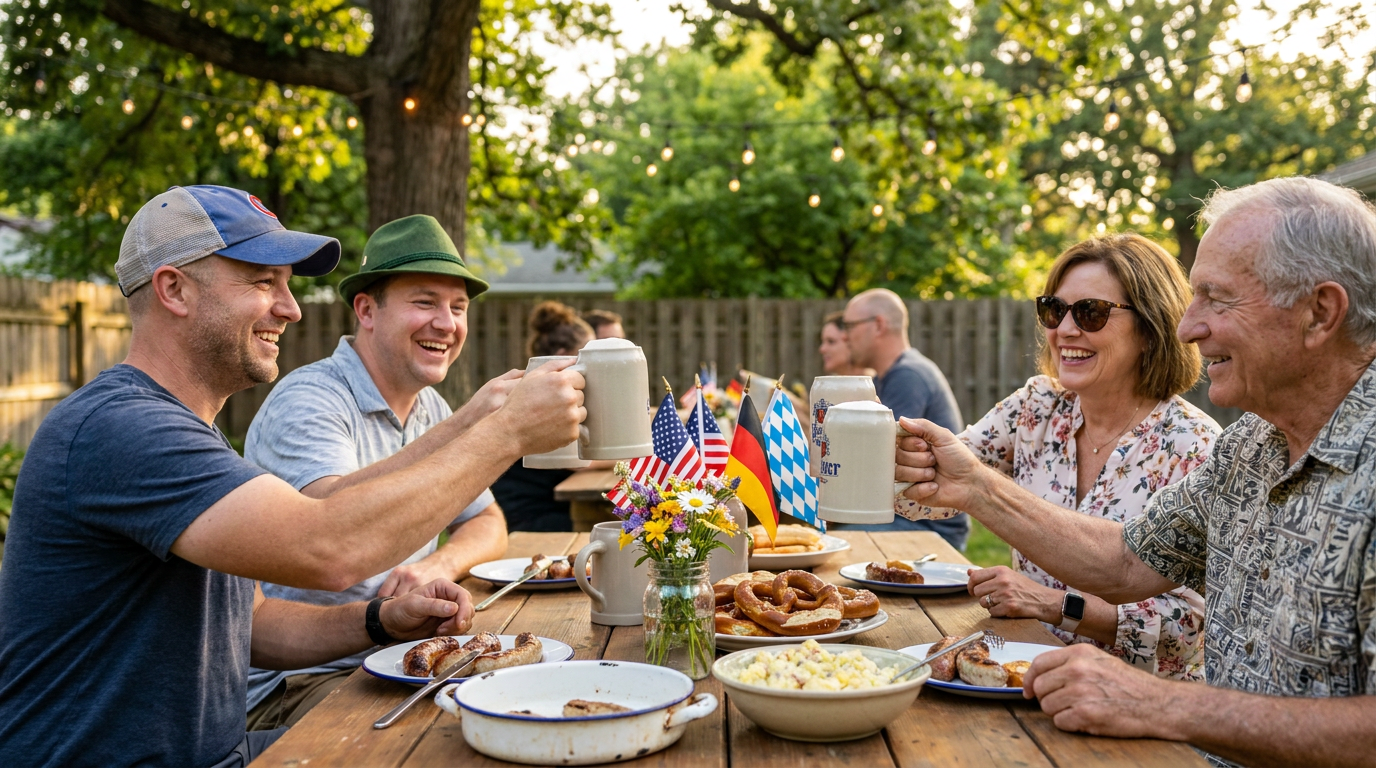
A true biergarten is built around this idea.
The beer may attract visitors.
Gemütlichkeit is what encourages them to stay.
As author and Nobel Prize winner Thomas Mann once observed:
“Order and simplification are the first steps toward the mastery of a subject.”
In many ways, the biergarten embodies that philosophy—simple food, simple surroundings, and meaningful human connection creating something extraordinary.
German Immigrants Brought Biergarten Culture to America
Beginning in the 1800s, millions of German immigrants made the difficult journey to the United States.
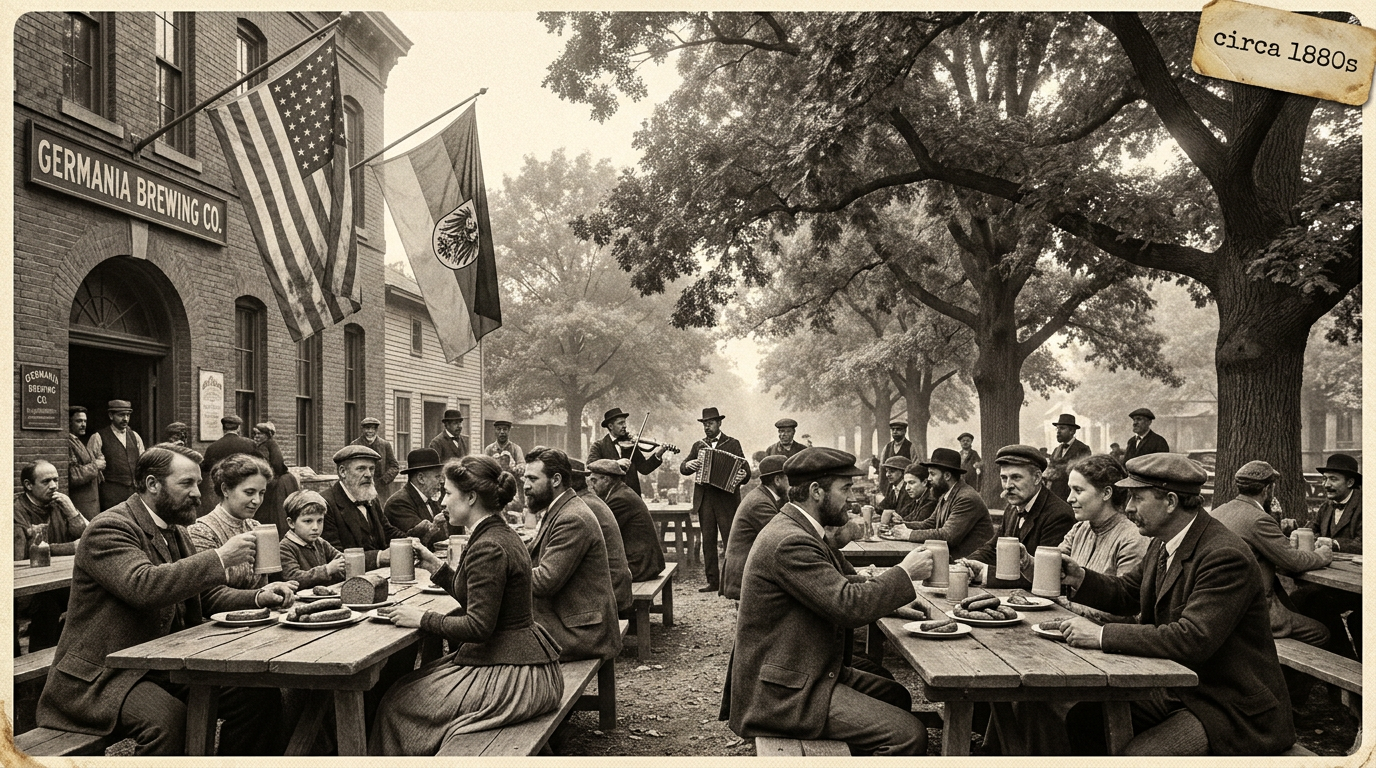
They settled throughout America, establishing vibrant communities in places such as:
- Milwaukee, Wisconsin
- Cincinnati, Ohio
- St. Louis, Missouri
- Chicago, Illinois
- New Ulm, Minnesota
- Hermann, Missouri
- Fredericksburg, Texas
- Pittsburgh, Pennsylvania
These immigrants brought with them centuries of cultural traditions.
Breweries were established.
German-language newspapers flourished.
Singing societies organized concerts.
Turnvereins promoted fitness and fellowship.
Churches hosted community festivals.
Naturally, biergartens followed.
Some became attached to breweries.
Others were built beside community halls or parks.
Many became the social heart of German-American neighborhoods.
On warm summer evenings, families gathered beneath trees just as they had done back in Bavaria.
Although the scenery had changed, the spirit remained exactly the same.
America’s Backyard Biergarten
Over time, something remarkable happened.
German traditions blended with American culture.
The formal biergarten gradually transformed into something every American recognizes.
The backyard barbecue.
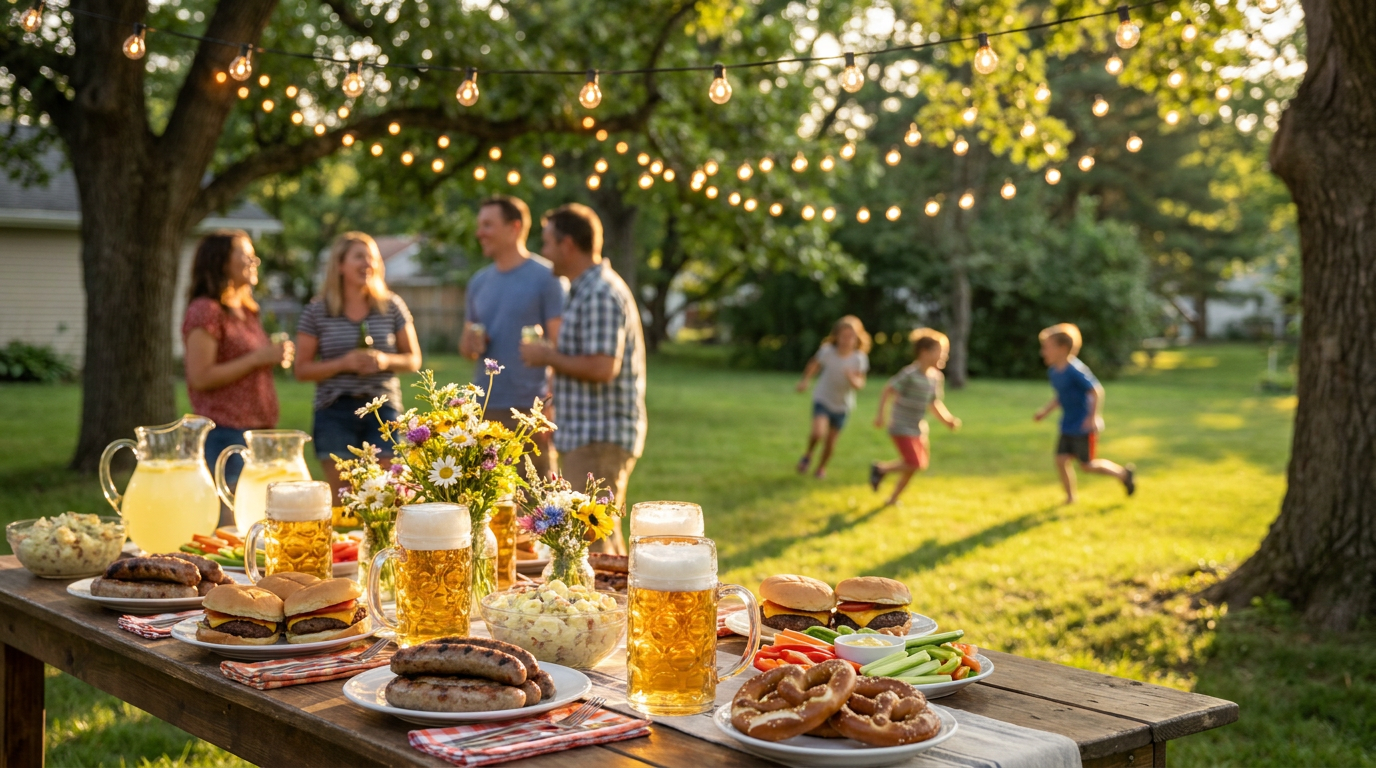
Instead of ancient chestnut trees, there were towering oak and maple trees.
Instead of brewery benches, there were picnic tables and lawn chairs.
Instead of accordions, someone brought a guitar or turned on the radio.
Instead of brewery steins, coolers filled with cold drinks waited nearby.
Children played tag.
Neighbors wandered over without invitations.
Someone grilled bratwurst while another person flipped hamburgers.
Fresh corn came off the grill.
Homemade potato salad appeared beside baked beans and apple pie.
The menu may have changed.
The spirit never did.
Millions of Americans unknowingly embraced the same principles that have defined German biergartens for generations:
Gather outdoors.
Share food generously.
Welcome everyone.
Stay awhile.
Enjoy the moment.
Music, Laughter, and Lasting Memories
Music has always played a central role in biergarten culture.
Traditional brass bands, accordions, folk songs, and cheerful singing create an atmosphere that encourages everyone to join the celebration.
Many German-Americans carried these musical traditions across the Atlantic.
Community bands performed at festivals.
Church choirs sang familiar hymns.
Neighborhood gatherings often included music long before television became common.
Even today, live music remains one of the defining features of authentic German festivals across America.
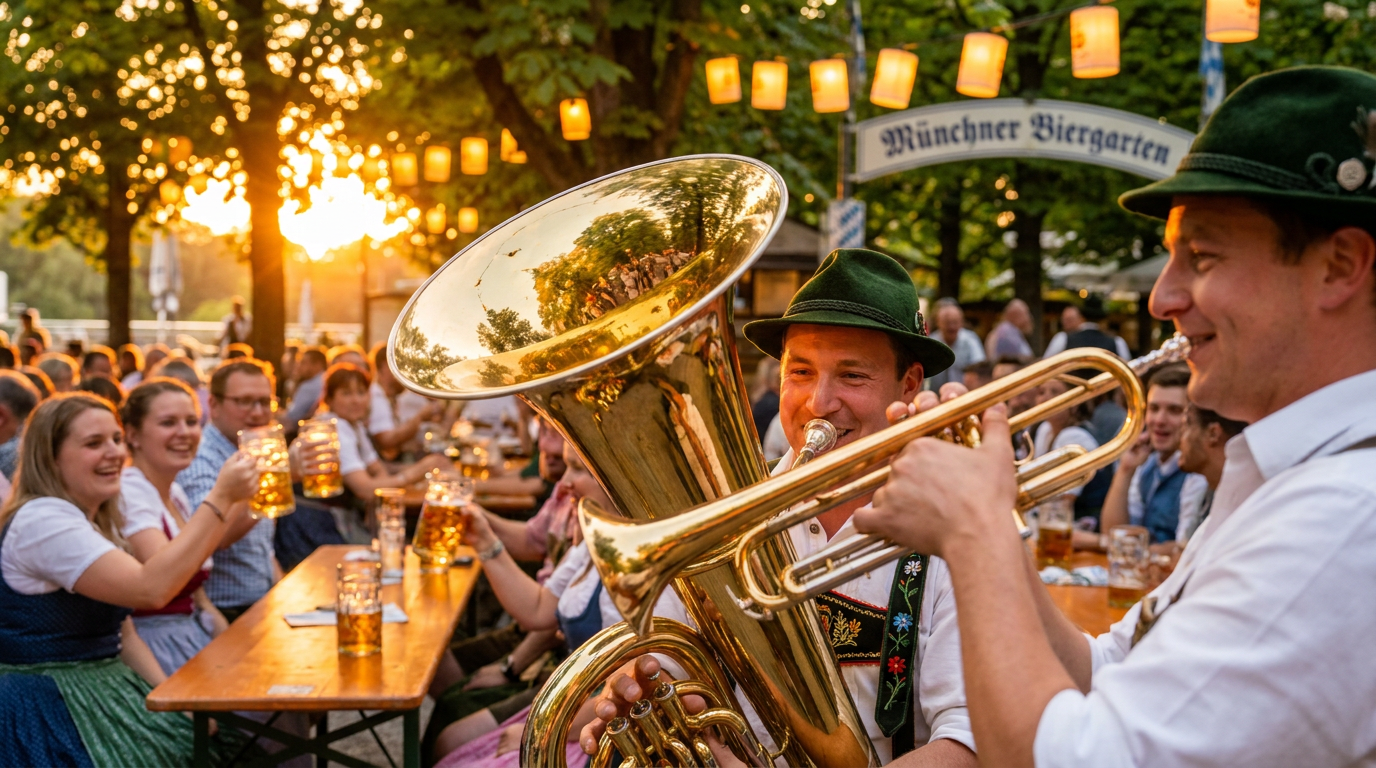
Whether attending an Oktoberfest, Maifest, or local summer celebration, visitors quickly discover that music helps transform strangers into friends.
Laughter soon follows.
Why Biergartens Matter More Than Ever
Modern life often moves at an exhausting pace.
People spend hours looking at screens.
Families struggle to find uninterrupted time together.
Neighbors sometimes never meet.
The biergarten offers a refreshing alternative.
Slow down.
Pull up another chair.
Put away the phone.
Share a meal.
Tell stories.
Listen.
Laugh.
Reconnect.
Perhaps that is why biergartens are experiencing a remarkable revival throughout America.
Craft breweries have embraced communal seating.
Cities are building outdoor gathering spaces.
Historic German festivals continue attracting millions of visitors each year.
People are rediscovering something Germans have known for generations:
Life is richer when it is shared.
More Than Beer—A Tradition Worth Preserving
Ask many Americans what a biergarten is, and they’ll likely answer:
“A place to drink beer.”
Ask someone raised in Germany.
The answer may sound very different.
A biergarten is where birthdays are celebrated.
Where grandparents teach traditions to grandchildren.
Where neighbors welcome newcomers.
Where music drifts through the evening air.
Where friendships begin.
Where families return year after year.
The beer is simply one part of a much larger experience; however, even if it’s lemonade that you’re enjoying with loved ones, isn’t the experience of enjoying the simple life worth it? After all, the true legacy of the biergarten is all about community, big or small.
It reminds us that some of life’s greatest moments don’t require elaborate plans or expensive entertainment.

Sometimes all you need is a shaded table, good food, familiar faces, and enough time to enjoy each other’s company.
Conclusion
Whether you’re exploring a historic German biergarten in Milwaukee, enjoying an outdoor festival in Texas, attending an Oktoberfest in Ohio, or grilling bratwurst with neighbors in your own backyard, you’re participating in a tradition whose roots stretch back more than 200 years.
The German biergarten has never been just about beer.
It has always been about creating spaces where people feel welcome.
Where conversations last longer than meals.
Where generations gather beneath the shade of trees.
Where strangers become friends.
And where Gemütlichkeit reminds us that life’s greatest pleasures are often the simplest ones.
Perhaps that’s the real reason Americans have embraced the biergarten so warmly.
Not because it serves great food or cold beer.
But because, much like Germany itself, it invites everyone to pull up a chair, stay awhile, and become part of the story.