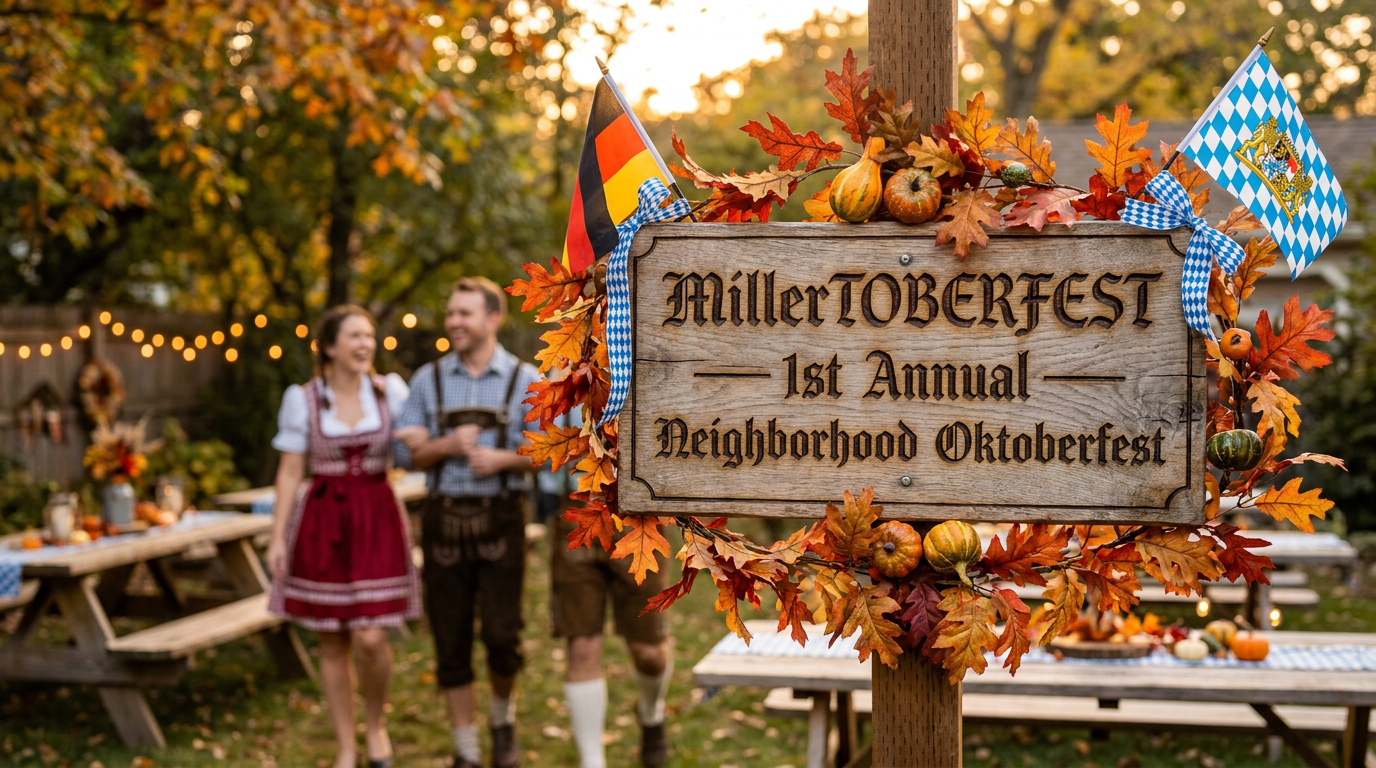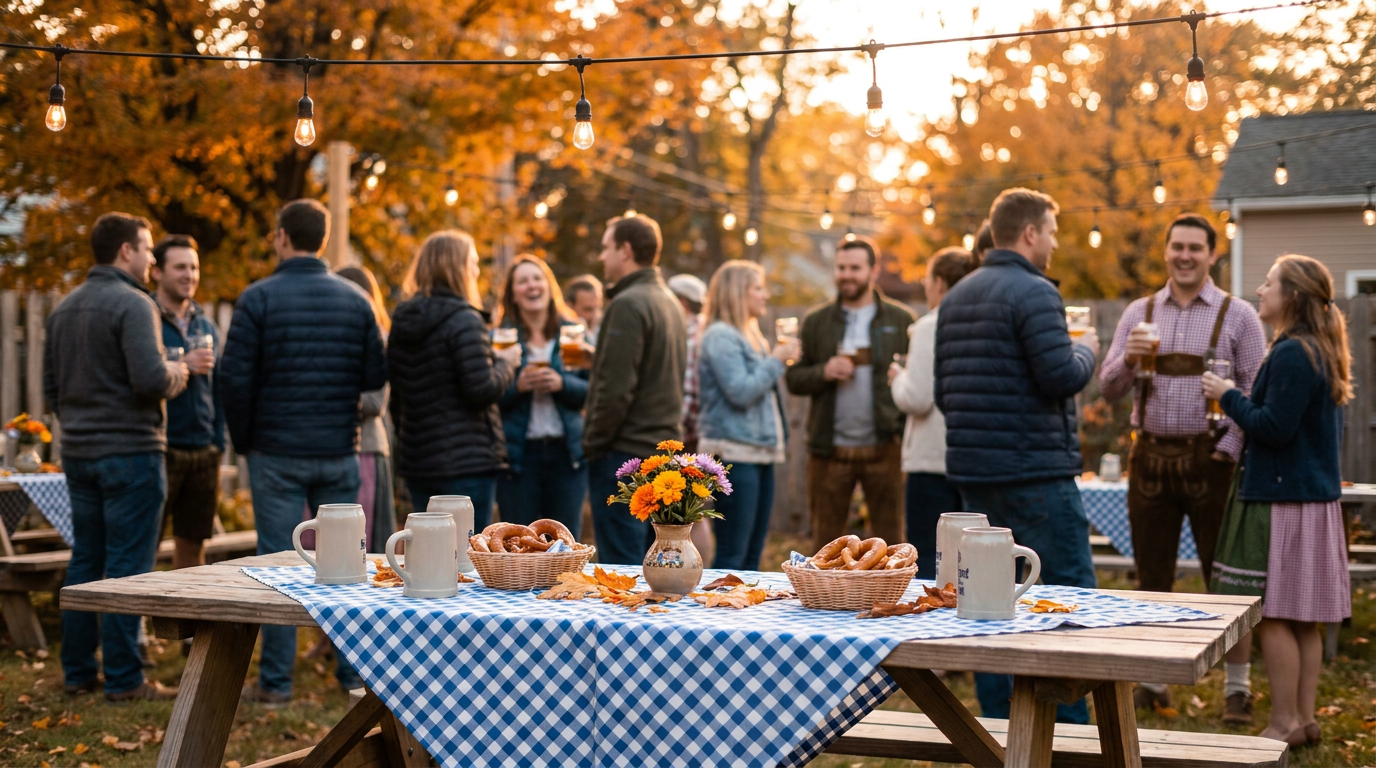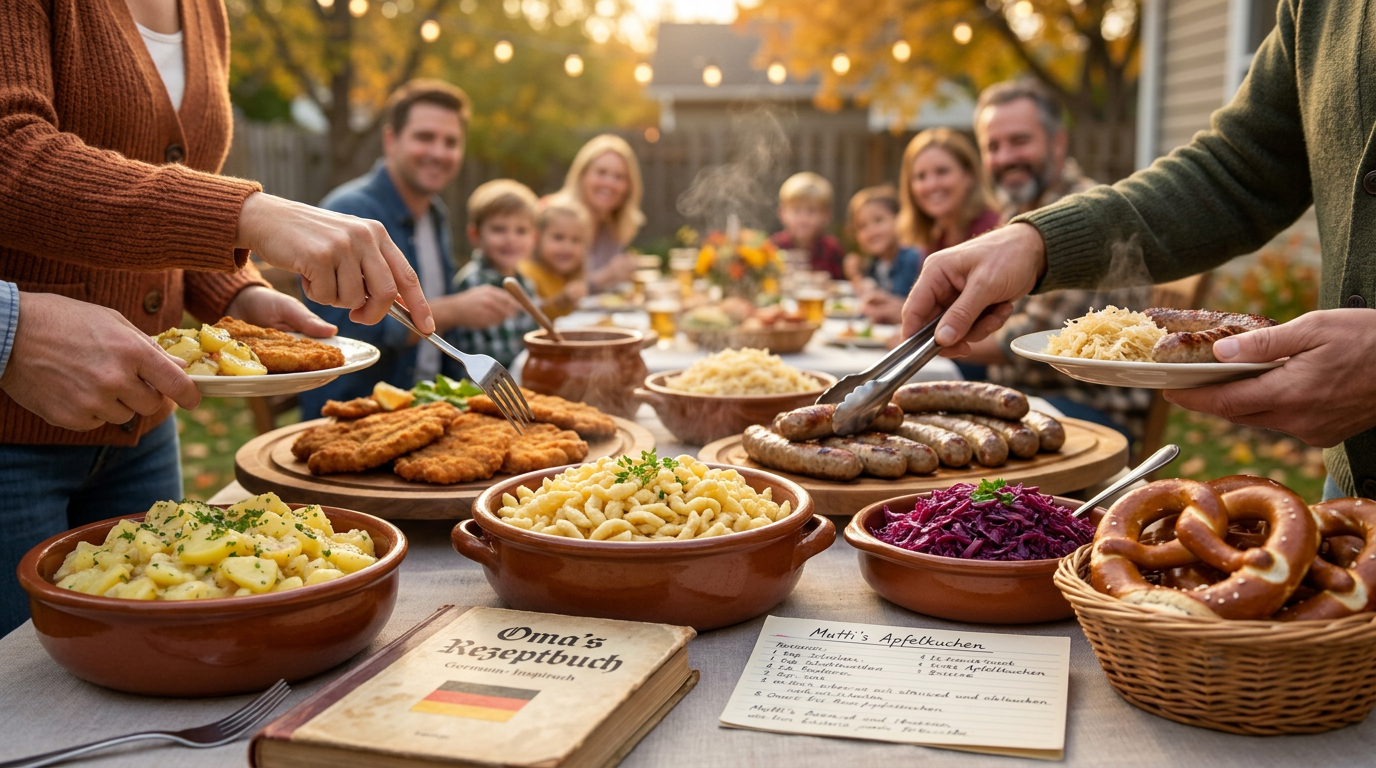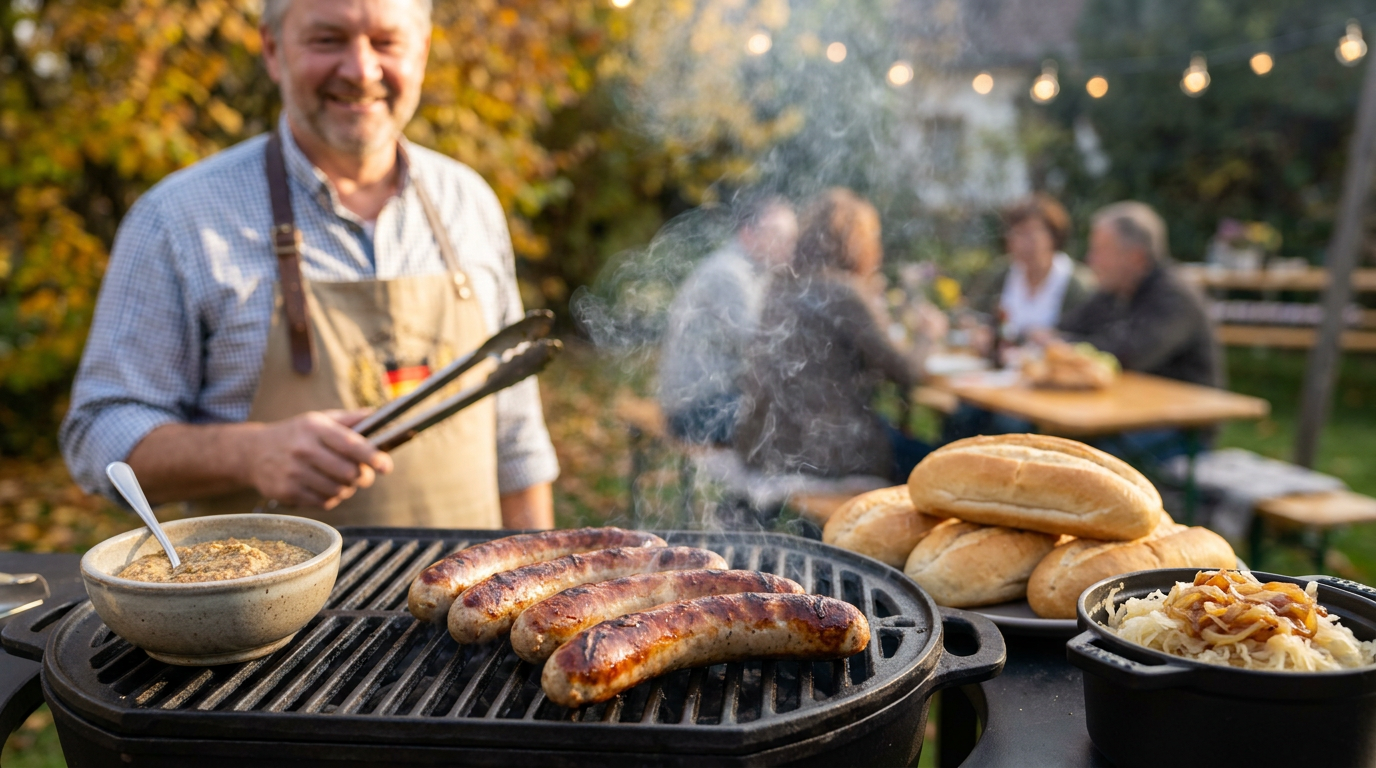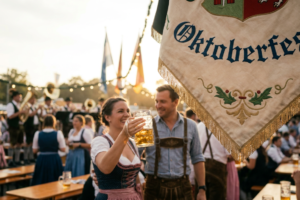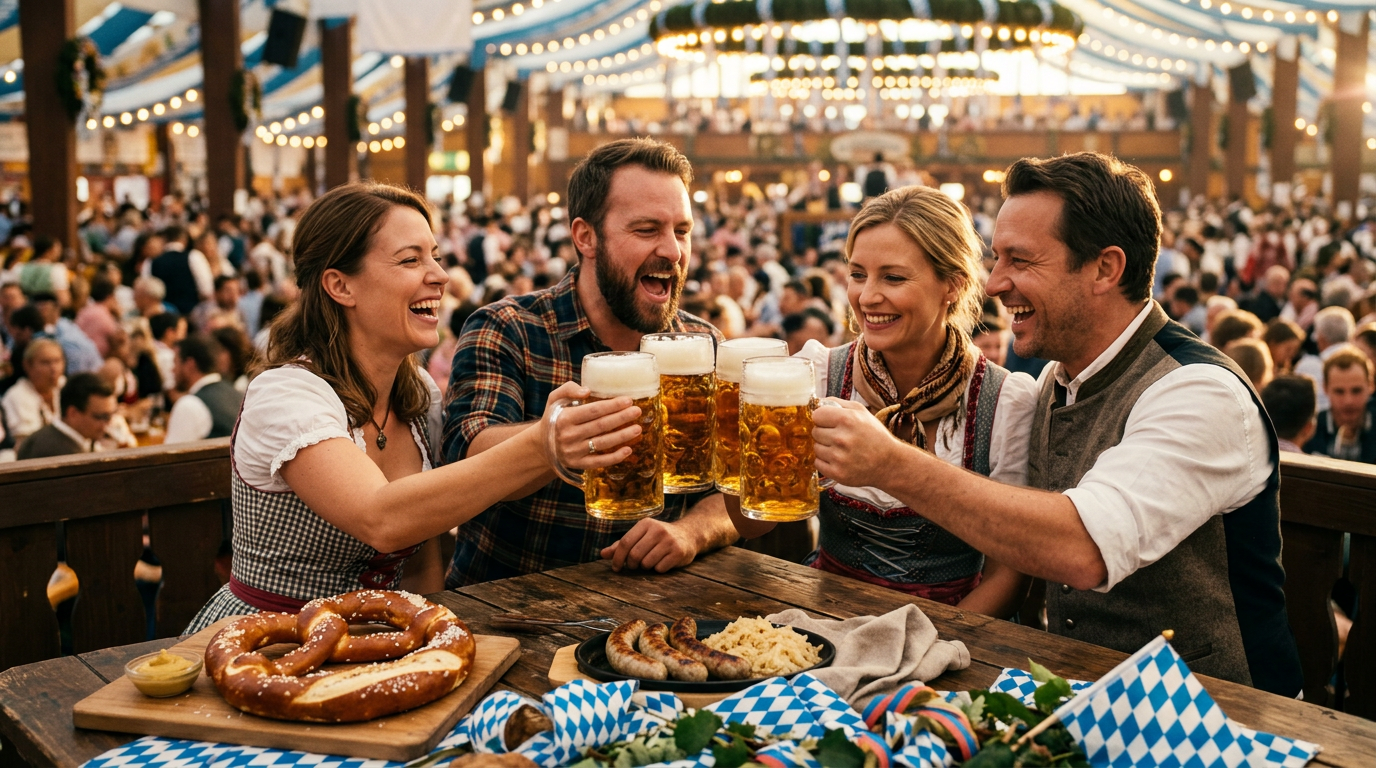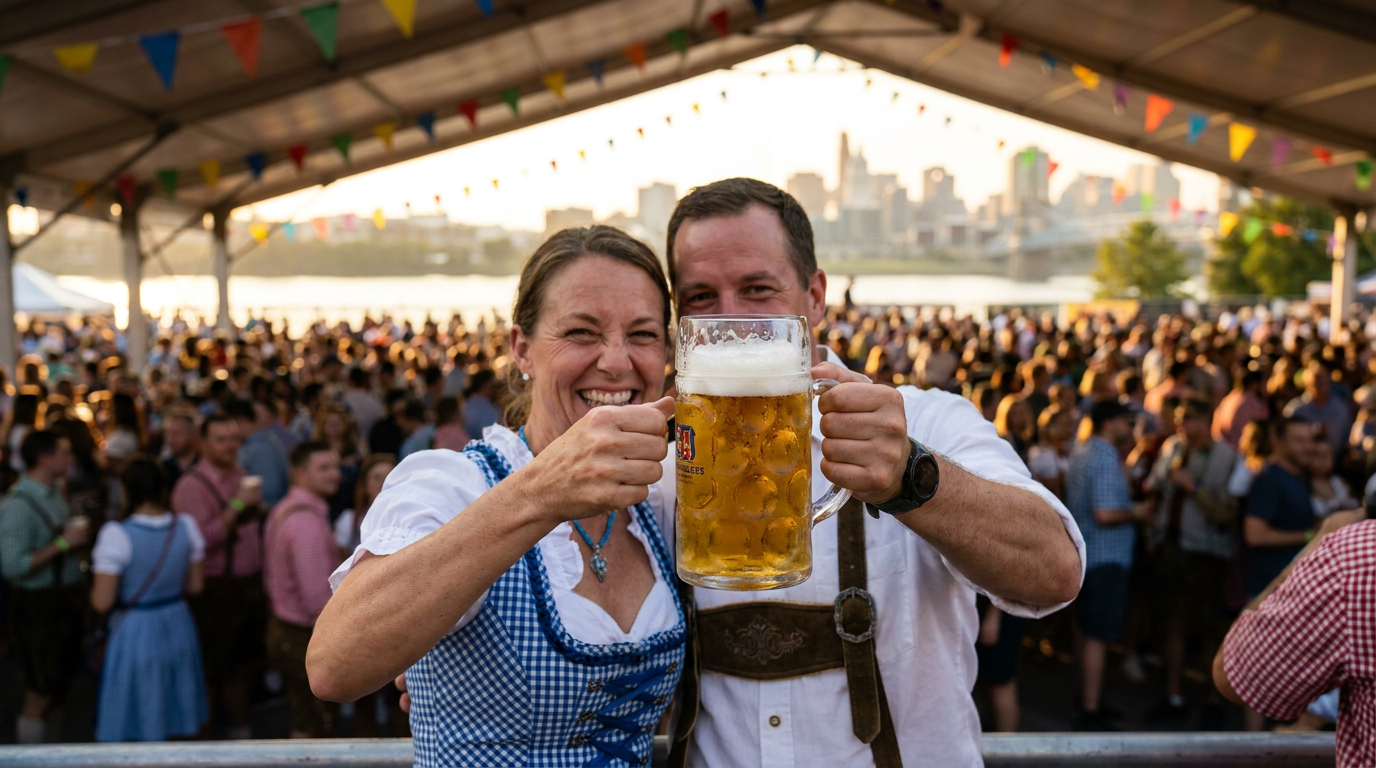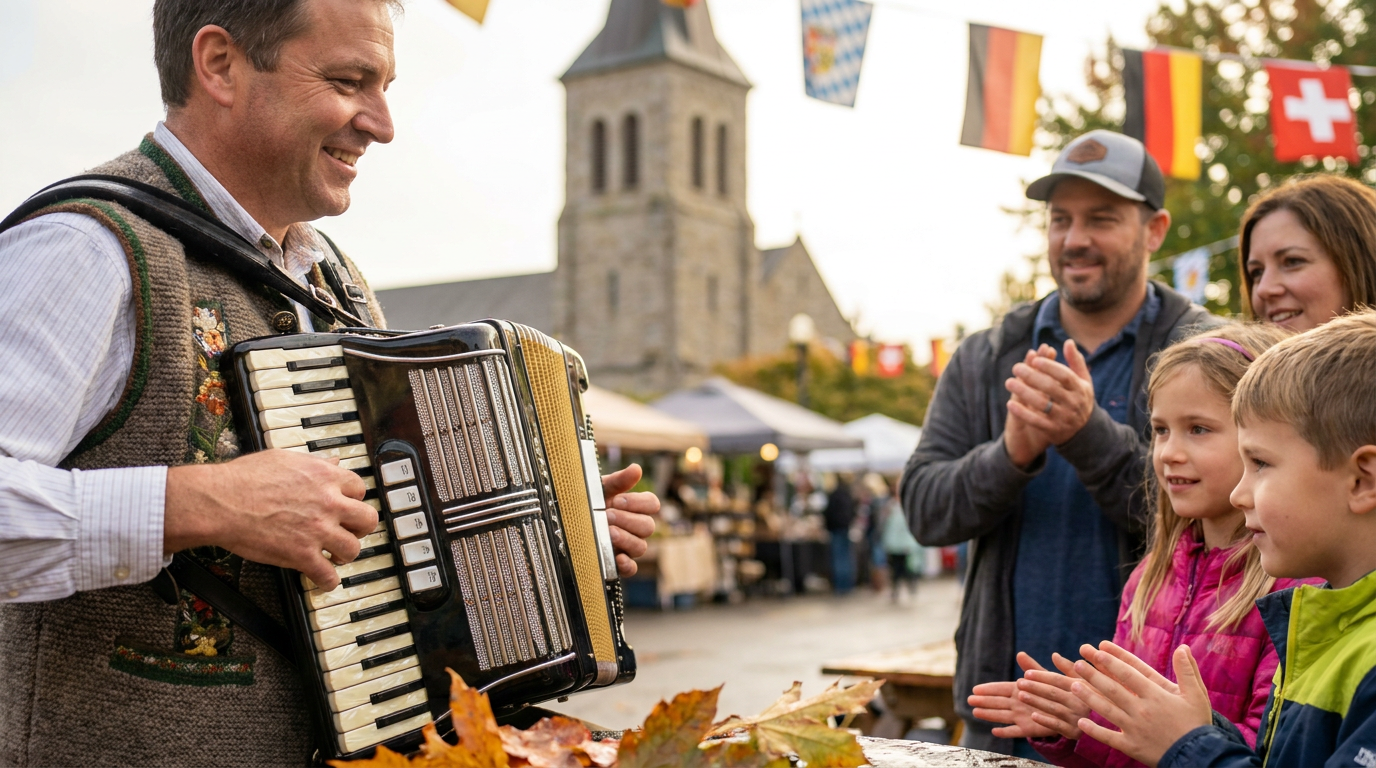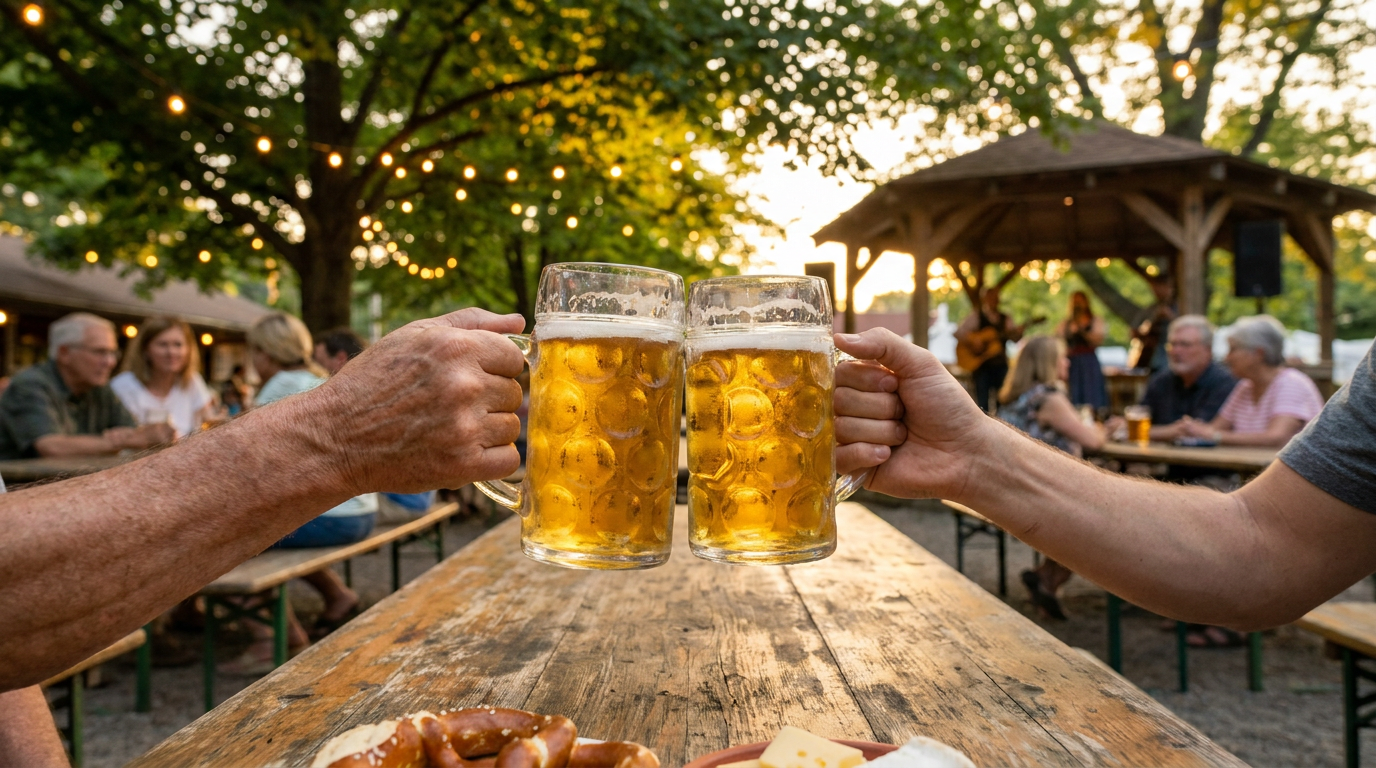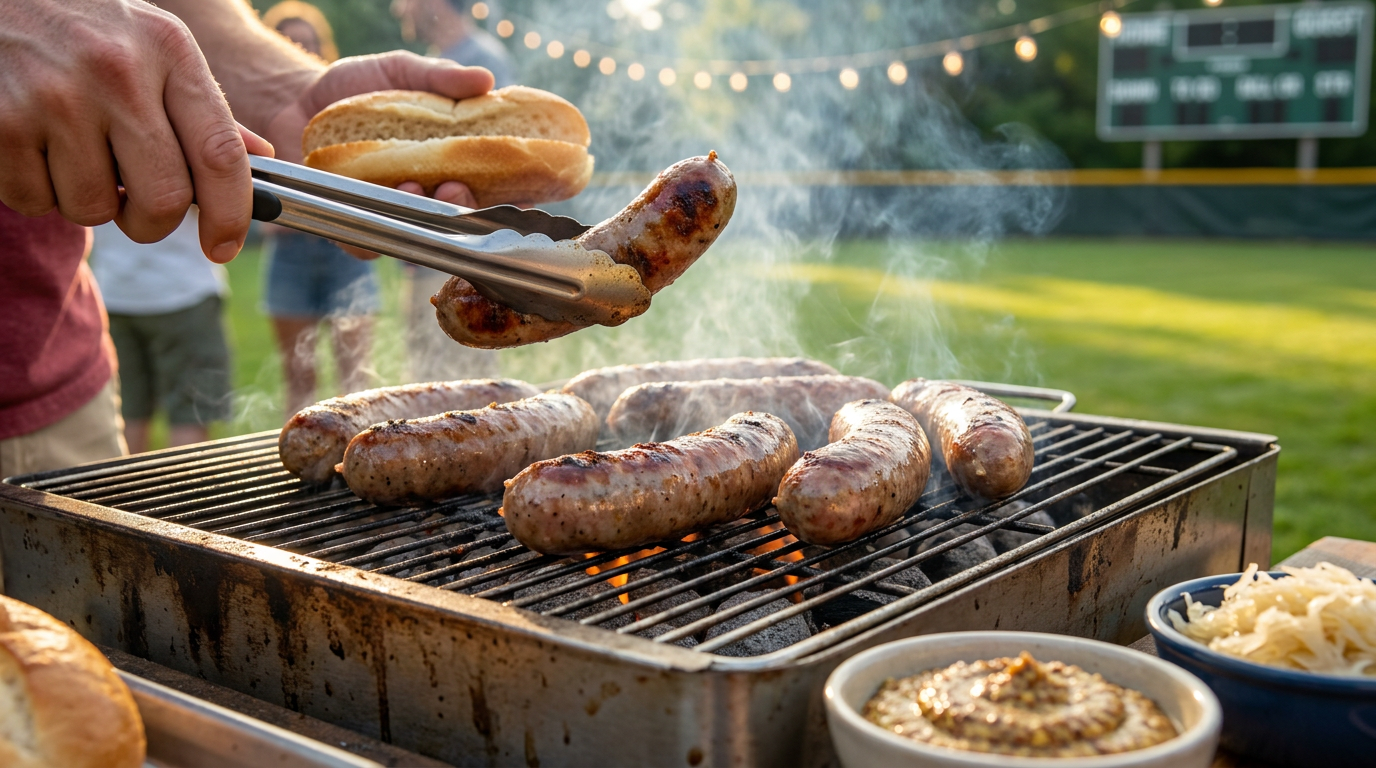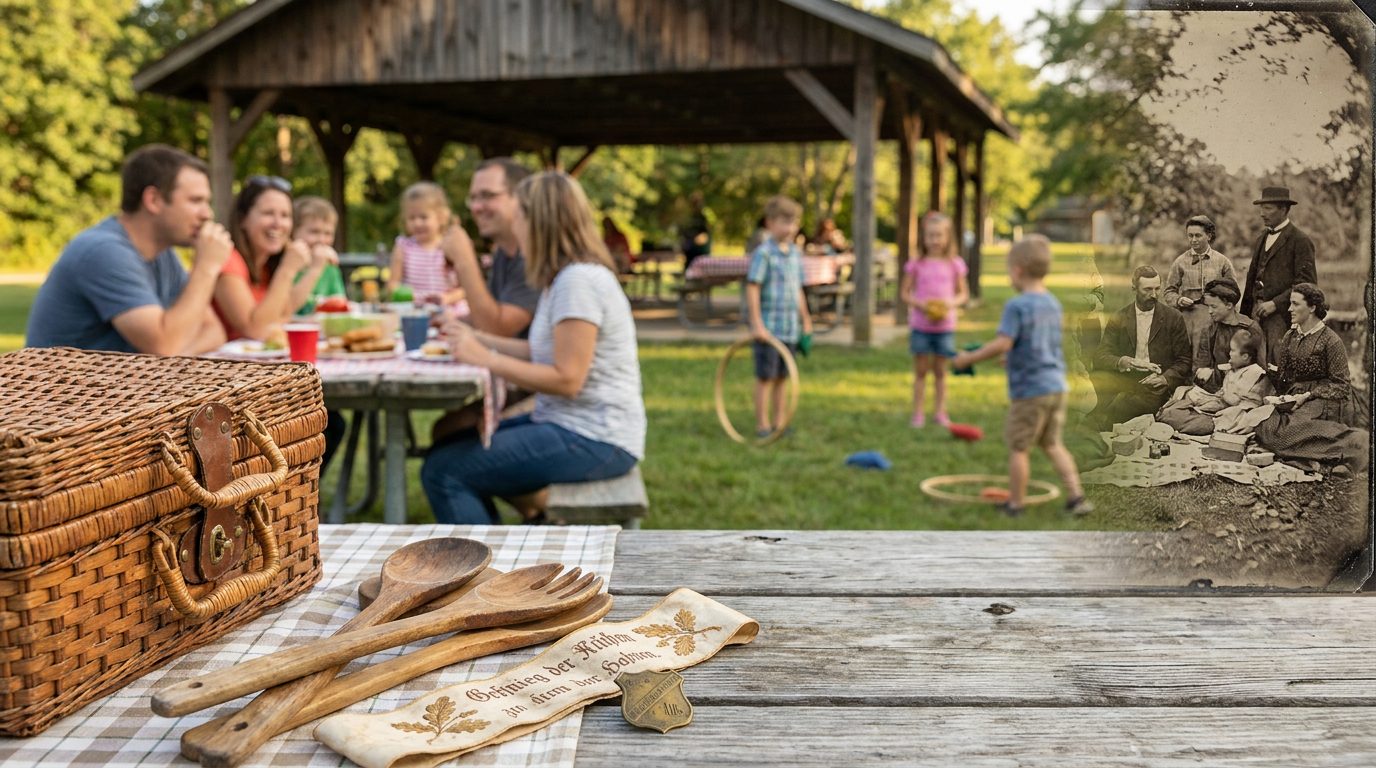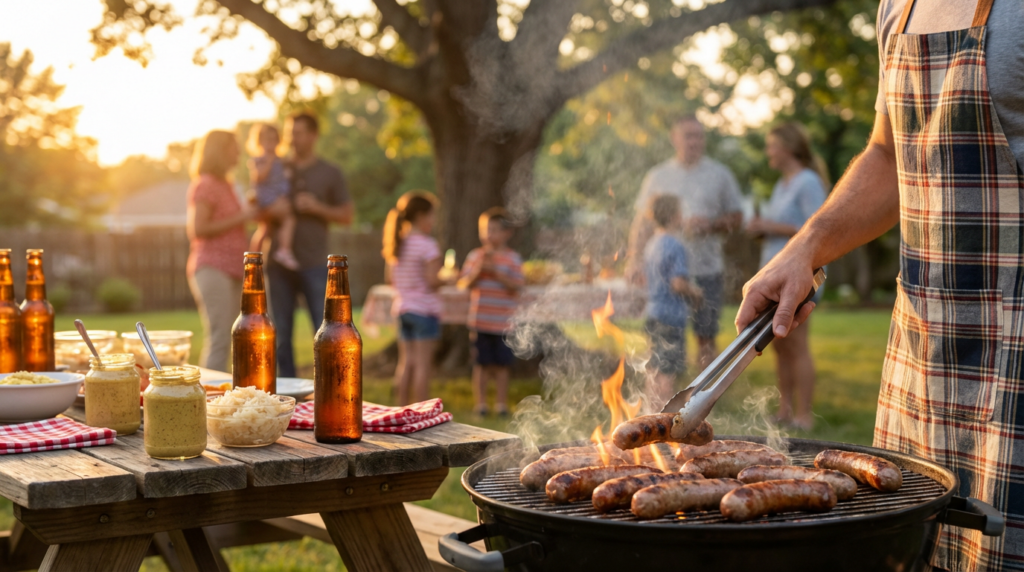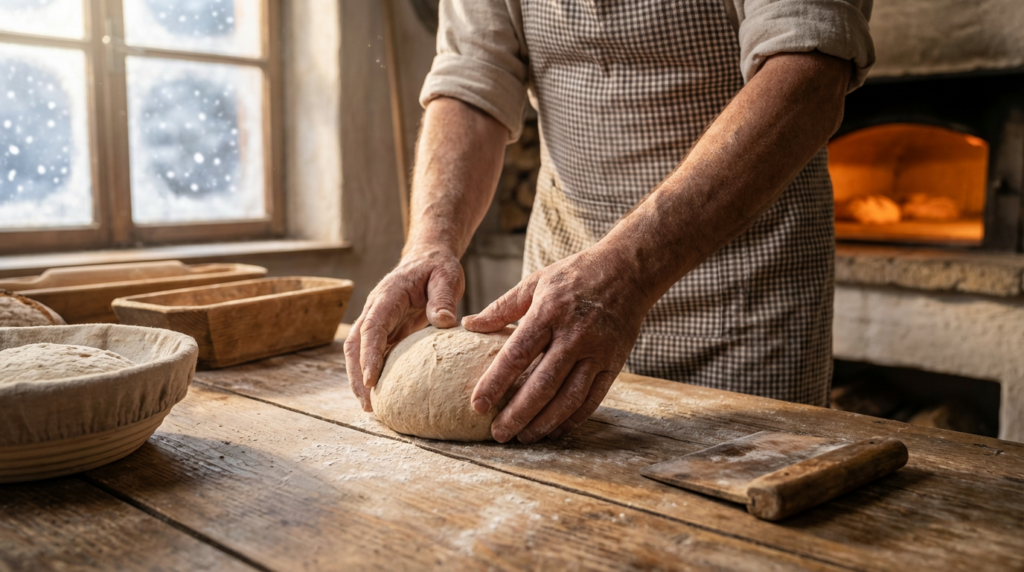
The Ultimate Guide to America’s Biggest Oktoberfests: Where to Celebrate German Heritage This Fall

From Cincinnati’s enormous riverfront celebration to Bavarian-style towns in Georgia and Washington, these unforgettable festivals invite German-Americans—and everyone who loves the culture—to eat, dance, explore and raise a cheerful “Prost!” in fall 2026.

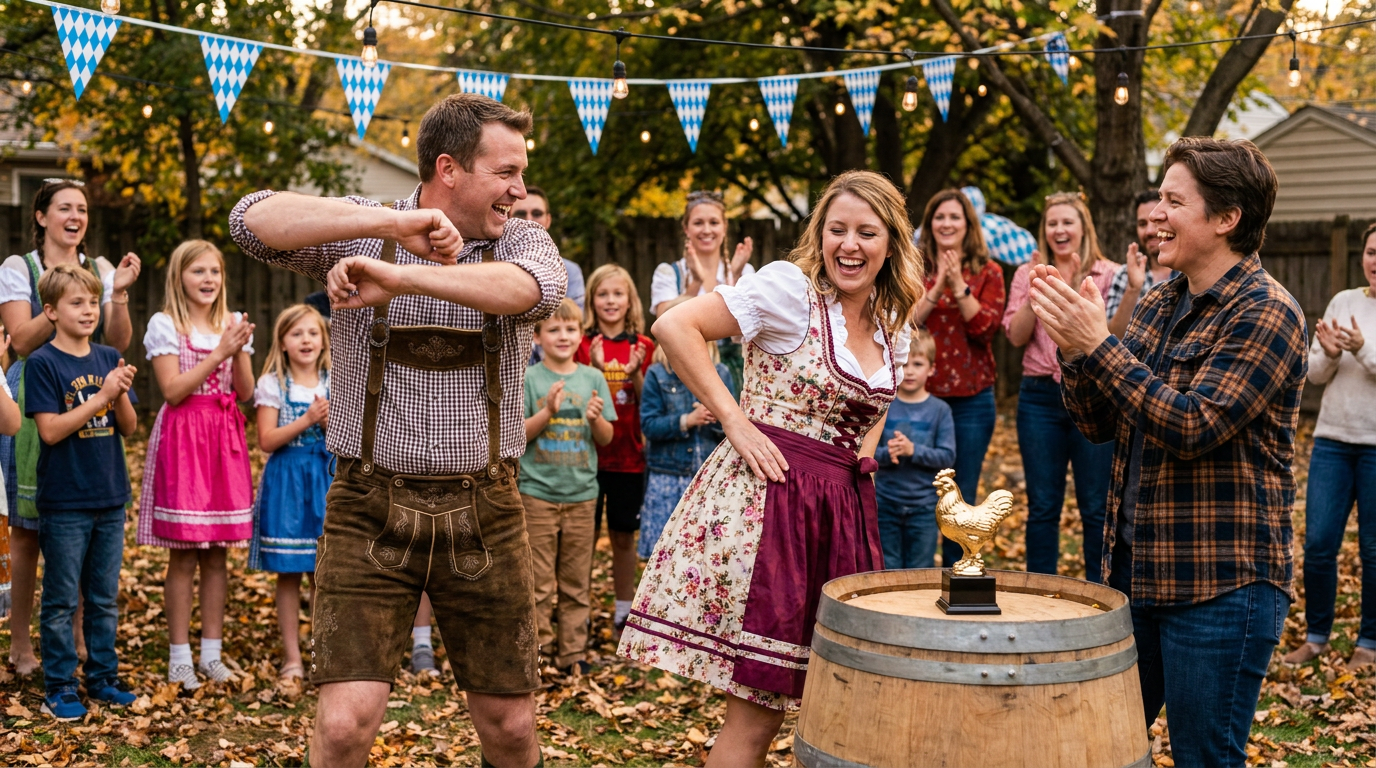
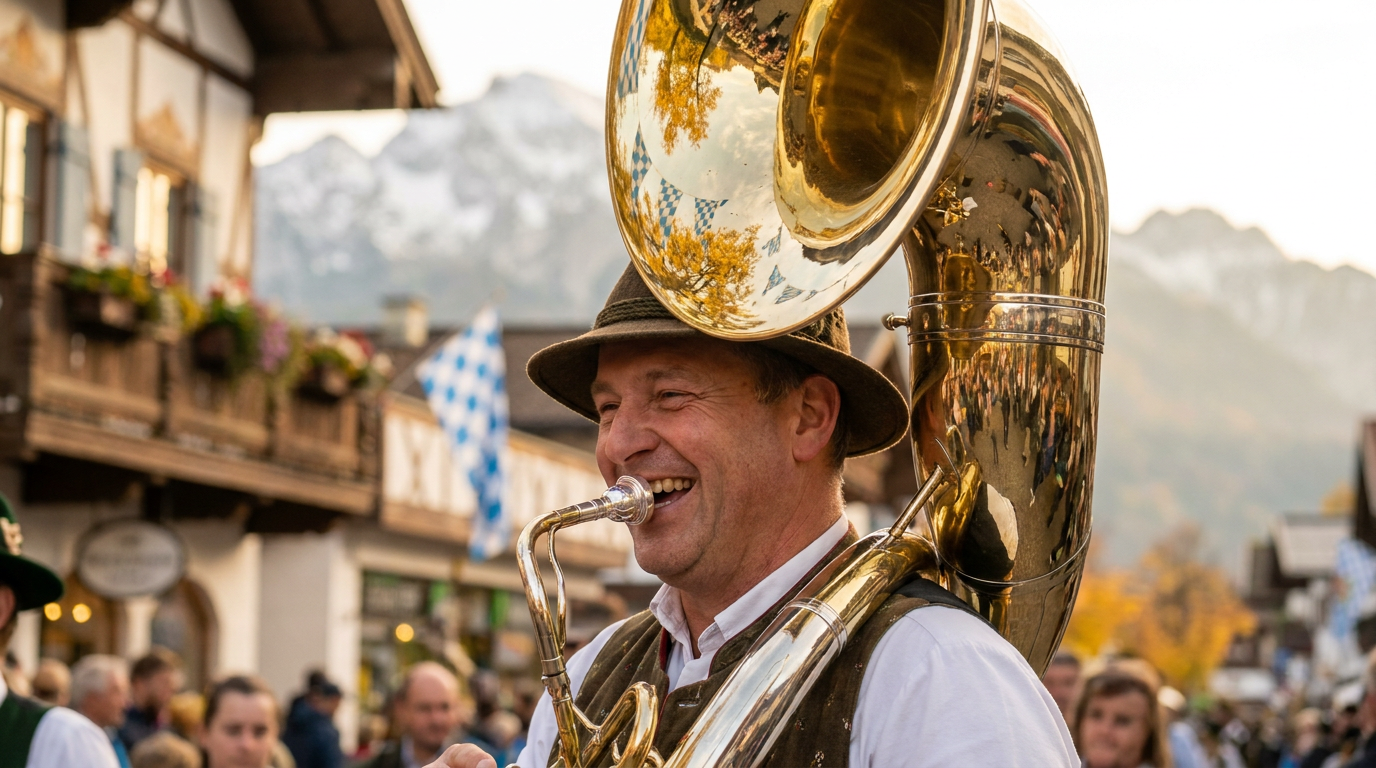
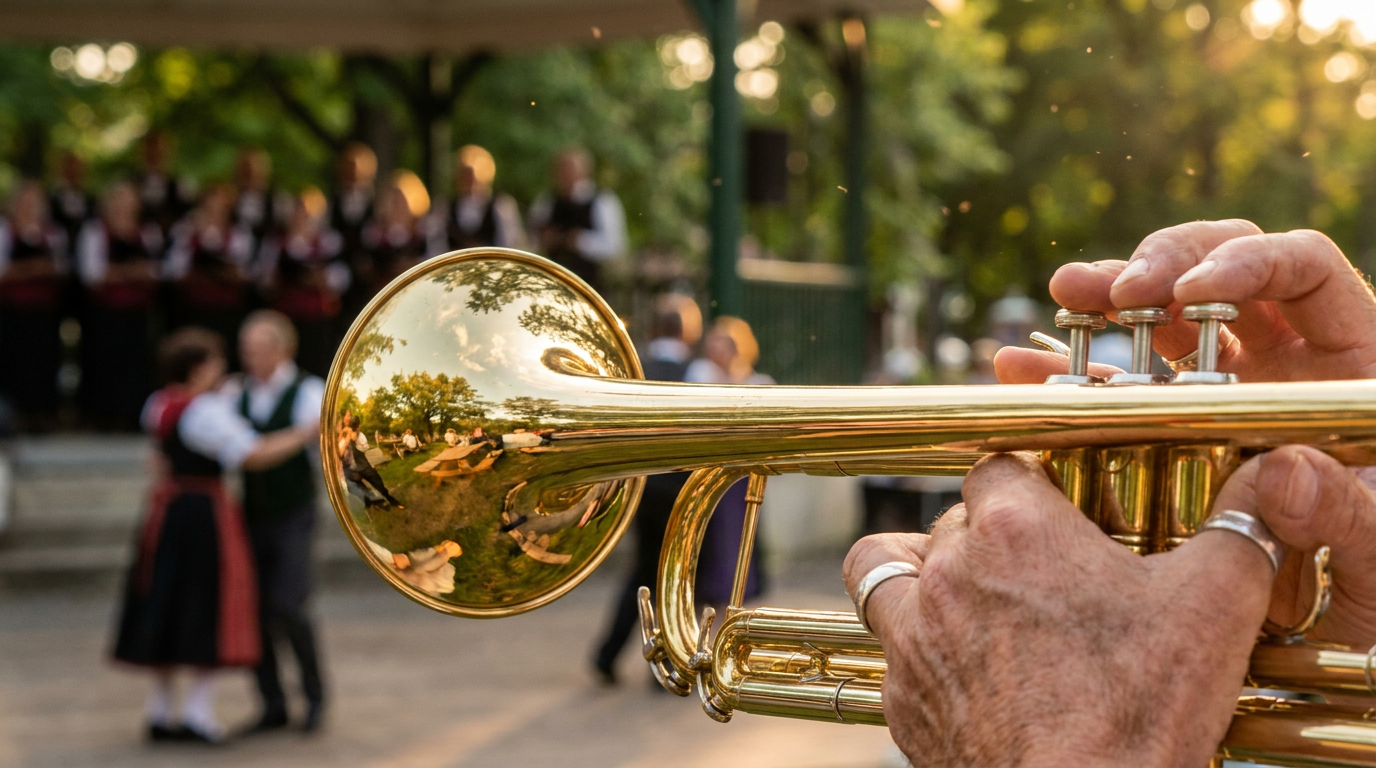
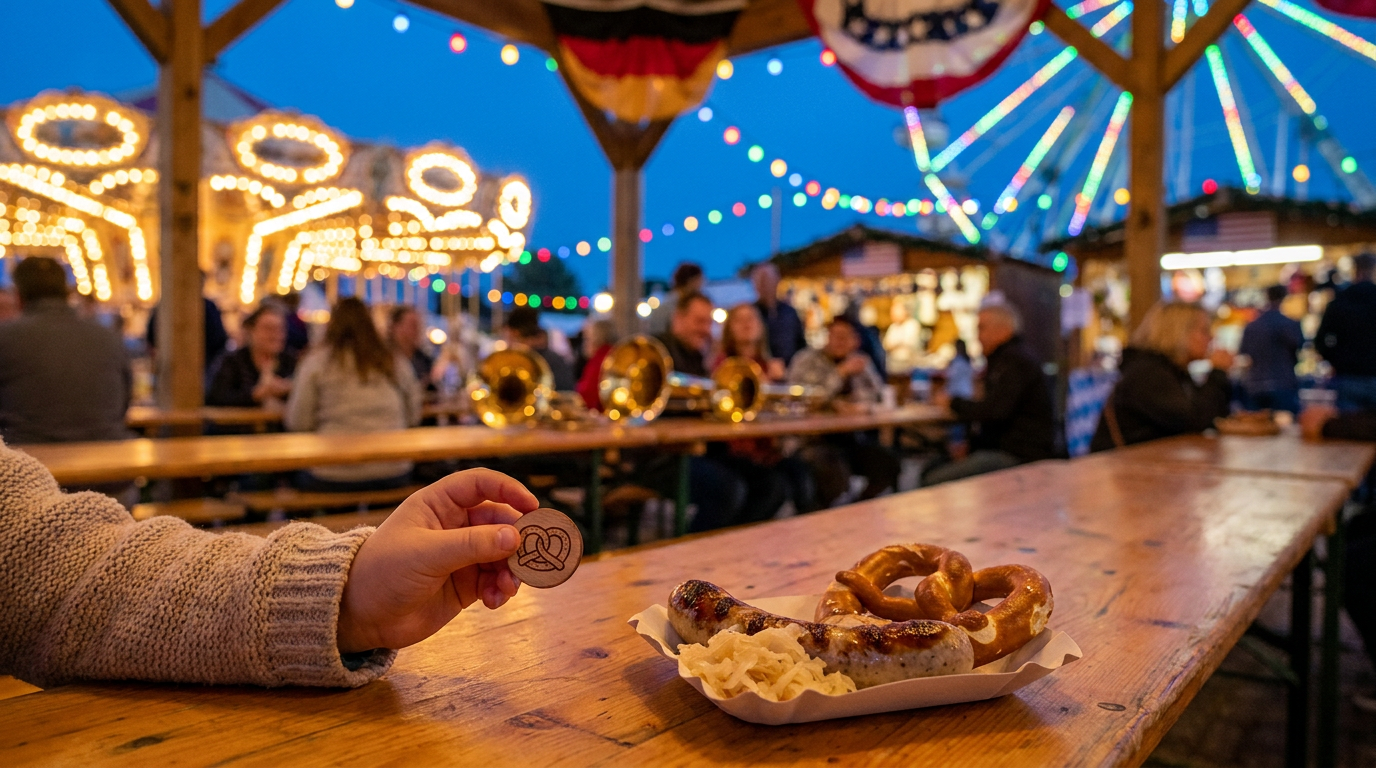
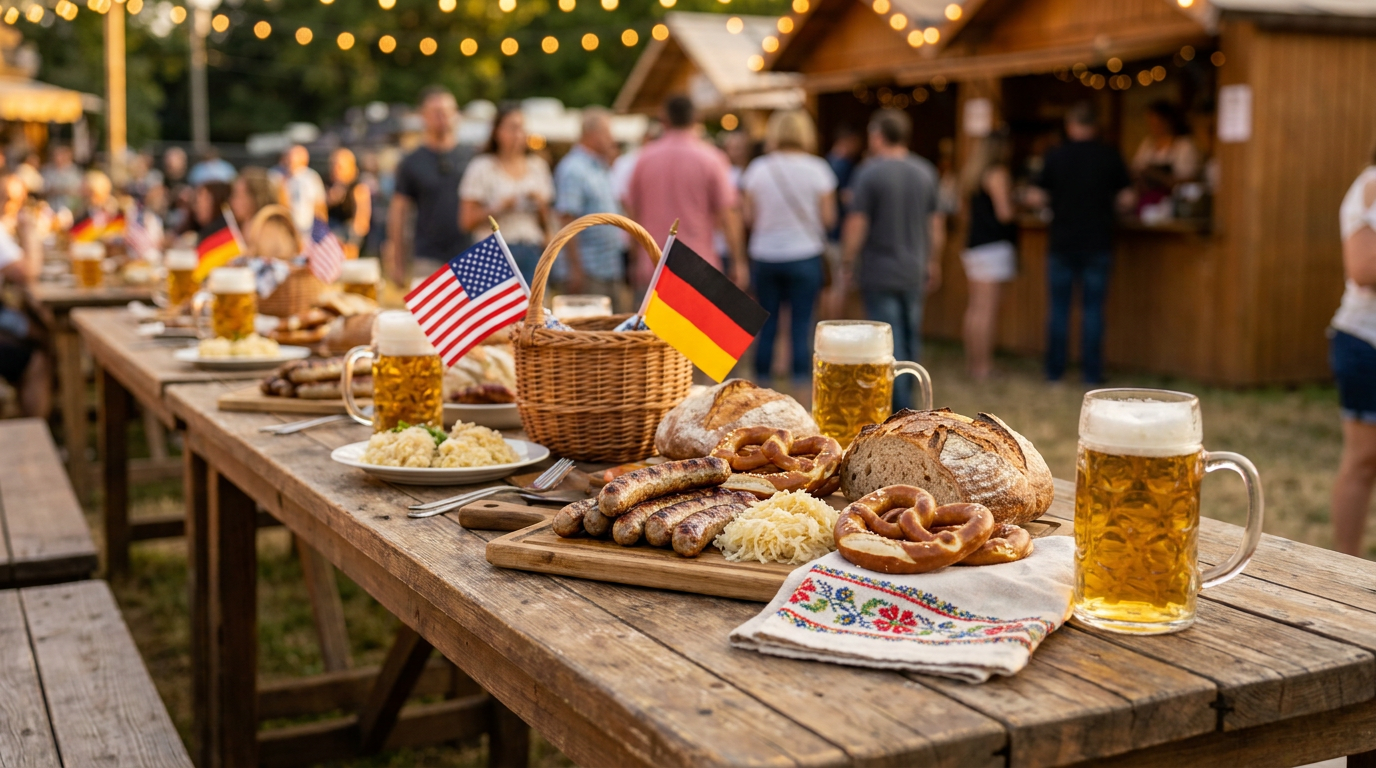
September arrives with a wonderful change in the air. The evenings grow cooler. Brass music seems to sound a little better. Pretzels suddenly look larger, sausages smell more tempting, and somewhere in America a dachshund is being fitted for its racing number.

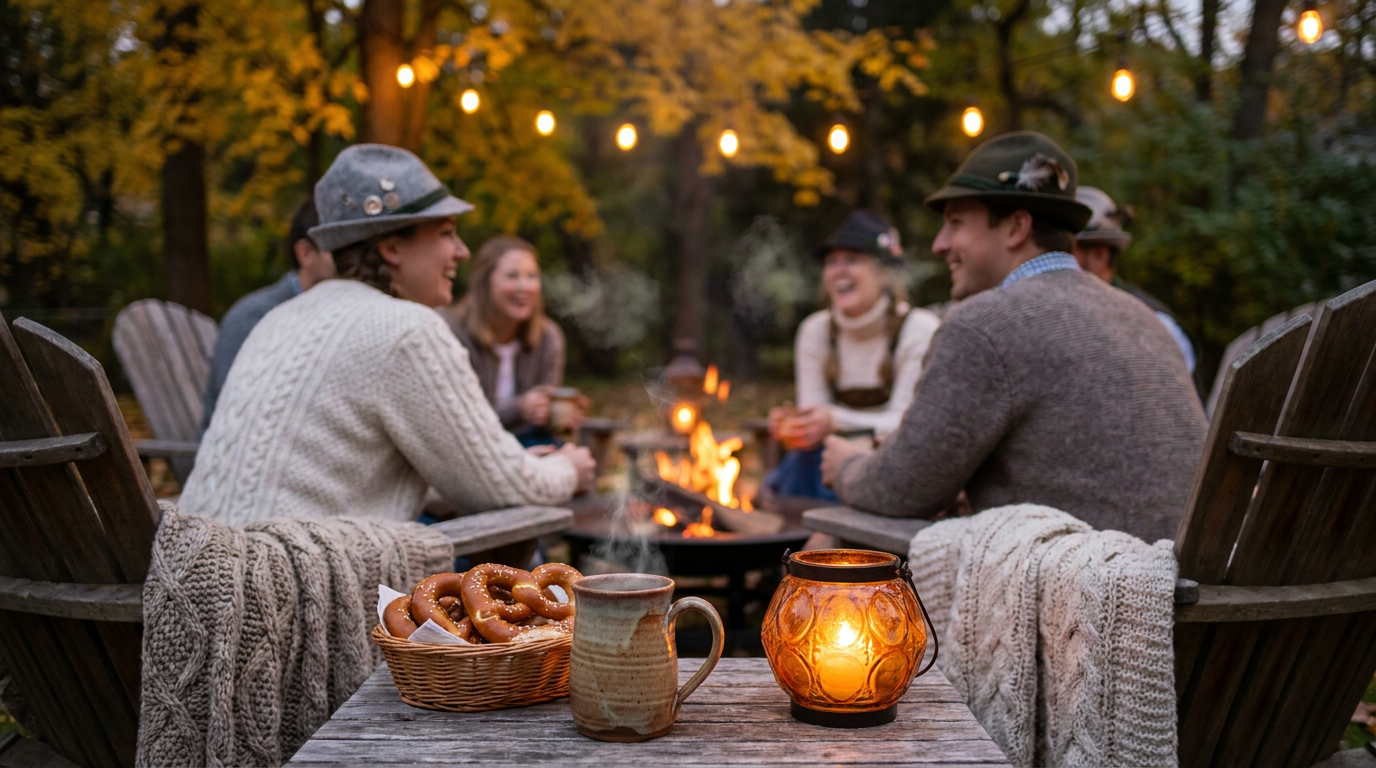
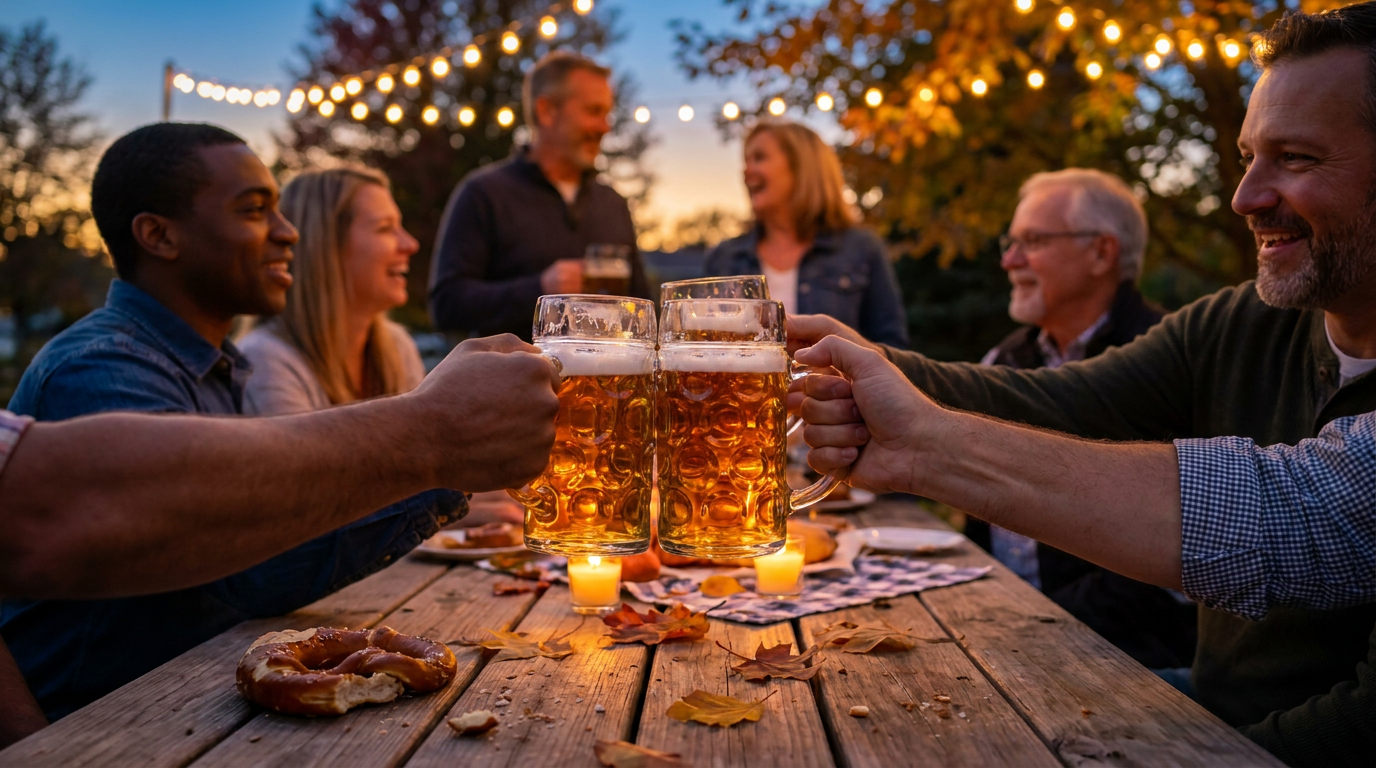
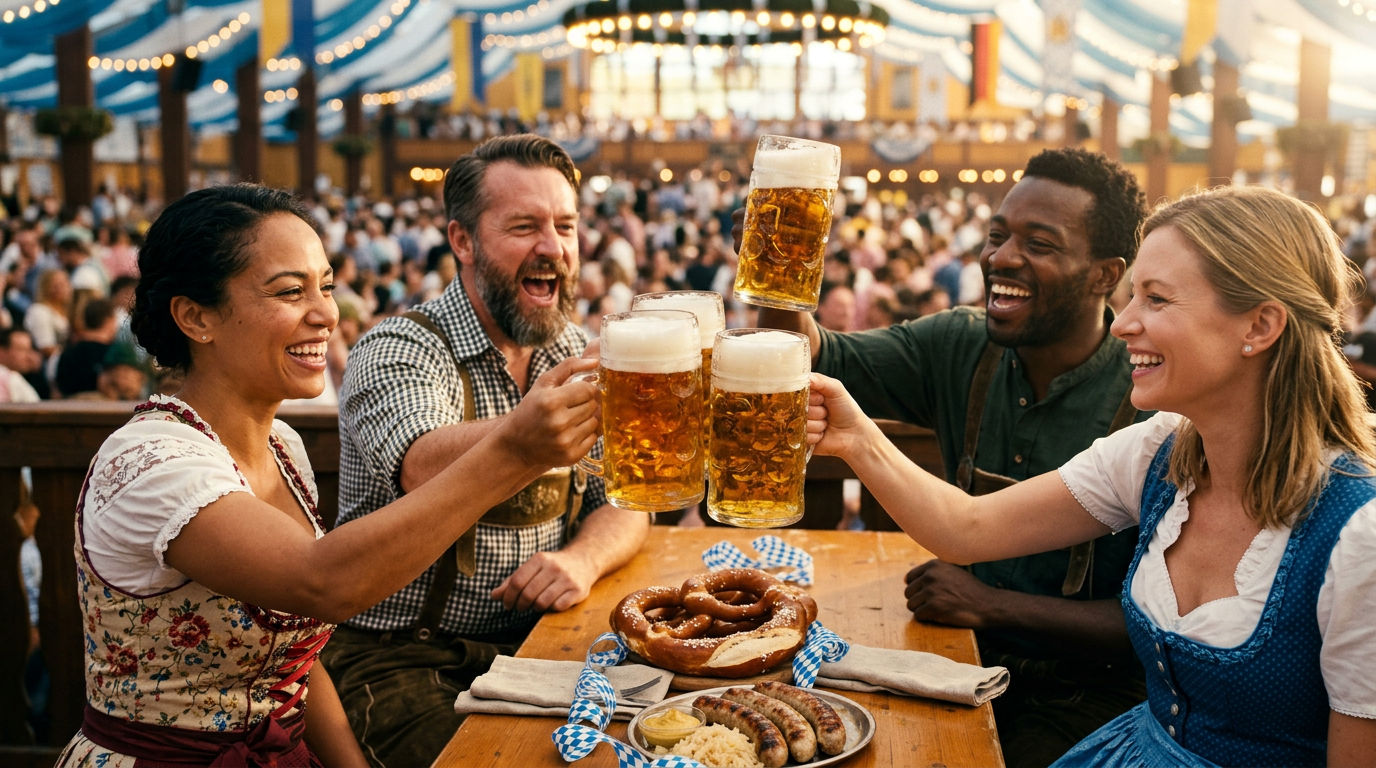
Oktoberfest season is here.

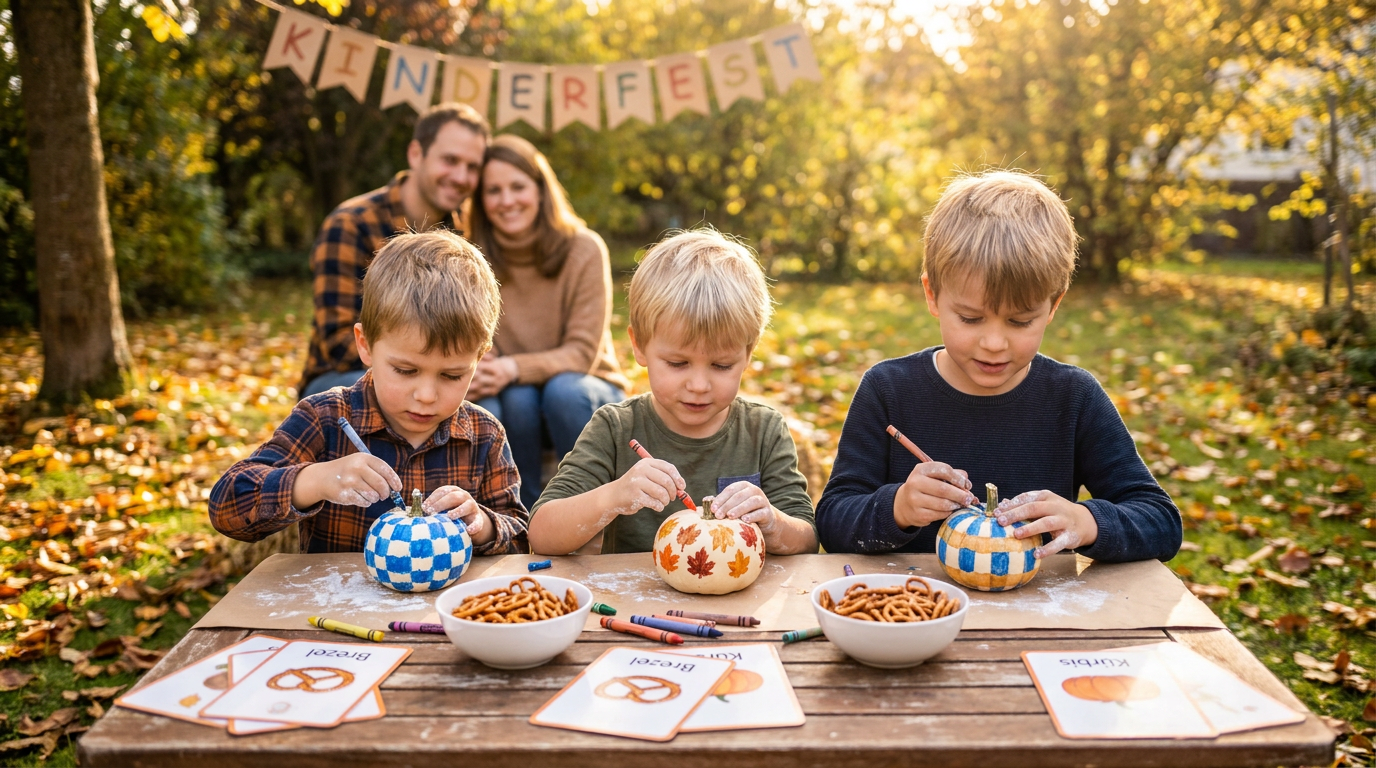
For German-Americans, an Oktoberfest can be much more than a beer festival. It can be a joyful doorway into family history—a place where a familiar surname appears on a banner, an old melody awakens a memory, or a grandparent’s stories begin to feel real. For visitors without German ancestry, it offers the same invitation: pull up a bench, share a table and discover why Gemütlichkeit—the warm feeling of welcome, comfort and good fellowship—may be Germany’s most irresistible export.

America now hosts hundreds of Oktoberfest celebrations, from neighborhood church picnics to citywide gatherings. This guide focuses on events that stand out through some combination of size, longevity, national reputation, cultural depth and destination atmosphere. It is not a rigid attendance ranking. Crowd estimates vary, and a month-long town celebration cannot be measured fairly against a concentrated four-day festival.

What these celebrations share is something more important: they turn heritage into an experience.

“An Oktoberfest is not merely a place to drink a beer. It is a place to hear history singing at the next table.” — GERMAN HERITAGE USA

Before the Road Trip: What Are We Actually Celebrating?

The original Oktoberfest began in Munich in 1810 with festivities honoring the marriage of Bavarian Crown Prince Ludwig and Princess Therese of Saxe-Hildburghausen. A public horse race helped conclude the celebration on grounds that became known as the Theresienwiese—“Therese’s Meadow.” The celebration returned, evolved and eventually became the enormous Munich festival recognized around the world.

Why does Oktoberfest often begin in September? The event gradually moved earlier to take advantage of longer days and milder weather while still finishing in early October. In 2026, Munich’s official Oktoberfest runs September 19 through October 4.

It is also worth remembering that Oktoberfest is specifically Bavarian in origin. Germany contains many regional cultures, foods, dialects and traditions. A family from Schleswig-Holstein, Hesse, Saxony or the Rhineland may not have inherited lederhosen or dirndls as ancestral dress. Still, Oktoberfest has become a lively international celebration of German and German-American culture. Enjoy the Bavarian traditions—and let them inspire you to discover your family’s own regional story.

America’s Oktoberfest Calendar at a Glance

Celebration Location 2026 dates Best for
Oktoberfest Zinzinnati Cincinnati, Ohio Sept. 17–20 The biggest crowds and enormous citywide energy
Mount Angel Oktoberfest Mount Angel, Oregon Sept. 17–20 German-Swiss tradition and a community-wide festival
Addison Oktoberfest Addison, Texas Sept. 17–20 Bavarian celebration with a Texas personality
Denver Oktoberfest Denver, Colorado Sept. 18–20 and 25–27 Urban excitement, games and two full weekends
Helen Oktoberfest Helen, Georgia Sept. 10–Nov. 1 The longest festival season and Alpine-town atmosphere
Nashville Oktoberfest Nashville, Tennessee Oct. 1–4 A large Southern city celebration with music and contests
Leavenworth Oktoberfest Leavenworth, Washington Oct. 2–3, 9–10 and 16–17 Mountain scenery and a Bavarian-style destination town
Zeeco Oktoberfest Tulsa Tulsa, Oklahoma Oct. 22–25 A high-energy grand finale patterned after Munich

Dates and details were checked against official 2026 event information. Always confirm hours, admission rules and schedules before traveling.

1. Oktoberfest Zinzinnati — Cincinnati, Ohio

Best for: Experiencing America’s attendance giant

If your Oktoberfest dream includes a riverfront filled with music, food, beer and a crowd large enough to qualify as its own city, begin in Cincinnati. The official event calls Oktoberfest Zinzinnati America’s largest Oktoberfest, and more than 800,000 people attended in 2025. The 2026 celebration marks its 50th anniversary at Sawyer Point Park and Yeatman’s Cove.

Cincinnati’s German roots run deep. Nineteenth-century German immigration shaped local neighborhoods, brewing, food, music and civic life. That history helps the celebration feel less like an imported theme and more like a city turning up the volume on part of its identity.

Admission is free, making it especially approachable for families and first-time visitors. Expect giant tents, stages, beer gardens, abundant German-inspired food and wonderfully unserious spectacle. The famous mass participation and exuberant atmosphere are part of the point: this is heritage with its sleeves rolled up.

Do not miss: The ceremonial events, live music and sheer thrill of seeing Cincinnati’s German-American pride take over the Ohio Riverfront.

2. Mount Angel Oktoberfest — Mount Angel, Oregon

Best for: Old-world community atmosphere in the Pacific Northwest

Mount Angel brings a distinctive German-Swiss character to Oregon’s Willamette Valley. Rather than containing the celebration inside one isolated hall, the festival fills the streets and multiple venues across town. In 2026, it runs September 17–20.

This is a rewarding choice for travelers who want far more than an evening beer tent. The celebration combines music and dancing with food, family activities, races, arts and crafts, and community institutions. More than 120 artisans are scheduled for the 2026 arts-and-crafts show alone.

Mount Angel’s appeal is intimacy at festival scale. Bells, Alpine design, friendly volunteers and a strong sense of local ownership give the weekend a personality that cannot be manufactured.

Do not miss: Exploring the different festival venues instead of staying in one tent—each corner of town adds another chapter to the experience.

3. Addison Oktoberfest — Addison, Texas

Best for: Bavarian tradition served with Texas hospitality

In North Texas, Addison Circle Park becomes a four-day celebration of beer, brats, music, dancing and playful competition. Addison Oktoberfest runs September 17–20 in 2026 and deliberately pairs Bavarian festival customs with a confident Texas twist.

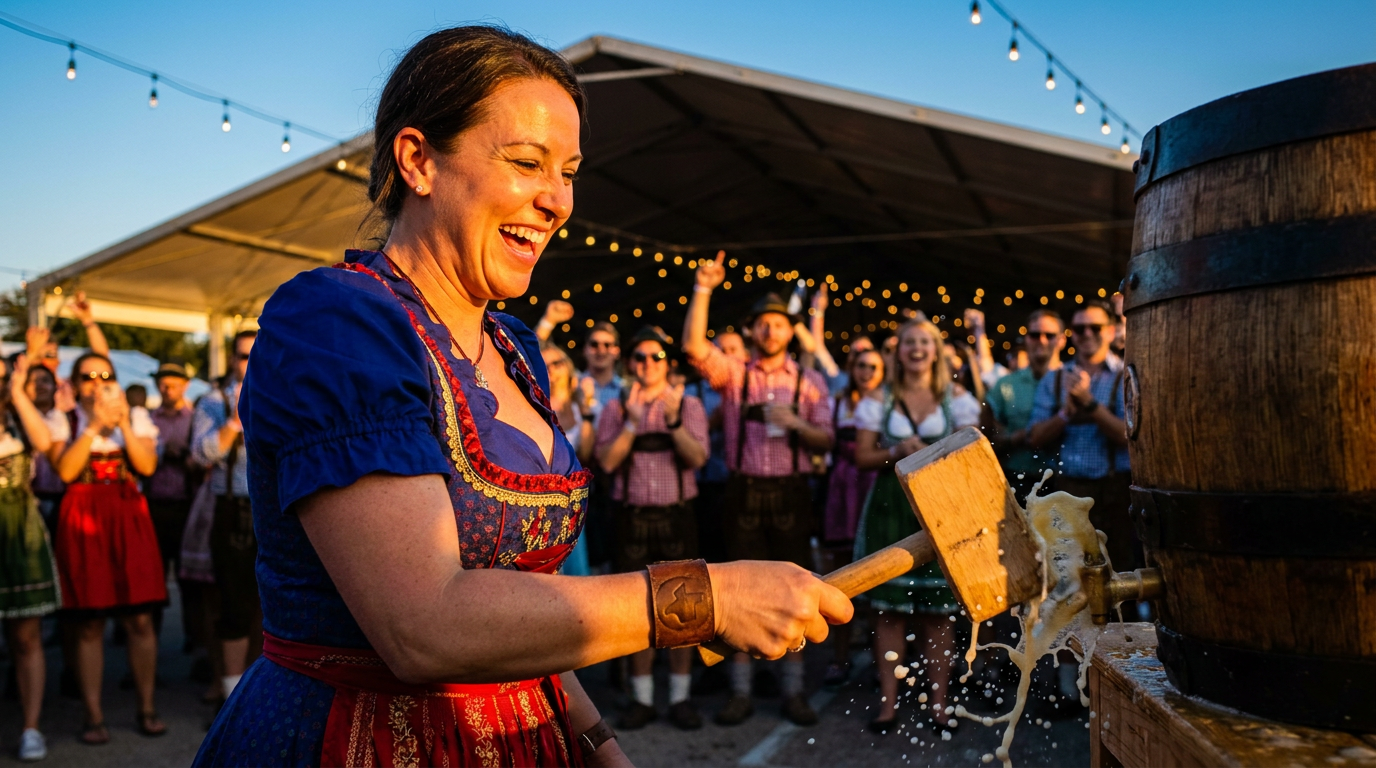
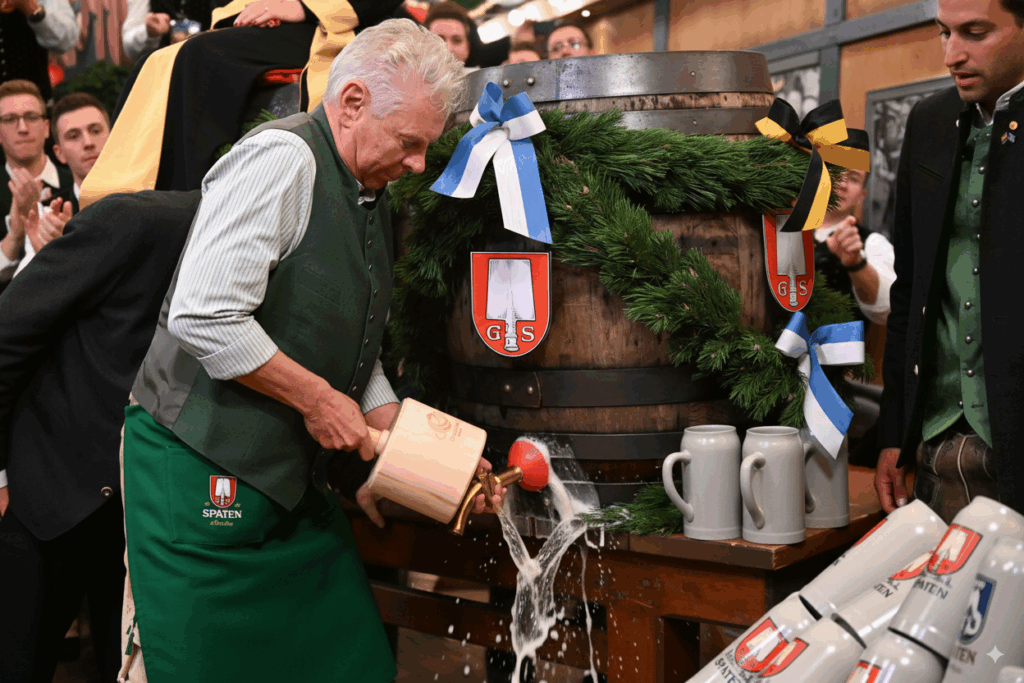
That combination makes Addison accessible to newcomers without losing the visual excitement people hope to find at Oktoberfest. Visitors can move between performance areas, food experiences and family activities, then join the official keg tapping or simply settle in and listen to the music.

The practical advantage is location. Travelers can build the festival into a Dallas-area weekend, while local families can enjoy a major cultural event without an interstate expedition.

Do not miss: The ceremonial keg tapping and the delightful moment when polka rhythm, Texas friendliness and a packed Partyhalle become one celebration.

4. Denver Oktoberfest — Denver, Colorado

Best for: A high-energy urban street festival

Denver has celebrated Oktoberfest since 1969, and its 56th annual edition fills two weekends in the Ballpark District: September 18–20 and September 25–27. The setting on Larimer Street creates a different experience from a small heritage town. This one feels like an urban block party wearing lederhosen.

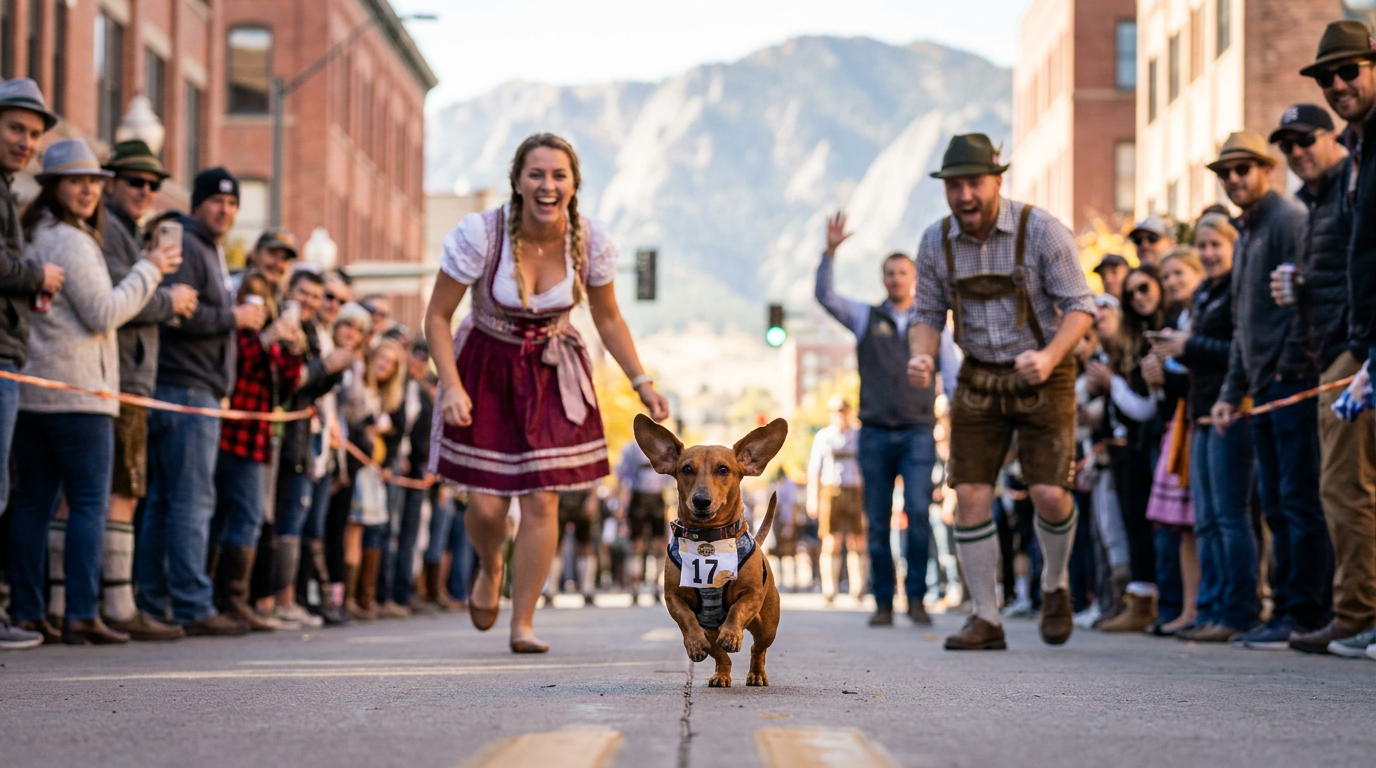
Along with food, beer and music, Denver leans enthusiastically into American Oktoberfest games. The 2026 schedule includes the Long Dog Derby on both Sundays and a sausage-eating contest on September 26. It is spirited, funny and built for groups of friends who want action between songs.

Denver also works well for travelers who prefer choices. Spend part of the day at the festival, then explore the city’s breweries, museums, restaurants or nearby mountain scenery.

Do not miss: The dachshund races—because few things unite a crowd faster than very short legs chasing very large glory.

5. Helen Oktoberfest — Helen, Georgia

Best for: Turning Oktoberfest into an extended Alpine getaway

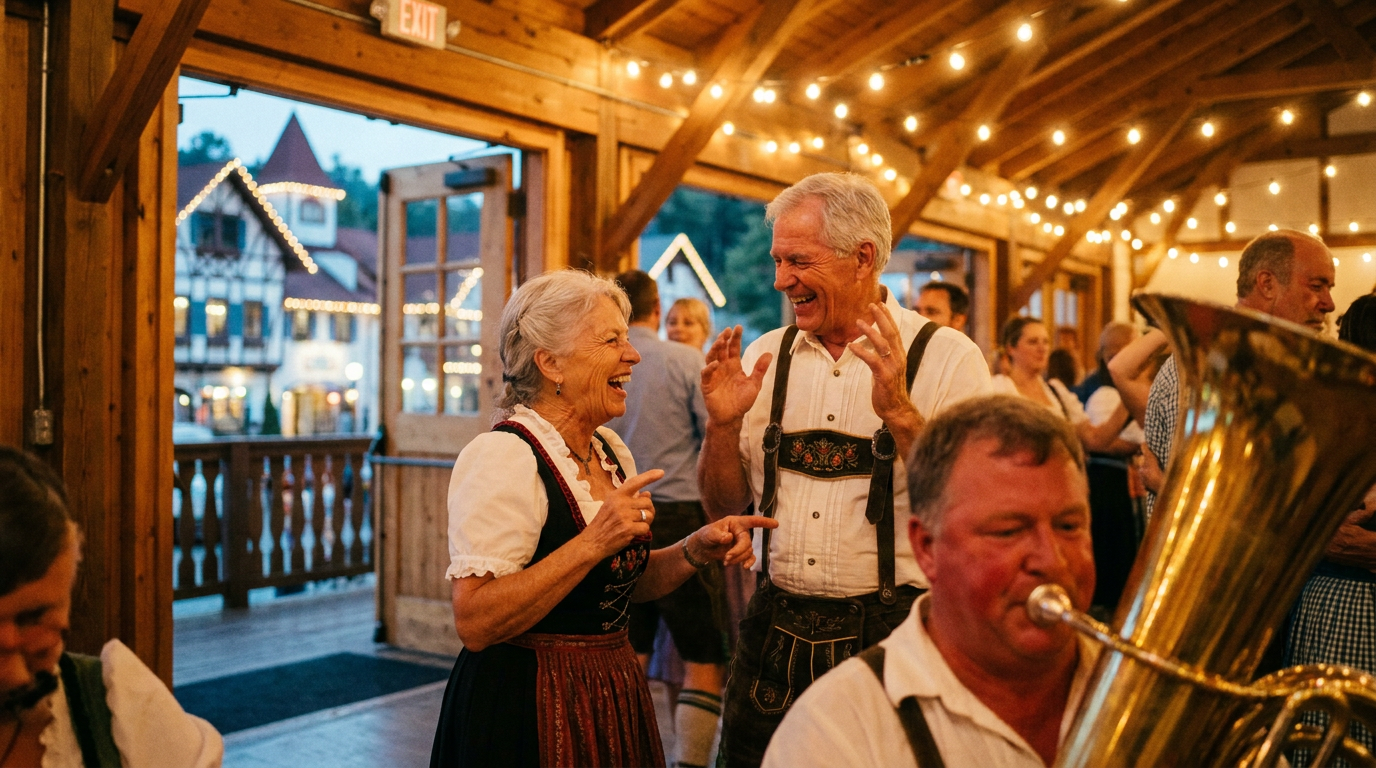
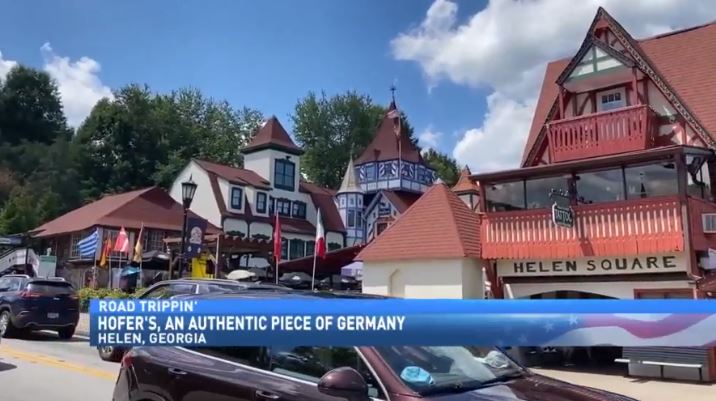
Helen offers one of the most visually distinctive Oktoberfest trips in America. The North Georgia mountain town adopted a Bavarian-inspired architectural identity decades ago, so the celebration continues beyond the doors of its Festhalle and into the surrounding streets, shops and scenery.

The 56th annual Helen Oktoberfest begins September 10. It operates Thursday through Sunday during September, then nightly from October 1 through November 1. That extraordinary run gives visitors unusual flexibility and makes Helen the choice for anyone who wants fall foliage, a cabin weekend and German music in one itinerary.

The opening parade takes place September 12, followed by the first keg tapping. Inside the Festhalle, bands, dancing, food and drink supply the classic experience. Outside, the Blue Ridge foothills provide the backdrop.

Do not miss: Pairing an afternoon scenic drive or waterfall walk with an evening of dancing at the Festhalle.

6. Nashville Oktoberfest — Nashville, Tennessee

Best for: German heritage with a Music City pulse

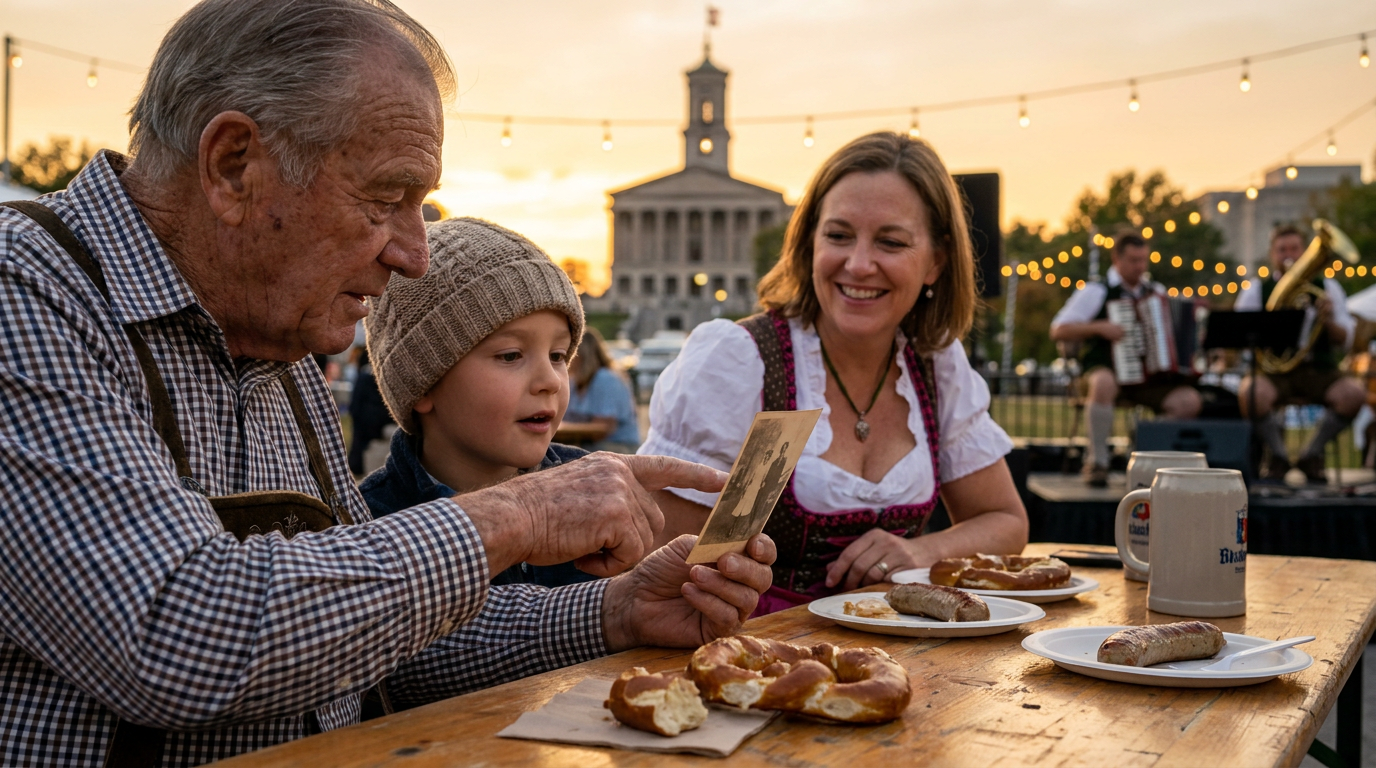
Nashville’s celebration has run consecutively since 1980 and returns October 1–4, 2026, at Bicentennial Capitol Mall State Park. It combines live music, German fare, beer, a 5K Bier Run, competitions and a pup parade in a setting close to downtown.

For Middle Tennessee families, this is proof that meaningful heritage discovery does not always require a cross-country trip. A festival afternoon can become the beginning of a larger family conversation: Which part of Germany did our ancestors leave? What recipes survived? Which names were changed or Anglicized? What should we preserve next?

Nashville also demonstrates how German-American traditions continue to evolve. The music and contests feel distinctly American, yet the communal tables, food, toasts and fellowship still point toward the festival’s Bavarian source.

Do not miss: Arrive for the cultural programming, stay for the music, and use the experience to start one new family-heritage tradition.

7. Leavenworth Oktoberfest — Leavenworth, Washington

Best for: The most cinematic setting

Leavenworth sits against the Cascade Mountains, and its Bavarian-style downtown gives Oktoberfest an almost storybook backdrop. The official 2026 celebration runs on October 2–3, 9–10 and 16–17, with three stages across the Festhalle and Front Street Park venues.

This is the Oktoberfest to choose when the journey matters as much as the tent. Mountain views, autumn color, local businesses and walkable streets turn a festival ticket into a full destination weekend. The programmed beer gardens offer local and German beers, food, bands and dancing, while the Kinderplatz gives families a dedicated area.

Lodging can fill quickly, so planning ahead matters here more than at many single-day city events.
Do not miss: The contrast of a lively brass band in the foreground and the quiet Cascades rising behind the town.

8. Zeeco Oktoberfest Tulsa — Tulsa, Oklahoma

Best for: Ending the season with one enormous “Prost!”

Tulsa saves one of America’s most energetic celebrations for late October. Running October 22–25, 2026, at River West Festival Park, Zeeco Oktoberfest Tulsa describes itself as an authentic Bavarian celebration patterned after Munich.

Large tents, bands, German-inspired food, beer and an enthusiastic schedule of competitions create the immersive atmosphere. The games include stein holding, a MassKrug relay, dachshund racing and a beer-barrel race. The Markthaus adds more than 60 arts-and-crafts booths with handmade items and German wares.

Because Tulsa arrives after many September festivals have packed away their banners, it makes a natural season finale. By then, your stein-holding arm should be properly trained.

Do not miss: Move between the tents, watch a competition and stay long enough to experience the evening crowd at full song.

Four More Celebrations Worth the Detour

The American Oktoberfest map is too rich to stop at eight. Consider these heritage destinations as well:

  • New Ulm, Minnesota — October 2–3 and 9–10: A city with unusually visible German heritage, multiple celebration sites, music, food, parades and a strong community identity.
  • Fredericksburg, Texas — October 2–4: German-Texan history, five stages of continuous music, artisan vendors, children’s activities, beer and Texas wine in the Hill Country.
  • Hermann, Missouri — weekends throughout October: A relaxed, town-wide celebration pairing German heritage with Missouri wine country, autumn scenery, food, music and historic streets.
  • South Florida: Oktoberfest Miami and the American German Club of the Palm Beaches offer long-running, club-based celebrations where German-American organizations remain at the heart of the experience.

How to Choose—and Enjoy—Your Oktoberfest

Start with the kind of memory you want to make. Choose Cincinnati for scale, Helen or Leavenworth for a destination escape, Mount Angel or New Ulm for a community-centered heritage experience, Denver or Nashville for city energy, Addison or Fredericksburg for Texas flair, and Tulsa for the late-season grand finale.

Then plan like a seasoned festival traveler:

  • Check the official site immediately before leaving; schedules, weather policies and entry rules can change.
  • Reserve lodging early in destination towns, especially Helen and Leavenworth.
  • Use shuttles or public transportation when available, and always arrange a sober ride.
  • Visit earlier in the day for a calmer, more family-focused atmosphere.
  • Wear a dirndl or lederhosen if you enjoy it—but remember that participation matters more than costume.
  • Try something beyond the first bratwurst. Look for regional sausages, schnitzel, potato pancakes, red cabbage, strudel, tortes and local specialties.
  • Ask musicians, cooks, craftspeople and heritage organizations about the traditions they preserve.
  • Bring home a story, recipe, family photograph or new German word—not only a souvenir mug.

“The best Oktoberfest souvenir is the moment your group of friends or family decides, ‘We should do this together again next year.’”
— GERMAN HERITAGE USA

America’s Oktoberfests are not replicas of Munich, and they do not need to be. They are German-American creations: part inheritance, part reinvention and part open invitation. Each city adds its own landscape, accent and personality. Together, they show that heritage stays alive when people gather around it.

So choose your city. Mark the calendar. Invite the relatives who always say, “We need to get together more often.” Learn the story behind one family name or recipe before you go. Then step beneath the festival banners and listen for that flare in the darkness—the old culture shining into a new generation.

Discover it. Celebrate it. Preserve it.

Got A Little German In You? Your German Heritage Is Calling You!

What Foods Did Your German Ancestors Eat? Traditional Recipes That Still Bring Families Together

An early-September journey from the farm kitchens and coastal tables of 1800s Germany to the German-American suppers, holiday recipes and treasured family traditions of the Midwest.

Early September is a delicious time to think about family history. Gardens are still offering tomatoes, beans and late-summer herbs. Apple trees are beginning to bend under their fruit. Kitchens are slowly shifting from quick summer meals to breads, roasts, soups and recipes that seem to belong to cooler evenings.

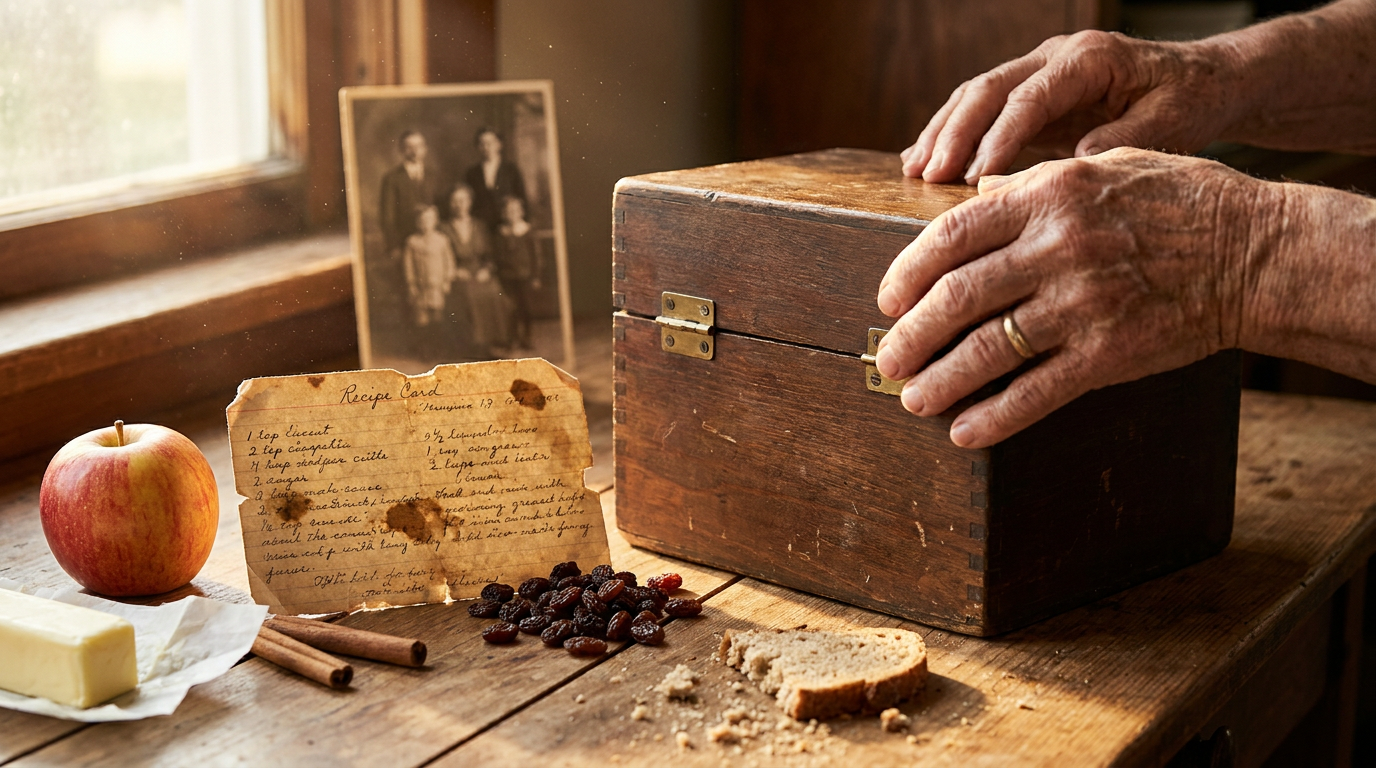
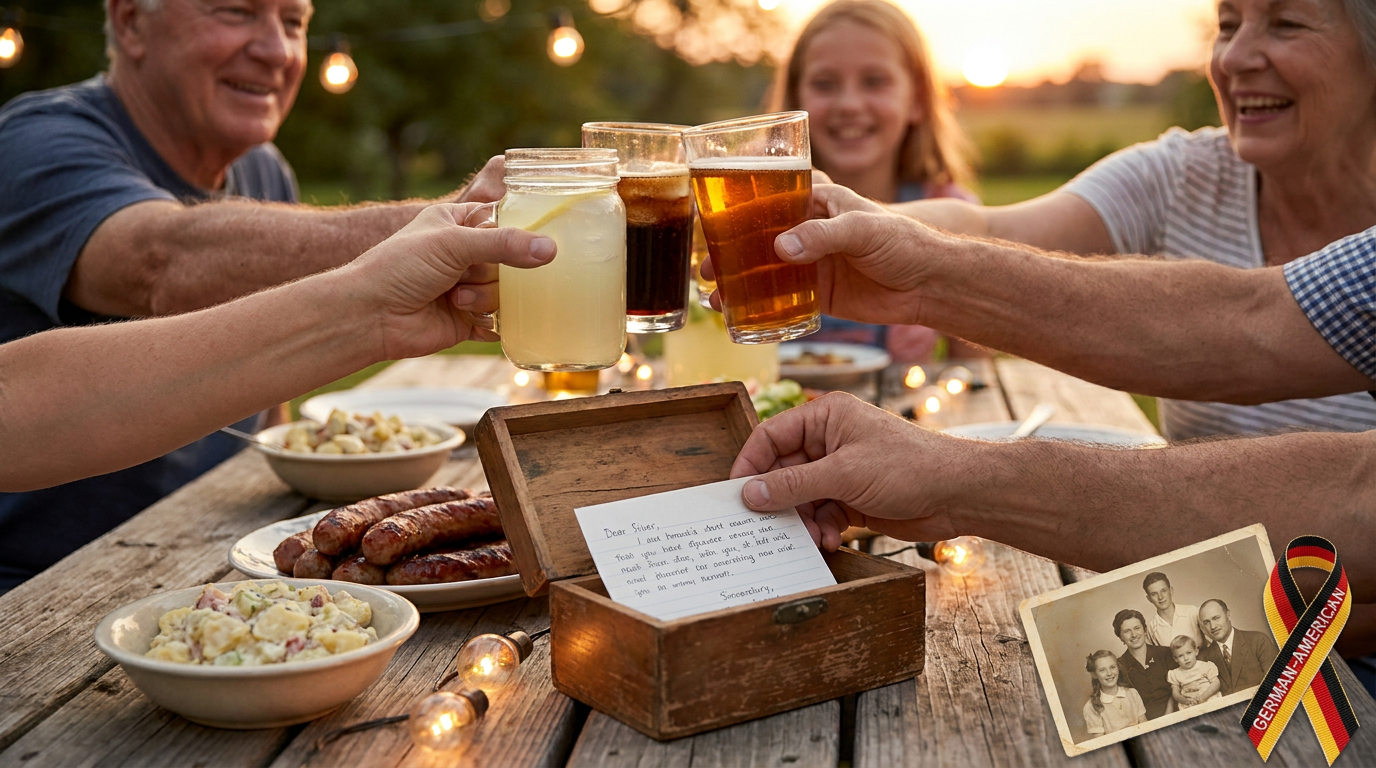
And somewhere in America, someone is opening an old recipe box.

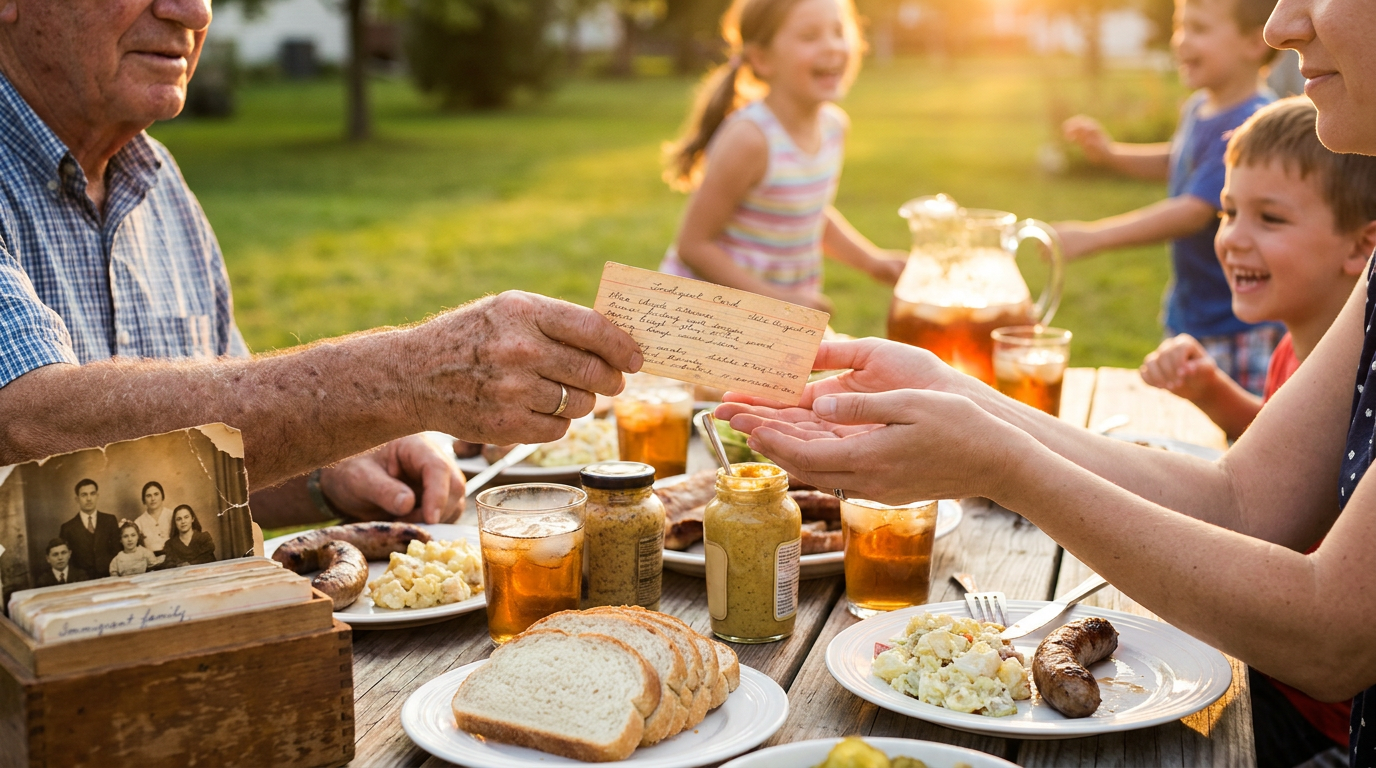
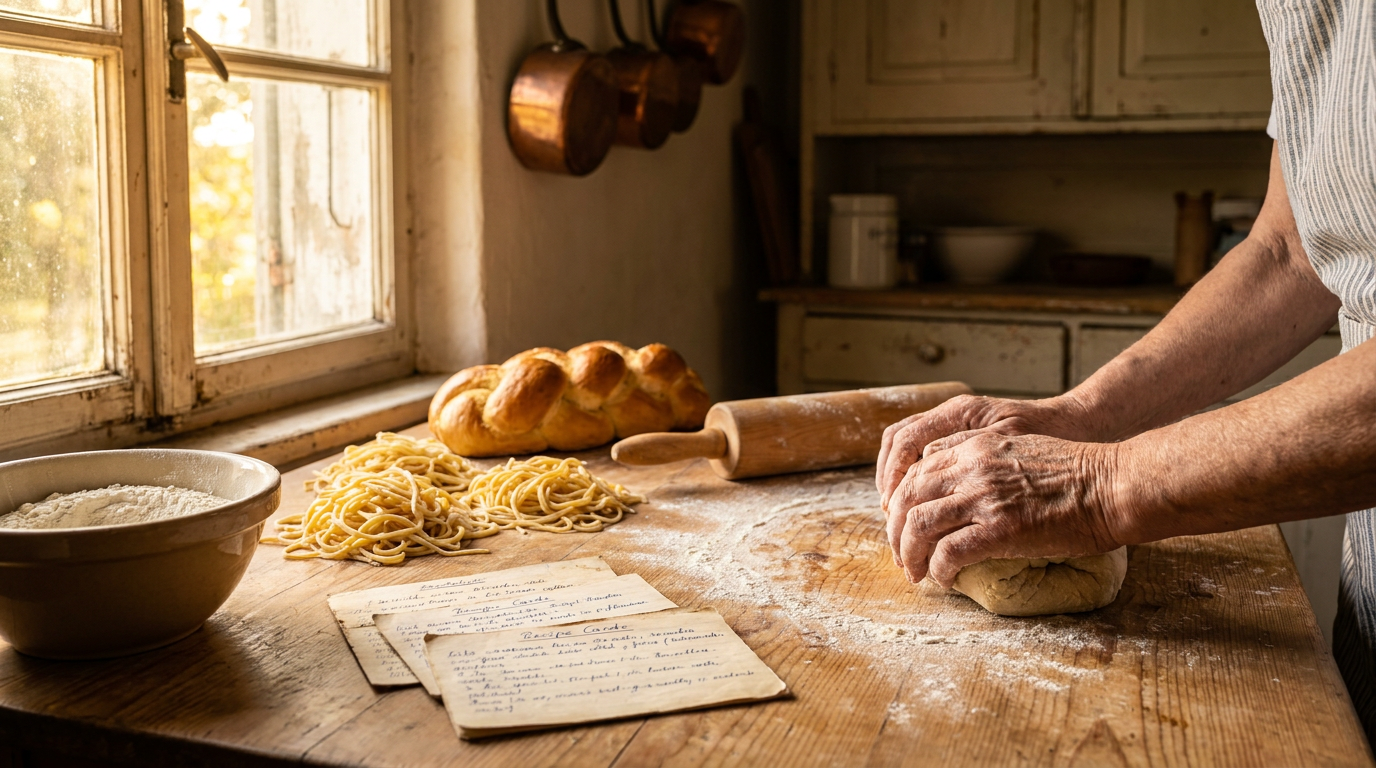
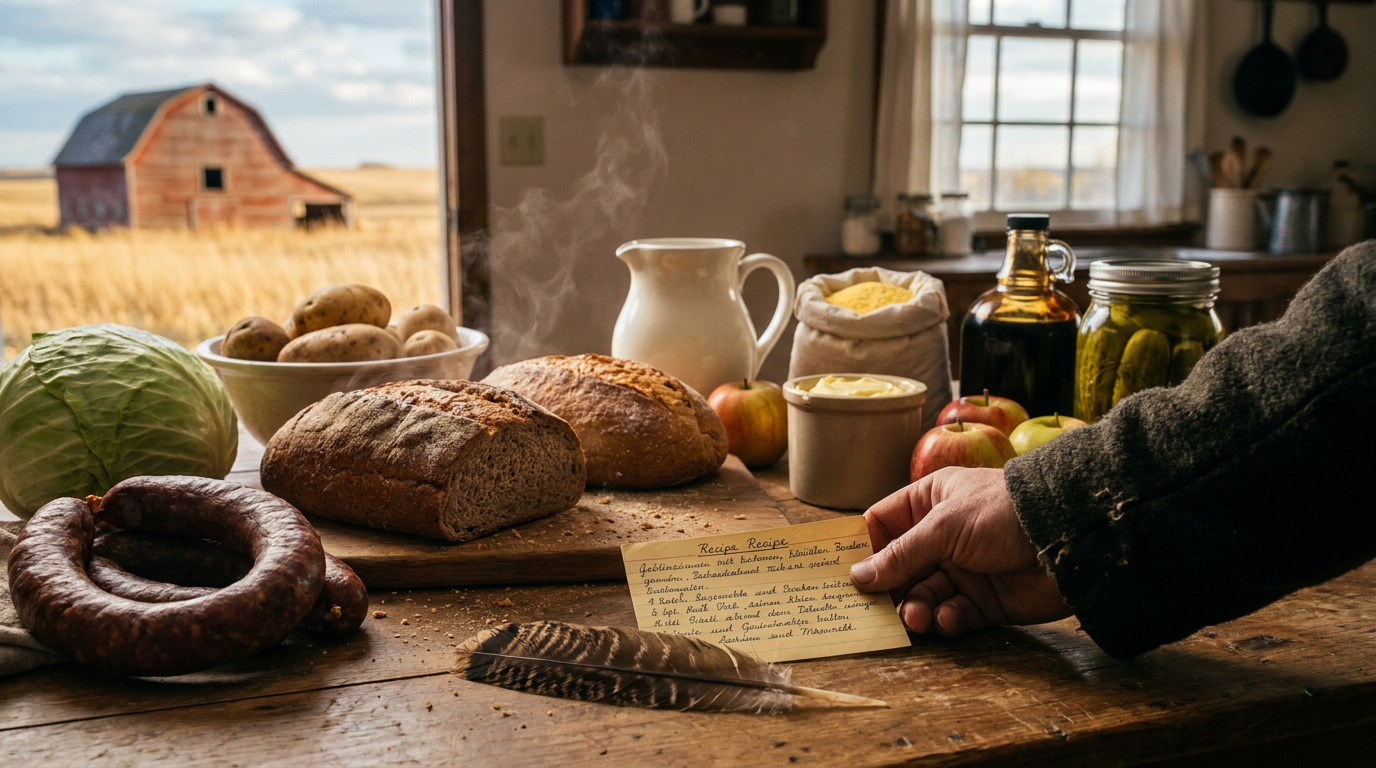
The card inside may be stained with butter. The measurements may include the highly scientific instruction “until it looks right.” The recipe may be written in English, German or a determined mixture of both. Nobody remembers exactly when the family began making it—but everybody knows who is supposed to bring it.

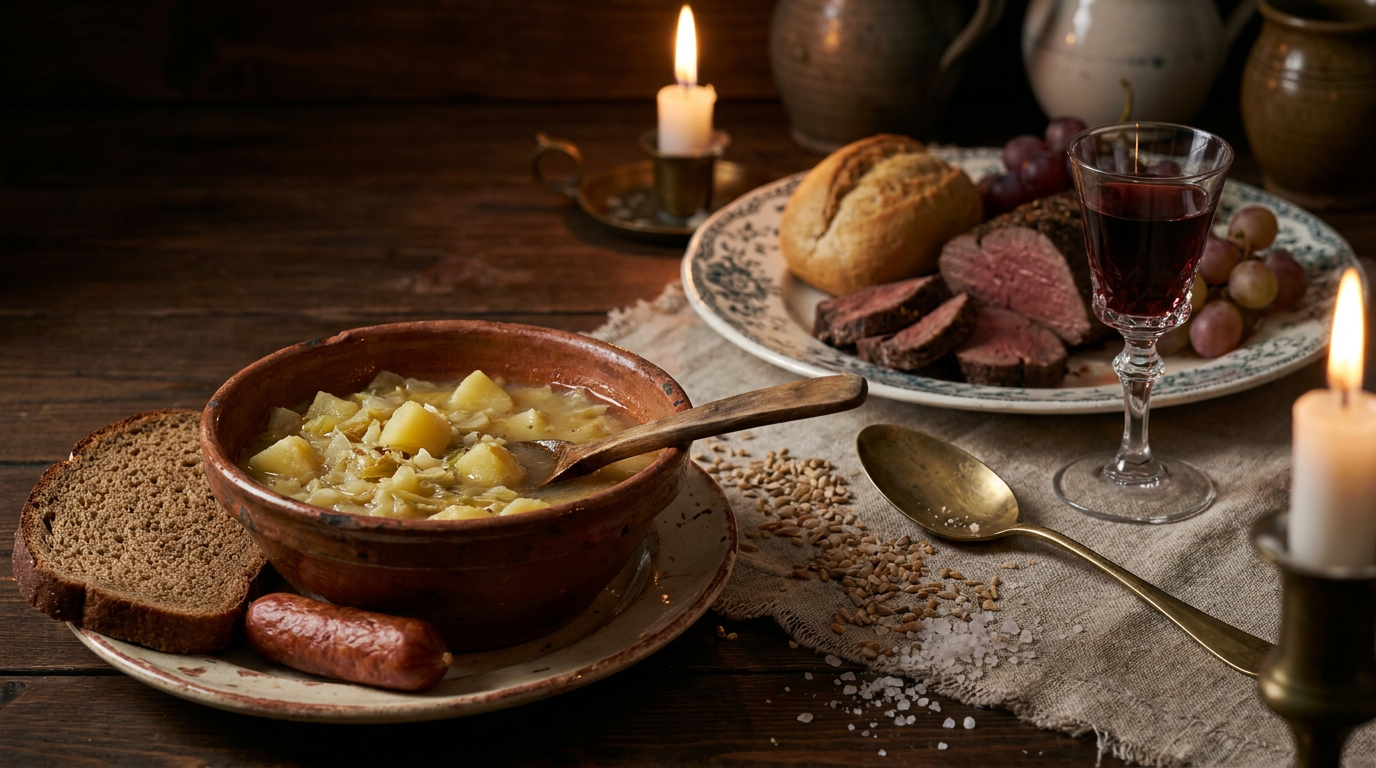
That is the magic of German-American food. It is not simply a collection of dishes. It is a trail of clues. Rye bread may point north or east. Spätzle may whisper of Swabia. A Christmas goose may recall an Old World celebration, while the turkey beside it tells an American chapter. Apples, cabbage, pork, raisins, cinnamon, beer and wine can reveal geography, farming, trade, faith, season and social class.

So what did your German ancestors actually eat?

The honest answer is wonderfully complicated: it depended on where they lived, what they could grow, what they could afford and whether it was an ordinary Tuesday or Christmas Day.

“A family recipe is history you can smell before anyone says a word.” — GERMAN HERITAGE USA


There Was Never Just One German Table

During much of the 1800s, “Germany” was not yet the single nation we recognize today. Unification came in 1871. Before that, German-speaking families lived among kingdoms, duchies, principalities, free cities and rural territories, each with its own fields, waterways, markets and food habits.

Even within one region, the landlord, shopkeeper, farm laborer and prosperous farmer did not eat alike. A wealthy household might serve roast venison, pheasant, fine wheat rolls, imported spices and wine. A laboring family could build most meals around dark bread, potatoes, cabbage, beans or soup, with meat appearing in modest amounts. An 1887–1888 study of two working-class households found that bread absorbed the largest share of food spending; meat and sausage were important, but butter, eggs, fruit, sugar and beer varied sharply according to household means.
That distinction matters. Today’s restaurant platter of schnitzel, sausages, dumplings and cake is a celebration. It is not a photograph of every ancestor’s daily supper.

The practical German kitchen was built on seasonality and thrift. Families ate what the land, sea, farmyard, forest and cellar could provide. They salted, smoked, dried, fermented, pickled and preserved because winter did not accept excuses.

Northern Germany: Rye, Fish, Pork, Cabbage and the Coastal Pantry

Across Schleswig-Holstein, Holstein, Hamburg, Bremen, Lower Saxony, Mecklenburg and the Baltic and North Sea coasts, northern cooking reflected cooler weather, flatter farmland, maritime trade and access to rivers and sea.

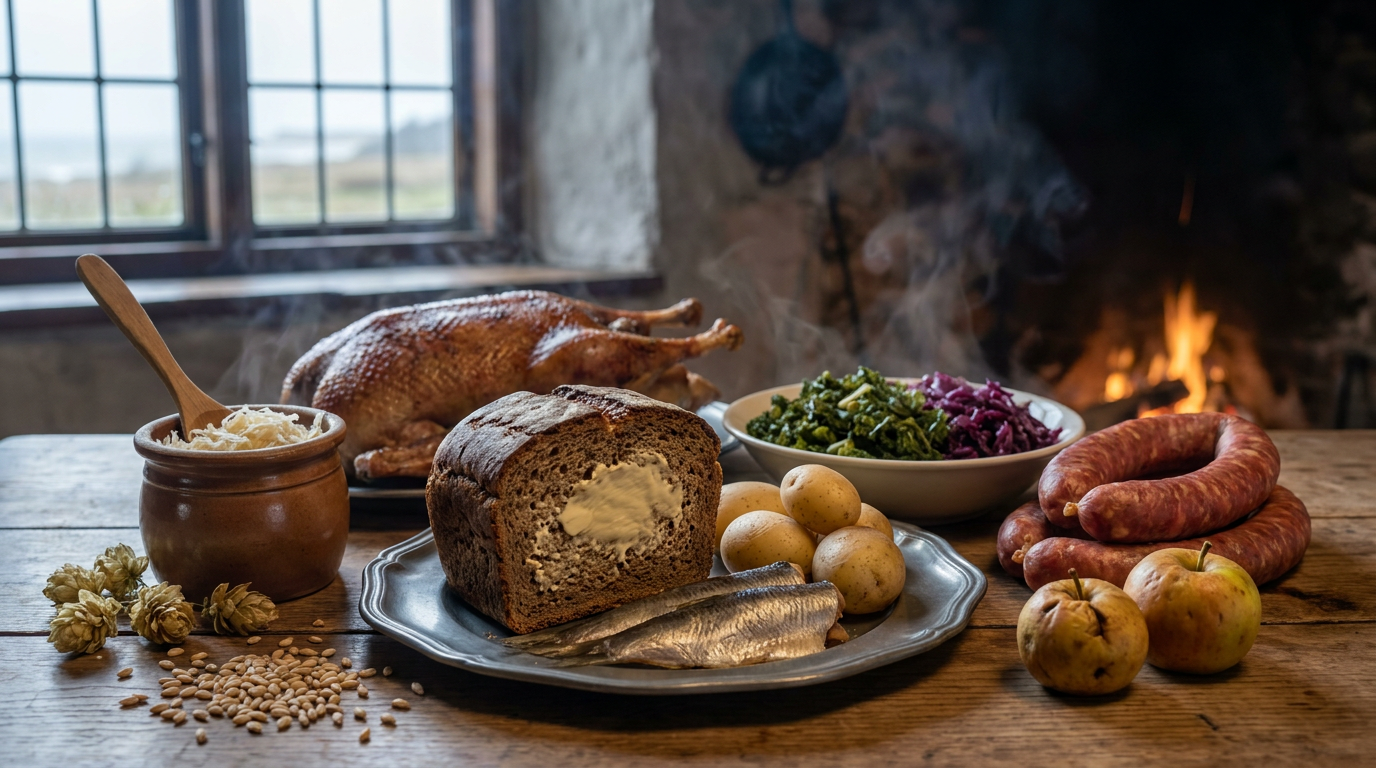
Rye was one of the great northern grains. Dense rye breads kept well, traveled well and paired naturally with butter, cheese, sausage, smoked meat or fish. Wheat existed, but a fine white wheat loaf generally required better grain and more expense. Barley and oats appeared in porridge, soup, animal feed and brewing; buckwheat was important in some districts. Potatoes became indispensable, especially among poorer families, and were boiled, mashed, fried, added to soup or served beside preserved meat.
Cabbage was a hero of the northern pantry. White cabbage could become sauerkraut, while kale, turnips, carrots, peas, beans, onions and beets helped stretch the harvest into the cold months. Pork was especially practical because nearly every part of the animal could be used. Fresh pork was a treat; bacon, ham, sausage, lard and salted or smoked cuts made the annual slaughter last. Beef was eaten too, although cattle were valuable for milk, breeding and work, so beef was not automatically an everyday food.
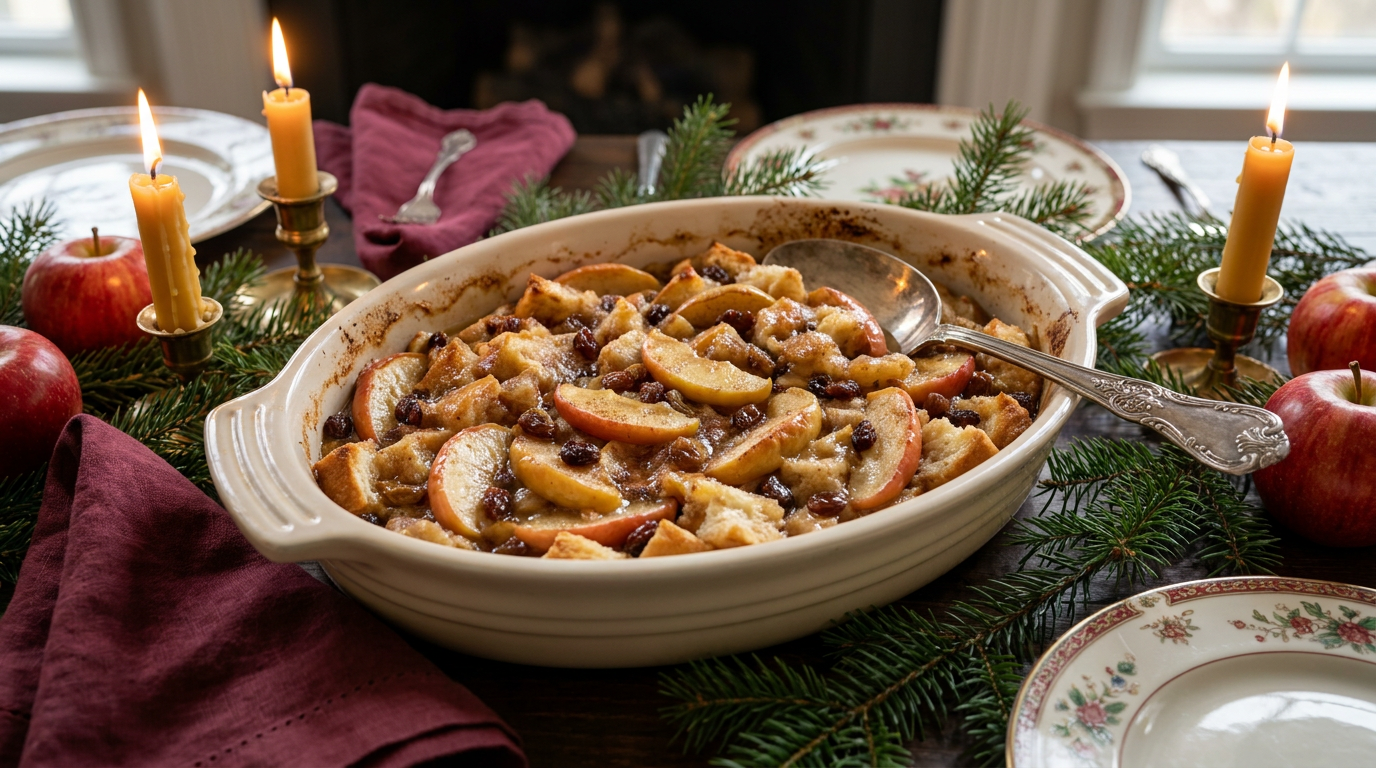
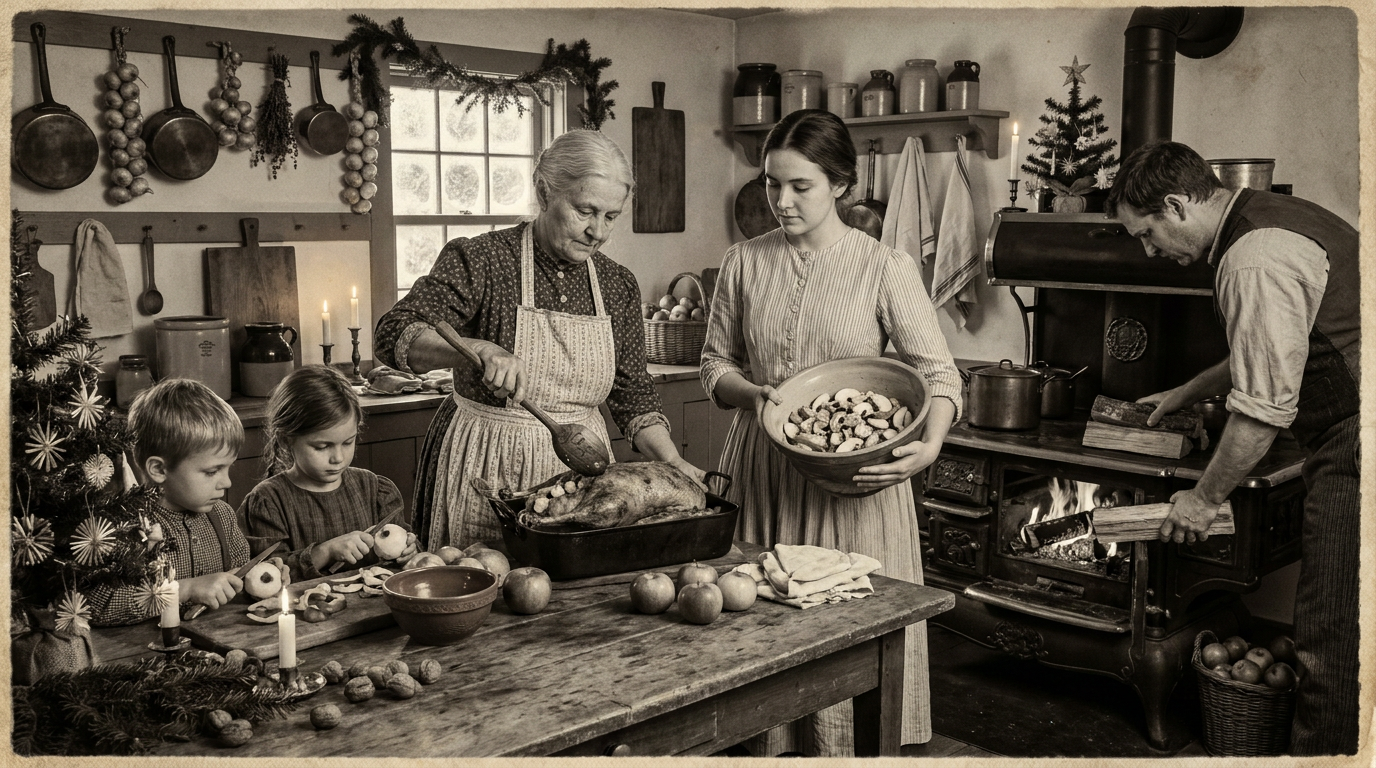
Near the coasts and waterways, fish changed the menu. Herring could be salted, smoked or pickled. Eel, cod, flounder and other regional catches joined freshwater fish where available. Coastal towns had greater access to seafood than inland villages, and preserved fish could travel farther than fresh fish.

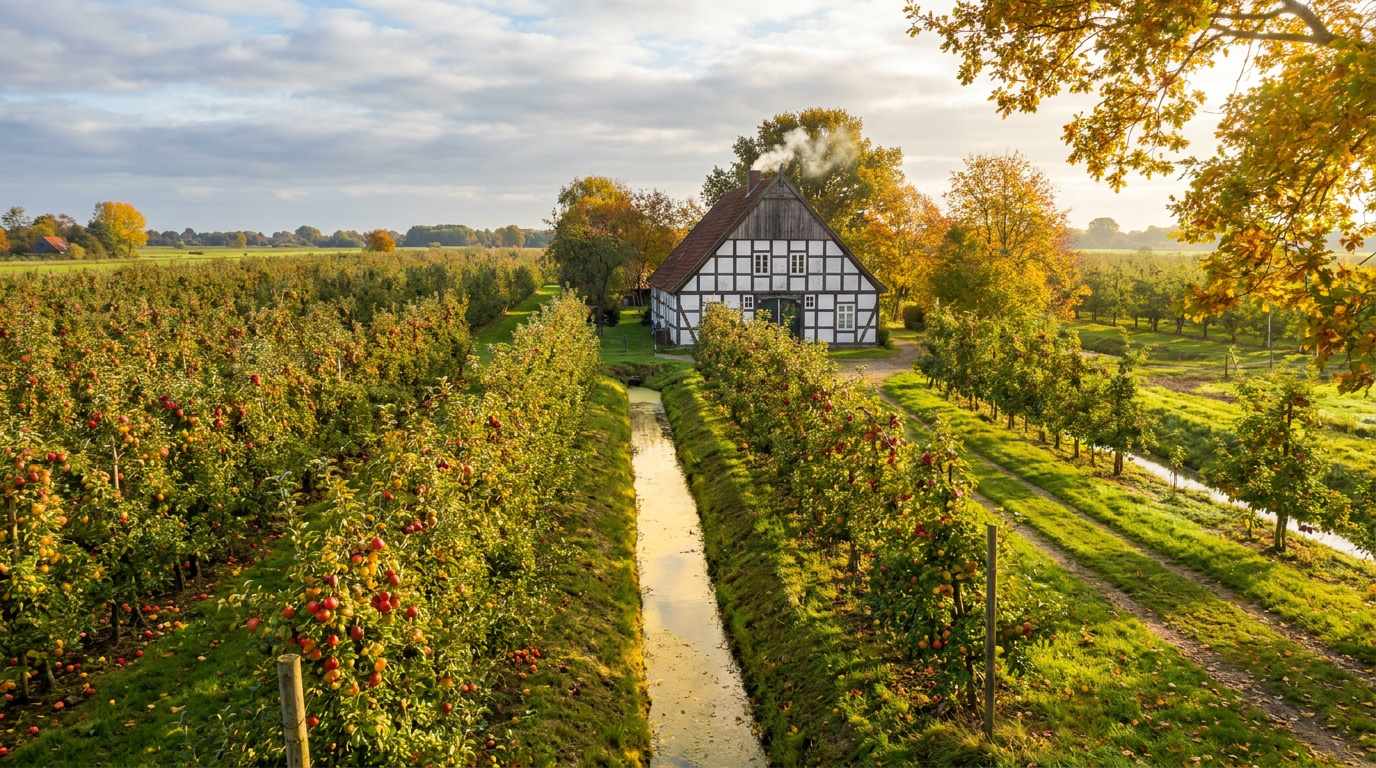
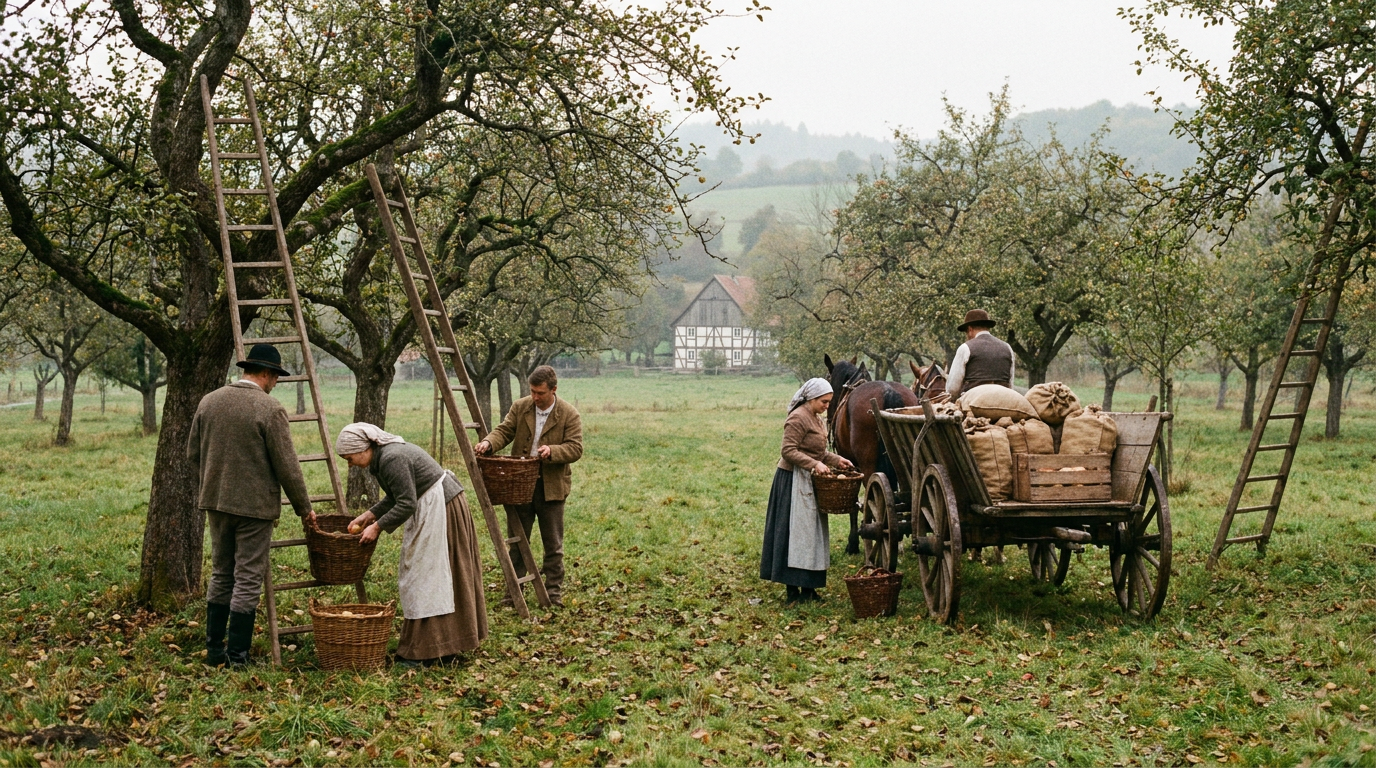
Farmyards supplied eggs, milk, butter, quark and cheese. Chickens were common, while duck and goose could be both practical farm birds and festive centerpieces. Roast goose became especially connected with holiday meals. Apples and pears flourished in northern orchards—including the famous fruit-growing country along the lower Elbe—and could be eaten fresh, dried, baked or cooked into sauces and fillings.

Pheasant and venison belonged to the story, but usually not to the daily table. Hunting access, local game laws, land ownership and wealth all mattered. A farm family might eat rabbit, hare or other available game; a landed or prosperous household was more likely to present pheasant or venison as a prized roast.

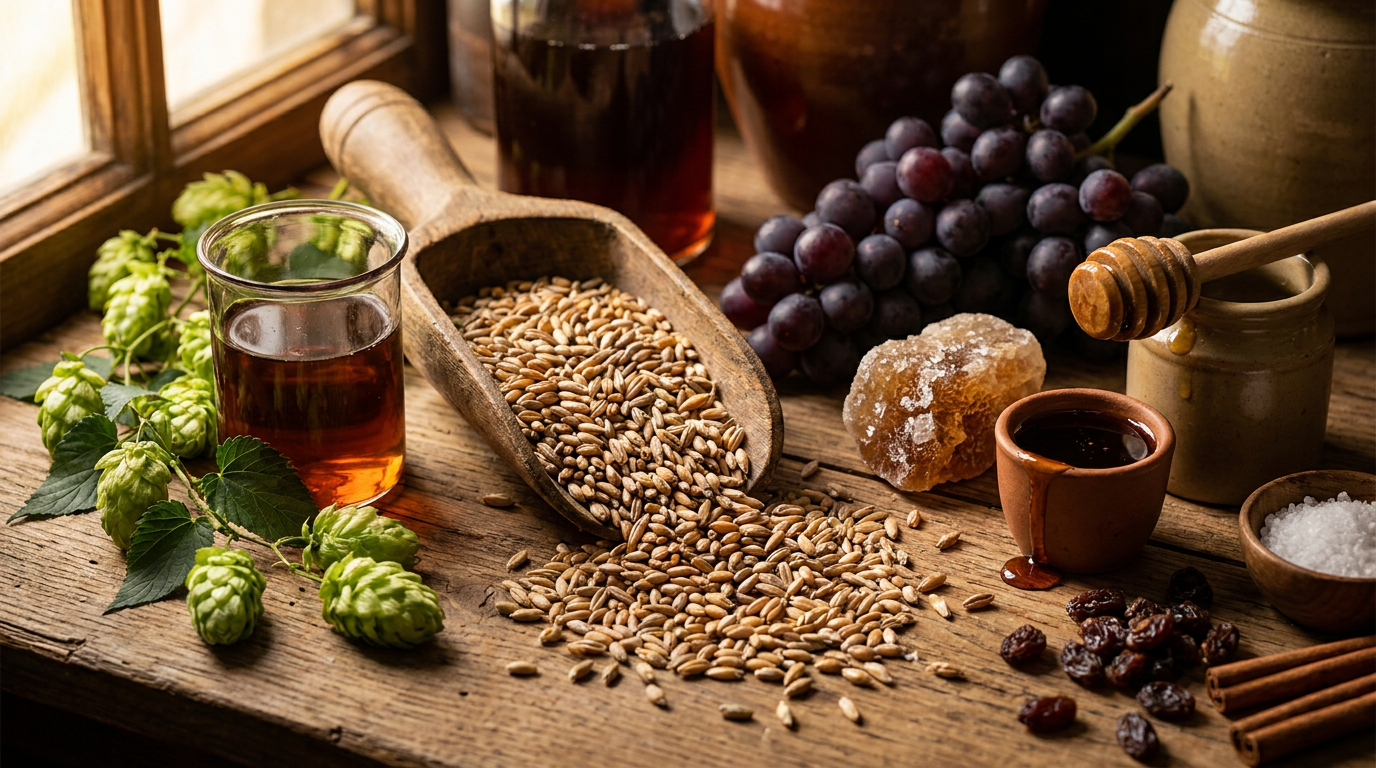
And what about raisins, sugar, honey and molasses? Honey was the older local sweetener. Raisins, cinnamon, pepper, cloves and cane sugar arrived through trade and were more likely to be reserved for baking and special meals than scattered casually into weekday food. During the 1800s, Germany’s growing beet-sugar industry gradually made sugar more accessible. Dark beet syrup was familiar in some regions, but American sorghum or cane molasses became an especially useful substitute after immigration.

Beer was brewed from barley and hops, and grain spirits were also familiar. Northern families did drink wine, especially when trade and income allowed, but vineyards and everyday wine culture were far more strongly associated with western and southern wine-growing regions.

Southern Germany: Wheat, Spelt, Dumplings, Beer and Wine Country

Move south toward Bavaria, Swabia, Baden, Württemberg, Franconia and the Alpine foothills, and the culinary landscape changes.

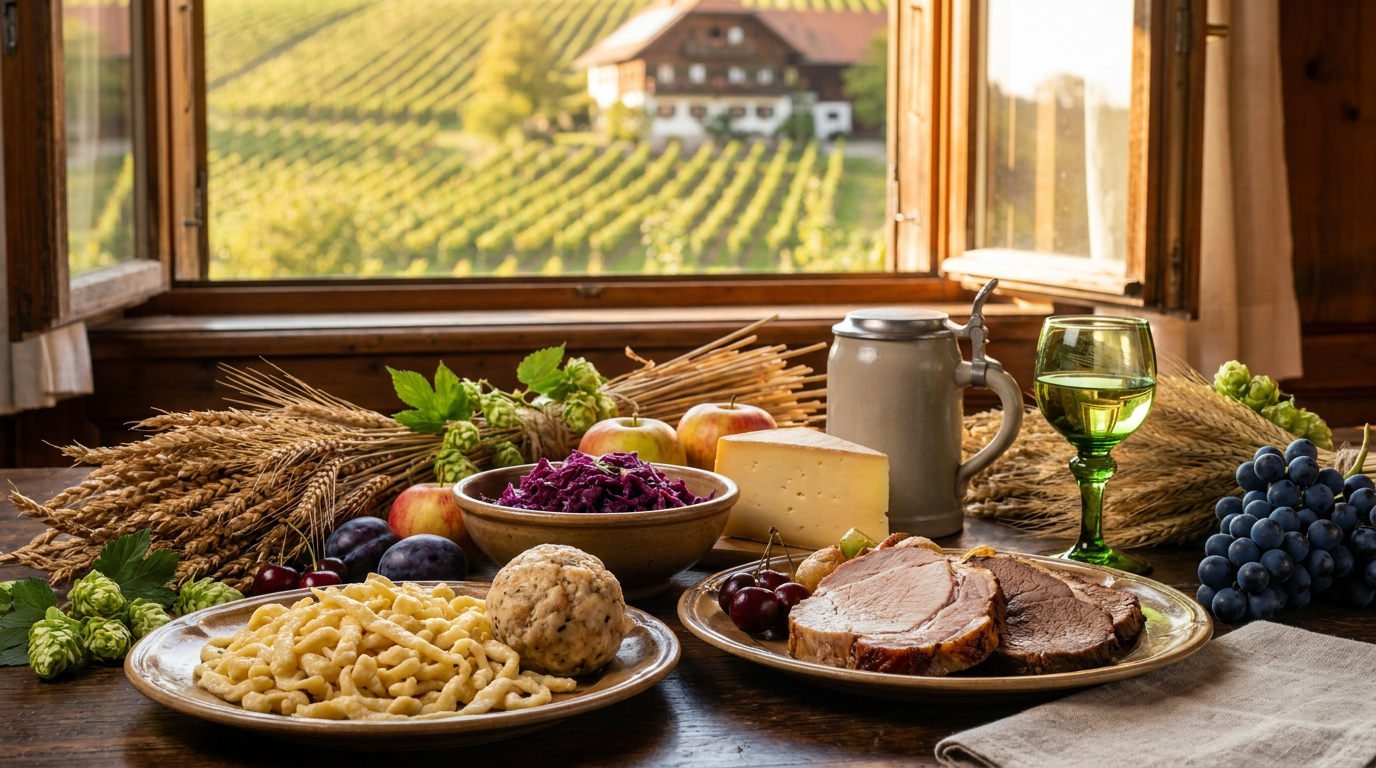
Wheat and spelt played a larger role in many southern and southwestern areas. Bakers produced breads and rolls; home cooks turned flour and eggs into noodles, dumplings and Spätzle. Potatoes still mattered, but they shared the plate with flour-based foods such as Knödel, Maultaschen and other regional preparations. Dairy farming contributed milk, butter, cream, soft cheeses and firmer Alpine cheeses.

Pork remained central. Sausages, roast pork, ham and bacon differed from town to town because seasoning and butchering were intensely local. Beef and veal appeared in soups, boiled dishes and roasts when households could afford them. Chickens, ducks and geese were raised, and woodland or mountain regions offered venison, hare and game birds. Once again, a magnificent pheasant tells us more about a feast—or privilege—than about the average noon meal.

Southern kitchens used cabbage, sauerkraut, onions, leeks, peas, beans, lentils, turnips and seasonal greens. Orchard fruits included apples, pears, plums and cherries. Fruit could be dried, preserved, folded into dumplings, baked beneath crumbs or cooked into sauces that accompanied meat.

The grape question is especially regional. In the Rhine, Moselle, Palatinate, Baden, Württemberg and Franconian wine districts, grapes and wine were woven into local agriculture and identity. A vineyard family could live in wine country while a farmer only a few ridges away lived in potato country. Bavaria, meanwhile, became famous for barley, hops and beer. Beer and wine were not rivals so much as geographic neighbors, each reflecting the soil and climate beneath it.

Bread, potatoes and soup still did the daily work. The glorious roasts, rich sauces, fruit pastries and festival foods we remember were often Sunday dishes, harvest dishes, wedding dishes or Christmas dishes. That made them more memorable—and more likely to survive in family storytelling.

The Everyday Pantry—and the Feast-Day Table

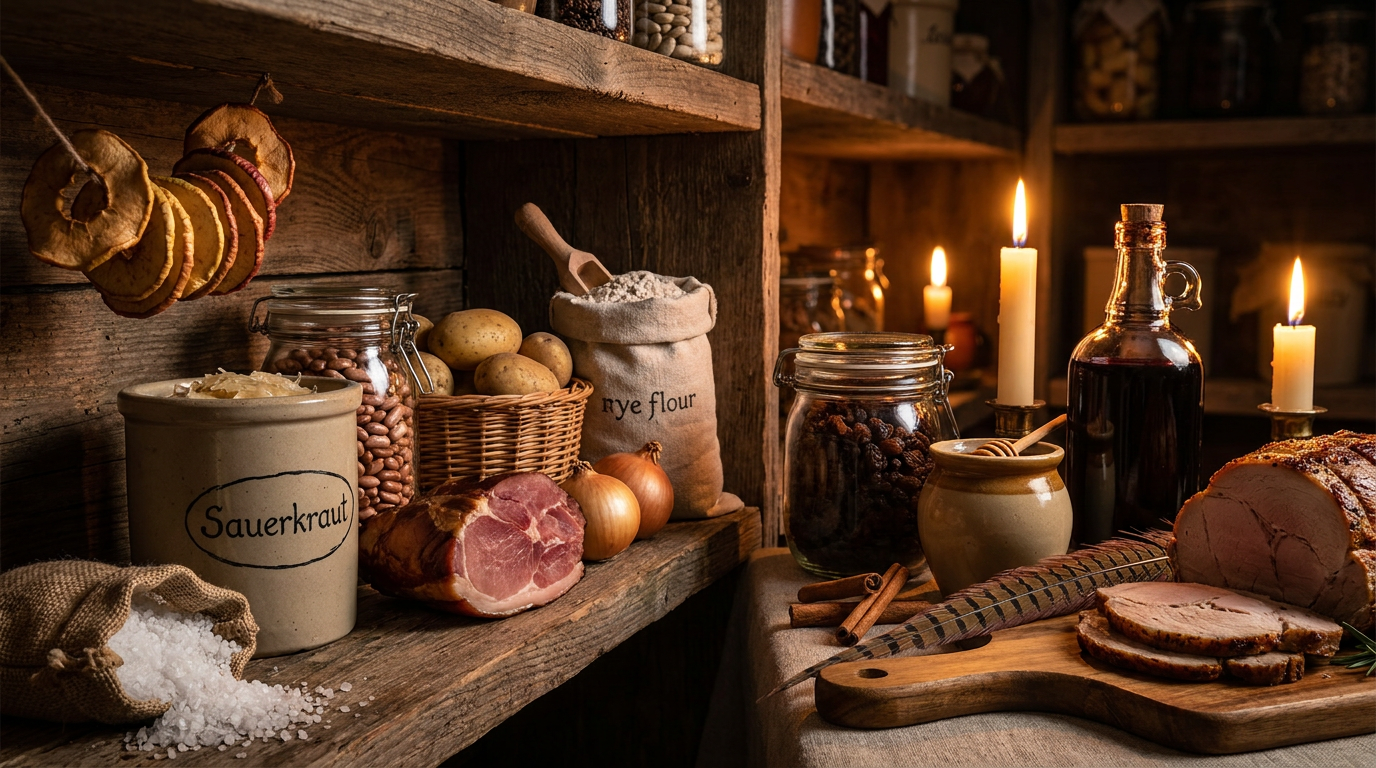
If we could open an 1800s German pantry, we might find rye, wheat, barley or oats; potatoes and dried beans; cabbage in a crock; onions hanging nearby; salt; lard or butter; dried apples, pears, plums or raisins; honey; vinegar; flour; and carefully guarded spices. A prosperous household would show greater variety. A struggling one might have bread, potatoes and little else.

Salt was essential, not decorative. It preserved pork and fish, protected food through winter and flavored meals that depended on a small number of ingredients. Fermentation transformed cabbage into sauerkraut and cucumbers into pickles. Smoking protected ham, bacon, sausage and fish. Drying preserved fruit, mushrooms, herbs and legumes.
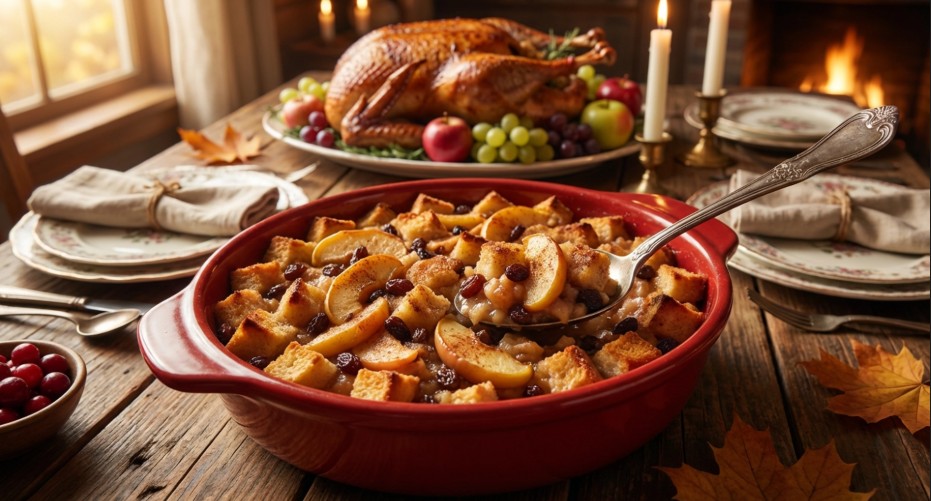
Sugar became more affordable as beet-sugar production expanded during the century, but sweetness still meant something. A spoonful of honey, sugar, syrup or molasses could turn ordinary bread and orchard fruit into holiday food. Cinnamon and raisins carried the aroma of occasion. That is why sweet breads, fruit-filled cakes and sweet-savory stuffings made such powerful memories: they tasted different from the working week.

When German Food Crossed the Atlantic

German immigrants who settled in the Midwest during the late 1800s did not find an empty pantry waiting for them. They encountered American corn, abundant wheat flour, new varieties of apples, larger supplies of beef and pork, local fish and wild game, and farm conditions that differed from the villages they had left.

They adapted with remarkable common sense.

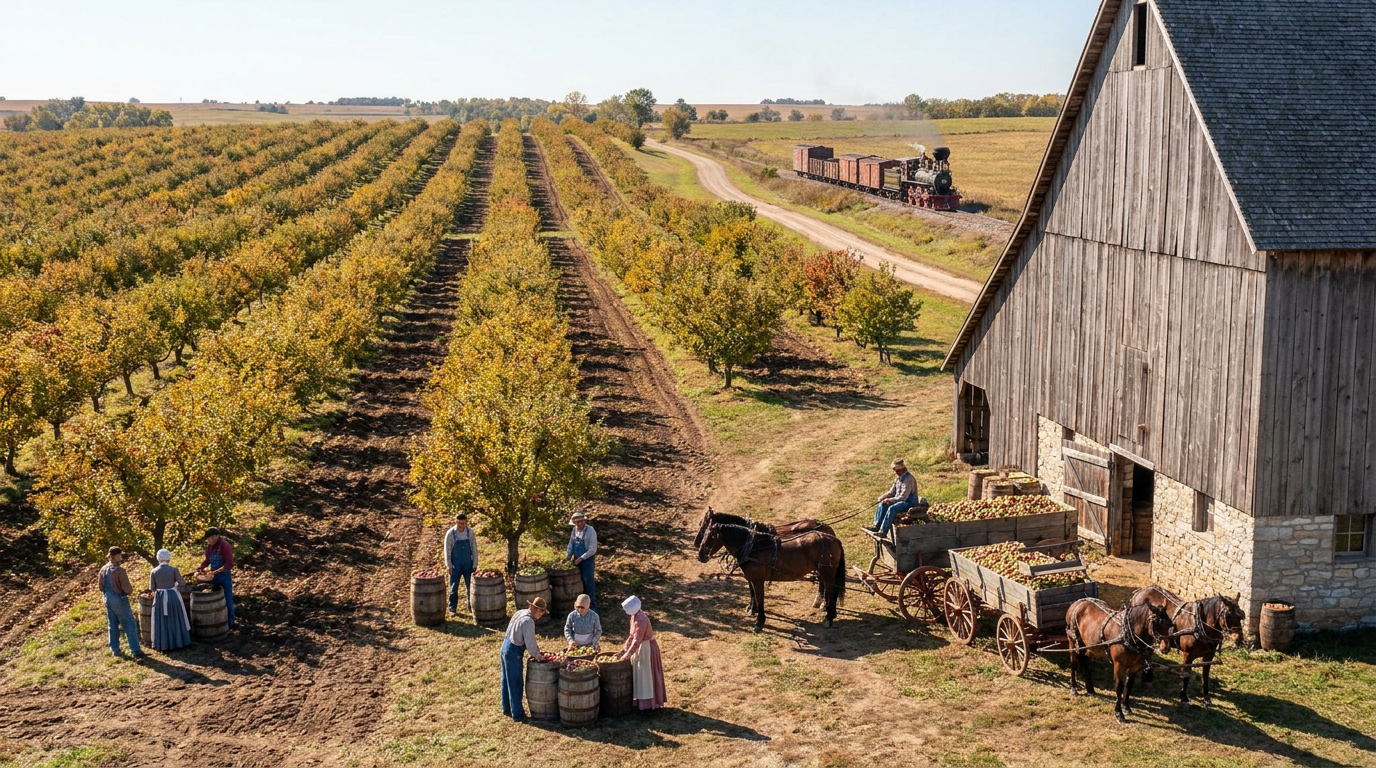
Rye bread continued where rye flour was available, but wheat bread became increasingly practical. Potatoes, cabbage, beans, onions, cucumbers and apples grew well across large areas of the Midwest. Families raised pigs, cattle, chickens, ducks and geese; made butter and cheese; preserved garden vegetables; butchered communally; smoked sausage; and stored fruit for winter. Deer, rabbits, fish and wild turkey could supplement the farm table. Sorghum molasses, cornmeal and other American ingredients entered kitchens without asking anyone to surrender a German identity.

The old methods survived because they worked. Sauerkraut still protected cabbage. Sausage still extended and preserved pork. Soup still made a little meat feed many people. Potato salad, dumplings, pickles, fruit butter, coffee cake and sturdy loaves still brought comfort. German immigrants also transformed American drinking culture: immigrant brewers helped lager become the country’s dominant beer style by the middle of the century, and Midwestern cities became famous for breweries, beer gardens and German conviviality.

The most interesting foods were often neither completely German nor completely American. They were immigrant foods—memories rebuilt with new ingredients.
“Your ancestors did not carry an entire kitchen across the Atlantic. They carried flavor memories—and rebuilt them with what America placed within reach.” — GERMAN HERITAGE USA

German Sweet Dressing: From Christmas Goose to American Turkey

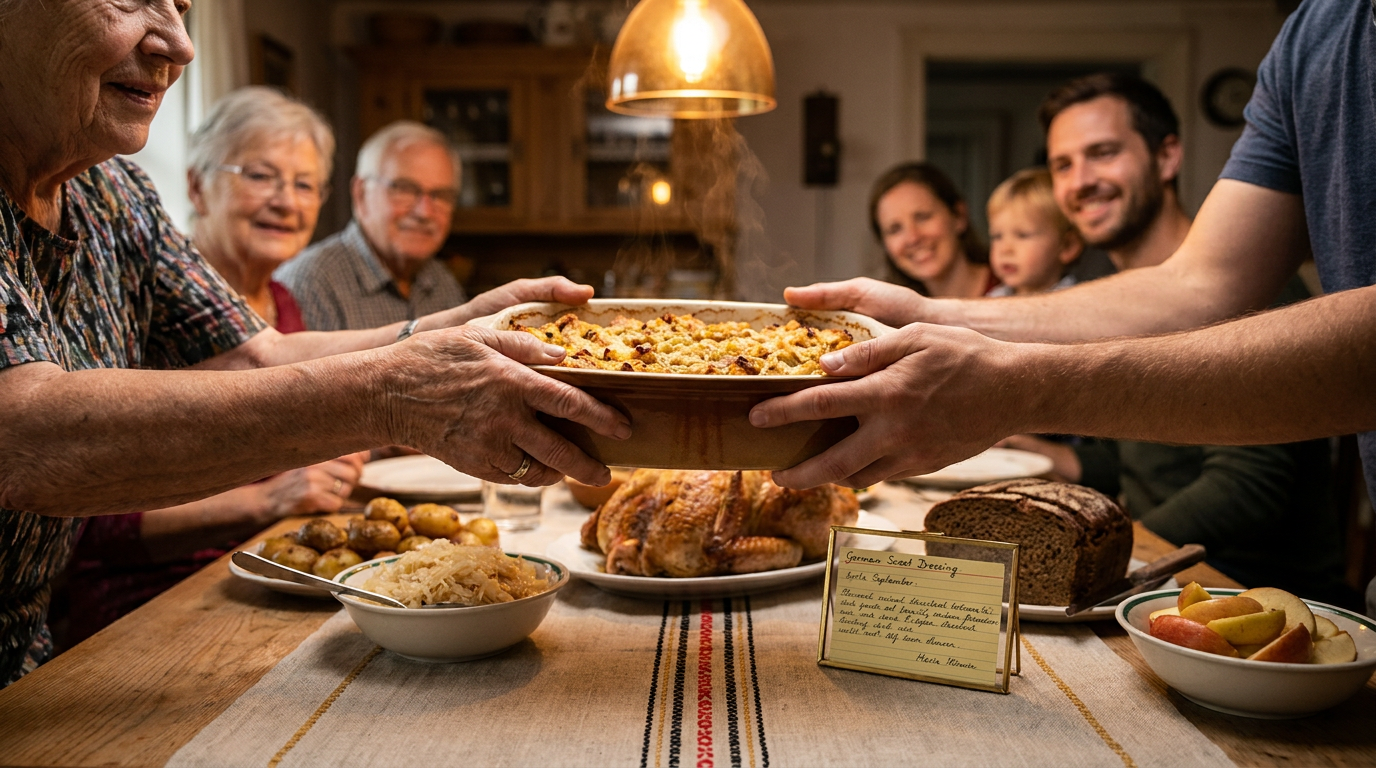
One especially meaningful example is German Sweet Dressing, a treasured Hingst family recipe with roots in Holstein in northern Germany.

The family tradition traces the dish to farm life near Seelent, where bread, butter, orchard apples, dried raisins, cinnamon and a modest sweetener were combined for a festive stuffing. In Germany, it accompanied—or filled—the Christmas goose. When the Hingst family immigrated in 1882 and established new lives in Iowa and Nebraska, the recipe traveled with them.

Then America joined the story.

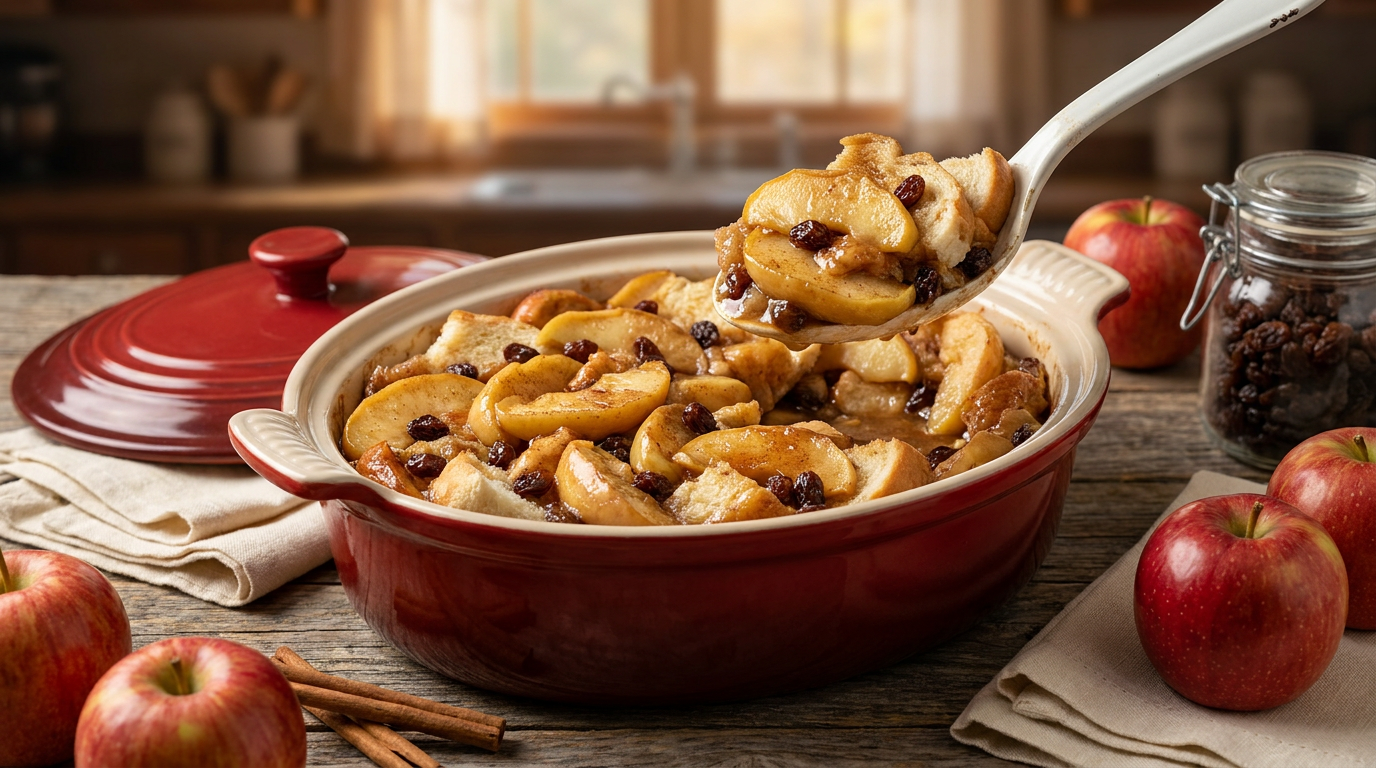
Goose remained meaningful, but turkey became a familiar holiday centerpiece. The same sweet dressing that had once filled a goose could fill a turkey. In later generations, many cooks moved it into a casserole dish and served it beside the bird. That simple change made it easier to prepare, safer to cook evenly and generous enough for everyone to claim a spoonful.

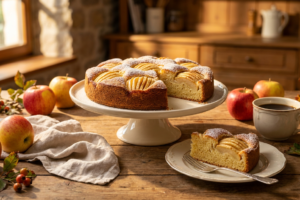
Its texture falls somewhere between traditional bread stuffing and a lightly sweet bread pudding. The apples bring moisture and brightness. Raisins provide little bursts of concentrated fruit. Butter adds richness. Cinnamon supplies the unmistakable scent of a holiday kitchen. Sugar, honey or molasses gives each family the power to choose its own accent: clean sweetness, floral warmth or dark frontier depth.

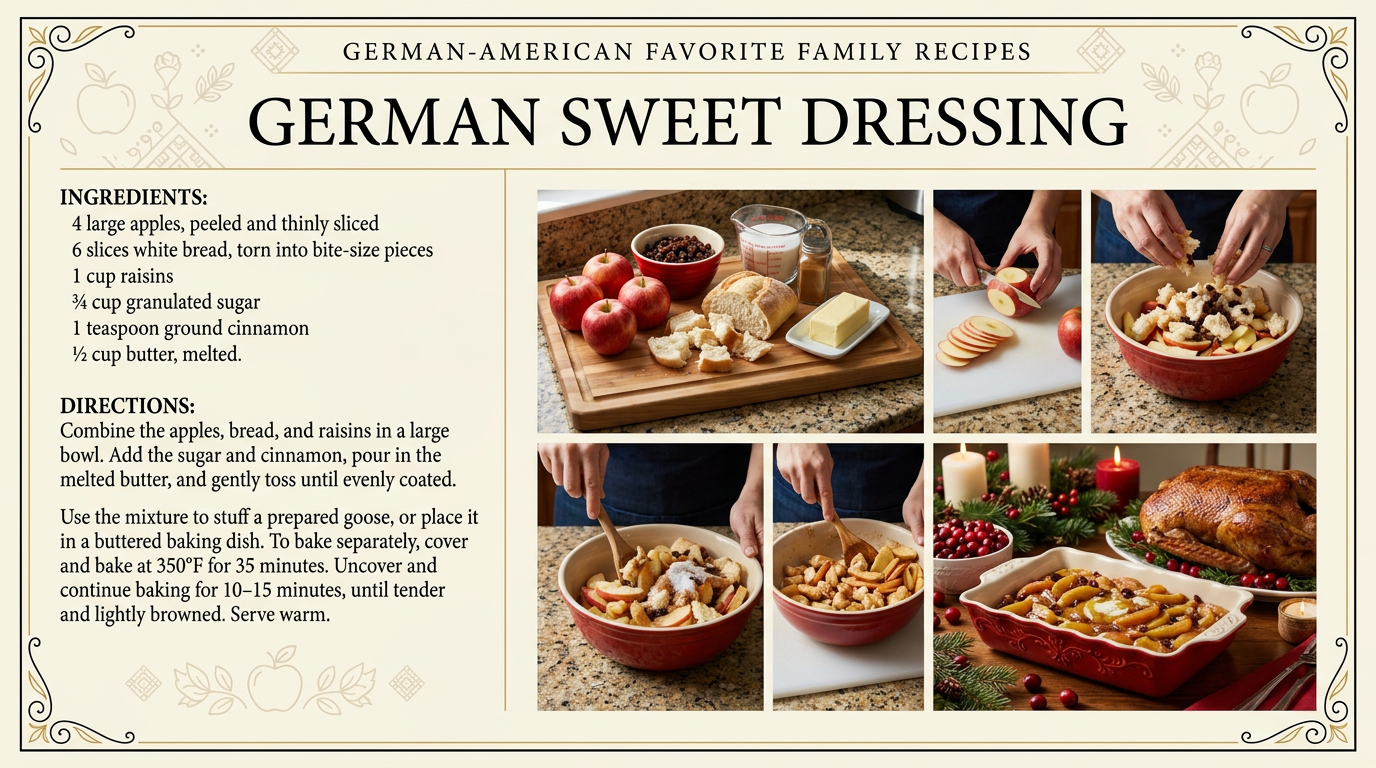
The Hingst Family German Sweet Dressing

Ingredients

8 cups cubed day-old bread

1/2 cup butter, melted

1/2 cup water

3 apples, diced

1 cup raisins

2 tablespoons sugar, honey or molasses

1 teaspoon cinnamon

1/4 teaspoon salt

Directions

Lightly toast the bread cubes so they are dry at the edges but not deeply browned.

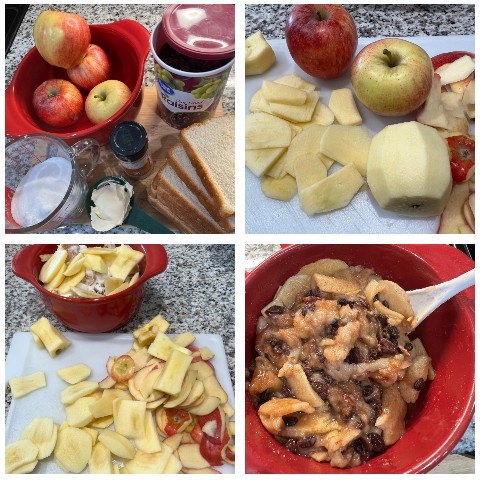
Place the bread in a large bowl. Add the melted butter, water, diced apples, raisins, your chosen sweetener, cinnamon and salt.

Toss gently until the bread is evenly moistened and the fruit is distributed throughout.

Spoon the mixture into a buttered casserole dish. Cover and bake at 350°F for about 30 minutes, uncovering for the final 10 minutes so the top becomes lightly golden.

Serve warm beside roast goose, turkey, pork or ham.

If a family uses the mixture to stuff poultry, modern food-safety guidance should be followed: the USDA says the center of the stuffing must reach 165°F. Baking it separately preserves the tradition while giving the cook better control over texture.

This recipe is not presented as the single stuffing of northern Germany; no such universal recipe existed. It is something more personal and, in its own way, more valuable: one family’s edible record of migration, adaptation and continuity.

Why These Foods Still Bring Us Together

Traditional recipes survive for reasons that have little to do with culinary perfection. They survive because a grandmother made them without measuring. Because an uncle insisted the sauerkraut needed another hour. Because children stole raisins from the bowl. Because the smell of butter, apples and cinnamon made a new American farmhouse feel briefly like an old German home.

Some recipes remain nearly unchanged. Others trade goose for turkey, rye for wheat, honey for molasses or a bird cavity for a casserole dish. That does not make them less authentic. Adaptation is part of immigrant authenticity.

This early September, ask the oldest people in your family what appeared on their childhood tables. Photograph the handwritten card. Record the pronunciation of the dish. Write down the part everyone assumes “somebody knows.” Cook it together before the memory disappears.

Your answer to “What did my German ancestors eat?” may begin with bread, potatoes, pork, cabbage, fish, apples, beer or wine. But the deeper answer is this: they ate what their region provided, preserved what the season allowed, celebrated when they could—and passed forward the flavors that made a family feel like itself.

What German recipe still brings your family together? Share its name, region and story with GERMAN HERITAGE USA. Your family dish may be the missing clue that helps someone else recognize a tradition of their own.

Got A Little German In You? Your German Heritage Is Calling You!

German Summer Traditions That Quietly Became American Traditions

From beer gardens and sizzling sausages to picnic tables, outdoor concerts and festival weekends, some of America’s most familiar warm-weather pleasures carry a distinctly German-American echo.

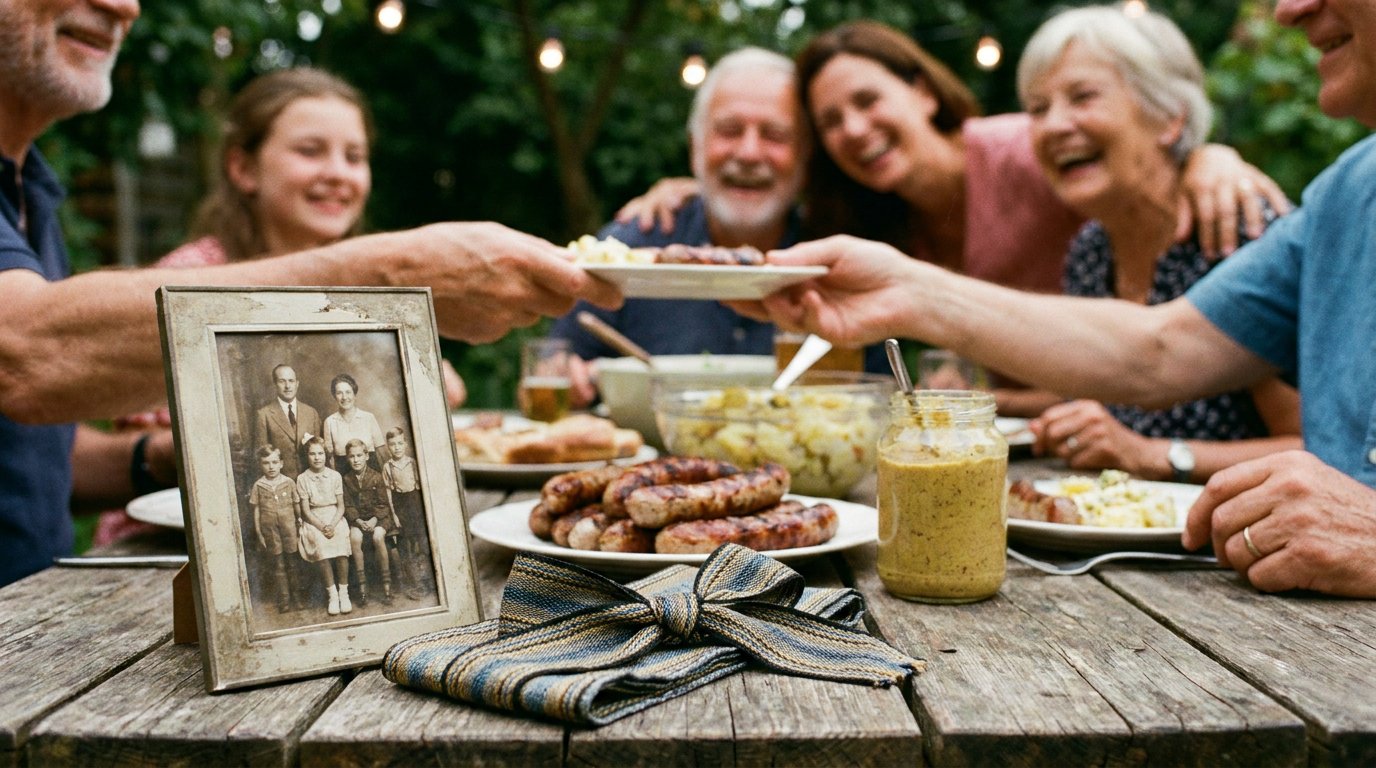
Late August has its own soundtrack in America. A grill crackles somewhere beyond the backyard fence. Glasses clink beneath patio lights. A brass band warms up at a community festival. Potato salad waits under a sheet of foil while someone asks whether the mustard is in the cooler. Children race across the grass, adults claim the shady tables, and nobody is in a hurry to go home.

It all feels thoroughly American.

And it is. But some of it is also quietly German.
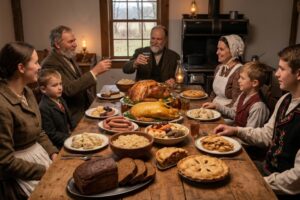
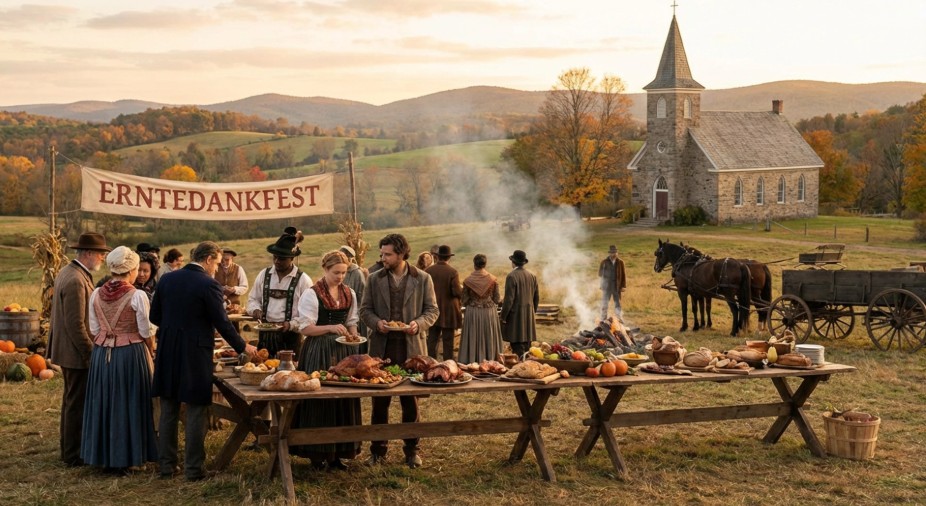
Over generations, German-speaking immigrants brought more than recipes and holiday customs to the United States. They brought ways of gathering: long shared tables, family-friendly beer gardens, singing societies, athletic clubs, Sunday outings, sausage-centered meals and festivals designed to turn an ordinary patch of ground into a temporary village.

The remarkable part is not that Americans copied these customs exactly. They did something more interesting. They mixed them with traditions carried by other immigrant communities, adapted them to local climates and ingredients, and made them part of a shared summer culture. Names changed. Recipes wandered. German words disappeared from signs. Yet the rhythm remained.

“Traditions rarely cross an ocean wearing name tags. Sometimes they simply pull up a chair, pass the mustard and become part of the family.” — GERMAN HERITAGE USA

So, before summer slips into Oktoberfest season, let us look at several warm-weather traditions that traveled from German lands, grew in German-American communities—and became so familiar that many Americans no longer notice their roots.

1. The Biergarten Became America’s Favorite Kind of Patio

The traditional German Biergarten was never merely an outdoor bar. At its best, it was a social landscape: shade, shared tables, simple food, conversation, music and the wonderful permission to linger. Families and friends could gather without turning every visit into a formal occasion.

German immigrants carried that idea into American cities and towns. Nineteenth-century beer gardens became important social spaces in places with large German populations, including New York, Cincinnati, Milwaukee, St. Louis, Chicago, New Orleans and cities across Texas. Some were modest courtyards. Others were elaborate entertainment grounds with trees, pavilions, orchestras, dancing and special events.

Austin’s historic Scholz Garten offers a vivid example. Founded by German immigrant August Scholz in 1866, its Sunday concerts grew from a German tradition of convivial music and beer but attracted the broader public as well. The garden did not remain sealed inside an immigrant enclave; it became part of the city’s identity.

That pattern repeated across the country. The German sign might eventually vanish, but the appealing formula survived: put refreshments outside, add shade and music, invite groups to sit together, and let the evening unfold.

Today we call it a brewery patio, a courtyard, a rooftop garden, a food-hall lawn or an outdoor taproom. We string lights overhead, order something cold and search for the longest table. The setting looks modern, but the social instinct behind it would feel familiar to generations of German Americans.

The real inheritance may be one untranslatable word: Gemütlichkeit—a sense of warmth, belonging, good cheer and comfortable togetherness. It is not the furniture that makes a beer garden. It is the feeling that there is room for one more person at the table.

2. Wurst on the Grill Became the Sound of Summer

Few aromas announce an American summer gathering faster than sausages hitting a hot grill.

German-speaking Europe has an extraordinary sausage tradition: Bratwurst, Frankfurter, Wiener, Knackwurst, Weisswurst and many more. Immigrants brought recipes, butchering knowledge and regional preferences with them. In America, those traditions met industrial cities, street carts, baseball crowds, amusement resorts, backyard grills and a growing appetite for portable food.

Then the family tree becomes delightfully messy.

The hot dog clearly has European sausage ancestors, especially within German-speaking food culture, but its precise American origin story is famously difficult to prove. Competing legends credit different vendors, cities and moments. The Smithsonian’s food-history reporting has wisely described hot-dog history as a thicket of myths, promotion and incomplete evidence.

That uncertainty is part of the fun. The hot dog is not simply a German food that Americans renamed. It is an American creation shaped by immigrant sausage traditions. The same is true of the summer grill itself: German wurst joined Southern barbecue, Indigenous food knowledge, Caribbean techniques, Central European smokehouses and countless family preferences.

Still, when Americans grill bratwurst, pile sauerkraut onto a frankfurter, add spicy mustard or argue about the proper toppings for a ballpark dog, they are participating in a food story with unmistakable German chapters.

And there is one rule that survived every translation: make more than you think you need.

3. The German-American Picnic Plate Hid in Plain Sight

Look closely at a classic American picnic table and the clues begin to gather.

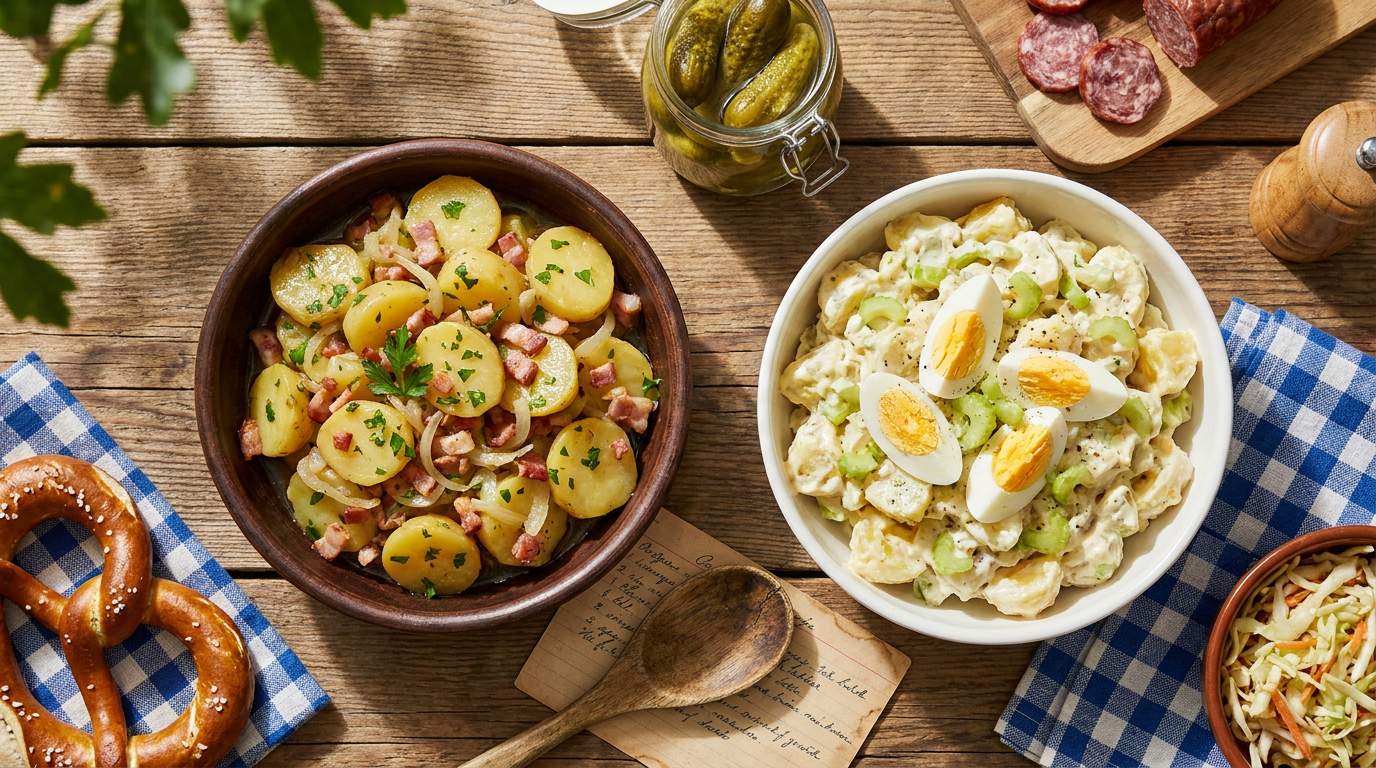
There is potato salad—sometimes warm and tangy with vinegar, onions and bacon; sometimes cool and creamy with mayonnaise and mustard. There are pretzels, pickles, rolls, sliced sausages, cabbage slaw and a mustard bottle that somehow becomes the center of attention.

Not every dish on that table is exclusively German, of course. Potatoes, pickling, cabbage dishes and sausages belong to many cultures. But German and German-American cooking played a major role in the way these foods entered the American mainstream.

Potato salad is a particularly tasty example of cultural blending. Germany has never had only one potato-salad recipe. Regional and family variations abound. In the United States, those traditions interacted with American ingredients, commercial mayonnaise, local tastes and recipes shared across community lines. A Mississippi State University study devoted to German-American culinary assimilation uses potato salad to show how immigrant and native-born cooks exchanged ideas and helped create a new American food identity.

That means the bowl at your reunion may not match a recipe from Bavaria, Westphalia or Schleswig-Holstein—and it does not have to. The American version is evidence of the journey. Recipes change when neighbors taste them, daughters-in-law adapt them, grocery products replace hard-to-find ingredients, and someone decides that Grandma’s “pinch” should become half a teaspoon.

Food traditions survive because people keep making them, not because they remain frozen in time.

4. The Vereins Picnic Became the Community Get-Together

German immigrants were enthusiastic builders of Vereine—clubs or associations organized around singing, gymnastics, mutual aid, trades, religion, marksmanship, politics, hometown connections and social life.

There were Sängerbünde for singers, Turnvereine for gymnastics and physical culture, Schützenvereine for target shooting, and many other groups with banners, bylaws, committees and calendars. If that sounds serious, remember that many clubs also knew how to throw a splendid picnic.

Summer outings allowed members to leave crowded neighborhoods, bring their families, eat outdoors, hear music, play games and renew friendships. A picnic might include a procession, speeches, children’s activities, athletic demonstrations, dancing and enough food to make the journey worthwhile. German-American parks and picnic groves became gathering places where culture was practiced rather than merely remembered.

The broader American community embraced the same social architecture. Churches, labor unions, fire companies, schools, veterans’ groups, businesses and extended families all developed their own summer picnics. Their traditions came from many sources, but German-American club culture helped demonstrate how a voluntary organization could create belonging through recurring public gatherings.

We can still see the pattern at company picnics, church socials, family reunions and civic cookouts: reserve a shelter, assign the side dishes, organize games, locate folding chairs and hope the person carrying the ice actually arrives.

Some customs become American not through a grand announcement, but through a signup sheet.

5. Singing Societies Helped Put Music in the Summer Air

Long before amplified festival stages, German-American communities were filling halls, parks and streets with song.

Singing societies were a major part of nineteenth- and early twentieth-century German-American life. Local choirs joined regional organizations, and large Sängerfeste brought multiple groups together for ambitious musical celebrations. Archival records from Philadelphia document a particularly extensive network. These events could include formal choral works, parades, banquets, informal singing, dancing and outdoor concerts.

The movement was culturally specific, but it was not always culturally closed. Historical records from Philadelphia show how extensive the singing-society network became, while accounts of festivals describe non-German spectators joining concerts and picnics. Music made the boundary between “their festival” and “our town’s festival” wonderfully porous.

German musicians and conductors were only part of America’s developing concert culture, but they were an influential part. Brass ensembles, community bands, choral festivals and park performances became expected ingredients of civic celebration. Add a dance floor or pavilion, and the evening could move easily from listening to participation.

You can hear the descendant of that tradition whenever a municipal band plays in a park, a polka spills from a festival tent, a community choir performs outdoors or a summer concert invites strangers to share the same lawn.

The songs may change. The folding chairs do not.

6. The Turner Spirit Made Recreation a Community Project

The American Turners grew from the German Turnverein movement, which combined physical fitness with education, civic participation and social life. Turner halls appeared in communities across the United States, offering gymnastics and other activities while also serving as important gathering places.

The American Turners did not invent American exercise, hiking or outdoor recreation. Those practices have many origins. But they helped advance the idea that physical activity could be organized, communal, educational and open to families—not merely military training or private competition.

In summer, that spirit naturally moved outdoors. Club excursions, field days, demonstrations, games and picnics connected fresh air with fellowship. The result feels surprisingly current. Think of recreation leagues, community fitness events, charity walks, park programs and family field days. The activities differ, but the larger belief is familiar: a healthy community should create places where people move together.

Even the German phrase frische Luft—fresh air—carries an entire philosophy in two words. Go outside. Walk. Stretch. Let the children run. Meet someone. Come home pleasantly tired.

That may be the most practical summer tradition on this list, and it requires no translation at all.

7. Volksfest Energy Became Part of American Festival DNA

A German Volksfest is, literally, a people’s festival. The form varies, but the essential ingredients are recognizable: food, drink, music, games, decorated grounds, rides or amusements, local pride and a crowd that temporarily turns public space into a shared celebration.

America already had fairs, market days, harvest gatherings, religious celebrations and public entertainments from many cultural sources. German immigrants did not invent the American county fair or street festival. What they contributed was a powerful festival vocabulary—beer gardens, music pavilions, club processions, sausage stands, communal tables and a style of organized merriment that traveled well.

This is why German-American summer festivals can feel both distinctive and completely familiar. A visitor may arrive for the bratwurst or polka and recognize the larger format immediately: wristbands, food booths, children’s games, craft vendors, live music, old friends and a volunteer committee quietly solving seventeen problems behind the scenes.

By late August, that festival energy begins leaning toward Oktoberfest. Although Munich’s famous Oktoberfest starts in September, American celebrations often stretch across the early fall calendar. The transition feels natural because the groundwork was laid all summer: gather outside, invite the community, feed everyone and give them a reason to stay for one more song.

8. Why the German Roots Became So Easy to Miss

If these influences are so widespread, why do they often go unnoticed?

Success is one reason. A tradition can become almost invisible when the larger culture adopts it. “German-American potato salad” shortens to “potato salad.” A Biergarten becomes “the patio.” A sausage shaped by Old World knowledge becomes a hot dog at an American ballpark.

Assimilation also played a role. German surnames were Anglicized. Families intermarried. Recipes were rewritten in English. German-language institutions declined. During the First World War, intense anti-German pressure led many communities and families to suppress language, names and public expressions of heritage. Some customs disappeared; others survived by shedding their labels.

That is why German Heritage discovery can feel less like finding something foreign and more like recognizing something familiar. The evidence may be on a recipe card, in a club photograph, inside a picnic basket or in the way your family automatically gathers around the longest table.

“America did not simply preserve German traditions under glass. It welcomed them to the picnic, changed the recipe and carried the best parts forward.” — GERMAN HERITAGE USA

Before Summer Ends, Put Your Heritage on the Table

Late August is a perfect time to conduct a little family-history experiment.

At your next cookout, reunion, festival or patio evening, look around. Is there a recipe with a German surname attached to it? A preference for bratwurst over burgers? A family story from Milwaukee, Cincinnati, St. Louis, Texas, Pennsylvania or another German-American center? An old photograph of a singing society, Turner hall, brewery picnic or summer gathering?

Ask the oldest person present what summer looked like when they were young. Record the answer. Photograph the recipe card. Write down the name of the town, club, church or picnic grove they mention. Heritage often returns through small details.

Then create a tradition of your own. Set up a long table. Grill sausages. Serve two kinds of potato salad and let everyone debate them. Play music. Invite a neighbor. Teach the children one German word—perhaps Gemütlichkeit—and show them what it means by making room for them in the celebration.

Because German-American heritage is not limited to a museum case, a passenger list or a once-a-year festival. It lives in the ways people gather, eat, sing, laugh and welcome one another.

You may have been celebrating it all summer.

Got A Little German In You? Your German Heritage Is Calling You!

GERMAN HERITAGE USA — Discovering German Heritage Traditions, Foods, Music and Festivals All Across America.

From Bratwurst to Black Forest Cake: A Delicious Journey Through German-American Food Traditions

For generations, food has been one of the most enduring ways German-Americans have preserved their heritage. Long after languages faded, family names changed, and old-country customs blended into American life, recipes remained.

A plate of bratwurst at a summer festival. A warm pretzel shared at a county fair. A holiday table featuring red cabbage, potato salad, and sauerbraten. A slice of Black Forest cake served at a family reunion.

These foods tell stories.

They tell of immigrants who crossed the Atlantic seeking opportunity. They tell of communities built across Pennsylvania, Ohio, Wisconsin, Iowa, Nebraska, Minnesota, Texas, Tennessee, and countless other states. They tell of family traditions carried from generation to generation—sometimes changing slightly with local ingredients, but always retaining a taste of home.

Today, millions of Americans may have only a trace of German ancestry, yet they still enjoy foods whose roots stretch back centuries into the villages, farms, forests, and cities of Germany. Whether you know your family’s German origins or are just beginning to explore them, one of the most enjoyable ways to connect with that heritage is through food.

After all, every recipe has a story.

The German-American Table: Where Two Cultures Meet

German immigration to America occurred in several major waves beginning in the 1700s and continuing well into the early 1900s.

Wherever German immigrants settled, they brought their culinary traditions with them.

https://images.openai.com/static-rsc-4/BZGqqG_msSt_RRjykhCGmnjy7wC0AM-I8OSOZ5AzWWQjFn50fXTN77wBhBnXG18de4_g7-Y9py9jLd3YbIcU56i2EQ82MrS41bglAtT_CQuim3beGzV2j90NrSbnJYywMrLLoxhf4AMpH7Wl7ASo4F_Z7QG8YEXsTyOqf-Wr1MK7BbqIXKTMjRk1Rjqz6qz2?purpose=fullsize
Over time, these foods adapted to local ingredients and American tastes. The result was not merely German food and not entirely American food—it became something uniquely German-American.
https://images.openai.com/static-rsc-4/1Tkjv9dwhDU0yy68QQ2MuLRFYGXaJnUg1-HvtNyVo1kZ-T4Tb9y9iY_dF8SehL0RVIikh4jF8hHOJWNfZurTZTaKS0TurJRJV15s-Xp_HA8y93p_x8G23zQbbzDTVyAE_fDeDOLINXfHNsxyBtzfrzd3eGhKGjlng2l9wQwAaHOdAL_L3rgXiCcqIiRK2-LZ?purpose=fullsize

The hearty farm cooking of Bavaria, the sausages of Franconia, the breads of Swabia, and the cakes of the Black Forest region all found new life in America.

Many dishes became so integrated into American culture that people often forget their German origins.

As food historian James Beard once observed:

“Food is our common ground, a universal experience.”

For German-Americans, that experience is often served one delicious plate at a time.


Bratwurst: America’s Favorite German Sausage

Few foods are more closely associated with German heritage than bratwurst.

The word “bratwurst” originates from Germany and refers to a finely minced sausage traditionally made from pork, veal, or beef.

https://images.openai.com/static-rsc-4/VX8KhWwn1B5acWynDBUxRDUjzTMn81GyIMLKGGGcqFmRFgxo6wUXZMKT7MxTO1b9eVoJ27IzhltDNMSxAaRxIlqfjyJQcGzabASoXdfm-MuliF9z75CLG5LOEdOCbrKZX-NN4VorRqh0zzDLcG0EdD7vfWpBgQ7UoXYoRdK_QgOLign-BRzEokka_MQf3Tem?purpose=fullsize
German immigrants brought countless regional sausage recipes to America, particularly to states such as Wisconsin, Minnesota, Nebraska, Iowa, and Ohio.

Today, bratwurst is practically a cultural institution in parts of the Midwest.

Whether served at baseball games, Oktoberfests, church picnics, county fairs, or backyard cookouts, bratwurst represents one of the most successful culinary exports Germany ever produced.

Popular toppings include:

  • Sauerkraut
  • Spicy brown mustard
  • Grilled onions
  • Pickled vegetables
  • Beer-braised cabbage

Every family seems to have its own preferred way of serving a brat.

And every German-American gathering seems to have someone insisting theirs is the “authentic” version.


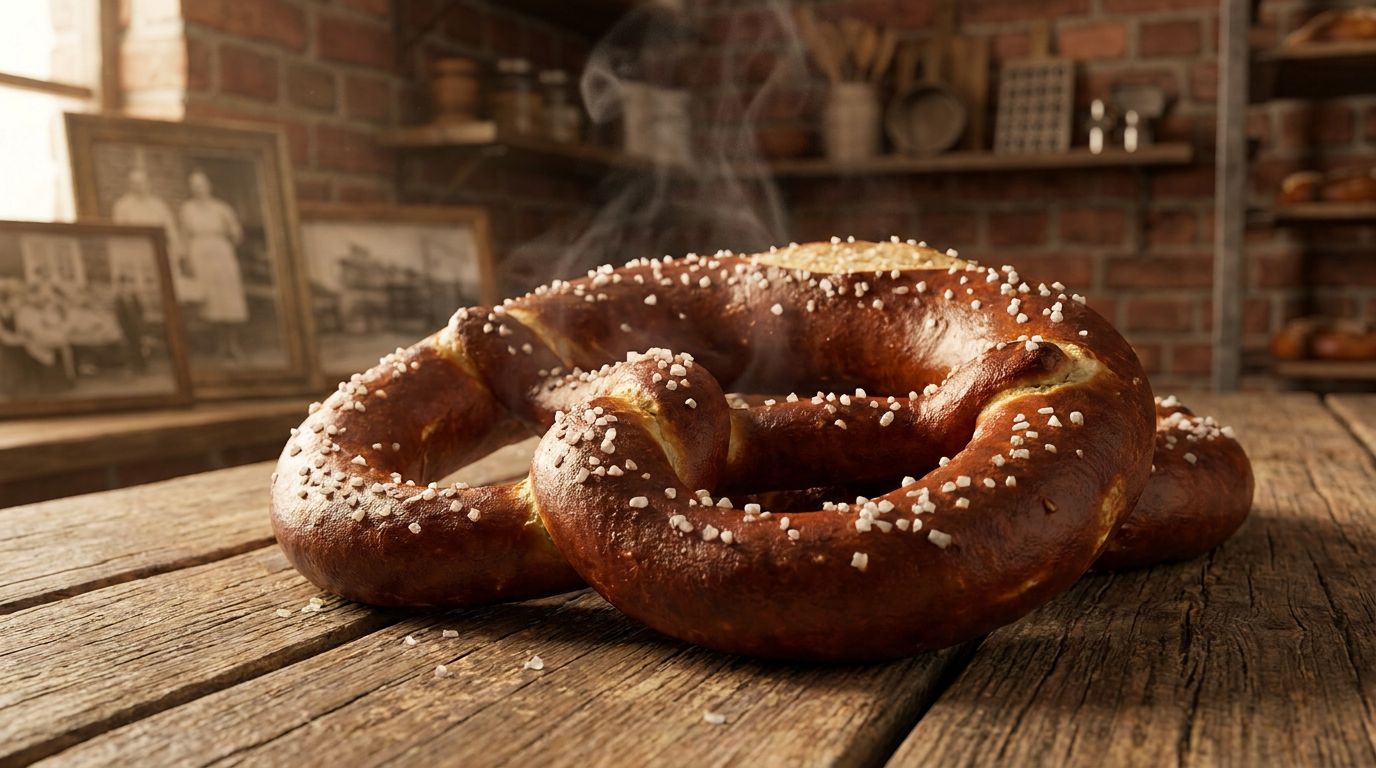
Pretzels: The Twist That Conquered America

The humble pretzel may be one of Germany’s greatest gifts to American snack culture.

German immigrants introduced pretzels to Pennsylvania during the colonial era, where they eventually became a major industry.

https://images.openai.com/static-rsc-4/3GdixS-spAexLLxihpmIvo6EssJq0IRozFK5aNPS3bhU-XUT-ut9zTdusZenI1axP3xHBQGMn4zT7Keq4wMyai_YSOjWlegaLRqYfx3i_hJUyeM8a-GRrzsR1T7plbcbLyMtOZTU-B_Mn22z_v-hDh44YGwaxi4ThTLUI0EDaLygFGdgeUkcfl7smjGTIXKQ?purpose=fullsize

Today, Pennsylvania remains one of America’s pretzel capitals.

https://images.openai.com/static-rsc-4/5wB7u9pgeARumZHKjxtBfsCCL0LyJ8DFYmJ3YS_gweY4HPQeIKIHrl-pB0N8xvz9-1X8hmbZ6qKMKQycglV-8jbrHyw04Tt3vdp3zdE1hyiNa4eegA6WuzWGE_Sav5caT2z1CBlhG2uj6DaG-2pTbM_0ZT4_jxtpa_zu9kr-rJ2Fiqcb52Gyz4ZTD0ccyw_9?purpose=fullsize

Traditional German pretzels feature:

  • A dark, glossy crust
  • Chewy interior
  • Coarse salt topping
  • Distinctive twisted shape

Modern variations include:

  • Beer cheese pretzels
  • Cinnamon sugar pretzels
  • Stuffed pretzels
  • Giant festival pretzels

No Oktoberfest feels complete without one.

And let’s be honest—few foods pair better with a cold German-style lager.


Sauerkraut: More Than Just a Condiment

For many Americans, sauerkraut is simply a hot dog topping.

For German-Americans, it’s much more.

Sauerkraut has been a staple of Central European cuisine for centuries. Made from fermented cabbage, it provided essential nutrition throughout long winters.

https://images.openai.com/static-rsc-4/xdSrI1XRkHiBaP8e42ufupf9Lnqpo-vcjAe8pI0EfKSK12JIhjxppuwKQz0i51yLvX2F-qn006Es6hJInyrjKVs5CuKX9khl6SViYjP1bWf27TKyXHhNlrZurR9w1KW5Rs8vTsSG0ThkkVWyMnXASW1jnVr6UU9DFsSaGNxeFfroOAdcdiBzfDPIo0vN9spH?purpose=fullsize

German immigrants brought fermentation traditions with them to America, where sauerkraut quickly became a practical and economical food source.

Today it remains a beloved companion to:

  • Bratwurst
  • Pork roasts
  • Kielbasa
  • Potato dishes
  • Holiday meals

Modern nutrition experts also appreciate sauerkraut for its probiotics and digestive benefits.

It turns out great-grandma was onto something all along.


The Bread Basket of German Heritage

Bread occupies a sacred place in German culinary culture.

Germany is famous for producing hundreds of varieties of bread, many of which inspired baking traditions throughout German-American communities.

https://images.openai.com/static-rsc-4/B-A_VVMGCIv3ziollKEkd322zjEhfWvhKBjyNof3vPs4gHRDcrALB_plSUM7U0Mt-ZjXsOxC3Pq7YIzb9vizAx4q-0Xm_hwq25ybUSdlybCyrvx9M6HejVJ4KCTwPCB1jDayi8Xngtty2rvcpZJ5JQpvdrnIZFWn2Fj-OshqA_1FmbRo54hXTMjfnVFBYepD?purpose=fullsize

Popular German-inspired breads include:

  • Rye bread
  • Pumpernickel
  • Bauernbrot (farmer’s bread)
  • Pretzel rolls
  • Seeded country loaves

Many German-American bakeries became community gathering places where immigrants could purchase familiar foods while maintaining connections to their heritage.

Even today, walking into a traditional German bakery can feel like stepping into another era.


The Potato: An Unexpected German-American Hero

While Germany did not invent potatoes, Germans certainly embraced them.

As German immigrants spread across America’s agricultural regions, potatoes became a cornerstone of family meals.

Some favorites include:

German Potato Salad

Unlike many American versions, traditional German potato salad often features:

  • Vinegar dressing
  • Bacon
  • Onions
  • Fresh herbs

Kartoffelpuffer

Also known as potato pancakes, these crispy treats remain festival favorites.

Potato Dumplings

A comforting side dish often served with roasts and gravies.

Potatoes offered affordability, versatility, and hearty nourishment—qualities highly valued by immigrant farming families.


Sweet Traditions: Cakes, Pastries, and Family Celebrations

German heritage isn’t only about savory dishes.

Some of the world’s most beloved desserts originated in Germany.

https://images.openai.com/static-rsc-4/yGxNAYT_3fyp70lEzDAWjEHhicES1HctLUJ0cgUXYwgYBomhXwrPPz10akZjXVjrq7Bx4go9U_LkfBhdKi3pT44vS5_d3d4LtAYp_jThyi_6-w8mRpFTyqjbUYblOlUlhy3AKc9vI3ZpNehTKmhFgix2k4woVBi1vCCtF0RlaU_TtWQdc2WsVtPLyQPnbUIx?purpose=fullsize
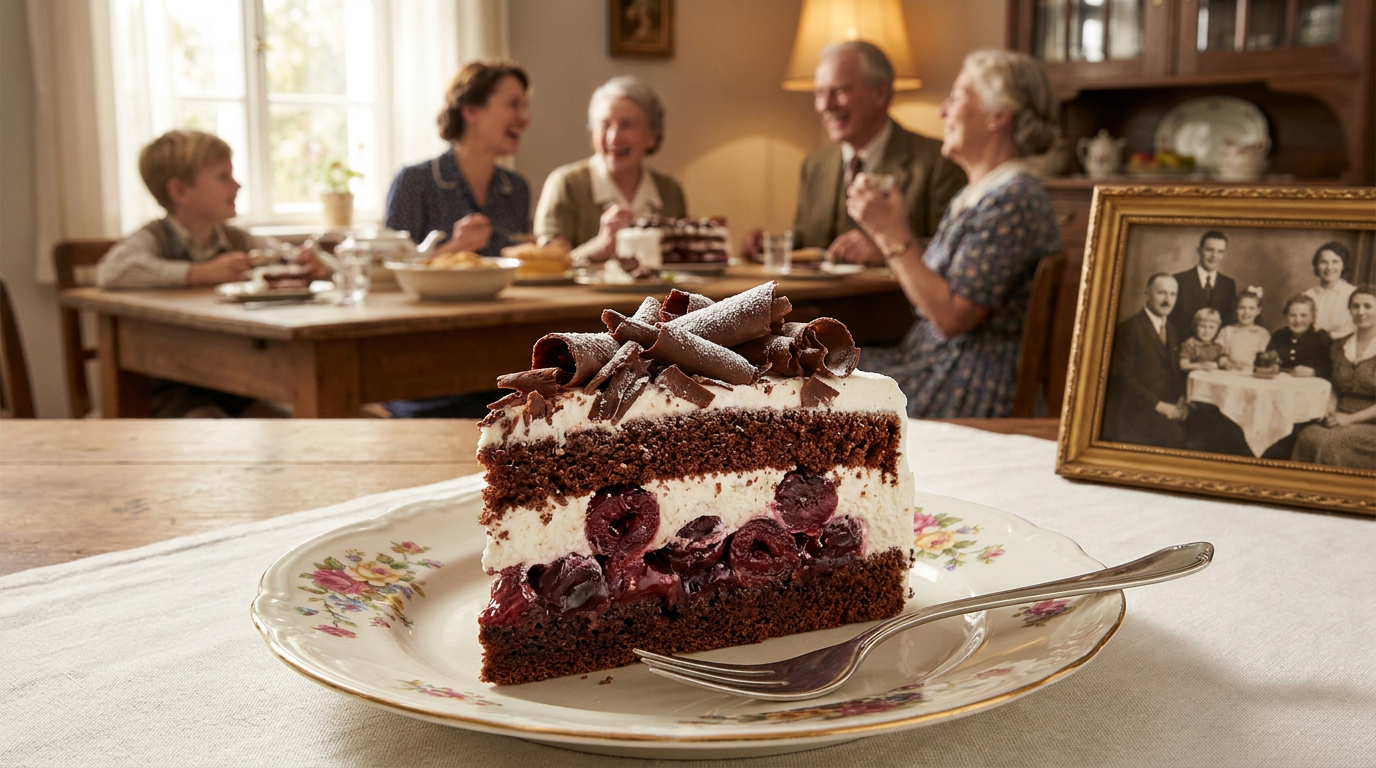
Black Forest Cake (Schwarzwälder Kirschtorte)

Perhaps Germany’s most famous dessert, this masterpiece features:

  • Chocolate cake
  • Cherries
  • Whipped cream
  • Chocolate shavings

It remains a showstopper at weddings, anniversaries, and special celebrations.

Apple Strudel

Though associated with Central Europe generally, strudel became a staple in many German-American homes.

Stollen

This fruit-filled Christmas bread remains a beloved holiday tradition.

Bee Sting Cake (Bienenstich)

A delicious combination of sweet yeast dough, cream filling, and caramelized almonds.

These desserts helped transform family gatherings into memorable celebrations.


German-American Beer and Food: A Perfect Partnership

No discussion of German food traditions would be complete without mentioning beer culture.

German immigrants helped establish many of America’s earliest brewing traditions.

German-American Favorites

Classic Pairings

Food Traditional Beverage Pairing
Bratwurst Märzen Lager
Pretzels Helles Lager
Schnitzel Pilsner
Roast Pork Dunkel
Black Forest Cake Coffee or Dark Lager

German beer gardens became social centers where families gathered, musicians performed, and communities celebrated.

Food was never just nourishment.

It was fellowship.


A Taste of German Heritage at Festivals Across America

One of the easiest ways to experience German-American culinary traditions is by attending a festival.

https://images.openai.com/static-rsc-4/nhSWSeUH5TeMZrH3E40Vao0VmaauNj7G4dSeHZNev26Tds9ypkd57vuW2LDHvlafiNsf7n-n7-nVpiOW4o8V5PhlIWHOuTesD8VsLmGDa2zz9l3M_j7oADjq5c5UdaQYL5eppTUHNAcQed3tG_WVdU8LkmKWHWoXeiVnrDuKceDce5H0vpJJfIbUSIHfBWo2?purpose=fullsize
Visitors can sample foods ranging from traditional recipes to creative modern interpretations.
https://images.openai.com/static-rsc-4/NuEgir6vtiWtfAKpSpE7TekDBFWlU-6Wnc4AHclYlznRs1nAWyRCew1c_vH1igK0M1srJiYkdH08FMiGx8FkgY4UlKvprdTO0rSV9GDuIYGzMd54Ma6mHumlgcLmysNIL1wBX2yljVfoWkkK1mv2ORc0u-tG90C0i-22FgZdGQrWXCZ5WNgb4x23W2_R5UOy?purpose=fullsize

Across America, communities host:
  • Oktoberfests
  • Maifests
  • Christkindlmarkts
  • Heritage festivals
  • County fairs with German roots

For many attendees, the food becomes the gateway to learning more about their ancestry, history, and cultural traditions.


Food as a Family Time Machine

Perhaps the most remarkable aspect of German-American food traditions is their ability to connect generations.

A recipe card handwritten by a grandmother.

A family sausage recipe passed down through decades.

A Christmas stollen baked exactly as it was 100 years ago.

These foods preserve memories in ways few other traditions can.

As author Laura Esquivel famously wrote:

“The table is a meeting place, a gathering ground, the source of sustenance and nourishment.”

For German-Americans, it is also a bridge to the past.


Bringing German Heritage to Your Own Kitchen

You don’t need to speak German or travel overseas to celebrate your heritage.

You can begin right at home.

Try:

✅ Making homemade bratwurst recipes
✅ Visiting a local German bakery
✅ Learning to bake pretzels
✅ Exploring regional German cookbooks
✅ Attending a local Oktoberfest
✅ Recreating family recipes from old recipe boxes
✅ Researching foods connected to your ancestral region in Germany

Each meal becomes an opportunity to explore your family’s story.


Final Thoughts

From sizzling bratwurst at summer festivals to elegant slices of Black Forest cake shared during family celebrations, German-American food traditions remain one of the most enjoyable ways to connect with heritage.

These dishes are more than recipes.

They are edible history.

They tell stories of courage, immigration, family, hard work, faith, community, and cultural pride. They remind us that heritage is not confined to museums or genealogy records—it lives in kitchens, bakeries, restaurants, festivals, and family dining rooms across America.

So the next time you enjoy a warm pretzel, a hearty bratwurst, or a slice of Black Forest cake, remember:

You may be tasting a small piece of the German-American story.

And that story is still being written—one delicious bite at a time.


Quick Heritage Food Fact

GERMAN-AMERICAN FOODS YOU PROBABLY EAT REGULARLY

🥨 Pretzels
🌭 Bratwurst
🥬 Sauerkraut
🍞 Rye Bread
🥔 German Potato Salad
🍰 Black Forest Cake
🍎 Apple Strudel
🍺 German-Style Lager

Heritage Insight: Many of these foods arrived with German immigrants during the 1700s–1900s and became permanent parts of American culinary culture, especially throughout Pennsylvania, the Midwest, Texas, and Tennessee.

German Heritage USA™
Discovering German Heritage Traditions, Foods, Music, and Festivals All Across America

Sausage Trails of America: A Food Lover’s Guide to German Flavors Across the USA

The story of German food in America is more than bratwurst and beer. It’s a story of immigration, family traditions, butcher shops, church picnics, Oktoberfest celebrations, and recipes carried across oceans in handwritten notebooks. From the smoky sausage houses of Wisconsin to the spicy Texas-German smoke pits and the bustling beer halls of the Midwest, German culinary influence helped shape what Americans eat every day.

Hot dogs? German roots. Hamburgers? German roots. Pretzels, deli meats, mustard traditions, beer gardens, Christmas cookies, and sausage-making techniques? German roots all over the American table.

Today, food lovers can follow a delicious “sausage trail” across the United States, discovering regional German-American flavors that reflect local culture while honoring Old World traditions. Whether you crave a juicy brat dripping with sauerkraut, a smoked knackwurst fresh from a family butcher, or a giant Oktoberfest platter served with accordion music in the background, America offers a German food adventure unlike anywhere else in the world.

As legendary chef Julia Child once said:

“People who love to eat are always the best people.”

And nowhere is that spirit more alive than in America’s German heritage food communities from festivals to sporting events.

For many travelers, these sausage trails are more than meals. They are cultural experiences. You’ll find families gathering under festival tents, polka bands filling the air, and fourth-generation sausage makers still using recipes developed in the 1800s.

The aroma of sizzling bratwurst has become part of America’s cultural identity.


Milwaukee, Wisconsin — America’s Bratwurst Capital

German immigration transformed Milwaukee into one of the great beer-and-sausage cities of North America. Waves of German immigrants settled here in the 19th century, bringing brewing traditions, butcher craftsmanship, and hearty comfort foods that still define the city today.

https://images.openai.com/static-rsc-4/bnrIk-VrBT2MhzmTindvLXebU0fkE10U7nWiEnFyVjw0MdoKbQAcMzNLStl5td5xkcewVDs-0L1DVvkJ8TuILjbDQIeLahFL-LWCuoUpg04hb_dI_YVFnCcLn1bhT2Udf6RsAPOT9yirkCvncrxoAb9l-uKm5ZTd35tEjht91hZNLiUXRhNX7wdYFwb55-c7?purpose=fullsize

Walk through Milwaukee during summer festival season and you’ll smell charcoal grills nearly everywhere. Bratwursts sizzle beside onions and peppers while cold lagers pour endlessly from taps.

Local favorites include:

  • Fresh beer brats simmered in lager
  • Weisswurst with sweet mustard
  • Currywurst-inspired street snacks
  • Giant pretzels with German cheese spreads

The city’s famous German festivals celebrate more than food. They celebrate identity, preserving customs brought from Bavaria, Saxony, and the Rhineland generations ago.

Must-Try Experience

Visit a traditional Wisconsin beer garden where live polka music accompanies fresh bratwursts served on hard rolls with spicy mustard and sauerkraut.


Texas German Country — Smoke, Spice, and Sausage

Many Americans are surprised to learn that Texas contains one of the richest German culinary legacies in the country. Settlers founded communities such as Fredericksburg, New Braunfels, and Boerne during the 1800s, blending German traditions with rugged frontier cooking.

The result? A smoky, peppery sausage culture unlike anything in Europe.

https://images.openai.com/static-rsc-4/TV7zJKvIPDDKzpXIFc70H8rWZTN-ldOEnNmbDXrwlTXqpC7n8gXu6ZLIkJuHbrbsxpL2ARGDYD6Kvl49ma-82Ss80X1KjROQtOEjYjdGijnoZHm-rH32-EYyMWC5D8XM28lnRrQZttVx8U2LMUpny44YXbEsI2AhAvE4cjG3vyPZmCRkOAzElluVEZQNPTQH?purpose=fullsize

Texas-German sausage often features:

  • Coarse-ground beef and pork blends
  • Heavy black pepper seasoning
  • Hickory smoking techniques
  • Jalapeño-cheddar variations unique to Texas

This is where Central European sausage craftsmanship met Texas barbecue culture.

The legendary smokehouses of the Hill Country remain pilgrimage sites for food lovers. Some family-owned meat markets have operated continuously for more than a century.

“Food is our common ground, a universal experience.” — James Beard

That quote perfectly describes the Texas-German experience. One bite connects Old World Europe with the American Southwest.


Cincinnati, Ohio — The Secret German Food Giant

Before chili became famous in Cincinnati, German immigrants shaped the city’s culinary soul. By the late 1800s, Cincinnati was one of America’s most German cities.

https://images.openai.com/static-rsc-4/L-fJNUp0pd1jhQvZjuTTQxKOmQoqh9CVkpL9uZ5KShhsa-l3PVub8BPVgAwpGphScvL6rCGfxHlW2YoqP5YpM7ZYYJfUlFDhN_bAdlSpn07XGio1bveopoEcuy1U1cAx7sQaAWCQw94nyGK6pRV8wirj5ss3d8dxO3DtcKdRk-jMMnukgsXIPgWqJC0kol4M?purpose=fullsize
German influence appears everywhere:
  • Goetta sausage patties
  • Mettwurst
  • Smoked frankfurters
  • German potato salad
  • Sauerkraut balls

Goetta may be Cincinnati’s greatest hidden treasure. This breakfast sausage combines pork, beef, oats, and spices into crispy slices fried golden brown.

Every autumn, Oktoberfest celebrations fill downtown streets with dancing, beer steins, and endless sausage platters.

» Read more

The Top Ten Types of German Style Wurst Popular in the USA

German immigrants brought many gifts to America—beer gardens, Christmas traditions, kindergarten, and a love for hearty food that brings people together. But few culinary traditions have traveled across the Atlantic as successfully as German-style wurst.

From Oktoberfest celebrations in the Midwest to backyard barbecues across the country, German sausages have become a staple of American cuisine. Whether tucked inside a toasted bun at a baseball game or served alongside sauerkraut and mustard at a local German festival, these savory links carry centuries of tradition in every bite.

In Germany, the word “Wurst” simply means sausage, but the variety is astonishing. Germany boasts more than 1,200 regional sausage varieties, each reflecting local ingredients, climate, and cooking traditions. When German immigrants arrived in the United States throughout the 1800s and early 1900s, they brought many of these recipes with them. Over time, some became household names in America.

“Everything has an end—only the sausage has two.”
— German proverb

Today, these sausages remain beloved across the country, especially in regions with strong German heritage such as Wisconsin, Texas, Pennsylvania, Ohio, and Missouri.

Let’s take a flavorful tour through the ten German-style wurst varieties that Americans love the most.


1. Bratwurst – America’s Backyard Favorite

https://images.openai.com/static-rsc-3/q_eS_e0_ZjwOU-K0MGK_f35dRasjDu8vZz3WT-hicOPwZNA1FTry5cst_fhuL5qaHePAhw7z90ab9jfakp0Ctzw3mCsUQ8rbrBJNBNv0oEM?purpose=fullsize&v=1

If there is one sausage that truly conquered America, it’s Bratwurst.

Originating in Germany as early as the 1300s, bratwurst is typically made from pork, though variations may include veal or beef. The seasoning often includes salt, pepper, nutmeg, marjoram, and sometimes garlic.

Brats are incredibly versatile:

  • grilled at tailgate parties
  • simmered in beer and onions
  • served with sauerkraut
  • placed inside a crusty roll with spicy mustard

Wisconsin proudly calls itself “Bratwurst Country,” where brat fries and summer festivals celebrate the beloved sausage.


2. Frankfurter – The Original Hot Dog

https://images.openai.com/static-rsc-3/A6DoQoOgfvGsRWJuEHVTdXx5oP_5ziVSt2dNuP6o2Vrhnt52W94-L1hgByxHNEkxGlNqKdwe0IkhYaQ6GsqFFT7_W1kTmZ3Qc8TKXCO3WQk?purpose=fullsize&v=1
Before the American hot dog became famous, there was the Frankfurter.

This sausage originated in Frankfurt, Germany, and is made primarily from pork. The traditional version is lightly smoked and served warm with bread and mustard.

German immigrants introduced the frankfurter to America in the 1800s. Vendors began selling them in buns for easy eating—thus creating one of the most iconic foods in American culture.

Baseball stadiums, street vendors, and backyard grills all owe a culinary debt to this classic German sausage.


3. Knockwurst – The Snappy Favorite

https://images.openai.com/static-rsc-3/jb6IvO7Q7oTA1tR3sm9HAMPxMi926HKp_2kaFP3ikR0CgjYsTkeZzDUAfIYCZvIpSmWE-C62F6pSPqh8iqwqGo4QwQg6gp4T0CW3tTVVEHE?purpose=fullsize&v=1
Knockwurst (or Knackwurst) is known for its signature snap.

This shorter, plumper sausage is made with finely ground pork and garlic and is lightly smoked. When bitten, the natural casing gives a satisfying “knack”—which is where the name originates.

Knockwurst is often served with:

  • sauerkraut
  • potato salad
  • dark rye bread
  • strong mustard

It’s particularly popular in German-American communities across the Midwest.

» Read more

Cold Outside, Warm Inside: German Bakeries Across America Worth Traveling For

There’s a particular kind of warmth you feel when you step into a German bakery in winter. It’s not just the heat from the ovens—it’s the aroma of butter and yeast, the quiet hum of conversation, the clink of porcelain coffee cups, and the sense that time has politely slowed down to let you stay awhile.

For generations, German bakers have understood winter. Long before central heating and supermarket bread aisles, baking was an act of comfort and survival. Dense rye loaves, buttery pastries, fruit-filled cakes, and spiced cookies were meant to nourish both body and spirit when days were short and the cold was relentless.

That tradition crossed the Atlantic with German immigrants, and today it lives on in bakeries scattered across the United States. These are places where winter feels like an invitation, not an inconvenience—where the cold outside makes the warmth inside all the more meaningful.


Why German Bakeries Shine in Winter

German baking culture was never meant to be rushed. It’s built around patience, fermentation, craftsmanship, and ritual—qualities that align perfectly with the slower rhythm of winter travel.

In colder months, German bakeries offer:

  • Hearty breads that feel substantial and grounding
  • Pastries rich with butter, nuts, and fruit
  • Seasonal specialties tied to Advent, Christmas, and Epiphany
  • Cozy interiors that encourage lingering

Winter is when these bakeries feel most themselves—less crowded, more personal, and deeply atmospheric.

“Bread is not fast food in German culture—it’s daily culture.”
— German baking proverb


A Heritage You Can Taste

German-American bakeries are more than food stops. They are living museums of immigration, trade guilds, family recipes, and regional identity. Bavarian, Swabian, Franconian, Saxon, and Austrian influences all show up—sometimes under one roof.

Below are German bakeries across America that are absolutely worth traveling for in winter, when their ovens work hardest and their traditions shine brightest.


A Taste of Germany

Milwaukee, Wisconsin

Milwaukee’s German roots run deep, and this bakery honors them beautifully. Stepping inside on a snowy day feels like walking into a neighborhood Konditorei in southern Germany.

https://remaincalmbeamom.files.wordpress.com/2023/12/img_2165.jpg?crop=1&h=1867&w=1400

Why winter is perfect here:
The dense breads—Vollkornbrot, Bauernbrot, and rye loaves—are built for cold weather. Pair them with a slice of Black Forest cake or a buttery apple strudel, and winter suddenly feels manageable.

Don’t miss:
Seasonal cookies and pastries inspired by Advent traditions.


Schaller & Weber

New York City, New York

A German-American institution, Schaller & Weber blends bakery, butcher, and deli traditions rooted in Bavaria.

Why winter is perfect here:
Cold weather brings out the best in hearty breads and pastries designed to accompany soups, sausages, and strong coffee. The atmosphere feels especially Old World when winter coats line the door.

Don’t miss:
Dense rye bread and classic German pastries that feel straight out of Munich.


Old Europe Pastries

Asheville, North Carolina

This European-style bakery leans heavily into German and Austrian traditions, and it thrives during cooler months.

https://media-cdn.tripadvisor.com/media/photo-p/13/93/23/cf/photo1jpg.jpg

Why winter is perfect here:
Asheville’s mountain chill makes the rich pastries—linzer tarts, cream-filled cakes, and poppy seed rolls—feel especially comforting.

Don’t miss:
Layered tortes and seasonal fruit pastries paired with hot coffee or cocoa.

» Read more

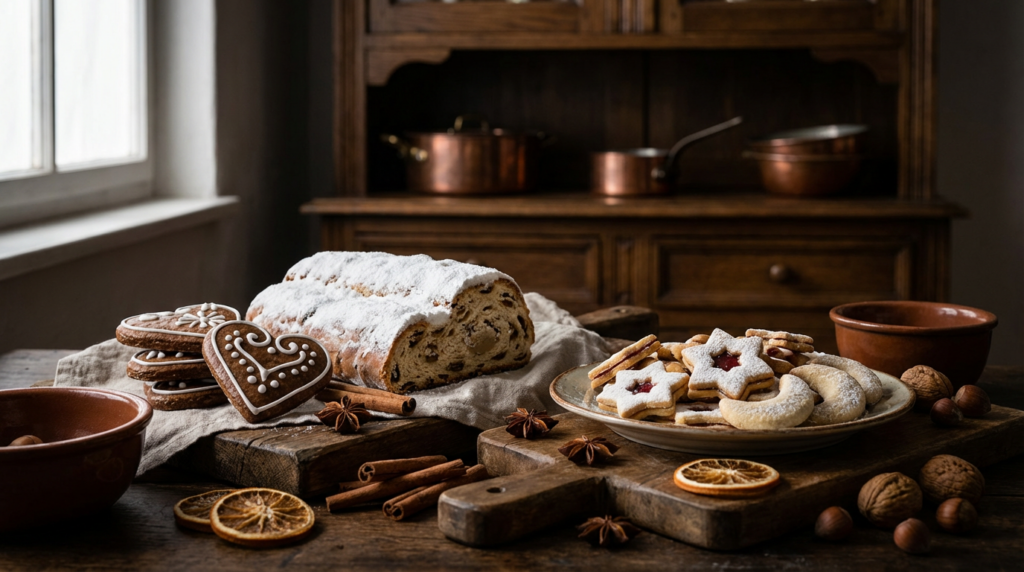
German Holiday Baking: Lebkuchen, Stollen, and Sweet Traditions

The holiday season in German households has always smelled like something magical. Even before the first candle is lit or the Advent wreath is hung, the kitchen becomes the heart of Christmas—warm, flour-dusted, and alive with tradition.

Generations gather around wooden tables, rolling dough, grinding spices, and retelling stories that feel as old as the recipes themselves.

German holiday baking is not just about desserts; it is about memory, rhythm, and ritual. Recipes are rarely written in modern measurements. Instead, they are passed down as instructions like “until it feels right” or “bake until it smells like Christmas.”

These sweets marked the seasons long before electric ovens and store-bought spice mixes, reminding families that winter was a time to slow down, gather close, and celebrate together.

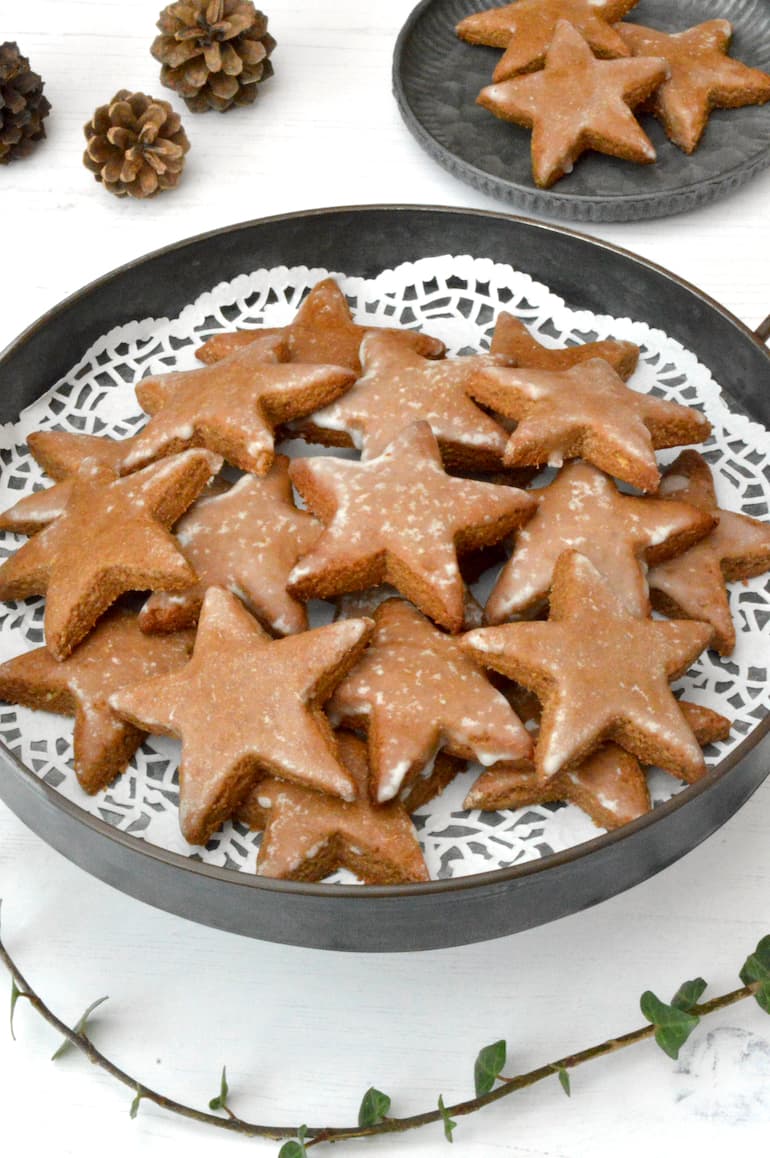
Three baked goods stand above all others in the German Christmas tradition: Lebkuchen, Stollen, and a constellation of regional cookies known collectively as Weihnachtsplätzchen. Each tells a story—not just of flavor, but of geography, faith, migration, and family.

As one old German saying goes:

“Backen ist Liebe, die man essen kann.”
“Baking is love you can eat.”


The Sacred Spice of Christmas: Lebkuchen

https://www.supergoldenbakes.com/wordpress/wp-content/uploads/2024/08/Lebkuchen-1-4.jpg
https://baketotheroots.de/wp-content/uploads/2015/07/HK_231205_Nuernberger-Lebkuchen2.jpg
https://tinandthyme.uk/wp-content/uploads/2024/12/Lebkuchen-Piled-On-Platter.jpg

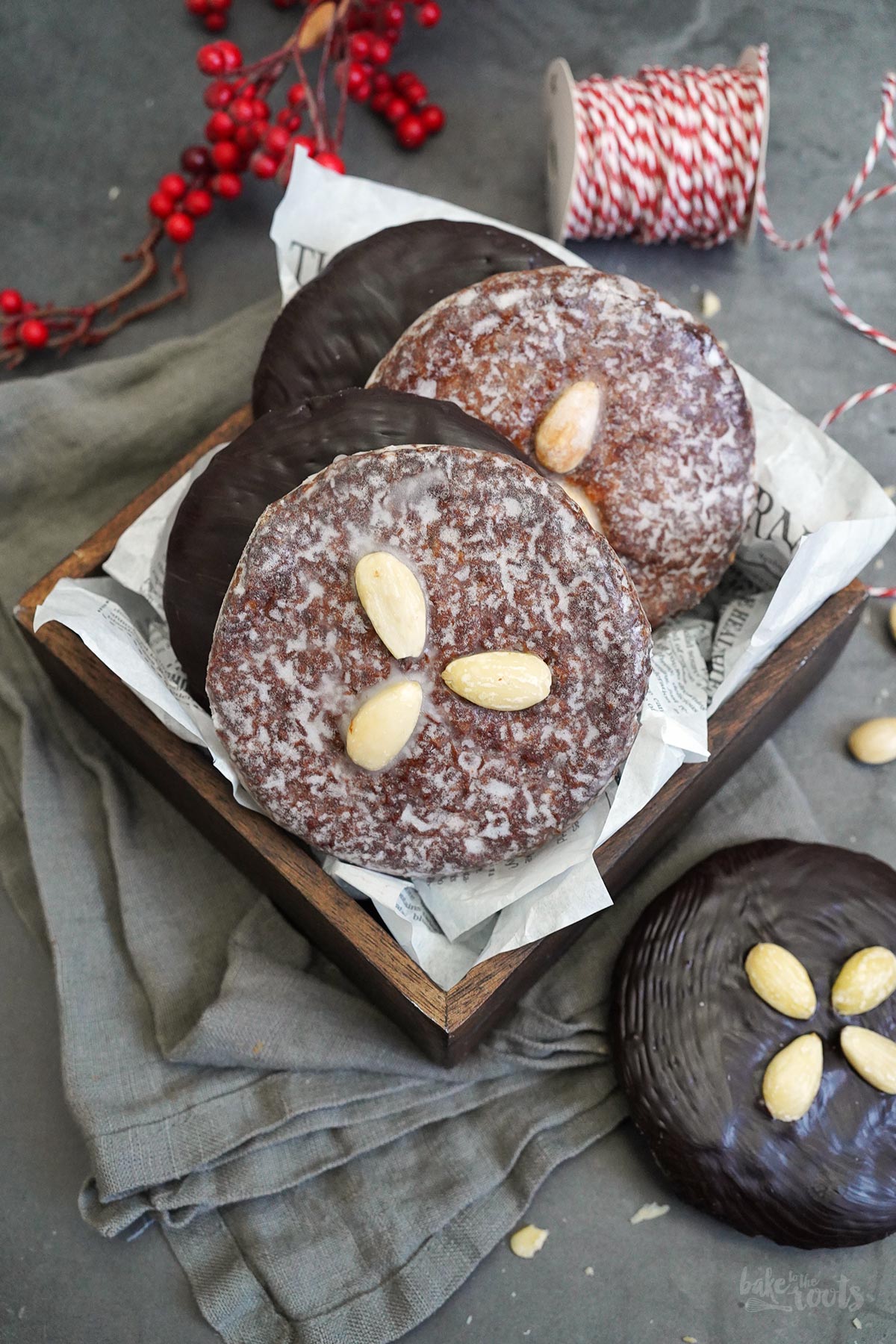
Lebkuchen is often described as German gingerbread, but that comparison hardly does it justice. Dating back to the Middle Ages, Lebkuchen emerged in monastery kitchens, where monks blended honey, nuts, and imported spices believed to have medicinal qualities. These spices—cinnamon, cloves, cardamom, nutmeg, ginger, and anise—were precious commodities, making Lebkuchen a luxury reserved for sacred seasons.

The most famous Lebkuchen comes from Nuremberg, where the city’s location along medieval spice trade routes ensured access to exotic flavors. Authentic Nürnberger Lebkuchen often contains little to no flour, relying instead on ground almonds or hazelnuts for structure. The result is soft, aromatic, and deeply complex.

Lebkuchen isn’t rushed. Dough often rests for days or even weeks, allowing flavors to deepen. Baking Lebkuchen became an Advent ritual—made early, stored carefully, and brought out slowly as Christmas approached. Some families brush them with sugar glaze; others dip them in dark chocolate. Some shape them as simple rounds, while others form hearts with piped messages of love.

“When the Lebkuchen come out, Christmas is no longer a promise—it’s here.”

» Read more

Top 7 German-American Thanksgiving Recipes That Bring Old-World Flavor to America’s Table

Where Danke Meets Thanksgiving

When you think of Thanksgiving, your mind probably drifts toward turkey, stuffing, cranberry sauce, and pumpkin pie — all wrapped up in that golden autumn glow. But for millions of Americans whose ancestors came from Germany, Thanksgiving carries a subtle yet flavorful twist: a fusion of Erntedankfest traditions (Germany’s own harvest festival) and the uniquely American feast of gratitude.

German immigrants didn’t just bring beer, pretzels, and polka to America — they brought a deep reverence for harvest, family, and hearty, humble food. From the fields of Holstein to the plains of Nebraska, the flavors of old-world Germany blended with new-world ingredients to create a Thanksgiving table that still tells a story centuries later.

So this November, let’s journey through time and taste as we explore the Top 7 German-American Thanksgiving Recipes — dishes that honor our ancestors, celebrate the harvest, and bring Gemütlichkeit (that warm feeling of comfort and belonging) to your table.


🥖 1. German Sweet Dressing (The Hingst Family Recipe)

Origin Story:
In the early 1800s, the Hingst family farmed in the rolling countryside of Seelent, Holstein, in northern Germany — a land of fertile soil, grains, and salted air from the Baltic Sea. During Erntedankfest, the family would gather after the final harvest to celebrate with a roast goose and a sweet, bread-based stuffing made from local apples, raisins, honey, and spices.

When the Hingst family immigrated to America in 1882, settling in Iowa and Nebraska, they brought this cherished recipe with them. Goose slowly gave way to turkey on the American table, but the sweet, cinnamon-laced dressing remained a staple — eventually earning the nickname “German Sweet Dressing.”

Today, it’s a nostalgic side dish found in family kitchens from the Midwest to the East Coast, connecting generations through every golden spoonful.

Ingredients:

  • 8 cups cubed day-old bread
  • ½ cup butter
  • ½ cup water
  • 3 apples, diced
  • 1 cup raisins
  • 2 tbsp sugar, honey or molasses
  • 1 tsp cinnamon
  • ¼ tsp salt

Directions:
Lightly toast the bread cubes, then mix them with melted butter, diced apple, raisins, honey, cinnamon, and salt. Pour into a buttered casserole dish and bake covered at 350°F for 30 minutes, uncovering for the final 10 minutes to brown the top.

Taste Note:
It’s like the cozy cousin of classic American stuffing — with a kiss of sweetness and the warm spice of the Old Country. Perfect with turkey or even as a dessert-like side next to ham.


🦪 2. Northern German Oyster Dressing

Origin Story:
Long before Americans fell in love with oyster stuffing, coastal Germans were already combining bread, butter, and oysters in rich, briny holiday dishes. Along the Schleswig-Holstein coast, oyster beds dotted the North Sea and Baltic shores, and locals created “Austerfüllung” — a baked oyster and bread mixture traditionally stuffed inside a roasted fish or goose.

German immigrants brought this recipe to Maryland and Louisiana, where oysters were plentiful, and Thanksgiving was quickly becoming a national tradition. By the late 1800s, German-American oyster dressing had evolved into a beloved coastal favorite.

Ingredients:

  • 2 cups fresh shucked oysters, chopped
  • 6 cups stale bread cubes
  • ½ cup butter
  • ½ cup diced celery
  • Salt and pepper to taste

Directions:
In a skillet, melt butter and sauté the celery until soft. Stir in the oysters just long enough to firm them slightly, then fold the mixture into bread cubes. Add salt and pepper, transfer to a greased dish, and bake at 375°F for 25–30 minutes until bubbling and lightly browned.

Taste Note:
Savory and subtly oceanic, this dish delivers an elegant salt-kissed note to the Thanksgiving spread. If you close your eyes, you might even hear the waves of the North Sea rolling against the coast of your ancestors.

» Read more

From Pilgrims to Pioneers: Tracing German Roots in America’s Thanksgiving Story

While English colonial narratives tend to dominate the Thanksgiving mythos, German-Americans brought with them an old-world appreciation for harvest festivals—Erntedankfest, their traditional celebration of thanks.

This autumn observance emphasized gratitude, community gatherings, hearty foods, and church services focused on blessings received throughout the year. When German settlers arrived in Pennsylvania, the Midwest, and the Great Plains, they carried these customs with them and naturally blended them into local American life. Over time, their rhythms of giving thanks—rooted in family, faith, and the fruits of the soil—helped guide the emerging American spirit of harvest celebration.

Beyond celebrations, German farming know-how dramatically shaped the agricultural backbone of the young nation. German immigrants introduced advanced crop rotation, efficient barn designs, new food-preservation methods, and hardy livestock breeds that improved both yields and food security.

Their meticulous, almost scientific approach to agriculture spread rapidly across frontier settlements. These innovations didn’t just feed growing communities—they laid essential groundwork for the agricultural abundance modern Americans now associate with Thanksgiving tables overflowing with produce, breads, sausages, and seasonal desserts.

And then there’s the food—because no discussion of Thanksgiving is complete without it. German-Americans expanded America’s palate long before the holiday had a set menu. They contributed sausages, smoked meats, spiced breads, apple dishes, sweet rolls, and the kind of root-vegetable comfort foods that feel right at home beside turkey and stuffing.

In many regions, early Thanksgiving dinners featured sauerkraut alongside roast fowl, a tradition that still survives today in pockets of Pennsylvania and the Midwest. These German culinary fingerprints helped shape an American feast that is richer, heartier, and far more diverse than the simplified storybook version we often imagine.

https://historicaldigression.com/wp-content/uploads/2010/11/the-first-thanksgiving.jpg
https://www.loc.gov/static/classroom-materials/immigration/images/german4_1.jpg

Most Americans picture Thanksgiving as a uniquely English-American tradition—Pilgrims in buckled hats, Native Americans, a harvest feast, and a legendary turkey. But behind the familiar story lies a surprising truth: German immigrants played a remarkable, often overlooked role in shaping America’s Thanksgiving customs, foods, farming techniques, and attitudes toward gratitude.

Long before pumpkin pie crowned the dessert table and football dominated the afternoon, German pioneers were planting crops, building communities, and sharing traditions that blended into what we now celebrate as Thanksgiving. Their influence is woven quietly but deeply into America’s cultural fabric—one hearty feast, one farmstead, and one frontier settlement at a time.

So grab a plate, pour a mug of cider (or maybe a crisp Oktoberfest brew), and let’s time-travel through how German roots helped cultivate America’s thanksgiving spirit long before Thanksgiving became a holiday.


The Pilgrim Story We Know… and What’s Missing

We all know the basics: In 1621, English Pilgrims and Wampanoag people shared an autumn harvest meal in Plymouth—a symbolic moment of cooperation and survival. But here’s what textbooks often skip: the Pilgrims were not the only Europeans contributing to early American harvest traditions.

In fact, while the Pilgrims were building Plymouth Colony, German-speaking settlers were already living, farming, and worshipping in parts of what is now the United States, especially in New York, Pennsylvania, and along the East Coast. Their agricultural know-how, communal feasts, and deep spiritual focus on gratitude paralleled many themes later associated with Thanksgiving.

https://sigalmuseum.org/wp-content/uploads/2017/09/10-300x206.jpg
https://cdn.thecollector.com/wp-content/uploads/2023/04/history-of-the-pennsylvania-dutch.jpg

» Read more

Oktoberfest 2025 Dates, Events & Traditions – What to Expect in Munich

Oktoberfest 2025 will take place from Saturday, September 20th to Sunday, October 5th, 2025.

For 16 unforgettable days, the city of Munich transforms into the beating heart of Bavarian culture—overflowing with world-renowned beer, lively music, and timeless traditions. Streets and beer tents come alive with the sounds of brass bands and cheerful singing, while locals and visitors alike don traditional dirndls and lederhosen.

The air is filled with the aroma of roasted meats, freshly baked pretzels, and sweet pastries, creating a feast for all the senses. From the ceremonial tapping of the first keg to the last song sung under twinkling festival lights, Oktoberfest embodies a spirit of togetherness and celebration that has enchanted millions for generations.

Despite its name, Oktoberfest always kicks off in late September to take advantage of Munich’s milder autumn weather. The event traditionally concludes on the first Sunday in October or extends to German Unity Day (October 3rd) if it falls later, ensuring a minimum of 16 days of celebration.

In 2025, festival-goers can look forward to two full weeks plus an extended final weekend, perfect for both locals and international visitors to experience the magic.

If you’re planning to attend, here’s your complete guide to Oktoberfest 2025 dates, events, and traditions, plus everything you need to know to make the most of your Bavarian adventure.


The Official Kickoff: “O’zapft is!”

The festival begins with one of the most famous traditions: the keg-tapping ceremony. On opening day, the Mayor of Munich taps the first keg in the Schottenhamel tent, declaring “O’zapft is!”—“It is tapped!”

Only then does the beer officially begin to flow across the 14 major tents and countless smaller venues throughout the Theresienwiese fairgrounds. This moment is broadcast on German television and cheered by thousands of locals and travelers alike.

This ceremony not only marks the start of Oktoberfest—it embodies the spirit of Munich’s warm hospitality and the pride Bavaria takes in its brewing culture.


Oktoberfest 2025 Dates at a Glance

  • Opening Day: Saturday, September 20th, 2025
  • Closing Day: Sunday, October 5th, 2025
  • Duration: 16 days
  • Location: Theresienwiese, Munich, Germany

The extended schedule in 2025 includes both September’s milder climate and the special German Unity Day holiday on October 3rd, meaning crowds will be especially lively. Expect peak attendance during both weekends, particularly the final days.


The Iconic Oktoberfest Tents

One of the most defining features of Oktoberfest is its legendary beer tents—not mere temporary structures, but massive, elaborately decorated halls capable of seating thousands of guests.

» Read more

Pumpkin Spätzle: A Fall Comfort Food

As autumn arrives, the air grows crisp and leaves turn colors. Nothing warms the soul like a hearty German dish. That’s why I decided to make Pumpkin Spätzle. It’s a twist on traditional spätzle, a German dumpling I loved as a kid.

A rustic wooden table set with a colorful bowl of pumpkin spätzle, drizzled with a rich brown butter sauce and garnished with fresh herbs, surrounded by autumn leaves and small pumpkins, warm golden sunlight casting soft shadows over the scene, evoking a cozy fall atmosphere.

I wanted to make a Pumpkin Spätzle recipe that felt like a cozy Bavarian kitchen. Cutting the dough by hand and watching it cook was rewarding. The smell of pumpkin and spices made my mouth water.

Key Takeaways

  • Pumpkin spätzle is a delectable autumn twist on the traditional German spätzle dish.
  • This comforting recipe combines the seasonal flavors of pumpkin with the soft, tender texture of homemade spätzle dumplings.
  • The pumpkin puree adds a touch of sweetness and vibrant color, while the spätzle provide a satisfying, doughy base.
  • This fusion of German heritage and fall flavors creates a truly mouthwatering comfort food for the cozy autumn season.
  • The recipe was originally shared in February 2021 and updated in March 2024, reflecting its enduring popularity.

Unraveling the History of German Heritage

German cuisine is deeply rooted in the country’s rich cultural traditions and history. At its heart is the beloved spätzle, a small, irregularly shaped dumpling. It has been a cherished part of German meals for centuries. Originating in southern Germany, these dumplings show the enduring importance of comfort food in German heritage.

Origins and Significance of Spätzle in German Cuisine

Spätzle are made from a simple batter of flour, eggs, milk, and salt. This batter is then pressed through a special colander or spätzle maker. This traditional method has been passed down through generations, becoming a key part of German culinary culture.

» Read more

A Taste of History: Unveiling the Origins of German Sweet Dressing

Nestled amidst the charming farmlands of northern Germany, in the region of Schleswig-Holstein, lies a culinary gem that has transcended generations and continents – the delectable German Sweet Dressing.

This unique stuffing, brimming with local ingredients and a rich heritage, has become a beloved tradition, gracing Christmas tables and Thanksgiving feasts alike.


Rooted in Frugal Innovation

The origins of the original German Sweet Dressing holiday recipes that often remind everyone of a bread pudding-type texture and raisins, but made from apples and raisins can be traced back to the resourceful spirit of German farmers, who sought to utilize simple yet flavorful ingredients to create a hearty stuffing for their Christmas goose.

Bread, butter, apples, raisins, molasses, honey, or sugar – these humble staples formed the foundation of this culinary masterpiece.

Driven by necessity and a touch of culinary creativity, these farmers transformed readily available ingredients into a symphony of flavors. The sweetness of honey or molasses balanced the tang of apples and raisins, while the richness of butter complemented the earthiness of bread.

» Read more

German Oyster Dressing, a favorite of Northern Germany near the Sea.

German Oyster Dressing, also known as “Austernfüllung,” is a traditional dish from Northern Germany, particularly in regions near the Baltic Sea. It’s a rich and flavorful variation of classic oyster stuffing, incorporating elements of German spices like caraway seeds and thyme.

German Oyster Dressing is a favorite on the tables of Northern Germans. It’s also popular as a special generational holiday recipe for Americans of German ancestry that originated in the coastal areas of northern Germany too. It’s common to see German Oyster Dressing on the tables of German Americans during both Thanksgiving and Christmas dinners.

» Read more

Beethoven Maennerchor adds food to its menu


The famed beer hall serves bratwursts, Reuben sandwiches and more along with beer. The beer has flowed regularly throughout the 152-year history of Beethoven Maennerchor, but as of earlier this summer, the famed German beer hall in Southtown has added food to the festivity. Beethoven is now selling bratwursts ($6) topped with sauerkraut and Reuben sandwiches ($7) daily, as well as rotating specials that include dishes like German goulash, sauerbraten, spätzle and soft pretzels. And every Wednesday, it’s offering up a “Chef’s Choice” special that will feature other authentic German dishes.

    Asheville restaurateurs pamper your palate in Erwin


    Dear Readers, may I present to you Ms. Janis MacGregor and Mr. David Outar, a pair of restaurateurs from just over the hill in Asheville, North Carolina. MacGregor and Outar own and run Asheville’s Bavarian Restaurant and Biergarten on the north end of town at the Woodfin suburb. It is a popular place, being much frequented by customers from Tennessee, who were not shy about entreating the pair to open a new restaurant on this side of Sams Gap. Well, the pair looked at many different locations throughout the Tri-Cities before choosing 202 Union St. in the town of Erwin as the location of their restaurant and naming it the Pampered Palate Café

      BIEROCKS: A GERMAN-RUSSIAN TREAT IN AMERICA

      Bierocks. Sounds like a combination of a German beer festival and a rock concert. (That would actually be a good promo name for such an event!)
      I had never heard of Bierocks until a German Life reader wrote to ask me about them. She was an American from Kansas, who had also lived in Germany, and she had just finished reading my new memoir-cookbook, T-Bone Whacks and Caviar Snacks: Cooking with Two Texans in Siberia and the Russian Far East. Her question: “The ethnic German-Russians in western Kansas and the Mennonites prepare a pie similar to pirozhki [in the cookbook], stuffed with ground beef or sausage, onion, and sauerkraut, that they call Bierocks. I had never heard that name in Germany. Do you have any idea of its origin?

        Local German restaurants feel the pain of Wurstfest cancellation

        NEW BRAUNFELS, Texas — A highly anticipated event every fall, Wurstfest is among one of the largest events recently canceled in Central Texas due to the coronavirus pandemic. In 60 years of the festival’s history, organizers have never had to cancel. The event brings thousands of visitors every year to Central Texas to enjoy German culture, food, drinks and music. The German festival brings thousands of visitors and tourism to Central Texas.

          Schnitzel Haus asks community for help on GoFundMe page

          With restaurants struggling through the COVID-19 pandemic and unable to provide indoor dining, a Bay Ridge favorite is asking for help. Schnitzel Haus, the German restaurant at 7319 5th Ave., has been in the community for 13 years and owner Alfred Urban has created a GoFundMe page to help pay the rent. “I’m not the type of person that asks for help, but unfortunately we have nowhere to turn right now,” he wrote. “Schnitzel Haus has become a staple in Bay Ridge in my opinion. At the beginning my parents and my family were the only ones that believed  in my dream. It has been a very difficult road. 

            Hügel Haus Switches from Sunday Dinner to Brunch – Door County Pulse


            The German restaurant and “Door County’s wurst bar” in Ellison Bay has changed its Sunday routine from serving dinner to serving brunch. Every Sunday for the foreseeable future, you’ll be able to indulge in a delicious brunch, 9 am – 2 pm. The menu features a variety of classic breakfast and lunch options, plus some […]

              Authentic German fare in the mountains of Georgia

              It’s interesting. Helen, Georgia is one of those bizarre places. I’d heard about it once or twice, and was there 20 years ago, but didn’t remember much about it. I remember it being a German-themed town, embraced by the entire town, with one awesome Oktoberfest. But this is the middle of the summer, not during Oktoberfest, during a pandemic. Would Helen, Georgia still have that Germain “flair” I remembered? The answer is not so simple.

                Food News: Popular German Beer Hall King’s Biergarten Gets a Facelift


                KING’S BIERGARTEN IN PEARLAND IS BACK, re-opening Tuesday after being closed for four months for a substantial renovation. Among the upgrades: a new bar with 36 taps, a new dining room with leather seating and reclaimed wood furniture, and a new parking lot. Plus, National Deli Month is a few weeks away. Deals can be had.

                  Fermenting Sauerkraut at Home, 3 Comments, April 6, 2020, Fermenting Sauerkraut at Home

                  One of the world’s quintessential beer foods, sauerkraut is a delicious treat at any time of the year. Sauerkraut is also the perfect food for this world-historical moment when many of us are stuck at home and digging in for the long haul. Loaded as it is with folate, Vitamins B6, C, and K, riboflavin, thiamin, iron, potassium, and magnesium, sauerkraut is a “superfood” — which is super news at a time when we want to keep our immune systems running at peak efficiency. In this two-part series, I’ll give you the goods on fermenting sauerkraut at home, and then provide you with a few recipes to get you on your way.

                    Classic German Rouladen Recipe by Chef Uwe Rudnick

                    Of course I love a good German dish of Rouladen anytime. I’d like to share with you today a recipe of how easily it really is to prepare it for yourself with help from Chef Uwe Rudnick.

                    A special Thank-you to GermanDeli.com and Chef Rudnick for putting these great German recipe videos together.

                    Chef RudnickSource: GermanDeli.com

                    Just click the video below to see how Chef Uwe does it and then click on the “Show More” tab for exact recipe details. 


                    German Rouladen is one of the most favorable German dishes that you can cook, not to mention it’s fun to prepare as well.

                    By the way, we love the work that Chef Uwe Rudnick does as well. Always a top ten presentation.

                    Be sure visit GermanDeli.com for the greatest German food ideas, deals and selections.

                    Also be sure to subscribe to the GermanDeli.com channel on Youtube for more fantastic German Recipes.


                    Schnitzel Ranch Restaurant offers Gemütlichkeit

                    Have you ever gone into a brand new place and immediately experienced the warmth and welcoming like a close family environment? You know, a sense of coziness.

                    The German’s have a one word name for that. They quickly tell you that it’s called… Gemütlichkeit.

                    I can tell you straight up that the Schnitzel Ranch Restaurant in Huntsville, Alabama has that Gemütlichkeit feeling working for them full time and it’s always in high gear.

                    sr

                    As soon as my family walked in the door, we were greeted by several staff members to the Schnitzel Ranch. They were all friendly and eager to get us seated.

                    Granted it was their first opening of their new place since relocating from across town and the excitement of their new place was obvious. That was fun to see.

                    Yes, GermanHeritageUSA was in the Haus!!!

                    Schnitzel Ranch Restaurant Owner and Chef, Renja Schmitt was busy speaking and taking pictures of patrons when she glanced up and recognized my face saying, “I knew you was going to eventually show up!”

                    After some good conversation with Renja, we were all seated and I was seriously debating on ordering either a 2 or 3 liter bier boot. I settled for a simple 1 liter mug. In minutes I was enjoying a Paulaner Premium Pils that was quite refreshing after a late afternoon drive into town from Nashville.

                    The Schnitzel Ranch Restaurant is pretty much in downtown Huntsville Alabama, not far from the Von Braun Civic Center at their new location on Church Street.

                    The select menu at the Schnitzel Ranch is fantastic folks! I had personally ordered the Jaeger Schnitzel dinner loaded with sauerkraut and warm kartoffelsalat on the side.

                    Delicious!

                    AsbachBesides just great German food and beer, the Schnitzel Ranch offers a full bar selection of a variety of spirits too! They can make you just about any type of drink you desire

                    By the way Renja, I did take your recommendation and tried a shot of Asbach Uralt. It’s a very popular old fine Brandy from Germany that’s now at the Schnitzel Ranch… Wunderbar!!!

                    In conclusion, a special thanks to Schnitzel Ranch owner and chef Renja Schmitt and the rest of the staff for a FIVE STAR dining experience. We will definitely be back! 


                    German Pastries German Recipes | My Best German Recipes


                    German Heritage USA –  Are German Pastries your weakness?

                    German Pastries German Recipes | My Best German Recipes

                    "Plunder pastries can be found in every German bakery. They can be made with vanilla pudding, quark with jam (raspberry, apricot) or assorted fruit on top.mybestgermanrecipes.com/tag/german-pastries/"
                    http://mybestgermanrecipes.com/tag/german-pastries/

                    German Plunder

                    German Bakeries come up with so many recipes combinations of pastries that will make your mouth water. For more German Heritage information… visit www.GermanNationUSA.com