America’s Best German Biergartens to Visit This July

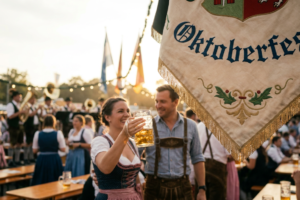
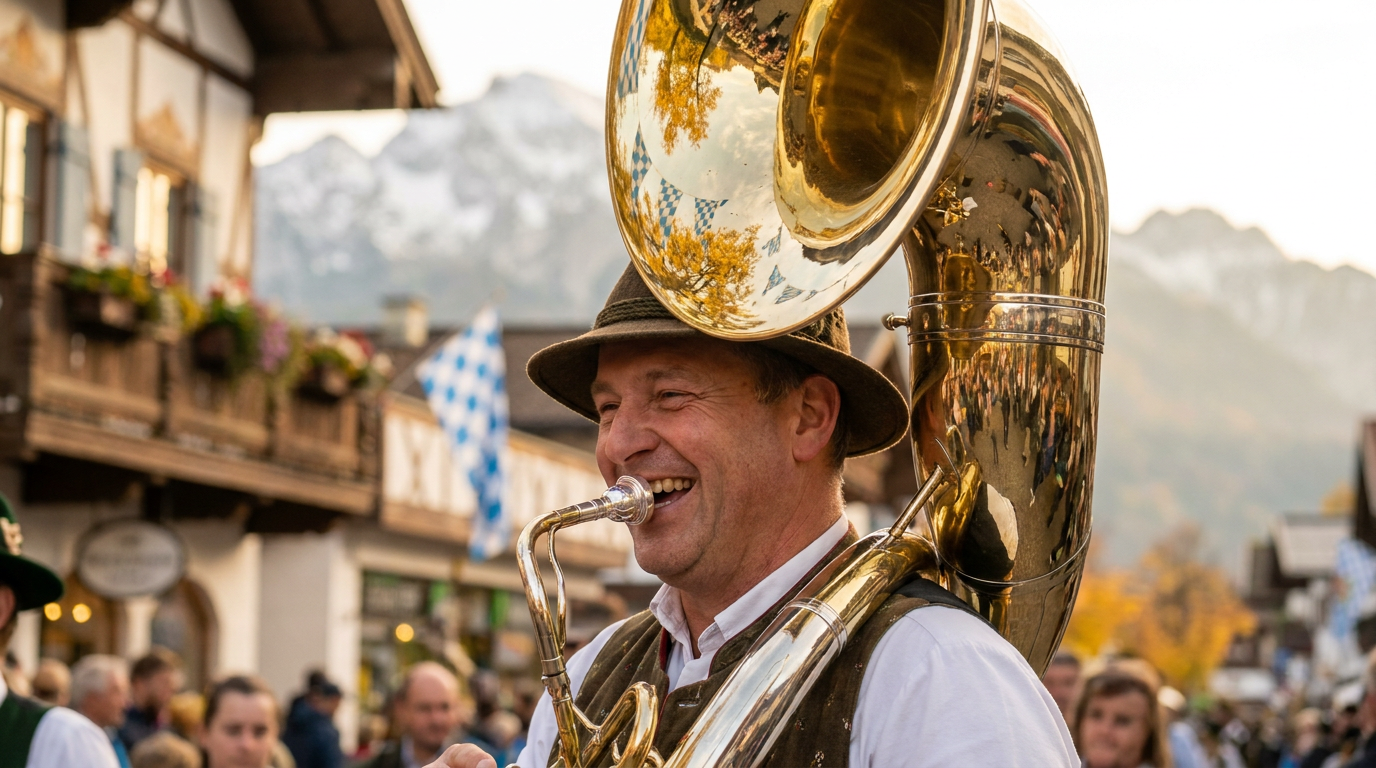
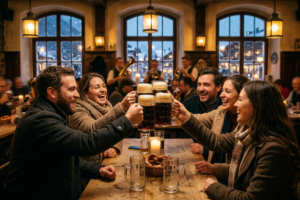
Great Food, Live Music, and Authentic Traditions. There is something almost magical about a German biergarten on a summer evening.

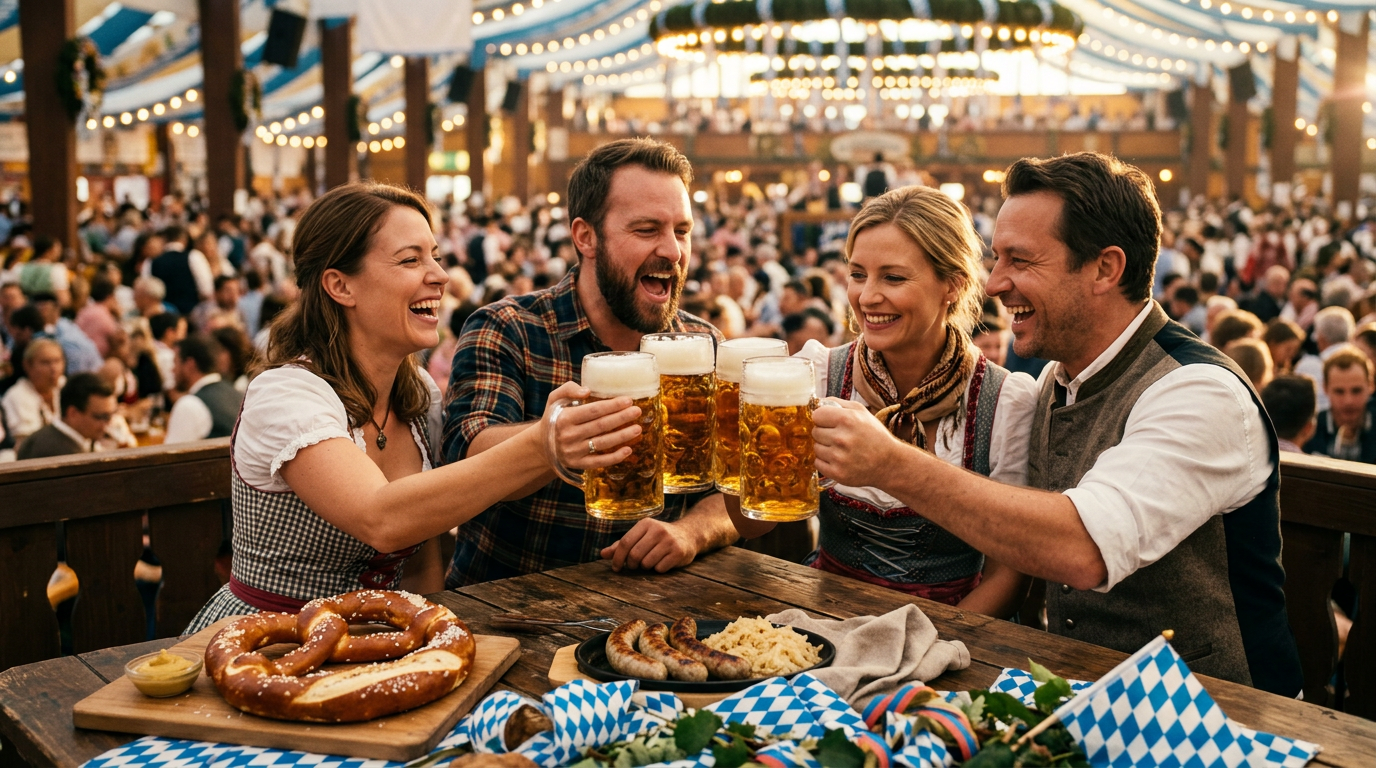
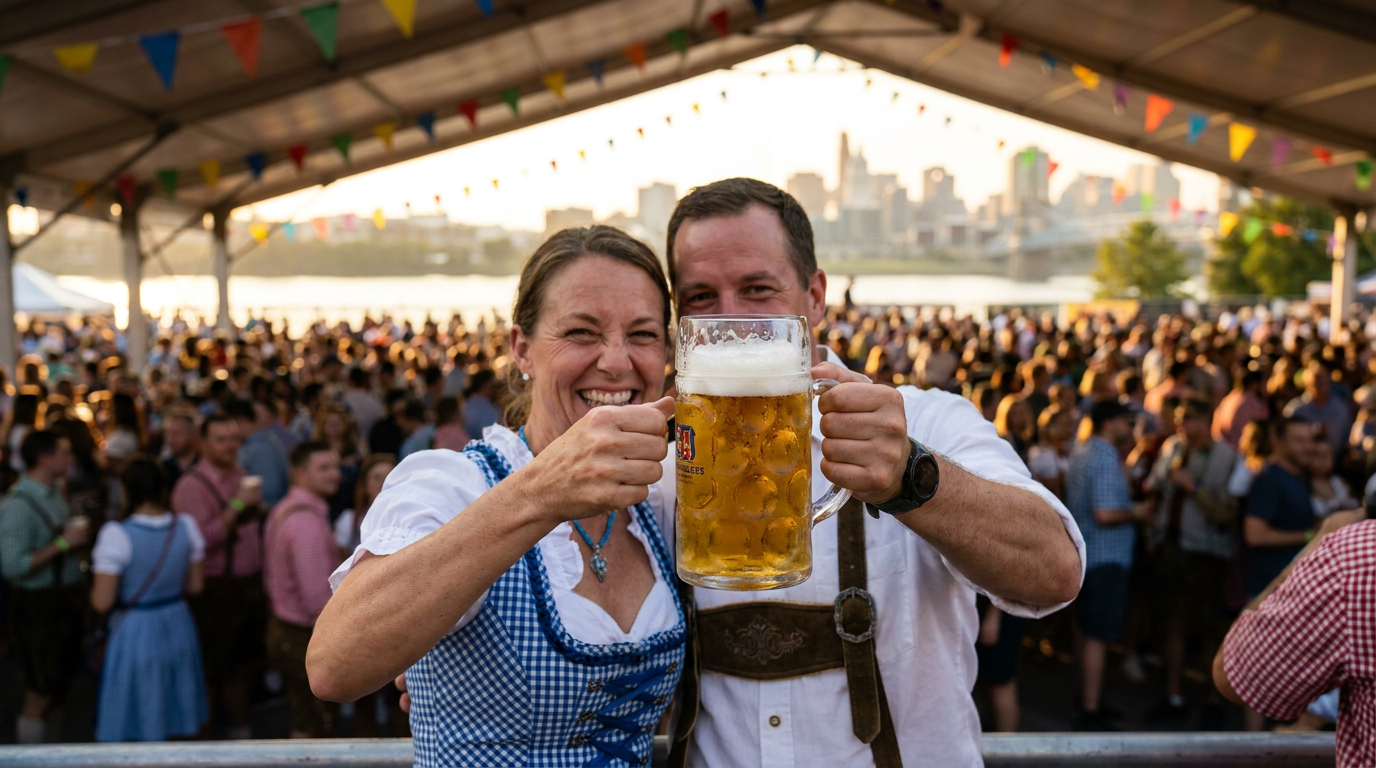
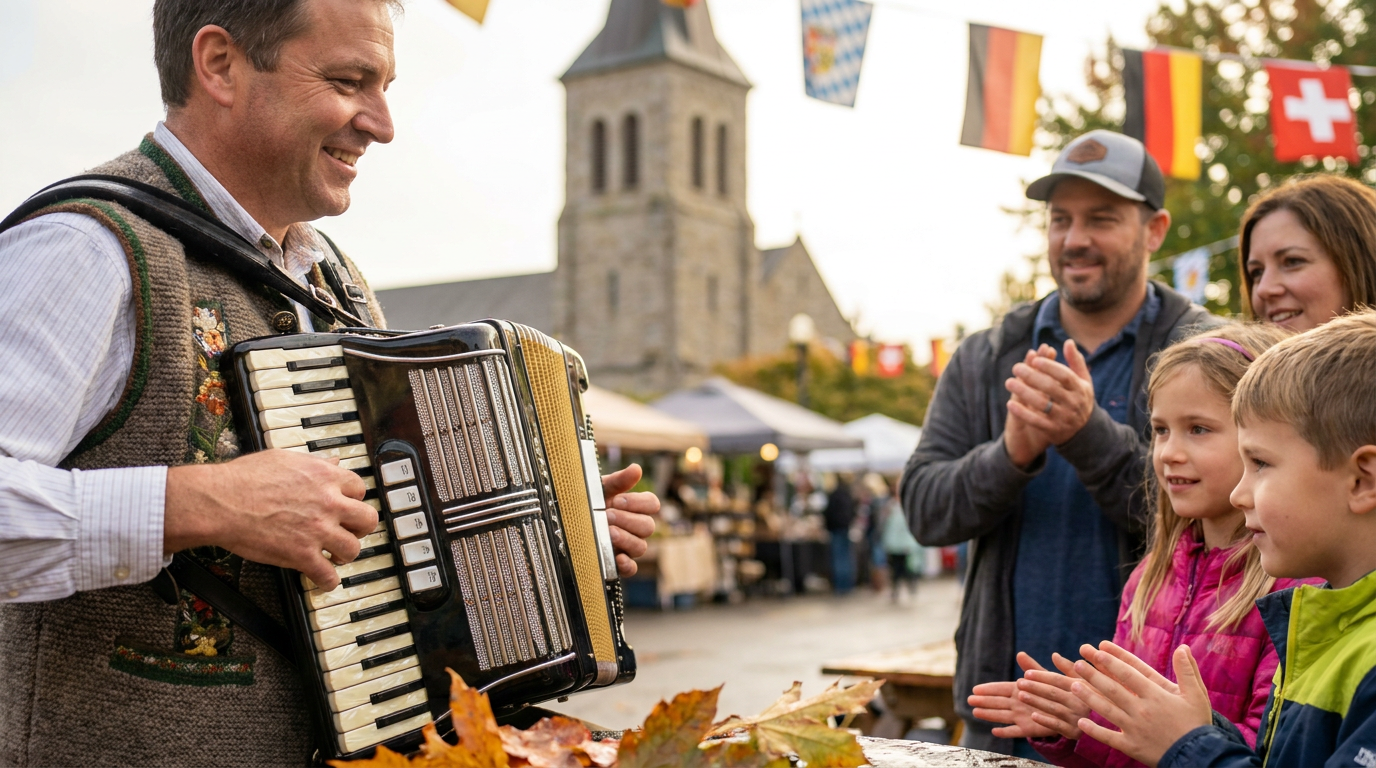
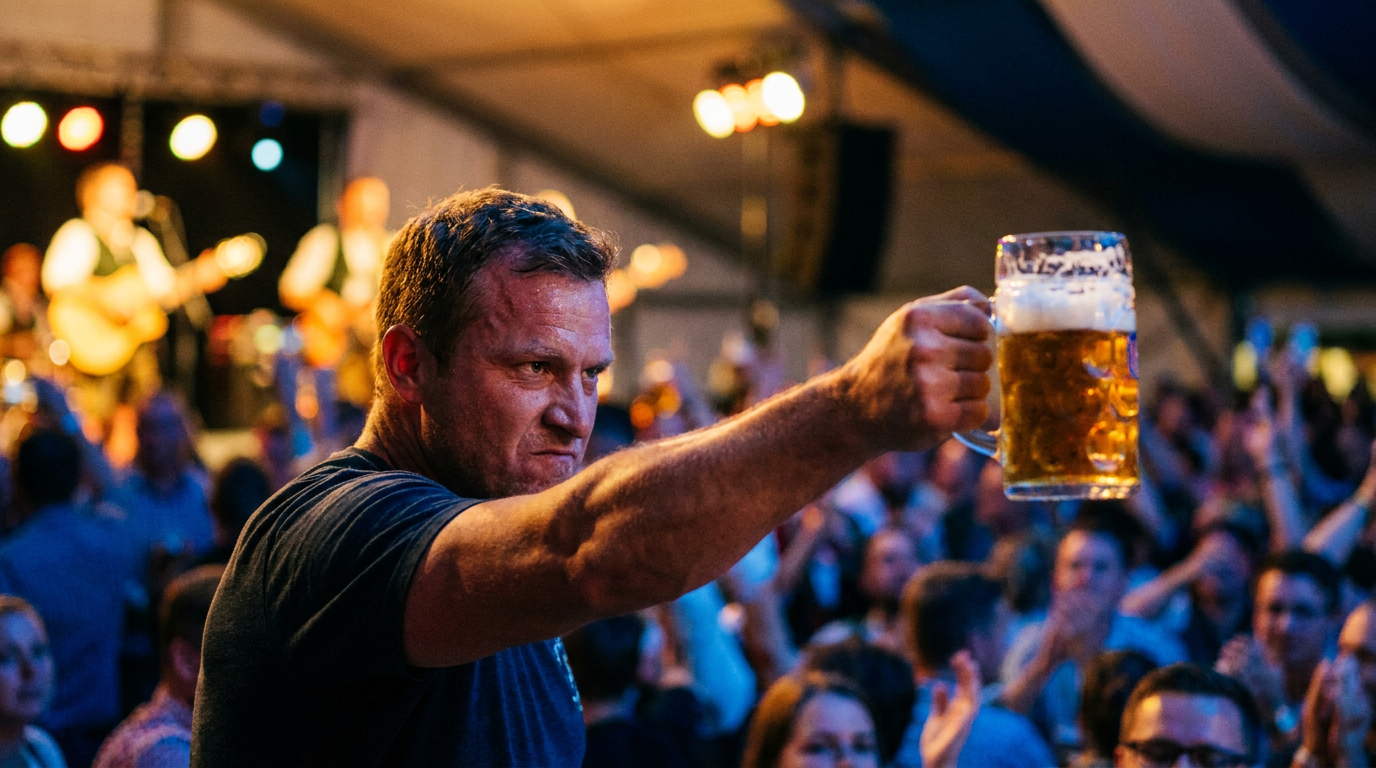
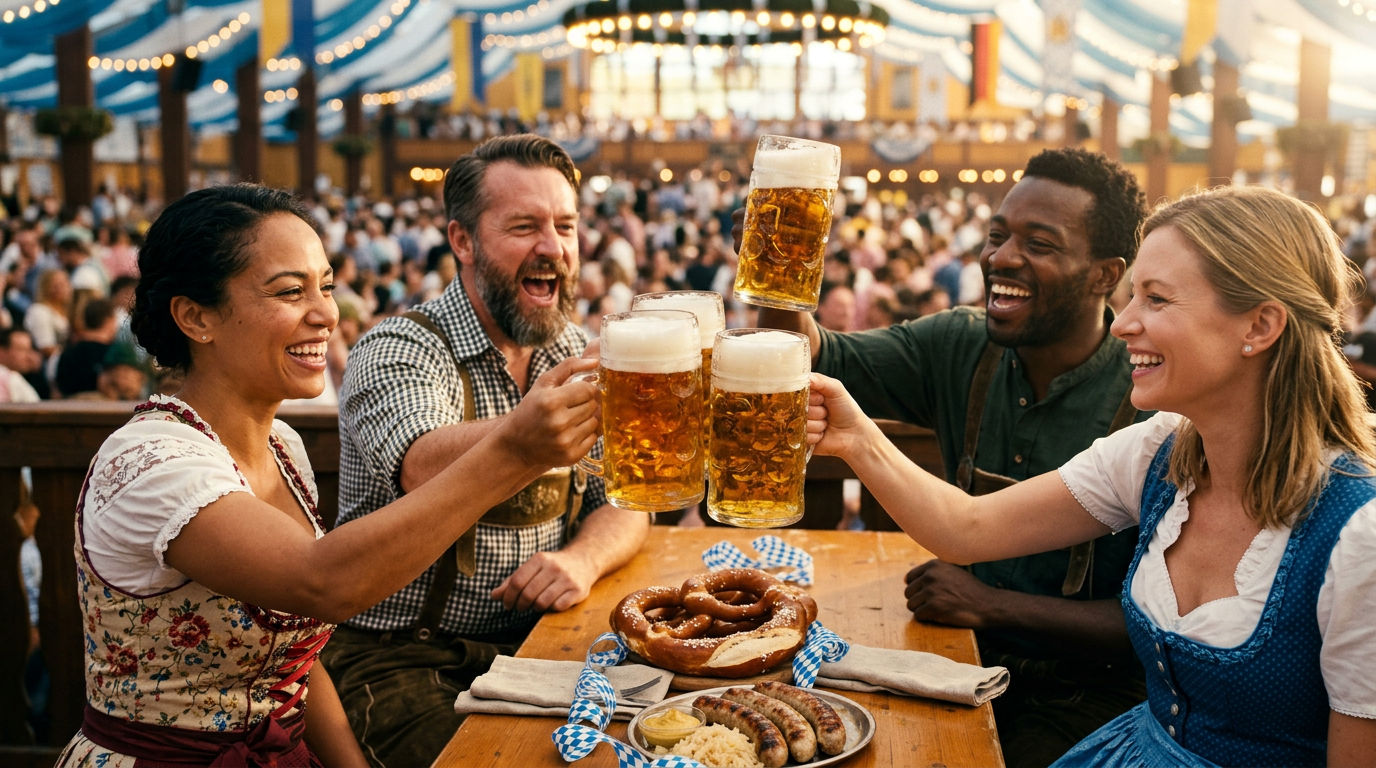
Maybe it is the sound of a lively band drifting across rows of wooden tables. Perhaps it is the aroma of bratwurst sizzling nearby, the sight of an oversized pretzel arriving with mustard, or the cheerful clinking of heavy glass steins. More likely, it is the combination of all those things—plus the feeling that everyone has been invited to slow down, share a table, and enjoy the moment.

That welcoming feeling is known as Gemütlichkeit, a German word associated with warmth, friendliness, comfort, belonging, and good cheer. It is difficult to translate perfectly, but it is easy to recognize once you experience it.

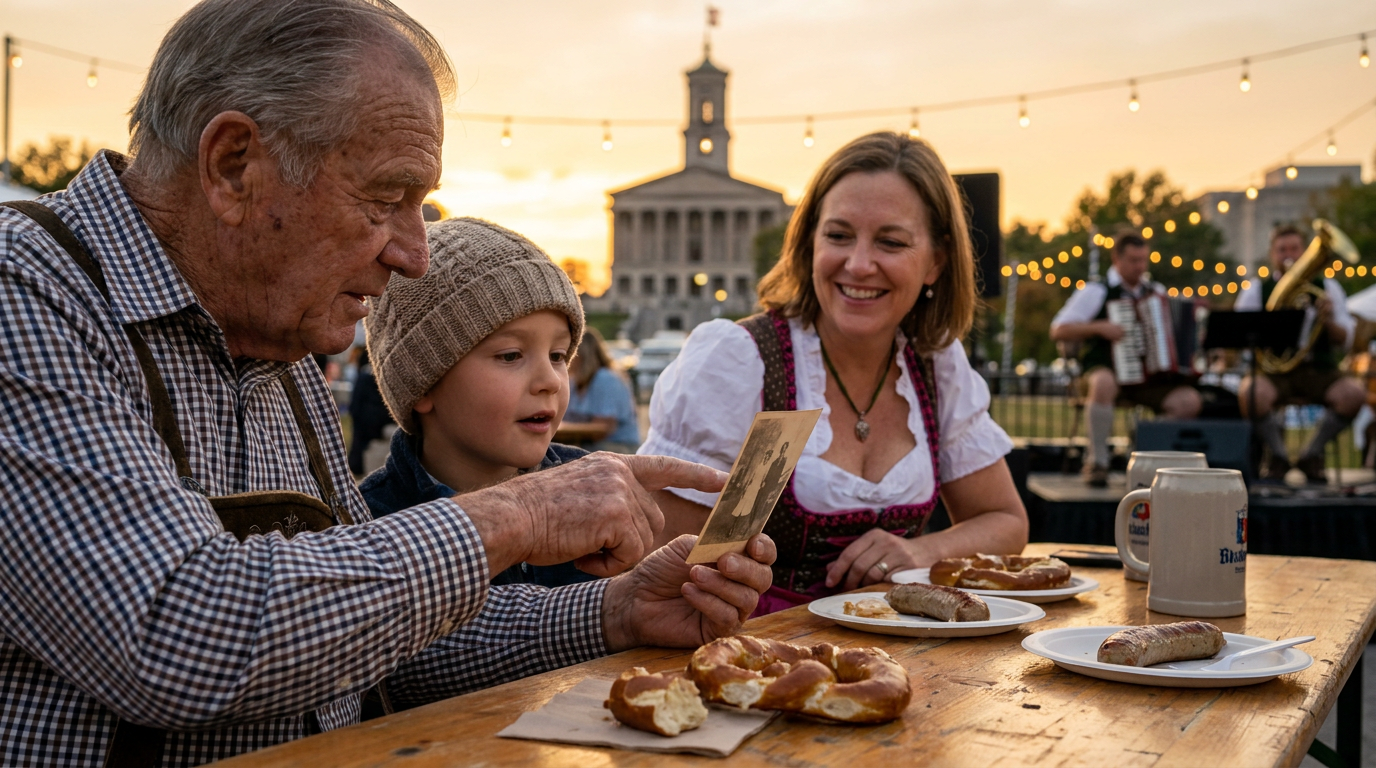
A real biergarten is not simply an outdoor bar with German beer on the menu. Its roots reach back to Bavaria, where breweries traditionally served beer beneath shady chestnut trees. Long communal tables encouraged guests to sit together, and many traditional gardens allowed visitors to bring their own food while purchasing beer from the brewery.

Today, America’s German-inspired biergartens range from historic immigrant gathering places to sprawling brewery campuses, festive restaurants, public park gardens, and energetic entertainment venues. Some follow Bavarian customs closely. Others blend German traditions with local music, regional cuisine, and distinctly American personality.

July is an excellent time to experience them. The evenings are long, outdoor entertainment calendars are active, and many gardens are filled with families, travelers, musicians, heritage groups, and friends meeting for a cold beverage and a hearty meal.

So loosen your belt one notch, practice saying Prost!, and join GERMAN HERITAGE USA on a summer journey through some of America’s most enjoyable German biergartens.

“A great biergarten is not simply a place where beer is served. It is a place where community is invited to pull up a chair.”


What Makes a Great German Biergarten?

Before beginning our tour, it helps to understand what separates a memorable German-style biergarten from an ordinary restaurant patio.

The first ingredient is communal seating. Long tables are not merely a decorative choice. They encourage interaction. You may arrive with two friends and leave having met a family from another state, a retired brewer, three polka enthusiasts, and someone who insists his grandmother made the world’s greatest sauerbraten.

The second ingredient is German-inspired food and drink. Bratwurst, schnitzel, potato pancakes, pretzels, sauerkraut, spaetzle, roast pork, currywurst, and imported or locally brewed German-style beers all help build the experience.

The third is atmosphere. Shade trees, open-air stages, traditional decorations, live music, family activities, and enough room to relax matter just as much as what is being served.

Finally, the best biergartens preserve some connection to German, Austrian, Czech, Slovak, or broader Central European heritage. That connection might come through recipes, architecture, brewing methods, immigrant history, cultural organizations, music, or ownership.

Not every destination on this list is identical, and that is part of the fun. Together, they demonstrate how German traditions have been preserved, reinterpreted, and welcomed into communities across the United States.


1. Estabrook Beer Garden

Milwaukee, Wisconsin

Milwaukee is one of America’s great brewing cities, making Estabrook Beer Garden a natural place to begin.

Located in Estabrook Park, this public beer garden was created as a modern revival of the traditional gardens found in Munich. Its operators describe it as the first truly public beer garden opened in America in nearly a century following Prohibition. The setting combines Milwaukee’s brewing heritage with trees, parkland, long tables, German beer, casual food, and an atmosphere designed to bring people together.

Estabrook is not a formal dining experience—and that is precisely its charm. Guests order a beer, find a seat beneath the trees, and settle in for an unhurried afternoon or evening. Traditional biergarten fare includes bratwurst, pretzels, and other casual favorites, while the park setting makes it especially comfortable for groups and families. The venue is also listed as family-friendly and offers patio-style dining near the water.

One of Estabrook’s most authentic customs is its picnic-friendly approach. Guests may bring food while purchasing beverages from the garden, echoing the Bavarian tradition of families packing their own meals for an afternoon beneath the chestnut trees.

Why it belongs on your July list

Milwaukee summers seem made for outdoor beer gardens. Estabrook offers abundant shade, a relaxed park setting, regular entertainment, and a refreshing lack of pretension. It feels less like visiting an attraction and more like being welcomed into a citywide neighborhood picnic.

Order this: A German lager, bratwurst, and oversized pretzel.

Best for: Families, first-time biergarten visitors, traditionalists, and travelers exploring Milwaukee’s brewing history.


2. The Bavarian Bierhaus and Old Heidelberg Park

Glendale, Wisconsin

Just outside Milwaukee, The Bavarian Bierhaus provides a larger, more festival-driven experience.

The complex combines a Bavarian-style restaurant, brewery, fest hall, entertainment spaces, and Old Heidelberg Park. Its calendar features German comfort food, house and imported beers, live music, cultural celebrations, family events, and plenty of opportunities to hear traditional polka. It is also home to Milwaukee’s Original Oktoberfest, a long-running celebration rooted in the city’s German-American heritage.

Even outside Oktoberfest season, the venue maintains an energetic German identity. Communal seating, decorative Bavarian elements, live weekend entertainment, sausages, roast meats, pretzels, schnitzel, and generous steins create an experience that can feel like a warm-up for September—even in the middle of July. The venue regularly promotes Friday and Saturday live music throughout the year.

This is a particularly good stop for travelers who want more activity than a quiet garden usually provides. Depending on the date, you might encounter a band, a themed dinner, a family celebration, a pig roast, or a gathering organized by one of Milwaukee’s German cultural groups.

Why it belongs on your July list

The Bavarian Bierhaus offers enough space and entertainment to turn dinner into an evening-long outing. It preserves the spirit of a traditional festival hall while remaining casual enough for families, tourists, and groups of friends.

Order this: Schnitzel, sausage, roast chicken, or a Bavarian pretzel with a house-brewed beer.

Best for: Live-music fans, larger groups, German-American families, and travelers who enjoy an Oktoberfest atmosphere year-round.


3. Hofbräuhaus Las Vegas

Las Vegas, Nevada

Las Vegas is not known for doing anything halfway, and Hofbräuhaus Las Vegas is no exception.

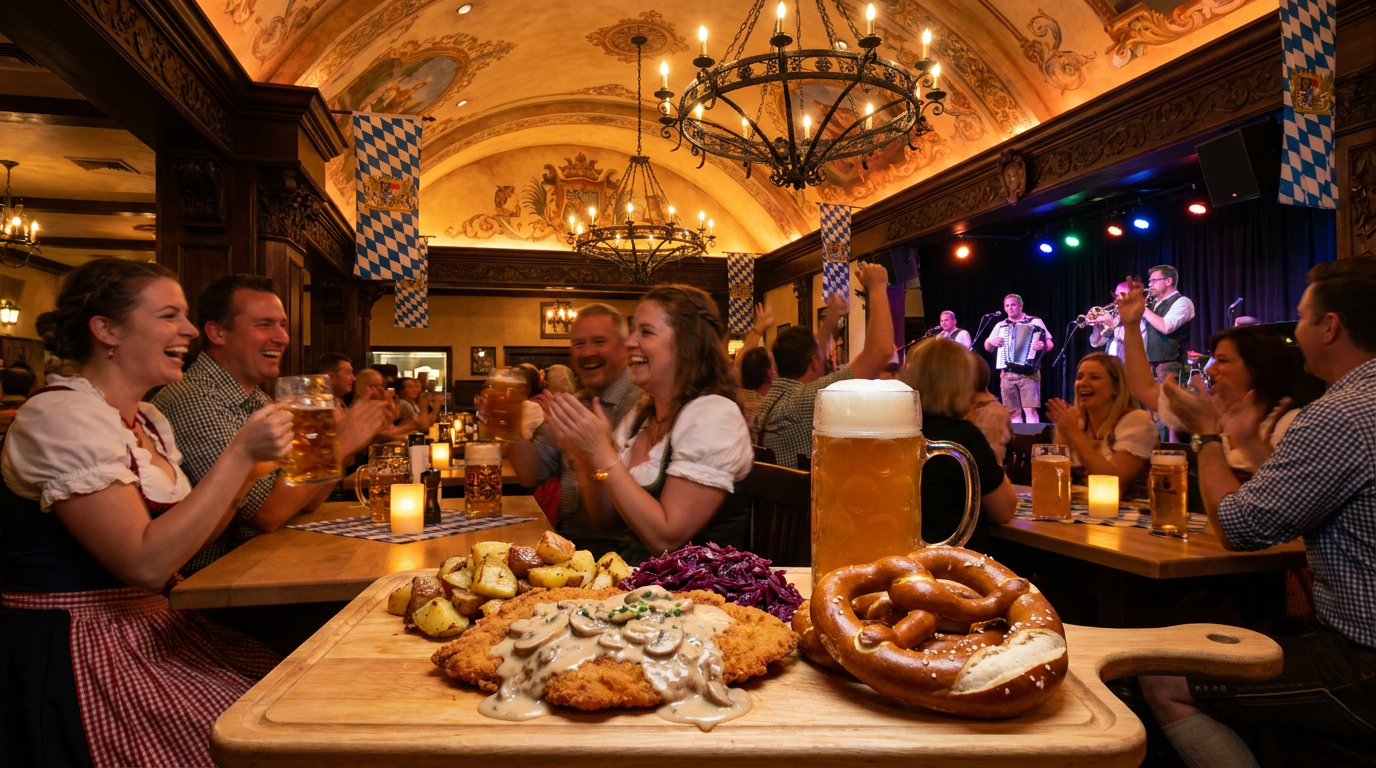
The venue was built as a detailed replica of Munich’s famous Hofbräuhaus, complete with painted ceilings, long wooden tables, Bavarian architecture, imported Hofbräu beer, a large beer hall, and a garden-style dining area. Its main hall can accommodate hundreds of guests, creating the lively communal environment associated with Bavaria’s most famous beer halls.

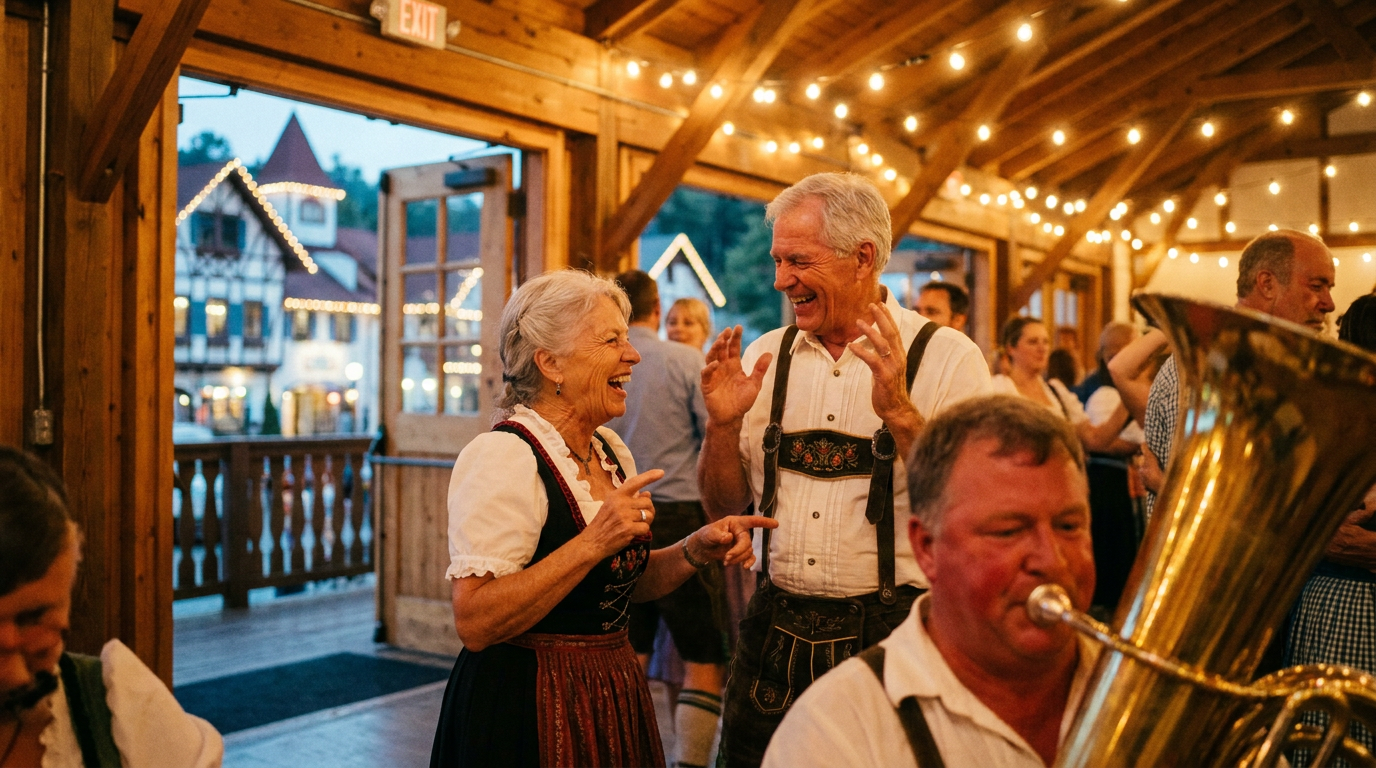
Daily live entertainment is a major part of the experience. Bavarian-style bands perform traditional tunes and party favorites, often encouraging visitors to sing, clap, dance, and participate rather than sit quietly. The restaurant currently promotes live music every day, with later performances on Friday and Saturday nights.

The menu features familiar German classics such as schnitzel, sausages, sauerbraten, pretzels, sauerkraut, and hearty platters intended for visitors who have temporarily abandoned all thoughts of calorie counting.

The garden is also climate-controlled, which is no small advantage during a Las Vegas July. Guests can enjoy the appearance and energy of a Bavarian courtyard without attempting to endure the full force of the Nevada afternoon heat.

Why it belongs on your July list

This is the place for travelers who want spectacle, music, large portions, audience participation, and a celebration that feels more like an event than a meal.

Order this: A schnitzel platter, pretzel, and Hofbräu Original or Hefeweizen.

Best for: Las Vegas travelers, birthday groups, bachelor or bachelorette parties, music lovers, and anyone who believes dinner should include a brass band.


4. The Rathskeller Biergarten

Indianapolis, Indiana

Located inside the historic Athenaeum in downtown Indianapolis, The Rathskeller combines German architecture, food, history, and one of the Midwest’s most active outdoor music calendars.

The restaurant serves German favorites alongside steaks, seafood, pork, chicken, and vegetarian selections. Traditional dishes include jägerschnitzel and other hearty Central European specialties.

Behind the building is a large outdoor biergarten featuring bar huts, dancing areas, and a substantial bandshell. The space can seat approximately 500 guests and was designed for live entertainment and social gatherings.

Music is central to The Rathskeller experience. Performances commonly run Wednesday through Saturday and on selected Sundays, with styles ranging from polka and acoustic music to rock, blues, country, and local cover bands.

This broader entertainment mix makes The Rathskeller an excellent example of how a German-American biergarten can preserve its cultural foundation while continuing to evolve. One evening may feel traditionally German; another may feature yacht rock, country, or blues. The connecting thread is the communal outdoor celebration.

Why it belongs on your July list

Few destinations combine a historic German-American building, substantial food menu, spacious garden, and frequent live entertainment as successfully as The Rathskeller.

Order this: Jägerschnitzel, bratwurst, German potato salad, and an imported lager.

Best for: Concertgoers, history lovers, couples, groups of friends, and visitors spending a weekend in Indianapolis.


5. Scholz Garten

Austin, Texas

Long before Austin became known for food trucks, technology companies, college football, and the phrase “Keep Austin Weird,” German immigrant August Scholz opened a gathering place in the Texas capital.

Scholz Garten was established in 1866 and developed into an important social center for Austin’s German community. Over the decades, it hosted musicians, political gatherings, celebrations, community organizations, and generations of Texans looking for food, conversation, and cold beer. The property is now associated with the Austin Saengerrunde, a historic German singing society that has helped preserve the site and its cultural role.

Today, Scholz Garten blends German heritage with Austin personality. Visitors can enjoy sausages, schnitzel-inspired dishes, beer, cocktails, live music, special events, and the relaxed energy of one of Texas’ oldest hospitality landmarks. Its official calendar continues to feature music, reunions, community functions, private events, and university-related gatherings.

The result is not a museum frozen in the nineteenth century. Scholz remains alive because it has changed with Austin while protecting the history that makes it special.

Why it belongs on your July list

Scholz Garten offers something deeper than decorative Bavarian flags. It represents the long story of German immigrants building businesses, cultural organizations, and community gathering places across Texas.

July visitors should plan for Austin heat, choose a later afternoon or evening arrival, and check the music and event schedule beforehand.

Order this: Sausage, schnitzel, a pretzel, and a refreshing German-style beer.

Best for: German-American history enthusiasts, live-music travelers, Texas road-trippers, and visitors exploring downtown Austin.


6. The Olde Mecklenburg Brewery

Charlotte, North Carolina

The Olde Mecklenburg Brewery brings German brewing philosophy together with Southern hospitality.

Known locally as OMB, the brewery produces German-style beers using traditional methods and emphasizes brewing principles associated with the historic Reinheitsgebot, or German beer purity tradition. Its main Charlotte campus includes a large, tree-filled biergarten designed for communal gatherings, casual dining, outdoor events, and relaxed afternoons with friends.

The setting is one of OMB’s greatest strengths. Large trees provide shade over picnic tables, while families, couples, groups, and leashed dogs spread throughout the garden. German-inspired food options commonly include pretzels, sausages, schnitzel, sauerkraut, and other dishes suited to the brewery’s lagers and wheat beers.

Live music is another summer attraction. OMB states that it generally hosts local performers on Friday and Saturday evenings during spring and summer, with occasional Sunday appearances.

OMB now operates more than one Charlotte-area destination, including its Ballantyne location, giving visitors multiple ways to experience the brand’s brewing tradition and outdoor hospitality.

Why it belongs on your July list

The Olde Mecklenburg Brewery offers one of the South’s most complete combinations of German-style brewing, shaded outdoor seating, family-friendly recreation, food, and weekend entertainment.

Order this: A Hefeweizen or lager with schnitzel, sausage, sauerkraut, and a pretzel.

Best for: Families, dog owners, craft-beer enthusiasts, weekend travelers, and groups wanting plenty of outdoor space.


7. Bohemian Hall and Beer Garden

Astoria, Queens, New York

Although its cultural identity is primarily Czech and Slovak rather than strictly German, Bohemian Hall deserves a place on any serious American biergarten journey.

Established in 1910 by the Bohemian Citizens’ Benevolent Society of Astoria, the hall has served generations of immigrants, descendants, neighbors, and New Yorkers. Its mission historically included supporting Czech and Slovak culture, education, drama, libraries, and a community home in which Old World traditions could be blended with American life.

Bohemian Hall survived Prohibition and remains one of New York City’s classic outdoor public gathering spaces. The property honors its founders through Czech and Slovak beer, food, décor, cultural programming, and community events.

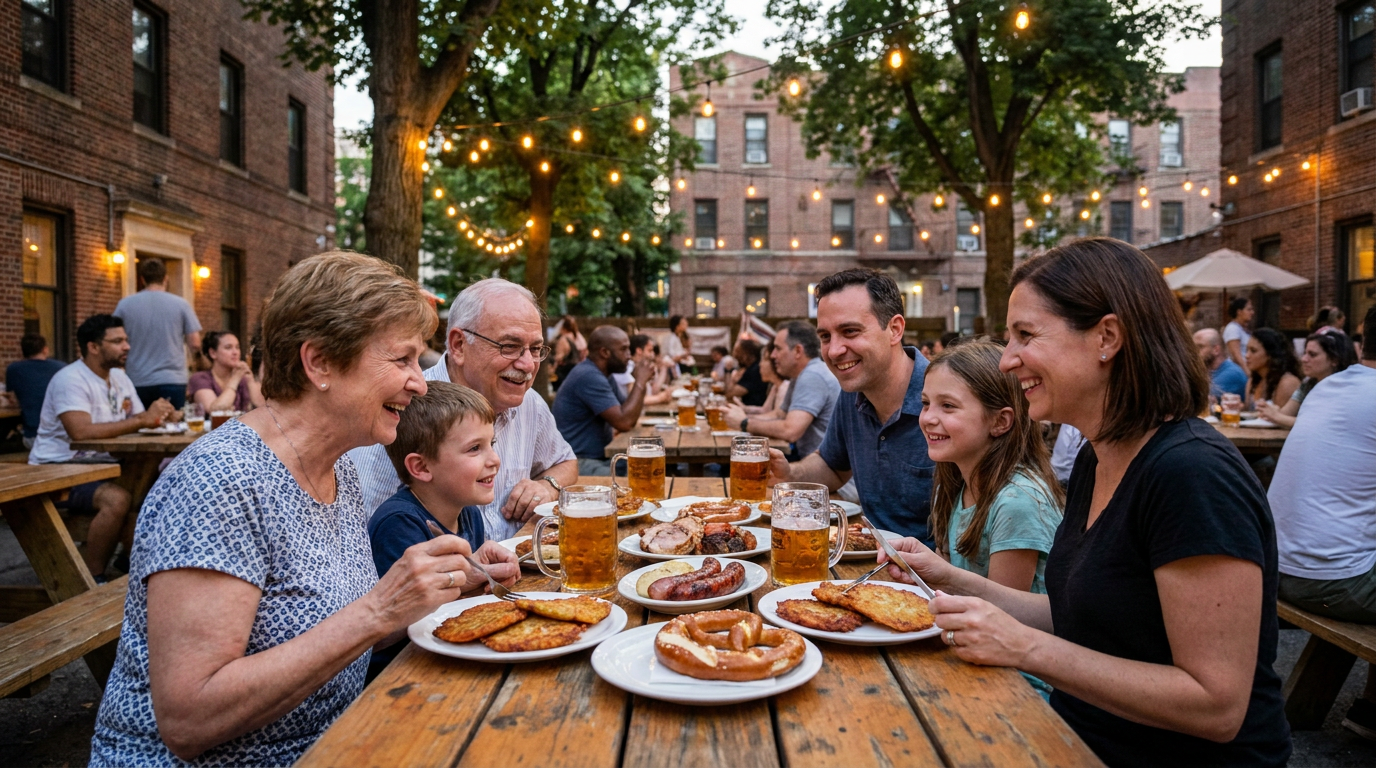
The outdoor garden offers rows of communal tables, mature trees, casual dining, and the unmistakable energy of New York. The crowd may include longtime neighborhood residents, young professionals, international travelers, families, Mets fans, musicians, and visitors who simply followed the sound of conversation into the courtyard.

German, Czech, Slovak, Austrian, and other Central European beer cultures overlap in many American communities. Including Bohemian Hall reminds us that the biergarten tradition was carried to the United States by several immigrant groups—not only Bavarians.

Why it belongs on your July list

Bohemian Hall combines immigrant history, urban diversity, communal seating, hearty Central European food, and an atmosphere that feels impossible to manufacture artificially.

Order this: Czech or Central European lager, kielbasa, potato pancakes, or another traditional house specialty.

Best for: New York visitors, heritage travelers, food explorers, history lovers, and anyone who prefers an authentic neighborhood institution over a polished theme experience.


8. Bavarian Bierhaus

Nashville, Tennessee

For GERMAN HERITAGE USA readers in Middle Tennessee, Bavarian Bierhaus offers an accessible taste of Munich without boarding an airplane.

Located at Opry Mills in Nashville, the veteran-owned restaurant describes its mission as bringing “Munich to Music City” through beer, German food, live music, and themed entertainment. Its founder’s appreciation for Bavaria inspired a restaurant designed to deliver more than a standard dining experience.

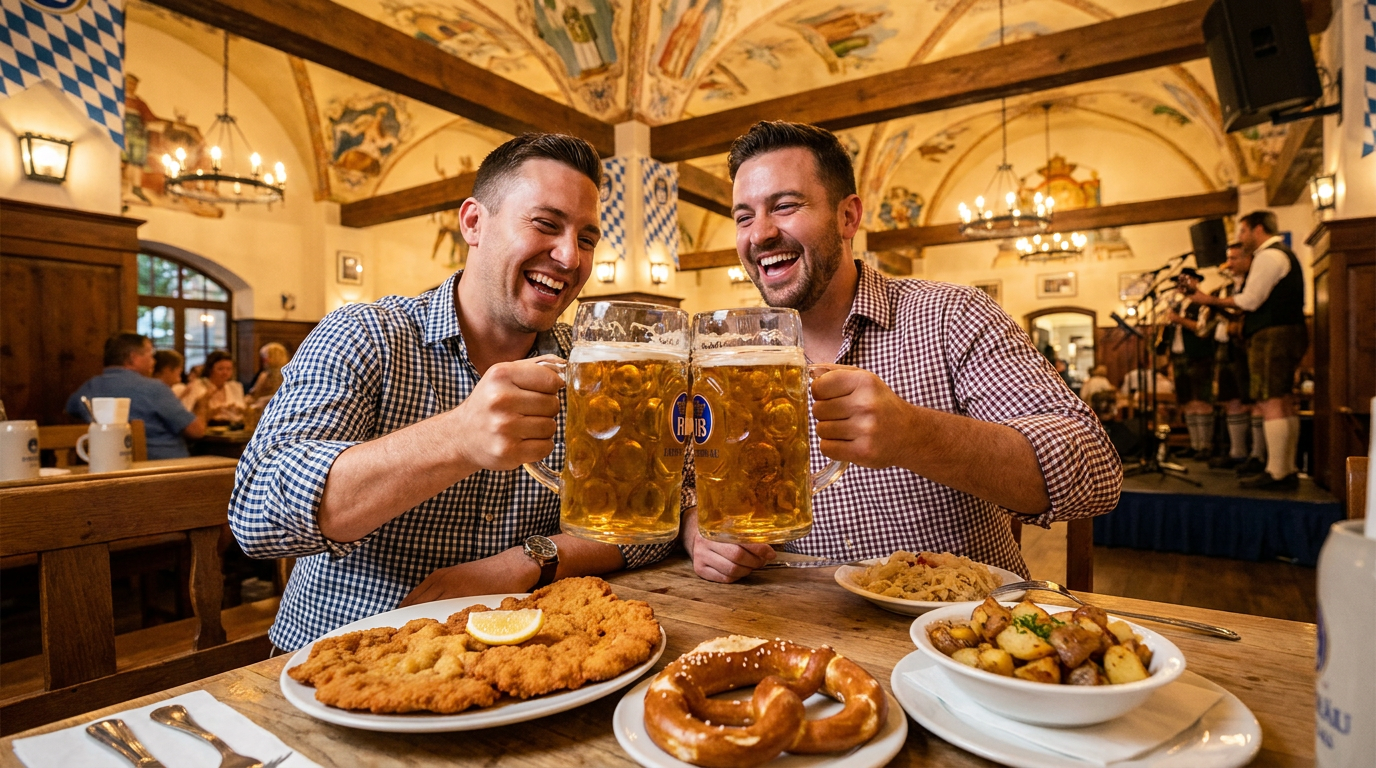
The large indoor beer-hall environment includes communal tables, a performance stage, German decorations, hearty portions, imported and domestic beer, and frequent live entertainment. While it is not a traditional outdoor garden beneath chestnut trees, it captures many of the same social traditions: shared seating, music, singing, celebration, and a menu built around Bavarian comfort food.

That indoor setting is also helpful in July, when Nashville heat and humidity can make an air-conditioned bier hall every bit as appealing as an outdoor patio.

Depending on the entertainment schedule, guests may hear German standards, accordion music, polka, party songs, and familiar American favorites. It is an especially approachable destination for families who want to introduce younger generations to German food, music, and hospitality.

Why it belongs on your July list

Bavarian Bierhaus proves that German traditions can fit naturally into Music City. It offers visitors a fun, accessible experience close to the Grand Ole Opry, area hotels, shopping, and other Nashville attractions.

Order this: Bratwurst, schnitzel, pretzel, potato salad, and a German lager or wheat beer.

Best for: Middle Tennessee families, Nashville tourists, veterans, Opry visitors, groups, and diners seeking an indoor escape from the July heat.

» Read more

Winter’s Last Pour: Traditional German Beers to Enjoy Before Spring Arrives

Late February in Germany is a season suspended between worlds. Snow still clings to the edges of cobblestone streets, gathering in quiet corners beneath timber-framed houses and along the roofs of centuries-old beer halls. The air carries the sharp, clean bite of winter, and church bells echo through the frosty morning like a slow heartbeat of tradition. Smoke curls gently from chimney stacks, and the warm glow of tavern windows spills onto the icy streets, inviting travelers inside for one more taste of winter’s comfort.

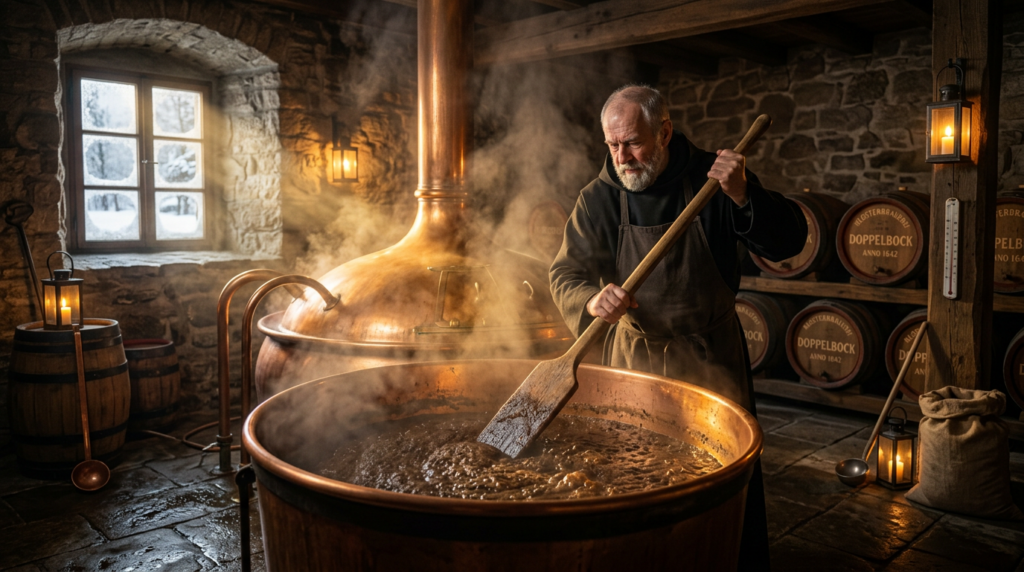
Yet beneath the gray Bavarian sky, something quieter—and far more hopeful—is taking place. In cool cellars and historic breweries, golden lagers are quietly fermenting. Barrels rest patiently in the dim light, slowly transforming grain, water, hops, and yeast into the promise of the coming season. Brewers know what the landscape already senses: winter’s grip is loosening. While the snow still lingers outside, inside the brewery tanks a brighter future is beginning to take shape.

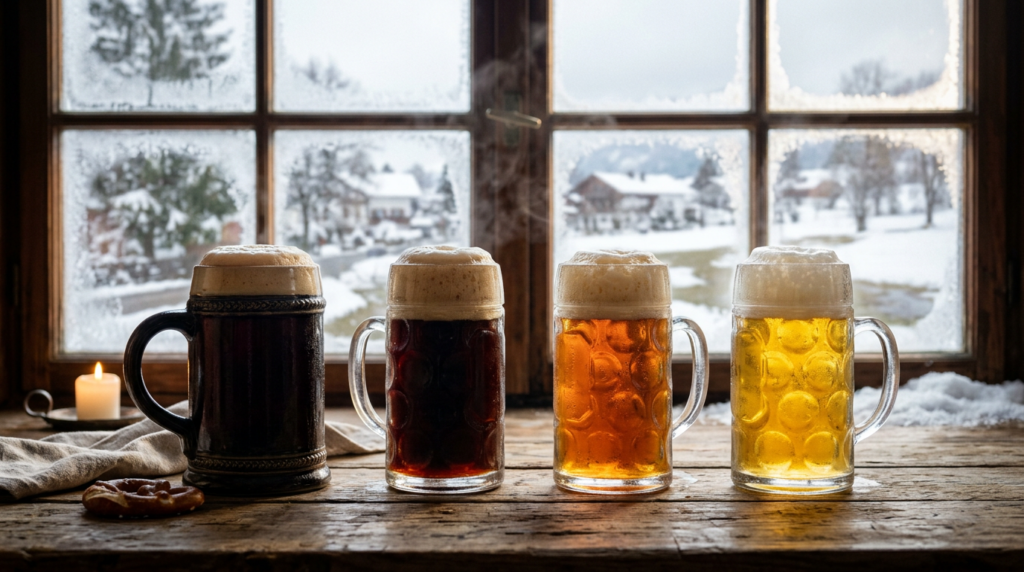
For centuries, Germans have understood that beer follows the rhythm of the seasons. During the long, cold months, darker and stronger brews warm both body and spirit. Rich Bocks and velvety Doppelbocks offer deep notes of caramel, toasted bread, and dark fruit—liquid comfort against the winter chill. But as the sun climbs slightly higher in the sky and Lent approaches, those bold winter lagers begin making room for something lighter, brighter, and more hopeful.

This quiet transformation—from Bock to Helles, from Doppelbock to Maibock—is more than a change in flavor. It is a ritual woven into the fabric of German life. Each glass marks the turning of the calendar, a farewell toast to winter and a welcoming nod to spring. In beer halls across Bavaria, locals lift their steins not just to good drink, but to the seasons themselves—celebrating winter’s final warmth while raising a golden promise to the brighter days ahead. 🍺

This transition—from Bock to Helles, from Doppelbock to Maibock—is more than a change in flavor. It is a ritual. A celebration. A farewell toast to winter’s last pour.

As one old Bavarian saying goes:

“Der Winter braucht Stärke, der Frühling braucht Licht.”
Winter needs strength; spring needs light.

Let’s explore the traditional German beers that define this magical late-winter moment—and why February may be the most fascinating month in the German brewing calendar.


The Bold Heart of Winter: Bock & Doppelbock

https://www.usatoday.com/gcdn/-mm-/1eeda088f69ac69fdd9fb56f0db7c1b8b5158adf/c%3D116-0-1931-1365/local/-/media/2017/11/14/USATODAY/USATODAY/636462370864289309-Bierhaus-beer-flight.jpg

When temperatures drop, Germany turns to Bockbier—a strong lager traditionally brewed for sustenance and celebration.

Originating in the northern town of Einbeck and later embraced by Bavarian brewers in Munich, Bock evolved into one of Germany’s most beloved winter styles. Its flavors are rich and comforting:

  • Toasted bread crust
  • Dark caramel
  • Subtle chocolate
  • A gentle warming alcohol presence

But if Bock is strong, Doppelbock is heroic.

Originally brewed by monks in Munich during Lent, Doppelbock was known as “liquid bread.” When fasting limited solid meals, these nutrient-dense beers sustained the body. The famous Salvator style brewed by monks in the 17th century became the prototype.

“Bier ist flüssiges Brot.”
Beer is liquid bread.

With alcohol levels often reaching 7–10% ABV, Doppelbock delivers deep malt sweetness, plum and raisin notes, and a velvety mouthfeel. It’s the beer of candlelit taverns, wool coats, and lingering conversations.

February is its final stand.


Starkbierzeit: Bavaria’s Strong Beer Season

https://images.openai.com/static-rsc-3/pSaoDyeE-j4iZFacVE2UlrHgtRrBfVhZsrH5NUI3bTokZk_3P63ZhWrwuyr0bDIjWo02KlCBW3QFrzw28mkXSOPgfWlLO7H0LjXotn5Lw8k?purpose=fullsize&v=1

In Munich, late winter means Starkbierzeit—“Strong Beer Time.”

Often called the “insider’s Oktoberfest,” this February–March tradition celebrates the final weeks of winter with robust, high-gravity brews. Breweries unveil seasonal Doppelbocks in massive beer halls filled with brass bands, laughter, and political satire speeches.

Unlike the tourist-packed autumn festivals, Starkbierzeit feels deeply local. Families gather. Regulars claim their tables. The atmosphere is hearty but intimate.

The strong beers of Starkbierzeit serve as a symbolic bridge:

  • They honor winter’s endurance.
  • They prepare the body for fasting season.
  • They toast the coming thaw.

This is winter’s last full roar.


Why February Favors Stronger Beers

Before refrigeration, German brewing followed nature’s calendar. Beer was safest to brew between late September and early spring when temperatures were cool enough to prevent spoilage.

By February, winter lagers had matured slowly in cold cellars (Lager literally means “to store”). Their flavors deepened. Alcohol levels climbed slightly. The result? A perfect storm of strength and smoothness.

But something subtle begins to happen as daylight lengthens.

Drinkers start craving balance over weight. Brightness over density.

And that’s when golden lagers begin their quiet ascent.

» Read more

When the Leaves Turn Gold, So Does the Beer: Germany’s Fall Brews in America

Autumn in America brings a golden hue to the landscape: leaves crisping, pumpkins appearing, sweaters emerging. But one of the richest traditions of the season lies not just in what we carve or bake—but what we pour.

As the harvest turns to thanks, many of us raise a glass to that same seasonal shift with a beer rooted in centuries-old German tradition: the Märzen (March) or the modern “Oktoberfest” lager.

In Germany, the brewing calendar used to slow during the warm months and ramp up in the fall, resulting in beers that were stored from March until the harvest festivals of September and October. Those stored beers became the ones for which the harvest-time celebrations (like Oktoberfest) are named.

But across America, German‐American brewers and those inspired by that tradition continue the legacy: brewing malty, amber-hued lagers (and other German-style beers) that feel like harvest, flavor, and fall all in one pint. Let’s explore the flavor, the history, and a few standout American breweries keeping German heritage alive this fall.


The Style, The Story & The Season

https://www.blackflannel.com/wp-content/uploads/bfb-marzen-12-2020-blog-838x1024.jpg

1. What’s the deal with Märzen & Oktoberfest beer?

  • The term Märzen comes from German März (March). Historically, brewers made stronger beers in late winter/early spring (March) and stored them over summer so they could be enjoyed during the cool, harvest season.
  • Over time the beer became associated with the autumn festivals in Bavaria (including Oktoberfest) and took on a characteristic amber or copper hue, malty backbone, and dry finish.
  • In the U.S., many craft brewers adopt the Märzen or “Oktoberfest” label for their fall seasonal beers—sometimes with American tweaks, but often in homage to the German tradition.

2. Why does this style feel like fall?

  • Malt and color evoke harvest wheat and barley, amber fields and soft twilight.
  • It has enough body to stand up to richer fall-foods (roasts, sausages, root vegetables) yet remains crisp enough for sipping. As the article in Bon Appétit puts it: “a beer you can drink throughout dinner… so balanced it doesn’t kill your palate.” Bon Appétit
  • It taps into cultural memory: for German immigrants and their descendants, a beer tied to the harvest equals warmth, community and tradition.

3. German Heritage & American adaptation

  • German immigrants brought brewing practices to America, especially lagers under the purity law Reinheitsgebot (1516)—water, barley, hops and yeast only. Some American breweries still highlight this heritage.
  • While American fall beers often lean heavy on pumpkin or spice, the German-heritage style stays true to malt and lagering roots—less gimmick, more tradition.

» Read more

Oktoberfest 2025 Dates, Events & Traditions – What to Expect in Munich

Oktoberfest 2025 will take place from Saturday, September 20th to Sunday, October 5th, 2025.

For 16 unforgettable days, the city of Munich transforms into the beating heart of Bavarian culture—overflowing with world-renowned beer, lively music, and timeless traditions. Streets and beer tents come alive with the sounds of brass bands and cheerful singing, while locals and visitors alike don traditional dirndls and lederhosen.

The air is filled with the aroma of roasted meats, freshly baked pretzels, and sweet pastries, creating a feast for all the senses. From the ceremonial tapping of the first keg to the last song sung under twinkling festival lights, Oktoberfest embodies a spirit of togetherness and celebration that has enchanted millions for generations.

Despite its name, Oktoberfest always kicks off in late September to take advantage of Munich’s milder autumn weather. The event traditionally concludes on the first Sunday in October or extends to German Unity Day (October 3rd) if it falls later, ensuring a minimum of 16 days of celebration.

In 2025, festival-goers can look forward to two full weeks plus an extended final weekend, perfect for both locals and international visitors to experience the magic.

If you’re planning to attend, here’s your complete guide to Oktoberfest 2025 dates, events, and traditions, plus everything you need to know to make the most of your Bavarian adventure.


The Official Kickoff: “O’zapft is!”

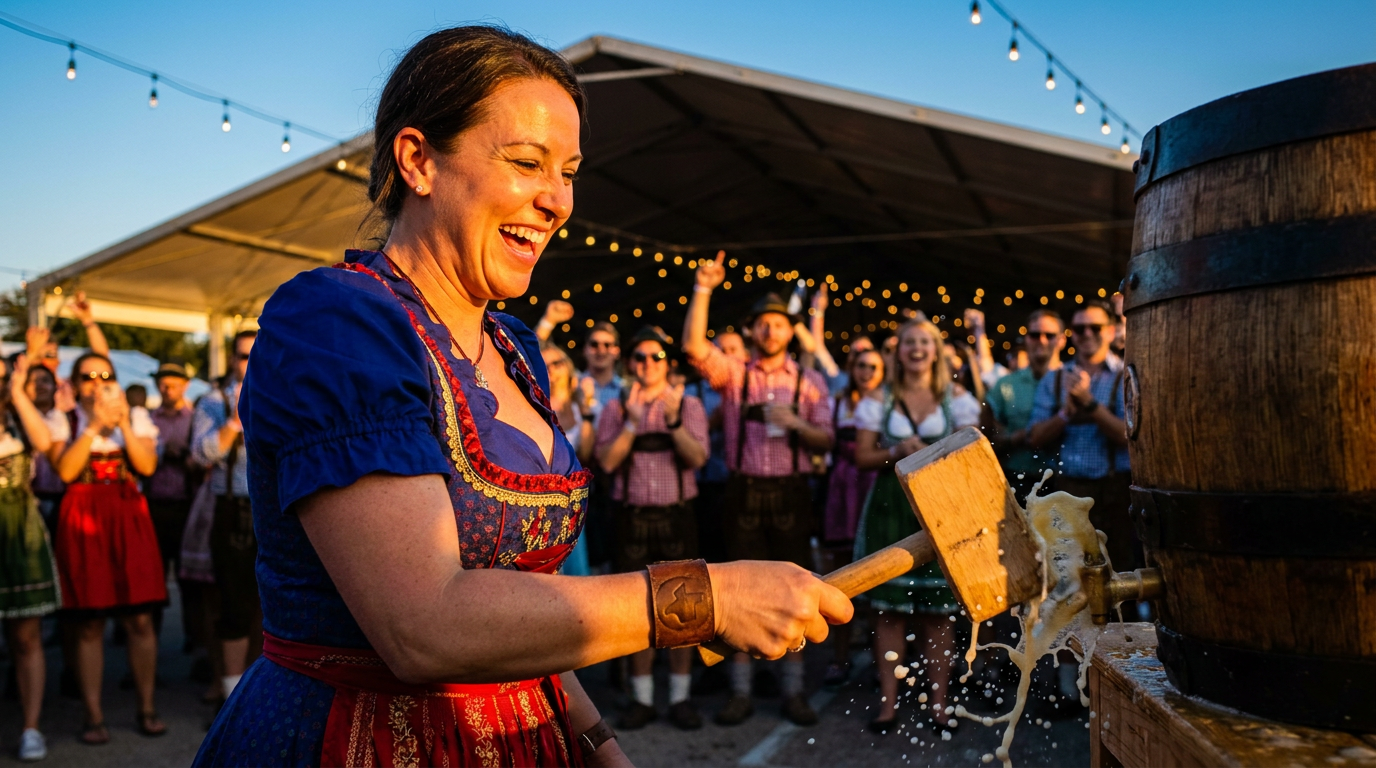
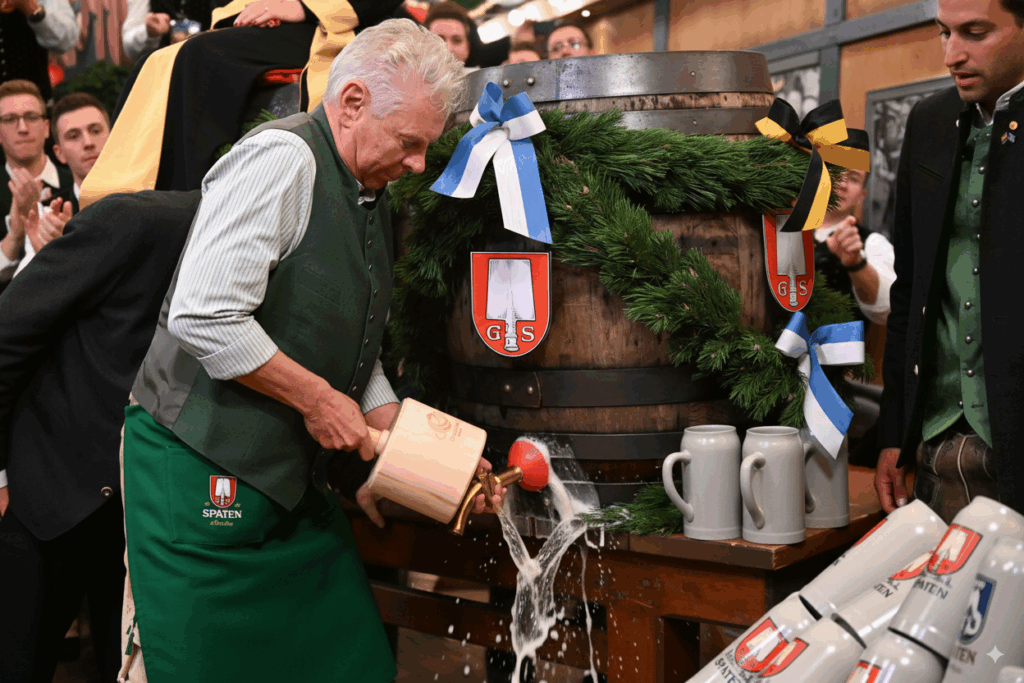
The festival begins with one of the most famous traditions: the keg-tapping ceremony. On opening day, the Mayor of Munich taps the first keg in the Schottenhamel tent, declaring “O’zapft is!”—“It is tapped!”

Only then does the beer officially begin to flow across the 14 major tents and countless smaller venues throughout the Theresienwiese fairgrounds. This moment is broadcast on German television and cheered by thousands of locals and travelers alike.

This ceremony not only marks the start of Oktoberfest—it embodies the spirit of Munich’s warm hospitality and the pride Bavaria takes in its brewing culture.


Oktoberfest 2025 Dates at a Glance

  • Opening Day: Saturday, September 20th, 2025
  • Closing Day: Sunday, October 5th, 2025
  • Duration: 16 days
  • Location: Theresienwiese, Munich, Germany

The extended schedule in 2025 includes both September’s milder climate and the special German Unity Day holiday on October 3rd, meaning crowds will be especially lively. Expect peak attendance during both weekends, particularly the final days.


The Iconic Oktoberfest Tents

One of the most defining features of Oktoberfest is its legendary beer tents—not mere temporary structures, but massive, elaborately decorated halls capable of seating thousands of guests.

» Read more

TheOldCountryBlog: Biergarten & Radler


German inspired Radler cocktails are now becoming popular in the USA…

TheOldCountryBlog: Biergarten & Radler

"My mother remembers going to a family biergarten with her Oma in Bavaria in the '60s and drinking a radler from a kiddie sized cup (it was lemonade with a splash of beer), while her grandmother daintily sipped the same beverage. Well, my …TheOldCountryBlog"
http://cgerdes.blogspot.com/2012/07/biergarten-radler.html

Biergarten & Radler


 A Radler cocktail can be made with other beverages than lemonade too!
 

Anheuser-Busch plans restaurant at St. Louis’ Ballpark Village


Here comes the King, here comes the number one!

Anheuser-Busch plans restaurant at St. Louis’ Ballpark Village

“The licensing and sponsorship agreement with the St. Louis Cardinals and the Cordish Companies, a Baltimore-based development company, will include a 25000-square-foot restaurant with German-inspired cuisine, more than 100 global beers on tap, and …”
http://nrn.com/article/anheuser-busch-plans-restaurant-st-louis-ballpark-village

The Anheuser-Busch Restaurant - St. Louis

An absolute first. Anheuser-Busch licenses its brand for a German Heritage related restaurant in St Louis that includes an outdoor Biergarten too.

Read more: http://nrn.com/article/anheuser-busch-plans-restaurant-st-louis-ballpark-village#ixzz1zDteAFB2

Brewery District lays plans for Cincinnati Brewing Heritage Trail


The old German heritage brewery district in Cincinnati is on it's way back…

Brewery District lays plans for Cincinnati Brewing Heritage Trail

"We're a German-American immigrant city. And there are great stories behind that.” Cincinnati has a rich history, especially when it comes to brewing, said Greg Hardman, CEO of the Christian Moerlein Brewing Company and President of the Brewery District …"
http://www.kypost.com/dpps/news/brewery-district-lays-plans-for-cincinnati-brewing-heritage-trail_7562823

Cincinnati Breweries


The historical Brewing Heritage Trail showcasing German-American brewers of the 19th century in Cincinnati is a step down history lane.