The Ultimate Guide to America’s Biggest Oktoberfests: Where to Celebrate German Heritage This Fall
From Cincinnati’s enormous riverfront celebration to Bavarian-style towns in Georgia and Washington, these unforgettable festivals invite German-Americans—and everyone who loves the culture—to eat, dance, explore and raise a cheerful “Prost!” in fall 2026.

September arrives with a wonderful change in the air. The evenings grow cooler. Brass music seems to sound a little better. Pretzels suddenly look larger, sausages smell more tempting, and somewhere in America a dachshund is being fitted for its racing number.

Oktoberfest season is here.

For German-Americans, an Oktoberfest can be much more than a beer festival. It can be a joyful doorway into family history—a place where a familiar surname appears on a banner, an old melody awakens a memory, or a grandparent’s stories begin to feel real. For visitors without German ancestry, it offers the same invitation: pull up a bench, share a table and discover why Gemütlichkeit—the warm feeling of welcome, comfort and good fellowship—may be Germany’s most irresistible export.
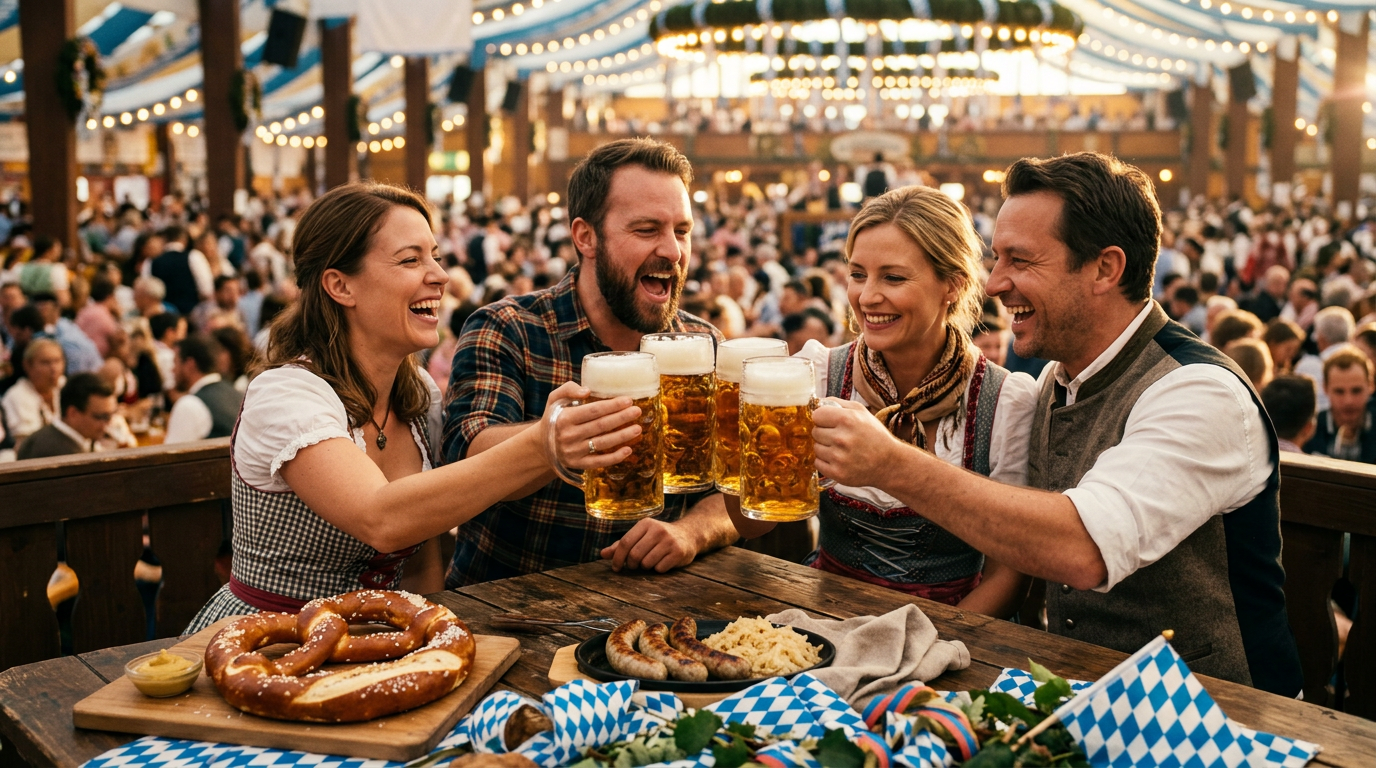
America now hosts hundreds of Oktoberfest celebrations, from neighborhood church picnics to citywide gatherings. This guide focuses on events that stand out through some combination of size, longevity, national reputation, cultural depth and destination atmosphere. It is not a rigid attendance ranking. Crowd estimates vary, and a month-long town celebration cannot be measured fairly against a concentrated four-day festival.

What these celebrations share is something more important: they turn heritage into an experience.

“An Oktoberfest is not merely a place to drink a beer. It is a place to hear history singing at the next table.” — GERMAN HERITAGE USA

Before the Road Trip: What Are We Actually Celebrating?

The original Oktoberfest began in Munich in 1810 with festivities honoring the marriage of Bavarian Crown Prince Ludwig and Princess Therese of Saxe-Hildburghausen. A public horse race helped conclude the celebration on grounds that became known as the Theresienwiese—“Therese’s Meadow.” The celebration returned, evolved and eventually became the enormous Munich festival recognized around the world.

Why does Oktoberfest often begin in September? The event gradually moved earlier to take advantage of longer days and milder weather while still finishing in early October. In 2026, Munich’s official Oktoberfest runs September 19 through October 4.

It is also worth remembering that Oktoberfest is specifically Bavarian in origin. Germany contains many regional cultures, foods, dialects and traditions. A family from Schleswig-Holstein, Hesse, Saxony or the Rhineland may not have inherited lederhosen or dirndls as ancestral dress. Still, Oktoberfest has become a lively international celebration of German and German-American culture. Enjoy the Bavarian traditions—and let them inspire you to discover your family’s own regional story.

America’s Oktoberfest Calendar at a Glance

Celebration Location 2026 dates Best for
Oktoberfest Zinzinnati Cincinnati, Ohio Sept. 17–20 The biggest crowds and enormous citywide energy
Mount Angel Oktoberfest Mount Angel, Oregon Sept. 17–20 German-Swiss tradition and a community-wide festival
Addison Oktoberfest Addison, Texas Sept. 17–20 Bavarian celebration with a Texas personality
Denver Oktoberfest Denver, Colorado Sept. 18–20 and 25–27 Urban excitement, games and two full weekends
Helen Oktoberfest Helen, Georgia Sept. 10–Nov. 1 The longest festival season and Alpine-town atmosphere
Nashville Oktoberfest Nashville, Tennessee Oct. 1–4 A large Southern city celebration with music and contests
Leavenworth Oktoberfest Leavenworth, Washington Oct. 2–3, 9–10 and 16–17 Mountain scenery and a Bavarian-style destination town
Zeeco Oktoberfest Tulsa Tulsa, Oklahoma Oct. 22–25 A high-energy grand finale patterned after Munich

Dates and details were checked against official 2026 event information. Always confirm hours, admission rules and schedules before traveling.

1. Oktoberfest Zinzinnati — Cincinnati, Ohio

Best for: Experiencing America’s attendance giant

If your Oktoberfest dream includes a riverfront filled with music, food, beer and a crowd large enough to qualify as its own city, begin in Cincinnati. The official event calls Oktoberfest Zinzinnati America’s largest Oktoberfest, and more than 800,000 people attended in 2025. The 2026 celebration marks its 50th anniversary at Sawyer Point Park and Yeatman’s Cove.

Cincinnati’s German roots run deep. Nineteenth-century German immigration shaped local neighborhoods, brewing, food, music and civic life. That history helps the celebration feel less like an imported theme and more like a city turning up the volume on part of its identity.
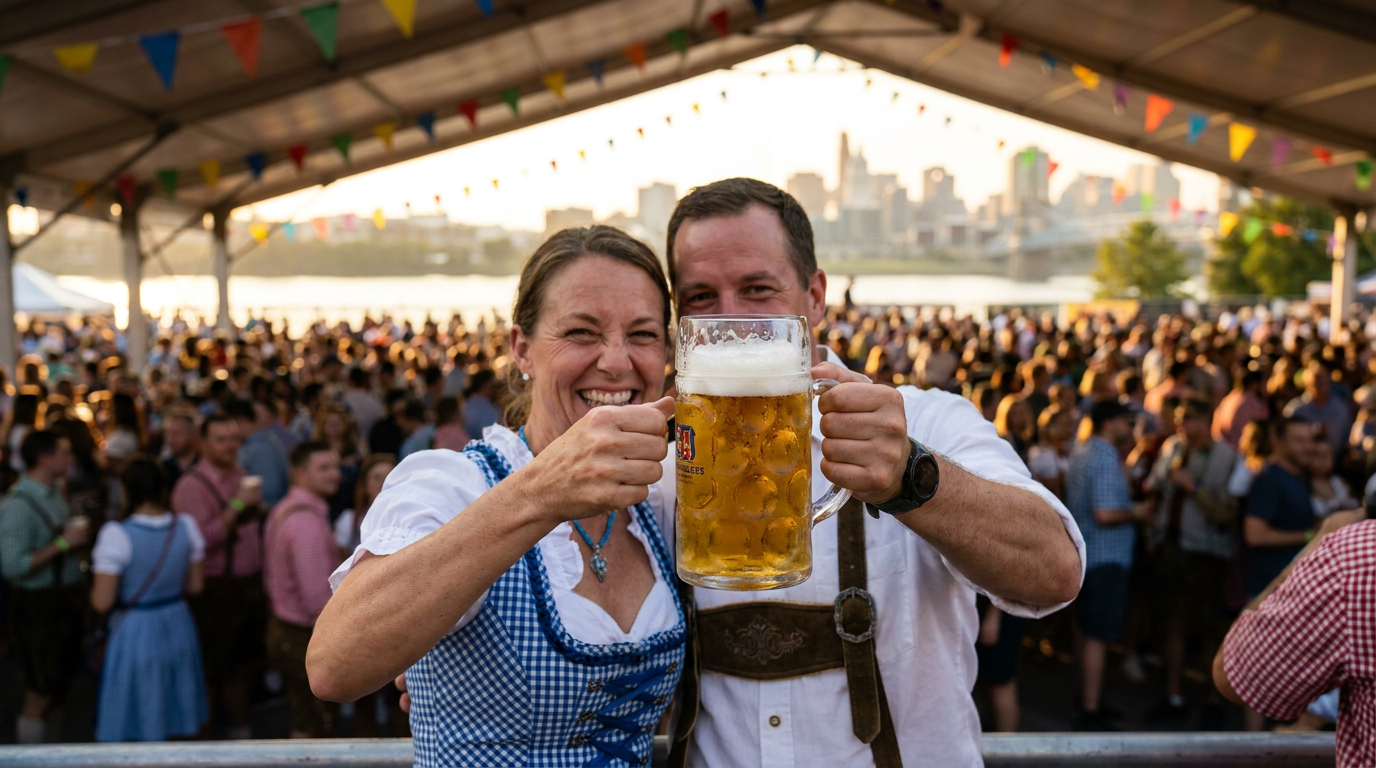
Admission is free, making it especially approachable for families and first-time visitors. Expect giant tents, stages, beer gardens, abundant German-inspired food and wonderfully unserious spectacle. The famous mass participation and exuberant atmosphere are part of the point: this is heritage with its sleeves rolled up.

Do not miss: The ceremonial events, live music and sheer thrill of seeing Cincinnati’s German-American pride take over the Ohio Riverfront.

2. Mount Angel Oktoberfest — Mount Angel, Oregon

Best for: Old-world community atmosphere in the Pacific Northwest

Mount Angel brings a distinctive German-Swiss character to Oregon’s Willamette Valley. Rather than containing the celebration inside one isolated hall, the festival fills the streets and multiple venues across town. In 2026, it runs September 17–20.

This is a rewarding choice for travelers who want far more than an evening beer tent. The celebration combines music and dancing with food, family activities, races, arts and crafts, and community institutions. More than 120 artisans are scheduled for the 2026 arts-and-crafts show alone.
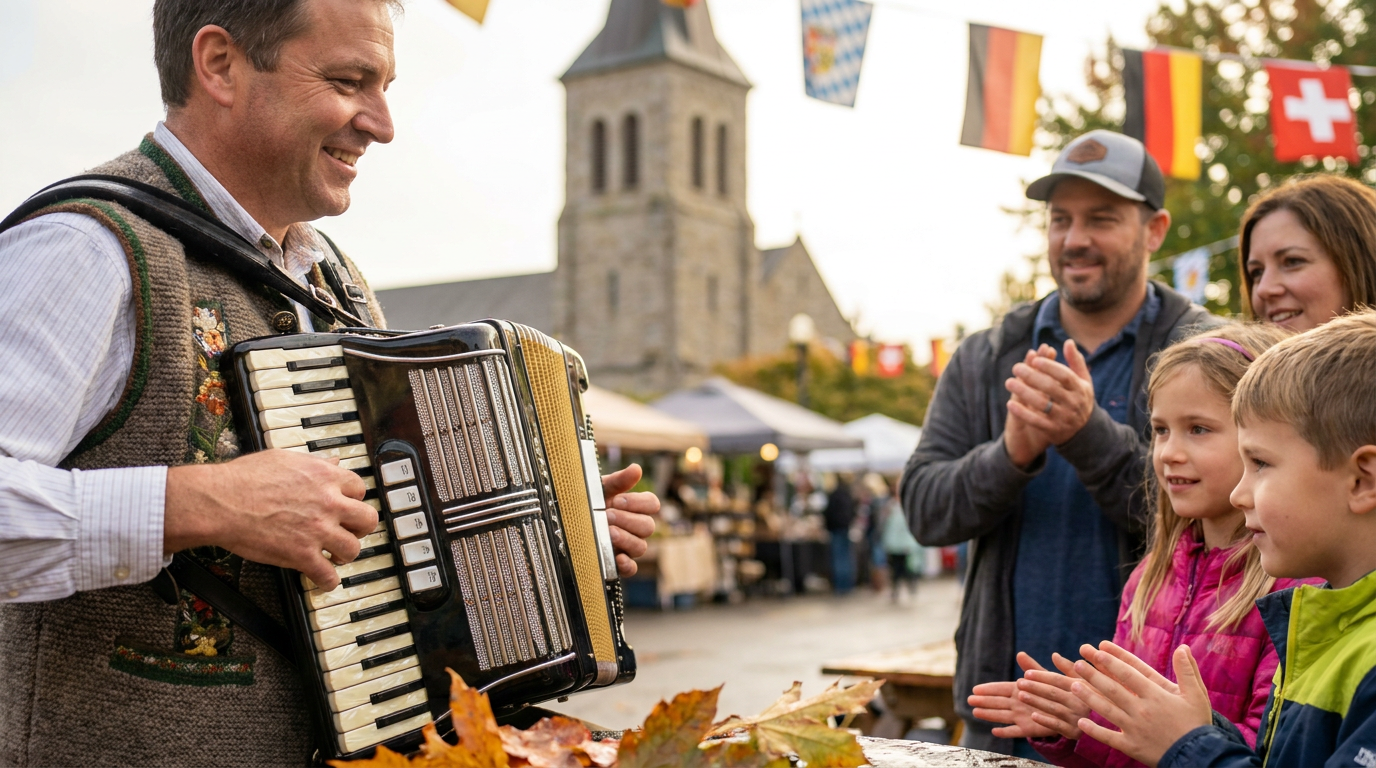
Mount Angel’s appeal is intimacy at festival scale. Bells, Alpine design, friendly volunteers and a strong sense of local ownership give the weekend a personality that cannot be manufactured.

Do not miss: Exploring the different festival venues instead of staying in one tent—each corner of town adds another chapter to the experience.

3. Addison Oktoberfest — Addison, Texas

Best for: Bavarian tradition served with Texas hospitality

In North Texas, Addison Circle Park becomes a four-day celebration of beer, brats, music, dancing and playful competition. Addison Oktoberfest runs September 17–20 in 2026 and deliberately pairs Bavarian festival customs with a confident Texas twist.

That combination makes Addison accessible to newcomers without losing the visual excitement people hope to find at Oktoberfest. Visitors can move between performance areas, food experiences and family activities, then join the official keg tapping or simply settle in and listen to the music.
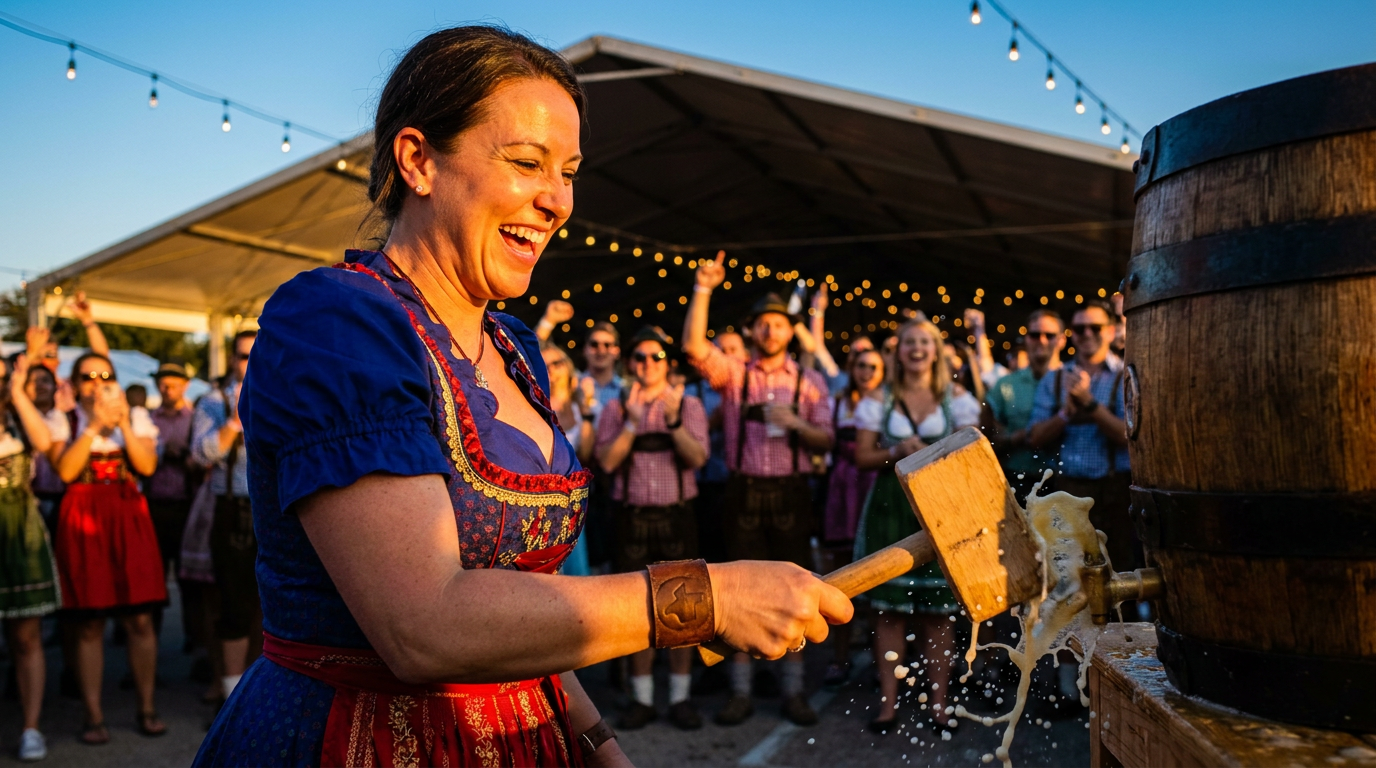
The practical advantage is location. Travelers can build the festival into a Dallas-area weekend, while local families can enjoy a major cultural event without an interstate expedition.

Do not miss: The ceremonial keg tapping and the delightful moment when polka rhythm, Texas friendliness and a packed Partyhalle become one celebration.

4. Denver Oktoberfest — Denver, Colorado

Best for: A high-energy urban street festival

Denver has celebrated Oktoberfest since 1969, and its 56th annual edition fills two weekends in the Ballpark District: September 18–20 and September 25–27. The setting on Larimer Street creates a different experience from a small heritage town. This one feels like an urban block party wearing lederhosen.

Along with food, beer and music, Denver leans enthusiastically into American Oktoberfest games. The 2026 schedule includes the Long Dog Derby on both Sundays and a sausage-eating contest on September 26. It is spirited, funny and built for groups of friends who want action between songs.

Denver also works well for travelers who prefer choices. Spend part of the day at the festival, then explore the city’s breweries, museums, restaurants or nearby mountain scenery.

Do not miss: The dachshund races—because few things unite a crowd faster than very short legs chasing very large glory.

5. Helen Oktoberfest — Helen, Georgia

Best for: Turning Oktoberfest into an extended Alpine getaway

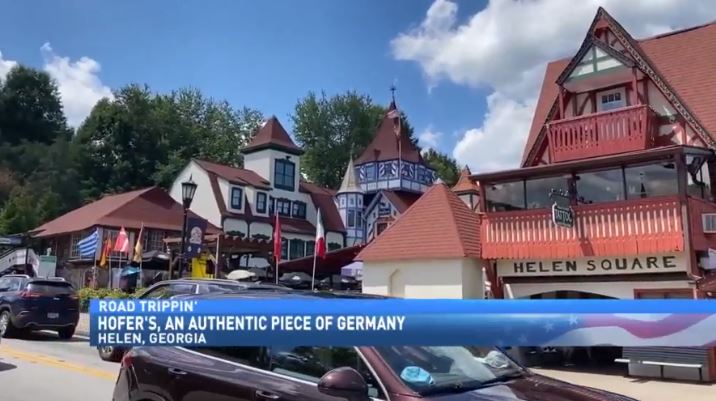
Helen offers one of the most visually distinctive Oktoberfest trips in America. The North Georgia mountain town adopted a Bavarian-inspired architectural identity decades ago, so the celebration continues beyond the doors of its Festhalle and into the surrounding streets, shops and scenery.

The 56th annual Helen Oktoberfest begins September 10. It operates Thursday through Sunday during September, then nightly from October 1 through November 1. That extraordinary run gives visitors unusual flexibility and makes Helen the choice for anyone who wants fall foliage, a cabin weekend and German music in one itinerary.
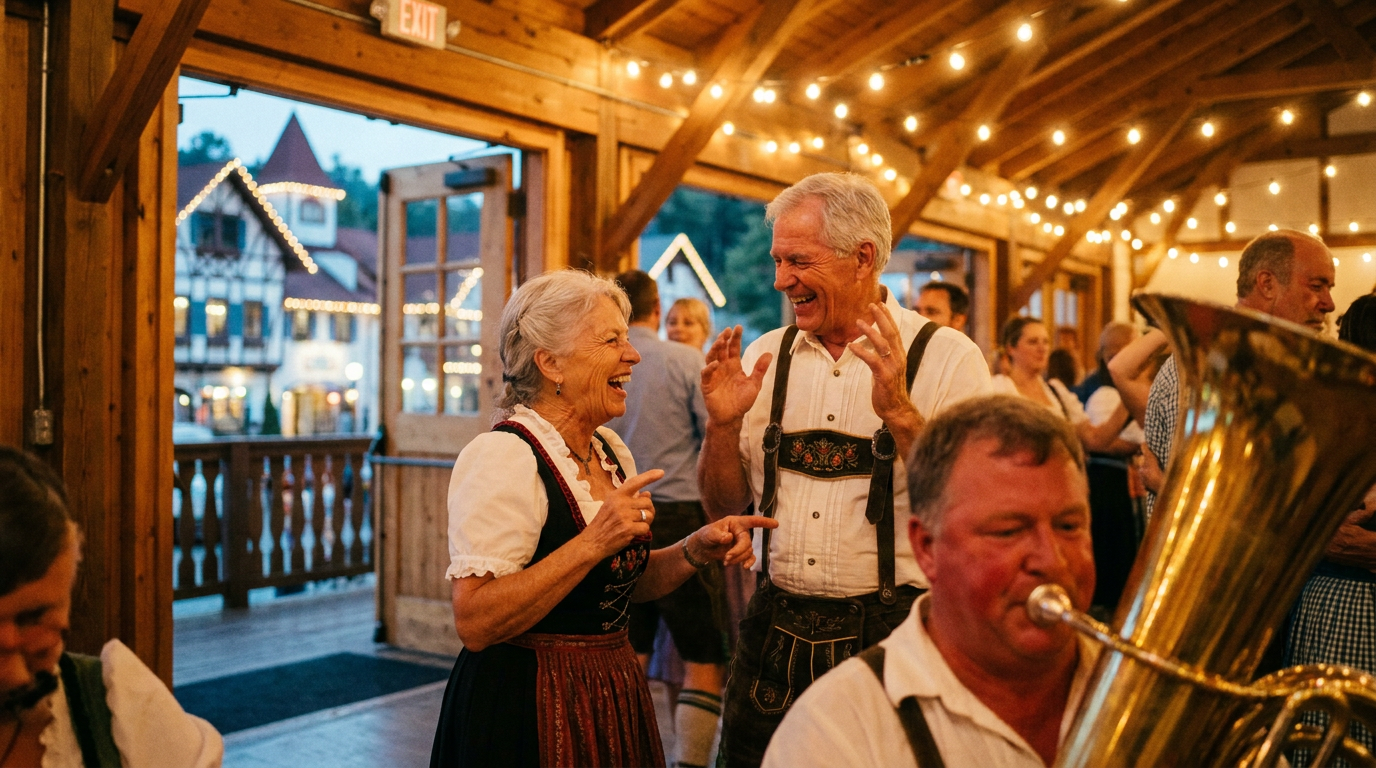
The opening parade takes place September 12, followed by the first keg tapping. Inside the Festhalle, bands, dancing, food and drink supply the classic experience. Outside, the Blue Ridge foothills provide the backdrop.

Do not miss: Pairing an afternoon scenic drive or waterfall walk with an evening of dancing at the Festhalle.

6. Nashville Oktoberfest — Nashville, Tennessee

Best for: German heritage with a Music City pulse

Nashville’s celebration has run consecutively since 1980 and returns October 1–4, 2026, at Bicentennial Capitol Mall State Park. It combines live music, German fare, beer, a 5K Bier Run, competitions and a pup parade in a setting close to downtown.

For Middle Tennessee families, this is proof that meaningful heritage discovery does not always require a cross-country trip. A festival afternoon can become the beginning of a larger family conversation: Which part of Germany did our ancestors leave? What recipes survived? Which names were changed or Anglicized? What should we preserve next?
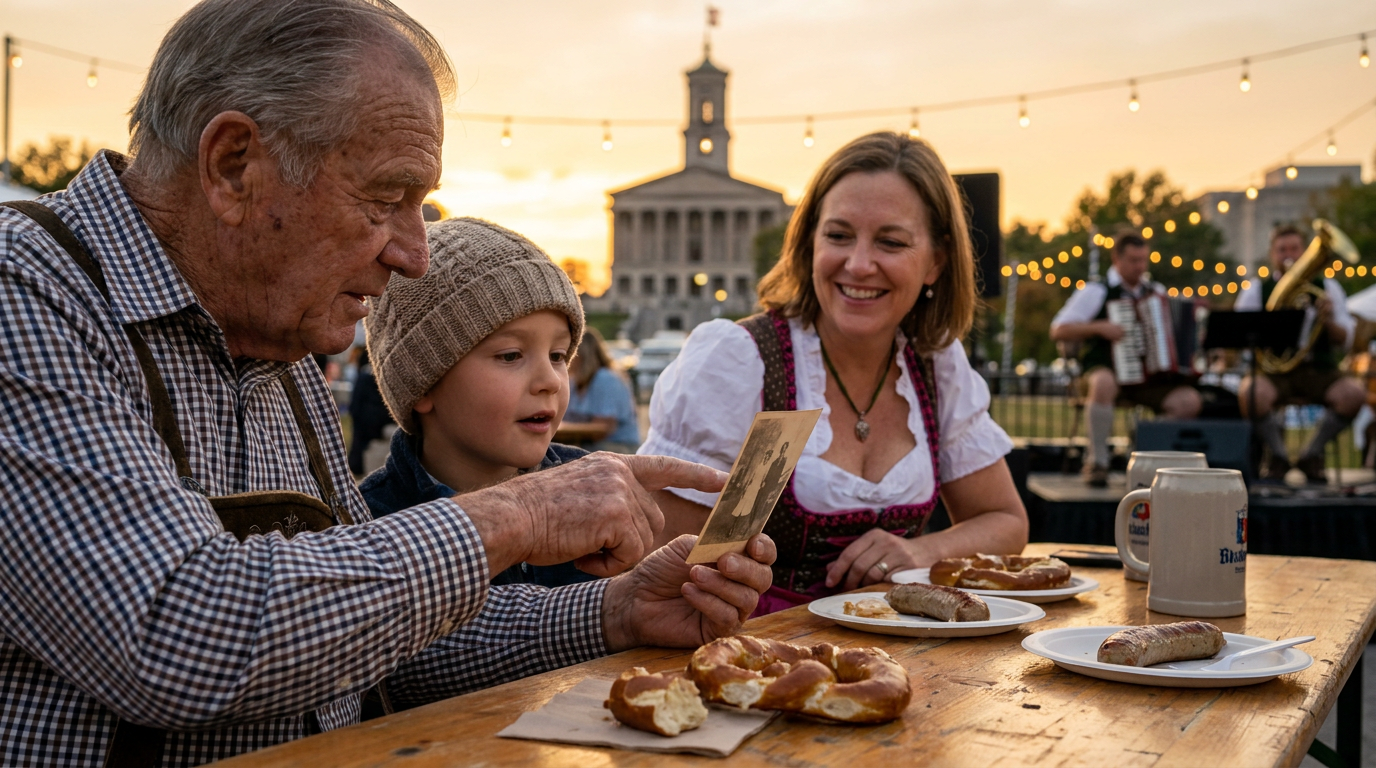
Nashville also demonstrates how German-American traditions continue to evolve. The music and contests feel distinctly American, yet the communal tables, food, toasts and fellowship still point toward the festival’s Bavarian source.

Do not miss: Arrive for the cultural programming, stay for the music, and use the experience to start one new family-heritage tradition.

7. Leavenworth Oktoberfest — Leavenworth, Washington

Best for: The most cinematic setting

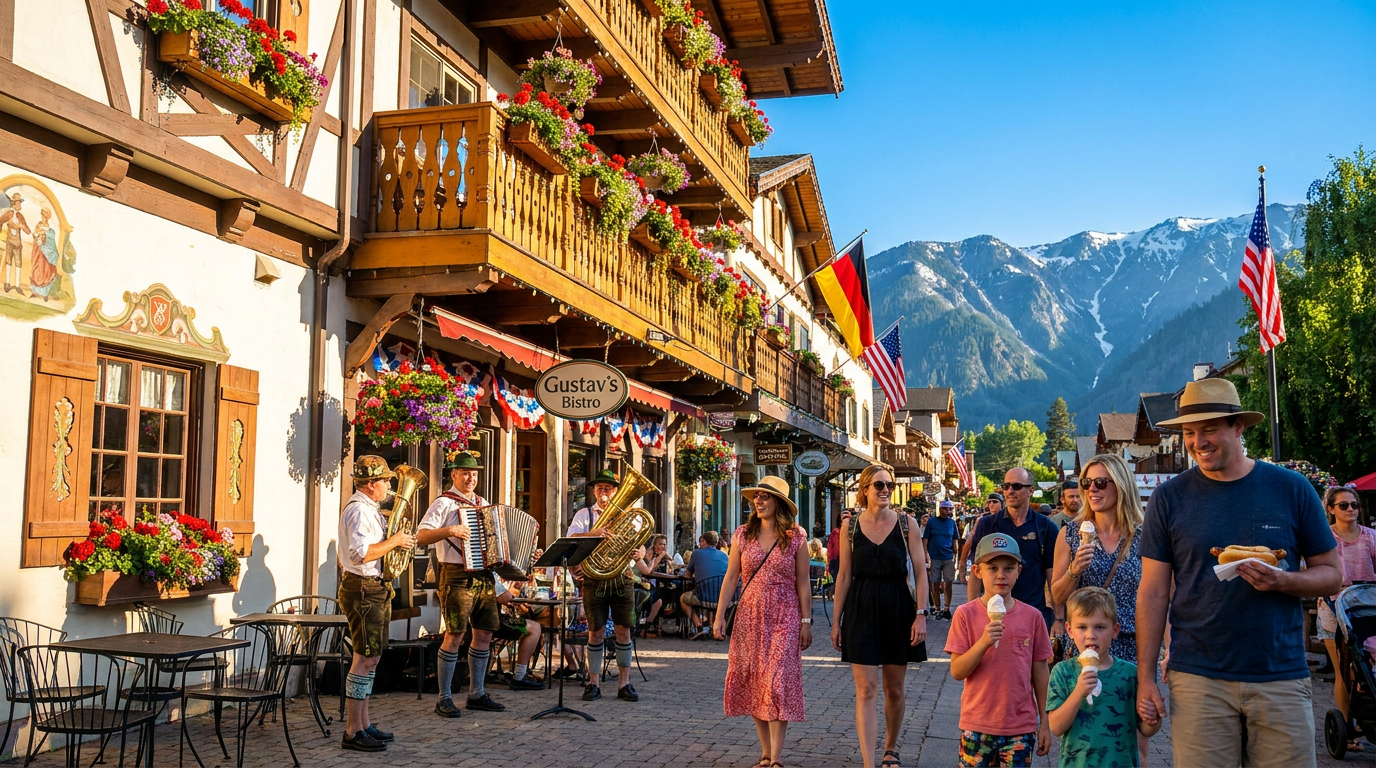
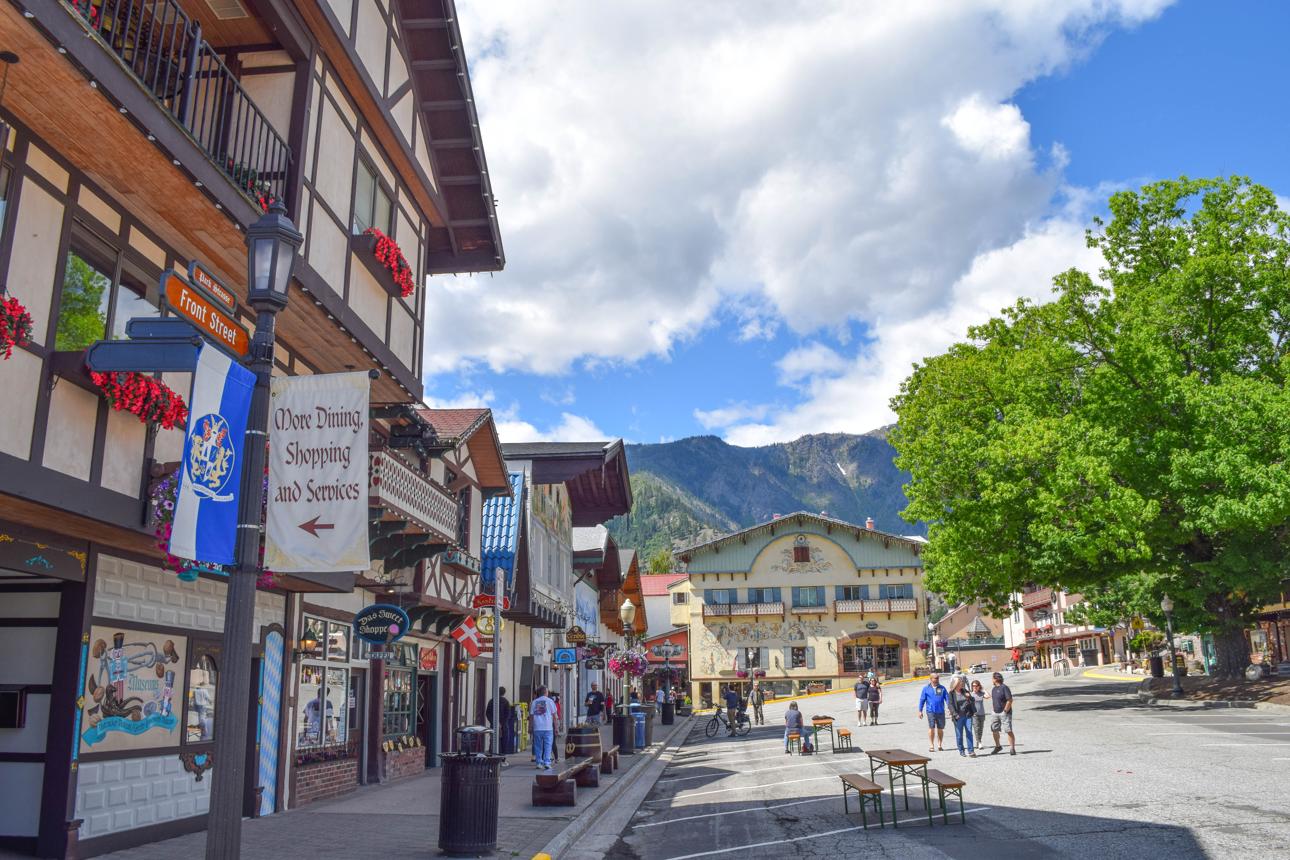
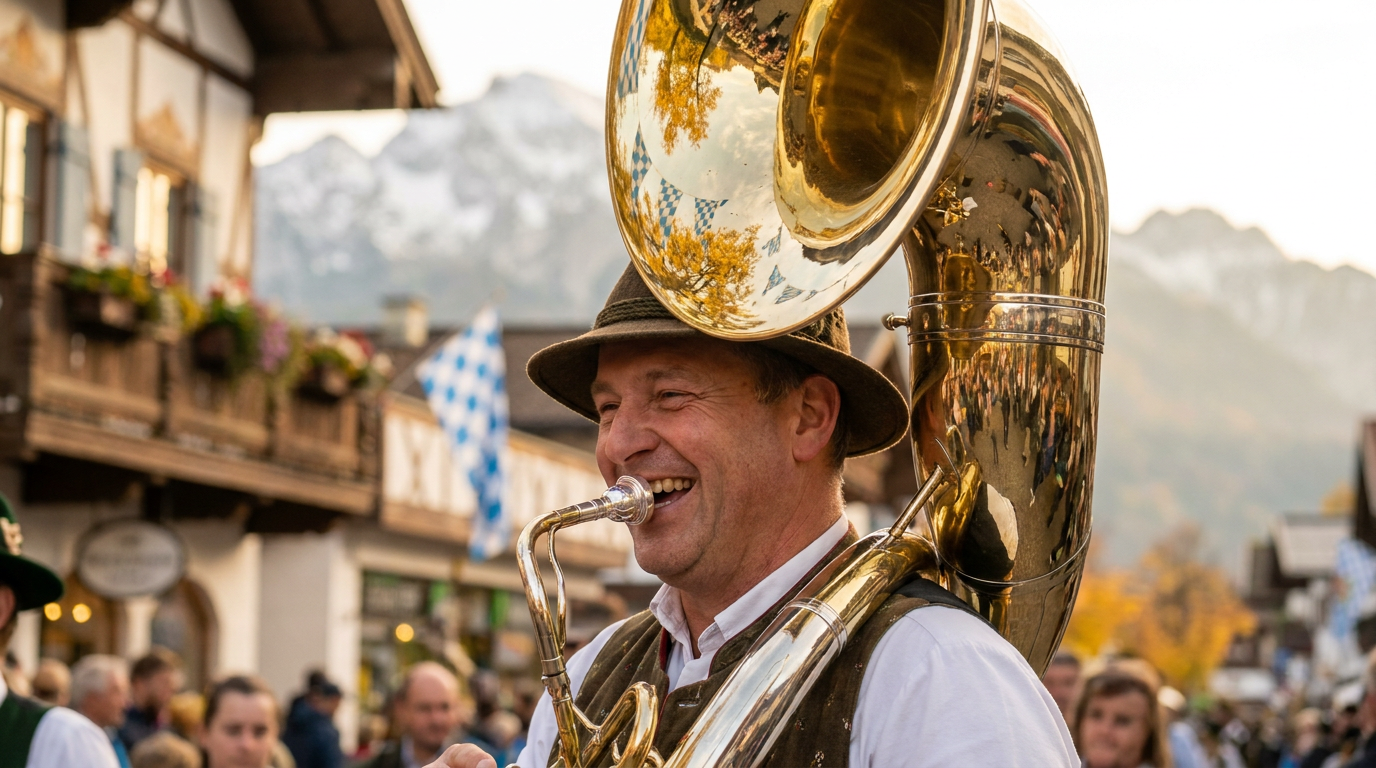
Leavenworth sits against the Cascade Mountains, and its Bavarian-style downtown gives Oktoberfest an almost storybook backdrop. The official 2026 celebration runs on October 2–3, 9–10 and 16–17, with three stages across the Festhalle and Front Street Park venues.

This is the Oktoberfest to choose when the journey matters as much as the tent. Mountain views, autumn color, local businesses and walkable streets turn a festival ticket into a full destination weekend. The programmed beer gardens offer local and German beers, food, bands and dancing, while the Kinderplatz gives families a dedicated area.
Lodging can fill quickly, so planning ahead matters here more than at many single-day city events.

Do not miss: The contrast of a lively brass band in the foreground and the quiet Cascades rising behind the town.

8. Zeeco Oktoberfest Tulsa — Tulsa, Oklahoma

Best for: Ending the season with one enormous “Prost!”

Tulsa saves one of America’s most energetic celebrations for late October. Running October 22–25, 2026, at River West Festival Park, Zeeco Oktoberfest Tulsa describes itself as an authentic Bavarian celebration patterned after Munich.

Large tents, bands, German-inspired food, beer and an enthusiastic schedule of competitions create the immersive atmosphere. The games include stein holding, a MassKrug relay, dachshund racing and a beer-barrel race. The Markthaus adds more than 60 arts-and-crafts booths with handmade items and German wares.

Because Tulsa arrives after many September festivals have packed away their banners, it makes a natural season finale. By then, your stein-holding arm should be properly trained.

Do not miss: Move between the tents, watch a competition and stay long enough to experience the evening crowd at full song.

Four More Celebrations Worth the Detour

The American Oktoberfest map is too rich to stop at eight. Consider these heritage destinations as well:

  • New Ulm, Minnesota — October 2–3 and 9–10: A city with unusually visible German heritage, multiple celebration sites, music, food, parades and a strong community identity.
  • Fredericksburg, Texas — October 2–4: German-Texan history, five stages of continuous music, artisan vendors, children’s activities, beer and Texas wine in the Hill Country.
  • Hermann, Missouri — weekends throughout October: A relaxed, town-wide celebration pairing German heritage with Missouri wine country, autumn scenery, food, music and historic streets.
  • South Florida: Oktoberfest Miami and the American German Club of the Palm Beaches offer long-running, club-based celebrations where German-American organizations remain at the heart of the experience.

How to Choose—and Enjoy—Your Oktoberfest

Start with the kind of memory you want to make. Choose Cincinnati for scale, Helen or Leavenworth for a destination escape, Mount Angel or New Ulm for a community-centered heritage experience, Denver or Nashville for city energy, Addison or Fredericksburg for Texas flair, and Tulsa for the late-season grand finale.

Then plan like a seasoned festival traveler:

  • Check the official site immediately before leaving; schedules, weather policies and entry rules can change.
  • Reserve lodging early in destination towns, especially Helen and Leavenworth.
  • Use shuttles or public transportation when available, and always arrange a sober ride.
  • Visit earlier in the day for a calmer, more family-focused atmosphere.
  • Wear a dirndl or lederhosen if you enjoy it—but remember that participation matters more than costume.
  • Try something beyond the first bratwurst. Look for regional sausages, schnitzel, potato pancakes, red cabbage, strudel, tortes and local specialties.
  • Ask musicians, cooks, craftspeople and heritage organizations about the traditions they preserve.
  • Bring home a story, recipe, family photograph or new German word—not only a souvenir mug.

“The best Oktoberfest souvenir is the moment your group of friends or family decides, ‘We should do this together again next year.’”
— GERMAN HERITAGE USA

America’s Oktoberfests are not replicas of Munich, and they do not need to be. They are German-American creations: part inheritance, part reinvention and part open invitation. Each city adds its own landscape, accent and personality. Together, they show that heritage stays alive when people gather around it.
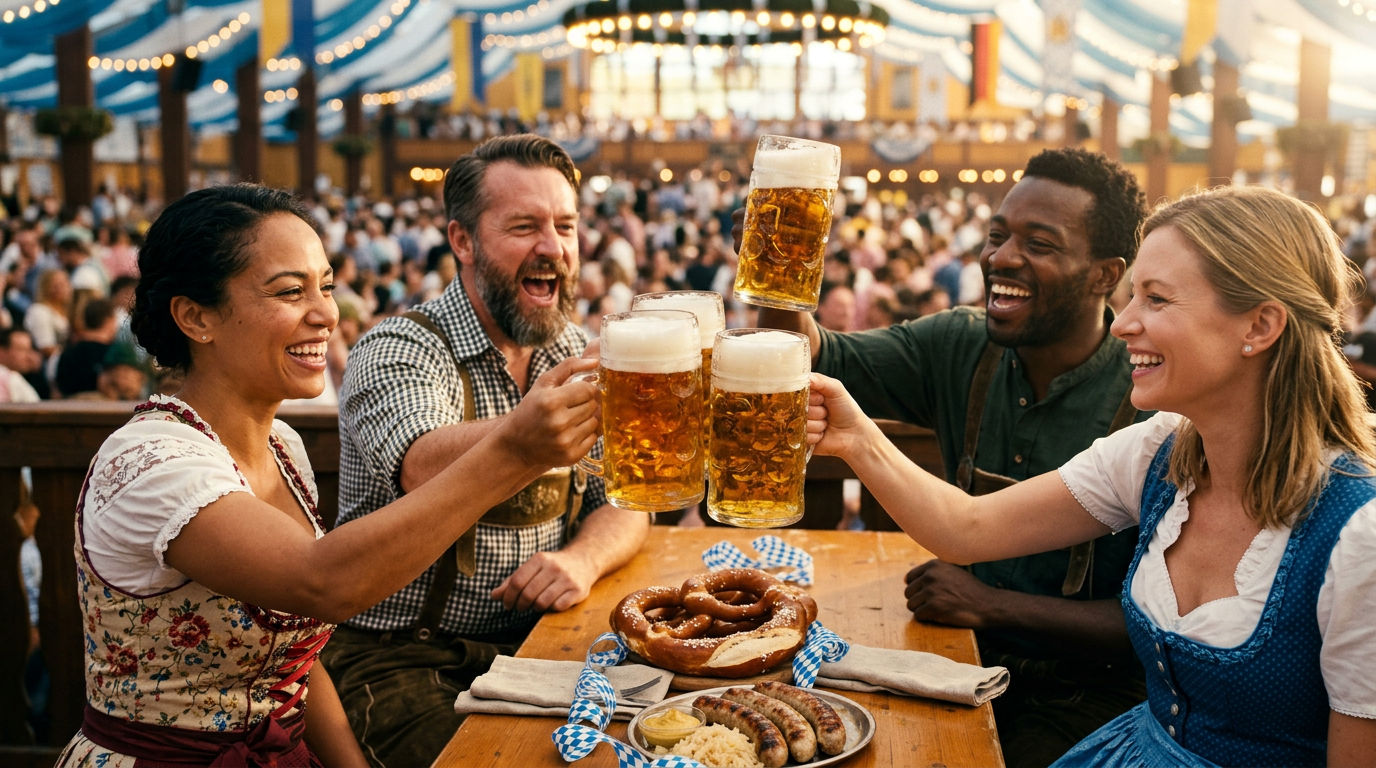
So choose your city. Mark the calendar. Invite the relatives who always say, “We need to get together more often.” Learn the story behind one family name or recipe before you go. Then step beneath the festival banners and listen for that flare in the darkness—the old culture shining into a new generation.

Discover it. Celebrate it. Preserve it.

Got A Little German In You? Your German Heritage Is Calling You!
German Heritage Bucket List: 9 Experiences Every German-American Should Do

From finding the village behind your surname to raising a stein at Oktoberfest, these nine experiences will help turn German ancestry into a heritage you can see, taste, hear, explore and pass forward.

Late August has a way of making us look both backward and forward. Summer is still holding on, but fall is beginning to whisper. Festival tents will soon rise, kitchens will fill with the scent of warm bread and spices, and Oktoberfest calendars will start appearing on refrigerators across America.

It is also an ideal time to ask a wonderfully simple question:

What have I actually experienced of my German Heritage?

More than 40 million Americans report German ancestry, according to the U.S. Census Bureau, yet German-American identity rarely looks the same from one family to the next. One family may still make a grandmother’s potato salad exactly as she taught them. Another may have an old photograph labeled only “Germany.” Some know the precise village their ancestors left. Others inherited an Anglicized surname, a few family sayings and a feeling that an important chapter has gone missing.

That is what makes a German heritage bucket list so much fun. It is not a test of how “German” you are. You do not need to speak fluent German, own Lederhosen or know the proper number of turns in a polka. The goal is to move heritage out of the attic and into real life.

“Heritage is not only something we inherit. It is something we experience, preserve and pass forward.” — German Heritage USA

Whether your family arrived in the 1700s, stepped off a ship in the 1880s or came to America much more recently, here are nine meaningful—and genuinely enjoyable—experiences to put on your list.

1. Find the German Place Behind Your Family Name

A surname is a clue. A hometown is a doorway.

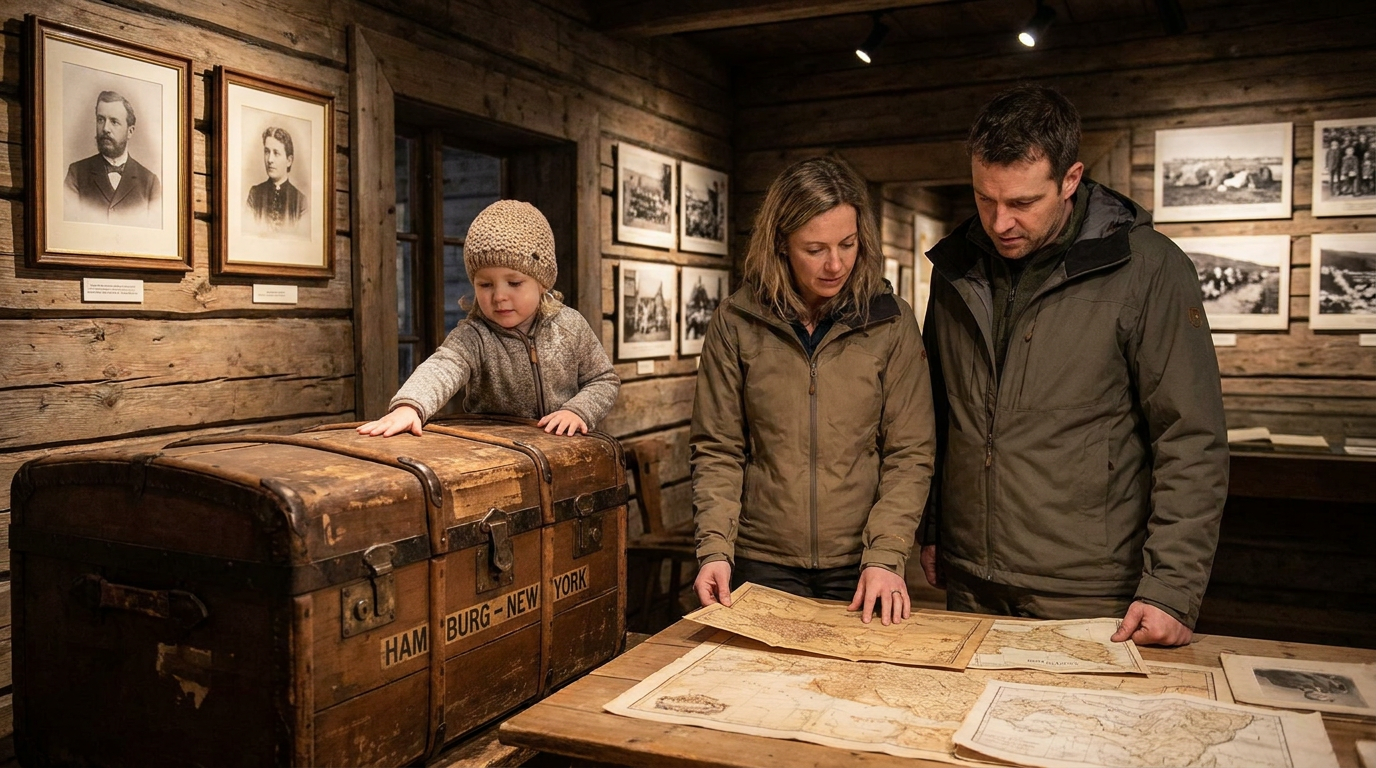
One of the most rewarding moments in family research is discovering the actual village, town or region where an ancestor lived. Before Germany became a unified nation in 1871, records might identify a person with Prussia, Bavaria, Saxony, Württemberg, Hesse, Hanover or one of many smaller states and territories. Borders shifted. Town spellings changed. Handwriting can look as if it were produced during a bumpy wagon ride.

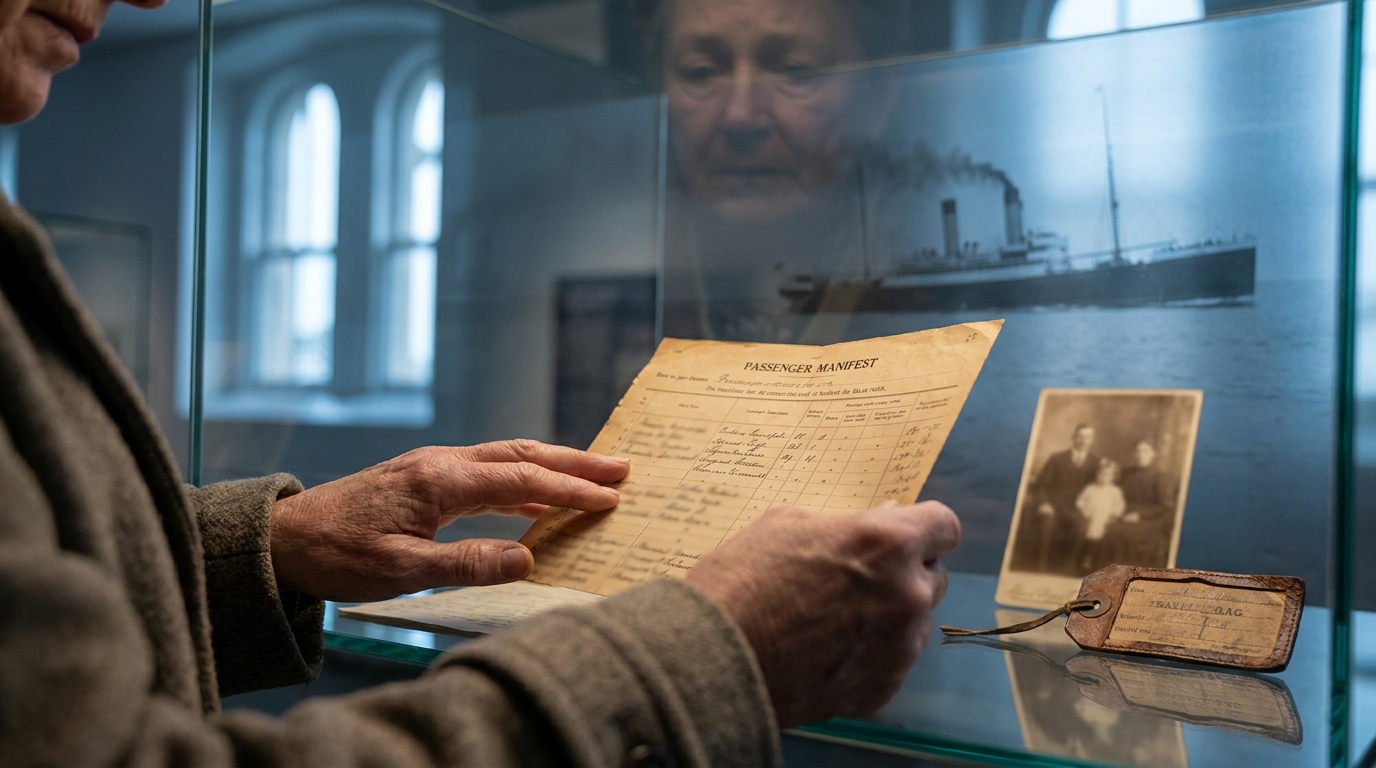
Begin with what your family already knows. Interview the oldest relatives. Examine the backs of photographs. Gather birth, marriage, church, census, military and naturalization records. Then look for passenger manifests and records from the ancestor’s American church or county. The National Archives recommends many of these same record groups—including census, immigration, naturalization, military and land records—as starting points for genealogy.

The breakthrough detail is often not “Germany,” but a precise place: a village near Kiel, a parish outside Stuttgart or a farm community along the Rhine. Once you find it, mark it on a map. Look at the landscape. Learn what the region ate, built, celebrated and sounded like.

Bucket-list moment: Locate one ancestral hometown and say its name aloud. That dot on the map may change the way your entire family story feels.

2. Hold an Immigration Record—and Visit a Gateway if You Can

There is something electric about seeing an ancestor’s name on a passenger list or naturalization petition. Suddenly, history has handwriting.

Search for the ship, departure port, arrival date, occupation, traveling companions and final destination. A single line may reveal that an ancestor crossed with a sibling no one remembered, carried only a modest amount of money or was headed toward a relative already established in America.

If the journey included New York, visit Ellis Island and the National Museum of Immigration. From 1892 to 1924, more than 12 million immigrants were processed there. But do not force every German-American story through Ellis Island. Large numbers of German-speaking immigrants arrived before it opened, and families also entered through ports such as Baltimore, Philadelphia, New Orleans and Galveston.

If travel is not possible, create the experience at home. Print a copy of the manifest. Find an image of the vessel. Map the route across the Atlantic. Read about conditions aboard ships during that era. Then imagine the mixture of relief, fear and expectation your relatives may have felt as land came into view.

Bucket-list moment: Hold a copy of an original immigration document and trace the journey from the old home to the new one.

3. Spend a Weekend in a German-American Town

You can travel through German-American history without crossing the Atlantic.

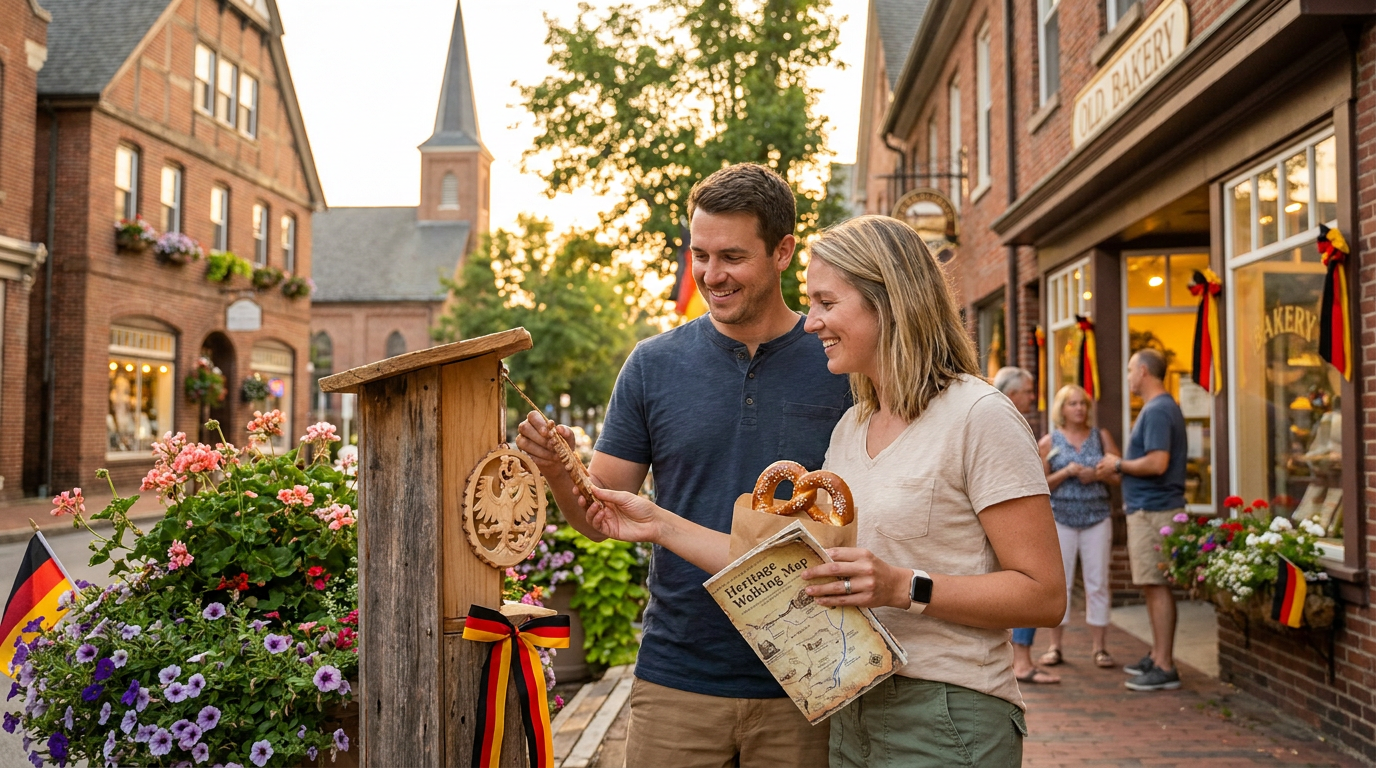
Choose a community where immigrant culture is still visible in streets, churches, architecture, food and local traditions. Walk through Hermann, Missouri, where the Deutschheim State Historic Site preserves buildings from the German settlement of the Missouri River Valley. Visit New Ulm, Minnesota, and its towering Hermann Monument. Explore Fredericksburg, Texas, founded by German settlers in 1846. Wander through Columbus’s German Village, Cincinnati’s Over-the-Rhine or the Amana Colonies in Iowa. For a playful Bavarian-style getaway, Frankenmuth, Michigan, adds festivals, food and plenty of gemütlich atmosphere.

Do more than shop. Take a walking tour. Visit the local history museum. Read cemetery stones. Notice church architecture. Ask a baker or shopkeeper how the town’s traditions changed over time. Order something you have never tried instead of the safest item on the menu.

The most interesting discovery may be how German customs blended with the local landscape. German-Texan culture is not German-Minnesotan culture—and neither is a museum piece. Each tells a different American story.

Bucket-list moment: Plan one heritage weekend and leave room for an unplanned conversation with someone who helps keep the town’s story alive.

4. Attend an Oktoberfest—and Experience More Than the Beer

Yes, raise a stein. But first, raise your curiosity.

Munich’s Oktoberfest began in 1810 with festivities celebrating the marriage of Bavarian Crown Prince Ludwig and Princess Therese. A horse race helped launch what became the world’s most famous Volksfest. Today, communities across the United States transform that spirit into local celebrations filled with music, food, dancing, parades, crafts and family traditions.

Attend a festival run by a German-American club, cultural society, church or town with genuine German roots. Listen to the brass band. Watch a dance performance. Learn the words to Ein Prosit. Try a regional dish. Ask about the organization behind the celebration, then support it by buying from local vendors or becoming a member.

Traditional clothing can add to the fun, but remember that Dirndl and Lederhosen are rooted primarily in Alpine and Bavarian traditions; they are not a uniform for every part of Germany. Wear Tracht respectfully if you choose—or simply arrive ready to participate.

Bucket-list moment: Join the communal toast, meet someone new and learn one tradition that existed long before the souvenir tent opened.

5. Cook One Heritage Meal Completely From Scratch

Food may be the shortest route between generations.

Choose one family recipe or one dish from your ancestors’ region and make the entire meal an experience. Roll Rouladen. Cut fresh Spätzle. Fold Maultaschen. Bake a proper Apfelkuchen. Try Königsberger Klopse, Sauerbraten, Labskaus, Thüringer-style sausage or a North German fish dish. Germany is not one kitchen, and discovering regional differences is half the pleasure.

Invite relatives to cook with you. Set the table properly. Play German music. Tell the story of the person connected to the recipe. If the instructions say “add flour until it feels right,” stop and measure what “right” means so the next generation has a fighting chance.

No inherited recipe? Adopt one thoughtfully. Research where it comes from, learn how it was traditionally served and write down what you changed. A tradition does not have to be ancient to become meaningful; it simply has to be repeated with intention.

Bucket-list moment: Host a German heritage supper at which every guest brings either a dish, a photograph or a family story.

6. Learn Enough German to Open a Door

Fluency is wonderful, but connection begins much earlier—sometimes with only five brave words and a smile.

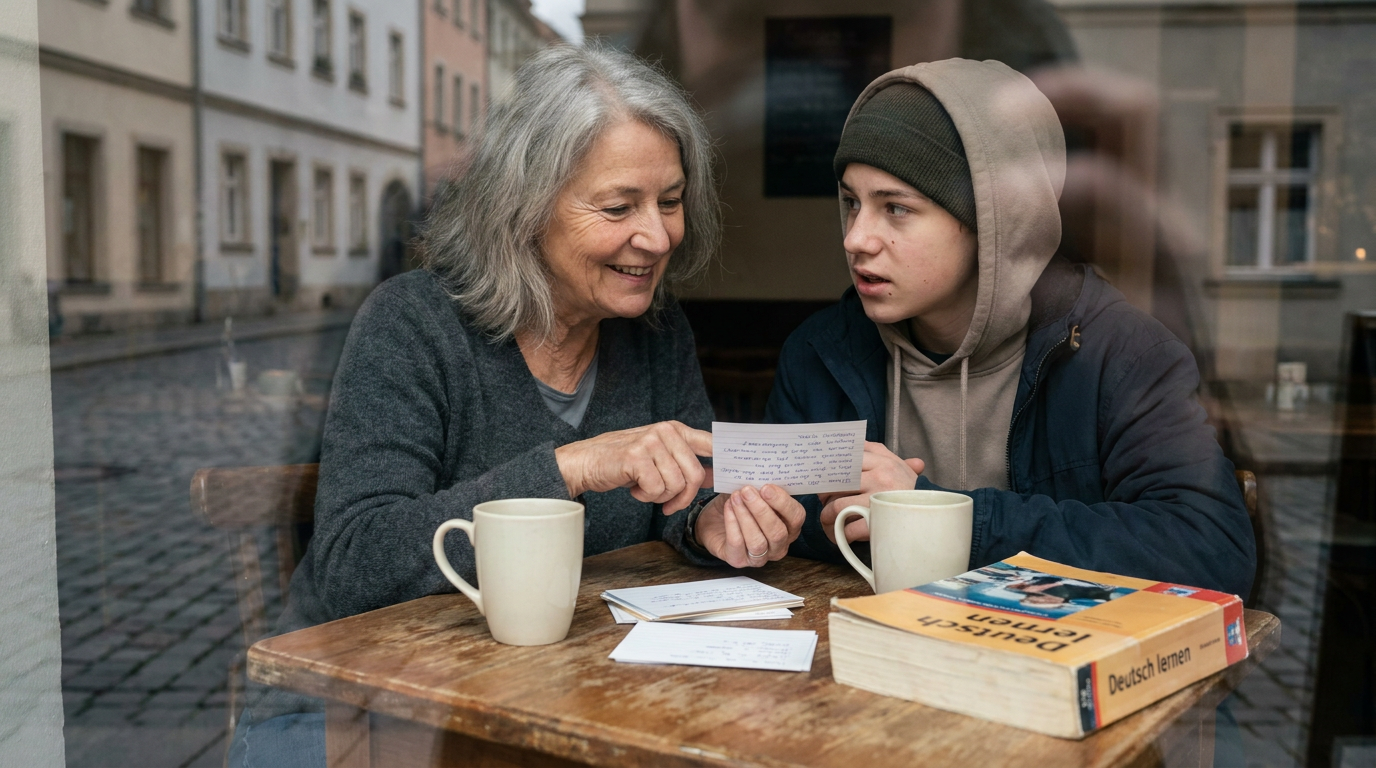
Learn how to introduce yourself, pronounce your family name and explain where your ancestors came from. Practice useful phrases such as Guten Tag (good day), Woher kommt Ihre Familie? (Where does your family come from?), Meine Familie kommt aus … (My family comes from …), Danke schön (thank you) and Auf Wiedersehen (goodbye).

Label a few objects around your home. Learn the words to a traditional song. Watch a German film with subtitles. Join a conversation group or take a beginner course. Most importantly, allow yourself to sound imperfect. Every new speaker has to cross that bridge.

Johann Wolfgang von Goethe wrote:

“Wer fremde Sprachen nicht kennt, weiß nichts von seiner eigenen.”

It is often translated as:

“Those who know nothing of foreign languages know nothing of their own.”

Learning German can reveal patterns, meanings and family-name clues that an English translation alone cannot provide.

Bucket-list moment: Have one short conversation in German—even if you rehearse every line beforehand.

7. Experience a Living Tradition With Your Own Hands and Feet

Heritage becomes memorable when it moves.

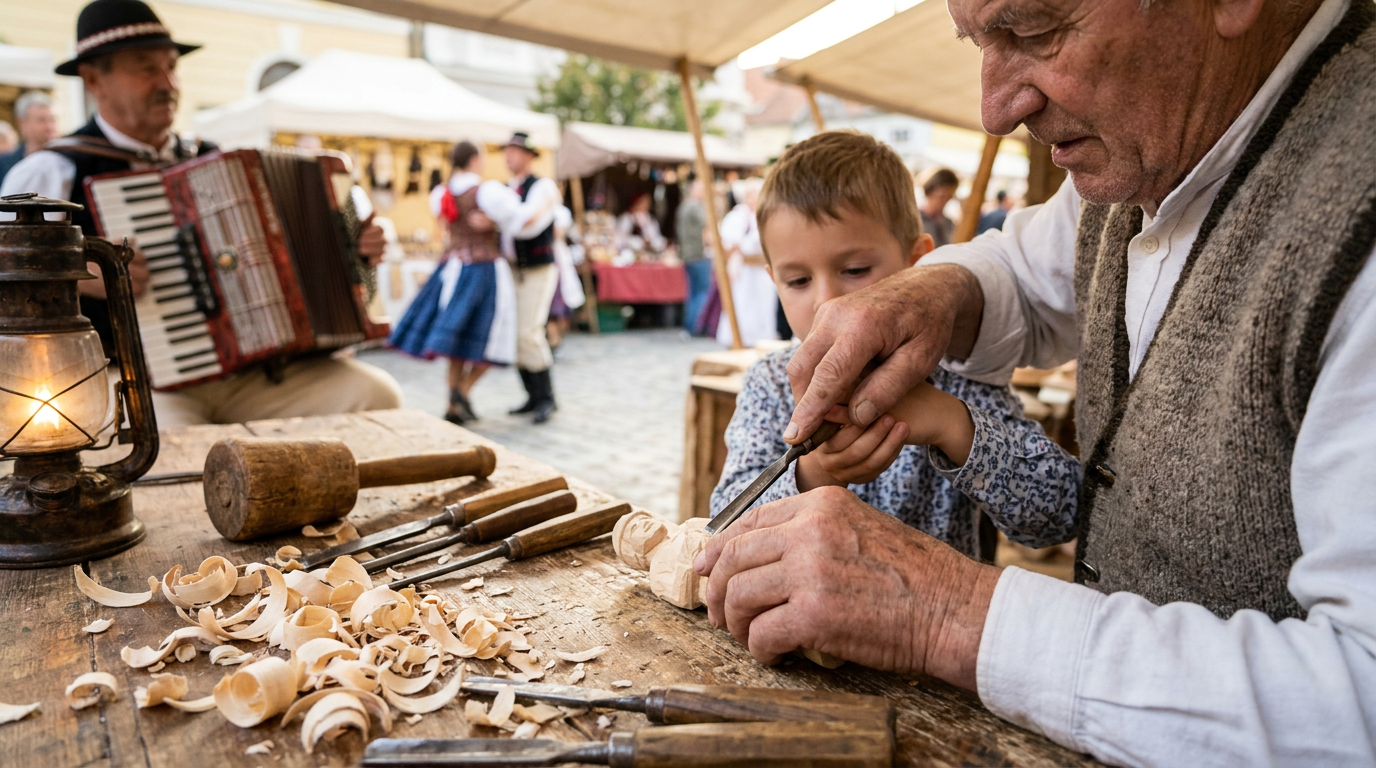
Attend a Sängerfest or German choir concert. Learn a folk dance from a cultural group. Watch a woodcarver, brewer, baker, glassworker or instrument maker demonstrate a traditional craft. Visit a Christmas market and speak with the artisans. Try decorative egg painting, paper cutting, embroidery, bread baking or wreath making. If your family came from a particular region, look for a tradition connected specifically to that place.

The point is not to pretend it is still 1850. Living culture survives because each generation adapts it. A young accordionist can bring new energy to an old melody. A baker may preserve a grandmother’s method while using a modern kitchen. A festival can honor its founders while welcoming neighbors whose families came from everywhere.

Do not remain at the edge taking pictures. Ask to try. Sing the chorus. Take the dance lesson. Make the ornament. Volunteer for setup. The fastest route from spectator to community is often carrying a folding table.

Bucket-list moment: Participate in one tradition instead of merely watching it.

8. Make the Ancestral Journey to Germany

This is the dream trip—the one that can make a century collapse in a single afternoon.

Once you have identified a hometown or region, build the journey around it rather than squeezing it between famous attractions. Contact the local archive, parish or historical society before you arrive. Learn whether the family church, home, workshop or cemetery still exists. Hire a local guide or genealogist if old handwriting, language or access rules create barriers.

Then slow down. Sit in the town square. Hear the church bells. Walk the road toward the fields. Eat what the region actually eats. Germany stretches from North Sea harbors and Schleswig-Holstein lakes to Rhineland vineyards, central forests, eastern cities and the Bavarian Alps. Your family’s Germany may not resemble the castle-and-Lederhosen image on a travel poster—and that is precisely why it is worth finding.

Leave space for emotion, but also for ordinary life. The grocery store, bus stop and weather are part of the experience. You are not entering a frozen ancestral world; you are meeting a real place that continued living after your family left.

Bucket-list moment: Stand in your ancestors’ community, take one quiet photograph and write down exactly how the moment feels before the details fade.

9. Become the Ancestor Future Generations Will Thank

The final experience is not about looking backward. It is about deciding what travels forward.

Create a small family archive. Scan photographs at high resolution. Label every person, place and approximate date you can identify. Record grandparents, parents, aunts and uncles telling their stories in their own voices. Save recipes, letters, military records, baptism certificates, immigration documents and translations in more than one secure location.

Then make the history enjoyable. Build a photo book. Create a short family documentary. Start an annual German supper. Celebrate German-American Day on October 6. Take children or grandchildren to a festival and let them choose the dessert. Give each person a copy of the family tree rather than keeping the only version on one laptop.

Most family history is not lost in a fire or flood. It disappears quietly when no one writes a name on the back of a photograph. Your contribution does not have to be perfect or complete. It simply needs to give the next curious person a place to begin.

Bucket-list moment: Record one 20-minute family interview this month and ask, “What do you remember that you never want us to forget?”

Your German Heritage Is Calling—What Will You Do First?

A bucket list works best when it leaves the page.

Circle the experience that excites you most. If a trip to Germany is years away, begin with a recipe. If the family tree feels overwhelming, interview one relative. If you already know the ancestral village, learn five German sentences you could use when you arrive. Small acts accumulate into living heritage.

Late August is an especially good time to begin. Fall festivals are approaching. Families will soon gather around holiday tables. Archives, museums, language courses and cultural clubs can turn a spark of curiosity into a year of discovery.

And remember: there is no single correct way to be German-American. Your heritage may be loud with brass music and festival laughter, or quiet as an ancestor’s name written on a ship manifest. It may live in a Lutheran church record, a Jewish family archive, a Catholic cemetery, a farmhouse recipe, a union song, a Texas town, a Midwestern workshop or a photograph from a Baltic village.

The important thing is to experience it—and then help someone else experience it too.

Got A Little German In You? Your German Heritage Is Calling You!
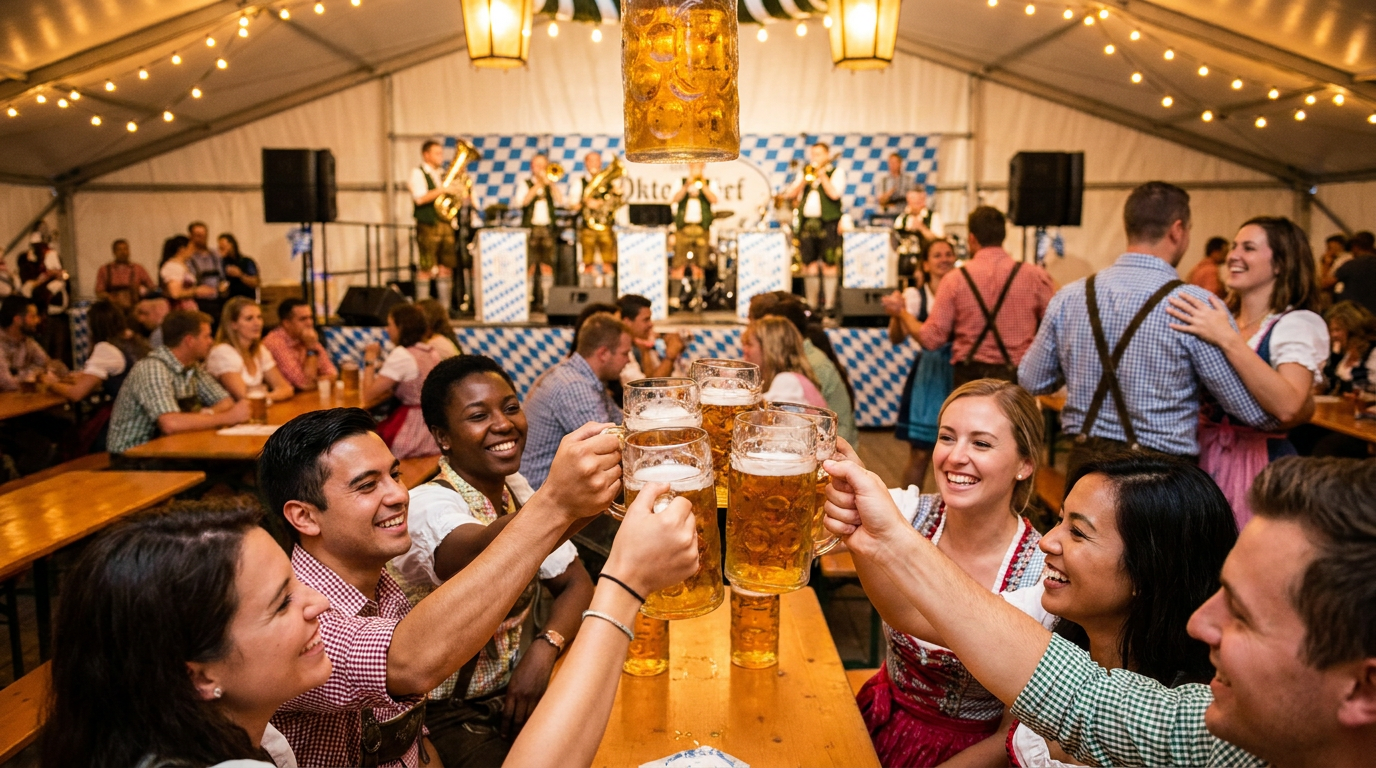

German Heritage Road Trips: 10 Amazing German-American Destinations to Visit This July

From Alpine villages and authentic biergartens to living history museums and charming Main Streets, summer is the perfect season to reconnect with your German roots—one unforgettable road trip at a time.

Every July, America’s highways come alive with families chasing adventure, history lovers exploring hidden gems, and travelers searching for experiences that create lifelong memories. While many people head for beaches or national parks, millions of German-Americans have an entirely different journey waiting just beyond the next exit.

Across the United States are hundreds of communities where German heritage isn’t confined to museums—it’s woven into everyday life. Cobblestone-inspired town squares, half-timbered buildings, traditional bakeries, lively biergartens, polka music, bratwurst sizzling on open grills, and generations of proud families continue traditions brought to America nearly two centuries ago.

For the more than 40 million Americans with German ancestry, these destinations offer something deeper than tourism. They provide an opportunity to reconnect with family history, understand the sacrifices of early immigrants, and celebrate the culture that helped shape America itself.

Whether your ancestors arrived in Pennsylvania in the 1700s, settled Texas in the 1800s, farmed the Midwest, or built businesses in growing American cities, July offers perfect weather for discovering the incredible German story that continues across the country today.


Why July Is the Perfect Month for a German Heritage Road Trip

Summer creates an entirely different atmosphere in German-American communities.

Outdoor biergartens fill with live music.

Historic downtowns host farmers markets.

German bakeries offer seasonal pastries.

Community festivals celebrate heritage.

Families gather beneath shady trees with cold lagers and sizzling bratwurst while children play traditional games nearby.

Many destinations also experience longer daylight hours, making it easier to explore museums, architecture, parks, wineries, breweries, and historic neighborhoods all in a single day.

Better yet—July often falls between the massive crowds of Independence Day and Oktoberfest season, allowing visitors to enjoy a more relaxed experience.


1. Fredericksburg, Texas

“A Little Piece of Germany in the Texas Hill Country”

https://images.openai.com/static-rsc-4/RovVGr-Q6_HlMWOgARnAwiM0uS64z3KbajktcAFkRdlLO5qrRoZ4fa-RRPMvjCiAhsHEhnkipTMY5gBZfqJvts7HfZ4Kx0TaCF502hPn1aoKS1PV258lDZnuZcwQHuWAD8y-is2pZhiw0apsIr8-PIqTS8nsjFgQn0heZgtWGNGlAbLNcbL9UNAZlNIUDJQj?purpose=fullsize
Founded in 1846 by German immigrants, Fredericksburg has become one of America’s premier German heritage destinations.

Walk Main Street and you’ll discover:

  • German bakeries
  • Authentic biergartens
  • Historic churches
  • German restaurants
  • Museums
  • Boutique shops
  • Texas wineries
  • Beautiful limestone architecture

It’s where Texas hospitality meets Old World charm.

Don’t miss:

  • Vereins Kirche Museum
  • Pioneer Museum
  • Local peach orchards (July is peach season!)
  • Hill Country wineries
  • Traditional schnitzel dinners

2. Leavenworth, Washington

“The Bavarian Village America Never Expected”

Nestled beneath the Cascade Mountains, Leavenworth transformed itself into a Bavarian alpine village—and did it spectacularly.

https://images.openai.com/static-rsc-4/kuTnZDLNuhAeBj1a9xPNgjIRVjoOVtqxE7770kW16p23JKDKmF_Zx2UR2RGy0sFXOcZPr-FQuGQltVuM51UegDqTm-VF4Zq9jNU1m1guL933UrIgujJLPdjeKzy_fqEJ3oK83ikBQ9qIk3a5DbVe9O7ZRG3Cwt_4SYyfSbfHeED-rqASJ0ErVWRJ3ccjY1oh?purpose=fullsize
Every storefront embraces German-inspired architecture.

Every season feels festive.

Every visit feels like stepping into southern Germany.

Summer visitors enjoy:

  • Outdoor concerts
  • Mountain hiking
  • River rafting
  • Biergartens
  • German candy shops
  • Handmade pretzels
  • Authentic bratwurst

The flower-filled balconies during July are simply breathtaking.


3. New Ulm, Minnesota

“Where German Heritage Lives Every Day”

https://images.openai.com/static-rsc-4/Fqj6xAGMQJWJKNLJOBdmdrcLVuZP2qnUHaf7CbAilyDyDmef8NU6qqDldKJqWMjEzOL59P6mozWpiUQzAS3-_vcU4e1jgoILq-vKZdvO2GkizQOb3Axkk6-0izNJudyV9FX4eWDsf390GHLsnyJ0WUa3mjtKbMKC1ht7g28zzOn9YQ1uRx36tB83pxDt1BDR?purpose=fullsize
Few American towns embrace German culture more completely than New Ulm.

Founded by German immigrants in 1854, the city remains proudly connected to its heritage.

Highlights include:

  • Hermann Monument
  • Glockenspiel performances
  • Historic breweries
  • Schell’s Brewery
  • German architecture
  • Turner Hall
  • Beautiful parks

July evenings are especially enjoyable as live music fills outdoor patios and families gather throughout downtown.

“Heritage isn’t about looking backward. It’s about carrying forward the traditions, values, and stories that define who we are.”


4. Helen, Georgia

“Bavaria in the Blue Ridge Mountains”

https://images.openai.com/static-rsc-4/C5rboLqPBN-nbaumbdpJECKwiwAtEc6IZrJ0vaennU0aWGqeuoptYAoFH9n4S3oK33TXThsCSdAgKGund4FQUkj5FP1ho05rAwpsDKVIxB_l4-Tj2J45iuSy6Tnqm_9tMmzUWrPu2Y2ymHtoCjQzpUfY6bM18DjL9QFXYGwkCJNmmjGrWmniwbLk8fR4Z20U?purpose=fullsize

Located in the North Georgia mountains, Helen offers one of America’s most photographed German-inspired downtowns.

July combines:

  • Tubing on the Chattahoochee River
  • German dining
  • Ice cream shops
  • Alpine architecture
  • Live music
  • Mountain scenery

It’s ideal for families wanting both outdoor recreation and European atmosphere.

» Read more

From Castles to Communities: Where to Experience German Architecture in America

For many Americans, German Heritage often first arrives through food—bratwurst sizzling at Oktoberfest, pretzels bigger than your plate, or a frothy stein raised beneath brass-band music. But beyond the beer halls and biergartens lies something even more enduring: architecture.

German immigrants didn’t just bring recipes and traditions to America—they brought building styles, village planning, craftsmanship, and a cultural love for structures that were meant to last. Across the United States, from half-timbered inns to Bavarian alpine villages, Gothic churches to storybook castles, German architectural influence has shaped communities in surprising and unforgettable ways.

Whether you’re a proud German-American tracing family roots, a traveler searching for old-world charm, or simply someone who wants to feel like they’ve stepped into Bavaria without crossing the Atlantic, America offers a rich landscape of German-inspired places.

As architect Ludwig Mies van der Rohe—one of Germany’s greatest design minds who profoundly influenced American architecture—famously said:

“Architecture starts when you carefully put two bricks together.”

In German-American communities, those bricks often became cathedrals, breweries, town squares, and castles.

From Pennsylvania Dutch country to Texas Hill Country, here’s your passport to experiencing German architecture in America.


Why German Architecture Took Root in America

Beginning in the 17th century and accelerating through the 19th century, millions of Germans immigrated to America. They settled heavily in Pennsylvania, Ohio, Wisconsin, Missouri, Texas, and the Midwest, often recreating pieces of home.

Their building traditions reflected:

  • Fachwerk (half-timbered) construction
  • Bavarian alpine chalet styles
  • Romanesque and Gothic Revival churches
  • Craftsmanship-centered stone masonry
  • Village-centered public squares
  • Beer halls, breweries, and communal gathering spaces

These communities weren’t random—they were intentional cultural anchors.

German settlers often built:
Church first. School second. Brewery third.

That practical yet community-centered philosophy still shapes many towns today.


https://images.openai.com/static-rsc-4/xBbdwUzheTTKhjTgMQG7qaXsnIV9FRXrCxrE5xlQMxZseQMy7nF5hx7fV1ecV8x17jHPH1YtPIWWsTXDzO-K2caCHB3jQmqCXaYtJrdNOEoHxsSWrpysc4d6PZfyVWrR5QNIz3H70oxCWFpv_ss31Li06zDGLQCJ3o4gm2L5WiitxtFUETy-9kCH1rMbu9Uq?purpose=fullsize
1. Fredericksburg, Texas – Germany in the Heart of Texas

Deep in Texas Hill Country sits one of America’s most authentic German-founded towns: Fredericksburg.

Established in 1846 by German immigrants, Fredericksburg combines limestone frontier practicality with unmistakable European touches:

  • Sunday houses
  • Vereins Kirche (community church-fort structure)
  • Fachwerk buildings
  • Biergartens
  • Stone cottages

The Vereins Kirche, reconstructed in the town center, is especially symbolic—a blend of church, school, and fortress.

Walking Main Street feels like Germany met the Wild West.

Don’t Miss:

  • Pioneer Museum
  • Marktplatz
  • Historic Sunday Houses
  • Oktoberfest Fredericksburg

Fun Fact: Texas German was once a widely spoken dialect here, blending old German with Texan English.

» Read more

Family-Friendly German Heritage Destinations for Your Summer Road Trip

Summer in America is road trip season—the open highway, quirky roadside attractions, local diners, and family memories made one mile at a time. But what if your next family vacation could also become a journey through German-American history?

Across the United States, German Heritage is alive and thriving in towns where bratwurst sizzles on street corners, half-timbered architecture lines Main Street, and festivals celebrate traditions brought here by millions of German immigrants.

From Texas dance halls to Midwest beer gardens, from Bavarian-style mountain villages to hands-on immigrant museums, German heritage destinations offer more than beer steins and lederhosen—they offer kid-friendly fun, rich history, and unforgettable summer experiences.

German immigrants helped shape American farming, brewing, architecture, education, music, and holiday traditions. In fact, many beloved American staples—from kindergarten to Christmas trees—trace directly back to German roots.

“A people without the knowledge of their past history, origin and culture is like a tree without roots.” — Marcus Garvey

So pack the car, load up the kids, and prepare for a road trip where history meets fun. Here are some of the best family-friendly German heritage destinations across the USA.


For many families, the first surprise is discovering just how deeply German culture influenced America’s heartland from visiting various German Heritage Museaums.

In the 1800s, German immigrants became one of the largest ethnic groups in the United States, settling in Texas, Wisconsin, Missouri, Ohio, Pennsylvania, and beyond. They built breweries, churches, farms, schools, and entire towns that still reflect their roots today.

These destinations are perfect for summer because they combine culture with entertainment—think tubing rivers in Texas after schnitzel, alpine coaster rides in Washington after visiting a Bavarian village, or museum scavenger hunts before enjoying giant pretzels.

And unlike some historical destinations, German-American road trip stops often feel like mini theme parks—music, costumes, candy shops, and festivals included.

https://images.openai.com/static-rsc-4/MEm4vvtRVR1III2qvQl4x2y6a4iJ_FEO8GKUnrZQKE2FvXf_GbAYmpJGK9vdh5msjuwLTIsaFzM3UuRyTTH-v5W7HaJgG7Z9ViKsgqq0QMqQ8atA2BIgOloF03LihUZJMNKM2c0f7m5Avf3qH1-jA1Uo8Um3lZ3dyH7MrQDiNGlCusTWVWSSovOoNKlpI52Q?purpose=fullsize
1. Fredericksburg, Texas – Germany Deep in the Heart of Texas

Founded in 1846 by German settlers, Fredericksburg blends Lone Star spirit with old-world charm. Located in Texas Hill Country, this town is one of America’s most unique German heritage experiences.

Family Highlights:

  • Pioneer Museum with immersive German settler exhibits
  • Enchanted Rock hiking nearby
  • Authentic German bakeries and biergartens
  • Wildseed Farms and peach orchards
  • Main Street shopping for cuckoo clocks, toys, and sweets

Kids can learn how German immigrants adapted to frontier life, while parents enjoy schnitzel and sausage platters. Summer peach season makes this stop especially sweet.

Road Trip Bonus: Pair with nearby Luckenbach for music and dancing.


2. Leavenworth, Washington – Bavarian Alps Without the Passport

Nestled in the Cascade Mountains, Leavenworth looks like a Bavarian postcard. This transformed alpine town intentionally adopted German architecture in the 1960s and became a cultural tourism phenomenon.

Family Highlights:

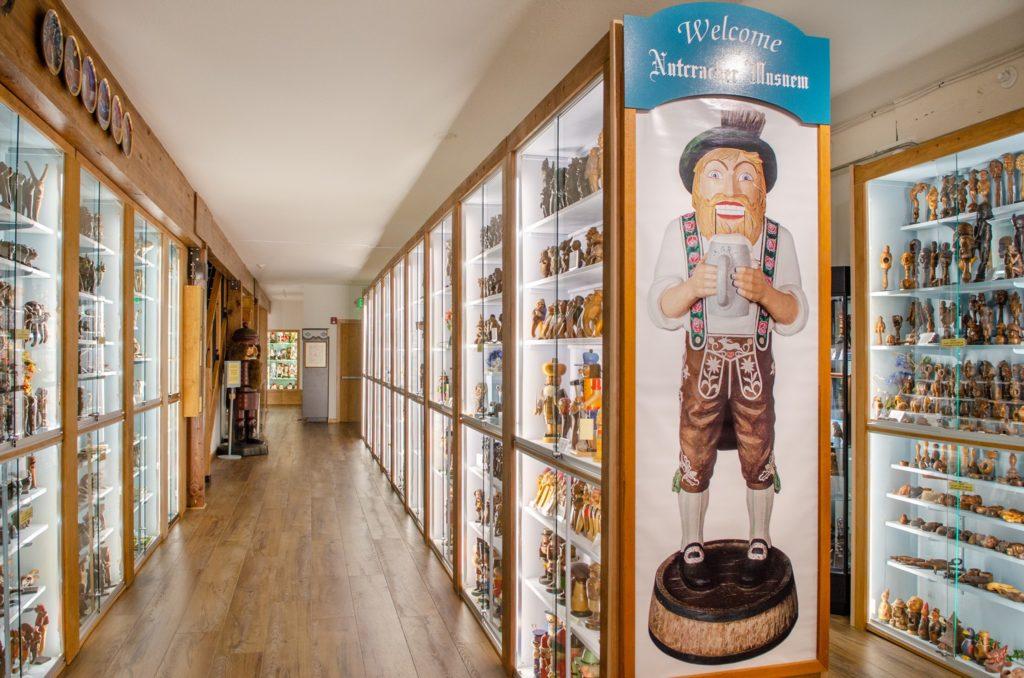
  • Nutcracker Museum
  • Alpine coaster and mountain adventures
  • River rafting and hiking
  • Bavarian candy shops
  • Summer outdoor concerts

Leavenworth is especially magical because it feels immersive—flower boxes, murals, and mountain backdrops create an almost European fantasy.

“Travel makes one modest. You see what a tiny place you occupy in the world.” — Gustave Flaubert

https://images.openai.com/static-rsc-4/bFScNPmkNqCBmnMKA4PaepGgxh7yyEcamtbrQGf-U_mChiB6wJUSf3kszAy9Xdm6yjMHX0-0fwkGVJ7BGsUXBXo6tUN9iU13roRLIZKL1nSJheQOXn7X-D5uFqZ0ibQI7OF1TgObnW3ERfRISF7iOi-1ECCr1x-_20Ipm5H6GduLgvLAPXOVyC23nl2kM678?purpose=fullsize

3. New Glarus, Wisconsin – America’s Little Switzerland with Germanic Roots

Though Swiss-inspired, New Glarus shares deep German-speaking cultural roots and offers Midwestern charm with rolling green landscapes.

Family Highlights:

  • Swiss Historical Village
  • Toy trains and local cheese shops
  • New Glarus Woods State Park
  • Family festivals with folk music
  • Root beer and brewery tours for older family members

Nearby Wisconsin communities also showcase German Heritage through food, architecture, and summer festivals.


4. Amana Colonies, Iowa – Old World Craftsmanship Meets Family Fun

Founded by German Pietists, the Amana Colonies preserve communal living traditions, craftsmanship, and foodways.

Family Highlights:

  • Traditional woodworking shops
  • Family-style German meals
  • Woolen mills and craft demonstrations
  • Ox Yoke Inn
  • Seasonal festivals and village strolls

This stop feels educational without being boring—children can watch artisans at work while parents enjoy handmade goods.

» Read more

COVID-19 shelves Wurstfest for the year


The Wurstfest Association of New Braunfels on Thursday announced the cancelation of its 2020 festival due to considerations related to the COVID-19 pandemic. “This will be the first time Wurstfest has canceled a festival in our 60-year history,” Randy Rust, 2020 Wurstfest president, said in a statement. “We have had our challenges in the past, including flood events and most recently a fire that destroyed the Marktplatz building.

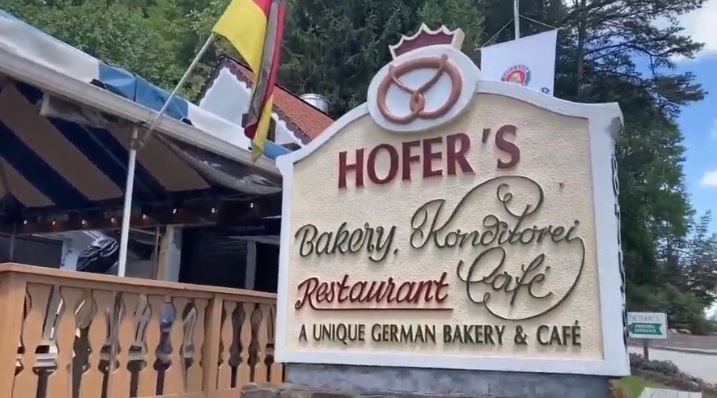
    Authentic German fare in the mountains of Georgia

    It’s interesting. Helen, Georgia is one of those bizarre places. I’d heard about it once or twice, and was there 20 years ago, but didn’t remember much about it. I remember it being a German-themed town, embraced by the entire town, with one awesome Oktoberfest. But this is the middle of the summer, not during Oktoberfest, during a pandemic. Would Helen, Georgia still have that Germain “flair” I remembered? The answer is not so simple.