The Ultimate Guide to America’s Biggest Oktoberfests: Where to Celebrate German Heritage This Fall
From Cincinnati’s enormous riverfront celebration to Bavarian-style towns in Georgia and Washington, these unforgettable festivals invite German-Americans—and everyone who loves the culture—to eat, dance, explore and raise a cheerful “Prost!” in fall 2026.

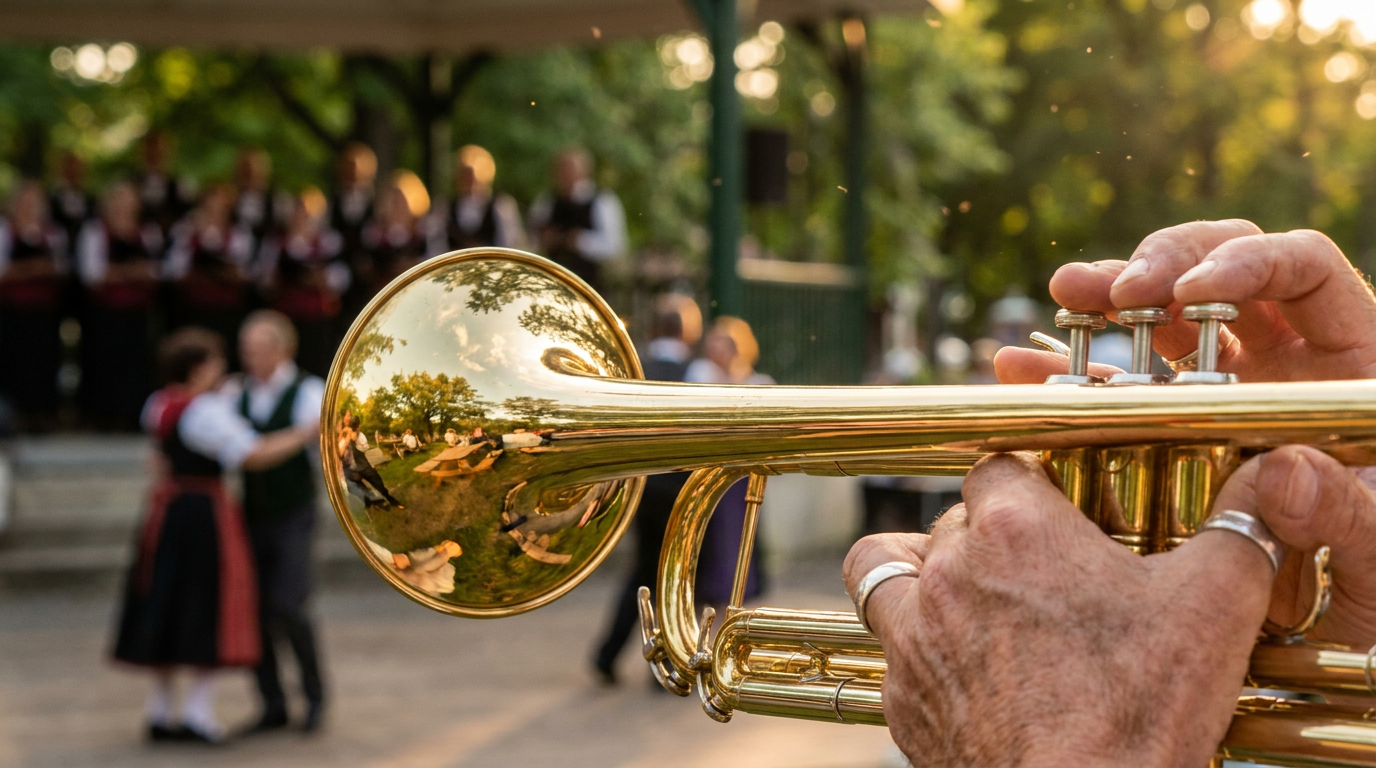
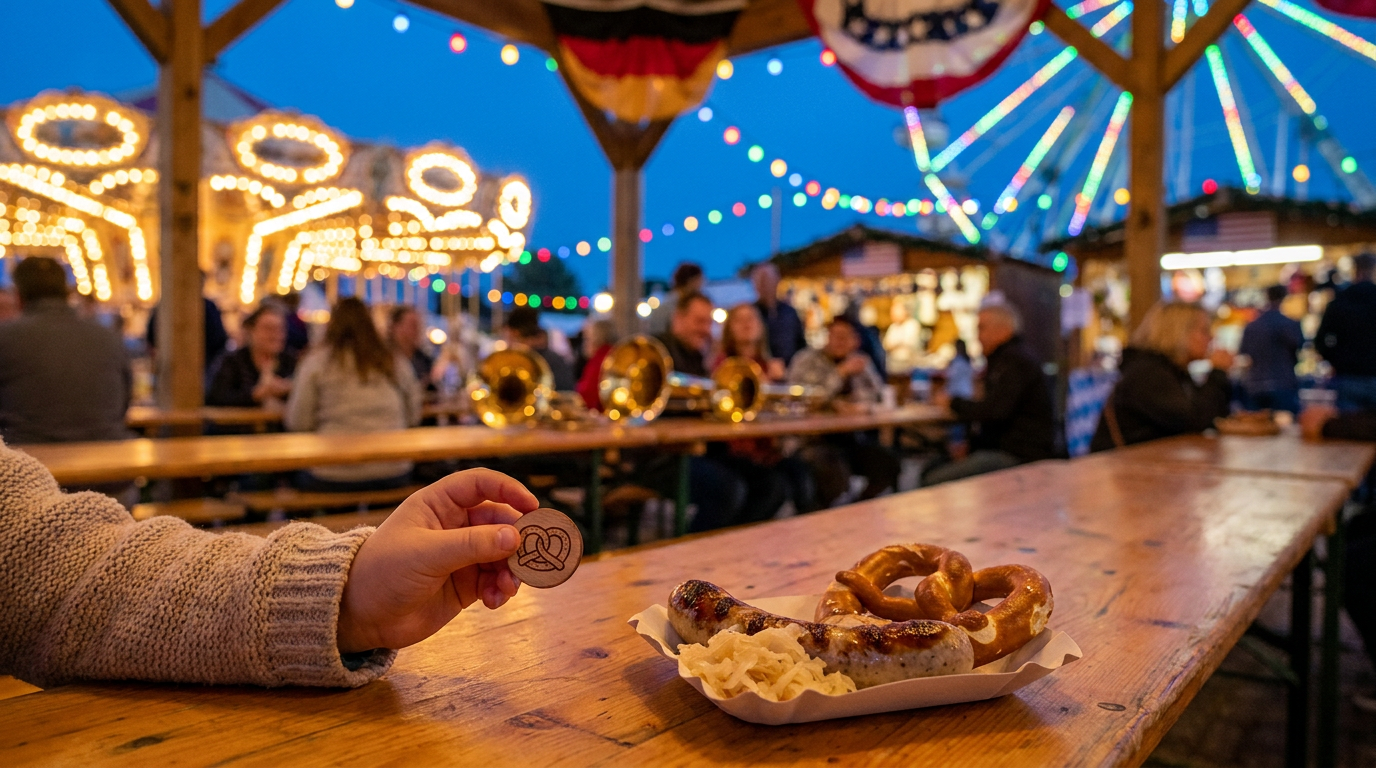
September arrives with a wonderful change in the air. The evenings grow cooler. Brass music seems to sound a little better. Pretzels suddenly look larger, sausages smell more tempting, and somewhere in America a dachshund is being fitted for its racing number.

Oktoberfest season is here.

For German-Americans, an Oktoberfest can be much more than a beer festival. It can be a joyful doorway into family history—a place where a familiar surname appears on a banner, an old melody awakens a memory, or a grandparent’s stories begin to feel real. For visitors without German ancestry, it offers the same invitation: pull up a bench, share a table and discover why Gemütlichkeit—the warm feeling of welcome, comfort and good fellowship—may be Germany’s most irresistible export.
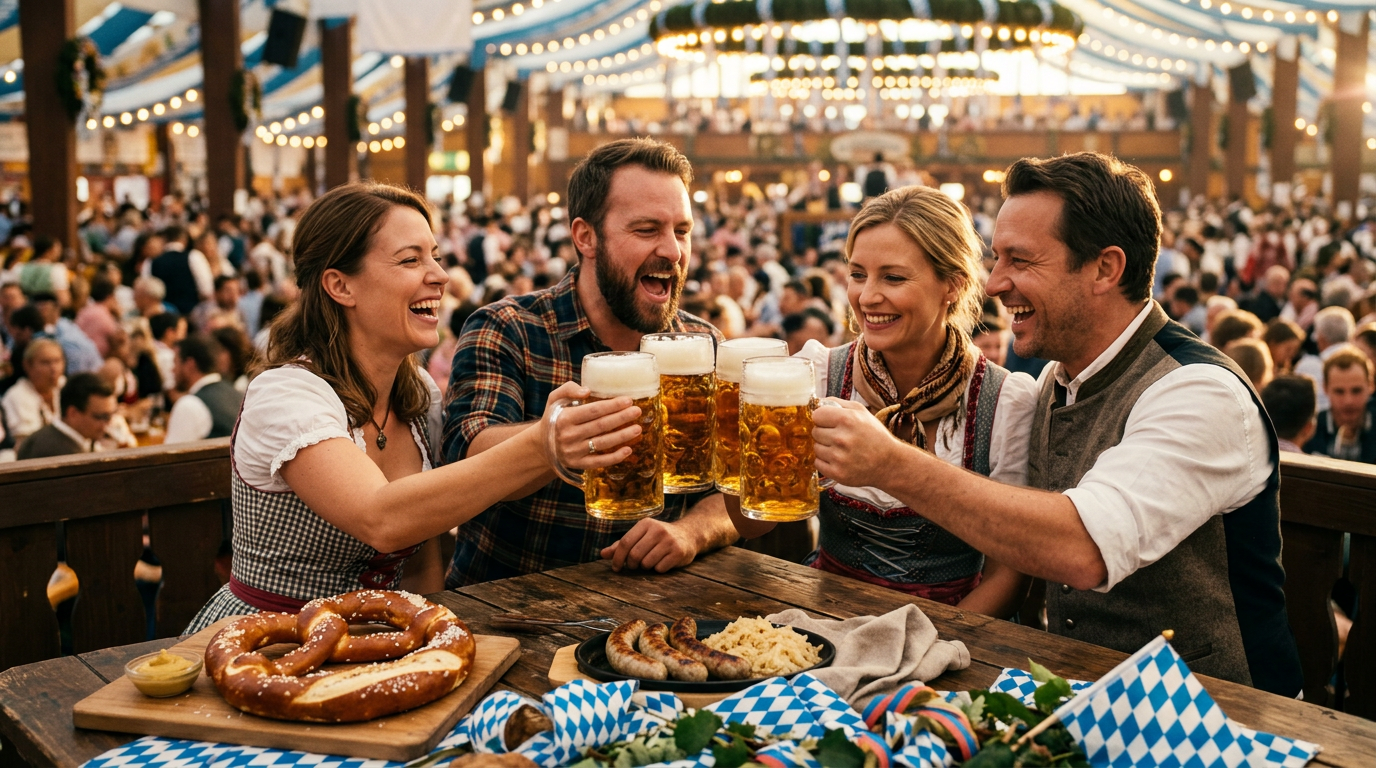
America now hosts hundreds of Oktoberfest celebrations, from neighborhood church picnics to citywide gatherings. This guide focuses on events that stand out through some combination of size, longevity, national reputation, cultural depth and destination atmosphere. It is not a rigid attendance ranking. Crowd estimates vary, and a month-long town celebration cannot be measured fairly against a concentrated four-day festival.

What these celebrations share is something more important: they turn heritage into an experience.

“An Oktoberfest is not merely a place to drink a beer. It is a place to hear history singing at the next table.” — GERMAN HERITAGE USA

Before the Road Trip: What Are We Actually Celebrating?

The original Oktoberfest began in Munich in 1810 with festivities honoring the marriage of Bavarian Crown Prince Ludwig and Princess Therese of Saxe-Hildburghausen. A public horse race helped conclude the celebration on grounds that became known as the Theresienwiese—“Therese’s Meadow.” The celebration returned, evolved and eventually became the enormous Munich festival recognized around the world.

Why does Oktoberfest often begin in September? The event gradually moved earlier to take advantage of longer days and milder weather while still finishing in early October. In 2026, Munich’s official Oktoberfest runs September 19 through October 4.

It is also worth remembering that Oktoberfest is specifically Bavarian in origin. Germany contains many regional cultures, foods, dialects and traditions. A family from Schleswig-Holstein, Hesse, Saxony or the Rhineland may not have inherited lederhosen or dirndls as ancestral dress. Still, Oktoberfest has become a lively international celebration of German and German-American culture. Enjoy the Bavarian traditions—and let them inspire you to discover your family’s own regional story.

America’s Oktoberfest Calendar at a Glance

Celebration Location 2026 dates Best for
Oktoberfest Zinzinnati Cincinnati, Ohio Sept. 17–20 The biggest crowds and enormous citywide energy
Mount Angel Oktoberfest Mount Angel, Oregon Sept. 17–20 German-Swiss tradition and a community-wide festival
Addison Oktoberfest Addison, Texas Sept. 17–20 Bavarian celebration with a Texas personality
Denver Oktoberfest Denver, Colorado Sept. 18–20 and 25–27 Urban excitement, games and two full weekends
Helen Oktoberfest Helen, Georgia Sept. 10–Nov. 1 The longest festival season and Alpine-town atmosphere
Nashville Oktoberfest Nashville, Tennessee Oct. 1–4 A large Southern city celebration with music and contests
Leavenworth Oktoberfest Leavenworth, Washington Oct. 2–3, 9–10 and 16–17 Mountain scenery and a Bavarian-style destination town
Zeeco Oktoberfest Tulsa Tulsa, Oklahoma Oct. 22–25 A high-energy grand finale patterned after Munich

Dates and details were checked against official 2026 event information. Always confirm hours, admission rules and schedules before traveling.

1. Oktoberfest Zinzinnati — Cincinnati, Ohio

Best for: Experiencing America’s attendance giant

If your Oktoberfest dream includes a riverfront filled with music, food, beer and a crowd large enough to qualify as its own city, begin in Cincinnati. The official event calls Oktoberfest Zinzinnati America’s largest Oktoberfest, and more than 800,000 people attended in 2025. The 2026 celebration marks its 50th anniversary at Sawyer Point Park and Yeatman’s Cove.

Cincinnati’s German roots run deep. Nineteenth-century German immigration shaped local neighborhoods, brewing, food, music and civic life. That history helps the celebration feel less like an imported theme and more like a city turning up the volume on part of its identity.
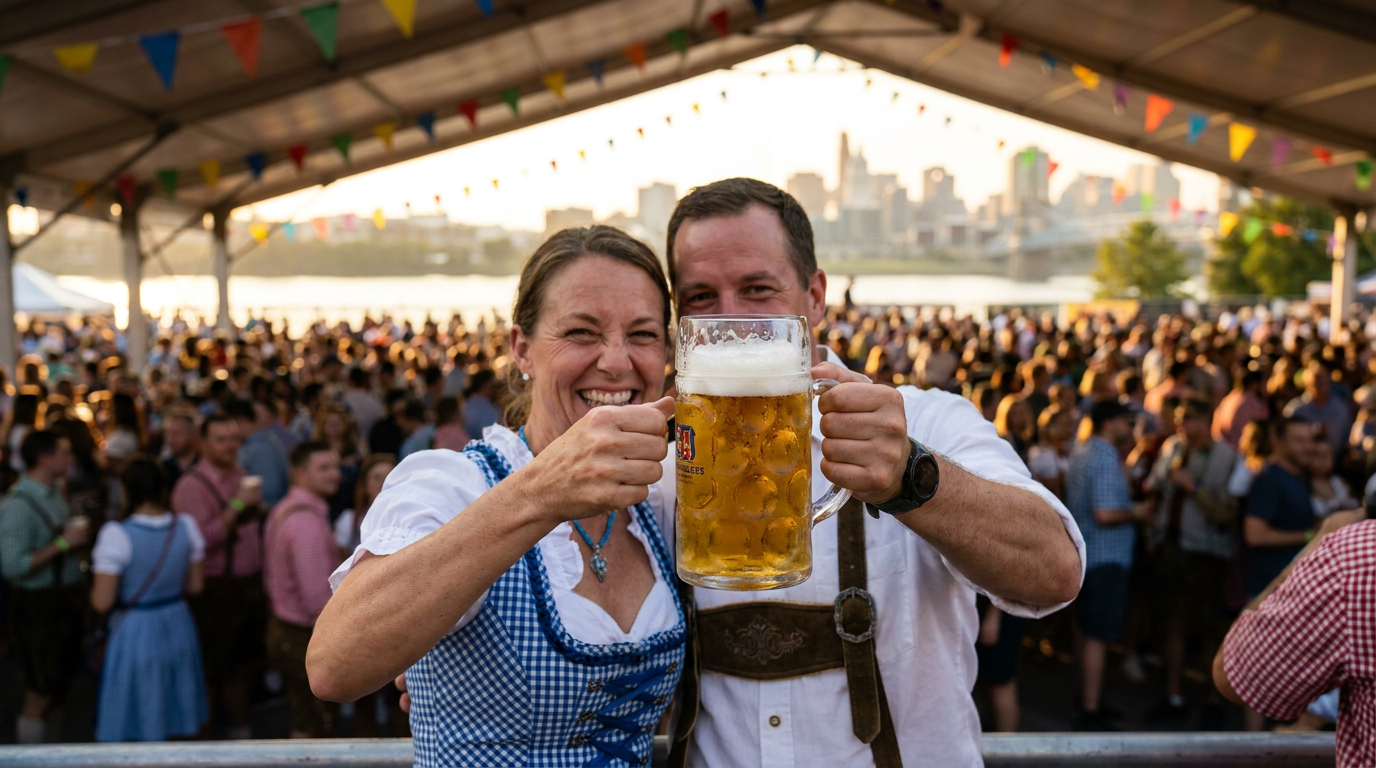
Admission is free, making it especially approachable for families and first-time visitors. Expect giant tents, stages, beer gardens, abundant German-inspired food and wonderfully unserious spectacle. The famous mass participation and exuberant atmosphere are part of the point: this is heritage with its sleeves rolled up.

Do not miss: The ceremonial events, live music and sheer thrill of seeing Cincinnati’s German-American pride take over the Ohio Riverfront.

2. Mount Angel Oktoberfest — Mount Angel, Oregon

Best for: Old-world community atmosphere in the Pacific Northwest

Mount Angel brings a distinctive German-Swiss character to Oregon’s Willamette Valley. Rather than containing the celebration inside one isolated hall, the festival fills the streets and multiple venues across town. In 2026, it runs September 17–20.

This is a rewarding choice for travelers who want far more than an evening beer tent. The celebration combines music and dancing with food, family activities, races, arts and crafts, and community institutions. More than 120 artisans are scheduled for the 2026 arts-and-crafts show alone.
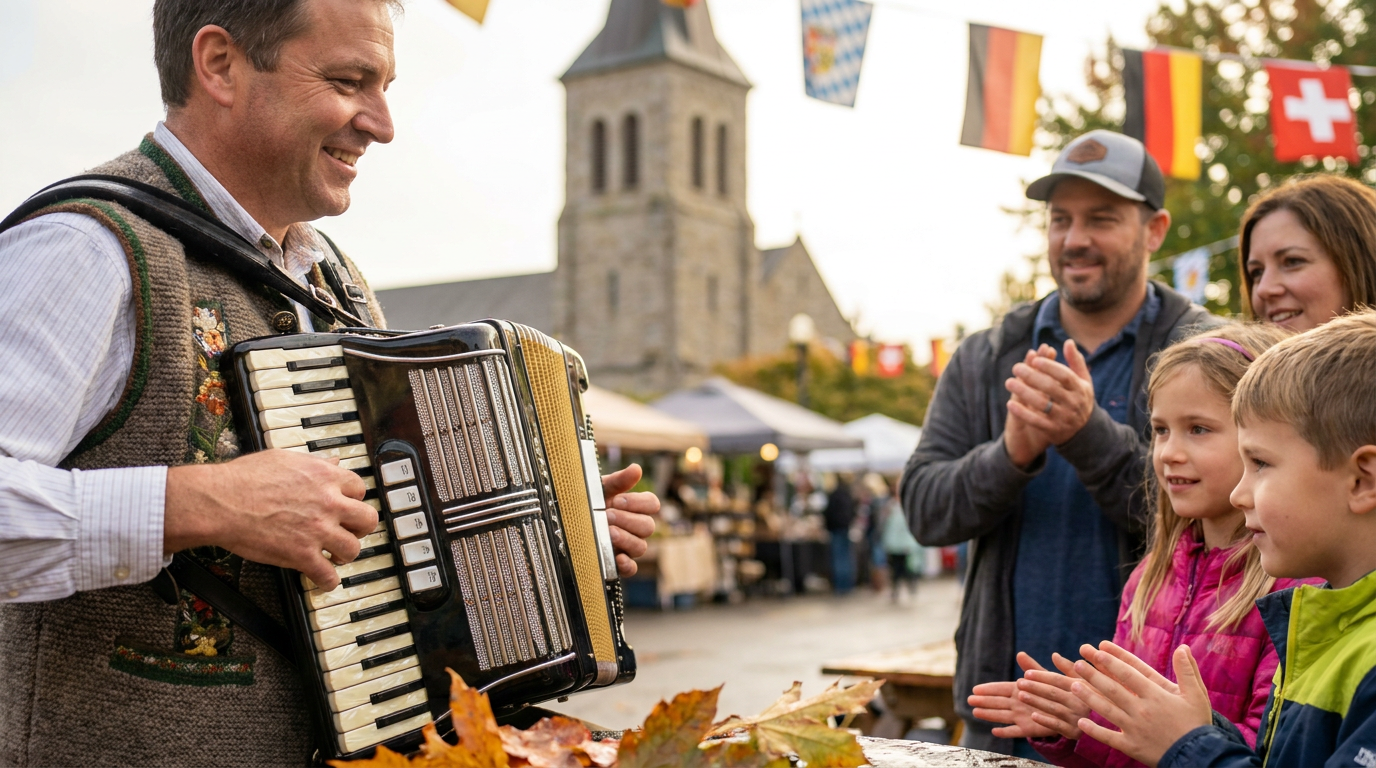
Mount Angel’s appeal is intimacy at festival scale. Bells, Alpine design, friendly volunteers and a strong sense of local ownership give the weekend a personality that cannot be manufactured.

Do not miss: Exploring the different festival venues instead of staying in one tent—each corner of town adds another chapter to the experience.

3. Addison Oktoberfest — Addison, Texas

Best for: Bavarian tradition served with Texas hospitality

In North Texas, Addison Circle Park becomes a four-day celebration of beer, brats, music, dancing and playful competition. Addison Oktoberfest runs September 17–20 in 2026 and deliberately pairs Bavarian festival customs with a confident Texas twist.

That combination makes Addison accessible to newcomers without losing the visual excitement people hope to find at Oktoberfest. Visitors can move between performance areas, food experiences and family activities, then join the official keg tapping or simply settle in and listen to the music.
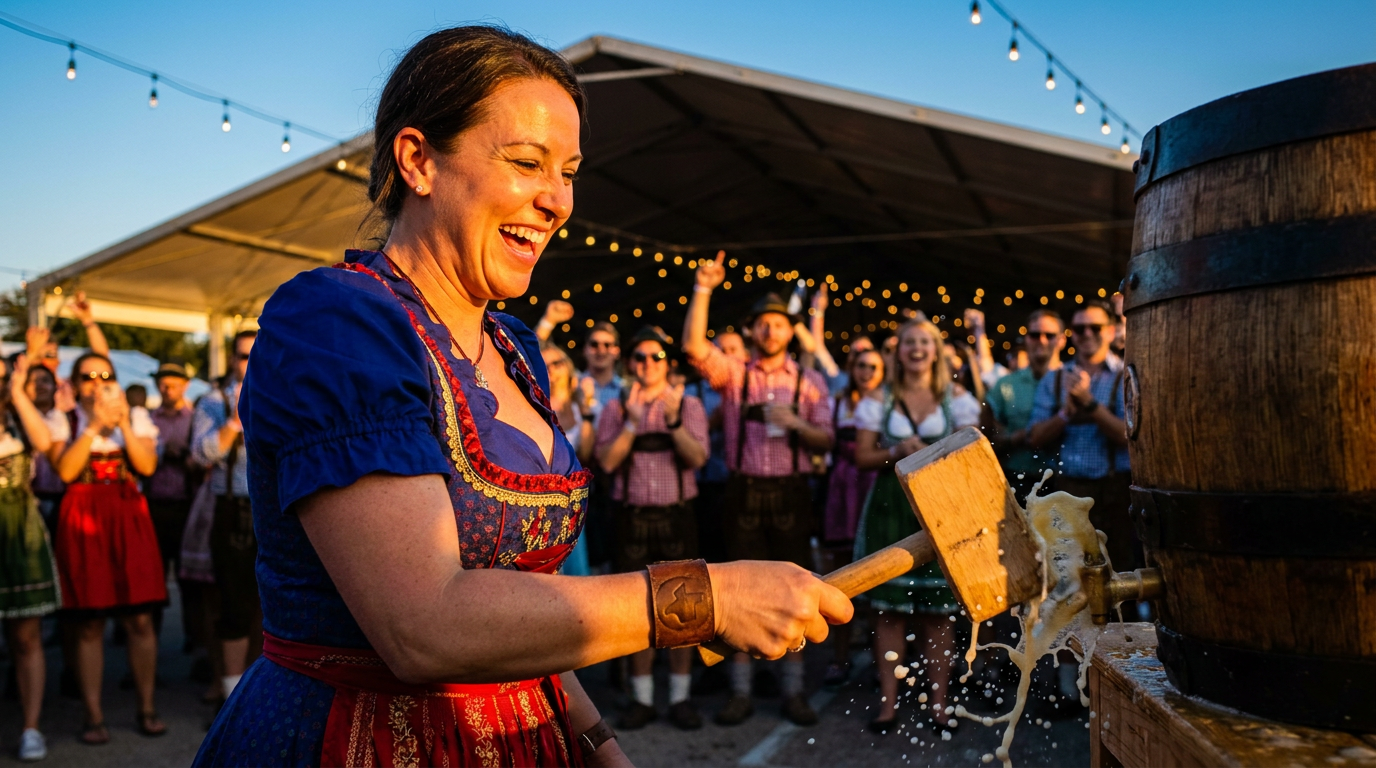
The practical advantage is location. Travelers can build the festival into a Dallas-area weekend, while local families can enjoy a major cultural event without an interstate expedition.

Do not miss: The ceremonial keg tapping and the delightful moment when polka rhythm, Texas friendliness and a packed Partyhalle become one celebration.

4. Denver Oktoberfest — Denver, Colorado

Best for: A high-energy urban street festival

Denver has celebrated Oktoberfest since 1969, and its 56th annual edition fills two weekends in the Ballpark District: September 18–20 and September 25–27. The setting on Larimer Street creates a different experience from a small heritage town. This one feels like an urban block party wearing lederhosen.

Along with food, beer and music, Denver leans enthusiastically into American Oktoberfest games. The 2026 schedule includes the Long Dog Derby on both Sundays and a sausage-eating contest on September 26. It is spirited, funny and built for groups of friends who want action between songs.
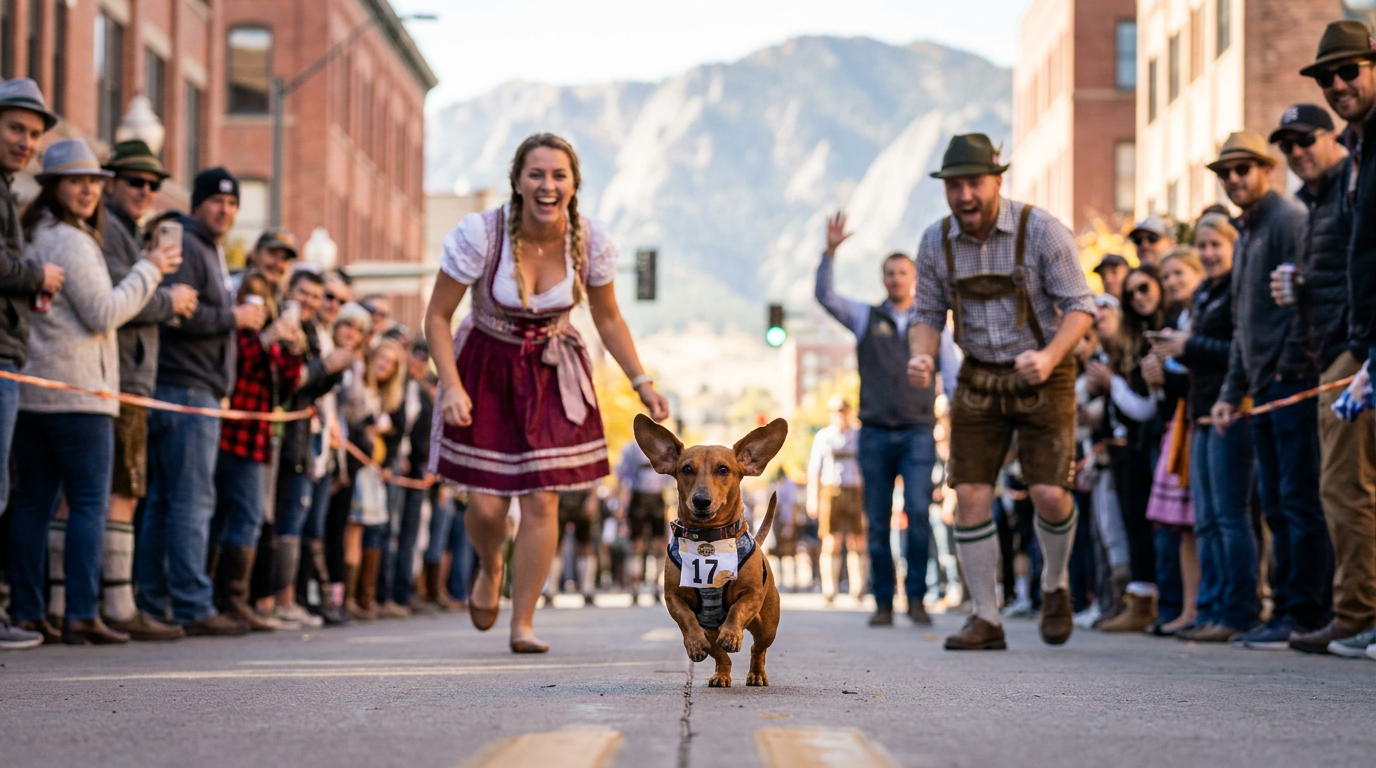
Denver also works well for travelers who prefer choices. Spend part of the day at the festival, then explore the city’s breweries, museums, restaurants or nearby mountain scenery.

Do not miss: The dachshund races—because few things unite a crowd faster than very short legs chasing very large glory.

5. Helen Oktoberfest — Helen, Georgia

Best for: Turning Oktoberfest into an extended Alpine getaway

Helen offers one of the most visually distinctive Oktoberfest trips in America. The North Georgia mountain town adopted a Bavarian-inspired architectural identity decades ago, so the celebration continues beyond the doors of its Festhalle and into the surrounding streets, shops and scenery.

The 56th annual Helen Oktoberfest begins September 10. It operates Thursday through Sunday during September, then nightly from October 1 through November 1. That extraordinary run gives visitors unusual flexibility and makes Helen the choice for anyone who wants fall foliage, a cabin weekend and German music in one itinerary.
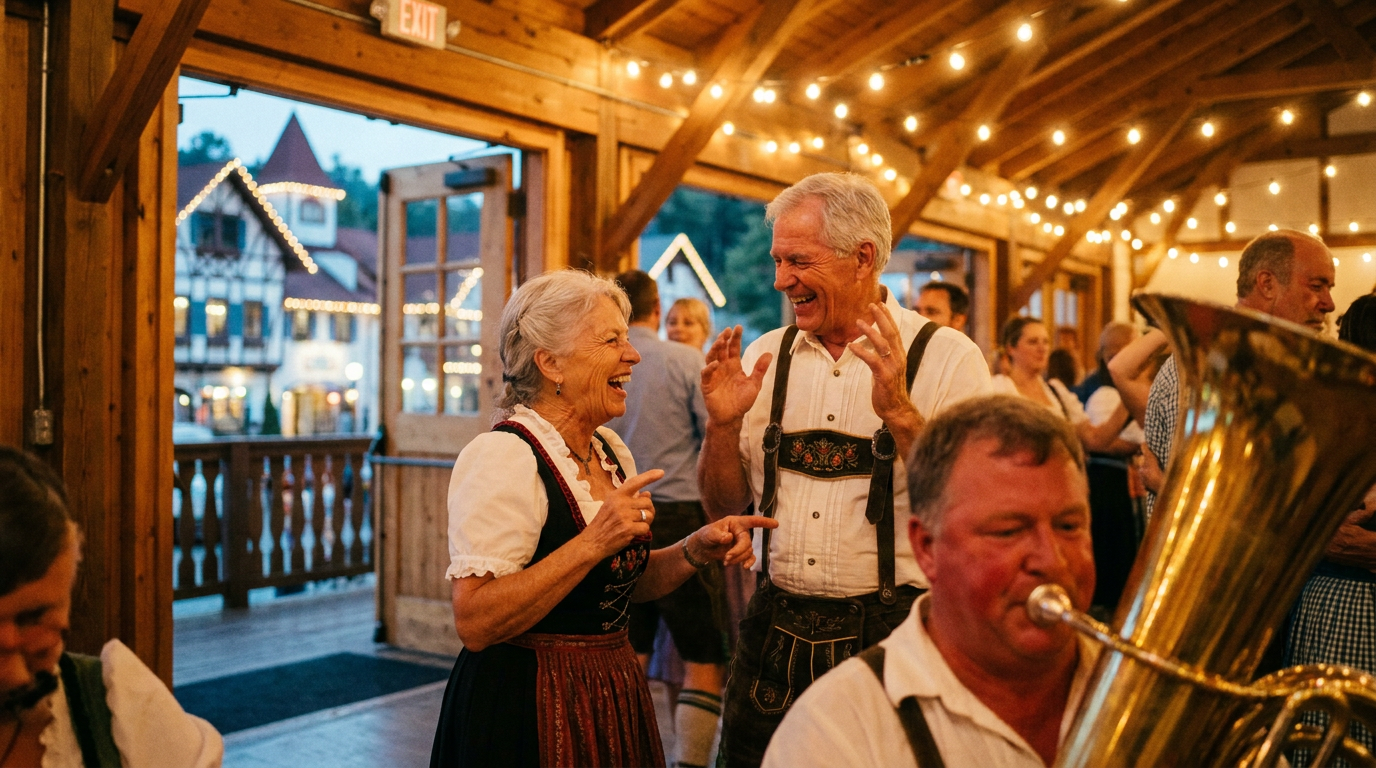
The opening parade takes place September 12, followed by the first keg tapping. Inside the Festhalle, bands, dancing, food and drink supply the classic experience. Outside, the Blue Ridge foothills provide the backdrop.

Do not miss: Pairing an afternoon scenic drive or waterfall walk with an evening of dancing at the Festhalle.

6. Nashville Oktoberfest — Nashville, Tennessee

Best for: German heritage with a Music City pulse

Nashville’s celebration has run consecutively since 1980 and returns October 1–4, 2026, at Bicentennial Capitol Mall State Park. It combines live music, German fare, beer, a 5K Bier Run, competitions and a pup parade in a setting close to downtown.

For Middle Tennessee families, this is proof that meaningful heritage discovery does not always require a cross-country trip. A festival afternoon can become the beginning of a larger family conversation: Which part of Germany did our ancestors leave? What recipes survived? Which names were changed or Anglicized? What should we preserve next?
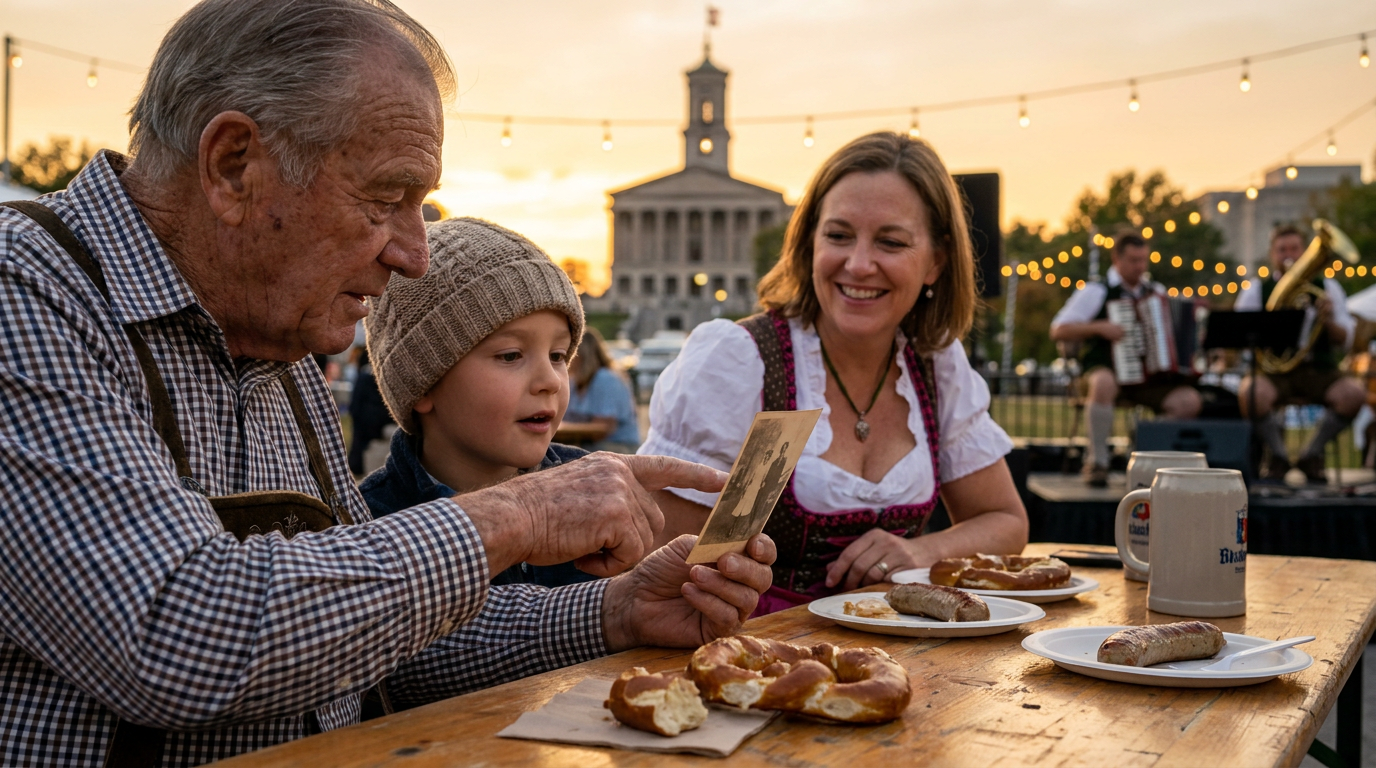
Nashville also demonstrates how German-American traditions continue to evolve. The music and contests feel distinctly American, yet the communal tables, food, toasts and fellowship still point toward the festival’s Bavarian source.

Do not miss: Arrive for the cultural programming, stay for the music, and use the experience to start one new family-heritage tradition.

7. Leavenworth Oktoberfest — Leavenworth, Washington

Best for: The most cinematic setting

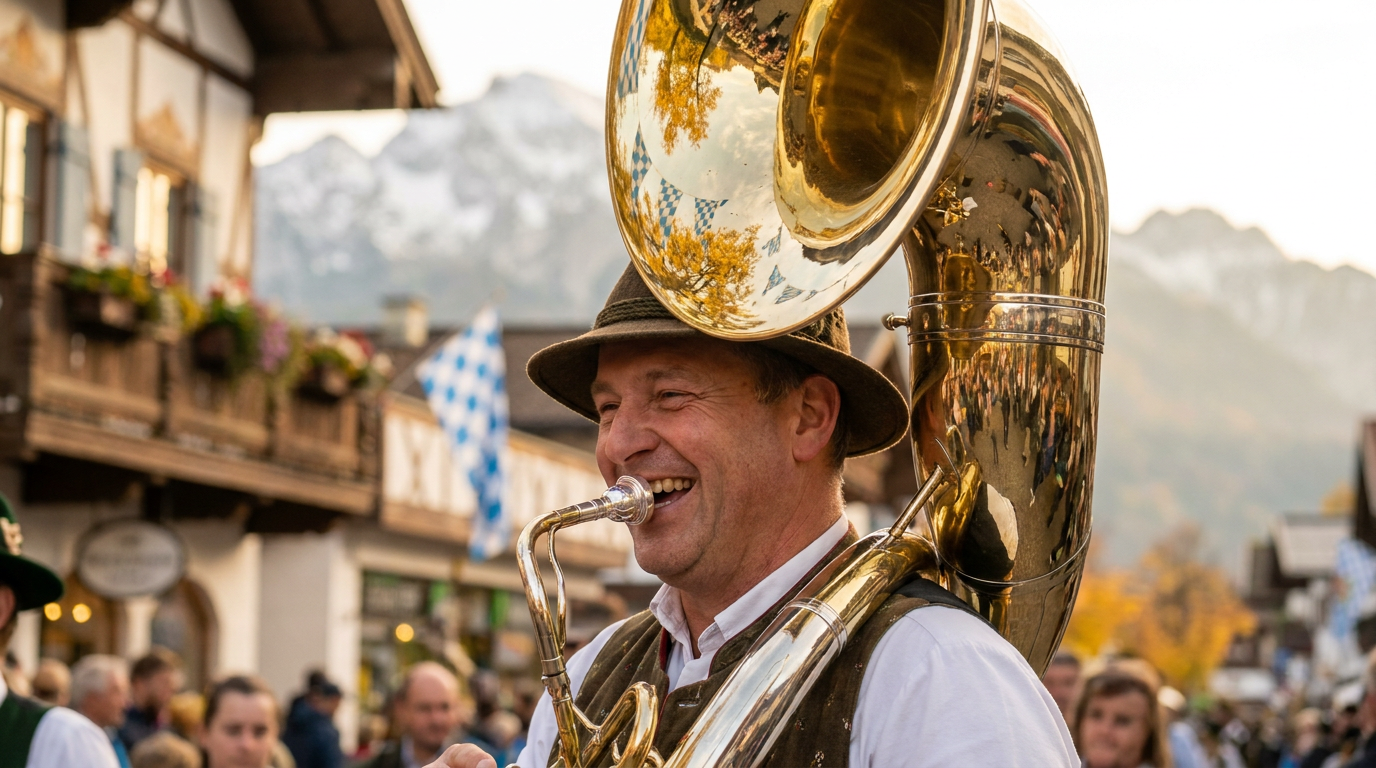
Leavenworth sits against the Cascade Mountains, and its Bavarian-style downtown gives Oktoberfest an almost storybook backdrop. The official 2026 celebration runs on October 2–3, 9–10 and 16–17, with three stages across the Festhalle and Front Street Park venues.

This is the Oktoberfest to choose when the journey matters as much as the tent. Mountain views, autumn color, local businesses and walkable streets turn a festival ticket into a full destination weekend. The programmed beer gardens offer local and German beers, food, bands and dancing, while the Kinderplatz gives families a dedicated area.
Lodging can fill quickly, so planning ahead matters here more than at many single-day city events.

Do not miss: The contrast of a lively brass band in the foreground and the quiet Cascades rising behind the town.

8. Zeeco Oktoberfest Tulsa — Tulsa, Oklahoma

Best for: Ending the season with one enormous “Prost!”

Tulsa saves one of America’s most energetic celebrations for late October. Running October 22–25, 2026, at River West Festival Park, Zeeco Oktoberfest Tulsa describes itself as an authentic Bavarian celebration patterned after Munich.

Large tents, bands, German-inspired food, beer and an enthusiastic schedule of competitions create the immersive atmosphere. The games include stein holding, a MassKrug relay, dachshund racing and a beer-barrel race. The Markthaus adds more than 60 arts-and-crafts booths with handmade items and German wares.
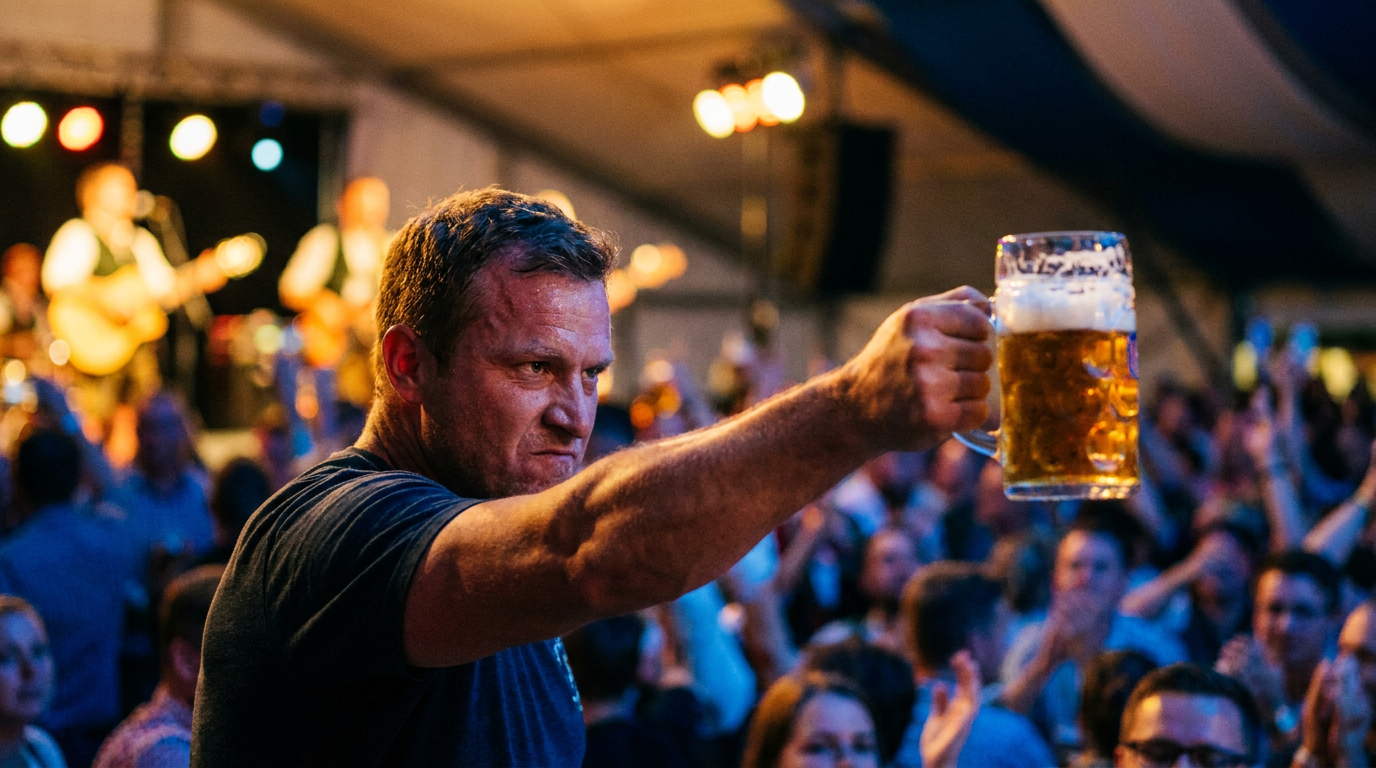
Because Tulsa arrives after many September festivals have packed away their banners, it makes a natural season finale. By then, your stein-holding arm should be properly trained.

Do not miss: Move between the tents, watch a competition and stay long enough to experience the evening crowd at full song.

Four More Celebrations Worth the Detour

The American Oktoberfest map is too rich to stop at eight. Consider these heritage destinations as well:

  • New Ulm, Minnesota — October 2–3 and 9–10: A city with unusually visible German heritage, multiple celebration sites, music, food, parades and a strong community identity.
  • Fredericksburg, Texas — October 2–4: German-Texan history, five stages of continuous music, artisan vendors, children’s activities, beer and Texas wine in the Hill Country.
  • Hermann, Missouri — weekends throughout October: A relaxed, town-wide celebration pairing German heritage with Missouri wine country, autumn scenery, food, music and historic streets.
  • South Florida: Oktoberfest Miami and the American German Club of the Palm Beaches offer long-running, club-based celebrations where German-American organizations remain at the heart of the experience.

How to Choose—and Enjoy—Your Oktoberfest

Start with the kind of memory you want to make. Choose Cincinnati for scale, Helen or Leavenworth for a destination escape, Mount Angel or New Ulm for a community-centered heritage experience, Denver or Nashville for city energy, Addison or Fredericksburg for Texas flair, and Tulsa for the late-season grand finale.

Then plan like a seasoned festival traveler:

  • Check the official site immediately before leaving; schedules, weather policies and entry rules can change.
  • Reserve lodging early in destination towns, especially Helen and Leavenworth.
  • Use shuttles or public transportation when available, and always arrange a sober ride.
  • Visit earlier in the day for a calmer, more family-focused atmosphere.
  • Wear a dirndl or lederhosen if you enjoy it—but remember that participation matters more than costume.
  • Try something beyond the first bratwurst. Look for regional sausages, schnitzel, potato pancakes, red cabbage, strudel, tortes and local specialties.
  • Ask musicians, cooks, craftspeople and heritage organizations about the traditions they preserve.
  • Bring home a story, recipe, family photograph or new German word—not only a souvenir mug.

“The best Oktoberfest souvenir is the moment your group of friends or family decides, ‘We should do this together again next year.’”
— GERMAN HERITAGE USA

America’s Oktoberfests are not replicas of Munich, and they do not need to be. They are German-American creations: part inheritance, part reinvention and part open invitation. Each city adds its own landscape, accent and personality. Together, they show that heritage stays alive when people gather around it.
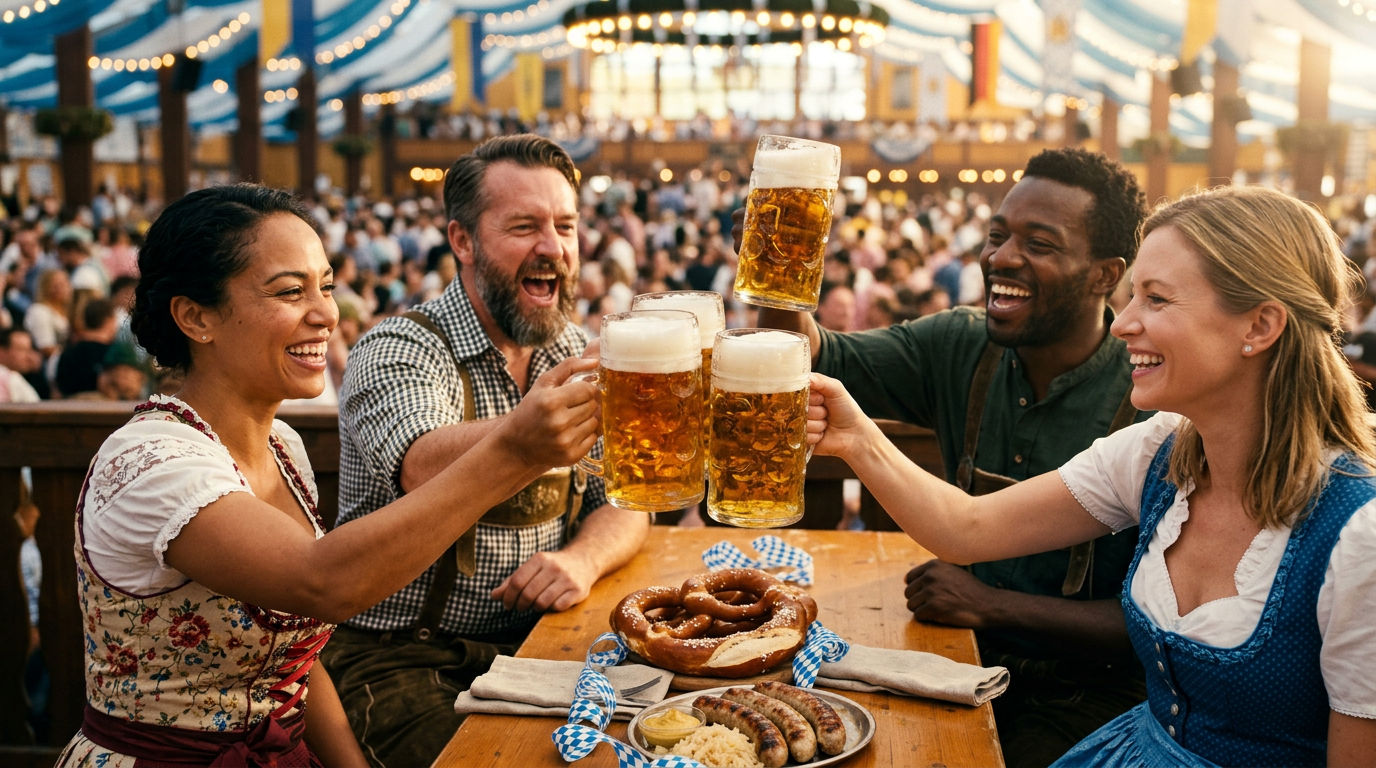
So choose your city. Mark the calendar. Invite the relatives who always say, “We need to get together more often.” Learn the story behind one family name or recipe before you go. Then step beneath the festival banners and listen for that flare in the darkness—the old culture shining into a new generation.

Discover it. Celebrate it. Preserve it.

Got A Little German In You? Your German Heritage Is Calling You!
German Summer Traditions That Quietly Became American Traditions

From beer gardens and sizzling sausages to picnic tables, outdoor concerts and festival weekends, some of America’s most familiar warm-weather pleasures carry a distinctly German-American echo.

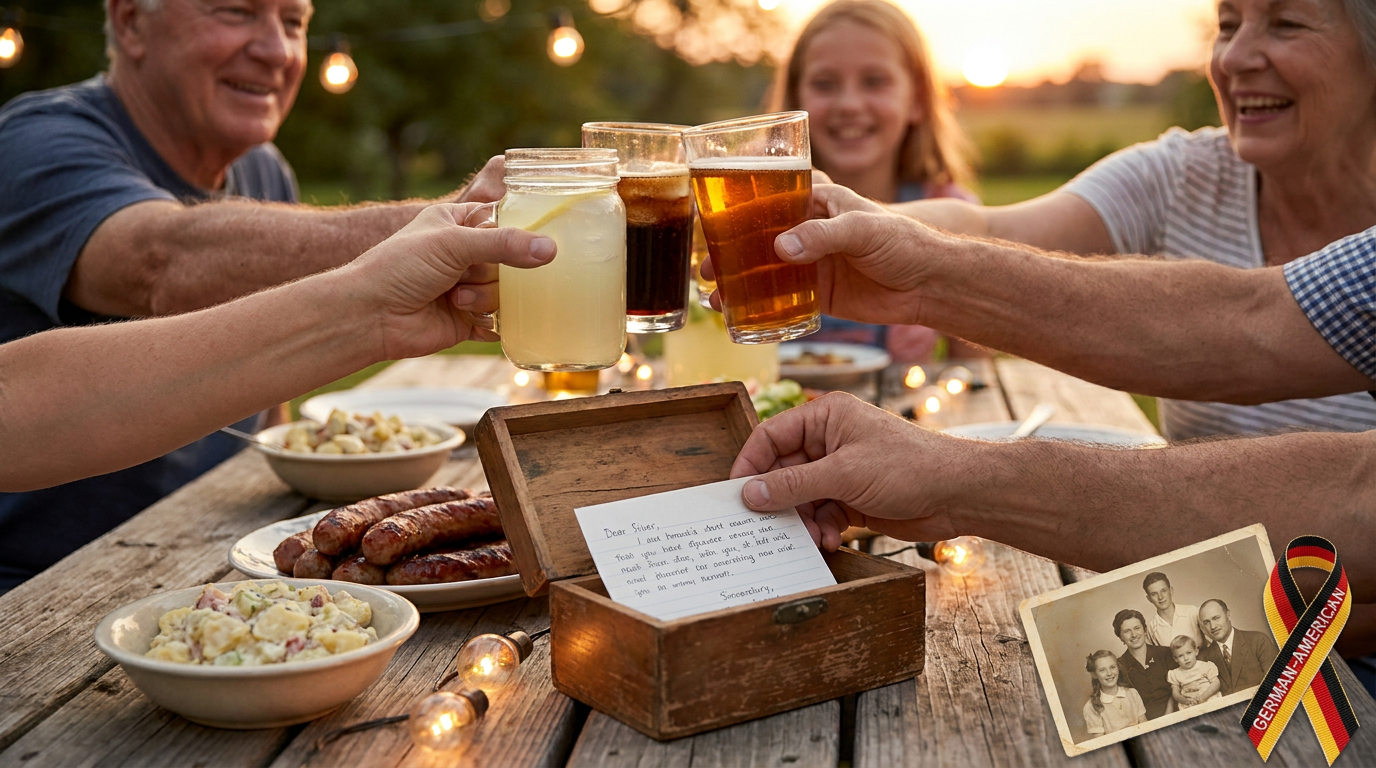
Late August has its own soundtrack in America. A grill crackles somewhere beyond the backyard fence. Glasses clink beneath patio lights. A brass band warms up at a community festival. Potato salad waits under a sheet of foil while someone asks whether the mustard is in the cooler. Children race across the grass, adults claim the shady tables, and nobody is in a hurry to go home.

It all feels thoroughly American.

And it is. But some of it is also quietly German.

Over generations, German-speaking immigrants brought more than recipes and holiday customs to the United States. They brought ways of gathering: long shared tables, family-friendly beer gardens, singing societies, athletic clubs, Sunday outings, sausage-centered meals and festivals designed to turn an ordinary patch of ground into a temporary village.

The remarkable part is not that Americans copied these customs exactly. They did something more interesting. They mixed them with traditions carried by other immigrant communities, adapted them to local climates and ingredients, and made them part of a shared summer culture. Names changed. Recipes wandered. German words disappeared from signs. Yet the rhythm remained.

“Traditions rarely cross an ocean wearing name tags. Sometimes they simply pull up a chair, pass the mustard and become part of the family.” — GERMAN HERITAGE USA

So, before summer slips into Oktoberfest season, let us look at several warm-weather traditions that traveled from German lands, grew in German-American communities—and became so familiar that many Americans no longer notice their roots.

1. The Biergarten Became America’s Favorite Kind of Patio

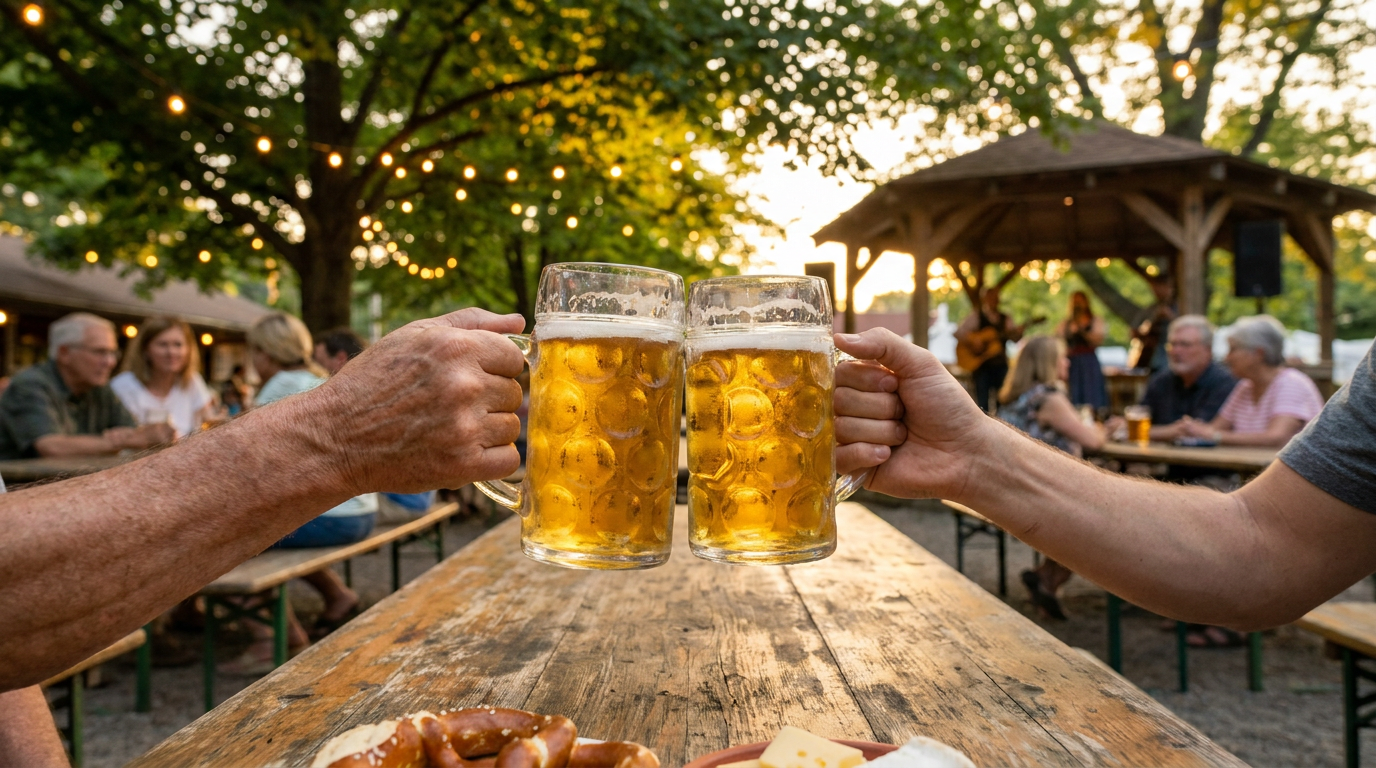
The traditional German Biergarten was never merely an outdoor bar. At its best, it was a social landscape: shade, shared tables, simple food, conversation, music and the wonderful permission to linger. Families and friends could gather without turning every visit into a formal occasion.

German immigrants carried that idea into American cities and towns. Nineteenth-century beer gardens became important social spaces in places with large German populations, including New York, Cincinnati, Milwaukee, St. Louis, Chicago, New Orleans and cities across Texas. Some were modest courtyards. Others were elaborate entertainment grounds with trees, pavilions, orchestras, dancing and special events.

Austin’s historic Scholz Garten offers a vivid example. Founded by German immigrant August Scholz in 1866, its Sunday concerts grew from a German tradition of convivial music and beer but attracted the broader public as well. The garden did not remain sealed inside an immigrant enclave; it became part of the city’s identity.

That pattern repeated across the country. The German sign might eventually vanish, but the appealing formula survived: put refreshments outside, add shade and music, invite groups to sit together, and let the evening unfold.

Today we call it a brewery patio, a courtyard, a rooftop garden, a food-hall lawn or an outdoor taproom. We string lights overhead, order something cold and search for the longest table. The setting looks modern, but the social instinct behind it would feel familiar to generations of German Americans.

The real inheritance may be one untranslatable word: Gemütlichkeit—a sense of warmth, belonging, good cheer and comfortable togetherness. It is not the furniture that makes a beer garden. It is the feeling that there is room for one more person at the table.

2. Wurst on the Grill Became the Sound of Summer

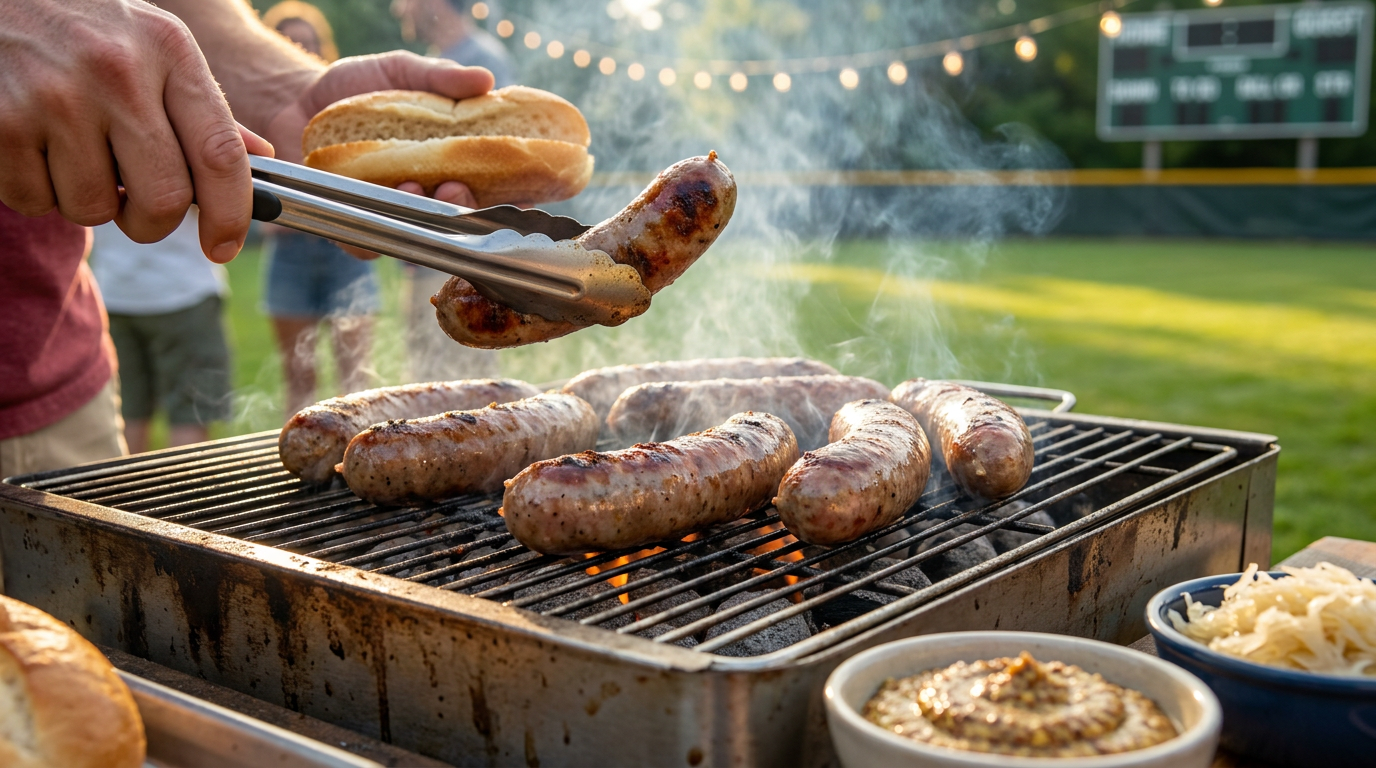
Few aromas announce an American summer gathering faster than sausages hitting a hot grill.

German-speaking Europe has an extraordinary sausage tradition: Bratwurst, Frankfurter, Wiener, Knackwurst, Weisswurst and many more. Immigrants brought recipes, butchering knowledge and regional preferences with them. In America, those traditions met industrial cities, street carts, baseball crowds, amusement resorts, backyard grills and a growing appetite for portable food.

Then the family tree becomes delightfully messy.

The hot dog clearly has European sausage ancestors, especially within German-speaking food culture, but its precise American origin story is famously difficult to prove. Competing legends credit different vendors, cities and moments. The Smithsonian’s food-history reporting has wisely described hot-dog history as a thicket of myths, promotion and incomplete evidence.

That uncertainty is part of the fun. The hot dog is not simply a German food that Americans renamed. It is an American creation shaped by immigrant sausage traditions. The same is true of the summer grill itself: German wurst joined Southern barbecue, Indigenous food knowledge, Caribbean techniques, Central European smokehouses and countless family preferences.

Still, when Americans grill bratwurst, pile sauerkraut onto a frankfurter, add spicy mustard or argue about the proper toppings for a ballpark dog, they are participating in a food story with unmistakable German chapters.

And there is one rule that survived every translation: make more than you think you need.

3. The German-American Picnic Plate Hid in Plain Sight

Look closely at a classic American picnic table and the clues begin to gather.

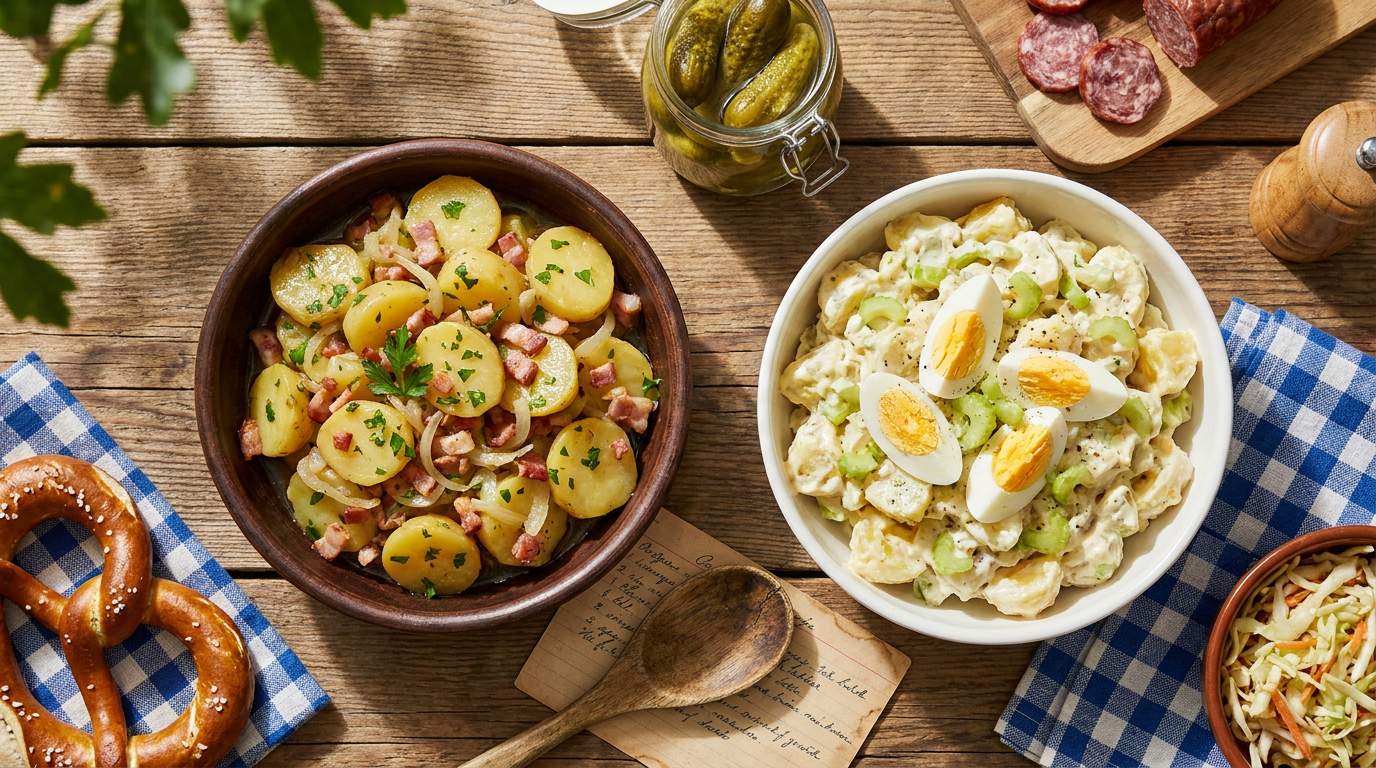
There is potato salad—sometimes warm and tangy with vinegar, onions and bacon; sometimes cool and creamy with mayonnaise and mustard. There are pretzels, pickles, rolls, sliced sausages, cabbage slaw and a mustard bottle that somehow becomes the center of attention.

Not every dish on that table is exclusively German, of course. Potatoes, pickling, cabbage dishes and sausages belong to many cultures. But German and German-American cooking played a major role in the way these foods entered the American mainstream.

Potato salad is a particularly tasty example of cultural blending. Germany has never had only one potato-salad recipe. Regional and family variations abound. In the United States, those traditions interacted with American ingredients, commercial mayonnaise, local tastes and recipes shared across community lines. A Mississippi State University study devoted to German-American culinary assimilation uses potato salad to show how immigrant and native-born cooks exchanged ideas and helped create a new American food identity.

That means the bowl at your reunion may not match a recipe from Bavaria, Westphalia or Schleswig-Holstein—and it does not have to. The American version is evidence of the journey. Recipes change when neighbors taste them, daughters-in-law adapt them, grocery products replace hard-to-find ingredients, and someone decides that Grandma’s “pinch” should become half a teaspoon.

Food traditions survive because people keep making them, not because they remain frozen in time.

4. The Vereins Picnic Became the Community Get-Together

German immigrants were enthusiastic builders of Vereine—clubs or associations organized around singing, gymnastics, mutual aid, trades, religion, marksmanship, politics, hometown connections and social life.

There were Sängerbünde for singers, Turnvereine for gymnastics and physical culture, Schützenvereine for target shooting, and many other groups with banners, bylaws, committees and calendars. If that sounds serious, remember that many clubs also knew how to throw a splendid picnic.

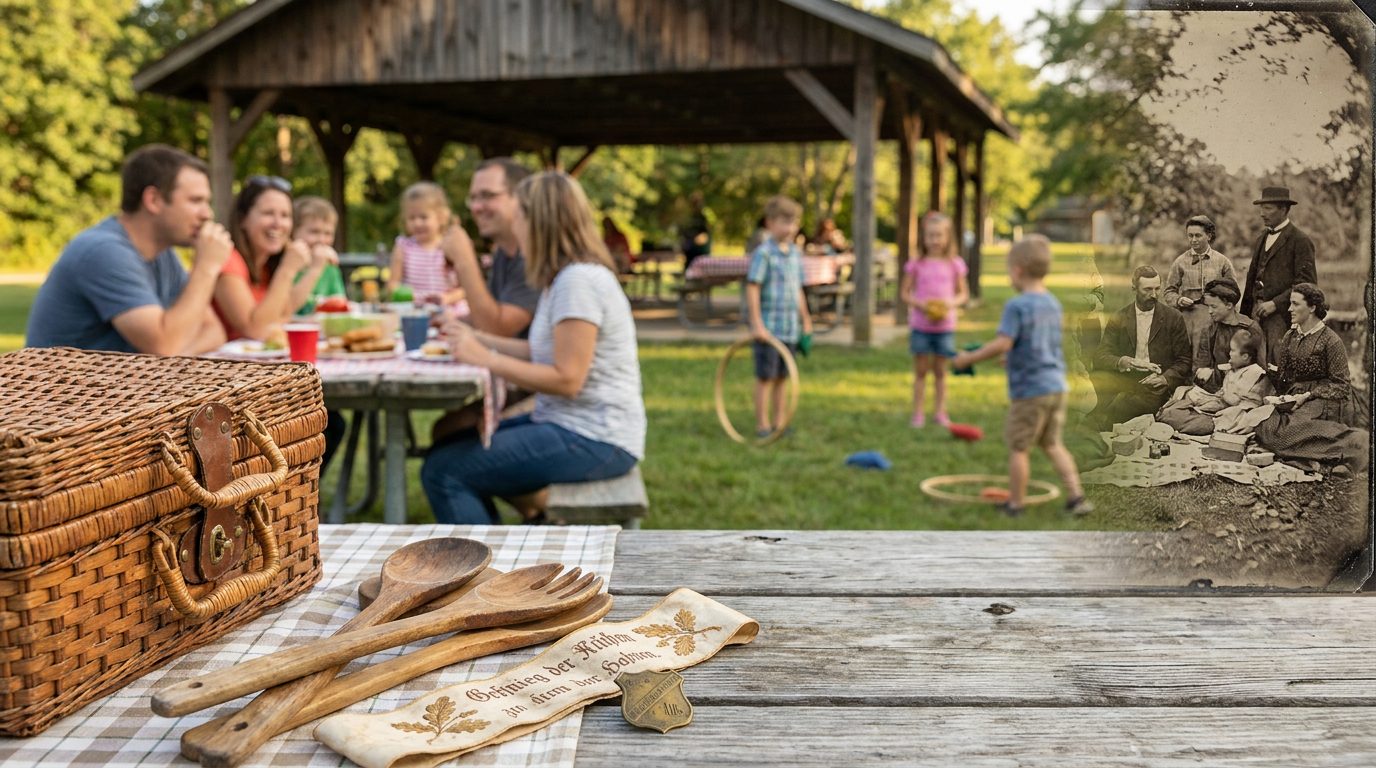
Summer outings allowed members to leave crowded neighborhoods, bring their families, eat outdoors, hear music, play games and renew friendships. A picnic might include a procession, speeches, children’s activities, athletic demonstrations, dancing and enough food to make the journey worthwhile. German-American parks and picnic groves became gathering places where culture was practiced rather than merely remembered.

The broader American community embraced the same social architecture. Churches, labor unions, fire companies, schools, veterans’ groups, businesses and extended families all developed their own summer picnics. Their traditions came from many sources, but German-American club culture helped demonstrate how a voluntary organization could create belonging through recurring public gatherings.

We can still see the pattern at company picnics, church socials, family reunions and civic cookouts: reserve a shelter, assign the side dishes, organize games, locate folding chairs and hope the person carrying the ice actually arrives.

Some customs become American not through a grand announcement, but through a signup sheet.

5. Singing Societies Helped Put Music in the Summer Air

Long before amplified festival stages, German-American communities were filling halls, parks and streets with song.

Singing societies were a major part of nineteenth- and early twentieth-century German-American life. Local choirs joined regional organizations, and large Sängerfeste brought multiple groups together for ambitious musical celebrations. Archival records from Philadelphia document a particularly extensive network. These events could include formal choral works, parades, banquets, informal singing, dancing and outdoor concerts.

The movement was culturally specific, but it was not always culturally closed. Historical records from Philadelphia show how extensive the singing-society network became, while accounts of festivals describe non-German spectators joining concerts and picnics. Music made the boundary between “their festival” and “our town’s festival” wonderfully porous.

German musicians and conductors were only part of America’s developing concert culture, but they were an influential part. Brass ensembles, community bands, choral festivals and park performances became expected ingredients of civic celebration. Add a dance floor or pavilion, and the evening could move easily from listening to participation.

You can hear the descendant of that tradition whenever a municipal band plays in a park, a polka spills from a festival tent, a community choir performs outdoors or a summer concert invites strangers to share the same lawn.

The songs may change. The folding chairs do not.

6. The Turner Spirit Made Recreation a Community Project

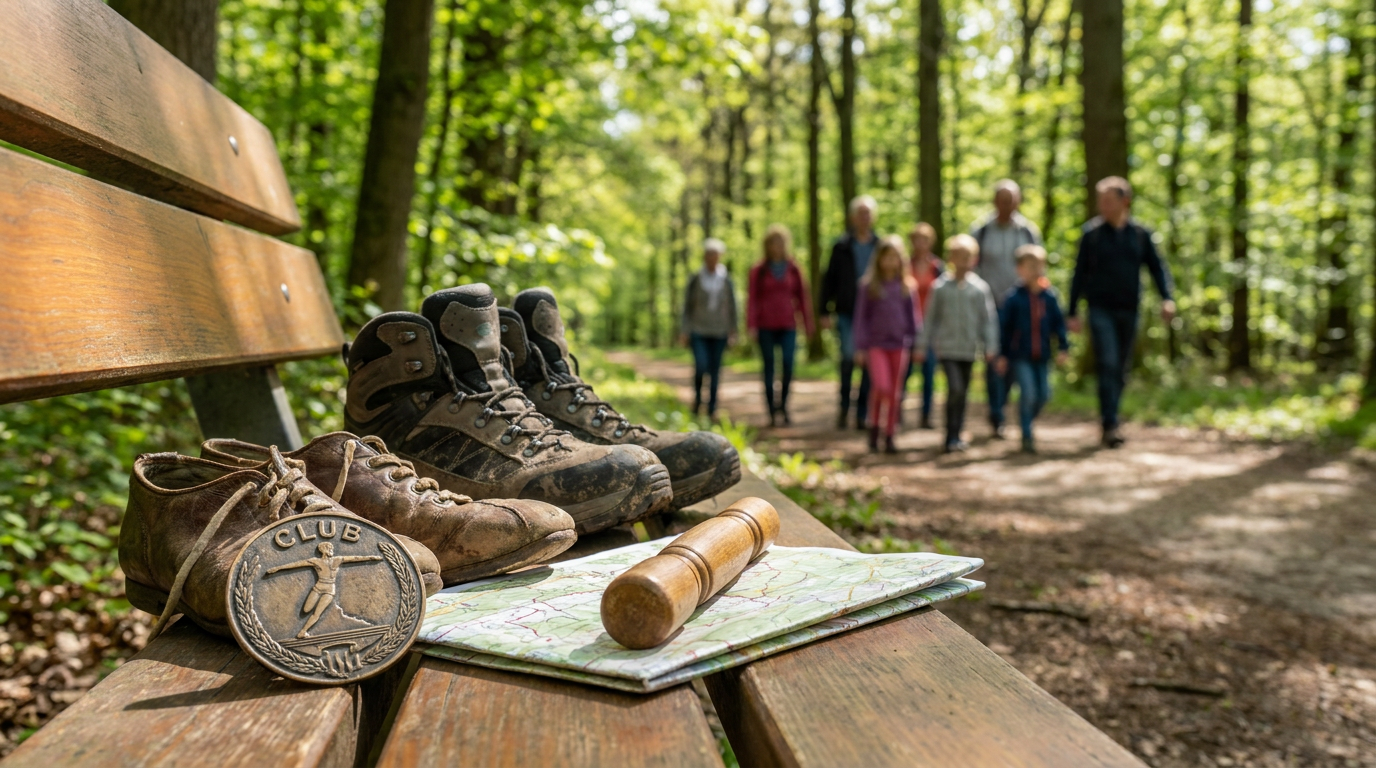
The American Turners grew from the German Turnverein movement, which combined physical fitness with education, civic participation and social life. Turner halls appeared in communities across the United States, offering gymnastics and other activities while also serving as important gathering places.

The American Turners did not invent American exercise, hiking or outdoor recreation. Those practices have many origins. But they helped advance the idea that physical activity could be organized, communal, educational and open to families—not merely military training or private competition.

In summer, that spirit naturally moved outdoors. Club excursions, field days, demonstrations, games and picnics connected fresh air with fellowship. The result feels surprisingly current. Think of recreation leagues, community fitness events, charity walks, park programs and family field days. The activities differ, but the larger belief is familiar: a healthy community should create places where people move together.

Even the German phrase frische Luft—fresh air—carries an entire philosophy in two words. Go outside. Walk. Stretch. Let the children run. Meet someone. Come home pleasantly tired.

That may be the most practical summer tradition on this list, and it requires no translation at all.

7. Volksfest Energy Became Part of American Festival DNA

A German Volksfest is, literally, a people’s festival. The form varies, but the essential ingredients are recognizable: food, drink, music, games, decorated grounds, rides or amusements, local pride and a crowd that temporarily turns public space into a shared celebration.

America already had fairs, market days, harvest gatherings, religious celebrations and public entertainments from many cultural sources. German immigrants did not invent the American county fair or street festival. What they contributed was a powerful festival vocabulary—beer gardens, music pavilions, club processions, sausage stands, communal tables and a style of organized merriment that traveled well.

This is why German-American summer festivals can feel both distinctive and completely familiar. A visitor may arrive for the bratwurst or polka and recognize the larger format immediately: wristbands, food booths, children’s games, craft vendors, live music, old friends and a volunteer committee quietly solving seventeen problems behind the scenes.

By late August, that festival energy begins leaning toward Oktoberfest. Although Munich’s famous Oktoberfest starts in September, American celebrations often stretch across the early fall calendar. The transition feels natural because the groundwork was laid all summer: gather outside, invite the community, feed everyone and give them a reason to stay for one more song.

8. Why the German Roots Became So Easy to Miss

If these influences are so widespread, why do they often go unnoticed?

Success is one reason. A tradition can become almost invisible when the larger culture adopts it. “German-American potato salad” shortens to “potato salad.” A Biergarten becomes “the patio.” A sausage shaped by Old World knowledge becomes a hot dog at an American ballpark.

Assimilation also played a role. German surnames were Anglicized. Families intermarried. Recipes were rewritten in English. German-language institutions declined. During the First World War, intense anti-German pressure led many communities and families to suppress language, names and public expressions of heritage. Some customs disappeared; others survived by shedding their labels.

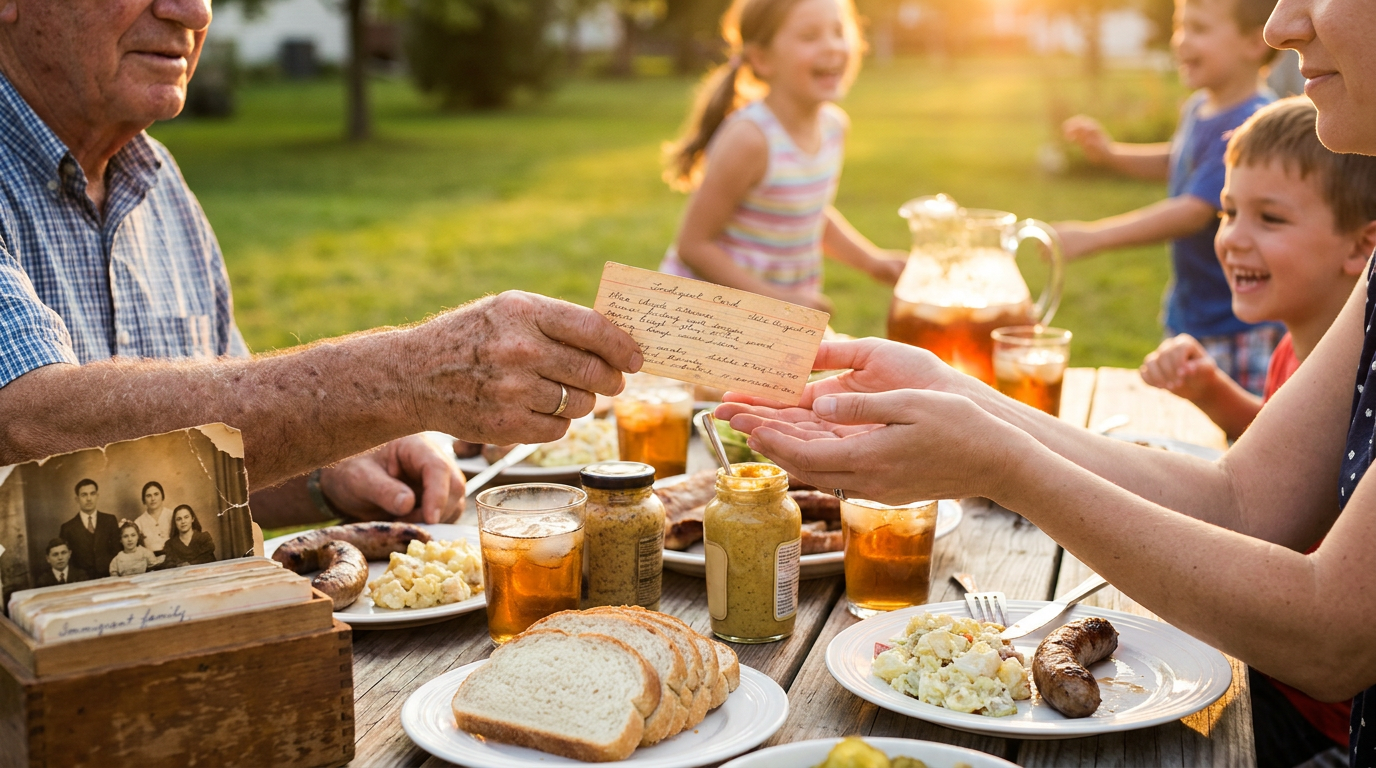
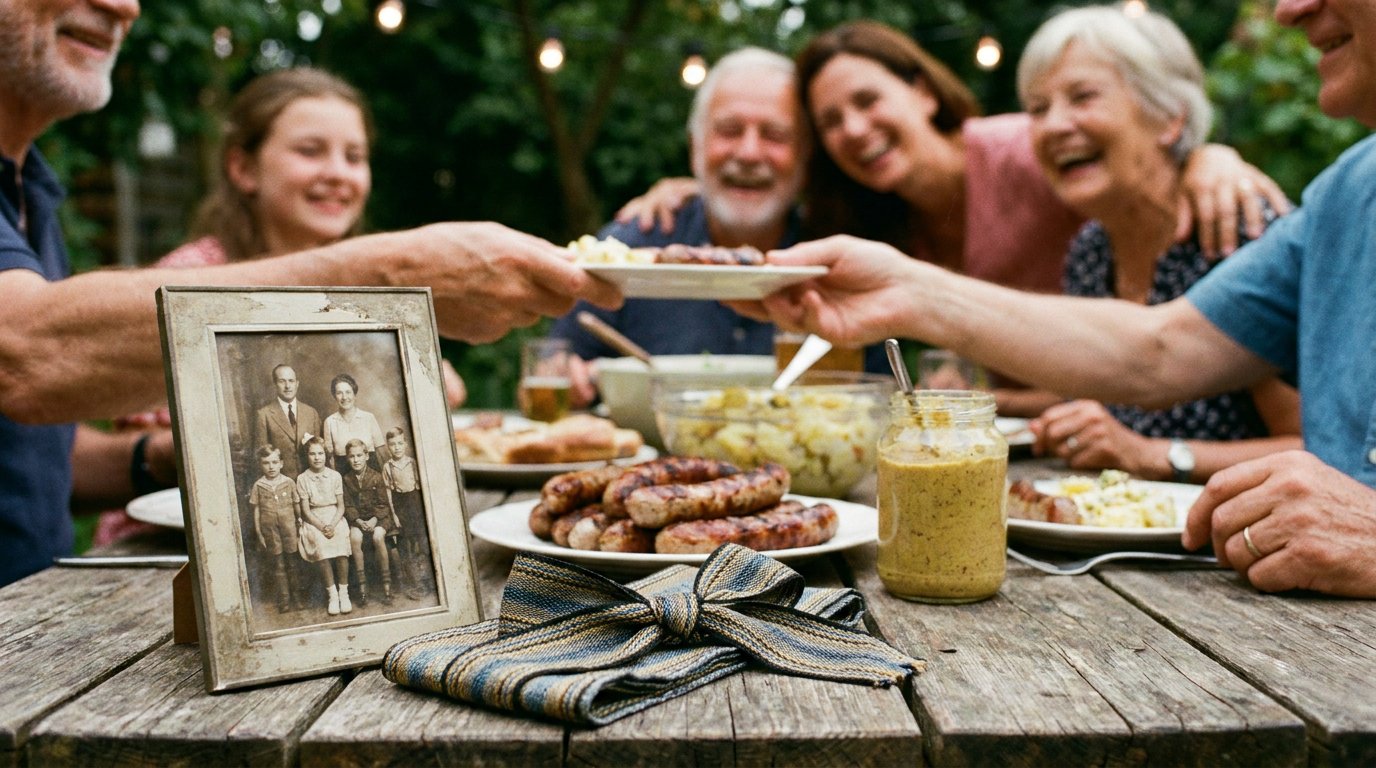
That is why German Heritage discovery can feel less like finding something foreign and more like recognizing something familiar. The evidence may be on a recipe card, in a club photograph, inside a picnic basket or in the way your family automatically gathers around the longest table.

“America did not simply preserve German traditions under glass. It welcomed them to the picnic, changed the recipe and carried the best parts forward.” — GERMAN HERITAGE USA

Before Summer Ends, Put Your Heritage on the Table

Late August is a perfect time to conduct a little family-history experiment.

At your next cookout, reunion, festival or patio evening, look around. Is there a recipe with a German surname attached to it? A preference for bratwurst over burgers? A family story from Milwaukee, Cincinnati, St. Louis, Texas, Pennsylvania or another German-American center? An old photograph of a singing society, Turner hall, brewery picnic or summer gathering?

Ask the oldest person present what summer looked like when they were young. Record the answer. Photograph the recipe card. Write down the name of the town, club, church or picnic grove they mention. Heritage often returns through small details.

Then create a tradition of your own. Set up a long table. Grill sausages. Serve two kinds of potato salad and let everyone debate them. Play music. Invite a neighbor. Teach the children one German word—perhaps Gemütlichkeit—and show them what it means by making room for them in the celebration.

Because German-American heritage is not limited to a museum case, a passenger list or a once-a-year festival. It lives in the ways people gather, eat, sing, laugh and welcome one another.

You may have been celebrating it all summer.

Got A Little German In You? Your German Heritage Is Calling You!
GERMAN HERITAGE USA — Discovering German Heritage Traditions, Foods, Music and Festivals All Across America.