What Does Your German Last Name Mean? The Fascinating Stories Behind America’s German Surnames
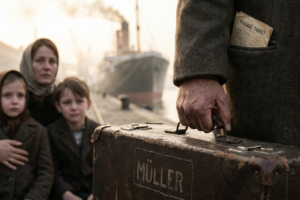
If your last name is Schmidt, Müller, Schneider, Fischer, Weber, Becker, Wagner, Meyer, Bauer, Hoffmann—or something that doesn’t look nearly as German as it once did—your surname may be carrying a story hundreds of years old.

It may tell you what one of your ancestors did for a living.

It might describe the village where your family lived, the landscape surrounding their home, a physical characteristic, or even the name of a father who lived centuries before anyone imagined crossing the Atlantic.
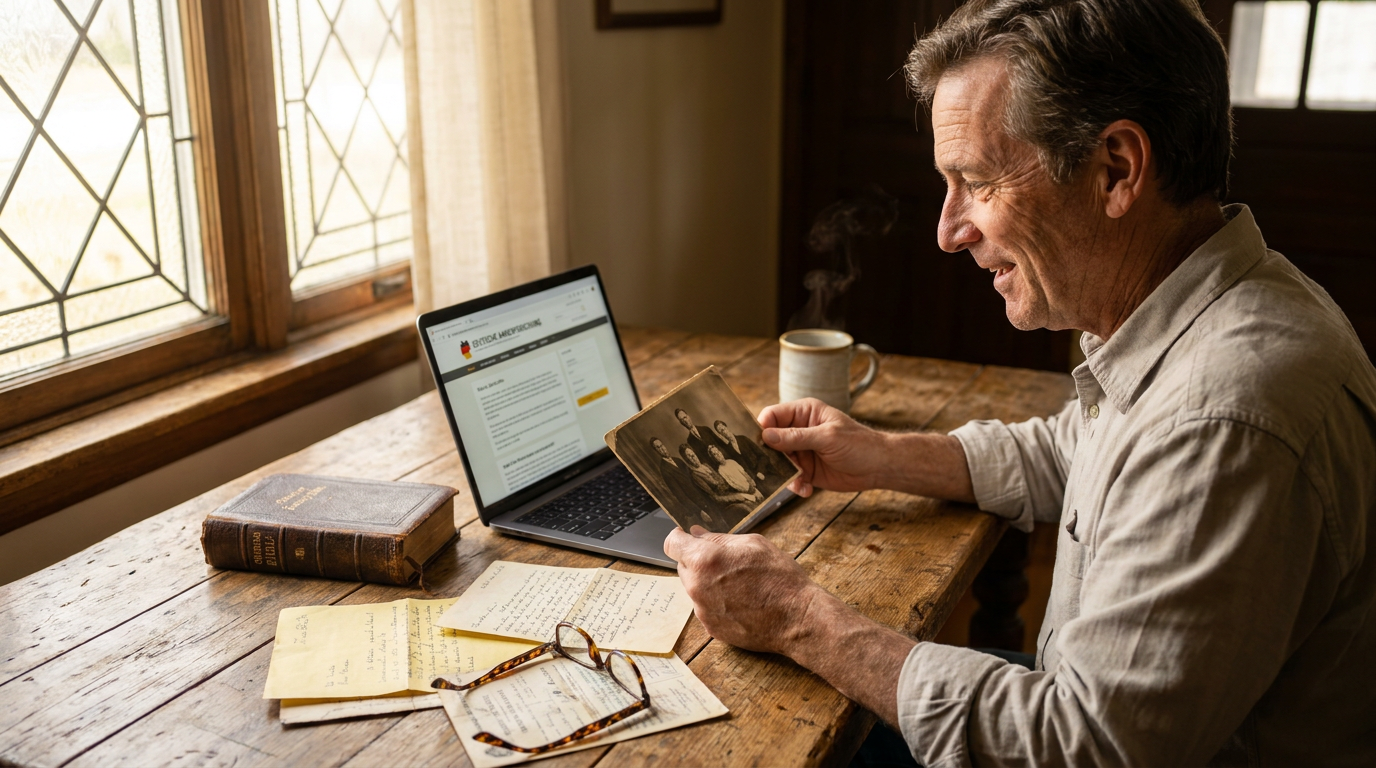
And sometimes, the surname Americans know today isn’t quite the surname their German ancestors originally used.

For millions of Americans exploring their German heritage, a last name can be one of the most fascinating clues connecting the present to the past.
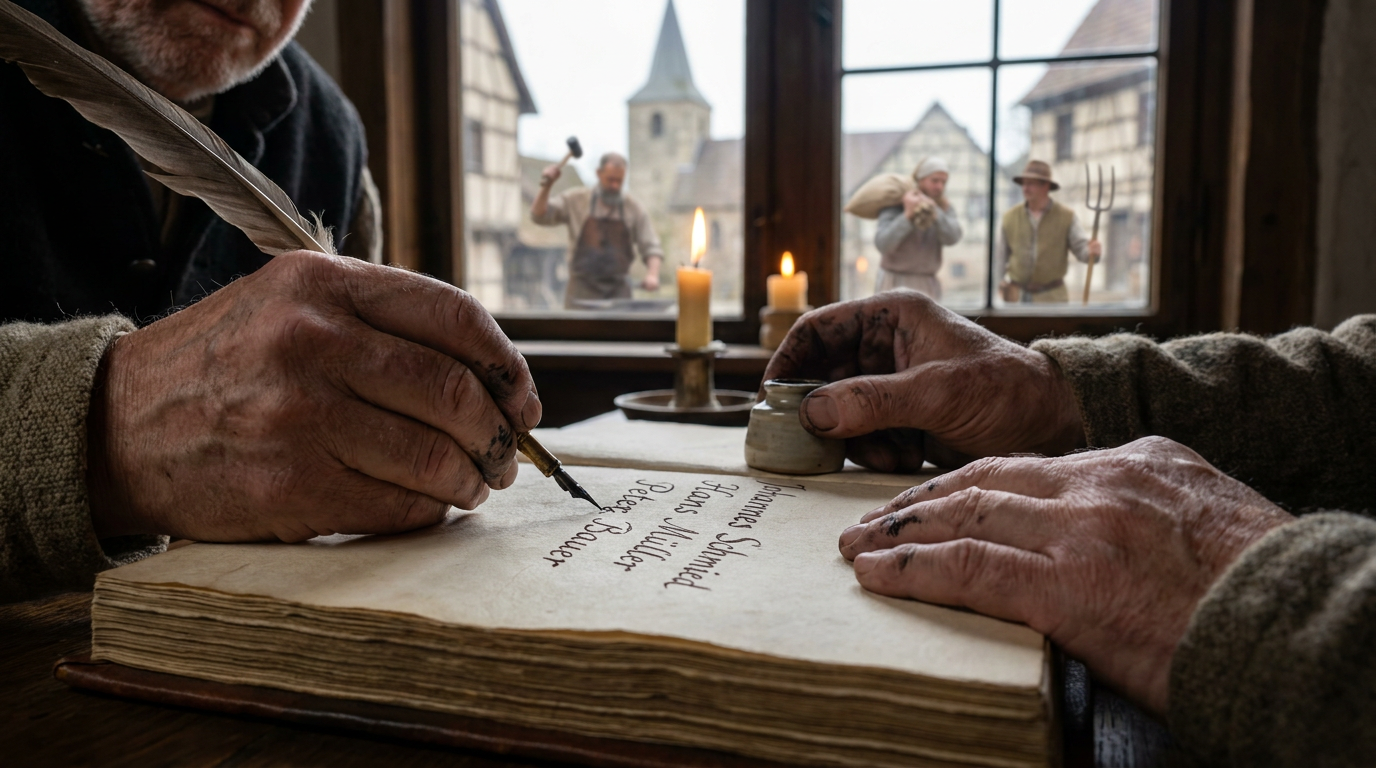
Your surname isn’t necessarily a complete family history—but it can be a wonderful place to begin discovering one.

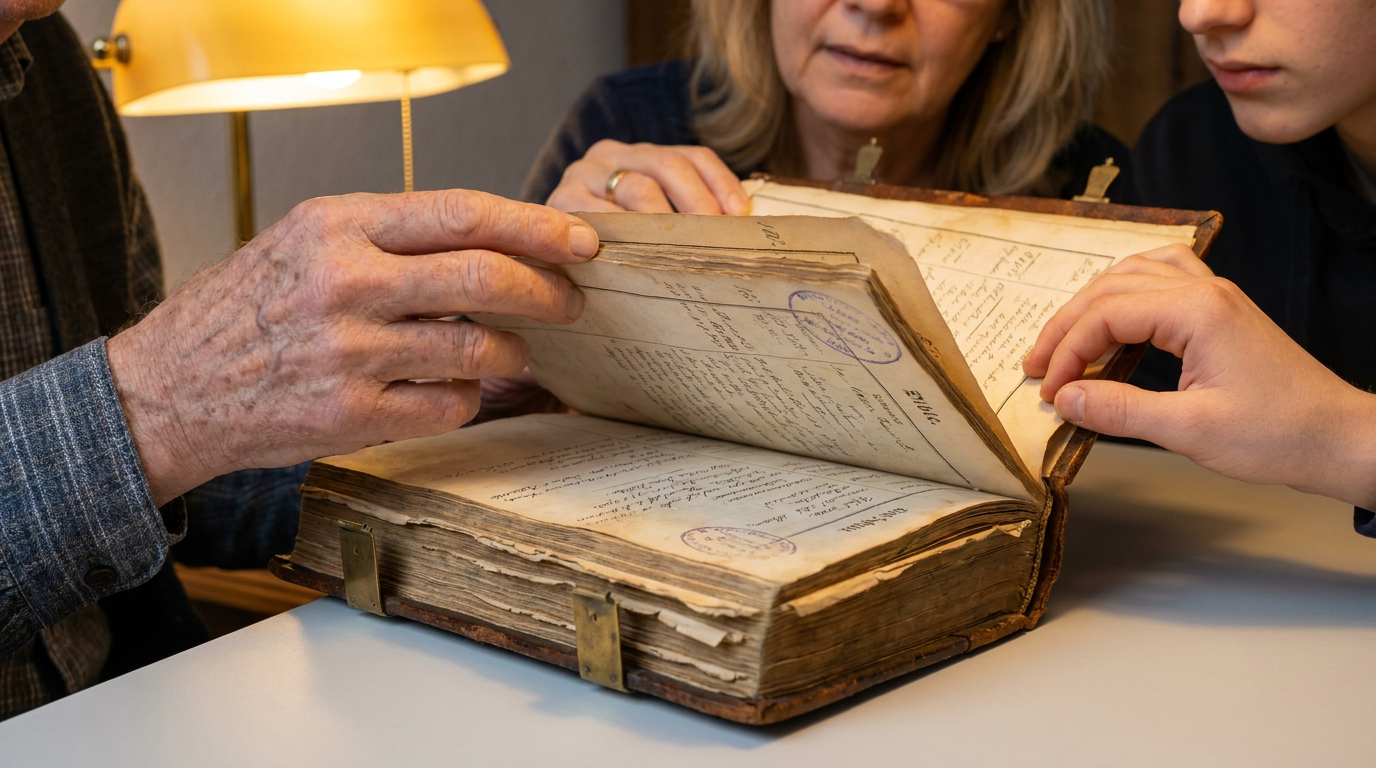
“Every family name is a doorway. Sometimes all it takes is learning what the name meant to begin discovering the people who carried it.”

So grab your family tree, pull out those old photographs, and take another look at the name printed across the top.

There may be more history hiding there than you ever imagined.


Your German Last Name May Be a 500-Year-Old Clue

Today, we rarely think about why people have surnames.

They’re simply part of who we are.

But travel backward into medieval Europe and surnames become much more interesting.

As communities grew and populations became increasingly mobile, identifying someone simply as Johann or Heinrich wasn’t always sufficient. Which Johann? Which Heinrich?
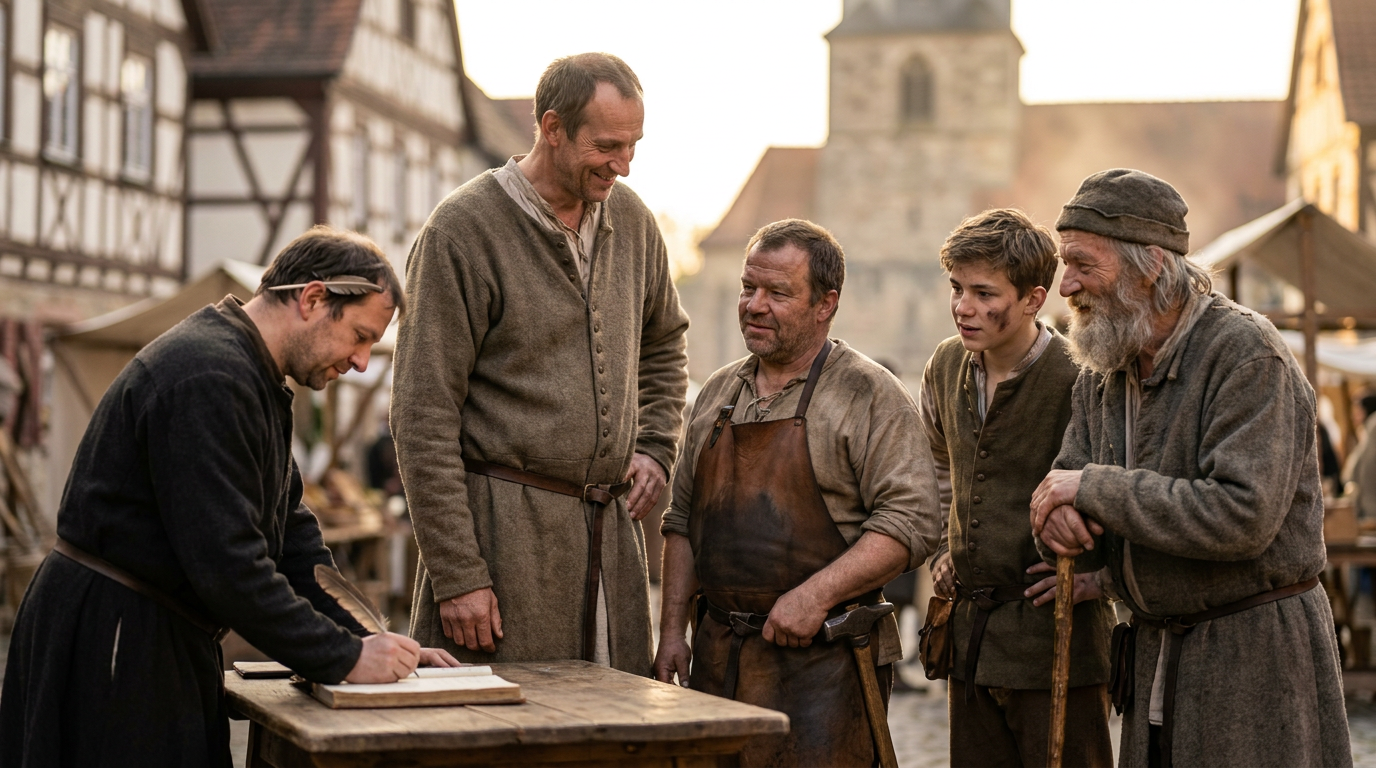
People began distinguishing one person from another by adding descriptions.

Johann might become Johann the smith.

Another could be Johann from the hill.

Someone else might be Johann, Heinrich’s son.

Over generations, many of those descriptions developed into hereditary family names.

German surnames therefore frequently developed from several broad categories:

Occupations • Locations • Geography • Personal characteristics • Family relationships

That means your surname could contain a tiny historical snapshot of an ancestor’s life.


1. Occupational Names: What Did Your Ancestors Do?

Some of Germany’s most familiar surnames originated from occupations.

Imagine walking into a German village centuries ago.

You would probably encounter a blacksmith, miller, baker, carpenter, farmer, weaver and wagon maker.
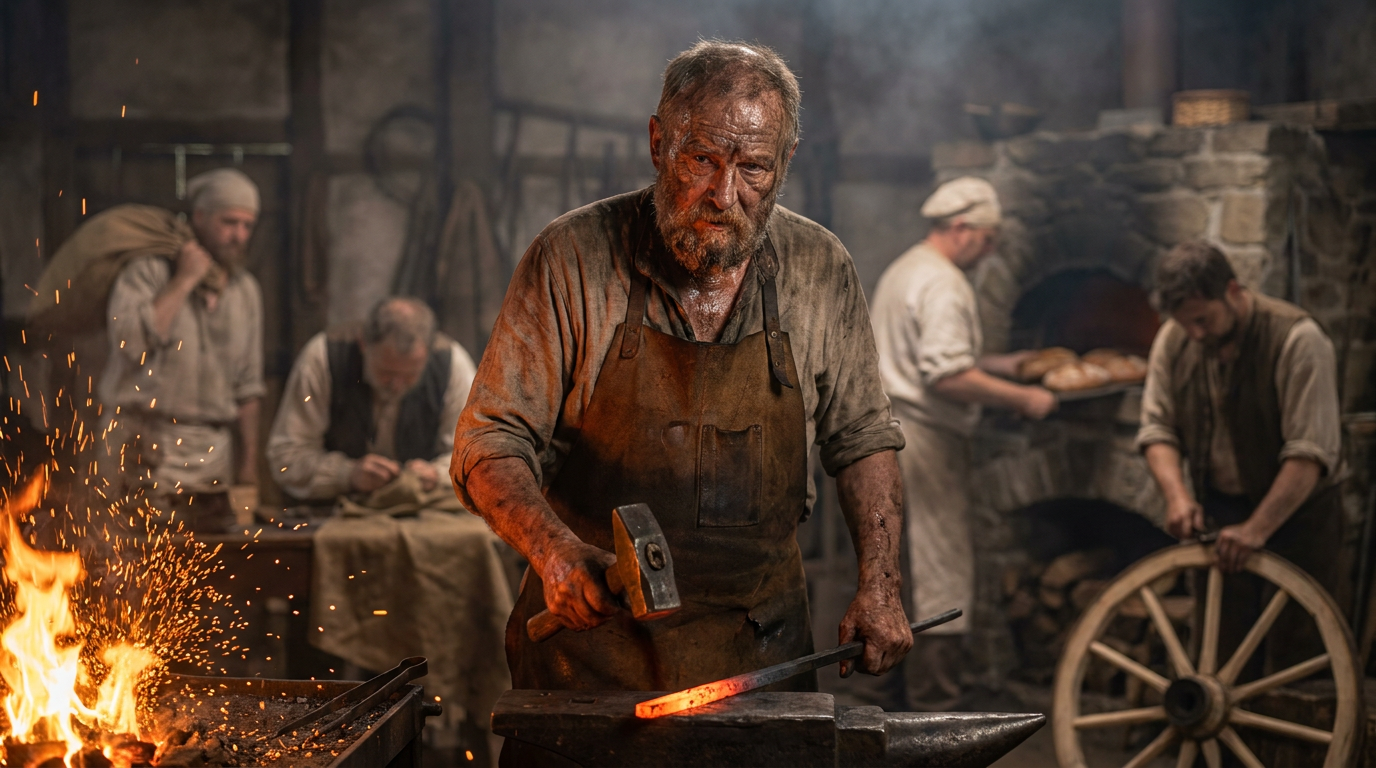
Their professions were essential to everyday life—and eventually many occupations became family names.

Schmidt — The Smith

Schmidt, along with variations such as Schmitt and Schmid, is derived from the German word associated with a smith.

The village smith was an important craftsman who produced and repaired tools, horseshoes and other metal goods.

It is essentially the German cousin of the English surname Smith.

Müller — The Miller

Müller originally referred to someone who operated or worked in a mill.

Mills were crucial economic centers where grain was processed into flour, making the miller an important member of the community.

In America, Müller might become Mueller, Muller, Miller, or another variation.

Schneider — The Tailor

Schneider comes from the German verb schneiden, meaning “to cut.”

A Schneider was traditionally someone who cut cloth—a tailor.

Fischer — The Fisherman

This one remains fairly recognizable.

Fischer generally originated as an occupational surname for someone involved in fishing.

Weber — The Weaver

A Weber was a weaver—someone who produced cloth from yarn or thread.

Becker or Bäcker — The Baker

These names are associated with baking and the traditional occupation of baker.

Wagner — The Wagon Maker

Long before automobiles and interstate highways, wagons were indispensable.

A Wagner was traditionally associated with making wagons or wagon wheels.

Suddenly these aren’t just names.

They’re jobs.

They’re workshops.

They’re trades handed from one generation to another.

And they’re little glimpses into everyday German life centuries ago.


2. Your Surname Might Tell You Where Your Family Lived

Not every German surname described a profession.

Some described place.

Before street addresses, ZIP codes and driver’s licenses, geography was a convenient way of identifying people.

A person might be known by the town he came from or by a recognizable landscape near his home.
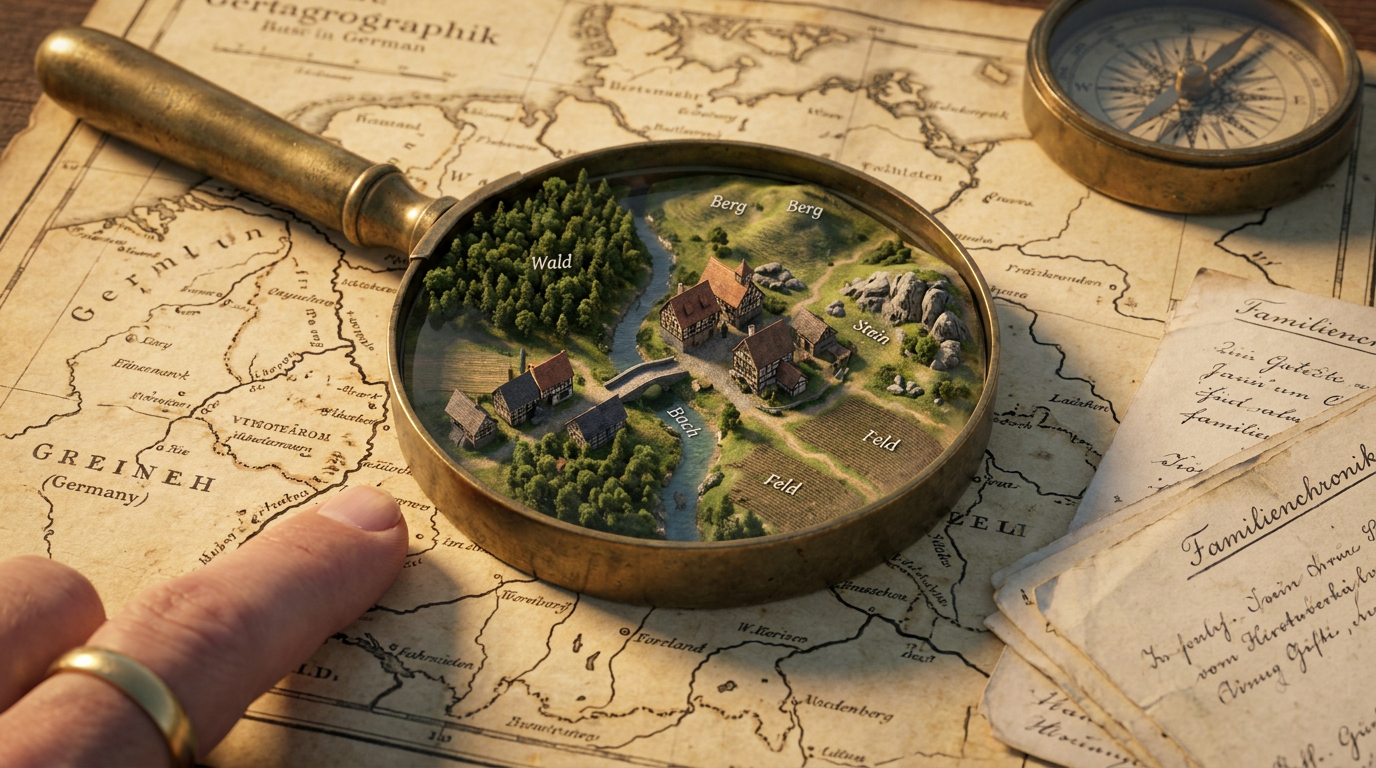
Names associated with words such as Berg (mountain or hill), Bach (stream), Wald (forest), Stein (stone), Feld (field) and Brück/Brücke (bridge) can sometimes contain geographical clues.

Consider surnames such as:

Steinberg — stone + mountain/hill

Grünwald/Grunwald — green + forest

Bachmann — associated with a stream or brook

Feldmann — associated with fields or open land

But be careful.

Surname meanings are rarely a GPS coordinate.

The same surname could have developed independently in different places, and spelling and meaning may have changed considerably over centuries.

Think of surname research as detective work rather than a simple translation exercise.


3. Some German Names Describe People

Imagine receiving your surname because your ancestor had curly hair, was particularly tall or possessed some memorable personality trait.

It happened.

Some German surnames developed from nicknames or descriptive characteristics.

Names involving words such as Klein (small), Groß/Gross (large), Lang/Lange (long or tall), Jung (young) and Alt (old) may have originated as descriptions distinguishing one individual from another.

A man called Heinrich might become “Heinrich Klein” to distinguish him from another Heinrich.

Eventually, what began as a nickname could become a hereditary surname carried by descendants who no longer shared the original characteristic.

So if your surname means “small,” don’t start measuring everyone at the next family reunion.

Your ancestor may have earned that description 600 years ago!


4. Patronymic Names: Who Was Your Father?

Some surnames developed from relationships between generations.

A person could be identified as the son or descendant of another person.

This practice was especially significant in parts of northern Germany and neighboring German-speaking or culturally connected regions.

Names could develop from personal names such as Hermann, Friedrich, Heinrich, Peters, Hansen and others.
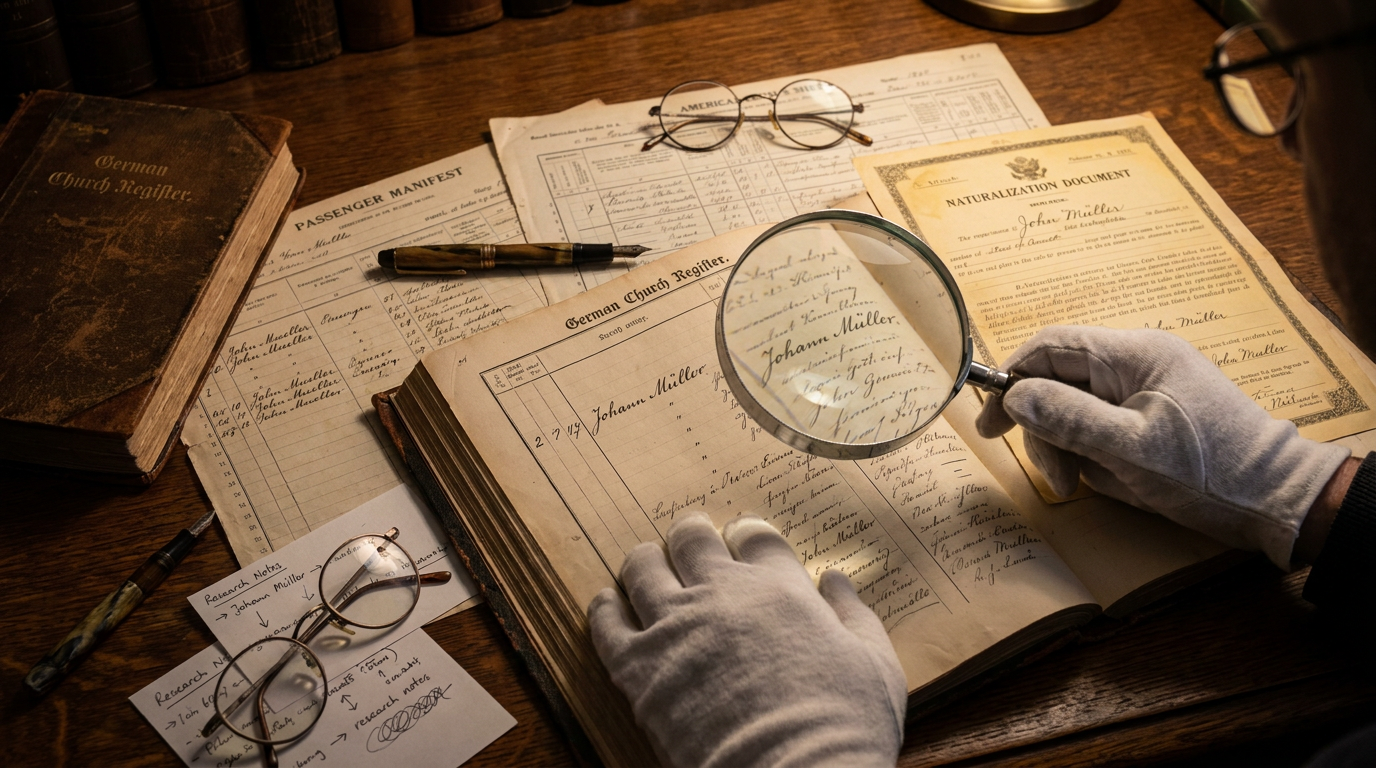
But German naming traditions varied enormously by region.

That’s an important point when researching German genealogy:

There was never just one universal “German surname system.”

Germany as a unified nation-state did not exist until 1871.

Before that, German-speaking ancestors lived within a complicated landscape of kingdoms, duchies, principalities, free cities and other territories.

A surname from Schleswig-Holstein might have evolved differently from one in Bavaria, Saxony, Württemberg or the Rhineland.

Understanding where your ancestors lived can therefore be just as important as understanding what their surname means.
» Read more

Why Millions of Americans Are Rediscovering Their German Roots

There has never been a more exciting time to explore your family history.

For generations, millions of Americans knew only fragments of their ancestry. Perhaps they remembered hearing a grandparent mention that the family came from Germany.

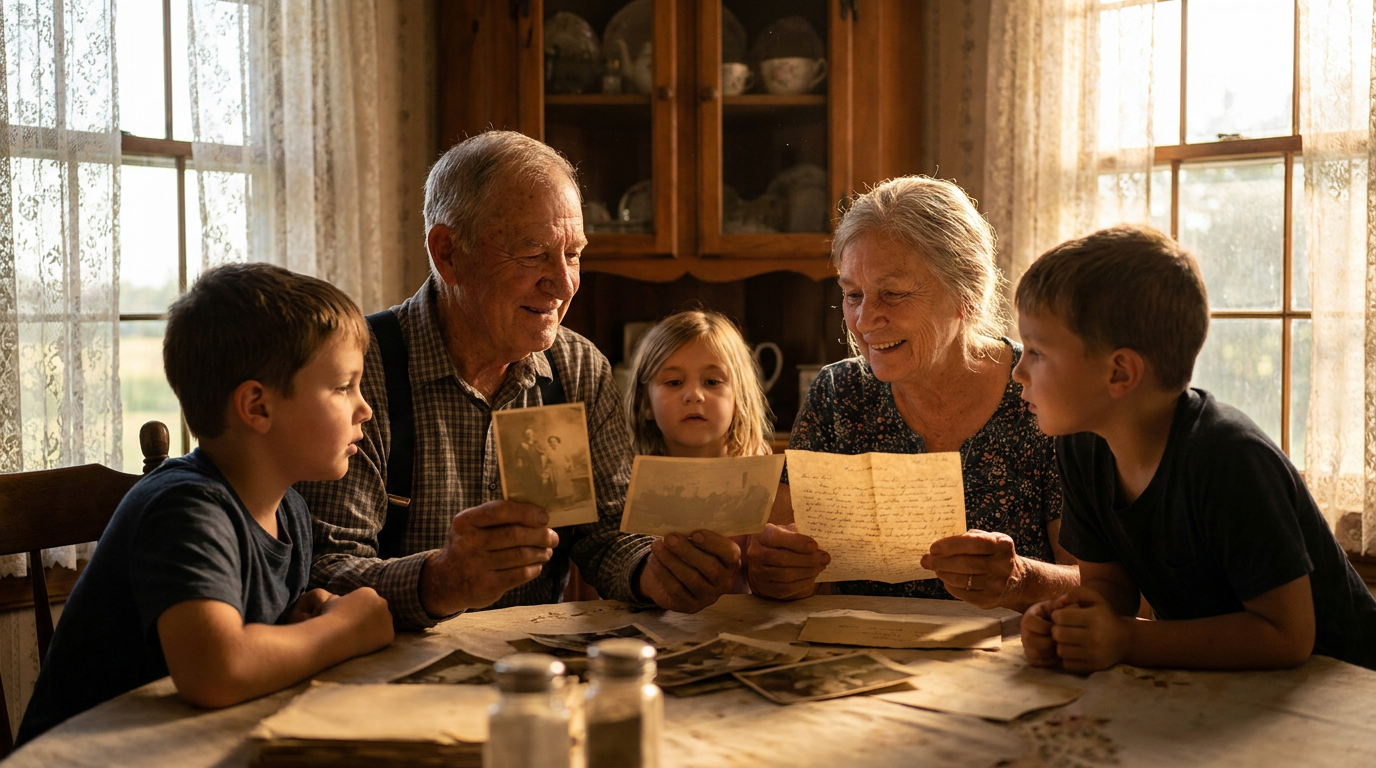
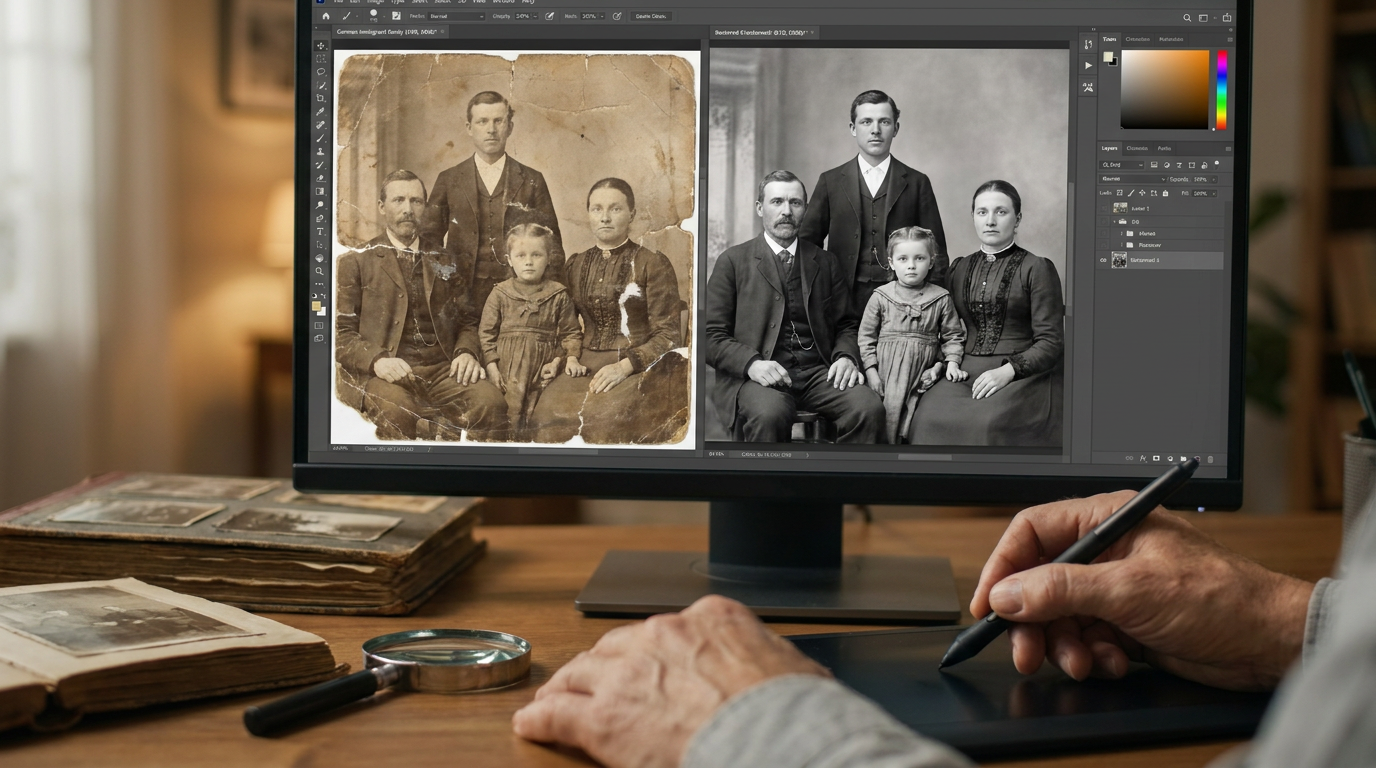
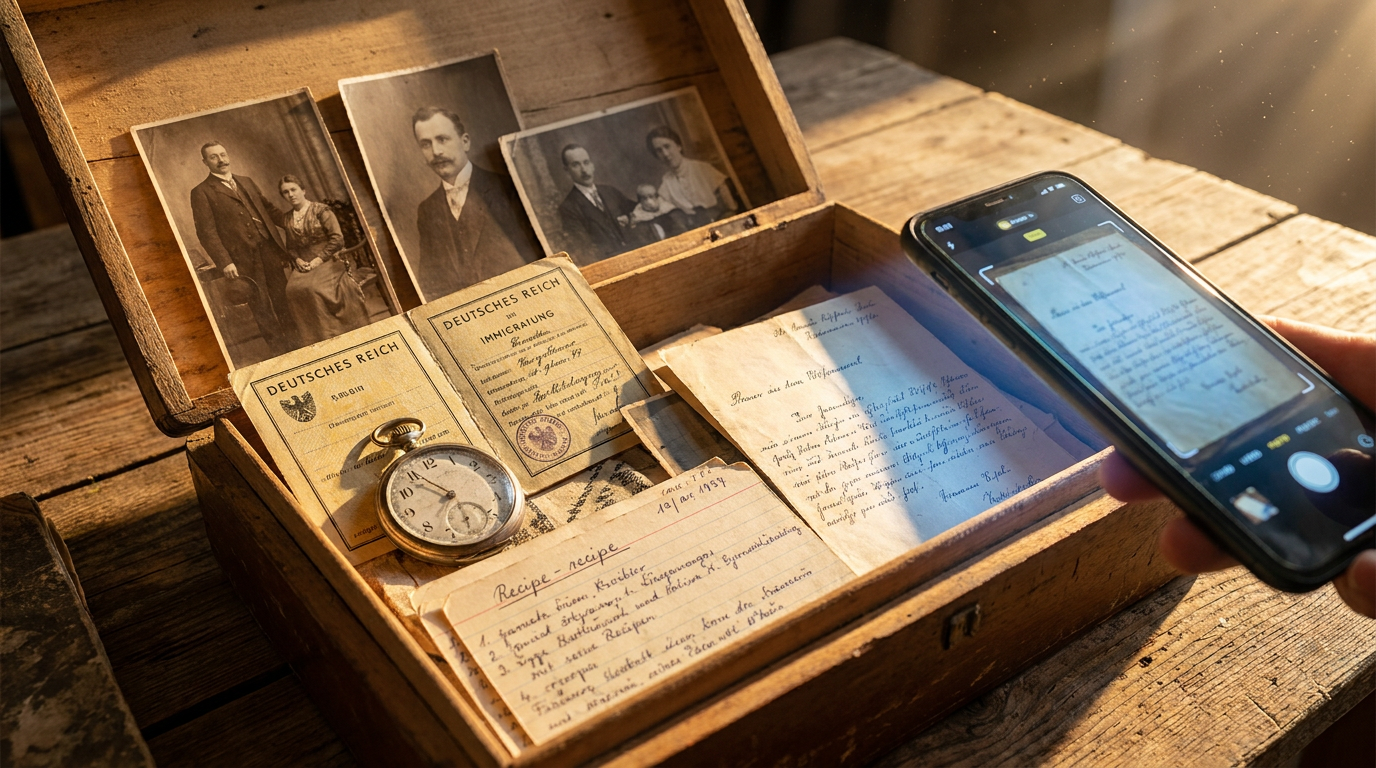
Maybe there was an old black-and-white photograph tucked away in a box, a weathered family Bible, or a recipe that had been prepared every Christmas for as long as anyone could remember. They knew enough to say, “We’re part German,” but rarely knew much more than that.

The unanswered questions often lingered for decades.

Who was the first person in our family to come to America?

Why did they leave Germany?

Where exactly did they live?

What was their life like before they crossed the Atlantic?

Do distant relatives still live there today?

For most of the twentieth century, finding those answers required enormous patience. Research meant traveling to libraries, writing letters to historical societies, searching courthouse records, visiting cemeteries, or spending countless hours scrolling through rolls of microfilm. Many people simply didn’t have the time, resources, or opportunity to pursue the search, so their family’s story remained largely untold.

Today, everything has changed

With a few keystrokes, Americans can now search passenger manifests, census records, military documents, church registers, immigration records, historical newspapers, old maps, and millions of digitized family trees from anywhere in the world. DNA testing has opened entirely new doors, revealing cousins, ancestral regions, and surprising family connections that previous generations could never have imagined.

Yet perhaps the greatest discovery isn’t found in a database.

It’s realizing that millions of other Americans are asking the very same questions.

Every day, people from every corner of the country are rediscovering a heritage that quietly helped shape the United States. They’re researching old family surnames, identifying villages their ancestors once called home, learning traditional recipes, attending Oktoberfests, visiting historic German-American communities, and discovering customs that have survived for generations without realizing they had German origins.

What often begins as simple curiosity quickly becomes something much deeper

A search for a surname turns into an afternoon of genealogy research.

An old family photograph leads to an entire immigration story.

A DNA result inspires a visit to a local German festival.

A single question becomes a lifelong journey of discovery.

Along the way, people realize they aren’t researching strangers—they’re rediscovering the people whose courage, sacrifices, and dreams made their own lives possible.

That shared journey is exactly why GERMAN HERITAGE USA was created.

Our mission is not simply to publish articles about Germany or celebrate Oktoberfest once a year. We exist to serve as a bridge—connecting millions of Americans who share German ancestry, curiosity, traditions, and family stories.

Whether your ancestors arrived in Pennsylvania in the 1700s, settled the Midwest during the great immigration waves of the nineteenth century, established farms across Texas, or built communities throughout nearly every state in America, your family’s story is part of a much larger American story.

For many people, discovering German heritage begins with a single question.

For others, it starts with a family recipe, an old photograph, or a last name they’ve carried their entire lives without knowing its meaning.

Whatever sparks that first moment of curiosity, today’s technology makes it easier than ever to follow the trail. More importantly, it makes it possible to connect with thousands of others who are traveling the same path.

That’s what makes this moment so unique.

For the first time in history, family history isn’t something hidden away in dusty archives. It has become an interactive experience. Social media groups bring together descendants from every state.

Genealogy websites connect distant cousins separated for generations. Online archives place centuries of history at our fingertips. Videos, podcasts, digital museums, and virtual tours make learning about German heritage more engaging than ever before.
» Read more

Ancestry Meets Adventure: Using Modern Technology to Discover Your German-American Story

For millions of Americans, German heritage is hiding in plain sight. Maybe it’s a family surname passed down through generations. Perhaps it’s an old black-and-white photograph tucked away in a shoebox. It could be a recipe for sauerbraten, a cherished Christmas tradition, or simply a family story that begins with, “Your great-great-grandfather came from Germany.”

Yet for many people, the details remain a mystery.

Where exactly did their ancestors come from? Why did they leave? What was life like in the German village they once called home? And how did their family become part of the American story?

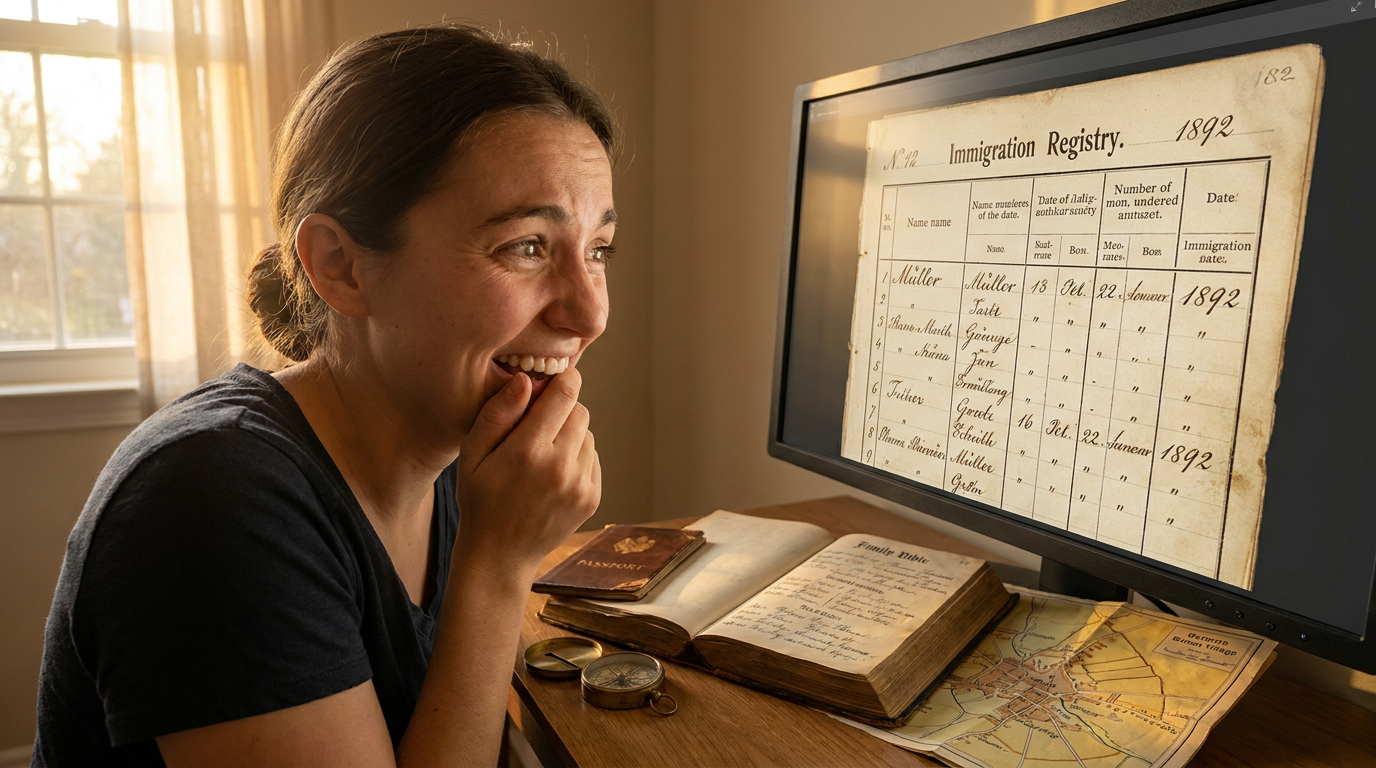
Today, something remarkable is happening. Modern technology is making it easier than ever to uncover those answers. What once required years of research, expensive travel, and countless hours searching dusty archives can now begin with a smartphone, a computer, or even a simple DNA test.

Whether you’re 100% German-American or only recently discovered a German ancestor somewhere in your family tree, technology has opened the door to an exciting journey of discovery.

And perhaps best of all, that journey can become an adventure.

After all, heritage isn’t just about looking backward. It’s about understanding who you are today.


The Digital Revolution in Family History Research

Just a few decades ago, genealogy was a slow and often frustrating process.

Researchers spent hours writing letters to courthouses, churches, libraries, and government agencies. Weeks—or months—might pass before a response arrived.

Today, millions of historical records are available with a few clicks.

https://images.openai.com/static-rsc-4/SxR4ObgoYQRXQrUTxXK5thmbS3hq6gOiogNMasqIOinZbSHLengh7vFIPxXsRYMMxuOx9C0oWC1u8K0mt2LPp4TDSF32WEBPuC9gOrE-Rsv7Dk_MumDie3YEz1EGsgUUfF58z7q8iZRzxgwu6ux0IFKx6YVPzzPI0Vf4U5x_xdKTDu7tRGcFBMtT-yz03j7D?purpose=fullsize
Birth certificates, marriage records, immigration documents, military records, ship manifests, census records, newspaper archives, and church registers can now be searched online from the comfort of your home.

Many Americans are discovering family connections they never knew existed.

A great-grandmother’s hometown in Bavaria.

A farming community in Schleswig-Holstein.

An immigrant ancestor who arrived through New York in the 1880s.

A forgotten branch of the family that settled in Nebraska, Wisconsin, Iowa, Pennsylvania, or Tennessee.

The information is out there—and technology is helping bring it to light.


DNA Testing: A Time Machine in a Test Tube

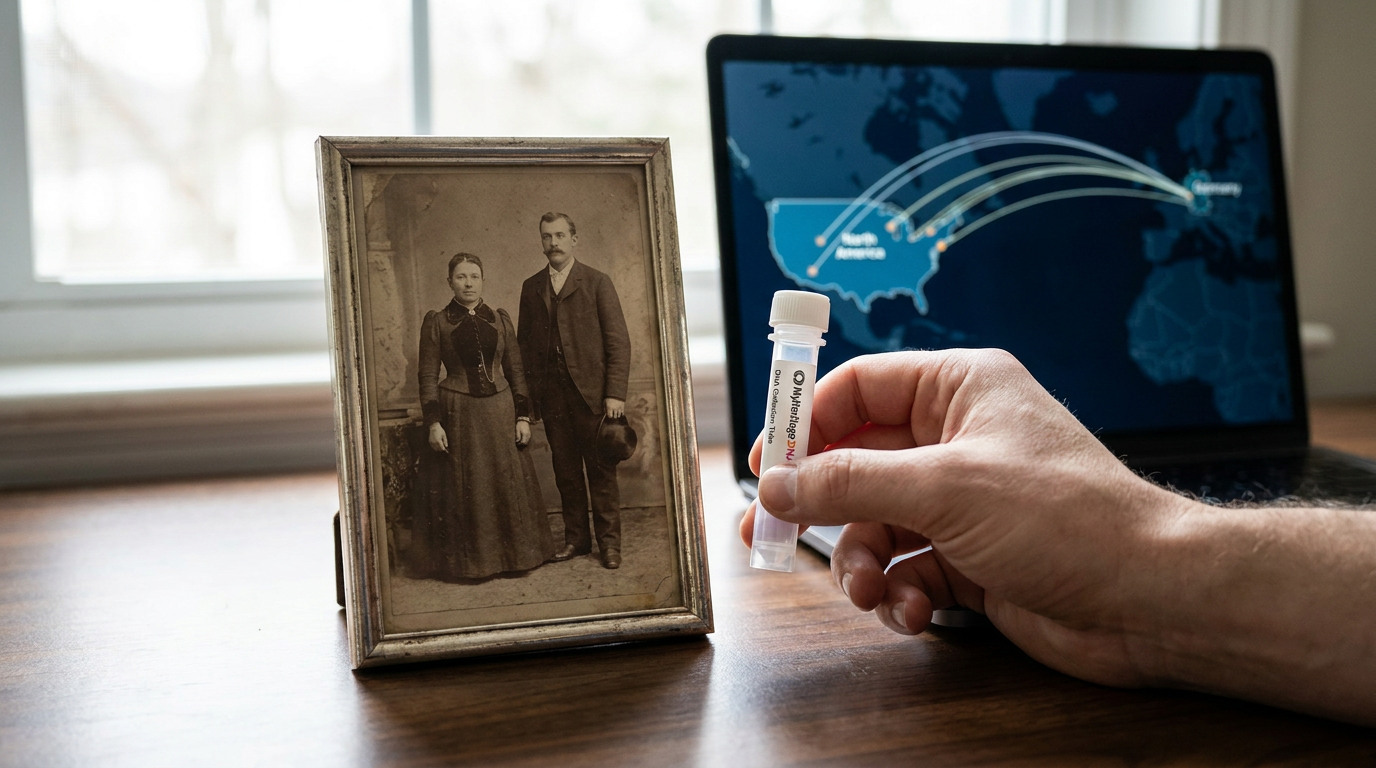
Perhaps no technological advancement has transformed family history research more dramatically than consumer DNA testing.

For many people, the results are surprising.

Some discover they have far more German ancestry than they realized. Others find German roots mixed with English, Irish, Scandinavian, Czech, Polish, Swiss, or Dutch heritage.

DNA testing can also connect living relatives who never knew each other existed.

Imagine receiving a message from a distant cousin living in Germany whose family still resides near the village your ancestors left generations ago.

That scenario is becoming increasingly common.

For German-Americans, DNA testing often provides clues that help narrow research into specific regions of Germany, making future searches much more focused and productive.

“The past is never truly lost—it simply waits to be rediscovered.”


Finding Your Ancestors’ Village

One of the biggest breakthroughs in modern genealogy is the ability to pinpoint the exact town or village where your family originated.

This matters because Germany wasn’t always the unified nation we know today.

For centuries, the region consisted of kingdoms, duchies, principalities, free cities, and independent states.

https://images.openai.com/static-rsc-4/HL0dTiVkBn2eedE8bsOD4pF2k6QqrYl95ekU6FFVcsxZYs5BcuDixCyyS2F26z3bShdxBKI6n1k4bLeZzA2XicxayiZFw_dM3W1PKlXT4HxXRQJxRmkJ-F8RLDih9QjNK4Y5leHYXiAbNDOOCuSP3qpfkmxqJ1AwLa2mkRdUuM6-kbEVtoALRZ6egsrn1GQz?purpose=fullsize
Knowing whether your ancestors came from Bavaria, Prussia, Saxony, Baden-Württemberg, Hesse, or Schleswig-Holstein can unlock entirely new layers of family history.

Many online databases now include:

  • Parish records
  • Baptism records
  • Marriage records
  • Burial records
  • Military records
  • Land ownership records
  • Passenger manifests

Once a village is identified, your family story suddenly becomes much more personal.

Instead of saying:

“My ancestors came from Germany.”

You can say:

“My great-great-grandparents left a farming village near Lübeck in Schleswig-Holstein in 1882 and settled in Nebraska.”

That level of detail transforms history into something real.

» Read more