Think You’re Only 5% German? Why Even a Trace of German Ancestry Is Worth Exploring

Your Family History Isn’t Measured in Percentages. It’s Measured in Stories, Traditions, and Discoveries.
Imagine opening your DNA ancestry results for the very first time. You scroll through the percentages. Maybe you’re 42% English, 28% Irish, 15% Scottish, with a few other regions mixed in. And then you spot it.
German ancestry: 5%.
Five percent? You lean back in your chair, raise an eyebrow, and think, “Well, that’s interesting. I wonder where THAT came from?”
Perhaps you laugh and tell your spouse, “Apparently, I’m just German enough to order another bratwurst!”
But what if that tiny percentage represents something much bigger than you ever imagined?
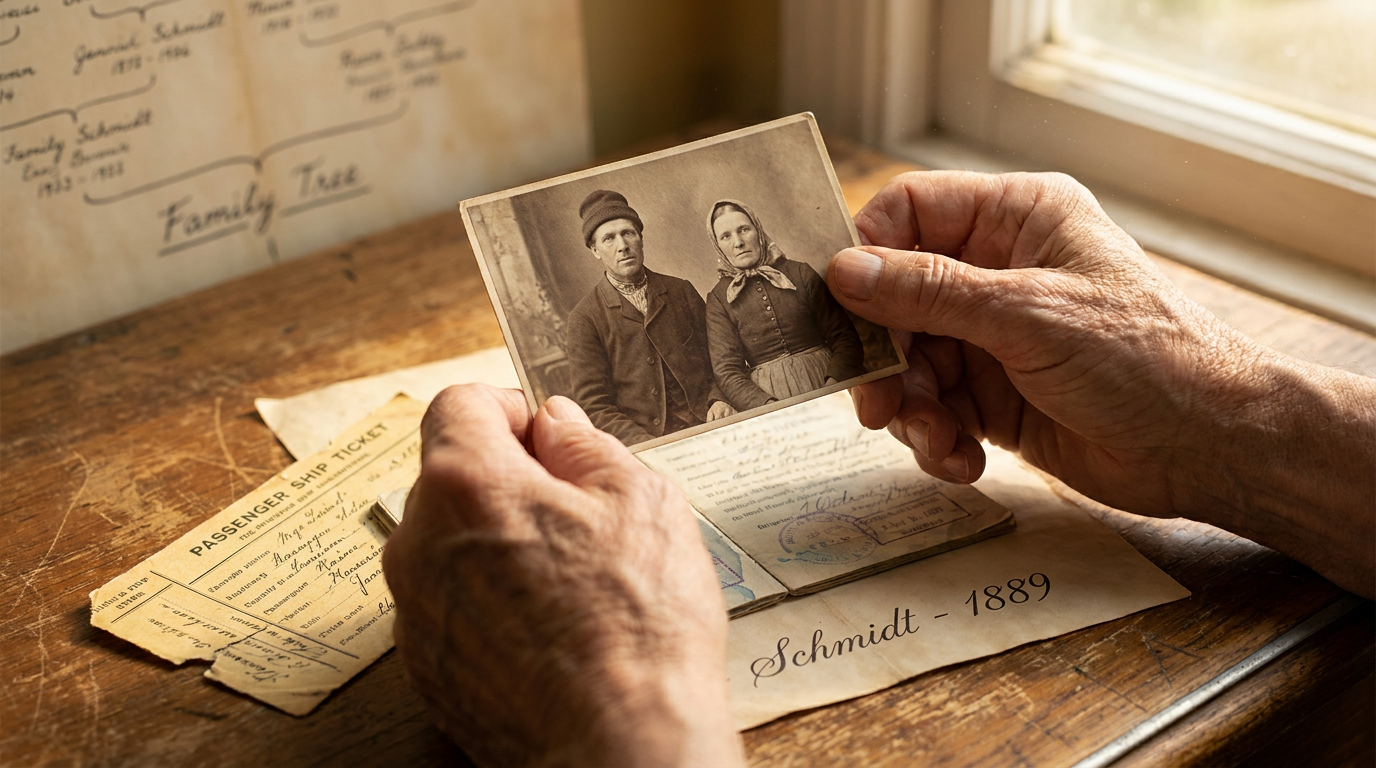
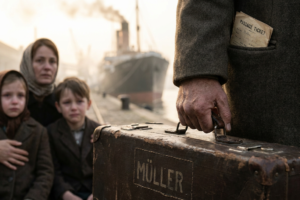
What if somewhere in your family’s past, a young German immigrant boarded a ship bound for America, carrying a small suitcase, a few cherished belongings, and dreams of building a better future? What if that person helped establish a family whose descendants eventually included your grandparents, your parents, and ultimately, you?
And what if discovering that story could lead you on an entirely new adventure filled with fascinating history, delicious food, colorful festivals, unexpected family connections, and perhaps even a few surprises?
Welcome to the wonderful world of discovering your German heritage.
Here at GERMAN HERITAGE USA, we believe you don’t need a German surname, a German passport, or the ability to pronounce Geschwindigkeitsbegrenzung (speed limit) to enjoy exploring your German roots. You don’t even have to have visited Germany. You simply need a little curiosity. And sometimes, that curiosity begins with just 5%.
A Small Percentage Can Open a Very Big Door
An ancestry DNA percentage is an estimate of genetic similarities to reference populations, not a precise measurement of cultural identity or a guaranteed family-tree calculation. However, it can offer an intriguing clue.
Consider this: a great-great-grandparent represents one of sixteen positions in your family tree at that generation, or approximately 6.25% of your genealogical ancestry. That doesn’t mean everyone inherits exactly 6.25% of their DNA from each great-great-grandparent.
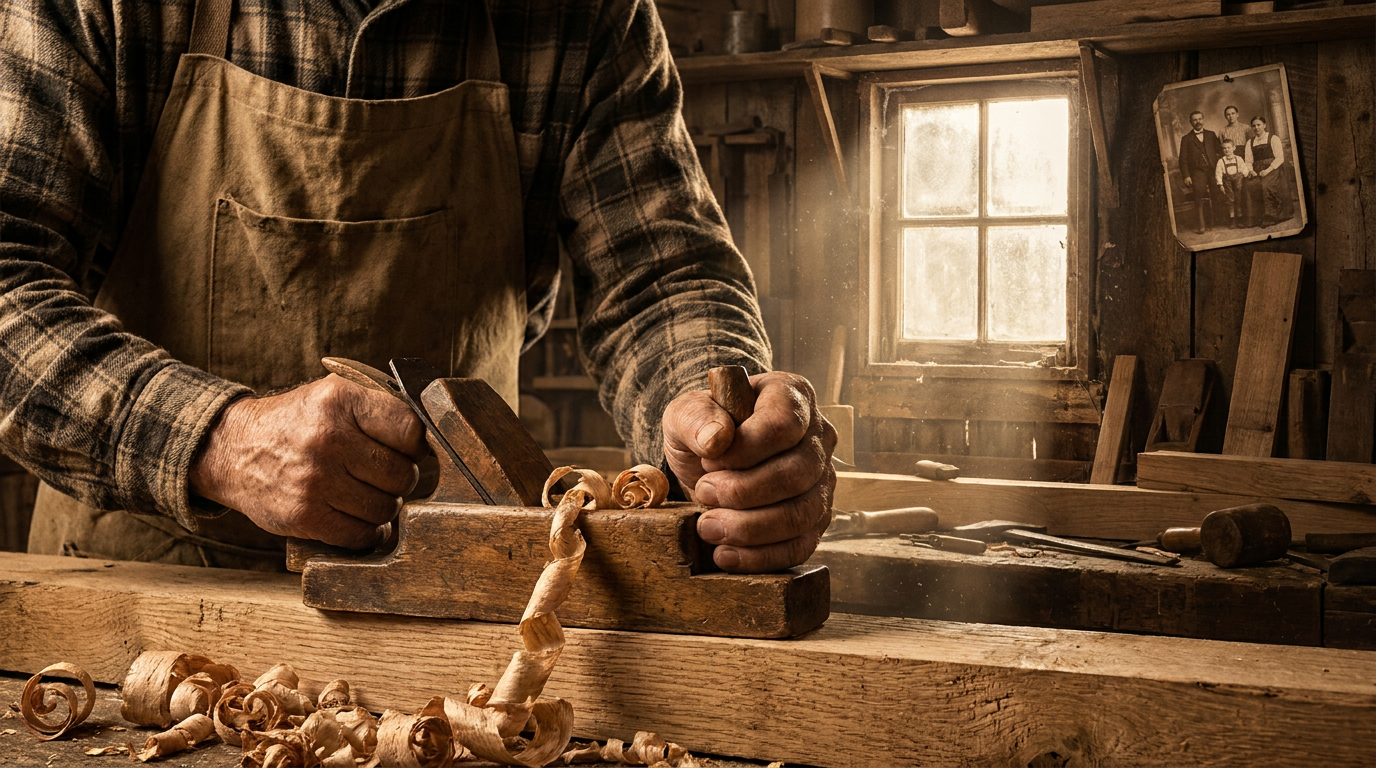
Genetic inheritance is random, and ethnicity estimates involve additional uncertainty. Still, it’s an interesting way to think about how a seemingly small connection could lead to a remarkable family story.
One ancestor. One marriage. One decision to cross an ocean, relocate to another state, or begin a new life. And generations later, here you are.
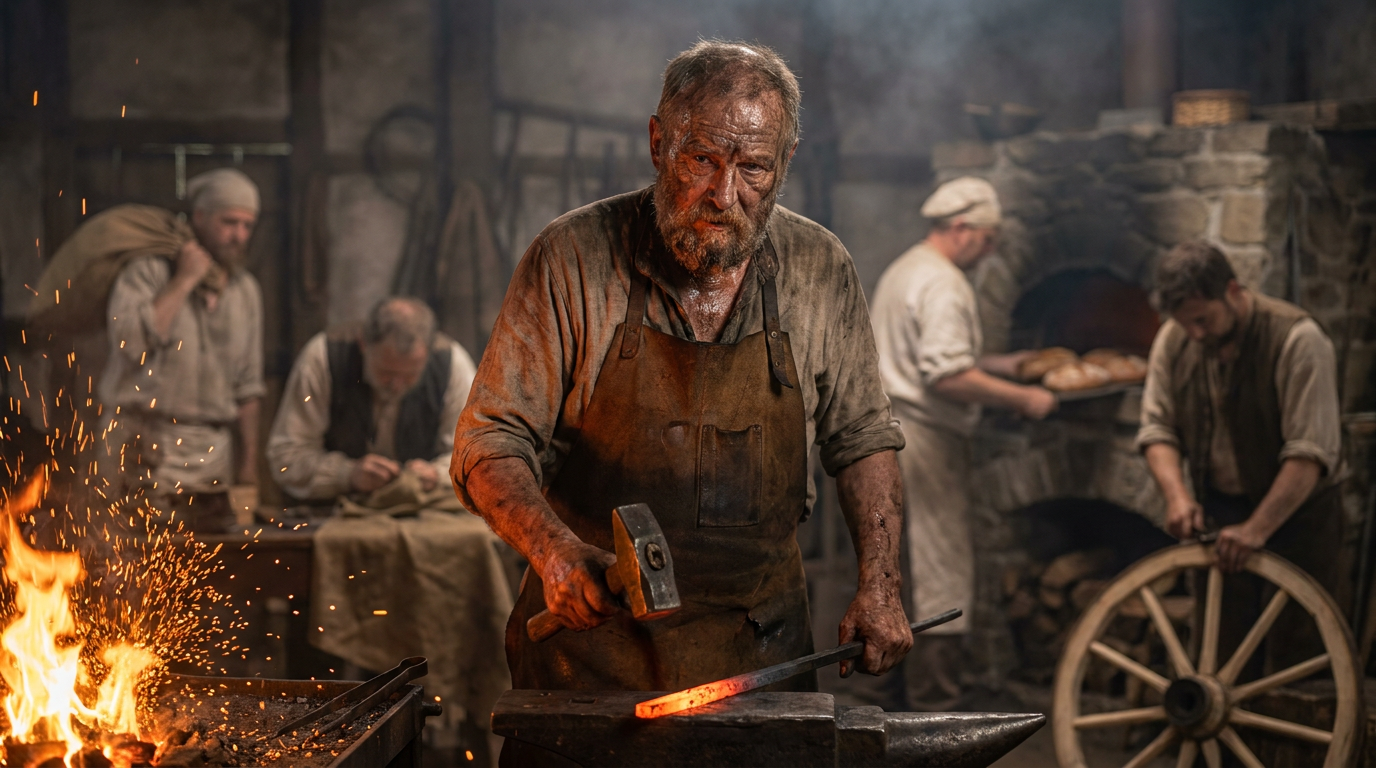
Perhaps that ancestor was a farmer from Bavaria, a carpenter from Saxony, a baker from the Rhineland, or a young woman who left a small Prussian village to join relatives in America. Perhaps your German connection is much more recent—or comes from several different family lines. Your DNA results alone cannot tell you which story is correct, but they might provide the motivation to start looking.
A number on a screen can become a name in a record, a face in a photograph, and eventually a person whose story you understand. That transformation is where ancestry research becomes genuinely exciting.
And here’s something that surprises many Americans: German immigration to what became the United States stretches back centuries. One particularly significant milestone occurred in 1683, when thirteen Mennonite and Quaker families from Krefeld arrived in Pennsylvania and established the settlement that became Germantown, near Philadelphia.
Over the centuries, more than eight million Germans immigrated to America, according to the Library of Congress. Their descendants became farmers, teachers, merchants, musicians, craftsmen, inventors, business owners, and community leaders. German immigrants and German-Americans helped shape communities throughout Pennsylvania, Ohio, Wisconsin, Missouri, Texas, Nebraska, Indiana, and many other states.
They established churches, schools, newspapers, social clubs, breweries, bakeries, and businesses that became important parts of American life. Their influence extended into education, music, agriculture, manufacturing, and countless everyday traditions.
And this is where your own story becomes interesting.
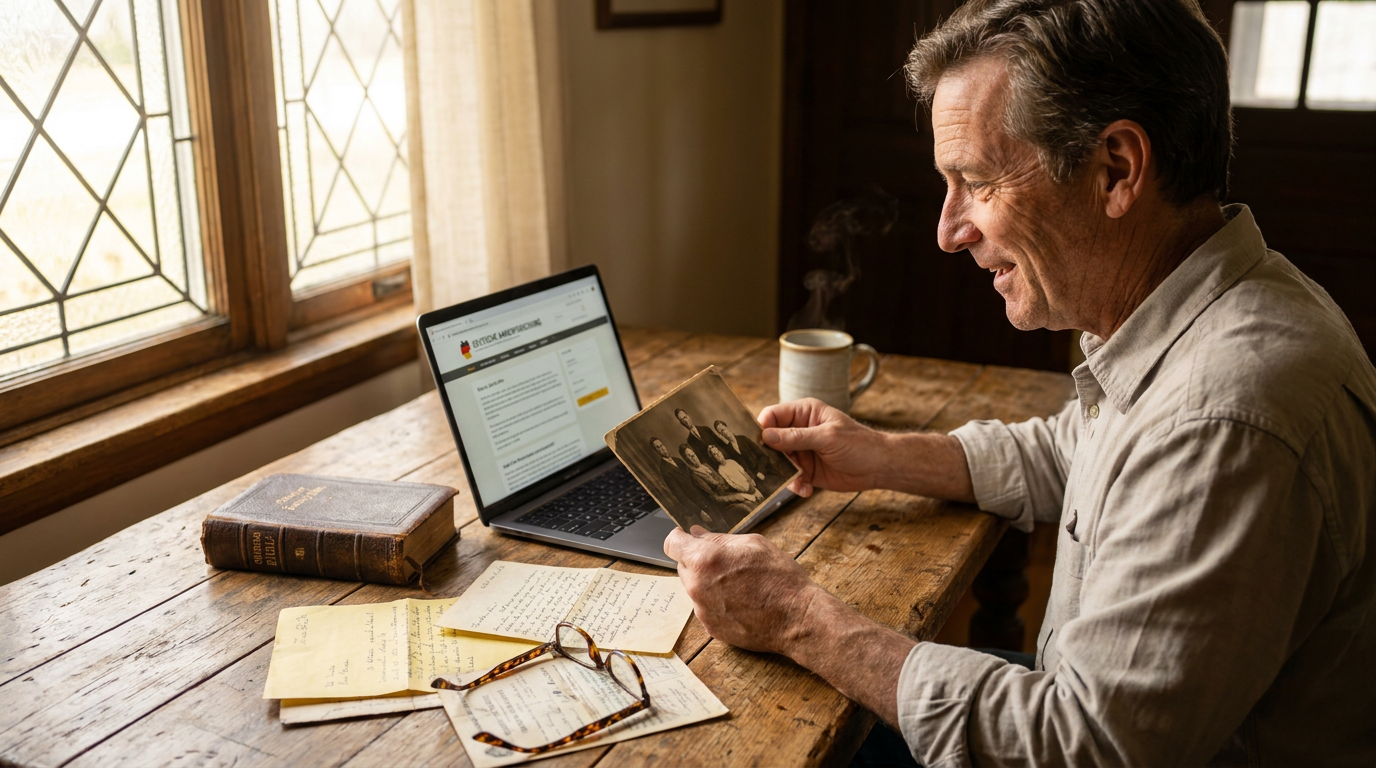
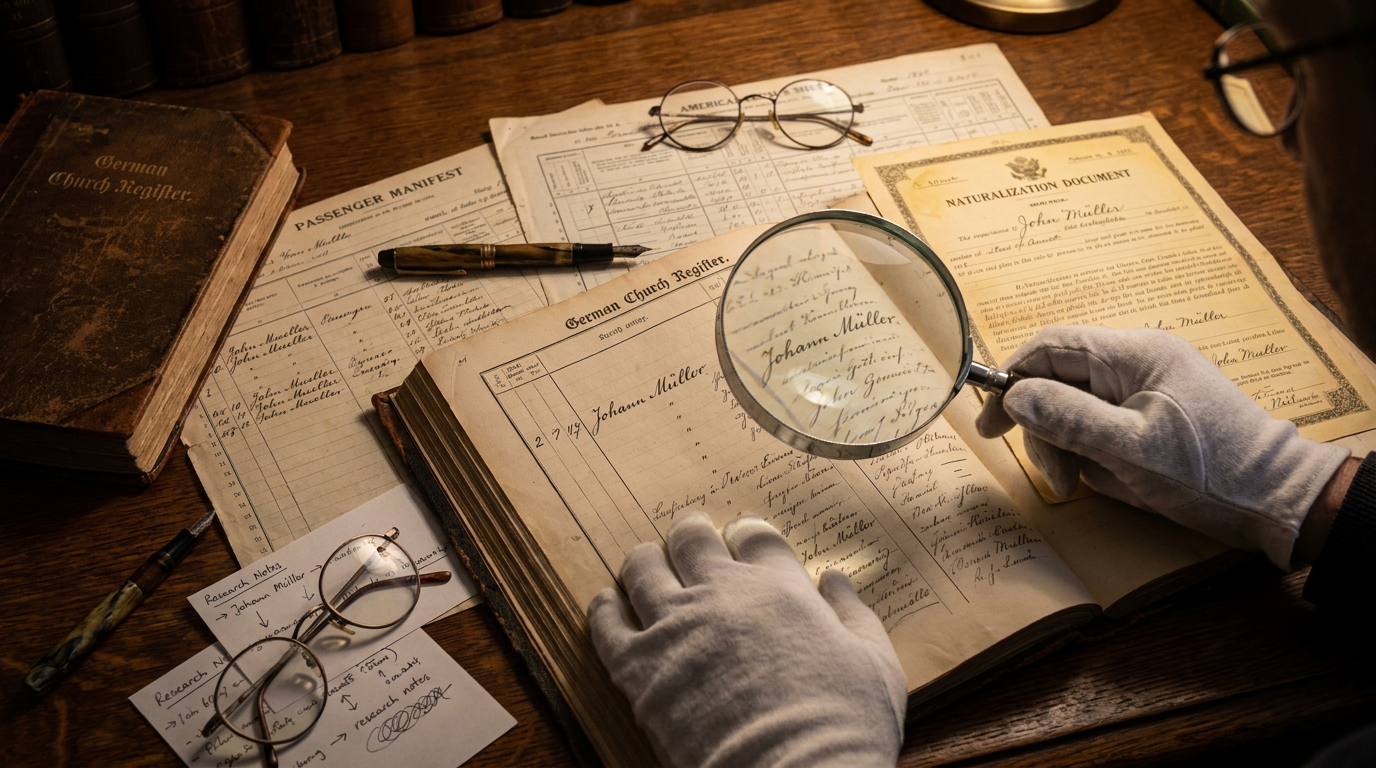
Your family may have lived in America for so many generations that nobody remembers when the original German ancestor arrived. Perhaps your family never talked much about Germany. Maybe the German language disappeared from family gatherings a century ago. Yet that ancestry may still be documented somewhere in courthouse records, immigration papers, old church registers, family Bibles, or handwritten letters.
Your German heritage might not have vanished. It may simply be waiting to be rediscovered.
You May Be More Familiar With German Traditions Than You Think
Let’s conduct a little experiment.
Have you ever decorated a Christmas tree? Enjoyed a bratwurst at a summer cookout? Eaten sauerkraut, a soft pretzel, or a slice of German chocolate cake?
Wait! A quick historical detour: German chocolate cake is actually an American creation named after Samuel German, whose surname became associated with a type of baking chocolate. See? History is full of delicious surprises.
German influences appear throughout American life, sometimes in places where we hardly notice them anymore. Christmas trees became widely popular in America through a blend of European influences, including German traditions. German immigrants also contributed to America’s brewing culture, musical societies, educational practices, and community festivals.
Many traditions evolved as families adapted to American surroundings. A grandmother’s cabbage recipe might have changed because certain ingredients weren’t available.
A family Christmas celebration might have combined German decorations with distinctly American holiday customs. A German surname might have been shortened or changed in spelling. And a once-familiar German expression might have survived for generations, even after nobody remembered what it meant.
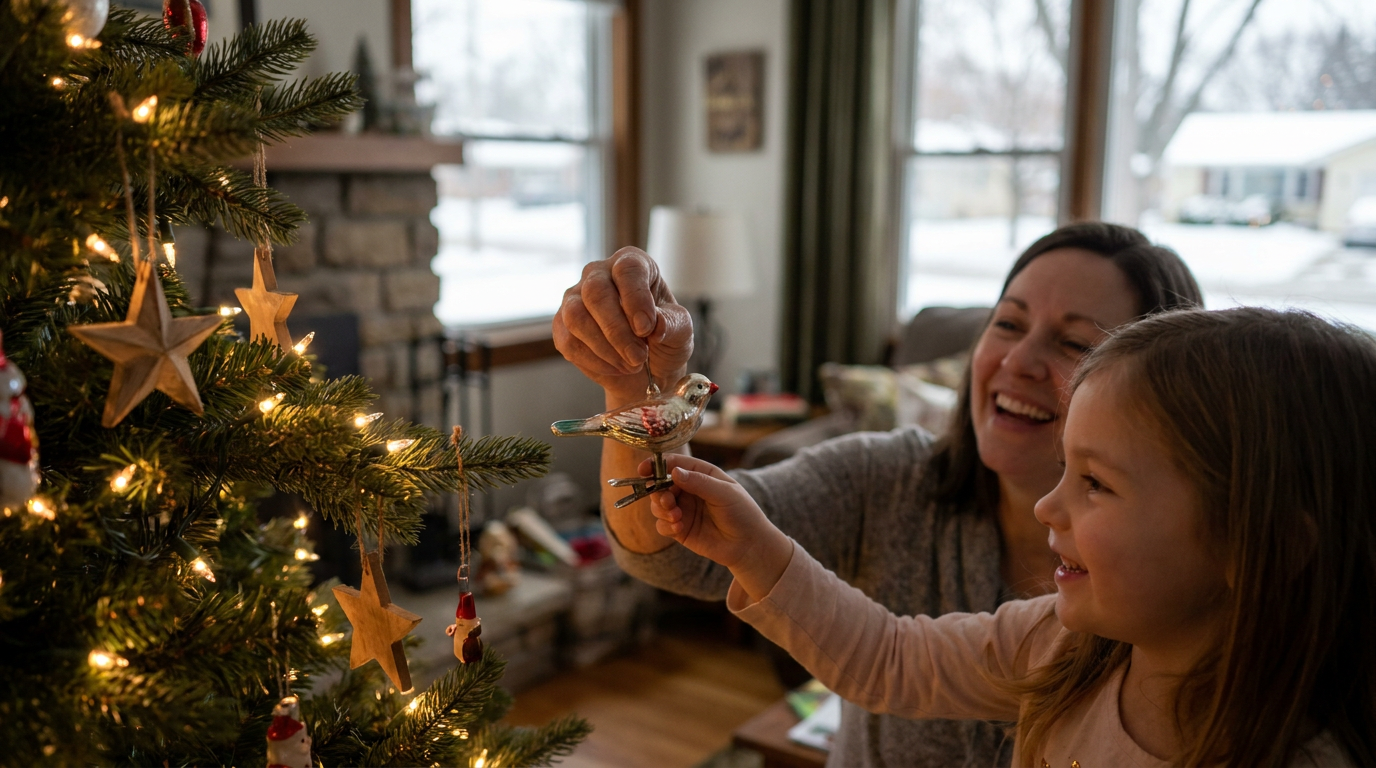
Of course, enjoying a pretzel or decorating a Christmas tree doesn’t prove German ancestry. But these familiar experiences demonstrate something wonderful: German culture has become so deeply woven into American life that millions of people enjoy its influences regardless of their ancestry.
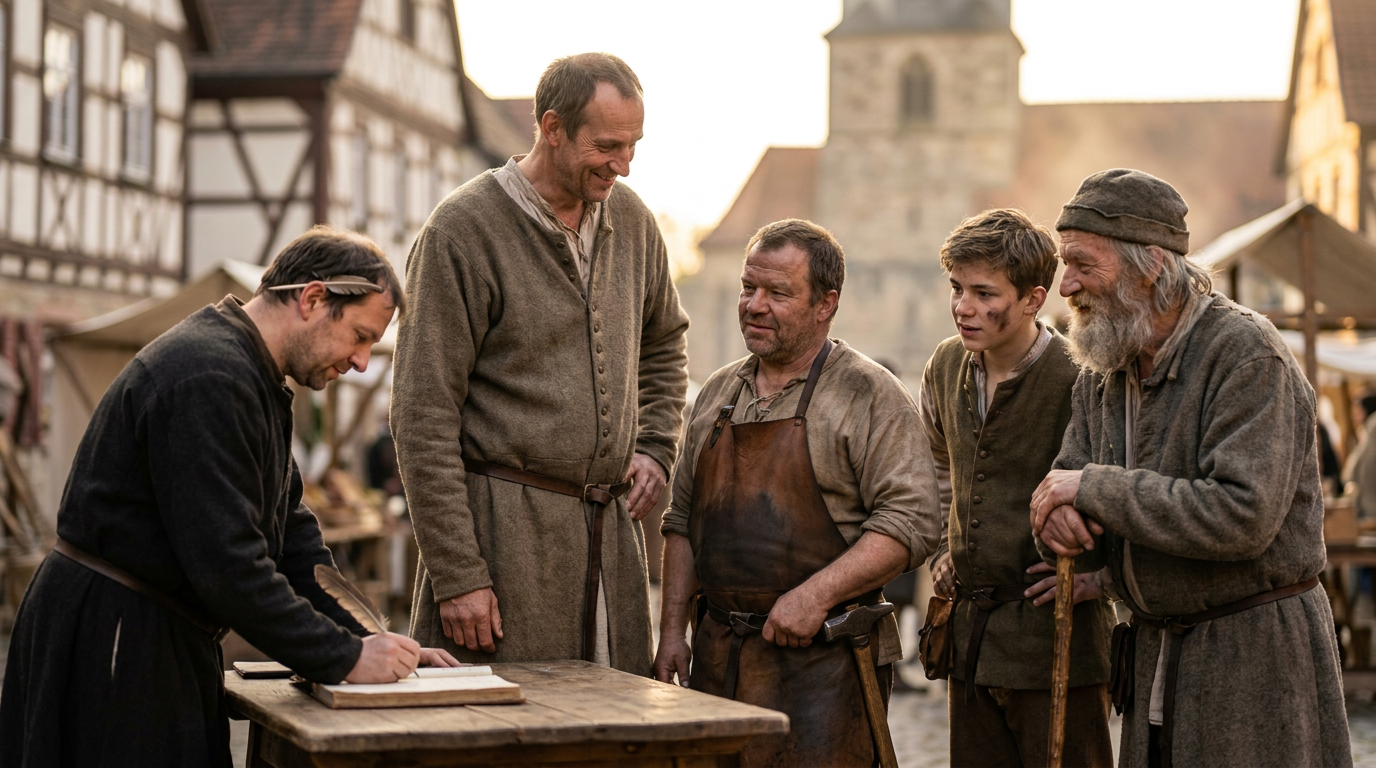
And speaking of family names, not everyone with German roots carries a recognizable German surname. As families moved to America, names sometimes changed through translation, personal preference, spelling variations, pronunciation, or generations of everyday usage.
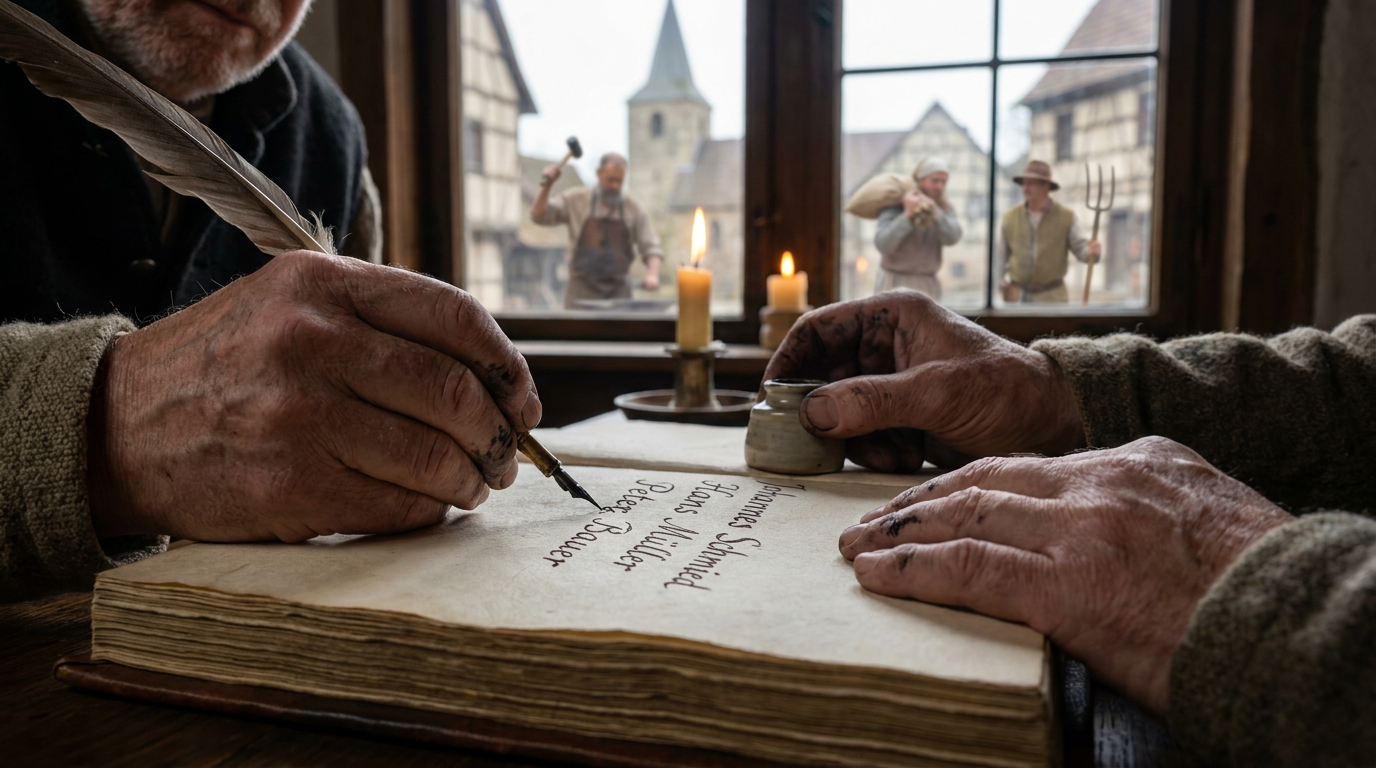
Müller may appear as Mueller or Miller. Schmidt may become Smith. Schneider sometimes appears as Snyder. Other surnames changed less dramatically, while some remained exactly as they were for centuries.
Marriage also means that German ancestors may be found along branches of your family tree whose surnames are English, Irish, Italian, Polish, or something entirely different. Historically, German-speaking communities existed beyond the borders of modern Germany, including parts of present-day Austria, Switzerland, France, Poland, and other European countries.
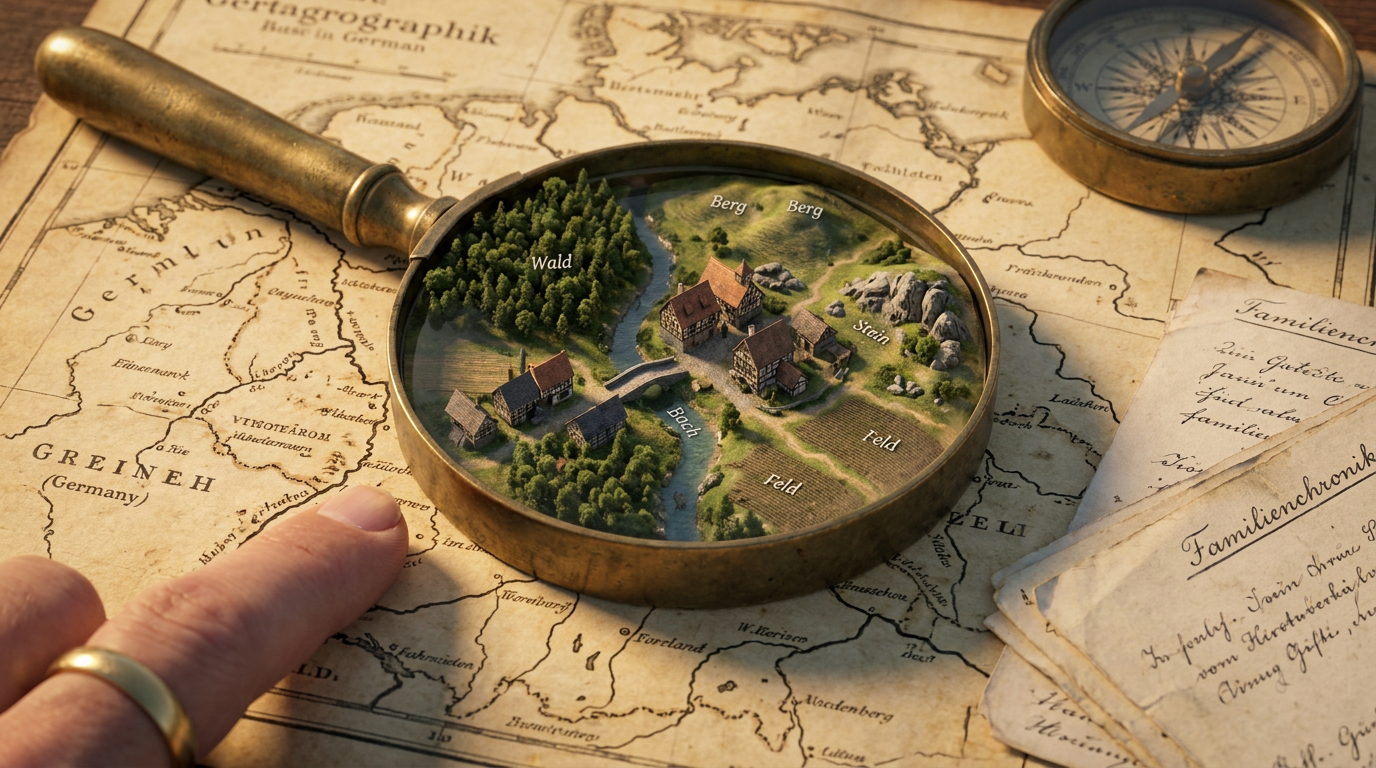
Perhaps the ancestor you thought came from Germany actually lived in Alsace. Perhaps another came from an area of Prussia now located in Poland. Suddenly, your family tree becomes a fascinating lesson in geography, immigration, and European history.
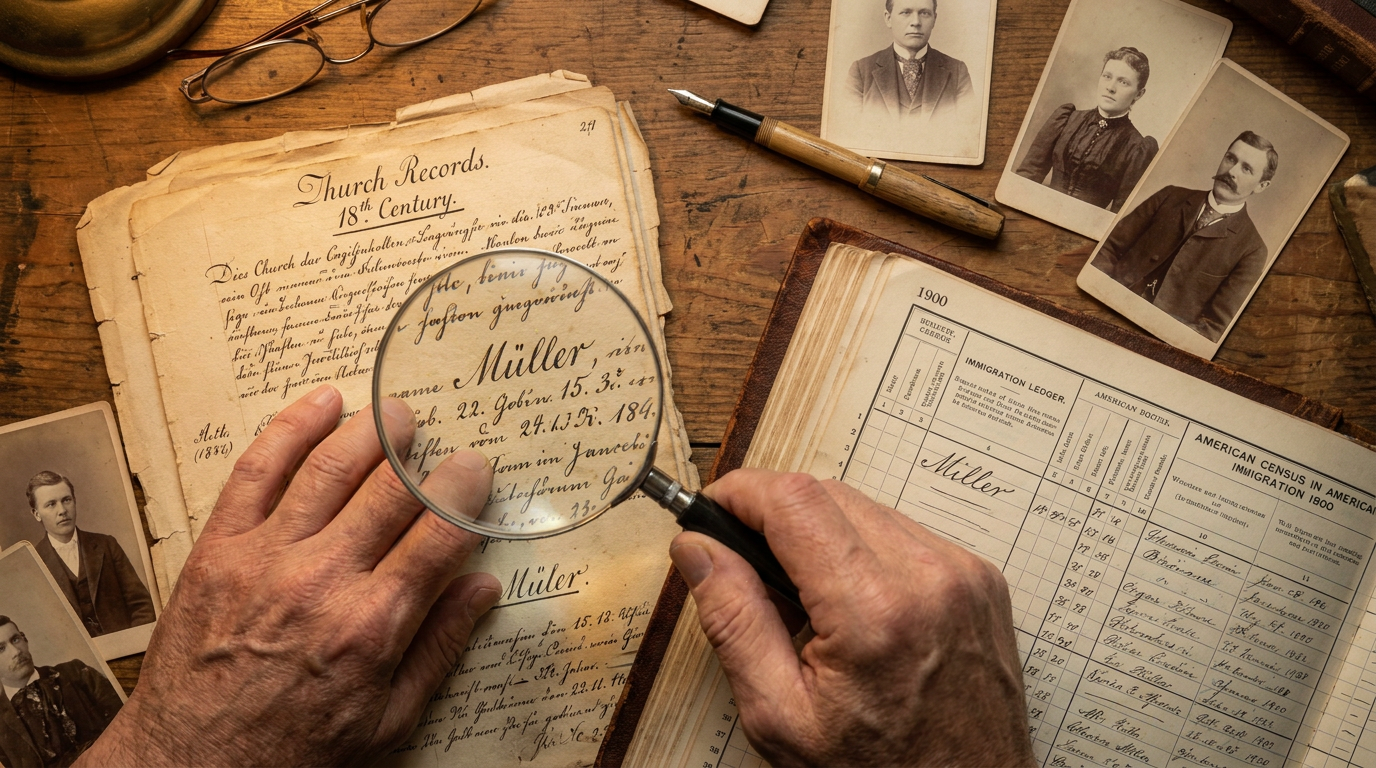
And sometimes, the most valuable clue isn’t found online at all. It might come from asking your oldest living relatives about family names, unusual nicknames, old photographs, or stories they remember hearing as children.
Write those details down. Even a small recollection could become the missing piece of an extraordinary discovery.