
What Does Your German Last Name Mean? The Fascinating Stories Behind America’s German Surnames
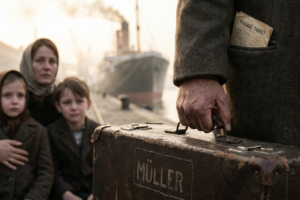
If your last name is Schmidt, Müller, Schneider, Fischer, Weber, Becker, Wagner, Meyer, Bauer, Hoffmann—or something that doesn’t look nearly as German as it once did—your surname may be carrying a story hundreds of years old.
It may tell you what one of your ancestors did for a living.
It might describe the village where your family lived, the landscape surrounding their home, a physical characteristic, or even the name of a father who lived centuries before anyone imagined crossing the Atlantic.
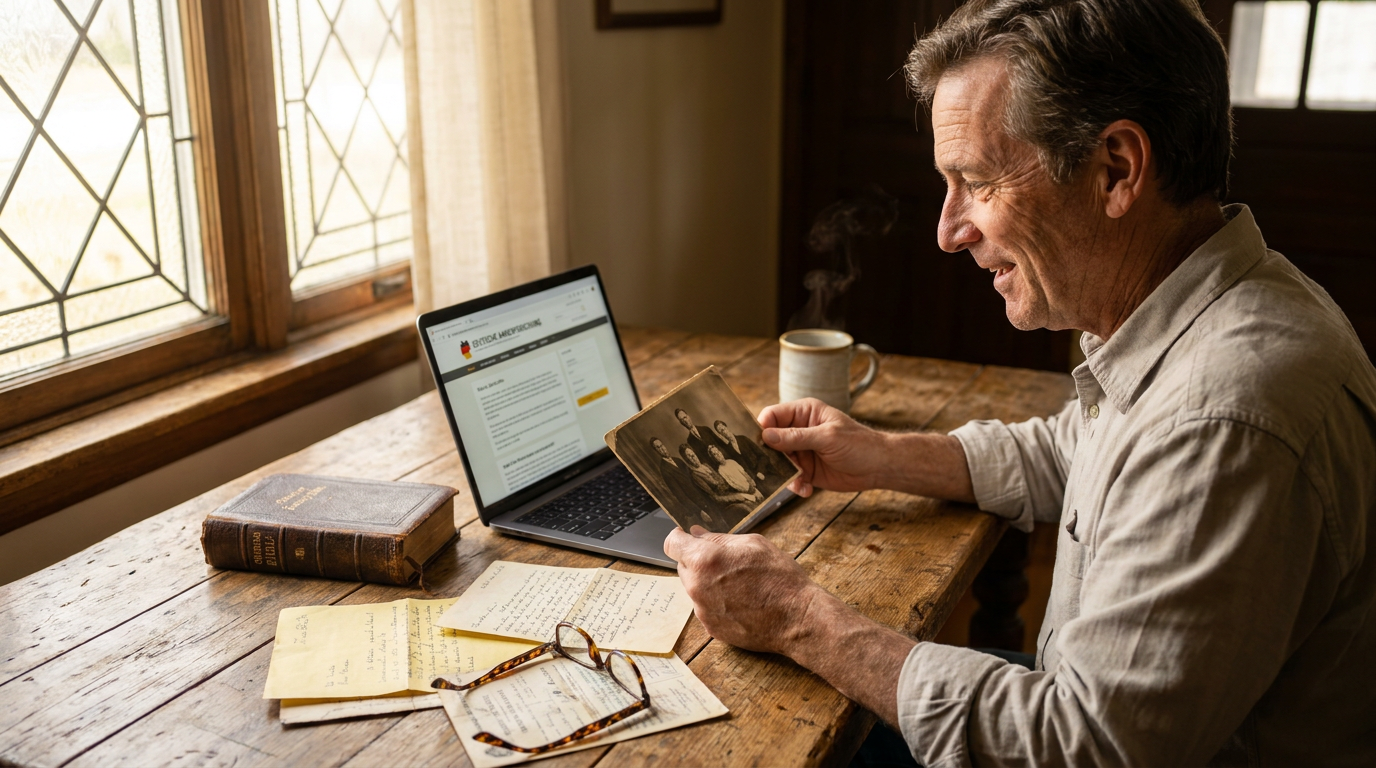
And sometimes, the surname Americans know today isn’t quite the surname their German ancestors originally used.
For millions of Americans exploring their German heritage, a last name can be one of the most fascinating clues connecting the present to the past.
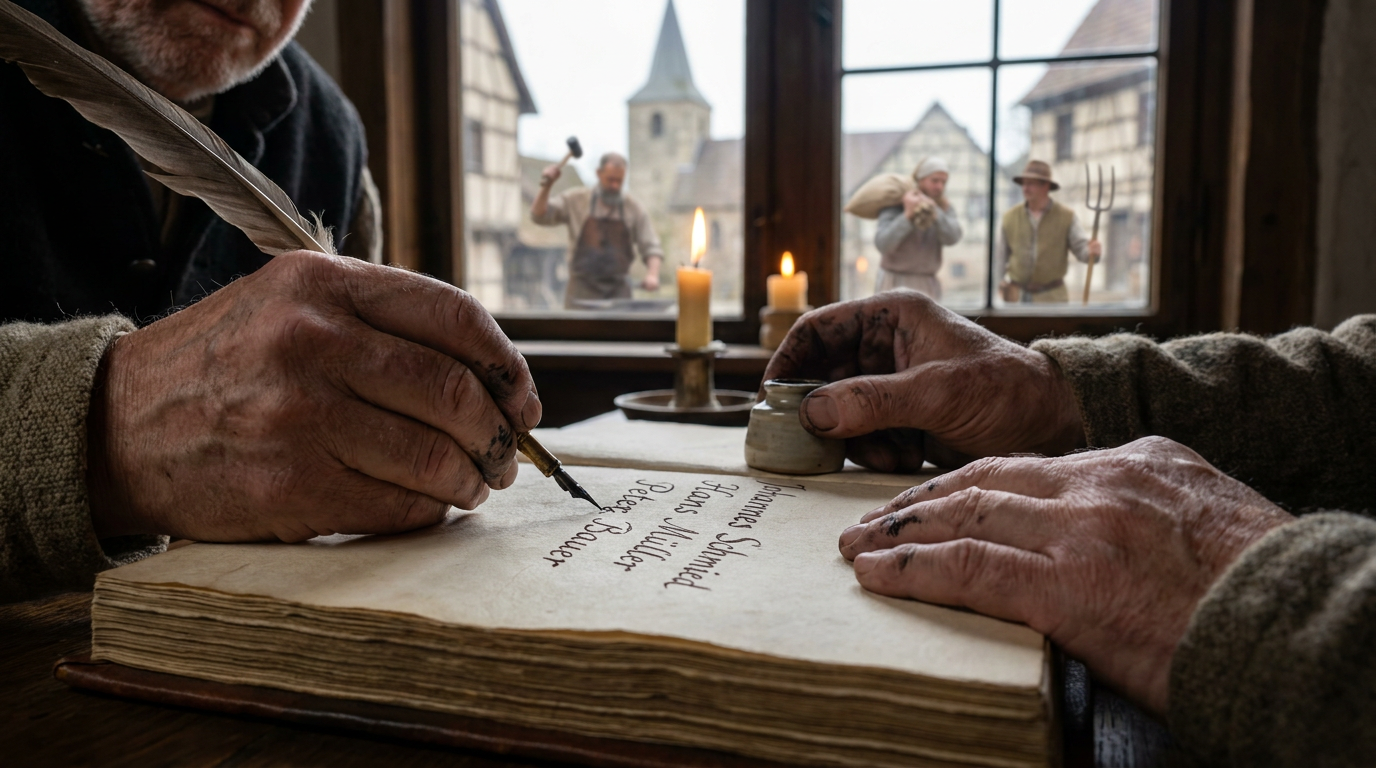
Your surname isn’t necessarily a complete family history—but it can be a wonderful place to begin discovering one.
“Every family name is a doorway. Sometimes all it takes is learning what the name meant to begin discovering the people who carried it.”
So grab your family tree, pull out those old photographs, and take another look at the name printed across the top.
There may be more history hiding there than you ever imagined.
Your German Last Name May Be a 500-Year-Old Clue
Today, we rarely think about why people have surnames.
They’re simply part of who we are.
But travel backward into medieval Europe and surnames become much more interesting.
As communities grew and populations became increasingly mobile, identifying someone simply as Johann or Heinrich wasn’t always sufficient. Which Johann? Which Heinrich?
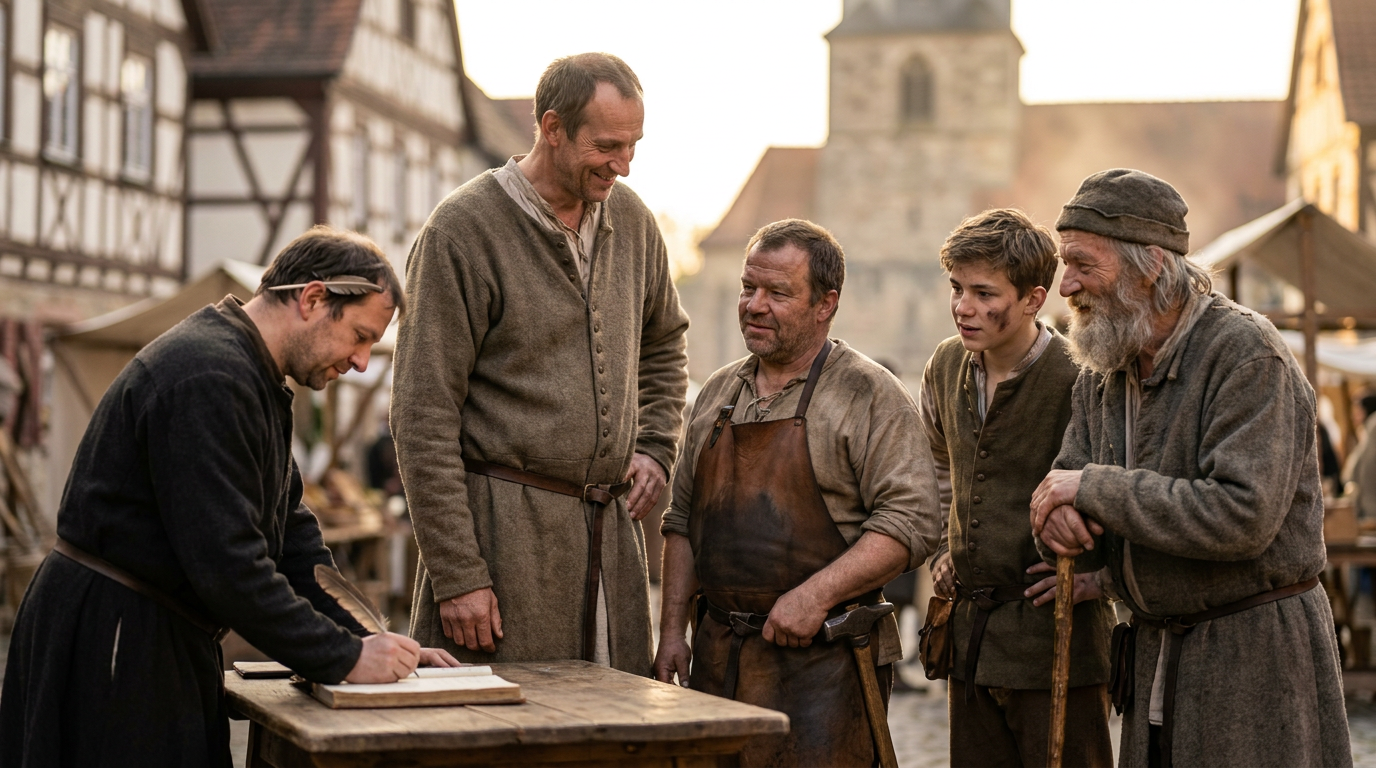
People began distinguishing one person from another by adding descriptions.
Johann might become Johann the smith.
Another could be Johann from the hill.
Someone else might be Johann, Heinrich’s son.
Over generations, many of those descriptions developed into hereditary family names.
German surnames therefore frequently developed from several broad categories:
Occupations • Locations • Geography • Personal characteristics • Family relationships
That means your surname could contain a tiny historical snapshot of an ancestor’s life.
1. Occupational Names: What Did Your Ancestors Do?
Some of Germany’s most familiar surnames originated from occupations.
Imagine walking into a German village centuries ago.
You would probably encounter a blacksmith, miller, baker, carpenter, farmer, weaver and wagon maker.
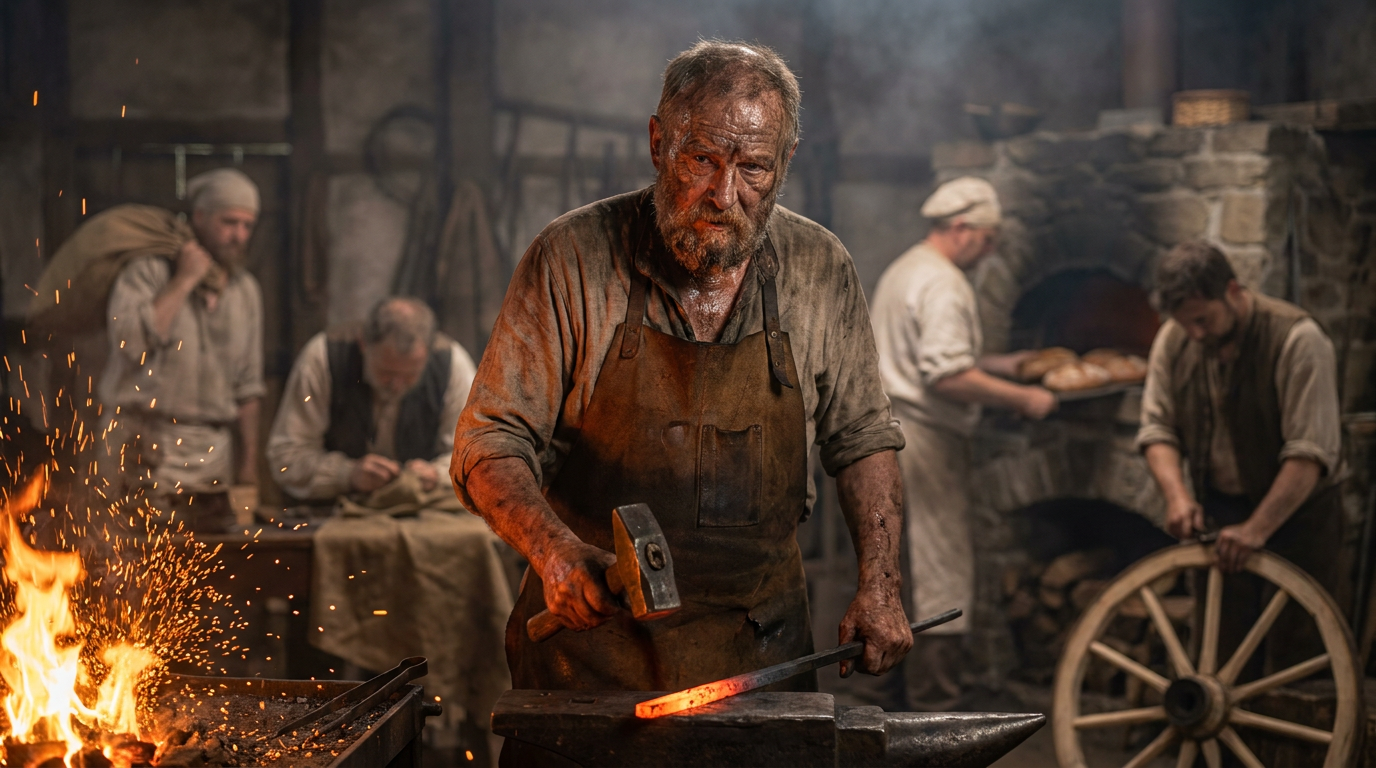
Their professions were essential to everyday life—and eventually many occupations became family names.
Schmidt — The Smith
Schmidt, along with variations such as Schmitt and Schmid, is derived from the German word associated with a smith.
The village smith was an important craftsman who produced and repaired tools, horseshoes and other metal goods.
It is essentially the German cousin of the English surname Smith.
Müller — The Miller
Müller originally referred to someone who operated or worked in a mill.
Mills were crucial economic centers where grain was processed into flour, making the miller an important member of the community.
In America, Müller might become Mueller, Muller, Miller, or another variation.
Schneider — The Tailor
Schneider comes from the German verb schneiden, meaning “to cut.”
A Schneider was traditionally someone who cut cloth—a tailor.
Fischer — The Fisherman
This one remains fairly recognizable.
Fischer generally originated as an occupational surname for someone involved in fishing.
Weber — The Weaver
A Weber was a weaver—someone who produced cloth from yarn or thread.
Becker or Bäcker — The Baker
These names are associated with baking and the traditional occupation of baker.
Wagner — The Wagon Maker
Long before automobiles and interstate highways, wagons were indispensable.
A Wagner was traditionally associated with making wagons or wagon wheels.
Suddenly these aren’t just names.
They’re jobs.
They’re workshops.
They’re trades handed from one generation to another.
And they’re little glimpses into everyday German life centuries ago.
2. Your Surname Might Tell You Where Your Family Lived
Not every German surname described a profession.
Some described place.
Before street addresses, ZIP codes and driver’s licenses, geography was a convenient way of identifying people.
A person might be known by the town he came from or by a recognizable landscape near his home.
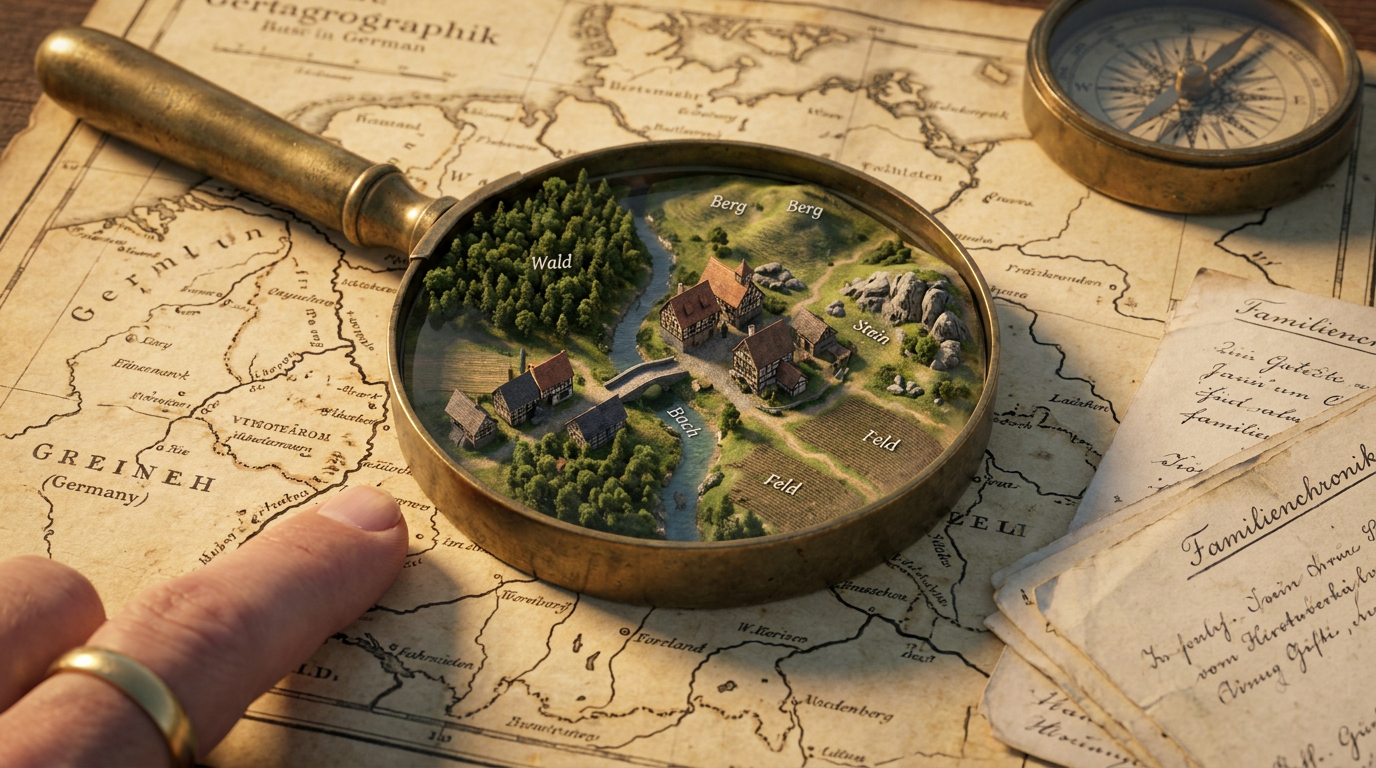
Names associated with words such as Berg (mountain or hill), Bach (stream), Wald (forest), Stein (stone), Feld (field) and Brück/Brücke (bridge) can sometimes contain geographical clues.
Consider surnames such as:
Steinberg — stone + mountain/hill
Grünwald/Grunwald — green + forest
Bachmann — associated with a stream or brook
Feldmann — associated with fields or open land
But be careful.
Surname meanings are rarely a GPS coordinate.
The same surname could have developed independently in different places, and spelling and meaning may have changed considerably over centuries.
Think of surname research as detective work rather than a simple translation exercise.
3. Some German Names Describe People
Imagine receiving your surname because your ancestor had curly hair, was particularly tall or possessed some memorable personality trait.
It happened.
Some German surnames developed from nicknames or descriptive characteristics.
Names involving words such as Klein (small), Groß/Gross (large), Lang/Lange (long or tall), Jung (young) and Alt (old) may have originated as descriptions distinguishing one individual from another.
A man called Heinrich might become “Heinrich Klein” to distinguish him from another Heinrich.
Eventually, what began as a nickname could become a hereditary surname carried by descendants who no longer shared the original characteristic.
So if your surname means “small,” don’t start measuring everyone at the next family reunion.
Your ancestor may have earned that description 600 years ago!
4. Patronymic Names: Who Was Your Father?
Some surnames developed from relationships between generations.
A person could be identified as the son or descendant of another person.
This practice was especially significant in parts of northern Germany and neighboring German-speaking or culturally connected regions.
Names could develop from personal names such as Hermann, Friedrich, Heinrich, Peters, Hansen and others.
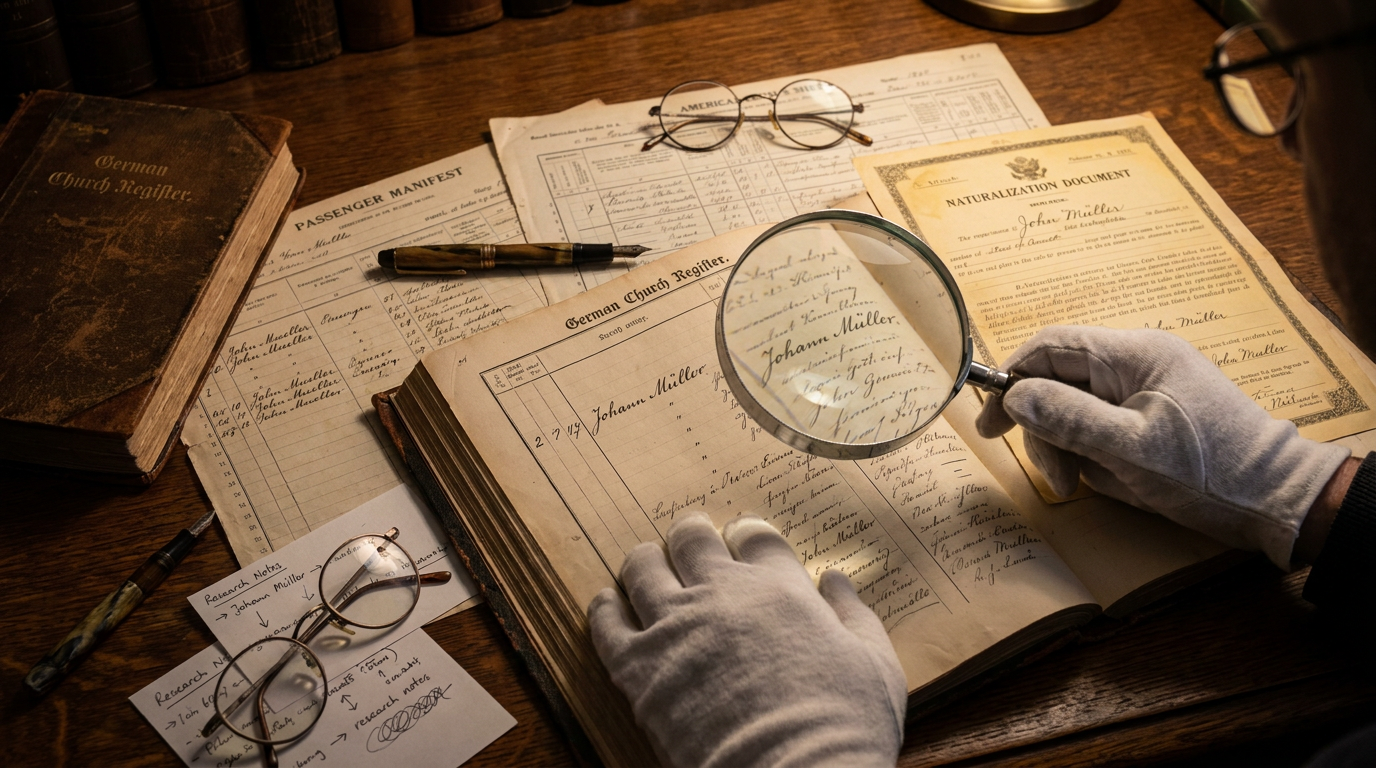
But German naming traditions varied enormously by region.
That’s an important point when researching German genealogy:
There was never just one universal “German surname system.”
Germany as a unified nation-state did not exist until 1871.
Before that, German-speaking ancestors lived within a complicated landscape of kingdoms, duchies, principalities, free cities and other territories.
A surname from Schleswig-Holstein might have evolved differently from one in Bavaria, Saxony, Württemberg or the Rhineland.
Understanding where your ancestors lived can therefore be just as important as understanding what their surname means.