I’m Part German – Discover Your German Roots in America

Have you ever caught yourself saying something like:
“I’m part German… part Irish… part English.”
Or maybe…
“I’m part German, part Italian, and part Scottish.”
If so, you’re in very good company.
Millions of Americans know they have German ancestry, but many don’t realize just how significant that heritage really is. For countless families, German roots have quietly become just another line on a genealogy chart or a distant memory mentioned during family reunions.
Yet today, something remarkable is happening.

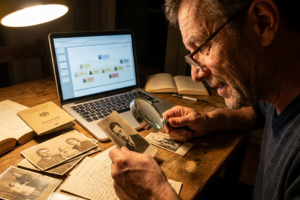
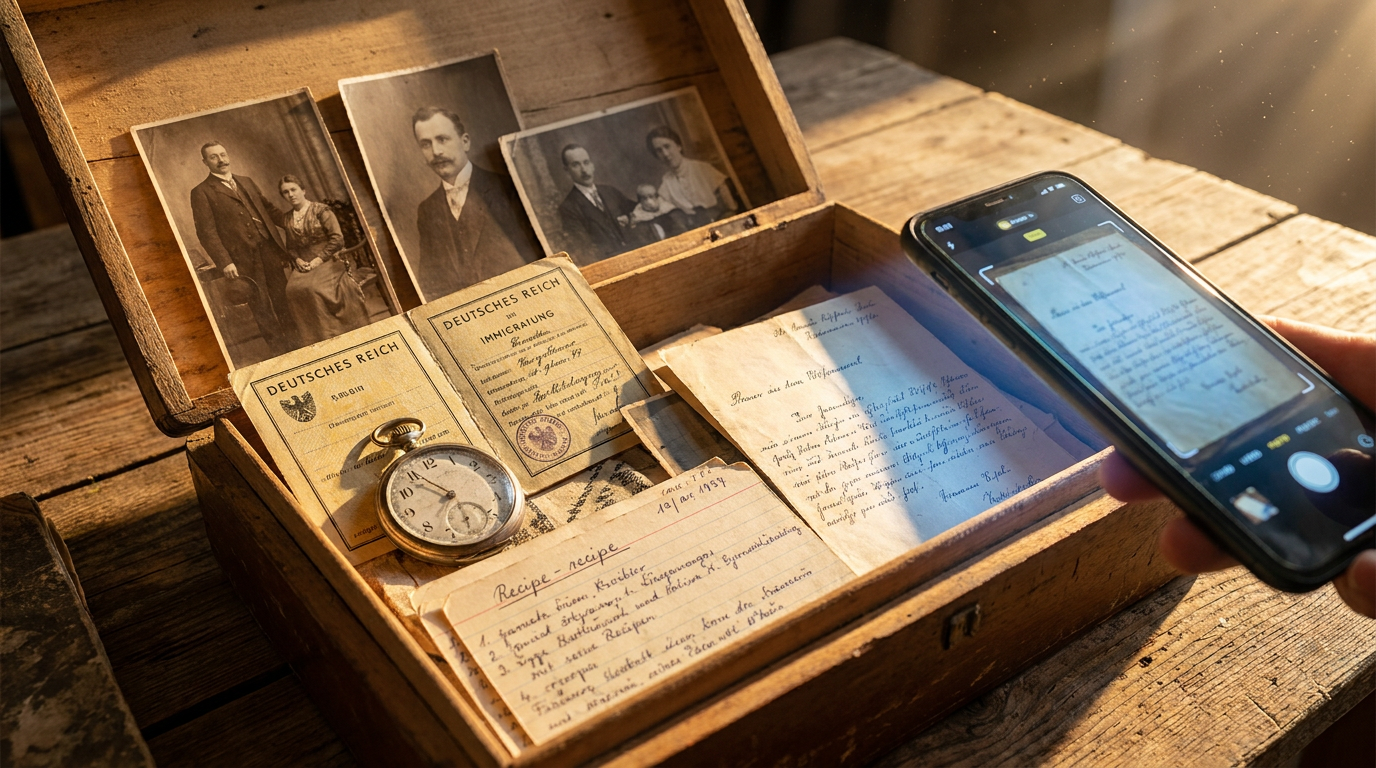
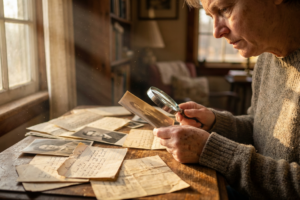
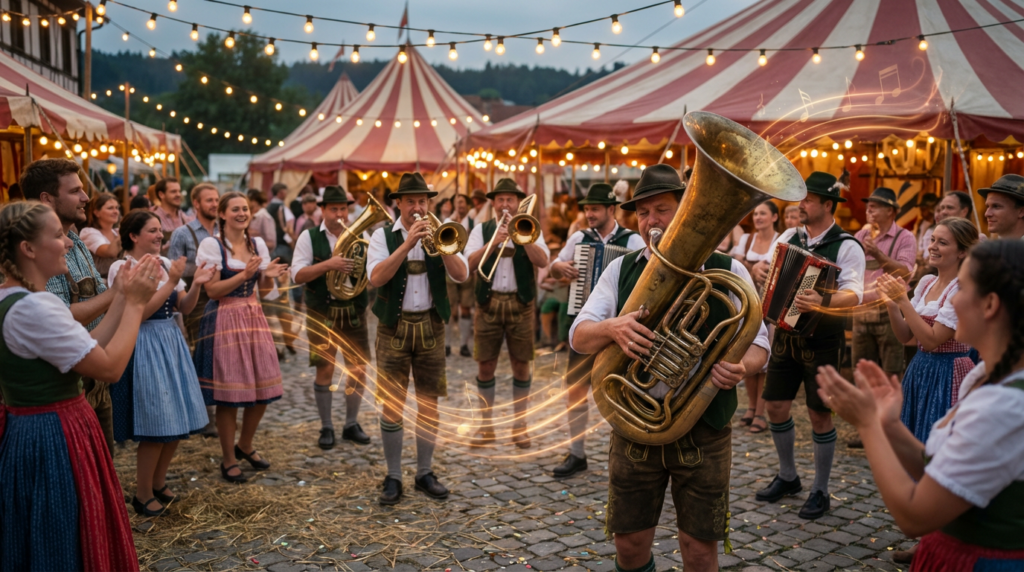
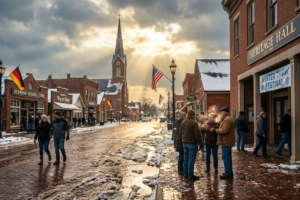
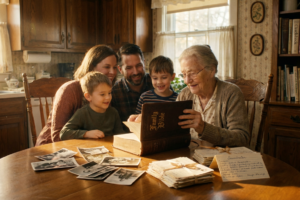
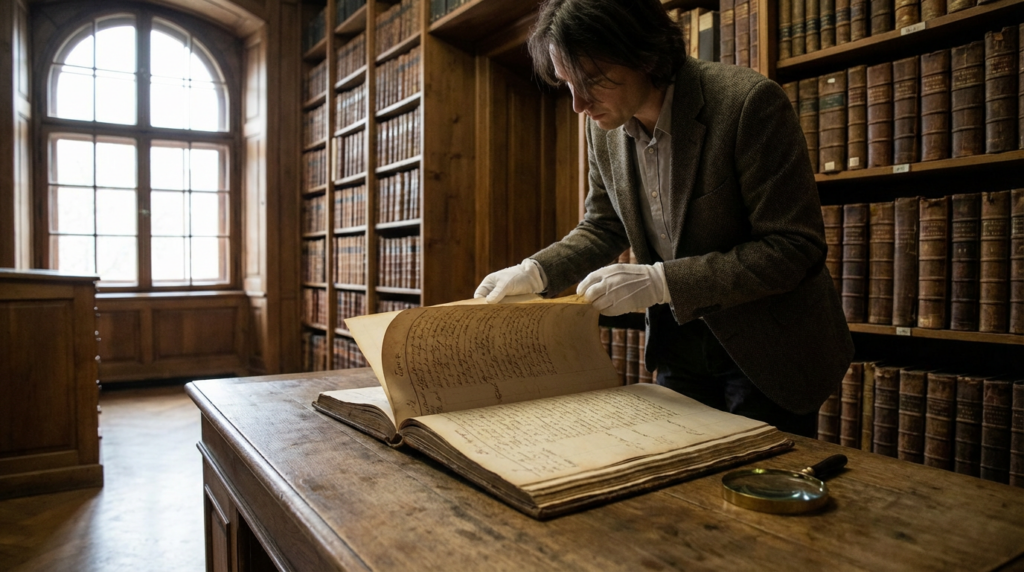
Across America, people are becoming curious about where they came from. They’re building family trees, visiting historic towns, attending Oktoberfests, cooking old family recipes, researching immigration records, and asking grandparents questions they never thought to ask before.
For millions of Americans, rediscovering their German heritage isn’t about living in the past.
It’s about understanding the incredible journey that helped shape who they are today.
America’s Largest Ancestry Group
Many people are surprised to learn that Americans of German ancestry represent one of the largest—if not the largest—ancestral groups in the United States.
According to U.S. Census ancestry reporting, approximately 40 to 45 million Americans identify German as their primary ancestry. That figure alone places German-Americans among the nation’s largest ancestry groups.
But the real number is almost certainly much higher.
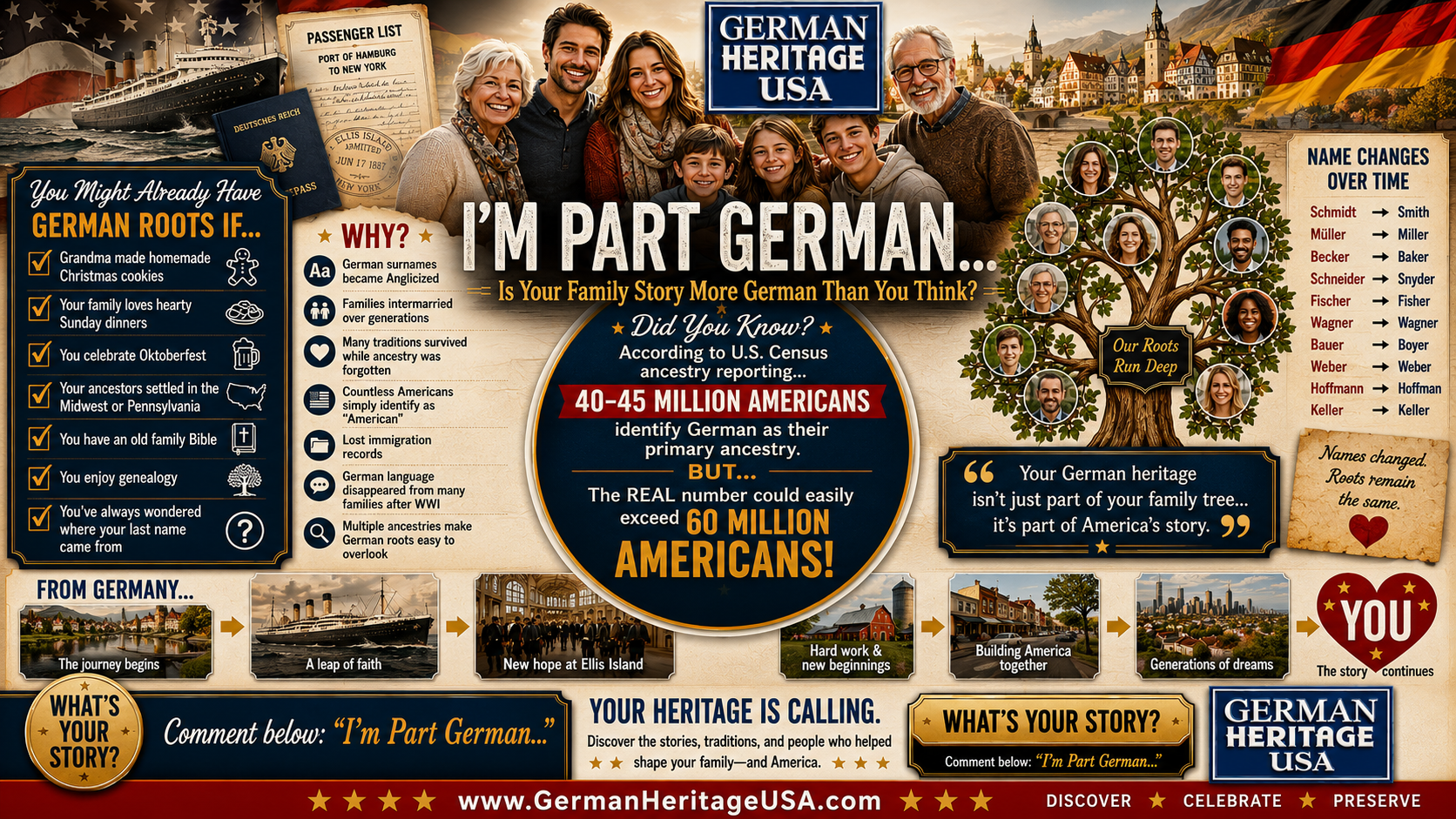
Over the past two centuries, millions of German immigrants married into families of Irish, English, Italian, Polish, Czech, Scandinavian, Dutch, French, Scottish, and countless other backgrounds. Many German surnames were also anglicized during periods of anti-German sentiment—particularly around World War I—making those family roots less obvious today. Names were shortened, spellings changed, German was no longer spoken in many households, and traditions gradually blended into mainstream American culture.
As a result, millions of Americans who simply identify themselves as “American” or by another ancestry may still have German ancestors somewhere in their family tree.
When you factor in mixed ancestry, intermarriage across generations, lost family records, changing surnames, and unreported German lineage, it is entirely reasonable to believe that well over 60 million Americans—and perhaps considerably more—have at least some German ancestry.
That means if you’re reading this…
There’s a very good chance…
You’re at least a little German.
More Than Just Oktoberfest
When people think about Germany, a few familiar images usually come to mind:
- Giant pretzels
- Bratwurst
- Beer steins
- Lederhosen
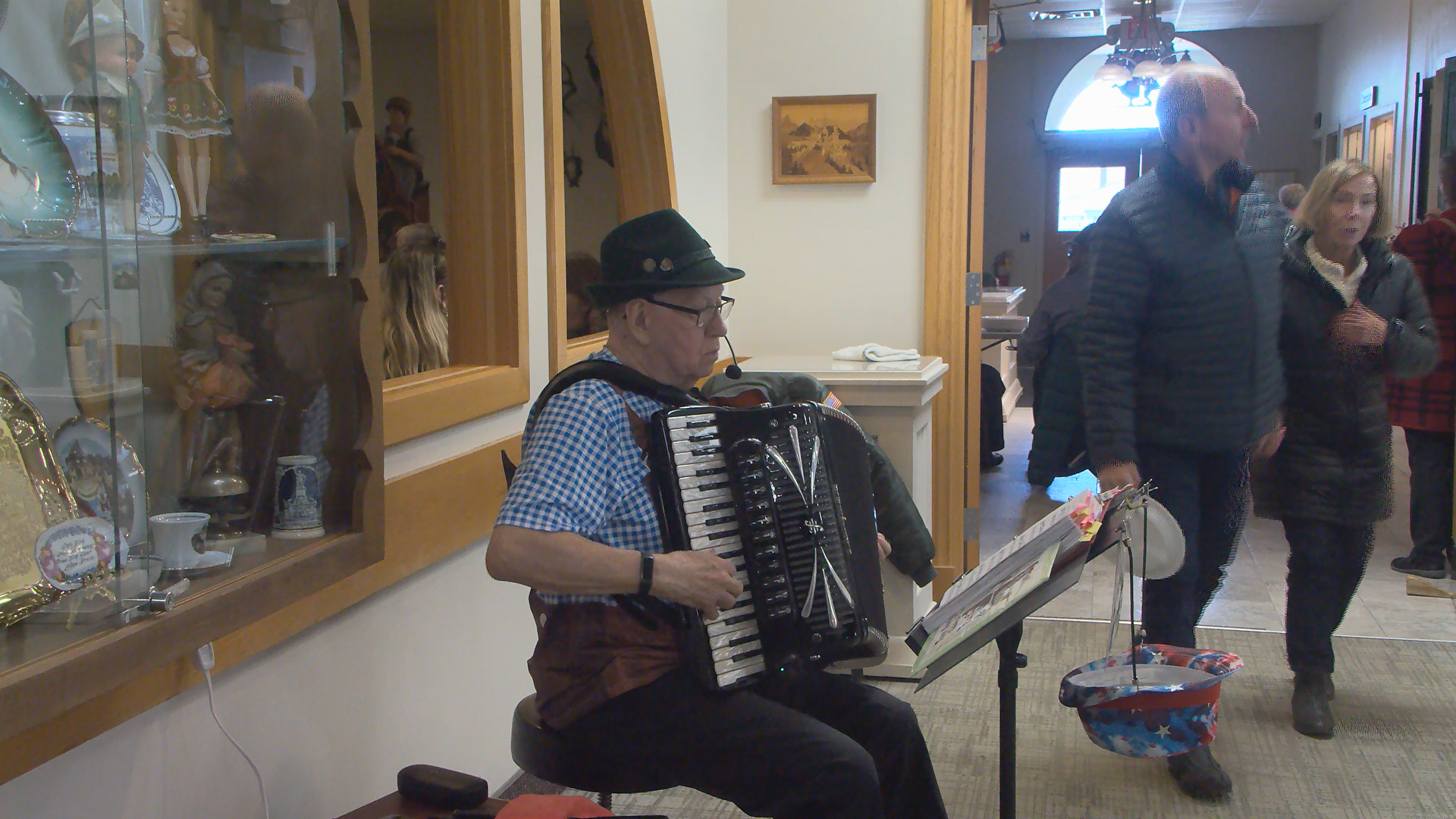
- Oktoberfest
Those traditions are certainly worth celebrating.
But German heritage goes far beyond food and festivals.
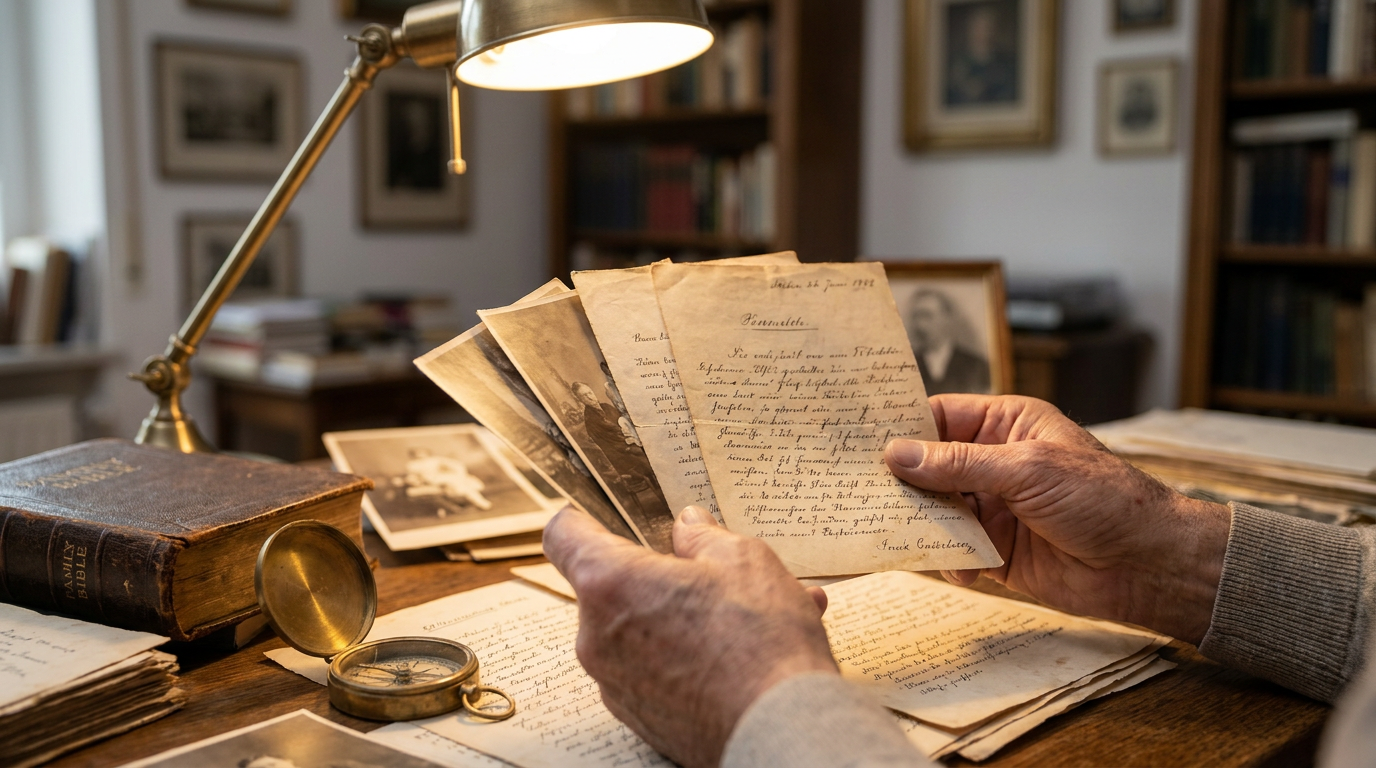
German immigrants helped build farms throughout the Midwest, founded hundreds of communities, started breweries and manufacturing companies, built churches and schools, opened businesses, served in America’s military, and contributed to science, engineering, education, medicine, music, architecture, agriculture, and countless other fields.
Their fingerprints are everywhere.
Many of us simply don’t recognize them.
Every Family Has a Story
Imagine your ancestors.
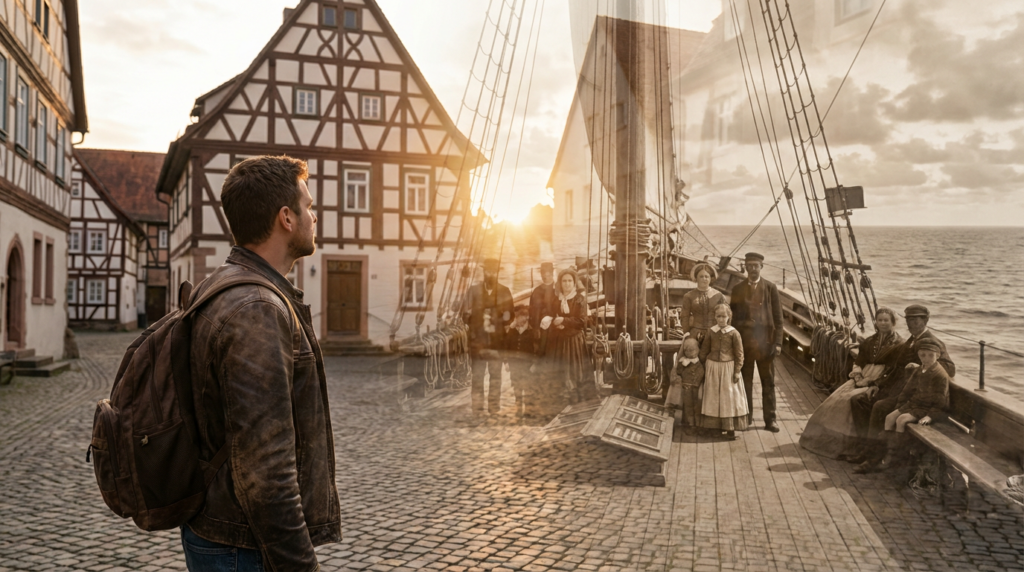
Perhaps they boarded a steamship in Hamburg or Bremen during the 1800s.
They packed everything they owned into a few trunks.
Many never expected to see Germany again.
Weeks later they arrived in America with little more than hope, determination, and dreams of a better future.
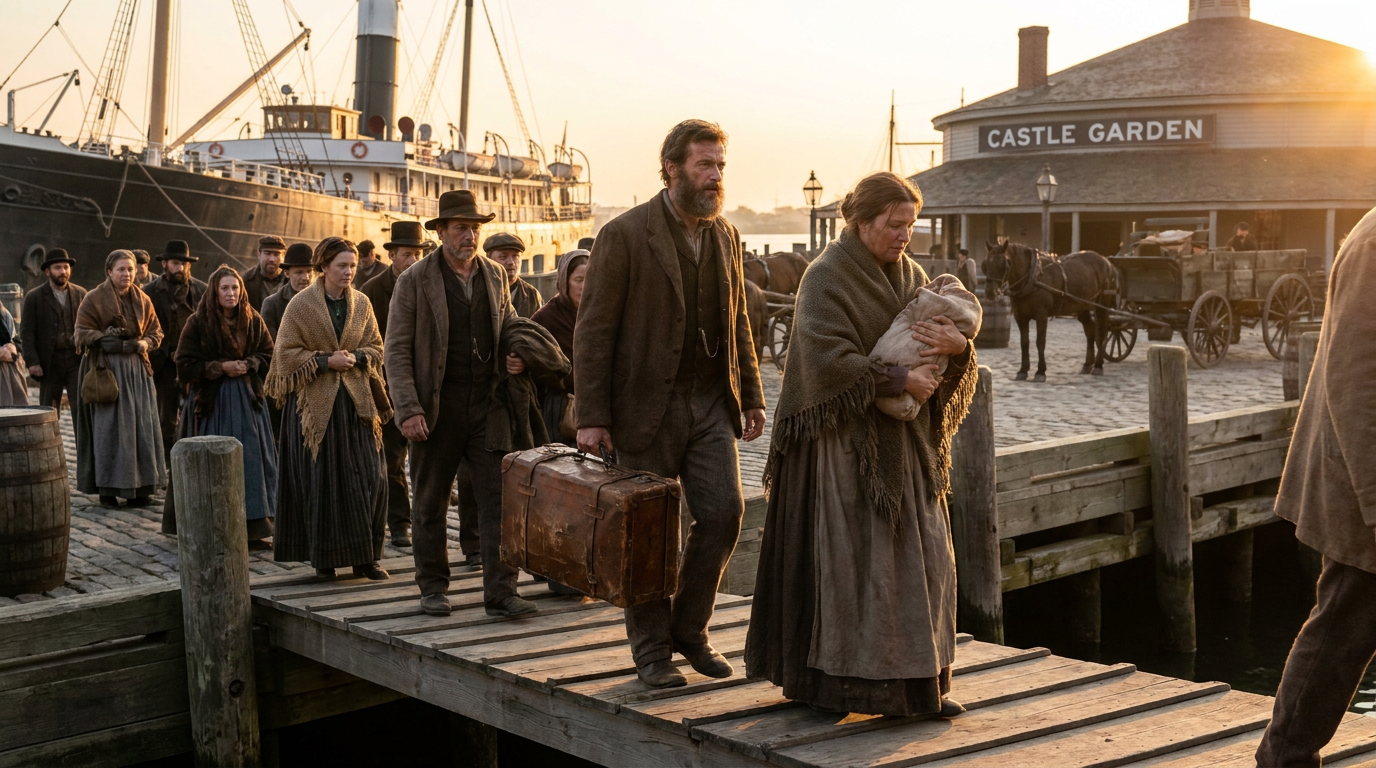
They built farms.
Started businesses.
Raised families.
Learned English.
Worked incredibly hard.
And because they did…
You’re here today.
“Every family tree begins with someone brave enough to start a new branch.”
You Might Already Celebrate German Traditions
Many families have unknowingly carried German customs forward for generations.
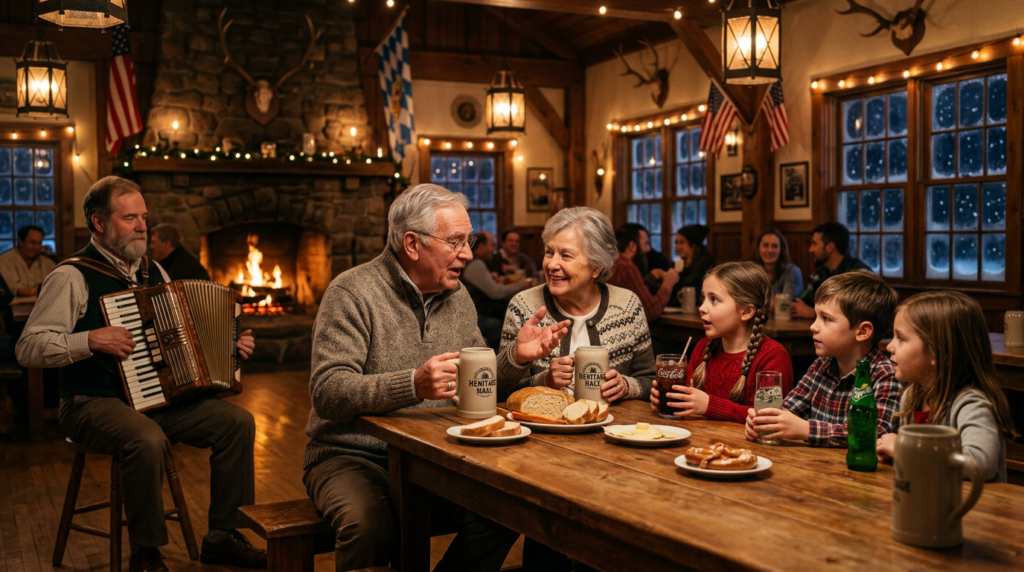
Maybe your grandparents always baked Christmas cookies together.
Perhaps your family gathers around hearty meals every Sunday.
Maybe you grew up hearing old sayings, recipes, or traditions that simply became “the way our family does things.”
Maybe your grandmother’s potato salad recipe came from her German grandmother.
Maybe your family’s Christmas ornaments have German origins.
Maybe the values your parents taught you—hard work, craftsmanship, punctuality, hospitality, and pride in doing a job well—were passed down from German ancestors generations ago.
Heritage has a remarkable way of surviving…
Even when the stories themselves fade.
Why Americans Are Looking Back
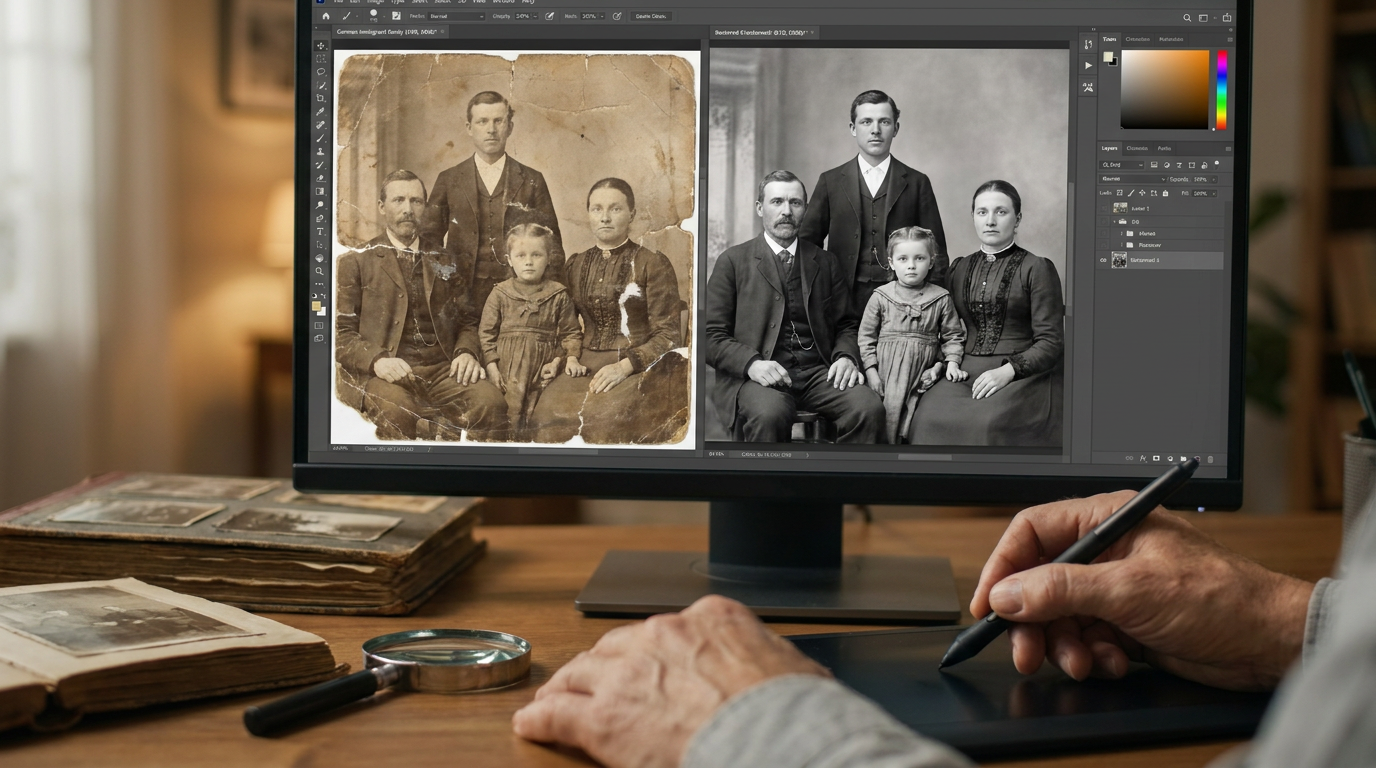
Technology has made genealogy easier than ever.
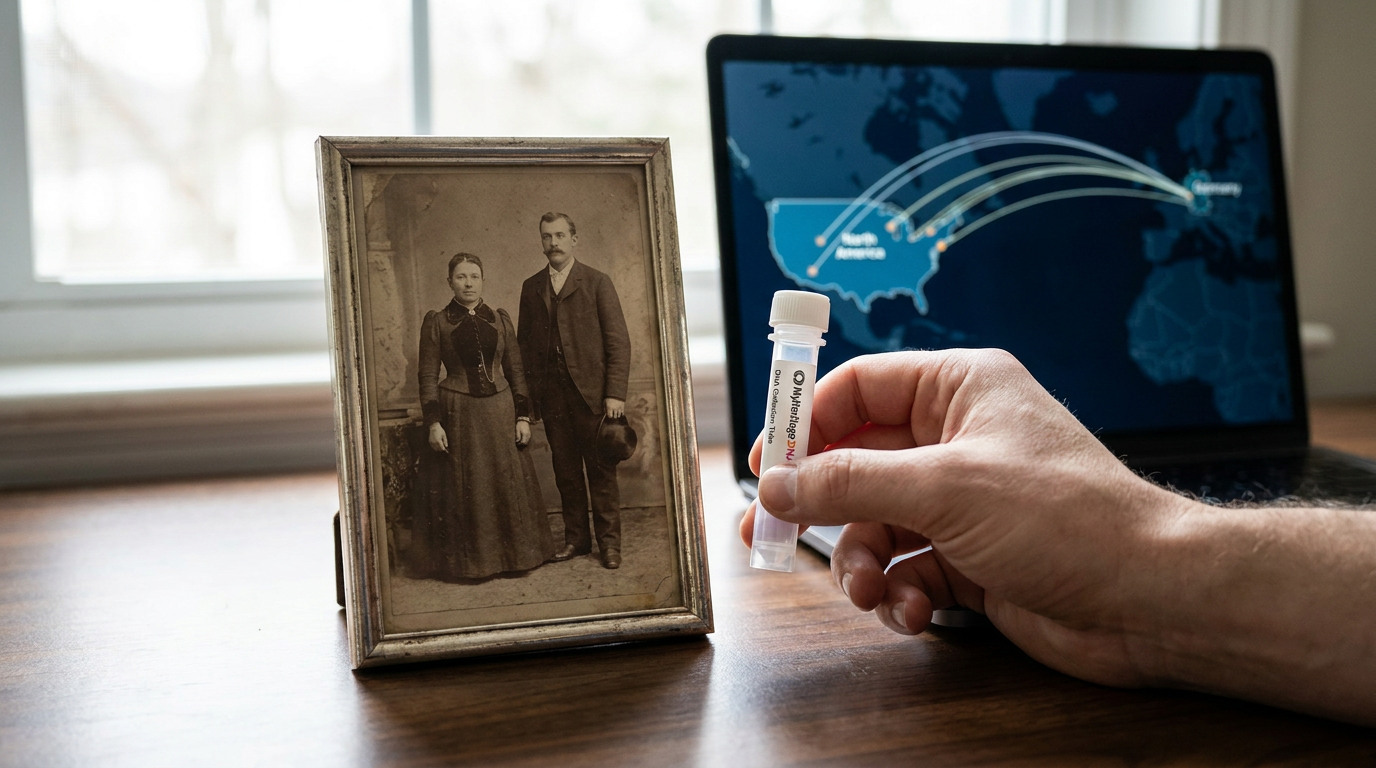
DNA testing.
Online immigration records.
Historical newspapers.
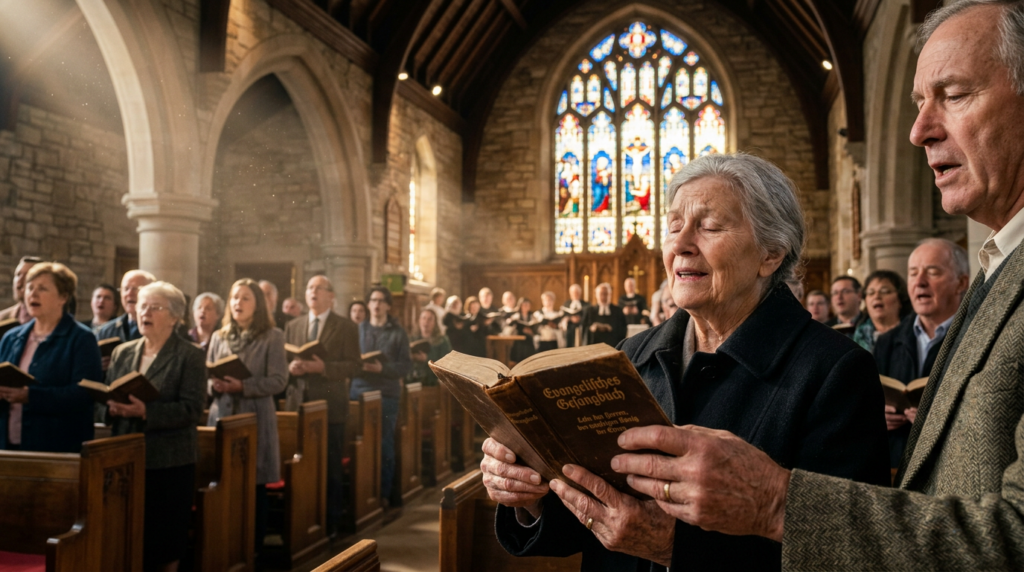
Church records.
Passenger manifests.
Family tree websites.
Old photographs.
Today, discovering your German ancestry can begin with just a few conversations around the dinner table.
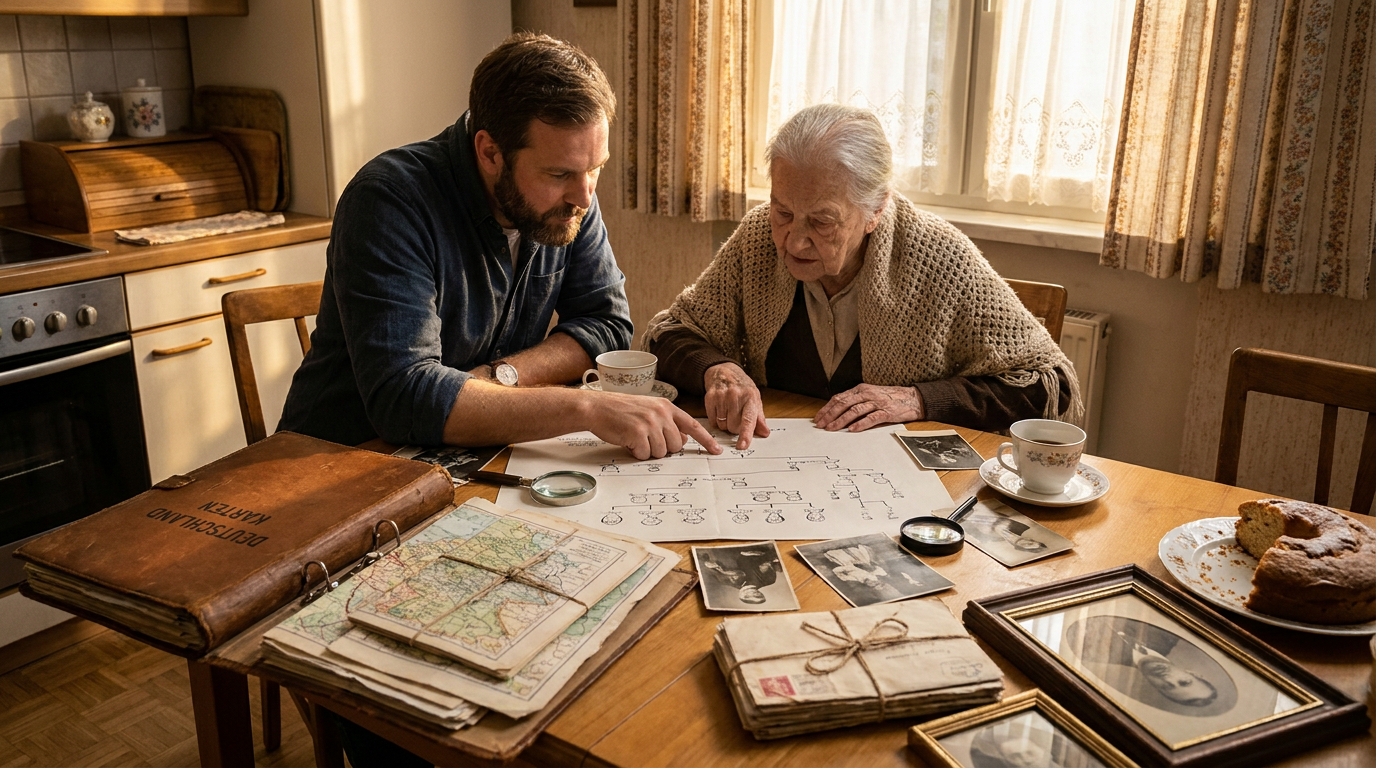
People aren’t looking backward because they’re stuck in the past.
They’re looking backward to better understand the journey that brought their family to the present.