The Best German May Festivals in America You Need on Your Calendar
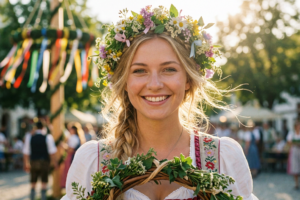
Spring in America has its own unmistakable soundtrack: baseball crack bats, graduation marches, backyard grills—and in German-American communities, the joyous oom-pah of brass bands, the clink of steins, and the whirl of dancers circling a maypole.

For millions of Americans with German roots—or simply a love of German culture—May is one of the most festive months of the year. Long before Oktoberfest took over the mainstream imagination, German communities celebrated Maifest, Maibaum traditions, spring beer festivals, and May Day dances as a joyful welcome to warmer days, blooming flowers, and community pride.
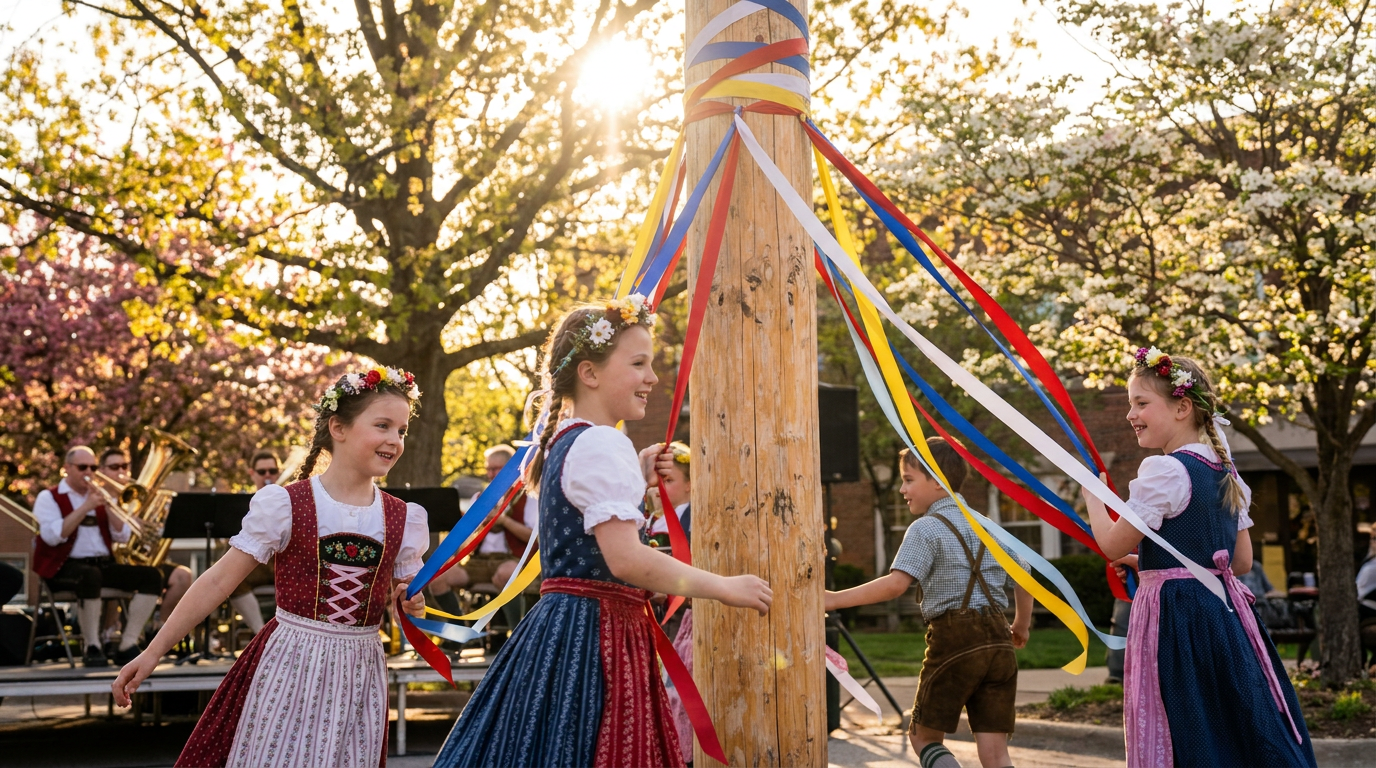
Across the United States, German heritage societies, breweries, churches, and cultural clubs keep these traditions alive with festivals that blend old-world customs and American flair. Think flower-crowned children dancing beneath ribbons, sizzling schnitzel, frothy Maibock lagers, pretzels bigger than your face, and villages transformed into Bavarian wonderlands.

As author Edwin Booth once observed:

“Good friends, good cheer, and a welcome near are all the best of life.”

And nowhere does that spirit feel more alive than at a German May festival.
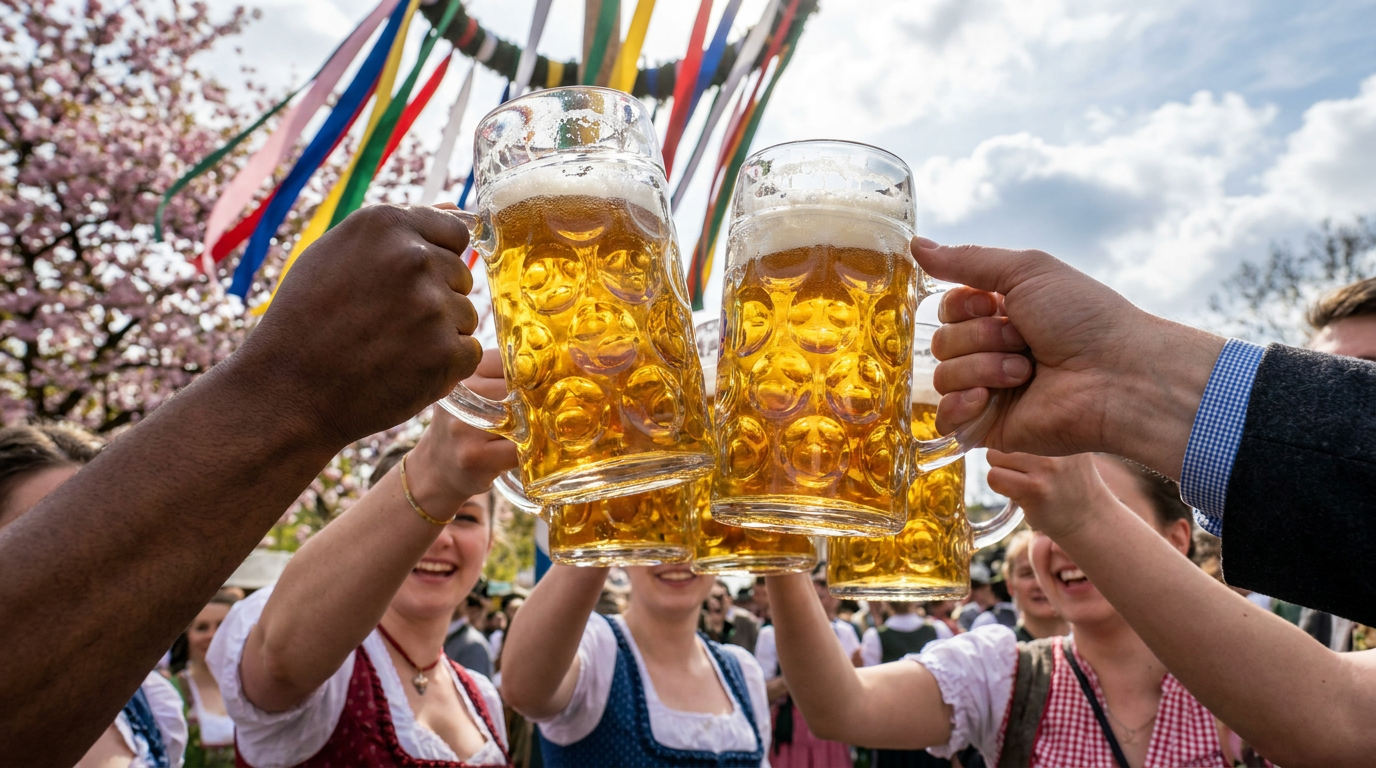
Whether you’re a first-generation German-American, a culture enthusiast, or just someone hunting for your next unforgettable spring road trip, here are the best German May festivals in America to put on your calendar now.


Why May Matters in German Tradition

Before diving into the festivals, it helps to understand why May is so important in German-speaking cultures.

Maifest (May Festival) traditionally celebrates:

  • The arrival of spring
  • Fertility and renewal
  • Community gatherings
  • Dancing around the Maibaum (maypole)
  • Seasonal foods and fresh brews

In Bavaria and beyond, villages raise elaborately decorated maypoles as symbols of local pride, often accompanied by folk music and feasting. German immigrants brought these customs to America in the 18th and 19th centuries, especially to the Midwest, Texas, and Pennsylvania.

Today, these festivals are a colorful reminder that German-American culture is about more than Oktoberfest—it’s a year-round celebration.


https://images.openai.com/static-rsc-4/mtkVqcLSBRx7IrYQjJ_3f_tIyvEfioKCAi4Ckui8zfiP7rdWG1LSdpx6nIWO6iM2Hr0RhBkZxYBMIsGyC9U3YpCGSWtxAF9VN4caY3u97dP7_VXD_-MTkB169uk7HNaydRWySo1bDmbATppDzXcDLuuJISHbpIgQnsCNGKzpGZvmBm0pDquXVaCEl9CIxt5C?purpose=fullsize

1. Cincinnati Maifest – Cincinnati, Ohio

America’s Longest-Running German Festival

If German heritage had a spring headquarters in America, Cincinnati might be it.

Founded in 1873, Cincinnati Maifest is one of the oldest German festivals in the United States and a crown jewel of the city’s deep Bavarian roots. Held each May in downtown Cincinnati, this event transforms the city into a vibrant celebration of music, food, and tradition.

What to Expect:

  • Ceremonial maypole dancing
  • Authentic German choirs and polka bands
  • Massive biergartens
  • Sausages, sauerkraut balls, potato pancakes
  • Cultural exhibits and family activities

Cincinnati’s Over-the-Rhine neighborhood was once one of the largest German-speaking communities in America, and Maifest proudly keeps that heritage alive.

Don’t Miss: The tapping of the first keg and live Schuhplattler dancers.


2. Spring Maifest – Hermann, Missouri

Wine Country Meets German Village Charm

Nestled in Missouri’s rolling hills, Hermann feels like a slice of the Rhine Valley planted in America.

Founded by German settlers in 1837, Hermann hosts spring festivals that celebrate both German culture and local wine traditions. May events often include Maifest themes, spring tastings, and old-world village celebrations.

Highlights:

  • German wine gardens
  • Wursthaus specialties
  • Historic architecture
  • Artisan markets
  • Folk dancing
https://images.openai.com/static-rsc-4/0kP4cs2MYWB3KfhjMTm02G7s7mwWDb9rbE0Vs1WTLk1JVVOB9ZOusXW-10abfSihPh-lNo79_i_vz-cnCa4XoT6GYgQX5RSVpY5IeMPw3w49mePUlbYf_oAIXU5Sl3yawq0HKeH6MK20hZ00vGxpPwALGJL_lPrbosHdAjFdfc05mABhQhy1yecVCkMtBPhb?purpose=fullsize
Hermann’s charm lies in its authenticity—cobblestone vibes without needing a passport.

“A people without the knowledge of their past history, origin, and culture is like a tree without roots.” — Marcus Garvey

For German Americans, Hermann feels deeply rooted.

3. Fredericksburg Maifest – Fredericksburg, Texas

Lederhosen in the Lone Star State

Yes—Texas does German heritage big.

Founded in 1846 by German immigrants, Fredericksburg is one of America’s most beloved German cultural hubs. Its May festivities blend Hill Country hospitality with old-world customs.

Why It Stands Out:

  • Texas-German fusion cuisine
  • Oompah bands with Southern flair
  • German baking competitions
  • Maypole ceremonies
  • Boutique breweries

Imagine bratwurst tacos, polka under Texas skies, and wildflower fields nearby.

Bonus: Pair your trip with Texas wine trails.


4. Springfest at Helen, Georgia

Bavaria in the Blue Ridge Mountains

Helen, Georgia, may be one of America’s quirkiest success stories: an entire Alpine-style village in the South.

Though famous for Oktoberfest, Helen’s spring festivals are often less crowded and arguably more magical.

Spring Perks:

  • Alpine village aesthetics
  • German bakeries
  • Seasonal beer releases
  • Bavarian shops
  • Scenic mountain setting

May in Helen combines spring blooms with Bavarian architecture for postcard-worthy family fun.
» Read more

Groundhog Day’s German Roots: How Old World Folklore Created an American Tradition

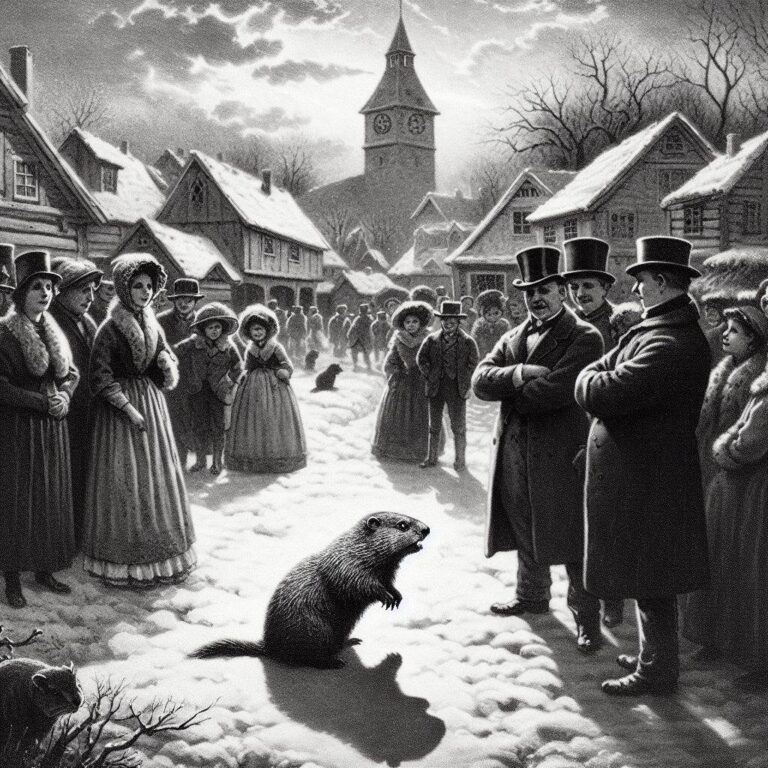
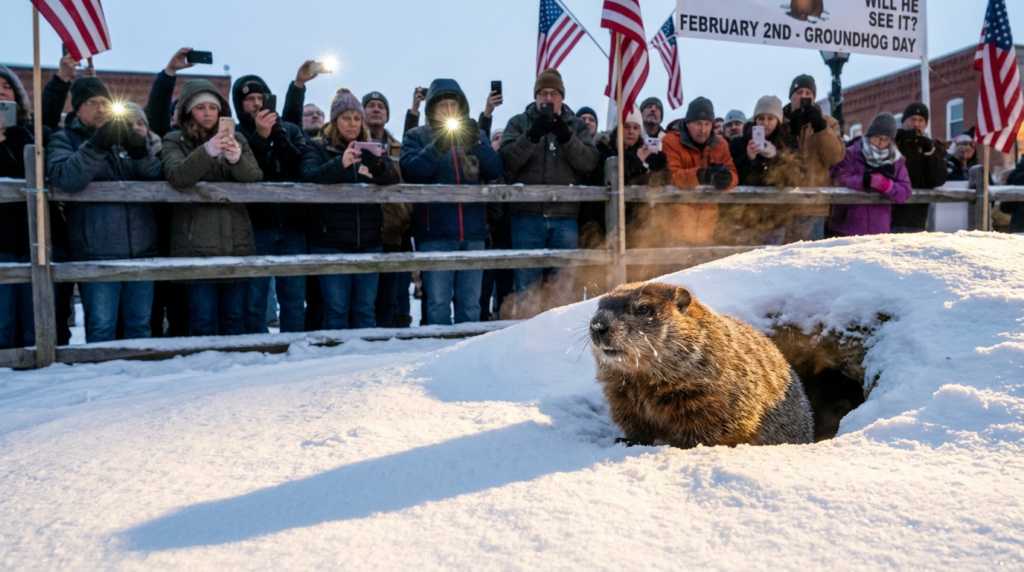
Every February 2nd, a small, furry weather prophet waddles into the spotlight. Cameras flash, crowds cheer, and the fate of winter hangs on one simple question: Will he see his shadow? This charming ritual—known as Groundhog Day—feels unmistakably American, wrapped in small-town celebration and playful superstition.

But here’s the twist: Groundhog Day didn’t start in North America at all.

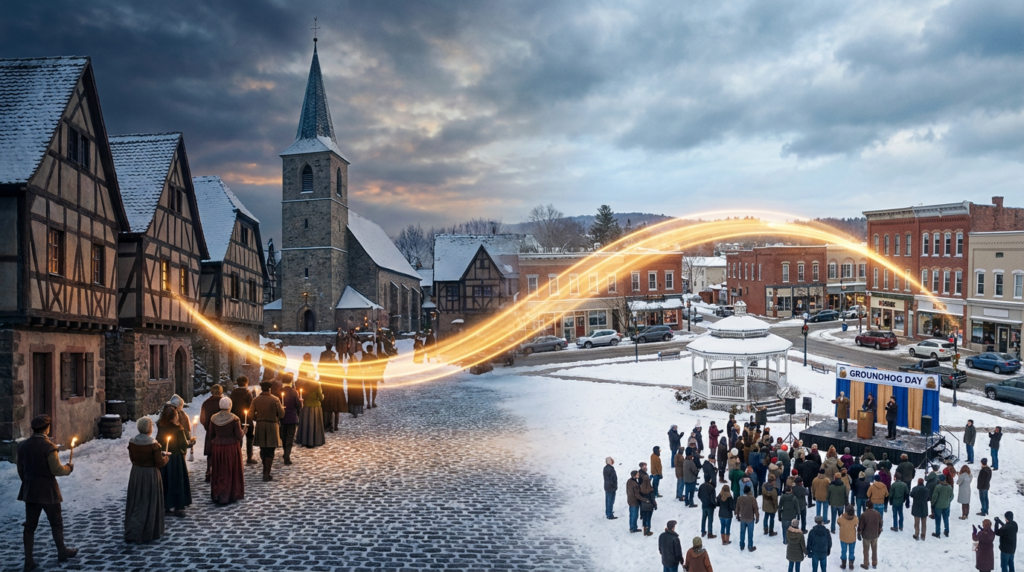
Its roots stretch back centuries to German villages, medieval church calendars, and the quiet wisdom of farmers watching animals and sunlight for clues about the seasons ahead. What we celebrate today is actually a living piece of German folklore—one that crossed the Atlantic, adapted to a new landscape, and somehow became one of America’s most beloved winter traditions.

So grab a warm coat (lederhosen optional), and let’s dig into the surprising German heritage behind Groundhog Day.


From Candlemas to Shadows: Germany’s Seasonal Wisdom

Long before groundhogs took center stage, February 2nd already mattered deeply in German-speaking Europe. The date marked Candlemas, a Christian feast day celebrating light returning after winter’s darkest stretch. In agrarian societies, Candlemas wasn’t just spiritual—it was practical.

Farmers believed the weather on February 2nd foretold what the rest of winter would bring.

If the day was bright and sunny, folklore warned of a “second winter”—six more weeks of cold and hardship. If the sky stayed cloudy, it meant spring would arrive early. These beliefs were passed down orally, reinforced by centuries of observation and necessity.

Adding an animal into the equation made the prophecy even more vivid.


Dachstag: When the Badger Was the Oracle

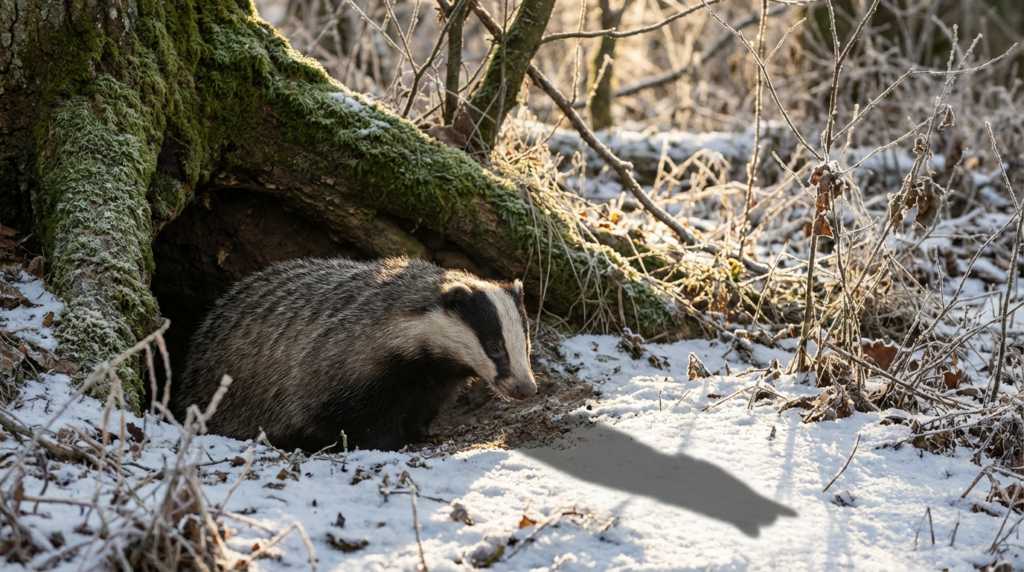
In parts of Germany, especially rural regions, Candlemas folklore merged with animal behavior. According to tradition, a badger (Dachs) would emerge from its burrow on February 2nd. If it saw its shadow in the sunlight, winter wasn’t done yet.

This observance became known informally as Dachstag—Badger Day.

The logic made sense to farming communities. Animals that hibernated were closely tied to seasonal rhythms. Their movements offered clues about soil temperatures, planting times, and the risk of frost. Watching the badger wasn’t superstition—it was survival.

And then Germans carried this tradition with them across the ocean.


From Germany to Pennsylvania: A Tradition Takes Root

In the 18th and 19th centuries, German immigrants settled heavily in what is now Pennsylvania Dutch Country. They brought language, foodways, religious customs—and folk traditions like Candlemas weather lore.

There was just one problem.

No badgers.

So the settlers adapted. The North American groundhog (woodchuck) behaved similarly: it hibernated, emerged in late winter, and lived in burrows. The symbolism translated perfectly. The animal changed, but the meaning stayed the same.

The earliest written reference to Groundhog Day in America dates to 1840, and by the late 1800s, the tradition was firmly embedded in local culture—especially in western Pennsylvania.

https://images.openai.com/static-rsc-3/Y2zi9G6f5xRlfZ-R2iceyWfMS0Pgodj36IlE655J2RiEaaVgtUBtmcpEFZyed6EvvC1YjvZtnN8-lQdjJPvhP_-_Mdsps0DXC7Sggnep4OU?purpose=fullsize

Groundhog vs. Hedgehog: Clearing Up a Common Myth

You’ll often hear people say the original German tradition involved hedgehogs. While hedgehogs did feature in European folklore, the Candlemas shadow tradition centered more on badgers in German regions.

Still, the confusion is understandable.

  • Groundhogs are large rodents, up to two feet long, herbivores with stout bodies and strong digging claws.
  • Hedgehogs are much smaller, insect-eating mammals with spiny coats, native to Europe, Africa, and Asia.

Different animals. Same idea. Both symbolized nature’s seasonal clock—translated differently depending on geography.

A Groundhog by Any Other Name? The Differences Between These Burrowers

While groundhogs and hedgehogs share a love for burrowing and slumbering, they’re distinct creatures. Groundhogs, also known as woodchucks, are larger, measuring up to 2 feet long, with short legs and stout bodies. They’re herbivores, feasting on grasses, plants, and fruits. Hedgehogs, on the other hand, are spiny insectivores native to Europe, Africa, and Asia.

They’re much smaller, typically reaching only 8 inches in length, and their prickly armor is a key identifier. So, while the German tradition used hedgehogs, the American adaptation naturally substituted the more readily available groundhog.

» Read more

Celebrate Spring’s Arrival: The Magic of Walpurgis Night

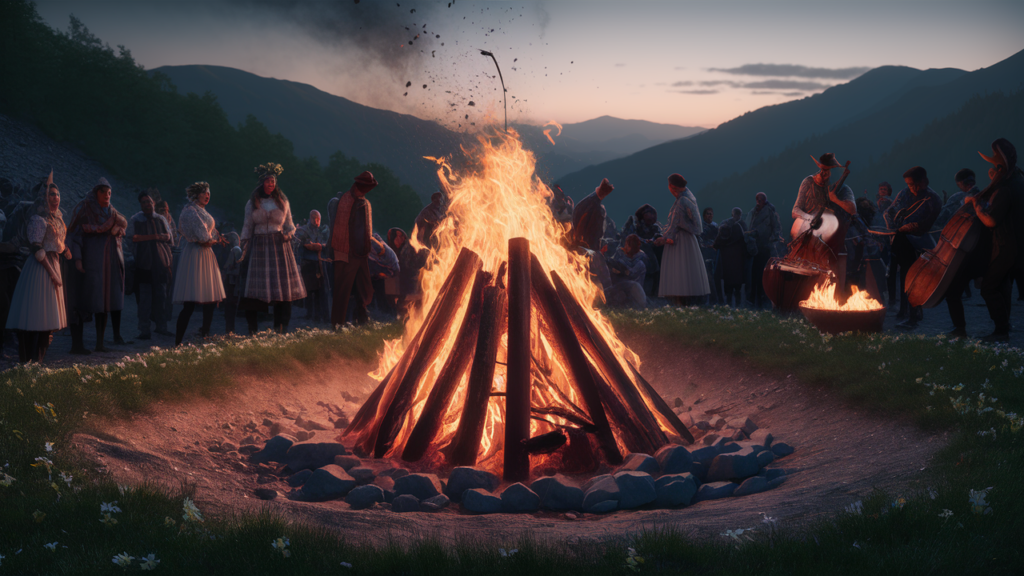
As the veil of winter loosens its grip and spring whispers promises of renewal, a vibrant festival ignites across pockets of Germany – Walpurgis Night (Walpurgisnacht).

Celebrated on the night of April 30th, this lively event is a heady mix of pre-Christian traditions, pagan rituals, and joyous revelry. Bonfires crackle, casting an orange glow on costumed revelers, while lively music fills the air, marking the symbolic banishment of winter and the jubilant welcome of spring.

This article delves into the history, traditions, and spirit of Walpurgis Night, exploring its significance in Germany and offering insights on how to capture its magic in the USA.

A Timeline of Traditions: Unveiling the Roots of Walpurgis Night

The origins of Walpurgis Night weave together a fascinating story of both history and folklore. The name itself is believed to be derived from Saint Walpurga, an 8th-century abbess revered for her missionary work in Germany. Over time, her feast day, coinciding with the pagan celebration of spring, became intertwined, creating a unique blend of Christian and pre-Christian traditions.

  • Pagan Roots: Prior to Christianity, Germanic tribes celebrated spring with bonfires to ward off evil spirits and promote fertility. These bonfires, believed to cleanse the land and usher in a bountiful harvest, formed the core of the pre-Christian celebration.
  • Christianization: With the arrival of Christianity, Saint Walpurga’s feast day became associated with the protection against evil spirits. 

» Read more