The Ultimate Father’s Day Adventure: Exploring America’s German Heritage Destinations Together
As Father’s Day approaches each year, many families find themselves searching for the perfect way to celebrate. Traditional gifts like neckties, coffee mugs, tools, and backyard cookouts certainly have their place, but more and more people are discovering that the most meaningful gifts are not found in stores at all. Instead, they are found in shared experiences, memorable journeys, and the stories created along the way.
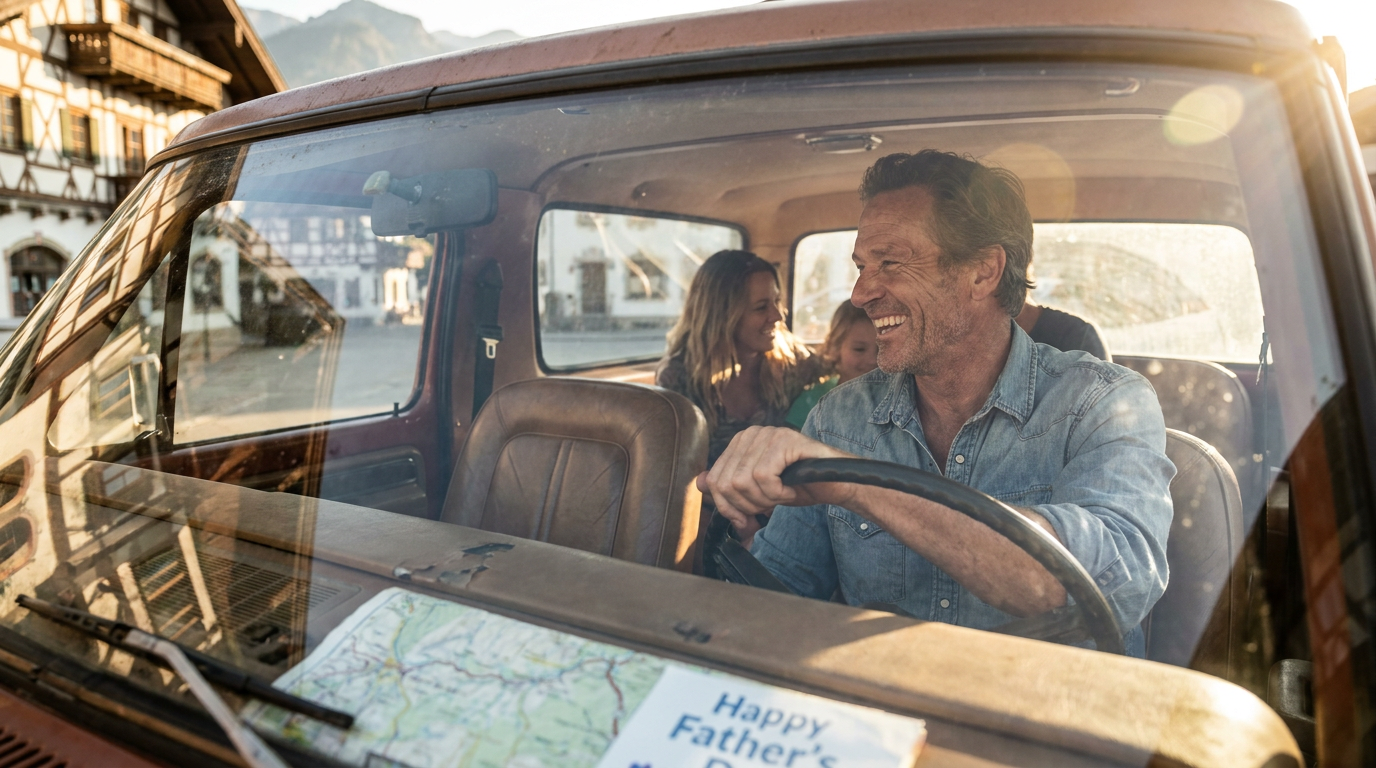
For families with German roots, Father’s Day presents a unique opportunity to do something truly special—explore the rich German heritage destinations, traditions, foods, festivals, and historic communities that continue to thrive across America. Whether your ancestors came from Bavaria, Saxony, Schleswig-Holstein, the Rhineland, or another German-speaking region of Europe, a heritage-focused adventure can become much more than a day trip. It can become a journey of discovery, connection, and appreciation for the generations who came before us.
While there’s certainly nothing wrong with spending Father’s Day relaxing at home, many families are discovering that the most meaningful gifts are not things at all—they’re experiences.

For families with German roots, Father’s Day can become something even more special: an opportunity to explore the places, traditions, foods, festivals, and stories that connect generations together.
Whether your family’s ancestors arrived from Bavaria, Saxony, Schleswig-Holstein, the Rhineland, or any of the German-speaking regions of Europe, America is filled with destinations where German heritage is still celebrated today.
From Bavarian-style mountain villages to historic immigrant settlements, from world-famous Oktoberfests to authentic German bakeries, Father’s Day offers the perfect excuse to hit the road and create memories that may last far longer than any wrapped gift.
After all, fathers often pass down more than family names.
They pass down stories.
And every family story begins somewhere.
Why German Heritage Travel Makes the Perfect Father’s Day Gift
Many fathers love history.
Many love food.
Many enjoy discovering how things are made.
Many enjoy road trips, museums, architecture, festivals, trains, breweries, woodworking, craftsmanship, and old-world traditions.
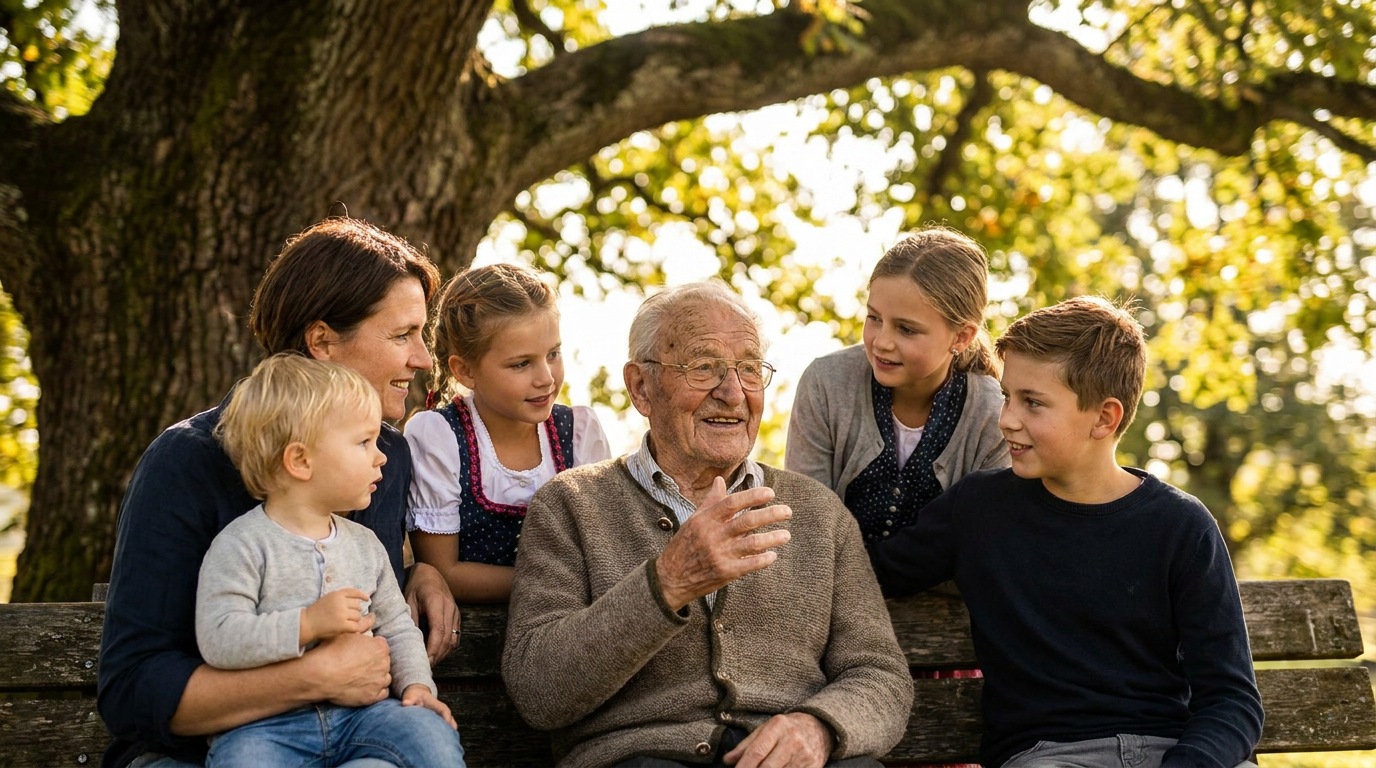
German heritage destinations often combine all of these interests into one memorable experience.
Perhaps even more importantly, these trips create opportunities for conversations that don’t happen during everyday life.
Questions like:
“Did Grandpa ever talk about where our family came from?”
“Why did our ancestors leave Germany?”
“What traditions did they bring with them?”
“What foods have been passed down through our family?”
Those simple questions often lead to incredible discoveries.
“The greatest inheritance a father can leave his children is not money or possessions—it’s stories, values, and memories.”
“Heritage is not just where we came from. It’s the bridge that connects generations.”
America’s Most Famous German Heritage Destination:
Leavenworth, Washington

Originally a struggling logging community, local leaders reinvented the town in the 1960s by embracing traditional Bavarian architecture and tourism.
Today visitors find:
- Alpine-style buildings
- Authentic German restaurants
- Biergartens
- Pretzel shops
- Cuckoo clocks
- German bakeries
- Seasonal festivals
- Mountain scenery that feels straight out of southern Germany
For Father’s Day, families can spend the day exploring downtown before hiking nearby mountain trails or enjoying a traditional German meal together.
It’s one of the few places in America where you can genuinely feel transported to another continent.
Helen, Georgia:
Bavaria in the Blue Ridge Mountains

The town transformed itself into a Bavarian-style destination and has become one of the most beloved German-themed communities in the United States.
Fathers who enjoy:
- Trout fishing
- Scenic drives
- Mountain hiking
- German beer
- German food
- Historic architecture
will find plenty to enjoy.
A Father’s Day weekend here can include a stroll through town, a visit to local wineries, a scenic mountain drive, and a hearty meal featuring schnitzel, bratwurst, sauerkraut, and Black Forest cake.