German Immigrants Helping To Shape A Nation | America 250
GERMAN HERITAGE USA | AFFILIATE DISCLAIMER: This post may or may not contain affiliate links which means we may receive a commission for purchases made through links. We will only recommend products that we have personally used or that we truly trust. Learn more on our Private Policy and Disclaimer Page located under our Terms Of Service tab above.
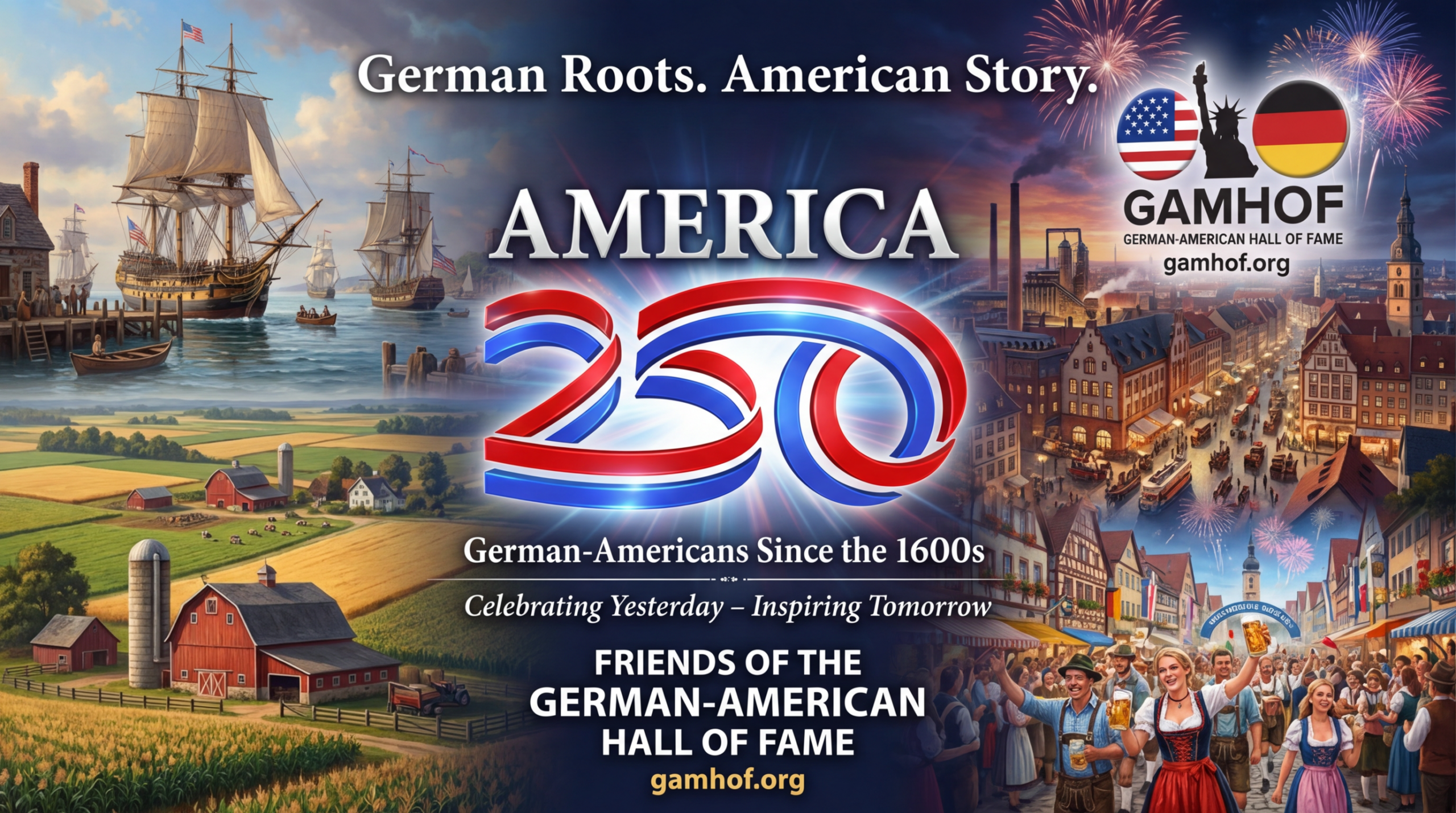
“Celebrating 250 Years of Freedom by Honoring the Millions of German-Americans Who Helped Shape a Nation”
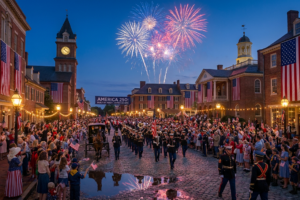
Every Fourth of July, Americans gather beneath brilliant fireworks, wave the Stars and Stripes, enjoy backyard cookouts, attend hometown parades, and celebrate one of the most remarkable events in world history—the birth of the United States of America.
This year, however, carries an even greater significance.
As our nation commemorates America 250, the 250th anniversary of the signing of the Declaration of Independence, we have an extraordinary opportunity to reflect not only on our Founding Fathers, but also on the generations of ordinary men and women whose hard work transformed an ambitious experiment in democracy into one of the world’s most prosperous and influential nations.
Among those countless contributors, one group stands out for the sheer breadth and depth of its influence: German immigrants.
Their story is woven into nearly every chapter of American history. They built farms and factories, opened businesses, established churches and schools, fought in America’s wars, composed music, advanced science and medicine, pioneered new industries, and helped shape the values that continue to define communities across the country today.
At GERMAN HERITAGE USA, we believe America’s 250th birthday is the perfect occasion to recognize these remarkable contributions—not because German-Americans built America alone, but because they helped build it alongside millions of immigrants from every corner of the globe who believed in the promise of freedom and opportunity.
Their legacy is not confined to history books.
It is alive in our neighborhoods, our traditions, our family names, our industries, and our shared American identity.
A Journey Fueled by Hope
Imagine leaving everything you have ever known.
Your home.
Your language.
Your relatives.
Your familiar customs.
Now imagine boarding a crowded sailing ship for a journey lasting weeks—sometimes months—across the Atlantic Ocean without knowing exactly what awaited you on the other side.
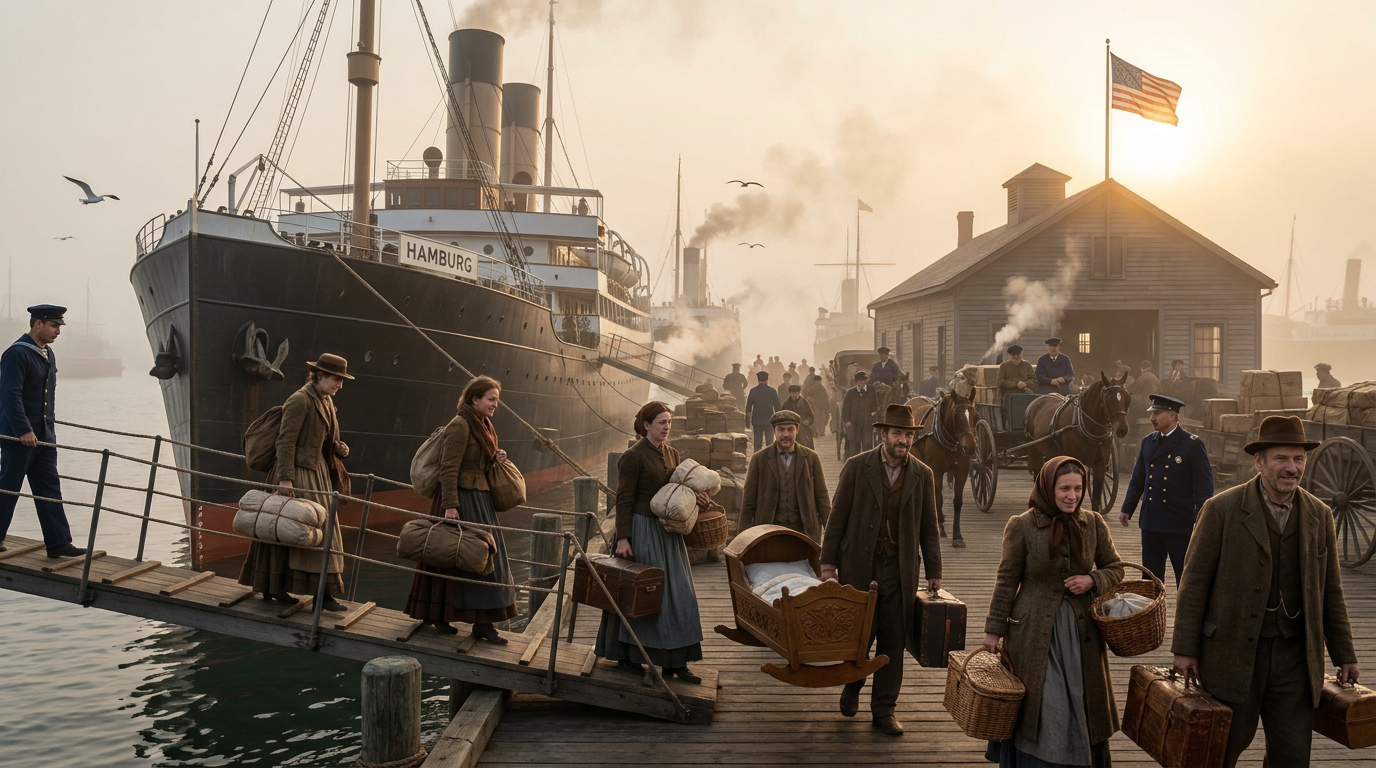
That was the reality for millions of German immigrants beginning in the colonial era and continuing through the nineteenth century.
Many came seeking religious freedom.
Others fled economic hardship.
Some escaped political unrest following the revolutions of 1848.
Many simply hoped to give their children opportunities unavailable in Europe.
America represented possibility.
It offered something many had never experienced before: the chance to determine one’s own future.
That opportunity required tremendous courage. Few immigrants arrived wealthy. Most brought little more than practical skills, determination, faith, and an unwavering belief that hard work would eventually pay off.
History proved them right.
“The American Dream was never simply inherited—it was built by people willing to work for it.”
Building Communities, Not Just Homes
German immigrants rarely sought quick riches.
Instead, they built communities.
Across Pennsylvania, Ohio, Indiana, Illinois, Missouri, Wisconsin, Minnesota, Kansas, Nebraska, Texas, Tennessee, and countless other states, German settlers established farms, neighborhoods, schools, churches, businesses, and civic organizations that became the backbone of local communities.
Their reputation for quality craftsmanship soon became legendary.
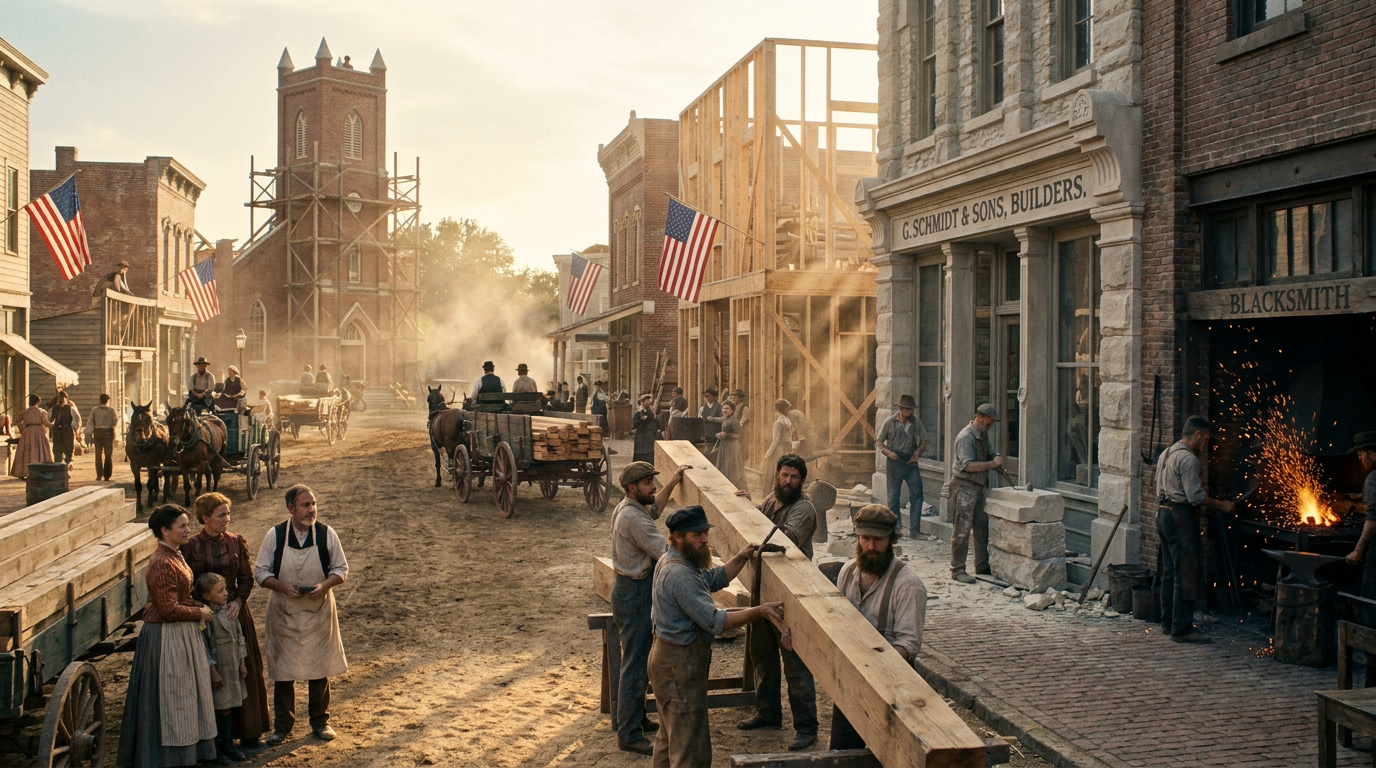
They were skilled carpenters.
Stone masons.
Cabinetmakers.
Blacksmiths.
Millwrights.
Furniture builders.
Clockmakers.
Merchants.
Teachers.
Engineers.
Brewers.
Farmers.
Wherever German immigrants settled, communities often prospered because they emphasized education, organization, craftsmanship, and long-term investment.
Even today, many historic courthouses, churches, barns, mills, and downtown commercial buildings across America bear the unmistakable mark of German engineering and attention to detail.
Their philosophy was simple.
If something was worth building, it was worth building well.
Feeding a Growing Nation
Few immigrant groups influenced American agriculture more profoundly than German settlers.
Bringing generations of farming knowledge with them, they introduced improved livestock breeding, crop rotation, dairy production, orchard management, soil conservation, and advanced farming techniques that significantly increased productivity.
Throughout the Midwest, German farm families transformed vast stretches of prairie into some of the most productive agricultural land on Earth.
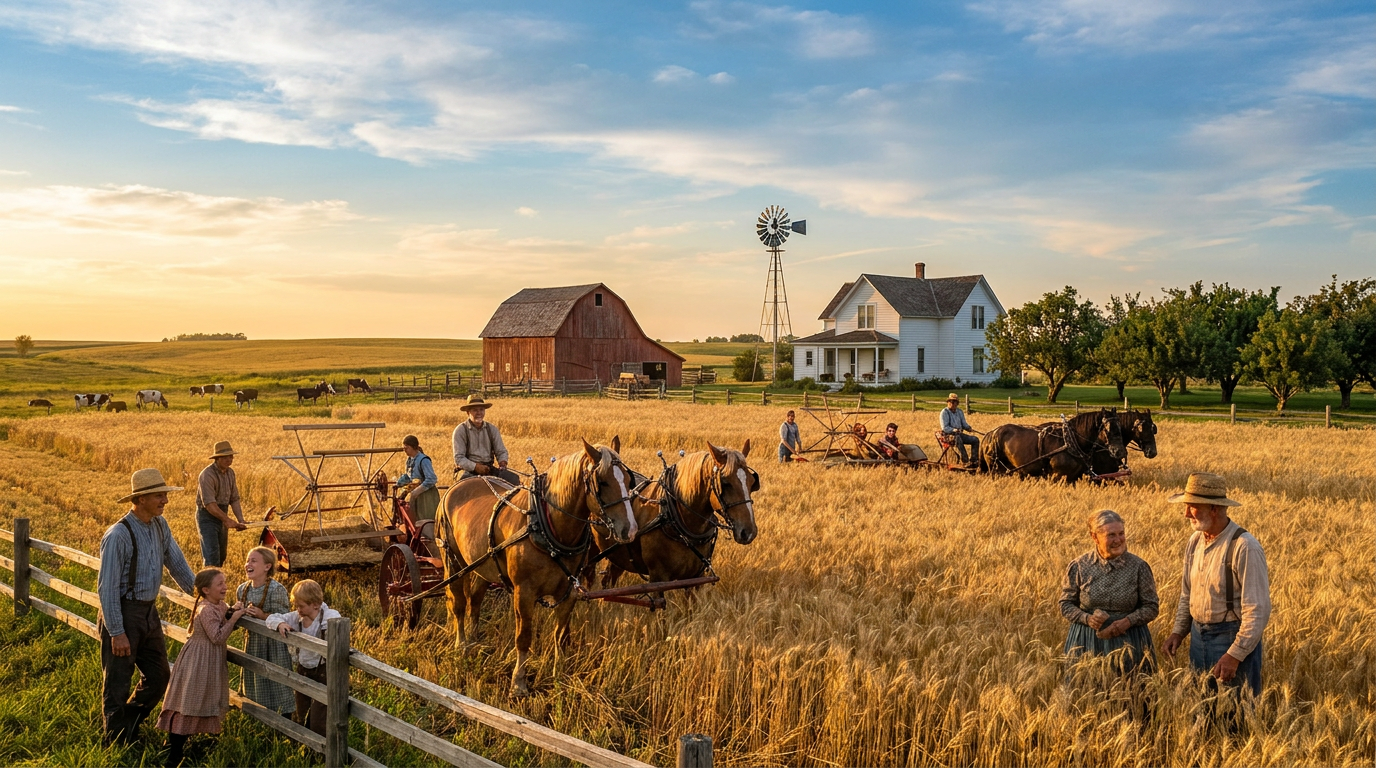
Many of those family farms remain in operation today, passed down through multiple generations.
Their commitment extended beyond simply growing crops.
They believed in stewardship—caring for the land so future generations could prosper as well.
That philosophy remains deeply rooted in rural America.
America’s Builders and Manufacturers
As America industrialized during the nineteenth century, German immigrants became instrumental in developing many of the nation’s growing industries.
They helped build railroads connecting distant communities.
They worked in steel mills, machine shops, shipyards, and manufacturing plants.
They established furniture companies, textile mills, printing businesses, engineering firms, and construction companies.
Their mechanical aptitude earned widespread respect.
German precision became synonymous with reliability.
That reputation continues today, reflected in the admiration many Americans still have for German engineering and manufacturing excellence.
While technology has evolved dramatically over the past two centuries, the values of quality workmanship, innovation, and precision remain hallmarks of both German and German-American culture.
Brewing More Than Beer
No discussion of German-American history would be complete without acknowledging one of the country’s most recognizable industries.
German immigrants transformed American brewing.
They introduced lager beer, improved fermentation techniques, refrigeration methods, and modern brewing practices that revolutionized the industry.
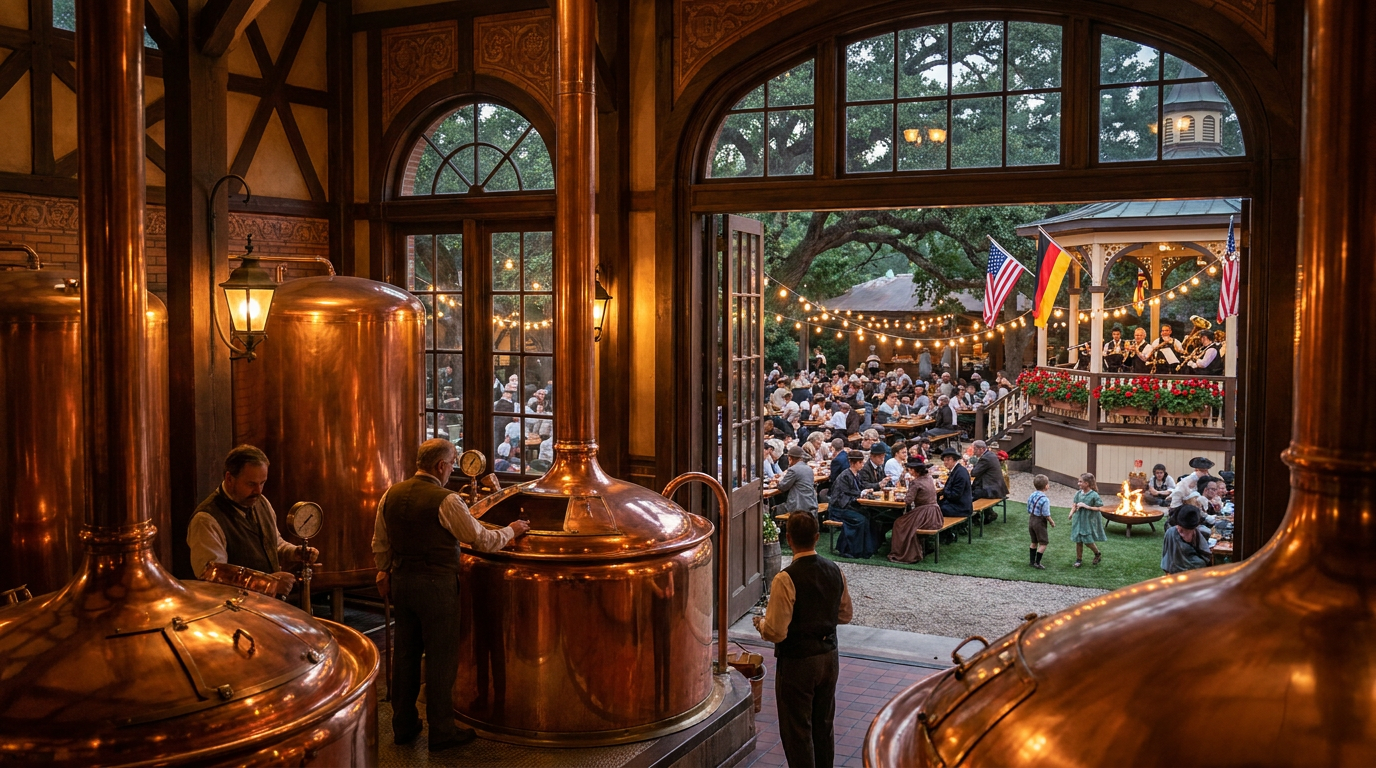
Names such as Anheuser, Busch, Miller, Pabst, Coors, Yuengling, and many others became deeply woven into American business history.
Yet breweries served a much larger purpose than simply producing beverages.
They became gathering places where neighbors celebrated weddings, holidays, civic events, music, festivals, and community life.
The biergarten represented something larger than beer.
It represented fellowship.
Conversation.
Family.
Community.
Those traditions continue today in Oktoberfests and German festivals across the United States.
Education, Music, and Culture
German immigrants believed education was essential to a successful society.
Many communities established schools soon after building churches.
German influence helped popularize kindergarten education in America, recognizing the importance of learning during early childhood.
Music also flourished wherever German communities settled.
Choirs.
Community bands.
Classical orchestras.
Church music.
Festivals.
Public concerts.
Generations of German-American musicians enriched America’s cultural landscape while introducing European musical traditions that continue to influence concert halls today.
Holiday traditions also traveled across the Atlantic.
Decorated Christmas trees.
Advent celebrations.
Nutcrackers.
Handcrafted ornaments.
Christmas markets.
Many beloved American Christmas customs trace their origins to German-speaking Europe.
Defending Their New Homeland
One of the greatest misconceptions about immigrant communities is that they somehow remained separate from American society.
History tells a very different story.
German-Americans answered America’s call whenever their adopted homeland needed them.
They served during the Revolutionary War.
They fought on both sides of the Civil War.
They enlisted during World War I.
They defended freedom during World War II despite facing suspicion simply because of their ancestry.
They continued serving in Korea, Vietnam, the Gulf War, Iraq, Afghanistan, and countless other military operations.
Their patriotism was never measured by ancestry.
It was demonstrated through sacrifice.
Millions proudly wore the uniform of the United States.
Many never returned home.
Their stories deserve to be remembered alongside every other American hero.
“Heritage tells us where we came from. Service shows where our hearts belong.”
Innovation That Changed America
German-Americans have contributed to virtually every field imaginable.
Engineering.
Medicine.
Science.
Architecture.
Music.
Education.
Agriculture.
Manufacturing.
Finance.
Technology.
Transportation.
Business.
Public service.
Throughout American history, countless inventors, entrepreneurs, physicians, educators, researchers, and industrial leaders with German heritage have helped solve problems, create jobs, improve quality of life, and strengthen the nation’s economy.
Their names appear on patents, university buildings, hospitals, museums, bridges, companies, and research laboratories across the country.
Some became famous.
Most did not.
Yet every contribution mattered.
America has always advanced because millions of people quietly dedicated themselves to improving their communities one idea, one invention, and one generation at a time.
The Quiet Strength of Family
Perhaps the greatest legacy German immigrants left behind cannot be measured in buildings, businesses, or inventions.
It can be found around family dinner tables.
In family reunions.
Church picnics.
Volunteer organizations.
Neighborhood festivals.
Local businesses passed from parents to children.
Stories shared between grandparents and grandchildren.
German culture has long emphasized responsibility, honesty, perseverance, humility, and service to others.
These values blended naturally into the broader American character.
Many descendants today may no longer speak German.
Some may not even realize how much of their family heritage remains present in everyday traditions.
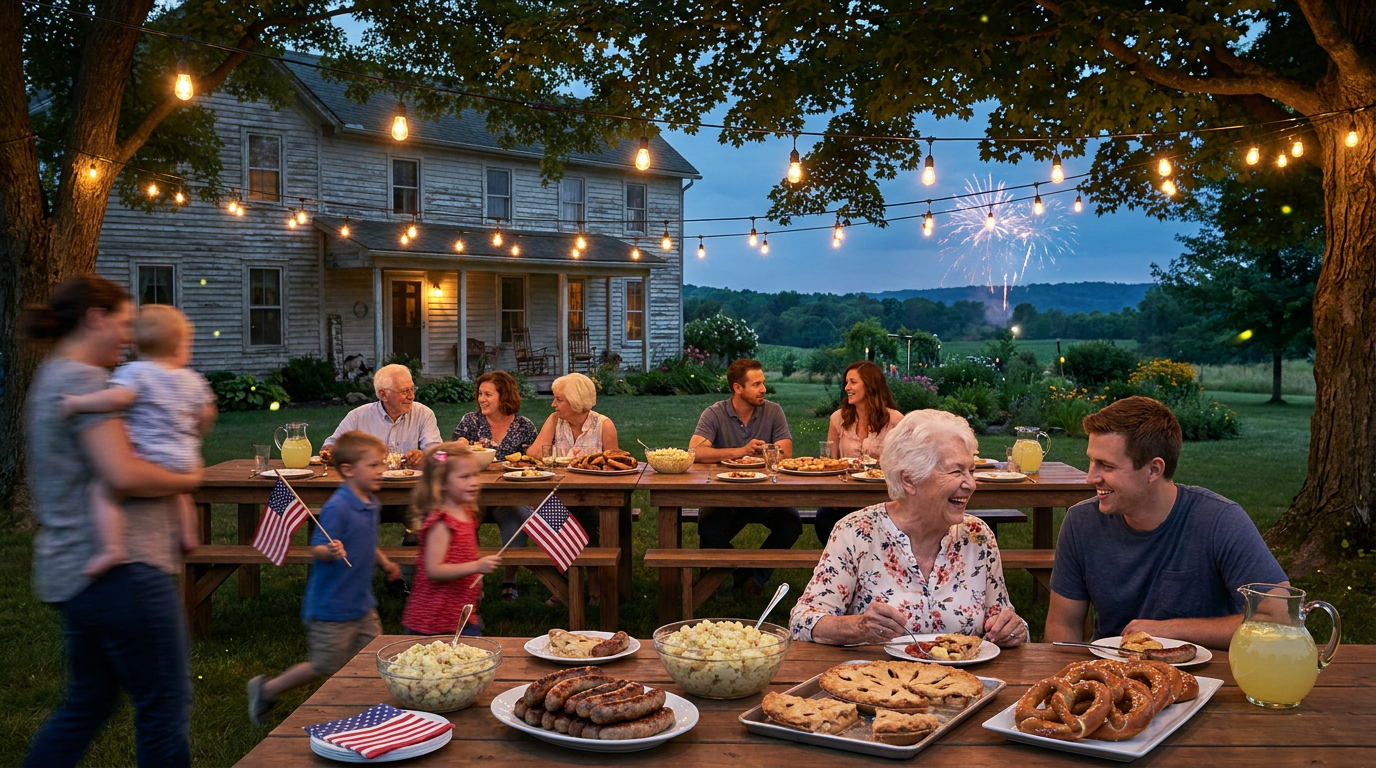
Yet it survives—in recipes handed down through generations, family surnames, holiday customs, woodworking skills, gardening traditions, music, craftsmanship, and an appreciation for doing things the right way rather than the easy way.
That quiet influence may be one of the greatest gifts German-Americans have given this country.
America 250: A Time to Celebrate Every Story
The celebration of America 250 reminds us that the American story has never belonged to one group alone.
It belongs to everyone who believed in the ideals expressed in 1776 and then worked to make those ideals a reality.
German-Americans are one chapter in that remarkable story.
Irish-Americans.
Italian-Americans.
African-Americans.
Native Americans.
Scandinavian-Americans.
Polish-Americans.
Hispanic Americans.
Asian Americans.
And countless others have each contributed their own unique threads to the fabric of our nation.
America’s greatest strength has always been its ability to unite people from different backgrounds around common principles—freedom, opportunity, responsibility, faith, community, and hope for future generations.
German immigrants embraced those ideals wholeheartedly.
They became Americans while preserving traditions that enriched the nation as a whole.
That balance between heritage and patriotism remains one of the defining characteristics of the American experience.
Looking Toward the Future
Here at GERMAN HERITAGE USA, our mission extends beyond preserving history.
We believe history should inspire.
The stories of German immigrants remind us that ordinary people can accomplish extraordinary things through perseverance, integrity, innovation, and service.
As America enters its next 250 years, those same values remain just as important as they were centuries ago.
Every generation faces new challenges.
New opportunities.
New frontiers.
Yet the qualities that helped previous generations succeed remain timeless.
Hard work.
Strong families.
Community involvement.
Respect for education.
Faith.
Entrepreneurship.
Love of country.
These ideals continue to define millions of Americans, regardless of where their ancestors first began their journey.
A Fourth of July Worth Remembering
As fireworks fill the skies this Independence Day, take a moment to think beyond the celebration itself.
Think about the countless families who crossed oceans seeking freedom.
Think about the farms they cultivated.
The homes they built.
The businesses they started.
The communities they strengthened.
The children they raised.
The soldiers they became.
The inventions they created.
The traditions they preserved.
And the dreams they pursued.
America did not become extraordinary overnight.
It was built one family at a time.
One neighborhood at a time.
One generation at a time.
German immigrants were among those builders.
Their contributions helped shape the nation we proudly celebrate today.
As we honor America 250, may we also honor the millions of German-Americans whose determination, craftsmanship, patriotism, and unwavering belief in opportunity helped transform a young republic into one of the world’s great nations.

From everyone at GERMAN HERITAGE USA, we wish you and your family a joyful, safe, and meaningful Fourth of July.
Happy Independence Day.
Happy America 250.
And thank you to every generation of Americans—past, present, and future—who continue building a nation worthy of celebration.