German Immigrants Helping To Shape A Nation | America 250
“Celebrating 250 Years of Freedom by Honoring the Millions of German-Americans Who Helped Shape a Nation”

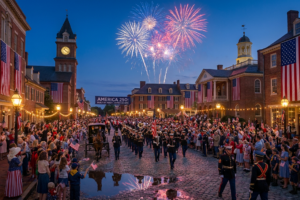
Every Fourth of July, Americans gather beneath brilliant fireworks, wave the Stars and Stripes, enjoy backyard cookouts, attend hometown parades, and celebrate one of the most remarkable events in world history—the birth of the United States of America.

This year, however, carries an even greater significance.

As our nation commemorates America 250, the 250th anniversary of the signing of the Declaration of Independence, we have an extraordinary opportunity to reflect not only on our Founding Fathers, but also on the generations of ordinary men and women whose hard work transformed an ambitious experiment in democracy into one of the world’s most prosperous and influential nations.
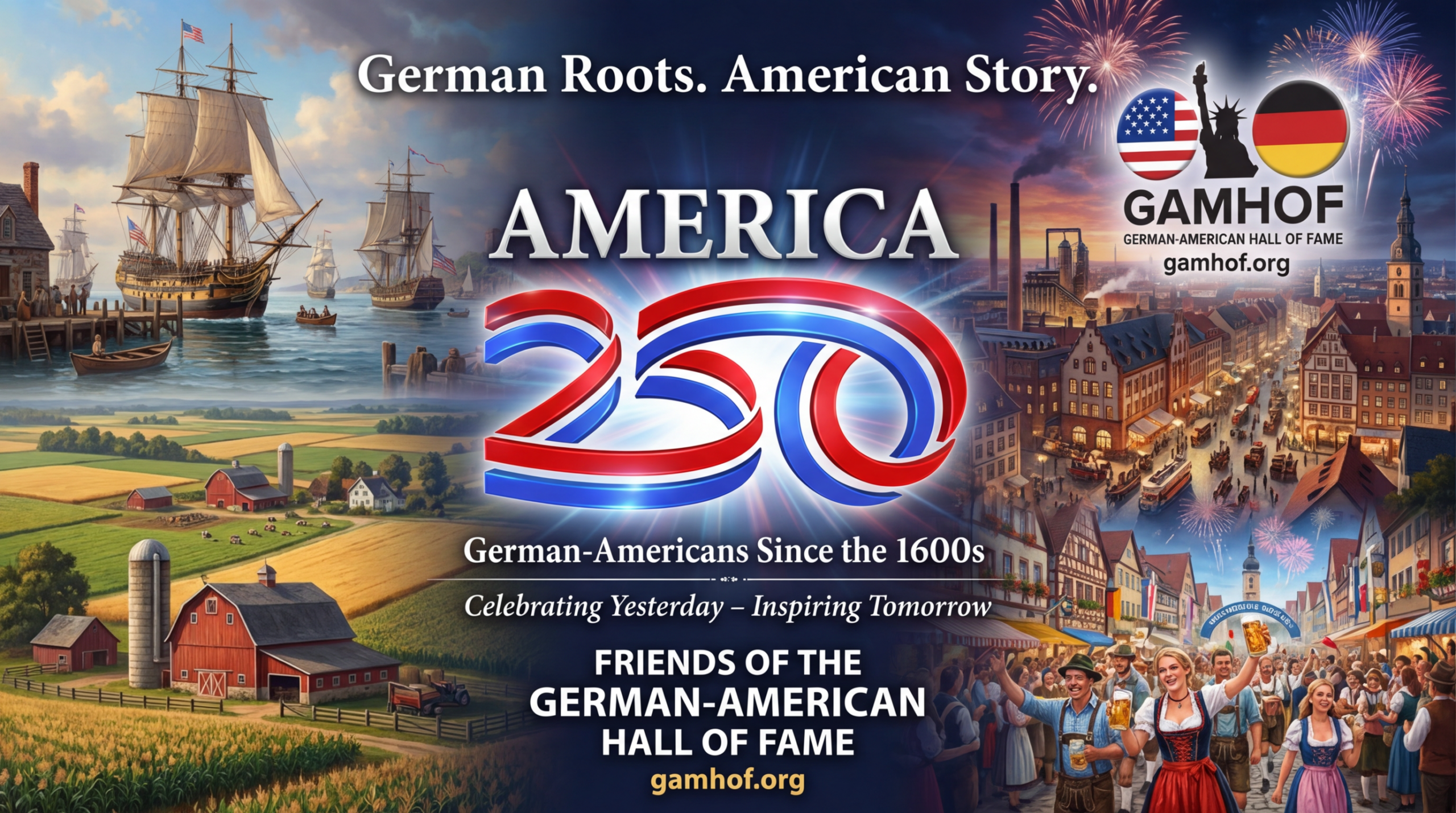
Among those countless contributors, one group stands out for the sheer breadth and depth of its influence: German immigrants.

Their story is woven into nearly every chapter of American history. They built farms and factories, opened businesses, established churches and schools, fought in America’s wars, composed music, advanced science and medicine, pioneered new industries, and helped shape the values that continue to define communities across the country today.

At GERMAN HERITAGE USA, we believe America’s 250th birthday is the perfect occasion to recognize these remarkable contributions—not because German-Americans built America alone, but because they helped build it alongside millions of immigrants from every corner of the globe who believed in the promise of freedom and opportunity.

Their legacy is not confined to history books.

It is alive in our neighborhoods, our traditions, our family names, our industries, and our shared American identity.


A Journey Fueled by Hope

Imagine leaving everything you have ever known.

Your home.

Your language.

Your relatives.

Your familiar customs.

Now imagine boarding a crowded sailing ship for a journey lasting weeks—sometimes months—across the Atlantic Ocean without knowing exactly what awaited you on the other side.
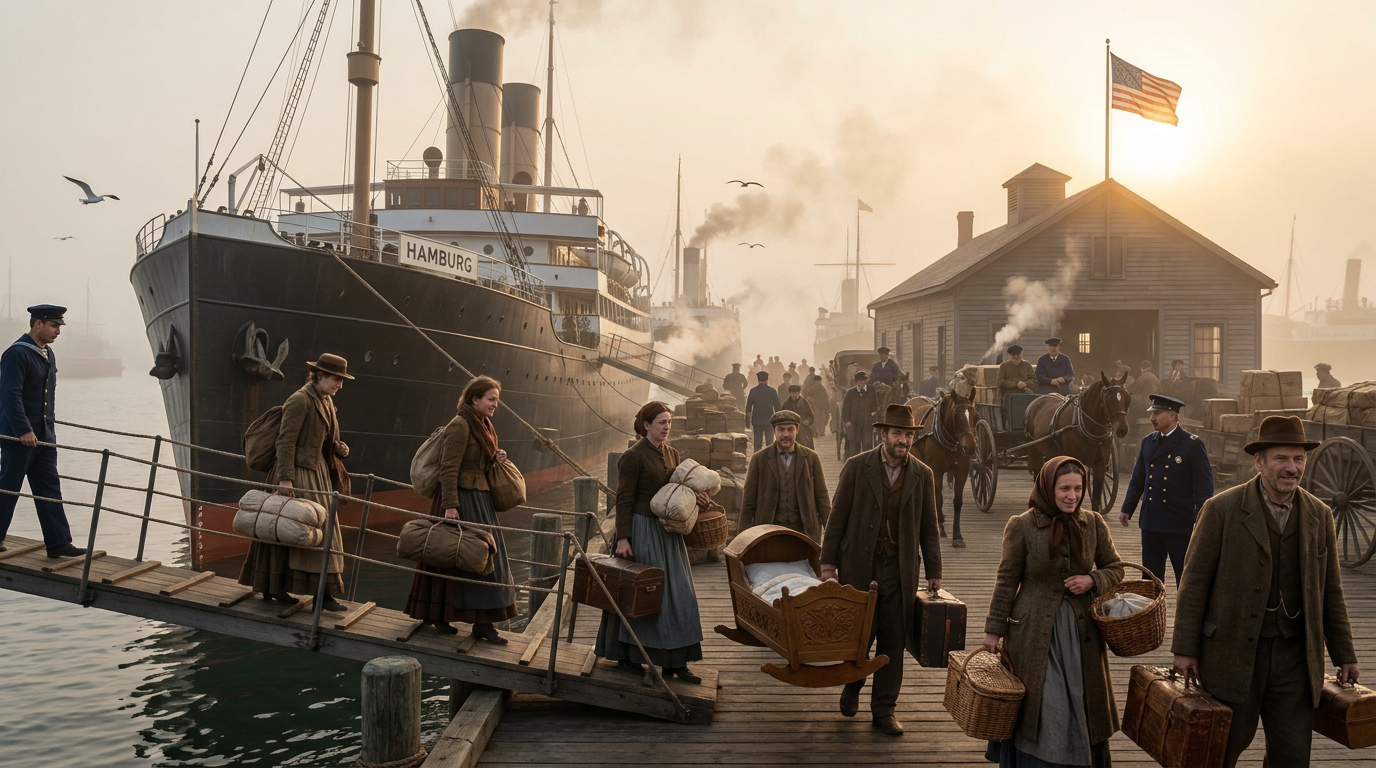
That was the reality for millions of German immigrants beginning in the colonial era and continuing through the nineteenth century.

Many came seeking religious freedom.

Others fled economic hardship.

Some escaped political unrest following the revolutions of 1848.

Many simply hoped to give their children opportunities unavailable in Europe.

America represented possibility.

It offered something many had never experienced before: the chance to determine one’s own future.

That opportunity required tremendous courage. Few immigrants arrived wealthy. Most brought little more than practical skills, determination, faith, and an unwavering belief that hard work would eventually pay off.

History proved them right.

“The American Dream was never simply inherited—it was built by people willing to work for it.”


Building Communities, Not Just Homes

German immigrants rarely sought quick riches.

Instead, they built communities.

Across Pennsylvania, Ohio, Indiana, Illinois, Missouri, Wisconsin, Minnesota, Kansas, Nebraska, Texas, Tennessee, and countless other states, German settlers established farms, neighborhoods, schools, churches, businesses, and civic organizations that became the backbone of local communities.

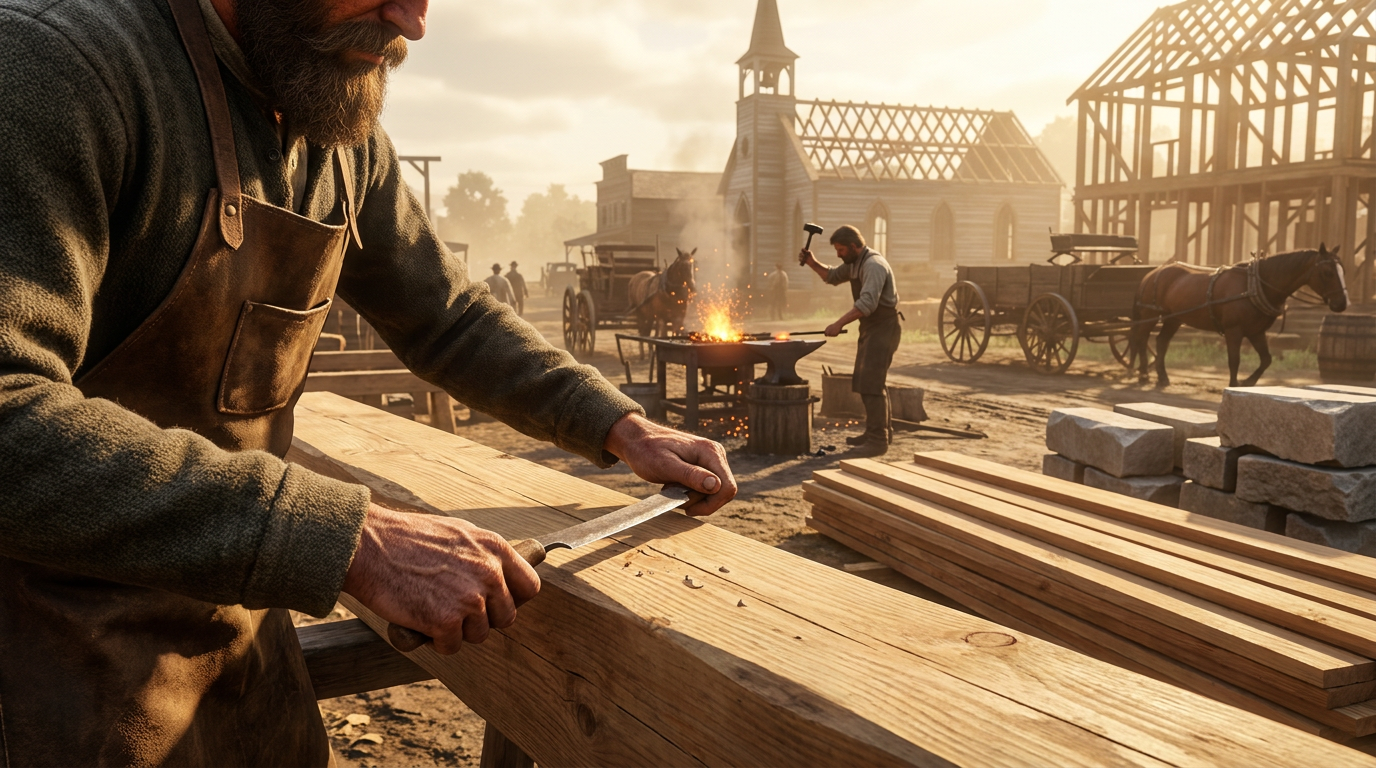
Their reputation for quality craftsmanship soon became legendary.
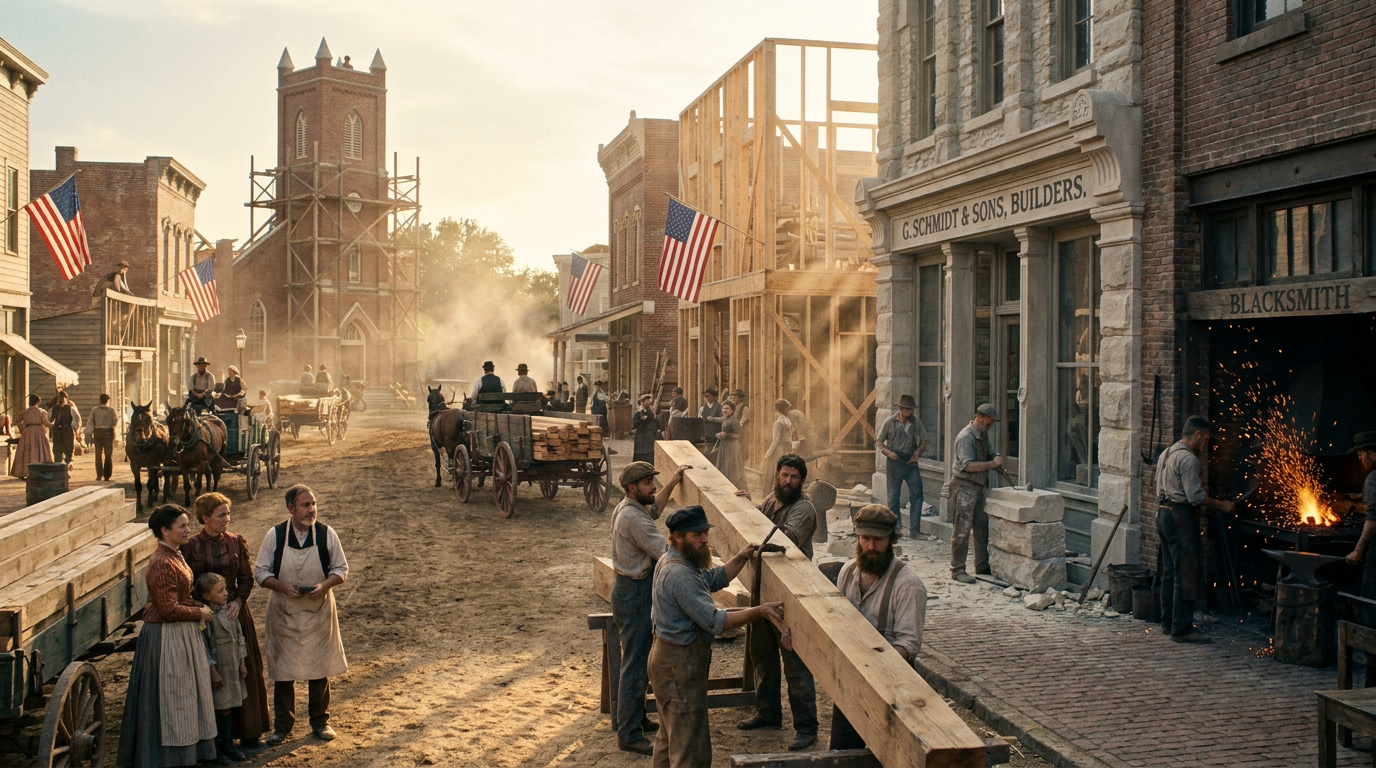
They were skilled carpenters.

Stone masons.

Cabinetmakers.

Blacksmiths.

Millwrights.

Furniture builders.

Clockmakers.

Merchants.

Teachers.

Engineers.

Brewers.

Farmers.

Wherever German immigrants settled, communities often prospered because they emphasized education, organization, craftsmanship, and long-term investment.

Even today, many historic courthouses, churches, barns, mills, and downtown commercial buildings across America bear the unmistakable mark of German engineering and attention to detail.

Their philosophy was simple.

If something was worth building, it was worth building well.

» Read more

How German Immigrants Helped Build America | German Heritage Travel Guide (2026)

By German Heritage USA
Discovering German Heritage Traditions, Foods, Music and Festivals All Across America


“The American story is not the story of one people—it is the story of many peoples whose dreams, determination, and hard work shaped a nation. German immigrants stand among the most influential of them all.”

Every Fourth of July, families across America gather beneath brilliant fireworks, proudly wave the Stars and Stripes, fire up backyard grills, and celebrate the freedoms that define our nation. It is one of America’s most cherished traditions. Yet behind every Independence Day celebration lies another remarkable story—one of millions of immigrants who helped transform a young republic into one of the world’s most prosperous and diverse nations.

Among those immigrants, few groups have left a larger or more enduring legacy than German-Americans.

For more than 300 years, German immigrants have helped cultivate America’s farmland, establish thriving businesses, build schools and churches, serve in every major American conflict, pioneer scientific discoveries, develop world-renowned breweries, compose beautiful music, and preserve cultural traditions that continue to enrich communities from coast to coast.

Today, more Americans claim German ancestry than any other single ethnic heritage. Whether your family proudly carries a German surname, recently uncovered German ancestors through genealogy research, or simply enjoys bratwurst, pretzels, Oktoberfest celebrations, or charming German-inspired towns, you’ll discover that German heritage is deeply woven into the American experience.

The best part?

You don’t need a passport to experience it.

Across the United States are remarkable towns, museums, festivals, historic districts, and cultural organizations where German traditions continue to thrive. They offer visitors an opportunity to experience centuries of history while creating unforgettable family memories.

A Legacy That Began Long Before America Was 250 Years Old

German immigration to North America dates back to the colonial era.

As early as the late 1600s, German-speaking settlers began establishing communities in Pennsylvania and other colonies. Throughout the 1700s and 1800s, millions more arrived seeking religious freedom, economic opportunity, fertile farmland, and a better future for their families.

These immigrants didn’t simply settle—they built.

Entire towns sprang from their determination.

Church steeples rose above rolling farmland.

Family-owned businesses became local institutions.

Schools educated future generations.

Craftsmen introduced remarkable woodworking, masonry, blacksmithing, and brewing traditions.

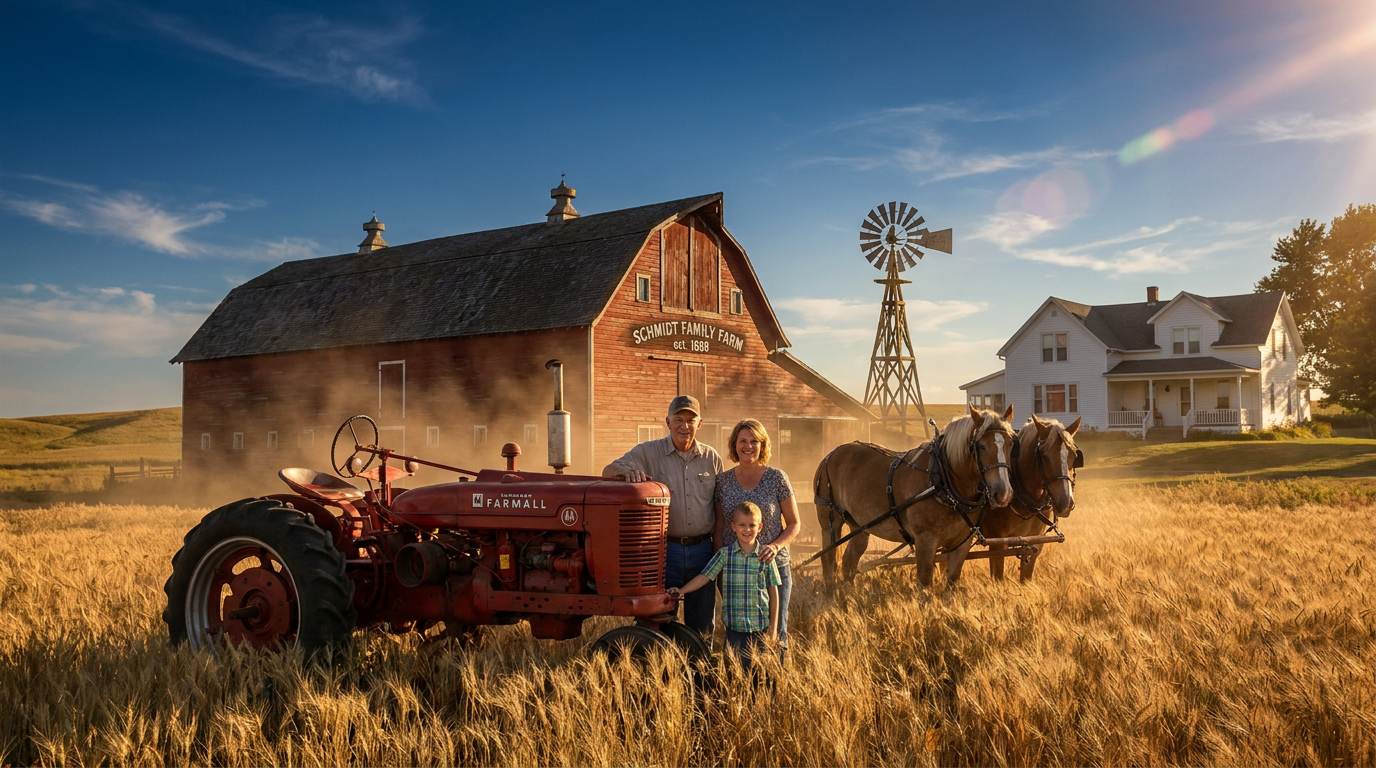
Farmers transformed fertile valleys into productive agricultural regions.

Their influence spread steadily westward as America expanded, eventually reaching nearly every corner of the nation.

Today, countless American communities still reflect those early German roots through architecture, food, festivals, family traditions, and a strong sense of community.

“Heritage isn’t something you simply inherit—it’s something you discover, celebrate, and pass on.”

More Than Bratwurst and Beer

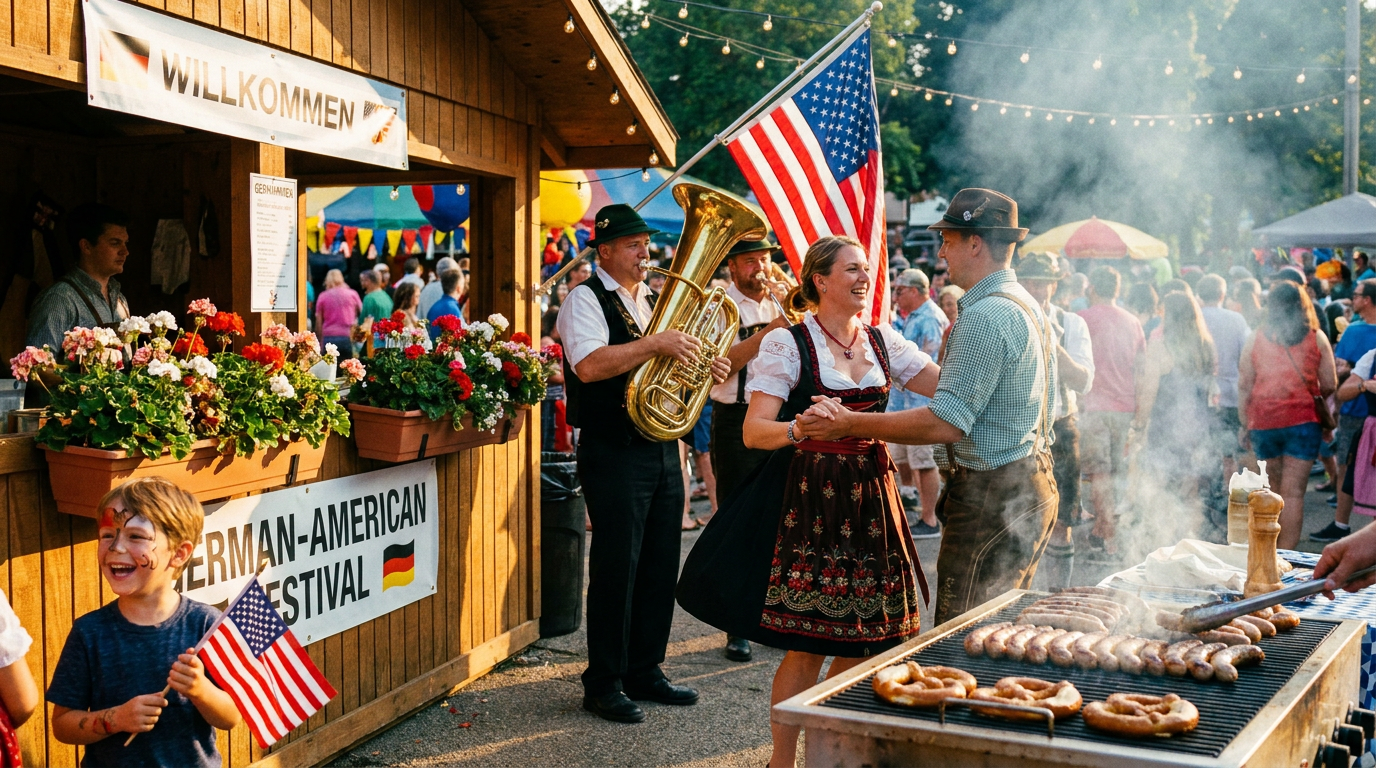
When many Americans think of German culture, delicious food and Oktoberfest celebrations often come to mind first—and for good reason.

German culinary traditions have become part of everyday American life.

Bratwurst.

Pretzels.

Sauerkraut.

Apple strudel.

Black Forest cake.

Potato salad.

Fresh-baked breads.

Craft beer.

Yet German contributions reach far beyond the dinner table.

German-Americans helped shape nearly every aspect of American society, including:

  • Agriculture and farming innovations
  • Engineering and manufacturing
  • Brewing science
  • Public education
  • Architecture
  • Banking and finance
  • Medicine
  • Music and performing arts
  • Printing and publishing
  • Scientific research
  • Military service
  • Skilled trades and craftsmanship

Generations of German immigrants believed in hard work, education, faith, family, and community—values that continue to influence America today.

Pennsylvania: Where German Heritage Took Root

No discussion of German-American history would be complete without Pennsylvania.

Many of America’s earliest German settlements flourished throughout southeastern Pennsylvania, where German-speaking immigrants established farms, churches, schools, and thriving communities.

The term “Pennsylvania Dutch” actually comes from the word “Deutsch,” meaning German.

Visitors today can explore picturesque countryside filled with:

  • Historic covered bridges
  • Family farms
  • Farmers markets
  • Traditional bakeries
  • Handcrafted furniture shops
  • Historic churches
  • Heritage museums
  • Amish and Mennonite communities with German roots

Fresh pretzels, homemade pies, smoked meats, quilts, and warm hospitality continue to welcome travelers from around the world.

Walking through these communities often feels like stepping into another century.

Texas: German Heritage Meets the Lone Star State

Central Texas offers one of America’s most fascinating blends of German culture and Texas hospitality.

Beginning in the mid-1800s, German immigrants founded communities that still proudly celebrate their heritage today.

Historic downtowns feature:

  • Bavarian-inspired architecture
  • Authentic German restaurants
  • Local biergartens
  • Historic dance halls
  • Boutique shopping
  • Museums
  • Seasonal festivals
  • Family-owned wineries

The rolling hills of the Texas Hill Country create an unforgettable backdrop for road trips, especially during summer.

Visitors quickly discover that German traditions remain very much alive through food, music, architecture, and community celebrations.

Wisconsin: A Tradition of Craftsmanship

Wisconsin’s German influence extends far beyond beer.

German immigrants helped establish thriving dairy farms, manufacturing businesses, schools, churches, and civic organizations.

Today, visitors can enjoy:

  • Historic breweries
  • Cheese factories
  • Summer festivals
  • Riverfront parks
  • Outdoor concerts
  • Farmers markets
  • German restaurants
  • Historic neighborhoods

Communities proudly celebrate their heritage while embracing modern tourism, making Wisconsin one of America’s most rewarding destinations for travelers interested in German culture.

» Read more

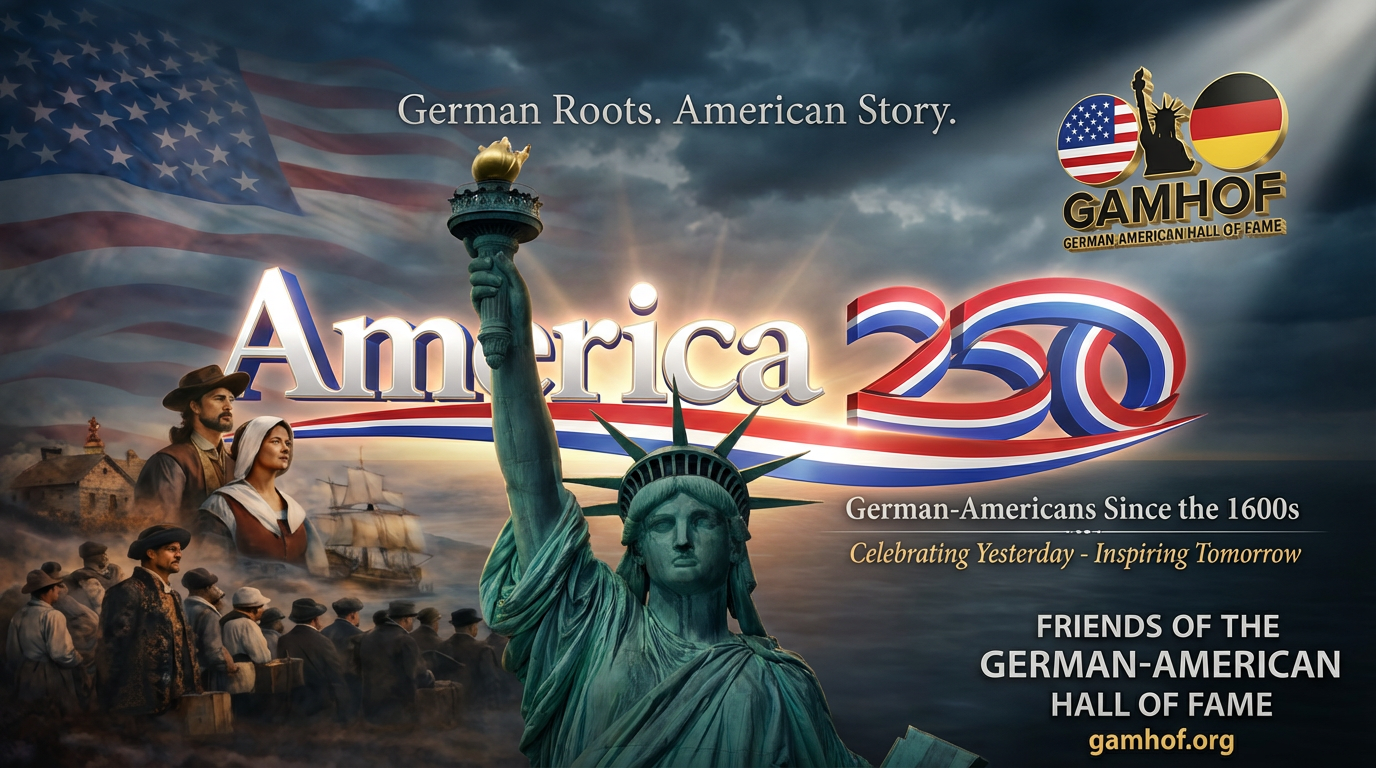
German Heritage, American Pride: The America 250-Year Celebration with GAMHOF – German-American Hall of Fame

As the United States approaches its historic 250th anniversary in 2026, a powerful reflection is underway—one that goes far beyond fireworks and festivities.

It is a moment to look deeper into the roots of America’s identity and recognize the many cultures that helped shape its story. Among the most enduring and influential of these are German-Americans, whose contributions span centuries and continue to define the nation today.

From the earliest settlements in the 1600s to modern innovation in science, business, and culture, German-Americans have played a foundational role in building the United States. Their story is one of resilience, craftsmanship, intellect, and an unwavering commitment to freedom and opportunity.

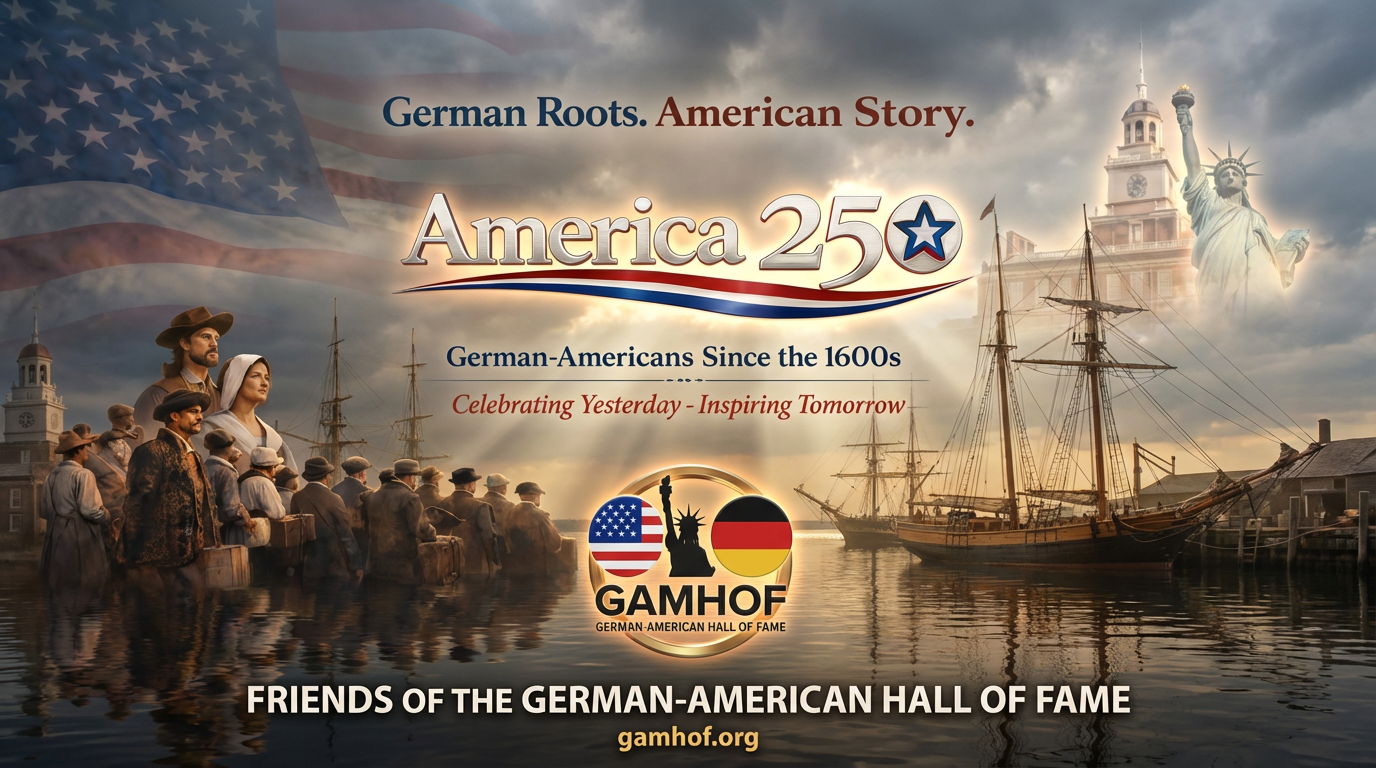
At the heart of preserving and celebrating this legacy stands the German-American Hall of Fame (GAMHOF)—a New York-based nonprofit dedicated to honoring the individuals and stories that define German-American excellence.

And as America prepares to celebrate 250 years of independence, GAMHOF is helping ensure that this vital chapter of the American story is not only remembered—but fully understood, appreciated, and carried forward.

A Symbol of 250 Years: America’s Shared Story

The America 250 milestone is more than a celebration—it’s a national reflection. And within that reflection lies a powerful truth: America was never built by one group alone.

https://images.openai.com/static-rsc-4/jtj8yeL-p9ofxjMHCBxR2RbFgWOSr-YDRWehzCCv08EqhdH1Tr_EqQnomwPt00Bjlk44UugSBwBDUjuN8-k0jxtFgvWbw6-lUkSlQDluAP9Stq_oHhFewXSP7-KA7MDtkNxdgsJGszJlyAl2avabbfpIG-9BxtBCkt-4NTaN866Rw3Gyjwt0mPk6BEKeowwn?purpose=fullsizeGerman immigrants and their descendants are woven deeply into the American fabric. They arrived with skills, traditions, and values that helped shape everything from agriculture and engineering to education and governance.

As GAMHOF proudly shares:

“German Roots. American Story. Celebrating Yesterday. Inspiring Tomorrow.”

This theme captures the essence of the America 250 initiative—honoring the past while energizing the future.


A Legacy That Predates the Nation

Long before 1776, German settlers were already building communities across colonial America. They brought with them a strong emphasis on:

  • Craftsmanship and skilled trades
  • Agricultural innovation
  • Education and literacy
  • Faith and community structure

By the time of the American Revolution, German-Americans were already active participants in the fight for independence—both on the battlefield and through their support of democratic ideals.

One of the most influential groups, the “Forty-Eighters,” arrived in the mid-1800s after political upheaval in Europe. They brought with them a deep belief in liberty, freedom of speech, and democratic governance—values that aligned seamlessly with the American experiment.

“Opportunity rewards readiness.”
— A guiding principle reflected in the German-American journey

» Read more