
How German Immigrants Helped Build America | German Heritage Travel Guide (2026)

By German Heritage USA
Discovering German Heritage Traditions, Foods, Music and Festivals All Across America
“The American story is not the story of one people—it is the story of many peoples whose dreams, determination, and hard work shaped a nation. German immigrants stand among the most influential of them all.”
Every Fourth of July, families across America gather beneath brilliant fireworks, proudly wave the Stars and Stripes, fire up backyard grills, and celebrate the freedoms that define our nation. It is one of America’s most cherished traditions. Yet behind every Independence Day celebration lies another remarkable story—one of millions of immigrants who helped transform a young republic into one of the world’s most prosperous and diverse nations.
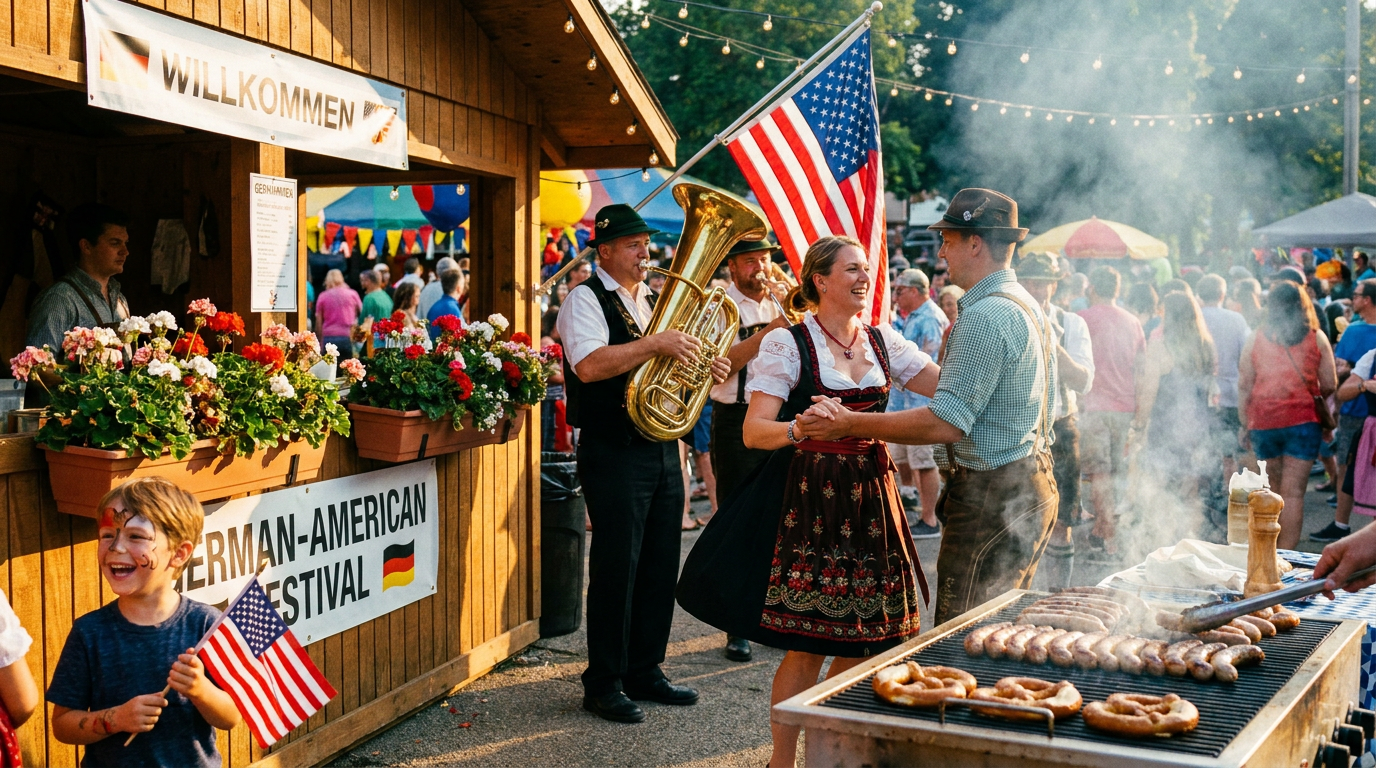
Among those immigrants, few groups have left a larger or more enduring legacy than German-Americans.
For more than 300 years, German immigrants have helped cultivate America’s farmland, establish thriving businesses, build schools and churches, serve in every major American conflict, pioneer scientific discoveries, develop world-renowned breweries, compose beautiful music, and preserve cultural traditions that continue to enrich communities from coast to coast.
Today, more Americans claim German ancestry than any other single ethnic heritage. Whether your family proudly carries a German surname, recently uncovered German ancestors through genealogy research, or simply enjoys bratwurst, pretzels, Oktoberfest celebrations, or charming German-inspired towns, you’ll discover that German heritage is deeply woven into the American experience.
The best part?
You don’t need a passport to experience it.
Across the United States are remarkable towns, museums, festivals, historic districts, and cultural organizations where German traditions continue to thrive. They offer visitors an opportunity to experience centuries of history while creating unforgettable family memories.
A Legacy That Began Long Before America Was 250 Years Old
German immigration to North America dates back to the colonial era.
As early as the late 1600s, German-speaking settlers began establishing communities in Pennsylvania and other colonies. Throughout the 1700s and 1800s, millions more arrived seeking religious freedom, economic opportunity, fertile farmland, and a better future for their families.
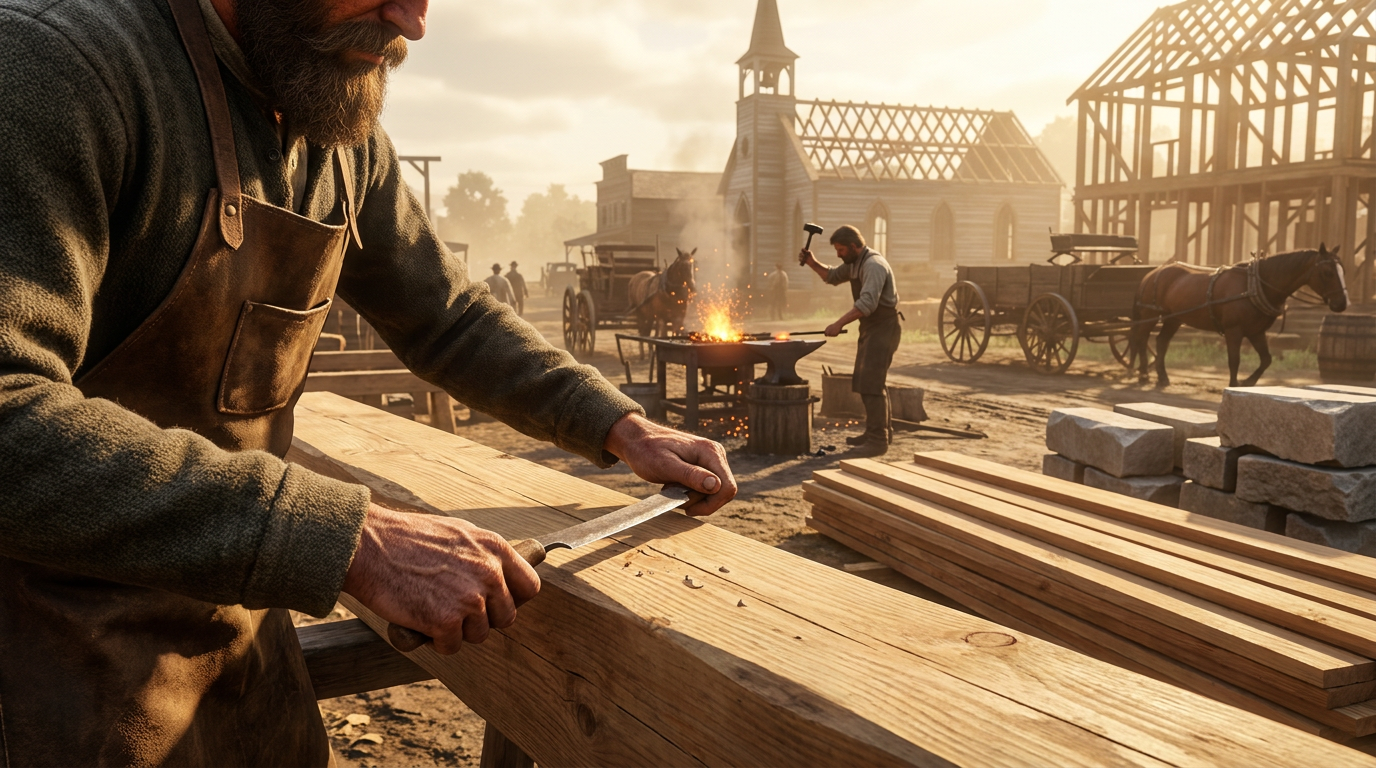
These immigrants didn’t simply settle—they built.
Entire towns sprang from their determination.
Church steeples rose above rolling farmland.
Family-owned businesses became local institutions.
Schools educated future generations.
Craftsmen introduced remarkable woodworking, masonry, blacksmithing, and brewing traditions.
Farmers transformed fertile valleys into productive agricultural regions.
Their influence spread steadily westward as America expanded, eventually reaching nearly every corner of the nation.
Today, countless American communities still reflect those early German roots through architecture, food, festivals, family traditions, and a strong sense of community.
“Heritage isn’t something you simply inherit—it’s something you discover, celebrate, and pass on.”
More Than Bratwurst and Beer
When many Americans think of German culture, delicious food and Oktoberfest celebrations often come to mind first—and for good reason.
German culinary traditions have become part of everyday American life.
Bratwurst.
Pretzels.
Sauerkraut.
Apple strudel.
Black Forest cake.
Potato salad.
Fresh-baked breads.
Craft beer.
Yet German contributions reach far beyond the dinner table.
German-Americans helped shape nearly every aspect of American society, including:
- Agriculture and farming innovations
- Engineering and manufacturing
- Brewing science
- Public education
- Architecture
- Banking and finance
- Medicine
- Music and performing arts
- Printing and publishing
- Scientific research
- Military service
- Skilled trades and craftsmanship
Generations of German immigrants believed in hard work, education, faith, family, and community—values that continue to influence America today.
Pennsylvania: Where German Heritage Took Root
No discussion of German-American history would be complete without Pennsylvania.
Many of America’s earliest German settlements flourished throughout southeastern Pennsylvania, where German-speaking immigrants established farms, churches, schools, and thriving communities.
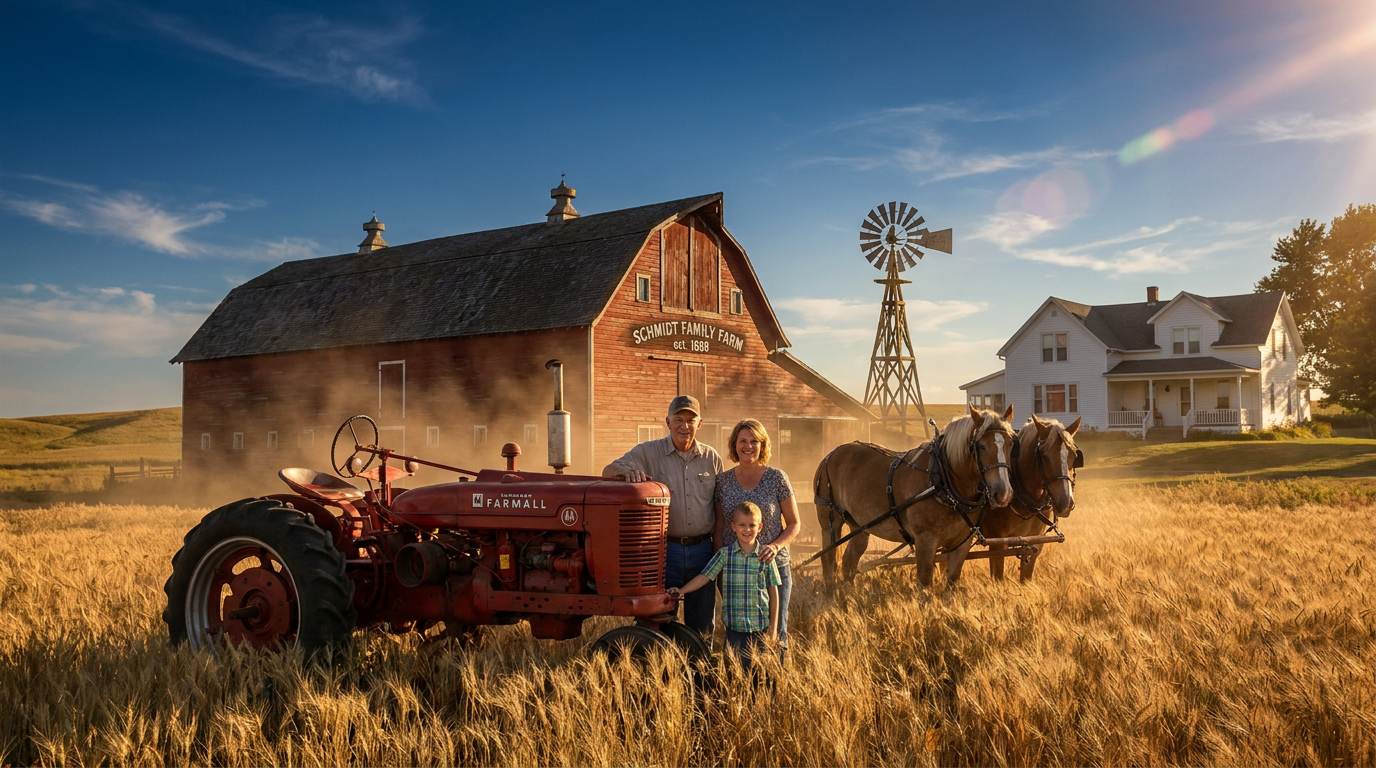
The term “Pennsylvania Dutch” actually comes from the word “Deutsch,” meaning German.
Visitors today can explore picturesque countryside filled with:
- Historic covered bridges
- Family farms
- Farmers markets
- Traditional bakeries
- Handcrafted furniture shops
- Historic churches
- Heritage museums
- Amish and Mennonite communities with German roots
Fresh pretzels, homemade pies, smoked meats, quilts, and warm hospitality continue to welcome travelers from around the world.
Walking through these communities often feels like stepping into another century.
Texas: German Heritage Meets the Lone Star State
Central Texas offers one of America’s most fascinating blends of German culture and Texas hospitality.
Beginning in the mid-1800s, German immigrants founded communities that still proudly celebrate their heritage today.
Historic downtowns feature:
- Bavarian-inspired architecture
- Authentic German restaurants
- Local biergartens
- Historic dance halls
- Boutique shopping
- Museums
- Seasonal festivals
- Family-owned wineries
The rolling hills of the Texas Hill Country create an unforgettable backdrop for road trips, especially during summer.
Visitors quickly discover that German traditions remain very much alive through food, music, architecture, and community celebrations.
Wisconsin: A Tradition of Craftsmanship
Wisconsin’s German influence extends far beyond beer.
German immigrants helped establish thriving dairy farms, manufacturing businesses, schools, churches, and civic organizations.
Today, visitors can enjoy:
- Historic breweries
- Cheese factories
- Summer festivals
- Riverfront parks
- Outdoor concerts
- Farmers markets
- German restaurants
- Historic neighborhoods
Communities proudly celebrate their heritage while embracing modern tourism, making Wisconsin one of America’s most rewarding destinations for travelers interested in German culture.