German Heritage Bucket List: 9 Experiences Every German-American Should Do
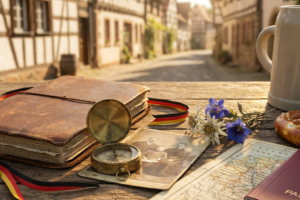
From finding the village behind your surname to raising a stein at Oktoberfest, these nine experiences will help turn German ancestry into a heritage you can see, taste, hear, explore and pass forward.

Late August has a way of making us look both backward and forward. Summer is still holding on, but fall is beginning to whisper. Festival tents will soon rise, kitchens will fill with the scent of warm bread and spices, and Oktoberfest calendars will start appearing on refrigerators across America.
It is also an ideal time to ask a wonderfully simple question:

What have I actually experienced of my German Heritage?

More than 40 million Americans report German ancestry, according to the U.S. Census Bureau, yet German-American identity rarely looks the same from one family to the next. One family may still make a grandmother’s potato salad exactly as she taught them. Another may have an old photograph labeled only “Germany.” Some know the precise village their ancestors left. Others inherited an Anglicized surname, a few family sayings and a feeling that an important chapter has gone missing.
That is what makes a German heritage bucket list so much fun. It is not a test of how “German” you are. You do not need to speak fluent German, own Lederhosen or know the proper number of turns in a polka. The goal is to move heritage out of the attic and into real life.

“Heritage is not only something we inherit. It is something we experience, preserve and pass forward.” — German Heritage USA

Whether your family arrived in the 1700s, stepped off a ship in the 1880s or came to America much more recently, here are nine meaningful—and genuinely enjoyable—experiences to put on your list.

1. Find the German Place Behind Your Family Name

A surname is a clue. A hometown is a doorway.

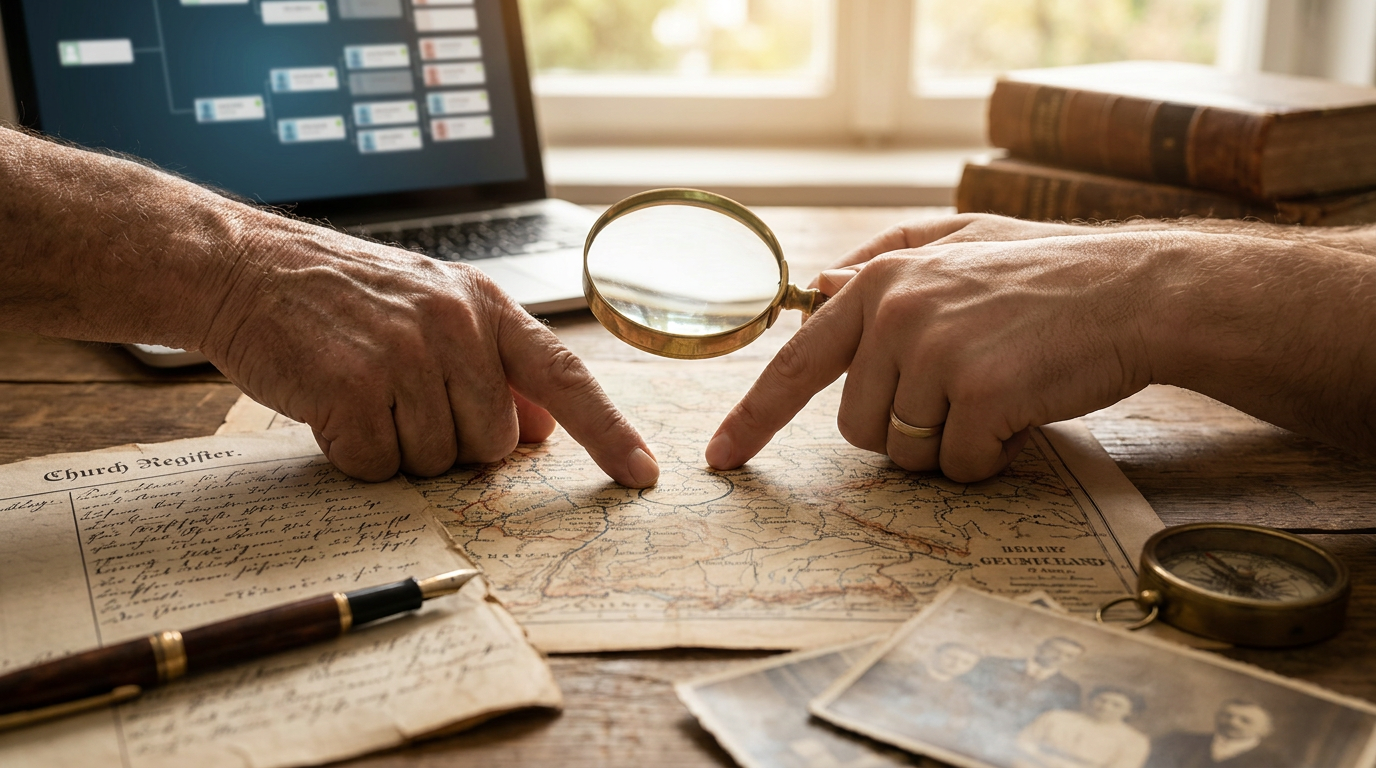
One of the most rewarding moments in family research is discovering the actual village, town or region where an ancestor lived. Before Germany became a unified nation in 1871, records might identify a person with Prussia, Bavaria, Saxony, Württemberg, Hesse, Hanover or one of many smaller states and territories. Borders shifted. Town spellings changed. Handwriting can look as if it were produced during a bumpy wagon ride.

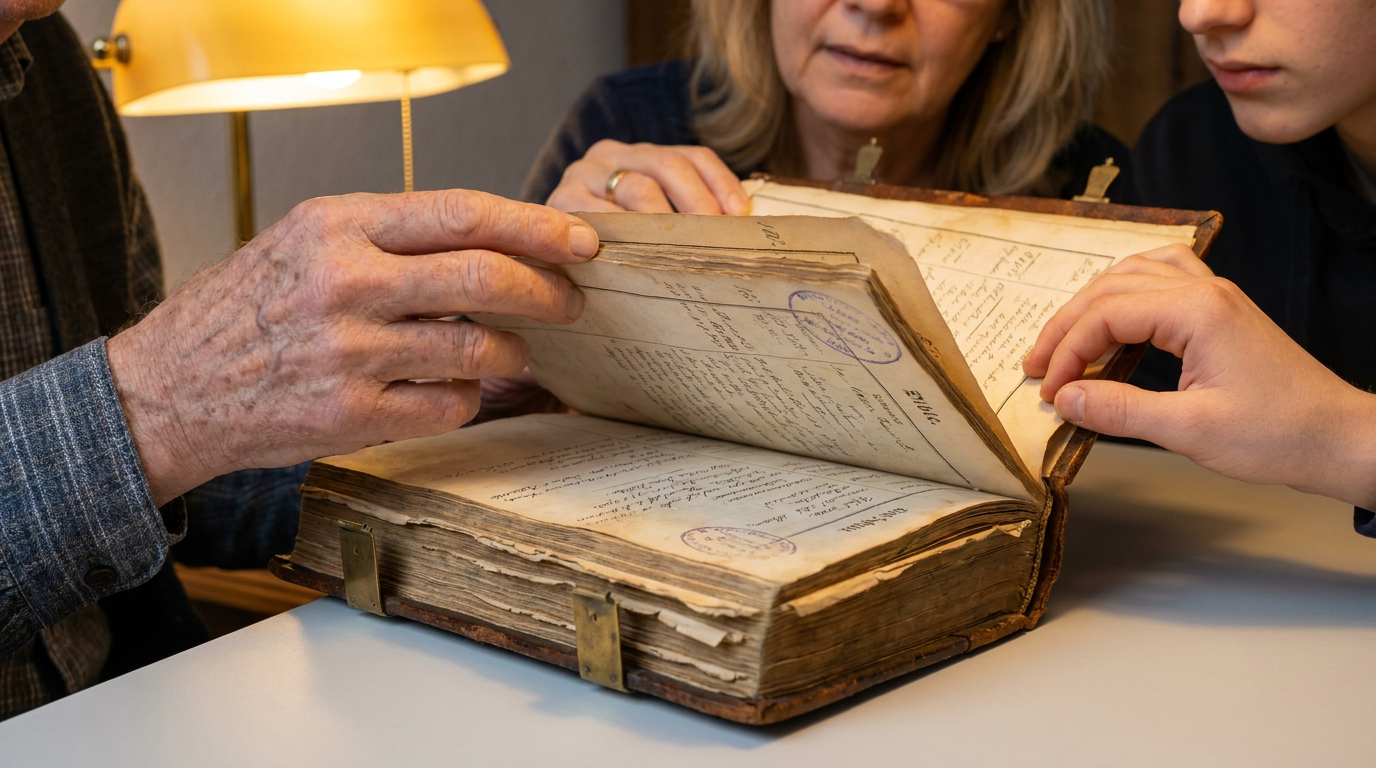
Begin with what your family already knows. Interview the oldest relatives. Examine the backs of photographs. Gather birth, marriage, church, census, military and naturalization records. Then look for passenger manifests and records from the ancestor’s American church or county. The National Archives recommends many of these same record groups—including census, immigration, naturalization, military and land records—as starting points for genealogy.

The breakthrough detail is often not “Germany,” but a precise place: a village near Kiel, a parish outside Stuttgart or a farm community along the Rhine. Once you find it, mark it on a map. Look at the landscape. Learn what the region ate, built, celebrated and sounded like.

Bucket-list moment: Locate one ancestral hometown and say its name aloud. That dot on the map may change the way your entire family story feels.

2. Hold an Immigration Record—and Visit a Gateway if You Can

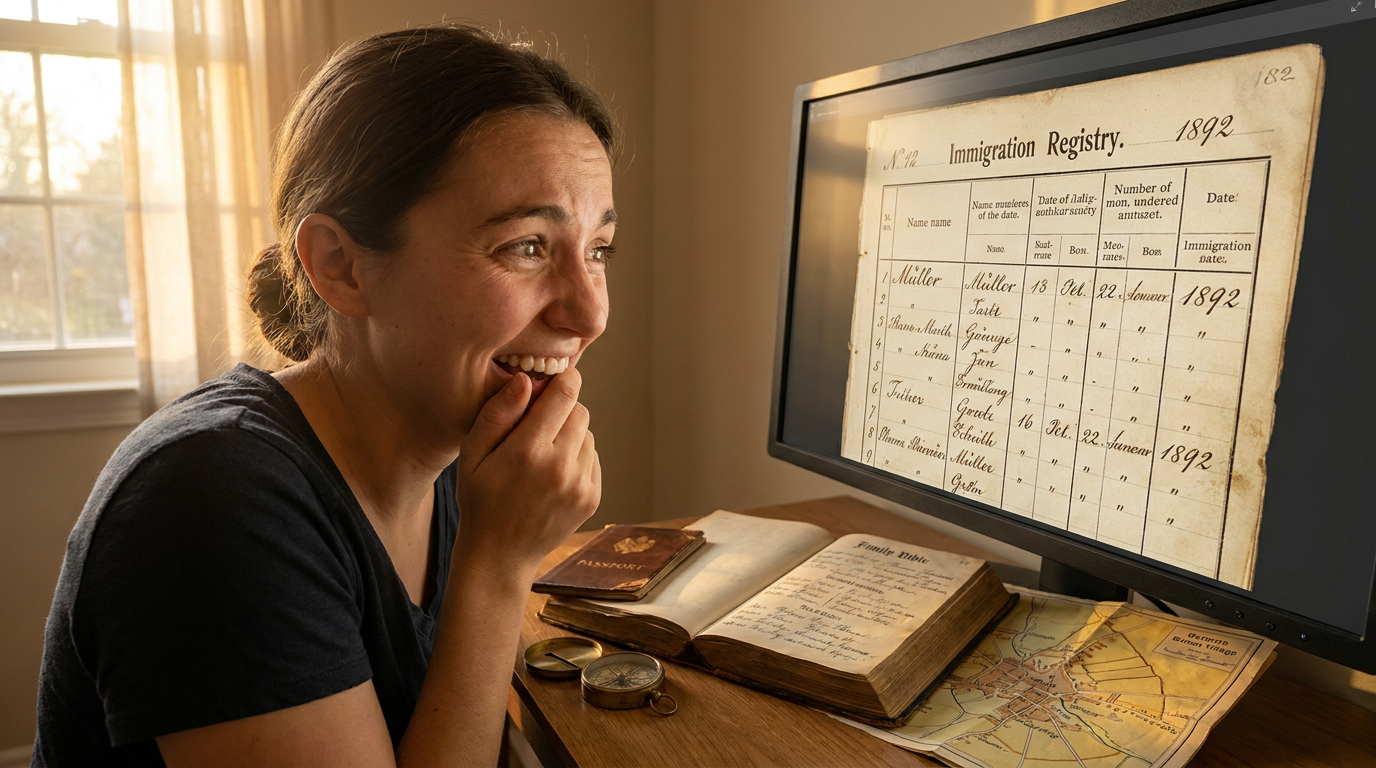
There is something electric about seeing an ancestor’s name on a passenger list or naturalization petition. Suddenly, history has handwriting.

Search for the ship, departure port, arrival date, occupation, traveling companions and final destination. A single line may reveal that an ancestor crossed with a sibling no one remembered, carried only a modest amount of money or was headed toward a relative already established in America.

If the journey included New York, visit Ellis Island and the National Museum of Immigration. From 1892 to 1924, more than 12 million immigrants were processed there. But do not force every German-American story through Ellis Island. Large numbers of German-speaking immigrants arrived before it opened, and families also entered through ports such as Baltimore, Philadelphia, New Orleans and Galveston.
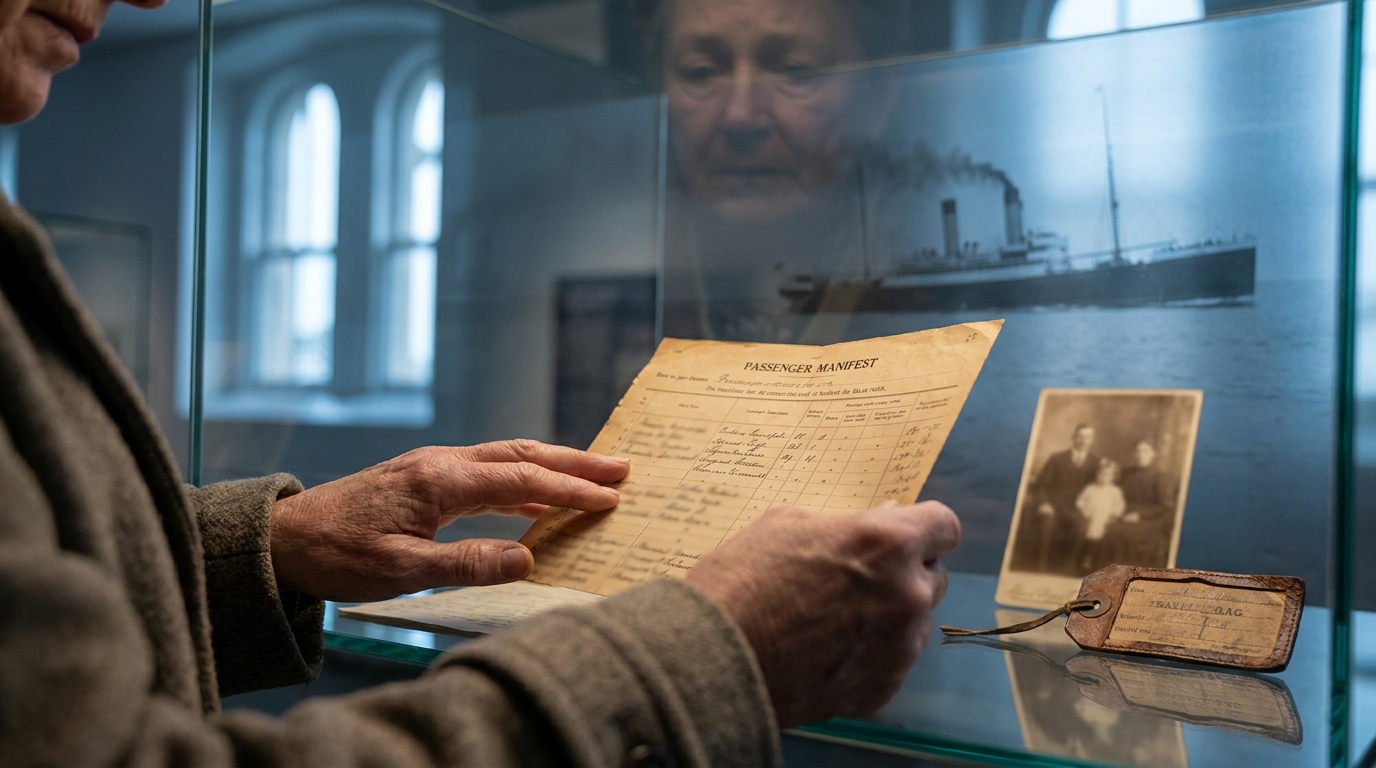
If travel is not possible, create the experience at home. Print a copy of the manifest. Find an image of the vessel. Map the route across the Atlantic. Read about conditions aboard ships during that era. Then imagine the mixture of relief, fear and expectation your relatives may have felt as land came into view.

Bucket-list moment: Hold a copy of an original immigration document and trace the journey from the old home to the new one.

3. Spend a Weekend in a German-American Town

You can travel through German-American history without crossing the Atlantic.

Choose a community where immigrant culture is still visible in streets, churches, architecture, food and local traditions. Walk through Hermann, Missouri, where the Deutschheim State Historic Site preserves buildings from the German settlement of the Missouri River Valley. Visit New Ulm, Minnesota, and its towering Hermann Monument. Explore Fredericksburg, Texas, founded by German settlers in 1846. Wander through Columbus’s German Village, Cincinnati’s Over-the-Rhine or the Amana Colonies in Iowa. For a playful Bavarian-style getaway, Frankenmuth, Michigan, adds festivals, food and plenty of gemütlich atmosphere.
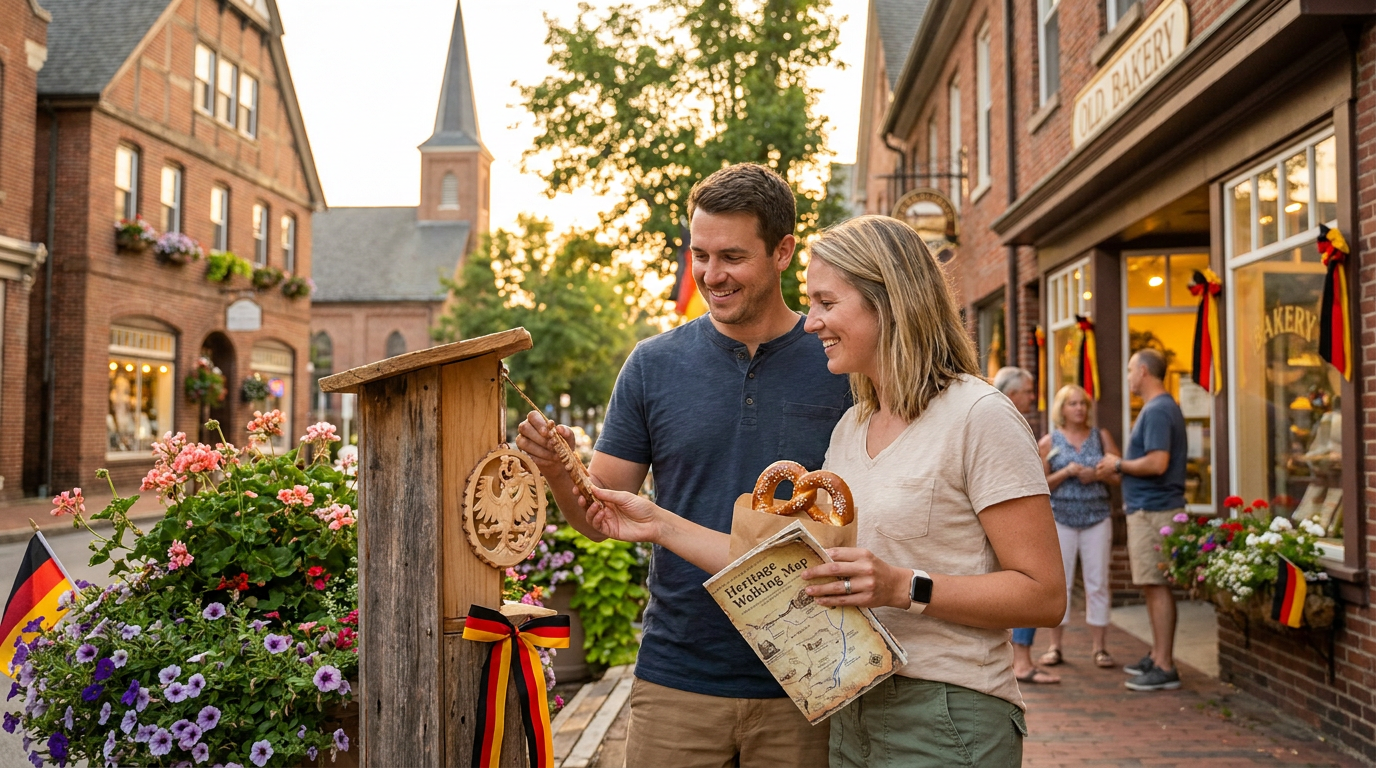
Do more than shop. Take a walking tour. Visit the local history museum. Read cemetery stones. Notice church architecture. Ask a baker or shopkeeper how the town’s traditions changed over time. Order something you have never tried instead of the safest item on the menu.

The most interesting discovery may be how German customs blended with the local landscape. German-Texan culture is not German-Minnesotan culture—and neither is a museum piece. Each tells a different American story.

Bucket-list moment: Plan one heritage weekend and leave room for an unplanned conversation with someone who helps keep the town’s story alive.

4. Attend an Oktoberfest—and Experience More Than the Beer

Yes, raise a stein. But first, raise your curiosity.

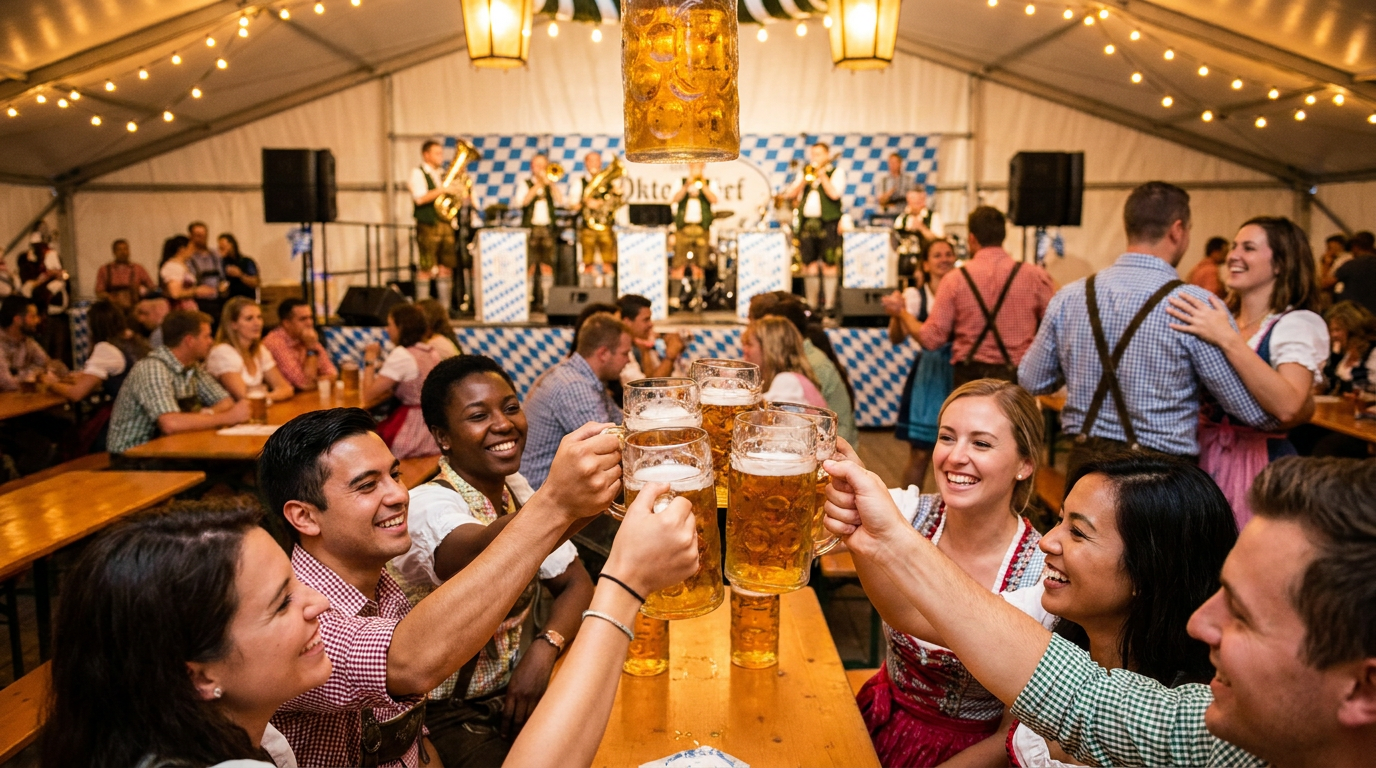
Munich’s Oktoberfest began in 1810 with festivities celebrating the marriage of Bavarian Crown Prince Ludwig and Princess Therese. A horse race helped launch what became the world’s most famous Volksfest. Today, communities across the United States transform that spirit into local celebrations filled with music, food, dancing, parades, crafts and family traditions.

Attend a festival run by a German-American club, cultural society, church or town with genuine German roots. Listen to the brass band. Watch a dance performance. Learn the words to Ein Prosit. Try a regional dish. Ask about the organization behind the celebration, then support it by buying from local vendors or becoming a member.

Traditional clothing can add to the fun, but remember that Dirndl and Lederhosen are rooted primarily in Alpine and Bavarian traditions; they are not a uniform for every part of Germany. Wear Tracht respectfully if you choose—or simply arrive ready to participate.

Bucket-list moment: Join the communal toast, meet someone new and learn one tradition that existed long before the souvenir tent opened.

5. Cook One Heritage Meal Completely From Scratch

Food may be the shortest route between generations.

Choose one family recipe or one dish from your ancestors’ region and make the entire meal an experience. Roll Rouladen. Cut fresh Spätzle. Fold Maultaschen. Bake a proper Apfelkuchen. Try Königsberger Klopse, Sauerbraten, Labskaus, Thüringer-style sausage or a North German fish dish. Germany is not one kitchen, and discovering regional differences is half the pleasure.
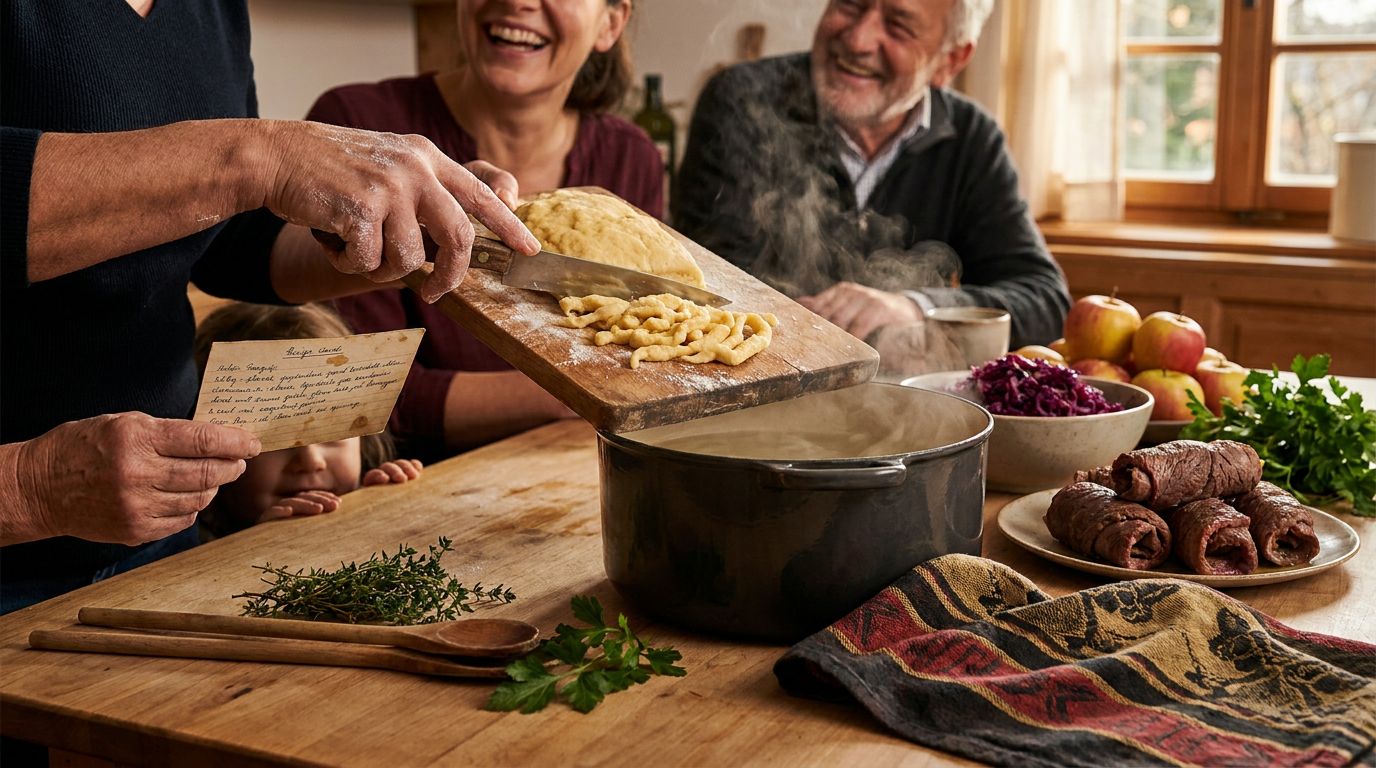
Invite relatives to cook with you. Set the table properly. Play German music. Tell the story of the person connected to the recipe. If the instructions say “add flour until it feels right,” stop and measure what “right” means so the next generation has a fighting chance.

No inherited recipe? Adopt one thoughtfully. Research where it comes from, learn how it was traditionally served and write down what you changed. A tradition does not have to be ancient to become meaningful; it simply has to be repeated with intention.

Bucket-list moment: Host a German heritage supper at which every guest brings either a dish, a photograph or a family story.

6. Learn Enough German to Open a Door

Fluency is wonderful, but connection begins much earlier—sometimes with only five brave words and a smile.

Learn how to introduce yourself, pronounce your family name and explain where your ancestors came from. Practice useful phrases such as Guten Tag (good day), Woher kommt Ihre Familie? (Where does your family come from?), Meine Familie kommt aus … (My family comes from …), Danke schön (thank you) and Auf Wiedersehen (goodbye).
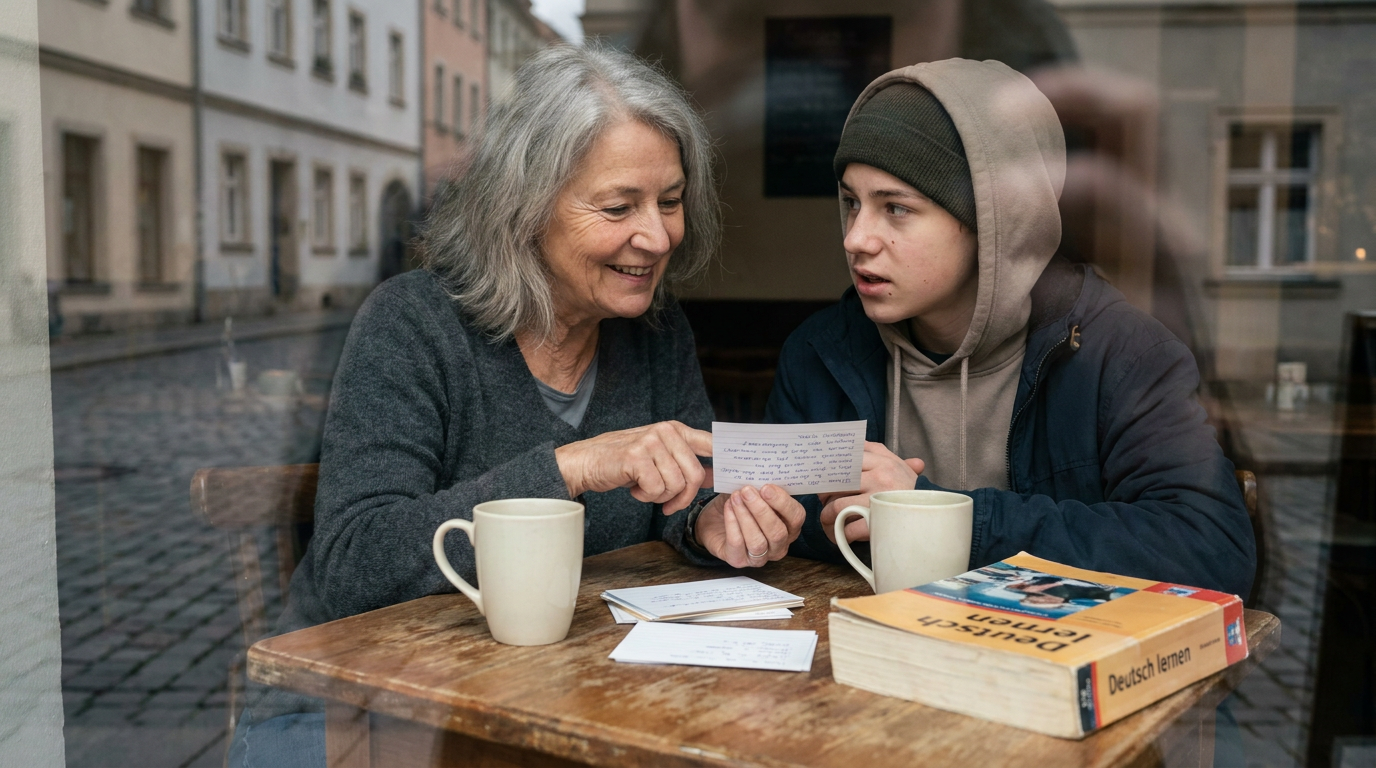
Label a few objects around your home. Learn the words to a traditional song. Watch a German film with subtitles. Join a conversation group or take a beginner course. Most importantly, allow yourself to sound imperfect. Every new speaker has to cross that bridge.

Johann Wolfgang von Goethe wrote:

“Wer fremde Sprachen nicht kennt, weiß nichts von seiner eigenen.”

It is often translated as:

“Those who know nothing of foreign languages know nothing of their own.”

Learning German can reveal patterns, meanings and family-name clues that an English translation alone cannot provide.

Bucket-list moment: Have one short conversation in German—even if you rehearse every line beforehand.

7. Experience a Living Tradition With Your Own Hands and Feet

Heritage becomes memorable when it moves.

Attend a Sängerfest or German choir concert. Learn a folk dance from a cultural group. Watch a woodcarver, brewer, baker, glassworker or instrument maker demonstrate a traditional craft. Visit a Christmas market and speak with the artisans. Try decorative egg painting, paper cutting, embroidery, bread baking or wreath making. If your family came from a particular region, look for a tradition connected specifically to that place.
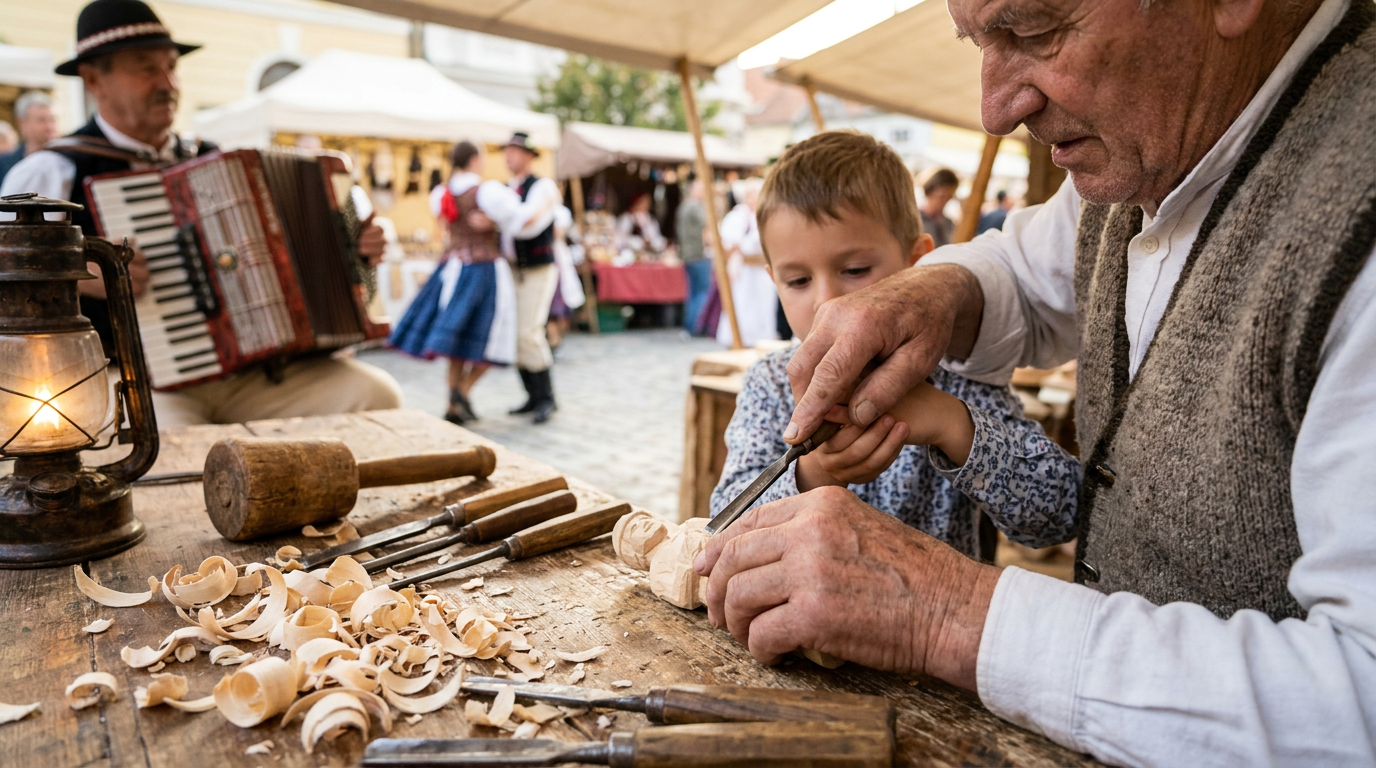
The point is not to pretend it is still 1850. Living culture survives because each generation adapts it. A young accordionist can bring new energy to an old melody. A baker may preserve a grandmother’s method while using a modern kitchen. A festival can honor its founders while welcoming neighbors whose families came from everywhere.

Do not remain at the edge taking pictures. Ask to try. Sing the chorus. Take the dance lesson. Make the ornament. Volunteer for setup. The fastest route from spectator to community is often carrying a folding table.

Bucket-list moment: Participate in one tradition instead of merely watching it.

8. Make the Ancestral Journey to Germany

This is the dream trip—the one that can make a century collapse in a single afternoon.

Once you have identified a hometown or region, build the journey around it rather than squeezing it between famous attractions. Contact the local archive, parish or historical society before you arrive. Learn whether the family church, home, workshop or cemetery still exists. Hire a local guide or genealogist if old handwriting, language or access rules create barriers.
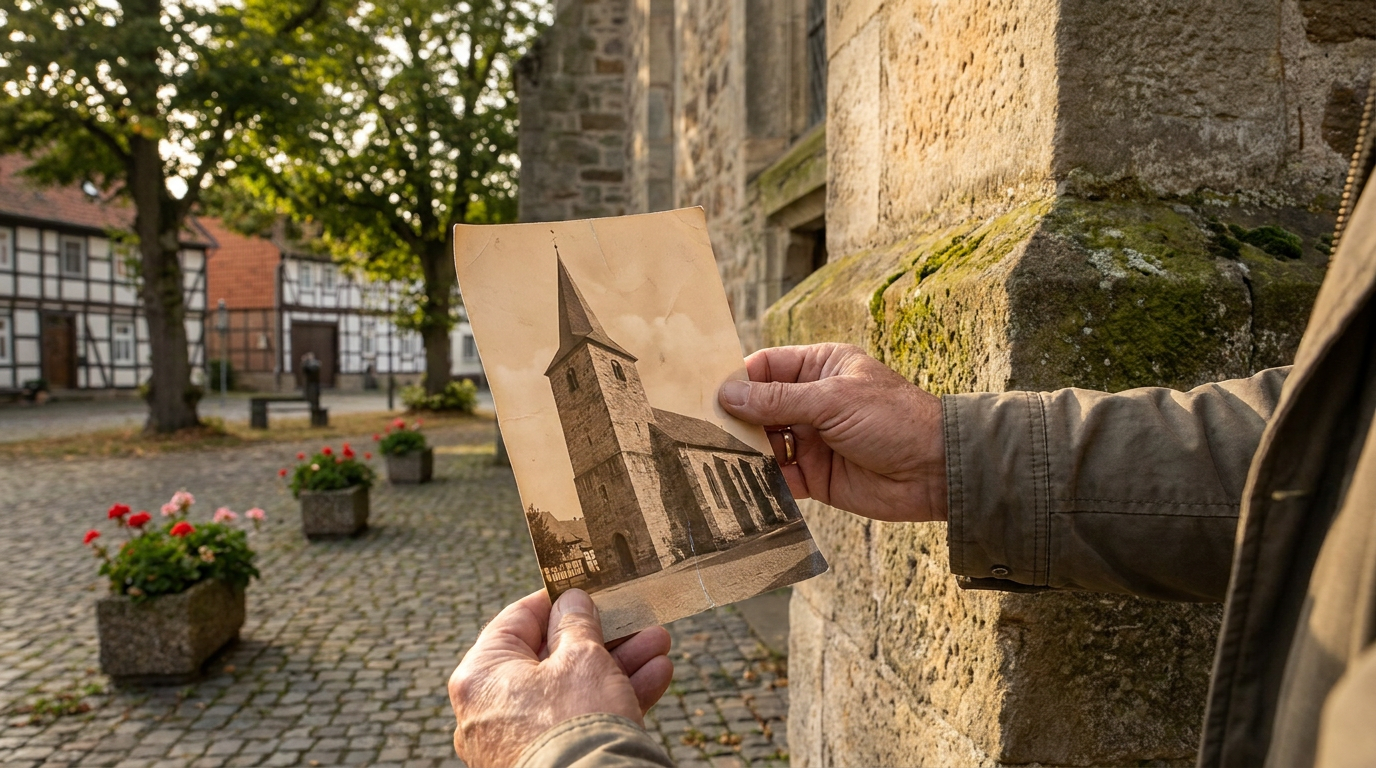
Then slow down. Sit in the town square. Hear the church bells. Walk the road toward the fields. Eat what the region actually eats. Germany stretches from North Sea harbors and Schleswig-Holstein lakes to Rhineland vineyards, central forests, eastern cities and the Bavarian Alps. Your family’s Germany may not resemble the castle-and-Lederhosen image on a travel poster—and that is precisely why it is worth finding.

Leave space for emotion, but also for ordinary life. The grocery store, bus stop and weather are part of the experience. You are not entering a frozen ancestral world; you are meeting a real place that continued living after your family left.

Bucket-list moment: Stand in your ancestors’ community, take one quiet photograph and write down exactly how the moment feels before the details fade.

9. Become the Ancestor Future Generations Will Thank

The final experience is not about looking backward. It is about deciding what travels forward.

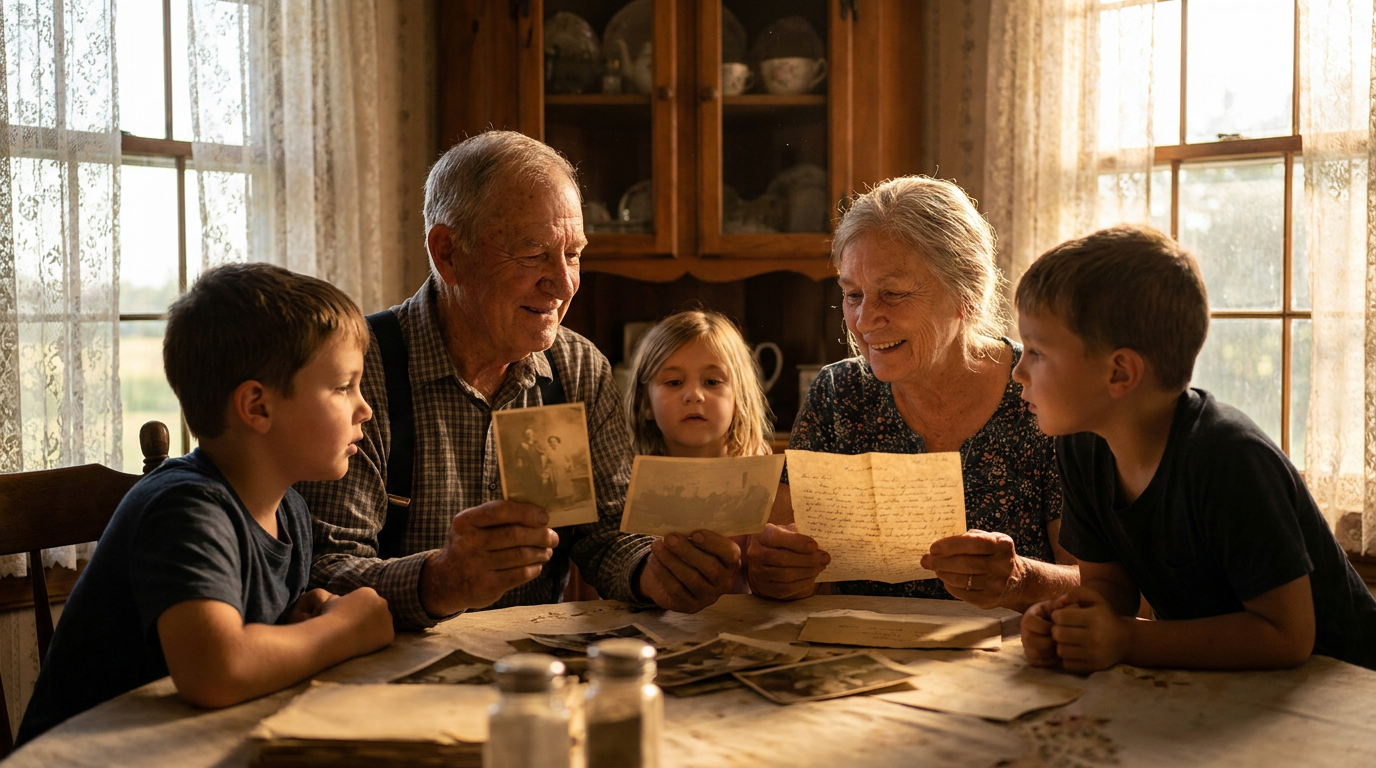
Create a small family archive. Scan photographs at high resolution. Label every person, place and approximate date you can identify. Record grandparents, parents, aunts and uncles telling their stories in their own voices. Save recipes, letters, military records, baptism certificates, immigration documents and translations in more than one secure location.
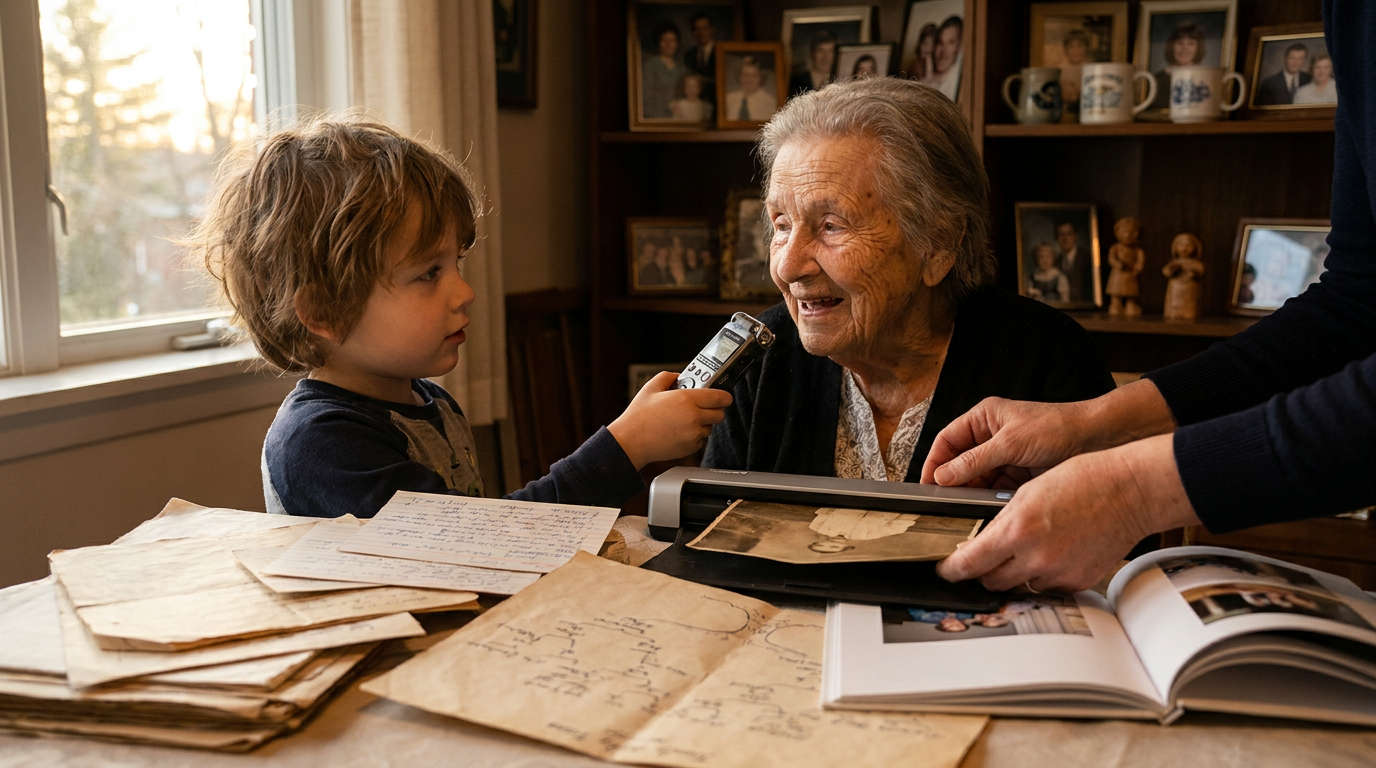
Then make the history enjoyable. Build a photo book. Create a short family documentary. Start an annual German supper. Celebrate German-American Day on October 6. Take children or grandchildren to a festival and let them choose the dessert. Give each person a copy of the family tree rather than keeping the only version on one laptop.

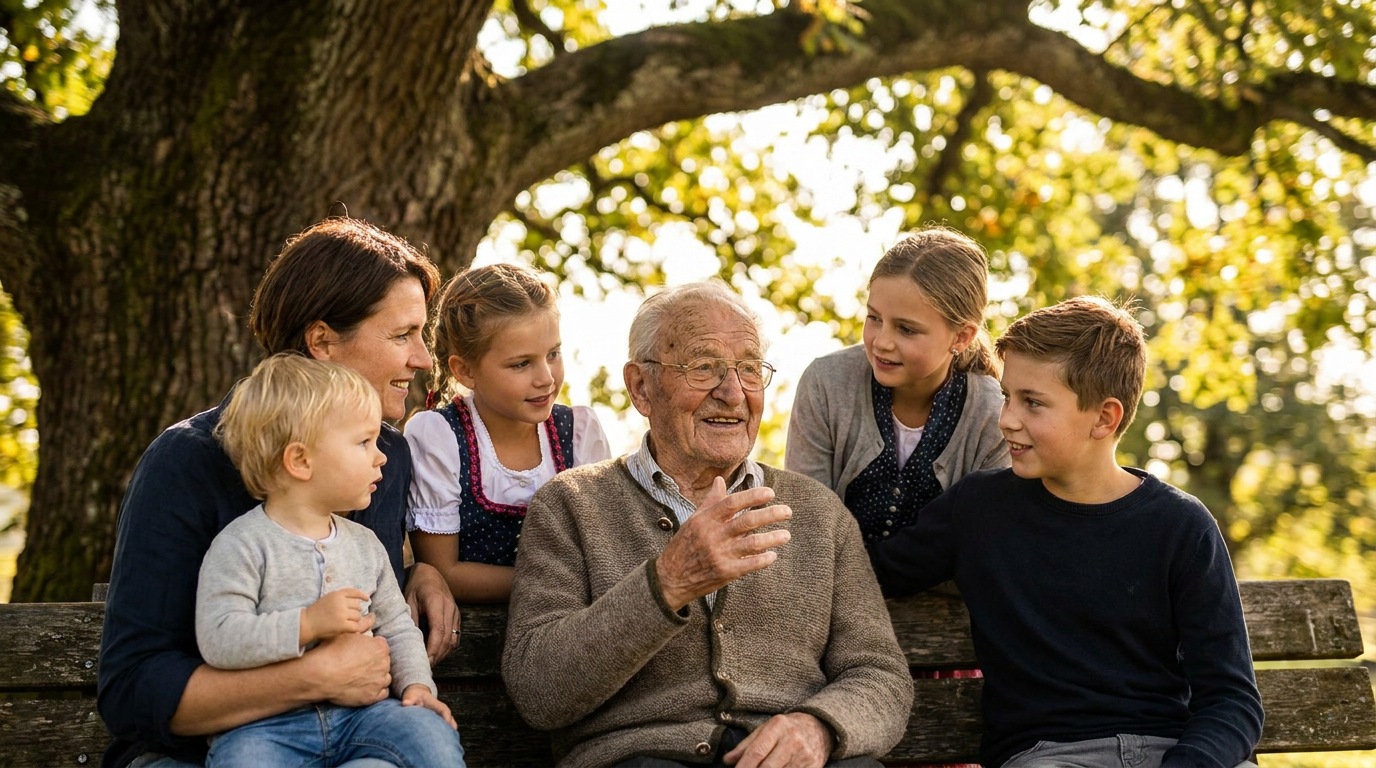
Most family history is not lost in a fire or flood. It disappears quietly when no one writes a name on the back of a photograph. Your contribution does not have to be perfect or complete. It simply needs to give the next curious person a place to begin.

Bucket-list moment: Record one 20-minute family interview this month and ask, “What do you remember that you never want us to forget?”

Your German Heritage Is Calling—What Will You Do First?

A bucket list works best when it leaves the page.

Circle the experience that excites you most. If a trip to Germany is years away, begin with a recipe. If the family tree feels overwhelming, interview one relative. If you already know the ancestral village, learn five German sentences you could use when you arrive. Small acts accumulate into living heritage.

Late August is an especially good time to begin. Fall festivals are approaching. Families will soon gather around holiday tables. Archives, museums, language courses and cultural clubs can turn a spark of curiosity into a year of discovery.

And remember: there is no single correct way to be German-American. Your heritage may be loud with brass music and festival laughter, or quiet as an ancestor’s name written on a ship manifest. It may live in a Lutheran church record, a Jewish family archive, a Catholic cemetery, a farmhouse recipe, a union song, a Texas town, a Midwestern workshop or a photograph from a Baltic village.

The important thing is to experience it—and then help someone else experience it too.

Got A Little German In You? Your German Heritage Is Calling You!


Why Millions of Americans Are Rediscovering Their German Roots

There has never been a more exciting time to explore your family history.

For generations, millions of Americans knew only fragments of their ancestry. Perhaps they remembered hearing a grandparent mention that the family came from Germany.

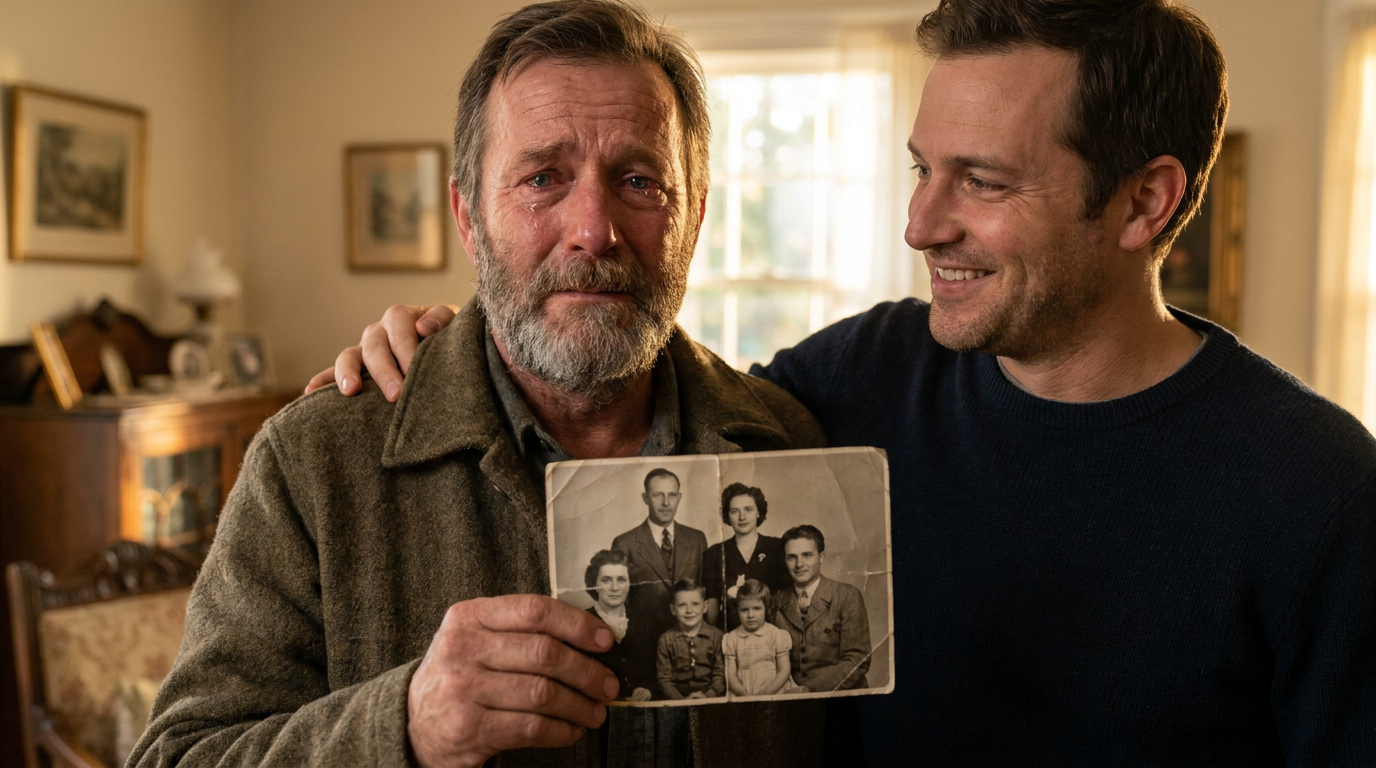
Maybe there was an old black-and-white photograph tucked away in a box, a weathered family Bible, or a recipe that had been prepared every Christmas for as long as anyone could remember. They knew enough to say, “We’re part German,” but rarely knew much more than that.

The unanswered questions often lingered for decades.

Who was the first person in our family to come to America?

Why did they leave Germany?

Where exactly did they live?

What was their life like before they crossed the Atlantic?

Do distant relatives still live there today?

For most of the twentieth century, finding those answers required enormous patience. Research meant traveling to libraries, writing letters to historical societies, searching courthouse records, visiting cemeteries, or spending countless hours scrolling through rolls of microfilm. Many people simply didn’t have the time, resources, or opportunity to pursue the search, so their family’s story remained largely untold.

Today, everything has changed

With a few keystrokes, Americans can now search passenger manifests, census records, military documents, church registers, immigration records, historical newspapers, old maps, and millions of digitized family trees from anywhere in the world. DNA testing has opened entirely new doors, revealing cousins, ancestral regions, and surprising family connections that previous generations could never have imagined.

Yet perhaps the greatest discovery isn’t found in a database.

It’s realizing that millions of other Americans are asking the very same questions.

Every day, people from every corner of the country are rediscovering a heritage that quietly helped shape the United States. They’re researching old family surnames, identifying villages their ancestors once called home, learning traditional recipes, attending Oktoberfests, visiting historic German-American communities, and discovering customs that have survived for generations without realizing they had German origins.

What often begins as simple curiosity quickly becomes something much deeper

A search for a surname turns into an afternoon of genealogy research.

An old family photograph leads to an entire immigration story.

A DNA result inspires a visit to a local German festival.

A single question becomes a lifelong journey of discovery.

Along the way, people realize they aren’t researching strangers—they’re rediscovering the people whose courage, sacrifices, and dreams made their own lives possible.

That shared journey is exactly why GERMAN HERITAGE USA was created.

Our mission is not simply to publish articles about Germany or celebrate Oktoberfest once a year. We exist to serve as a bridge—connecting millions of Americans who share German ancestry, curiosity, traditions, and family stories.

Whether your ancestors arrived in Pennsylvania in the 1700s, settled the Midwest during the great immigration waves of the nineteenth century, established farms across Texas, or built communities throughout nearly every state in America, your family’s story is part of a much larger American story.

For many people, discovering German heritage begins with a single question.

For others, it starts with a family recipe, an old photograph, or a last name they’ve carried their entire lives without knowing its meaning.

Whatever sparks that first moment of curiosity, today’s technology makes it easier than ever to follow the trail. More importantly, it makes it possible to connect with thousands of others who are traveling the same path.

That’s what makes this moment so unique.

For the first time in history, family history isn’t something hidden away in dusty archives. It has become an interactive experience. Social media groups bring together descendants from every state.

Genealogy websites connect distant cousins separated for generations. Online archives place centuries of history at our fingertips. Videos, podcasts, digital museums, and virtual tours make learning about German heritage more engaging than ever before.
» Read more

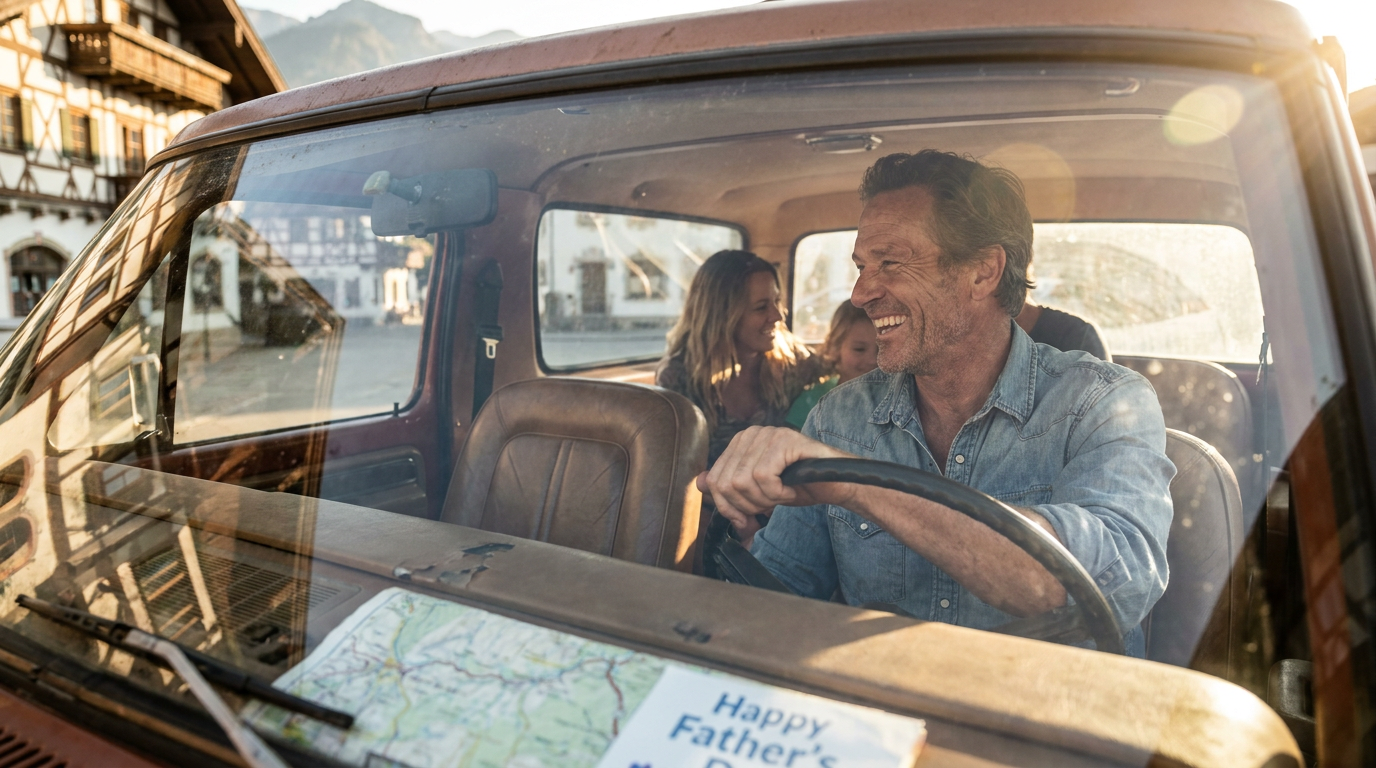
The Ultimate Father’s Day Adventure: Exploring America’s German Heritage Destinations Together

As Father’s Day approaches each year, many families find themselves searching for the perfect way to celebrate. Traditional gifts like neckties, coffee mugs, tools, and backyard cookouts certainly have their place, but more and more people are discovering that the most meaningful gifts are not found in stores at all. Instead, they are found in shared experiences, memorable journeys, and the stories created along the way.

For families with German roots, Father’s Day presents a unique opportunity to do something truly special—explore the rich German heritage destinations, traditions, foods, festivals, and historic communities that continue to thrive across America. Whether your ancestors came from Bavaria, Saxony, Schleswig-Holstein, the Rhineland, or another German-speaking region of Europe, a heritage-focused adventure can become much more than a day trip. It can become a journey of discovery, connection, and appreciation for the generations who came before us.

While there’s certainly nothing wrong with spending Father’s Day relaxing at home, many families are discovering that the most meaningful gifts are not things at all—they’re experiences.

For families with German roots, Father’s Day can become something even more special: an opportunity to explore the places, traditions, foods, festivals, and stories that connect generations together.

Whether your family’s ancestors arrived from Bavaria, Saxony, Schleswig-Holstein, the Rhineland, or any of the German-speaking regions of Europe, America is filled with destinations where German heritage is still celebrated today.

From Bavarian-style mountain villages to historic immigrant settlements, from world-famous Oktoberfests to authentic German bakeries, Father’s Day offers the perfect excuse to hit the road and create memories that may last far longer than any wrapped gift.

After all, fathers often pass down more than family names.

They pass down stories.

And every family story begins somewhere.

Why German Heritage Travel Makes the Perfect Father’s Day Gift

Many fathers love history.

Many love food.

Many enjoy discovering how things are made.

Many enjoy road trips, museums, architecture, festivals, trains, breweries, woodworking, craftsmanship, and old-world traditions.

German heritage destinations often combine all of these interests into one memorable experience.

Perhaps even more importantly, these trips create opportunities for conversations that don’t happen during everyday life.

Questions like:

“Did Grandpa ever talk about where our family came from?”

“Why did our ancestors leave Germany?”

“What traditions did they bring with them?”

“What foods have been passed down through our family?”

Those simple questions often lead to incredible discoveries.

“The greatest inheritance a father can leave his children is not money or possessions—it’s stories, values, and memories.”

“Heritage is not just where we came from. It’s the bridge that connects generations.”


America’s Most Famous German Heritage Destination:

Leavenworth, Washington

Nestled in the Cascade Mountains, the village of Leavenworth may be the closest thing America has to a real Bavarian town.https://images.openai.com/static-rsc-4/9KbKkb8ZUYQO1ywWBl7TfK8Je_Gmt3hfB3HuE8ge5jvrxyA423FYJ2wvsJ9x1Qz5mBUqH1FqZe8InIbKoi41R1EJYf_XmPXpbPXDDRbPn8WOAYi2SFVlavi5LiGG_yefuRc-UUAE9HSTF3ynBRVp3trI-pCVM9pGklosG9DRS4v67Ye_NYyZAnd7wHJqC5wt?purpose=fullsize

Originally a struggling logging community, local leaders reinvented the town in the 1960s by embracing traditional Bavarian architecture and tourism.

Today visitors find:

  • Alpine-style buildings
  • Authentic German restaurants
  • Biergartens
  • Pretzel shops
  • Cuckoo clocks
  • German bakeries
  • Seasonal festivals
  • Mountain scenery that feels straight out of southern Germany

For Father’s Day, families can spend the day exploring downtown before hiking nearby mountain trails or enjoying a traditional German meal together.

It’s one of the few places in America where you can genuinely feel transported to another continent.


Helen, Georgia:

Bavaria in the Blue Ridge Mountains

Located in the beautiful North Georgia mountains, Helen welcomes more than three million visitors annually.https://images.openai.com/static-rsc-4/-MVghtJPgHXW0-VW8xB7TtQyufQ7M2JLGPxbalcA4c20vYtLnJNrx0NMNQvDPe-ODygF2potNHEdAsx82pEQmxMU-xgbxhlzJOXBRshKeEb2-wRCl4B1yEc4S0U3XPveotTzR-wiF_nxHY6Pu6c_VscibmfZ5j1gan_9uSKPyxQqdb-IH16vk_X-WLKWEwjM?purpose=fullsize

The town transformed itself into a Bavarian-style destination and has become one of the most beloved German-themed communities in the United States.

Fathers who enjoy:

  • Trout fishing
  • Scenic drives
  • Mountain hiking
  • German beer
  • German food
  • Historic architecture

will find plenty to enjoy.

A Father’s Day weekend here can include a stroll through town, a visit to local wineries, a scenic mountain drive, and a hearty meal featuring schnitzel, bratwurst, sauerkraut, and Black Forest cake.

» Read more

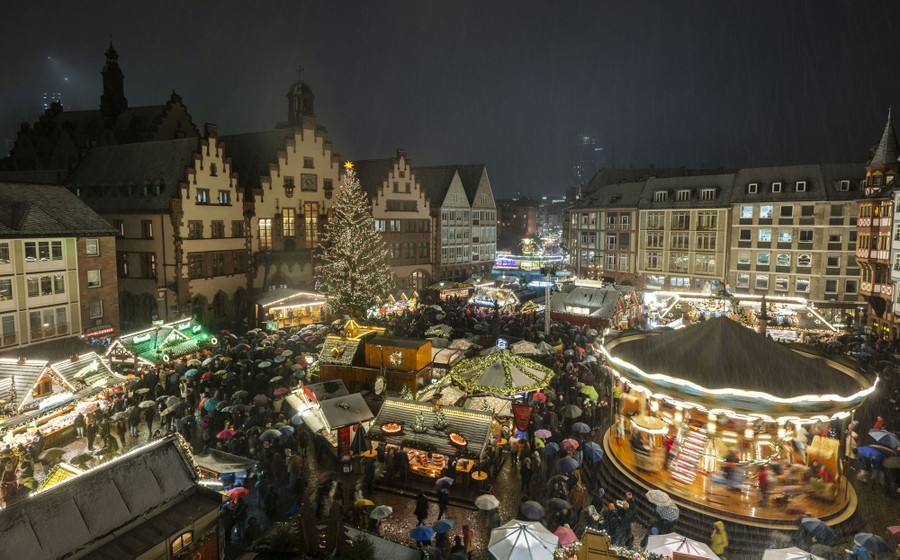
A Toast to Tradition: How Glühwein Became Germany’s Wintertime Classic

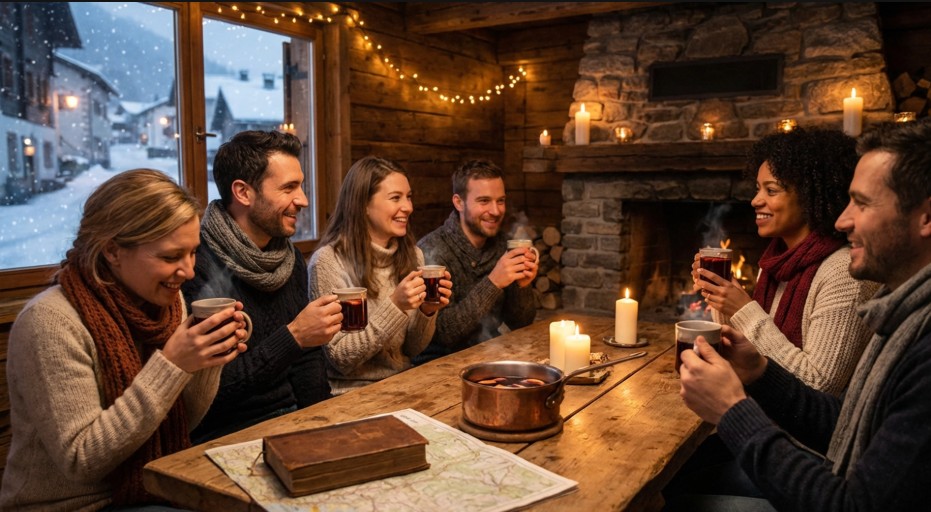
Few beverages capture the magic of winter quite like Glühwein—that steaming, fragrant, ruby-red elixir that transforms chilly evenings into cozy celebrations. Whether you’re wandering through a German Weihnachtsmarkt, gathered with friends around a crackling fire, or recreating European holiday charm at home, Glühwein is more than a drink. It’s a tradition, a memory-maker, and a warm hug in a mug.

But Glühwein’s charm doesn’t stop at its flavor. It carries the unmistakable scent of the season—spiced citrus, cinnamon, cloves, and a whisper of sweetness that drifts through snowy streets and festive plazas. One whiff can transport you instantly to a glowing Christmas market lined with wooden stalls, twinkling lights, and the soft sound of carols echoing between centuries-old buildings. The aroma alone seems to warm your hands before you ever hold the mug.

It’s also one of the few drinks that invites people to slow down. In a season that often feels rushed and over-scheduled, Glühwein encourages lingering conversations, shared laughter, and simple moments of joy. Whether enjoyed outdoors amid gently falling snow or indoors with candles flickering in the background, the ritual of sipping something warm and spiced creates an atmosphere of comfort that transcends geography and generations.

And as with all great traditions, Glühwein comes wrapped in stories—stories of ancient empires, medieval marketplaces, regional pride, and evolving holiday customs. The drink has traveled through time, adapting and flourishing while preserving its essence: warmth, community, and celebration. Its journey from humble spiced wine to iconic holiday symbol is as rich and flavorful as the beverage itself.

But how did this spiced wine become Germany’s undisputed wintertime classic?
Let’s raise a mug and enjoy the story.

https://www.kitchentreaty.com/wp-content/uploads/2020/11/gluhwein-recipe-mulled-wine-1-680x951.jpg
https://cdn.theatlantic.com/thumbor/mXGPzuT9gPjGowuEK6cMLhpstmM%3D/900x560/media/img/photo/2023/11/christmas/a01_1816976097/original.jpg

Few beverages capture the magic of winter quite like Glühwein—that steaming, fragrant, ruby-red elixir that transforms chilly evenings into cozy celebrations. Whether you’re wandering through a German Weihnachtsmarkt, gathered with friends around a crackling fire, or recreating European holiday charm at home, Glühwein is more than a drink. It’s a tradition, a memory-maker, and a warm hug in a mug.

But how did this spiced wine become Germany’s undisputed wintertime classic?
Let’s raise a mug and enjoy the story.


What Exactly Is Glühwein?

At its simplest, Glühwein is mulled red wine gently heated with spices like cinnamon, cloves, orange, star anise, and sometimes a splash of brandy. The name literally means “glow wine”, referencing both the warm metal pokers once used to heat it—and the happy glow it gives those who sip it.

https://www.mariaushakova.com/wp-content/uploads/2014/12/How-to-Make-Gluhwein.jpg

If pumpkin spice rules autumn, Glühwein reigns supreme from Advent through New Year’s Eve.


A Recipe Rooted in Ancient Rome

Glühwein may be a beloved German icon today, but its ancestry actually begins with the Romans, who heated and spiced wine as early as the 2nd century. When Roman soldiers marched across Europe, they brought the tradition with them—especially into the cold territories we now know as Germany.

The Romans believed mulled wine was not just tasty but health-boosting, capable of warding off cold, improving digestion, and even preventing illness. That sounds like wishful thinking, but one thing is for sure:
It made winter infinitely more enjoyable.


From Medieval Monks to Modern Markets

By the Middle Ages, warmed wine had become popular across German-speaking regions. Monks brewed it in monasteries, nobles served it at banquets, and merchants sold early versions in city squares. Each group added their own twist—more spices, fruit, honey, or herbs.

But the earliest documented recipe of what resembles modern Glühwein appeared in Germany in 1616, handwritten by Count Johann Kasimir of Pfalz-Zweibrücken. His version included wine, sugar, an assortment of spices… and, in true nobility fashion, the encouragement to enjoy it frequently.

He even commissioned a special silver Glühwein tankard, which still exists today.

The tradition only grew from there.

» Read more

The German Side of Frankenstein — How a Curious Creation Became an American Superstar

Forget the lightning bolts and scary moans for a moment — Frankenstein wasn’t born a monster. He was born from imagination, invention, and a good dose of German curiosity that continues to be popular with all generations, even today!

Long before he hit the silver screen, Frankenstein was a patchwork of Old World legends, scientific wonder, and a pinch of “what if?” magic that somehow made him one of America’s most beloved characters.


From the Rhine Valley to the Bright Lights

Let’s rewind to the early 1800s. Europe was buzzing with big ideas — science, discovery, and a fascination with what electricity could do. Somewhere in the mix of candlelight and castle corridors, an English teenager named Mary Shelley wrote a story that would electrify the world: Frankenstein; or, The Modern Prometheus.

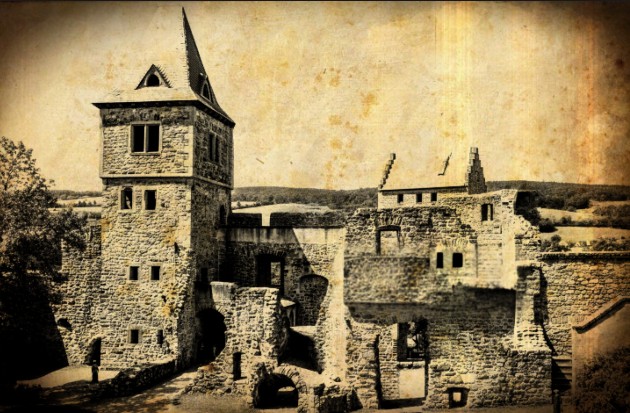
But here’s the fun twist — the name Frankenstein? Totally German. It means “Stone of the Franks,” and there’s an actual Castle Frankenstein overlooking the Rhine River near Darmstadt, Germany!

Legend says a local alchemist named Johann Konrad Dippel once conducted experiments there, chasing the secret to eternal life. Whether Mary Shelley heard about him or just liked the mysterious name, it’s safe to say the spirit of German curiosity inspired her tale.

The original Frankenstein wasn’t evil — he was a scientific pioneer, a guy who just wanted to see how far human knowledge could go. And honestly, who doesn’t love a good “what happens if I mix this with that?” experiment?


An American Dream Come to Life

Fast forward to the United States, a land bursting with invention and imagination. When Frankenstein crossed the Atlantic, Americans saw something more than a spooky tale — they saw adventure! The idea of building something incredible, even if it’s misunderstood at first, fit right in with the nation’s love of discovery and reinvention.

By the 1820s, stage shows and storybook versions of Frankenstein were touring the country, often with a wink and a laugh. By the time Thomas Edison made the first film adaptation in 1910 (yes, the light bulb guy!), the story had already evolved from creepy to curious. And then, of course, came the 1931 Universal Studios classic with Boris Karloff — turning the creature into a Hollywood icon.

Suddenly, Frankenstein wasn’t just a character — he was a celebrity.


The Monster with a Heart (and a Sense of Humor)

Over the years, Frankenstein’s image has softened and sparkled with personality. From the goofy grin of The Munsters’ lovable Herman Munster to Gene Wilder’s hilarious Young Frankenstein, the big green guy became less “ghoul” and more “gentle giant.”

In America, Frankenstein transformed into a symbol of creative curiosity — the idea that experimenting, dreaming, and maybe even failing are all part of what makes us human. He became a little bit like us: misunderstood at times, but full of potential and heart.

And let’s be honest — if Frankenstein were real, he’d probably be an inventor on a talk show today, explaining how his latest gadget “came to life after a lightning storm.”


Why the World Still Loves Him

Frankenstein’s story continues to shine because it’s about possibility. It’s about a spark — literally! — that turns an idea into something amazing. From comic books to cartoons, toy shelves to theme parks, he’s still around because his story celebrates creativity and the courage to try something new.

And deep down, his German roots remind us that great ideas often come from the curious minds and castle towers of dreamers who dare to mix science and imagination.


Conclusion: The Friendly Frankenstein

So maybe Frankenstein isn’t a monster at all. Maybe he’s the ultimate adventurer — a curious soul stitched together from creativity, courage, and a little bit of lightning.

He started as a mysterious name on a map of Germany, came to life through Mary Shelley’s imagination, and then found his forever home in America’s heart — where reinvention and second chances are always welcome.

But Frankenstein didn’t stop there. Once Hollywood brought him to life, he didn’t just conquer the screen — he conquered the marketplace! Almost overnight, the big green guy went from gothic literature to global brand. By the 1930s and ’40s, his face was plastered on movie posters, collectible cards, and comic books. When television reruns introduced Frankenstein to a new generation of kids in the 1950s and ’60s, a merchandising monster was officially born.

Frankenstein became the undisputed king of Halloween, helping transform the holiday from spooky folklore into a nationwide festival of fun. Every October, his square head and neck bolts fill costume racks, store aisles, and front-yard displays from coast to coast. He’s inspired millions of masks, from vintage latex classics to cute toddler versions, proving that you can be both creepy and cuddly at the same time.

And the branding didn’t stop there. Frankenstein danced his way into breakfast bowls as part of the 1970s “Monster Cereal” craze with Franken Berry, his cheerful pink alter ego who turned milk strawberry-sweet. His image showed up on lunchboxes, board games, toys, movie posters, cereal boxes, bubble gum cards, and even Halloween yard inflatables — a true icon of playful fright.

Marketers loved him because he was the perfect mix of scary and sympathetic — a monster you could root for. Toy companies, candy brands, and film studios all gave him new life decade after decade, each time with a little more humor, color, and heart. Even today, you’ll find Frankenstein’s friendly grin lighting up everything from kids’ pajamas to Starbucks mugs and TikTok memes.

In a way, Frankenstein helped build modern Halloween — the costumes, the collectibles, the spirit of dress-up and imagination that makes the season sparkle with excitement. He didn’t just haunt pop culture; he powered it.

After all, who else could turn a spooky science experiment into a hundred-year celebration of creativity, curiosity, and commercial genius?

Frankenstein did — and that’s one electrifying success story! ⚡

» Read more

Celebrate St Nicholas Day on December 6th: German-American Style

St. Nicholas Day: A Magical German Tradition

December 6th holds a special place in the hearts of many, particularly those with German heritage. This day, known as St. Nicholas Day or Nikolaustag, is a time of excitement, anticipation, and a touch of magic. Let’s delve into the rich history and traditions associated with this beloved holiday, celebrated both in Germany and among German-Americans in the United States.

The Legend of St. Nicholas

The origins of St. Nicholas Day can be traced back to the 4th century. Saint Nicholas, the real-life inspiration behind the modern-day Santa Claus, was a kind and generous bishop known for his charitable deeds. He was particularly fond of children and often left gifts for them secretly.

The legend of St. Nicholas has evolved over centuries, and in many parts of Germany, he is accompanied by a somewhat fearsome figure known as Krampus. Krampus, a half-goat, half-demon creature, punishes naughty children with switches or even takes them away. This stark contrast between the benevolent St. Nicholas and the menacing Krampus serves as a powerful reminder for children to behave well.

St. Nicholas Day Traditions in Germany

In Germany, St. Nicholas Day is a significant event, especially for children. On the evening of December 5th, children leave their shoes or boots by the door or window, hoping to find them filled with treats the next morning. Good children are rewarded with sweets, small toys, or oranges, while naughty children may receive a bundle of twigs or a piece of coal from Krampus.

The day itself is often celebrated with festive traditions. Families gather to enjoy special treats like St. Nicholas cookies, a type of gingerbread cookie decorated with colorful icing. In some regions, children may dress up as St. Nicholas or Krampus and go door-to-door singing songs and collecting candy.

St. Nicholas Day in the United States

German-Americans have brought the traditions of St. Nicholas Day to the United States, where it continues to be celebrated in various forms. Many families exchange small gifts on this day, and children may write letters to St. Nicholas expressing their hopes and wishes.

» Read more

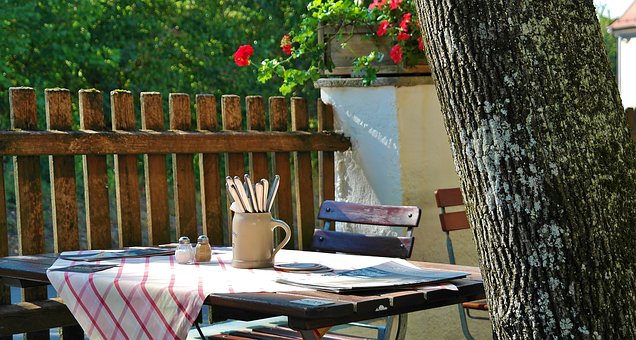
Backyard Biergarten – How To Create for Summertime Fun

Creating your own Backyard Biergarten at your home can be tons of fun, especially when family, close friends and all your neighbors can share in the enjoyment of it all. 

beer-garden

Your own Backyard Biergarten is a real fun project to create and you really can make it as simple or elaborate as you may wish. After all, it is your backyard.

The first part of creating a viable Biergarten in your backyard is knowing the history of Biergartens in Germany. It is true that Biergartens originated in the 19th century in Munich, the capital of the German state of Bavaria.

The large breweries back then dug cellars in the banks near rivers to keep their beer cool during storage. During both the Spring and Summer months they would bring the beer out to enjoy under shade trees in a natural setting outdoors.

» Read more