Why Millions of Americans Are Rediscovering Their German Roots

There has never been a more exciting time to explore your family history.
For generations, millions of Americans knew only fragments of their ancestry. Perhaps they remembered hearing a grandparent mention that the family came from Germany.
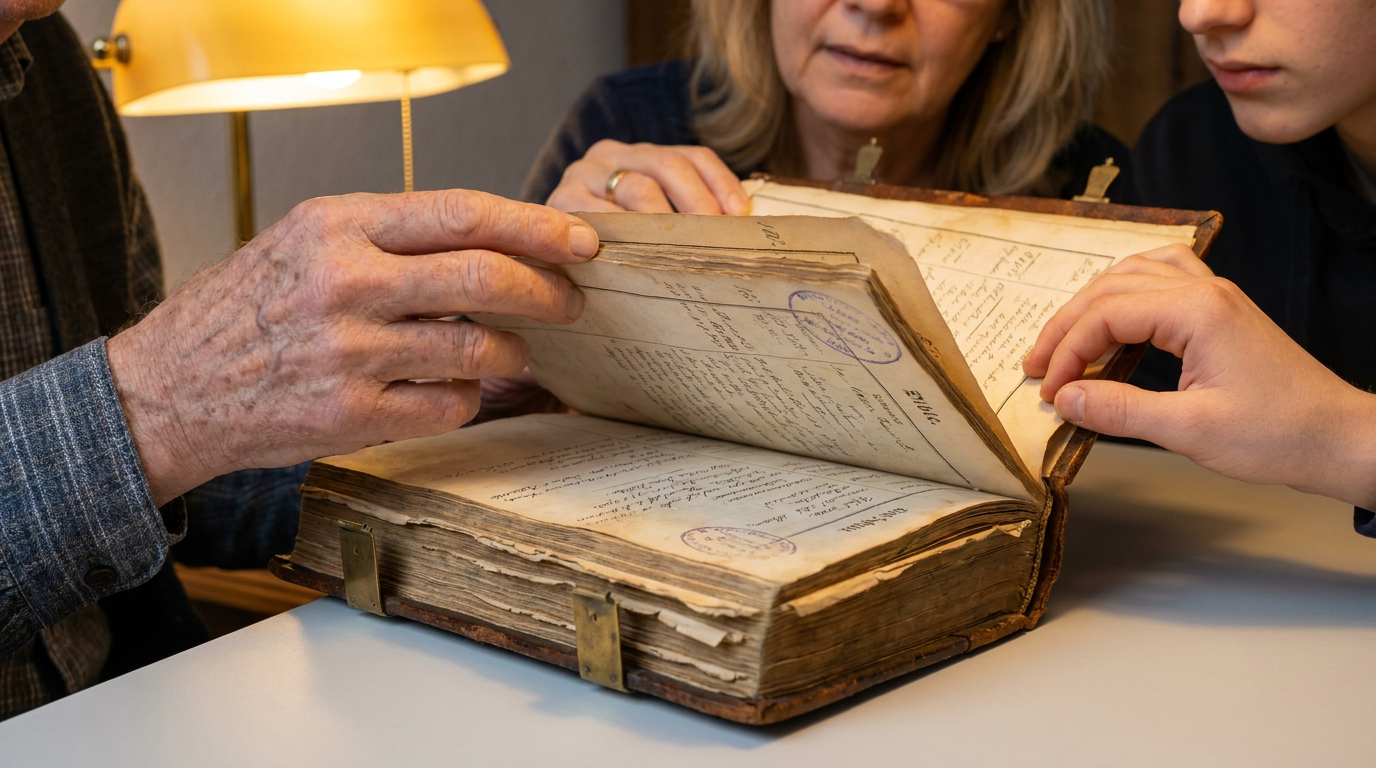
Maybe there was an old black-and-white photograph tucked away in a box, a weathered family Bible, or a recipe that had been prepared every Christmas for as long as anyone could remember. They knew enough to say, “We’re part German,” but rarely knew much more than that.
The unanswered questions often lingered for decades.
Who was the first person in our family to come to America?
Why did they leave Germany?
Where exactly did they live?
What was their life like before they crossed the Atlantic?
Do distant relatives still live there today?
For most of the twentieth century, finding those answers required enormous patience. Research meant traveling to libraries, writing letters to historical societies, searching courthouse records, visiting cemeteries, or spending countless hours scrolling through rolls of microfilm. Many people simply didn’t have the time, resources, or opportunity to pursue the search, so their family’s story remained largely untold.
Today, everything has changed
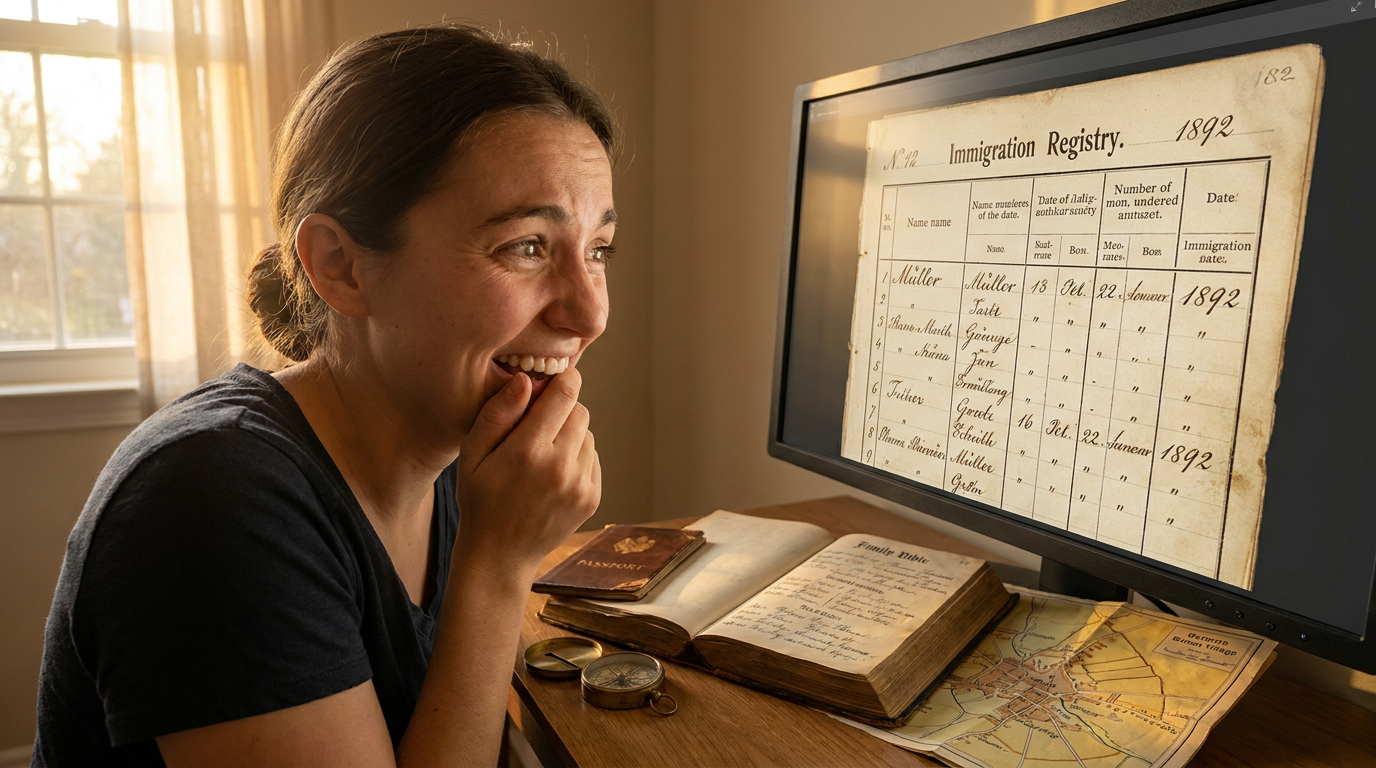
With a few keystrokes, Americans can now search passenger manifests, census records, military documents, church registers, immigration records, historical newspapers, old maps, and millions of digitized family trees from anywhere in the world. DNA testing has opened entirely new doors, revealing cousins, ancestral regions, and surprising family connections that previous generations could never have imagined.
Yet perhaps the greatest discovery isn’t found in a database.
It’s realizing that millions of other Americans are asking the very same questions.
Every day, people from every corner of the country are rediscovering a heritage that quietly helped shape the United States. They’re researching old family surnames, identifying villages their ancestors once called home, learning traditional recipes, attending Oktoberfests, visiting historic German-American communities, and discovering customs that have survived for generations without realizing they had German origins.
What often begins as simple curiosity quickly becomes something much deeper
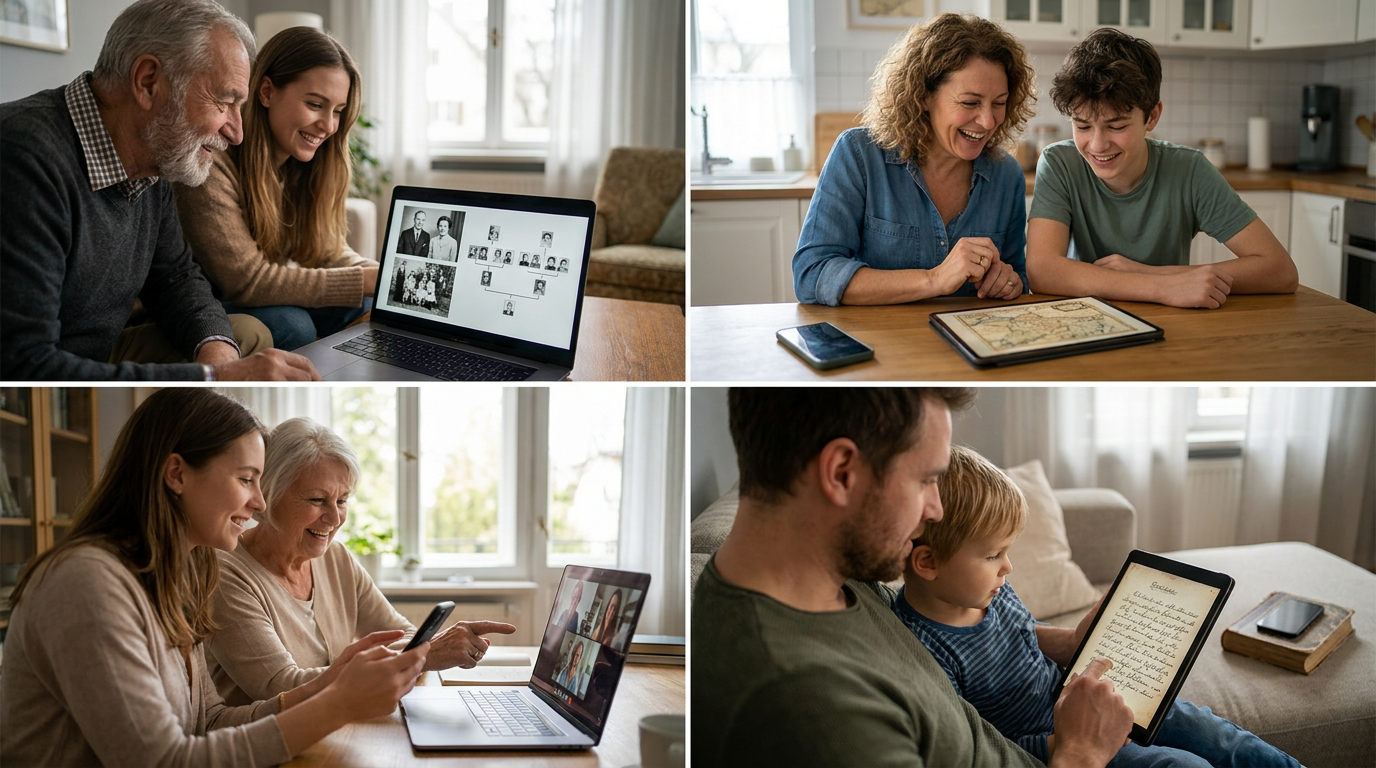
A search for a surname turns into an afternoon of genealogy research.
An old family photograph leads to an entire immigration story.
A DNA result inspires a visit to a local German festival.
A single question becomes a lifelong journey of discovery.
Along the way, people realize they aren’t researching strangers—they’re rediscovering the people whose courage, sacrifices, and dreams made their own lives possible.
That shared journey is exactly why GERMAN HERITAGE USA was created.
Our mission is not simply to publish articles about Germany or celebrate Oktoberfest once a year. We exist to serve as a bridge—connecting millions of Americans who share German ancestry, curiosity, traditions, and family stories.
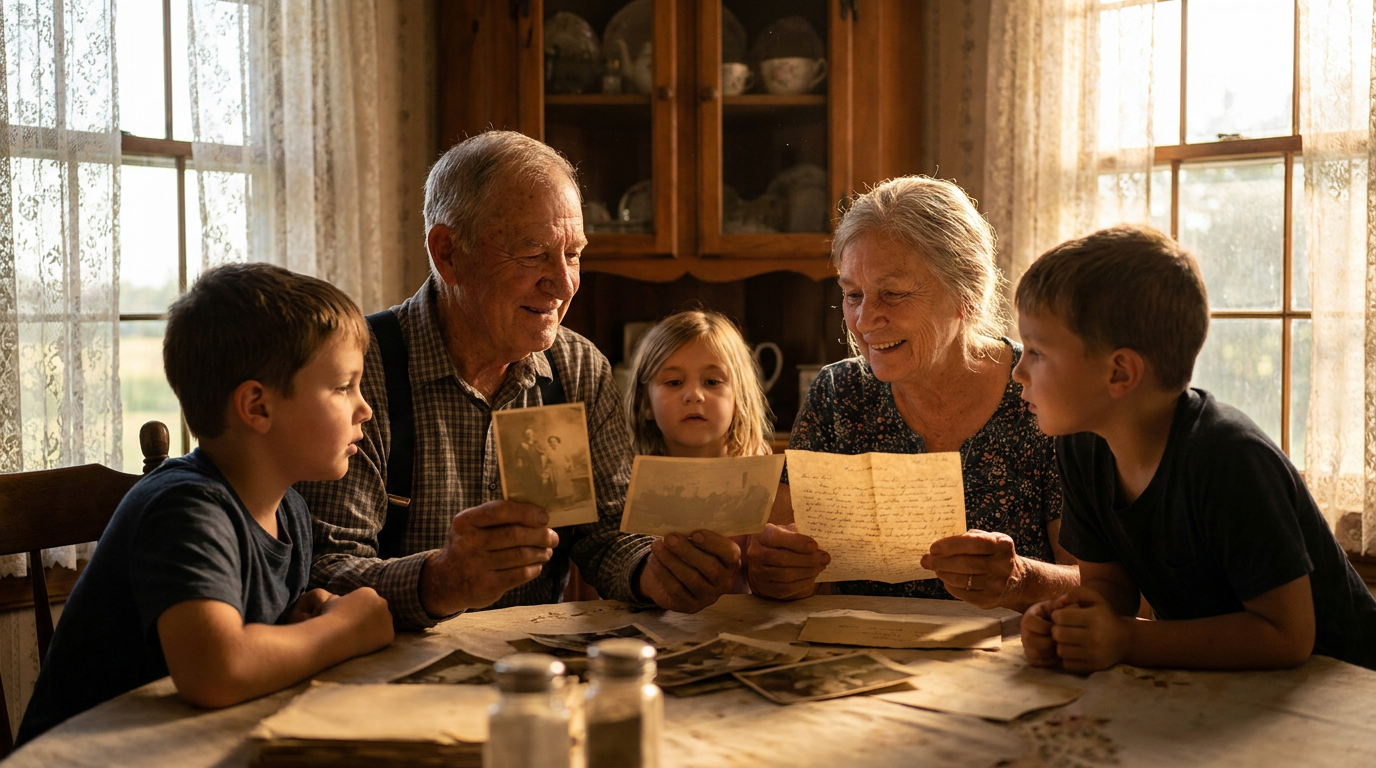
Whether your ancestors arrived in Pennsylvania in the 1700s, settled the Midwest during the great immigration waves of the nineteenth century, established farms across Texas, or built communities throughout nearly every state in America, your family’s story is part of a much larger American story.
For many people, discovering German heritage begins with a single question.
For others, it starts with a family recipe, an old photograph, or a last name they’ve carried their entire lives without knowing its meaning.
Whatever sparks that first moment of curiosity, today’s technology makes it easier than ever to follow the trail. More importantly, it makes it possible to connect with thousands of others who are traveling the same path.
That’s what makes this moment so unique.
For the first time in history, family history isn’t something hidden away in dusty archives. It has become an interactive experience. Social media groups bring together descendants from every state.
Genealogy websites connect distant cousins separated for generations. Online archives place centuries of history at our fingertips. Videos, podcasts, digital museums, and virtual tours make learning about German heritage more engaging than ever before.
» Read more