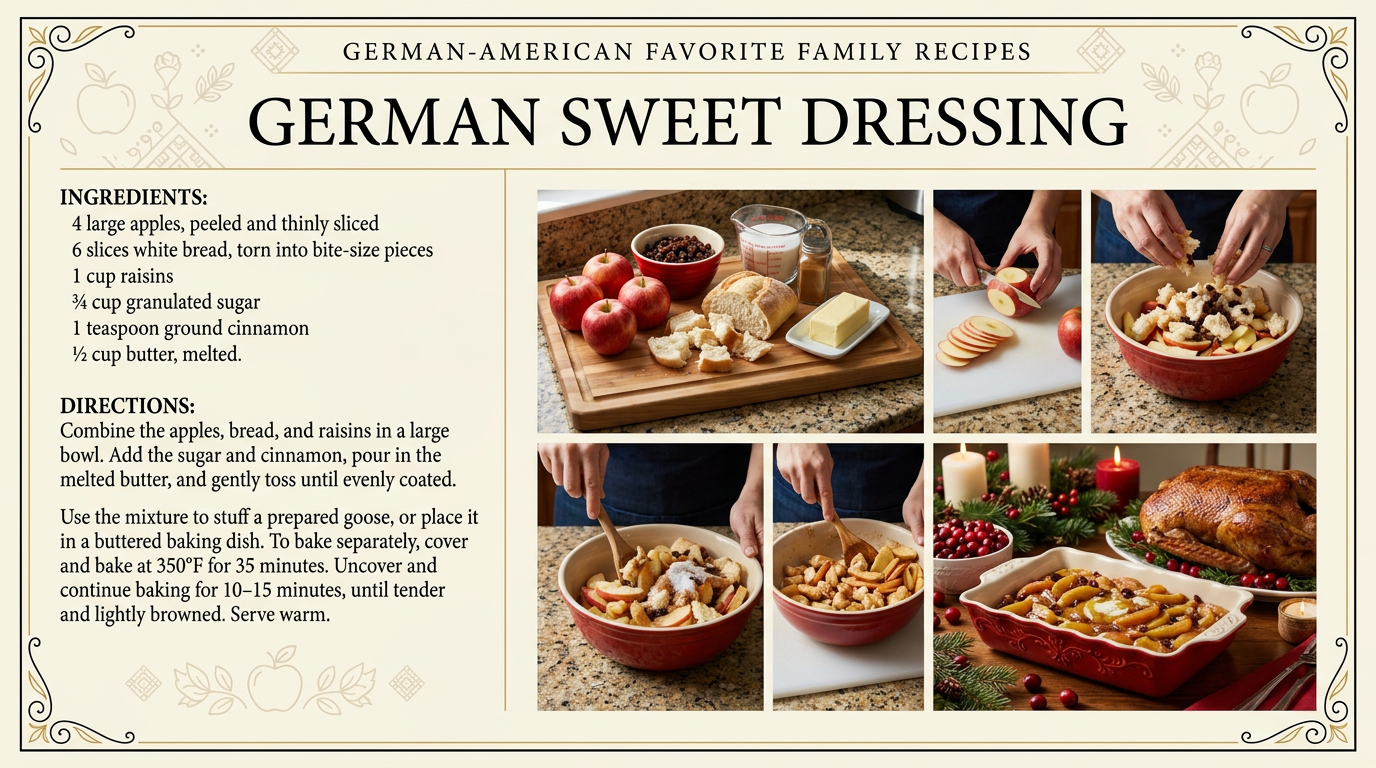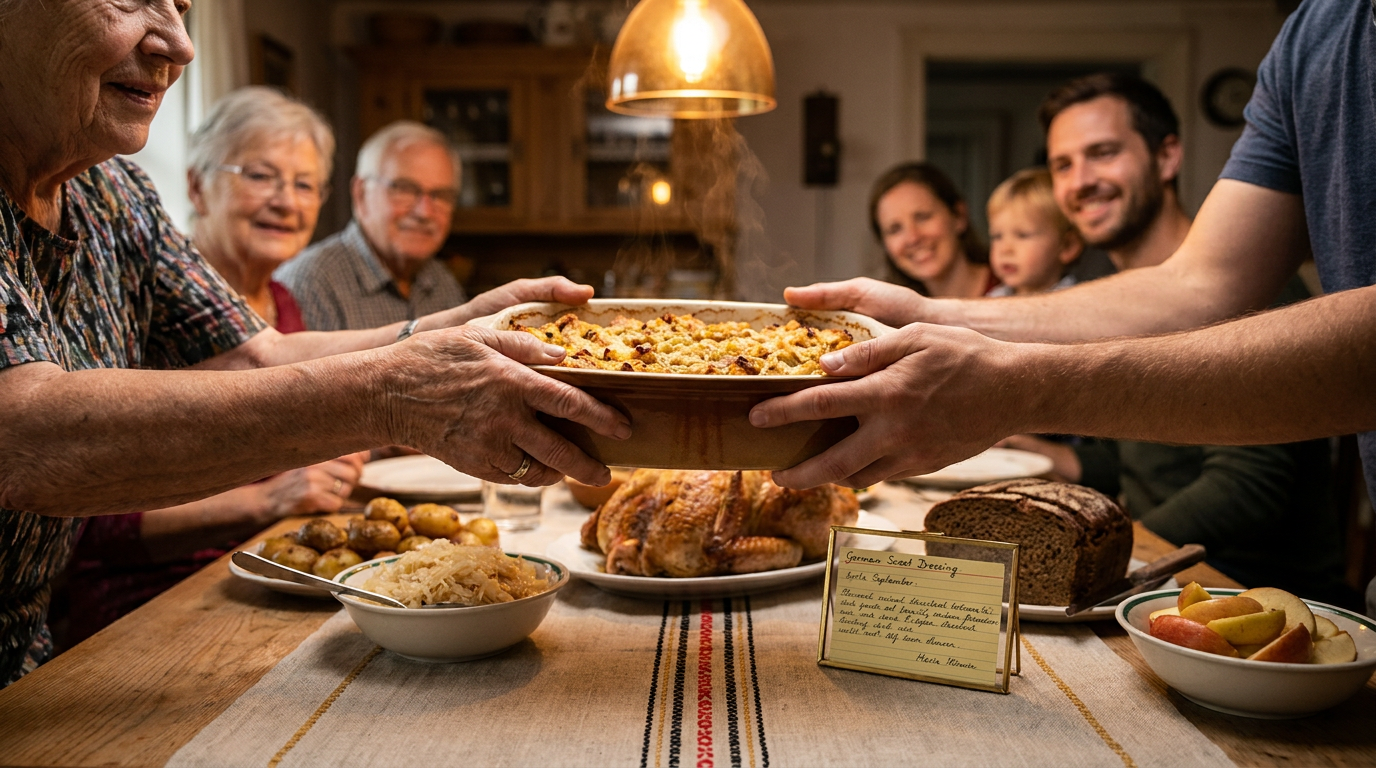
The German Apple Cake That Tastes Like Home: An Old-Fashioned Apfelkuchen Recipe
From Germany’s centuries-old apple orchards to German-American farms in Missouri, Kansas, and the Midwest, discover the delicious history behind one of Germany’s most beloved homemade cakes.
There is something wonderful about walking into a kitchen on a cool autumn afternoon and catching the unmistakable aroma of freshly baked apples, warm butter, vanilla, and cinnamon.
For generations of German families, that aroma has meant one thing: Someone is baking Apfelkuchen!
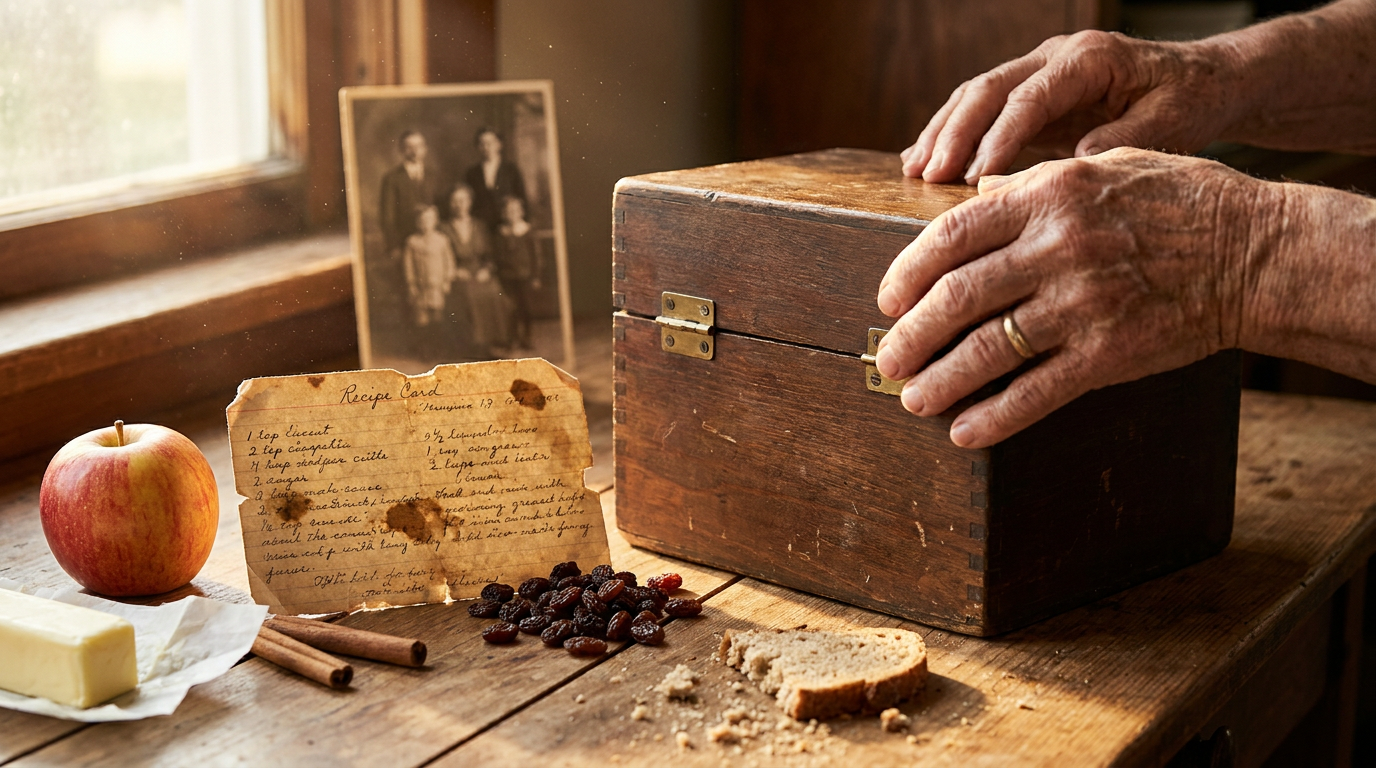
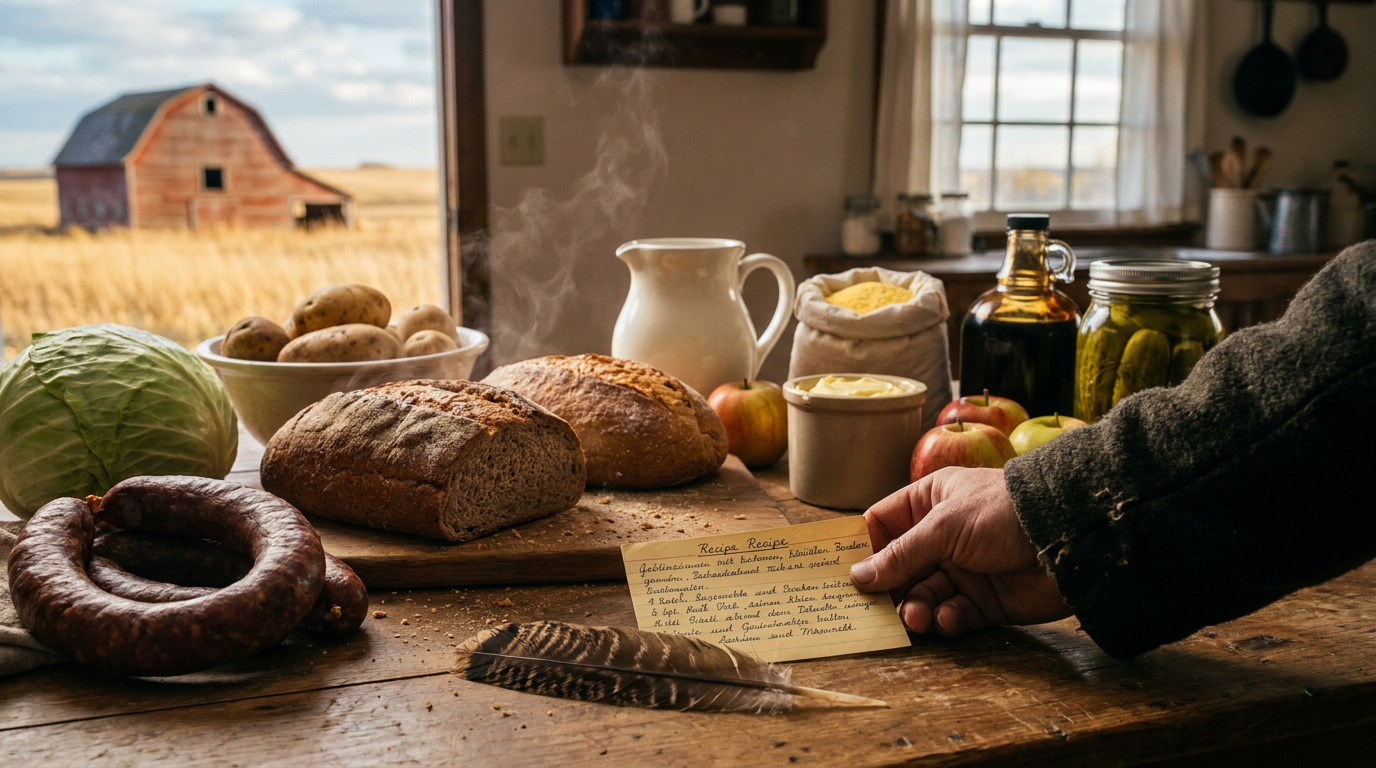
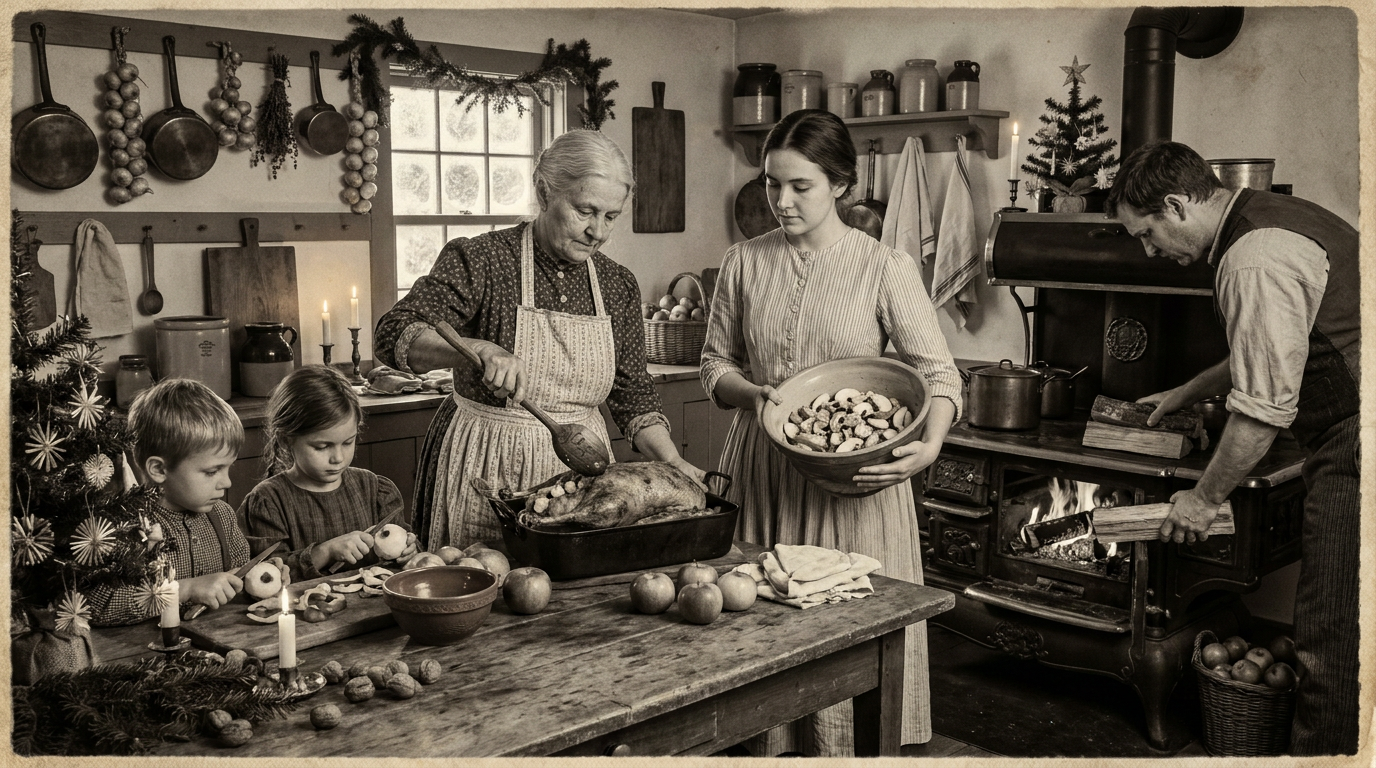
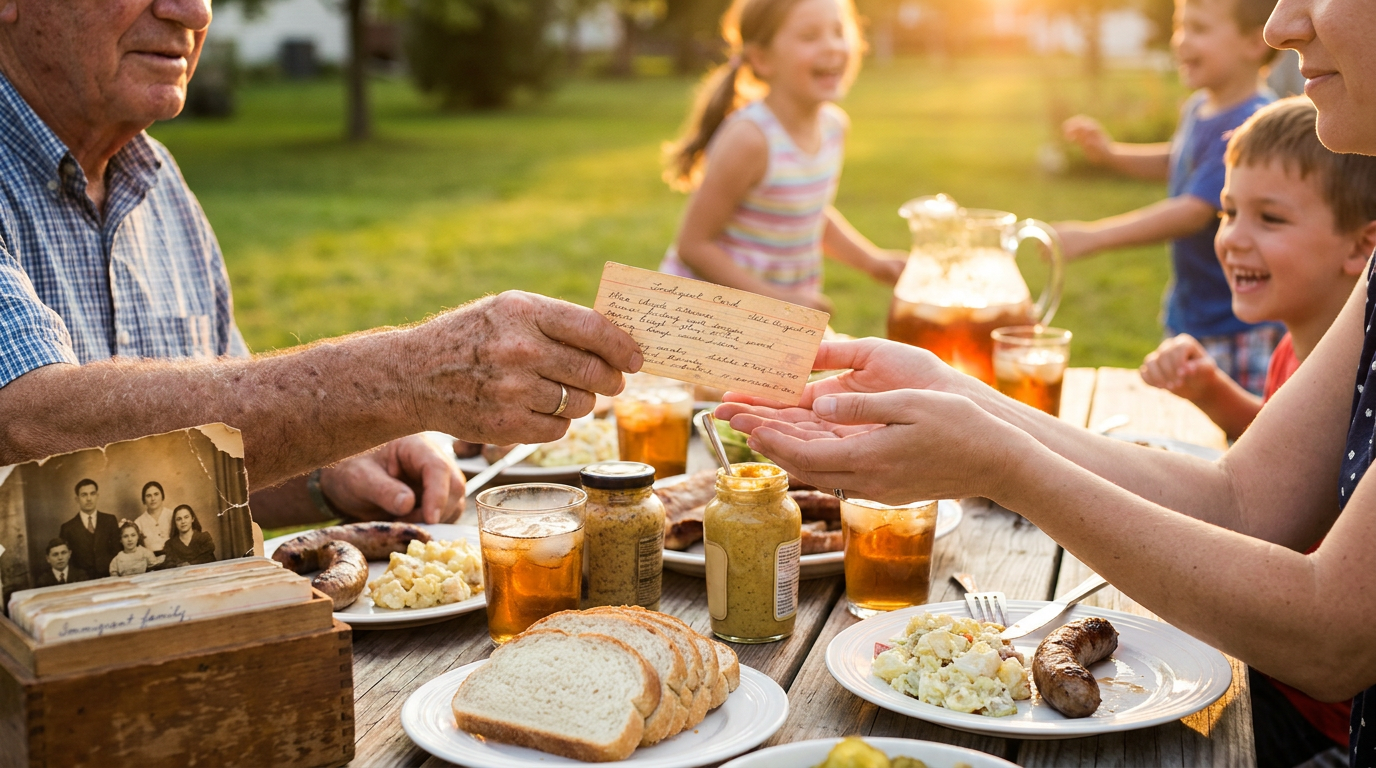
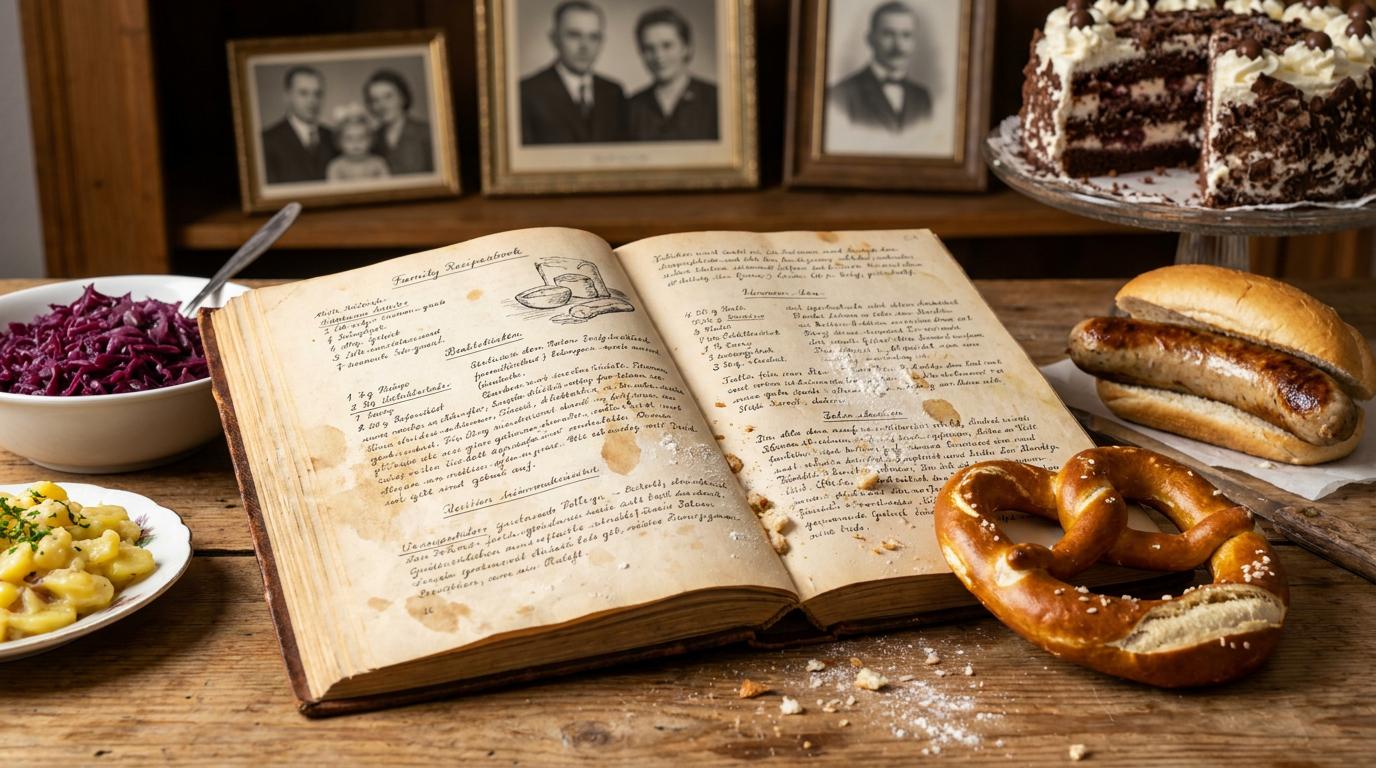
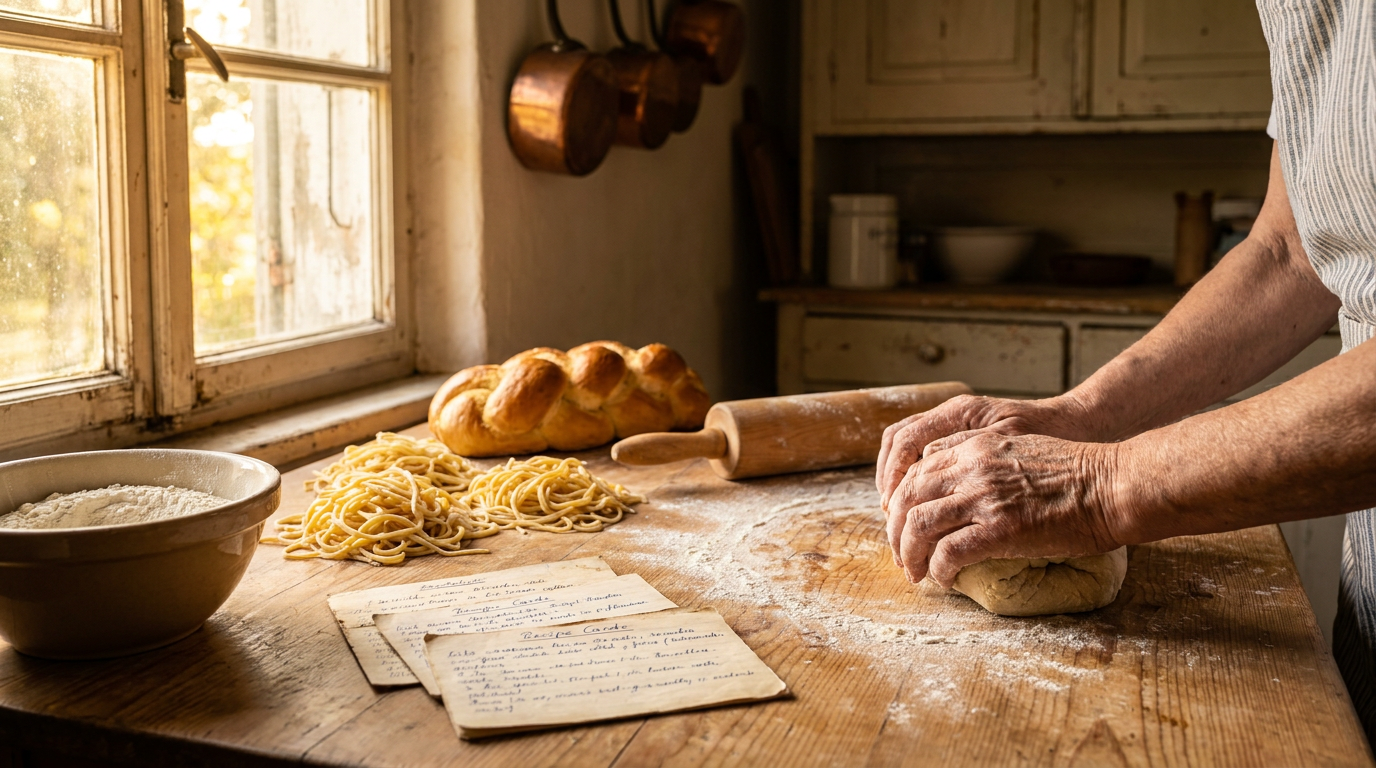
Perhaps it was Oma, standing at the kitchen counter with a well-worn recipe card. Maybe it was your mother, carefully arranging apple slices in a round baking pan. Or perhaps you remember picking apples from a backyard tree before helping prepare Sunday afternoon dessert.
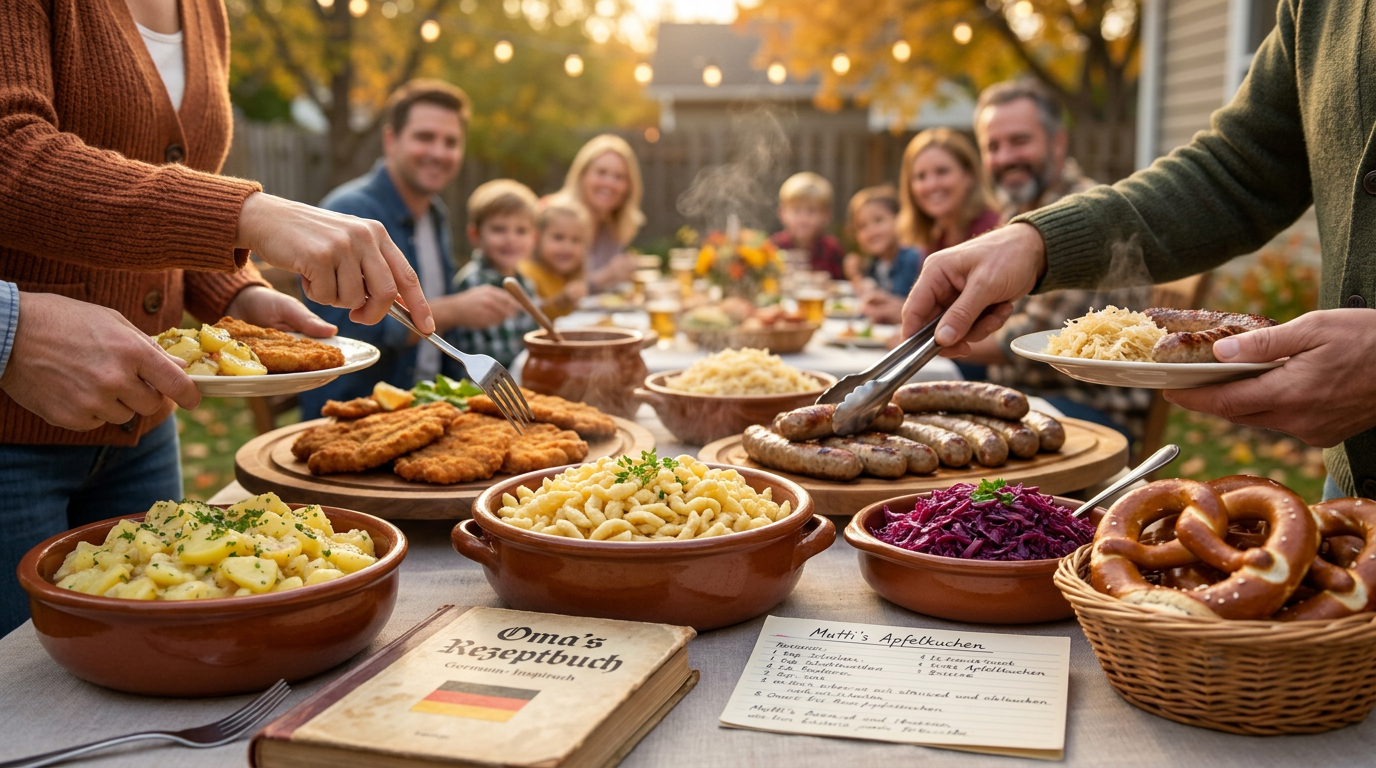
In German households, Apfelkuchen—literally apple cake—is more than something sweet to enjoy with coffee. It is a tradition associated with family gatherings, changing seasons, hospitality, and the simple pleasures of home.
But the story behind German apple cake is bigger than you might imagine.
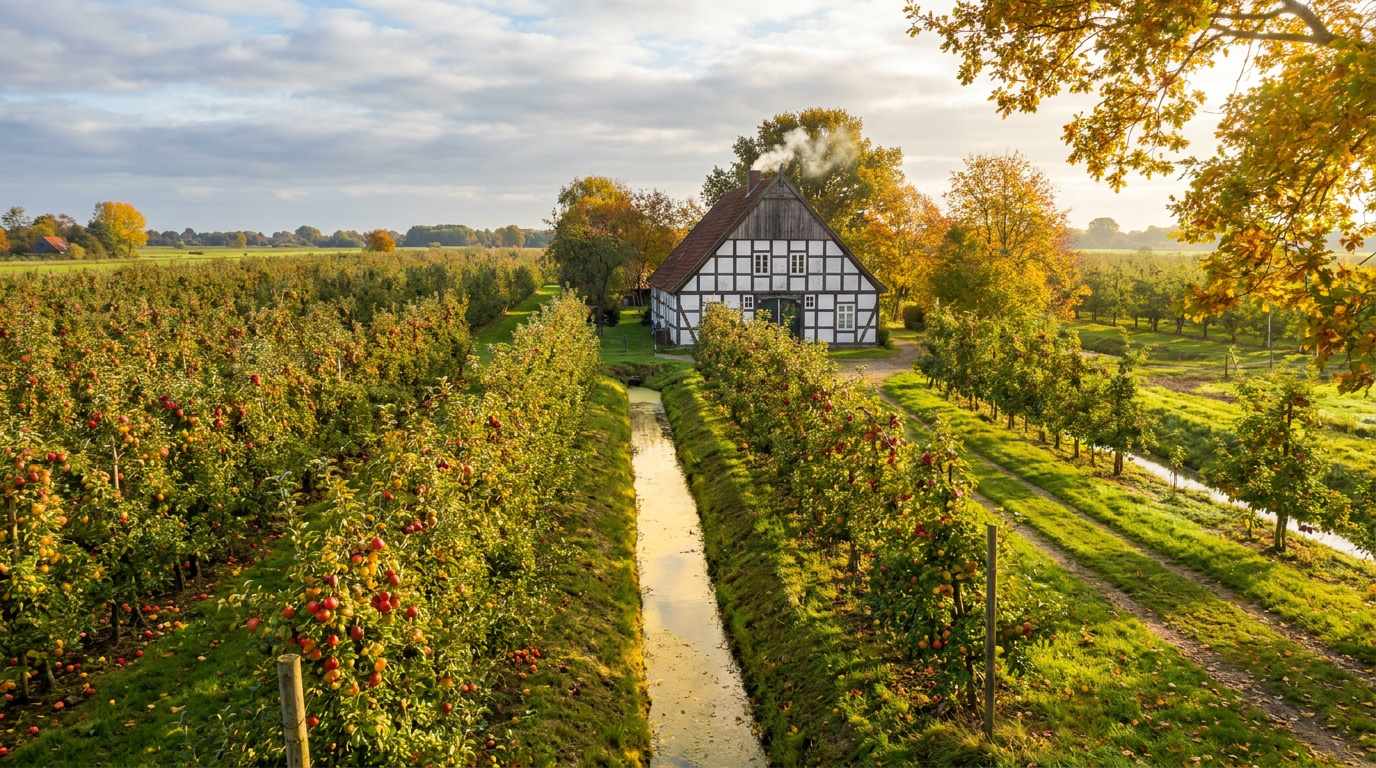
It stretches from northern Germany’s fertile Elbe River valley to the orchards surrounding Lake Constance, across the Atlantic with 19th-century immigrants, and into America’s agricultural heartland—where German-American families helped cultivate farms, preserve baking traditions, and build new lives.
And yes, Missouri and northeastern Kansas have a much bigger place in America’s apple-growing history than many people realize!
Let’s follow the apples, explore the history, and finish with a delicious old-fashioned German recipe you can make at home.
1. Germany’s Love Affair with Apples: A Tradition Centuries in the Making
In Germany, the apple is known as der Apfel, and it has been an important part of rural life for centuries.
Apple trees flourished in farm gardens, village orchards, and traditional fruit meadows known as Streuobstwiesen.
These meadows often combined widely spaced, tall fruit trees with grassland used for haymaking or grazing animals. Instead of today’s tightly planted commercial orchards, the traditional landscape could include apples, pears, plums, and cherries growing alongside one another.
Apples were practical as well as delicious. Families ate them fresh, dried them, stored suitable varieties for winter, pressed them into juice or cider, and turned them into countless baked treats.
By the middle of the 19th century, Germany had approximately 2,000 known apple varieties, according to the German Federal Information Centre for Agriculture.
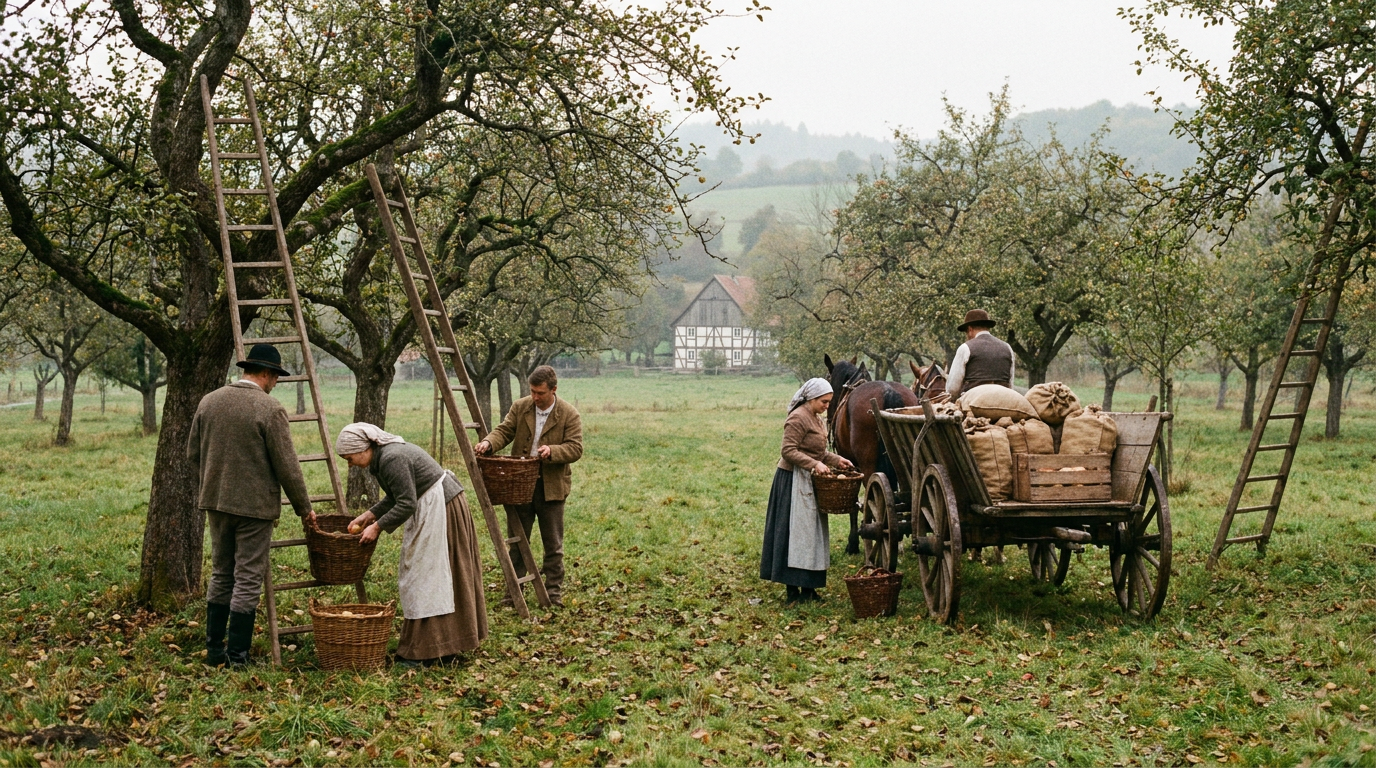
Imagine that diversity! Some apples were best for eating, others for baking, preserving, storing, or pressing.
Today, Germany’s principal apple-growing regions include Altes Land in the north, the Lake Constance region in the south, Saxony in the east, and additional orcharding districts in the Rhineland and elsewhere.
Yet one northern region deserves special attention.
2. Altes Land: Northern Germany’s Legendary Apple Country
Along the Elbe River, an extraordinary orchard landscape was born.
Southwest of Hamburg, along the lower Elbe River near Stade, Jork, and Buxtehude, lies a remarkable fruit-growing district called Altes Land, meaning Old Land.
The region extends across present-day Lower Saxony and Hamburg.
Its orchard history reaches back more than 600 years. During the 12th century, Dutch settlers helped reclaim marshlands by constructing drainage systems and dikes, establishing the agricultural landscape that would later support extensive fruit production.
Historical records confirm orchards in the area during the 14th century.
Why was this region ideal for growing apples?
The answer involves several natural advantages:
- Fertile, river-influenced marsh soils
- A relatively moderate climate influenced by the nearby North Sea
- Reliable access to waterways and commercial markets
- Generations of agricultural experience and orchard cultivation
Proximity to Hamburg was especially valuable. Apples could be transported and sold through a major trading center.
During the 1800s, fruit growing expanded substantially, eventually becoming the dominant agricultural land use in much of Altes Land.
Today, it remains one of Europe’s great contiguous fruit-growing landscapes.
Was Northern Germany the country’s largest apple producer?
Altes Land is one of Germany’s most important apple-producing districts—but the answer depends on the historical period and how production is measured.
Its commercial fruit-growing history is exceptionally long. However, reliable, directly comparable apple-harvest totals for every German region during the 1800s are not sufficient to confidently name one region the national leader throughout that century.
Another great apple-growing district is the Lake Constance (Bodensee) region of southern Germany, especially Baden-Württemberg.
German federal statistics show that Baden-Württemberg and Lower Saxony—home to the Lake Constance and Altes Land growing areas—have been Germany’s two leading apple-producing states in recent years.
For example, in 2020, Baden-Württemberg produced approximately 39% of Germany’s apple harvest, compared with approximately 27% from Lower Saxony.
The important historical takeaway is that Germany had several major orchard traditions, not just one.
Northern Germany’s Altes Land was—and remains—an enormous apple-growing region, while southern Germany’s Lake Constance region developed an equally important reputation.
And families from different German regions carried their own farming knowledge and culinary customs across the Atlantic.
3. From German Orchards to American Farmland: The Great Immigration Era
During the 19th century, millions of Germans left their homelands seeking greater opportunity in America.
Some were experienced farmers. Others were craftsmen, tradespeople, laborers, merchants, and families who dreamed of owning land.
Economic hardship, political instability, restricted opportunities, and the availability of American farmland all influenced migration.

German immigrants settled throughout the country, with particularly strong concentrations across the Midwest.
Missouri, Illinois, Wisconsin, Iowa, Ohio, Michigan, Nebraska, and Kansas became important destinations.
But German immigrants did not introduce apples to America.
Apple trees had already been cultivated in North America for generations. European colonists and other settlers established orchards long before the great German immigration waves of the 1800s.
What German newcomers contributed was another agricultural tradition: experience with cultivated fruit trees, family gardens, food preservation, regional cooking, and established habits of mixed farming.
Not every German immigrant became an orchardist, and not every American orchard was founded by Germans. Nevertheless, individual German immigrant families and their descendants became important participants in the expanding American fruit industry.
They were joining an extraordinary agricultural transformation.
According to the National Park Service, the 1800s became a golden age of American fruit cultivation. By the late 1870s, farm and commercial orchards were widespread throughout the contiguous United States.
Railroads, expanding markets, nurseries, and improved cultivation techniques helped transform apple growing from a household necessity into a major commercial industry.
And nowhere is that story more surprising than in Missouri and Kansas.
4. Missouri: America’s Forgotten Apple-Growing Powerhouse
When Americans think of apple country today, Washington State and New York often come to mind.
But in the late 19th century, Missouri was an enormous fruit-growing center.
German immigration to Missouri accelerated during the 1830s and 1840s, especially around St. Louis and the Missouri River valley.
A widely read account by German writer Gottfried Duden, describing his experiences in Missouri during the 1820s, helped encourage migration.
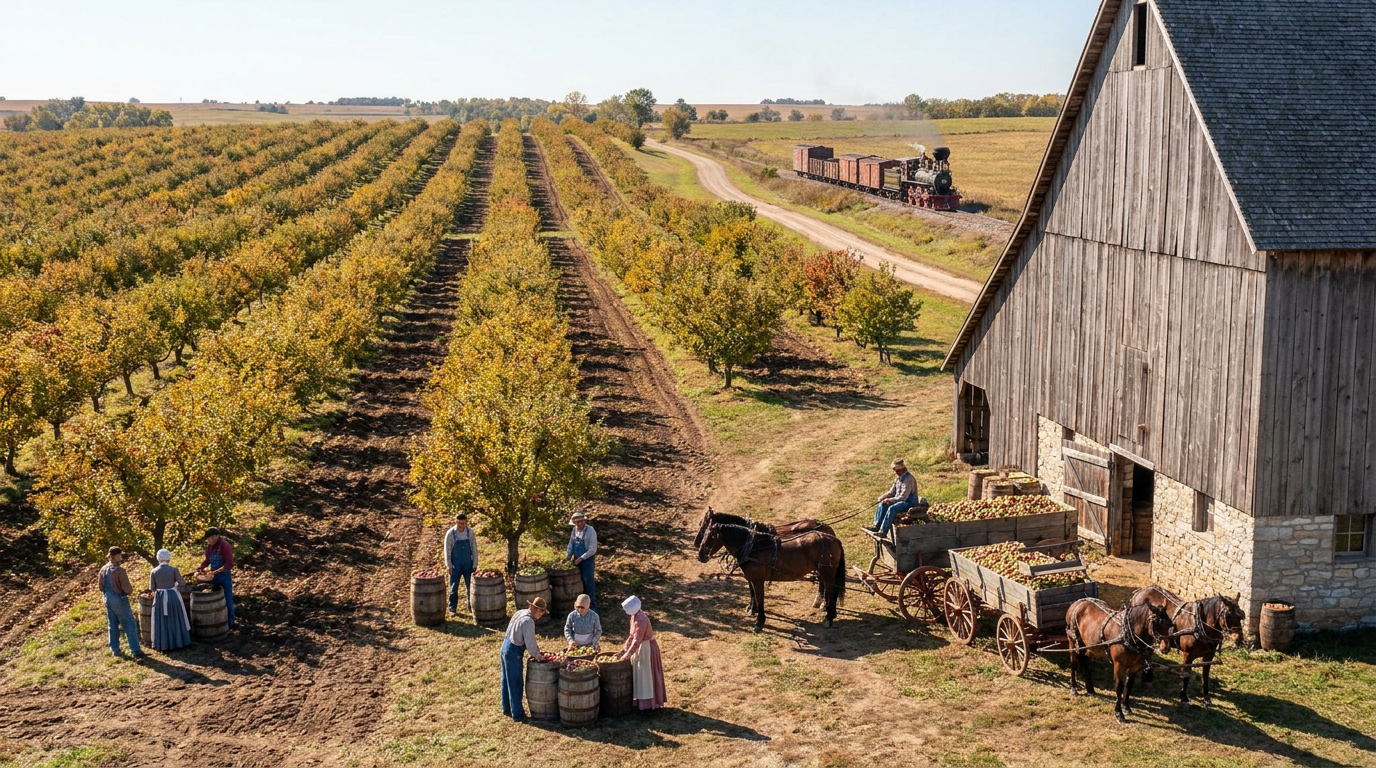
German settlers established communities and farms across the Missouri River region, including places that became closely associated with German-American culture.
But Missouri’s apple industry extended far beyond its German settlements.
Missouri’s remarkable apple boom
According to research published in OzarksWatch, commercial fruit growing expanded dramatically after the Civil War.
Between 1880 and 1890, Missouri rose from tenth to first among America’s fruit-growing states, with apples serving as its principal fruit crop.
Much of this activity developed in the Ozarks of southern Missouri, where parts of the region became known as the Land of the Big Red Apple.
In 1882, railroad expansion across the Ozarks helped connect orchard growers with distant markets.
Fruit that once might have been consumed locally could now travel by rail to customers hundreds of miles away.
Missouri State University’s Fruit Experiment Station also documents how settlers carried apple trees and seeds westward.
By 1880, an established Missouri apple industry was producing varieties such as:
Ben Davis, Gano, Jonathan, and Missouri Pippin.
Apples were packed in barrels and shipped through transportation networks to domestic and international markets.
These were American-grown varieties, not simply German varieties transplanted to Missouri. Immigrant farmers adapted to the fruit varieties and growing conditions available in their new homeland.
In 1899, Missouri established a State Fruit Experiment Station at Mountain Grove to advance the industry.
It was a remarkable period when apple growing helped define the agricultural identity of parts of Missouri.
5. Northeastern Kansas: Fertile Soil, Immigrant Heritage, and the Apple King
Now we come to a fascinating—and often overlooked—chapter in German-American agricultural history.
Northeastern Kansas was once an extraordinary apple-producing region.
The northeastern corner of Kansas enjoys more favorable rainfall than much of the state’s drier western territory.
In places such as Doniphan County, deep, fertile loess soils and the Missouri River landscape provided excellent agricultural opportunities.
The Doniphan County government records that its county was once considered the apple center of Kansas, with fruit remaining a major agricultural product until around the 1950s.
But our German Heritage connection becomes even more compelling in nearby Leavenworth County.
Meet Frederick Wellhouse: Kansas’s legendary apple grower
Frederick Wellhouse was born in Ohio in 1828.
His parents, William and Hanna Wellhouse, were immigrants from Hanover, Germany.
After farming in Ohio and Illinois, Frederick moved with his family to Leavenworth County, Kansas, in 1859.
He gradually developed one of the most remarkable orchard operations in American agricultural history.
His first commercial apple orchard was established in 1876.
Over the following decades, the Wellhouse family developed orchard properties in Leavenworth, Miami, and Osage counties.
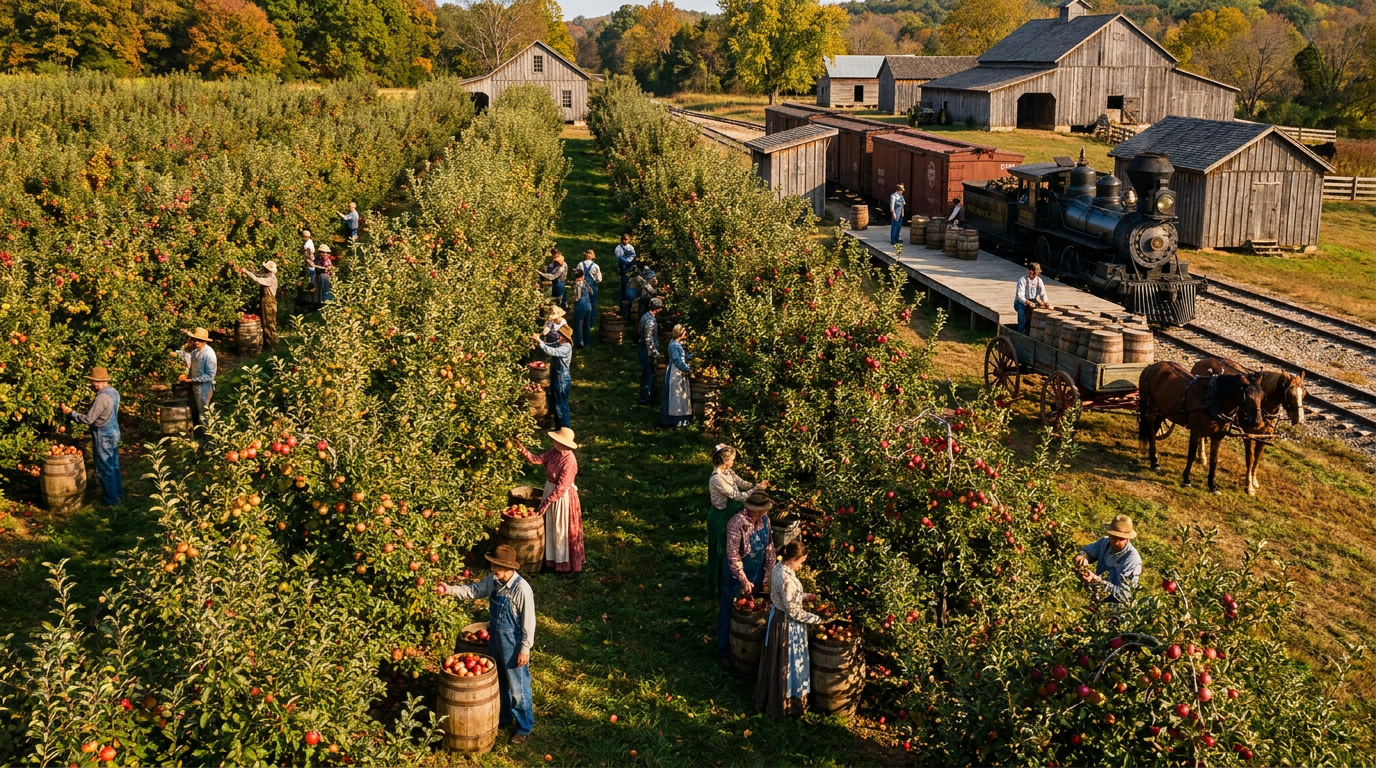
Historic preservation research filed with the National Park Service records that the operation eventually encompassed well over 100,000 apple trees.
In 1890 alone, the family harvested approximately 79,170 bushels of apples.
By 1900, the Wellhouse orchard operation covered approximately 1,942 acres.
Frederick became popularly known as the Apple King of the World.
Just imagine the scene: enormous orchards, seasonal workers, wooden apple barrels, storage buildings, and railroad cars carrying Kansas-grown apples toward distant markets.
His daughter, Cora Wellhouse Bullard, also played a significant role in the family operation.
And the German-American connection is unmistakable: a family whose first American generation came from Hanover helped establish a massive apple-growing enterprise in Kansas.
More than fertile soil
Productive apple orchards require more than rich earth.
Growers must consider drainage, winter temperatures, late-spring frosts, rainfall, pests, and suitable varieties.
Northeastern Kansas benefited from fertile soils, transportation routes, and accessible markets. Yet farmers also faced drought, insect damage, and difficult growing seasons.
The Wellhouse family story illustrates something important about German-American Heritage:
Immigrant families didn’t merely preserve Old World traditions. Their descendants adapted, experimented, and helped build new American agricultural industries.
6. Illinois, Wisconsin, Michigan, and Beyond: More Apple-Growing Connections
The Midwest’s apple story extends well beyond Missouri and Kansas.
Illinois: A German immigrant family that planted a lasting legacy
In 1837, German immigrant Johann Eckert settled with his family in southern Illinois.
According to the Eckert family’s published history, the land suited fruit-tree cultivation, and the family developed orchards near Belleville.
Successive generations expanded the agricultural business.
The Eckert family enterprise became an enduring example of a German immigrant farming legacy in the American Midwest.
Wisconsin: Farming, family kitchens, and German traditions
Wisconsin attracted large numbers of German immigrants during the 19th century.
Its farming communities preserved many German culinary traditions, while the state’s fruit-growing districts developed around favorable local climates, including the influence of nearby lakes.
In German-American homes, apple cakes, preserved fruits, and other baked goods remained part of family food traditions.
Michigan: An American fruit belt
Michigan developed substantial commercial orchards during the 1800s.
Along Lake Michigan, the moderating influence of the lake helped create a productive fruit-growing environment.
German immigrants also settled in Michigan’s agricultural communities, contributing to the state’s broader farming history.
Iowa and other Midwestern states
Iowa, Nebraska, Ohio, and additional Midwestern regions developed farm orchards and fruit-growing traditions of their own.
Across the Midwest, apples served practical household purposes: fresh eating, winter storage, drying, preserving, and baking.
Some families cultivated only a few backyard trees. Others operated extensive orchards.
And although the communities differed, the results often arrived at the dinner table in a familiar form: a homemade apple dessert.
7. From Orchard to Oma’s Kitchen: How Apfelkuchen Became a Family Favorite
There is no single recipe that defines all German Apfelkuchen.
Germany’s regional baking traditions are wonderfully diverse.
Some cakes feature tender butter batter with apple slices arranged on top. Others use pastry crusts, custard, crumb toppings, or apples layered generously throughout.
For many German-American families, these recipes became treasured household traditions.
An old family recipe might be measured in cups rather than grams. A German variety of tart baking apple might be replaced with a local American favorite.
Perhaps Oma added extra cinnamon, while another household preferred only vanilla and lemon zest.
Such adaptations are part of the living history of German-American cooking.
And one of the loveliest traditions surrounding homemade cake is Kaffee und Kuchen—coffee and cake—when family and friends gather to share something freshly baked.
No fancy occasion required.
Just good coffee, a slice of cake, and a little time together.
8. OLD-FASHIONED GERMAN APFELKUCHEN RECIPE
Oma-Style Versunkener Apfelkuchen — German Sunken Apple Cake
This German classic is called Versunkener Apfelkuchen, or sunken apple cake, because the apples gently settle into the soft batter as the cake bakes.
The result is a moist, tender butter cake with beautifully arranged apples and a delicate golden crust.
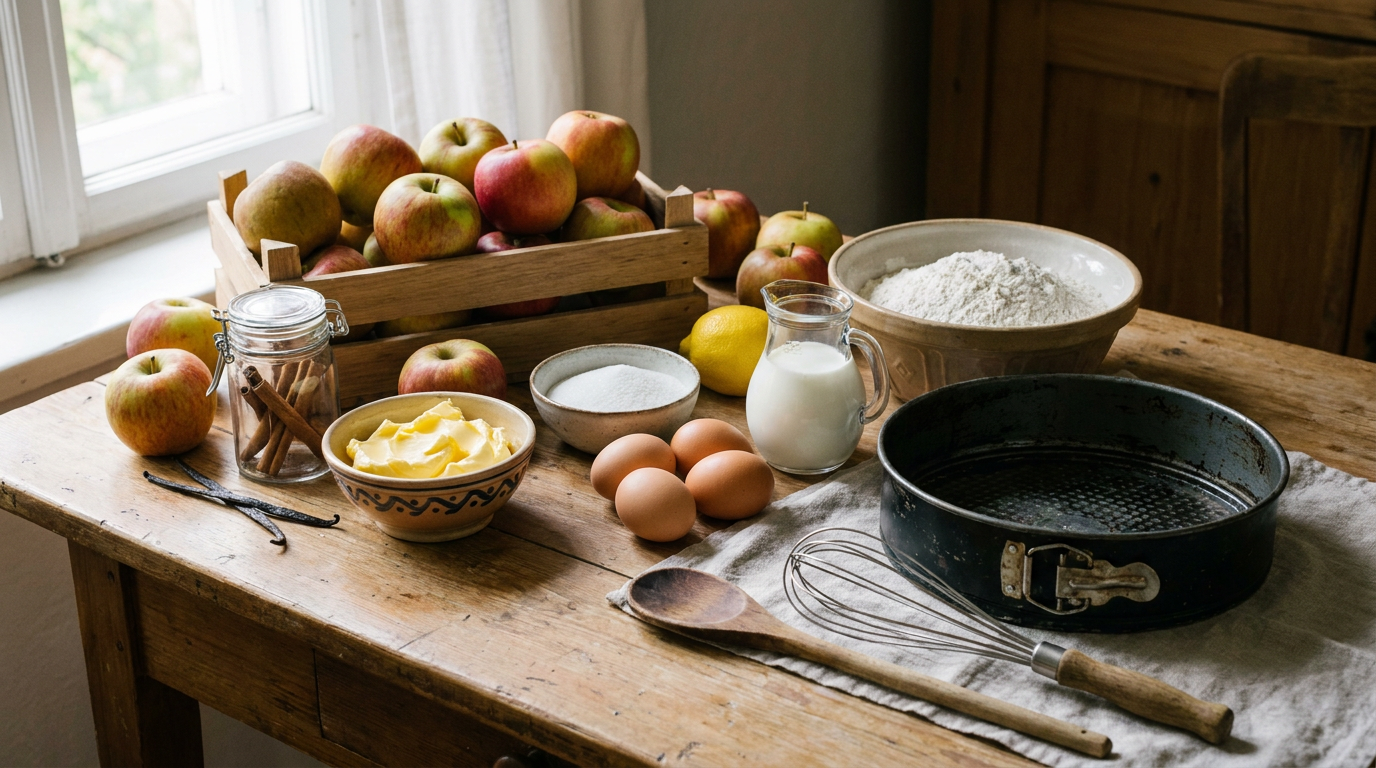
This home-baking version follows the traditional German butter-batter method and uses ingredients readily available in American supermarkets.
Recipe details
- Preparation: Approximately 20–25 minutes
- Baking: Approximately 45–55 minutes
- Servings: 10–12 slices
- Oven temperature: 350°F (175°C)
- Baking pan: 10-inch (25–26 cm) springform pan
Ingredients
For the cake batter
- 1 cup plus 2 tablespoons (about 200 g) all-purpose flour
- ½ cup plus 1 tablespoon (125 g) unsalted butter, softened
- ⅔ cup minus 1 tablespoon (125 g) granulated sugar
- 3 large eggs, room temperature
- 2 teaspoons baking powder
- 1 teaspoon pure vanilla extract
- 3 tablespoons milk
- 1 teaspoon finely grated lemon zest
- ¼ teaspoon salt
For the apple topping
- 3–4 medium baking apples, approximately 1¼–1⅓ pounds (550–600 g)
- 1 tablespoon fresh lemon juice
- ½ teaspoon cinnamon, optional
- 1 tablespoon sugar, optional
- Powdered sugar for finishing
Instructions
STEP 1 — Prepare your baking pan
Preheat your oven to 350°F (175°C).
Lightly butter a 10-inch springform pan. Line its bottom with parchment paper and grease the sides.
STEP 2 — Prepare the apples
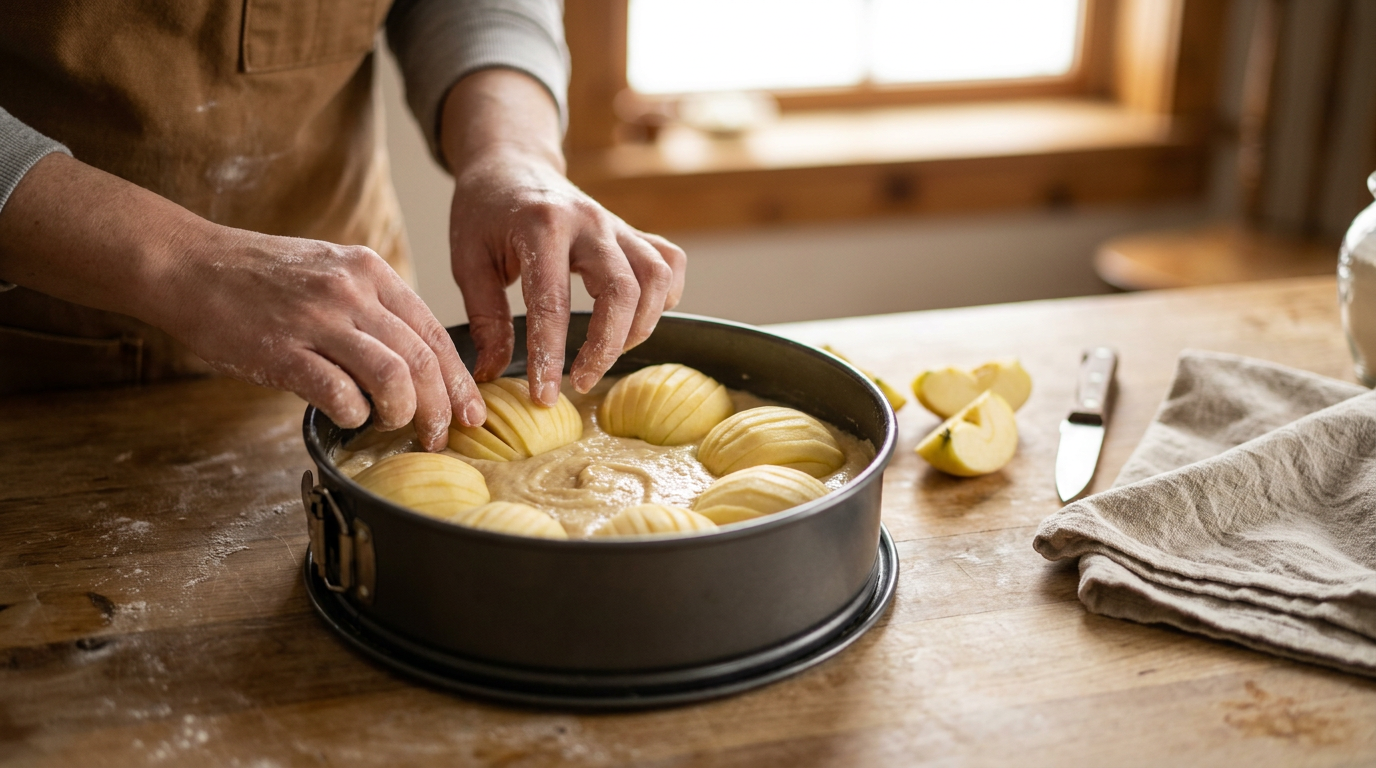
Peel the apples, cut them into quarters, and remove the cores.
Using a sharp knife, make several shallow, closely spaced cuts across the rounded outer surface of each quarter. Do not slice all the way through.
Toss gently with lemon juice to reduce browning.
This scoring technique creates the beautiful, traditional fan-like appearance.
STEP 3 — Cream the butter and sugar
In a large mixing bowl, beat the softened butter and sugar for approximately 3–4 minutes, until light and fluffy.
Mix in the vanilla and lemon zest.
STEP 4 — Add the eggs
Add the eggs one at a time, beating after each addition.
The mixture should become smooth and creamy. A little curdling is harmless and usually disappears when the flour is incorporated.
STEP 5 — Prepare the batter
In a separate bowl, whisk together the flour, baking powder, and salt.
Add the dry ingredients to the butter mixture, alternating with the milk.
Mix just until combined. Do not overbeat.
STEP 6 — Arrange the apples
Spread the batter evenly into the prepared pan.
Arrange the apple quarters in a circular pattern with their scored, rounded sides facing upward.
Press each apple quarter only slightly into the batter.
If desired, sprinkle lightly with cinnamon and the optional tablespoon of sugar.
STEP 7 — Bake until golden
Bake on the middle oven rack for approximately 45–55 minutes.
The cake is ready when the top is golden brown and a wooden toothpick inserted into a batter area near the center comes out clean or with a few moist crumbs, but no wet batter.
If browning too quickly, loosely cover with aluminum foil toward the end.
STEP 8 — Cool and serve
Let the cake rest in its pan for approximately 15 minutes before releasing the springform ring.
Cool further on a wire rack.
Dust with powdered sugar just before serving.
For an especially delightful treat, serve slightly warm with freshly whipped cream—Schlagsahne—and a cup of coffee.
Guten Appetit!
9. Regional Variations: Many German Apple Cakes, One Delicious Tradition
Different German kitchens have developed countless ways of preparing apple cake.
Streusel Apfelkuchen: A beloved variation featuring buttery, crumbly streusel over apples. These cakes are popular in many regions and are often prepared on baking sheets.
Southern German apple cakes: Recipes may feature tender pastry, sliced apples, or a creamy filling. Individual families and bakeries have their own interpretations.
Hessian-inspired apple cakes: In Hesse, where apple-wine culture has deep roots, some apple cakes incorporate Apfelwein or apple-wine-flavored fillings.
Blechkuchen: Sheet-pan cakes are popular for larger gatherings. They’re convenient for serving family, neighbors, and guests.
American German-family adaptations: Some families add cinnamon more generously, substitute locally grown apples, or serve their cake with vanilla ice cream.
No one variation belongs exclusively to a single German state, and the recipes often overlap across regions.
A few baking tips from the German-American kitchen
For the best flavor and texture, choose firm baking apples with a good balance of sweetness and acidity.
Excellent American options include Granny Smith, Braeburn, Pink Lady, and Jonagold. Honeycrisp can also work, though its sweetness and texture may produce a slightly different result.
If you find traditional European cooking apples such as Boskoop, they’re also excellent.
Avoid overmixing the batter, and don’t rush the cooling process.
Most importantly, don’t worry about making your cake look absolutely perfect.
Old-fashioned Apfelkuchen is supposed to look homemade!
10. Preserving More Than a Recipe: A Slice of German-American Heritage
Think about the remarkable journey behind something as simple as apple cake.
The orchard growers of northern Germany’s Altes Land.
The farming families near Lake Constance.
The German immigrants who crossed the Atlantic during the 1800s.
The apple orchards of Missouri’s Ozarks.
The extraordinary Wellhouse family of Kansas, whose roots reached back to Hanover.
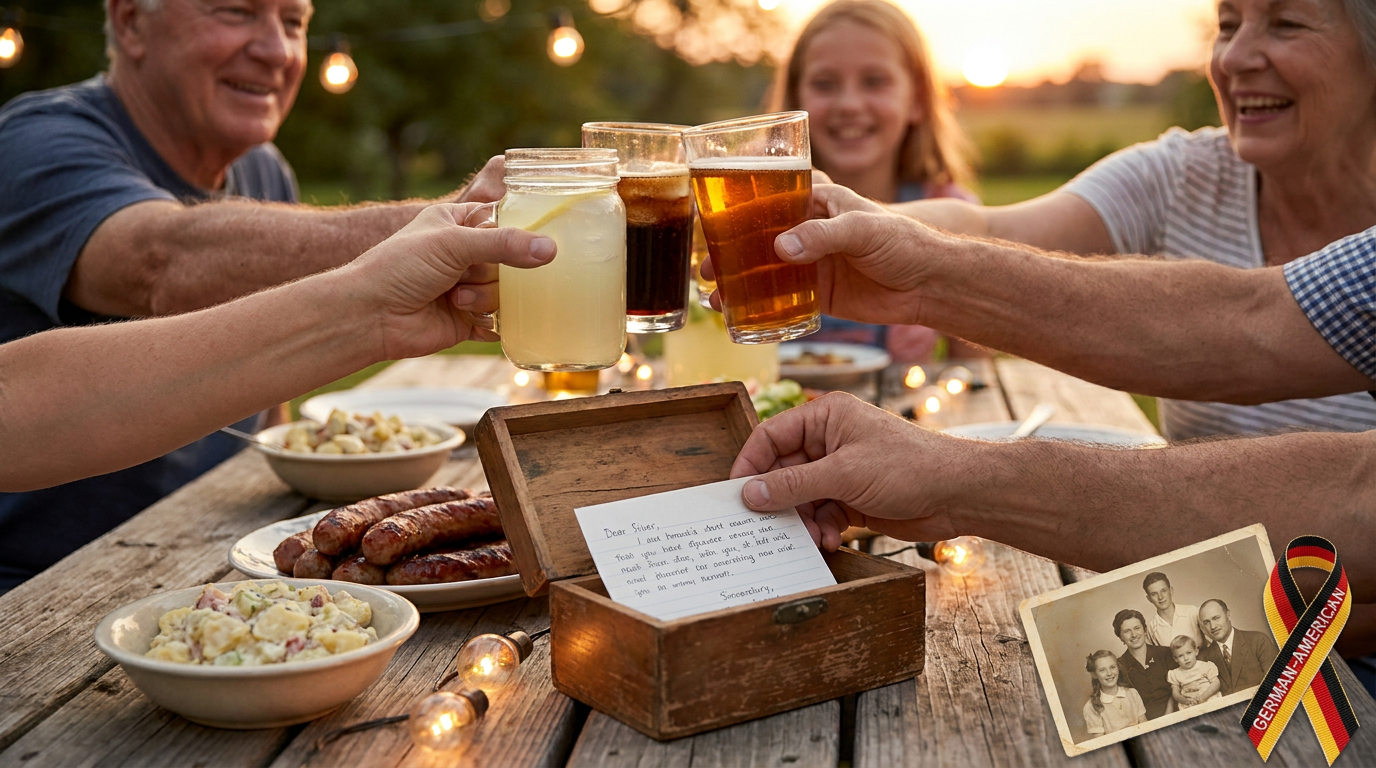
And the countless families who carried favorite recipes, baking techniques, and kitchen traditions into their new American lives.
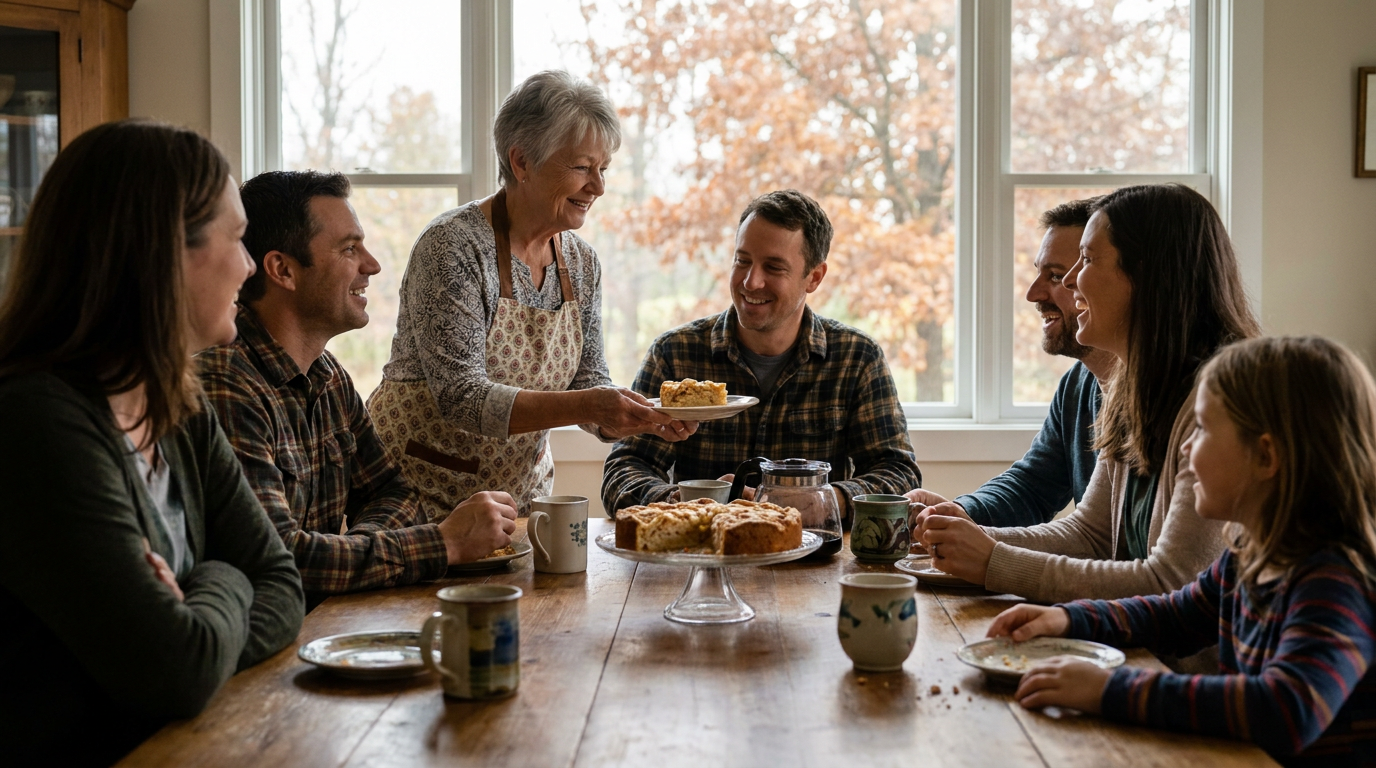
Not every family followed the same journey. Not every recipe survived unchanged.
But the connections between agriculture, immigration, food, and memory are woven deeply into the story of German Heritage in America.
And that is what makes a simple slice of Apfelkuchen so meaningful.
A recipe doesn’t need to be extravagant to become a family treasure. Sometimes it only needs fresh apples, a warm oven, and someone willing to pass it along.
We’d Love to Hear Your Apple Cake Memories!
Did your Oma or mother make homemade German Apfelkuchen?
Did your German-American family have an apple orchard, farm, or special fall baking tradition?
Do you remember a particular apple variety, recipe ingredient, or dessert that appeared every autumn?
Tell us about it in the comments below!
Better yet, share this article with your family, bake an Apfelkuchen together, and help keep those wonderful traditions alive.
From Germany’s historic orchards to America’s heartland, may the memories—and the delicious traditions—continue for generations to come.
GERMAN HERITAGE USA — Celebrating and Promoting German Heritage Across America!
Historical Research & Further Reading
The following sources provide background for the orchard, immigration, and agricultural history discussed in this article.
- German Federal Information Centre for Agriculture — Apples and Germany’s growing regions
- Hamburg Tourism — The History of Altes Land
- German Federal Statistical Office — Apple Production by Region
- State Historical Society of Missouri — German-American Experience Research Guide
- Missouri State University — History of Missouri Apple Growing
- OzarksWatch — The Missouri State Fruit Experiment Station
- Doniphan County, Kansas — County Agricultural History
- Kansas Historical Society — Stonehaven Farm and the Wellhouse Orchards
- Fruit Growers News — The Eckert Family’s German Immigrant Farming History
- National Park Service — American Orchard History, 1801–1880
- Michigan State University — Michigan Agricultural History
Recipe note: This is a modern home-kitchen adaptation of traditional Versunkener Apfelkuchen, not a transcription of an individual historical family’s recipe.
Important recipe correction: In Section 8, please use 1⅔ cups (200 g) all-purpose flour, not 1 cup plus 2 tablespoons. Also use ½ cup plus 2 tablespoons (125 g) granulated sugar. The gram measurements are correct; these are the corrected U.S. volume equivalents.