
From Castles to Communities: Where to Experience German Architecture in America
For many Americans, German Heritage often first arrives through food—bratwurst sizzling at Oktoberfest, pretzels bigger than your plate, or a frothy stein raised beneath brass-band music. But beyond the beer halls and biergartens lies something even more enduring: architecture.
German immigrants didn’t just bring recipes and traditions to America—they brought building styles, village planning, craftsmanship, and a cultural love for structures that were meant to last. Across the United States, from half-timbered inns to Bavarian alpine villages, Gothic churches to storybook castles, German architectural influence has shaped communities in surprising and unforgettable ways.
Whether you’re a proud German-American tracing family roots, a traveler searching for old-world charm, or simply someone who wants to feel like they’ve stepped into Bavaria without crossing the Atlantic, America offers a rich landscape of German-inspired places.
As architect Ludwig Mies van der Rohe—one of Germany’s greatest design minds who profoundly influenced American architecture—famously said:
“Architecture starts when you carefully put two bricks together.”
In German-American communities, those bricks often became cathedrals, breweries, town squares, and castles.
From Pennsylvania Dutch country to Texas Hill Country, here’s your passport to experiencing German architecture in America.
Why German Architecture Took Root in America
Beginning in the 17th century and accelerating through the 19th century, millions of Germans immigrated to America. They settled heavily in Pennsylvania, Ohio, Wisconsin, Missouri, Texas, and the Midwest, often recreating pieces of home.
Their building traditions reflected:
- Fachwerk (half-timbered) construction
- Bavarian alpine chalet styles
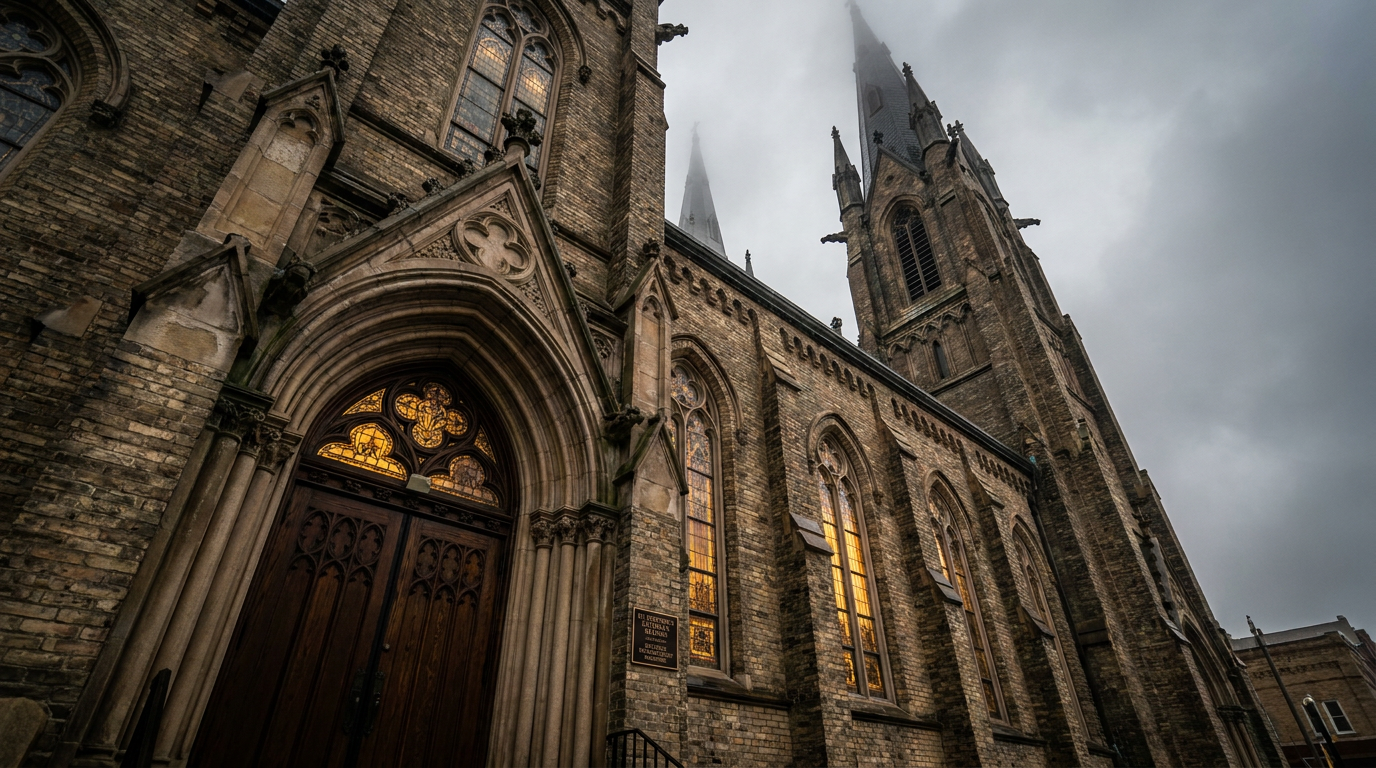
- Romanesque and Gothic Revival churches
- Craftsmanship-centered stone masonry
- Village-centered public squares
- Beer halls, breweries, and communal gathering spaces
These communities weren’t random—they were intentional cultural anchors.
German settlers often built:
Church first. School second. Brewery third.
That practical yet community-centered philosophy still shapes many towns today.

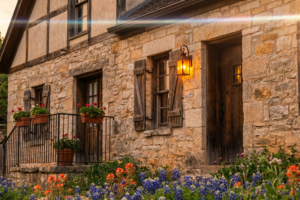
Deep in Texas Hill Country sits one of America’s most authentic German-founded towns: Fredericksburg.
Established in 1846 by German immigrants, Fredericksburg combines limestone frontier practicality with unmistakable European touches:
- Sunday houses
- Vereins Kirche (community church-fort structure)
- Fachwerk buildings
- Biergartens
- Stone cottages
The Vereins Kirche, reconstructed in the town center, is especially symbolic—a blend of church, school, and fortress.
Walking Main Street feels like Germany met the Wild West.
Don’t Miss:
- Pioneer Museum
- Marktplatz
- Historic Sunday Houses
- Oktoberfest Fredericksburg
Fun Fact: Texas German was once a widely spoken dialect here, blending old German with Texan English.