Raise a Stein: The Best Craft Breweries Keeping German Traditions Alive in America
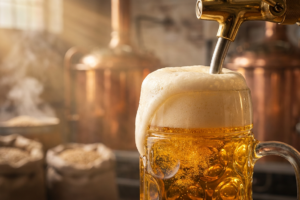
There is something special about raising a frosty stein filled with a beautifully crafted lager.
Maybe it is the rich aroma of toasted malt. Perhaps it is the crisp finish of a perfectly brewed Helles. Or maybe it is the feeling that every sip connects us to generations of German brewers who perfected their craft long before modern America existed.
For millions of Americans with German ancestry, beer is more than just a beverage. It is a living connection to heritage, tradition, community, and craftsmanship.
In fact, German immigrants helped transform the entire American beer industry during the 1800s, introducing lager brewing techniques that would eventually become the dominant style of beer in the United States. Cities such as Milwaukee, Cincinnati, St. Louis, and countless smaller communities grew thriving brewing cultures thanks to German immigrant families who brought their recipes, techniques, and brewing philosophies with them.
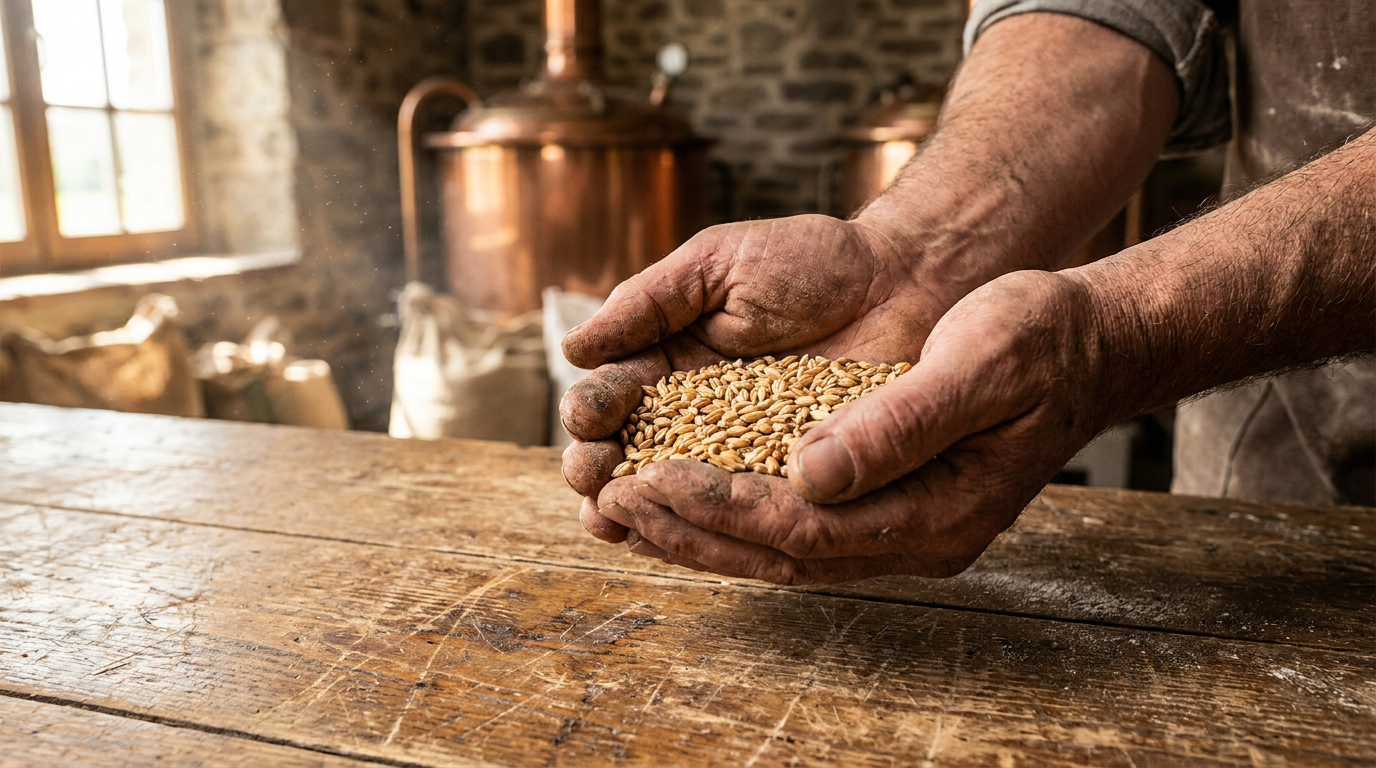
Today, a new generation of craft brewers is rediscovering those traditions. Across America, passionate brewery owners are reviving German beer styles such as Märzen, Dunkel, Kölsch, Helles, Pilsner, Bock, Altbier, Kellerbier, and Weissbier. Rather than chasing trends, they are embracing balance, quality ingredients, patience, and centuries-old brewing methods.
As lager brewing experiences a major resurgence across the craft beer world, German-inspired breweries are becoming some of the most respected names in American brewing.
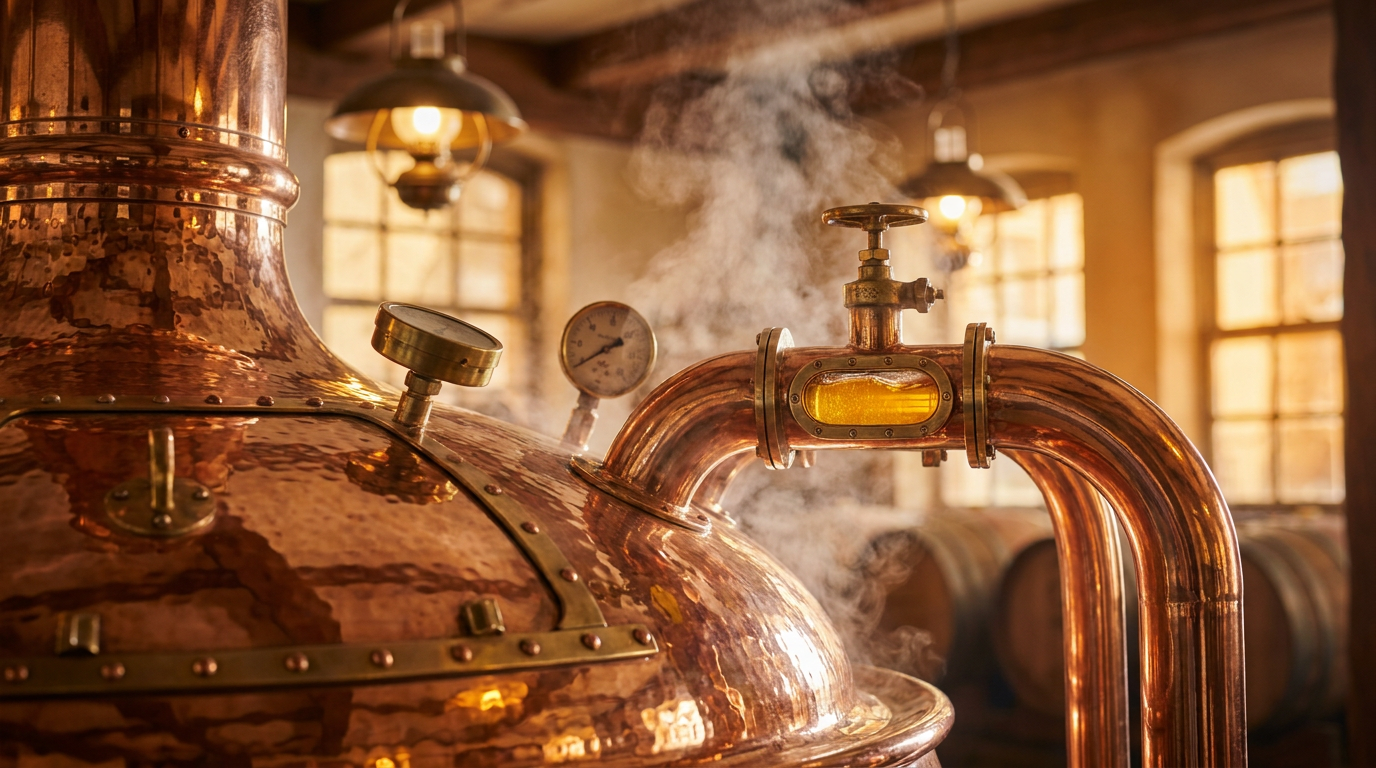
Before we visit some of America’s best German-inspired breweries, let’s raise a toast to the heritage that made it all possible.
“Beer makes every meal a feast, every table more elegant, every day more civilized.”
— Traditional German Proverb
A growing number of beer enthusiasts are discovering that sometimes the most exciting beer isn’t the hoppiest or strongest—it is the one brewed with the most discipline and respect for tradition.
German brewing has always been about exactly that.
Just as German-American communities have preserved their language, festivals, foods, and customs, these breweries are preserving a brewing legacy that spans centuries.
A beautiful pint of German-style lager begins with patience, precision, and craftsmanship.

Why German Beer Traditions Still Matter
Many beer lovers are surprised to learn that some of the world’s most technically difficult beers are also among the simplest.
A classic German Helles may contain only a handful of ingredients. Yet every step of the brewing process must be executed perfectly.
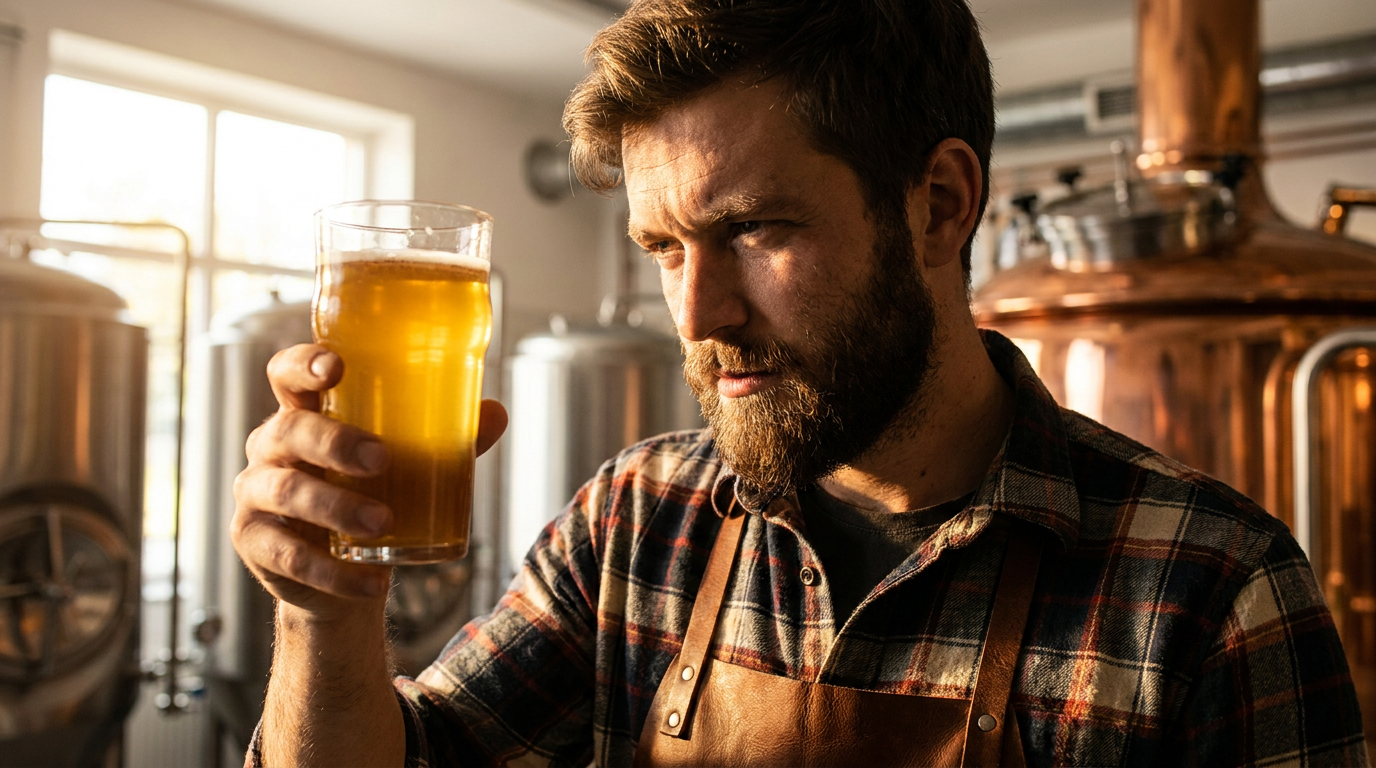
The word “lager” itself comes from the German word lagern, meaning “to store.” Traditional lagers are fermented at cooler temperatures and conditioned for weeks or months before serving. That extra time creates the smooth, clean, crisp character that has made German beer famous around the world.
Unlike heavily hopped beers that can sometimes mask imperfections, lagers leave nowhere to hide. Every flaw becomes noticeable.
That’s why German brewers have long viewed brewing as both a science and an art.
German Styles Making a Big Comeback
Today’s craft beer fans are rediscovering:
- Helles
- Pilsner
- Märzen
- Dunkel
- Kölsch
- Altbier
- Kellerbier
- Bock
- Doppelbock
- Weissbier
Many American breweries are now building entire reputations around these styles rather than following the latest beer trends.
Dovetail Brewery – Chicago’s Love Letter to Europe
Among serious lager enthusiasts, one name appears repeatedly: Dovetail Brewery in Chicago.
Beer fans frequently praise Dovetail for producing European-style beers using traditional methods and focusing on classic German and Central European styles. Reddit beer communities often describe their lagers as some of the most authentic available in the United States.
Rather than constantly reinventing recipes, Dovetail embraces:
- Hefeweizen
- Helles
- Vienna Lager
- Kölsch-inspired beers
- Traditional fermentation techniques
Their philosophy reflects a distinctly German mindset: perfect the classics.
A traditional lager cellar remains one of the most fascinating parts of German-inspired brewing.

Von Trapp Brewing – Alpine Brewing in Vermont
If the name sounds familiar, it should.
The brewery was founded by descendants of the famous Von Trapp family of The Sound of Music fame.
Located amid Vermont’s stunning mountain scenery, the brewery specializes in Austrian and German-style lagers and has earned praise among beer enthusiasts for its Helles, Dunkel, Pilsner, and Vienna-style offerings. Beer lovers frequently cite the brewery as one of America’s most underrated lager producers.
The brewery’s setting feels remarkably Alpine, creating an experience that combines heritage, scenery, and exceptional beer.
For travelers exploring German heritage destinations in America, this belongs high on the list.
Rosenstadt Brewery – German Purity in Portland
Portland may be famous for craft beer innovation, but one brewery there focuses on tradition.
Rosenstadt Brewery was founded with a mission to produce authentic German-style beer while following the Reinheitsgebot—the German Beer Purity Law. Founded by brewers passionate about German brewing culture, the brewery has become known for faithfully representing classic styles rather than reinventing them.
The Reinheitsgebot, first established in 1516, remains one of the most influential brewing laws in history.
Its original principle was simple:
Beer should be made using only a few pure ingredients.
That philosophy still inspires brewers around the world today.