What Really Happened at the First Oktoberfest? The Forgotten Story Behind Germany’s Greatest Tradition
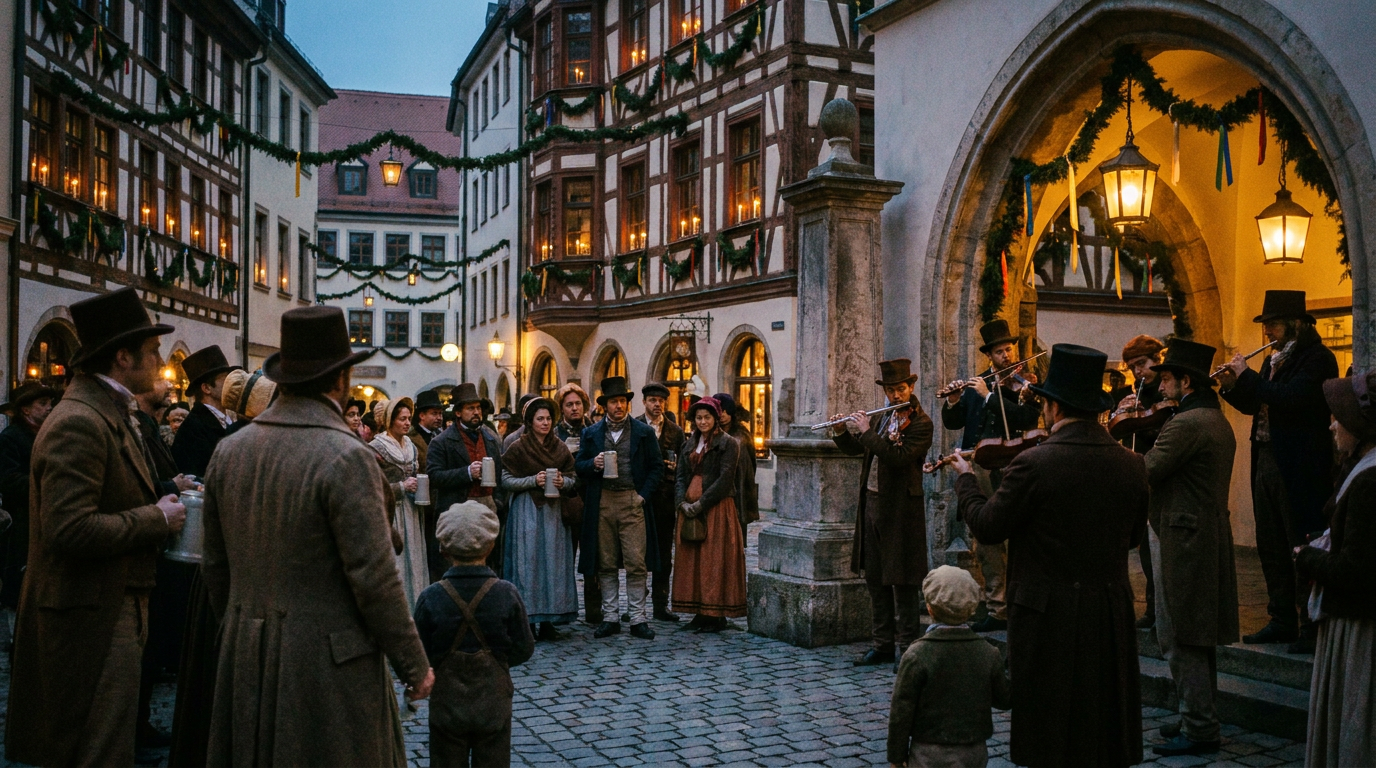
If you traveled to Munich on Wednesday, October 17, 1810, looking for the first Oktoberfest, you would have found horses, thousands of spectators, and a royal pavilion beside a meadow. You would not have found today’s beer halls, Ferris wheel, or a mayor shouting “Ozapft is!”

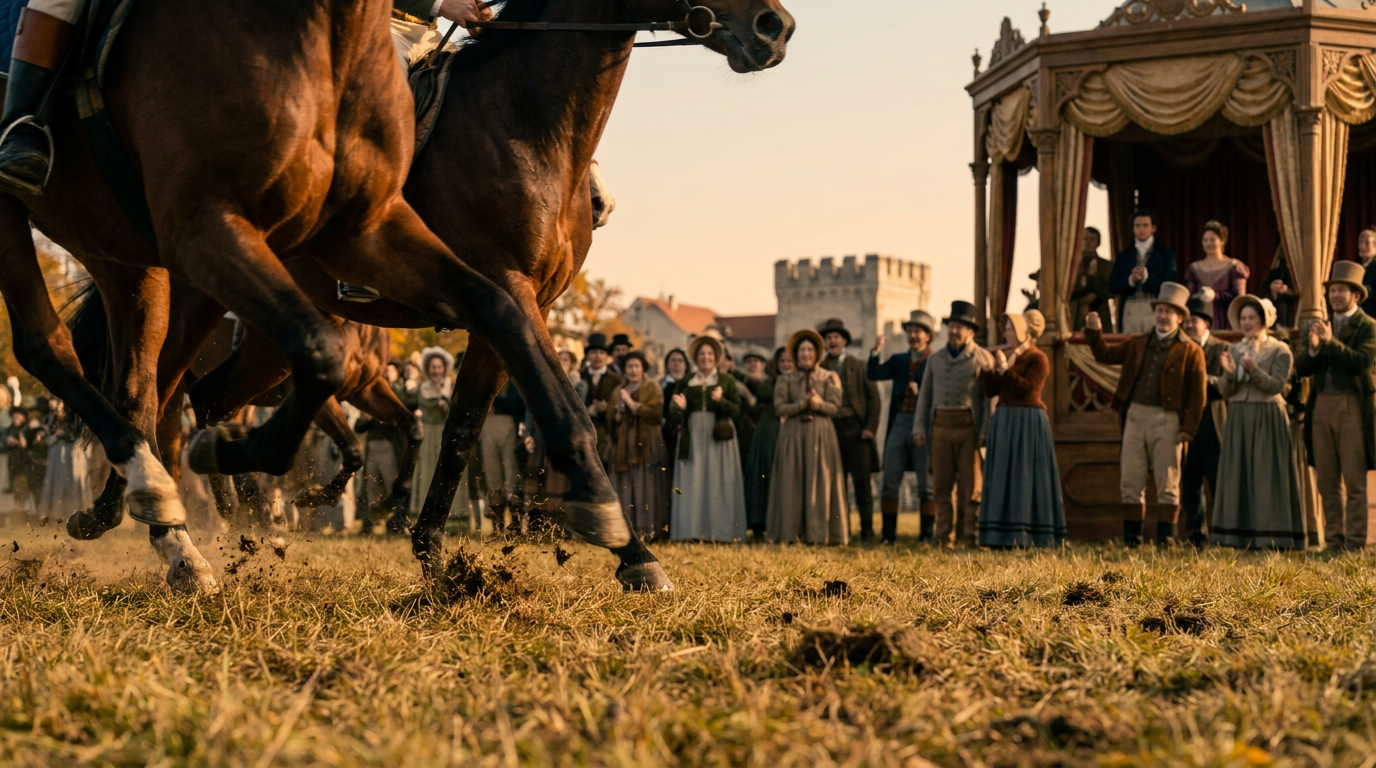
The wedding that inspired it had taken place five days earlier, on Friday, October 12. Munich spent the intervening days celebrating. Then, at the end of the festivities, the Bavarian National Guard staged a horse race outside the city gates. That October 17 race is the event Munich identifies as the first Oktoberfest, although its participants were celebrating a marriage, not opening a festival with two centuries of history behind it.
Who were the newlyweds? Who won? What did people eat and drink? And did Albert Einstein really change the light bulbs? The answers are livelier—and occasionally less certain—than the legend.

First, meet the bride and groom

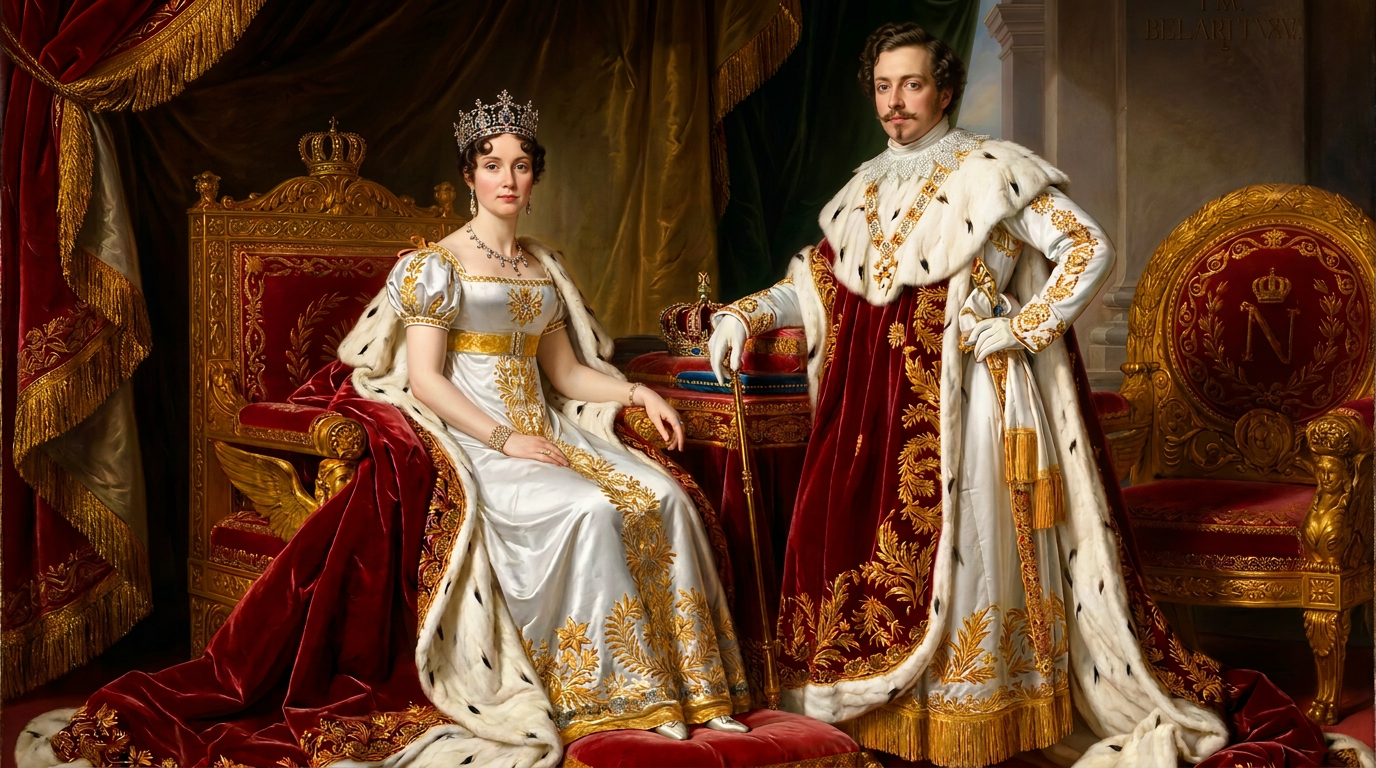
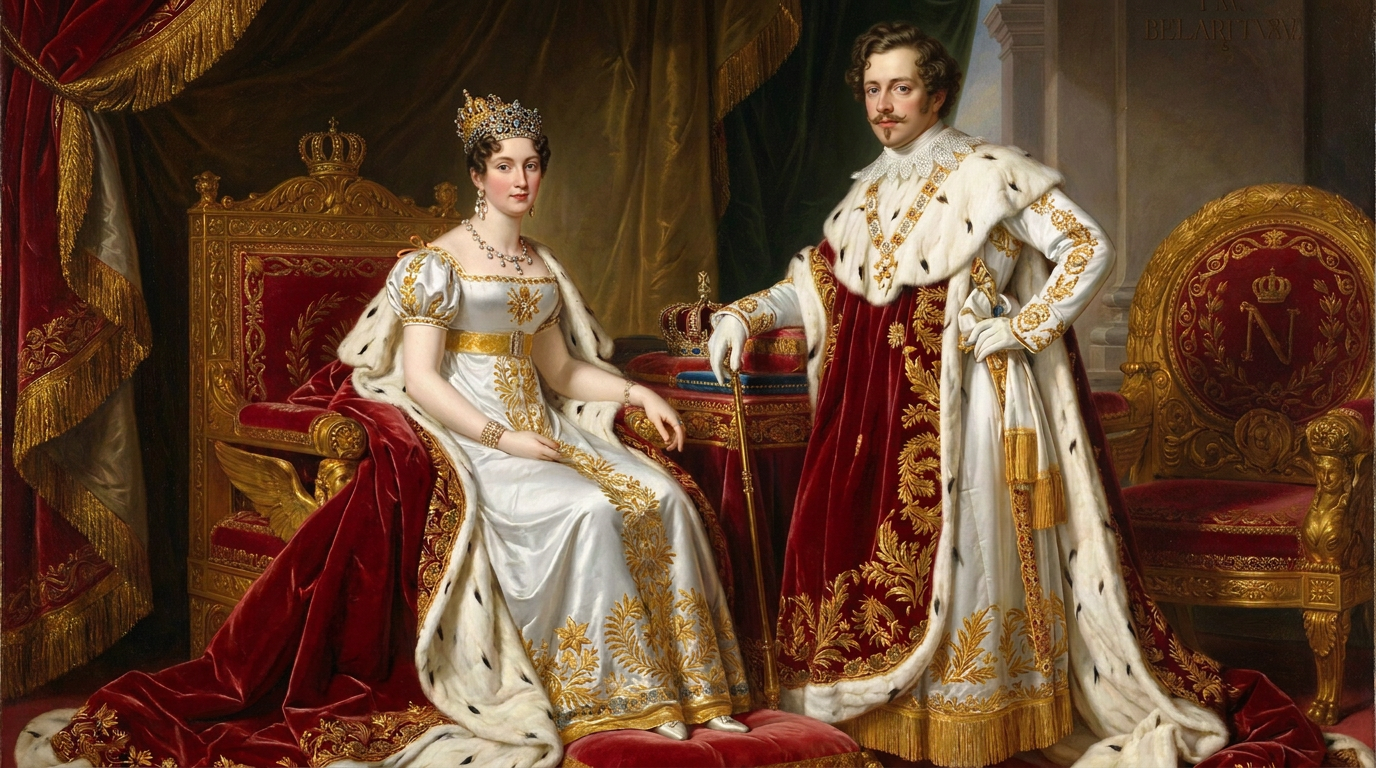
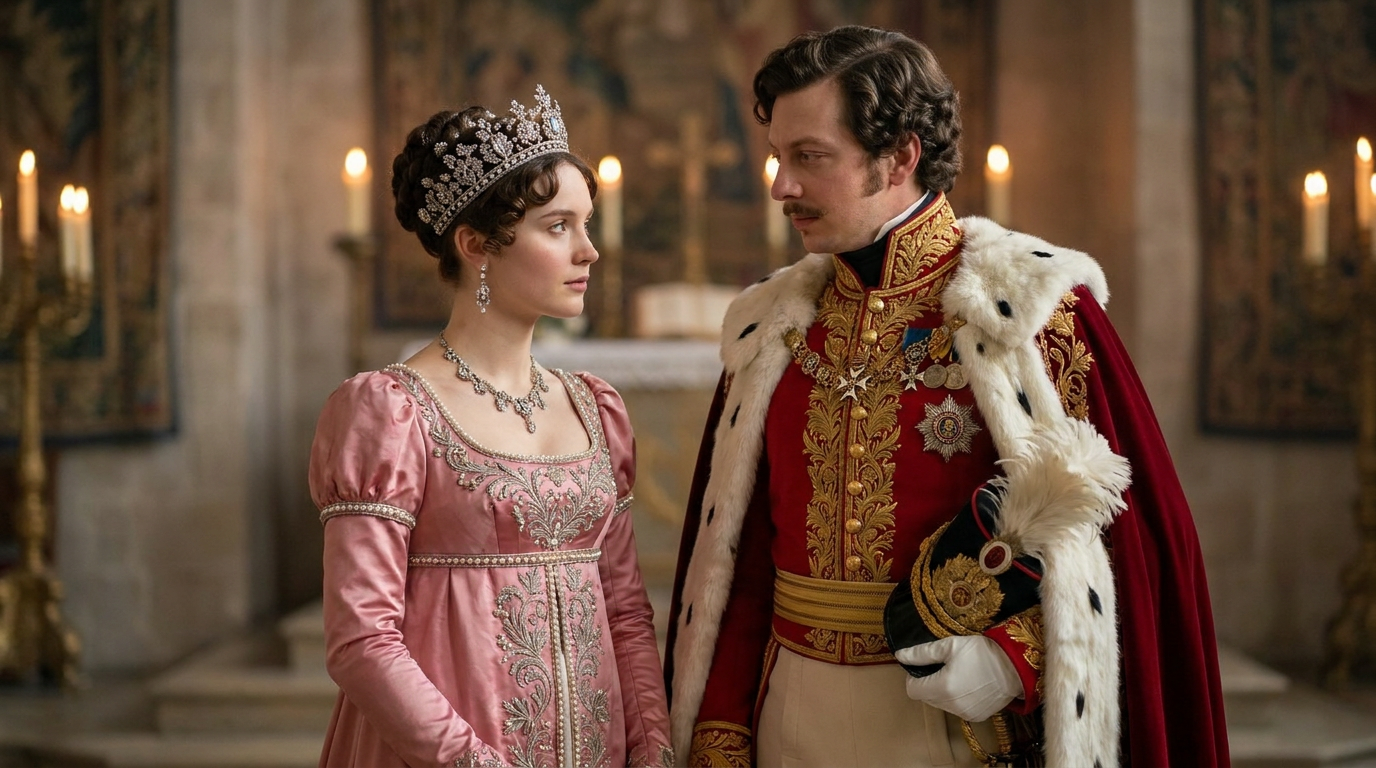
Crown Prince Ludwig was 24; Princess Therese was 18. Ludwig was born August 25, 1786, and Therese on July 8, 1792. He would not become King Ludwig I until 1825. In 1810, it was his father, King Maximilian I Joseph, who reigned over the young Kingdom of Bavaria.

Therese was the daughter of Duke Friedrich of Saxe-Hildburghausen and Charlotte of Mecklenburg-Strelitz. Ludwig visited the family in 1809 and chose Therese over her sister Luise. Their formal engagement took place February 12, 1810—exactly eight months before the wedding. Ludwig’s father considered the match politically suitable, though he wrote that Therese would bring little money or property into the marriage.
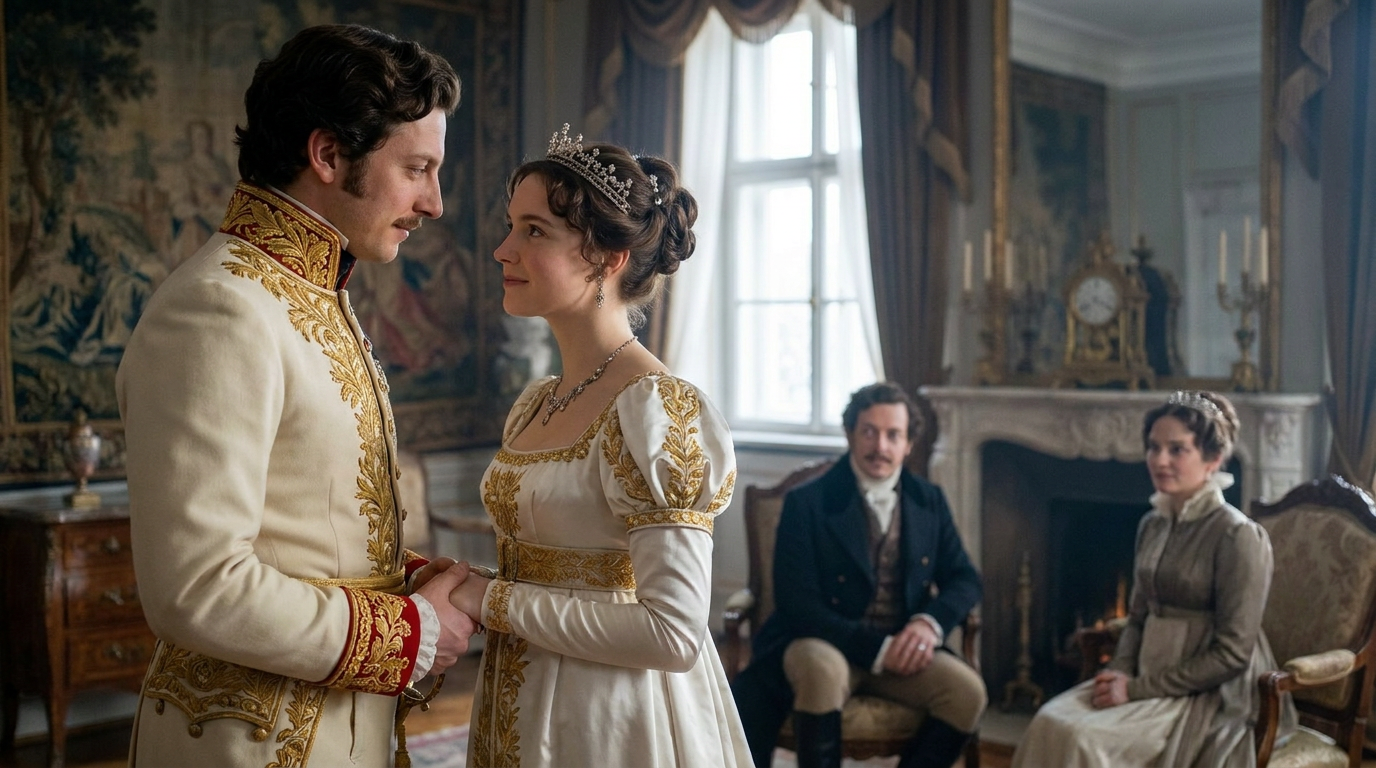
So, was Ludwig wealthy? He was heir to a crown and would later sponsor lavish public art and architecture. But a modern dollar-value estimate of his personal fortune in 1810 would be guesswork. Royal standing, access to court resources, state finances, and private wealth are different things. His father’s remark tells us more about the expected dowry than any invented “net worth” could.

What about their heights? Reliable measurements for the couple have not surfaced in the historical sources used for this article. Ludwig can look shorter in some portraits, but painters chose poses and proportions for effect. A portrait cannot establish whether Therese stood taller than he did.

One physical detail has survived: the Bavarian National Museum holds a pink bridal gown associated with Therese’s wedding, made with silk, silver embroidery, and a high Empire-style waist. The bride of the first Oktoberfest story was not necessarily dressed in the white gown we might imagine today.

Was it a Catholic wedding?

Ludwig was Roman Catholic. Therese was Evangelical Lutheran, and she remained so throughout her life. Their marriage took place on the evening of October 12 in the Hofkapelle, the Catholic court chapel of Munich’s royal residence. So the setting was Catholic, while the marriage joined people of different faiths. The sources do not justify calling Therese a Catholic bride or confidently reconstructing every part of the service.

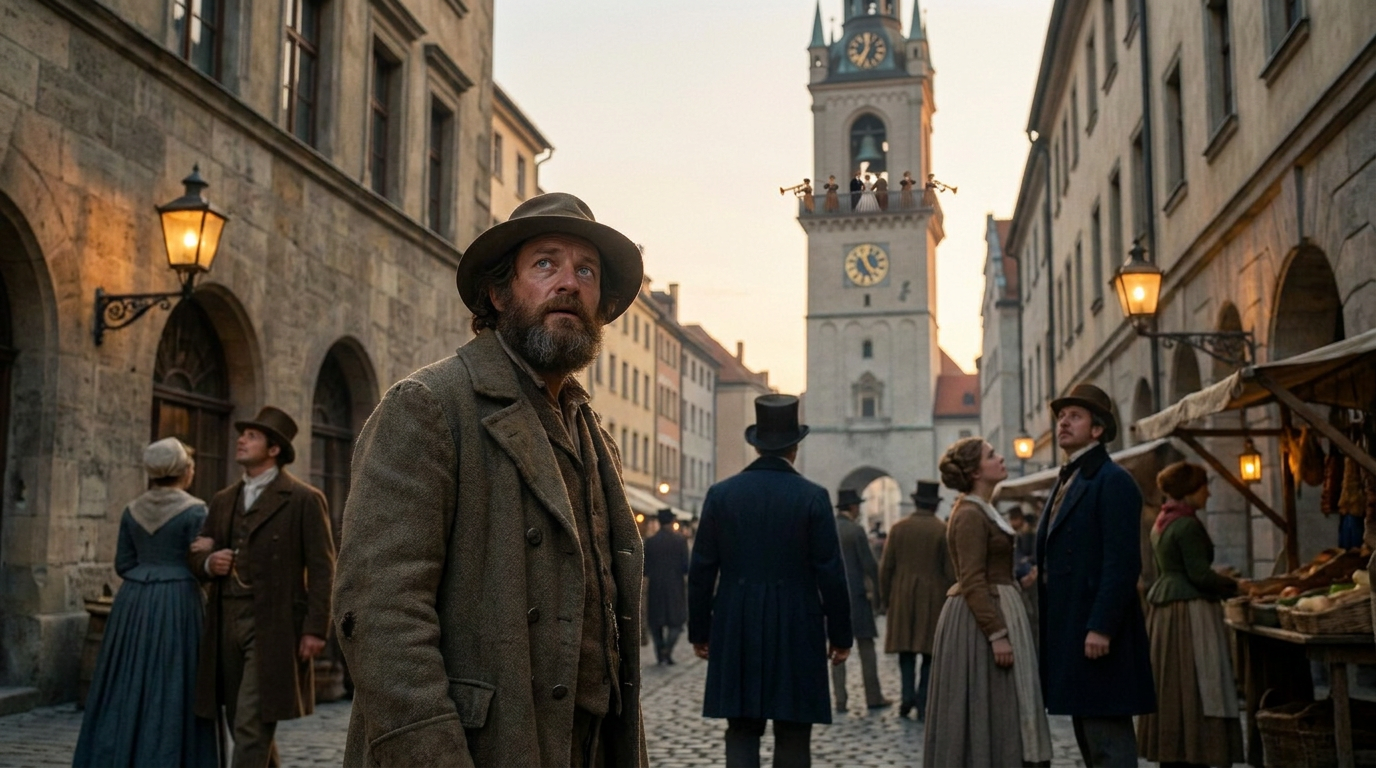
King Maximilian’s name day also fell on October 12. The royal family marked that occasion in the morning and the wedding in the evening. Church bells, cannon fire, choral music in the main square, and trumpets from St. Peter’s tower announced the marriage to the city. That is an impressive soundtrack—but it is not evidence that a modern “oompah” tent band played at the race.
Were there bridesmaids and groomsmen? No source consulted names an American-style wedding party. Court attendants and royal relatives would have had roles, but assigning anyone the title “maid of honor” or “best man” would turn a historical gap into a made-up detail.

What filled the five days?

The answer is bigger than a wedding reception. Munich’s streets were illuminated; citizens gathered for music, dancing, meals, and public festivities. King Maximilian invited around 6,000 prominent citizens to dine and dance in four major inns. Tables were also set up outdoors for the broader public. Bavarian palace historians specifically record food, beer, and Austrian wine being served in the city.
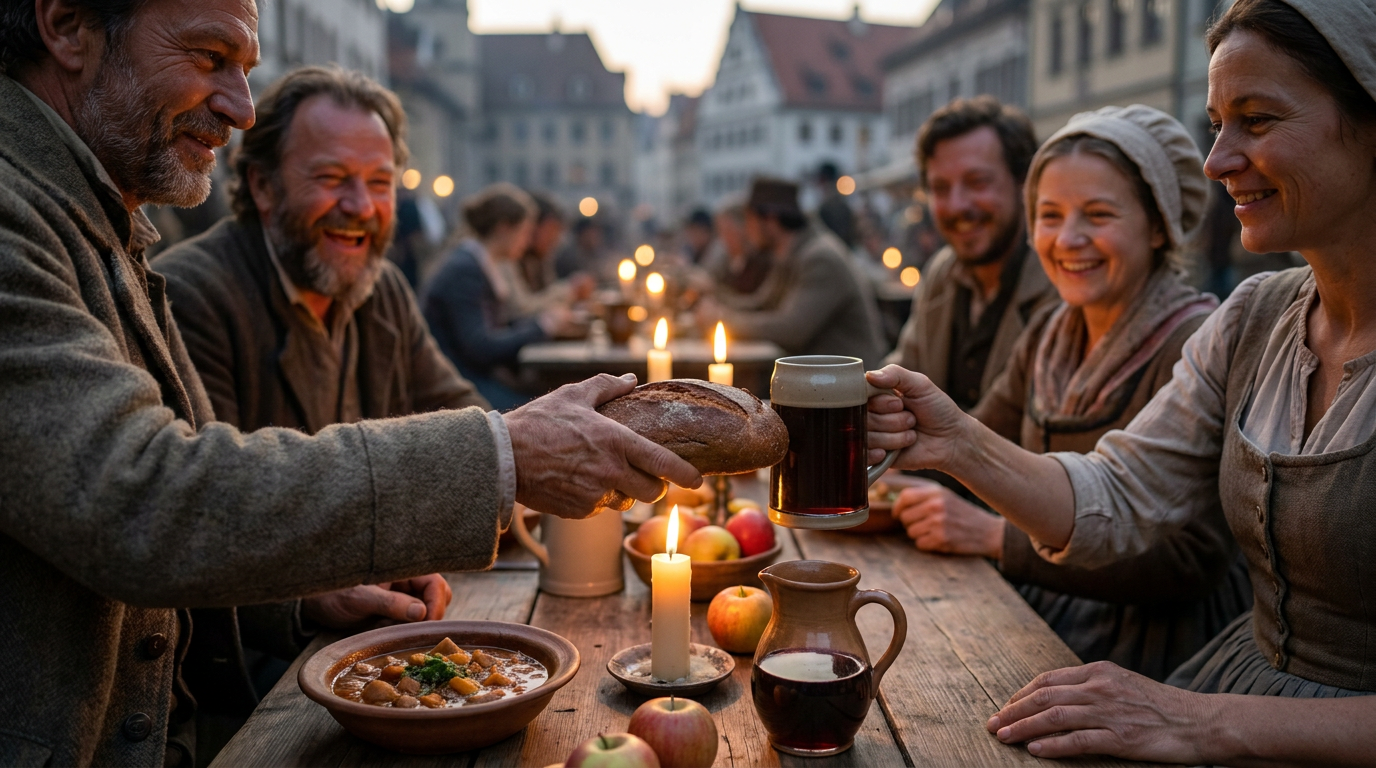
What food, exactly? The surviving accounts located for this article establish public meals but do not give a dependable item-by-item menu for October 12–17, 1810. It would be tempting to write that everyone ate giant pretzels, roast chicken, and bratwurst. Those foods belong in many later Oktoberfest scenes; they cannot simply be copied onto the first wedding week. The festival’s first dedicated roast-chicken operation, for instance, dates to 1881.

And which beer brand was poured? Beer was present at the Munich celebrations, but the cited accounts do not identify the breweries supplying each public table or inn. Hofbräu already existed as a royal brewery; that does not prove its beer was the drink in every 1810 cup. Hofbräu dates its first special beer brewed for Oktoberfest to 1812, two years after the wedding. The familiar Märzen-style festival beer arrived later still in the festival’s evolution.

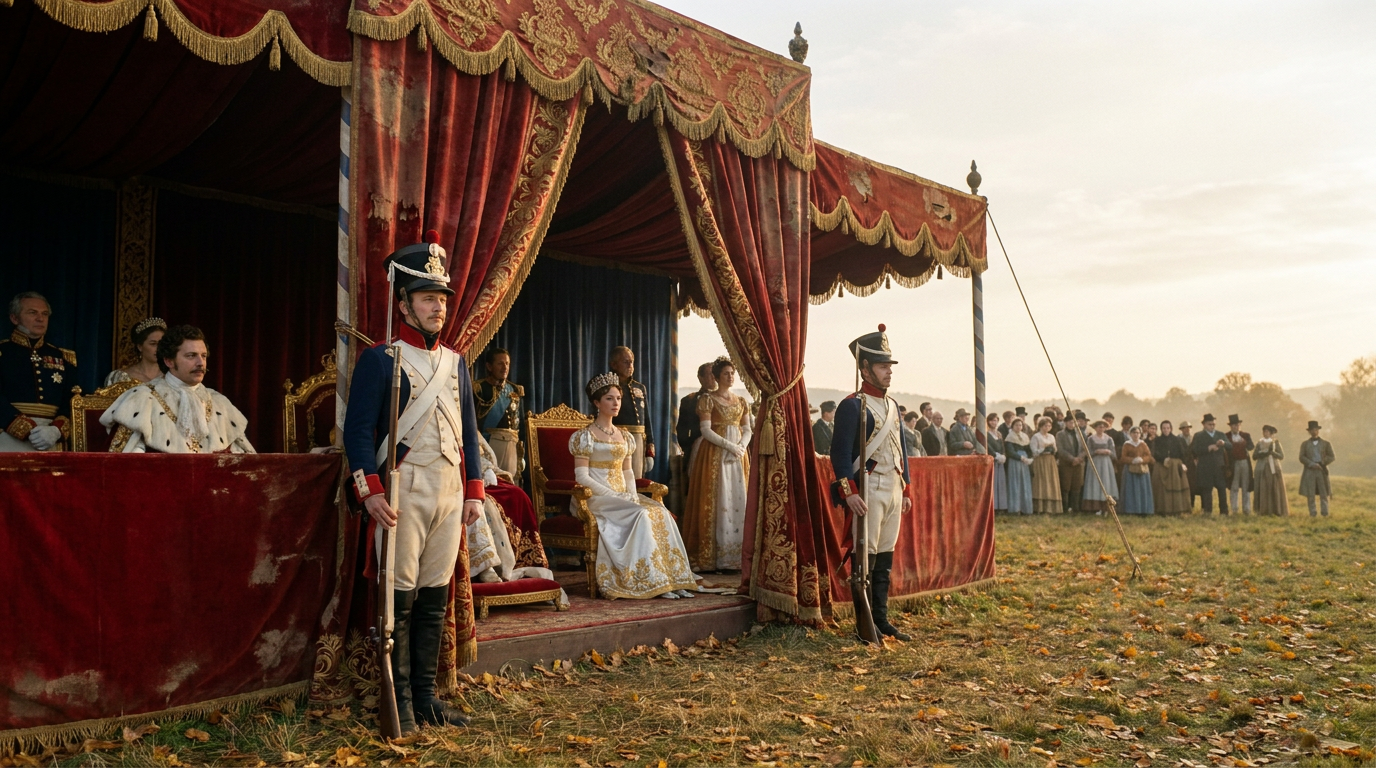
There were VIPs, certainly: the king, the newlyweds, and the royal household. A white royal pavilion stood at the racecourse, reserving a viewing place for the court. Named foreign ambassadors and a complete guest list for race day, however, are not established by the sources here. Do not seat Napoleon in the front row just because his politics shaped Ludwig’s choice of bride.

“The original Oktoberfest had beer in the city and horses on the meadow. The two scenes became one tradition only after Munich chose to celebrate again.” — GERMAN HERITAGE USA

Whose idea was the horse race?

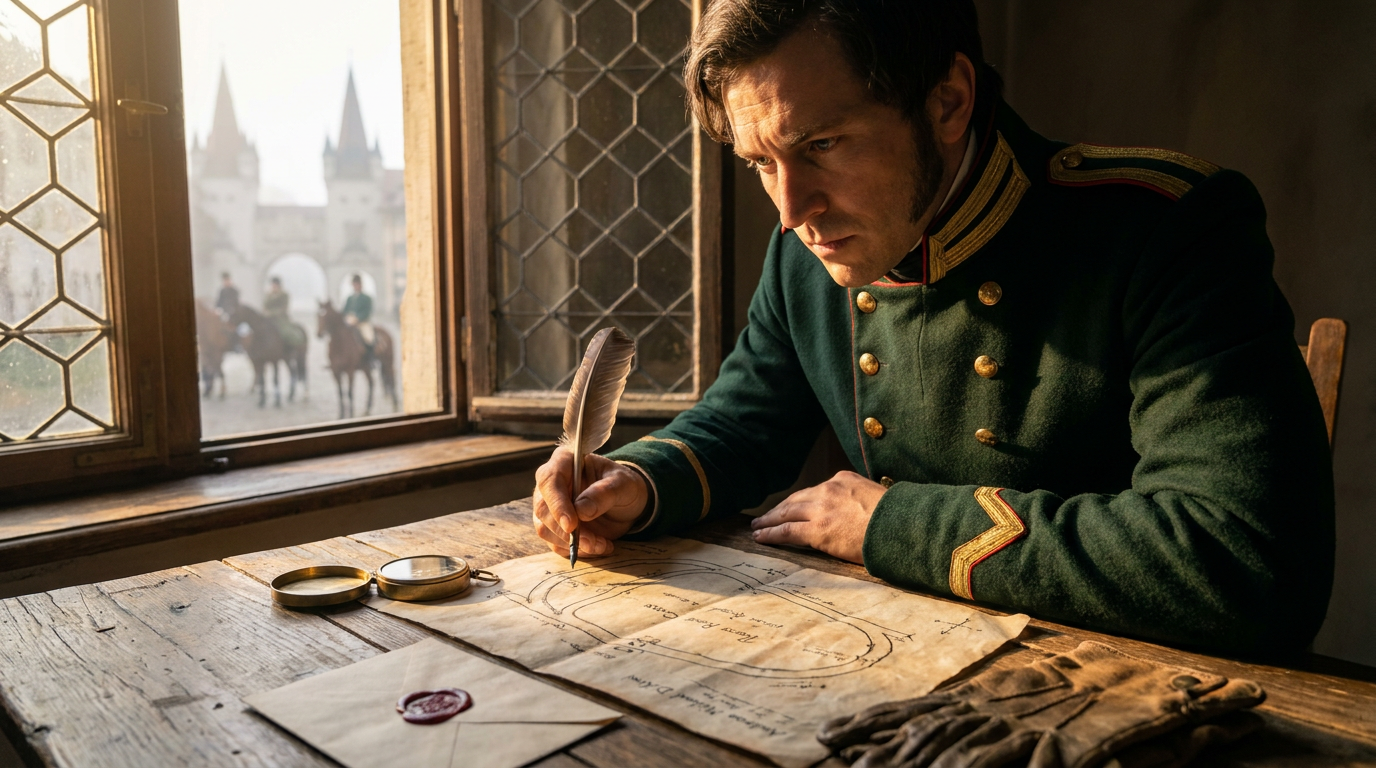
Here the usual one-person origin story needs an extra character. Munich’s official festival history credits Andreas Michael Dall’Armi, a banker and National Guard major, with proposing the public race to the king. Bavaria’s cultural portal adds that a subordinate—a coachman and guardsman named Franz Baumgartner—suggested the idea to Dall’Armi, who obtained approval and organized it. The king approved the plan in early October, leaving remarkably little time before the event.
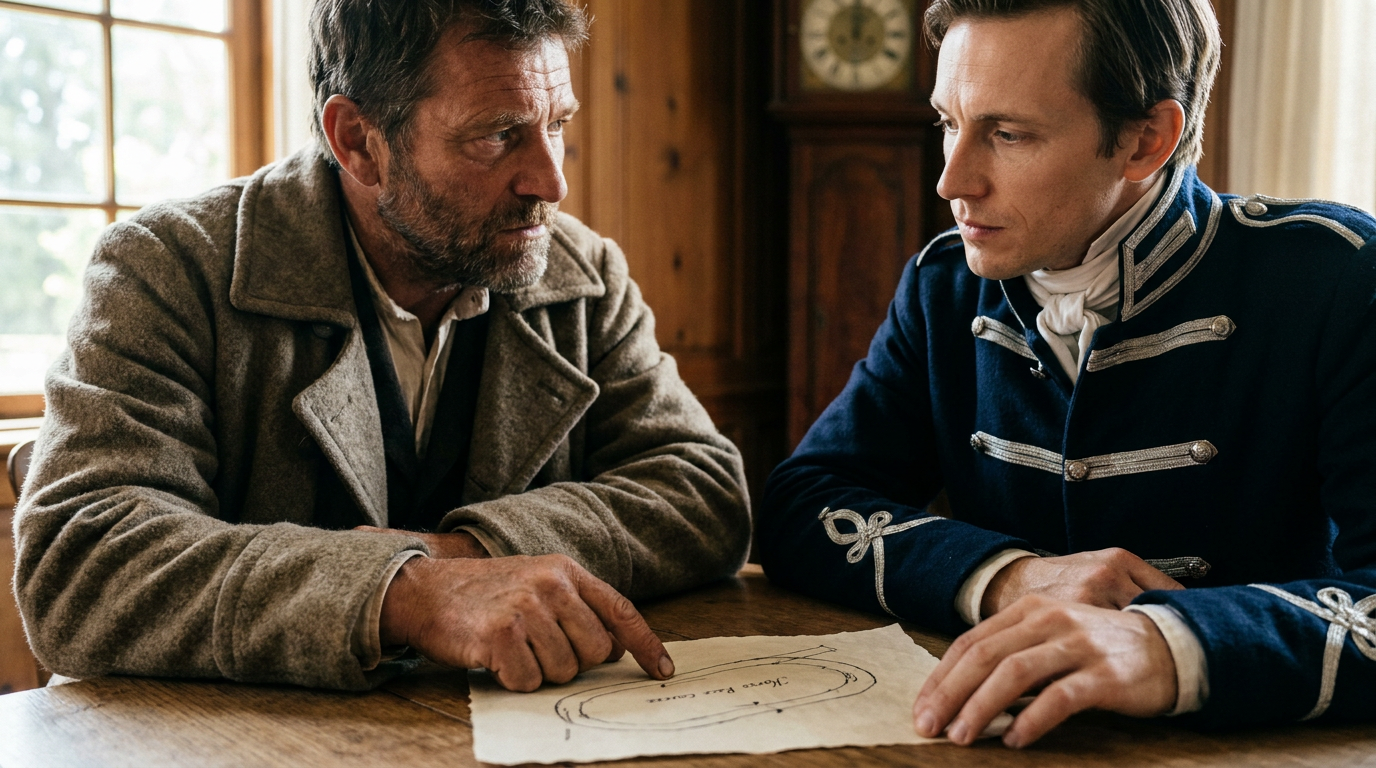
The plan drew on an older Munich horse-racing tradition, the Scharlachrennen, which had last been held in the eighteenth century. This was not a modern thoroughbred meeting with sponsor logos and television cameras. It was a public spectacle devised by local guardsmen for a royal wedding.

Dall’Armi eventually received Munich’s first gold citizens’ medal for helping create the festival. Baumgartner received a more immediate distinction: his horse won the first race. One man carried the proposal through the court; the other is credited in detailed Bavarian research with the suggestion and the winning entry.

What happened on Wednesday, October 17?

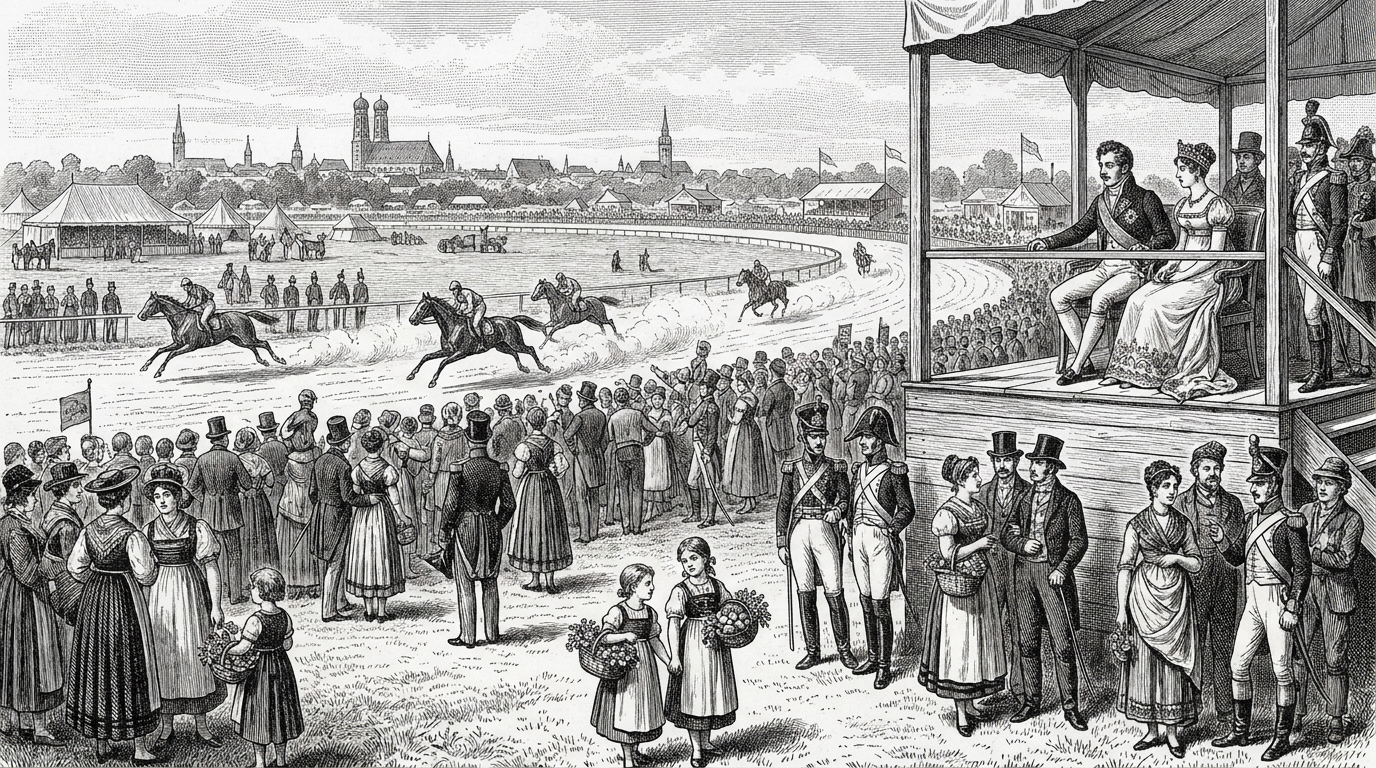
The location was open land beyond Munich’s gates, near the Sendlinger Berg. Contemporary race imagery and historical research show a course with the royal pavilion close to the action and spectators using the natural rise of the land for a view. Estimates commonly put the audience around 40,000, though a crowd that large in 1810 was not counted by a modern ticket system.

The pavilion deserves its own moment. Bavaria’s cultural archive describes a canopy 67 meters wide whose roof reused a historical war trophy taken in 1687. A royal tent, then, was on the grounds. What was absent was the landscape of enormous beer tents familiar to visitors today. The king and court watched from a privileged space even while the public shared the spectacle.
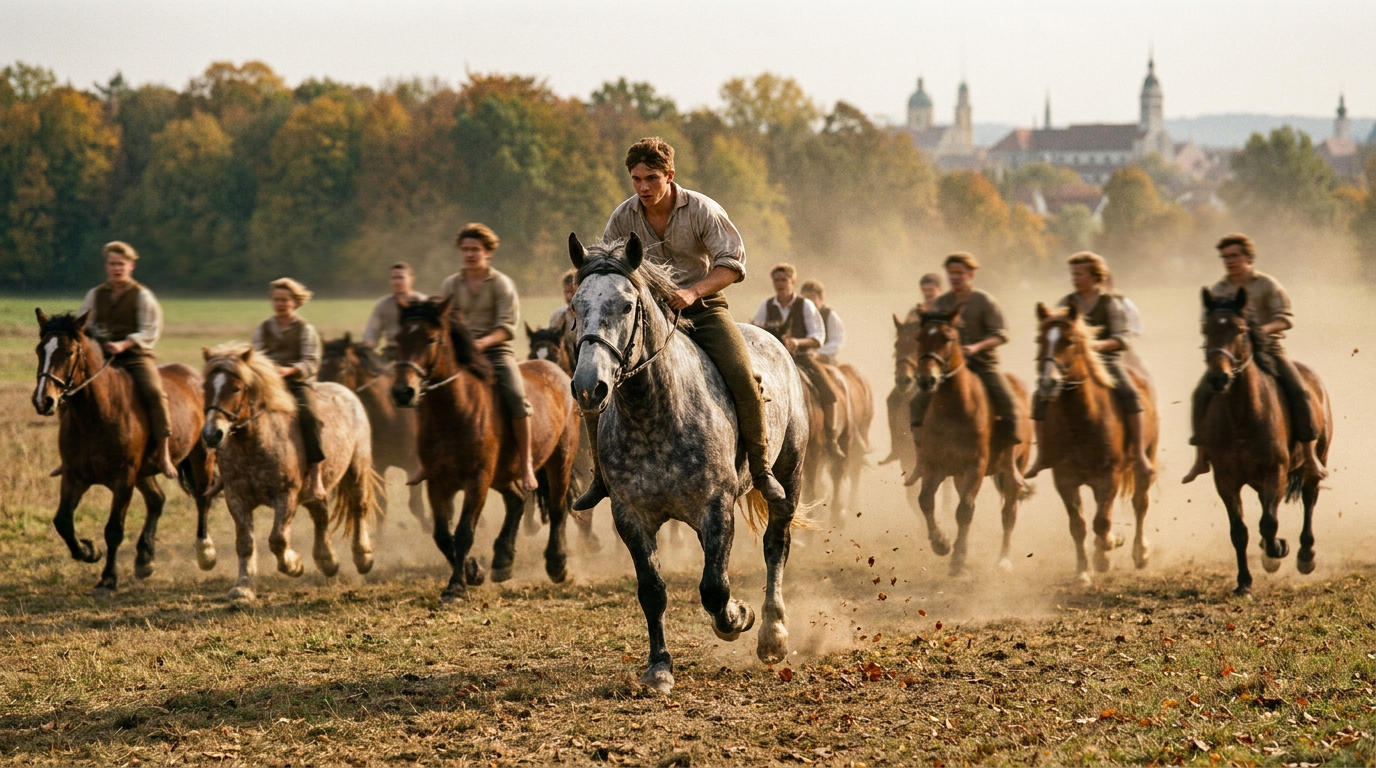
Records describe 30 horses entered in the race. Young riders, called Rennbuben, rode around the course three times. The horses were not a single modern branded breed; they were entries associated with their owners, including Baumgartner’s. An exact stable-by-stable list of origins and verified breeds is not available in the accessible sources used here.

A Munich historical archive describes the winning animal as a dapple-gray horse from Transylvania. According to that account, a boy of about twelve rode it without a saddle, finishing in 18 minutes, 14 seconds; Baumgartner, the owner, was credited as the winner. The rider’s personal name is not securely recorded in that account. “Dapple-gray” describes the horse’s coat, not its breed. The archive’s fine details are worth sharing as an attributed account, rather than presenting every one of them as a modern race result certified to the second.

How was the weather? The same local historical account calls it a mild autumn Wednesday. We do not have a verified temperature, hourly forecast, or proof of an uninterrupted blue sky for the race. A museum’s playful “live radio” reconstruction describes beautiful sunshine, but it explicitly imagines a broadcast that never existed. Treat its sky as storytelling, not a weather report.

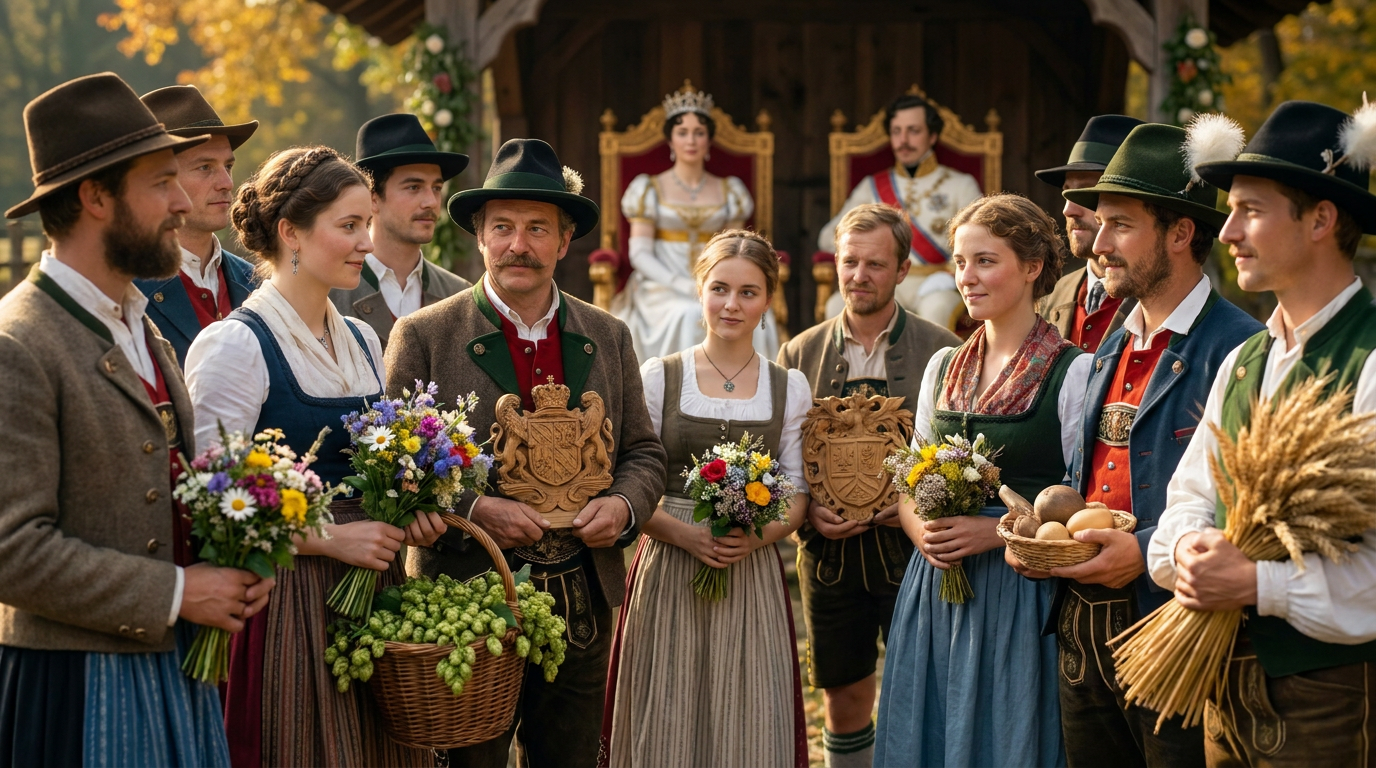
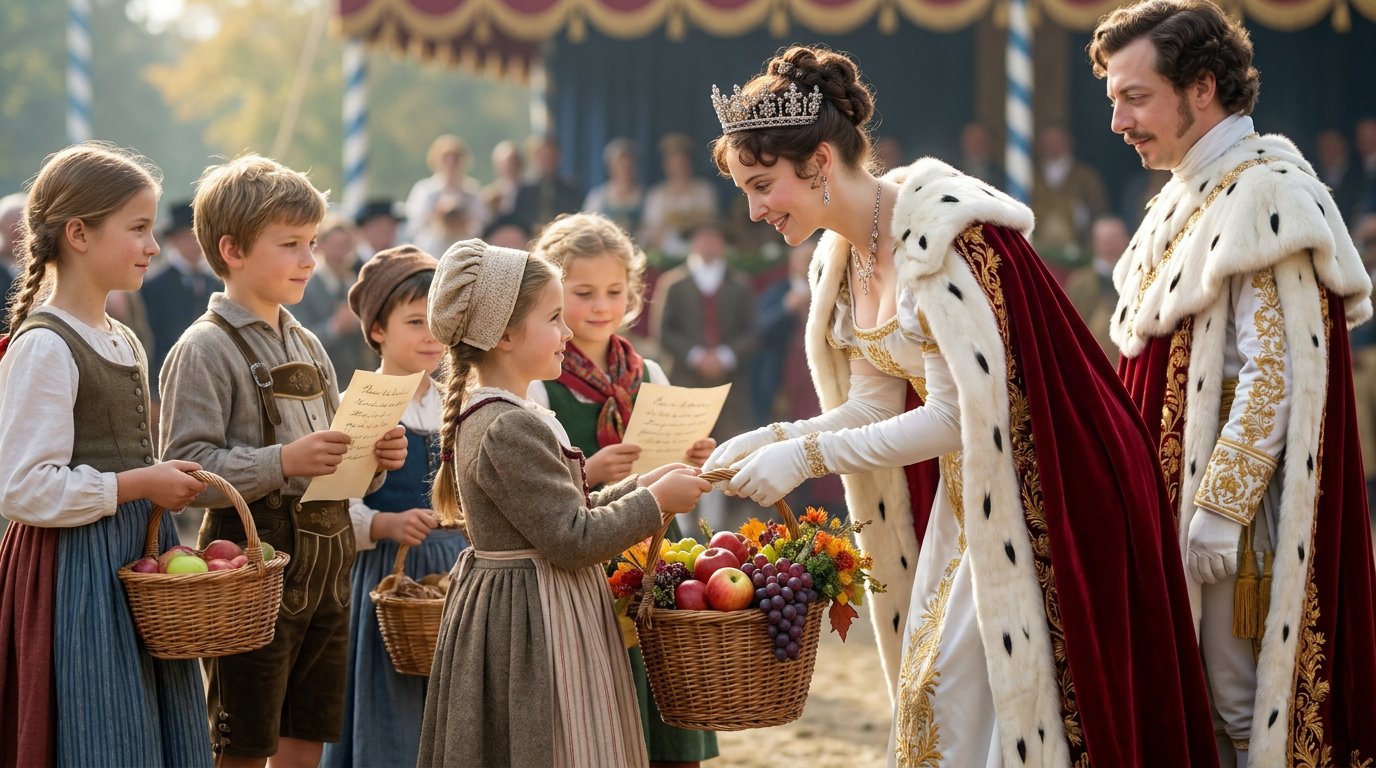
Children in Bavarian regional dress offered the royal family poems, flowers, and fruit. Think of the contrast: thunderous hooves, cheering spectators, and a child stepping forward with a bouquet. These are the human-scale details behind the phrase “the first Oktoberfest.”

When did it get its name?

On race day, the event was described as a horse race celebrating the crown prince’s marriage. The festivities in Munich were also called a Volksfest, a public or folk celebration. Calling October 17 “the first Oktoberfest” is accurate as a historical shorthand, but it applies a later enduring identity to an event whose organizers could not know it would become annual.

After the successful race, the field received permission to be called Theresens Wiese, “Therese’s meadow.” A Munich literary archive places Dall’Armi’s announcement to the guardsmen on the day after the race. The name gradually developed into Theresienwiese, shortened locally to die Wiesn.
What did people call the fall celebrations before the name settled? Early descriptions used names tied to the horse race, the royal wedding, a Bavarian national celebration, and, after the agricultural exhibition joined in 1811, the agricultural festival. The City of Munich describes the recurring events as the “Oktober-Feste.” An 1823 published work already bears a title meaning “The October Festivals on the Theresienwiese.” By 1831, composer Felix Mendelssohn used the spelling Octoberfest in a letter. These examples show a name taking hold over time; they do not identify a single person who coined “Oktoberfest” or one ceremonial date when a naming committee made it official.

The actual decision that made a tradition came in 1811: repeat the race and add an agricultural exhibition. Beer stalls, rides, and large halls followed in later years. The name stayed rooted in October even after the schedule shifted toward milder September days.

Where do brass bands, electricity, and Einstein fit?

Music was part of the 1810 wedding celebrations: bells, choral music, and trumpets are documented. A familiar tent band leading thousands through “Ein Prosit der Gemütlichkeit,” however, belongs to the later festival. Munich’s official Oktoberfest site dates a prominent 30-piece tent band and distributed sing-along books to 1898.

Electric light is another story with several dates, depending on what you mean by “first.” Research published by the Deutsches Museum records 16 arc lamps installed on the Oktoberfest grounds by Einstein & Cie. in 1885. Munich’s festival history also associates Einstein & Cie. with tent lighting in 1896. Electricity was therefore arriving in stages, not switched on across the entire festival in one night.
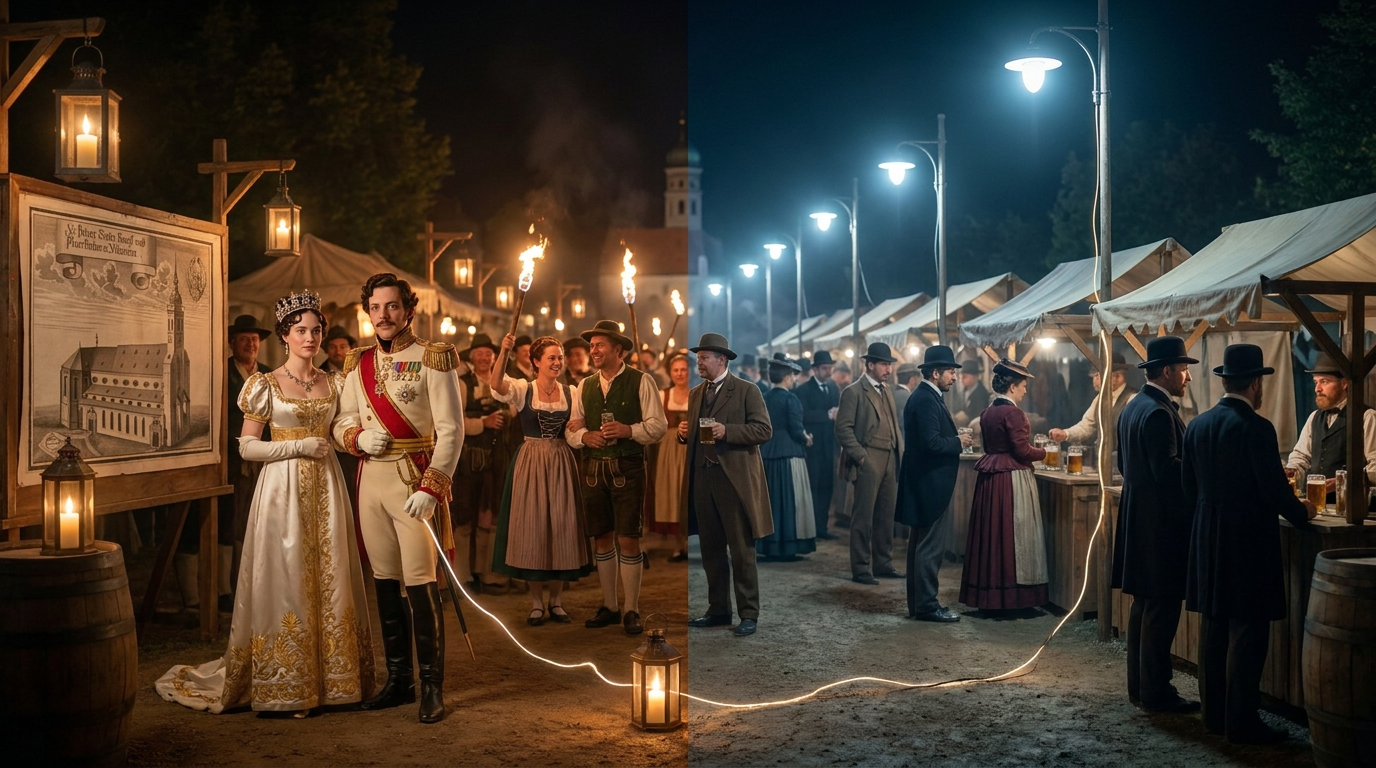
And Albert Einstein changing light bulbs? It is a delightful story. His father and uncle were involved in the electrical firm, and versions of the tale place young Albert helping at Oktoberfest. But even pages on Munich’s official festival site give conflicting years, while one explicitly says the legend cannot be proven or dated with certainty. Enjoy the possibility; do not caption an image “Albert Einstein changing bulbs in 1810.” He was not born until 1879.

The same care applies to the bride’s height, an exact wedding menu, named foreign dignitaries, and every horse’s breed. Historical curiosity is part of the fun; making up answers would make the real surprises harder to see.

The first Oktoberfest, in one unforgettable scene

Picture the newly married Ludwig and Therese in a royal pavilion beside an open course. Children bring flowers. Guardsmen manage a race suggested by a coachman and organized by his major. Thirty horses set off; Baumgartner’s entry wins. Beyond the meadow, Munich has spent days feeding, entertaining, and celebrating with its people. No one yet knows that the decision to repeat this gathering will give Therese’s meadow a place in world culture.
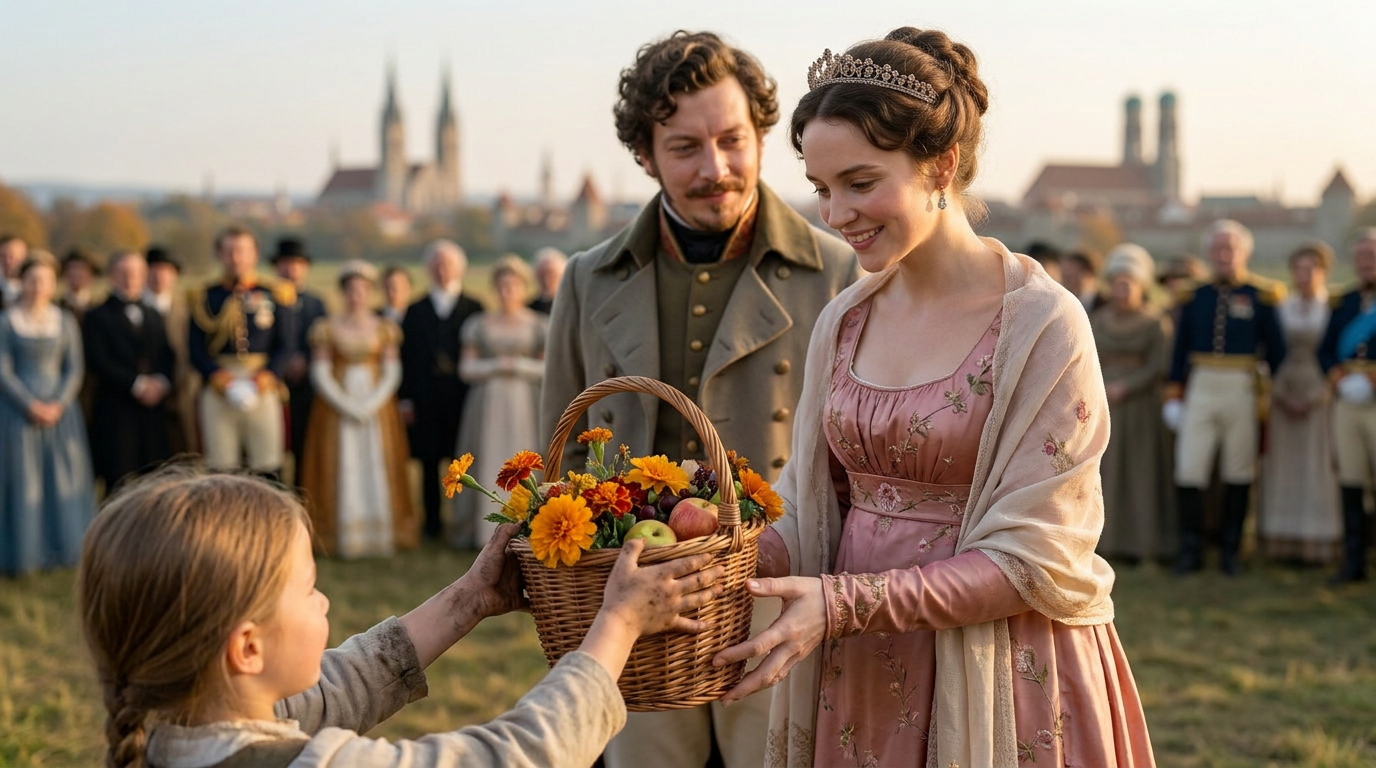
That is what really happened at the first Oktoberfest: a wedding on October 12, five days of celebrations, and a horse race on Wednesday, October 17, 1810.

The beer halls came later. The curiosity is already there.
1810 Oktoberfest: The Incredible Story Behind Germany’s First Oktoberfest That Most Americans Never Learned

The royal wedding, horse race, and Bavarian story behind the world’s most famous folk festival. Picture Munich on an October afternoon in 1810.

There are no electric lights, no Ferris wheels, no vast beer tents, and no brass band launching into “Ein Prosit.” Instead, thousands of people are moving beyond the city gates toward an open meadow. Horses stamp the ground. Soldiers of the civic militia keep order. Children in regional clothing carry flowers and fruit. On a raised place of honor sit Bavaria’s crown prince and his new bride.

Then the race begins.

That scene, not a beer hall, marks the beginning of Oktoberfest.

Most Americans know the modern images: one-liter beer mugs, pretzels as wide as dinner plates, roast chicken, dirndls, lederhosen, music, and crowded festival tents. Those are genuine parts of today’s Wiesn, as Munich residents call the festival. But the original event was created for a different reason. It celebrated a royal wedding, introduced a young crown princess to the public, and helped a newly enlarged kingdom present a shared Bavarian identity.

The first Oktoberfest was romantic, theatrical, political, and surprisingly modern. It also began with an idea simple enough to sound familiar today: give the public a celebration worth repeating.

“Before Oktoberfest became a beer festival, it was a royal wedding celebration with a finish line.” — GERMAN HERITAGE USA

A Royal Wedding in a Young Kingdom

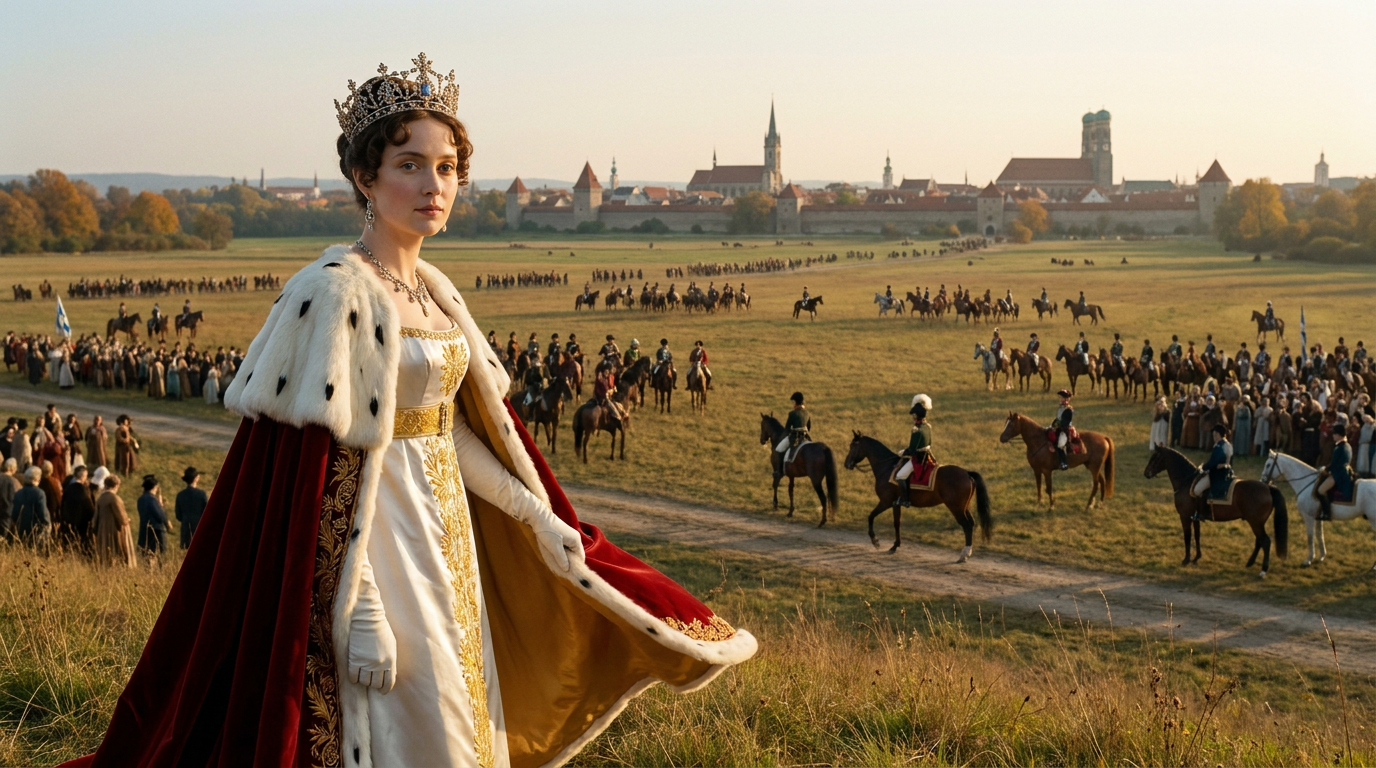
On October 12, 1810, Crown Prince Ludwig of Bavaria married Princess Therese of Saxe-Hildburghausen in Munich. Ludwig would later rule as King Ludwig I. Therese would become Queen of Bavaria, but in 1810 she was an 18-year-old Protestant princess arriving in a Catholic kingdom whose political map had recently changed.

Bavaria itself was new as a kingdom. Napoleon had elevated it from an electorate to a kingdom in 1806. Political settlements and territorial changes brought large parts of Franconia and Swabia under Bavarian rule. Many of the people living in those regions did not automatically think of themselves as members of one unified Bavarian nation.

That made the wedding more than a private family event. It gave the royal house an opportunity to display stability, welcome the public, and celebrate the idea of Bavaria as one kingdom.

The marriage was the first princely wedding held in Munich since 1722. The city was decorated and illuminated. The five-day celebration included public festivities, a free opera, theatrical performances, music, and a ball. For residents who lived before mass media, the occasion offered a rare chance to see the royal family and take part in an event meant for the whole city.

And the grand finale was waiting outside the gates.

The Man Who Helped Put Munich on Horseback

Andreas Michael Dall’Armi is usually credited with proposing and organizing the horse race that closed the wedding celebration. He was a businessman and banker who served as a major in Munich’s civic militia. That combination of commerce, military organization, and civic standing made him well suited to turn a festive idea into a public spectacle.

On October 17, five days after the wedding, the cavalry of Munich’s civic militia staged the race in honor of Ludwig and Therese. The course was laid out on open land beyond the city, near the road leading south toward Italy. The natural rise beside the meadow gave spectators a place from which to watch.

Accounts of the day describe children and representatives from Bavaria’s regions greeting the newlyweds in local clothing. They presented poems, flowers, and fruit. The imagery mattered. This was not merely a contest between fast horses. The celebration placed the royal couple at the center of a colorful display of regional identity.

The race drew an enormous public response. Later histories commonly estimate the crowd at roughly 40,000 people, an astonishing gathering for Munich at the time. Whatever the exact count, the excitement was strong enough that Dall’Armi soon asked the royal house to repeat the festival. King Maximilian I Joseph approved another celebration for 1811.

With that decision, a one-time wedding event became a tradition.

The Meadow That Took Therese’s Name

The festival grounds were named Theresienwiese, meaning “Therese’s Meadow,” in honor of the bride. More than two centuries later, Oktoberfest is still held on the same site.

Munich residents eventually shortened Theresienwiese to die Wiesn. Americans sometimes hear “Wiesn” and assume it means Oktoberfest itself. Strictly speaking, it comes from the meadow, although the nickname now embraces the entire festival. When a Münchner says, “Auf geht’s zur Wiesn,” the sense is, “Let’s go to the Oktoberfest.”

Therese’s name survived in plain sight while her role in the story often faded from popular memory. She was not a decorative footnote. The land was named for her, the celebration honored her marriage, and the annual gathering grew out of the welcome extended to her in 1810.

That gives the word Theresienwiese a deeper meaning. Every modern tent, ride, parade, and toast still stands on a place named for the young woman at the center of the original celebration.

The First Oktoberfest Was Not the Beer Festival You Imagine

Here is the detail that surprises many Americans: the first Oktoberfest was not built around giant beer tents.

Beer was available in the festival’s early years, and visitors drank outdoors, but the immense halls associated with Oktoberfest came much later. Wooden refreshment booths grew during the nineteenth century. Munich’s major breweries began erecting large temporary beer halls in the 1890s, and the festival’s identity as a beer-centered celebration solidified around that period.

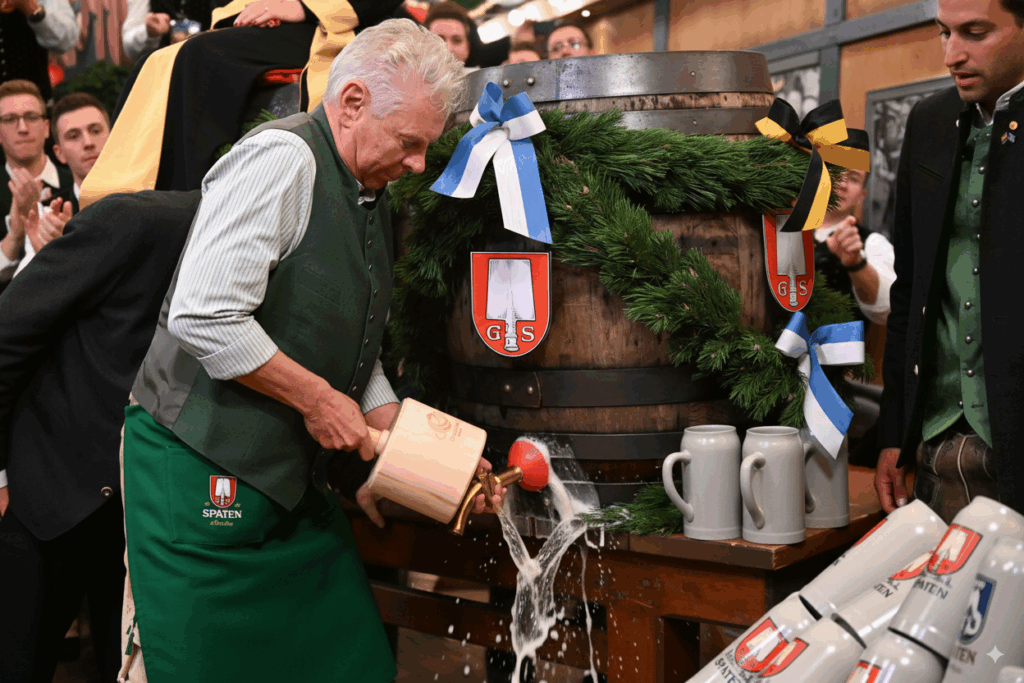
The opening ceremony familiar today is newer still. Since 1950, Munich’s mayor has officially opened Oktoberfest by tapping the first keg and declaring “O’zapft is!”—Bavarian dialect for “It is tapped.” The famous ritual is beloved tradition, but it is almost a century and a half younger than the festival itself.

The same is true of many visual symbols Americans treat as timeless. Large amusement rides, electrified attractions, brewery halls, formal processions, and the tightly organized opening ceremonies accumulated over generations. Oktoberfest did not arrive fully formed. Munich kept adding to it.

The horse race was the original anchor. Racing remained part of the program for much of the nineteenth century and continued through 1913, with brief later revivals. The founding spectacle eventually disappeared, while the food, drink, music, and amusements around it became the main event.

In other words, Oktoberfest changed by keeping what people loved and making room for what they loved next.

The Second Oktoberfest Changed Everything

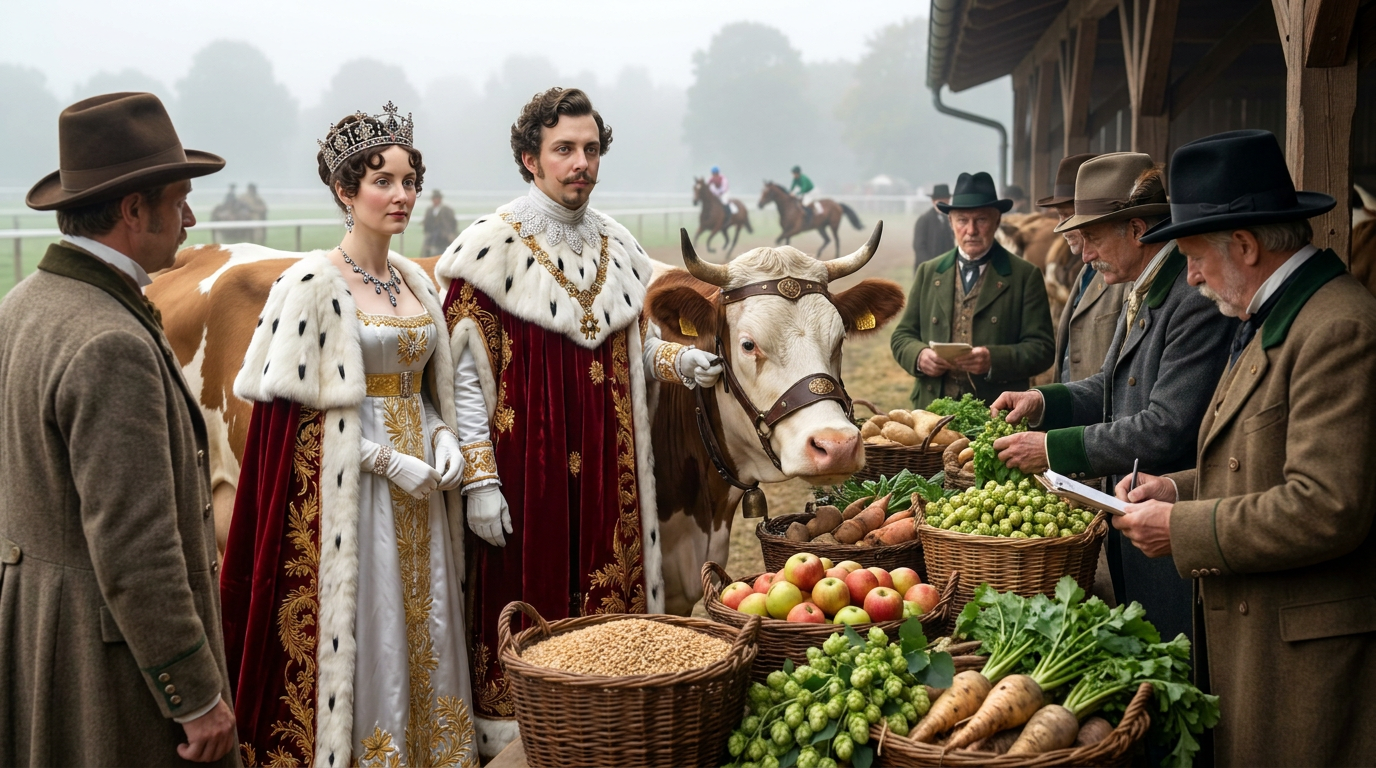
The repeat festival in 1811 did more than confirm that Munich wanted another party. Bavaria’s Agricultural Association added a livestock market and agricultural exhibition. Farmers displayed animals and products, prizes rewarded achievement, and the festival became a showcase for the kingdom’s rural economy.

This addition reveals how quickly Oktoberfest developed a practical purpose. The celebration could honor the monarchy, encourage agriculture, reward innovation, bring regions together, and entertain the public at the same time.

Agricultural exhibitions remained closely connected with the festival. The Central Agricultural Festival continues to share the Theresienwiese periodically, preserving a link to the earliest years that many international visitors never notice.

Other attractions followed. Shooting competitions became part of the program in 1816. A carousel appeared in 1818. In 1819, the City of Munich assumed responsibility for organizing and financing the festival. The royal wedding had created the spark; civic management turned it into an institution.

Oktoberfest Was Also an Exercise in Building Bavaria

The cheerful story of a wedding and a horse race is true, but it is only part of the explanation. Oktoberfest also helped a young kingdom tell a story about itself.

The Bavaria of 1810 included territories with different histories, dialects, loyalties, and customs. A public festival allowed those differences to appear together. Regional clothing, agricultural products, music, royal ceremony, and popular entertainment all occupied the same space.

The message did not need to be printed on a banner. People from different parts of the kingdom could see themselves represented while sharing one celebration. The royal family gained public visibility, Munich gained a major civic occasion, and Bavaria gained an annual stage on which to rehearse a common identity.

That helps explain why the festival endured. It offered more than diversion. It created belonging.

For German Americans, that part of the story feels familiar. Immigrant communities also preserved identity through gatherings that combined music, food, language, club life, worship, sport, and family reunion. The exact customs varied, but the purpose was recognizable: bring people together so heritage could be experienced rather than merely remembered.

Why Oktoberfest Usually Begins in September

Another American question practically asks itself: If it is called Oktoberfest, why does most of it happen in September?

The answer is weather and gradual evolution. The earliest celebrations occurred in October. As the festival expanded, organizers learned that Munich’s warmer September days and longer daylight hours were better for an outdoor gathering. The schedule moved earlier during the late nineteenth century. By the early twentieth century, the familiar pattern of beginning in September and ending around the first Sunday in October had taken hold.

The name stayed because traditions often keep their names after their calendars change. Oktoberfest remained Oktoberfest even when September became its busiest month.

A Tradition That Survived by Changing

Oktoberfest has never been an uninterrupted annual event. Wars, cholera epidemics, hyperinflation, and the COVID-19 pandemic forced cancellations. The festival also outlived the Bavarian monarchy it once celebrated.

That survival tells us something important. Oktoberfest did not endure because every detail remained frozen in 1810. It endured because Munich preserved a recognizable core while allowing the event to change.

The horse race gave way to beer halls and amusement rides. Royal ceremony gave way to civic leadership. A wedding celebration became an agricultural fair, then a major folk festival, then an international symbol of Bavarian culture. Even the dates moved.

Yet several founding ideas remain visible. The festival is still held on Therese’s Meadow. It still combines public celebration with regional identity. It still invites people to gather around food, music, spectacle, and shared memory.

“Tradition survives when each generation finds a reason to return.” — GERMAN HERITAGE USA

What Most Americans Never Learned

The real surprise is not simply that Oktoberfest began with a wedding. It is that the festival Americans often treat as an ancient beer custom is a documented tradition with a specific bride, groom, date, organizer, place, and opening event.

On October 12, 1810, Ludwig married Therese. On October 17, Munich gathered beyond the city gates for a horse race. The crowd loved it. The celebration returned the next year, acquired an agricultural mission, came under city management, and kept evolving until the little word “Wiesn” became famous around the world.

So the next time you raise a stein, hear an oompah band, or see an Oktoberfest sign in an American town, remember what stands behind the familiar picture.

Somewhere beneath the beer tents, brass music, roasted chicken, and bright carnival lights is the sound of horses racing across an open meadow in 1810—and a princess named Therese watching the celebration that would carry her name for centuries.

Oktoberfest 2025 Dates, Events & Traditions – What to Expect in Munich

Oktoberfest 2025 will take place from Saturday, September 20th to Sunday, October 5th, 2025.

For 16 unforgettable days, the city of Munich transforms into the beating heart of Bavarian culture—overflowing with world-renowned beer, lively music, and timeless traditions. Streets and beer tents come alive with the sounds of brass bands and cheerful singing, while locals and visitors alike don traditional dirndls and lederhosen.

The air is filled with the aroma of roasted meats, freshly baked pretzels, and sweet pastries, creating a feast for all the senses. From the ceremonial tapping of the first keg to the last song sung under twinkling festival lights, Oktoberfest embodies a spirit of togetherness and celebration that has enchanted millions for generations.

Despite its name, Oktoberfest always kicks off in late September to take advantage of Munich’s milder autumn weather. The event traditionally concludes on the first Sunday in October or extends to German Unity Day (October 3rd) if it falls later, ensuring a minimum of 16 days of celebration.

In 2025, festival-goers can look forward to two full weeks plus an extended final weekend, perfect for both locals and international visitors to experience the magic.

If you’re planning to attend, here’s your complete guide to Oktoberfest 2025 dates, events, and traditions, plus everything you need to know to make the most of your Bavarian adventure.


The Official Kickoff: “O’zapft is!”

The festival begins with one of the most famous traditions: the keg-tapping ceremony. On opening day, the Mayor of Munich taps the first keg in the Schottenhamel tent, declaring “O’zapft is!”—“It is tapped!”

Only then does the beer officially begin to flow across the 14 major tents and countless smaller venues throughout the Theresienwiese fairgrounds. This moment is broadcast on German television and cheered by thousands of locals and travelers alike.

This ceremony not only marks the start of Oktoberfest—it embodies the spirit of Munich’s warm hospitality and the pride Bavaria takes in its brewing culture.


Oktoberfest 2025 Dates at a Glance

  • Opening Day: Saturday, September 20th, 2025
  • Closing Day: Sunday, October 5th, 2025
  • Duration: 16 days
  • Location: Theresienwiese, Munich, Germany

The extended schedule in 2025 includes both September’s milder climate and the special German Unity Day holiday on October 3rd, meaning crowds will be especially lively. Expect peak attendance during both weekends, particularly the final days.


The Iconic Oktoberfest Tents

One of the most defining features of Oktoberfest is its legendary beer tents—not mere temporary structures, but massive, elaborately decorated halls capable of seating thousands of guests.

» Read more

Oktoberfest in 2024: What to Expect This Year in Munich

Oktoberfest in 2024: What to Expect This Year in Munich. Ever wondered what Oktoberfest in Munich is like? It’s the world’s largest folk festival, celebrating Bavarian culture. Millions visit each year. Let’s explore why this beer festival is a top spot for German traditions and Munich events.

A vibrant scene of Oktoberfest in Munich, 2024, showcasing colorful beer tents filled with festive decorations, traditional Bavarian clothing, lively crowds enjoying large steins of beer, delicious pretzels and sausages, amusement rides in the background, and golden autumn leaves falling under a bright blue sky.


From September 21 to October 6, 2024, Munich’s Theresienwiese field will buzz with life. Over 6 million people will join in the fun. The area will host 17 big beer tents and 21 smaller ones, serving up tasty treats.

Getting into Oktoberfest is free, but you’ll need to watch your wallet. Beer will cost between €13.60 and €15.30 per liter. The Augustiner tent has the cheapest beer at €14.10. Food prices might go up, thanks to new tax rules.

Traditional events are the heart of Oktoberfest. Don’t miss the opening parade on September 21 and the marksmen parade on September 22. Music fans will love the open-air concert on the second Sunday.

Oktoberfest in 2024: What to Expect This Year in Munich – Key Takeaways

  • Oktoberfest 2024 runs from September 21 to October 6 in Munich
  • Over 6 million visitors are expected to attend
  • 17 major beer tents and 21 smaller specialty tents will be available
  • Beer prices range from €13.60 to €15.30 per liter
  • Free entry, but budget around €70 per day for food and drinks
  • Traditional parades and concerts are key attractions
  • Weekends and public holidays are busiest, plan accordingly

The History and Tradition of Munich’s Oktoberfest

Oktoberfest is a key part of Bavarian culture, starting in 1810. It has grown from a royal event to a famous festival. Every year, millions come to enjoy it.

The Royal Wedding That Started It All

The story of Oktoberfest began with Crown Prince Ludwig’s wedding to Princess Therese. The celebration included horse races and lasted five days. It was a joyous start to a long tradition.

Evolution from Horse Racing to Beer Festival

Oktoberfest changed from a royal event to a big beer festival. Beer tents were added in the late 1800s. By 1910, the biggest tent could serve 12,000 hectoliters of beer to 12,000 people.

189 Years of Bavarian Celebration

In 2024, Oktoberfest will celebrate its 189th year. It takes place at Theresienwiese, named after Princess Therese. The festival combines old traditions with new fun, like brass bands and carnival rides.

Year Milestone
1810 First Oktoberfest celebration
1910 100th anniversary: 12,000 hectoliters of beer served
1950 Introduction of the beer barrel tapping tradition
2010 200th anniversary and introduction of ‘Oide Wiesn’
2024 189th Oktoberfest, expecting 6 million visitors

Oktoberfest in 2024: What to Expect This Year in Munich. Today, Oktoberfest is a symbol of Bavarian culture. It mixes history, tradition, and fun. From its start to now, it has won the hearts of millions worldwide.

Essential Festival Information and Dates

Get ready for Oktoberfest in 2024: what to expect this year in Munich! The world’s largest beer festival starts on September 21st and ends on October 6th. This 16-day event is set to be one of the most exciting Munich events of the year.

Mark your calendars for these festival hours:

  • Weekdays: 10 am – 10:30 pm
  • Weekends: 9 am – 10:30 pm

Beer lovers, don’t miss the ceremonial tapping of the first keg at noon on opening day. Most stalls close by 11:30 pm. But, a few stay open until midnight for those who like to party late.

A vibrant scene of Oktoberfest 2024 in Munich, featuring large colorful beer tents filled with people in traditional Bavarian attire, lively folk music playing, vast beer gardens with long wooden tables, people enjoying pretzels and sausages, festive decorations with blue and white banners, iconic rides and attractions in the background, a clear blue sky, and the historic Munich skyline.

» Read more