1810 Oktoberfest: The Incredible Story Behind Germany’s First Oktoberfest That Most Americans Never Learned
The royal wedding, horse race, and Bavarian story behind the world’s most famous folk festival. Picture Munich on an October afternoon in 1810.
There are no electric lights, no Ferris wheels, no vast beer tents, and no brass band launching into “Ein Prosit.” Instead, thousands of people are moving beyond the city gates toward an open meadow. Horses stamp the ground. Soldiers of the civic militia keep order. Children in regional clothing carry flowers and fruit. On a raised place of honor sit Bavaria’s crown prince and his new bride.
Then the race begins.
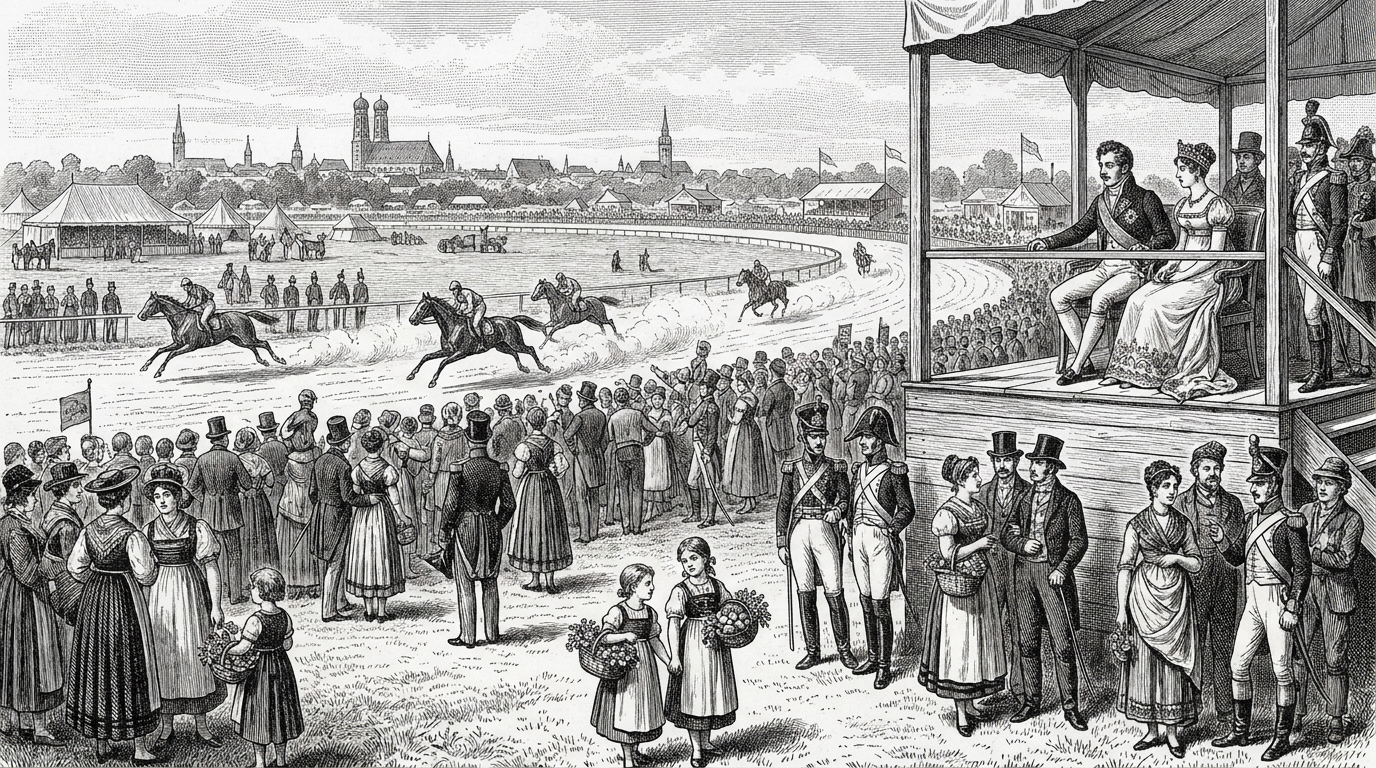
That scene, not a beer hall, marks the beginning of Oktoberfest.
Most Americans know the modern images: one-liter beer mugs, pretzels as wide as dinner plates, roast chicken, dirndls, lederhosen, music, and crowded festival tents. Those are genuine parts of today’s Wiesn, as Munich residents call the festival. But the original event was created for a different reason. It celebrated a royal wedding, introduced a young crown princess to the public, and helped a newly enlarged kingdom present a shared Bavarian identity.
The first Oktoberfest was romantic, theatrical, political, and surprisingly modern. It also began with an idea simple enough to sound familiar today: give the public a celebration worth repeating.
“Before Oktoberfest became a beer festival, it was a royal wedding celebration with a finish line.” — GERMAN HERITAGE USA
A Royal Wedding in a Young Kingdom
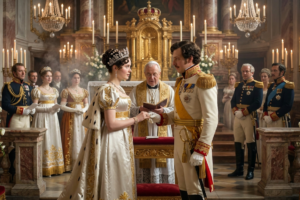
On October 12, 1810, Crown Prince Ludwig of Bavaria married Princess Therese of Saxe-Hildburghausen in Munich. Ludwig would later rule as King Ludwig I. Therese would become Queen of Bavaria, but in 1810 she was an 18-year-old Protestant princess arriving in a Catholic kingdom whose political map had recently changed.
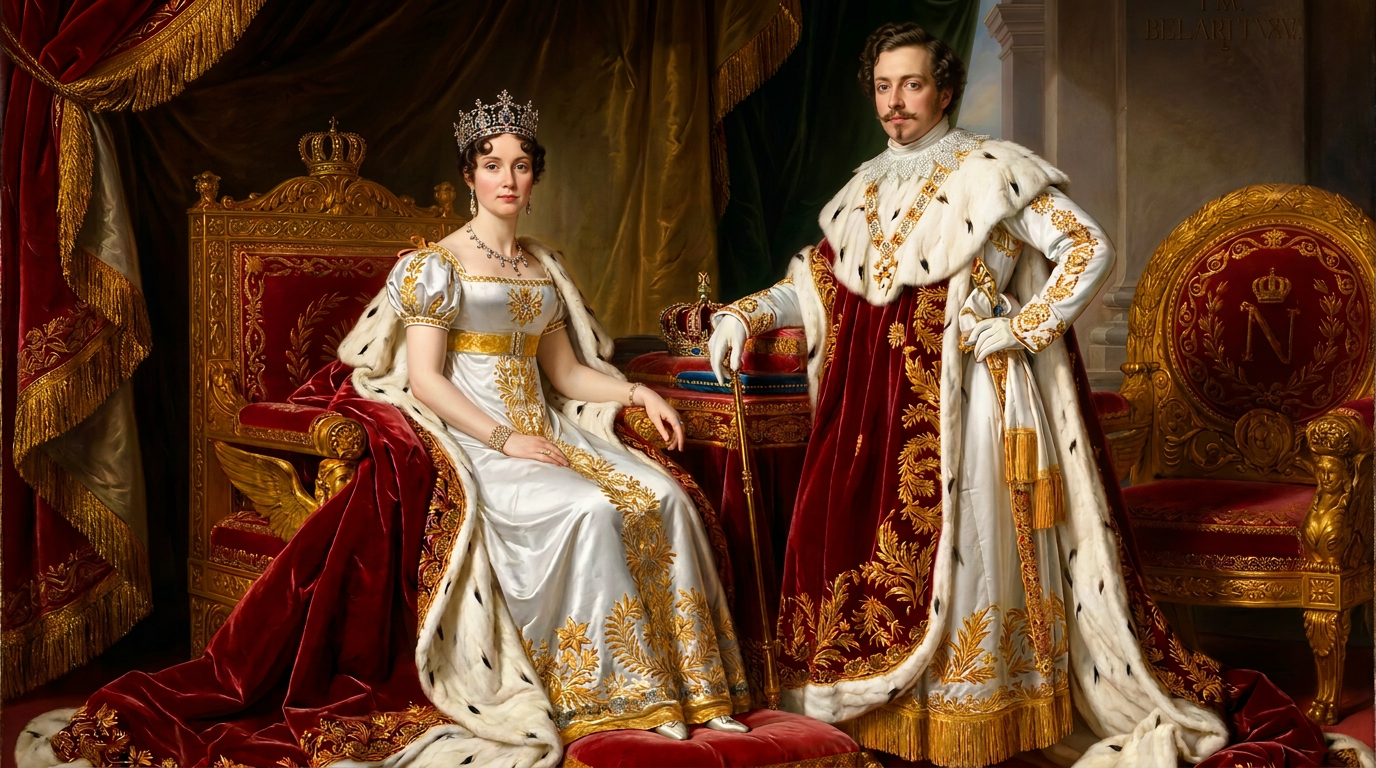
Bavaria itself was new as a kingdom. Napoleon had elevated it from an electorate to a kingdom in 1806. Political settlements and territorial changes brought large parts of Franconia and Swabia under Bavarian rule. Many of the people living in those regions did not automatically think of themselves as members of one unified Bavarian nation.
That made the wedding more than a private family event. It gave the royal house an opportunity to display stability, welcome the public, and celebrate the idea of Bavaria as one kingdom.
The marriage was the first princely wedding held in Munich since 1722. The city was decorated and illuminated. The five-day celebration included public festivities, a free opera, theatrical performances, music, and a ball. For residents who lived before mass media, the occasion offered a rare chance to see the royal family and take part in an event meant for the whole city.
And the grand finale was waiting outside the gates.
The Man Who Helped Put Munich on Horseback
Andreas Michael Dall’Armi is usually credited with proposing and organizing the horse race that closed the wedding celebration. He was a businessman and banker who served as a major in Munich’s civic militia. That combination of commerce, military organization, and civic standing made him well suited to turn a festive idea into a public spectacle.
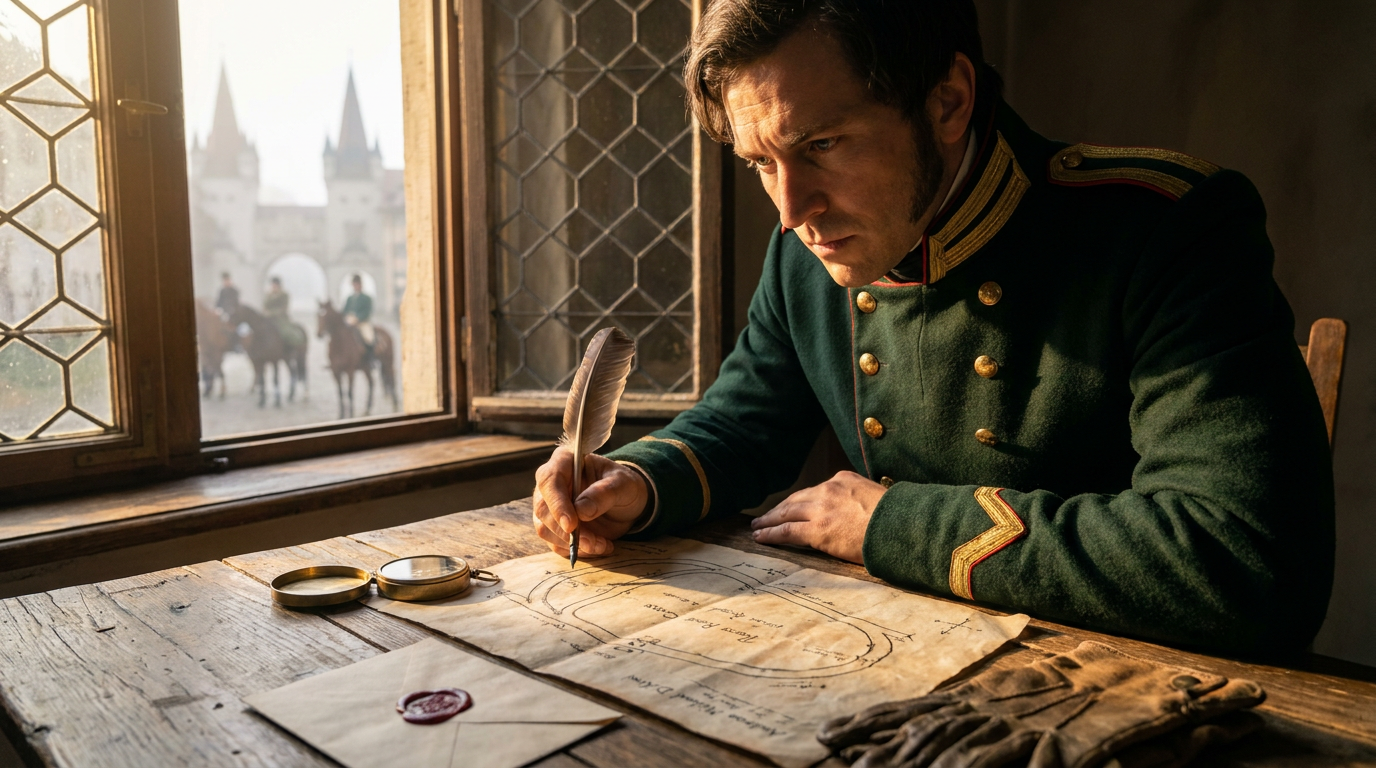
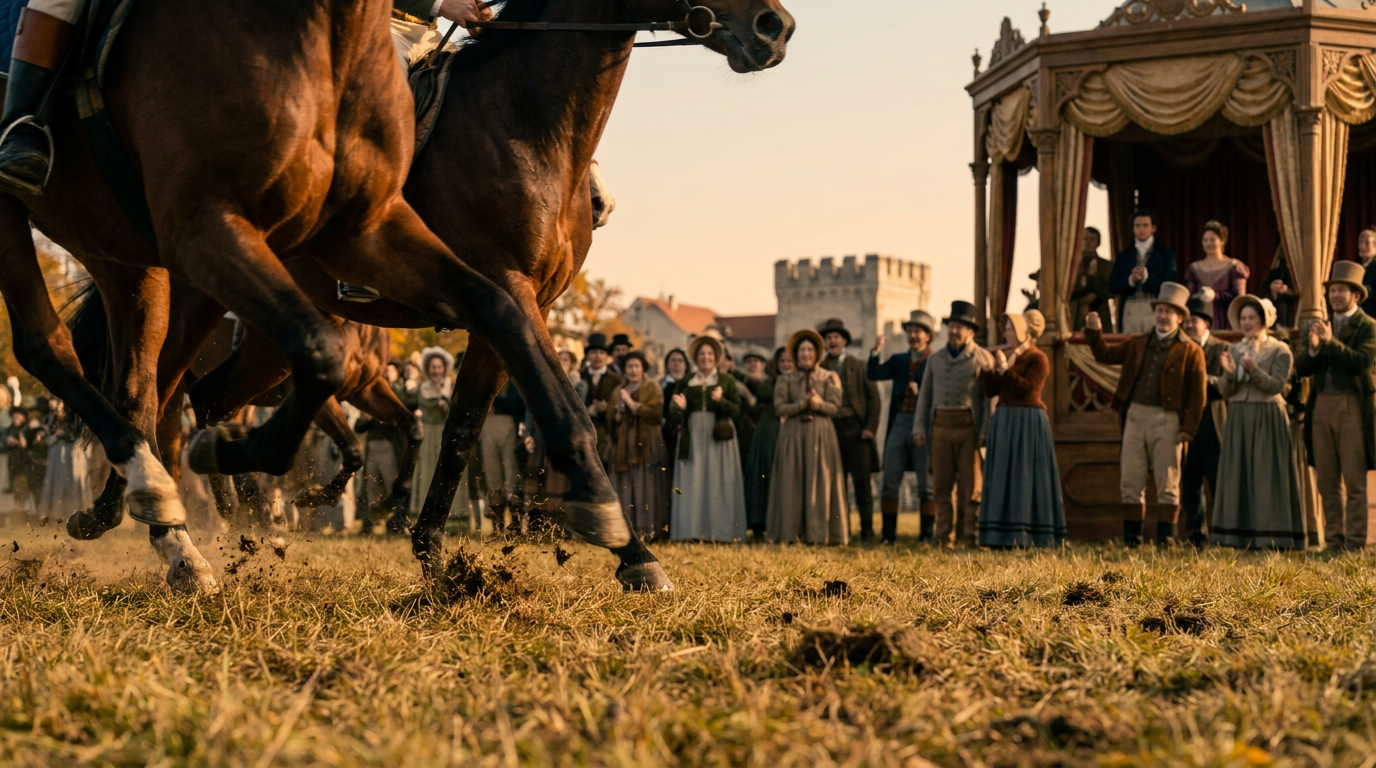
On October 17, five days after the wedding, the cavalry of Munich’s civic militia staged the race in honor of Ludwig and Therese. The course was laid out on open land beyond the city, near the road leading south toward Italy. The natural rise beside the meadow gave spectators a place from which to watch.
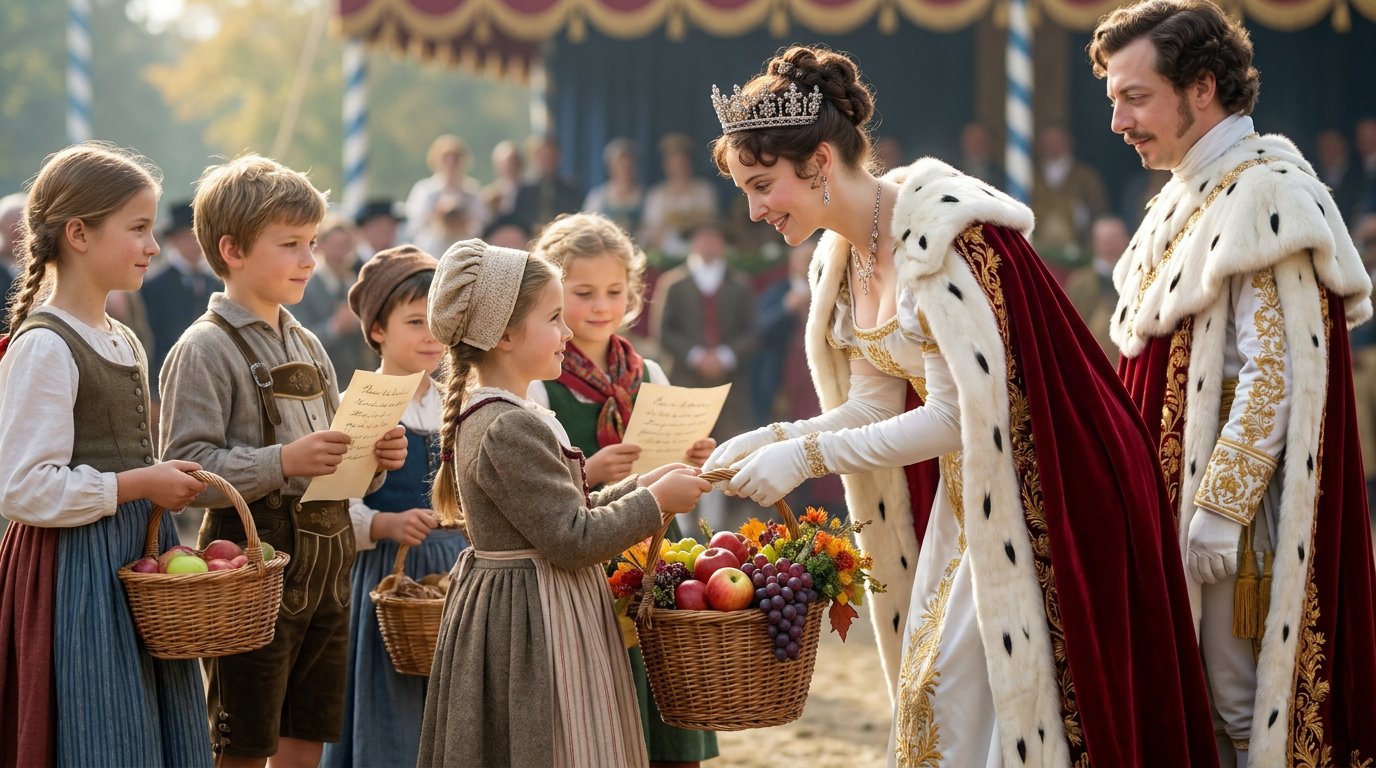
Accounts of the day describe children and representatives from Bavaria’s regions greeting the newlyweds in local clothing. They presented poems, flowers, and fruit. The imagery mattered. This was not merely a contest between fast horses. The celebration placed the royal couple at the center of a colorful display of regional identity.
The race drew an enormous public response. Later histories commonly estimate the crowd at roughly 40,000 people, an astonishing gathering for Munich at the time. Whatever the exact count, the excitement was strong enough that Dall’Armi soon asked the royal house to repeat the festival. King Maximilian I Joseph approved another celebration for 1811.
With that decision, a one-time wedding event became a tradition.
The Meadow That Took Therese’s Name
The festival grounds were named Theresienwiese, meaning “Therese’s Meadow,” in honor of the bride. More than two centuries later, Oktoberfest is still held on the same site.
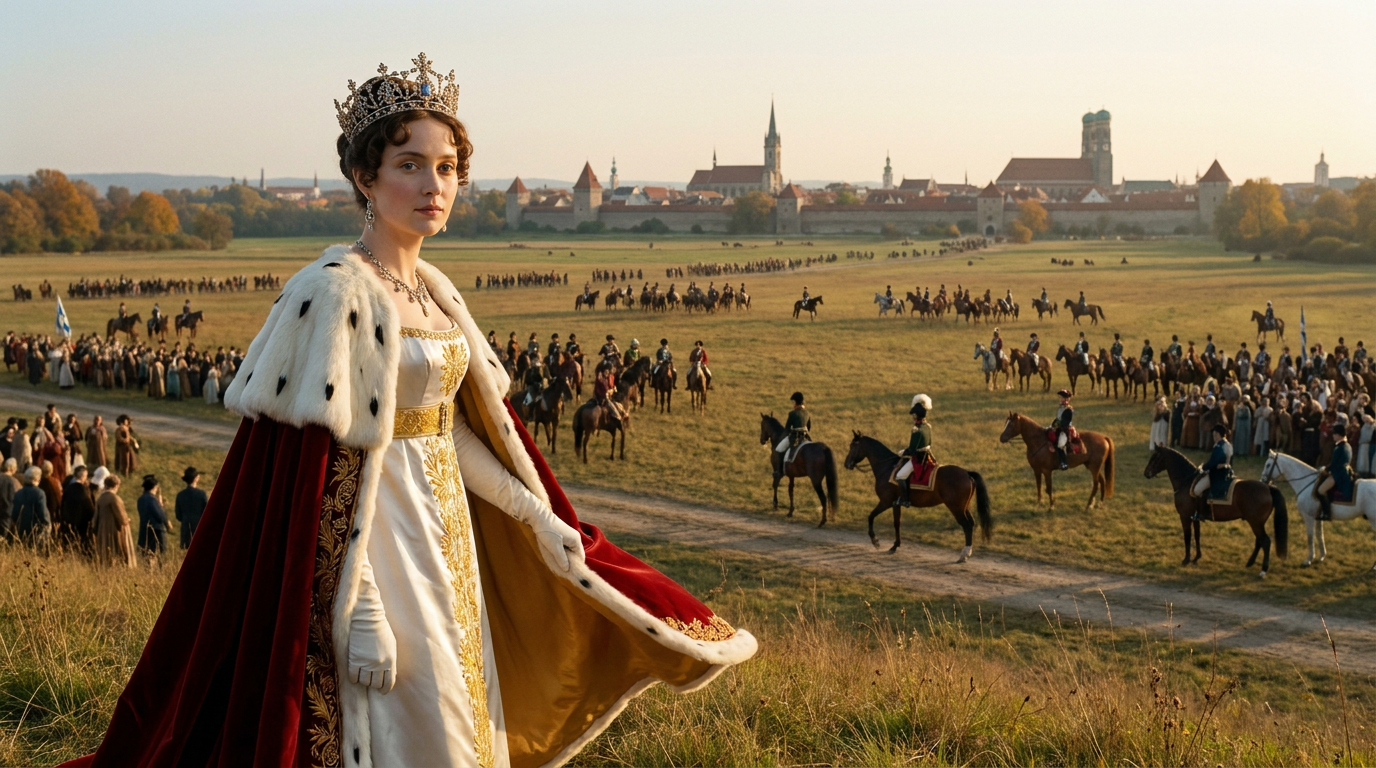
Munich residents eventually shortened Theresienwiese to die Wiesn. Americans sometimes hear “Wiesn” and assume it means Oktoberfest itself. Strictly speaking, it comes from the meadow, although the nickname now embraces the entire festival. When a Münchner says, “Auf geht’s zur Wiesn,” the sense is, “Let’s go to the Oktoberfest.”
Therese’s name survived in plain sight while her role in the story often faded from popular memory. She was not a decorative footnote. The land was named for her, the celebration honored her marriage, and the annual gathering grew out of the welcome extended to her in 1810.
That gives the word Theresienwiese a deeper meaning. Every modern tent, ride, parade, and toast still stands on a place named for the young woman at the center of the original celebration.
The First Oktoberfest Was Not the Beer Festival You Imagine
Here is the detail that surprises many Americans: the first Oktoberfest was not built around giant beer tents.
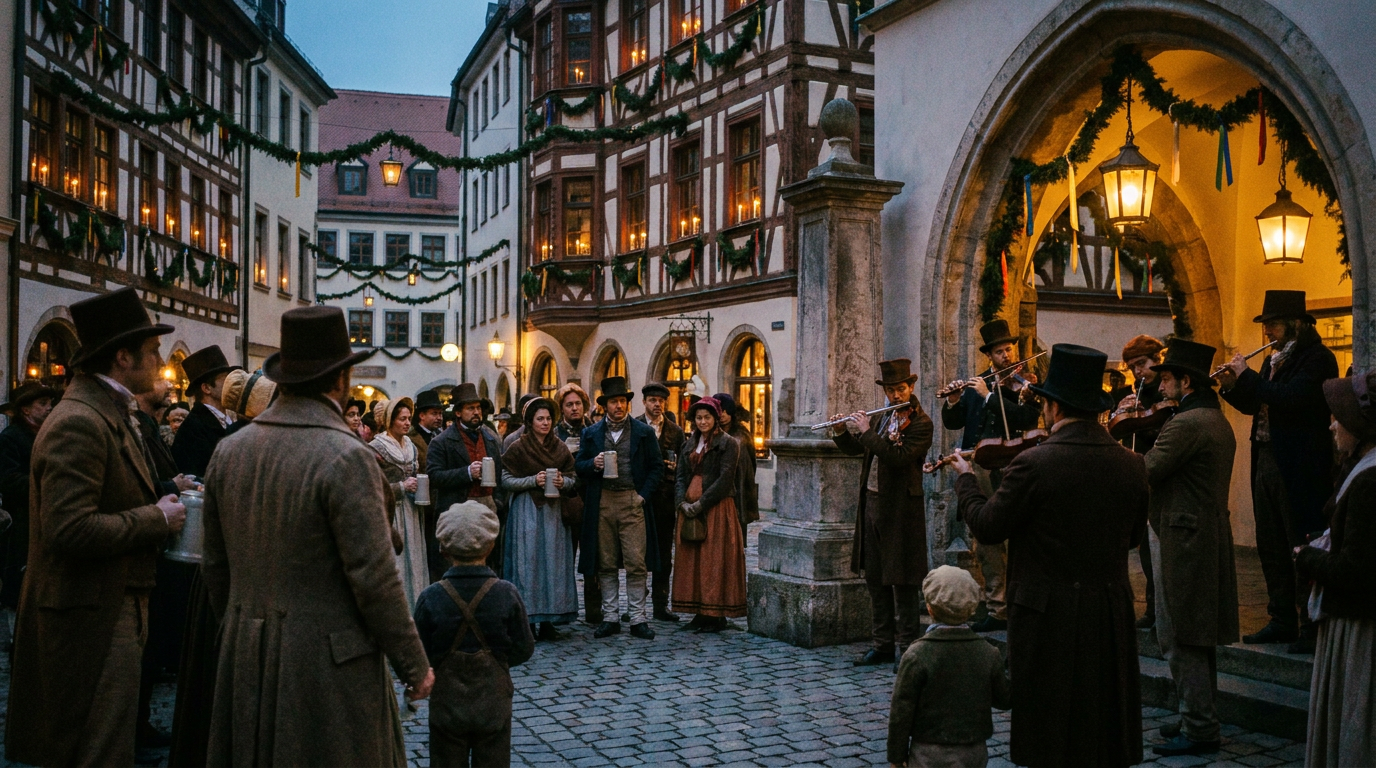
Beer was available in the festival’s early years, and visitors drank outdoors, but the immense halls associated with Oktoberfest came much later. Wooden refreshment booths grew during the nineteenth century. Munich’s major breweries began erecting large temporary beer halls in the 1890s, and the festival’s identity as a beer-centered celebration solidified around that period.
The opening ceremony familiar today is newer still. Since 1950, Munich’s mayor has officially opened Oktoberfest by tapping the first keg and declaring “O’zapft is!”—Bavarian dialect for “It is tapped.” The famous ritual is beloved tradition, but it is almost a century and a half younger than the festival itself.
The same is true of many visual symbols Americans treat as timeless. Large amusement rides, electrified attractions, brewery halls, formal processions, and the tightly organized opening ceremonies accumulated over generations. Oktoberfest did not arrive fully formed. Munich kept adding to it.
The horse race was the original anchor. Racing remained part of the program for much of the nineteenth century and continued through 1913, with brief later revivals. The founding spectacle eventually disappeared, while the food, drink, music, and amusements around it became the main event.
In other words, Oktoberfest changed by keeping what people loved and making room for what they loved next.
The Second Oktoberfest Changed Everything
The repeat festival in 1811 did more than confirm that Munich wanted another party. Bavaria’s Agricultural Association added a livestock market and agricultural exhibition. Farmers displayed animals and products, prizes rewarded achievement, and the festival became a showcase for the kingdom’s rural economy.
This addition reveals how quickly Oktoberfest developed a practical purpose. The celebration could honor the monarchy, encourage agriculture, reward innovation, bring regions together, and entertain the public at the same time.
Agricultural exhibitions remained closely connected with the festival. The Central Agricultural Festival continues to share the Theresienwiese periodically, preserving a link to the earliest years that many international visitors never notice.
Other attractions followed. Shooting competitions became part of the program in 1816. A carousel appeared in 1818. In 1819, the City of Munich assumed responsibility for organizing and financing the festival. The royal wedding had created the spark; civic management turned it into an institution.
Oktoberfest Was Also an Exercise in Building Bavaria
The cheerful story of a wedding and a horse race is true, but it is only part of the explanation. Oktoberfest also helped a young kingdom tell a story about itself.
The Bavaria of 1810 included territories with different histories, dialects, loyalties, and customs. A public festival allowed those differences to appear together. Regional clothing, agricultural products, music, royal ceremony, and popular entertainment all occupied the same space.
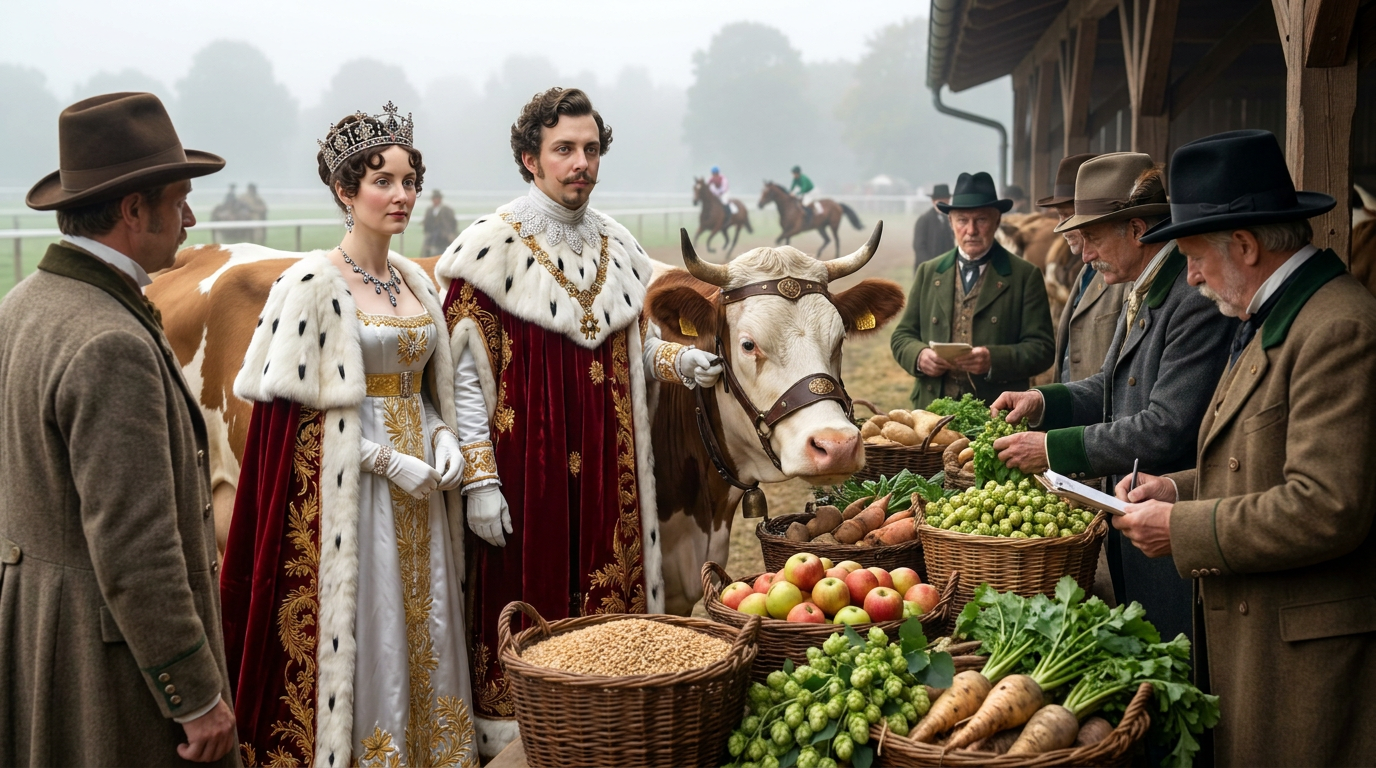
The message did not need to be printed on a banner. People from different parts of the kingdom could see themselves represented while sharing one celebration. The royal family gained public visibility, Munich gained a major civic occasion, and Bavaria gained an annual stage on which to rehearse a common identity.
That helps explain why the festival endured. It offered more than diversion. It created belonging.
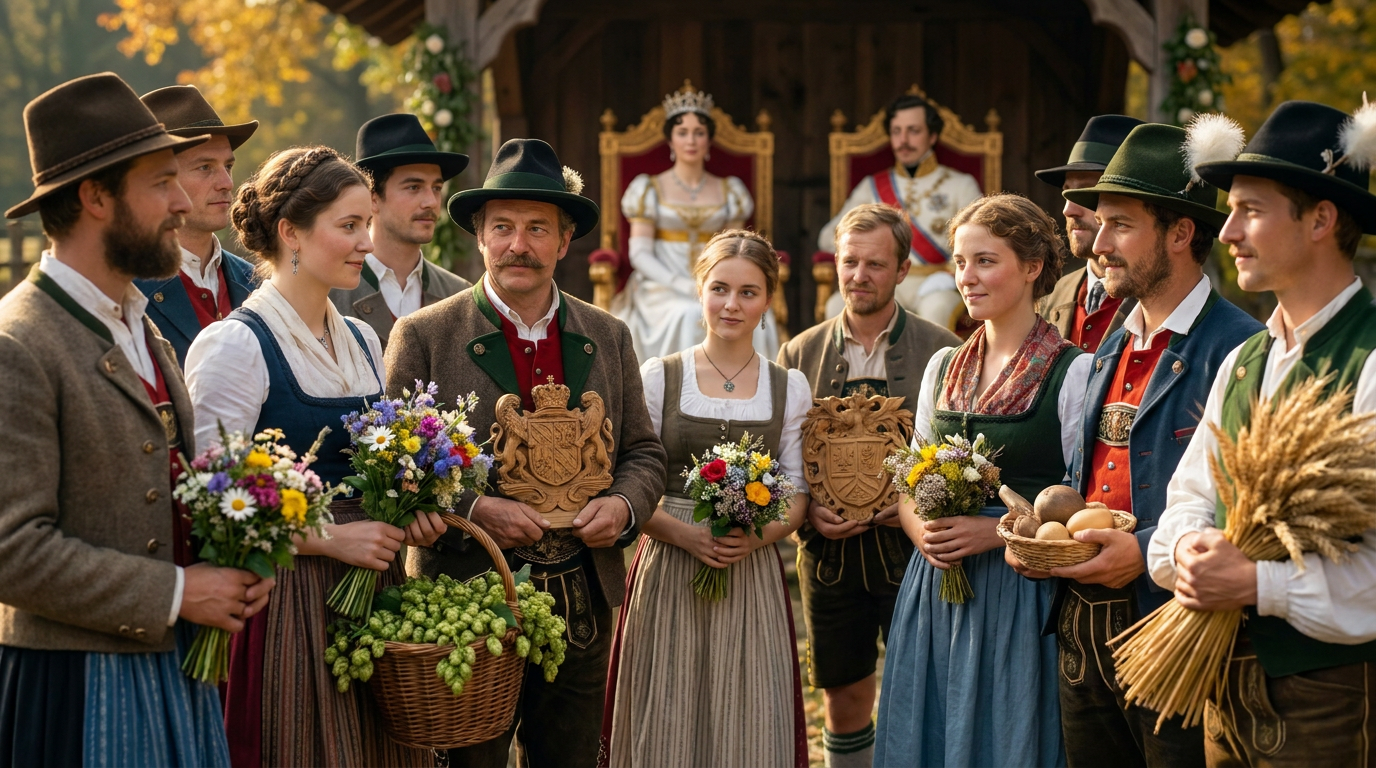
For German Americans, that part of the story feels familiar. Immigrant communities also preserved identity through gatherings that combined music, food, language, club life, worship, sport, and family reunion. The exact customs varied, but the purpose was recognizable: bring people together so heritage could be experienced rather than merely remembered.
Why Oktoberfest Usually Begins in September
Another American question practically asks itself: If it is called Oktoberfest, why does most of it happen in September?
The answer is weather and gradual evolution. The earliest celebrations occurred in October. As the festival expanded, organizers learned that Munich’s warmer September days and longer daylight hours were better for an outdoor gathering. The schedule moved earlier during the late nineteenth century. By the early twentieth century, the familiar pattern of beginning in September and ending around the first Sunday in October had taken hold.
The name stayed because traditions often keep their names after their calendars change. Oktoberfest remained Oktoberfest even when September became its busiest month.
A Tradition That Survived by Changing
Oktoberfest has never been an uninterrupted annual event. Wars, cholera epidemics, hyperinflation, and the COVID-19 pandemic forced cancellations. The festival also outlived the Bavarian monarchy it once celebrated.
That survival tells us something important. Oktoberfest did not endure because every detail remained frozen in 1810. It endured because Munich preserved a recognizable core while allowing the event to change.
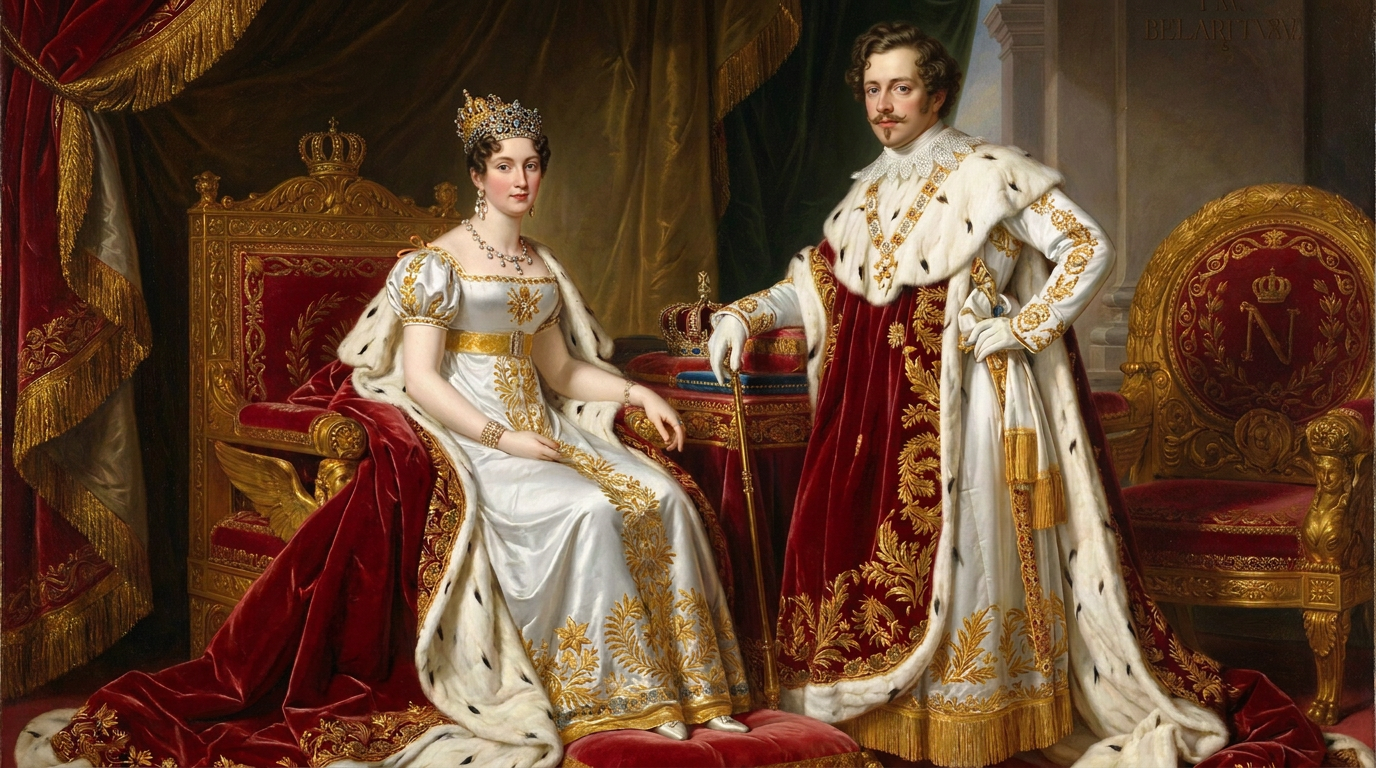
The horse race gave way to beer halls and amusement rides. Royal ceremony gave way to civic leadership. A wedding celebration became an agricultural fair, then a major folk festival, then an international symbol of Bavarian culture. Even the dates moved.
Yet several founding ideas remain visible. The festival is still held on Therese’s Meadow. It still combines public celebration with regional identity. It still invites people to gather around food, music, spectacle, and shared memory.
“Tradition survives when each generation finds a reason to return.” — GERMAN HERITAGE USA
What Most Americans Never Learned
The real surprise is not simply that Oktoberfest began with a wedding. It is that the festival Americans often treat as an ancient beer custom is a documented tradition with a specific bride, groom, date, organizer, place, and opening event.
On October 12, 1810, Ludwig married Therese. On October 17, Munich gathered beyond the city gates for a horse race. The crowd loved it. The celebration returned the next year, acquired an agricultural mission, came under city management, and kept evolving until the little word “Wiesn” became famous around the world.
So the next time you raise a stein, hear an oompah band, or see an Oktoberfest sign in an American town, remember what stands behind the familiar picture.
Somewhere beneath the beer tents, brass music, roasted chicken, and bright carnival lights is the sound of horses racing across an open meadow in 1810—and a princess named Therese watching the celebration that would carry her name for centuries.