From Bratwurst to Black Forest Cake: A Delicious Journey Through German-American Food Traditions
GERMAN HERITAGE USA | AFFILIATE DISCLAIMER: This post may or may not contain affiliate links which means we may receive a commission for purchases made through links. We will only recommend products that we have personally used or that we truly trust. Learn more on our Private Policy and Disclaimer Page located under our Terms Of Service tab above.
For generations, food has been one of the most enduring ways German-Americans have preserved their heritage. Long after languages faded, family names changed, and old-country customs blended into American life, recipes remained.
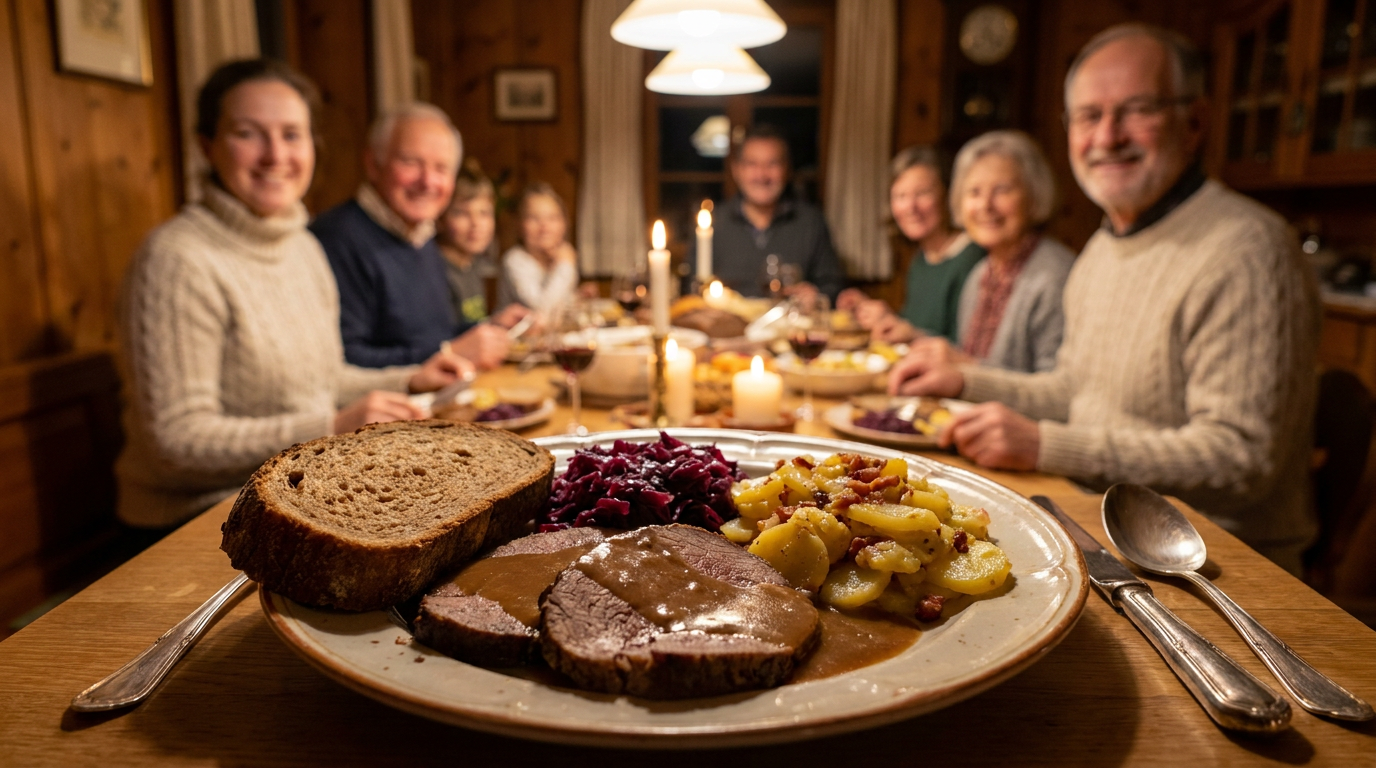
A plate of bratwurst at a summer festival. A warm pretzel shared at a county fair. A holiday table featuring red cabbage, potato salad, and sauerbraten. A slice of Black Forest cake served at a family reunion.
These foods tell stories.
They tell of immigrants who crossed the Atlantic seeking opportunity. They tell of communities built across Pennsylvania, Ohio, Wisconsin, Iowa, Nebraska, Minnesota, Texas, Tennessee, and countless other states. They tell of family traditions carried from generation to generation—sometimes changing slightly with local ingredients, but always retaining a taste of home.
Today, millions of Americans may have only a trace of German ancestry, yet they still enjoy foods whose roots stretch back centuries into the villages, farms, forests, and cities of Germany. Whether you know your family’s German origins or are just beginning to explore them, one of the most enjoyable ways to connect with that heritage is through food.
After all, every recipe has a story.
The German-American Table: Where Two Cultures Meet
German immigration to America occurred in several major waves beginning in the 1700s and continuing well into the early 1900s.
Wherever German immigrants settled, they brought their culinary traditions with them.


The hearty farm cooking of Bavaria, the sausages of Franconia, the breads of Swabia, and the cakes of the Black Forest region all found new life in America.
Many dishes became so integrated into American culture that people often forget their German origins.
As food historian James Beard once observed:
“Food is our common ground, a universal experience.”
For German-Americans, that experience is often served one delicious plate at a time.
Bratwurst: America’s Favorite German Sausage
Few foods are more closely associated with German heritage than bratwurst.
The word “bratwurst” originates from Germany and refers to a finely minced sausage traditionally made from pork, veal, or beef.

Today, bratwurst is practically a cultural institution in parts of the Midwest.
Whether served at baseball games, Oktoberfests, church picnics, county fairs, or backyard cookouts, bratwurst represents one of the most successful culinary exports Germany ever produced.
Popular toppings include:
- Sauerkraut
- Spicy brown mustard
- Grilled onions
- Pickled vegetables
- Beer-braised cabbage
Every family seems to have its own preferred way of serving a brat.
And every German-American gathering seems to have someone insisting theirs is the “authentic” version.
Pretzels: The Twist That Conquered America
The humble pretzel may be one of Germany’s greatest gifts to American snack culture.
German immigrants introduced pretzels to Pennsylvania during the colonial era, where they eventually became a major industry.

Today, Pennsylvania remains one of America’s pretzel capitals.

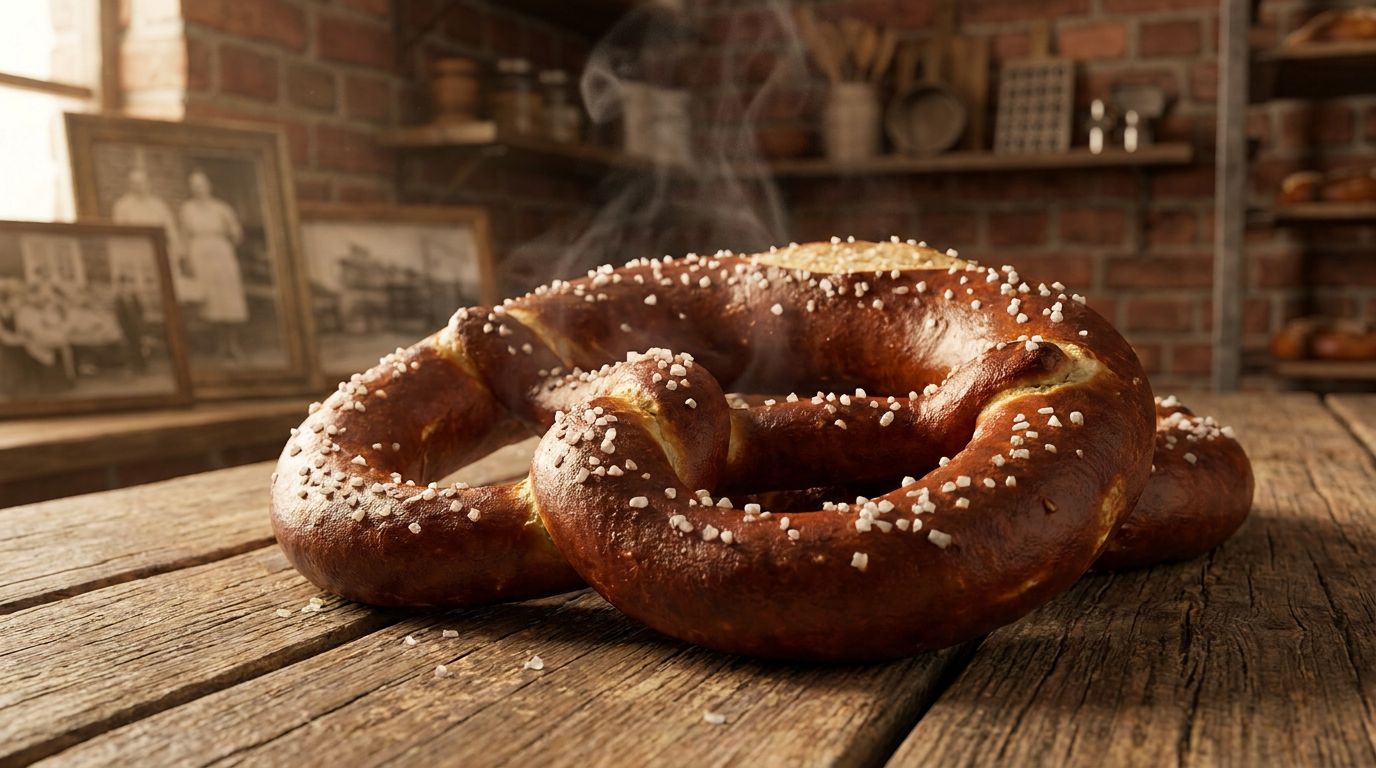
Traditional German pretzels feature:
- A dark, glossy crust
- Chewy interior
- Coarse salt topping
- Distinctive twisted shape
Modern variations include:
- Beer cheese pretzels
- Cinnamon sugar pretzels
- Stuffed pretzels
- Giant festival pretzels
No Oktoberfest feels complete without one.
And let’s be honest—few foods pair better with a cold German-style lager.
Sauerkraut: More Than Just a Condiment
For German-Americans, it’s much more.
Sauerkraut has been a staple of Central European cuisine for centuries. Made from fermented cabbage, it provided essential nutrition throughout long winters.

German immigrants brought fermentation traditions with them to America, where sauerkraut quickly became a practical and economical food source.
Today it remains a beloved companion to:
- Bratwurst
- Pork roasts
- Kielbasa
- Potato dishes
- Holiday meals
Modern nutrition experts also appreciate sauerkraut for its probiotics and digestive benefits.
It turns out great-grandma was onto something all along.
The Bread Basket of German Heritage
Bread occupies a sacred place in German culinary culture.
Germany is famous for producing hundreds of varieties of bread, many of which inspired baking traditions throughout German-American communities.

Popular German-inspired breads include:
- Rye bread
- Pumpernickel
- Bauernbrot (farmer’s bread)
- Pretzel rolls
- Seeded country loaves
Many German-American bakeries became community gathering places where immigrants could purchase familiar foods while maintaining connections to their heritage.
Even today, walking into a traditional German bakery can feel like stepping into another era.
The Potato: An Unexpected German-American Hero
While Germany did not invent potatoes, Germans certainly embraced them.
As German immigrants spread across America’s agricultural regions, potatoes became a cornerstone of family meals.
Some favorites include:
German Potato Salad
Unlike many American versions, traditional German potato salad often features:
- Vinegar dressing
- Bacon
- Onions
- Fresh herbs
Kartoffelpuffer
Also known as potato pancakes, these crispy treats remain festival favorites.
Potato Dumplings
A comforting side dish often served with roasts and gravies.
Potatoes offered affordability, versatility, and hearty nourishment—qualities highly valued by immigrant farming families.
Sweet Traditions: Cakes, Pastries, and Family Celebrations
German heritage isn’t only about savory dishes.
Some of the world’s most beloved desserts originated in Germany.

Perhaps Germany’s most famous dessert, this masterpiece features:
- Chocolate cake
- Cherries
- Whipped cream
- Chocolate shavings
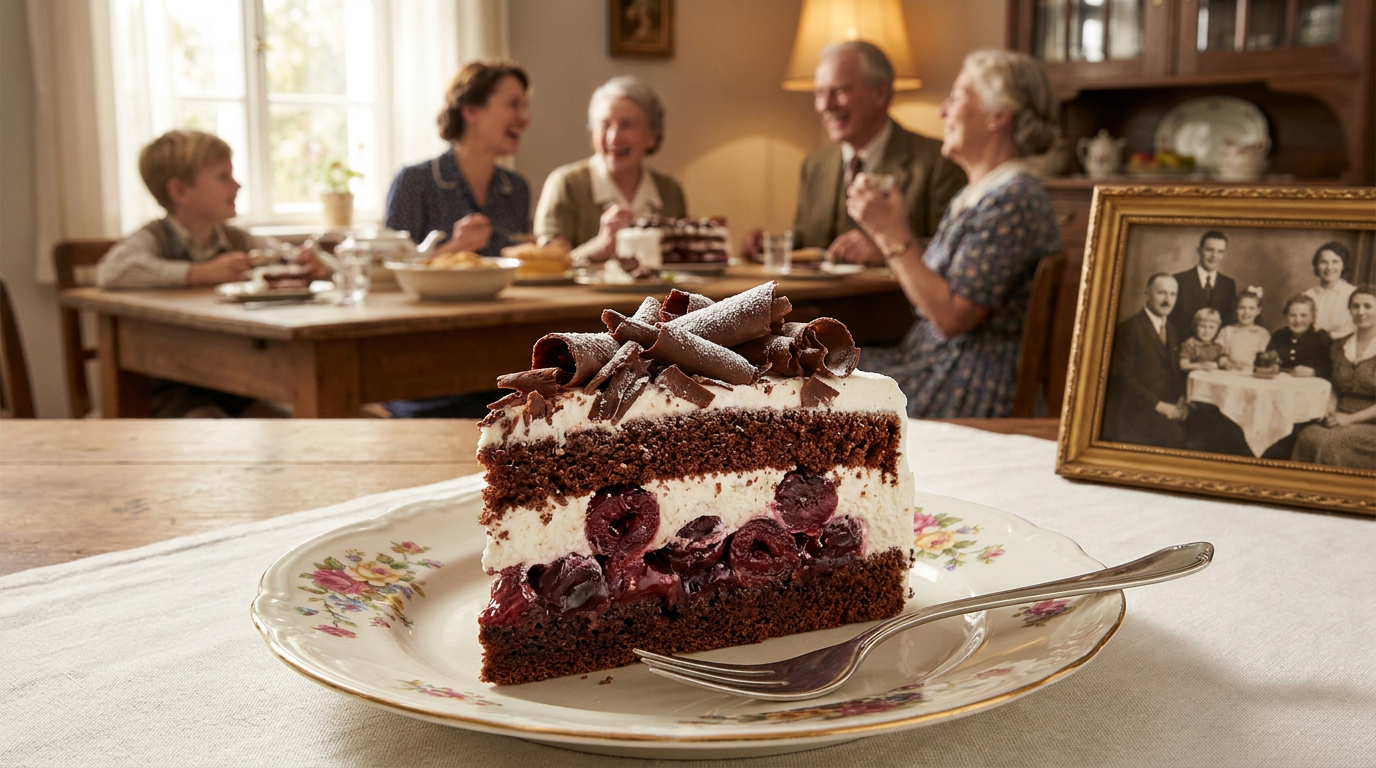
It remains a showstopper at weddings, anniversaries, and special celebrations.
Apple Strudel
Though associated with Central Europe generally, strudel became a staple in many German-American homes.
Stollen
This fruit-filled Christmas bread remains a beloved holiday tradition.
Bee Sting Cake (Bienenstich)
A delicious combination of sweet yeast dough, cream filling, and caramelized almonds.
These desserts helped transform family gatherings into memorable celebrations.
German-American Beer and Food: A Perfect Partnership
No discussion of German food traditions would be complete without mentioning beer culture.
German immigrants helped establish many of America’s earliest brewing traditions.
German-American Favorites
Classic Pairings
| Food | Traditional Beverage Pairing |
|---|---|
| Bratwurst | Märzen Lager |
| Pretzels | Helles Lager |
| Schnitzel | Pilsner |
| Roast Pork | Dunkel |
| Black Forest Cake | Coffee or Dark Lager |
German beer gardens became social centers where families gathered, musicians performed, and communities celebrated.
Food was never just nourishment.
It was fellowship.
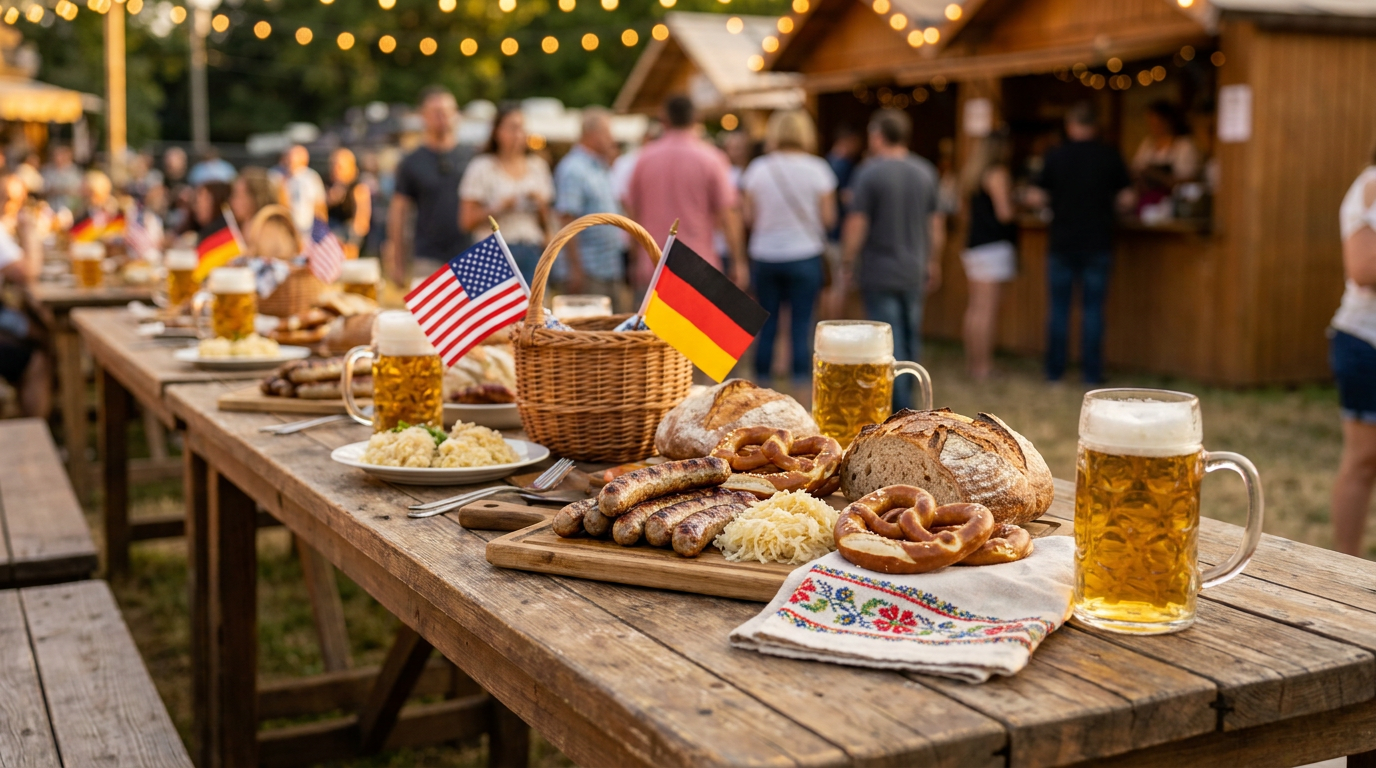
A Taste of German Heritage at Festivals Across America
One of the easiest ways to experience German-American culinary traditions is by attending a festival.


Across America, communities host:
- Oktoberfests
- Maifests
- Christkindlmarkts
- Heritage festivals
- County fairs with German roots
For many attendees, the food becomes the gateway to learning more about their ancestry, history, and cultural traditions.
Food as a Family Time Machine
Perhaps the most remarkable aspect of German-American food traditions is their ability to connect generations.
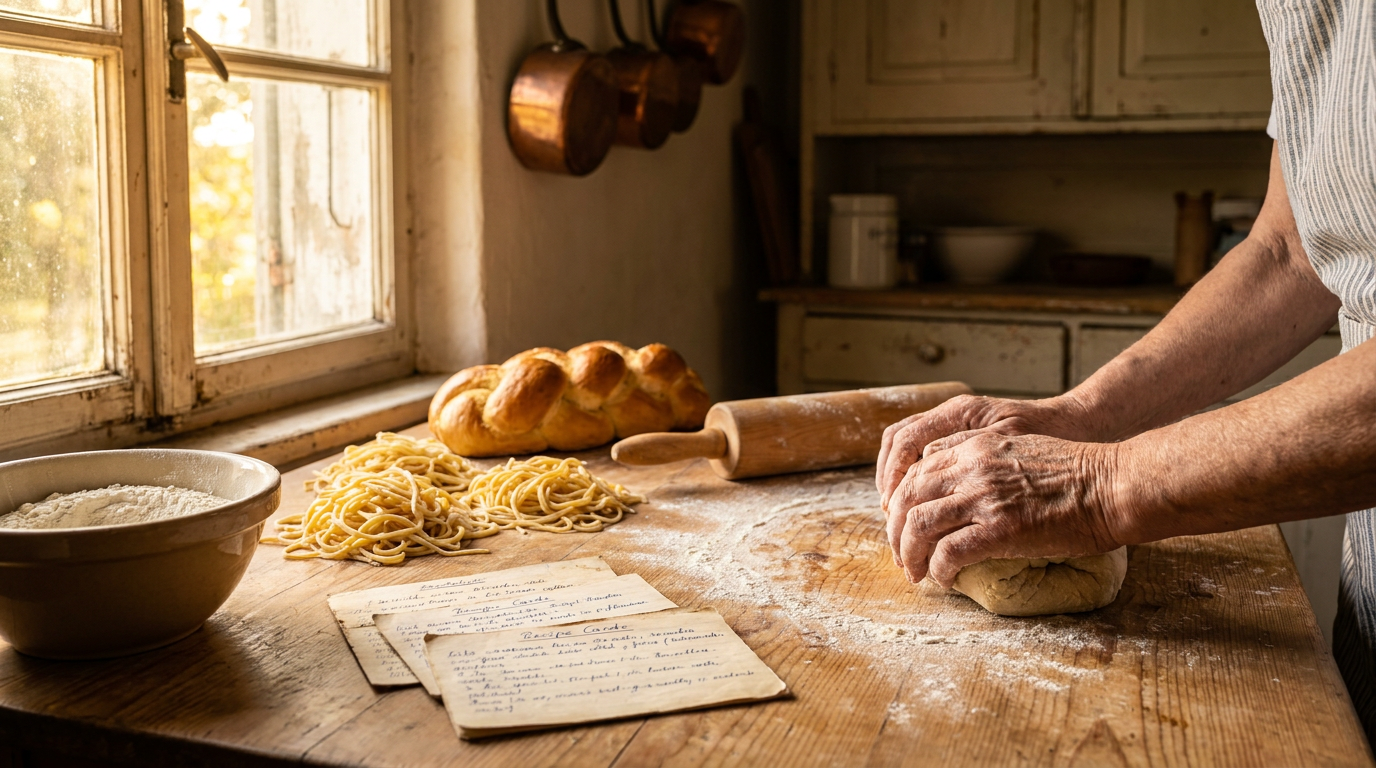
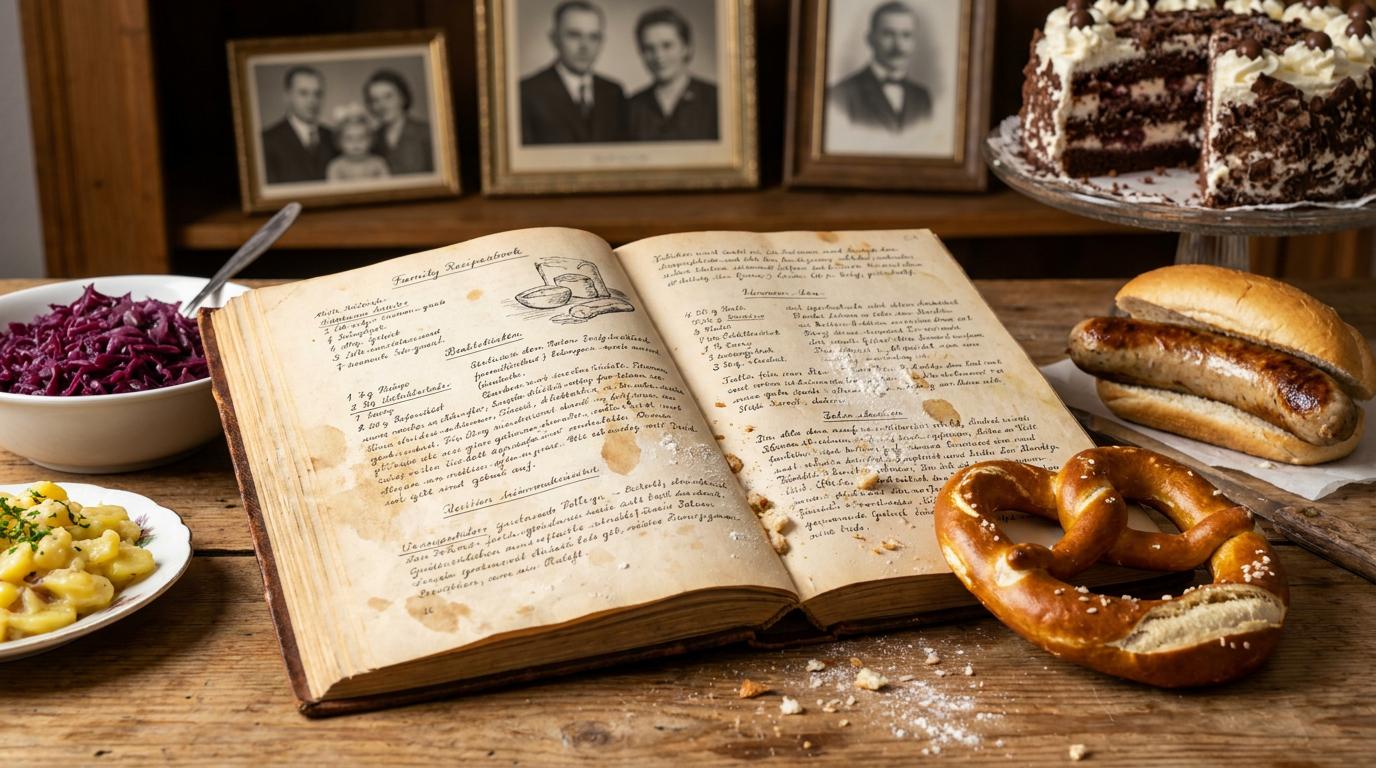
A recipe card handwritten by a grandmother.
A family sausage recipe passed down through decades.
A Christmas stollen baked exactly as it was 100 years ago.
These foods preserve memories in ways few other traditions can.
As author Laura Esquivel famously wrote:
“The table is a meeting place, a gathering ground, the source of sustenance and nourishment.”
For German-Americans, it is also a bridge to the past.
Bringing German Heritage to Your Own Kitchen
You don’t need to speak German or travel overseas to celebrate your heritage.
You can begin right at home.
Try:
✅ Making homemade bratwurst recipes
✅ Visiting a local German bakery
✅ Learning to bake pretzels
✅ Exploring regional German cookbooks
✅ Attending a local Oktoberfest
✅ Recreating family recipes from old recipe boxes
✅ Researching foods connected to your ancestral region in Germany
Each meal becomes an opportunity to explore your family’s story.
Final Thoughts
From sizzling bratwurst at summer festivals to elegant slices of Black Forest cake shared during family celebrations, German-American food traditions remain one of the most enjoyable ways to connect with heritage.
These dishes are more than recipes.
They are edible history.
They tell stories of courage, immigration, family, hard work, faith, community, and cultural pride. They remind us that heritage is not confined to museums or genealogy records—it lives in kitchens, bakeries, restaurants, festivals, and family dining rooms across America.
So the next time you enjoy a warm pretzel, a hearty bratwurst, or a slice of Black Forest cake, remember:
You may be tasting a small piece of the German-American story.
And that story is still being written—one delicious bite at a time.
Quick Heritage Food Fact
GERMAN-AMERICAN FOODS YOU PROBABLY EAT REGULARLY
🥨 Pretzels
🌭 Bratwurst
🥬 Sauerkraut
🍞 Rye Bread
🥔 German Potato Salad
🍰 Black Forest Cake
🍎 Apple Strudel
🍺 German-Style Lager
Heritage Insight: Many of these foods arrived with German immigrants during the 1700s–1900s and became permanent parts of American culinary culture, especially throughout Pennsylvania, the Midwest, Texas, and Tennessee.
German Heritage USA™
Discovering German Heritage Traditions, Foods, Music, and Festivals All Across America