Embracing German Traditions: January Celebrations in America with a Twist

It’s almost January in Germany, and the party is just getting started in America. While Octoberfest might be the first thing that comes to mind when considering German-American celebrations, the truth is, the rich heritage of German culture offers unique celebrations throughout the year.

January, often painted as a quiet month after the holiday flurry, holds vibrant traditions in Germany that have found a warm welcome in the hearts of German-Americans. Prepare to delve into the magic of these winter festivities, where customs from the old world intertwine with American flair, creating a truly unique experience.

Neujahr: Ringing in the New Year with German Cheer

New Year’s Day, or Neujahr in German, is a national holiday in both Germany and the United States. While Americans raise champagne flutes at midnight, German-Americans often enjoy a different kind of bubbly cheer: Feuerzangenbowle. This fiery punch, prepared with rum-soaked sugar set ablaze, brings warmth and excitement to the festivities.

German-American communities often host Bleigießen, a traditional fortune-telling ritual using melted lead poured into water. The resulting shapes are interpreted to provide glimpses into the coming year, adding a touch of playful mysticism to the celebrations.

Heilige Drei Könige: Epiphany with a Caroling Twist

Epiphany, celebrated on January 6th, holds special significance for both religious and cultural reasons. In Germany, it’s known as Heilige Drei Könige (Three Kings’ Day), marking the arrival of the Magi. While it’s not a national holiday in the US, German-American communities keep the tradition alive with unique twists.

» Read more

A Taste of History: Unveiling the Origins of German Sweet Dressing

Nestled amidst the charming farmlands of northern Germany, in the region of Schleswig-Holstein, lies a culinary gem that has transcended generations and continents – the delectable German Sweet Dressing.

This unique stuffing, brimming with local ingredients and a rich heritage, has become a beloved tradition, gracing Christmas tables and Thanksgiving feasts alike.


Rooted in Frugal Innovation

The origins of the original German Sweet Dressing holiday recipes that often remind everyone of a bread pudding-type texture and raisins, but made from apples and raisins can be traced back to the resourceful spirit of German farmers, who sought to utilize simple yet flavorful ingredients to create a hearty stuffing for their Christmas goose.

Bread, butter, apples, raisins, molasses, honey, or sugar – these humble staples formed the foundation of this culinary masterpiece.

Driven by necessity and a touch of culinary creativity, these farmers transformed readily available ingredients into a symphony of flavors. The sweetness of honey or molasses balanced the tang of apples and raisins, while the richness of butter complemented the earthiness of bread.

» Read more

The Heartwarming Tale of the German Christmas Pickle: A Symbol of Hope, Faith, and Gratitude

This blog article was selected to be produced as an AUDIO BLOG as well. Simply CLICK the link below to view. Enjoy!

Portions of our videos and blog post may or may not contain image, video and audio elements of A.I. (artificial intelligence) enhancement for interpretation, rendition and entertainment purposes.

In the midst of the American Civil War, amidst the chaos and strife that characterized the era, a heartwarming tradition emerged—one that continues to grace Christmas trees with its enduring charm: the German Christmas Pickle.

This distinctive Christmas Pickle Ornament is quite inspirational when you know the whole story. It’s a narrative of hope, faith, and gratitude, that draws its inspiration from the unlikely setting from the dire conditions of Andersonville, Georgia during the American Civil War.

The Inspirational Origin:

Our journey into the heart of this heartwarming tradition begins with the life of John C. Lower, a Bavarian-born soldier who fought on the side of the Federal Union forces during the Civil War and served as his unit’s quartermaster.

Captured in the year 1864, Lower found himself facing the harsh and deplorable conditions of Andersonville Prison, notorious for its overcrowded and unsanitary environment. However, it was on a poignant Christmas Eve within these confines that Lower’s life took an unexpected and hopeful turn.

Legend has it that a compassionate guard, moved by Lower’s plight, offered him a simple yet profound gift—a pickle, halfway eaten already but still a grateful token in humanity. Miraculously, this humble pickle became a source of rejuvenation for the ailing soldier, breathing a spirit of resilience and hope into his weary soul.

Following the war, upon his return to Germany, you’ll learn that Lower carried this poignant memory with him, and through a series of regional travels, random meetings, and humble ideas, John C. Lower eventually established a heartwarming family tradition of hanging a pickle ornament on his Christmas tree each year.

» Read more

German Oyster Dressing, a favorite of Northern Germany near the Sea.

German Oyster Dressing, also known as “Austernfüllung,” is a traditional dish from Northern Germany, particularly in regions near the Baltic Sea. It’s a rich and flavorful variation of classic oyster stuffing, incorporating elements of German spices like caraway seeds and thyme.

German Oyster Dressing is a favorite on the tables of Northern Germans. It’s also popular as a special generational holiday recipe for Americans of German ancestry that originated in the coastal areas of northern Germany too. It’s common to see German Oyster Dressing on the tables of German Americans during both Thanksgiving and Christmas dinners.

» Read more

Backyard Biergarten – How To Create for Summertime Fun

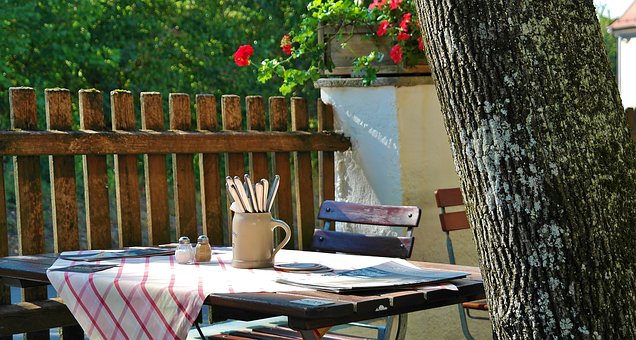
Creating your own Backyard Biergarten at your home can be tons of fun, especially when family, close friends and all your neighbors can share in the enjoyment of it all. 

beer-garden

Your own Backyard Biergarten is a real fun project to create and you really can make it as simple or elaborate as you may wish. After all, it is your backyard.

The first part of creating a viable Biergarten in your backyard is knowing the history of Biergartens in Germany. It is true that Biergartens originated in the 19th century in Munich, the capital of the German state of Bavaria.

The large breweries back then dug cellars in the banks near rivers to keep their beer cool during storage. During both the Spring and Summer months they would bring the beer out to enjoy under shade trees in a natural setting outdoors.

» Read more

German dialect in Texas is one of a kind, and dying out


German Heritage in Texas – It’s a culture into itself…

German dialect in Texas is one of a kind, and dying out

The first German settlers arrived in Texas over 150 years ago and successfully passed on their native language throughout the generations – until now.

http://www.bbc.co.uk/news/magazine-22490560

It’s always interesting to see the German influence in small businesses throughout Texas. See the video inside the article link above for additional insights…

A Review of Zum Schneider, in Montauk


A barnlike place with timbered ceilings looking like a Bavarian beer hall…. Hmmm, sounds like my kind of place…

A Review of Zum Schneider, in Montauk

“The Bavarian flavors at Zum Schneider in Montauk extend beyond its food and beer offerings to its house soccer team and an oompah band.New York Times”
http://www.nytimes.com/2012/07/01/nyregion/a-review-of-zum-schneider-in-montauk.html

Zum Schneider’s German Restaurant is the perfect place unwind in this laid-back hamlet of Montauk New York.

For more information on German Heritage in the USA, visit: www.GermanNationUSA.com

Anheuser-Busch plans restaurant at St. Louis’ Ballpark Village


Here comes the King, here comes the number one!

Anheuser-Busch plans restaurant at St. Louis’ Ballpark Village

“The licensing and sponsorship agreement with the St. Louis Cardinals and the Cordish Companies, a Baltimore-based development company, will include a 25000-square-foot restaurant with German-inspired cuisine, more than 100 global beers on tap, and …”
http://nrn.com/article/anheuser-busch-plans-restaurant-st-louis-ballpark-village

The Anheuser-Busch Restaurant - St. Louis

An absolute first. Anheuser-Busch licenses its brand for a German Heritage related restaurant in St Louis that includes an outdoor Biergarten too.

Read more: http://nrn.com/article/anheuser-busch-plans-restaurant-st-louis-ballpark-village#ixzz1zDteAFB2

German-American | Flickr – Photo Sharing!


German Heritage USA – Having fun in Cincy…

German-American | Flickr – Photo Sharing!

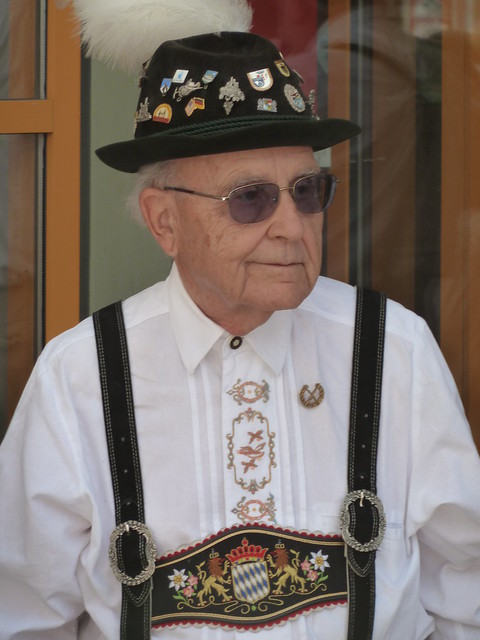
"German-American Day at Findlay Market in the Over-the-Rhine area of Cincinnati , Ohio. The man was celebrating his German heritage at German-American …www.flickr.com/photos/jefferysview/7332137234/"
http://www.flickr.com/photos/jefferysview/7332137234/

German Heritage USA

German-American Day at Findlay Market in Cincinnati, Ohio is a great time to celebrate your German Heritage.  ~ Prost!
 

1 2 3 4