Groundhog Day’s German Roots: How Old World Folklore Created an American Tradition
Every February 2nd, a small, furry weather prophet waddles into the spotlight. Cameras flash, crowds cheer, and the fate of winter hangs on one simple question: Will he see his shadow? This charming ritual—known as Groundhog Day—feels unmistakably American, wrapped in small-town celebration and playful superstition.

But here’s the twist: Groundhog Day didn’t start in North America at all.

Its roots stretch back centuries to German villages, medieval church calendars, and the quiet wisdom of farmers watching animals and sunlight for clues about the seasons ahead. What we celebrate today is actually a living piece of German folklore—one that crossed the Atlantic, adapted to a new landscape, and somehow became one of America’s most beloved winter traditions.
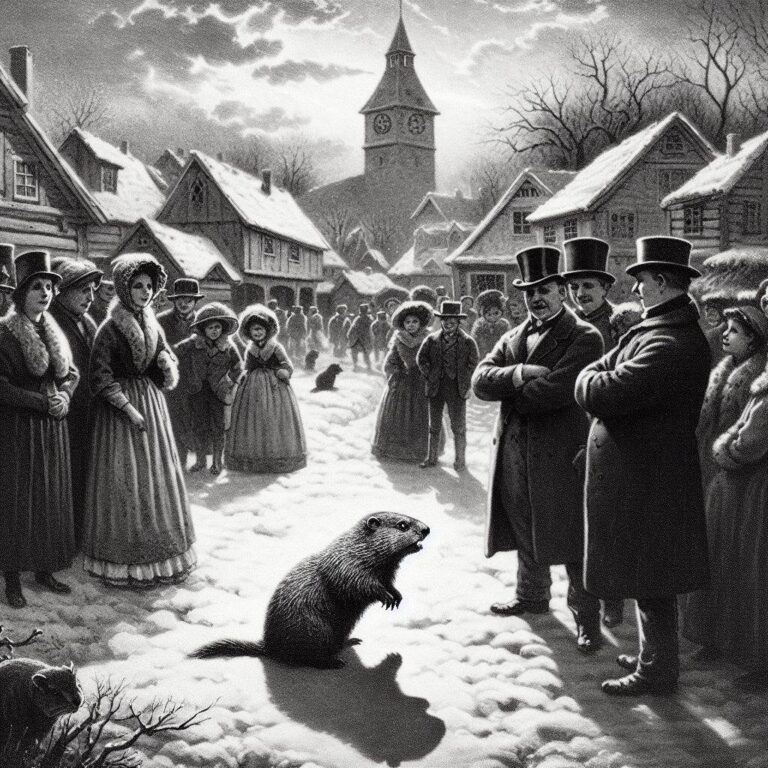
So grab a warm coat (lederhosen optional), and let’s dig into the surprising German heritage behind Groundhog Day.


From Candlemas to Shadows: Germany’s Seasonal Wisdom

Long before groundhogs took center stage, February 2nd already mattered deeply in German-speaking Europe. The date marked Candlemas, a Christian feast day celebrating light returning after winter’s darkest stretch. In agrarian societies, Candlemas wasn’t just spiritual—it was practical.

Farmers believed the weather on February 2nd foretold what the rest of winter would bring.
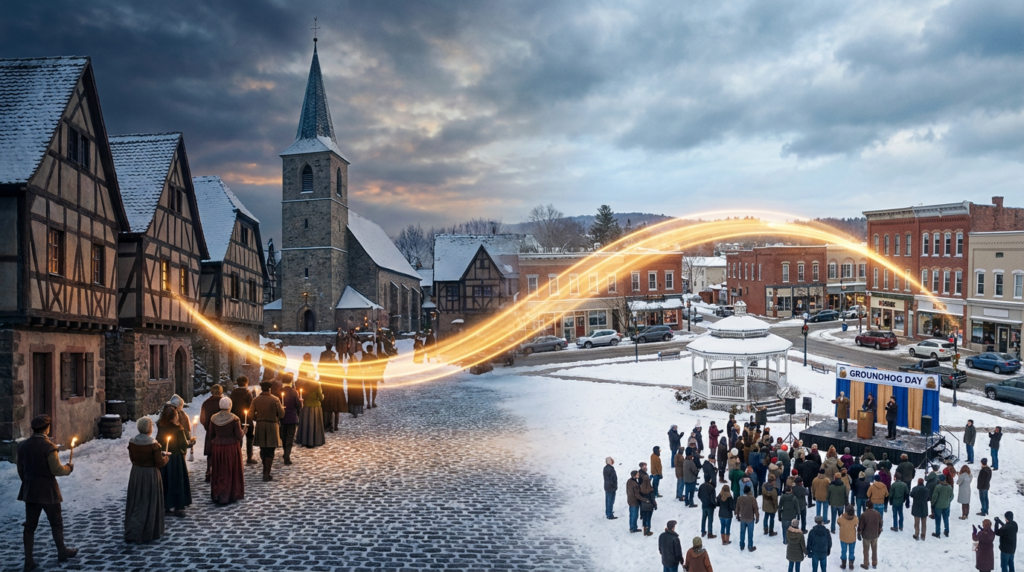
If the day was bright and sunny, folklore warned of a “second winter”—six more weeks of cold and hardship. If the sky stayed cloudy, it meant spring would arrive early. These beliefs were passed down orally, reinforced by centuries of observation and necessity.

Adding an animal into the equation made the prophecy even more vivid.


Dachstag: When the Badger Was the Oracle

In parts of Germany, especially rural regions, Candlemas folklore merged with animal behavior. According to tradition, a badger (Dachs) would emerge from its burrow on February 2nd. If it saw its shadow in the sunlight, winter wasn’t done yet.

This observance became known informally as Dachstag—Badger Day.
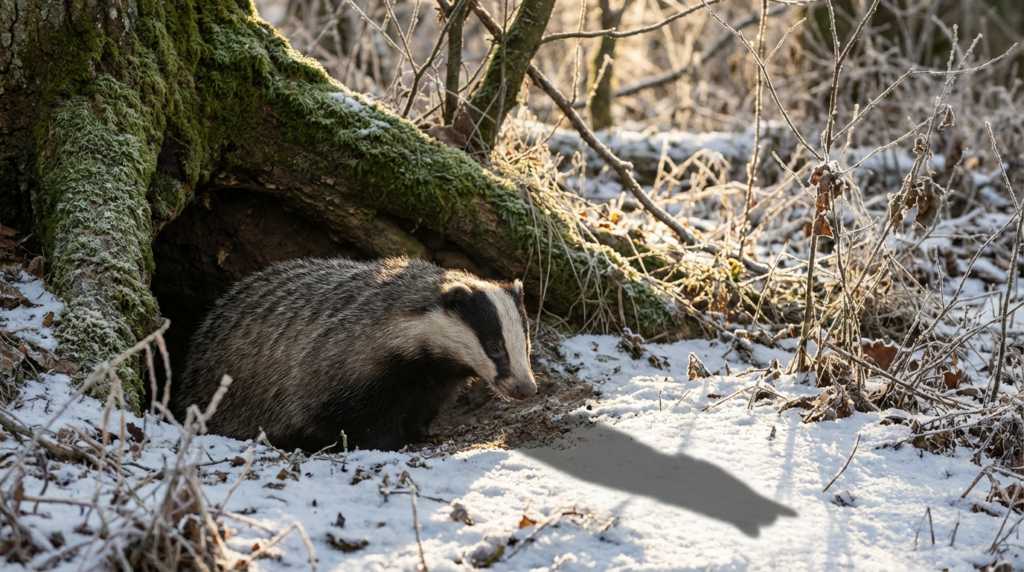
The logic made sense to farming communities. Animals that hibernated were closely tied to seasonal rhythms. Their movements offered clues about soil temperatures, planting times, and the risk of frost. Watching the badger wasn’t superstition—it was survival.

And then Germans carried this tradition with them across the ocean.


From Germany to Pennsylvania: A Tradition Takes Root

In the 18th and 19th centuries, German immigrants settled heavily in what is now Pennsylvania Dutch Country. They brought language, foodways, religious customs—and folk traditions like Candlemas weather lore.

There was just one problem.

No badgers.

So the settlers adapted. The North American groundhog (woodchuck) behaved similarly: it hibernated, emerged in late winter, and lived in burrows. The symbolism translated perfectly. The animal changed, but the meaning stayed the same.
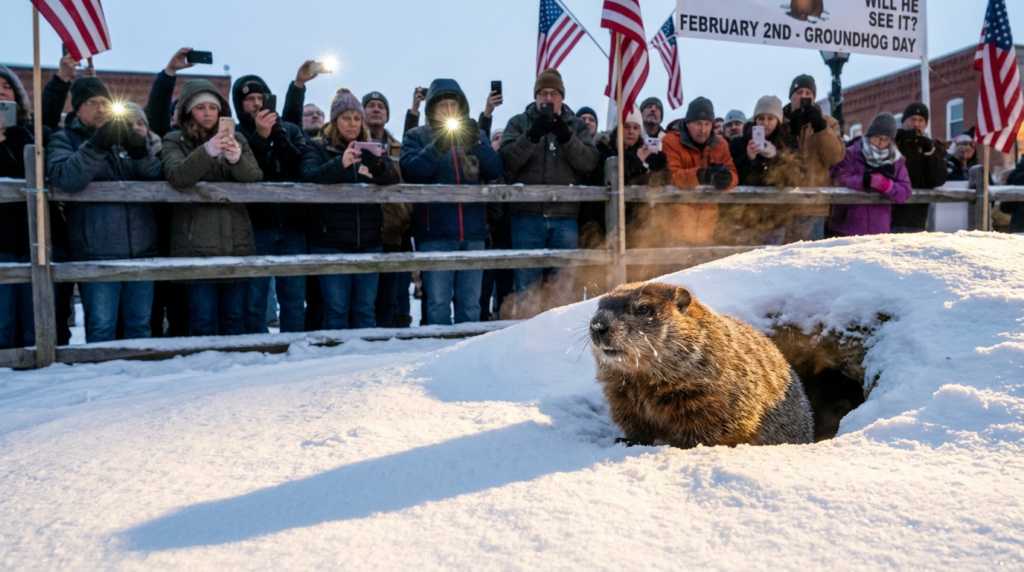
The earliest written reference to Groundhog Day in America dates to 1840, and by the late 1800s, the tradition was firmly embedded in local culture—especially in western Pennsylvania.

https://images.openai.com/static-rsc-3/Y2zi9G6f5xRlfZ-R2iceyWfMS0Pgodj36IlE655J2RiEaaVgtUBtmcpEFZyed6EvvC1YjvZtnN8-lQdjJPvhP_-_Mdsps0DXC7Sggnep4OU?purpose=fullsize

Groundhog vs. Hedgehog: Clearing Up a Common Myth

You’ll often hear people say the original German tradition involved hedgehogs. While hedgehogs did feature in European folklore, the Candlemas shadow tradition centered more on badgers in German regions.

Still, the confusion is understandable.

  • Groundhogs are large rodents, up to two feet long, herbivores with stout bodies and strong digging claws.
  • Hedgehogs are much smaller, insect-eating mammals with spiny coats, native to Europe, Africa, and Asia.

Different animals. Same idea. Both symbolized nature’s seasonal clock—translated differently depending on geography.

A Groundhog by Any Other Name? The Differences Between These Burrowers

While groundhogs and hedgehogs share a love for burrowing and slumbering, they’re distinct creatures. Groundhogs, also known as woodchucks, are larger, measuring up to 2 feet long, with short legs and stout bodies. They’re herbivores, feasting on grasses, plants, and fruits. Hedgehogs, on the other hand, are spiny insectivores native to Europe, Africa, and Asia.

They’re much smaller, typically reaching only 8 inches in length, and their prickly armor is a key identifier. So, while the German tradition used hedgehogs, the American adaptation naturally substituted the more readily available groundhog.
» Read more

Beer Gardens and Bratwurst: German-American September Favorites

There’s something magical about September in America. The days are still warm, the nights turn crisp, and towns across the country come alive with the sound of polka music, the laughter of families, and the clinking of frosty beer steins.

For German Americans—and anyone who loves a good time—September means one thing: Oktoberfest season.

Across big cities and small towns alike, festival tents go up, beer gardens fill with music, and the savory aroma of bratwurst sizzling on the grill drifts through the air. It’s a time when communities gather not only to celebrate German traditions but also to share them with neighbors and friends, creating a joyful blend of old-world culture and new-world hospitality.

Beyond the festivities, Oktoberfest is also a reminder of heritage and history. Each stein raised and each polka danced carries with it generations of immigrant stories—of resilience, hope, and the simple joy of bringing people together. September becomes more than a month on the calendar; it’s a season of pride, connection, and celebration.

But Oktoberfest is just the beginning. Across America, German heritage shines brightest in September through beer gardens, bratwurst festivals, polka dances, and community gatherings that bring Old World traditions into New World celebrations.

This is the story of why beer gardens and bratwurst remain two of the most cherished September favorites, and how they represent much more than food and drink—they are symbols of community, heritage, and joy.


From Munich to Main Street: The Oktoberfest Tradition

Oktoberfest began in Munich, Germany, in 1810, celebrating the marriage of Crown Prince Ludwig to Princess Therese of Saxe-Hildburghausen. What started as a royal wedding party grew into the world’s largest folk festival.

When German immigrants came to America, they brought this joyful tradition with them. By the late 1800s, Oktoberfest celebrations were popping up in places like Cincinnati, Milwaukee, St. Louis, and New Braunfels, Texas.

Today, September in America is dotted with Oktoberfests both big and small:

  • Oktoberfest Zinzinnati (Cincinnati, Ohio): The largest Oktoberfest in the U.S., drawing half a million visitors.
  • Milwaukee Oktoberfest (Wisconsin): A city built by German brewers, celebrating its heritage with beer, bratwurst, and bands.
  • Wurstfest (New Braunfels, Texas): A November festival with September-style spirit, honoring Texas-German heritage.
  • Leavenworth, Washington: A Bavarian-themed town that transforms into a postcard of Germany each fall.

Wherever you go, the combination of beer, bratwurst, and gemütlichkeit (coziness and good cheer) is always the same.

» Read more

Celebrate St Nicholas Day on December 6th: German-American Style

St. Nicholas Day: A Magical German Tradition

December 6th holds a special place in the hearts of many, particularly those with German heritage. This day, known as St. Nicholas Day or Nikolaustag, is a time of excitement, anticipation, and a touch of magic. Let’s delve into the rich history and traditions associated with this beloved holiday, celebrated both in Germany and among German-Americans in the United States.

The Legend of St. Nicholas

The origins of St. Nicholas Day can be traced back to the 4th century. Saint Nicholas, the real-life inspiration behind the modern-day Santa Claus, was a kind and generous bishop known for his charitable deeds. He was particularly fond of children and often left gifts for them secretly.

The legend of St. Nicholas has evolved over centuries, and in many parts of Germany, he is accompanied by a somewhat fearsome figure known as Krampus. Krampus, a half-goat, half-demon creature, punishes naughty children with switches or even takes them away. This stark contrast between the benevolent St. Nicholas and the menacing Krampus serves as a powerful reminder for children to behave well.

St. Nicholas Day Traditions in Germany

In Germany, St. Nicholas Day is a significant event, especially for children. On the evening of December 5th, children leave their shoes or boots by the door or window, hoping to find them filled with treats the next morning. Good children are rewarded with sweets, small toys, or oranges, while naughty children may receive a bundle of twigs or a piece of coal from Krampus.

The day itself is often celebrated with festive traditions. Families gather to enjoy special treats like St. Nicholas cookies, a type of gingerbread cookie decorated with colorful icing. In some regions, children may dress up as St. Nicholas or Krampus and go door-to-door singing songs and collecting candy.

St. Nicholas Day in the United States

German-Americans have brought the traditions of St. Nicholas Day to the United States, where it continues to be celebrated in various forms. Many families exchange small gifts on this day, and children may write letters to St. Nicholas expressing their hopes and wishes.

» Read more