Think You’re Only 5% German? Why Even a Trace of German Ancestry Is Worth Exploring
GERMAN HERITAGE USA | AFFILIATE DISCLAIMER: This post may or may not contain affiliate links which means we may receive a commission for purchases made through links. We will only recommend products that we have personally used or that we truly trust. Learn more on our Private Policy and Disclaimer Page located under our Terms Of Service tab above.
Your Family History Isn’t Measured in Percentages. It’s Measured in Stories, Traditions, and Discoveries.
Imagine opening your DNA ancestry results for the very first time. You scroll through the percentages. Maybe you’re 42% English, 28% Irish, 15% Scottish, with a few other regions mixed in. And then you spot it.
German ancestry: 5%.
Five percent? You lean back in your chair, raise an eyebrow, and think, “Well, that’s interesting. I wonder where THAT came from?”
Perhaps you laugh and tell your spouse, “Apparently, I’m just German enough to order another bratwurst!”
But what if that tiny percentage represents something much bigger than you ever imagined?
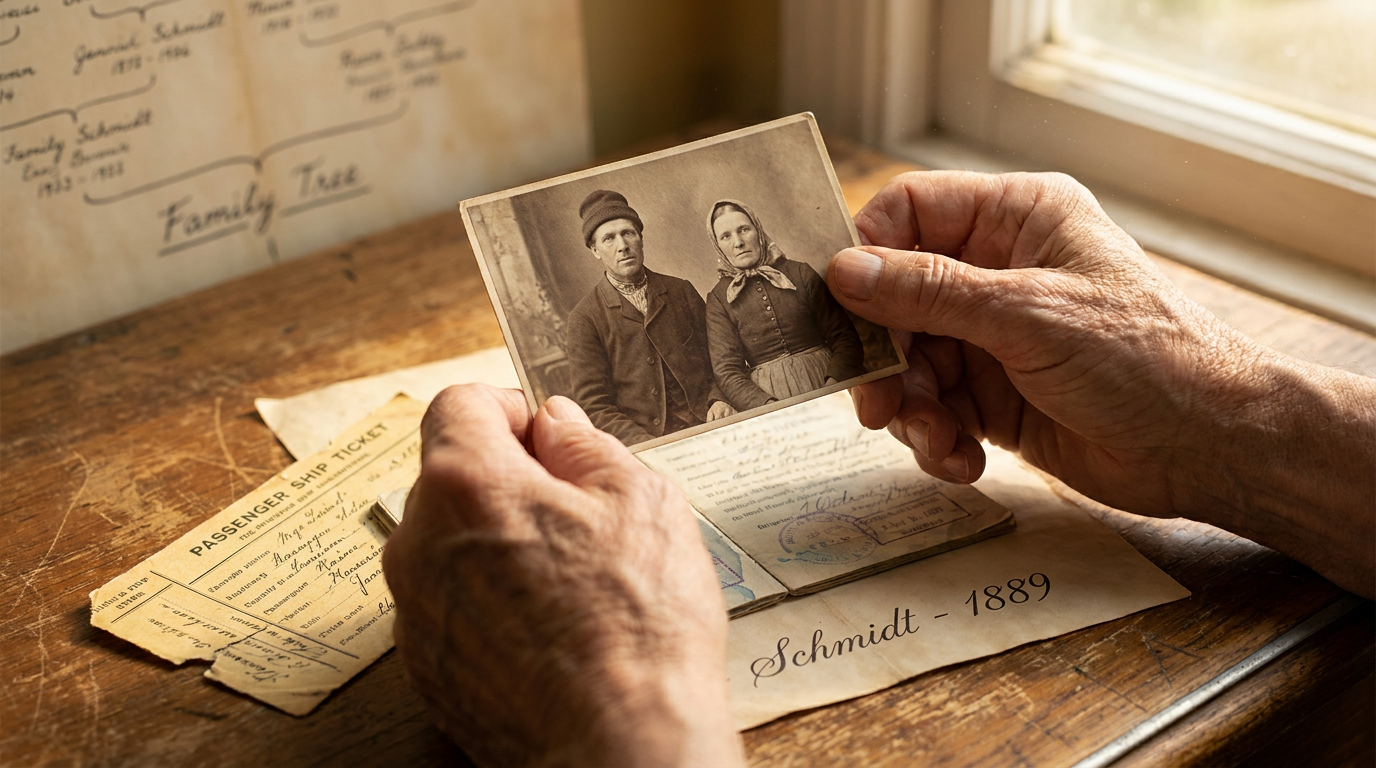
What if somewhere in your family’s past, a young German immigrant boarded a ship bound for America, carrying a small suitcase, a few cherished belongings, and dreams of building a better future? What if that person helped establish a family whose descendants eventually included your grandparents, your parents, and ultimately, you?
And what if discovering that story could lead you on an entirely new adventure filled with fascinating history, delicious food, colorful festivals, unexpected family connections, and perhaps even a few surprises?
Welcome to the wonderful world of discovering your German heritage.
Here at GERMAN HERITAGE USA, we believe you don’t need a German surname, a German passport, or the ability to pronounce Geschwindigkeitsbegrenzung (speed limit) to enjoy exploring your German roots. You don’t even have to have visited Germany. You simply need a little curiosity. And sometimes, that curiosity begins with just 5%.
A Small Percentage Can Open a Very Big Door
An ancestry DNA percentage is an estimate of genetic similarities to reference populations, not a precise measurement of cultural identity or a guaranteed family-tree calculation. However, it can offer an intriguing clue.
Consider this: a great-great-grandparent represents one of sixteen positions in your family tree at that generation, or approximately 6.25% of your genealogical ancestry. That doesn’t mean everyone inherits exactly 6.25% of their DNA from each great-great-grandparent.
Genetic inheritance is random, and ethnicity estimates involve additional uncertainty. Still, it’s an interesting way to think about how a seemingly small connection could lead to a remarkable family story.
One ancestor. One marriage. One decision to cross an ocean, relocate to another state, or begin a new life. And generations later, here you are.
Perhaps that ancestor was a farmer from Bavaria, a carpenter from Saxony, a baker from the Rhineland, or a young woman who left a small Prussian village to join relatives in America. Perhaps your German connection is much more recent—or comes from several different family lines. Your DNA results alone cannot tell you which story is correct, but they might provide the motivation to start looking.
A number on a screen can become a name in a record, a face in a photograph, and eventually a person whose story you understand. That transformation is where ancestry research becomes genuinely exciting.
And here’s something that surprises many Americans: German immigration to what became the United States stretches back centuries. One particularly significant milestone occurred in 1683, when thirteen Mennonite and Quaker families from Krefeld arrived in Pennsylvania and established the settlement that became Germantown, near Philadelphia.
Over the centuries, more than eight million Germans immigrated to America, according to the Library of Congress. Their descendants became farmers, teachers, merchants, musicians, craftsmen, inventors, business owners, and community leaders. German immigrants and German-Americans helped shape communities throughout Pennsylvania, Ohio, Wisconsin, Missouri, Texas, Nebraska, Indiana, and many other states.
They established churches, schools, newspapers, social clubs, breweries, bakeries, and businesses that became important parts of American life. Their influence extended into education, music, agriculture, manufacturing, and countless everyday traditions.
And this is where your own story becomes interesting.
Your family may have lived in America for so many generations that nobody remembers when the original German ancestor arrived. Perhaps your family never talked much about Germany. Maybe the German language disappeared from family gatherings a century ago. Yet that ancestry may still be documented somewhere in courthouse records, immigration papers, old church registers, family Bibles, or handwritten letters.
Your German heritage might not have vanished. It may simply be waiting to be rediscovered.
You May Be More Familiar With German Traditions Than You Think
Let’s conduct a little experiment.
Have you ever decorated a Christmas tree? Enjoyed a bratwurst at a summer cookout? Eaten sauerkraut, a soft pretzel, or a slice of German chocolate cake?
Wait! A quick historical detour: German chocolate cake is actually an American creation named after Samuel German, whose surname became associated with a type of baking chocolate. See? History is full of delicious surprises.
German influences appear throughout American life, sometimes in places where we hardly notice them anymore. Christmas trees became widely popular in America through a blend of European influences, including German traditions. German immigrants also contributed to America’s brewing culture, musical societies, educational practices, and community festivals.
Many traditions evolved as families adapted to American surroundings. A grandmother’s cabbage recipe might have changed because certain ingredients weren’t available.
A family Christmas celebration might have combined German decorations with distinctly American holiday customs. A German surname might have been shortened or changed in spelling. And a once-familiar German expression might have survived for generations, even after nobody remembered what it meant.
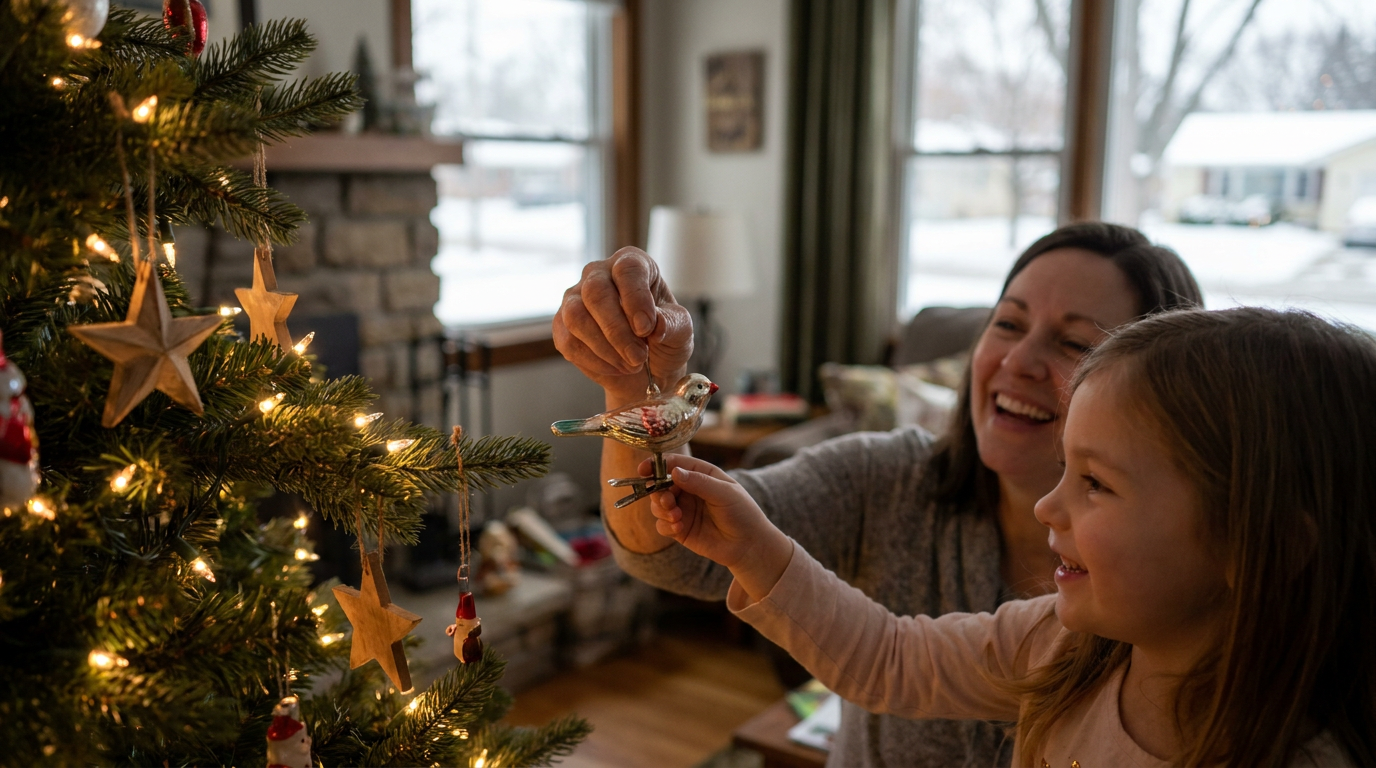
Of course, enjoying a pretzel or decorating a Christmas tree doesn’t prove German ancestry. But these familiar experiences demonstrate something wonderful: German culture has become so deeply woven into American life that millions of people enjoy its influences regardless of their ancestry.
And speaking of family names, not everyone with German roots carries a recognizable German surname. As families moved to America, names sometimes changed through translation, personal preference, spelling variations, pronunciation, or generations of everyday usage.
Müller may appear as Mueller or Miller. Schmidt may become Smith. Schneider sometimes appears as Snyder. Other surnames changed less dramatically, while some remained exactly as they were for centuries.
Marriage also means that German ancestors may be found along branches of your family tree whose surnames are English, Irish, Italian, Polish, or something entirely different. Historically, German-speaking communities existed beyond the borders of modern Germany, including parts of present-day Austria, Switzerland, France, Poland, and other European countries.
Perhaps the ancestor you thought came from Germany actually lived in Alsace. Perhaps another came from an area of Prussia now located in Poland. Suddenly, your family tree becomes a fascinating lesson in geography, immigration, and European history.
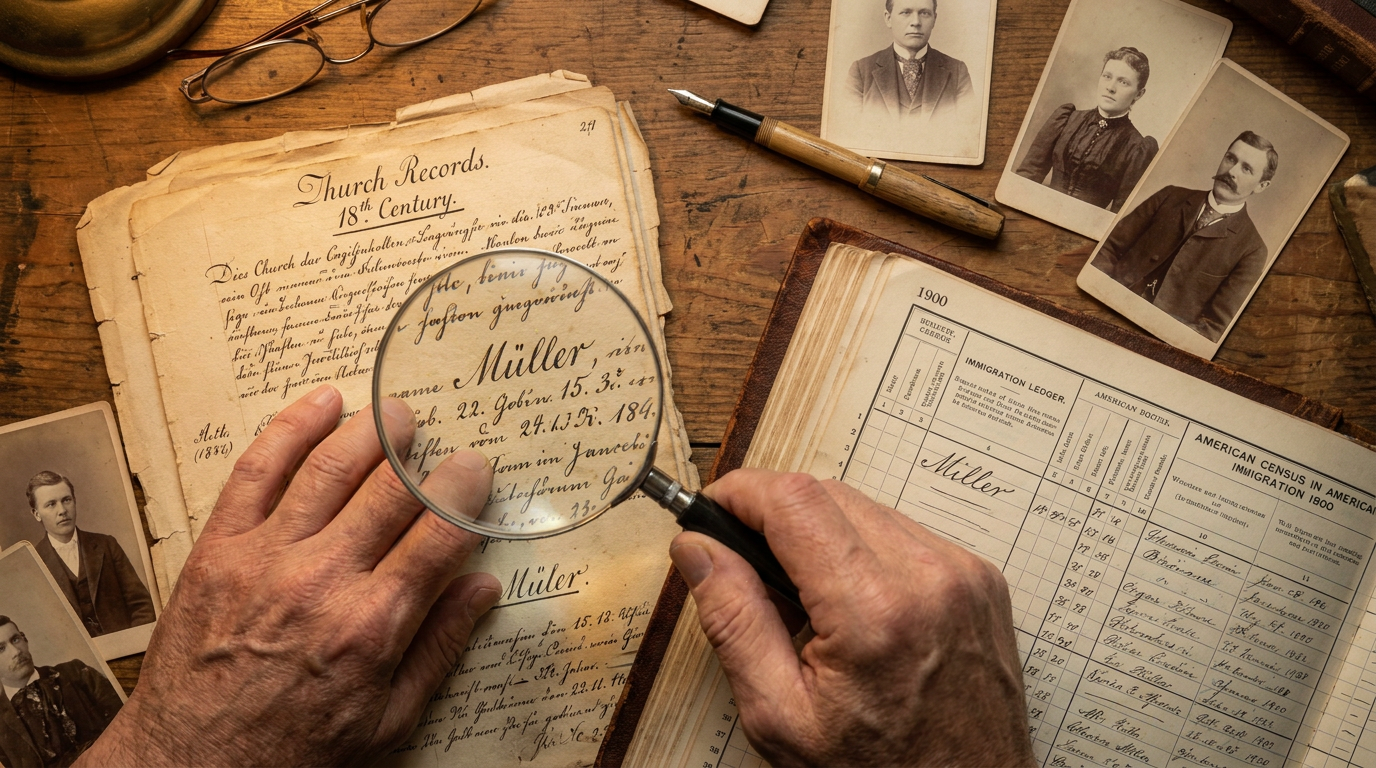
And sometimes, the most valuable clue isn’t found online at all. It might come from asking your oldest living relatives about family names, unusual nicknames, old photographs, or stories they remember hearing as children.
Write those details down. Even a small recollection could become the missing piece of an extraordinary discovery.
Sometimes the Best Way to Discover Your Heritage Is Through Your Stomach!
Now we’ve reached one of our favorite subjects.
Food.
Because sometimes the easiest way to discover a culture is to pull up a chair and enjoy what’s being served.
Imagine walking into an authentic German-American restaurant on a chilly November afternoon. The aroma of freshly baked pretzels fills the air. A server carries a plate of golden schnitzel past your table. There’s red cabbage, warm potato salad, savory gravy, and perhaps a generous helping of homemade spätzle.
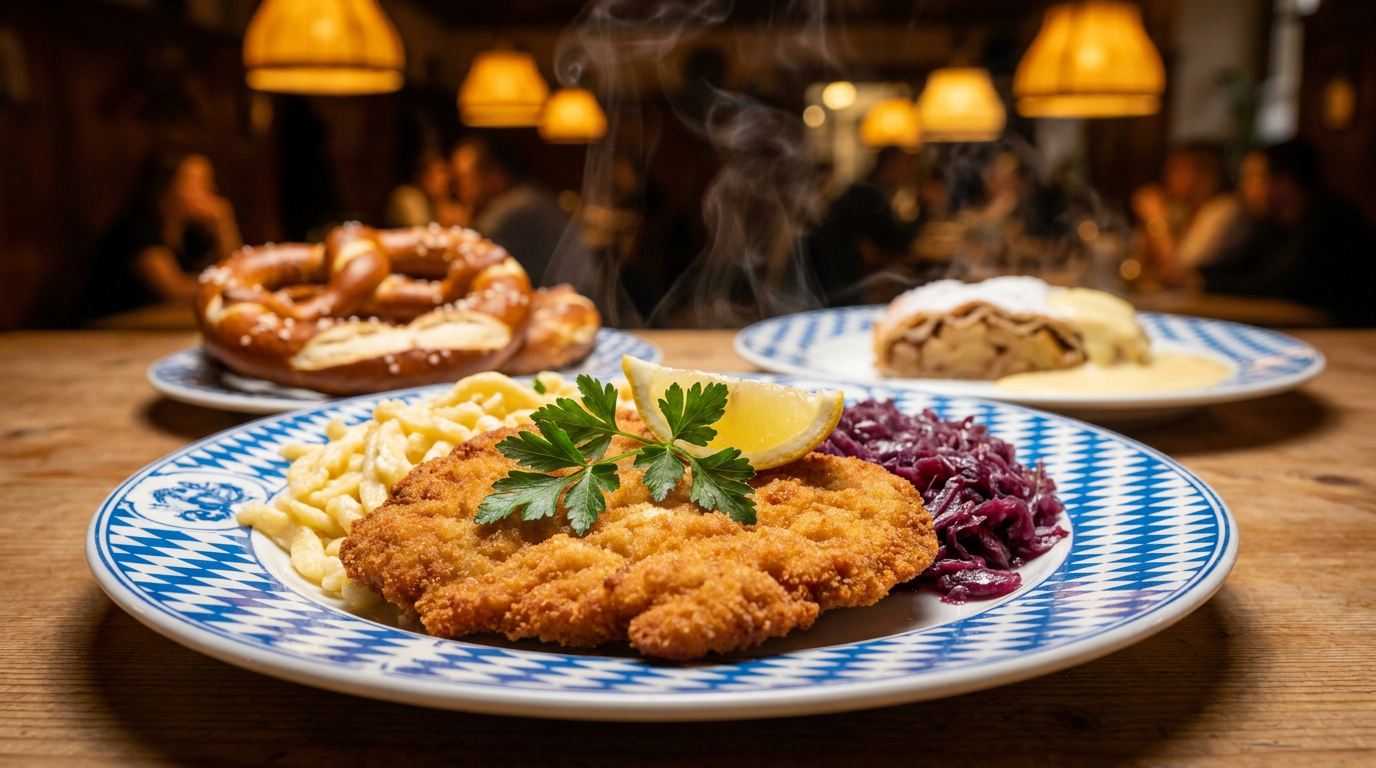
And somewhere nearby, somebody is debating whether Oma’s potato salad recipe is better served warm or cold.
For the record, we’re not taking sides. Family potato salad disagreements can last generations!
German regional cooking offers tremendous variety, from Bavarian favorites to Rhineland specialties, northern German fish dishes, and hearty foods associated with Swabia and Saxony. Here in the United States, generations of German-American families have adapted these recipes to available ingredients and local tastes. A family recipe may therefore tell a story of both Germany and America.
Consider starting your culinary heritage adventure with homemade sauerbraten, bratwurst, rouladen, spätzle, potato pancakes, or apple strudel. Or discover a German bakery, delicatessen, butcher shop, or restaurant in your area. You might even invite relatives to participate in a German-American family dinner.
The goal isn’t to become an expert chef. It’s to experience culture through flavors that have traveled across generations. And if you discover an old handwritten family recipe along the way, protect it. That recipe might be one of your family’s most meaningful historical treasures.
But German heritage isn’t confined to the kitchen, and you certainly don’t need to purchase an airline ticket to experience it.
Across America, you’ll find communities celebrating their German connections through festivals, museums, cultural organizations, traditional music, historic neighborhoods, and seasonal events.
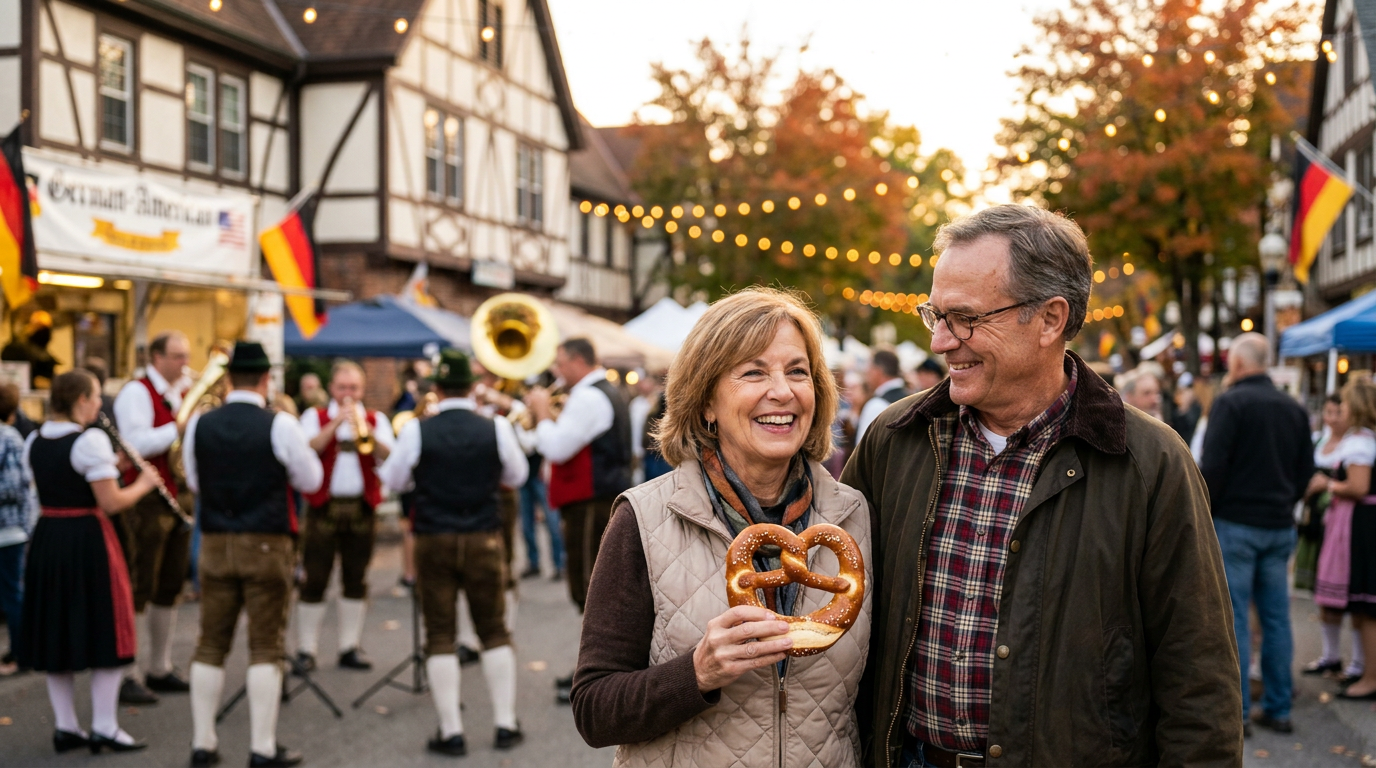
Places such as New Ulm, Minnesota; Fredericksburg, Texas; Hermann, Missouri; Frankenmuth, Michigan; and New Braunfels, Texas offer distinctive connections to German settlement and cultural traditions. Each has its own history, and each expresses German heritage differently.
Some communities are known for architecture and historic districts. Others celebrate through food, music, cultural exhibits, or annual festivals.
And, of course, there are Oktoberfest celebrations.
Lots of Oktoberfest celebrations!
You might arrive expecting pretzels and polka music, only to discover traditional dance groups, German-American organizations, local genealogy resources, historical displays, and people eager to share their family stories.
These gatherings are not exclusively for people with German surnames. Many welcome anyone interested in learning about the culture.
You can visit museums, attend a German choir concert, discover a German Christmas market, or take a road trip through communities settled by German immigrants. Think of it as heritage travel with a little adventure mixed in.
And when you’re ready to explore further, GERMAN HERITAGE USA is here to help you discover traditions, foods, music, festivals, and destinations across America.
November: A Wonderful Time to Reconnect With Your Family’s Past
There’s something special about mid-November. The excitement of Oktoberfest season has largely settled down. Autumn leaves are falling. Thanksgiving is approaching. Families are beginning to think about holiday gatherings, cherished recipes, and traditions passed down from earlier generations.
And German-inspired Christmas markets are preparing to welcome visitors with sparkling lights, handmade gifts, festive music, and seasonal treats.
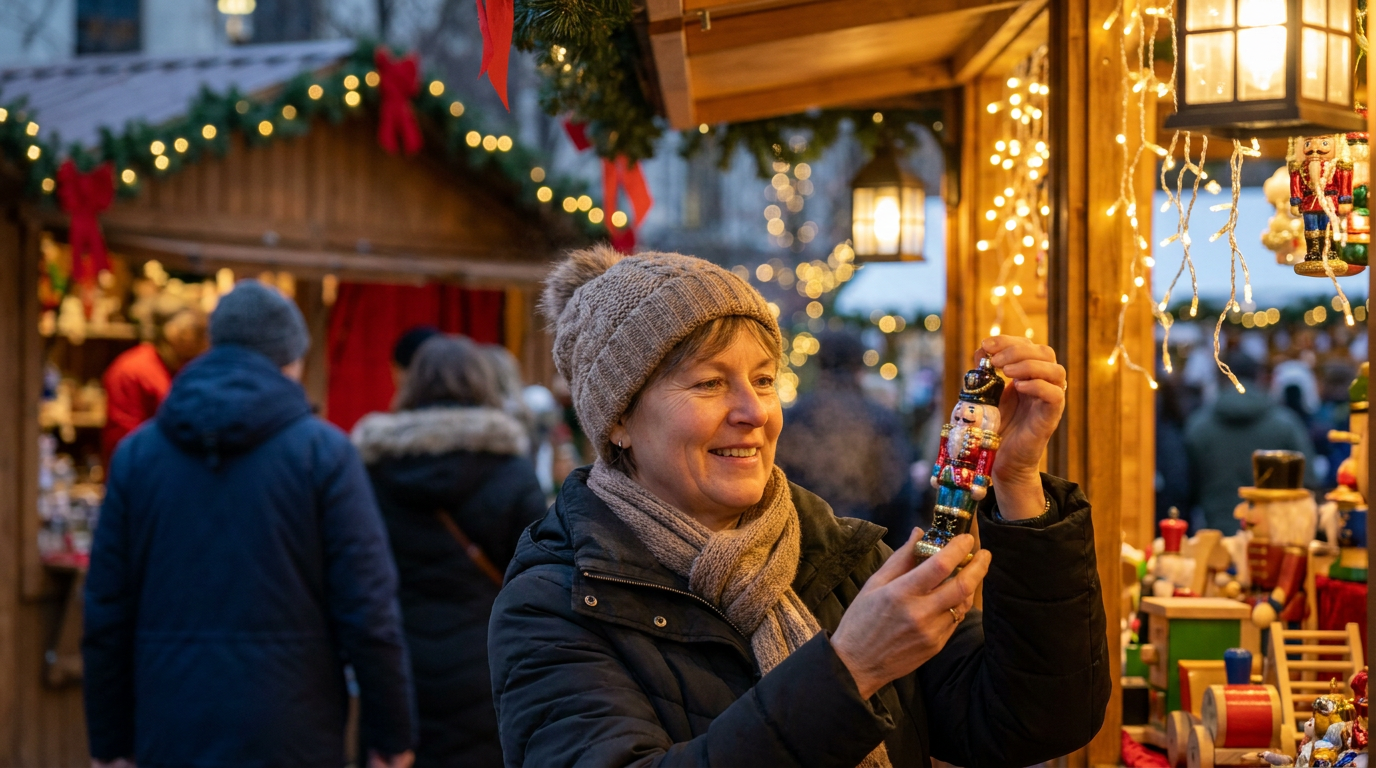
In Germany, these traditional markets are often called Weihnachtsmärkte or Christkindlmärkte, depending on the region and local tradition. Today, American communities host their own interpretations of these festive celebrations.
Picture yourself standing beside a holiday market stall on a crisp November evening. The scent of cinnamon, roasted nuts, and baked goods drifts through the air. Twinkling lights reflect from handmade ornaments. Someone nearby wishes you a cheerful Frohe Weihnachten!
That’s German for “Merry Christmas!”
And suddenly, a holiday tradition you may have admired for years takes on a new meaning.
Perhaps one of your ancestors enjoyed a similar celebration generations ago. Perhaps not. But now you’re discovering something connected to the culture and history of your family.
November is also an excellent time to begin conversations with relatives before holiday gatherings. Ask Grandma about the Christmas ornaments she remembers. Ask an uncle whether anyone in the family spoke German. Ask who made the traditional holiday cookies.
Sometimes the most valuable genealogical discoveries begin during an ordinary conversation around the Thanksgiving table.
And unlike previous generations, today’s family-history explorers have access to remarkable technology that can help connect the dots.
Not long ago, researching German ancestry could require countless hours examining microfilm, searching courthouse records, or writing letters to distant archives. Those resources still matter, but modern technology has opened exciting new doors.
Online genealogy databases can help you locate census records, immigration documents, passenger lists, naturalization papers, military records, and historical newspapers. Digitized photographs and family trees may provide leads to people you never knew existed. DNA matching services may connect you with biological relatives who have useful information, although shared matches still require careful interpretation.
Even artificial intelligence can assist with organizing family information, suggesting research strategies, or helping interpret transcribed historical documents.
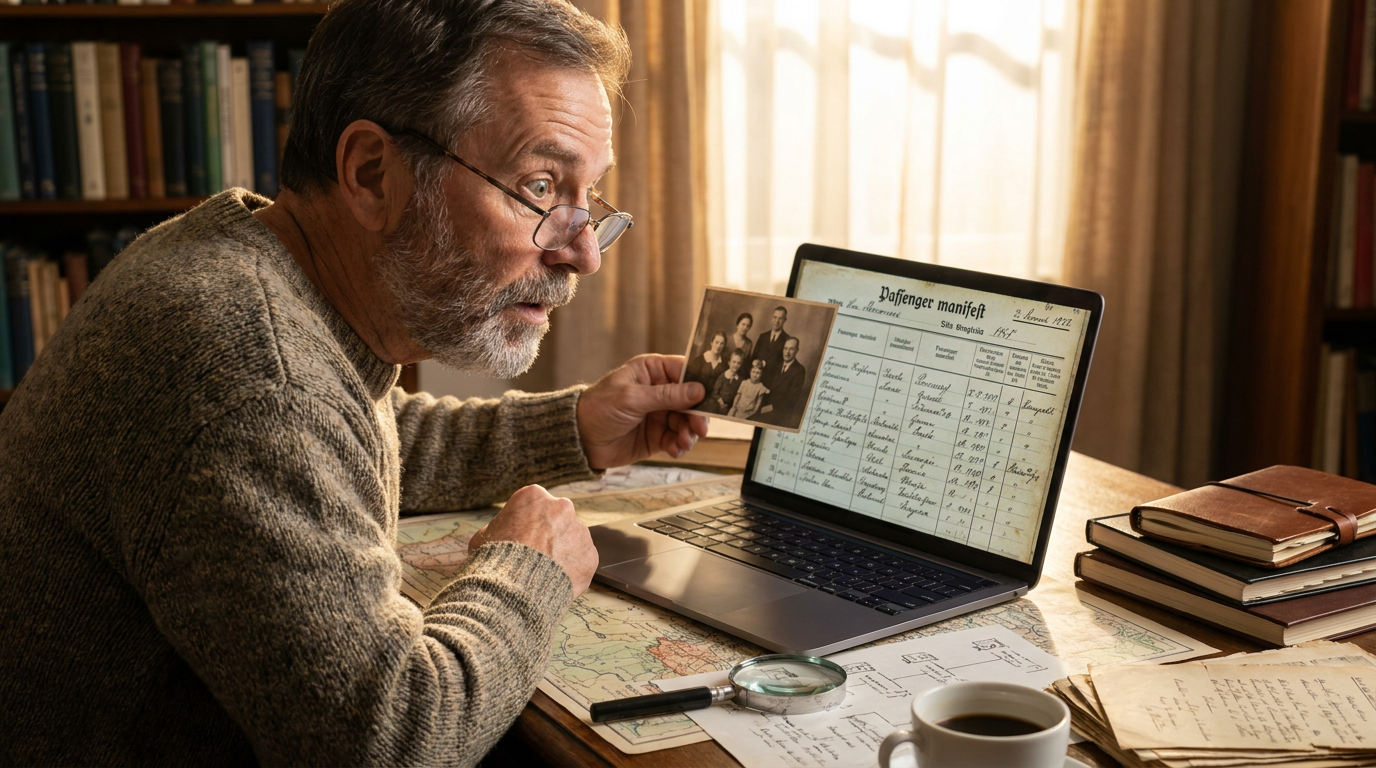
But there’s one valuable reminder worth keeping in mind: Technology provides clues. Historical records provide evidence.
An AI-generated family story should never be treated as verified history simply because it sounds convincing. Likewise, DNA ethnicity percentages can change as testing companies improve their reference databases and analytical methods.
Your 5% German estimate might become 3%, 8%, or something different after an update. That doesn’t erase a documented German ancestor, nor does a small percentage automatically prove a particular family connection.
The strongest discoveries come from combining genetic information with documents, historical context, and family knowledge.
For American researchers, the Library of Congress offers a specialized guide titled German Origins in the United States, a useful starting point for exploring German genealogy. You can also begin with free genealogy resources, public libraries, local historical societies, and family documents already in your possession.
Before uploading DNA data or sharing family-tree information online, review privacy settings and consider the preferences of living relatives. Research should be exciting, respectful, and grounded in reliable evidence.
Your Heritage Is More Than a Percentage. It’s a Story Worth Telling.
Let’s return to that original ancestry result.
Five percent German.
At first glance, it might seem insignificant. After all, 95% of your reported ancestry comes from somewhere else. But family history isn’t a competition among percentages.
You can celebrate your Irish ancestry, appreciate your Scottish roots, investigate your English ancestors, and still find tremendous meaning in discovering a German branch of your family. Exploring one heritage doesn’t diminish another. Every ancestral connection adds another chapter to your story.
And there’s no requirement that you adopt a German identity simply because a genetic test suggests a connection. You get to decide what that discovery means to you.
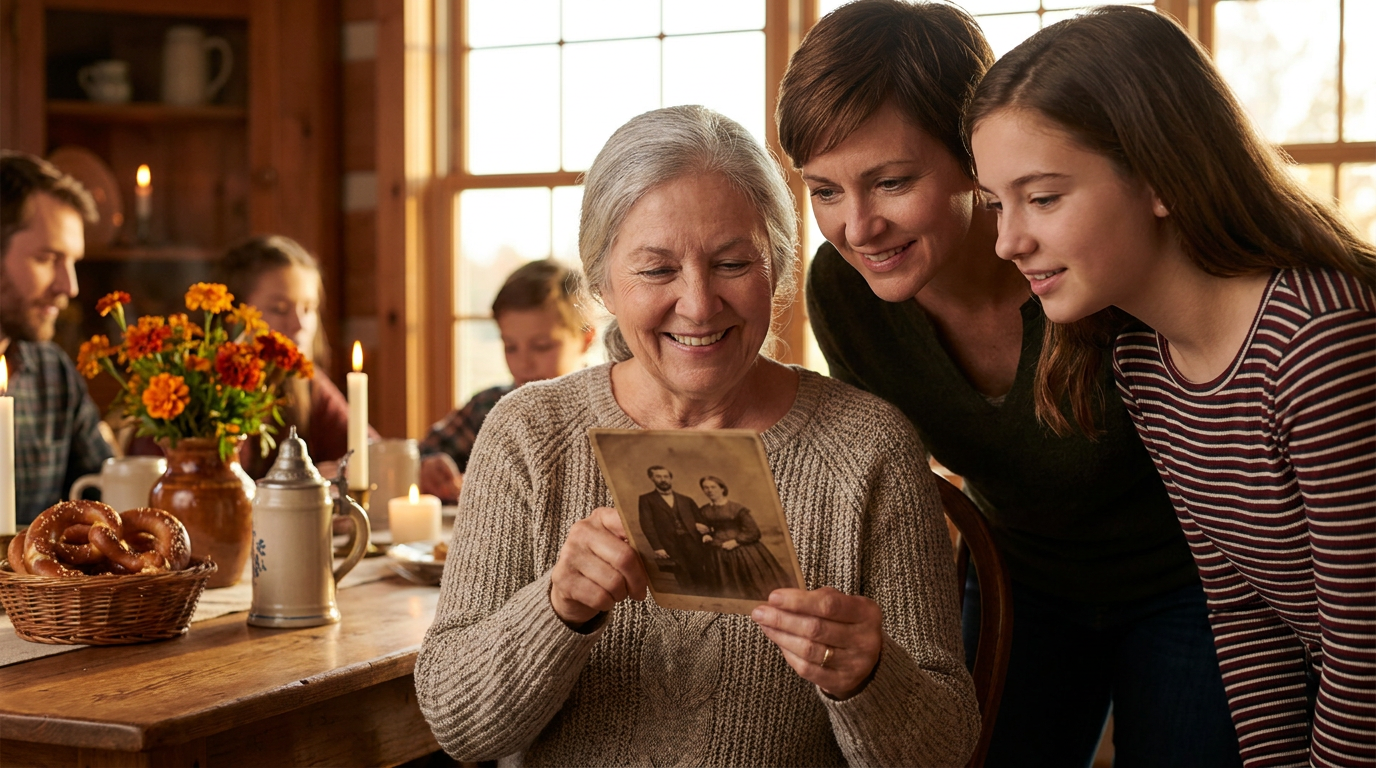
Perhaps it inspires you to visit a German-American festival. Perhaps you learn a few German expressions. Perhaps you find a long-forgotten ancestor in an immigration record. Maybe you recreate a family recipe that hasn’t been prepared in fifty years.
Or perhaps you discover that the most meaningful part of your German ancestry isn’t what your ancestors left behind.
It’s what they helped make possible.
The homes they built. The families they raised. The hardships they endured. The traditions they preserved. And the generations that followed.
“Your heritage isn’t measured by how much German DNA you inherited. It’s measured by the stories you’re willing to discover and the traditions you choose to carry forward.”
— GERMAN HERITAGE USA
Whether your German ancestry is 5%, 25%, 75%, or simply a possibility you’re researching, your curiosity is reason enough to begin.
And as Thanksgiving approaches and the holiday season begins, here’s our invitation: don’t worry about becoming a genealogist overnight. Don’t feel obligated to learn German by Christmas. And please don’t attempt to prepare an entire twelve-course Bavarian feast for Thanksgiving unless you’re already a very confident cook!
Instead, choose one meaningful experience.
Call a family member and ask about your ancestors. Find an old photograph and identify the people in it. Prepare one German recipe. Visit a German bakery or restaurant. Look up a German-American historical society. Explore a Christmas market. Or spend an evening researching the origins of a family surname.
Then share what you discovered with someone you love.
You may be surprised how quickly one small question leads to another. A surname becomes a hometown. A hometown becomes a map. A map becomes a family migration story. And a family migration story becomes a connection you never imagined.
That is the real magic of discovering your roots.
A Little German, a Lot of American, and a Wonderful Story Worth Exploring
At GERMAN HERITAGE USA, we celebrate a simple idea: you don’t have to be born in Germany, speak German, or have a predominantly German family tree to appreciate German heritage.
Our mission is to help Americans discover the German traditions, foods, music, festivals, historic communities, and cultural experiences that continue to enrich our country.
We’re here for the lifelong German-American enthusiast, for families preserving generations-old traditions, and for the person who just discovered a tiny German percentage in their DNA results and thought:
“Huh. I wonder what that’s all about?”
Because sometimes the smallest discoveries lead to the greatest adventures.
So this November, raise a cup of coffee, enjoy a warm pretzel, gather your family, and begin asking questions. Who knows? That little 5% German connection might just open the door to a whole new world.
Willkommen! Welcome to the adventure!
GERMAN HERITAGE USA
Discovering German Heritage Traditions, Foods, Music and Festivals All Across America.
Have you discovered German ancestry in your family tree? Whether it’s 2%, 5%, 50%, or a German ancestor you’ve recently identified through research, we’d love to hear your story. Share your discovery, your favorite German family tradition, or a heritage destination you’d like to explore.
Visit www.GermanHeritageUSA.com and continue discovering the German-American experience!