Bavarian Treats for Trick-or-Treat: German Candy and Snack Ideas for Halloween Night
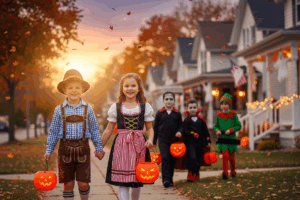
Autumn leaves might be swirling around the streets in your town and jack-o-lanterns grinning from sidewalks, but this year you can add a special international twist to your Halloween candy haul by reaching across the Atlantic for some authentic German delights.

Germany, of course, is not the first place that comes to mind when Americans think “Trick-or-Treat,” but thanks to the wonderful world of German sweets and snacks, you can bring a bit of Bavarian charm to your October 31 celebration.

Whether you’re hosting younger kids, having a family Halloween party, or simply want to stock the bowl with something a little different — here are fun German traditions, candy ideas, and snack innovations you can incorporate this season.
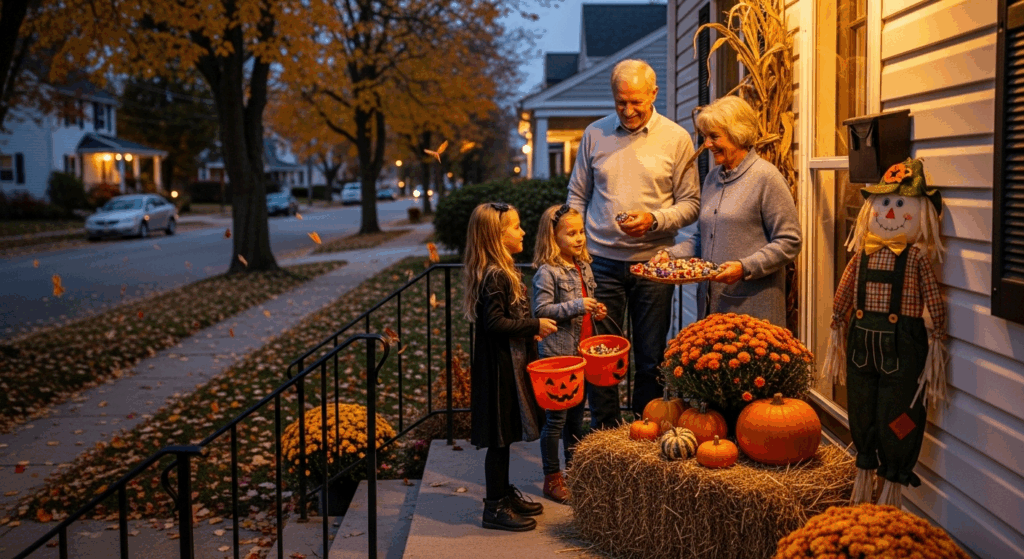
Think gummy bears born in Germany, crisp chocolate squares savoring marzipan, sour gummy volcanos, and Bavarian-style nut bars. Let’s explore the treats and how to make them part of your festive family tradition.


🎃 A Short German-Heritage Candy History for Halloween

Before we dive into the must-have candies, a little background: Halloween as we know it has deep Celtic and Christian roots, but the modern trick-or-treat custom really blossomed in the United States. Interestingly, one of the original pioneering confectionery companies behind what would become candy-corn was founded by brothers from Germany. According to the research at GermanFoods.org, the “Goelitz Confectionery Co.” — founded by German immigrants — was making candy corn in the U.S. as early as 1900. Germanfoods.org

So while Halloween may feel very American, adding German candy with your family gives you an opportunity to recall that cross-Atlantic thread of sweets, migration, and holiday fun. Plus, German kids do enjoy candies and chocolate, and German snack brands have global appeal. For example, the online shop “One Stop German Shop” shows a huge selection of German gummy candy, chocolates, and snacks — perfect for importing or ordering in advance. One Stop German Shop+1

Now, let’s go full-tilt into the goodies you’ll want to grab (or order) and ways to use them for your trick-or-treat setup.


🍬 Must-Have German Candy & Snack Brands

Here are several standout German sweet treats that work beautifully for Halloween — individually bagged or handed out in fun mixed-bags. Each brand has a story and distinctive flavor profile.

1. Haribo Gummy Candy

https://m.media-amazon.com/images/I/91gC65c9brL._AC_UF894%2C1000_QL80_.jpg
https://www.germanshop24.com/images/detailed/19/F240007918.jpg
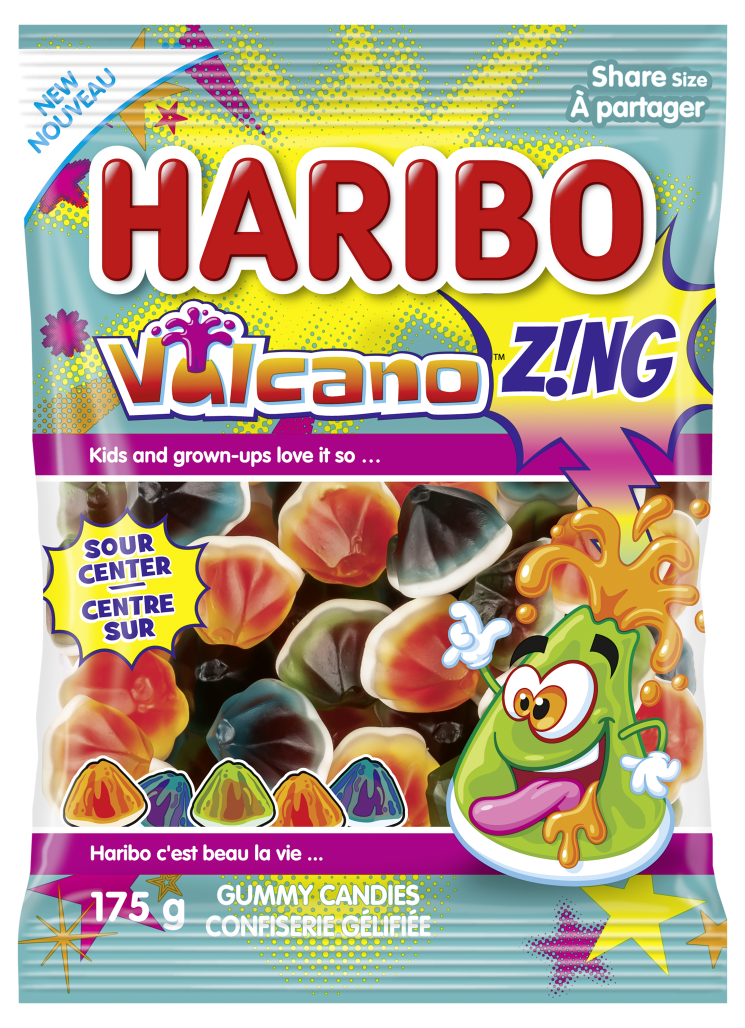
https://assets.haribo.com/image/upload/s--hSywYU68--/ar_2899%3A4000%2Cc_fill%2Cf_auto%2Cq_60/w_745/v1/consumer-sites/en-ca/Products/Packshots/504495829_40058815_packshot_front.png

Haribo is arguably the most iconic German candy company — the same one that created the first gummy bear (“Goldbär”) in the 1920s. Their gummy bears and gummy candy lines are globally beloved. Online stores list many Haribo bags as “made in Germany.” GermanFood+1

For Halloween, you might look for themed varieties (ghosts, bats, sour volcanoes) or just classic gummy bears with their vivid colors (great for kids). One listing of German sweets shows Haribo mixes like “Vampires,” “Saure Pommes,” and “Magic Balla-Balla.” The Taste of Germany

How to use it:

  • Create “mini-bags” of Haribo to hand out (kids always love gummies).
  • Mix in some sour gummy types for older kids or teens.
  • Use as “loot” inside a Halloween party game: e.g., “Find the ghost gummy in the bowl.”
» Read more

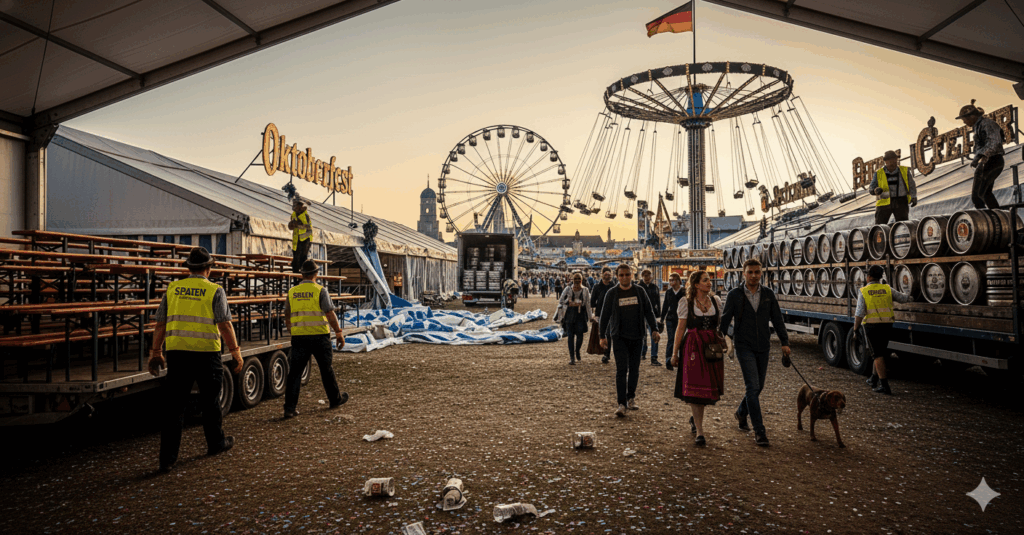
When Munich Ends, America Begins: From Munich to Main Street USA

The final steins have been raised, the brass bands have played their last note, and the sweeping grounds of Theresienwiese are slowly returning to silence. After weeks of revelry, laughter, and centuries-old tradition, Oktoberfest in Munich has come to a close once more. For the thousands of visitors who made the journey from around the world, the return home is filled with that unmistakable post-festival glow — part joy, part exhaustion, and part reluctance to let it end.

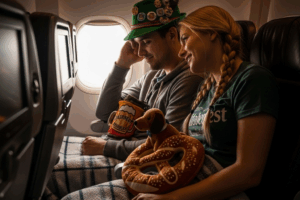
One can imagine the mood on the red-eye flights leaving Munich. Couples and friends seated side by side, quietly replaying the moments that made it all unforgettable — the taste of fresh pretzels, the sound of clinking steins, the energy of crowded beer tents beneath Bavarian flags. A man in a feathered green fedora, its brim heavy with souvenir pins, rests against the window with a contented smile. His hoodie still carries the scent of roasted nuts and smoky sausages. Somewhere near him, a woman in a worn Oktoberfest tee leans back, her braid still tightly tied from a day of dancing. The plane is quiet, but their minds are alive with memory.

How to Celebrate Oktoberfest All Over Again — American Edition!

Your guide to local festivals, clubs, and restaurants still raising their steins this October

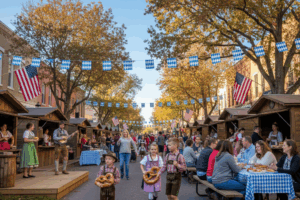
For many, there’s a hesitation to let go. The end of Oktoberfest in Munich doesn’t necessarily mean the end of the celebration. As travelers make their way back across the Atlantic, some may already be checking calendars and local event listings, curious to see if the spirit of Oktoberfest lives on closer to home. And across the United States — in small towns, bustling cities, German clubs, and local breweries — it often does. The kegs may be tapped out in Munich, but in America, Oktoberfest is still pouring.


O’zapft Is… Again?!

The last keg has been tapped in Munich this year on Sunday, October 5th. The tents have closed. The brass bands have played their final polkas. And just like that — the world’s most famous Oktoberfest is over for another year.

You’re back from Bavaria, your suitcase stuffed with pretzels, pins, and a questionable wool hat that seemed like a good idea after your fifth Maß of beer. Your head has cleared, your bank account has not, and your flight home? Delayed three hours. Oof.

But here’s the thing no one tells you: when Munich ends, America begins.

That’s right — while Oktoberfest in Germany technically wraps up in early October, here in the United States, we like to stretch the celebration well into fall. From local Main Street parades and heritage clubs to breweries and backyard blowouts, Americans with German roots (and plenty without) keep the party rolling deep into October.

So shake off your jet lag, unpack that stein, and get ready. We’re going on a post-prost Munich Oktoberfest adventure — American style.


Why America Keeps Celebrating Oktoberfest After Munich Ends

Here’s the deal: Oktoberfest started in 1810 as a royal wedding celebration in Munich. Today, it’s a global cultural phenomenon.

But in the United States — home to over 60 million people of German ancestry. In America — Oktoberfest is more than just a party. It’s a tribute to German Heritage, a salute to immigrant roots, and a golden opportunity to bring communities together over Ompah pah, pilsner, and pork schnitzel.

And unlike the strict schedule in Germany, Americans are a little more… shall we say… flexible with our party timelines. We extend Oktoberfest celebrations all the way through Halloween and even into November in some locations.


🥨 From Main Street to Maifest Halls: Where to Celebrate Oktoberfest in America

Let’s hit the road — from coast to coast — and explore the many ways Main Street USA is still raising its stein long after Munich’s tents come down.


🎉 1. Main Street Celebrations: Small Towns, Big Heart

Across America, small towns with German roots come alive in October with homegrown Oktoberfest celebrations. Think brass bands in the park, beer tents in the square, and grandma’s apple strudel at the community bake sale.

Must-Visit Towns:

Some of the most charming and authentic Oktoberfest experiences in America take place not in big cities, but in storybook towns with strong German heritage — where bratwursts sizzle, polka music echoes down main street, and Bavarian architecture sets the mood. These are the towns where Oktoberfest spirit lingers long after Munich’s tents have closed.

  • Leavenworth, Washington – Tucked in the Cascade Mountains, Leavenworth looks like it was plucked straight out of the Bavarian Alps. The entire town transforms into a festive alpine wonderland throughout October. With dirndl-clad dancers, oompah bands echoing through the mountains, and local breweries serving up authentic Märzens, Leavenworth’s Oktoberfest is one of the most visually immersive and energetic celebrations in the country.
  • Helen, Georgia – A small southern town with a big Bavarian personality, Helen hosts one of the longest-running Oktoberfests in the U.S., stretching from mid-September through late October. Nestled in the North Georgia mountains, this Alpine-styled village boasts nightly music at the Festhalle, authentic German food and beer, and a festive atmosphere that draws visitors from across the region.

  • New Ulm, Minnesota – Often called the “most German town in America,” New Ulm’s Oktoberfest stretches across multiple venues and weekends in October.
  • Frankenmuth, Michigan – This Bavarian-themed village hosts Oktoberfest events well into the fall. Don’t miss the Frankenmuth Brewery and iconic chicken dinners at Zehnder’s!
  • Hermann, Missouri – Nestled in Missouri’s wine country, Hermann turns into a fall fairy tale with weekends full of beer, brats, and vineyard views.

These Main Street fests may not rival Munich’s size, but they overflow with heart, heritage, and hospitality.

» Read more

Oktoberfest Music, Polka, and Culture: The German Sound of September

Oktoberfest celebrations are in full swing across the United States, with millions of Americans coming together to embrace the spirit of Bavarian culture. From New York City to San Francisco or Nashville, cities large and small are hosting elaborate Oktoberfest festivals, where beer tents brim with steins of Märzen, and crowds feast on bratwurst, schnitzel, and fresh-baked pretzels.

These events offer more than just food and drink — they create a festive atmosphere where people wear traditional dirndls and lederhosen, participate in stein-holding contests, and gather for ceremonial keg tappings to kick off the party. One of the largest and most iconic Oktoberfest celebrations in the U.S. takes place in Cincinnati, Ohio, where “Oktoberfest Zinzinnati” draws hundreds of thousands of attendees annually. This event transforms the heart of downtown into a vibrant Bavarian village, complete with sausage races, chicken dances, and a wide array of German and German-American culinary delights.

The celebration is a reflection of the city’s deep German roots, as Cincinnati was once home to one of the largest German-American populations in the country. This heritage lives on through traditions passed down from generation to generation.

Oktoberfest Across the USA

Across the nation, the sound of lively polka music and brass-filled Oompah bands fills the air, echoing through beer gardens and town squares alike. Musicians perform on outdoor stages while dancers in traditional attire whirl to the rhythms of folk tunes that have been staples of German culture for centuries. These musical traditions are a cornerstone of Oktoberfest, bridging the gap between generations and creating an atmosphere of joy and shared cultural appreciation that transcends language and background.

Oktoberfest has firmly cemented its place in the landscape of American cultural events, evolving beyond its Munich origins into a uniquely American tradition that celebrates German heritage while inviting everyone to join the fun. From the mountains of Colorado to the beaches of Florida, cities are adding their own local flair to the festivities — integrating regional foods, craft brews, and family-friendly entertainment. The result is a diverse and inclusive celebration that unites communities across the country in a joyful toast to good food, good company, and timeless tradition.

Key Takeaways

  • Oktoberfest is a significant cultural event celebrating German heritage.
  • Bavarian Oompah Bands are a staple of Oktoberfest celebrations.
  • Polka music plays a crucial role in traditional Oktoberfest festivities.
  • Oktoberfest has become a popular cultural event in the United States.
  • German Heritage USA organizations work to preserve and promote German cultural traditions.

The Origins and Evolution of Oktoberfest

Oktoberfest, one of the world’s most celebrated festivals, has its roots in a significant historical event. The origins of Oktoberfest are rooted in a royal wedding celebration that took place in 1810.

From Royal Wedding to Global Celebration

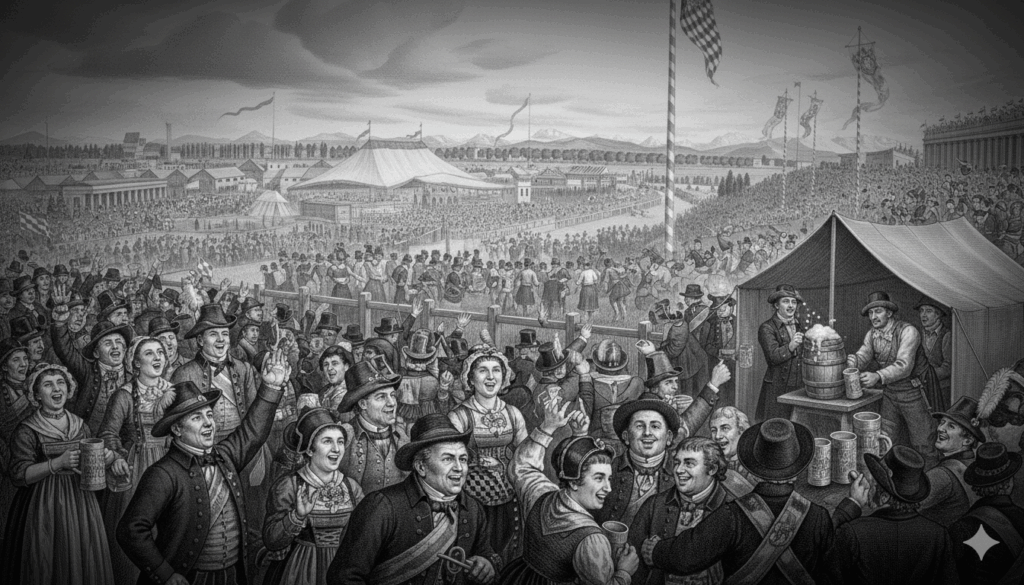
The first Oktoberfest was held on October 12, 1810, in Munich, Bavaria, to commemorate the marriage of Prince Ludwig and Princess Therese. The festivities were a grand success, featuring horse races, music, and dancing, setting the stage for an annual tradition.

The First Oktoberfest in 1810

The initial celebration was a five-day event that concluded with a horse race. The success of this event led to its repetition the following year, establishing the foundation for what would become an enduring cultural tradition.

Evolution into a Cultural Phenomenon

Over the years, Oktoberfest evolved, incorporating various cultural elements. It became a celebration not just of the royal wedding but of Bavarian culture as a whole. Traditional music, folk dances, and local cuisine became integral parts of the festivities.

» Read more

Oktoberfest 2025 Dates, Events & Traditions – What to Expect in Munich

Oktoberfest 2025 will take place from Saturday, September 20th to Sunday, October 5th, 2025.

For 16 unforgettable days, the city of Munich transforms into the beating heart of Bavarian culture—overflowing with world-renowned beer, lively music, and timeless traditions. Streets and beer tents come alive with the sounds of brass bands and cheerful singing, while locals and visitors alike don traditional dirndls and lederhosen.

The air is filled with the aroma of roasted meats, freshly baked pretzels, and sweet pastries, creating a feast for all the senses. From the ceremonial tapping of the first keg to the last song sung under twinkling festival lights, Oktoberfest embodies a spirit of togetherness and celebration that has enchanted millions for generations.

Despite its name, Oktoberfest always kicks off in late September to take advantage of Munich’s milder autumn weather. The event traditionally concludes on the first Sunday in October or extends to German Unity Day (October 3rd) if it falls later, ensuring a minimum of 16 days of celebration.

In 2025, festival-goers can look forward to two full weeks plus an extended final weekend, perfect for both locals and international visitors to experience the magic.

If you’re planning to attend, here’s your complete guide to Oktoberfest 2025 dates, events, and traditions, plus everything you need to know to make the most of your Bavarian adventure.


The Official Kickoff: “O’zapft is!”

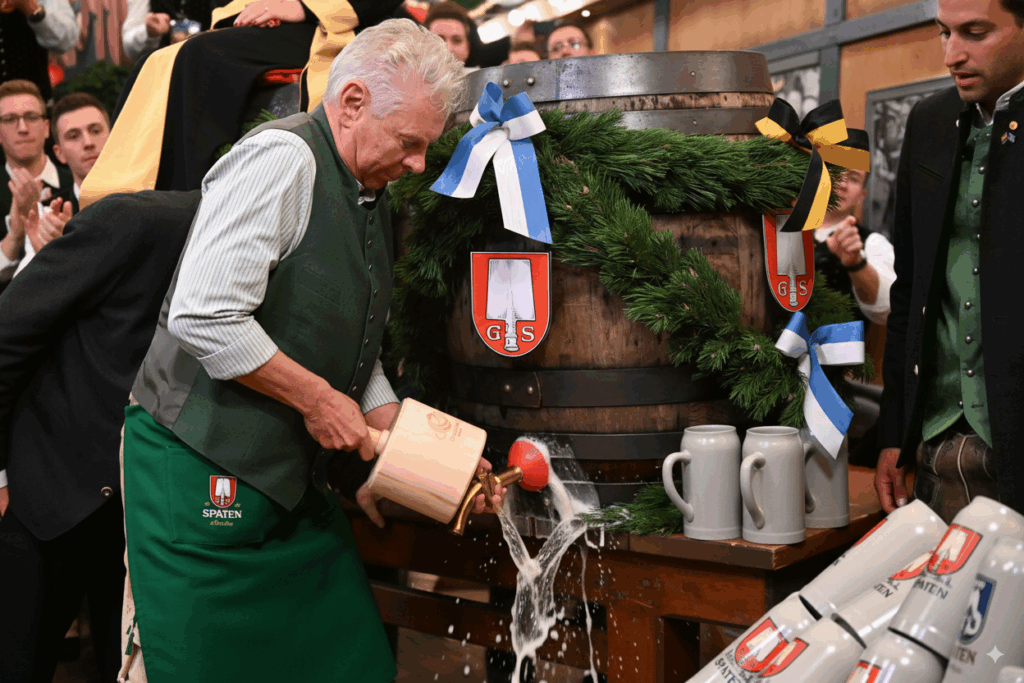
The festival begins with one of the most famous traditions: the keg-tapping ceremony. On opening day, the Mayor of Munich taps the first keg in the Schottenhamel tent, declaring “O’zapft is!”—“It is tapped!”

Only then does the beer officially begin to flow across the 14 major tents and countless smaller venues throughout the Theresienwiese fairgrounds. This moment is broadcast on German television and cheered by thousands of locals and travelers alike.

This ceremony not only marks the start of Oktoberfest—it embodies the spirit of Munich’s warm hospitality and the pride Bavaria takes in its brewing culture.


Oktoberfest 2025 Dates at a Glance

  • Opening Day: Saturday, September 20th, 2025
  • Closing Day: Sunday, October 5th, 2025
  • Duration: 16 days
  • Location: Theresienwiese, Munich, Germany

The extended schedule in 2025 includes both September’s milder climate and the special German Unity Day holiday on October 3rd, meaning crowds will be especially lively. Expect peak attendance during both weekends, particularly the final days.


The Iconic Oktoberfest Tents

One of the most defining features of Oktoberfest is its legendary beer tents—not mere temporary structures, but massive, elaborately decorated halls capable of seating thousands of guests.

» Read more

Oktoberfest in 2024: What to Expect This Year in Munich

Oktoberfest in 2024: What to Expect This Year in Munich. Ever wondered what Oktoberfest in Munich is like? It’s the world’s largest folk festival, celebrating Bavarian culture. Millions visit each year. Let’s explore why this beer festival is a top spot for German traditions and Munich events.

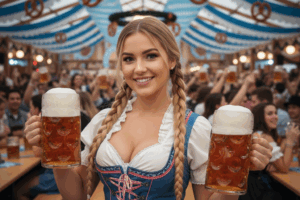
A vibrant scene of Oktoberfest in Munich, 2024, showcasing colorful beer tents filled with festive decorations, traditional Bavarian clothing, lively crowds enjoying large steins of beer, delicious pretzels and sausages, amusement rides in the background, and golden autumn leaves falling under a bright blue sky.


From September 21 to October 6, 2024, Munich’s Theresienwiese field will buzz with life. Over 6 million people will join in the fun. The area will host 17 big beer tents and 21 smaller ones, serving up tasty treats.

Getting into Oktoberfest is free, but you’ll need to watch your wallet. Beer will cost between €13.60 and €15.30 per liter. The Augustiner tent has the cheapest beer at €14.10. Food prices might go up, thanks to new tax rules.

Traditional events are the heart of Oktoberfest. Don’t miss the opening parade on September 21 and the marksmen parade on September 22. Music fans will love the open-air concert on the second Sunday.

Oktoberfest in 2024: What to Expect This Year in Munich – Key Takeaways

  • Oktoberfest 2024 runs from September 21 to October 6 in Munich
  • Over 6 million visitors are expected to attend
  • 17 major beer tents and 21 smaller specialty tents will be available
  • Beer prices range from €13.60 to €15.30 per liter
  • Free entry, but budget around €70 per day for food and drinks
  • Traditional parades and concerts are key attractions
  • Weekends and public holidays are busiest, plan accordingly

The History and Tradition of Munich’s Oktoberfest

Oktoberfest is a key part of Bavarian culture, starting in 1810. It has grown from a royal event to a famous festival. Every year, millions come to enjoy it.

The Royal Wedding That Started It All

The story of Oktoberfest began with Crown Prince Ludwig’s wedding to Princess Therese. The celebration included horse races and lasted five days. It was a joyous start to a long tradition.

Evolution from Horse Racing to Beer Festival

Oktoberfest changed from a royal event to a big beer festival. Beer tents were added in the late 1800s. By 1910, the biggest tent could serve 12,000 hectoliters of beer to 12,000 people.

189 Years of Bavarian Celebration

In 2024, Oktoberfest will celebrate its 189th year. It takes place at Theresienwiese, named after Princess Therese. The festival combines old traditions with new fun, like brass bands and carnival rides.

Year Milestone
1810 First Oktoberfest celebration
1910 100th anniversary: 12,000 hectoliters of beer served
1950 Introduction of the beer barrel tapping tradition
2010 200th anniversary and introduction of ‘Oide Wiesn’
2024 189th Oktoberfest, expecting 6 million visitors

Oktoberfest in 2024: What to Expect This Year in Munich. Today, Oktoberfest is a symbol of Bavarian culture. It mixes history, tradition, and fun. From its start to now, it has won the hearts of millions worldwide.

Essential Festival Information and Dates

Get ready for Oktoberfest in 2024: what to expect this year in Munich! The world’s largest beer festival starts on September 21st and ends on October 6th. This 16-day event is set to be one of the most exciting Munich events of the year.

Mark your calendars for these festival hours:

  • Weekdays: 10 am – 10:30 pm
  • Weekends: 9 am – 10:30 pm

Beer lovers, don’t miss the ceremonial tapping of the first keg at noon on opening day. Most stalls close by 11:30 pm. But, a few stay open until midnight for those who like to party late.

A vibrant scene of Oktoberfest 2024 in Munich, featuring large colorful beer tents filled with people in traditional Bavarian attire, lively folk music playing, vast beer gardens with long wooden tables, people enjoying pretzels and sausages, festive decorations with blue and white banners, iconic rides and attractions in the background, a clear blue sky, and the historic Munich skyline.

» Read more