Tracing the German Coast: Exploring Louisiana’s Hidden Heritage Near New Orleans
Long before jazz floated through the French Quarter and before Mardi Gras beads glittered in the Louisiana sun, German-speaking farmers were carving out a life along the Mississippi River. Their story is one of resilience, adaptation, and quiet influence — a heritage woven into the soil, cuisine, architecture, and even the surnames of southern Louisiana.
Today, just west of New Orleans, a stretch of river communities still echoes with this legacy. Known historically as the German Coast, this region tells a lesser-known but deeply American story: how German immigrants in the early 1700s helped feed a struggling French colony and laid foundations that endure nearly three centuries later.
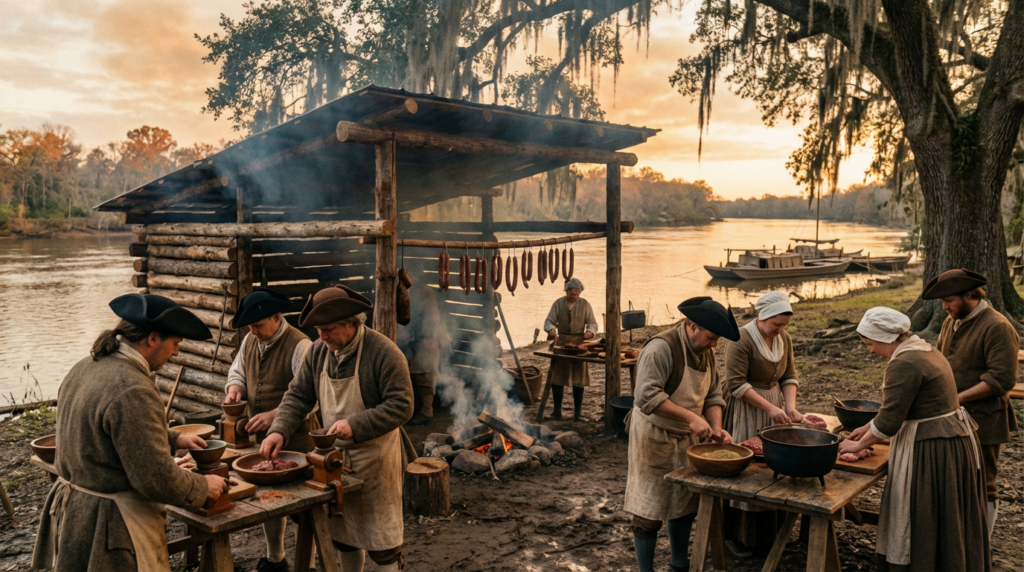
For readers of German Heritage USA, this is more than a history lesson — it’s a travel invitation. Whether you’re a genealogy enthusiast tracing family roots, a foodie seeking authentic flavors, or simply a heritage traveler looking for your next meaningful getaway, Louisiana’s German Coast offers something uniquely unforgettable.
“Heritage isn’t always loud,” as one local historian once said. “Sometimes it whispers through recipes, riverbanks, and family names.”
Let’s follow that whisper.
The Origins: Germans on the Mississippi
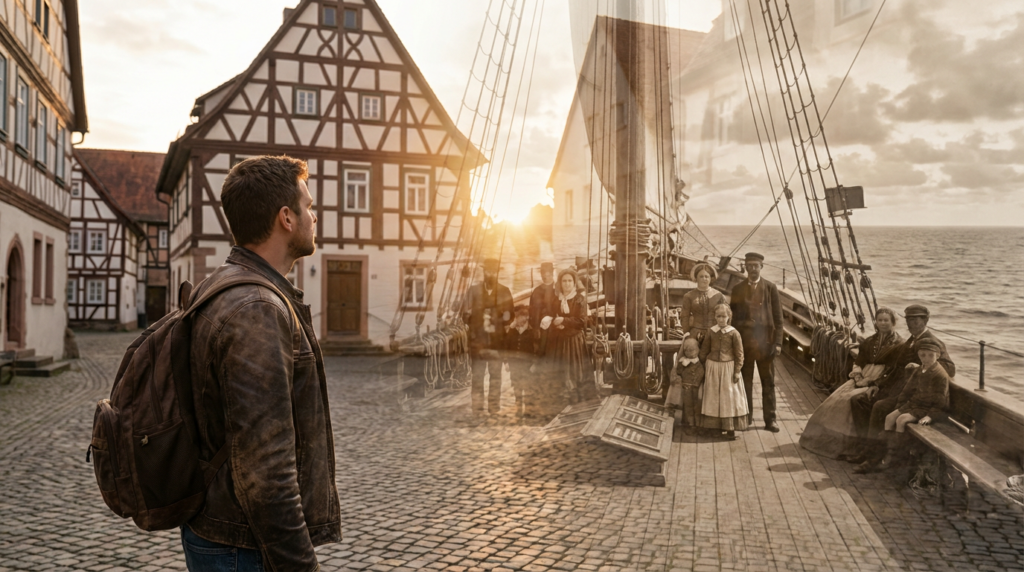
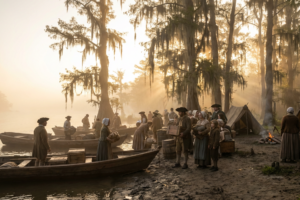
In 1721, ships carrying German-speaking settlers — many from the Rhineland and Swiss cantons — arrived in French Louisiana. They had been recruited to strengthen the struggling colony and provide agricultural expertise. Conditions were harsh, but the settlers adapted quickly.
They established farming communities along the Mississippi River in what is now St. Charles Parish and St. John the Baptist Parish, transforming swampy terrain into productive farmland. Their crops — especially vegetables and grains — sustained early Louisiana settlements and even saved the colony from famine.
This region became known as the German Coast — La Côte des Allemands.
Their surnames — Waguespack, Schexnayder, Zeringue, Trosclair — still appear across southeastern Louisiana today.
Walking the River Road: A Journey Through Time

While much of the River Road is known for grand plantation homes, the German Coast story is quieter and more agrarian. These settlers were small farmers, not plantation elites. Their strength was community cooperation, craftsmanship, and agricultural skill.
Today, visitors can explore:
- Local parish museums
- Historic cemeteries with German surnames
- Preserved churches rooted in 18th-century Catholic traditions
- Community heritage festivals celebrating German ancestry
This is heritage tourism at its most authentic — less commercial, more personal.
St. Charles Parish: Where the Story Began
Local Catholic churches, such as St. Charles Borromeo, became centers of community life. Baptismal and marriage records from the 1700s reveal the blending of German, French, and Spanish influences that shaped Louisiana’s identity.
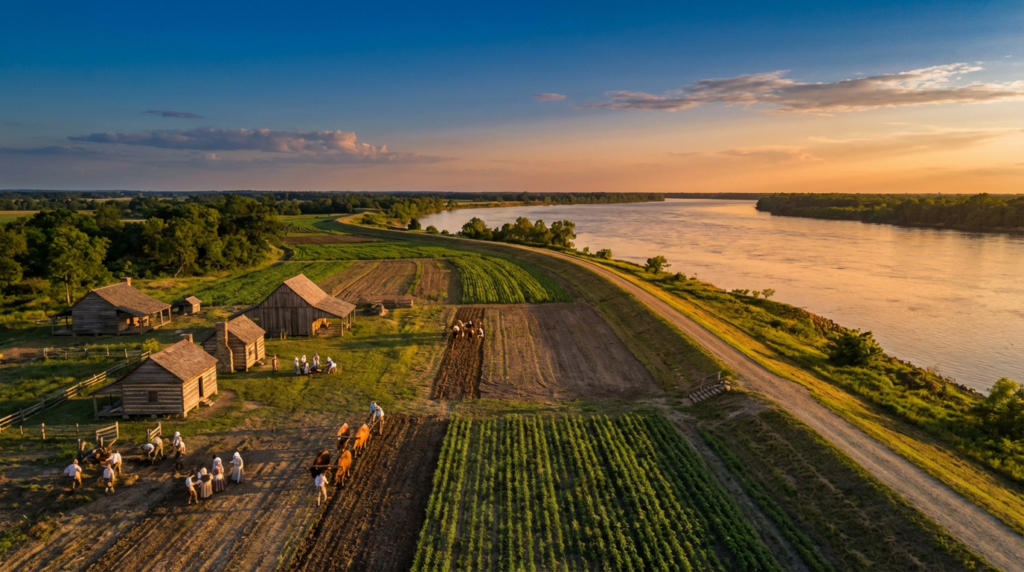
The German settlers integrated into French Louisiana society while preserving elements of their language and customs. Over generations, their dialect evolved into what historians call “Louisiana German.”
Many of their traditions survive through:
- Family-run farms
- Parish festivals
- Culinary heritage
- Genealogical societies
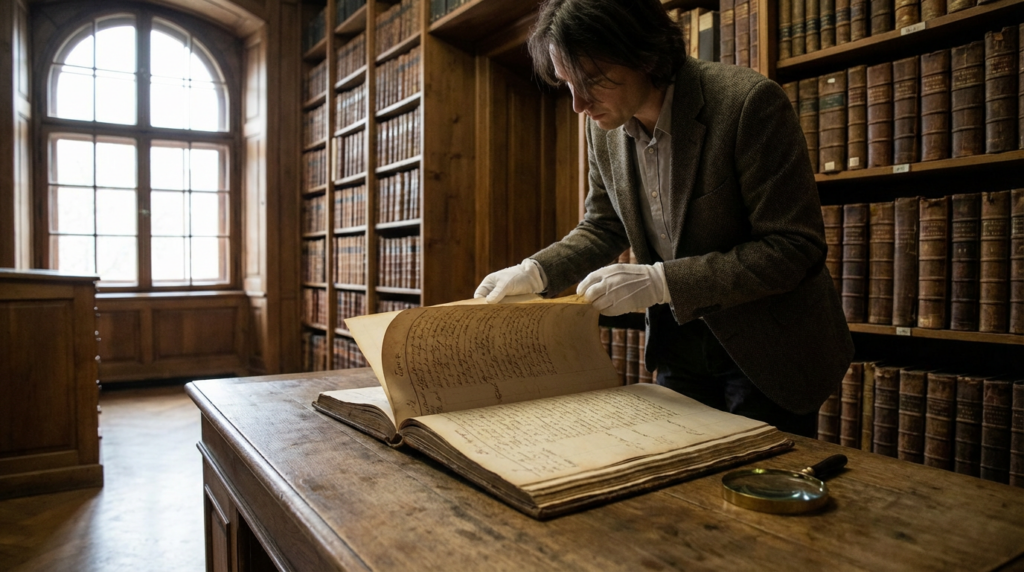
For ancestry researchers, parish church archives are treasure troves of early colonial records.
A Culinary Legacy: From Bratwurst to Andouille
The German Coast settlers brought sausage-making techniques that heavily influenced Louisiana’s famous andouille sausage.
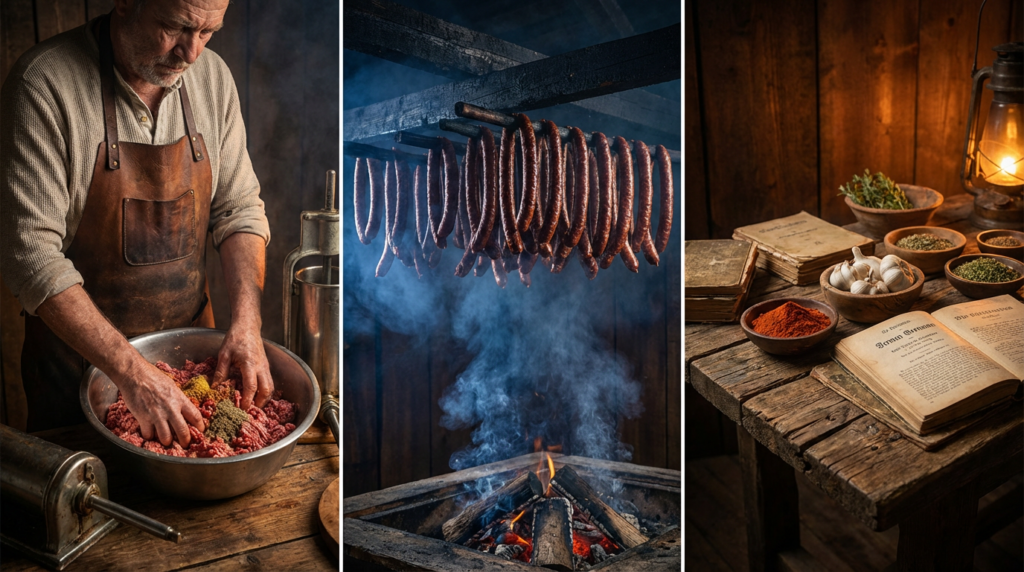
While Cajun and Creole flavors evolved over time, the smoking methods and spice traditions show clear European roots.
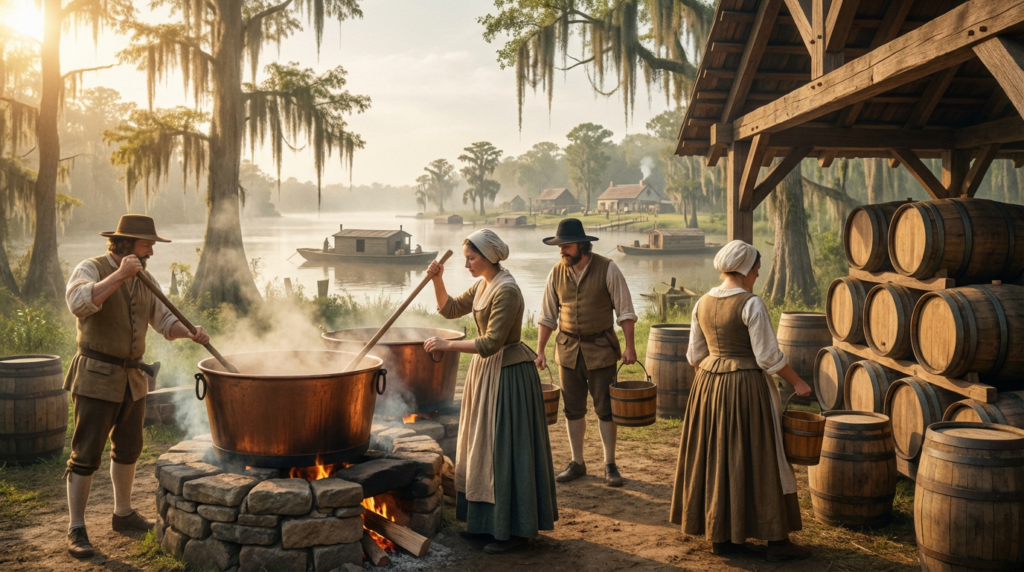
The German influence also extended to:
- Bread baking traditions
- Pickling methods
- Hearty stews
- Beer brewing (in later generations)
“Food is the most delicious form of memory,” says a chef from the River Parishes. “Every bite carries a story.”
Today, travelers can sample heritage-inspired dishes in local restaurants near New Orleans while knowing that the flavors reflect centuries of cultural blending.