Sylvester Night in the USA: German New Year’s Traditions Americans Love
Long before the Times Square ball drops or champagne corks fly at midnight, German families have their own deeply rooted way of welcoming the New Year. Known as Silvester (or Sylvester Night), December 31st is not just a countdown—it’s a night rich with symbolism, superstition, food, laughter, and a hopeful look toward what lies ahead.

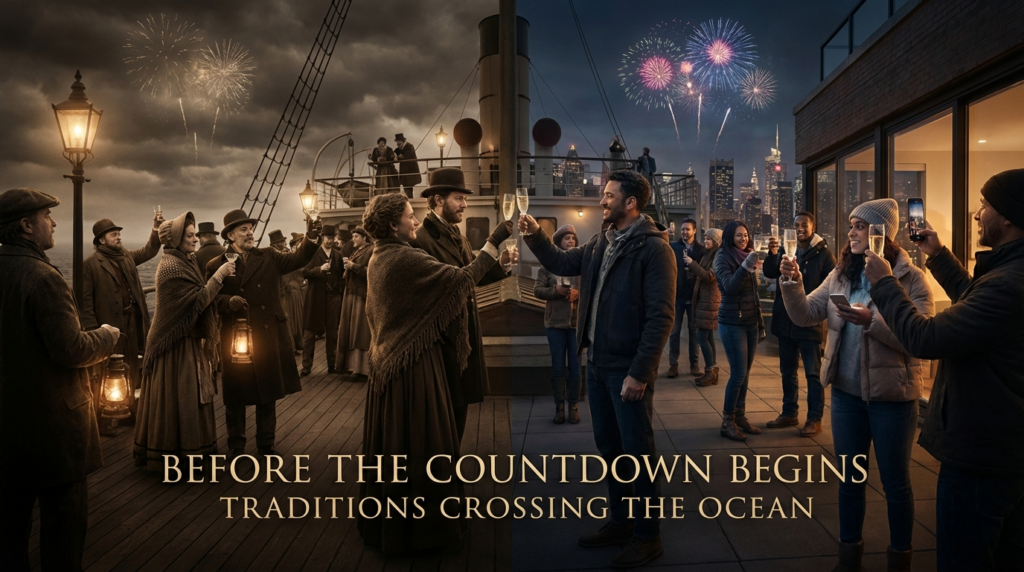
When German immigrants arrived in the United States, they brought these traditions with them. Over generations, many of these customs quietly blended into American New Year’s celebrations—sometimes unchanged, sometimes adapted—but always carrying the same intent and refreshing spirit that became their new normal tradition: leave the old year behind and step boldly into the new one.
Today, from Midwest farm towns to urban neighborhoods, German-inspired New Year’s rituals are alive and well. Some Americans practice them knowingly, others without realizing their origins. Together, they form a fascinating cultural bridge between old Europe and modern America.

As the Germans say:

“Ein neues Jahr heißt neue Hoffnung, neues Licht, neue Gedanken.”
“A new year means new hope, new light, new thoughts.”


What Is Sylvester Night?

In German tradition, New Year’s Eve is called Silvester, named after Pope Sylvester I, who died on December 31 in 335 AD. Unlike Christmas, which centers on family and faith, Sylvester Night is playful, loud, and often a little mischievous.

It’s a night of:

  • Noise to scare away bad spirits
  • Food meant to bring luck
  • Games and fortunes to predict the year ahead
  • Togetherness before the clock strikes twelve

These traditions crossed the Atlantic with German immigrants throughout the 18th and 19th centuries, especially to Pennsylvania, the Midwest, Texas, and parts of the Plains. Over time, they became part of the American New Year’s experience—sometimes under different names.


A Noisy Welcome: Fireworks, Bells, and Banging Pots

https://www.tripsavvy.com/thmb/rzDlaINk9htWGCV3oi_IBEL5hCY%3D/1500x0/filters%3Ano_upscale%28%29%3Amax_bytes%28150000%29%3Astrip_icc%28%29/colognenewyearssilvesterGettyImages-1088903992ChanachaiPanichpattanakij-5fa1387f5819414487be6b6a25a2b0d9.jpg
https://www.visittheusa.com/sites/default/files/styles/hero_l/public/images/hero_media_image/2017-05/c623fd969e2ea5b12c0c2a61351b9bdf.jpeg?h=57322256&itok=Npnal_ar
https://assets.simpleviewinc.com/simpleview/image/upload/q_75/v1/crm/fairbanks/DSC05156_A83D49B1-5056-A36A-0BDCF1BBF18E7CE8_a83eba27-5056-a36a-0ba5ec422ccf845a.jpg

If you’ve ever wondered why New Year’s Eve is so loud, you can thank German folklore.

In old European belief, loud noises chased away evil spirits lingering from the old year. Church bells rang, whips cracked, pots were banged, and eventually fireworks became the centerpiece of the night. When Germans settled in America, this love of noise followed them.

Today, fireworks are a universal American New Year’s tradition—especially in cities, riverfronts, and even rural towns. While Americans may see fireworks as pure celebration, their roots trace back to this age-old German belief: noise cleanses the future.


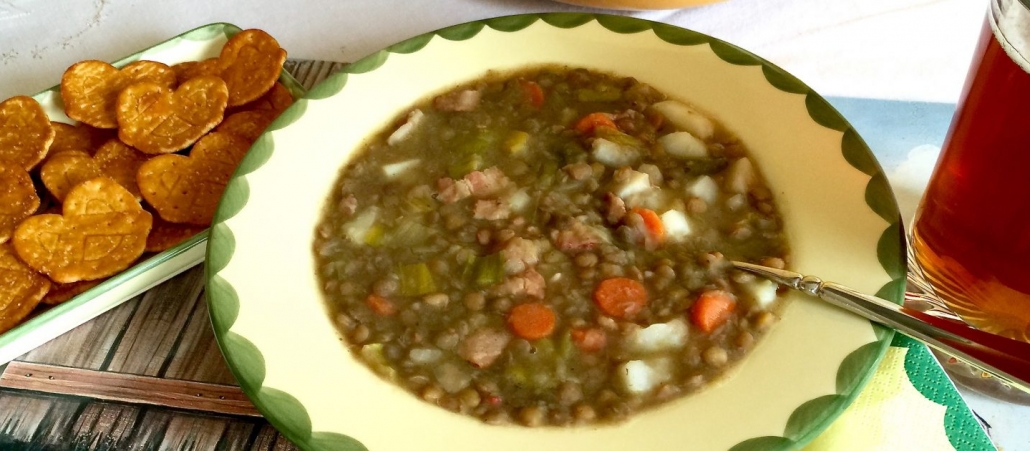
Good Luck on the Plate: Pork, Sauerkraut, and Lentils

https://wildbrine.com/wp-content/uploads/2018/12/why-sauerkraut-on-new-years-day2.jpg
https://www.theomaway.com/wp-content/uploads/2015/12/IMG_1866-1-1030x451.jpg

» Read more

The Santa Debate: Weihnachtsmann vs. Christkind — Which One Does America Follow?

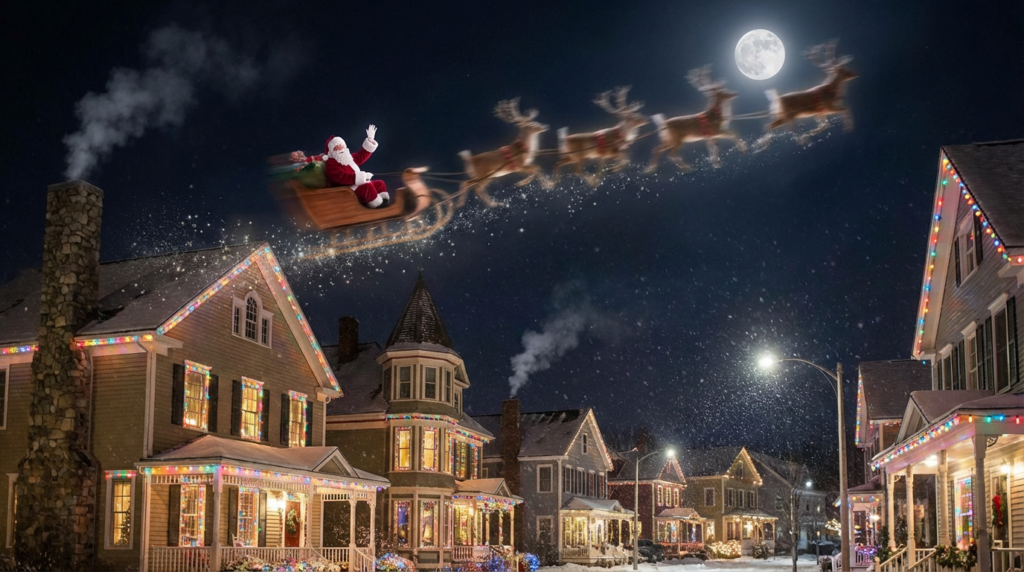
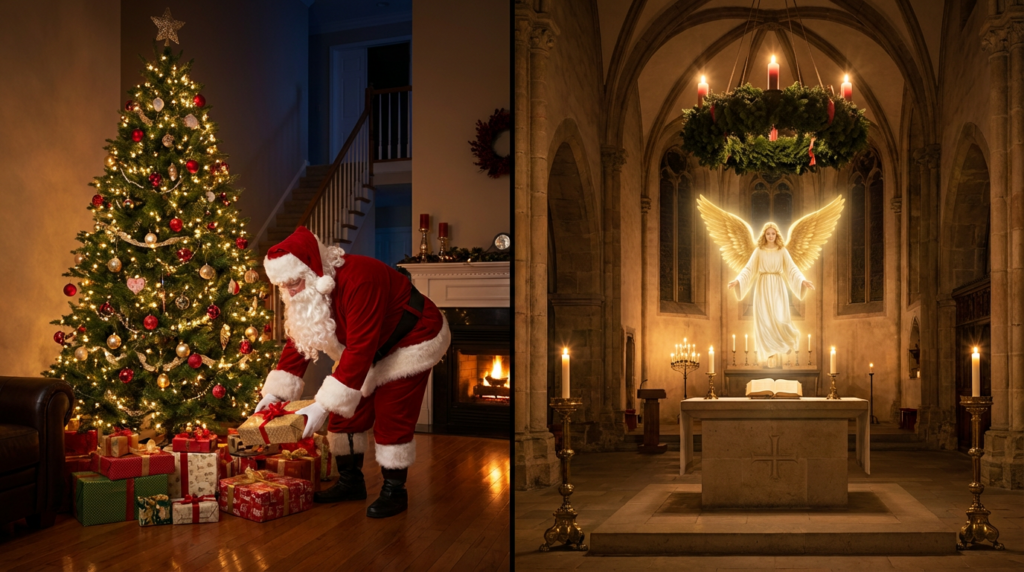
For many Americans, Christmas arrives on the boots of a jolly, red-suited man with a snow-white beard, a belly laugh, and a sleigh pulled by reindeer.

He slides down chimneys, leaves gifts under the tree, and signs his name simply: Santa. But across the Atlantic—and in many German-American homes—the story of who brings Christmas joy is more nuanced, older, and far more symbolic.

Germany, Austria, Switzerland, and German-speaking regions have long debated who delivers the magic of Christmas. Is it Weihnachtsmann, the fur-clad Father Christmas figure shaped partly by folklore and partly by modern culture? Or is it the Christkind, the angelic Christ Child rooted in Christian tradition and Reformation history? When Germans immigrated to America in the 18th and 19th centuries, they didn’t just bring tools, language, and recipes—they brought their Christmas beliefs, too.

Today, America overwhelmingly celebrates Santa Claus—but beneath the surface, the echoes of Weihnachtsmann and Christkind still ring through carols, customs, and communities. So which one does America really follow? The answer is more fascinating than a simple red suit versus angel wings.


From Europe to the New World: Two Gift-Givers, Two Philosophies

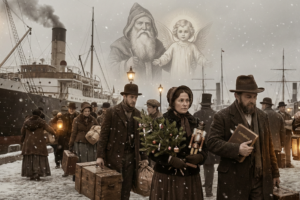
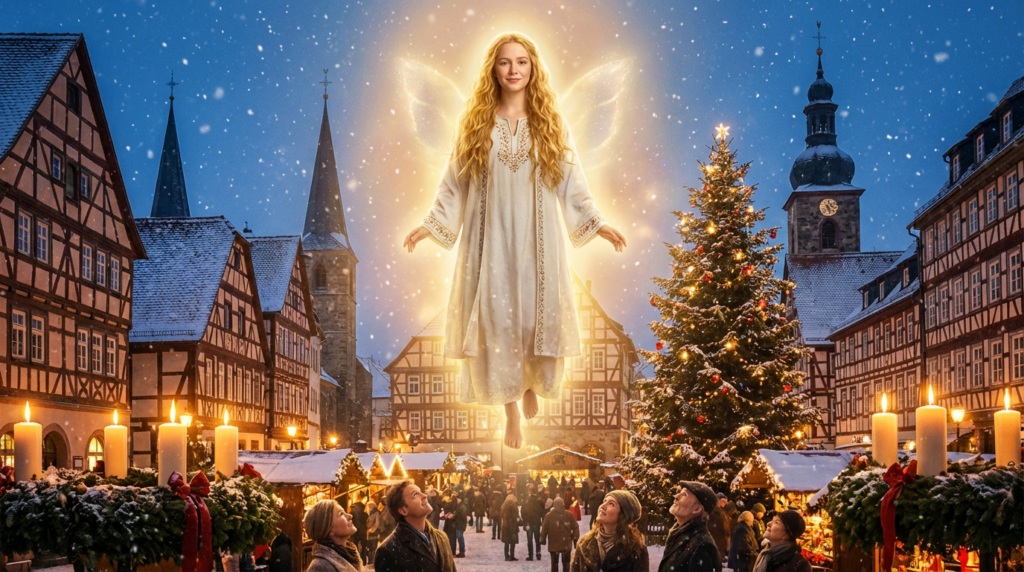
The Christkind emerged in the 16th century during the Protestant Reformation. Martin Luther promoted the Christ Child as a way to refocus Christmas on the birth of Jesus rather than the veneration of saints. The Christkind—often depicted as a glowing, angelic child with golden hair—was said to quietly deliver gifts on Christmas Eve.

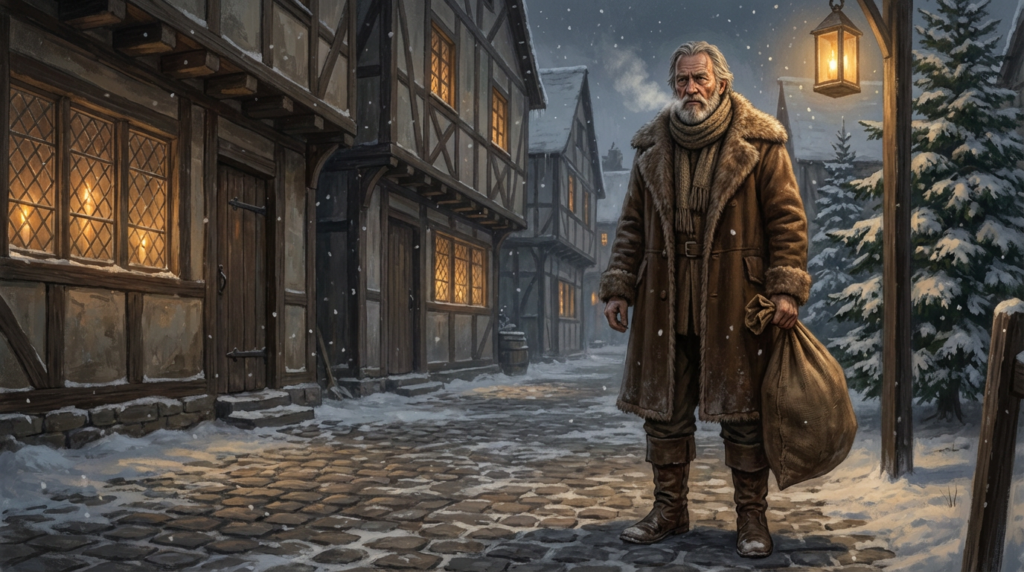
Weihnachtsmann, by contrast, developed later as a secular winter figure influenced by Saint Nicholas, local folklore, and eventually global commercial imagery. He was less overtly religious, more approachable, and adaptable—qualities that would later make him a perfect fit for American culture.

German immigrants carried both traditions with them when they settled in Pennsylvania, Ohio, the Midwest, and Texas. In the early days of America, it wasn’t unusual to find Christkind celebrations alongside Saint Nicholas Day (December 6) and Weihnachtsmann traditions—sometimes all within the same town.

“Christmas traditions don’t disappear when people migrate—they evolve.”
— Dr. Ingrid Bauer, German-American Cultural Historian


How Santa Claus Won America’s Heart

By the early 19th century, something remarkable happened in the United States. Different European traditions began blending into a uniquely American figure—Santa Claus.

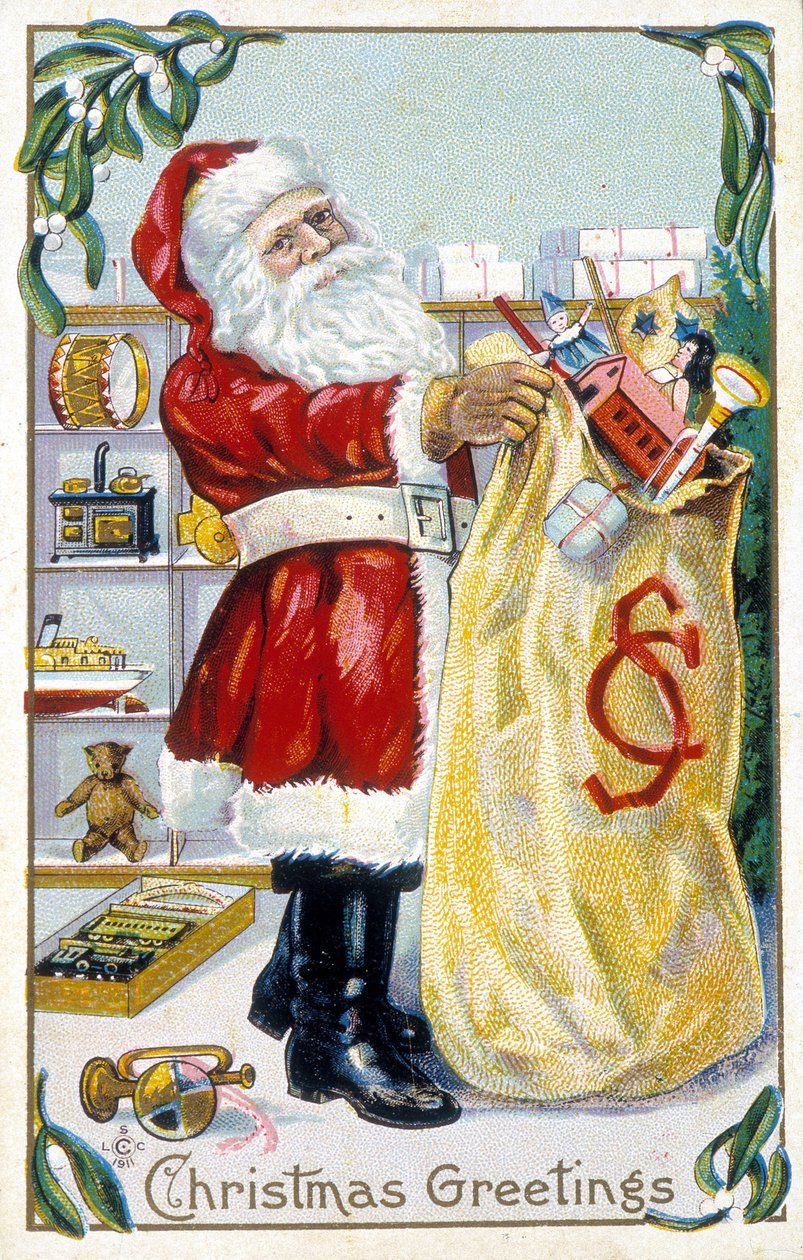
The Dutch brought Sinterklaas to New Amsterdam (New York). Germans contributed Weihnachtsmann imagery and Christmas trees. English traditions added Father Christmas. Writers like Washington Irving and Clement Clarke Moore (“’Twas the Night Before Christmas”) fused these influences into a single, lovable character. Later, illustrators like Thomas Nast—and yes, commercial advertising—cemented Santa’s modern look.

https://www.meisterdrucke.us/kunstwerke/1260px/Unknown_artist_-_Santa_Claus_preparing_gifts_-_Christmas_card_American_greeting_card_sd_late_19th_-_%28MeisterDrucke-1027106%29.jpg?utm_source=chatgpt.com
https://th-thumbnailer.cdn-si-edu.com/ME0LpD7QIHr0-YPHm68t0H9Wjm4%3D/fit-in/1072x0/filters%3Afocal%28400x499%3A401x500%29/https%3A//tf-cmsv2-smithsonianmag-media.s3.amazonaws.com/filer/4f/c6/4fc6c2d9-8721-4253-9567-ab7167b7a01f/merry_old_santa_claus_by_thomas_nast.jpg?utm_source=chatgpt.com

Santa was adaptable. He wasn’t tied to a specific church doctrine. He fit perfectly into America’s growing emphasis on family, childhood wonder, and generosity. Weihnachtsmann’s secular flexibility helped Santa thrive—while Christkind, deeply spiritual and symbolic, struggled to maintain mainstream visibility.


Christkind Lives On—Just Not Everywhere

Despite Santa’s dominance, the Christkind never vanished completely. In fact, it thrives in pockets of America where German heritage remains strong.

Cities like Bethlehem, Pennsylvania, Frankenmuth, Michigan, and New Ulm, Minnesota still celebrate Christkind traditions through Christmas markets (Christkindlmärkte), angelic imagery, and gift-giving customs centered on Christmas Eve rather than Christmas morning.

https://mymerrymessygermanlife.com/wp-content/uploads/2023/02/christkind-angel-with-toys-jpeg.webp?utm_source=chatgpt.com

In these communities, children may still hear bells signaling that the Christkind has come and gone—never seen, only felt. The focus is quieter, more reverent, and deeply rooted in German storytelling.

“The Christkind teaches patience and humility—virtues harder to market, but no less meaningful.”
— Rev. Markus Schneider, Lutheran Pastor


The Christmas Tree: A Silent Winner for German Heritage

If Santa won the spotlight, Germany quietly won the living room.

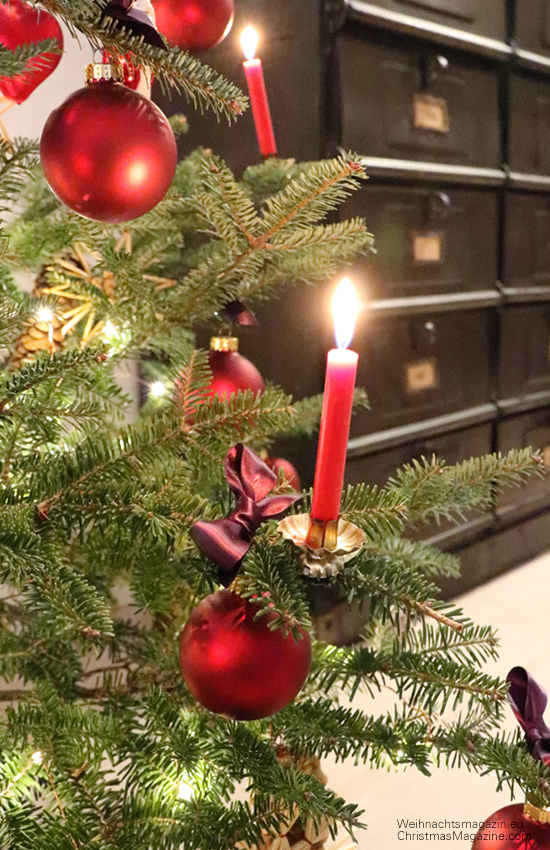
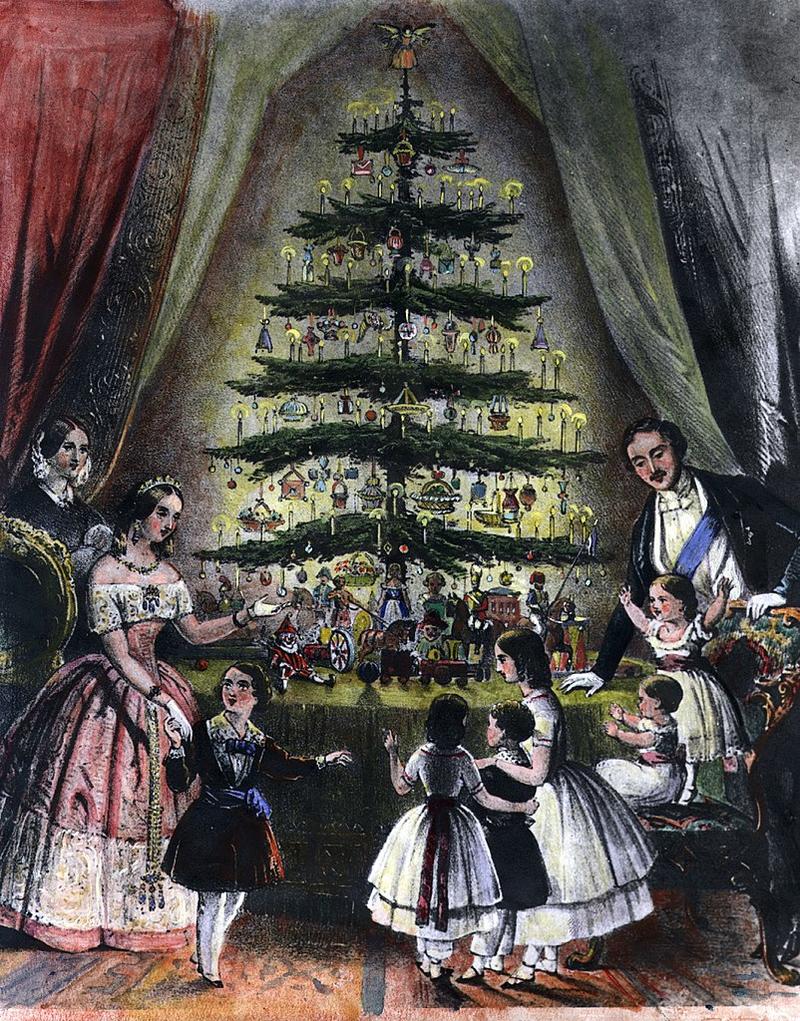
The Christmas treeder Tannenbaum—is undeniably one of Germany’s greatest cultural exports. Popularized in America by German immigrants and later embraced by Queen Victoria and Prince Albert in England, the decorated evergreen became a universal symbol of Christmas across the U.S.

https://www.christmasmagazine.com/wp-content/uploads/2019/04/Christmas-tree-decorated-05.jpg?utm_source=chatgpt.com
https://www.ashmolean.org/sites/default/files/styles/mt_image_large/public/ashmolean/images/media/802px-christmas_tree_1848.jpg?itok=3GO2W3z9&utm_source=chatgpt.com

Trees were originally associated with Christkind celebrations, not Santa. Presents were placed beneath them for Christmas Eve, aligning with Christkind’s visit. Even today, when Santa fills the role of gift-giver, the German structure of Christmas remains firmly in place.


Dates Matter: December 6 vs. December 24 vs. December 25

German Christmas traditions don’t revolve around a single magical morning.

  • December 6 – St. Nicholas Day: Shoes by the door, small gifts, moral lessons.
  • December 24 – Heiligabend (Christmas Eve): Main celebration, gift-giving, church.
  • December 25 – Christmas Day: Family, rest, reflection.

America condensed these layered traditions into December 25, aligning with Santa’s overnight visit. Efficiency replaced ritual—but traces of German timing still appear in church services, Advent calendars, and candlelight traditions.


Commercial Christmas vs. Cultural Christmas

There’s no denying that commercialization played a role in Santa’s rise. Weihnachtsmann adapted easily into ads, parades, and films. Christkind—ethereal, religious, and unseen—did not.

But the resurgence of German-style Christmas markets across America suggests a renewed hunger for authenticity. From Chicago to Denver to San Antonio, Americans are sipping Glühwein, buying hand-carved nutcrackers, and rediscovering Old World charm.

This isn’t a rejection of Santa—it’s an expansion of the story.


So… Which One Does America Follow?

Officially? Santa Claus.
Culturally? A German hybrid.
Spiritually? It depends on the household.

America follows Santa in image and timing—but follows Christkind and Weihnachtsmann in structure, symbolism, and soul. The Christmas tree, Advent season, candles, carols, markets, and even the idea of a benevolent gift-bringer are deeply German at their roots.

Perhaps the real winner of the Santa Debate isn’t a single figure at all—but the German-American fusion that created a holiday bigger than either tradition alone.

“Christmas in America isn’t German or American—it’s German-American.”

And that may be the greatest Christmas gift Germany ever gave the United States.


Frohe Weihnachten from German Heritage USA!

» Read more

The Real Story of the German Christmas Pickle and Its American Start

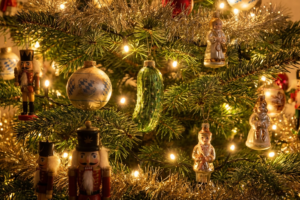
Few Christmas ornaments carry the mystery, charm, and emotional weight and uncertainty of the so-called German Christmas Pickle, that green glass gherkin tucked deep into the branches of holiday trees across America. Children hunt for it each Christmas morning, hoping for a reward—an extra present, a year of good fortune, or simply the honor of “finding the pickle.”

But behind this playful ritual lies a story far deeper than a quaint holiday legend. Its roots stretch from Bavarian hillsides to the horrors of a Civil War prison, and from the craft villages of Germany to the bustling storefronts of America’s first nationwide retail empire.

This is the real story—part history, part heritage, part reminder of the human capacity for gratitude—even in the darkest places.


A Bavarian Soldier on American Soil

The heart of the Christmas Pickle story begins not with a myth, but with a man.

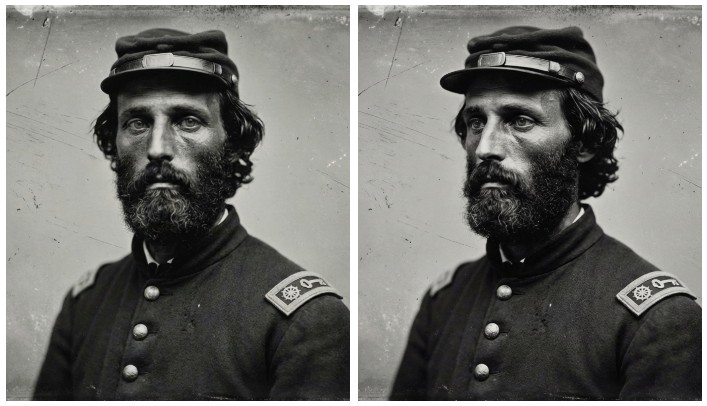
John C. Lower, born in Bavaria, immigrated to the United States before the outbreak of the American Civil War. When conflict erupted, Lower enlisted with the Federal Union forces, eventually serving as a quartermaster—a role steeped in logistics, resource management, and discipline.

It is easy to imagine a young Bavarian immigrant believing that military service would both prove his loyalty to his adopted country and secure a better life after the war. Yet, as happens so often in history, fate carved a harsher path.

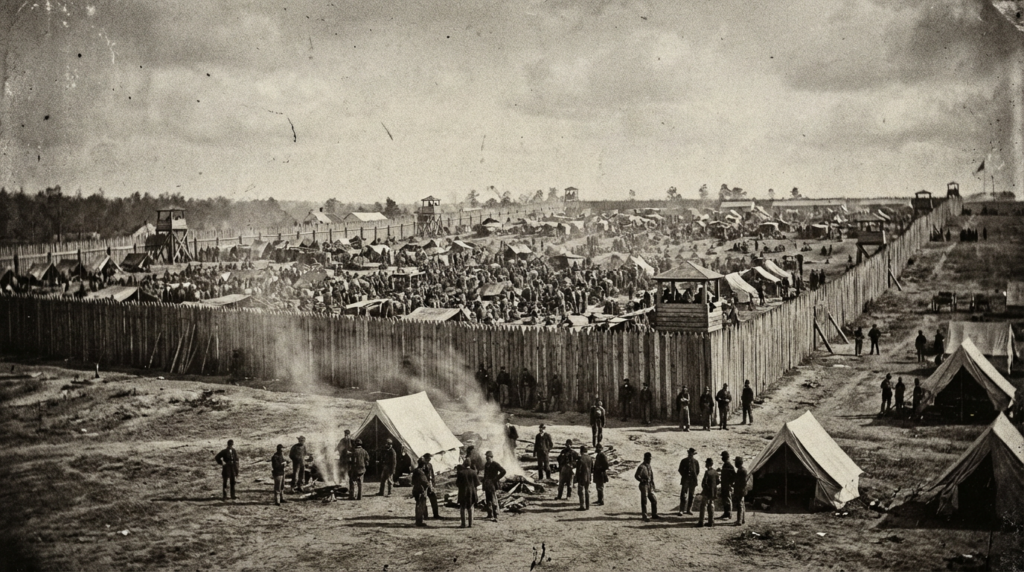
Captured in 1864, Lower was sent to Andersonville Prison—one of the most infamous prisoner-of-war camps in American history.


Andersonville: The Shadow of Suffering

Officially named Camp Sumter, Andersonville was designed for 10,000 prisoners. By the summer of 1864, it held more than 33,000. Disease, starvation, contaminated water, and exposure were daily realities.

Survivors would later say that Andersonville pushed the human spirit to its edge.
Each day felt like a negotiation between despair and determination,” one former prisoner wrote—a sentiment that captures the environment Lower confronted.

It was there, in the most unlikely of places, that a small act of compassion occurred—an act that would echo for generations.


The Pickle That Became a Lifeline

According to family accounts, passed down for decades, a Confederate guard noticed Lower’s deteriorating condition on a bleak Christmas Eve. Perhaps the guard saw a young man far from home. Perhaps hunger softened even the hardest wartime lines. Whatever the motivation, he offered Lower a simple pickle—half eaten, yet wholly meaningful.

It was not merely food. It was a reminder of humanity.

Lower reportedly later reflected that the unexpected gift gave him “a spark of hope I had not felt in months.” Whether from its nutrition or its symbolism, the pickle helped him regain strength. More importantly, it rekindled his will to survive.

This was the moment that transformed an ordinary vegetable into a symbol of gratitude, endurance, and new beginnings.

» Read more

Old World Charm, New World Pride: German Heritage Across America

German Heritage in the United States is both timeless and evolving. With roots tracing back to the earliest waves of settlers in the 17th century, German Americans have infused their traditions, culture, and industrious spirit into the very fabric of American life.

Today, nearly one in four Americans claim some German ancestry, making it the largest self-identified ancestry group in the country. From beer gardens to Oktoberfest, from polka music to pioneering agricultural innovations, German influence is everywhere.

This article celebrates that journey—how the Old World charm of Germany crossed the Atlantic and blossomed into a New World pride across America.


A Journey Across the Atlantic: German Immigration to America

The story begins in 1683, when the first permanent German settlement was established in Germantown, Pennsylvania. These settlers came seeking religious freedom, economic opportunity, and a chance to build new lives.

Over the next two centuries, millions of Germans arrived, particularly during the mid-1800s when economic hardship and political unrest in Europe spurred emigration.

  • Pennsylvania Germans (often called “Pennsylvania Dutch”) were known for their farming skills, craftsmanship, and frugality.
  • Midwestern German immigrants settled heavily in Ohio, Wisconsin, Illinois, and Missouri, bringing with them traditions that would transform America’s Midwest into the “breadbasket of the world.”
  • Texas Germans created unique communities blending frontier life with German language, music, and architecture.

German immigration wasn’t just about numbers—it was about building lasting communities that blended old traditions with American ideals.


Faith, Family, and Festivals: Cultural Foundations

Germans brought with them three pillars that shaped their lives in America: faith, family, and festivals.

Faith

German-speaking congregations were some of the earliest Protestant and Catholic churches in America. Lutherans, Reformed, and Mennonites established communities where worship was central to life. Many churches doubled as schools, helping preserve the German language for generations.

Family

German Americans placed strong emphasis on education, family structure, and work ethic. Family farms, passed down through generations, became the heart of rural America.

Festivals

From Oktoberfest to Christkindlmarkets, German festivals celebrated music, dance, and food. Even today, cities like Cincinnati, Milwaukee, and Frankenmuth, Michigan host annual festivals drawing crowds from around the world.


The German-American Contribution to American Life

German Americans shaped countless aspects of daily life in the U.S. Some of their most influential contributions include:

Family and Holiday Traditions

German immigrants brought with them beloved customs that soon became woven into the fabric of American life. The Christmas tree (Tannenbaum), decorated with candles, ornaments, and garlands, was popularized in the 19th century and is now an essential part of the holiday season in nearly every American home.

Traditions like Santa Claus (Kris Kringle), Easter eggs, and the Easter Bunny also arrived with German settlers, giving families cherished rituals that continue to bring joy each year. These celebrations highlight the German love of family, festivity, and togetherness—values that remain cornerstones of American culture.

» Read more

Beer Gardens and Bratwurst: German-American September Favorites

There’s something magical about September in America. The days are still warm, the nights turn crisp, and towns across the country come alive with the sound of polka music, the laughter of families, and the clinking of frosty beer steins.

For German Americans—and anyone who loves a good time—September means one thing: Oktoberfest season.

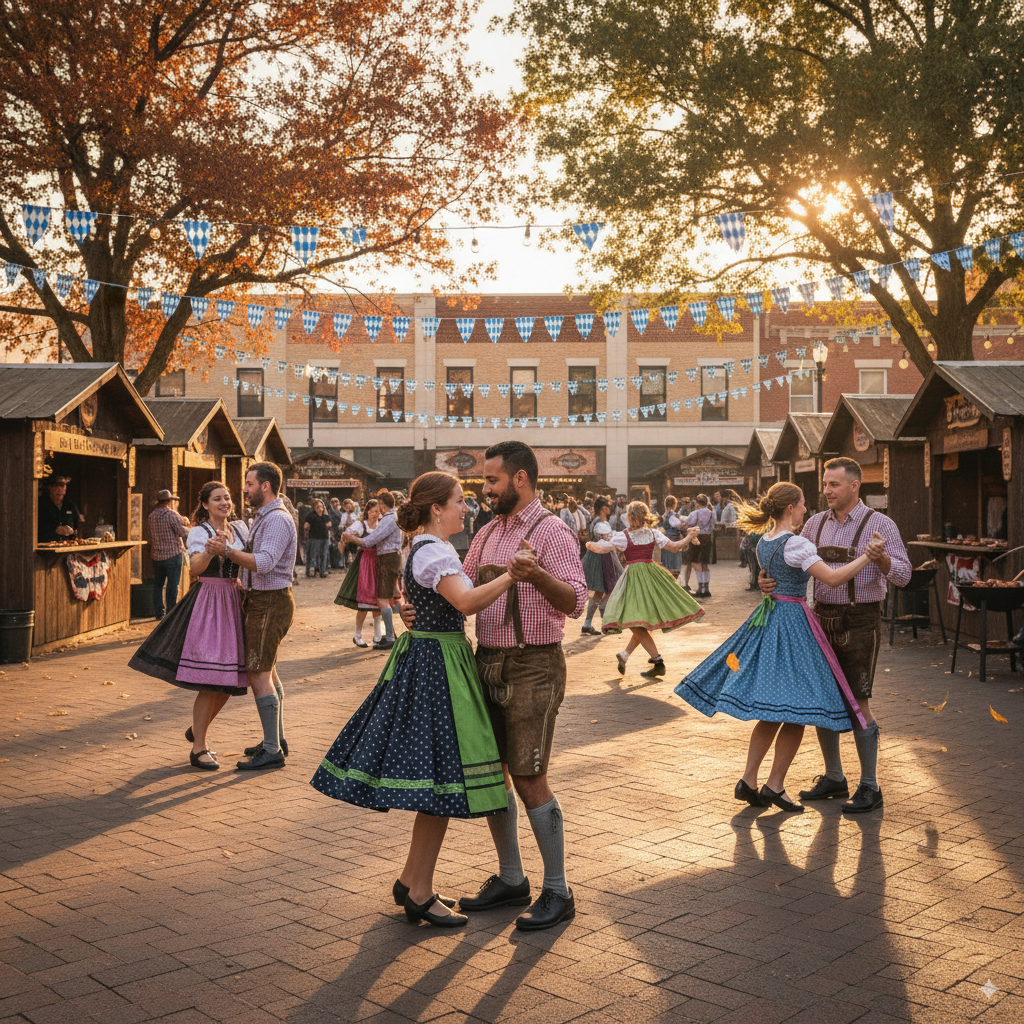
Across big cities and small towns alike, festival tents go up, beer gardens fill with music, and the savory aroma of bratwurst sizzling on the grill drifts through the air. It’s a time when communities gather not only to celebrate German traditions but also to share them with neighbors and friends, creating a joyful blend of old-world culture and new-world hospitality.

Beyond the festivities, Oktoberfest is also a reminder of heritage and history. Each stein raised and each polka danced carries with it generations of immigrant stories—of resilience, hope, and the simple joy of bringing people together. September becomes more than a month on the calendar; it’s a season of pride, connection, and celebration.

But Oktoberfest is just the beginning. Across America, German heritage shines brightest in September through beer gardens, bratwurst festivals, polka dances, and community gatherings that bring Old World traditions into New World celebrations.

This is the story of why beer gardens and bratwurst remain two of the most cherished September favorites, and how they represent much more than food and drink—they are symbols of community, heritage, and joy.


From Munich to Main Street: The Oktoberfest Tradition

Oktoberfest began in Munich, Germany, in 1810, celebrating the marriage of Crown Prince Ludwig to Princess Therese of Saxe-Hildburghausen. What started as a royal wedding party grew into the world’s largest folk festival.

When German immigrants came to America, they brought this joyful tradition with them. By the late 1800s, Oktoberfest celebrations were popping up in places like Cincinnati, Milwaukee, St. Louis, and New Braunfels, Texas.

Today, September in America is dotted with Oktoberfests both big and small:

  • Oktoberfest Zinzinnati (Cincinnati, Ohio): The largest Oktoberfest in the U.S., drawing half a million visitors.
  • Milwaukee Oktoberfest (Wisconsin): A city built by German brewers, celebrating its heritage with beer, bratwurst, and bands.
  • Wurstfest (New Braunfels, Texas): A November festival with September-style spirit, honoring Texas-German heritage.
  • Leavenworth, Washington: A Bavarian-themed town that transforms into a postcard of Germany each fall.

Wherever you go, the combination of beer, bratwurst, and gemütlichkeit (coziness and good cheer) is always the same.

» Read more