
Ancestry, DNA & Discovery: Tracing Your German Roots
GERMAN HERITAGE USA | AFFILIATE DISCLAIMER: This post may or may not contain affiliate links which means we may receive a commission for purchases made through links. We will only recommend products that we have personally used or that we truly trust. Learn more on our Private Policy and Disclaimer Page located under our Terms Of Service tab above.
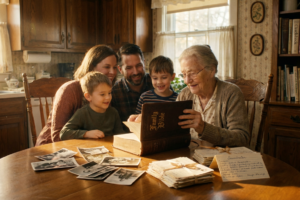
For millions of Americans, the journey to discover German roots begins with a simple question: “Where did my family come from?” Maybe it’s a last name that ends in -mann, -berg, or -schmidt. Maybe it’s a grandmother’s recipe for sauerbraten or a dusty Bible written in Gothic script. Or perhaps it’s a DNA test result that flashes “40% Germanic Europe” and sparks curiosity.
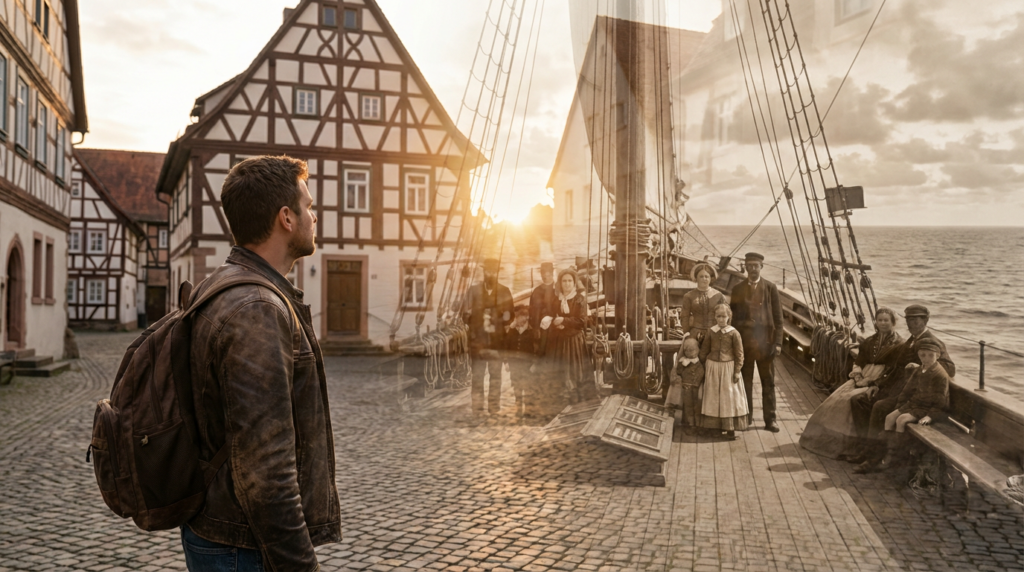
German Americans represent one of the largest ancestry groups in the United States. From Pennsylvania to Texas, Wisconsin to Nebraska, their influence is stitched into the American story—through farming traditions, music, architecture, Christmas customs, language, and even food staples like hot dogs and pretzels.

But tracing German ancestry can feel overwhelming. Borders changed. Names were Americanized. Records were handwritten in old German script. Entire regions shifted from kingdoms to empires to modern states. Yet, with today’s digital tools, DNA testing, and global archives, discovering your German heritage has never been more accessible—or more exciting.
“Genealogy is not about names and dates. It’s about stories, identity, and belonging.”
Let’s explore how to trace your German roots—step by step—while uncovering the rich cultural tapestry behind your family’s story.
Step 1: Start at Home – The Power of Family Stories
Before diving into DNA databases and European archives, begin with what you already have.

- Do you remember the original spelling of our surname?
- Was our family Catholic or Lutheran?
- Did anyone mention a specific town in Germany?
- When did our family come to America?
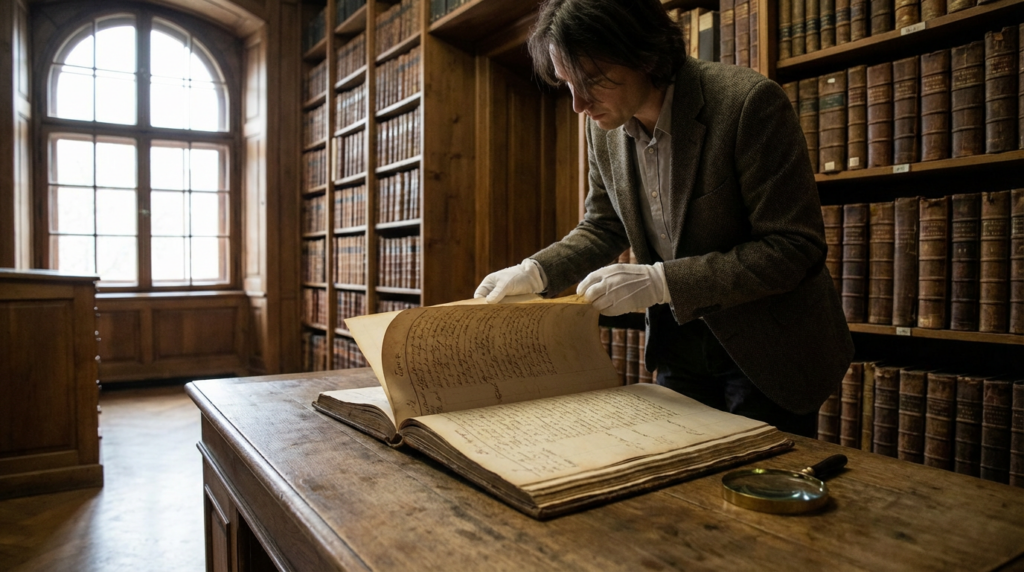
Even small details matter. A city name like “Bremen” or “Bavaria” may actually refer to a departure port or a larger region rather than a specific village. German genealogy often hinges on identifying the exact town of origin.
Step 2: Understanding Germany’s Changing Borders
One of the biggest challenges in tracing German ancestry is geography.

Germany as we know it today did not unify until 1871 under the German Empire. Before that, it was a patchwork of kingdoms, duchies, principalities, and free cities.
Your ancestor might have said they were from:
- Prussia (which no longer exists as a country)
- Bavaria
- Saxony
- Württemberg
- Alsace-Lorraine (now partly France)
Additionally, many “German” ancestors came from regions that are now in Poland, Czechia, Austria, or Russia.
Understanding historical geography is essential because church and civil records were kept locally. Once you identify the village or parish, your research becomes dramatically easier.
Step 3: Immigration Waves – When Did They Arrive?

German immigration to America occurred in several major waves:
1. Colonial Era (1700s)
Many settled in Pennsylvania—often called “Pennsylvania Dutch” (a corruption of Deutsch). They were largely Protestant and fleeing religious persecution.
2. Mid-1800s (1830–1880)
Economic hardship and political unrest (including the 1848 revolutions) drove millions to America. These immigrants spread across the Midwest—Wisconsin, Ohio, Missouri, and Nebraska.
3. Late 1800s–Early 1900s
Industrialization and land opportunities attracted rural families and craftsmen.
Knowing when your ancestors arrived helps narrow records, passenger lists, and naturalization documents.
Step 4: DNA Testing – What It Really Tells You

DNA testing has revolutionized genealogy—but it’s important to understand its limits.
Most major DNA companies identify “Germanic Europe” as a broad region that includes parts of:
- Germany
- Austria
- Switzerland
- The Netherlands
- Denmark
- Western Poland
DNA cannot tell you your exact German village. However, it can:
- Confirm German ancestry
- Connect you with distant cousins
- Identify regional genetic clusters
- Reveal unexpected branches of your tree
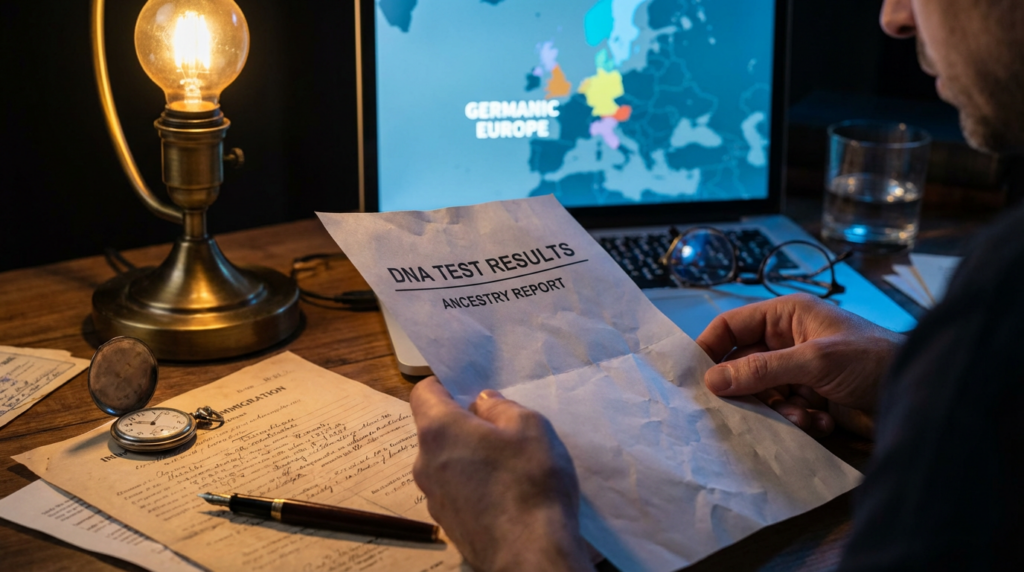
Combine DNA evidence with documented records for the strongest results.
“DNA opens the door. Records tell the story.”
Step 5: Church Records – The Golden Key

- Baptisms
- Marriages
- Burials
Most Germans were either Lutheran or Catholic. Identifying your ancestor’s religion can direct you to the correct parish archive.
Be prepared: many records are written in Kurrent or Sütterlin, old German handwriting styles that look nothing like modern script. Fortunately, translation guides and online communities can help decipher them.
Step 6: Name Changes & Americanization

Examples include:
- Müller → Miller
- Schmidt → Smith
- Klein → Cline
- Weiss → Wise
Look for spelling variations in records. Census takers often wrote names phonetically.
Step 7: Exploring Regional German Culture
Once you find your ancestral region, a new world opens.

- Bavaria – Alpine traditions, Oktoberfest, Catholic heritage
- Black Forest (Baden-Württemberg) – Cuckoo clocks, dense forests
- Rhineland – Vineyards and castles
- Northern Germany – Maritime heritage
Understanding your region helps you connect emotionally with your heritage—not just genealogically.
Infographic: Your German Genealogy Roadmap
START HERE
⬇
Gather Family Stories & Documents
⬇
Identify Immigration Date
⬇
Determine Religious Affiliation
⬇
Pinpoint Exact Town or Village
⬇
Search Church & Civil Records
⬇
Use DNA to Confirm & Expand
⬇
Connect with Living Relatives in Germany
Step 8: Visiting the Homeland
For many, the journey culminates in visiting the ancestral village.
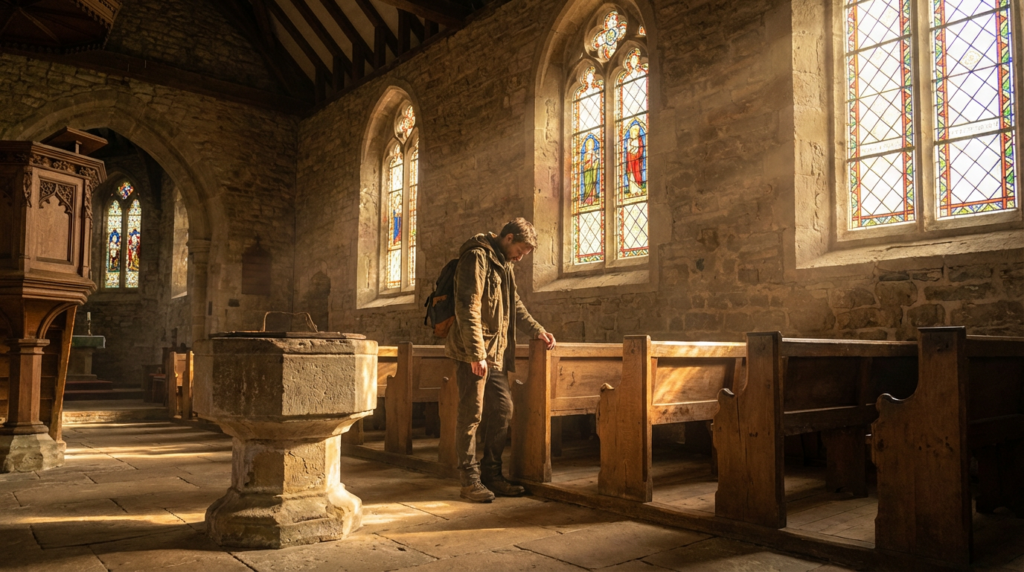
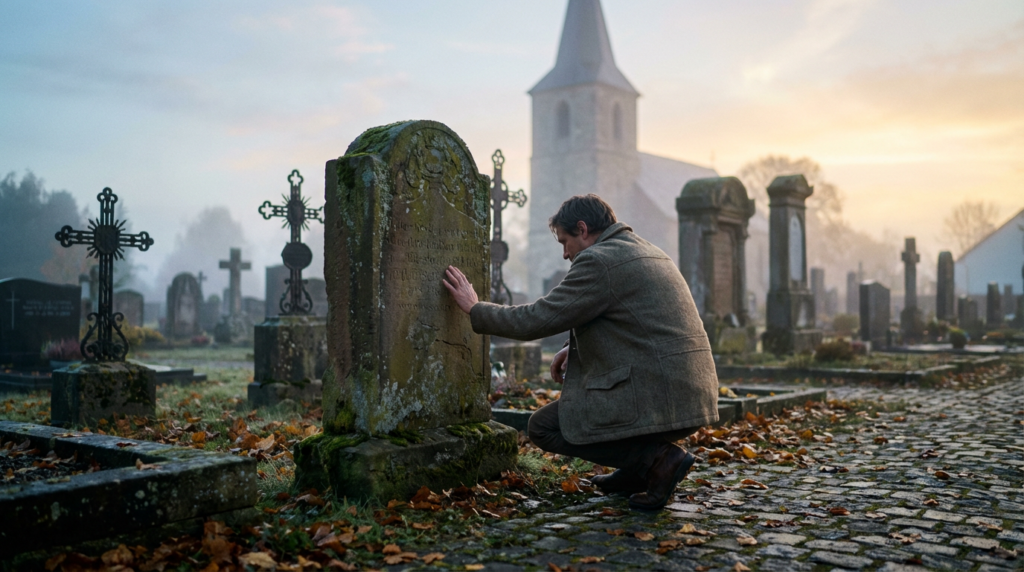
Standing in the church where your great-great-grandparents were baptized is deeply moving. Walking through cemeteries, seeing familiar surnames carved in stone, and hearing the church bells ring creates a connection across centuries.
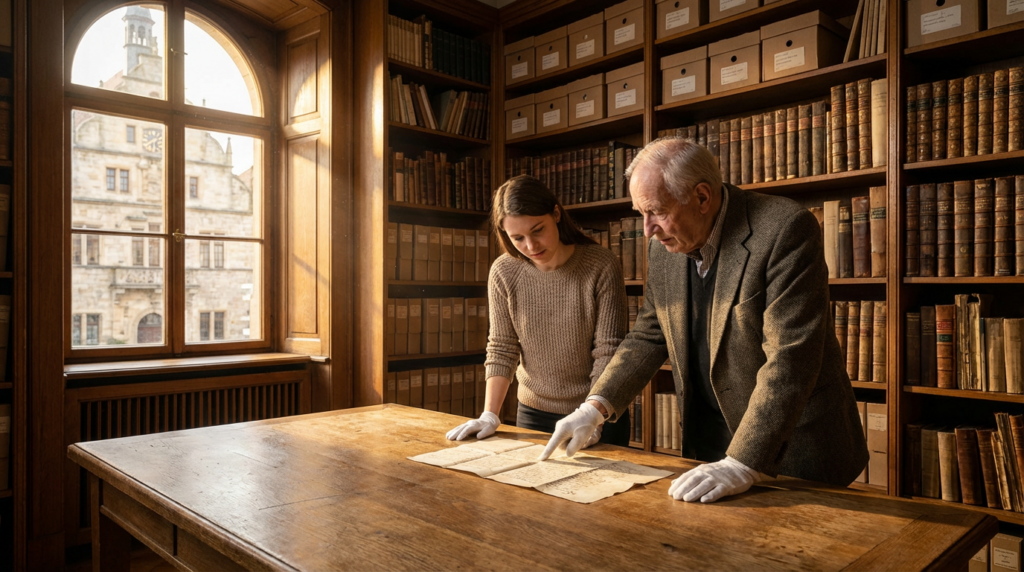
Some German towns maintain local archives (Stadtarchiv) and welcome inquiries from descendants abroad.
Why Tracing German Roots Matters
German Americans have shaped American life profoundly:
- Public education (kindergarten)
- Christmas traditions (trees, carols)
- Brewing culture
- Farming innovations
- Musical heritage
When you trace your German roots, you’re not just building a family tree—you’re reconnecting with a legacy of resilience, craftsmanship, faith, and community.
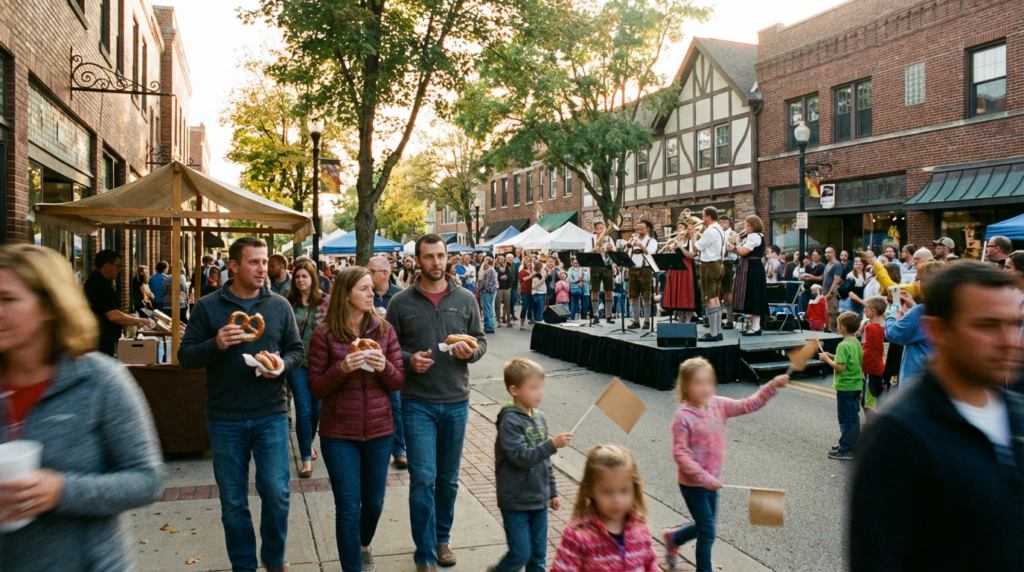
For many, the journey becomes transformative. You begin to see your family not as isolated individuals, but as part of a larger historical movement—crossing oceans, surviving wars, building farms, founding towns, and contributing to the American dream.
Final Thoughts: Discovery Is a Lifelong Journey
Tracing German ancestry is part detective work, part historical study, and part emotional discovery. It requires patience—but the rewards are profound.
You may uncover:
- A revolutionary from 1848
- A master carpenter from Bavaria
- A Prussian soldier
- A winemaker from the Rhine
- Or a humble farmer who crossed the Atlantic with hope and courage
And somewhere in that story, you’ll find yourself.
Because genealogy is more than research. It is remembrance.
It is identity.
It is heritage.
And for millions of Americans, it begins with one simple question:
“Woher komme ich?” — Where do I come from?