
When the Leaves Turn Gold, So Does the Beer: Germany’s Fall Brews in America
GERMAN HERITAGE USA | AFFILIATE DISCLAIMER: This post may or may not contain affiliate links which means we may receive a commission for purchases made through links. We will only recommend products that we have personally used or that we truly trust. Learn more on our Private Policy and Disclaimer Page located under our Terms Of Service tab above.
Autumn in America brings a golden hue to the landscape: leaves crisping, pumpkins appearing, sweaters emerging. But one of the richest traditions of the season lies not just in what we carve or bake—but what we pour.
As the harvest turns to thanks, many of us raise a glass to that same seasonal shift with a beer rooted in centuries-old German tradition: the Märzen (March) or the modern “Oktoberfest” lager.
In Germany, the brewing calendar used to slow during the warm months and ramp up in the fall, resulting in beers that were stored from March until the harvest festivals of September and October. Those stored beers became the ones for which the harvest-time celebrations (like Oktoberfest) are named.

But across America, German‐American brewers and those inspired by that tradition continue the legacy: brewing malty, amber-hued lagers (and other German-style beers) that feel like harvest, flavor, and fall all in one pint. Let’s explore the flavor, the history, and a few standout American breweries keeping German heritage alive this fall.
The Style, The Story & The Season
1. What’s the deal with Märzen & Oktoberfest beer?
- The term Märzen comes from German März (March). Historically, brewers made stronger beers in late winter/early spring (March) and stored them over summer so they could be enjoyed during the cool, harvest season.
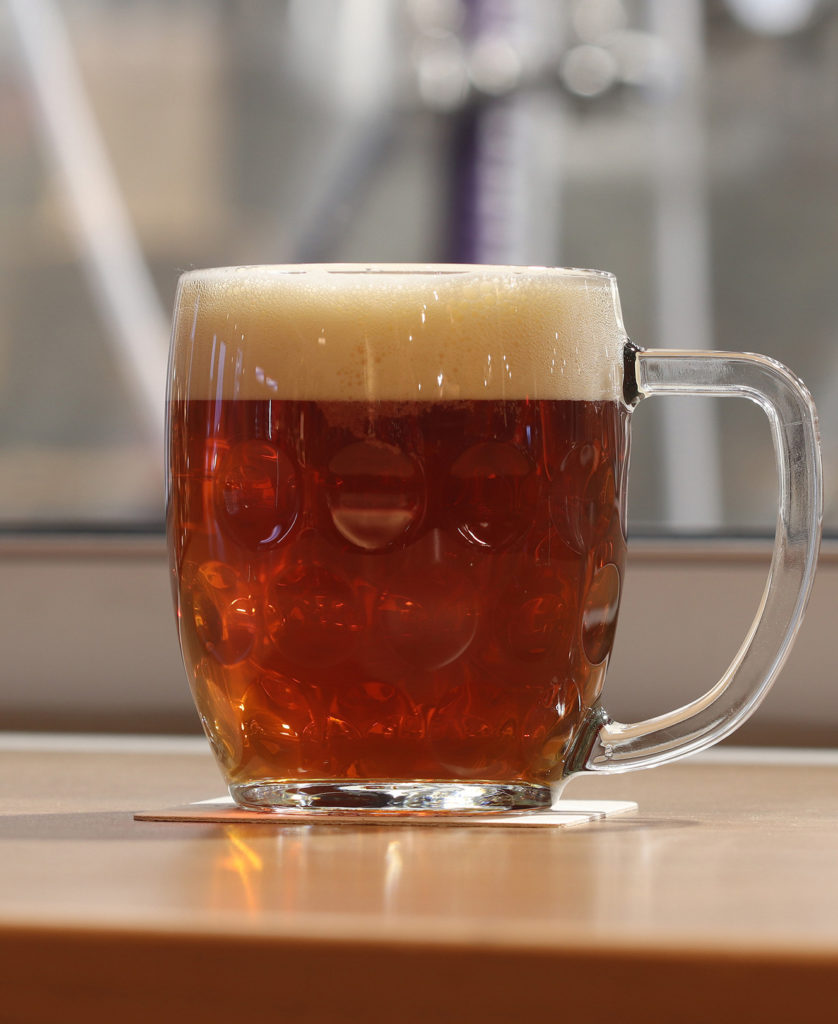
- Over time the beer became associated with the autumn festivals in Bavaria (including Oktoberfest) and took on a characteristic amber or copper hue, malty backbone, and dry finish.
- In the U.S., many craft brewers adopt the Märzen or “Oktoberfest” label for their fall seasonal beers—sometimes with American tweaks, but often in homage to the German tradition.
2. Why does this style feel like fall?
- Malt and color evoke harvest wheat and barley, amber fields and soft twilight.
- It has enough body to stand up to richer fall-foods (roasts, sausages, root vegetables) yet remains crisp enough for sipping. As the article in Bon Appétit puts it: “a beer you can drink throughout dinner… so balanced it doesn’t kill your palate.” Bon Appétit
- It taps into cultural memory: for German immigrants and their descendants, a beer tied to the harvest equals warmth, community and tradition.
3. German Heritage & American adaptation
- German immigrants brought brewing practices to America, especially lagers under the purity law Reinheitsgebot (1516)—water, barley, hops and yeast only. Some American breweries still highlight this heritage.
- While American fall beers often lean heavy on pumpkin or spice, the German-heritage style stays true to malt and lagering roots—less gimmick, more tradition.
American Breweries Carrying the German Autumn Torch
Here are three distinct breweries that embody this German‐American heritage in the fall season.
Jacob Leinenkugel Brewing Co. – Chippewa Falls, Wisconsin
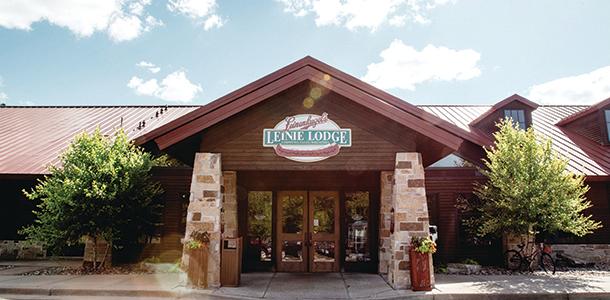
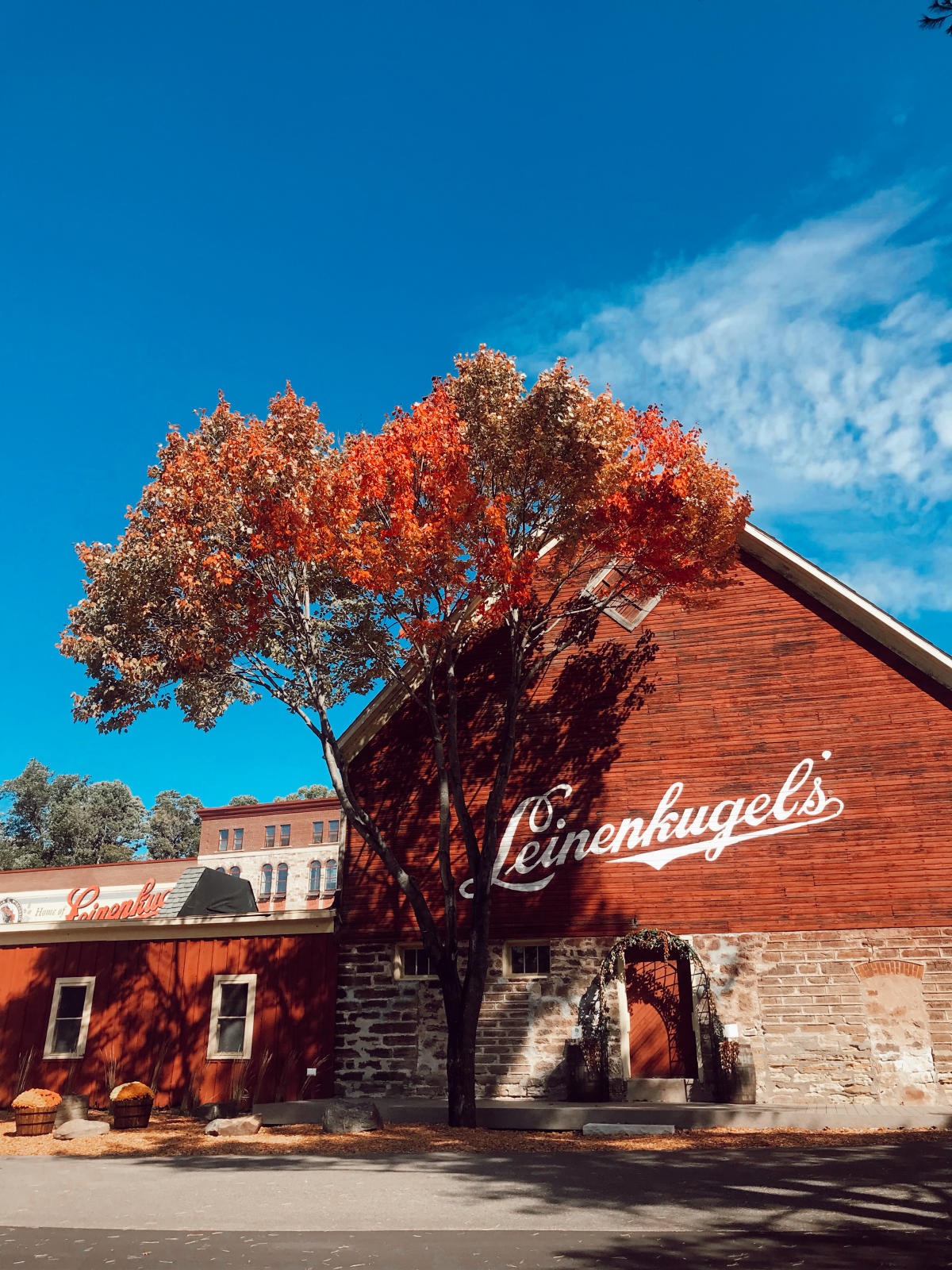
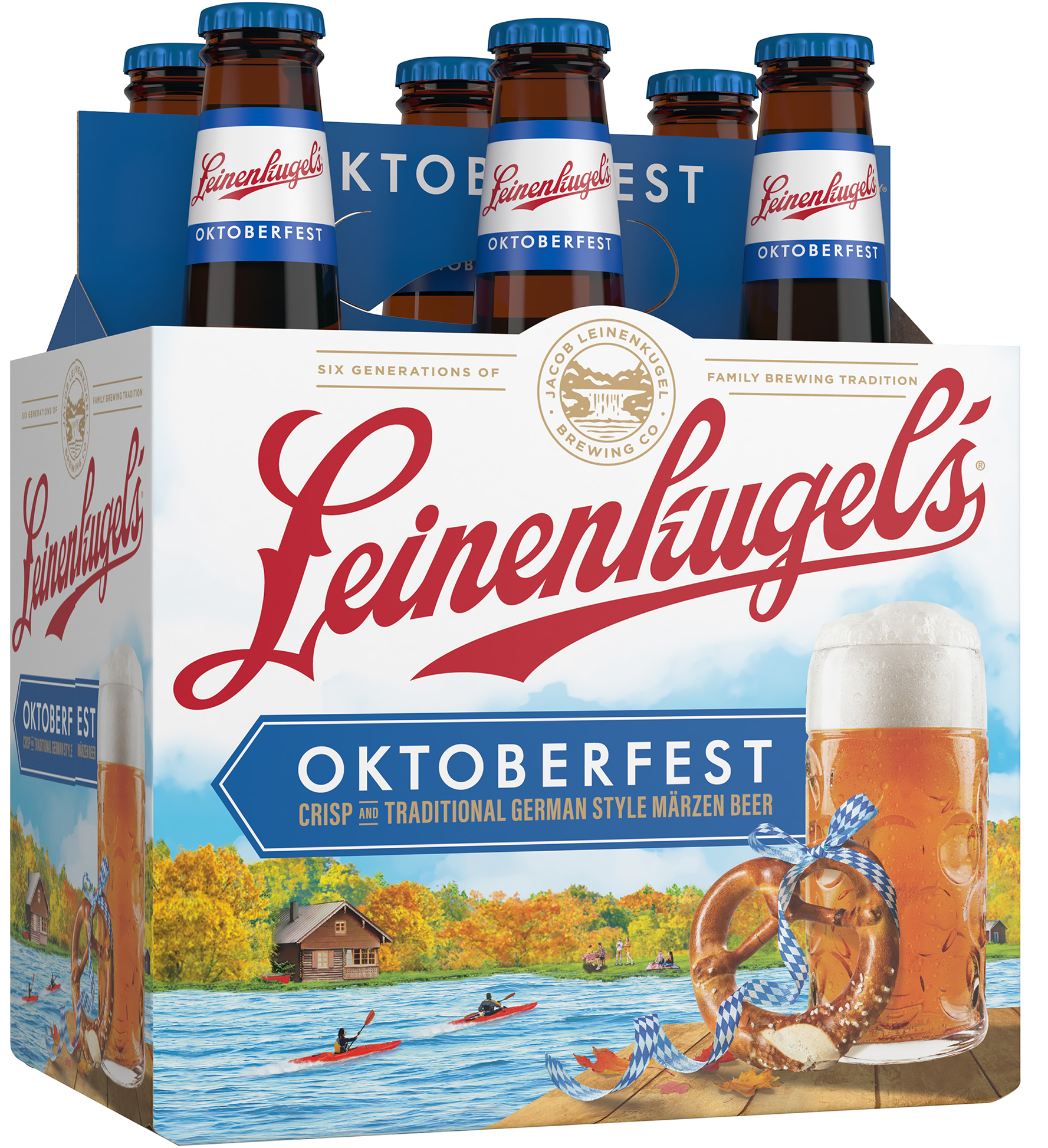
Heritage Note: Founded in 1867 by Prussian immigrant Jacob Mathias Leinenkugel, this brewery was built on a German formula that Jacob carried from his homeland.
Fall Beer Highlight: Their “Oktoberfest” Märzen is a staple seasonal—embracing the amber malt character, toffee notes and crisp finish that align with German tradition.
Why It Matters: This is German‐heritage brewing in the American heartland. When the leaves turn gold in Wisconsin, the amber beer in the glass matches the moment.
KC Bier Co. – Kansas City, Missouri



Fall Beer Highlight: Their German‐style lager line fits the amber, malt‐forward profile typical of Märzen/Oktoberfest styles (though specific seasonal names may vary).
Why It Matters: Right in the American Midwest’s brewing heart, KC Bier Co. proves that German‐style autumn beers are alive, local and vibrant—not just imported.
Schulz Bräu Brewing – Knoxville, Tennessee
Fall Beer Highlight: While their lineup covers multiple German‐style beer events (Oktoberfest, Christkindlmarkt), you’ll find maltier lagers in the fall season—perfect for pairing with autumn foods.
Why It Matters: Even in the South, German‐heritage brewing traditions find root—and when the colors change in Tennessee, Schulz Bräu invites you to hop into a beer hall feel with fall’s richness in a glass.
Pouring The Tradition: How to Enjoy Fall German‐Style Beer


1. Pair with the right food
Märzen or Oktoberfest lagers are hearty enough to stand up to sausages, bratwurst, roasted pork, potato dishes, even root veggies. The malt flavour complements savory flavors; the crisp finish keeps your palate fresh. Bon Appétit
2. Serve at the right temperature & vessel
Traditionally these lagers are served in big steins or dimpled mugs, cold but not ice‐cold (about 45–50°F is good). Let the colour shine: copper, amber, maybe reddish.
3. Craft a fall beer event
• Host a tasting: sample a German Märzen, a local German‐style fall lager, and maybe a pumpkin‐spiced ale to compare.
• Go to a brewery like KC Bier, Schulz Bräu or Leinenkugel’s lodge and join their fall festival or Oktoberfest celebration.
• Pair with German food: schnitzel, hearty stews, roasted vegetables, maybe a German‐American twist side dish.
4. Respect the heritage
Remember this: the style is about harvest, storage, patience and tradition—not gimmicks. While pumpkin ales dominate the fall, the German‐heritage lager remains timeless, bold but balanced.
Why This Matters for “German Heritage USA”
Our blog, German Heritage USA, celebrates the intersection of German tradition and American life. This beer story is precisely that: German‐rooted brewing traditions adapted and thriving in America’s fall landscape.
• It highlights how cultural practices shift continents but retain core identity (e.g., Reinheitsgebot, harvest brewing schedules).
• German traditions connects communities—whether in Wisconsin, Missouri or Tennessee—back to German origins through beer.
• German Heritage practices tie in with broader seasonal traditions (harvest festivals, Thanksgiving, family gatherings) in the United States.
• The German Bier culture makes heritage accessible: you don’t need a trip to Bavaria; you just need a glass, a friend, and a crisp autumn afternoon.
A Toast to the Fall
So when you pull on your sweater, watch the leaves drift, and feel that chill in the air—raise a stein. Pour that amber‐gold lager. Think of barley fields in Germany, of immigrant breweries in America, of friends gathered around tables.
Prost to autumn. Prost to heritage. And prost to that perfect fall beer that marries the old world with the new. Because when the leaves turn gold, so does the beer—and in that glow, you’ll taste history, home, and harvest all in one sip.
Note: Always drink responsibly and pass on the driving if needed. 🍂