When the Leaves Turn Gold, So Does the Beer: Germany’s Fall Brews in America
Autumn in America brings a golden hue to the landscape: leaves crisping, pumpkins appearing, sweaters emerging. But one of the richest traditions of the season lies not just in what we carve or bake—but what we pour.

As the harvest turns to thanks, many of us raise a glass to that same seasonal shift with a beer rooted in centuries-old German tradition: the Märzen (March) or the modern “Oktoberfest” lager.

In Germany, the brewing calendar used to slow during the warm months and ramp up in the fall, resulting in beers that were stored from March until the harvest festivals of September and October. Those stored beers became the ones for which the harvest-time celebrations (like Oktoberfest) are named.

But across America, German‐American brewers and those inspired by that tradition continue the legacy: brewing malty, amber-hued lagers (and other German-style beers) that feel like harvest, flavor, and fall all in one pint. Let’s explore the flavor, the history, and a few standout American breweries keeping German heritage alive this fall.


The Style, The Story & The Season
https://www.blackflannel.com/wp-content/uploads/bfb-marzen-12-2020-blog-838x1024.jpg

1. What’s the deal with Märzen & Oktoberfest beer?

  • The term Märzen comes from German März (March). Historically, brewers made stronger beers in late winter/early spring (March) and stored them over summer so they could be enjoyed during the cool, harvest season.
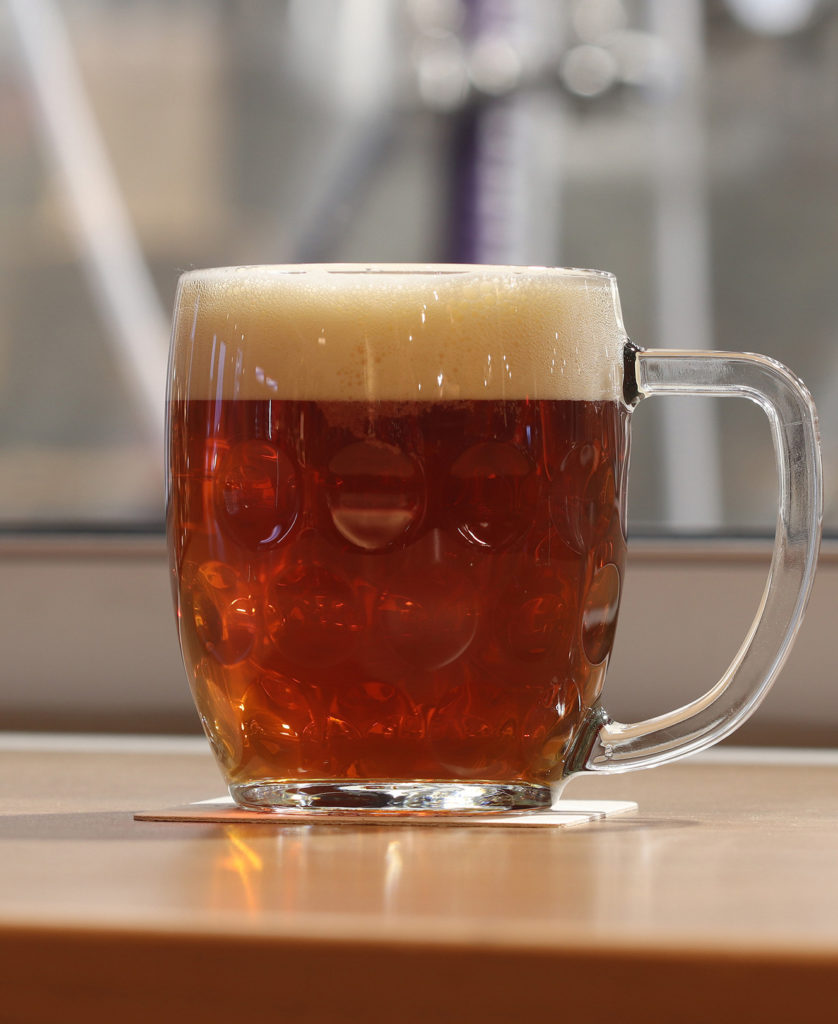
  • Over time the beer became associated with the autumn festivals in Bavaria (including Oktoberfest) and took on a characteristic amber or copper hue, malty backbone, and dry finish.
  • In the U.S., many craft brewers adopt the Märzen or “Oktoberfest” label for their fall seasonal beers—sometimes with American tweaks, but often in homage to the German tradition.

2. Why does this style feel like fall?

  • Malt and color evoke harvest wheat and barley, amber fields and soft twilight.
  • It has enough body to stand up to richer fall-foods (roasts, sausages, root vegetables) yet remains crisp enough for sipping. As the article in Bon Appétit puts it: “a beer you can drink throughout dinner… so balanced it doesn’t kill your palate.” Bon Appétit
  • It taps into cultural memory: for German immigrants and their descendants, a beer tied to the harvest equals warmth, community and tradition.

3. German Heritage & American adaptation

  • German immigrants brought brewing practices to America, especially lagers under the purity law Reinheitsgebot (1516)—water, barley, hops and yeast only. Some American breweries still highlight this heritage.
  • While American fall beers often lean heavy on pumpkin or spice, the German-heritage style stays true to malt and lagering roots—less gimmick, more tradition.
» Read more

October 6th – German American Day within the USA

On a crisp autumn morning in Philadelphia, the clock hit 10 o’clock on October 6th, 1883. The air buzzed with music, chatter, and waving flags. The city was alive with joy, celebrating Germantown’s 200th anniversary.

This event sparked German-American Day, a holiday to honor German immigrants’ impact. Today, communities across the country celebrate this day. They remember the spirit of that historic day in 1883.

President Ronald Reagan officially recognized October 6th as German-American Day in 1983. This day was later designated as a national holiday by Congress in 1987. To further honor German-American heritage, the entire month of October was proclaimed as German-American Month.

This annual celebration offers German Americans a chance to commemorate their rich cultural heritage, contributions to American society, and the strong ties between the United States and Germany.

Key Takeaways

  • German-American Day is celebrated annually on October 6th in the United States.
  • The holiday commemorates the founding of Germantown, Pennsylvania in 1683, the first permanent German settlement in the American colonies.
  • The holiday was first celebrated in Philadelphia in 1883, on the 200th anniversary of the founding of Germantown.
  • President Ronald Reagan officially proclaimed October 6th as German-American Day in 1983, and Congress designated it as a national holiday in 1987.
  • Over 60 million Americans claim German ancestry, making it the most common ancestry in the United States.

Introduction to German-American Day

German-American Day celebrates the heritage of over 40 million Americans with German roots. It honors the journey of German immigrants to the United States. Their story is key to America’s character and culture, starting with the first German families in 1683.

Historical Background and Significance

German Americans have greatly influenced America’s history. They fought for freedom, started important newspapers, and made big contributions in science and the arts. Today, they add to America’s diversity and strengthen ties with Germany.

October 6, 1987, was named German-American Day by Congress. It marked the 304th anniversary of the first German immigrants in Philadelphia. This day reminds us of German Americans’ important role in American society.

“German Americans have been integral to the story of America since the first German families fled religious persecution and founded the first German settlement just outside of Philadelphia in 1683.”

The german-american heritage and german-american culture have deeply influenced the United States. German immigration to america has also driven the nation’s growth and success.

The Founding of Germantown

The First German Settlement in America

In 1683, 13 Quaker families from Krefeld, Germany, came to America. They settled just outside Philadelphia and started Germantown. This was the first German settlement in the United States.

» Read more