The German Side of Frankenstein — How a Curious Creation Became an American Superstar

Forget the lightning bolts and scary moans for a moment — Frankenstein wasn’t born a monster. He was born from imagination, invention, and a good dose of German curiosity that continues to be popular with all generations, even today!

Long before he hit the silver screen, Frankenstein was a patchwork of Old World legends, scientific wonder, and a pinch of “what if?” magic that somehow made him one of America’s most beloved characters.


From the Rhine Valley to the Bright Lights

Let’s rewind to the early 1800s. Europe was buzzing with big ideas — science, discovery, and a fascination with what electricity could do. Somewhere in the mix of candlelight and castle corridors, an English teenager named Mary Shelley wrote a story that would electrify the world: Frankenstein; or, The Modern Prometheus.

But here’s the fun twist — the name Frankenstein? Totally German. It means “Stone of the Franks,” and there’s an actual Castle Frankenstein overlooking the Rhine River near Darmstadt, Germany!
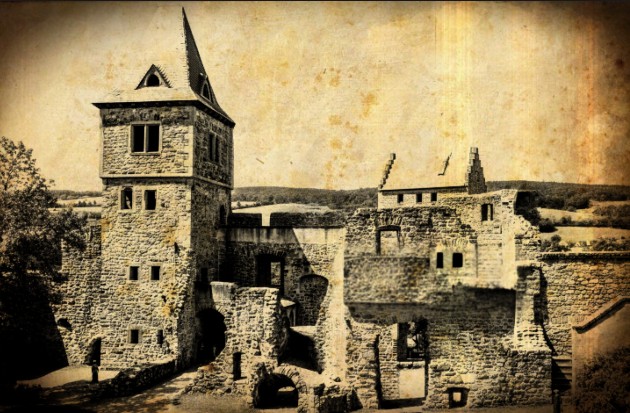
Legend says a local alchemist named Johann Konrad Dippel once conducted experiments there, chasing the secret to eternal life. Whether Mary Shelley heard about him or just liked the mysterious name, it’s safe to say the spirit of German curiosity inspired her tale.

The original Frankenstein wasn’t evil — he was a scientific pioneer, a guy who just wanted to see how far human knowledge could go. And honestly, who doesn’t love a good “what happens if I mix this with that?” experiment?


An American Dream Come to Life

Fast forward to the United States, a land bursting with invention and imagination. When Frankenstein crossed the Atlantic, Americans saw something more than a spooky tale — they saw adventure! The idea of building something incredible, even if it’s misunderstood at first, fit right in with the nation’s love of discovery and reinvention.

By the 1820s, stage shows and storybook versions of Frankenstein were touring the country, often with a wink and a laugh. By the time Thomas Edison made the first film adaptation in 1910 (yes, the light bulb guy!), the story had already evolved from creepy to curious. And then, of course, came the 1931 Universal Studios classic with Boris Karloff — turning the creature into a Hollywood icon.

Suddenly, Frankenstein wasn’t just a character — he was a celebrity.


The Monster with a Heart (and a Sense of Humor)

Over the years, Frankenstein’s image has softened and sparkled with personality. From the goofy grin of The Munsters’ lovable Herman Munster to Gene Wilder’s hilarious Young Frankenstein, the big green guy became less “ghoul” and more “gentle giant.”

In America, Frankenstein transformed into a symbol of creative curiosity — the idea that experimenting, dreaming, and maybe even failing are all part of what makes us human. He became a little bit like us: misunderstood at times, but full of potential and heart.

And let’s be honest — if Frankenstein were real, he’d probably be an inventor on a talk show today, explaining how his latest gadget “came to life after a lightning storm.”


Why the World Still Loves Him

Frankenstein’s story continues to shine because it’s about possibility. It’s about a spark — literally! — that turns an idea into something amazing. From comic books to cartoons, toy shelves to theme parks, he’s still around because his story celebrates creativity and the courage to try something new.

And deep down, his German roots remind us that great ideas often come from the curious minds and castle towers of dreamers who dare to mix science and imagination.


Conclusion: The Friendly Frankenstein

So maybe Frankenstein isn’t a monster at all. Maybe he’s the ultimate adventurer — a curious soul stitched together from creativity, courage, and a little bit of lightning.

He started as a mysterious name on a map of Germany, came to life through Mary Shelley’s imagination, and then found his forever home in America’s heart — where reinvention and second chances are always welcome.

But Frankenstein didn’t stop there. Once Hollywood brought him to life, he didn’t just conquer the screen — he conquered the marketplace! Almost overnight, the big green guy went from gothic literature to global brand. By the 1930s and ’40s, his face was plastered on movie posters, collectible cards, and comic books. When television reruns introduced Frankenstein to a new generation of kids in the 1950s and ’60s, a merchandising monster was officially born.

Frankenstein became the undisputed king of Halloween, helping transform the holiday from spooky folklore into a nationwide festival of fun. Every October, his square head and neck bolts fill costume racks, store aisles, and front-yard displays from coast to coast. He’s inspired millions of masks, from vintage latex classics to cute toddler versions, proving that you can be both creepy and cuddly at the same time.

And the branding didn’t stop there. Frankenstein danced his way into breakfast bowls as part of the 1970s “Monster Cereal” craze with Franken Berry, his cheerful pink alter ego who turned milk strawberry-sweet. His image showed up on lunchboxes, board games, toys, movie posters, cereal boxes, bubble gum cards, and even Halloween yard inflatables — a true icon of playful fright.

Marketers loved him because he was the perfect mix of scary and sympathetic — a monster you could root for. Toy companies, candy brands, and film studios all gave him new life decade after decade, each time with a little more humor, color, and heart. Even today, you’ll find Frankenstein’s friendly grin lighting up everything from kids’ pajamas to Starbucks mugs and TikTok memes.

In a way, Frankenstein helped build modern Halloween — the costumes, the collectibles, the spirit of dress-up and imagination that makes the season sparkle with excitement. He didn’t just haunt pop culture; he powered it.

After all, who else could turn a spooky science experiment into a hundred-year celebration of creativity, curiosity, and commercial genius?

Frankenstein did — and that’s one electrifying success story! ⚡
» Read more

When Munich Ends, America Begins: From Munich to Main Street USA

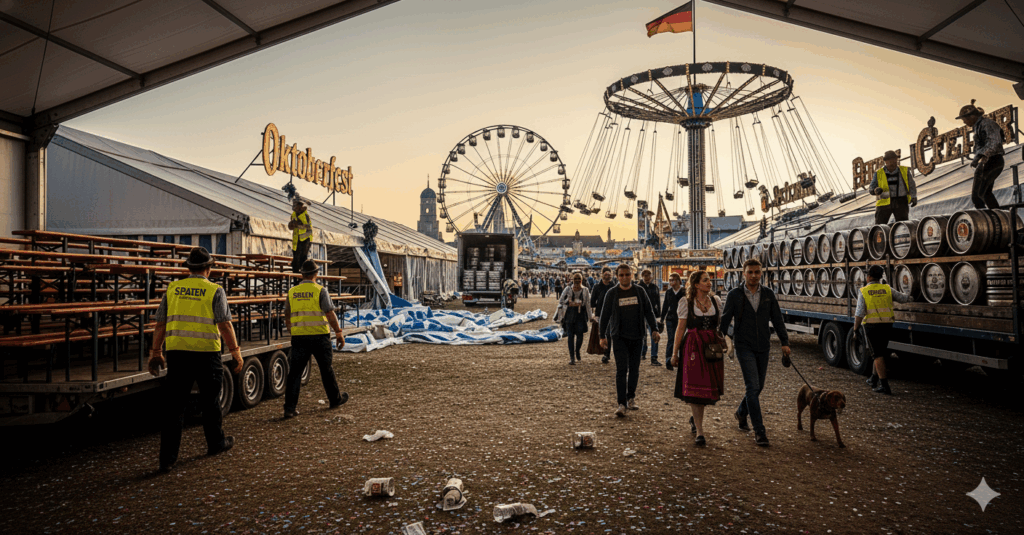
The final steins have been raised, the brass bands have played their last note, and the sweeping grounds of Theresienwiese are slowly returning to silence. After weeks of revelry, laughter, and centuries-old tradition, Oktoberfest in Munich has come to a close once more. For the thousands of visitors who made the journey from around the world, the return home is filled with that unmistakable post-festival glow — part joy, part exhaustion, and part reluctance to let it end.

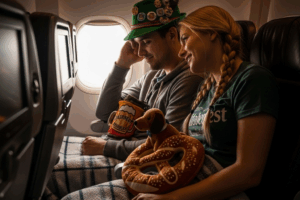
One can imagine the mood on the red-eye flights leaving Munich. Couples and friends seated side by side, quietly replaying the moments that made it all unforgettable — the taste of fresh pretzels, the sound of clinking steins, the energy of crowded beer tents beneath Bavarian flags. A man in a feathered green fedora, its brim heavy with souvenir pins, rests against the window with a contented smile. His hoodie still carries the scent of roasted nuts and smoky sausages. Somewhere near him, a woman in a worn Oktoberfest tee leans back, her braid still tightly tied from a day of dancing. The plane is quiet, but their minds are alive with memory.

How to Celebrate Oktoberfest All Over Again — American Edition!

Your guide to local festivals, clubs, and restaurants still raising their steins this October

For many, there’s a hesitation to let go. The end of Oktoberfest in Munich doesn’t necessarily mean the end of the celebration. As travelers make their way back across the Atlantic, some may already be checking calendars and local event listings, curious to see if the spirit of Oktoberfest lives on closer to home. And across the United States — in small towns, bustling cities, German clubs, and local breweries — it often does. The kegs may be tapped out in Munich, but in America, Oktoberfest is still pouring.


O’zapft Is… Again?!

The last keg has been tapped in Munich this year on Sunday, October 5th. The tents have closed. The brass bands have played their final polkas. And just like that — the world’s most famous Oktoberfest is over for another year.

You’re back from Bavaria, your suitcase stuffed with pretzels, pins, and a questionable wool hat that seemed like a good idea after your fifth Maß of beer. Your head has cleared, your bank account has not, and your flight home? Delayed three hours. Oof.

But here’s the thing no one tells you: when Munich ends, America begins.

That’s right — while Oktoberfest in Germany technically wraps up in early October, here in the United States, we like to stretch the celebration well into fall. From local Main Street parades and heritage clubs to breweries and backyard blowouts, Americans with German roots (and plenty without) keep the party rolling deep into October.

So shake off your jet lag, unpack that stein, and get ready. We’re going on a post-prost Munich Oktoberfest adventure — American style.


Why America Keeps Celebrating Oktoberfest After Munich Ends

Here’s the deal: Oktoberfest started in 1810 as a royal wedding celebration in Munich. Today, it’s a global cultural phenomenon.

But in the United States — home to over 60 million people of German ancestry. In America — Oktoberfest is more than just a party. It’s a tribute to German Heritage, a salute to immigrant roots, and a golden opportunity to bring communities together over Ompah pah, pilsner, and pork schnitzel.

And unlike the strict schedule in Germany, Americans are a little more… shall we say… flexible with our party timelines. We extend Oktoberfest celebrations all the way through Halloween and even into November in some locations.


🥨 From Main Street to Maifest Halls: Where to Celebrate Oktoberfest in America

Let’s hit the road — from coast to coast — and explore the many ways Main Street USA is still raising its stein long after Munich’s tents come down.


🎉 1. Main Street Celebrations: Small Towns, Big Heart

Across America, small towns with German roots come alive in October with homegrown Oktoberfest celebrations. Think brass bands in the park, beer tents in the square, and grandma’s apple strudel at the community bake sale.

Must-Visit Towns:

Some of the most charming and authentic Oktoberfest experiences in America take place not in big cities, but in storybook towns with strong German heritage — where bratwursts sizzle, polka music echoes down main street, and Bavarian architecture sets the mood. These are the towns where Oktoberfest spirit lingers long after Munich’s tents have closed.

  • Leavenworth, Washington – Tucked in the Cascade Mountains, Leavenworth looks like it was plucked straight out of the Bavarian Alps. The entire town transforms into a festive alpine wonderland throughout October. With dirndl-clad dancers, oompah bands echoing through the mountains, and local breweries serving up authentic Märzens, Leavenworth’s Oktoberfest is one of the most visually immersive and energetic celebrations in the country.
  • Helen, Georgia – A small southern town with a big Bavarian personality, Helen hosts one of the longest-running Oktoberfests in the U.S., stretching from mid-September through late October. Nestled in the North Georgia mountains, this Alpine-styled village boasts nightly music at the Festhalle, authentic German food and beer, and a festive atmosphere that draws visitors from across the region.

  • New Ulm, Minnesota – Often called the “most German town in America,” New Ulm’s Oktoberfest stretches across multiple venues and weekends in October.
  • Frankenmuth, Michigan – This Bavarian-themed village hosts Oktoberfest events well into the fall. Don’t miss the Frankenmuth Brewery and iconic chicken dinners at Zehnder’s!
  • Hermann, Missouri – Nestled in Missouri’s wine country, Hermann turns into a fall fairy tale with weekends full of beer, brats, and vineyard views.

These Main Street fests may not rival Munich’s size, but they overflow with heart, heritage, and hospitality.

» Read more

Celebrate German American Day: Honoring Heritage and Tradition

There’s something special about being German American — a sense of pride that runs deep in the heart, from our strong work ethic and craftsmanship to our love of good food, hearty laughter, and family gatherings.

Every October, millions of Americans across the country pause to recognize the profound impact of German culture on our nation. From the hardworking immigrants who helped build America’s towns and farms to the enduring traditions of food, music, and craftsmanship they brought with them, German heritage runs deep in the American story.

Festivals, parades, and family gatherings fill the month with the sound of polka music, the aroma of bratwurst and pretzels, and the clinking of steins raised in celebration. It’s a time to honor the values of community, perseverance, and pride that German Americans have woven into the fabric of our nation’s history and culture.

That’s right — October 6th is German American Day, and the entire month of October is German American Heritage Month.

— let’s dive into the fascinating story behind German American Day, meet some famous German Americans who helped shape the nation, and explore fun ways to celebrate your heritage (even if you’ve only got a little bit of German blood in you!).


🏛️ The Origins of German American Day

German American Day didn’t appear out of thin air — it’s rooted in a rich history that began centuries ago, when the first German immigrants set foot in the New World.

The story begins on October 6, 1683, when thirteen German families from Krefeld, near the Rhine River, arrived in Philadelphia aboard the ship Concord. They established a small settlement called Germantown, now part of modern-day Philadelphia.

These pioneering families came seeking freedom, opportunity, and a new life, bringing with them strong values that would forever shape American society — hard work, craftsmanship, faith, education, and a love of community.

Germantown flourished, becoming the birthplace of many firsts in American history:

  • The first paper mill in the colonies.
  • The first anti-slavery protest in the New World (in 1688 — nearly 100 years before the American Revolution).
  • And the first German-language newspaper in the colonies.

The success of Germantown inspired a steady wave of immigration throughout the 1700s and 1800s, with Germans settling across Pennsylvania, New York, Ohio, Wisconsin, the Dakotas, Iowa, Nebraska, Minnesota, Indiana, Missouri, Texas, Louisiana, and California.

By the mid-19th century, German Americans were one of the largest ethnic groups in the country — and their influence was everywhere, from farming and industry to politics, science, and culture.


President Ronald Reagan and the Revival of a Tradition

While German contributions to America had long been celebrated locally — especially through Oktoberfests and regional festivals — the formal recognition of German American Day as a national observance didn’t come until the 1980s.

In 1983, on the 300th anniversary of Germantown’s founding, President Ronald Reagan officially proclaimed October 6th as “German American Day.” The goal was to honor the achievements of German immigrants and their descendants in shaping the United States.

Then, in 1987, Congress passed a joint resolution (H.J. Resolution 108), which President Reagan signed into law — officially designating October 6th as German American Day every year.

In his proclamation, Reagan praised the German people’s “profound faith, strong family values, and deep respect for liberty and law,” noting that German Americans had played an essential role in “the building of the American nation.”

From that day forward, the annual observance became an opportunity for millions of Americans to reconnect with their German roots, share their cultural pride, and celebrate a unique bond between the two nations that continues to this day.

» Read more