
Curiosity to German Heritage Pride: Why Even a Trace of German Roots Can Inspire a Lifetime of Travel
GERMAN HERITAGE USA | AFFILIATE DISCLAIMER: This post may or may not contain affiliate links which means we may receive a commission for purchases made through links. We will only recommend products that we have personally used or that we truly trust. Learn more on our Private Policy and Disclaimer Page located under our Terms Of Service tab above.
There’s something quietly powerful about heritage—especially the kind you didn’t grow up fully understanding. For many Americans with German ancestry, the connection often begins not with language or travel, but with curiosity.
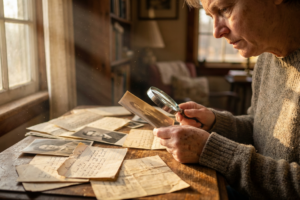
A last name, a grandparent’s recipe, an old photograph, or even a family rumor can spark a desire to explore “that German side” of the family tree. And even if they’ve never spoken German or set foot in Germany, the pull is real—and growing.
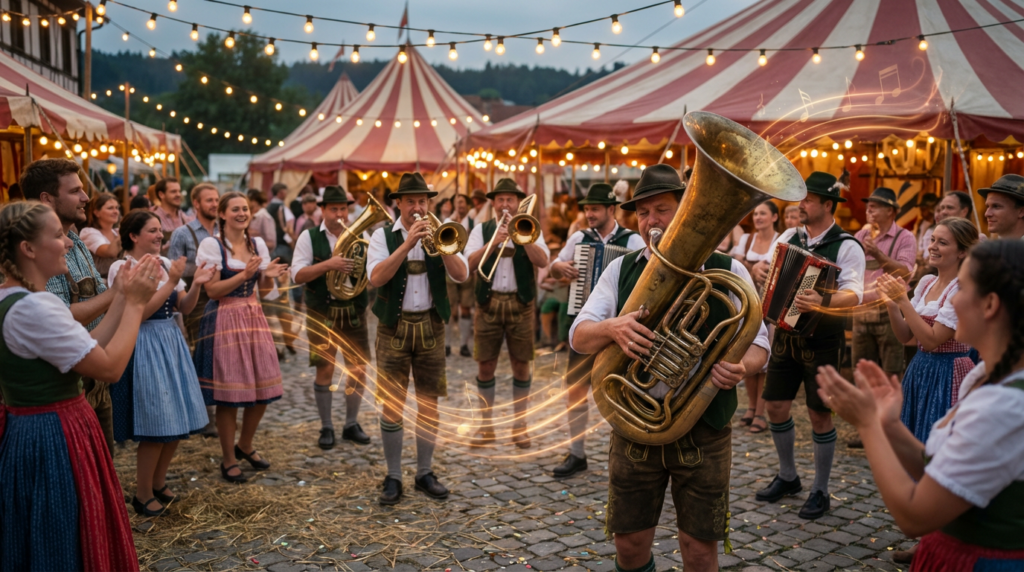
Part of that fascination comes from how Germany has been culturally “packaged” in the American imagination. For generations, Americans have associated Germany—perhaps more specifically Bavaria—with a joyful, colorful identity: Oktoberfest celebrations, bratwurst sizzling on the grill, steins overflowing with beer, oompah bands, accordions, lederhosen, and dirndls. It’s festive, welcoming, and easy to embrace.
It feels like a celebration of life. So when someone discovers German roots, it’s often this version of Germany they first connect with—a warm, approachable gateway into a deeper heritage.
But just as Americans simplify Germany into Bavarian imagery, Germans—and much of the world—often view America through their own cultural shorthand. To some, America is Texas-sized: cowboy hats, wide-open plains, and oil tycoons reminiscent of Dallas and J.R. Ewing. Others picture Hollywood icons like John Wayne or Clint Eastwood, embodying rugged independence.

Then there’s California’s sun-soaked beaches shaped by the carefree spirit of the Beach Boys or the lifeguard drama of Baywatch. Add in New York’s fast-paced glamour, Chicago’s gangster-era lore, Nashville’s country music roots, and Miami’s neon-lit nightlife, and you begin to see the same pattern—we all tend to understand other cultures through their most iconic, simplified snapshots.
And yet, there’s nothing wrong with that starting point. In fact, it may be essential.
The Bavarian “first impression” works because it’s vibrant and inviting—it sparks imagination. Some even argue that early American storytelling helped shape this perception.
When L. Frank Baum published The Wonderful Wizard of Oz and later when the film The Wizard of Oz debuted starring Judy Garland, audiences were introduced to a whimsical, colorful world filled with pageantry, music, and almost storybook-European aesthetics.
While not directly German, the visual elements—the costumes, village charm, festive tone—echoed a kind of old-world Central European fantasy that many Americans subconsciously linked to places like Bavaria.
The Munchkins, the theatrical staging, even the musical elements carried a certain “storybook Europe” energy that blended into America’s perception of German culture over time.
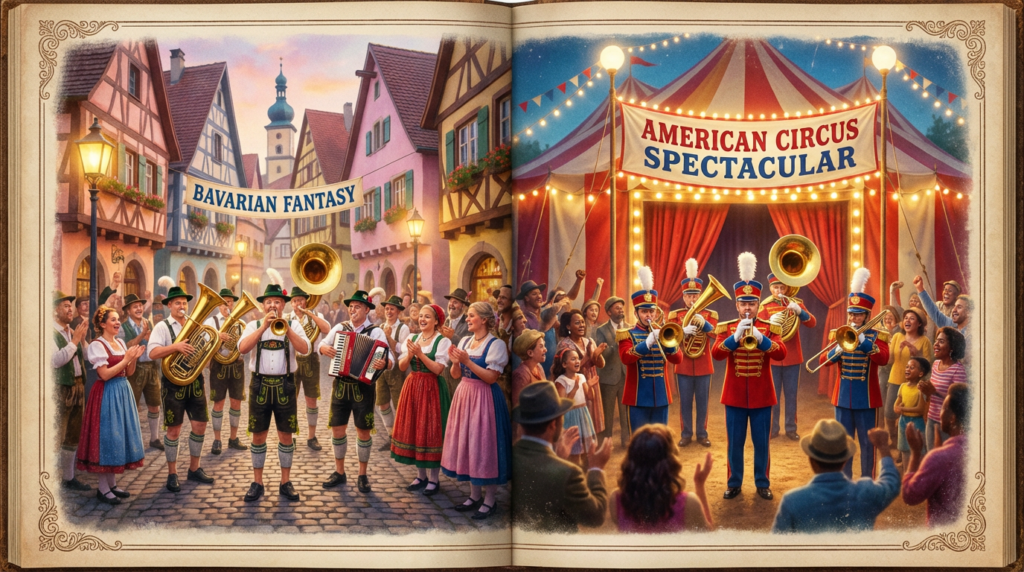
There’s also an interesting parallel in the world of entertainment. The bold colors, costumes, and lively brass sounds of Bavarian oompah bands share a surprising kinship with the grand spectacle of traveling circuses—both designed to delight, gather crowds, and create unforgettable experiences. That sense of joy, rhythm, and visual celebration has made Bavarian culture especially “exportable” and memorable.
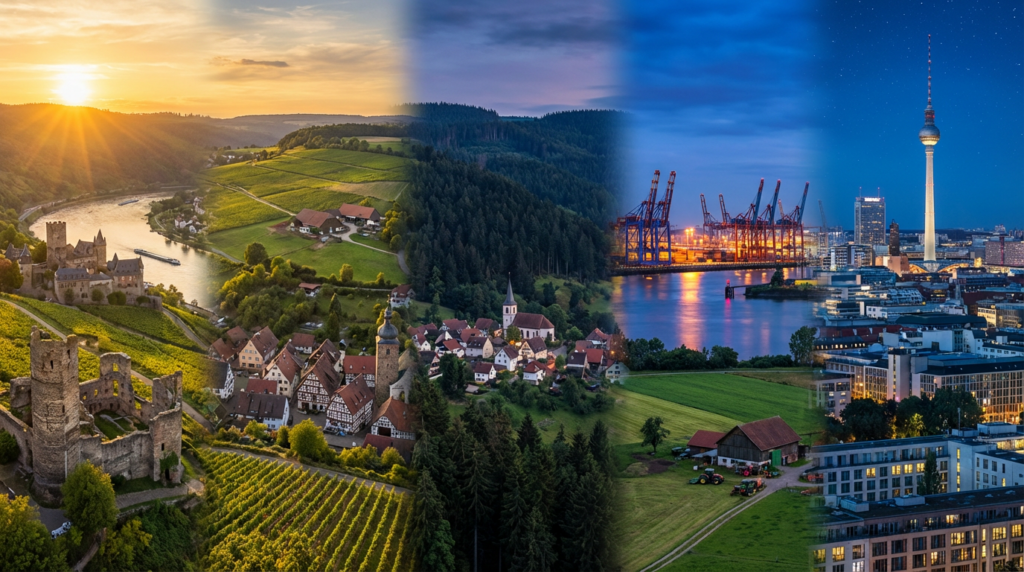
Of course, Germany itself is far more diverse than this single lens. Northern Germany offers coastal charm, fresh seafood, and maritime traditions. Central Germany reveals rolling hills, castles perched above winding rivers, and vineyard-covered valleys.
Cities like Berlin, Hamburg, and Frankfurt pulse with modern energy, history, and innovation. But for many Americans just beginning their heritage journey, Bavaria becomes the gateway—the first chapter in a much larger story.
And maybe that’s exactly how it’s meant to be.
Because once curiosity is sparked—whether by a bratwurst at a festival, a polka tune, or a family name etched in history—it often leads to something deeper: genealogy research, travel plans, cultural exploration, and a renewed appreciation for where one’s story began.
The initial attraction may be predictable. But what follows is often personal, meaningful, and lasting.
From Curiosity to Connection: The First Steps

Curiosity is often the spark—but what comes next is where the journey truly begins. Many Americans start by asking simple questions: Where did my family come from? What did they do? Why did they leave?
This leads to:
- ancestry websites and DNA testing
- digging through census records and ship manifests
- rediscovering family traditions and recipes
- reconnecting with distant relatives
What begins as a passing interest often becomes something more profound—a sense of identity taking shape across generations.
The Emotional Pull of “Going Back”
For many, the ultimate step is travel.
There’s something deeply moving about walking the streets your ancestors once walked. Whether it’s a small Bavarian village or a bustling city like Munich, travelers often describe a strange sense of familiarity—even if it’s their first time there.
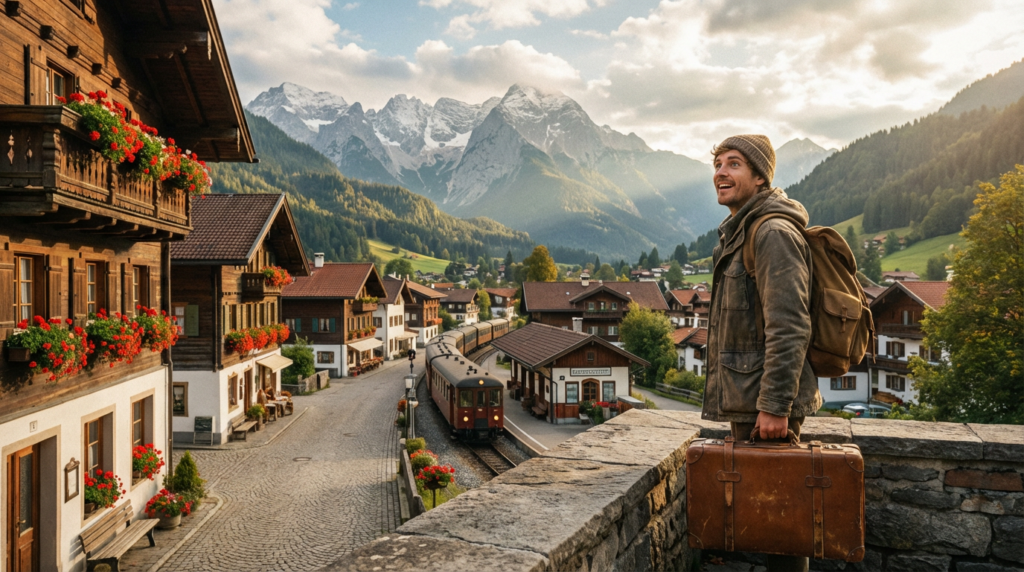
“You don’t just visit your heritage—you feel it.”
Standing in a centuries-old square, hearing church bells ring, or tasting authentic regional food can transform abstract ancestry into something tangible.
Germany Beyond Bavaria: A Country of Many Stories

While Bavaria often serves as the gateway, Germany quickly reveals its depth.
- The Rhine Valley offers castles and vineyards straight out of a fairy tale
- The Black Forest brings dense woods, folklore, and traditional villages
- Northern regions showcase coastal beauty and maritime culture
- Urban centers blend history with cutting-edge modern life
Each region adds a new layer to the story—and often inspires return trips.
Festivals: Where Heritage Comes Alive

German culture is perhaps most alive during its festivals.
From Oktoberfest to Christmas markets, these events provide immersive experiences filled with music, food, and tradition.
Visitors don’t just observe—they participate:
- raising steins with locals
- dancing to brass bands
- tasting regional specialties
- celebrating centuries-old customs
These moments often become the most cherished memories of all.
The German Heritage Journey

Step 1: Curiosity (name, story, recipe)
Step 2: Research (records, ancestry, DNA)
Step 3: Cultural Connection (food, festivals, music)
Step 4: Travel (visiting Germany)
Step 5: Pride (lifelong connection to heritage)
Why Even a Trace Matters

You don’t need to be fluent in German. You don’t need to know every historical detail.
Sometimes, even a small connection—a surname, a story, a tradition—is enough.
Because heritage isn’t about perfection. It’s about connection.
And in a world that moves quickly, that connection offers something grounding—a reminder of where you come from and how those stories shaped who you are today.
Final Thoughts: A Journey That Never Ends
German heritage has a unique way of drawing people in gently—and then holding onto them.
What starts with curiosity becomes exploration.
What begins as interest becomes pride.
And what may seem like a small piece of your identity can grow into a lifelong journey of discovery.
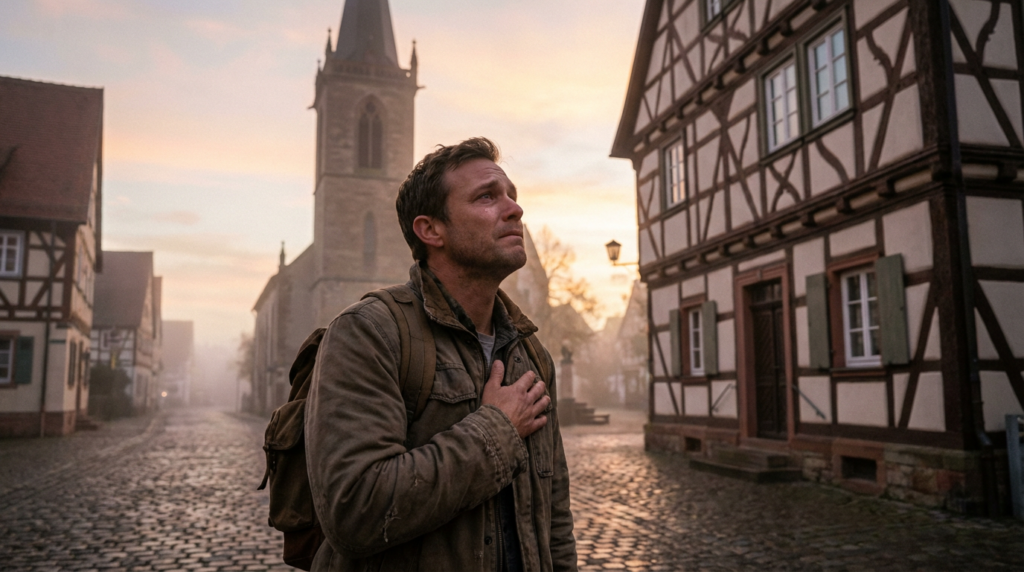
So whether your connection is strong or just a whisper from the past, follow it.
Because somewhere along that journey—between a family story and a distant village—you may just find a deeper understanding of yourself.
And that’s a journey worth taking.