
Groundhog Day’s German Roots: How Old World Folklore Created an American Tradition
GERMAN HERITAGE USA | AFFILIATE DISCLAIMER: This post may or may not contain affiliate links which means we may receive a commission for purchases made through links. We will only recommend products that we have personally used or that we truly trust. Learn more on our Private Policy and Disclaimer Page located under our Terms Of Service tab above.
Every February 2nd, a small, furry weather prophet waddles into the spotlight. Cameras flash, crowds cheer, and the fate of winter hangs on one simple question: Will he see his shadow? This charming ritual—known as Groundhog Day—feels unmistakably American, wrapped in small-town celebration and playful superstition.
But here’s the twist: Groundhog Day didn’t start in North America at all.
Its roots stretch back centuries to German villages, medieval church calendars, and the quiet wisdom of farmers watching animals and sunlight for clues about the seasons ahead. What we celebrate today is actually a living piece of German folklore—one that crossed the Atlantic, adapted to a new landscape, and somehow became one of America’s most beloved winter traditions.
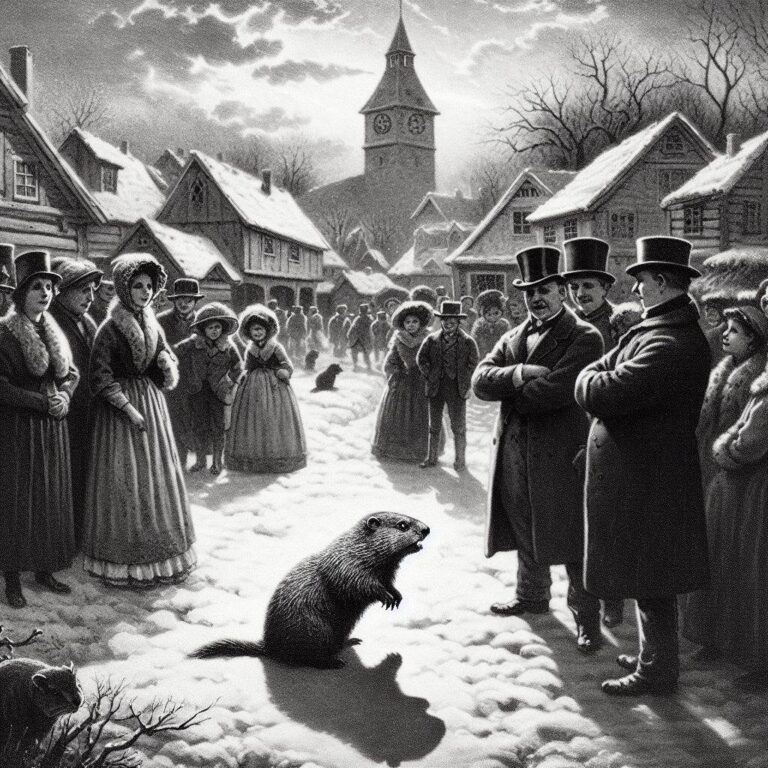
So grab a warm coat (lederhosen optional), and let’s dig into the surprising German heritage behind Groundhog Day.
From Candlemas to Shadows: Germany’s Seasonal Wisdom
Long before groundhogs took center stage, February 2nd already mattered deeply in German-speaking Europe. The date marked Candlemas, a Christian feast day celebrating light returning after winter’s darkest stretch. In agrarian societies, Candlemas wasn’t just spiritual—it was practical.
Farmers believed the weather on February 2nd foretold what the rest of winter would bring.
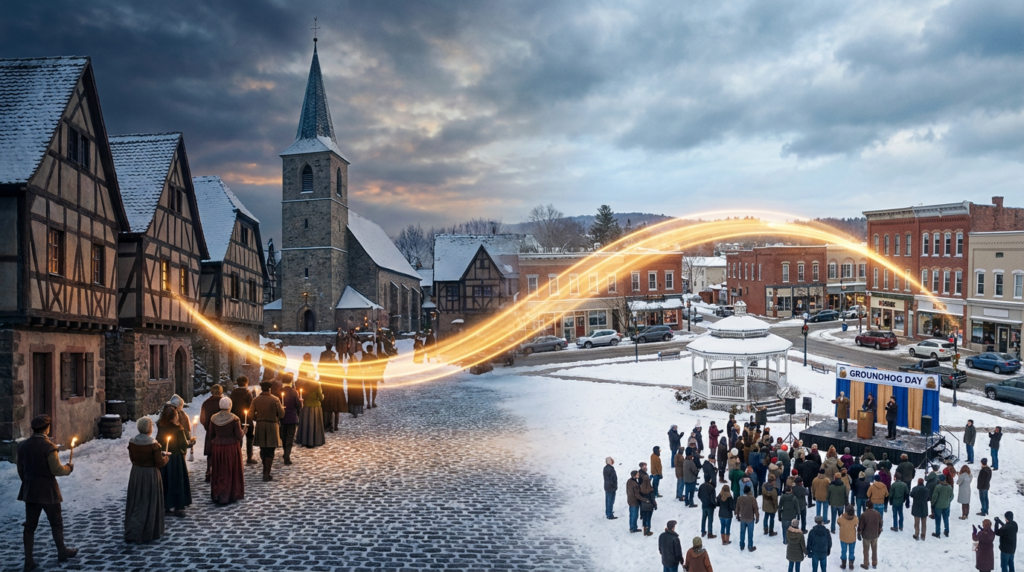
If the day was bright and sunny, folklore warned of a “second winter”—six more weeks of cold and hardship. If the sky stayed cloudy, it meant spring would arrive early. These beliefs were passed down orally, reinforced by centuries of observation and necessity.
Adding an animal into the equation made the prophecy even more vivid.
Dachstag: When the Badger Was the Oracle
In parts of Germany, especially rural regions, Candlemas folklore merged with animal behavior. According to tradition, a badger (Dachs) would emerge from its burrow on February 2nd. If it saw its shadow in the sunlight, winter wasn’t done yet.
This observance became known informally as Dachstag—Badger Day.
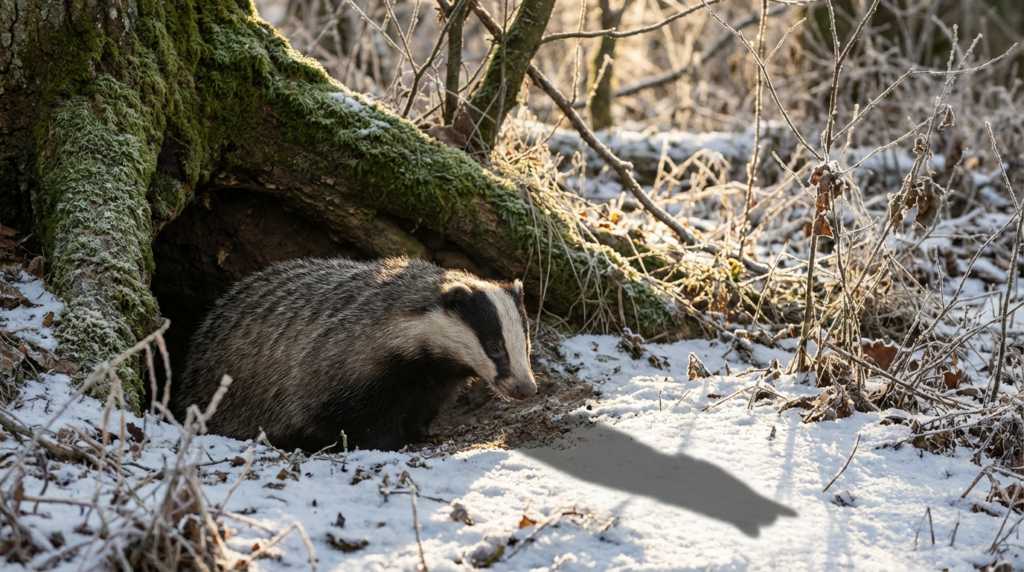
The logic made sense to farming communities. Animals that hibernated were closely tied to seasonal rhythms. Their movements offered clues about soil temperatures, planting times, and the risk of frost. Watching the badger wasn’t superstition—it was survival.
And then Germans carried this tradition with them across the ocean.
From Germany to Pennsylvania: A Tradition Takes Root
In the 18th and 19th centuries, German immigrants settled heavily in what is now Pennsylvania Dutch Country. They brought language, foodways, religious customs—and folk traditions like Candlemas weather lore.
There was just one problem.
No badgers.
So the settlers adapted. The North American groundhog (woodchuck) behaved similarly: it hibernated, emerged in late winter, and lived in burrows. The symbolism translated perfectly. The animal changed, but the meaning stayed the same.
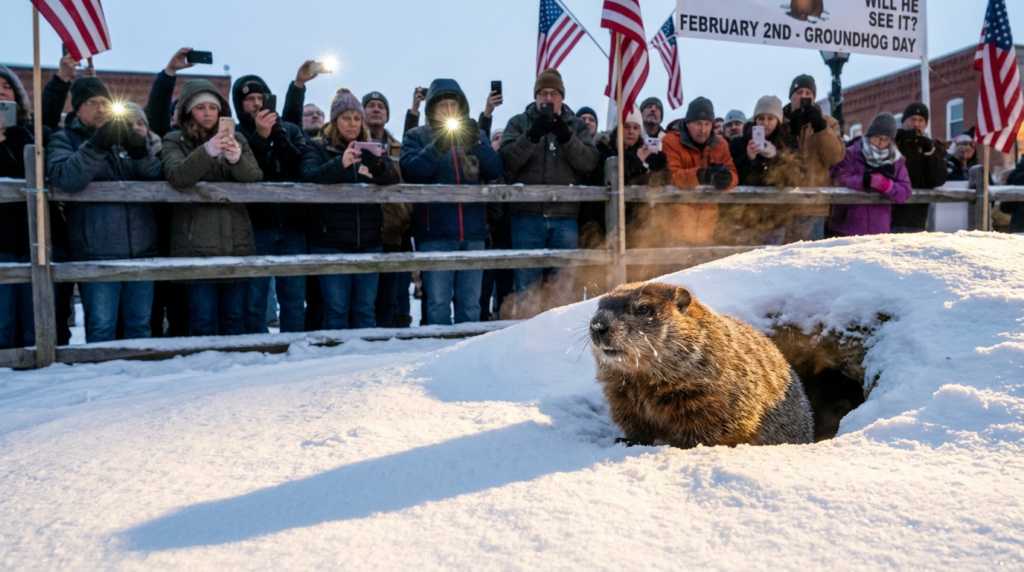
The earliest written reference to Groundhog Day in America dates to 1840, and by the late 1800s, the tradition was firmly embedded in local culture—especially in western Pennsylvania.

Groundhog vs. Hedgehog: Clearing Up a Common Myth
You’ll often hear people say the original German tradition involved hedgehogs. While hedgehogs did feature in European folklore, the Candlemas shadow tradition centered more on badgers in German regions.
Still, the confusion is understandable.
- Groundhogs are large rodents, up to two feet long, herbivores with stout bodies and strong digging claws.
- Hedgehogs are much smaller, insect-eating mammals with spiny coats, native to Europe, Africa, and Asia.
Different animals. Same idea. Both symbolized nature’s seasonal clock—translated differently depending on geography.
A Groundhog by Any Other Name? The Differences Between These Burrowers
While groundhogs and hedgehogs share a love for burrowing and slumbering, they’re distinct creatures. Groundhogs, also known as woodchucks, are larger, measuring up to 2 feet long, with short legs and stout bodies. They’re herbivores, feasting on grasses, plants, and fruits. Hedgehogs, on the other hand, are spiny insectivores native to Europe, Africa, and Asia.

They’re much smaller, typically reaching only 8 inches in length, and their prickly armor is a key identifier. So, while the German tradition used hedgehogs, the American adaptation naturally substituted the more readily available groundhog.
Punxsutawney Phil: America’s Most Famous Groundhog
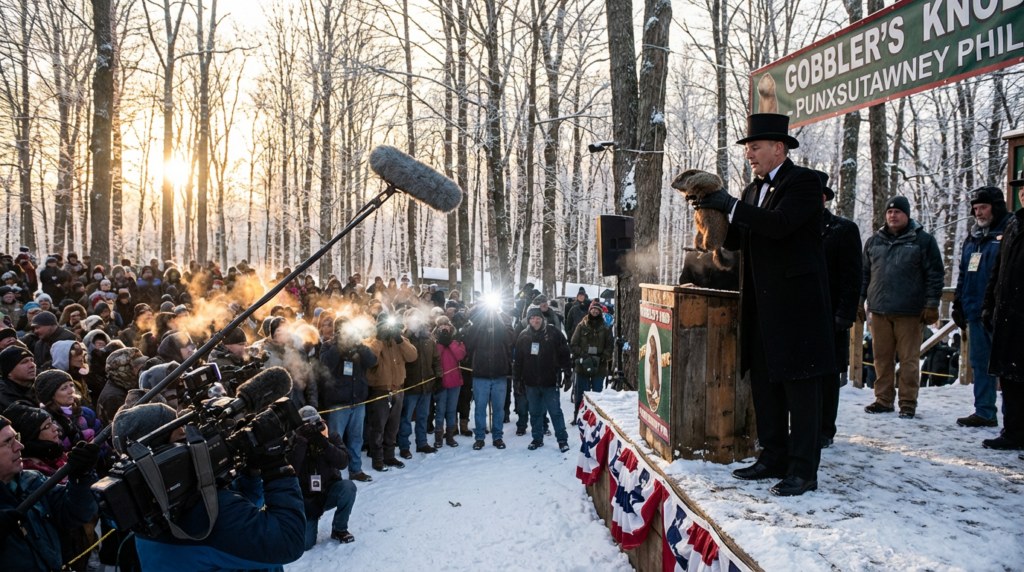
No discussion of Groundhog Day is complete without Punxsutawney and its celebrity groundhog, Punxsutawney Phil.
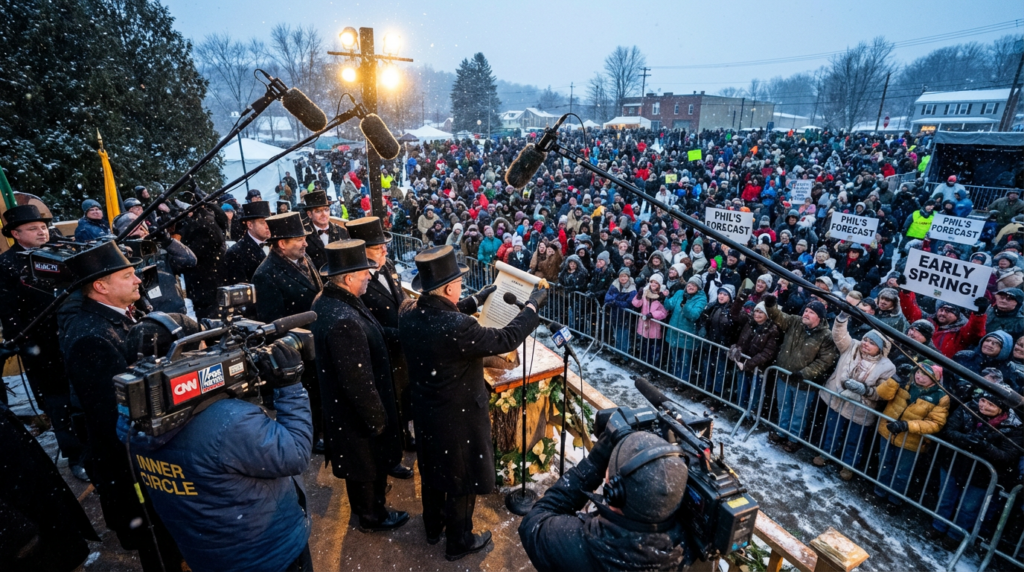
Every February 2nd, Phil emerges from his burrow at Gobbler’s Knob, greeted by the tuxedo-clad Inner Circle—local guardians of tradition who “interpret” his prediction. Shadow equals six more weeks of winter. No shadow means an early spring.
Thousands attend in person. Millions watch worldwide.
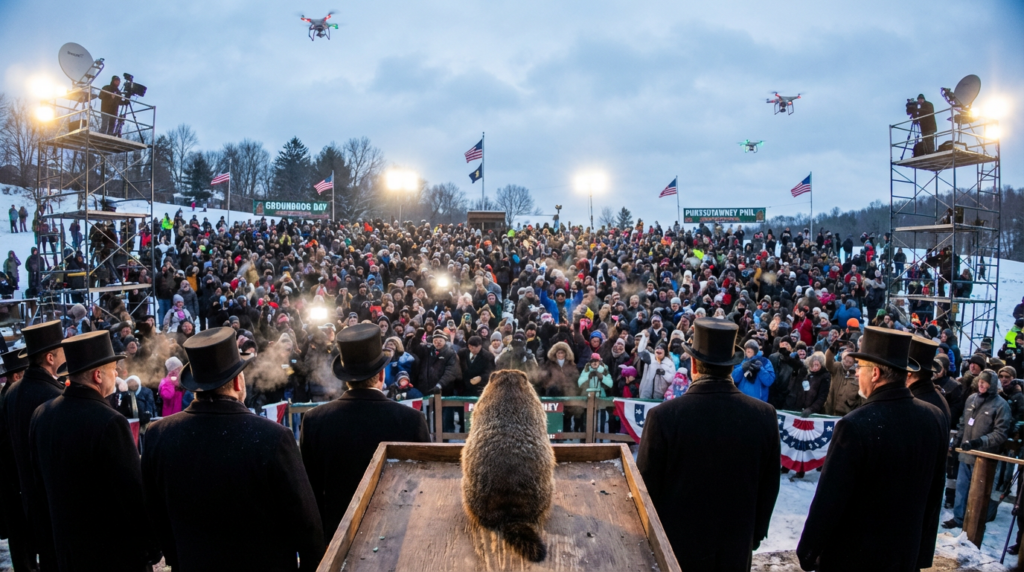
What began as a localized folk custom has become a global symbol of seasonal humor, heritage, and hope.
“Groundhog Day reminds us that tradition doesn’t need perfection—it needs participation.”
Groundhog Day Goes Hollywood
In 1993, the holiday leapt from folklore to pop culture immortality with Groundhog Day, starring Bill Murray as Phil Connors—a cynical weatherman trapped reliving February 2nd over and over again.
Set in Punxsutawney, the film transformed the holiday into a metaphor for personal growth, redemption, and second chances. The repetitive loop mirrored the seasonal cycle itself—winter giving way to spring, again and again.
The soundtrack’s endlessly repeating wake-up call, I Got You Babe, became iconic.
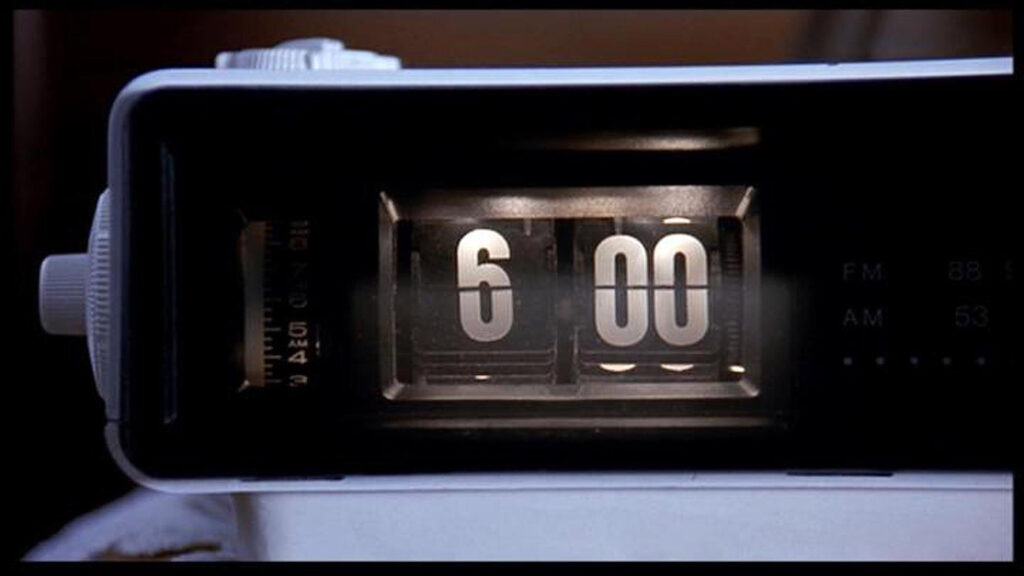
GROUNDHOG DAY (1993) BILL MURRAY HAROLD RAMIS
What’s remarkable is how seamlessly the film blends modern existential humor with ancient folk wisdom. Beneath the jokes is the same idea German farmers once lived by: time, patience, and change are inseparable.

“No matter how long winter feels, change is always possible.”
Groundhog Day Beyond the U.S.
The tradition didn’t stop at America’s borders.
Canada proudly celebrates Groundhog Day too, especially in Nova Scotia, where Shubenacadie hosts Shubenacadie Sam. Sam’s forecast depends solely on sunshine—no shadow-spotting theatrics required.
Other notable prognosticators include:
- Staten Island Chuck (New York)
- Wiarton Willie (Ontario)
Each adds local flavor while keeping the spirit of the tradition alive.
Fun Facts, Folklore & Friendly Superstition
Groundhog Day thrives because it doesn’t take itself too seriously.
- Folklore claims Phil has never seen his shadow two years in a row
- Some legends insist groundhogs control the weather
- Others say female groundhogs predict spring more accurately than males
Scientifically? No. Spiritually and culturally? Absolutely.
This playful uncertainty is part of the charm—and part of why the tradition has endured for centuries.
An Infographic-Style Snapshot
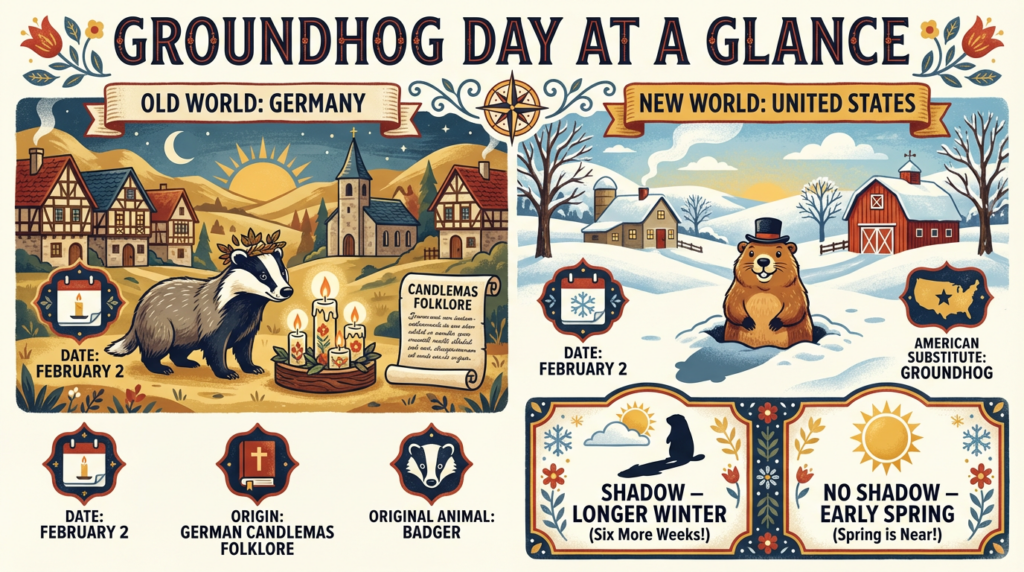
Groundhog Day at a Glance
- 📅 Date: February 2
- 🌍 Origin: German Candlemas folklore
- 🦡 Original animal: Badger
- 🦫 American substitute: Groundhog
- ☀️ Shadow = longer winter
- ☁️ No shadow = early spring
Why Groundhog Day Still Matters
Groundhog Day isn’t about meteorological accuracy. It’s about continuity.
It connects medieval German farmers to modern festival-goers. It blends Christian tradition, pagan observation, immigrant adaptation, and pop culture storytelling into one joyful, slightly absurd celebration.
Most of all, it gives us something priceless in the heart of winter: hope wrapped in humor.
So when February 2nd arrives, remember—you’re not just watching a groundhog. You’re participating in a centuries-old German tradition that refused to hibernate.
And whether spring comes early or not?
At least we’re laughing together while we wait.
🦫❄️🌱