
Why German-American Culture Thrives at The End of Winter
GERMAN HERITAGE USA | AFFILIATE DISCLAIMER: This post may or may not contain affiliate links which means we may receive a commission for purchases made through links. We will only recommend products that we have personally used or that we truly trust. Learn more on our Private Policy and Disclaimer Page located under our Terms Of Service tab above.
By the time February begins to loosen its icy grip, something stirs across German-American communities from Pennsylvania to Nebraska, from Wisconsin to Texas. It’s not just the promise of spring. It’s a cultural rhythm — a centuries-old pulse that has learned how to endure winter, and even more importantly, how to emerge from it.
For German immigrants and their descendants, winter was never simply a season to survive. It was a time of gathering, storytelling, hymn-singing, sausage-smoking, bread-baking, and planning. When the frost began to fade, that stored-up energy had to go somewhere. And so it burst forth in festivals, music halls, breweries, kitchens, and church basements across America.
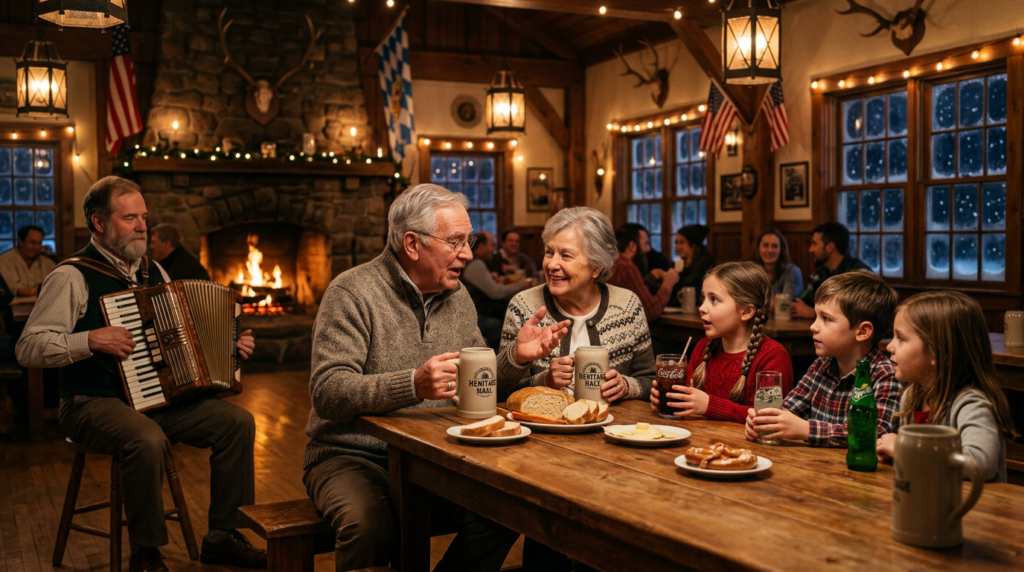
There is something deeply German about resilience. From the forests of Bavaria to the plains of the Midwest, German communities have always known how to make the most of cold months. In America, that instinct blended with frontier grit. The result? A culture that doesn’t just endure winter — it thrives when it ends.
“Winter prepares the soul,” wrote German poet Johann Wolfgang von Goethe, “and spring reveals what it has strengthened.” That sentiment still rings true in German-American towns where the end of winter signals more than warmer weather — it signals revival.
Cabin Fever Meets Gemeinschaft
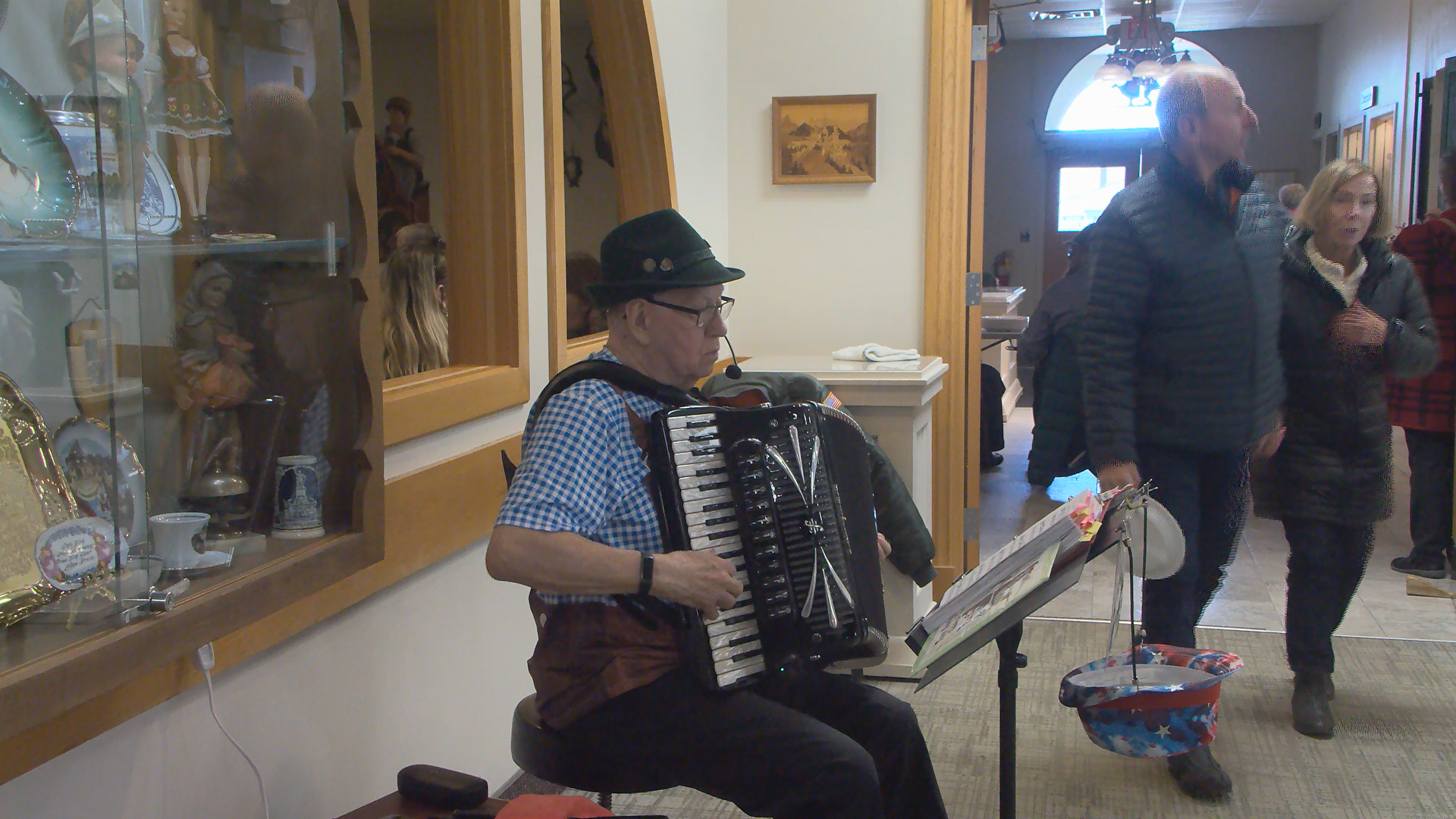
Across the Midwest, fraternal halls and heritage centers fill up again. Choirs resume rehearsals. Brass bands dust off their instruments. Stammtisch gatherings — informal meetups over beer and conversation — expand from small winter circles to lively weekly events.
In places like New Ulm, Fredericksburg, and Hermann, the end of winter is not passive. It’s programmed. Societies schedule Maifest planning meetings. Youth dance groups begin practicing for outdoor performances. Local breweries test spring batches.
There’s a practical reason, too. Historically, German farming families used late winter to prepare for planting. Once thaw arrived, life accelerated. That rhythm carried over into American towns built by those same immigrants. Winter reflection. Spring activation.
As one Wisconsin heritage club president recently remarked,
“By March, we’re not just ready for warmer weather. We’re ready for each other again.”
Lent, Fasting, and Feasting
Before Lent begins, communities celebrate Fasching (also known as Karneval in some regions). In Pennsylvania Dutch country — descendants of German settlers — Fastnacht Day doughnuts fry in kitchens and bakeries. These rich treats were historically a way to use up lard and sugar before fasting began.
In cities with strong German Catholic roots — like Cincinnati and Milwaukee — church fish fries become Friday-night traditions. The menus may include sauerkraut sides, rye bread, and German potato salad alongside the cod.
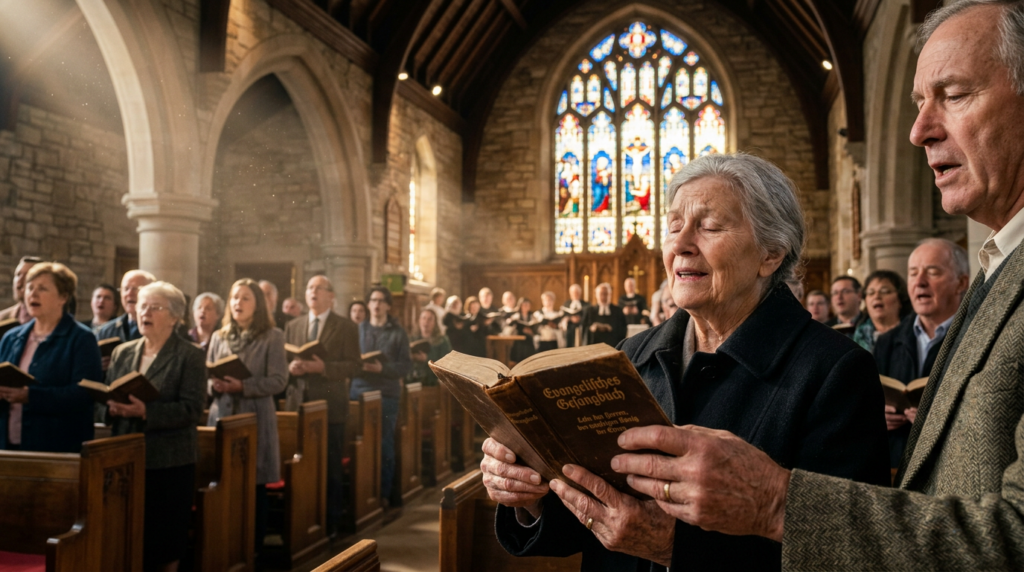
These gatherings are more than meals. They’re intergenerational rituals. Grandparents teach grandchildren why fasting mattered in the Old Country. Choir lofts fill with hymns that echo centuries-old melodies from Bavaria or Saxony.
Winter ends not with excess — but with meaning.
Sausage, Smoke, and Spring Batches
Food is one of the most visible ways German-American culture thrives as winter wanes.
Late winter’s cold air is perfect for sausage-making and smoking meats. Across the Upper Midwest and Texas Hill Country, family-owned butcher shops prepare bratwurst, knackwurst, and landjäger in preparation for upcoming festivals.
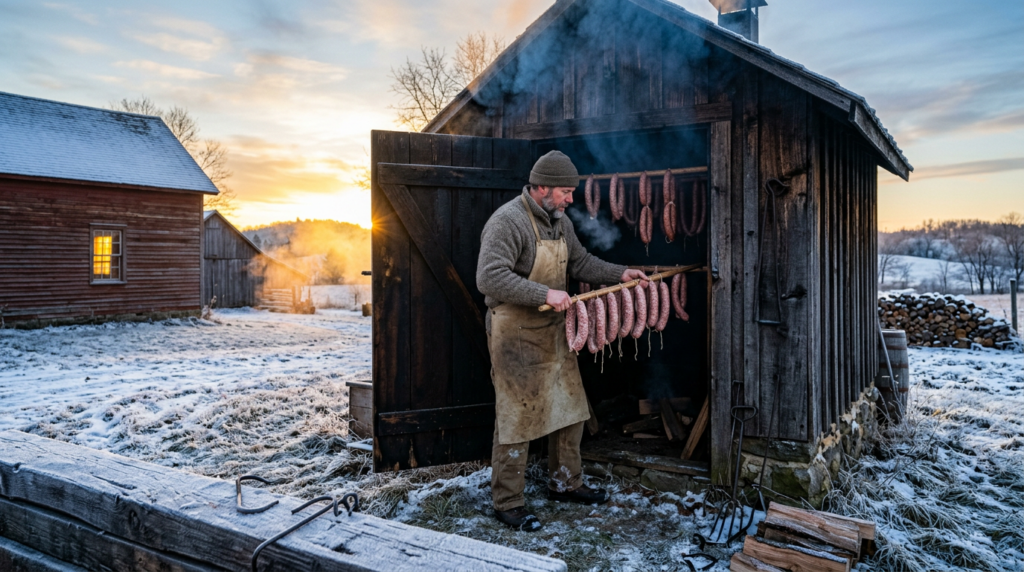
Breweries also transition. Dark winter bocks slowly give way to Märzen-style lagers and lighter spring brews. Many small-town breweries trace their origins to 19th-century German immigrants who brought meticulous brewing traditions with them.
In Shiner — home of the famous Spoetzl Brewery — seasonal releases are anticipated events. Meanwhile, heritage brewing clubs across La Crosse and Leavenworth experiment with recipes inspired by ancestral towns in Germany.
The end of winter isn’t just about cooking. It’s about continuity. Recipes passed down through generations come alive again — and the aroma of smoked sausage drifting through cold March air feels like a bridge between continents.
Music Returns to the Streets
German-American brass bands — once confined to indoor halls during winter — step back outside. Polka rhythms echo through town squares. Children in dirndls and lederhosen rehearse for Maifest performances celebrating the arrival of May.
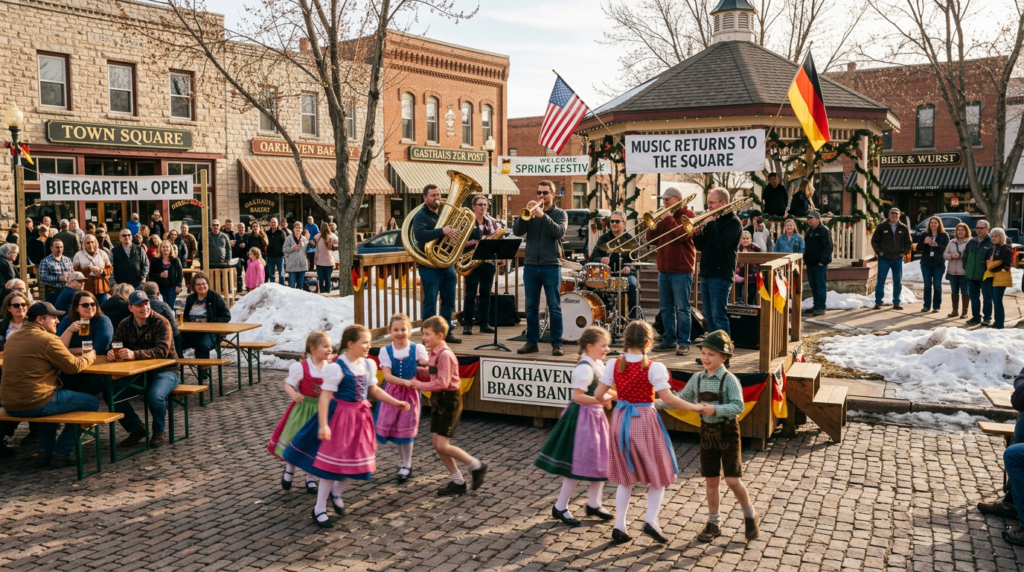
In Frankenmuth, dubbed “Michigan’s Little Bavaria,” spring festivals draw thousands. In Helen, Alpine architecture provides a cinematic backdrop for cultural weekends that feel transported straight from the Black Forest.
The tradition of Maibäume — Maypoles — symbolizes community strength and shared prosperity. Decorating and raising a Maypole requires cooperation. It’s teamwork made visible.
As one band director in Minnesota puts it:
“We practice all winter in basements. But when we step outside in April, it feels like history itself is breathing again.”
The Agricultural Connection
Many German immigrants came to America seeking farmland. They settled in the Dakotas, Nebraska, Kansas, Ohio, and beyond. Winter was quiet. Spring meant survival and prosperity.

This agricultural heritage remains deeply woven into cultural identity. Heritage festivals often include seed exchanges, bread-baking demonstrations, and workshops on traditional gardening techniques.
In states like Nebraska and North Dakota, German-Russian descendants — whose ancestors migrated from Germany to Russia before coming to America — maintain recipes and planting traditions tied to hardy climates.
The thaw isn’t just symbolic. It’s practical. And that practicality — a hallmark of German culture — fuels renewal.
An Infographic Snapshot: Why the End of Winter Matters
GERMAN-AMERICAN SPRING SURGE
- 🌷 Faith & Tradition – Fasching, Lent, fish fries, hymn festivals
- 🍺 Food & Brewing – Sausage-making, Märzen lagers, beer garden reopenings
- 🎺 Music & Dance – Polka festivals, Maifest rehearsals, brass band parades
- 🌾 Agriculture – Planting season, seed traditions, farm heritage events
- 🤝 Community – Stammtisch growth, heritage club planning, youth engagement
Winter stores energy. Spring releases it.
Resilience in American Soil
German-Americans have faced waves of challenge — from suspicion during World War I to assimilation pressures in the 20th century. Yet cultural traditions endured. In fact, they often grew stronger in community-centered spaces.
The end of winter symbolizes that resilience.
When families gather in March to fry Fastnachts or tap the season’s first keg, they are participating in a quiet cultural affirmation: We are still here. Our songs still echo. Our recipes still simmer. Our language still finds expression in festivals and phrases.
German-American culture thrives at the end of winter because it was built for endurance. It understands cycles. It embraces preparation. It honors patience.
And when the thaw finally comes, it celebrates with full heart.
From Snow to Sunshine — Together
Across America, as the frost retreats northward, German-American flags appear again on porches and festival grounds. Community calendars fill. Dance floors shake. Churches ring with harmony. Families enjoy each other over good, hearty food and conversation.
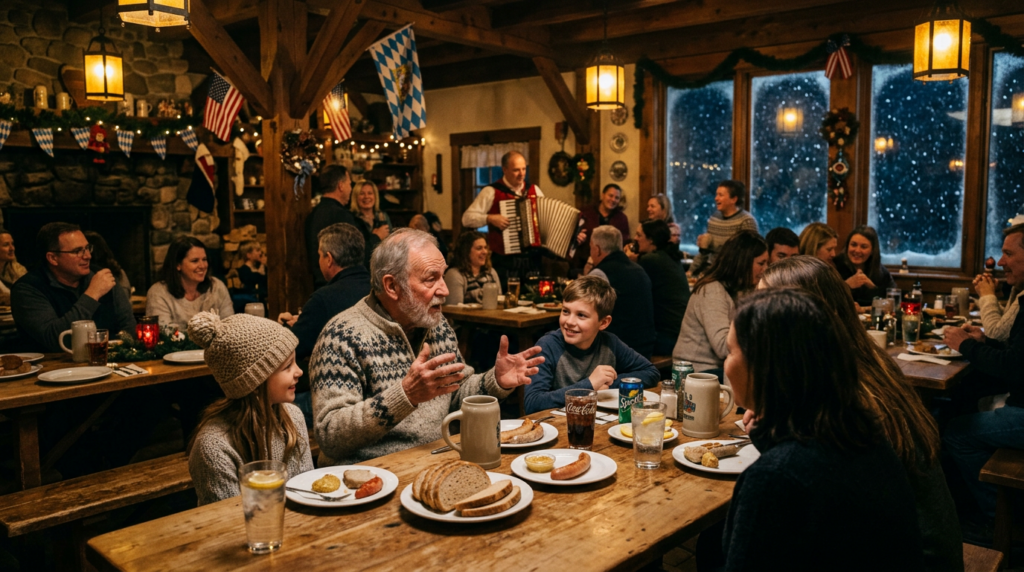
Winter may test the body, but it strengthens the bonds.
And so, at the end of winter, German-American culture does what it has always done — it gathers, it sings, it cooks, it plants, it plans, and it celebrates.
Because for a people shaped by forests, farms, faith, and fellowship, the end of winter isn’t merely seasonal.
It’s transformational.