
Old World Charm, New World Pride: German Heritage Across America
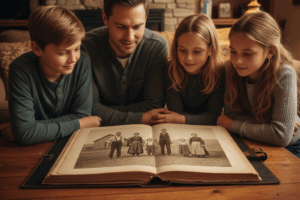
German Heritage in the United States is both timeless and evolving. With roots tracing back to the earliest waves of settlers in the 17th century, German Americans have infused their traditions, culture, and industrious spirit into the very fabric of American life.
Today, nearly one in four Americans claim some German ancestry, making it the largest self-identified ancestry group in the country. From beer gardens to Oktoberfest, from polka music to pioneering agricultural innovations, German influence is everywhere.
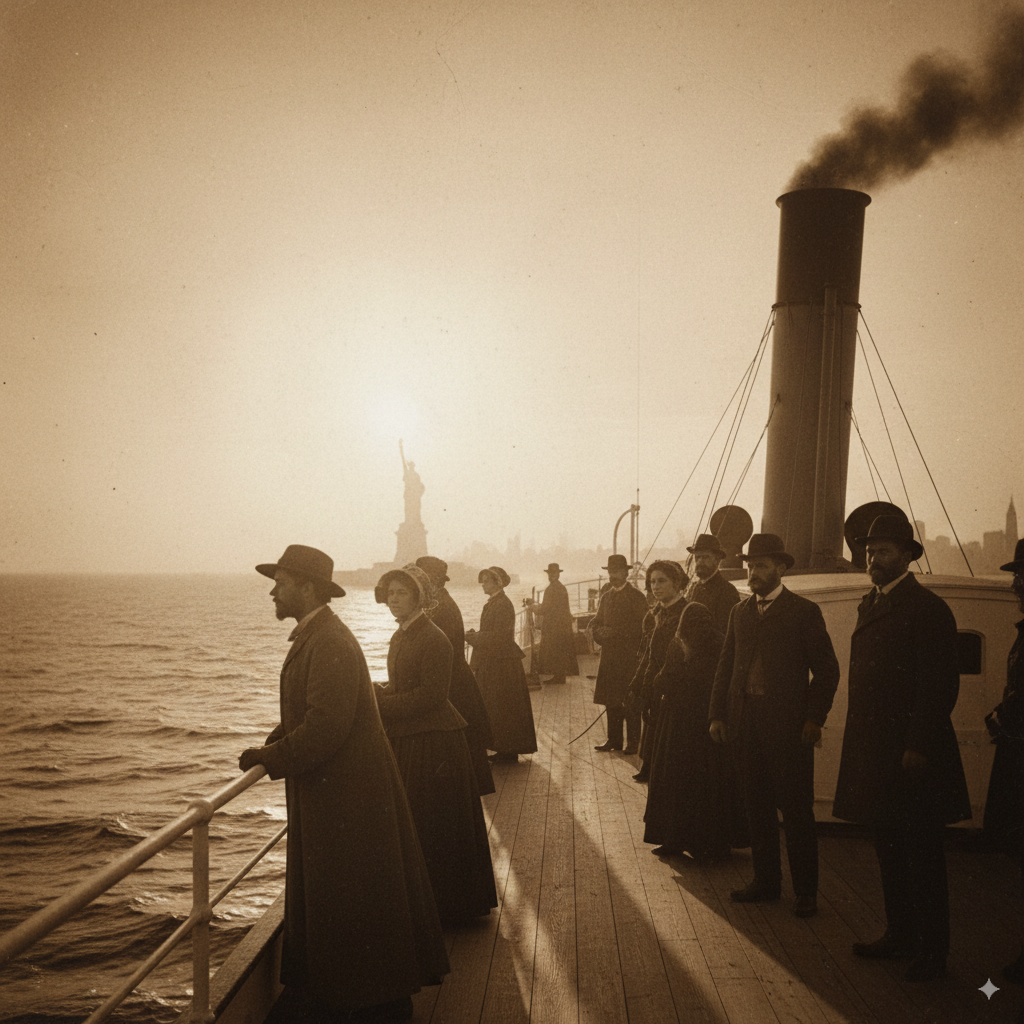
This article celebrates that journey—how the Old World charm of Germany crossed the Atlantic and blossomed into a New World pride across America.
A Journey Across the Atlantic: German Immigration to America
The story begins in 1683, when the first permanent German settlement was established in Germantown, Pennsylvania. These settlers came seeking religious freedom, economic opportunity, and a chance to build new lives.
Over the next two centuries, millions of Germans arrived, particularly during the mid-1800s when economic hardship and political unrest in Europe spurred emigration.
- Pennsylvania Germans (often called “Pennsylvania Dutch”) were known for their farming skills, craftsmanship, and frugality.
- Midwestern German immigrants settled heavily in Ohio, Wisconsin, Illinois, and Missouri, bringing with them traditions that would transform America’s Midwest into the “breadbasket of the world.”
- Texas Germans created unique communities blending frontier life with German language, music, and architecture.
German immigration wasn’t just about numbers—it was about building lasting communities that blended old traditions with American ideals.
Faith, Family, and Festivals: Cultural Foundations
Germans brought with them three pillars that shaped their lives in America: faith, family, and festivals.
Faith
German-speaking congregations were some of the earliest Protestant and Catholic churches in America. Lutherans, Reformed, and Mennonites established communities where worship was central to life. Many churches doubled as schools, helping preserve the German language for generations.
Family
German Americans placed strong emphasis on education, family structure, and work ethic. Family farms, passed down through generations, became the heart of rural America.
Festivals
From Oktoberfest to Christkindlmarkets, German festivals celebrated music, dance, and food. Even today, cities like Cincinnati, Milwaukee, and Frankenmuth, Michigan host annual festivals drawing crowds from around the world.
The German-American Contribution to American Life
German Americans shaped countless aspects of daily life in the U.S. Some of their most influential contributions include:
Family and Holiday Traditions
German immigrants brought with them beloved customs that soon became woven into the fabric of American life. The Christmas tree (Tannenbaum), decorated with candles, ornaments, and garlands, was popularized in the 19th century and is now an essential part of the holiday season in nearly every American home.

Traditions like Santa Claus (Kris Kringle), Easter eggs, and the Easter Bunny also arrived with German settlers, giving families cherished rituals that continue to bring joy each year. These celebrations highlight the German love of family, festivity, and togetherness—values that remain cornerstones of American culture.