Why German-American Culture Thrives at The End of Winter
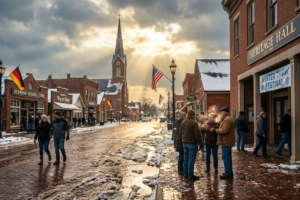
By the time February begins to loosen its icy grip, something stirs across German-American communities from Pennsylvania to Nebraska, from Wisconsin to Texas. It’s not just the promise of spring. It’s a cultural rhythm — a centuries-old pulse that has learned how to endure winter, and even more importantly, how to emerge from it.

For German immigrants and their descendants, winter was never simply a season to survive. It was a time of gathering, storytelling, hymn-singing, sausage-smoking, bread-baking, and planning. When the frost began to fade, that stored-up energy had to go somewhere. And so it burst forth in festivals, music halls, breweries, kitchens, and church basements across America.
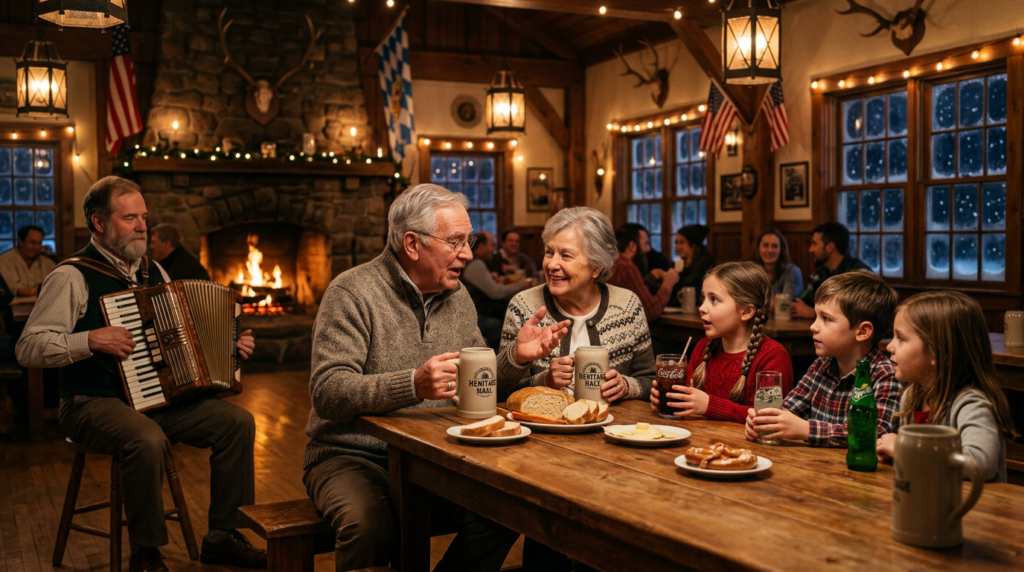
There is something deeply German about resilience. From the forests of Bavaria to the plains of the Midwest, German communities have always known how to make the most of cold months. In America, that instinct blended with frontier grit. The result? A culture that doesn’t just endure winter — it thrives when it ends.

“Winter prepares the soul,” wrote German poet Johann Wolfgang von Goethe, “and spring reveals what it has strengthened.” That sentiment still rings true in German-American towns where the end of winter signals more than warmer weather — it signals revival.


Cabin Fever Meets Gemeinschaft
https://cloudfront-us-east-1.images.arcpublishing.com/gray/YC5YDHRDKBFFPDKGHQ45UM4Z7U.png
The German word Gemeinschaft roughly translates to “community,” but its meaning runs deeper — shared belonging, mutual care, collective identity. After months of snowbound routines, German-American communities lean into Gemeinschaft with renewed enthusiasm.

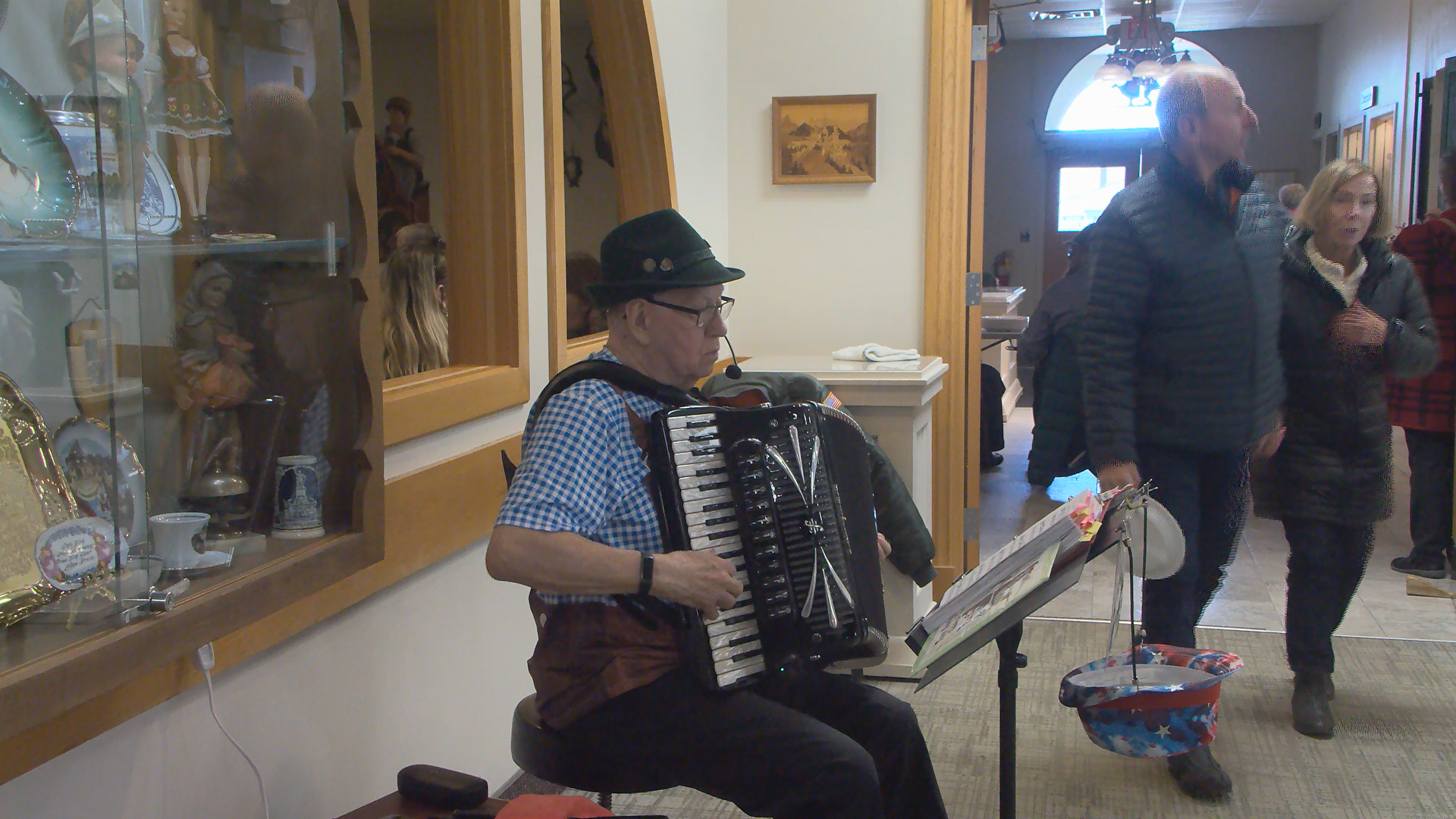
Across the Midwest, fraternal halls and heritage centers fill up again. Choirs resume rehearsals. Brass bands dust off their instruments. Stammtisch gatherings — informal meetups over beer and conversation — expand from small winter circles to lively weekly events.

In places like New Ulm, Fredericksburg, and Hermann, the end of winter is not passive. It’s programmed. Societies schedule Maifest planning meetings. Youth dance groups begin practicing for outdoor performances. Local breweries test spring batches.

There’s a practical reason, too. Historically, German farming families used late winter to prepare for planting. Once thaw arrived, life accelerated. That rhythm carried over into American towns built by those same immigrants. Winter reflection. Spring activation.

As one Wisconsin heritage club president recently remarked,

“By March, we’re not just ready for warmer weather. We’re ready for each other again.”


Lent, Fasting, and Feasting

The end of winter often coincides with the liturgical calendar — and that matters deeply in German-American life. Many early German immigrants were Catholic or Lutheran, and their faith traditions shaped seasonal rhythms.

Before Lent begins, communities celebrate Fasching (also known as Karneval in some regions). In Pennsylvania Dutch country — descendants of German settlers — Fastnacht Day doughnuts fry in kitchens and bakeries. These rich treats were historically a way to use up lard and sugar before fasting began.

In cities with strong German Catholic roots — like Cincinnati and Milwaukee — church fish fries become Friday-night traditions. The menus may include sauerkraut sides, rye bread, and German potato salad alongside the cod.

These gatherings are more than meals. They’re intergenerational rituals. Grandparents teach grandchildren why fasting mattered in the Old Country. Choir lofts fill with hymns that echo centuries-old melodies from Bavaria or Saxony.

Winter ends not with excess — but with meaning.
» Read more

Bavarian Treats for Trick-or-Treat: German Candy and Snack Ideas for Halloween Night

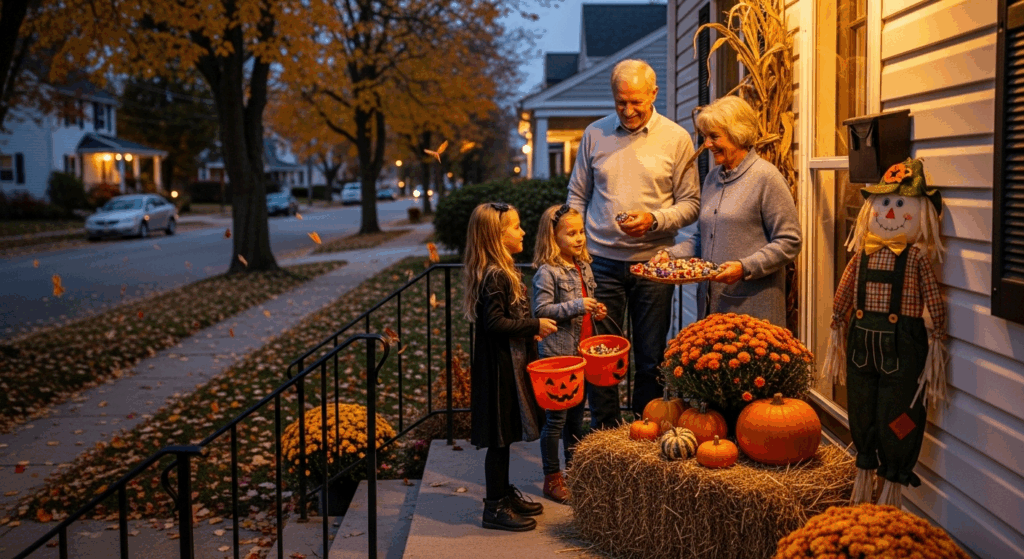
Autumn leaves might be swirling around the streets in your town and jack-o-lanterns grinning from sidewalks, but this year you can add a special international twist to your Halloween candy haul by reaching across the Atlantic for some authentic German delights.

Germany, of course, is not the first place that comes to mind when Americans think “Trick-or-Treat,” but thanks to the wonderful world of German sweets and snacks, you can bring a bit of Bavarian charm to your October 31 celebration.

Whether you’re hosting younger kids, having a family Halloween party, or simply want to stock the bowl with something a little different — here are fun German traditions, candy ideas, and snack innovations you can incorporate this season.

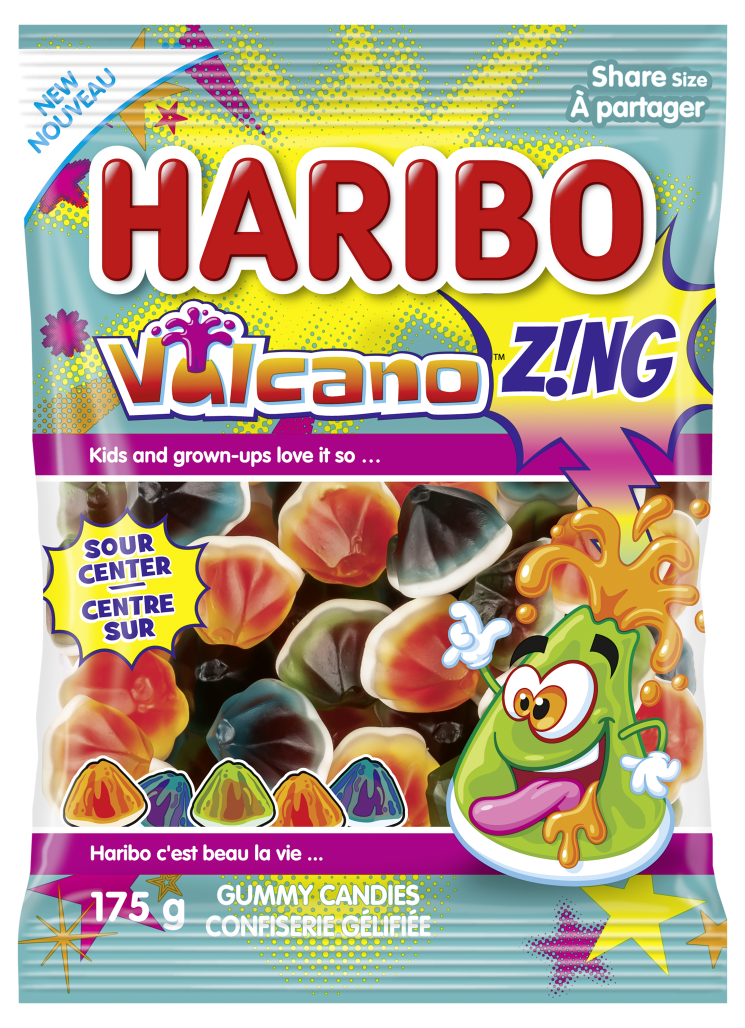
Think gummy bears born in Germany, crisp chocolate squares savoring marzipan, sour gummy volcanos, and Bavarian-style nut bars. Let’s explore the treats and how to make them part of your festive family tradition.


🎃 A Short German-Heritage Candy History for Halloween

Before we dive into the must-have candies, a little background: Halloween as we know it has deep Celtic and Christian roots, but the modern trick-or-treat custom really blossomed in the United States. Interestingly, one of the original pioneering confectionery companies behind what would become candy-corn was founded by brothers from Germany. According to the research at GermanFoods.org, the “Goelitz Confectionery Co.” — founded by German immigrants — was making candy corn in the U.S. as early as 1900. Germanfoods.org

So while Halloween may feel very American, adding German candy with your family gives you an opportunity to recall that cross-Atlantic thread of sweets, migration, and holiday fun. Plus, German kids do enjoy candies and chocolate, and German snack brands have global appeal. For example, the online shop “One Stop German Shop” shows a huge selection of German gummy candy, chocolates, and snacks — perfect for importing or ordering in advance. One Stop German Shop+1

Now, let’s go full-tilt into the goodies you’ll want to grab (or order) and ways to use them for your trick-or-treat setup.


🍬 Must-Have German Candy & Snack Brands

Here are several standout German sweet treats that work beautifully for Halloween — individually bagged or handed out in fun mixed-bags. Each brand has a story and distinctive flavor profile.

1. Haribo Gummy Candy

https://m.media-amazon.com/images/I/91gC65c9brL._AC_UF894%2C1000_QL80_.jpg
https://www.germanshop24.com/images/detailed/19/F240007918.jpg
https://assets.haribo.com/image/upload/s--hSywYU68--/ar_2899%3A4000%2Cc_fill%2Cf_auto%2Cq_60/w_745/v1/consumer-sites/en-ca/Products/Packshots/504495829_40058815_packshot_front.png

Haribo is arguably the most iconic German candy company — the same one that created the first gummy bear (“Goldbär”) in the 1920s. Their gummy bears and gummy candy lines are globally beloved. Online stores list many Haribo bags as “made in Germany.” GermanFood+1

For Halloween, you might look for themed varieties (ghosts, bats, sour volcanoes) or just classic gummy bears with their vivid colors (great for kids). One listing of German sweets shows Haribo mixes like “Vampires,” “Saure Pommes,” and “Magic Balla-Balla.” The Taste of Germany

How to use it:

  • Create “mini-bags” of Haribo to hand out (kids always love gummies).
  • Mix in some sour gummy types for older kids or teens.
  • Use as “loot” inside a Halloween party game: e.g., “Find the ghost gummy in the bowl.”

» Read more