Top 7 German-American Thanksgiving Recipes That Bring Old-World Flavor to America’s Table

Where Danke Meets Thanksgiving

When you think of Thanksgiving, your mind probably drifts toward turkey, stuffing, cranberry sauce, and pumpkin pie — all wrapped up in that golden autumn glow. But for millions of Americans whose ancestors came from Germany, Thanksgiving carries a subtle yet flavorful twist: a fusion of Erntedankfest traditions (Germany’s own harvest festival) and the uniquely American feast of gratitude.
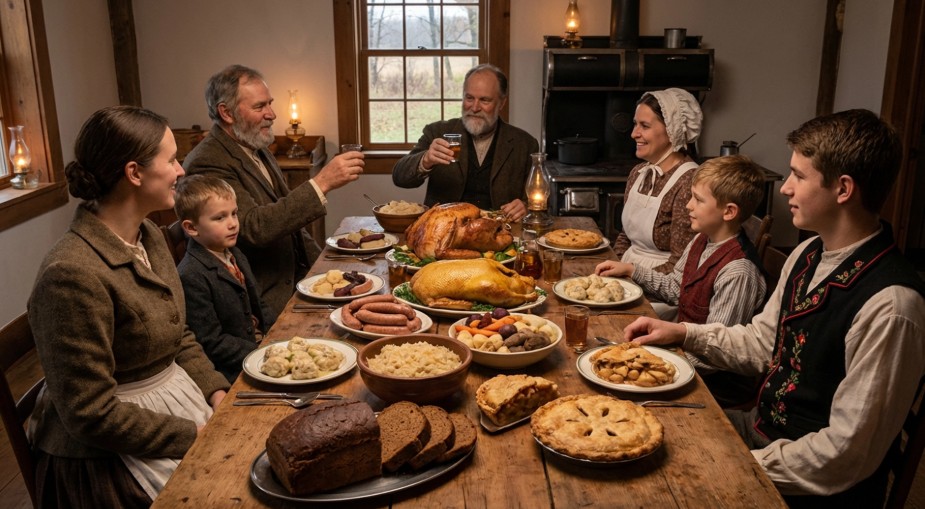
German immigrants didn’t just bring beer, pretzels, and polka to America — they brought a deep reverence for harvest, family, and hearty, humble food. From the fields of Holstein to the plains of Nebraska, the flavors of old-world Germany blended with new-world ingredients to create a Thanksgiving table that still tells a story centuries later.

So this November, let’s journey through time and taste as we explore the Top 7 German-American Thanksgiving Recipes — dishes that honor our ancestors, celebrate the harvest, and bring Gemütlichkeit (that warm feeling of comfort and belonging) to your table.


🥖 1. German Sweet Dressing (The Hingst Family Recipe)

Origin Story:
In the early 1800s, the Hingst family farmed in the rolling countryside of Seelent, Holstein, in northern Germany — a land of fertile soil, grains, and salted air from the Baltic Sea. During Erntedankfest, the family would gather after the final harvest to celebrate with a roast goose and a sweet, bread-based stuffing made from local apples, raisins, honey, and spices.
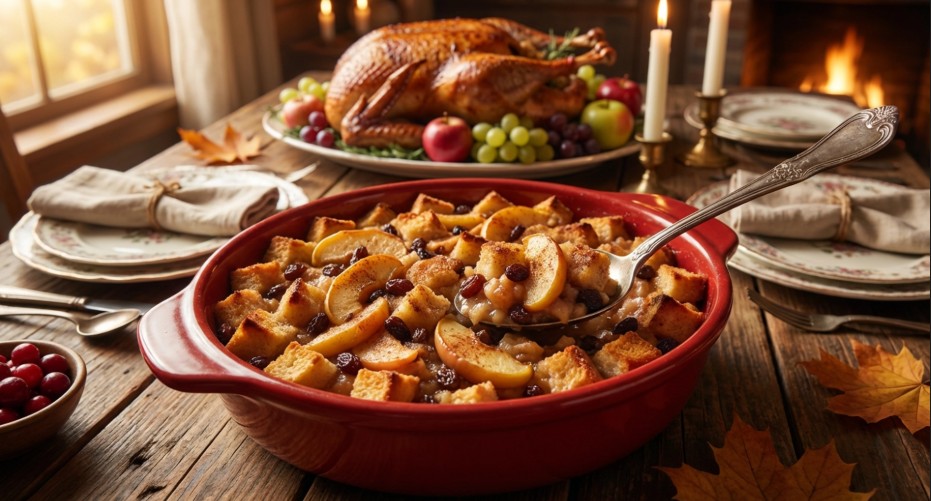
When the Hingst family immigrated to America in 1882, settling in Iowa and Nebraska, they brought this cherished recipe with them. Goose slowly gave way to turkey on the American table, but the sweet, cinnamon-laced dressing remained a staple — eventually earning the nickname “German Sweet Dressing.”
Today, it’s a nostalgic side dish found in family kitchens from the Midwest to the East Coast, connecting generations through every golden spoonful.

Ingredients:

  • 8 cups cubed day-old bread
  • ½ cup butter
  • ½ cup water
  • 3 apples, diced
  • 1 cup raisins
  • 2 tbsp sugar, honey or molasses
  • 1 tsp cinnamon
  • ¼ tsp salt

Directions:
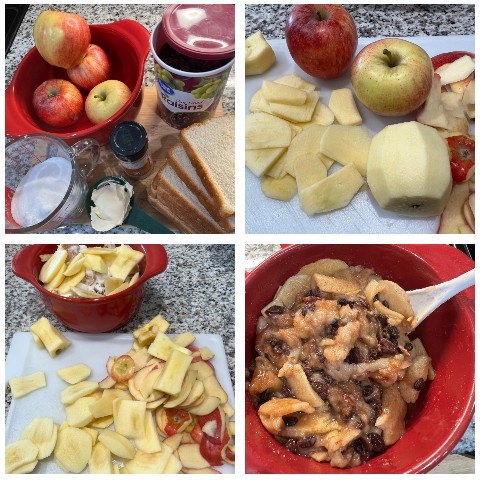
Lightly toast the bread cubes, then mix them with melted butter, diced apple, raisins, honey, cinnamon, and salt. Pour into a buttered casserole dish and bake covered at 350°F for 30 minutes, uncovering for the final 10 minutes to brown the top.

Taste Note:
It’s like the cozy cousin of classic American stuffing — with a kiss of sweetness and the warm spice of the Old Country. Perfect with turkey or even as a dessert-like side next to ham.


🦪 2. Northern German Oyster Dressing

Origin Story:
Long before Americans fell in love with oyster stuffing, coastal Germans were already combining bread, butter, and oysters in rich, briny holiday dishes. Along the Schleswig-Holstein coast, oyster beds dotted the North Sea and Baltic shores, and locals created “Austerfüllung” — a baked oyster and bread mixture traditionally stuffed inside a roasted fish or goose.

German immigrants brought this recipe to Maryland and Louisiana, where oysters were plentiful, and Thanksgiving was quickly becoming a national tradition. By the late 1800s, German-American oyster dressing had evolved into a beloved coastal favorite.

Ingredients:

  • 2 cups fresh shucked oysters, chopped
  • 6 cups stale bread cubes
  • ½ cup butter
  • ½ cup diced celery
  • Salt and pepper to taste

Directions:
In a skillet, melt butter and sauté the celery until soft. Stir in the oysters just long enough to firm them slightly, then fold the mixture into bread cubes. Add salt and pepper, transfer to a greased dish, and bake at 375°F for 25–30 minutes until bubbling and lightly browned.

Taste Note:
Savory and subtly oceanic, this dish delivers an elegant salt-kissed note to the Thanksgiving spread. If you close your eyes, you might even hear the waves of the North Sea rolling against the coast of your ancestors.
» Read more

Celebrate German American Day: Honoring Heritage and Tradition

There’s something special about being German American — a sense of pride that runs deep in the heart, from our strong work ethic and craftsmanship to our love of good food, hearty laughter, and family gatherings.

Every October, millions of Americans across the country pause to recognize the profound impact of German culture on our nation. From the hardworking immigrants who helped build America’s towns and farms to the enduring traditions of food, music, and craftsmanship they brought with them, German heritage runs deep in the American story.

Festivals, parades, and family gatherings fill the month with the sound of polka music, the aroma of bratwurst and pretzels, and the clinking of steins raised in celebration. It’s a time to honor the values of community, perseverance, and pride that German Americans have woven into the fabric of our nation’s history and culture.

That’s right — October 6th is German American Day, and the entire month of October is German American Heritage Month.

— let’s dive into the fascinating story behind German American Day, meet some famous German Americans who helped shape the nation, and explore fun ways to celebrate your heritage (even if you’ve only got a little bit of German blood in you!).


🏛️ The Origins of German American Day

German American Day didn’t appear out of thin air — it’s rooted in a rich history that began centuries ago, when the first German immigrants set foot in the New World.

The story begins on October 6, 1683, when thirteen German families from Krefeld, near the Rhine River, arrived in Philadelphia aboard the ship Concord. They established a small settlement called Germantown, now part of modern-day Philadelphia.

These pioneering families came seeking freedom, opportunity, and a new life, bringing with them strong values that would forever shape American society — hard work, craftsmanship, faith, education, and a love of community.

Germantown flourished, becoming the birthplace of many firsts in American history:

  • The first paper mill in the colonies.
  • The first anti-slavery protest in the New World (in 1688 — nearly 100 years before the American Revolution).
  • And the first German-language newspaper in the colonies.

The success of Germantown inspired a steady wave of immigration throughout the 1700s and 1800s, with Germans settling across Pennsylvania, New York, Ohio, Wisconsin, the Dakotas, Iowa, Nebraska, Minnesota, Indiana, Missouri, Texas, Louisiana, and California.

By the mid-19th century, German Americans were one of the largest ethnic groups in the country — and their influence was everywhere, from farming and industry to politics, science, and culture.


President Ronald Reagan and the Revival of a Tradition

While German contributions to America had long been celebrated locally — especially through Oktoberfests and regional festivals — the formal recognition of German American Day as a national observance didn’t come until the 1980s.

In 1983, on the 300th anniversary of Germantown’s founding, President Ronald Reagan officially proclaimed October 6th as “German American Day.” The goal was to honor the achievements of German immigrants and their descendants in shaping the United States.

Then, in 1987, Congress passed a joint resolution (H.J. Resolution 108), which President Reagan signed into law — officially designating October 6th as German American Day every year.

In his proclamation, Reagan praised the German people’s “profound faith, strong family values, and deep respect for liberty and law,” noting that German Americans had played an essential role in “the building of the American nation.”

From that day forward, the annual observance became an opportunity for millions of Americans to reconnect with their German roots, share their cultural pride, and celebrate a unique bond between the two nations that continues to this day.

» Read more