
Old World Charm, New World Pride: German Heritage Across America
GERMAN HERITAGE USA | AFFILIATE DISCLAIMER: This post may or may not contain affiliate links which means we may receive a commission for purchases made through links. We will only recommend products that we have personally used or that we truly trust. Learn more on our Private Policy and Disclaimer Page located under our Terms Of Service tab above.
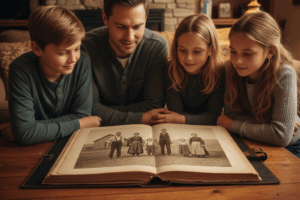
German Heritage in the United States is both timeless and evolving. With roots tracing back to the earliest waves of settlers in the 17th century, German Americans have infused their traditions, culture, and industrious spirit into the very fabric of American life.
Today, nearly one in four Americans claim some German ancestry, making it the largest self-identified ancestry group in the country. From beer gardens to Oktoberfest, from polka music to pioneering agricultural innovations, German influence is everywhere.
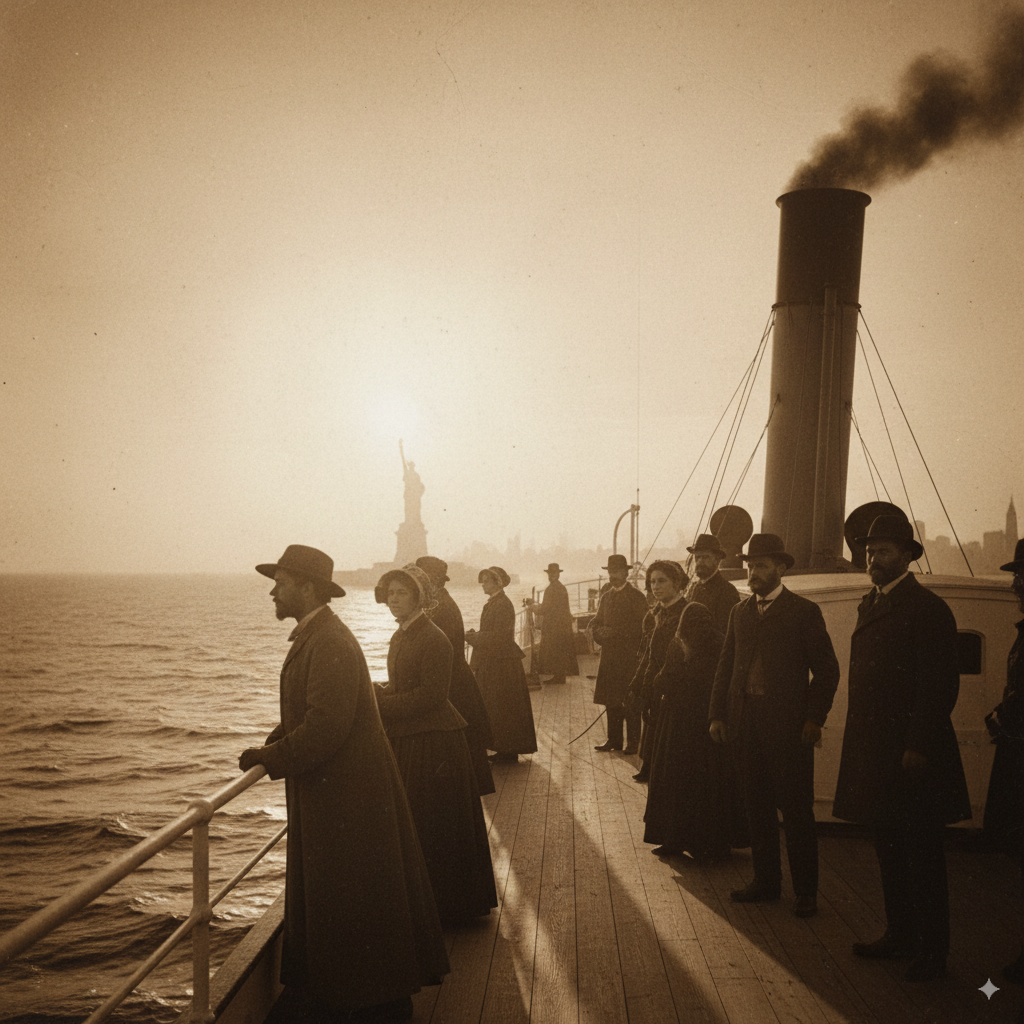
This article celebrates that journey—how the Old World charm of Germany crossed the Atlantic and blossomed into a New World pride across America.
A Journey Across the Atlantic: German Immigration to America
The story begins in 1683, when the first permanent German settlement was established in Germantown, Pennsylvania. These settlers came seeking religious freedom, economic opportunity, and a chance to build new lives.
Over the next two centuries, millions of Germans arrived, particularly during the mid-1800s when economic hardship and political unrest in Europe spurred emigration.
- Pennsylvania Germans (often called “Pennsylvania Dutch”) were known for their farming skills, craftsmanship, and frugality.
- Midwestern German immigrants settled heavily in Ohio, Wisconsin, Illinois, and Missouri, bringing with them traditions that would transform America’s Midwest into the “breadbasket of the world.”
- Texas Germans created unique communities blending frontier life with German language, music, and architecture.
German immigration wasn’t just about numbers—it was about building lasting communities that blended old traditions with American ideals.
Faith, Family, and Festivals: Cultural Foundations
Germans brought with them three pillars that shaped their lives in America: faith, family, and festivals.
Faith
German-speaking congregations were some of the earliest Protestant and Catholic churches in America. Lutherans, Reformed, and Mennonites established communities where worship was central to life. Many churches doubled as schools, helping preserve the German language for generations.
Family
German Americans placed strong emphasis on education, family structure, and work ethic. Family farms, passed down through generations, became the heart of rural America.
Festivals
From Oktoberfest to Christkindlmarkets, German festivals celebrated music, dance, and food. Even today, cities like Cincinnati, Milwaukee, and Frankenmuth, Michigan host annual festivals drawing crowds from around the world.
The German-American Contribution to American Life
German Americans shaped countless aspects of daily life in the U.S. Some of their most influential contributions include:
Family and Holiday Traditions
German immigrants brought with them beloved customs that soon became woven into the fabric of American life. The Christmas tree (Tannenbaum), decorated with candles, ornaments, and garlands, was popularized in the 19th century and is now an essential part of the holiday season in nearly every American home.

Traditions like Santa Claus (Kris Kringle), Easter eggs, and the Easter Bunny also arrived with German settlers, giving families cherished rituals that continue to bring joy each year. These celebrations highlight the German love of family, festivity, and togetherness—values that remain cornerstones of American culture.
Agriculture and Industry
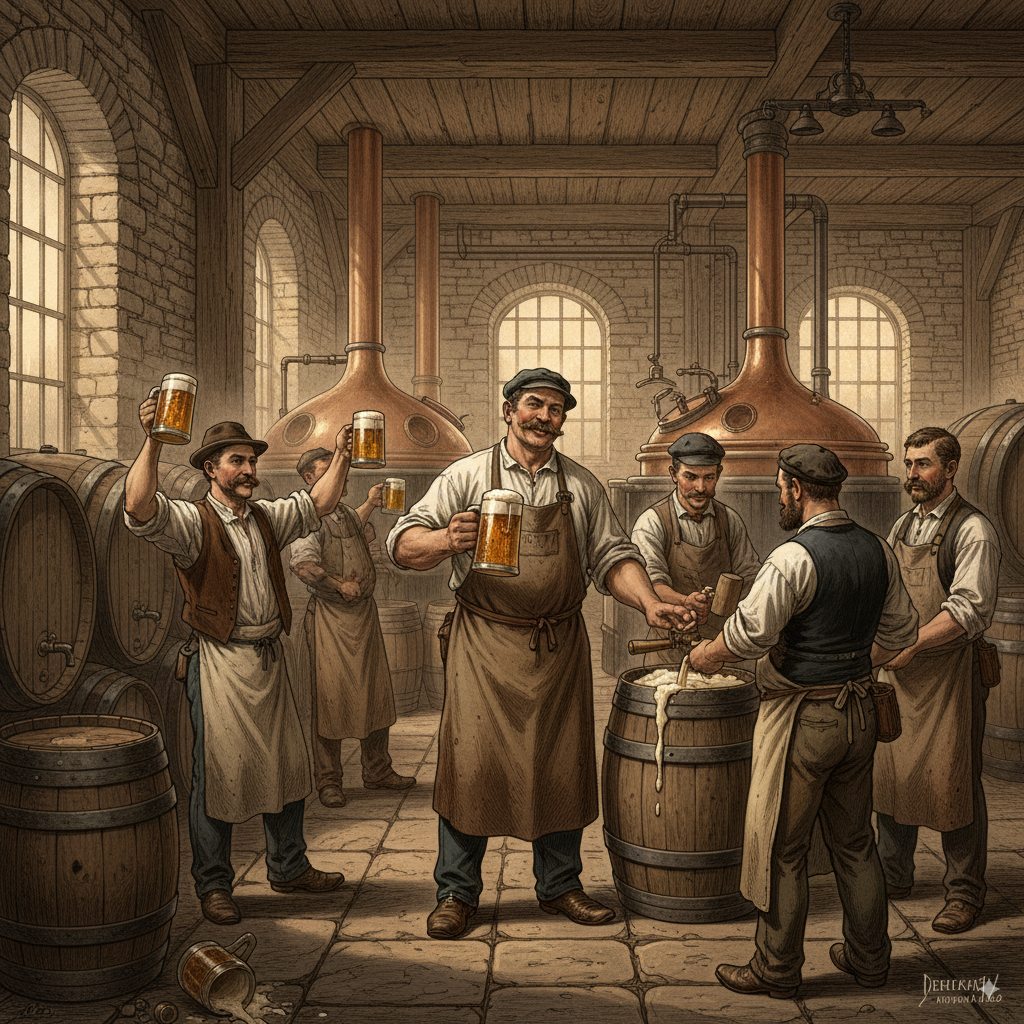
German farmers introduced advanced agricultural practices such as crop rotation, soil management, and new tools that improved efficiency. They were pioneers in brewing, baking, and skilled trades, helping to lay the groundwork for some of America’s most iconic industries. Breweries founded by German immigrants—like Anheuser-Busch, Pabst, and Miller—transformed brewing into a national enterprise, while German craftsmanship supported the rapid growth of American towns and cities.
Food and Drink
From the sizzling bratwurst to the humble hot dog and hamburger, German culinary traditions became American favorites. Pretzels and sauerkraut followed, soon joined by the community spirit of beer gardens, which became social hubs where families gathered to eat, drink, and celebrate together. Even today, the backyard barbecue carries echoes of German sausage-making heritage.
Music and Arts
Music was another vibrant gift. Polka and brass bands became staples at festivals across the Midwest, while German classical traditions elevated American symphonies and music education. Singing societies, or Liedertafeln, kept communities tied together through song, ensuring that music remained a heartbeat of cultural life.
Language and Education
German contributions shaped the American classroom as well. The idea of kindergarten, or “children’s garden,” was introduced in the mid-1800s and quickly spread, transforming early childhood education nationwide. German-language newspapers and schools flourished for decades, ensuring that both language and learning remained vital links to heritage.
Everyday Expressions of Culture
German influence can also be seen in the details of daily life—from the sturdy architecture of Midwestern farmhouses to the spirit of gemütlichkeit (warmth, friendliness, and good cheer) that infused community gatherings. What began as immigrant traditions grew into American customs, proving that cultural heritage doesn’t fade—it adapts, enriches, and thrives.
Cities and Towns That Showcase German Heritage
German-American culture is best experienced by traveling across the U.S. to towns that proudly preserve their heritage.
Frankenmuth, Michigan – “Michigan’s Little Bavaria”
Known for its Bavarian-style architecture, year-round festivals, and the world’s largest Christmas store (Bronner’s Christmas Wonderland), Frankenmuth is a slice of Germany in the Midwest.
Hermann, Missouri – Wine Country with German Roots
Nestled along the Missouri River, Hermann was founded by German settlers in 1837. Its vineyards and wineries still honor Old World winemaking traditions.
Fredericksburg, Texas – Texas Hill Country Gem
Established by German settlers in 1846, Fredericksburg blends Texan hospitality with German traditions. The town is famous for its Sunday Houses, beer gardens, and sausage-making.
Milwaukee, Wisconsin – America’s German Beer Capital
Home to generations of German immigrants, Milwaukee became a brewing powerhouse. Its cultural festivals and German heritage centers continue to thrive.
Amana Colonies, Iowa – A Unique German Settlement
This cluster of seven villages was founded by German Pietists in the 1850s. The Amana Colonies are known for their communal living, craftsmanship, and traditional cooking.
German-American Holidays and Traditions
Many beloved American traditions have German roots:
- Christmas Trees (Tannenbaum): Popularized in the U.S. by German immigrants in the 1800s.
- Santa Claus: Based on the German Saint Nicholas and Kris Kringle traditions.
- Easter Eggs and the Easter Bunny: Brought to Pennsylvania by German settlers.
- Oktoberfest: Celebrated in nearly every state, inspired by Munich’s iconic festival.
Even American birthday traditions—cakes, candles, and singing—stem largely from German customs.
German Pride in Times of Challenge
During World War I and World War II, German Americans faced suspicion, prejudice, and pressure to hide their culture. German language newspapers closed, schools dropped German classes, and some communities downplayed their heritage.
Yet, the pride remained. After the wars, German Americans re-emerged with renewed commitment to celebrating their roots while proving their loyalty to the United States. Today, their resilience is a testament to cultural endurance.
German-American Societies and Museums
Across America, German heritage is preserved through organizations and cultural centers:
- German-American Heritage Museum (Washington, D.C.)
- Max Kade German-American Center (Indianapolis, Indiana)
- German American Heritage Center & Museum (Davenport, Iowa)
- Steuben Parade (New York City) – A celebration of German pride each September.
These institutions serve as bridges between the past and the present, ensuring younger generations stay connected to their roots.
Inspiring Stories of German Americans
Throughout history, German Americans have left a mark on nearly every field:
- Albert Einstein – Brilliant physicist and refugee who redefined science.
- Wernher von Braun – Rocket engineer who helped shape America’s space program.
- Herbert Hoover – 31st U.S. President, descended from German Quakers.
- Henry John Heinz – Founder of the iconic Heinz food company.
- John Peter Zenger – German-born printer whose trial helped establish freedom of the press.
These individuals represent the spectrum of German-American influence—science, politics, food, and freedom.
The Modern German-American Experience
Today, German Americans express their pride in both subtle and spectacular ways.
- Festivals like Oktoberfest Zinzinnati (Cincinnati) and Wurstfest (New Braunfels, Texas) draw millions each year.
- Language revival efforts bring German classes back to schools.
- Cultural exchanges connect American families with their ancestral villages in Germany.
For many, it’s about more than ancestry—it’s about honoring traditions while embracing the future.
Old World Charm, New World Pride: The Spirit Continues
German Americans embody the best of both worlds. They preserved the Old World charm of family, faith, food, and festivals while embracing the New World pride of freedom, opportunity, and innovation.
Whether you’re enjoying a bratwurst at a local Oktoberfest, decorating a Christmas tree, or sipping wine in Missouri’s vineyards, you’re experiencing centuries of German-American tradition.
The story of German heritage in the U.S. is not just about where we came from—it’s about how those roots continue to shape where we are going.
Conclusion
German heritage is alive, well, and thriving in America. It can be tasted in our foods, heard in our music, celebrated in our festivals, and seen in the architecture of our towns. It’s a heritage built on resilience, family, and faith—a story that connects millions of Americans to both the Old World and the New.
From Germantown in 1683 to today’s vibrant Oktoberfests, German Americans continue to enrich the United States with culture, innovation, and joy. Truly, German heritage is woven into the heart of America.