Cold Outside, Warm Inside: German Bakeries Across America Worth Traveling For
There’s a particular kind of warmth you feel when you step into a German bakery in winter. It’s not just the heat from the ovens—it’s the aroma of butter and yeast, the quiet hum of conversation, the clink of porcelain coffee cups, and the sense that time has politely slowed down to let you stay awhile.

For generations, German bakers have understood winter. Long before central heating and supermarket bread aisles, baking was an act of comfort and survival. Dense rye loaves, buttery pastries, fruit-filled cakes, and spiced cookies were meant to nourish both body and spirit when days were short and the cold was relentless.
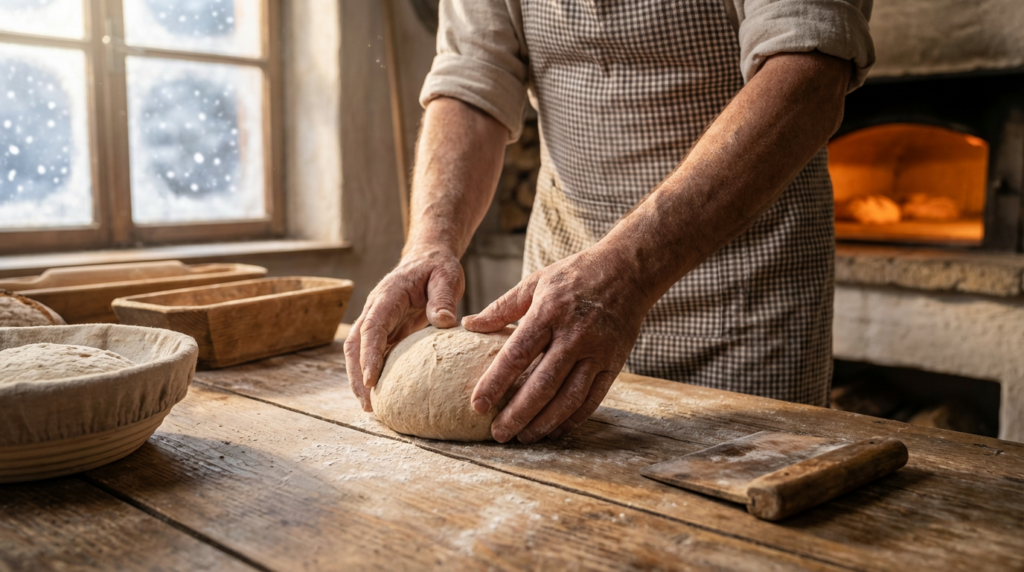
That tradition crossed the Atlantic with German immigrants, and today it lives on in bakeries scattered across the United States. These are places where winter feels like an invitation, not an inconvenience—where the cold outside makes the warmth inside all the more meaningful.


Why German Bakeries Shine in Winter

German baking culture was never meant to be rushed. It’s built around patience, fermentation, craftsmanship, and ritual—qualities that align perfectly with the slower rhythm of winter travel.

In colder months, German bakeries offer:

  • Hearty breads that feel substantial and grounding
  • Pastries rich with butter, nuts, and fruit
  • Seasonal specialties tied to Advent, Christmas, and Epiphany
  • Cozy interiors that encourage lingering

Winter is when these bakeries feel most themselves—less crowded, more personal, and deeply atmospheric.

“Bread is not fast food in German culture—it’s daily culture.”
— German baking proverb


A Heritage You Can Taste

German-American bakeries are more than food stops. They are living museums of immigration, trade guilds, family recipes, and regional identity. Bavarian, Swabian, Franconian, Saxon, and Austrian influences all show up—sometimes under one roof.

Below are German bakeries across America that are absolutely worth traveling for in winter, when their ovens work hardest and their traditions shine brightest.


A Taste of Germany

Milwaukee, Wisconsin

Milwaukee’s German roots run deep, and this bakery honors them beautifully. Stepping inside on a snowy day feels like walking into a neighborhood Konditorei in southern Germany.

https://remaincalmbeamom.files.wordpress.com/2023/12/img_2165.jpg?crop=1&h=1867&w=1400

Why winter is perfect here:
The dense breads—Vollkornbrot, Bauernbrot, and rye loaves—are built for cold weather. Pair them with a slice of Black Forest cake or a buttery apple strudel, and winter suddenly feels manageable.

Don’t miss:
Seasonal cookies and pastries inspired by Advent traditions.


Schaller & Weber

New York City, New York

A German-American institution, Schaller & Weber blends bakery, butcher, and deli traditions rooted in Bavaria.

Why winter is perfect here:
Cold weather brings out the best in hearty breads and pastries designed to accompany soups, sausages, and strong coffee. The atmosphere feels especially Old World when winter coats line the door.

Don’t miss:
Dense rye bread and classic German pastries that feel straight out of Munich.


Old Europe Pastries

Asheville, North Carolina

This European-style bakery leans heavily into German and Austrian traditions, and it thrives during cooler months.

https://media-cdn.tripadvisor.com/media/photo-p/13/93/23/cf/photo1jpg.jpg

Why winter is perfect here:
Asheville’s mountain chill makes the rich pastries—linzer tarts, cream-filled cakes, and poppy seed rolls—feel especially comforting.

Don’t miss:
Layered tortes and seasonal fruit pastries paired with hot coffee or cocoa.
» Read more

German Holiday Baking: Lebkuchen, Stollen, and Sweet Traditions

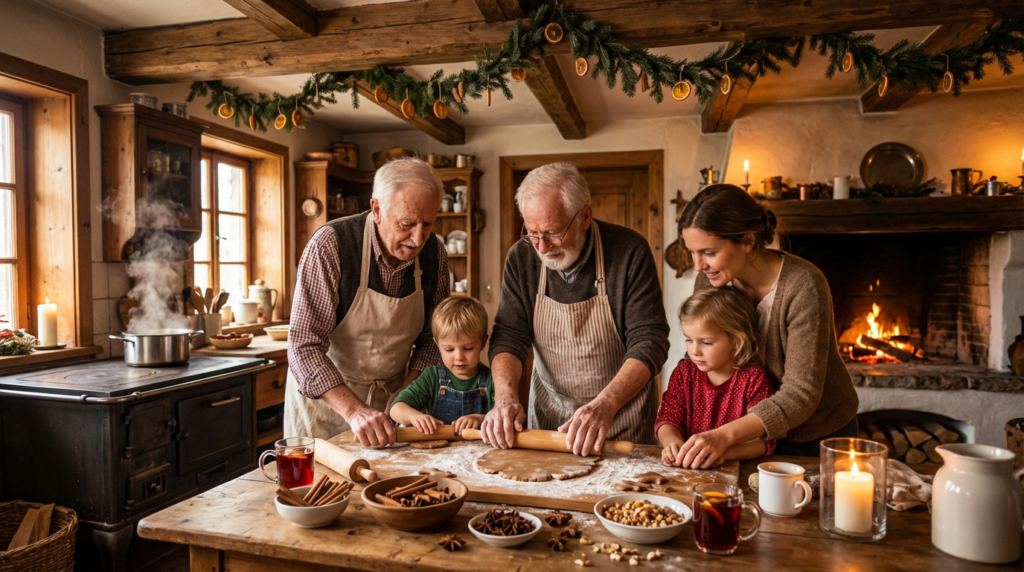
The holiday season in German households has always smelled like something magical. Even before the first candle is lit or the Advent wreath is hung, the kitchen becomes the heart of Christmas—warm, flour-dusted, and alive with tradition.

Generations gather around wooden tables, rolling dough, grinding spices, and retelling stories that feel as old as the recipes themselves.

German holiday baking is not just about desserts; it is about memory, rhythm, and ritual. Recipes are rarely written in modern measurements. Instead, they are passed down as instructions like “until it feels right” or “bake until it smells like Christmas.”

These sweets marked the seasons long before electric ovens and store-bought spice mixes, reminding families that winter was a time to slow down, gather close, and celebrate together.

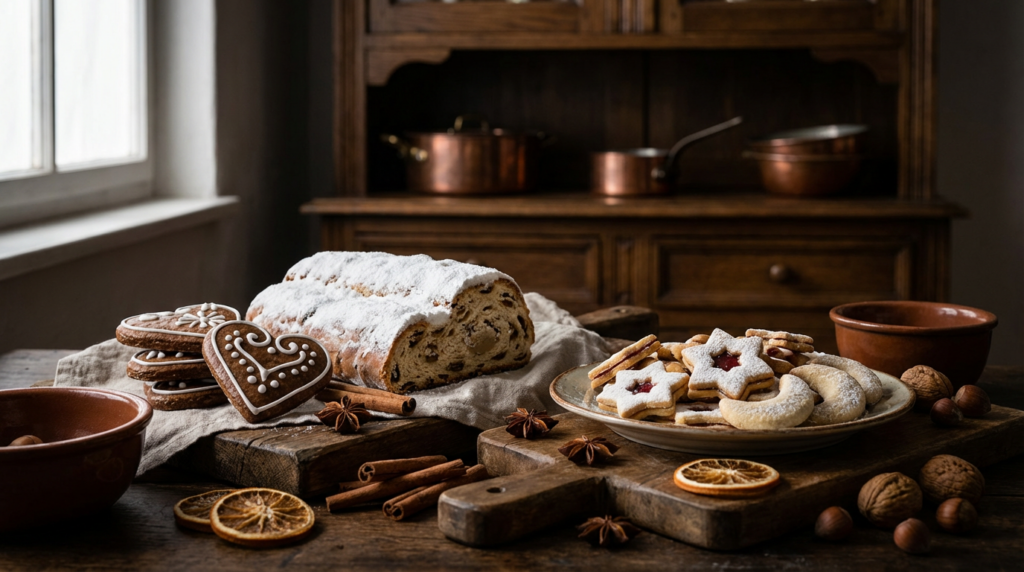
Three baked goods stand above all others in the German Christmas tradition: Lebkuchen, Stollen, and a constellation of regional cookies known collectively as Weihnachtsplätzchen. Each tells a story—not just of flavor, but of geography, faith, migration, and family.

As one old German saying goes:

“Backen ist Liebe, die man essen kann.”
“Baking is love you can eat.”


The Sacred Spice of Christmas: Lebkuchen

https://www.supergoldenbakes.com/wordpress/wp-content/uploads/2024/08/Lebkuchen-1-4.jpg
https://baketotheroots.de/wp-content/uploads/2015/07/HK_231205_Nuernberger-Lebkuchen2.jpg
https://tinandthyme.uk/wp-content/uploads/2024/12/Lebkuchen-Piled-On-Platter.jpg

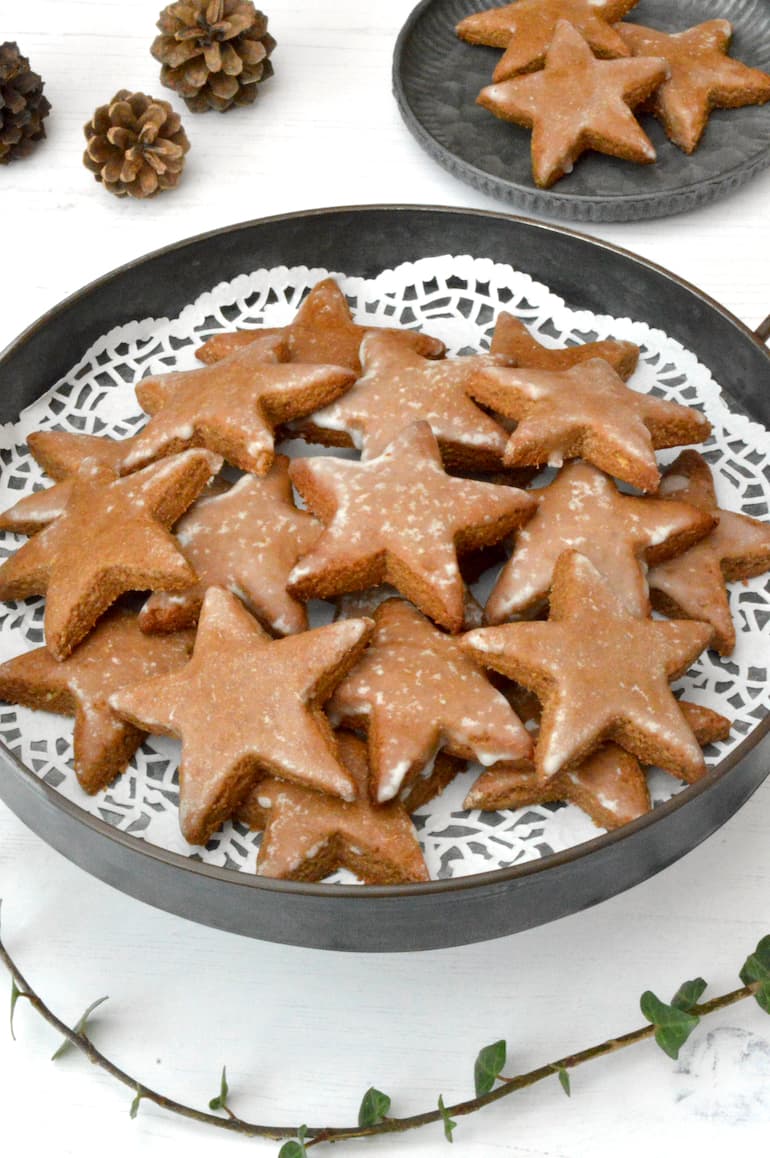
Lebkuchen is often described as German gingerbread, but that comparison hardly does it justice. Dating back to the Middle Ages, Lebkuchen emerged in monastery kitchens, where monks blended honey, nuts, and imported spices believed to have medicinal qualities. These spices—cinnamon, cloves, cardamom, nutmeg, ginger, and anise—were precious commodities, making Lebkuchen a luxury reserved for sacred seasons.

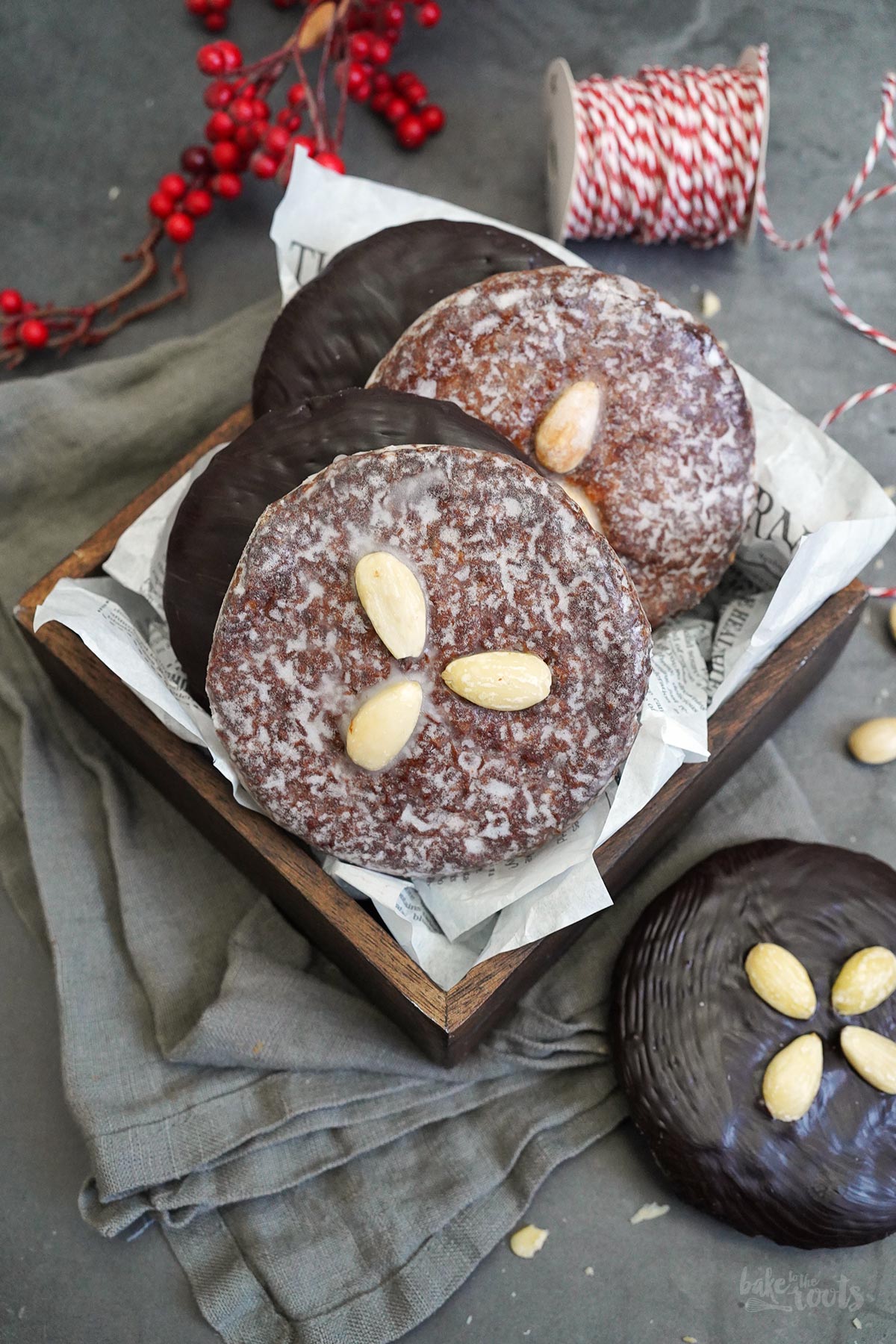
The most famous Lebkuchen comes from Nuremberg, where the city’s location along medieval spice trade routes ensured access to exotic flavors. Authentic Nürnberger Lebkuchen often contains little to no flour, relying instead on ground almonds or hazelnuts for structure. The result is soft, aromatic, and deeply complex.

Lebkuchen isn’t rushed. Dough often rests for days or even weeks, allowing flavors to deepen. Baking Lebkuchen became an Advent ritual—made early, stored carefully, and brought out slowly as Christmas approached. Some families brush them with sugar glaze; others dip them in dark chocolate. Some shape them as simple rounds, while others form hearts with piped messages of love.

“When the Lebkuchen come out, Christmas is no longer a promise—it’s here.”

» Read more

Top 7 German-American Thanksgiving Recipes That Bring Old-World Flavor to America’s Table

Where Danke Meets Thanksgiving

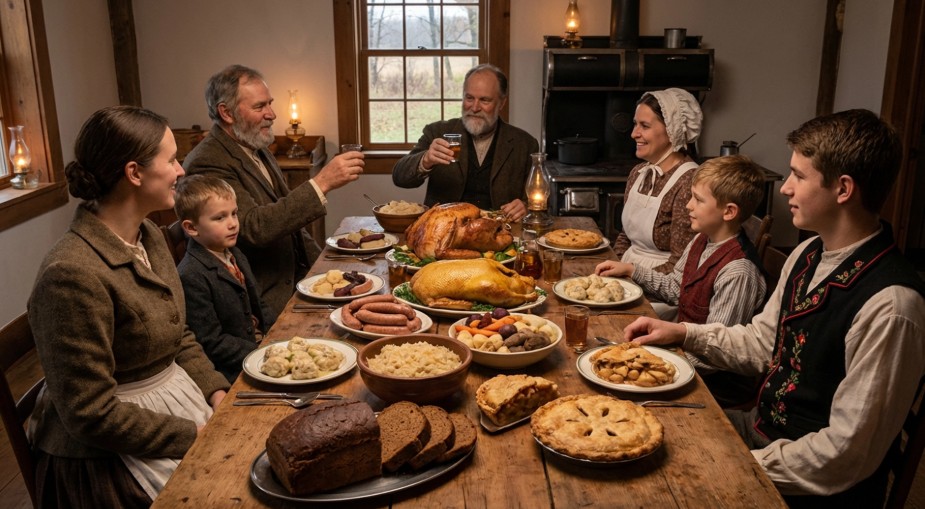
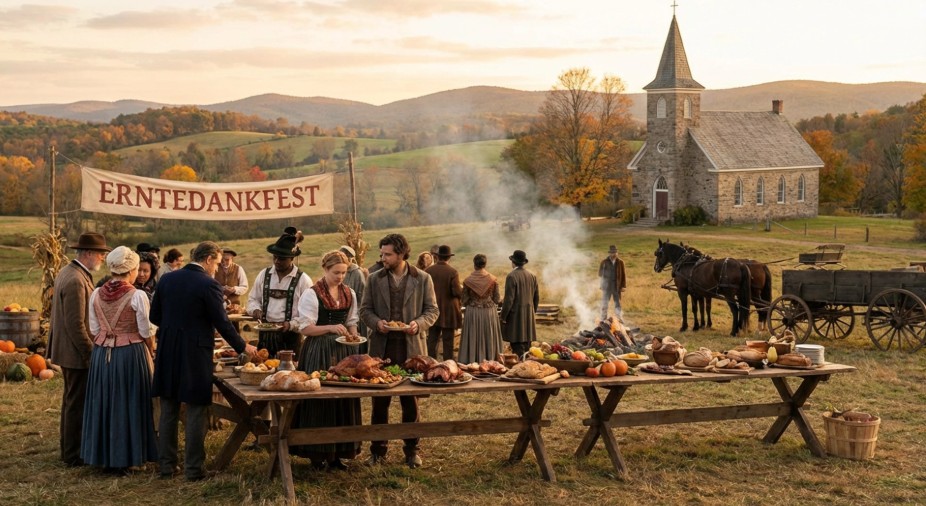
When you think of Thanksgiving, your mind probably drifts toward turkey, stuffing, cranberry sauce, and pumpkin pie — all wrapped up in that golden autumn glow. But for millions of Americans whose ancestors came from Germany, Thanksgiving carries a subtle yet flavorful twist: a fusion of Erntedankfest traditions (Germany’s own harvest festival) and the uniquely American feast of gratitude.

German immigrants didn’t just bring beer, pretzels, and polka to America — they brought a deep reverence for harvest, family, and hearty, humble food. From the fields of Holstein to the plains of Nebraska, the flavors of old-world Germany blended with new-world ingredients to create a Thanksgiving table that still tells a story centuries later.

So this November, let’s journey through time and taste as we explore the Top 7 German-American Thanksgiving Recipes — dishes that honor our ancestors, celebrate the harvest, and bring Gemütlichkeit (that warm feeling of comfort and belonging) to your table.


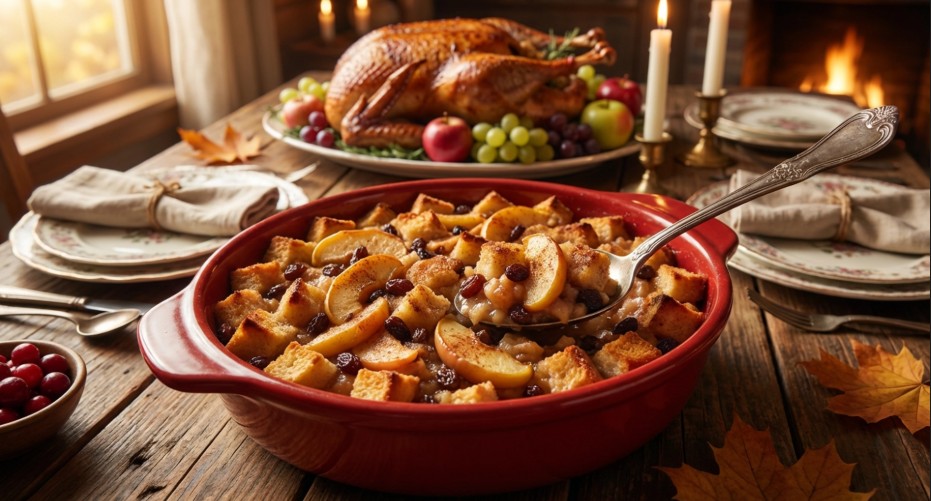
🥖 1. German Sweet Dressing (The Hingst Family Recipe)

Origin Story:
In the early 1800s, the Hingst family farmed in the rolling countryside of Seelent, Holstein, in northern Germany — a land of fertile soil, grains, and salted air from the Baltic Sea. During Erntedankfest, the family would gather after the final harvest to celebrate with a roast goose and a sweet, bread-based stuffing made from local apples, raisins, honey, and spices.
When the Hingst family immigrated to America in 1882, settling in Iowa and Nebraska, they brought this cherished recipe with them. Goose slowly gave way to turkey on the American table, but the sweet, cinnamon-laced dressing remained a staple — eventually earning the nickname “German Sweet Dressing.”

Today, it’s a nostalgic side dish found in family kitchens from the Midwest to the East Coast, connecting generations through every golden spoonful.

Ingredients:

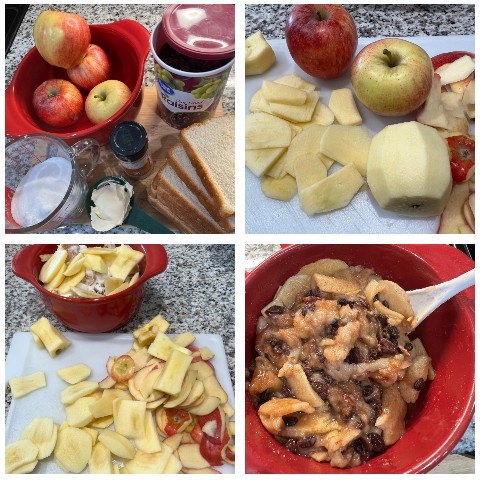
  • 8 cups cubed day-old bread
  • ½ cup butter
  • ½ cup water
  • 3 apples, diced
  • 1 cup raisins
  • 2 tbsp sugar, honey or molasses
  • 1 tsp cinnamon
  • ¼ tsp salt

Directions:
Lightly toast the bread cubes, then mix them with melted butter, diced apple, raisins, honey, cinnamon, and salt. Pour into a buttered casserole dish and bake covered at 350°F for 30 minutes, uncovering for the final 10 minutes to brown the top.

Taste Note:
It’s like the cozy cousin of classic American stuffing — with a kiss of sweetness and the warm spice of the Old Country. Perfect with turkey or even as a dessert-like side next to ham.


🦪 2. Northern German Oyster Dressing

Origin Story:
Long before Americans fell in love with oyster stuffing, coastal Germans were already combining bread, butter, and oysters in rich, briny holiday dishes. Along the Schleswig-Holstein coast, oyster beds dotted the North Sea and Baltic shores, and locals created “Austerfüllung” — a baked oyster and bread mixture traditionally stuffed inside a roasted fish or goose.

German immigrants brought this recipe to Maryland and Louisiana, where oysters were plentiful, and Thanksgiving was quickly becoming a national tradition. By the late 1800s, German-American oyster dressing had evolved into a beloved coastal favorite.

Ingredients:

  • 2 cups fresh shucked oysters, chopped
  • 6 cups stale bread cubes
  • ½ cup butter
  • ½ cup diced celery
  • Salt and pepper to taste

Directions:
In a skillet, melt butter and sauté the celery until soft. Stir in the oysters just long enough to firm them slightly, then fold the mixture into bread cubes. Add salt and pepper, transfer to a greased dish, and bake at 375°F for 25–30 minutes until bubbling and lightly browned.

Taste Note:
Savory and subtly oceanic, this dish delivers an elegant salt-kissed note to the Thanksgiving spread. If you close your eyes, you might even hear the waves of the North Sea rolling against the coast of your ancestors.

» Read more

From Pilgrims to Pioneers: Tracing German Roots in America’s Thanksgiving Story

While English colonial narratives tend to dominate the Thanksgiving mythos, German-Americans brought with them an old-world appreciation for harvest festivals—Erntedankfest, their traditional celebration of thanks.

This autumn observance emphasized gratitude, community gatherings, hearty foods, and church services focused on blessings received throughout the year. When German settlers arrived in Pennsylvania, the Midwest, and the Great Plains, they carried these customs with them and naturally blended them into local American life. Over time, their rhythms of giving thanks—rooted in family, faith, and the fruits of the soil—helped guide the emerging American spirit of harvest celebration.

Beyond celebrations, German farming know-how dramatically shaped the agricultural backbone of the young nation. German immigrants introduced advanced crop rotation, efficient barn designs, new food-preservation methods, and hardy livestock breeds that improved both yields and food security.

Their meticulous, almost scientific approach to agriculture spread rapidly across frontier settlements. These innovations didn’t just feed growing communities—they laid essential groundwork for the agricultural abundance modern Americans now associate with Thanksgiving tables overflowing with produce, breads, sausages, and seasonal desserts.

And then there’s the food—because no discussion of Thanksgiving is complete without it. German-Americans expanded America’s palate long before the holiday had a set menu. They contributed sausages, smoked meats, spiced breads, apple dishes, sweet rolls, and the kind of root-vegetable comfort foods that feel right at home beside turkey and stuffing.

In many regions, early Thanksgiving dinners featured sauerkraut alongside roast fowl, a tradition that still survives today in pockets of Pennsylvania and the Midwest. These German culinary fingerprints helped shape an American feast that is richer, heartier, and far more diverse than the simplified storybook version we often imagine.

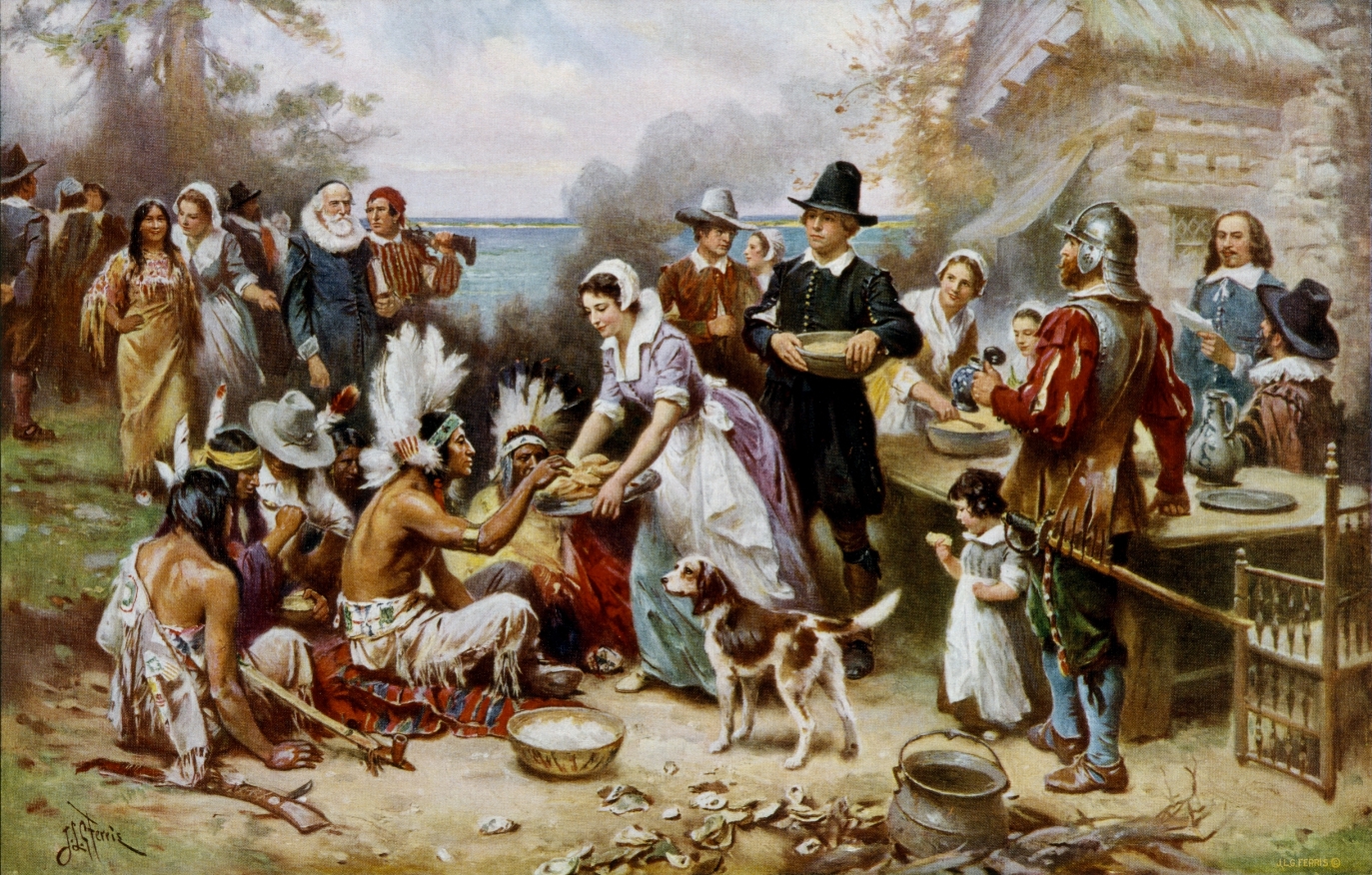
https://historicaldigression.com/wp-content/uploads/2010/11/the-first-thanksgiving.jpg
https://www.loc.gov/static/classroom-materials/immigration/images/german4_1.jpg

Most Americans picture Thanksgiving as a uniquely English-American tradition—Pilgrims in buckled hats, Native Americans, a harvest feast, and a legendary turkey. But behind the familiar story lies a surprising truth: German immigrants played a remarkable, often overlooked role in shaping America’s Thanksgiving customs, foods, farming techniques, and attitudes toward gratitude.

Long before pumpkin pie crowned the dessert table and football dominated the afternoon, German pioneers were planting crops, building communities, and sharing traditions that blended into what we now celebrate as Thanksgiving. Their influence is woven quietly but deeply into America’s cultural fabric—one hearty feast, one farmstead, and one frontier settlement at a time.

So grab a plate, pour a mug of cider (or maybe a crisp Oktoberfest brew), and let’s time-travel through how German roots helped cultivate America’s thanksgiving spirit long before Thanksgiving became a holiday.


The Pilgrim Story We Know… and What’s Missing

We all know the basics: In 1621, English Pilgrims and Wampanoag people shared an autumn harvest meal in Plymouth—a symbolic moment of cooperation and survival. But here’s what textbooks often skip: the Pilgrims were not the only Europeans contributing to early American harvest traditions.

In fact, while the Pilgrims were building Plymouth Colony, German-speaking settlers were already living, farming, and worshipping in parts of what is now the United States, especially in New York, Pennsylvania, and along the East Coast. Their agricultural know-how, communal feasts, and deep spiritual focus on gratitude paralleled many themes later associated with Thanksgiving.

https://sigalmuseum.org/wp-content/uploads/2017/09/10-300x206.jpg
https://cdn.thecollector.com/wp-content/uploads/2023/04/history-of-the-pennsylvania-dutch.jpg

» Read more

Oktoberfest 2025 Dates, Events & Traditions – What to Expect in Munich

Oktoberfest 2025 will take place from Saturday, September 20th to Sunday, October 5th, 2025.

For 16 unforgettable days, the city of Munich transforms into the beating heart of Bavarian culture—overflowing with world-renowned beer, lively music, and timeless traditions. Streets and beer tents come alive with the sounds of brass bands and cheerful singing, while locals and visitors alike don traditional dirndls and lederhosen.

The air is filled with the aroma of roasted meats, freshly baked pretzels, and sweet pastries, creating a feast for all the senses. From the ceremonial tapping of the first keg to the last song sung under twinkling festival lights, Oktoberfest embodies a spirit of togetherness and celebration that has enchanted millions for generations.

Despite its name, Oktoberfest always kicks off in late September to take advantage of Munich’s milder autumn weather. The event traditionally concludes on the first Sunday in October or extends to German Unity Day (October 3rd) if it falls later, ensuring a minimum of 16 days of celebration.

In 2025, festival-goers can look forward to two full weeks plus an extended final weekend, perfect for both locals and international visitors to experience the magic.

If you’re planning to attend, here’s your complete guide to Oktoberfest 2025 dates, events, and traditions, plus everything you need to know to make the most of your Bavarian adventure.


The Official Kickoff: “O’zapft is!”

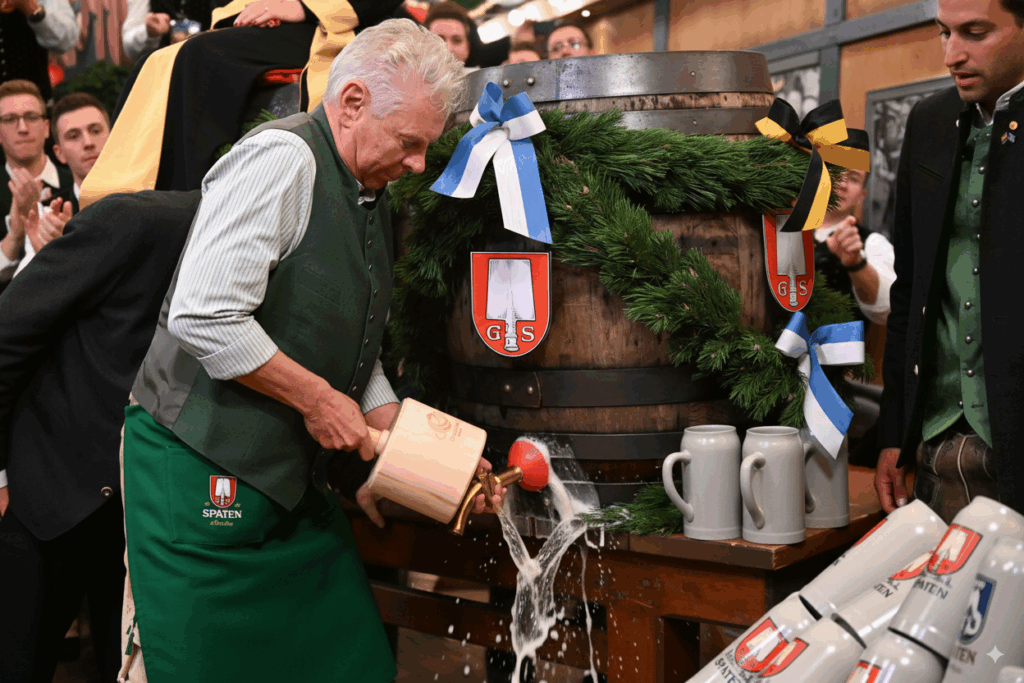
The festival begins with one of the most famous traditions: the keg-tapping ceremony. On opening day, the Mayor of Munich taps the first keg in the Schottenhamel tent, declaring “O’zapft is!”—“It is tapped!”

Only then does the beer officially begin to flow across the 14 major tents and countless smaller venues throughout the Theresienwiese fairgrounds. This moment is broadcast on German television and cheered by thousands of locals and travelers alike.

This ceremony not only marks the start of Oktoberfest—it embodies the spirit of Munich’s warm hospitality and the pride Bavaria takes in its brewing culture.


Oktoberfest 2025 Dates at a Glance

  • Opening Day: Saturday, September 20th, 2025
  • Closing Day: Sunday, October 5th, 2025
  • Duration: 16 days
  • Location: Theresienwiese, Munich, Germany

The extended schedule in 2025 includes both September’s milder climate and the special German Unity Day holiday on October 3rd, meaning crowds will be especially lively. Expect peak attendance during both weekends, particularly the final days.


The Iconic Oktoberfest Tents

One of the most defining features of Oktoberfest is its legendary beer tents—not mere temporary structures, but massive, elaborately decorated halls capable of seating thousands of guests.

» Read more

Pumpkin Spätzle: A Fall Comfort Food

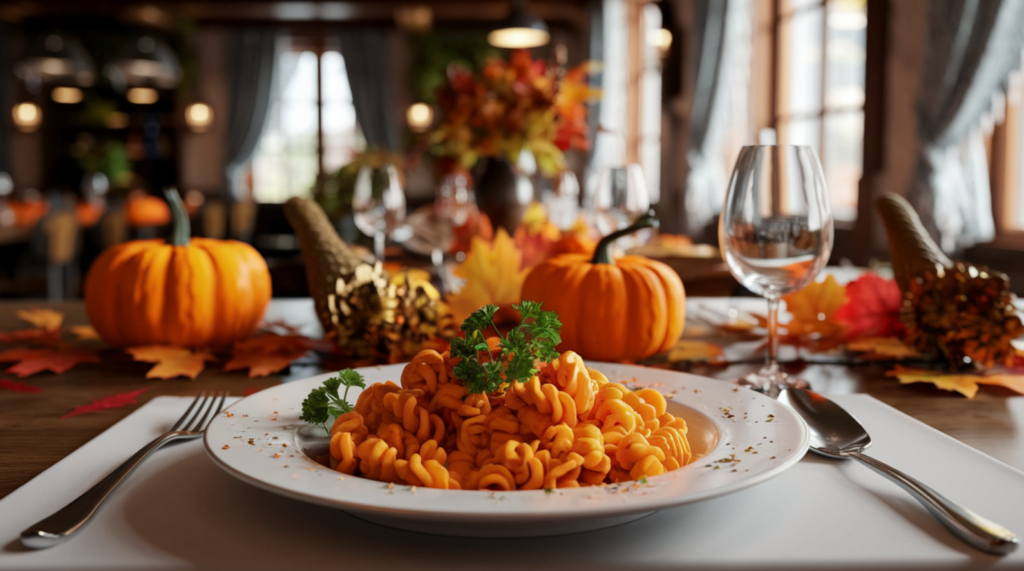
As autumn arrives, the air grows crisp and leaves turn colors. Nothing warms the soul like a hearty German dish. That’s why I decided to make Pumpkin Spätzle. It’s a twist on traditional spätzle, a German dumpling I loved as a kid.

A rustic wooden table set with a colorful bowl of pumpkin spätzle, drizzled with a rich brown butter sauce and garnished with fresh herbs, surrounded by autumn leaves and small pumpkins, warm golden sunlight casting soft shadows over the scene, evoking a cozy fall atmosphere.

I wanted to make a Pumpkin Spätzle recipe that felt like a cozy Bavarian kitchen. Cutting the dough by hand and watching it cook was rewarding. The smell of pumpkin and spices made my mouth water.

Key Takeaways

  • Pumpkin spätzle is a delectable autumn twist on the traditional German spätzle dish.
  • This comforting recipe combines the seasonal flavors of pumpkin with the soft, tender texture of homemade spätzle dumplings.
  • The pumpkin puree adds a touch of sweetness and vibrant color, while the spätzle provide a satisfying, doughy base.
  • This fusion of German heritage and fall flavors creates a truly mouthwatering comfort food for the cozy autumn season.
  • The recipe was originally shared in February 2021 and updated in March 2024, reflecting its enduring popularity.

Unraveling the History of German Heritage

German cuisine is deeply rooted in the country’s rich cultural traditions and history. At its heart is the beloved spätzle, a small, irregularly shaped dumpling. It has been a cherished part of German meals for centuries. Originating in southern Germany, these dumplings show the enduring importance of comfort food in German heritage.

Origins and Significance of Spätzle in German Cuisine

Spätzle are made from a simple batter of flour, eggs, milk, and salt. This batter is then pressed through a special colander or spätzle maker. This traditional method has been passed down through generations, becoming a key part of German culinary culture.

» Read more

A Taste of History: Unveiling the Origins of German Sweet Dressing

Nestled amidst the charming farmlands of northern Germany, in the region of Schleswig-Holstein, lies a culinary gem that has transcended generations and continents – the delectable German Sweet Dressing.

This unique stuffing, brimming with local ingredients and a rich heritage, has become a beloved tradition, gracing Christmas tables and Thanksgiving feasts alike.


Rooted in Frugal Innovation

The origins of the original German Sweet Dressing holiday recipes that often remind everyone of a bread pudding-type texture and raisins, but made from apples and raisins can be traced back to the resourceful spirit of German farmers, who sought to utilize simple yet flavorful ingredients to create a hearty stuffing for their Christmas goose.

Bread, butter, apples, raisins, molasses, honey, or sugar – these humble staples formed the foundation of this culinary masterpiece.

Driven by necessity and a touch of culinary creativity, these farmers transformed readily available ingredients into a symphony of flavors. The sweetness of honey or molasses balanced the tang of apples and raisins, while the richness of butter complemented the earthiness of bread.

» Read more

German Oyster Dressing, a favorite of Northern Germany near the Sea.

German Oyster Dressing, also known as “Austernfüllung,” is a traditional dish from Northern Germany, particularly in regions near the Baltic Sea. It’s a rich and flavorful variation of classic oyster stuffing, incorporating elements of German spices like caraway seeds and thyme.

German Oyster Dressing is a favorite on the tables of Northern Germans. It’s also popular as a special generational holiday recipe for Americans of German ancestry that originated in the coastal areas of northern Germany too. It’s common to see German Oyster Dressing on the tables of German Americans during both Thanksgiving and Christmas dinners.

» Read more

Beethoven Maennerchor adds food to its menu


The famed beer hall serves bratwursts, Reuben sandwiches and more along with beer. The beer has flowed regularly throughout the 152-year history of Beethoven Maennerchor, but as of earlier this summer, the famed German beer hall in Southtown has added food to the festivity. Beethoven is now selling bratwursts ($6) topped with sauerkraut and Reuben sandwiches ($7) daily, as well as rotating specials that include dishes like German goulash, sauerbraten, spätzle and soft pretzels. And every Wednesday, it’s offering up a “Chef’s Choice” special that will feature other authentic German dishes.

    Asheville restaurateurs pamper your palate in Erwin


    Dear Readers, may I present to you Ms. Janis MacGregor and Mr. David Outar, a pair of restaurateurs from just over the hill in Asheville, North Carolina. MacGregor and Outar own and run Asheville’s Bavarian Restaurant and Biergarten on the north end of town at the Woodfin suburb. It is a popular place, being much frequented by customers from Tennessee, who were not shy about entreating the pair to open a new restaurant on this side of Sams Gap. Well, the pair looked at many different locations throughout the Tri-Cities before choosing 202 Union St. in the town of Erwin as the location of their restaurant and naming it the Pampered Palate Café

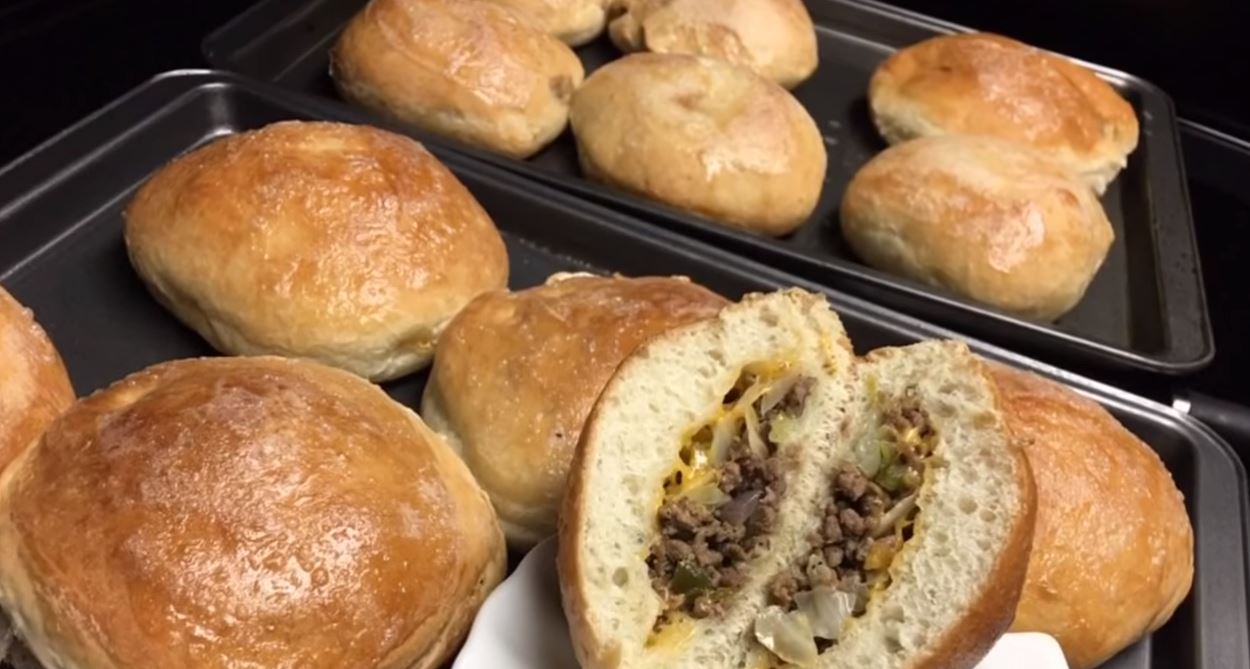
      BIEROCKS: A GERMAN-RUSSIAN TREAT IN AMERICA

      Bierocks. Sounds like a combination of a German beer festival and a rock concert. (That would actually be a good promo name for such an event!)
      I had never heard of Bierocks until a German Life reader wrote to ask me about them. She was an American from Kansas, who had also lived in Germany, and she had just finished reading my new memoir-cookbook, T-Bone Whacks and Caviar Snacks: Cooking with Two Texans in Siberia and the Russian Far East. Her question: “The ethnic German-Russians in western Kansas and the Mennonites prepare a pie similar to pirozhki [in the cookbook], stuffed with ground beef or sausage, onion, and sauerkraut, that they call Bierocks. I had never heard that name in Germany. Do you have any idea of its origin?

        Local German restaurants feel the pain of Wurstfest cancellation

        NEW BRAUNFELS, Texas — A highly anticipated event every fall, Wurstfest is among one of the largest events recently canceled in Central Texas due to the coronavirus pandemic. In 60 years of the festival’s history, organizers have never had to cancel. The event brings thousands of visitors every year to Central Texas to enjoy German culture, food, drinks and music. The German festival brings thousands of visitors and tourism to Central Texas.

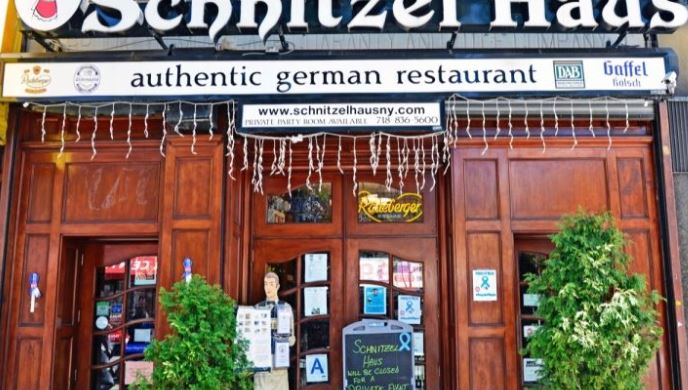
          Schnitzel Haus asks community for help on GoFundMe page

          With restaurants struggling through the COVID-19 pandemic and unable to provide indoor dining, a Bay Ridge favorite is asking for help. Schnitzel Haus, the German restaurant at 7319 5th Ave., has been in the community for 13 years and owner Alfred Urban has created a GoFundMe page to help pay the rent. “I’m not the type of person that asks for help, but unfortunately we have nowhere to turn right now,” he wrote. “Schnitzel Haus has become a staple in Bay Ridge in my opinion. At the beginning my parents and my family were the only ones that believed  in my dream. It has been a very difficult road. 

            Hügel Haus Switches from Sunday Dinner to Brunch – Door County Pulse


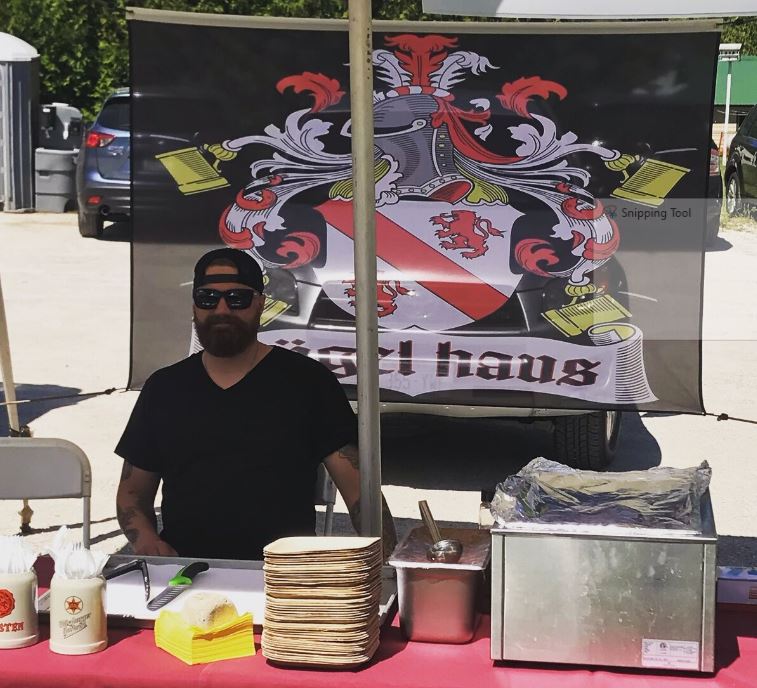
            The German restaurant and “Door County’s wurst bar” in Ellison Bay has changed its Sunday routine from serving dinner to serving brunch. Every Sunday for the foreseeable future, you’ll be able to indulge in a delicious brunch, 9 am – 2 pm. The menu features a variety of classic breakfast and lunch options, plus some […]

              Authentic German fare in the mountains of Georgia

              It’s interesting. Helen, Georgia is one of those bizarre places. I’d heard about it once or twice, and was there 20 years ago, but didn’t remember much about it. I remember it being a German-themed town, embraced by the entire town, with one awesome Oktoberfest. But this is the middle of the summer, not during Oktoberfest, during a pandemic. Would Helen, Georgia still have that Germain “flair” I remembered? The answer is not so simple.

                Food News: Popular German Beer Hall King’s Biergarten Gets a Facelift


                KING’S BIERGARTEN IN PEARLAND IS BACK, re-opening Tuesday after being closed for four months for a substantial renovation. Among the upgrades: a new bar with 36 taps, a new dining room with leather seating and reclaimed wood furniture, and a new parking lot. Plus, National Deli Month is a few weeks away. Deals can be had.

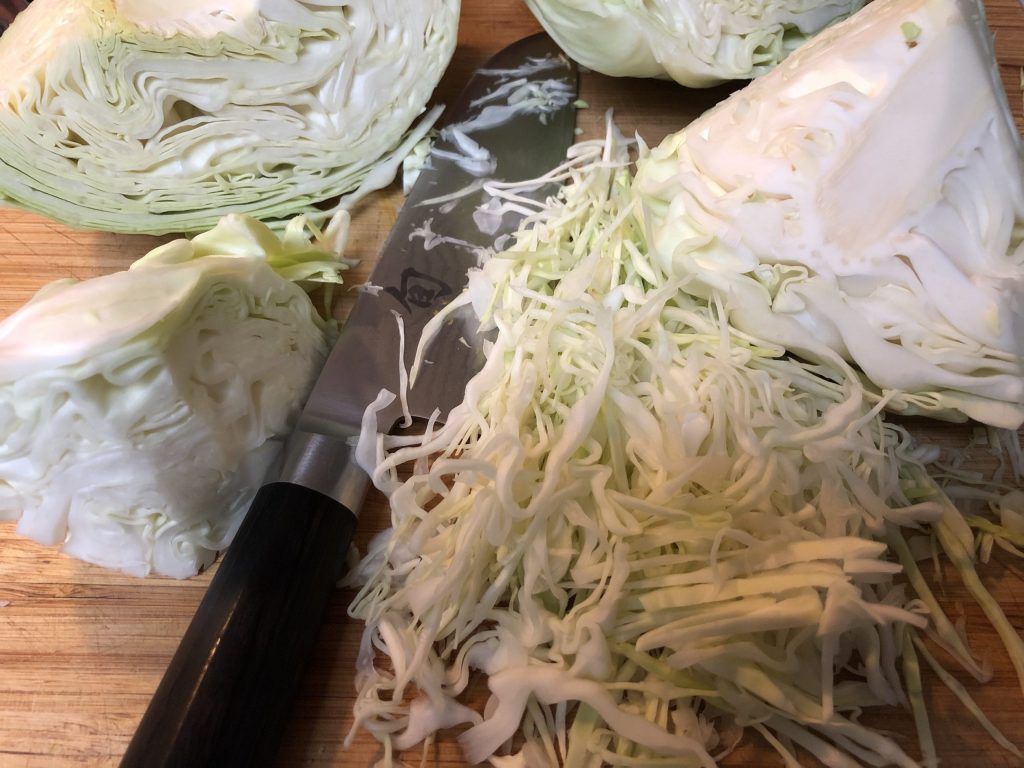
                  Fermenting Sauerkraut at Home, 3 Comments, April 6, 2020, Fermenting Sauerkraut at Home

                  One of the world’s quintessential beer foods, sauerkraut is a delicious treat at any time of the year. Sauerkraut is also the perfect food for this world-historical moment when many of us are stuck at home and digging in for the long haul. Loaded as it is with folate, Vitamins B6, C, and K, riboflavin, thiamin, iron, potassium, and magnesium, sauerkraut is a “superfood” — which is super news at a time when we want to keep our immune systems running at peak efficiency. In this two-part series, I’ll give you the goods on fermenting sauerkraut at home, and then provide you with a few recipes to get you on your way.

                    Classic German Rouladen Recipe by Chef Uwe Rudnick

                    Of course I love a good German dish of Rouladen anytime. I’d like to share with you today a recipe of how easily it really is to prepare it for yourself with help from Chef Uwe Rudnick.

                    A special Thank-you to GermanDeli.com and Chef Rudnick for putting these great German recipe videos together.

                    Chef RudnickSource: GermanDeli.com

                    Just click the video below to see how Chef Uwe does it and then click on the “Show More” tab for exact recipe details. 


                    German Rouladen is one of the most favorable German dishes that you can cook, not to mention it’s fun to prepare as well.

                    By the way, we love the work that Chef Uwe Rudnick does as well. Always a top ten presentation.

                    Be sure visit GermanDeli.com for the greatest German food ideas, deals and selections.

                    Also be sure to subscribe to the GermanDeli.com channel on Youtube for more fantastic German Recipes.


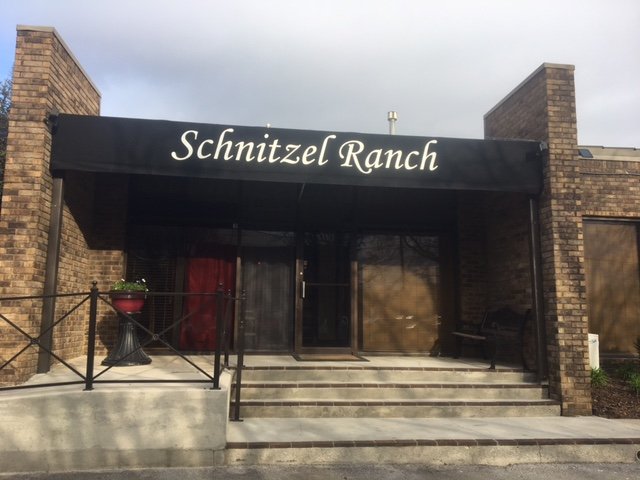
                    Schnitzel Ranch Restaurant offers Gemütlichkeit

                    Have you ever gone into a brand new place and immediately experienced the warmth and welcoming like a close family environment? You know, a sense of coziness.

                    The German’s have a one word name for that. They quickly tell you that it’s called… Gemütlichkeit.

                    I can tell you straight up that the Schnitzel Ranch Restaurant in Huntsville, Alabama has that Gemütlichkeit feeling working for them full time and it’s always in high gear.

                    sr

                    As soon as my family walked in the door, we were greeted by several staff members to the Schnitzel Ranch. They were all friendly and eager to get us seated.

                    Granted it was their first opening of their new place since relocating from across town and the excitement of their new place was obvious. That was fun to see.

                    Yes, GermanHeritageUSA was in the Haus!!!

                    Schnitzel Ranch Restaurant Owner and Chef, Renja Schmitt was busy speaking and taking pictures of patrons when she glanced up and recognized my face saying, “I knew you was going to eventually show up!”

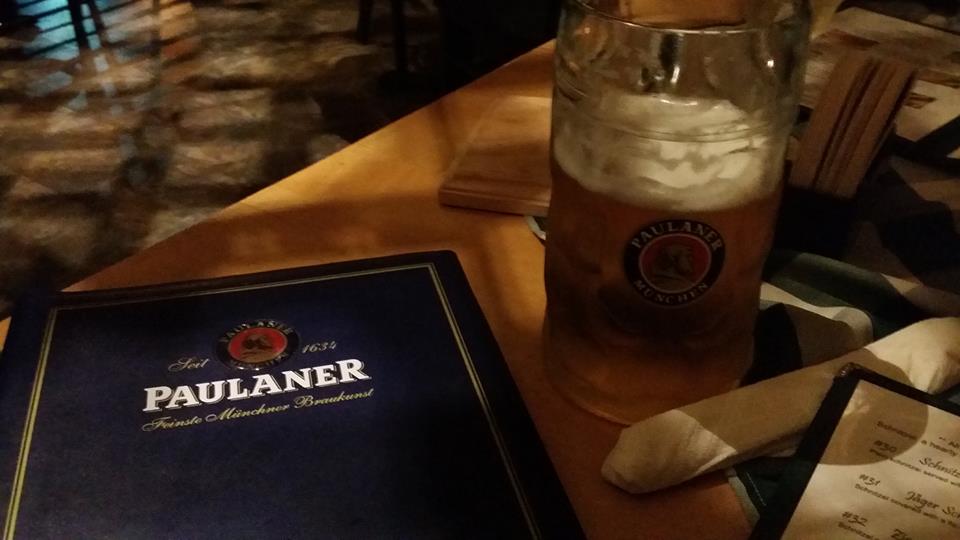
                    After some good conversation with Renja, we were all seated and I was seriously debating on ordering either a 2 or 3 liter bier boot. I settled for a simple 1 liter mug. In minutes I was enjoying a Paulaner Premium Pils that was quite refreshing after a late afternoon drive into town from Nashville.

                    The Schnitzel Ranch Restaurant is pretty much in downtown Huntsville Alabama, not far from the Von Braun Civic Center at their new location on Church Street.

                    The select menu at the Schnitzel Ranch is fantastic folks! I had personally ordered the Jaeger Schnitzel dinner loaded with sauerkraut and warm kartoffelsalat on the side.

                    Delicious!

                    AsbachBesides just great German food and beer, the Schnitzel Ranch offers a full bar selection of a variety of spirits too! They can make you just about any type of drink you desire

                    By the way Renja, I did take your recommendation and tried a shot of Asbach Uralt. It’s a very popular old fine Brandy from Germany that’s now at the Schnitzel Ranch… Wunderbar!!!

                    In conclusion, a special thanks to Schnitzel Ranch owner and chef Renja Schmitt and the rest of the staff for a FIVE STAR dining experience. We will definitely be back! 


                    German Pastries German Recipes | My Best German Recipes


                    German Heritage USA –  Are German Pastries your weakness?

                    German Pastries German Recipes | My Best German Recipes

                    "Plunder pastries can be found in every German bakery. They can be made with vanilla pudding, quark with jam (raspberry, apricot) or assorted fruit on top.mybestgermanrecipes.com/tag/german-pastries/"
                    http://mybestgermanrecipes.com/tag/german-pastries/

                    German Plunder

                    German Bakeries come up with so many recipes combinations of pastries that will make your mouth water. For more German Heritage information… visit www.GermanNationUSA.com