Sylvester Night in the USA: German New Year’s Traditions Americans Love
Long before the Times Square ball drops or champagne corks fly at midnight, German families have their own deeply rooted way of welcoming the New Year. Known as Silvester (or Sylvester Night), December 31st is not just a countdown—it’s a night rich with symbolism, superstition, food, laughter, and a hopeful look toward what lies ahead.

When German immigrants arrived in the United States, they brought these traditions with them. Over generations, many of these customs quietly blended into American New Year’s celebrations—sometimes unchanged, sometimes adapted—but always carrying the same intent and refreshing spirit that became their new normal tradition: leave the old year behind and step boldly into the new one.

Today, from Midwest farm towns to urban neighborhoods, German-inspired New Year’s rituals are alive and well. Some Americans practice them knowingly, others without realizing their origins. Together, they form a fascinating cultural bridge between old Europe and modern America.

As the Germans say:

“Ein neues Jahr heißt neue Hoffnung, neues Licht, neue Gedanken.”
“A new year means new hope, new light, new thoughts.”


What Is Sylvester Night?

In German tradition, New Year’s Eve is called Silvester, named after Pope Sylvester I, who died on December 31 in 335 AD. Unlike Christmas, which centers on family and faith, Sylvester Night is playful, loud, and often a little mischievous.

It’s a night of:

  • Noise to scare away bad spirits
  • Food meant to bring luck
  • Games and fortunes to predict the year ahead
  • Togetherness before the clock strikes twelve

These traditions crossed the Atlantic with German immigrants throughout the 18th and 19th centuries, especially to Pennsylvania, the Midwest, Texas, and parts of the Plains. Over time, they became part of the American New Year’s experience—sometimes under different names.


A Noisy Welcome: Fireworks, Bells, and Banging Pots

https://www.tripsavvy.com/thmb/rzDlaINk9htWGCV3oi_IBEL5hCY%3D/1500x0/filters%3Ano_upscale%28%29%3Amax_bytes%28150000%29%3Astrip_icc%28%29/colognenewyearssilvesterGettyImages-1088903992ChanachaiPanichpattanakij-5fa1387f5819414487be6b6a25a2b0d9.jpg
https://www.visittheusa.com/sites/default/files/styles/hero_l/public/images/hero_media_image/2017-05/c623fd969e2ea5b12c0c2a61351b9bdf.jpeg?h=57322256&itok=Npnal_ar
https://assets.simpleviewinc.com/simpleview/image/upload/q_75/v1/crm/fairbanks/DSC05156_A83D49B1-5056-A36A-0BDCF1BBF18E7CE8_a83eba27-5056-a36a-0ba5ec422ccf845a.jpg

If you’ve ever wondered why New Year’s Eve is so loud, you can thank German folklore.

In old European belief, loud noises chased away evil spirits lingering from the old year. Church bells rang, whips cracked, pots were banged, and eventually fireworks became the centerpiece of the night. When Germans settled in America, this love of noise followed them.

Today, fireworks are a universal American New Year’s tradition—especially in cities, riverfronts, and even rural towns. While Americans may see fireworks as pure celebration, their roots trace back to this age-old German belief: noise cleanses the future.


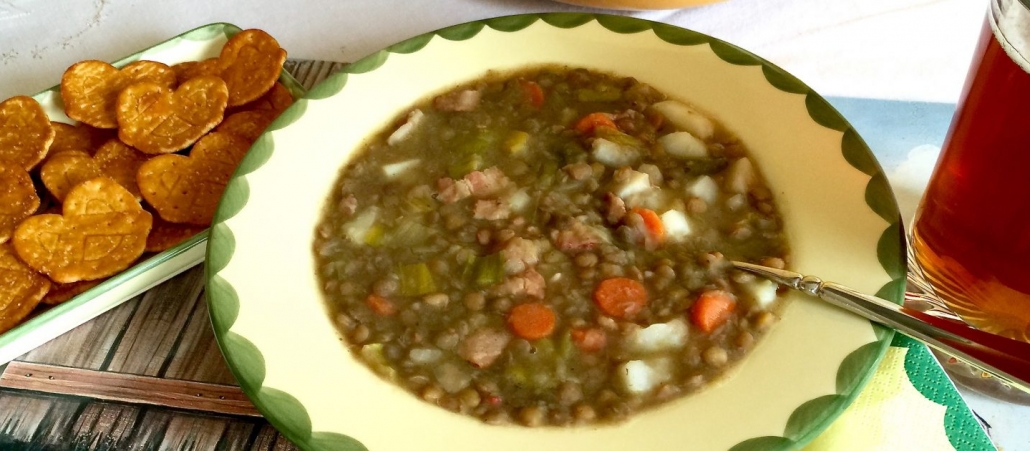
Good Luck on the Plate: Pork, Sauerkraut, and Lentils

https://wildbrine.com/wp-content/uploads/2018/12/why-sauerkraut-on-new-years-day2.jpg
https://www.theomaway.com/wp-content/uploads/2015/12/IMG_1866-1-1030x451.jpg

» Read more

German Holiday Baking: Lebkuchen, Stollen, and Sweet Traditions

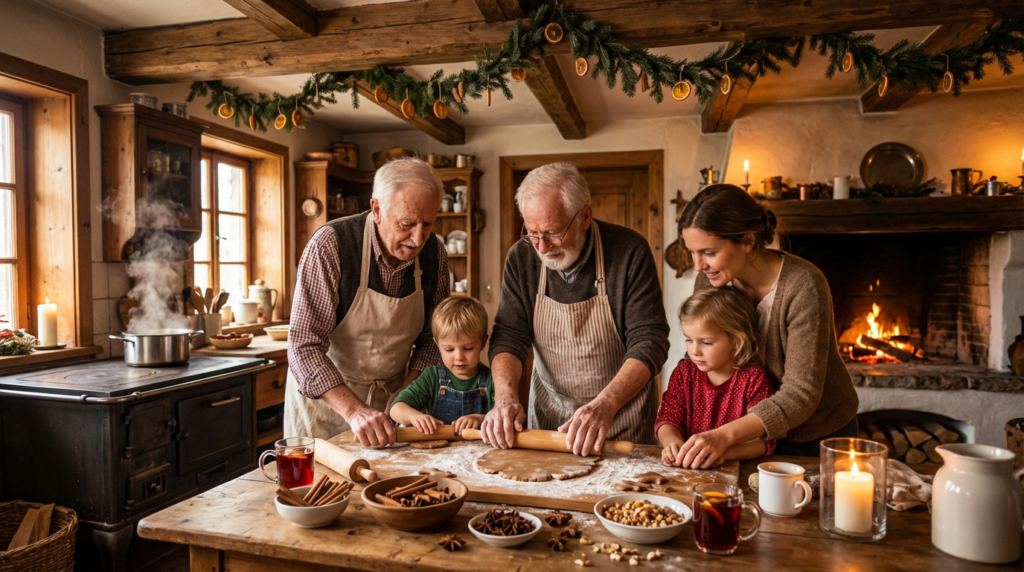
The holiday season in German households has always smelled like something magical. Even before the first candle is lit or the Advent wreath is hung, the kitchen becomes the heart of Christmas—warm, flour-dusted, and alive with tradition.

Generations gather around wooden tables, rolling dough, grinding spices, and retelling stories that feel as old as the recipes themselves.

German holiday baking is not just about desserts; it is about memory, rhythm, and ritual. Recipes are rarely written in modern measurements. Instead, they are passed down as instructions like “until it feels right” or “bake until it smells like Christmas.”

These sweets marked the seasons long before electric ovens and store-bought spice mixes, reminding families that winter was a time to slow down, gather close, and celebrate together.

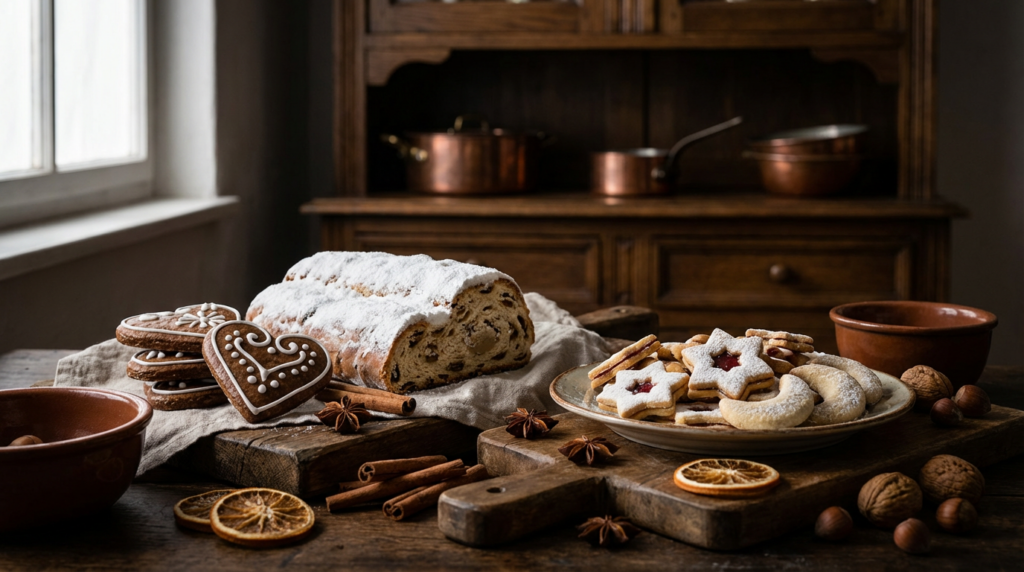
Three baked goods stand above all others in the German Christmas tradition: Lebkuchen, Stollen, and a constellation of regional cookies known collectively as Weihnachtsplätzchen. Each tells a story—not just of flavor, but of geography, faith, migration, and family.

As one old German saying goes:

“Backen ist Liebe, die man essen kann.”
“Baking is love you can eat.”


The Sacred Spice of Christmas: Lebkuchen

https://www.supergoldenbakes.com/wordpress/wp-content/uploads/2024/08/Lebkuchen-1-4.jpg
https://baketotheroots.de/wp-content/uploads/2015/07/HK_231205_Nuernberger-Lebkuchen2.jpg
https://tinandthyme.uk/wp-content/uploads/2024/12/Lebkuchen-Piled-On-Platter.jpg

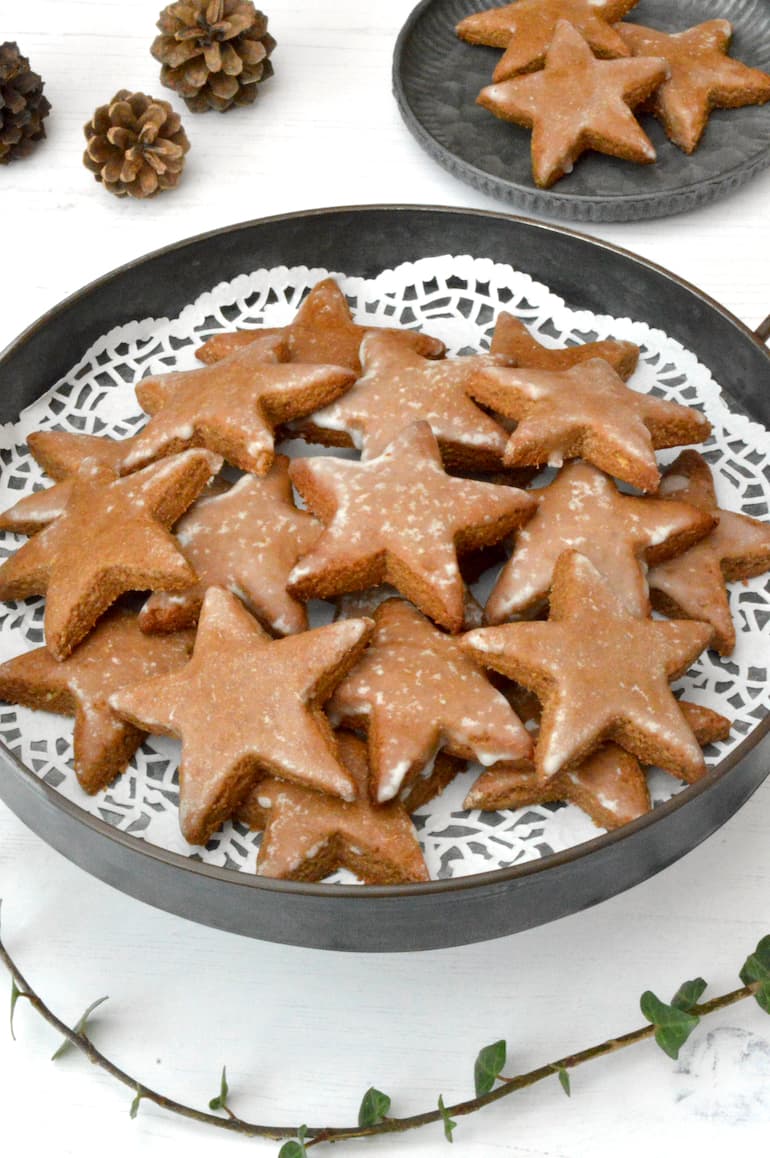
Lebkuchen is often described as German gingerbread, but that comparison hardly does it justice. Dating back to the Middle Ages, Lebkuchen emerged in monastery kitchens, where monks blended honey, nuts, and imported spices believed to have medicinal qualities. These spices—cinnamon, cloves, cardamom, nutmeg, ginger, and anise—were precious commodities, making Lebkuchen a luxury reserved for sacred seasons.

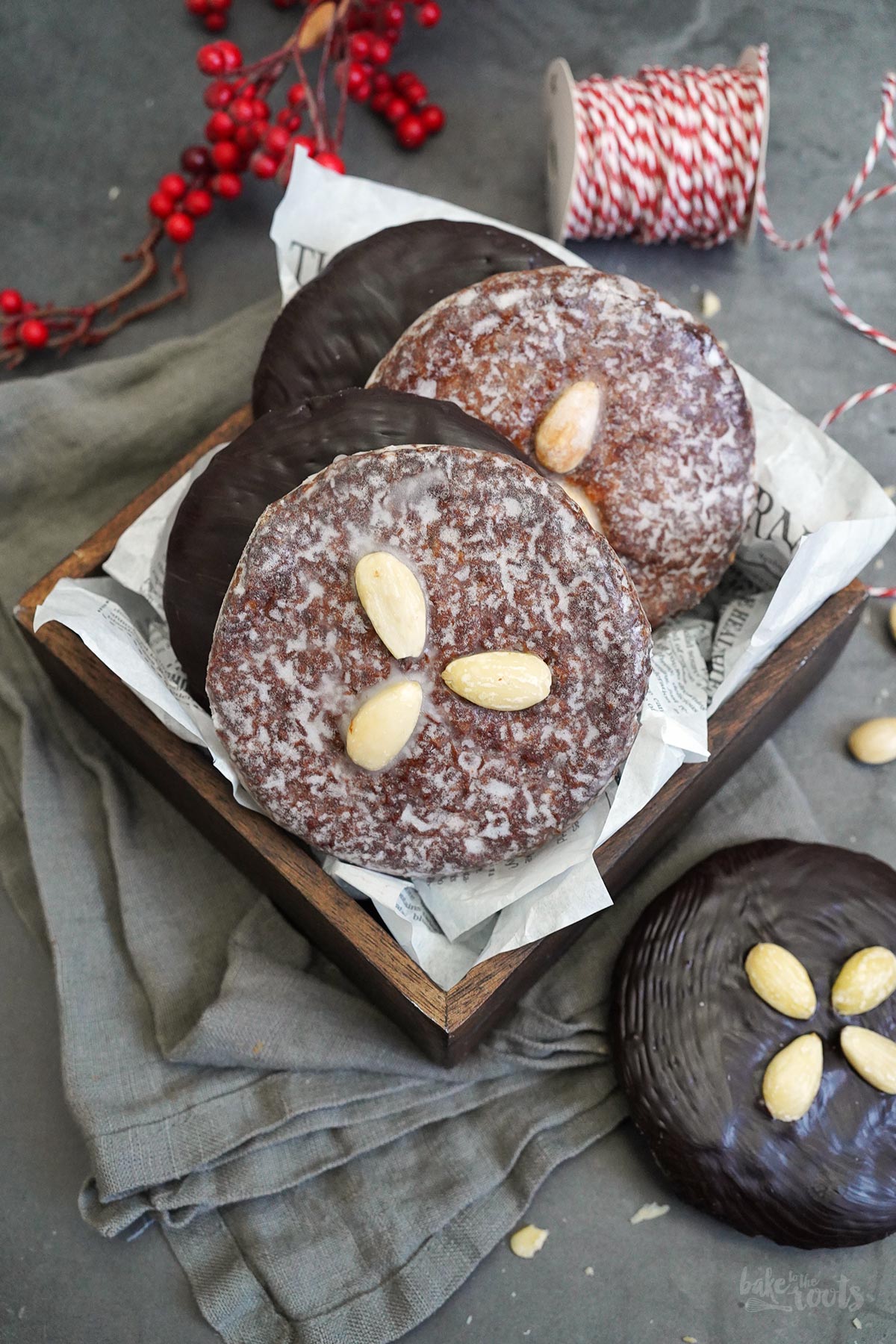
The most famous Lebkuchen comes from Nuremberg, where the city’s location along medieval spice trade routes ensured access to exotic flavors. Authentic Nürnberger Lebkuchen often contains little to no flour, relying instead on ground almonds or hazelnuts for structure. The result is soft, aromatic, and deeply complex.

Lebkuchen isn’t rushed. Dough often rests for days or even weeks, allowing flavors to deepen. Baking Lebkuchen became an Advent ritual—made early, stored carefully, and brought out slowly as Christmas approached. Some families brush them with sugar glaze; others dip them in dark chocolate. Some shape them as simple rounds, while others form hearts with piped messages of love.

“When the Lebkuchen come out, Christmas is no longer a promise—it’s here.”

» Read more

The Santa Debate: Weihnachtsmann vs. Christkind — Which One Does America Follow?

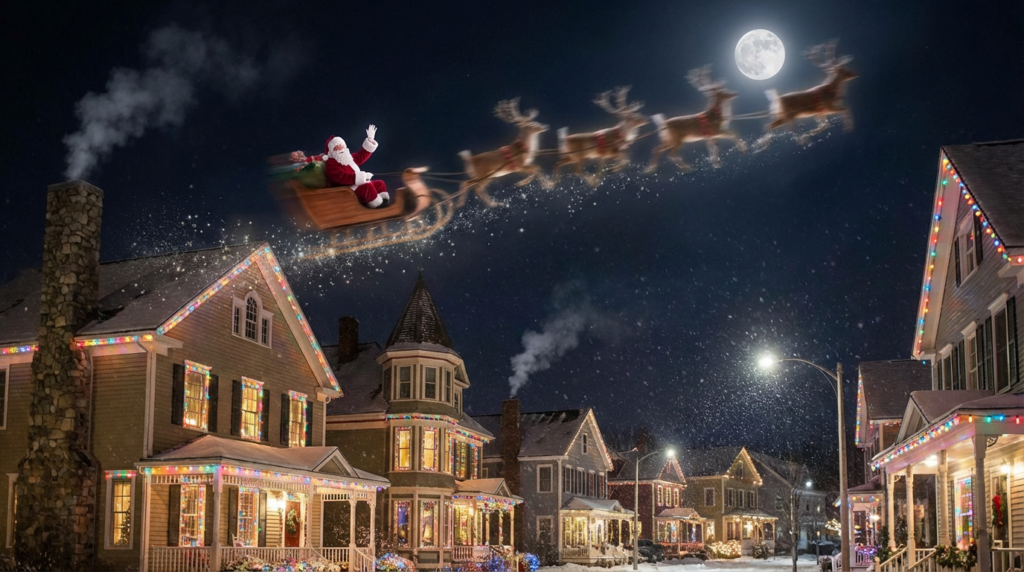
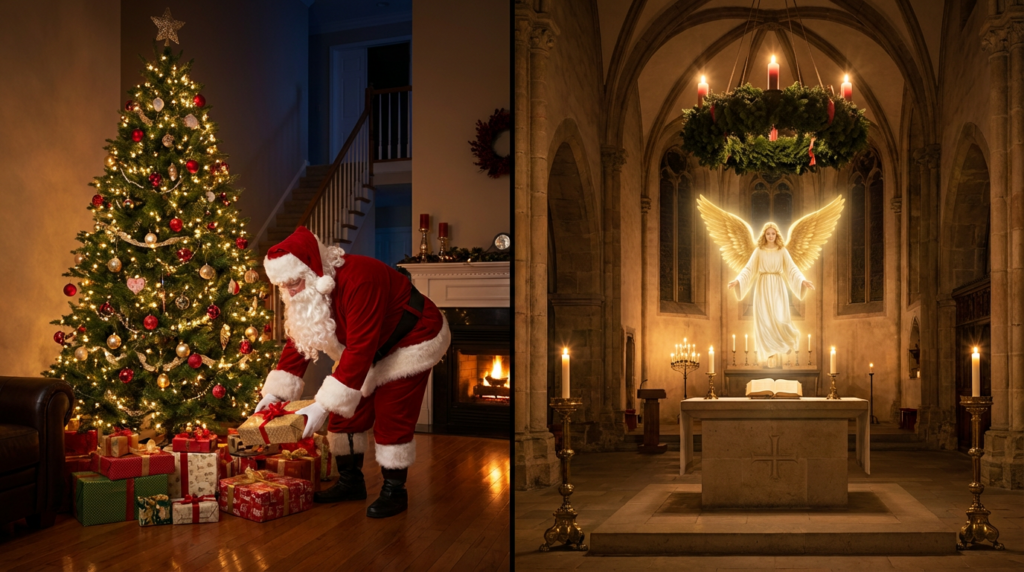
For many Americans, Christmas arrives on the boots of a jolly, red-suited man with a snow-white beard, a belly laugh, and a sleigh pulled by reindeer.

He slides down chimneys, leaves gifts under the tree, and signs his name simply: Santa. But across the Atlantic—and in many German-American homes—the story of who brings Christmas joy is more nuanced, older, and far more symbolic.

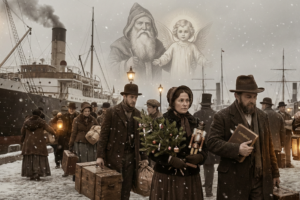
Germany, Austria, Switzerland, and German-speaking regions have long debated who delivers the magic of Christmas. Is it Weihnachtsmann, the fur-clad Father Christmas figure shaped partly by folklore and partly by modern culture? Or is it the Christkind, the angelic Christ Child rooted in Christian tradition and Reformation history? When Germans immigrated to America in the 18th and 19th centuries, they didn’t just bring tools, language, and recipes—they brought their Christmas beliefs, too.

Today, America overwhelmingly celebrates Santa Claus—but beneath the surface, the echoes of Weihnachtsmann and Christkind still ring through carols, customs, and communities. So which one does America really follow? The answer is more fascinating than a simple red suit versus angel wings.


From Europe to the New World: Two Gift-Givers, Two Philosophies

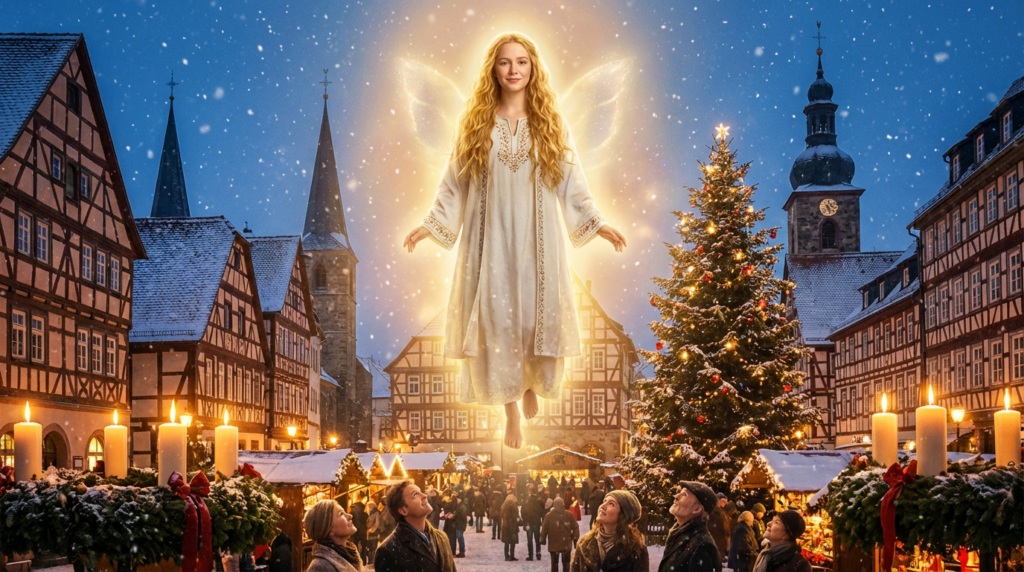
The Christkind emerged in the 16th century during the Protestant Reformation. Martin Luther promoted the Christ Child as a way to refocus Christmas on the birth of Jesus rather than the veneration of saints. The Christkind—often depicted as a glowing, angelic child with golden hair—was said to quietly deliver gifts on Christmas Eve.

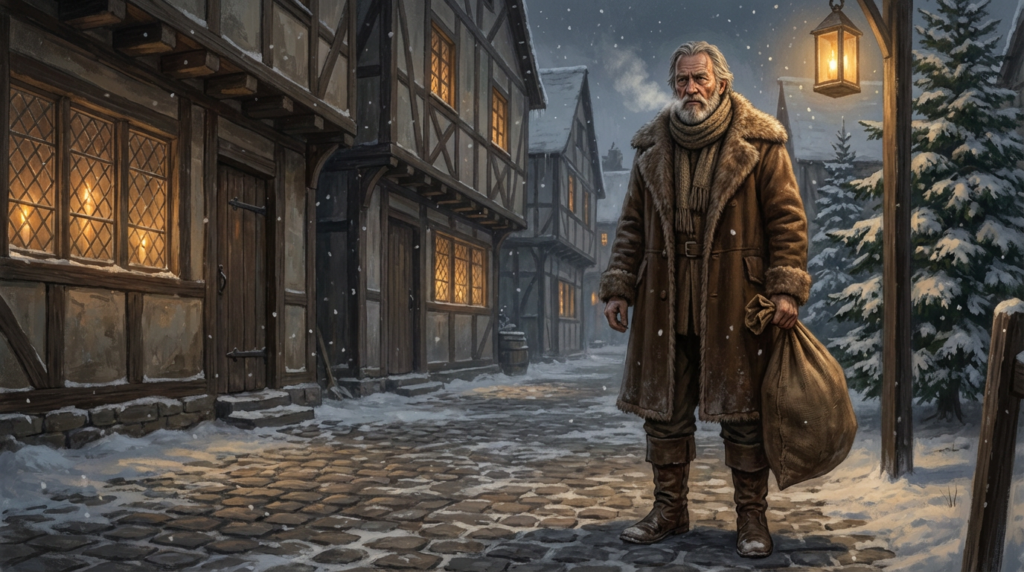
Weihnachtsmann, by contrast, developed later as a secular winter figure influenced by Saint Nicholas, local folklore, and eventually global commercial imagery. He was less overtly religious, more approachable, and adaptable—qualities that would later make him a perfect fit for American culture.

German immigrants carried both traditions with them when they settled in Pennsylvania, Ohio, the Midwest, and Texas. In the early days of America, it wasn’t unusual to find Christkind celebrations alongside Saint Nicholas Day (December 6) and Weihnachtsmann traditions—sometimes all within the same town.

“Christmas traditions don’t disappear when people migrate—they evolve.”
— Dr. Ingrid Bauer, German-American Cultural Historian


How Santa Claus Won America’s Heart

By the early 19th century, something remarkable happened in the United States. Different European traditions began blending into a uniquely American figure—Santa Claus.

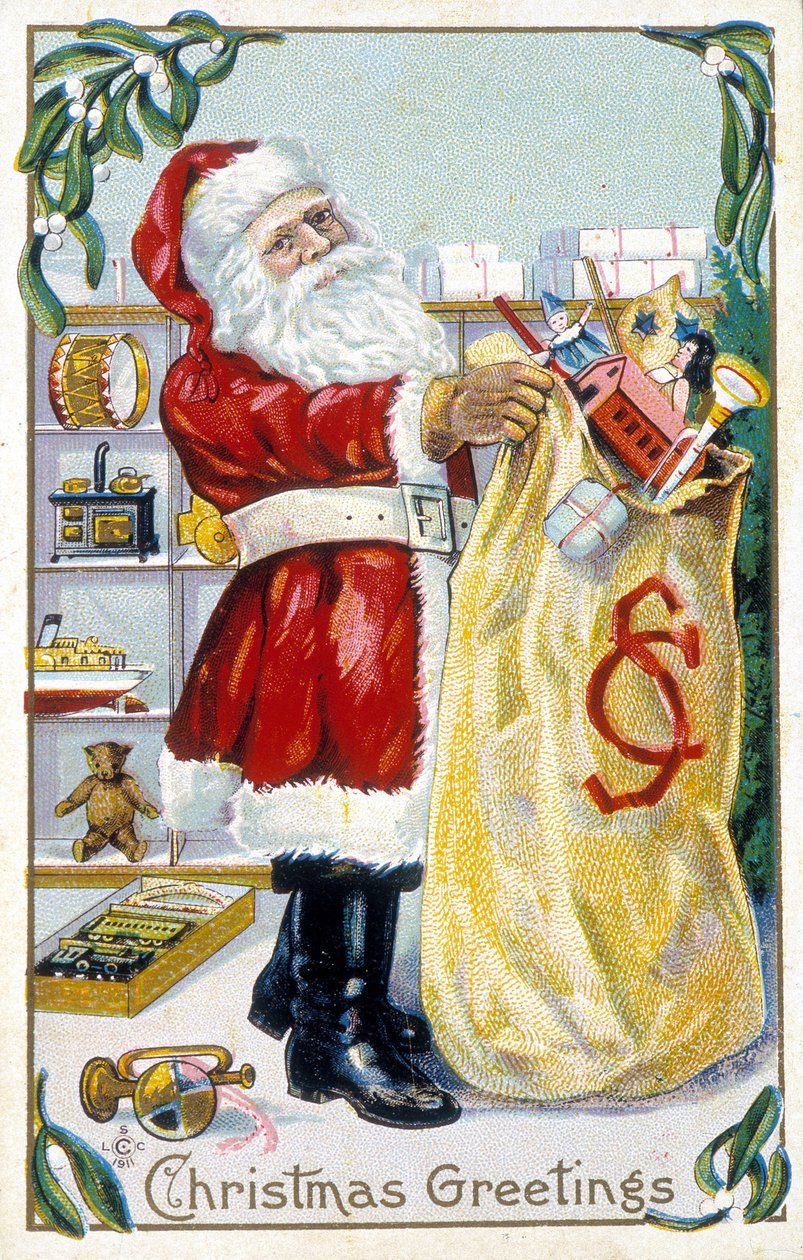
The Dutch brought Sinterklaas to New Amsterdam (New York). Germans contributed Weihnachtsmann imagery and Christmas trees. English traditions added Father Christmas. Writers like Washington Irving and Clement Clarke Moore (“’Twas the Night Before Christmas”) fused these influences into a single, lovable character. Later, illustrators like Thomas Nast—and yes, commercial advertising—cemented Santa’s modern look.

https://www.meisterdrucke.us/kunstwerke/1260px/Unknown_artist_-_Santa_Claus_preparing_gifts_-_Christmas_card_American_greeting_card_sd_late_19th_-_%28MeisterDrucke-1027106%29.jpg?utm_source=chatgpt.com
https://th-thumbnailer.cdn-si-edu.com/ME0LpD7QIHr0-YPHm68t0H9Wjm4%3D/fit-in/1072x0/filters%3Afocal%28400x499%3A401x500%29/https%3A//tf-cmsv2-smithsonianmag-media.s3.amazonaws.com/filer/4f/c6/4fc6c2d9-8721-4253-9567-ab7167b7a01f/merry_old_santa_claus_by_thomas_nast.jpg?utm_source=chatgpt.com

Santa was adaptable. He wasn’t tied to a specific church doctrine. He fit perfectly into America’s growing emphasis on family, childhood wonder, and generosity. Weihnachtsmann’s secular flexibility helped Santa thrive—while Christkind, deeply spiritual and symbolic, struggled to maintain mainstream visibility.


Christkind Lives On—Just Not Everywhere

Despite Santa’s dominance, the Christkind never vanished completely. In fact, it thrives in pockets of America where German heritage remains strong.

Cities like Bethlehem, Pennsylvania, Frankenmuth, Michigan, and New Ulm, Minnesota still celebrate Christkind traditions through Christmas markets (Christkindlmärkte), angelic imagery, and gift-giving customs centered on Christmas Eve rather than Christmas morning.

https://mymerrymessygermanlife.com/wp-content/uploads/2023/02/christkind-angel-with-toys-jpeg.webp?utm_source=chatgpt.com

In these communities, children may still hear bells signaling that the Christkind has come and gone—never seen, only felt. The focus is quieter, more reverent, and deeply rooted in German storytelling.

“The Christkind teaches patience and humility—virtues harder to market, but no less meaningful.”
— Rev. Markus Schneider, Lutheran Pastor


The Christmas Tree: A Silent Winner for German Heritage

If Santa won the spotlight, Germany quietly won the living room.

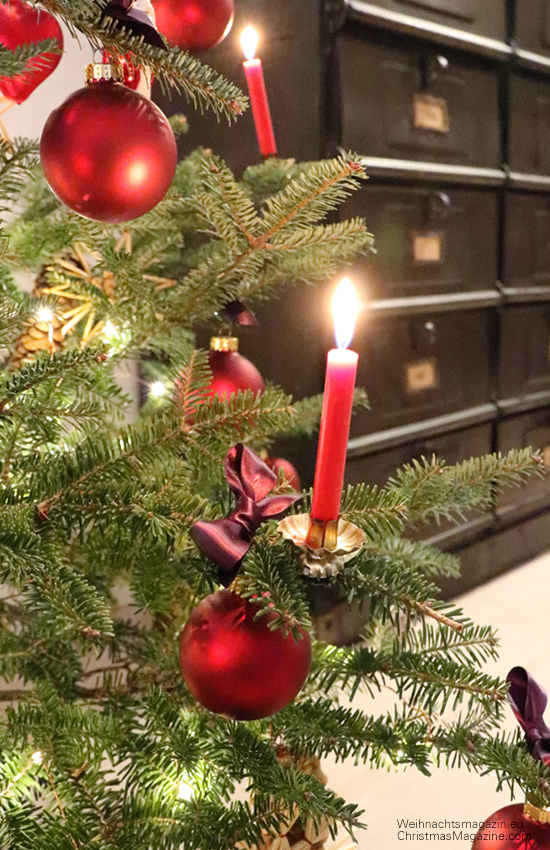
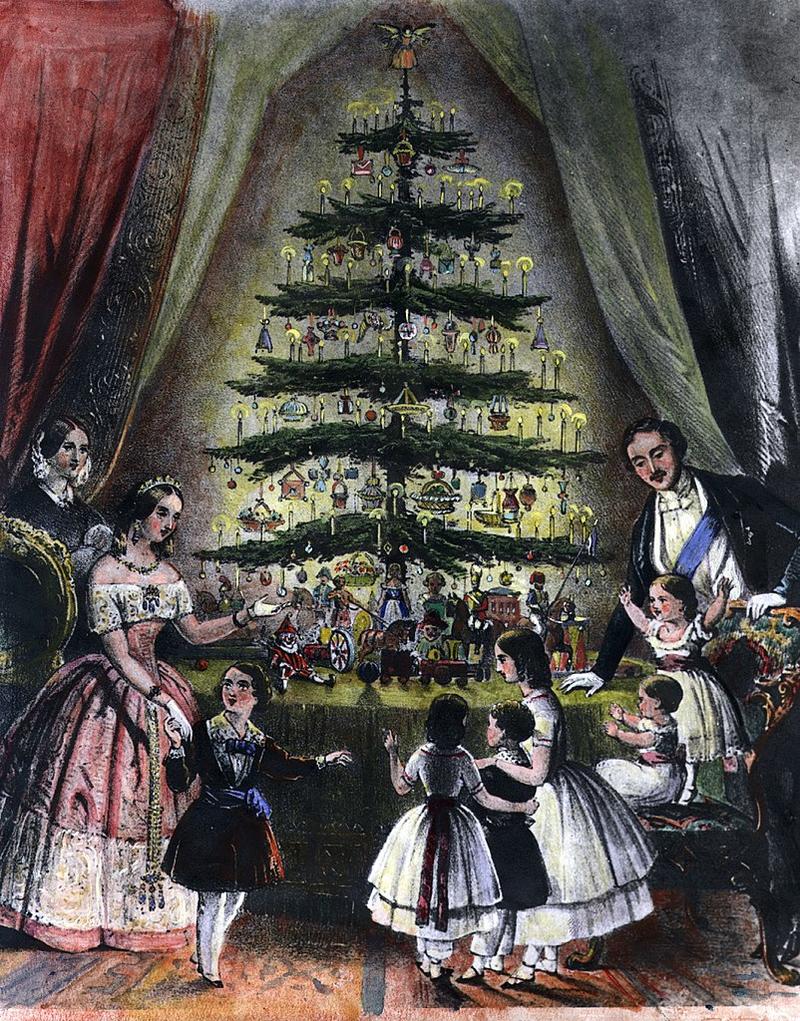
The Christmas treeder Tannenbaum—is undeniably one of Germany’s greatest cultural exports. Popularized in America by German immigrants and later embraced by Queen Victoria and Prince Albert in England, the decorated evergreen became a universal symbol of Christmas across the U.S.

https://www.christmasmagazine.com/wp-content/uploads/2019/04/Christmas-tree-decorated-05.jpg?utm_source=chatgpt.com
https://www.ashmolean.org/sites/default/files/styles/mt_image_large/public/ashmolean/images/media/802px-christmas_tree_1848.jpg?itok=3GO2W3z9&utm_source=chatgpt.com

Trees were originally associated with Christkind celebrations, not Santa. Presents were placed beneath them for Christmas Eve, aligning with Christkind’s visit. Even today, when Santa fills the role of gift-giver, the German structure of Christmas remains firmly in place.


Dates Matter: December 6 vs. December 24 vs. December 25

German Christmas traditions don’t revolve around a single magical morning.

  • December 6 – St. Nicholas Day: Shoes by the door, small gifts, moral lessons.
  • December 24 – Heiligabend (Christmas Eve): Main celebration, gift-giving, church.
  • December 25 – Christmas Day: Family, rest, reflection.

America condensed these layered traditions into December 25, aligning with Santa’s overnight visit. Efficiency replaced ritual—but traces of German timing still appear in church services, Advent calendars, and candlelight traditions.


Commercial Christmas vs. Cultural Christmas

There’s no denying that commercialization played a role in Santa’s rise. Weihnachtsmann adapted easily into ads, parades, and films. Christkind—ethereal, religious, and unseen—did not.

But the resurgence of German-style Christmas markets across America suggests a renewed hunger for authenticity. From Chicago to Denver to San Antonio, Americans are sipping Glühwein, buying hand-carved nutcrackers, and rediscovering Old World charm.

This isn’t a rejection of Santa—it’s an expansion of the story.


So… Which One Does America Follow?

Officially? Santa Claus.
Culturally? A German hybrid.
Spiritually? It depends on the household.

America follows Santa in image and timing—but follows Christkind and Weihnachtsmann in structure, symbolism, and soul. The Christmas tree, Advent season, candles, carols, markets, and even the idea of a benevolent gift-bringer are deeply German at their roots.

Perhaps the real winner of the Santa Debate isn’t a single figure at all—but the German-American fusion that created a holiday bigger than either tradition alone.

“Christmas in America isn’t German or American—it’s German-American.”

And that may be the greatest Christmas gift Germany ever gave the United States.


Frohe Weihnachten from German Heritage USA!

» Read more

The Real Story of the German Christmas Pickle and Its American Start

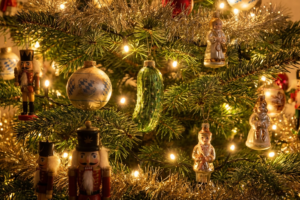
Few Christmas ornaments carry the mystery, charm, and emotional weight and uncertainty of the so-called German Christmas Pickle, that green glass gherkin tucked deep into the branches of holiday trees across America. Children hunt for it each Christmas morning, hoping for a reward—an extra present, a year of good fortune, or simply the honor of “finding the pickle.”

But behind this playful ritual lies a story far deeper than a quaint holiday legend. Its roots stretch from Bavarian hillsides to the horrors of a Civil War prison, and from the craft villages of Germany to the bustling storefronts of America’s first nationwide retail empire.

This is the real story—part history, part heritage, part reminder of the human capacity for gratitude—even in the darkest places.


A Bavarian Soldier on American Soil

The heart of the Christmas Pickle story begins not with a myth, but with a man.

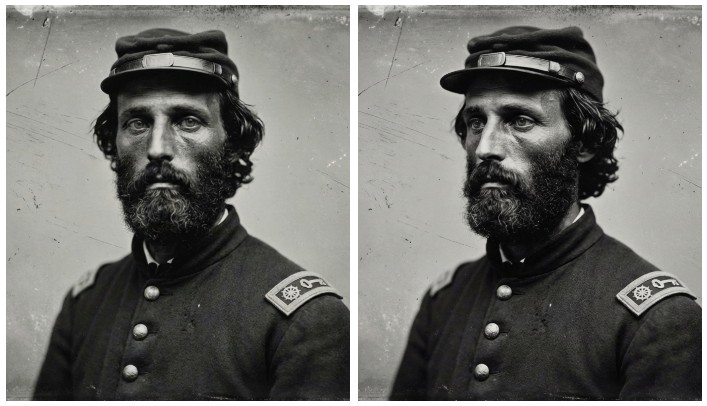
John C. Lower, born in Bavaria, immigrated to the United States before the outbreak of the American Civil War. When conflict erupted, Lower enlisted with the Federal Union forces, eventually serving as a quartermaster—a role steeped in logistics, resource management, and discipline.

It is easy to imagine a young Bavarian immigrant believing that military service would both prove his loyalty to his adopted country and secure a better life after the war. Yet, as happens so often in history, fate carved a harsher path.

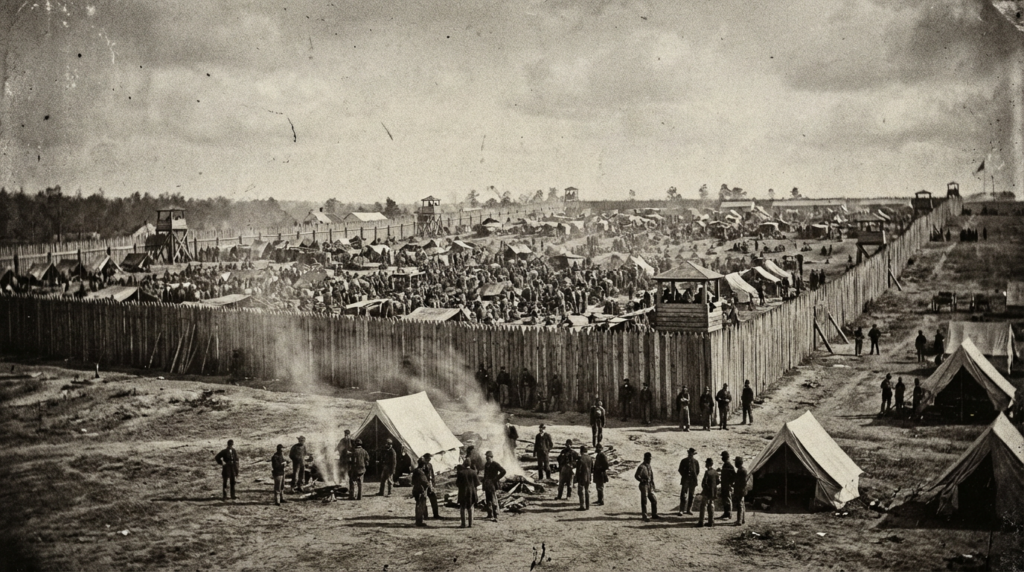
Captured in 1864, Lower was sent to Andersonville Prison—one of the most infamous prisoner-of-war camps in American history.


Andersonville: The Shadow of Suffering

Officially named Camp Sumter, Andersonville was designed for 10,000 prisoners. By the summer of 1864, it held more than 33,000. Disease, starvation, contaminated water, and exposure were daily realities.

Survivors would later say that Andersonville pushed the human spirit to its edge.
Each day felt like a negotiation between despair and determination,” one former prisoner wrote—a sentiment that captures the environment Lower confronted.

It was there, in the most unlikely of places, that a small act of compassion occurred—an act that would echo for generations.


The Pickle That Became a Lifeline

According to family accounts, passed down for decades, a Confederate guard noticed Lower’s deteriorating condition on a bleak Christmas Eve. Perhaps the guard saw a young man far from home. Perhaps hunger softened even the hardest wartime lines. Whatever the motivation, he offered Lower a simple pickle—half eaten, yet wholly meaningful.

It was not merely food. It was a reminder of humanity.

Lower reportedly later reflected that the unexpected gift gave him “a spark of hope I had not felt in months.” Whether from its nutrition or its symbolism, the pickle helped him regain strength. More importantly, it rekindled his will to survive.

This was the moment that transformed an ordinary vegetable into a symbol of gratitude, endurance, and new beginnings.

» Read more

O Tannenbaum: German Roots of the American Christmas Tree Tradition Shaped America’s Christmas Spirit

For many Americans, the Christmas tree arrives in the home like an old and cherished friend—dragged through the doorway with laughter, settling into its stand with a sigh, and slowly coming to life as lights and ornaments transform it from simple evergreen to seasonal centerpiece.

But few pause to wonder why this ritual feels so essential, so foundational to the holiday itself. The answer reaches far deeper than most expect—deep into German history, German folklore, and the story of German immigrants whose traditions quietly reshaped an entire nation’s understanding of Christmas.

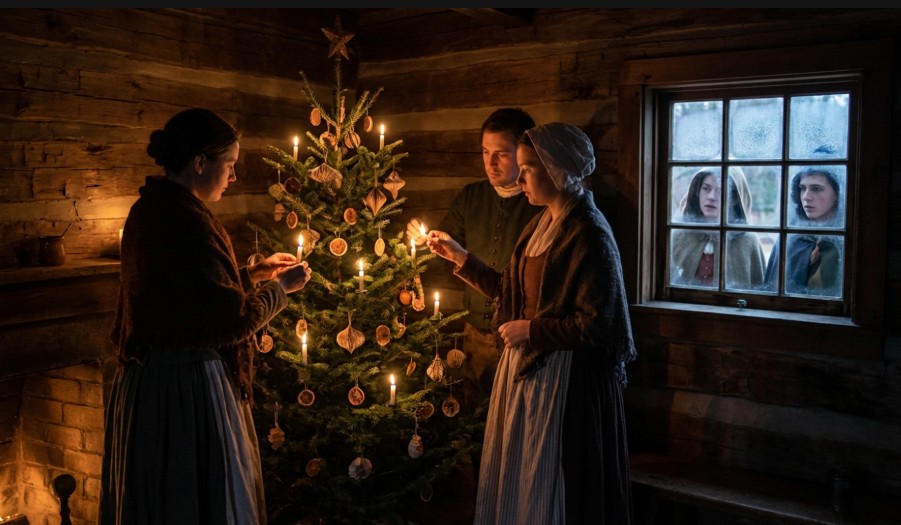
Imagine those early December evenings in colonial America when German families lit candles on their trees for the very first time. Their neighbors whispered about the strange glowing evergreens in these new settlers’ homes—were they decorations? Religious symbols? Fire hazards waiting to happen? Yet curiosity soon melted into admiration, and admiration soon became imitation. What began as a cultural curiosity soon blossomed into a nationwide phenomenon.

Across generations, the Christmas tree did more than mark the season. It became a symbol of togetherness and optimism—a reminder that even in the darkest days of winter, beauty could flourish and light could prevail. This symbolism resonated powerfully in a young America that was still forming its identity. When the German Tannenbaum landed on American shores, it did not remain a foreign tradition for long. It adapted, evolved, and ultimately became one of the most cherished customs in the United States.

It’s no exaggeration to say that the American Christmas—its imagery, its warmth, its spirit—owes a great deal to German craftsmanship, German imagination, and German devotion to family-centered celebration.

And as America layered its own innovations onto the evergreen tradition, the Christmas tree grew into a cultural icon recognized around the world. The story of the Tannenbaum is ultimately a story of cultural exchange—a tree planted in European soil that grew into an emblem of American joy.

So as we look at the millions of twinkling trees that fill American homes each year, it’s worth stepping back and remembering the journey that brought this tradition across the Atlantic. The Christmas tree is more than decoration. It is heritage made visible—German roots that continue to shape America’s holiday spirit in every glowing light and every evergreen branch.


https://victorianchristmaslady.com/wp-content/uploads/2022/09/victoria-and-albert-christmas-tree-1848-480x574.jpg
https://i.pinimg.com/474x/f3/70/4e/f3704e5ce27c4e8d505922883b51bf9c.jpg
4

Introduction — A Tree That Traveled Across an Ocean and Grew Into a Nation’s Heart

Every December, millions of American families gather around a single glowing symbol of Christmas joy: the Christmas tree. Twinkling lights, evergreen branches, shimmering ornaments, a star or angel crowning the top—these sights feel timelessly American. Yet the roots of this beloved tradition stretch deeply into German soil, nourished by centuries of folklore, feast days, and family rituals that eventually crossed the Atlantic and flourished in a new land.

The German Christmas tree—Der Tannenbaum—did more than decorate colonial parlors.
It helped shape America’s holiday identity, weaving German customs into the cultural tapestry of a young nation hungry for joy, warmth, and ceremony.

This is the epic tale of how a humble evergreen became the centerpiece of the American Christmas spirit.

» Read more