
German Holiday Baking: Lebkuchen, Stollen, and Sweet Traditions
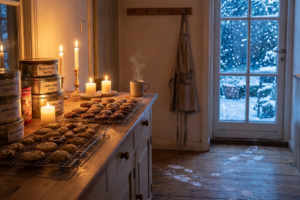
The holiday season in German households has always smelled like something magical. Even before the first candle is lit or the Advent wreath is hung, the kitchen becomes the heart of Christmas—warm, flour-dusted, and alive with tradition.
Generations gather around wooden tables, rolling dough, grinding spices, and retelling stories that feel as old as the recipes themselves.
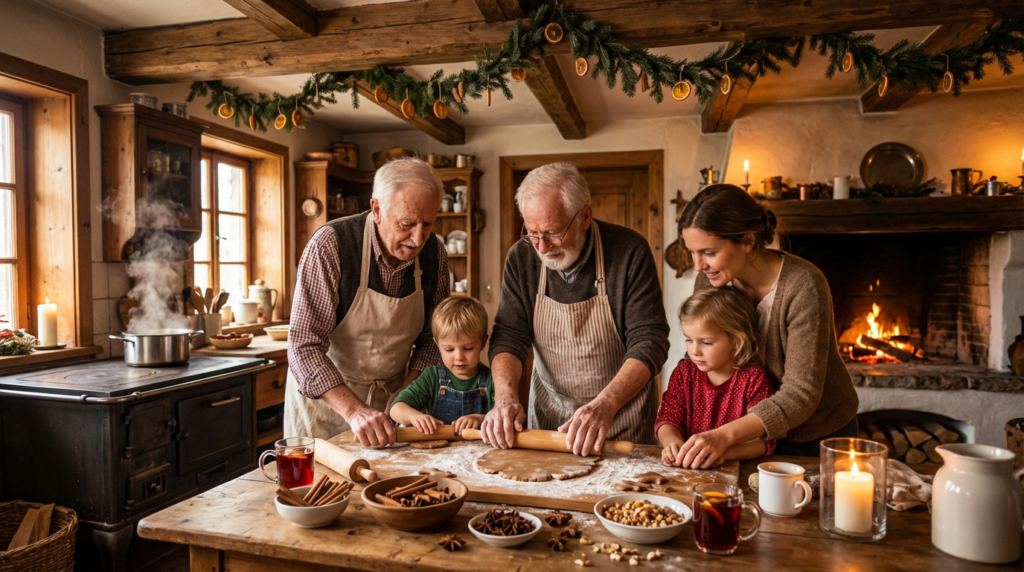
German holiday baking is not just about desserts; it is about memory, rhythm, and ritual. Recipes are rarely written in modern measurements. Instead, they are passed down as instructions like “until it feels right” or “bake until it smells like Christmas.”
These sweets marked the seasons long before electric ovens and store-bought spice mixes, reminding families that winter was a time to slow down, gather close, and celebrate together.
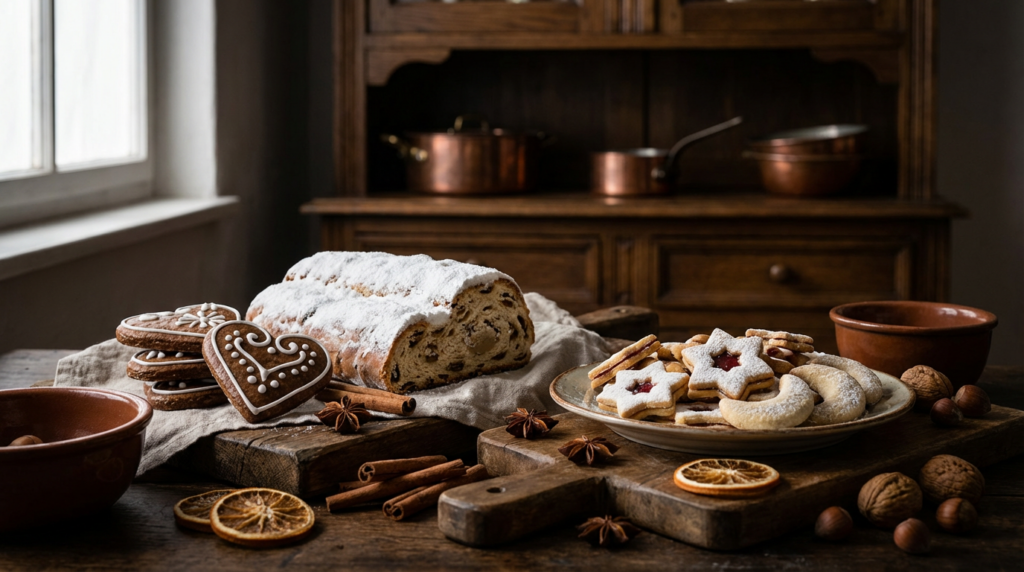
Three baked goods stand above all others in the German Christmas tradition: Lebkuchen, Stollen, and a constellation of regional cookies known collectively as Weihnachtsplätzchen. Each tells a story—not just of flavor, but of geography, faith, migration, and family.
As one old German saying goes:
“Backen ist Liebe, die man essen kann.”
“Baking is love you can eat.”
The Sacred Spice of Christmas: Lebkuchen

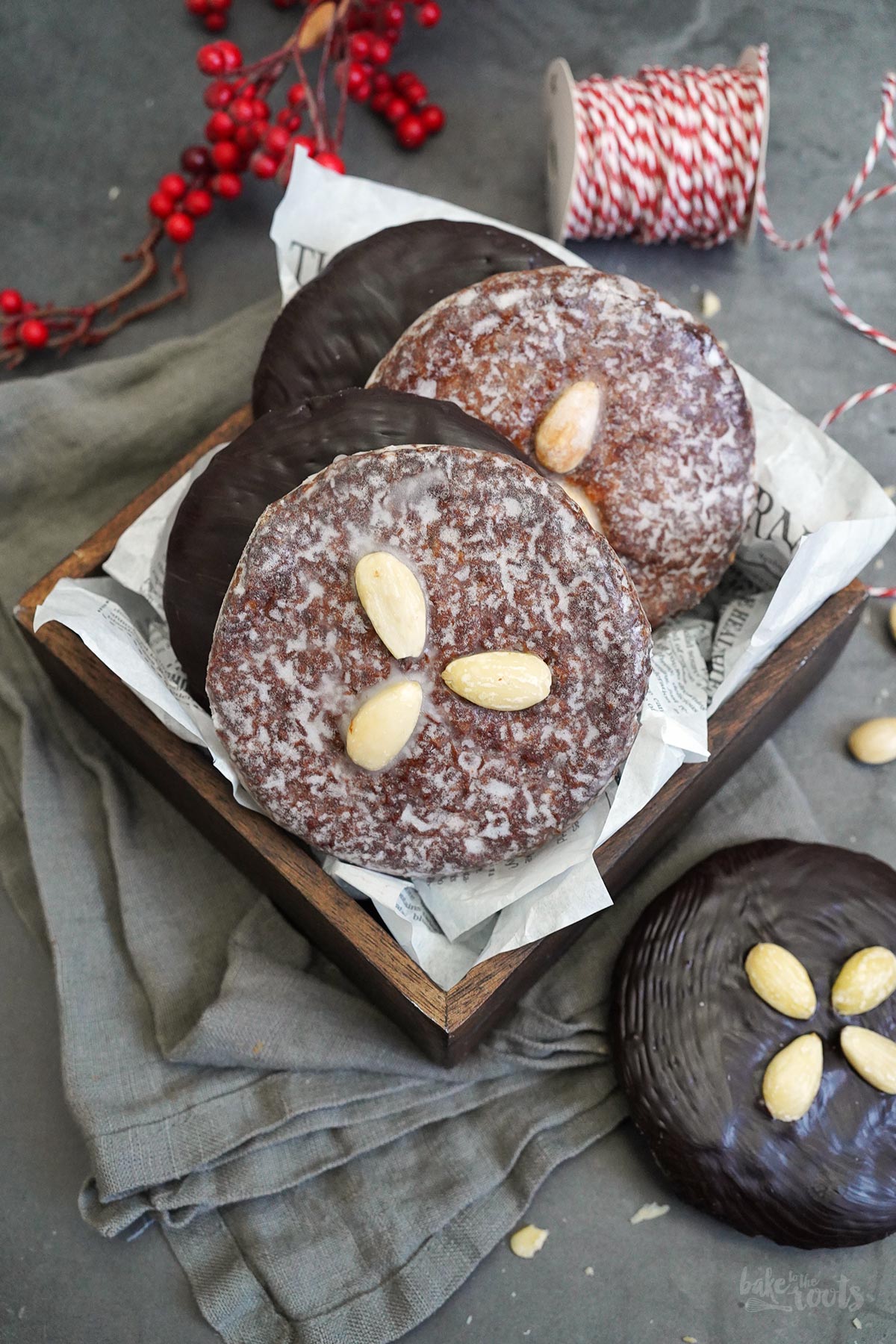
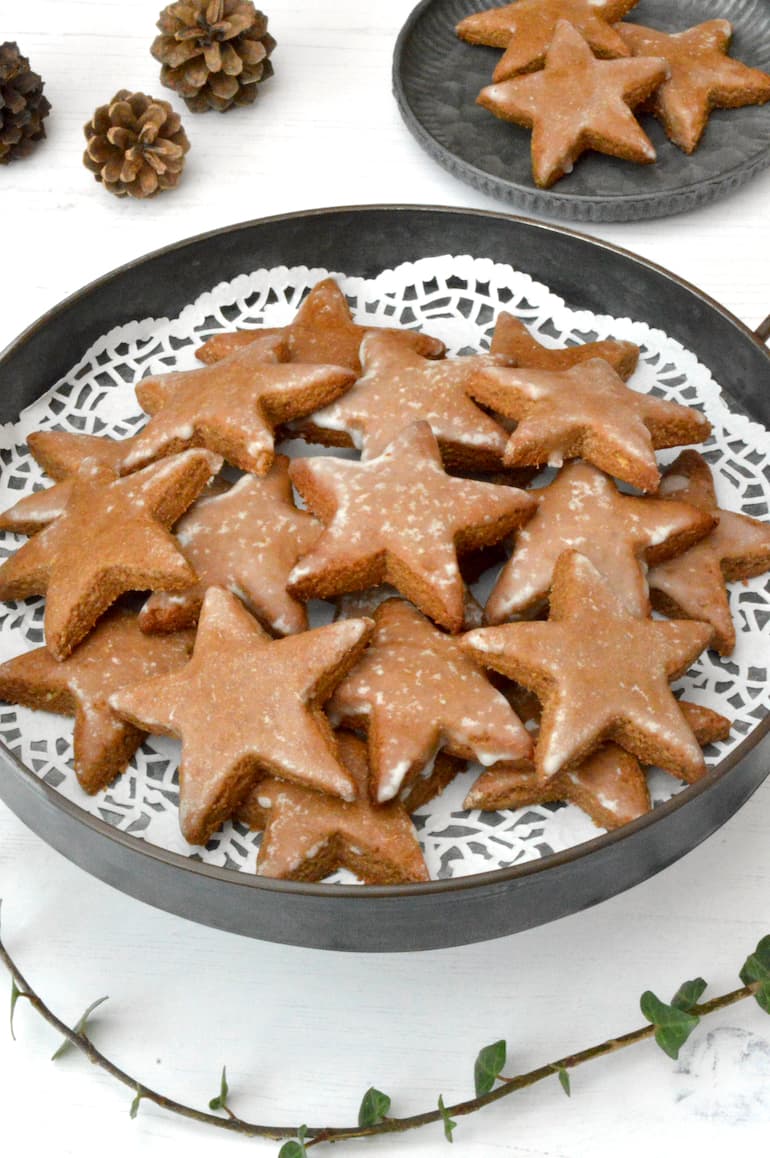
Lebkuchen is often described as German gingerbread, but that comparison hardly does it justice. Dating back to the Middle Ages, Lebkuchen emerged in monastery kitchens, where monks blended honey, nuts, and imported spices believed to have medicinal qualities. These spices—cinnamon, cloves, cardamom, nutmeg, ginger, and anise—were precious commodities, making Lebkuchen a luxury reserved for sacred seasons.
The most famous Lebkuchen comes from Nuremberg, where the city’s location along medieval spice trade routes ensured access to exotic flavors. Authentic Nürnberger Lebkuchen often contains little to no flour, relying instead on ground almonds or hazelnuts for structure. The result is soft, aromatic, and deeply complex.
Lebkuchen isn’t rushed. Dough often rests for days or even weeks, allowing flavors to deepen. Baking Lebkuchen became an Advent ritual—made early, stored carefully, and brought out slowly as Christmas approached. Some families brush them with sugar glaze; others dip them in dark chocolate. Some shape them as simple rounds, while others form hearts with piped messages of love.
“When the Lebkuchen come out, Christmas is no longer a promise—it’s here.”