New Year, Old World Roots: 10 German-American Traditions That Still Shape January in the USA

January arrives quietly. The lights of the holidays come down, the crowds thin out, and winter settles in. But for millions of Americans with German roots, January has never been an empty month. It is a time of reflection, renewal, comfort, and connection — values deeply embedded in German culture and carried across the Atlantic by generations of immigrants.

Long before New Year’s resolutions became trendy, German families practiced intentional living: gathering indoors, honoring ancestry, cooking warming foods, and planning carefully for the year ahead. Those traditions didn’t disappear in America — they adapted. Today, they still quietly shape how German-American communities experience January across the United States.

From cozy winter meals to cultural clubs, ancestry research to budget-smart travel planning, these traditions continue to influence everyday life in ways many people don’t even realize. January, in many ways, is where German heritage feels most at home.

“Traditions are not about holding onto ashes, but about passing on the fire.” — Gustav Mahler

What follows are 10 German-American traditions that still shape January in the USA, connecting old-world roots to modern American life — and reminding us that heritage doesn’t need a festival crowd to stay alive.


1. New Year Reflection & Intentional Living

In German culture, the New Year has long been a time for Besinnung — thoughtful reflection. Rather than loud declarations or instant transformation, German-American families traditionally approach January with patience and practicality.

This shows up today in:

  • Quiet goal setting instead of flashy resolutions
  • Financial planning after the holidays
  • Family discussions about priorities for the year ahead

German immigrants emphasized discipline, preparation, and responsibility — values that still guide how many families approach January budgeting, travel planning, and lifestyle resets.


2. The Winter Art of Gemütlichkeit

 

https://cassiefairy.com/wp-content/uploads/2021/12/christmas-interior-design-festive-inspiration-decorations-hiermitmir-5-1024x768.jpg

Few German words have traveled as beautifully as Gemütlichkeit. It describes warmth, belonging, comfort, and togetherness — especially during winter.

In January, Gemütlichkeit lives on through:

  • Home-cooked meals shared indoors
  • Small gatherings instead of large events
  • Coffee, cake, conversation, and candles

Across German-American homes — from the Midwest to Texas — winter isn’t something to escape. It’s something to settle into.

“Happiness isn’t loud — it’s warm.” — German proverb


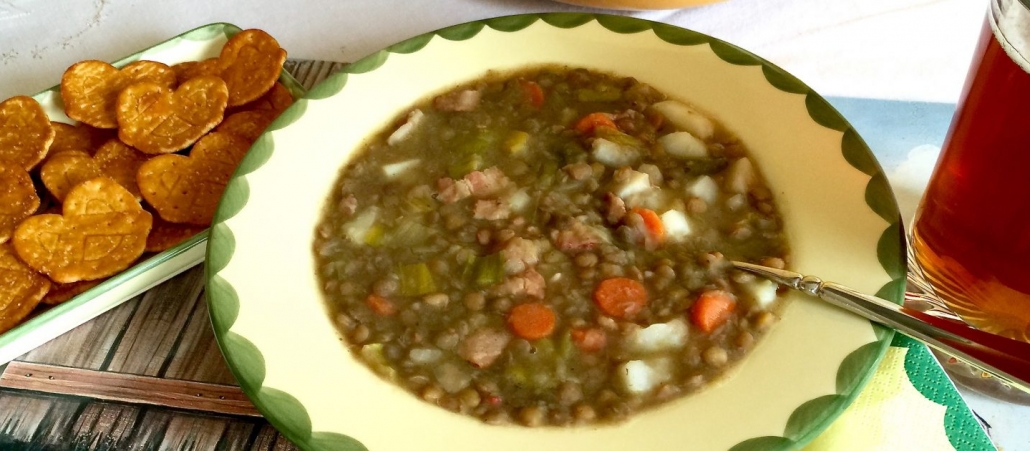
3. Hearty Winter Comfort Foods

 

https://mydinner.co.uk/wp-content/uploads/2023/01/German-Cabbage-Soup-1.jpg

January is prime season for traditional German comfort food. Long before refrigeration and grocery chains, winter meals were designed to nourish, preserve, and sustain.

Still common in German-American kitchens:

  • Sauerkraut and sausages
  • Potato soups and cabbage dishes
  • Dumplings, rye bread, and root vegetables

These foods weren’t indulgences — they were survival recipes that became family traditions. Today, they bring comfort after the holidays and remind families of shared ancestry.

» Read more

Sylvester Night in the USA: German New Year’s Traditions Americans Love

Long before the Times Square ball drops or champagne corks fly at midnight, German families have their own deeply rooted way of welcoming the New Year. Known as Silvester (or Sylvester Night), December 31st is not just a countdown—it’s a night rich with symbolism, superstition, food, laughter, and a hopeful look toward what lies ahead.

When German immigrants arrived in the United States, they brought these traditions with them. Over generations, many of these customs quietly blended into American New Year’s celebrations—sometimes unchanged, sometimes adapted—but always carrying the same intent and refreshing spirit that became their new normal tradition: leave the old year behind and step boldly into the new one.

Today, from Midwest farm towns to urban neighborhoods, German-inspired New Year’s rituals are alive and well. Some Americans practice them knowingly, others without realizing their origins. Together, they form a fascinating cultural bridge between old Europe and modern America.

As the Germans say:

“Ein neues Jahr heißt neue Hoffnung, neues Licht, neue Gedanken.”
“A new year means new hope, new light, new thoughts.”


What Is Sylvester Night?

In German tradition, New Year’s Eve is called Silvester, named after Pope Sylvester I, who died on December 31 in 335 AD. Unlike Christmas, which centers on family and faith, Sylvester Night is playful, loud, and often a little mischievous.

It’s a night of:

  • Noise to scare away bad spirits
  • Food meant to bring luck
  • Games and fortunes to predict the year ahead
  • Togetherness before the clock strikes twelve

These traditions crossed the Atlantic with German immigrants throughout the 18th and 19th centuries, especially to Pennsylvania, the Midwest, Texas, and parts of the Plains. Over time, they became part of the American New Year’s experience—sometimes under different names.


A Noisy Welcome: Fireworks, Bells, and Banging Pots

https://www.tripsavvy.com/thmb/rzDlaINk9htWGCV3oi_IBEL5hCY%3D/1500x0/filters%3Ano_upscale%28%29%3Amax_bytes%28150000%29%3Astrip_icc%28%29/colognenewyearssilvesterGettyImages-1088903992ChanachaiPanichpattanakij-5fa1387f5819414487be6b6a25a2b0d9.jpg
https://www.visittheusa.com/sites/default/files/styles/hero_l/public/images/hero_media_image/2017-05/c623fd969e2ea5b12c0c2a61351b9bdf.jpeg?h=57322256&itok=Npnal_ar
https://assets.simpleviewinc.com/simpleview/image/upload/q_75/v1/crm/fairbanks/DSC05156_A83D49B1-5056-A36A-0BDCF1BBF18E7CE8_a83eba27-5056-a36a-0ba5ec422ccf845a.jpg

If you’ve ever wondered why New Year’s Eve is so loud, you can thank German folklore.

In old European belief, loud noises chased away evil spirits lingering from the old year. Church bells rang, whips cracked, pots were banged, and eventually fireworks became the centerpiece of the night. When Germans settled in America, this love of noise followed them.

Today, fireworks are a universal American New Year’s tradition—especially in cities, riverfronts, and even rural towns. While Americans may see fireworks as pure celebration, their roots trace back to this age-old German belief: noise cleanses the future.


Good Luck on the Plate: Pork, Sauerkraut, and Lentils

https://wildbrine.com/wp-content/uploads/2018/12/why-sauerkraut-on-new-years-day2.jpg
https://www.theomaway.com/wp-content/uploads/2015/12/IMG_1866-1-1030x451.jpg

» Read more