Celebrate German American Day: Honoring Heritage and Tradition
There’s something special about being German American — a sense of pride that runs deep in the heart, from our strong work ethic and craftsmanship to our love of good food, hearty laughter, and family gatherings.

Every October, millions of Americans across the country pause to recognize the profound impact of German culture on our nation. From the hardworking immigrants who helped build America’s towns and farms to the enduring traditions of food, music, and craftsmanship they brought with them, German heritage runs deep in the American story.

Festivals, parades, and family gatherings fill the month with the sound of polka music, the aroma of bratwurst and pretzels, and the clinking of steins raised in celebration. It’s a time to honor the values of community, perseverance, and pride that German Americans have woven into the fabric of our nation’s history and culture.

That’s right — October 6th is German American Day, and the entire month of October is German American Heritage Month.

— let’s dive into the fascinating story behind German American Day, meet some famous German Americans who helped shape the nation, and explore fun ways to celebrate your heritage (even if you’ve only got a little bit of German blood in you!).


🏛️ The Origins of German American Day

German American Day didn’t appear out of thin air — it’s rooted in a rich history that began centuries ago, when the first German immigrants set foot in the New World.

The story begins on October 6, 1683, when thirteen German families from Krefeld, near the Rhine River, arrived in Philadelphia aboard the ship Concord. They established a small settlement called Germantown, now part of modern-day Philadelphia.

These pioneering families came seeking freedom, opportunity, and a new life, bringing with them strong values that would forever shape American society — hard work, craftsmanship, faith, education, and a love of community.

Germantown flourished, becoming the birthplace of many firsts in American history:

  • The first paper mill in the colonies.
  • The first anti-slavery protest in the New World (in 1688 — nearly 100 years before the American Revolution).
  • And the first German-language newspaper in the colonies.

The success of Germantown inspired a steady wave of immigration throughout the 1700s and 1800s, with Germans settling across Pennsylvania, New York, Ohio, Wisconsin, the Dakotas, Iowa, Nebraska, Minnesota, Indiana, Missouri, Texas, Louisiana, and California.

By the mid-19th century, German Americans were one of the largest ethnic groups in the country — and their influence was everywhere, from farming and industry to politics, science, and culture.


President Ronald Reagan and the Revival of a Tradition

While German contributions to America had long been celebrated locally — especially through Oktoberfests and regional festivals — the formal recognition of German American Day as a national observance didn’t come until the 1980s.

In 1983, on the 300th anniversary of Germantown’s founding, President Ronald Reagan officially proclaimed October 6th as “German American Day.” The goal was to honor the achievements of German immigrants and their descendants in shaping the United States.

Then, in 1987, Congress passed a joint resolution (H.J. Resolution 108), which President Reagan signed into law — officially designating October 6th as German American Day every year.

In his proclamation, Reagan praised the German people’s “profound faith, strong family values, and deep respect for liberty and law,” noting that German Americans had played an essential role in “the building of the American nation.”

From that day forward, the annual observance became an opportunity for millions of Americans to reconnect with their German roots, share their cultural pride, and celebrate a unique bond between the two nations that continues to this day.
» Read more

Oktoberfest Music, Polka, and Culture: The German Sound of September

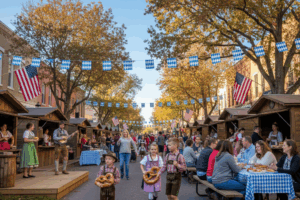
Oktoberfest celebrations are in full swing across the United States, with millions of Americans coming together to embrace the spirit of Bavarian culture. From New York City to San Francisco or Nashville, cities large and small are hosting elaborate Oktoberfest festivals, where beer tents brim with steins of Märzen, and crowds feast on bratwurst, schnitzel, and fresh-baked pretzels.

These events offer more than just food and drink — they create a festive atmosphere where people wear traditional dirndls and lederhosen, participate in stein-holding contests, and gather for ceremonial keg tappings to kick off the party. One of the largest and most iconic Oktoberfest celebrations in the U.S. takes place in Cincinnati, Ohio, where “Oktoberfest Zinzinnati” draws hundreds of thousands of attendees annually. This event transforms the heart of downtown into a vibrant Bavarian village, complete with sausage races, chicken dances, and a wide array of German and German-American culinary delights.

The celebration is a reflection of the city’s deep German roots, as Cincinnati was once home to one of the largest German-American populations in the country. This heritage lives on through traditions passed down from generation to generation.

Oktoberfest Across the USA

Across the nation, the sound of lively polka music and brass-filled Oompah bands fills the air, echoing through beer gardens and town squares alike. Musicians perform on outdoor stages while dancers in traditional attire whirl to the rhythms of folk tunes that have been staples of German culture for centuries. These musical traditions are a cornerstone of Oktoberfest, bridging the gap between generations and creating an atmosphere of joy and shared cultural appreciation that transcends language and background.

Oktoberfest has firmly cemented its place in the landscape of American cultural events, evolving beyond its Munich origins into a uniquely American tradition that celebrates German heritage while inviting everyone to join the fun. From the mountains of Colorado to the beaches of Florida, cities are adding their own local flair to the festivities — integrating regional foods, craft brews, and family-friendly entertainment. The result is a diverse and inclusive celebration that unites communities across the country in a joyful toast to good food, good company, and timeless tradition.

Key Takeaways

  • Oktoberfest is a significant cultural event celebrating German heritage.
  • Bavarian Oompah Bands are a staple of Oktoberfest celebrations.
  • Polka music plays a crucial role in traditional Oktoberfest festivities.
  • Oktoberfest has become a popular cultural event in the United States.
  • German Heritage USA organizations work to preserve and promote German cultural traditions.

The Origins and Evolution of Oktoberfest

Oktoberfest, one of the world’s most celebrated festivals, has its roots in a significant historical event. The origins of Oktoberfest are rooted in a royal wedding celebration that took place in 1810.

From Royal Wedding to Global Celebration

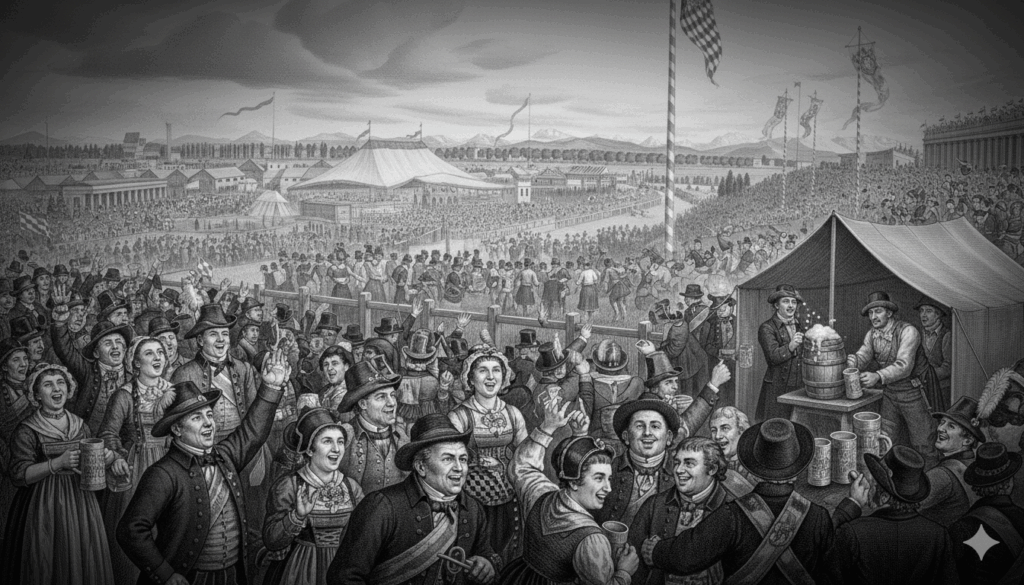
The first Oktoberfest was held on October 12, 1810, in Munich, Bavaria, to commemorate the marriage of Prince Ludwig and Princess Therese. The festivities were a grand success, featuring horse races, music, and dancing, setting the stage for an annual tradition.

The First Oktoberfest in 1810

The initial celebration was a five-day event that concluded with a horse race. The success of this event led to its repetition the following year, establishing the foundation for what would become an enduring cultural tradition.

Evolution into a Cultural Phenomenon

Over the years, Oktoberfest evolved, incorporating various cultural elements. It became a celebration not just of the royal wedding but of Bavarian culture as a whole. Traditional music, folk dances, and local cuisine became integral parts of the festivities.

» Read more