The Santa Debate: Weihnachtsmann vs. Christkind — Which One Does America Follow?
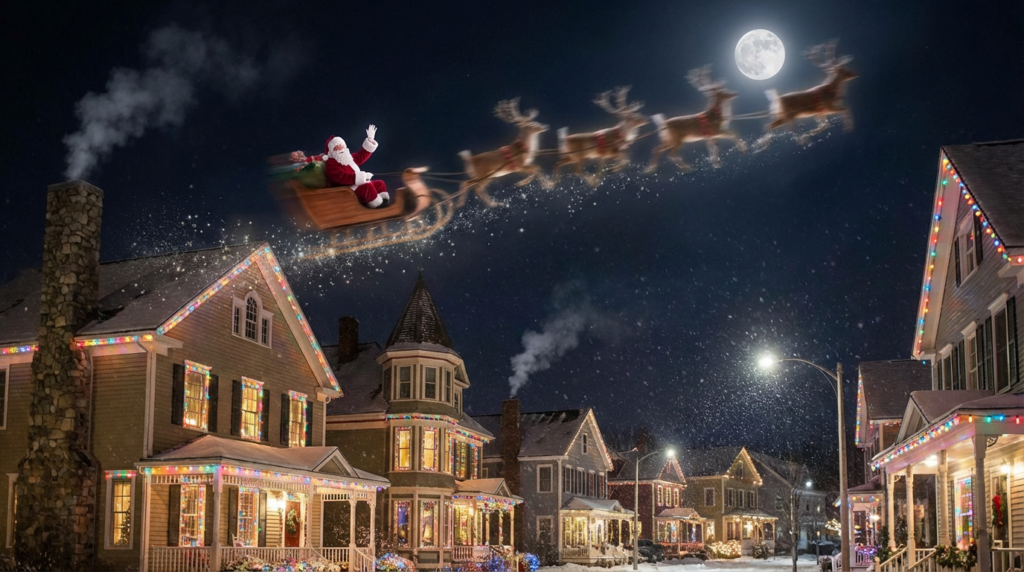
For many Americans, Christmas arrives on the boots of a jolly, red-suited man with a snow-white beard, a belly laugh, and a sleigh pulled by reindeer.
He slides down chimneys, leaves gifts under the tree, and signs his name simply: Santa. But across the Atlantic—and in many German-American homes—the story of who brings Christmas joy is more nuanced, older, and far more symbolic.
Germany, Austria, Switzerland, and German-speaking regions have long debated who delivers the magic of Christmas. Is it Weihnachtsmann, the fur-clad Father Christmas figure shaped partly by folklore and partly by modern culture? Or is it the Christkind, the angelic Christ Child rooted in Christian tradition and Reformation history? When Germans immigrated to America in the 18th and 19th centuries, they didn’t just bring tools, language, and recipes—they brought their Christmas beliefs, too.
Today, America overwhelmingly celebrates Santa Claus—but beneath the surface, the echoes of Weihnachtsmann and Christkind still ring through carols, customs, and communities. So which one does America really follow? The answer is more fascinating than a simple red suit versus angel wings.
From Europe to the New World: Two Gift-Givers, Two Philosophies
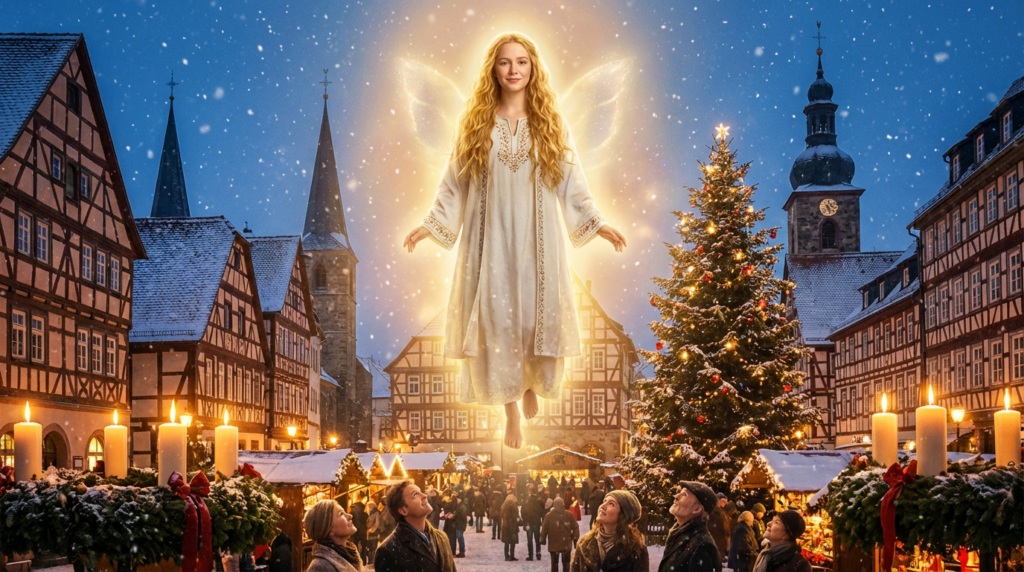
The Christkind emerged in the 16th century during the Protestant Reformation. Martin Luther promoted the Christ Child as a way to refocus Christmas on the birth of Jesus rather than the veneration of saints. The Christkind—often depicted as a glowing, angelic child with golden hair—was said to quietly deliver gifts on Christmas Eve.
Weihnachtsmann, by contrast, developed later as a secular winter figure influenced by Saint Nicholas, local folklore, and eventually global commercial imagery. He was less overtly religious, more approachable, and adaptable—qualities that would later make him a perfect fit for American culture.
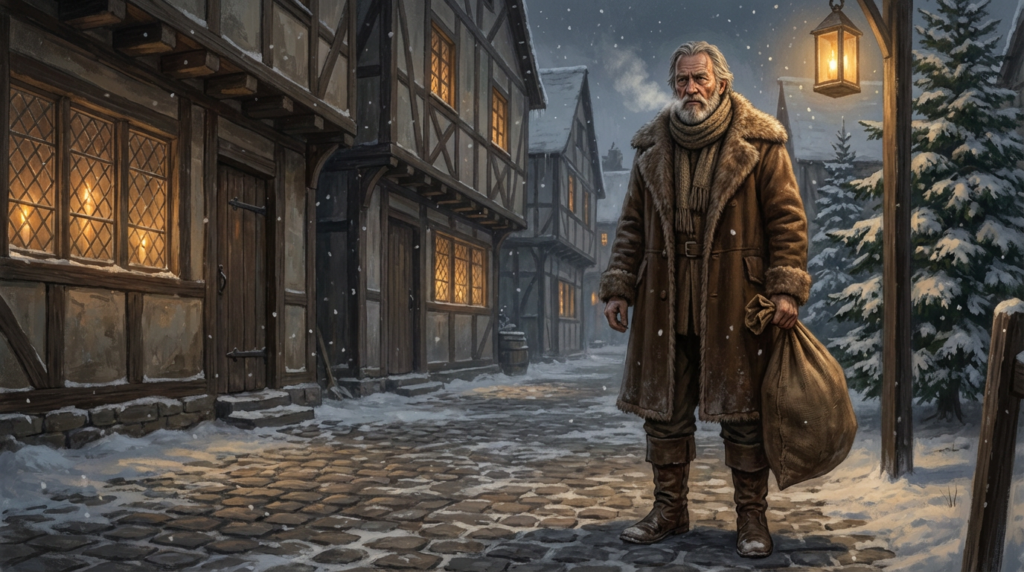
German immigrants carried both traditions with them when they settled in Pennsylvania, Ohio, the Midwest, and Texas. In the early days of America, it wasn’t unusual to find Christkind celebrations alongside Saint Nicholas Day (December 6) and Weihnachtsmann traditions—sometimes all within the same town.
“Christmas traditions don’t disappear when people migrate—they evolve.”
— Dr. Ingrid Bauer, German-American Cultural Historian
How Santa Claus Won America’s Heart
By the early 19th century, something remarkable happened in the United States. Different European traditions began blending into a uniquely American figure—Santa Claus.
The Dutch brought Sinterklaas to New Amsterdam (New York). Germans contributed Weihnachtsmann imagery and Christmas trees. English traditions added Father Christmas. Writers like Washington Irving and Clement Clarke Moore (“’Twas the Night Before Christmas”) fused these influences into a single, lovable character. Later, illustrators like Thomas Nast—and yes, commercial advertising—cemented Santa’s modern look.
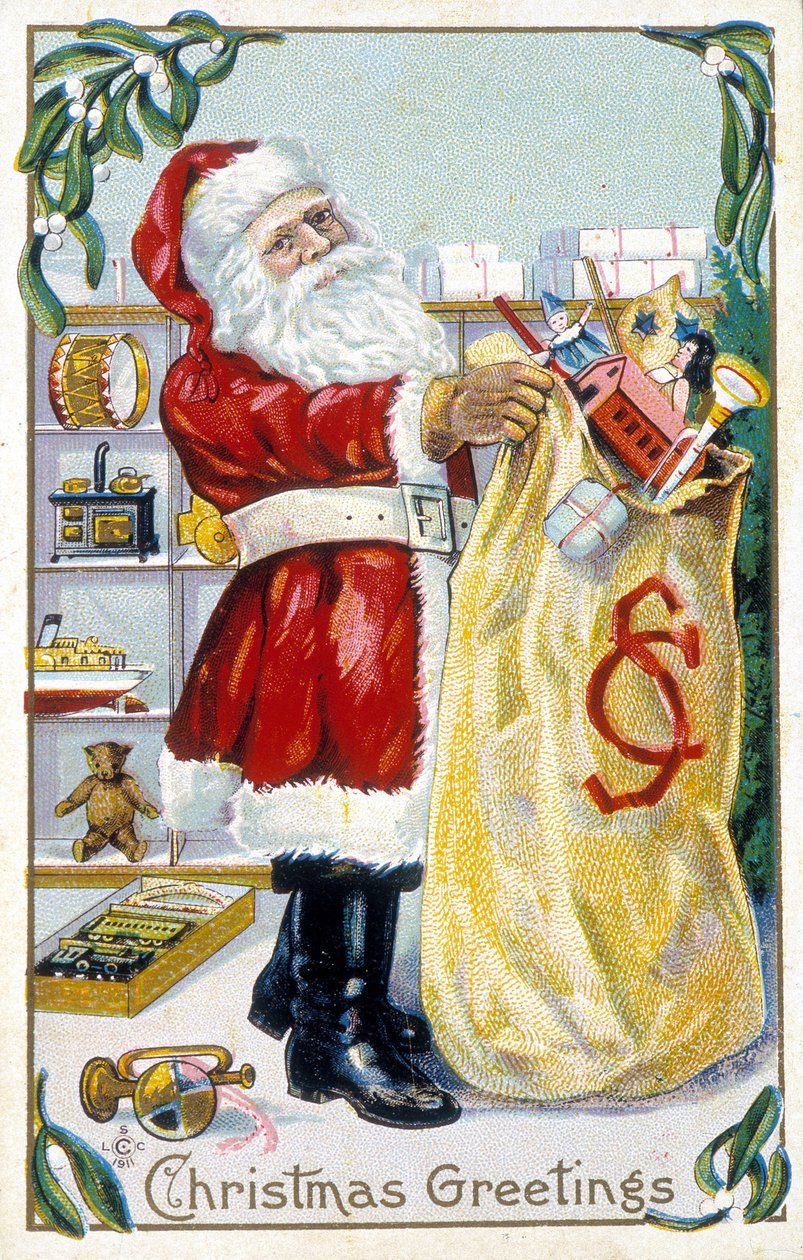

Santa was adaptable. He wasn’t tied to a specific church doctrine. He fit perfectly into America’s growing emphasis on family, childhood wonder, and generosity. Weihnachtsmann’s secular flexibility helped Santa thrive—while Christkind, deeply spiritual and symbolic, struggled to maintain mainstream visibility.
Christkind Lives On—Just Not Everywhere
Despite Santa’s dominance, the Christkind never vanished completely. In fact, it thrives in pockets of America where German heritage remains strong.
Cities like Bethlehem, Pennsylvania, Frankenmuth, Michigan, and New Ulm, Minnesota still celebrate Christkind traditions through Christmas markets (Christkindlmärkte), angelic imagery, and gift-giving customs centered on Christmas Eve rather than Christmas morning.

In these communities, children may still hear bells signaling that the Christkind has come and gone—never seen, only felt. The focus is quieter, more reverent, and deeply rooted in German storytelling.
“The Christkind teaches patience and humility—virtues harder to market, but no less meaningful.”
— Rev. Markus Schneider, Lutheran Pastor
The Christmas Tree: A Silent Winner for German Heritage
If Santa won the spotlight, Germany quietly won the living room.
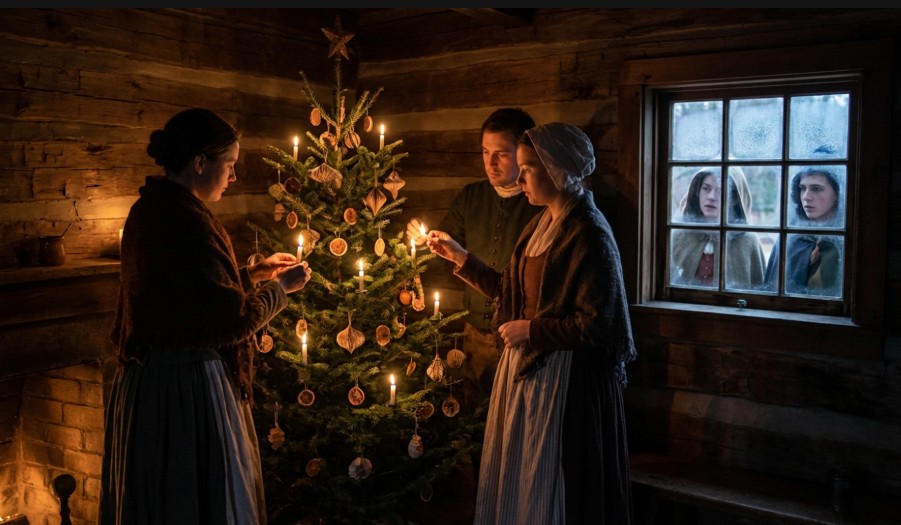
The Christmas tree—der Tannenbaum—is undeniably one of Germany’s greatest cultural exports. Popularized in America by German immigrants and later embraced by Queen Victoria and Prince Albert in England, the decorated evergreen became a universal symbol of Christmas across the U.S.
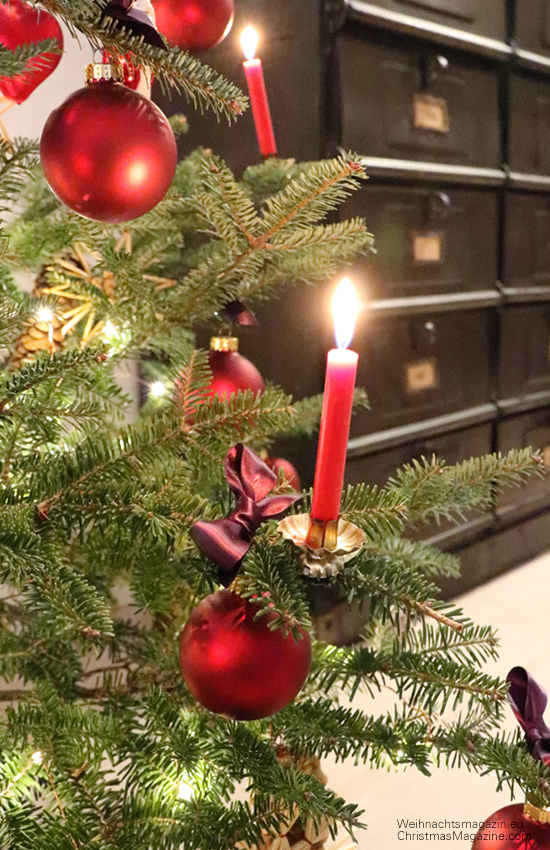
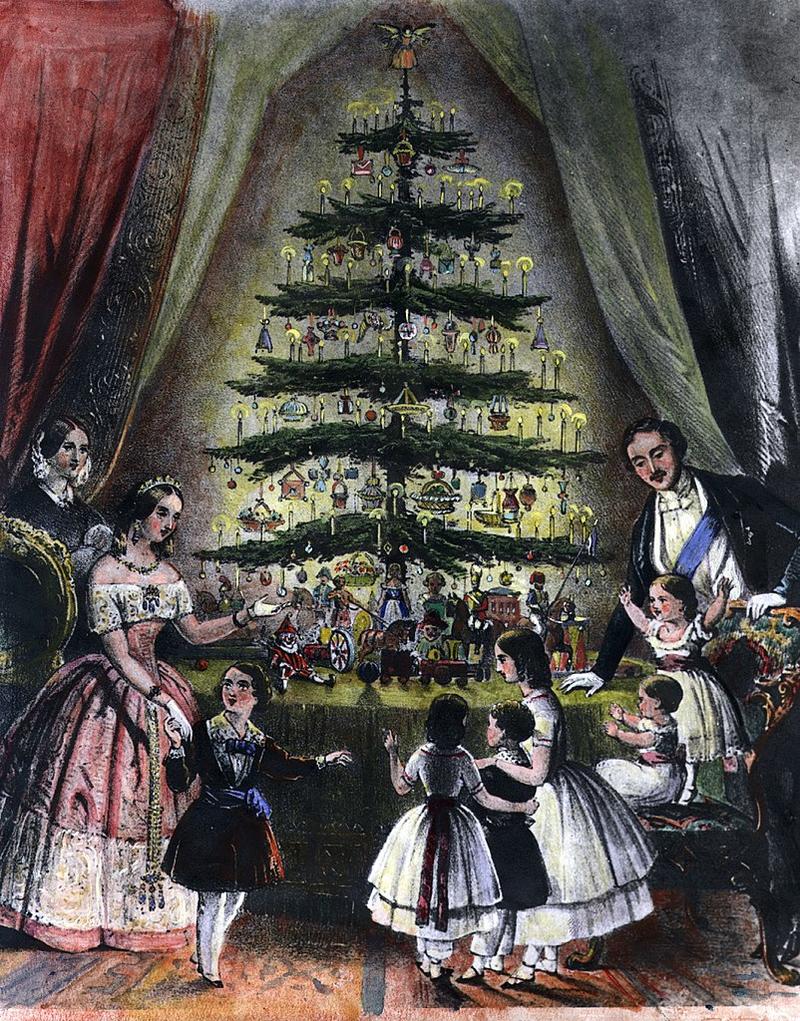
Trees were originally associated with Christkind celebrations, not Santa. Presents were placed beneath them for Christmas Eve, aligning with Christkind’s visit. Even today, when Santa fills the role of gift-giver, the German structure of Christmas remains firmly in place.
Dates Matter: December 6 vs. December 24 vs. December 25
German Christmas traditions don’t revolve around a single magical morning.
- December 6 – St. Nicholas Day: Shoes by the door, small gifts, moral lessons.
- December 24 – Heiligabend (Christmas Eve): Main celebration, gift-giving, church.
- December 25 – Christmas Day: Family, rest, reflection.
America condensed these layered traditions into December 25, aligning with Santa’s overnight visit. Efficiency replaced ritual—but traces of German timing still appear in church services, Advent calendars, and candlelight traditions.

Commercial Christmas vs. Cultural Christmas
There’s no denying that commercialization played a role in Santa’s rise. Weihnachtsmann adapted easily into ads, parades, and films. Christkind—ethereal, religious, and unseen—did not.
But the resurgence of German-style Christmas markets across America suggests a renewed hunger for authenticity. From Chicago to Denver to San Antonio, Americans are sipping Glühwein, buying hand-carved nutcrackers, and rediscovering Old World charm.
This isn’t a rejection of Santa—it’s an expansion of the story.
So… Which One Does America Follow?
Officially? Santa Claus.
Culturally? A German hybrid.
Spiritually? It depends on the household.
America follows Santa in image and timing—but follows Christkind and Weihnachtsmann in structure, symbolism, and soul. The Christmas tree, Advent season, candles, carols, markets, and even the idea of a benevolent gift-bringer are deeply German at their roots.
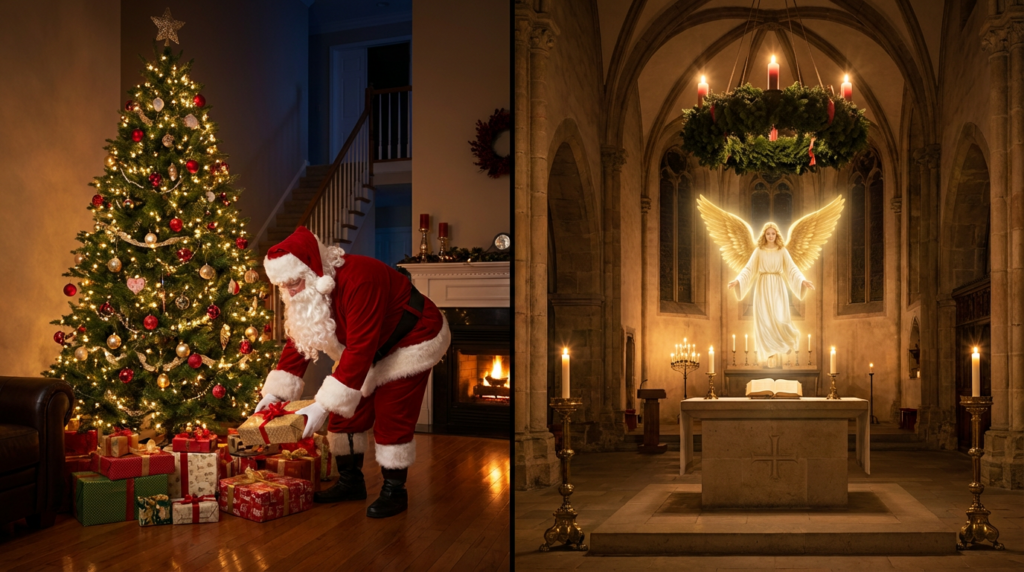
Perhaps the real winner of the Santa Debate isn’t a single figure at all—but the German-American fusion that created a holiday bigger than either tradition alone.
“Christmas in America isn’t German or American—it’s German-American.”
And that may be the greatest Christmas gift Germany ever gave the United States.
Frohe Weihnachten from German Heritage USA!