The Real Story of the German Christmas Pickle and Its American Start
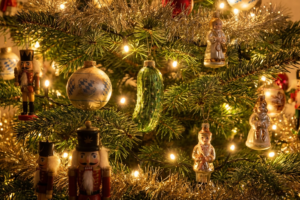
Few Christmas ornaments carry the mystery, charm, and emotional weight and uncertainty of the so-called German Christmas Pickle, that green glass gherkin tucked deep into the branches of holiday trees across America. Children hunt for it each Christmas morning, hoping for a reward—an extra present, a year of good fortune, or simply the honor of “finding the pickle.”

But behind this playful ritual lies a story far deeper than a quaint holiday legend. Its roots stretch from Bavarian hillsides to the horrors of a Civil War prison, and from the craft villages of Germany to the bustling storefronts of America’s first nationwide retail empire.

This is the real story—part history, part heritage, part reminder of the human capacity for gratitude—even in the darkest places.


A Bavarian Soldier on American Soil

The heart of the Christmas Pickle story begins not with a myth, but with a man.

John C. Lower, born in Bavaria, immigrated to the United States before the outbreak of the American Civil War. When conflict erupted, Lower enlisted with the Federal Union forces, eventually serving as a quartermaster—a role steeped in logistics, resource management, and discipline.
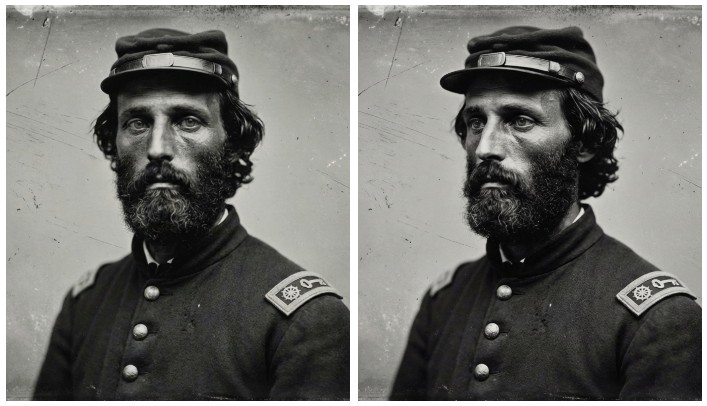
It is easy to imagine a young Bavarian immigrant believing that military service would both prove his loyalty to his adopted country and secure a better life after the war. Yet, as happens so often in history, fate carved a harsher path.

Captured in 1864, Lower was sent to Andersonville Prison—one of the most infamous prisoner-of-war camps in American history.


Andersonville: The Shadow of Suffering

Officially named Camp Sumter, Andersonville was designed for 10,000 prisoners. By the summer of 1864, it held more than 33,000. Disease, starvation, contaminated water, and exposure were daily realities.
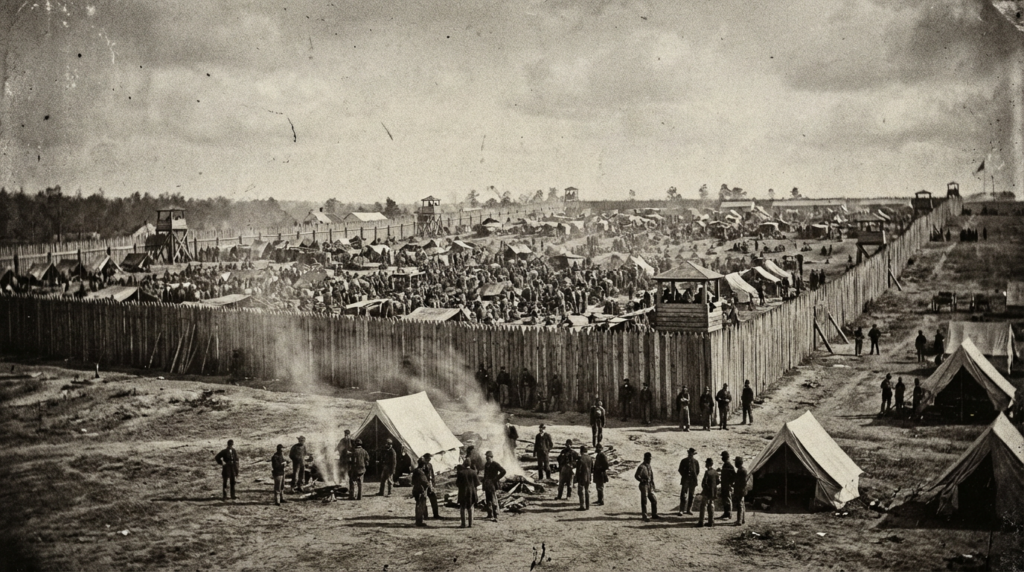
Survivors would later say that Andersonville pushed the human spirit to its edge.
Each day felt like a negotiation between despair and determination,” one former prisoner wrote—a sentiment that captures the environment Lower confronted.

It was there, in the most unlikely of places, that a small act of compassion occurred—an act that would echo for generations.


The Pickle That Became a Lifeline

According to family accounts, passed down for decades, a Confederate guard noticed Lower’s deteriorating condition on a bleak Christmas Eve. Perhaps the guard saw a young man far from home. Perhaps hunger softened even the hardest wartime lines. Whatever the motivation, he offered Lower a simple pickle—half eaten, yet wholly meaningful.

It was not merely food. It was a reminder of humanity.

Lower reportedly later reflected that the unexpected gift gave him “a spark of hope I had not felt in months.” Whether from its nutrition or its symbolism, the pickle helped him regain strength. More importantly, it rekindled his will to survive.

This was the moment that transformed an ordinary vegetable into a symbol of gratitude, endurance, and new beginnings.
» Read more

Christkindl Markets in America: Where German Holiday Magic Begins

When winter’s first frost whispers across the land, and the warm glow of string-lights highlights the silhouettes of evergreen branches, something enchanting descends.

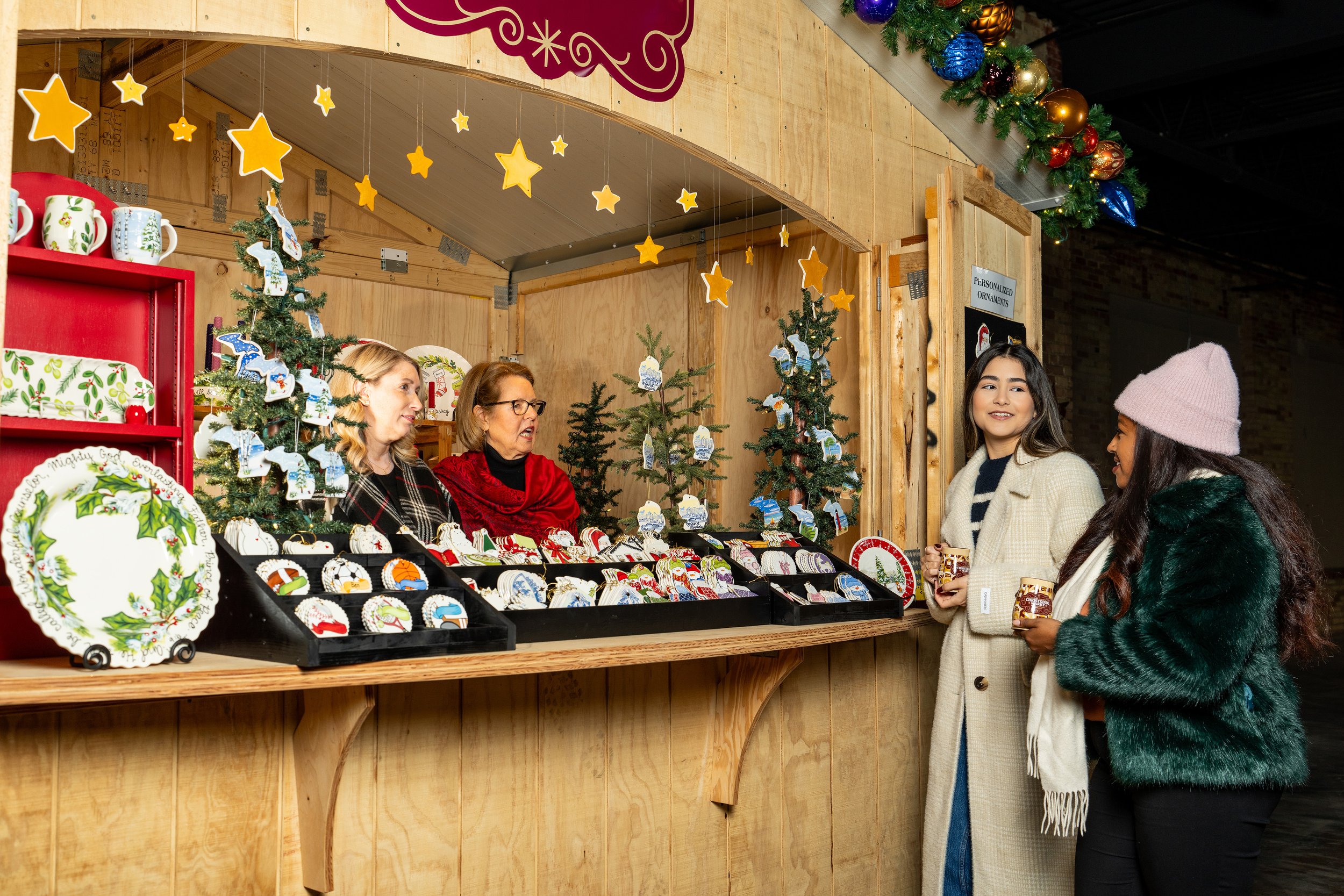
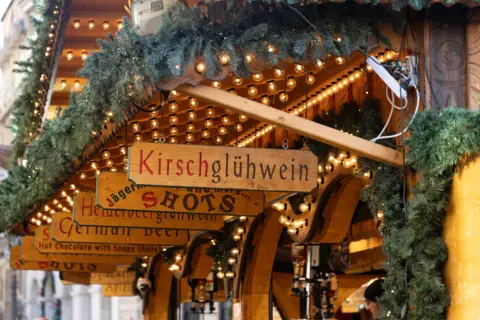
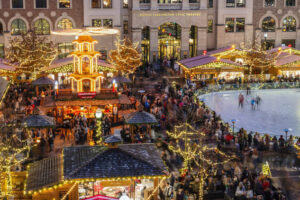
German-style Christmas markets—Christkindl Markets—popping up across the United States. These marvels of mayhem turned magic bring a breath of Bavaria (or Dresden, Nuremberg, Munich) into American towns large and small… where the smell of roasted nuts mingles with mulled wine, where handcrafted wooden toys meet twinkling stalls, and where holiday cheer wraps you in a German-style hug.

Whether you’ve grown up with German roots, you’re a lover of holiday lights, or you simply savor a warm pretzel and glühwein (mulled wine) any chance you get… then these markets are your winter pilgrimage. They are where German holiday magic begins in America.

https://i0.wp.com/pokylittlewanderer.com/wp-content/uploads/2019/12/Photo-Dec-18-10-57-13-AM-scaled.jpg
https://images.squarespace-cdn.com/content/v1/63176960beaa910790fa7f79/66d49de9-21d9-48aa-94f7-0866f4c6be9e/20231010_Christkindl_Markt_Shopping_008_sm.jpg

A Glimpse Back: The Christkindl Market Tradition

https://images.nordbayern.de/image/contentid/policy%3A1.2227766%3A1535614717/1962004803.jpg?%24p%24f%24h%24m%24w=4ed0b2c&f=3%3A1&h=640&m=FIT&w=2000
https://upload.wikimedia.org/wikipedia/commons/thumb/8/8d/Christkindlesmarkt_nuernberg.jpg/330px-Christkindlesmarkt_nuernberg.jpg
https://ichef.bbci.co.uk/news/480/cpsprodpb/6bb0/live/0abe3de0-945b-11f0-9cf6-cbf3e73ce2b9.jpg.webp

The tradition of the Christkindl market (Weihnachtsmarkt in German) stretches back centuries in Europe. One of the most storied is the Christkindlesmarkt of Nuremberg in Nuremberg, Germany, whose official charter goes back to 1628. (Though many believe informal markets preceded that date.) Over time, towns across Germany, Austria and Switzerland adopted this distinctive holiday expression: wooden huts, handmade goods, festive lights, mulled wine, carolers, the Christkind (angelic gift-bringer) and a sense of community.

When German immigrants made their way to the United States across the 18th and 19th centuries, they brought many things: Christmas trees (yes, a German innovation), Advent calendars, St. Nicholas tradition, and eventually the idea of open-air holiday markets. However, it is only in recent decades that America began embracing the full scale of a German-style Christkindl market.

Now, from Indianapolis suburbs to the American South, the concept thrives. These markets act as cultural bridges—connecting visitors to Germanic heritage, craftsmanship, food traditions, and the spirit of gemütlichkeit (coziness & good company).

» Read more

Celebrate St Nicholas Day on December 6th: German-American Style

St. Nicholas Day: A Magical German Tradition

December 6th holds a special place in the hearts of many, particularly those with German heritage. This day, known as St. Nicholas Day or Nikolaustag, is a time of excitement, anticipation, and a touch of magic. Let’s delve into the rich history and traditions associated with this beloved holiday, celebrated both in Germany and among German-Americans in the United States.

The Legend of St. Nicholas

The origins of St. Nicholas Day can be traced back to the 4th century. Saint Nicholas, the real-life inspiration behind the modern-day Santa Claus, was a kind and generous bishop known for his charitable deeds. He was particularly fond of children and often left gifts for them secretly.

The legend of St. Nicholas has evolved over centuries, and in many parts of Germany, he is accompanied by a somewhat fearsome figure known as Krampus. Krampus, a half-goat, half-demon creature, punishes naughty children with switches or even takes them away. This stark contrast between the benevolent St. Nicholas and the menacing Krampus serves as a powerful reminder for children to behave well.

St. Nicholas Day Traditions in Germany

In Germany, St. Nicholas Day is a significant event, especially for children. On the evening of December 5th, children leave their shoes or boots by the door or window, hoping to find them filled with treats the next morning. Good children are rewarded with sweets, small toys, or oranges, while naughty children may receive a bundle of twigs or a piece of coal from Krampus.

The day itself is often celebrated with festive traditions. Families gather to enjoy special treats like St. Nicholas cookies, a type of gingerbread cookie decorated with colorful icing. In some regions, children may dress up as St. Nicholas or Krampus and go door-to-door singing songs and collecting candy.

St. Nicholas Day in the United States

German-Americans have brought the traditions of St. Nicholas Day to the United States, where it continues to be celebrated in various forms. Many families exchange small gifts on this day, and children may write letters to St. Nicholas expressing their hopes and wishes.

» Read more